Friendship And Politics Are Redrawing American Friendships
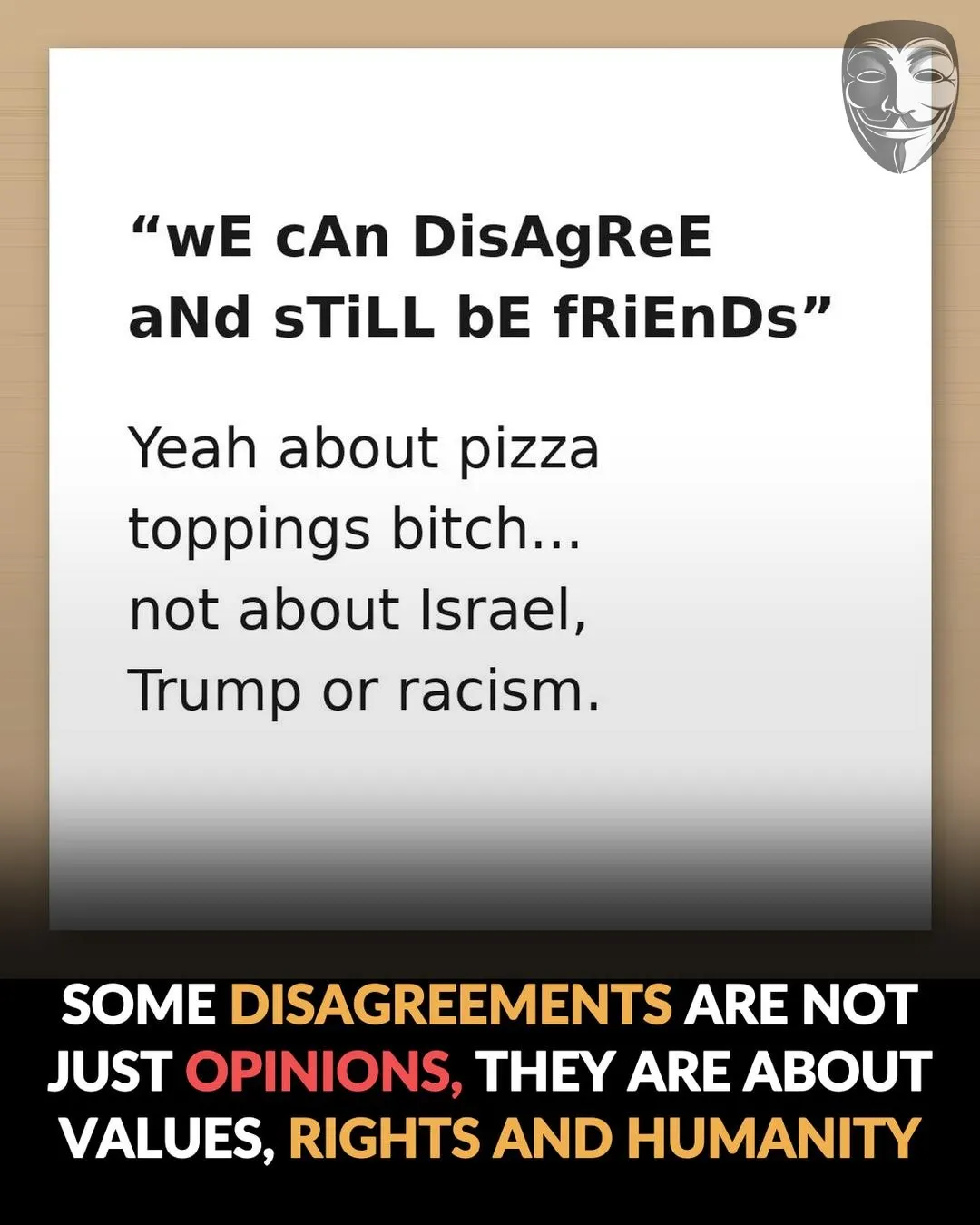
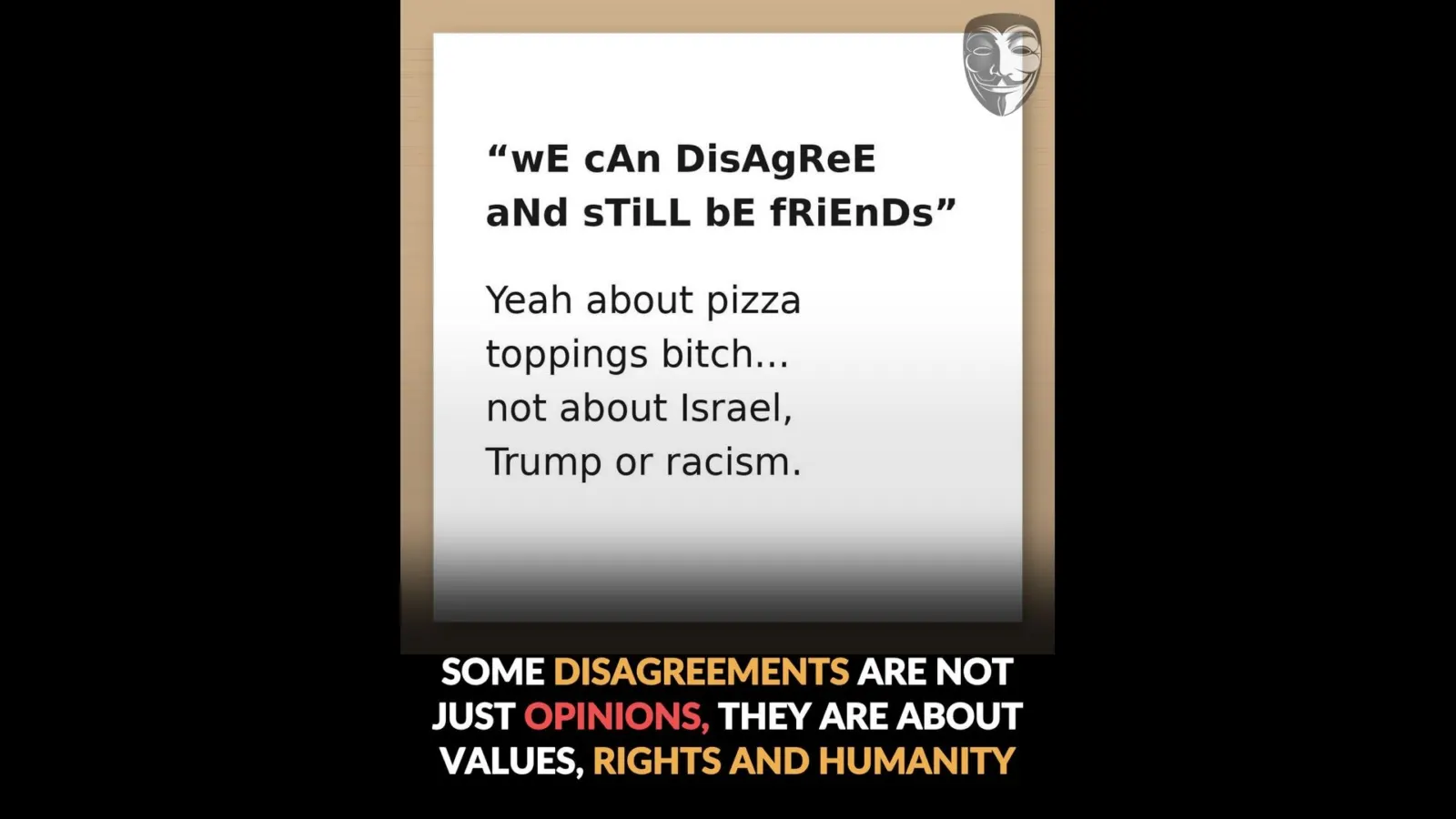
Friendship and politics are now part of everyday life in America, and a short post from The Other 98% has put the feeling into plain words. The post starts with the familiar idea that friends can disagree and still stay friends, then draws a firm line. It says that easy rule works for small things like pizza toppings, but not for Israel, Trump or racism. The message has struck a nerve across the country, and it fits a wider pattern that researchers have been tracking for years.
In the slides ahead we look at why the post has earned more than 11,000 likes and hundreds of comments, and what it says about how Americans handle deep disagreement today. A 2026 study found that more than a third of Americans have lost a relationship over political differences, and surveys keep finding that most people call political talks with people who disagree stressful and frustrating. For more on how politics is shaping daily life, read our report on the fight over voter ID rules and our story on what happened when Mark Hamill thought about leaving the country.
References:
Tennessean: Americans are increasingly divided. How do we bridge the gap?
Skeptic Research Center: Severing Social Ties Over Political Disagreements: An Update With New Data
Fox News: DAVID MARCUS: Listen to Jon before you gobble turkey with Trump-hating loved ones
Adweek: Social Media Users Worn Out, Stressed Out by Political Content (Report)
The Post That Put Friendship And Politics Into Words

The Other 98% shared a text post that begins with a line everyone has heard, that friends can disagree and still be friends. Then the post turns that idea on its head and says some disagreements are not just opinions, because they touch values, rights and humanity. The plain wording is part of its power, since it says out loud what many people have felt but struggled to explain. For more on the political mood, read our report on the latest developments under the Trump administration and our story on the bill meant to stop a presidential self pardon.
Why Pizza Toppings Are Easy To Forgive

Pizza toppings are the classic small disagreement, the kind friends can laugh about and move past in seconds. One person loves pineapple and another thinks it has no place on a pizza, yet nobody ends a friendship over it. The post uses that light example to show how easy it is to disagree when nothing important is at stake. For more on the lighter side of public life, read our story on the reporter who started over after a network cut ties and our report on the warning about military use on domestic soil.
Where Friendship And Politics Draw A Line
The post names three topics where the easy rule stops working, and each one carries real weight for the people involved. Israel, Trump and racism are not small tastes or habits, since they touch how people see fairness, safety and human dignity. When a disagreement reaches that level, staying silent can feel like agreement, and speaking up can feel like a risk. Read more in our report on the historic vote on the Greenland deal and our story on the senator who called the president the most corrupt in history.
More Than 11000 Likes And Hundreds Of Comments

The post has earned more than 11,000 likes and hundreds of comments, which shows how many people recognized their own lives in it. A short text post does not usually travel that far unless it names something people already feel. The comments suggest that readers are not just agreeing, they are sharing stories of their own friendships under strain. For more on the stories gripping readers, see our report on the memoir about the border czar label and our story on the threat to revoke a comedian citizenship.
What The 2026 Study Says About Friendship And Politics

A 2026 study found that more than a third of Americans have lost a relationship over political differences, a number that turns a feeling into a fact. Losing a friend over politics is no longer a rare story told at parties, since it has happened to millions of people across the country. The study gives weight to the post, because it shows the line it draws is one many people have already crossed. Read our report on the vice president and his attack on Senate Democrats and our story on the Alaska talks with Putin.
Why Political Talks Feel So Stressful

Surveys keep finding that most people call political talks with people who disagree stressful and frustrating, and that reaction is easy to understand. A talk about politics can feel like a test of character, not a simple exchange of views. When both sides care deeply, every word can sound like a judgment, and the conversation can turn tense in minutes. For more on the mood of the country, read our story on the plan to patrol D.C. with police and troops and our report on the questions about a thousand data centers.
The Holiday Table Test
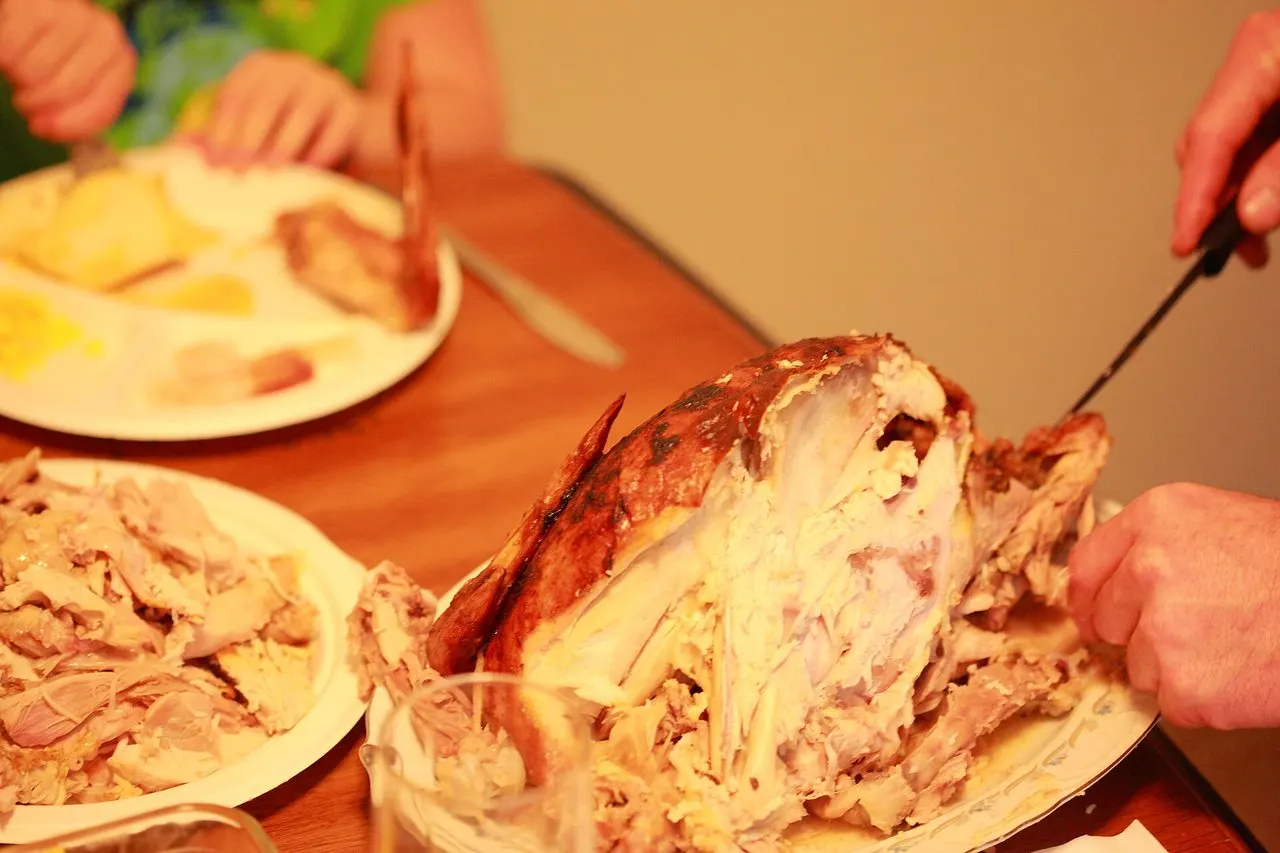
The holiday table is where many of these limits get tested, because family and friends gather in one room and politics often comes up with the food. A reference in the post points to advice about sharing a turkey dinner with loved ones who hold very different views, and the tension in that scene is familiar to many readers. Some people set ground rules, some change the subject, and some simply stay home. Read our report on the FAA meltdown and the blame game and our story on the economist who warned of a tariff recession.
Friendship And Politics On A Walk Together

The hardest question in the post is whether a friendship can survive when two people see the world in very different ways. Walking together, sharing meals and laughing at old jokes all depend on a sense of trust that politics can shake. Some friendships bend and find a new balance, while others quietly fade as the distance grows. For more on how leaders handle division, read our report on the debate over voter ID and mail in voting and our story on the political and economic news of the week.
Values Rights And Humanity
The image headline says some disagreements are not just opinions, because they are about values, rights and humanity. That line is the heart of the post, since it explains why the writer will not treat every view as equal. Values shape how people vote, how they treat neighbors and what they teach their children, so a clash there runs deeper than taste. Read our story on the actor who weighed leaving the United States and our report on the fight over pardoning power.
The Quiet Cost Of Cutting Ties

Cutting ties with a friend is rarely loud, since it often happens through unanswered messages and invitations that slowly stop coming. Research on severed social ties shows that political disagreement can end relationships that lasted for years, and the loss can linger long after the argument is forgotten. People rarely celebrate the break, even when they believe the line was right. For more on the cost of division, read our report on the debate over Guard deployments in cities and our story on the Denmark vote on the Arctic deal.
Friendship And Politics Are Wearing People Out
Social media keeps the argument going long after the post itself fades, because feeds are full of political content day and night. A report on social media users found many people worn out and stressed by the constant stream of political posts, which makes every scroll a small test of patience. Stepping back can help, but it can also feel like giving up on staying informed. Read our story on Terry Moran and his new Substack and our report on the debate over the corruption claim.
How People Decide Who Stays

Most people do not draw their line in one dramatic moment, since the decision builds up over many small moments. A harsh comment here, a shared post there, and a silence at a gathering can add up until the friendship feels different. Some people talk it through, some set clear limits, and some let the friendship cool without ever naming the reason. For more on public figures under pressure, read our report on Harris and her account of the Biden team and our story on JD Vance and the hearing clash.
Family Feels The Strain Too

Families feel the same strain as friendships, because political differences do not stop at the front door. Brothers, sisters, parents and children can hold very different views, and a family gathering can turn tense when an old argument returns. Some families agree to avoid certain topics, while others find that silence creates its own distance over time. Read our story on Rosie O’Donnell and the citizenship threat and our report on the summit that made progress but no deal.
Listening Across Friendship And Politics

Listening is the skill most often missing when politics comes up, because people are busy forming a reply while the other person is still talking. A real conversation needs room for questions, pauses and the chance to say that something is not clear yet. When both sides slow down, the talk can stay human even when the views stay far apart. For more on the capital, read our story on the crime crackdown in the capital and our report on the fight over billions spent on air travel.
What Surveys Say About Stress

Surveys keep returning to the same finding, that most people find political talks with those who disagree stressful and frustrating. The stress does not come from a lack of care, since people argue because the issues matter to them and to the people they love. Knowing that the feeling is common can make it easier to step back, breathe and choose a better moment. Read our report on the debate over AI data centers and our story on the Wall Street view on tariffs.
Finding Common Ground On Small Things
Common ground often starts with small things, like a shared meal, a favorite team or a memory from years ago. Those moments remind friends of what they still share, even when their politics pull in different directions. Small kindnesses will not settle a deep disagreement, but they can keep the door open for a better conversation later. For more on the rules shaping public life, read our report on the push for voter ID rules and our story on Mark Hamill and his choice to stay.
Where Do You Draw The Line
Friendship and politics will keep colliding as long as people care deeply about the world around them, and every reader will draw the line in a slightly different place. The post from The Other 98% asks us to be honest about which disagreements are small and which ones touch our values. Where do you draw the line, and have you ever lost a friend over politics? Share your story in the comments below, and read our report on the week in Trump administration news and our story on the proposal to block self pardons.