Maria Flores Garcia Is Home After ICE Released Her and Her Mom
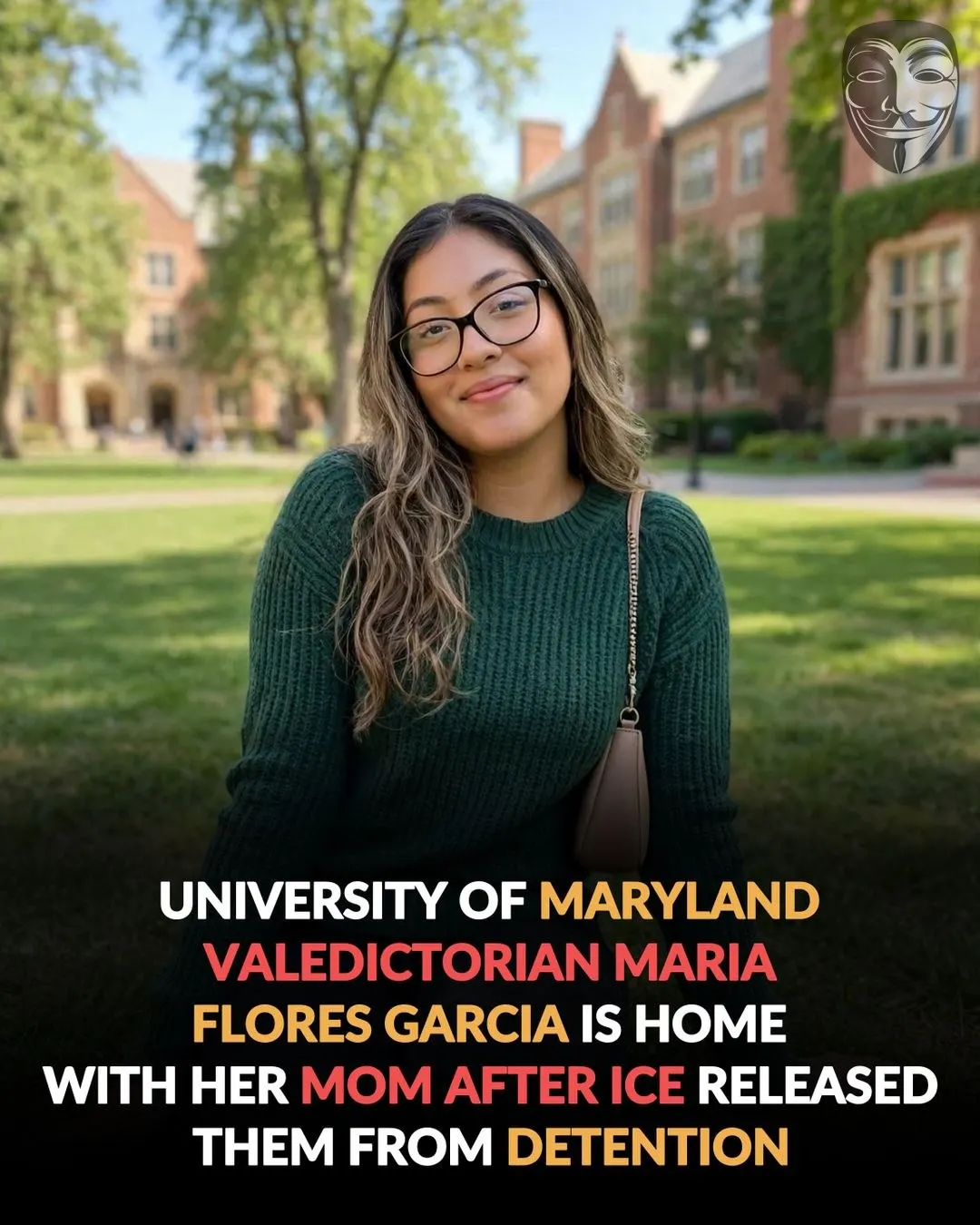
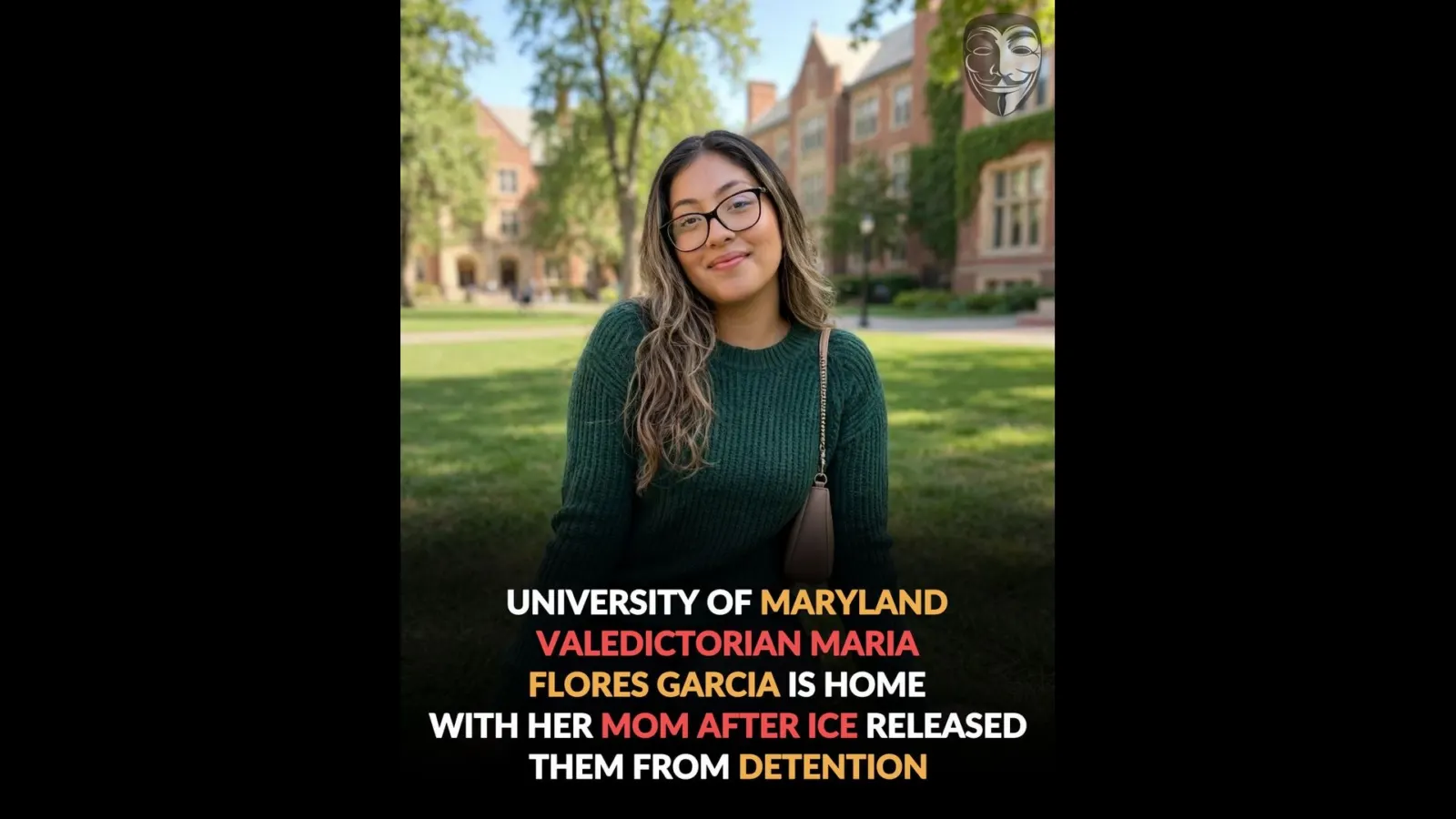
Maria Flores Garcia is home with her mother after ICE released them from detention on Tuesday night. The 19-year-old University of Maryland freshman and her mother, Mirna Aracely Garcia Cabrera, spent nearly two weeks in a detention center in Louisiana, more than 1,000 miles from their home in Prince George’s County. They began the trip home on Wednesday, ending a frightening wait for their family, friends and classmates. The release came after students rallied and leaders across Maryland spoke out. Read about another immigration case that drew national attention and how detention sites have grown across the country.
On November 5, Maria went with her mother to a routine immigration check-in in Baltimore to translate for her. Officers took both women into custody that day and moved them far from home. Neither woman has a criminal record, according to their lawyers. Maria came to the United States at age 9, was valedictorian of Parkdale High School in May and is now studying public health on a full scholarship. In the slides ahead we look at the check-in, the long days in detention and the journey home.
References:
CNS Maryland: UMD student and her mother reunited with family after ICE detention
CNS Maryland: UMD student has been released from detention ‘until ICE removes her,’ DHS says
The Diamondback: SGA town hall highlights immigrant rights, safety after UMD student’s release
Stories Beneath the Shell: UMD students discuss student safety, immigration at SGA Town Hall
A Routine Check-In in Baltimore

November 5 started like an ordinary day for the family. Maria and her mother traveled to Baltimore for a routine immigration check-in, the kind of appointment they had kept before. Maria came along to translate for her mother, who needed help with the language. What happened next changed everything for both women. Officers took them into custody at the appointment and their trip home never happened. Cases like this raise hard questions, as shown in the story of a doctor sent back after a phone search and the flag debate at immigration protests.
Maria Flores Garcia Went to Translate for Her Mom

Maria did not go to the check-in for herself. She went to help her mother understand the questions and answer them clearly. Her boyfriend, Cesar Saavedra, says officers told her she could leave the building or go with her mom. She chose her mom. She did not know her mother had already been detained. That single choice kept mother and daughter together through everything that followed. Families often face hard moments like this, as seen in the plan to send the National Guard into cities and the patrols in the capital.
More Than 1,000 Miles From Home

After the check-in, officers moved Maria and her mother to a detention center in Louisiana. The trip put them more than 1,000 miles from home and outside the federal appeals court that covers Maryland. Distance like that makes visits from family, friends and lawyers hard. Phone calls become the link to the outside world. The move put their case far from the community that knew them best. Long moves like this are part of a wider pattern, from the clash over protests in Los Angeles to the crackdown planned for Chicago and New York.
Two Weeks Behind Fences in Louisiana

Maria and her mother spent nearly two weeks in the Louisiana detention center. Days in detention move slowly, with set meals, counted hours and little news from outside. For a 19-year-old college freshman, the wait must have felt endless, and for her mother it must have been harder still. Lawyers worked on their case while the days passed. Friends and classmates back in Maryland kept asking when they would come home. Detention cases often turn on small legal details, as in the case of a prosecutor who faced discipline and the court fight over tariffs.
Maria Flores Garcia, Valedictorian of Parkdale High School

Maria was valedictorian of Parkdale High School in May, the top student in her class. The honor goes to the student with the strongest record, and it takes years of steady work in every subject. She gave the farewell speech to her class and then headed to college with big plans. Her teachers and classmates saw a young woman with focus and drive. That drive carried her through the hardest weeks of her life. Courts and leaders shape stories like hers, from a sharp exchange between Supreme Court justices to the plan to limit justices to 18 years.
A Full Scholarship to the University of Maryland

Maria is now a freshman at the University of Maryland on a full scholarship. A scholarship covers the cost of study and opens doors that stay closed to many students. It marks trust from a university that believes in a student’s future. For Maria, it was the reward for years of hard work at Parkdale High School. The scholarship meant her family could dream bigger about what comes next. Immigration cases touch many parts of American life, from another immigration case that drew national attention to the story of a doctor sent back after a phone search.
Studying Public Health to Become an Emergency Room Doctor

At the University of Maryland, Maria is studying public health to become an emergency room doctor. Public health looks at how whole communities stay well, from clean water to fair care for every patient. An emergency room doctor meets people on the worst day of their lives and works fast to help them. It is a hard path that takes years of study and long nights. Maria chose it because she wants to care for others. Her dream connects to bigger debates, from how detention sites have grown across the country to the flag debate at immigration protests.
Students at the University of Maryland Rallied for Her

Back on campus, University of Maryland students refused to stay quiet. They held rallies and spoke up for Maria and her mother, and their voices spread far beyond College Park. Student voices have changed many debates in American history, from campus protests long ago to the marches of today. The rallies kept Maria’s name in the news while she waited in Louisiana. Young people often lead when older leaders move slowly. The country is split on such action, from the plan to send the National Guard into cities to the clash over protests in Los Angeles.
Governor Wes Moore Spoke Up for Maria Flores Garcia

Governor Wes Moore of Maryland added his voice to the calls for the release of Maria. A governor’s words carry weight, and they signal to the whole state that a case matters. Moore joined students, lawyers and other leaders in pressing for answers about why a valedictorian and her mother were locked up. His support helped keep the story in the public eye. Leaders who speak early can change how a case ends. The debate over force in American cities runs on, from the patrols in the capital to the crackdown planned for Chicago and New York.
Senator Chris Van Hollen Called Out the Arrest
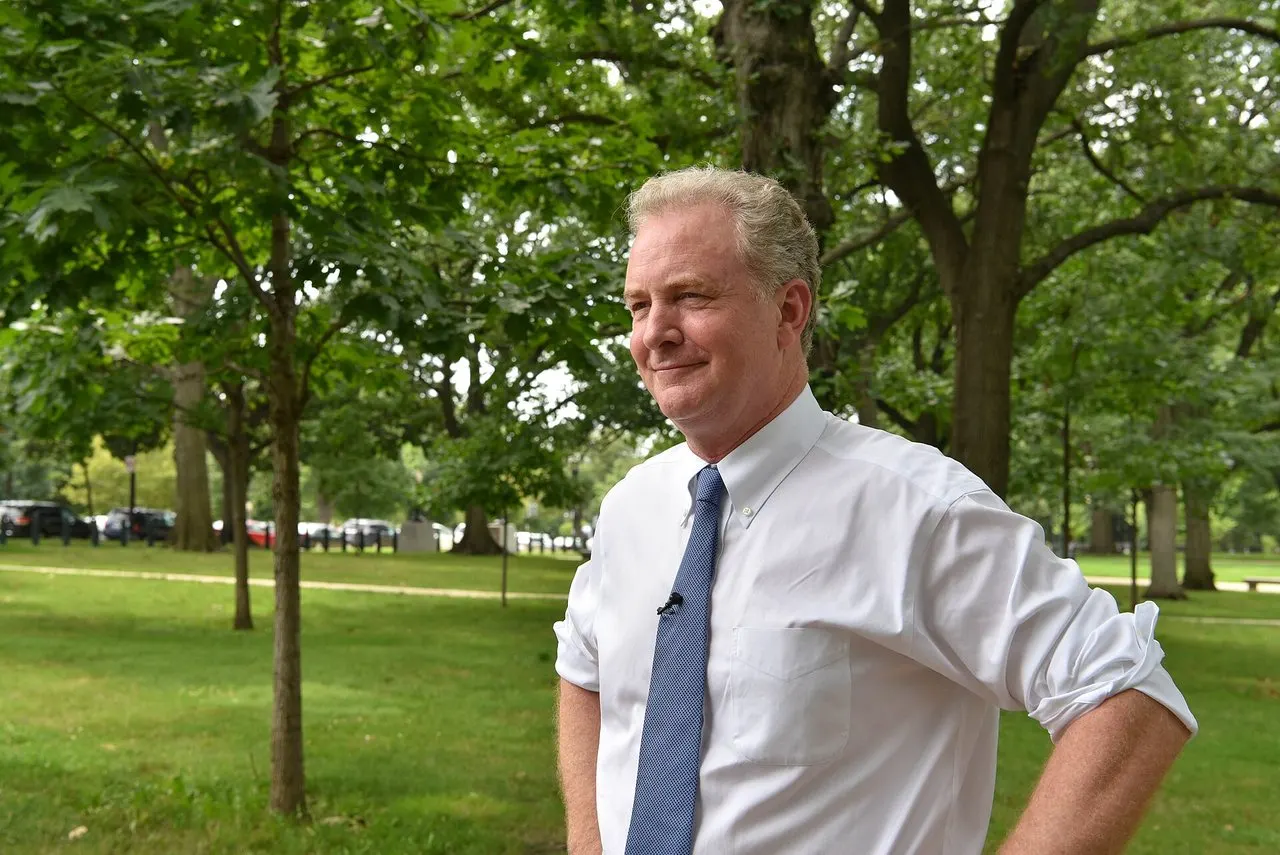
Senator Chris Van Hollen of Maryland also spoke out, saying the arrest put a clear lie to the claim that ICE is only going after the worst of the worst. Senators can demand answers from federal agencies and push for action in Washington. His words echoed the frustration felt by students and families across Maryland. When a senator takes up a case, it becomes harder for officials to stay silent. Public office brings hard choices, as seen in the case of a prosecutor who faced discipline and a sharp exchange between Supreme Court justices.
A Judge Barred Deportation to El Salvador

The family’s lawyer, Justice Haynes, says the case turns on an earlier ruling. In that ruling, a judge granted both women protection under the Convention Against Torture, barring their deportation to El Salvador. DHS never appealed it, yet DHS says Maria has had a final deportation order since 2021. The clash between the order and the protection is at the heart of the case. Judges set the rules that agencies must follow. Court rulings shape many fights, from the court fight over tariffs to the plan to limit justices to 18 years.
The Convention Against Torture Protected Them

The Convention Against Torture is an international agreement that bars sending people to a country where they face torture. The judge’s order used that protection to bar Maria and Mirna from being sent to El Salvador. The order still stands, and DHS never appealed it. That is why the lawyer says ICE cannot send them there. The law can be a shield for people with nowhere else to turn. Legal fights often draw wide attention, from another immigration case that drew national attention to the plan to send the National Guard into cities.
ICE Planned to Send Them to Mexico Instead

With El Salvador barred, ICE told the women it would send them to Mexico instead. Haynes warned that Mexico regularly buses deported Salvadorans back to El Salvador. That warning turns a simple change of destination into a serious risk for both women. The judge’s order says ICE cannot send Maria and Mirna to El Salvador, so sending them to a country that will has drawn sharp questions. Border policy affects many lives, from how detention sites have grown across the country to the patrols in the capital.
Maria Flores Garcia Was Released on Tuesday Night

Maria and her mother were released from ICE custody on Tuesday night. The news spread quickly to family, friends and classmates who had waited nearly two weeks for a good outcome. Release does not answer every question, but it ends the hardest part of the wait. For the first time in days, mother and daughter could sleep without bars and locked doors around them. Freedom after detention feels sweet, as shown in the story of a doctor sent back after a phone search and the clash over protests in Los Angeles.
The Trip Home to Prince George’s County

The two women began the trip home to Prince George’s County on Wednesday. The road back was long, more than 1,000 miles in reverse, but this time they traveled as free people. Home means familiar streets, family cooking and a bed of their own. For Maria, it also means getting back to her studies at the University of Maryland. The journey home is the part of the story everyone waited for. Homecomings follow hard debates, from the flag debate at immigration protests to the crackdown planned for Chicago and New York.
What Happens Next for Maria Flores Garcia

Federal officials have not explained the release or said whether they still plan to send the women to Mexico. That silence leaves Maria and her mother in limbo, home but unsure about what comes next. Lawyers will keep working on the case, and supporters will keep watching. For now, Maria can return to her classes and her dream of becoming an emergency room doctor. The next chapter is unwritten. Court cases often hinge on small facts, as in the case of a prosecutor who faced discipline and the court fight over tariffs.
What Would You Say to Maria Flores Garcia?

Maria went to a check-in to help her mom and ended up locked away for nearly two weeks. Now she is home, back with her family and at the university she worked so hard to reach. Her story shows how fast an ordinary day can change a life, and how loud a community can be when it stands together. If you could say one thing to Maria and her mom, what would it be? Share your thoughts below and keep reading a sharp exchange between Supreme Court justices and the plan to limit justices to 18 years.