UN Women Resolution Passed With 175 Votes as the US Abstained
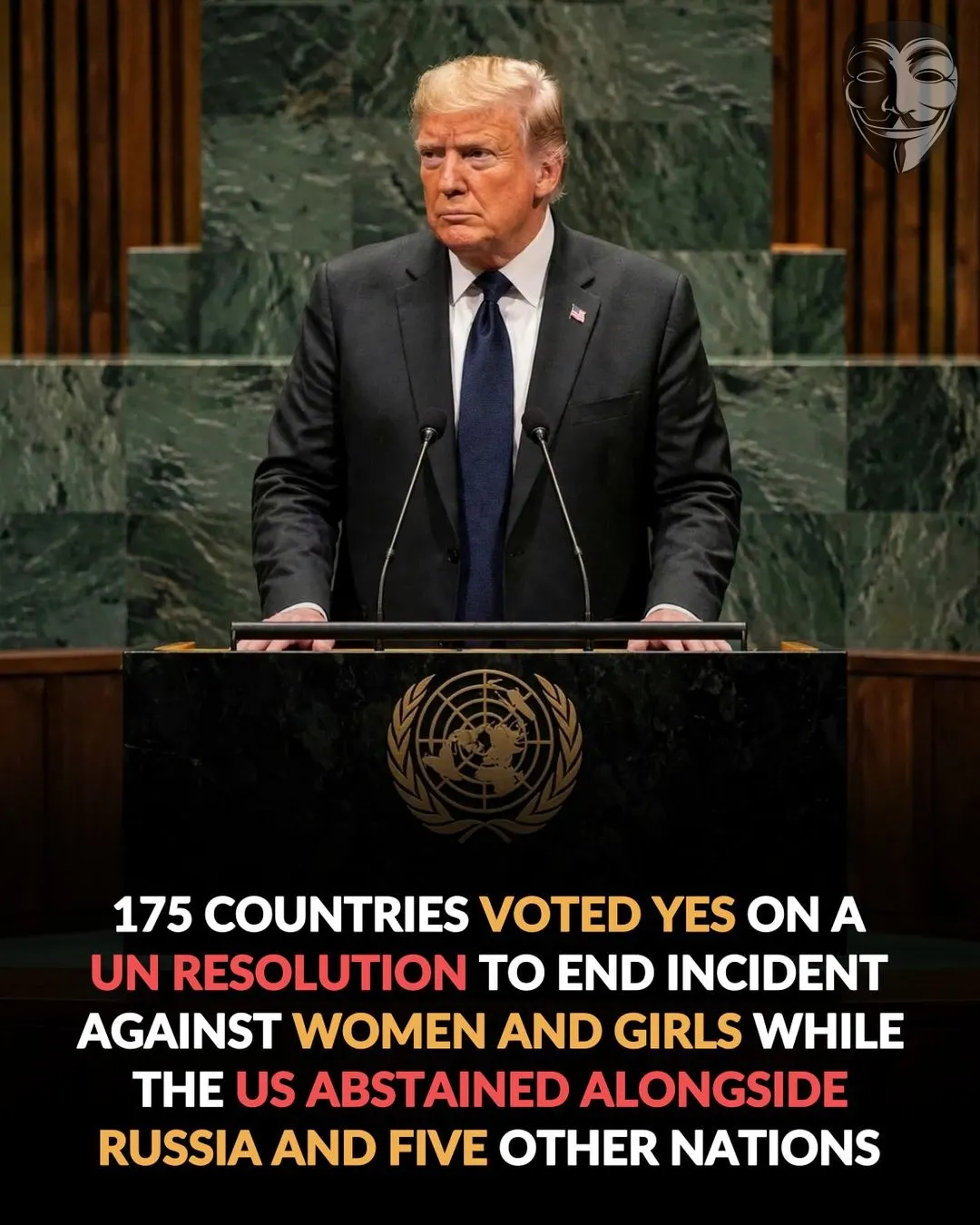
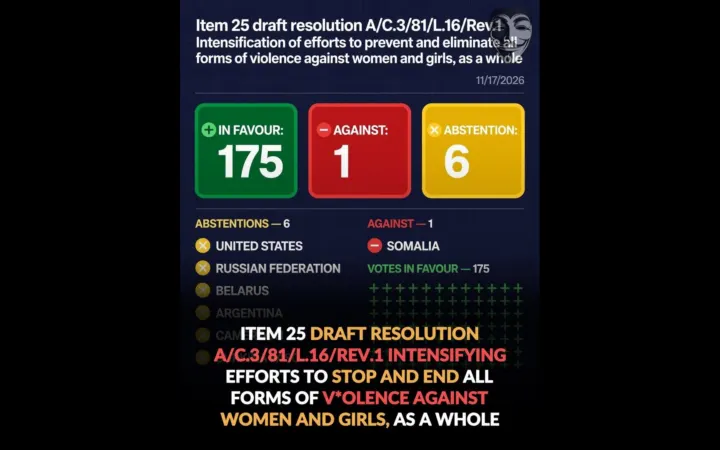
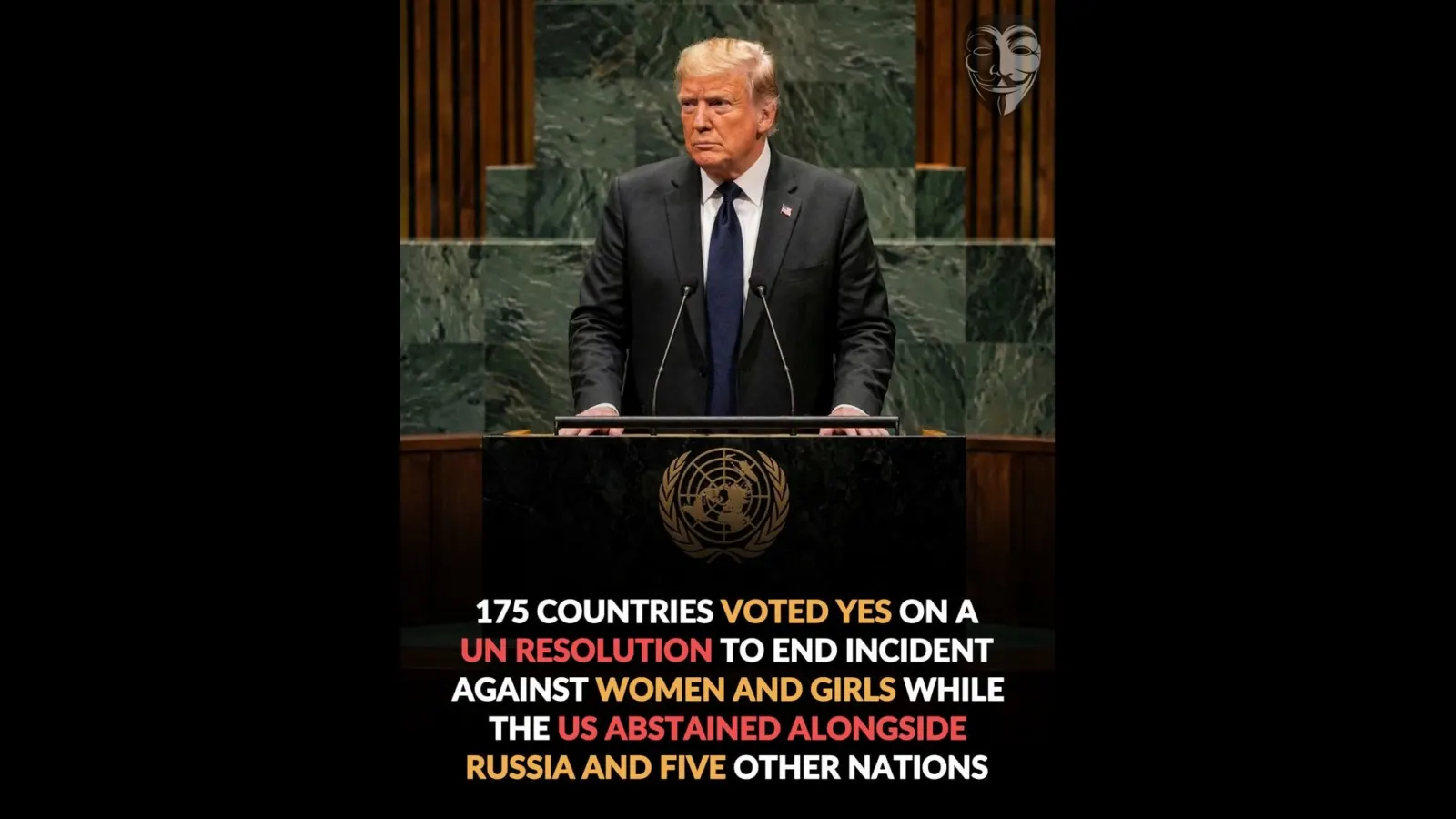
The UN women resolution passed on November 17 when the Third Committee of the United Nations General Assembly approved a measure to intensify efforts to prevent and eliminate violence against women and girls. A total of 175 countries voted yes, a wide margin that showed how broadly the world backed the text. The vote came after debate over the language in the measure, and it now moves to the full General Assembly for a final vote in December. For more on fights in Washington, read our report on Trump’s plan to patrol Washington with police and troops.
The United States abstained alongside Russia, Belarus, Argentina, Burkina Faso and Cameroon, while Somalia alone voted no. The American delegation said it could not support the text because of references to sexual and reproductive health and safe abortion, even as it said it supports ending violence against women. That split put Washington on the same side as Moscow in a vote about protecting women and girls. In the slides ahead we look at the numbers, the objections and what happens next. For more on the crackdown debate, read our story on the federal crime crackdown planned after Washington.
References:
Res Publica: 175 countries vote against femicide. The US abstains, side by side with Russia and Belarus
Jezebel: No Int’l Right to Abortion: U.S. Abstains From U.N. Resolution to Address Incident Against Women and Girls
Snopes: Did US join Russia in abstaining from vote on UN resolution to protect women and girls?
The Somali Digest: Somalia Alone Votes Against the Third Committee Resolution on Incident Against Women
The Numbers Behind the Vote
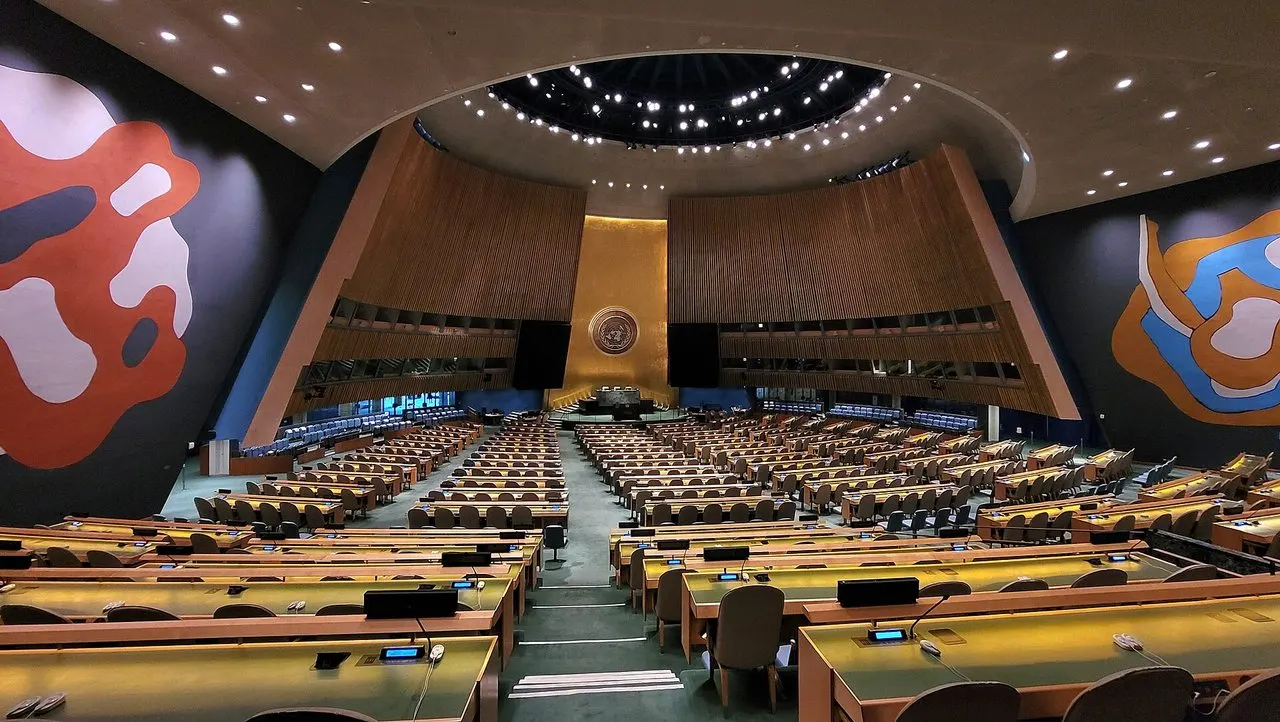
The numbers tell a clear story. Of the countries that took part, 175 voted yes, six abstained and only one voted no. The abstentions came from the United States, Russia, Belarus, Argentina, Burkina Faso and Cameroon. Somalia stood alone in voting no. That means more than 95 percent of the countries that voted backed the measure, a rare show of near unity in a body that often splits along regional and political lines. For more on Russia and the wider world, read our report on NATO allies buying US weapons for Ukraine and our story on Russian strikes on Kyiv.
How the UN Women Resolution Reached a Vote
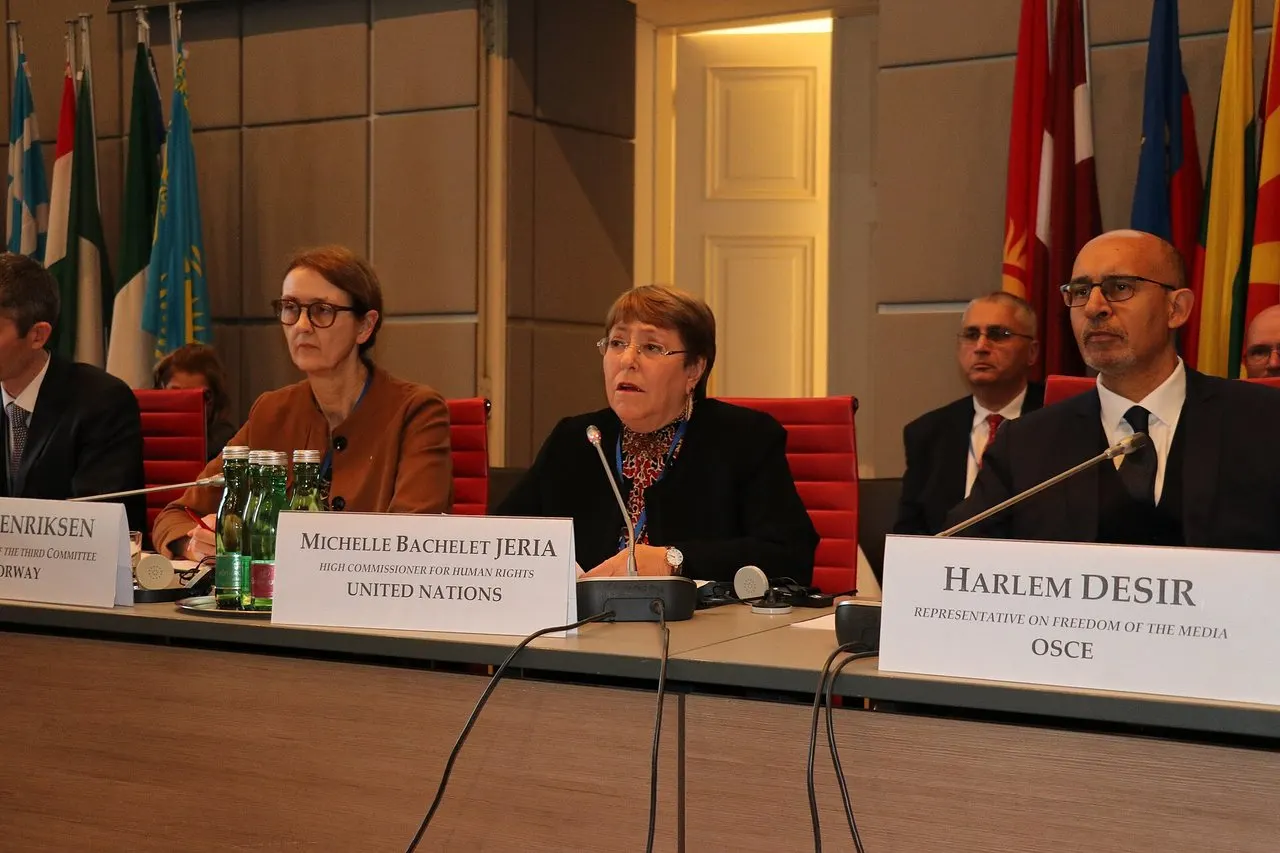
The vote took place in the Third Committee, the part of the General Assembly that handles social, humanitarian and cultural issues. That committee takes up many of the most sensitive topics at the United Nations, from human rights to the rights of women and children. Its members debated the text before approving it on November 17. A committee vote is only the first step, but it sets the tone for the full Assembly. For more on high stakes talks, read our report on the Alaska talks with Putin and our story on Harris on the border czar label.
A Resolution Focused on Gender Related Killings
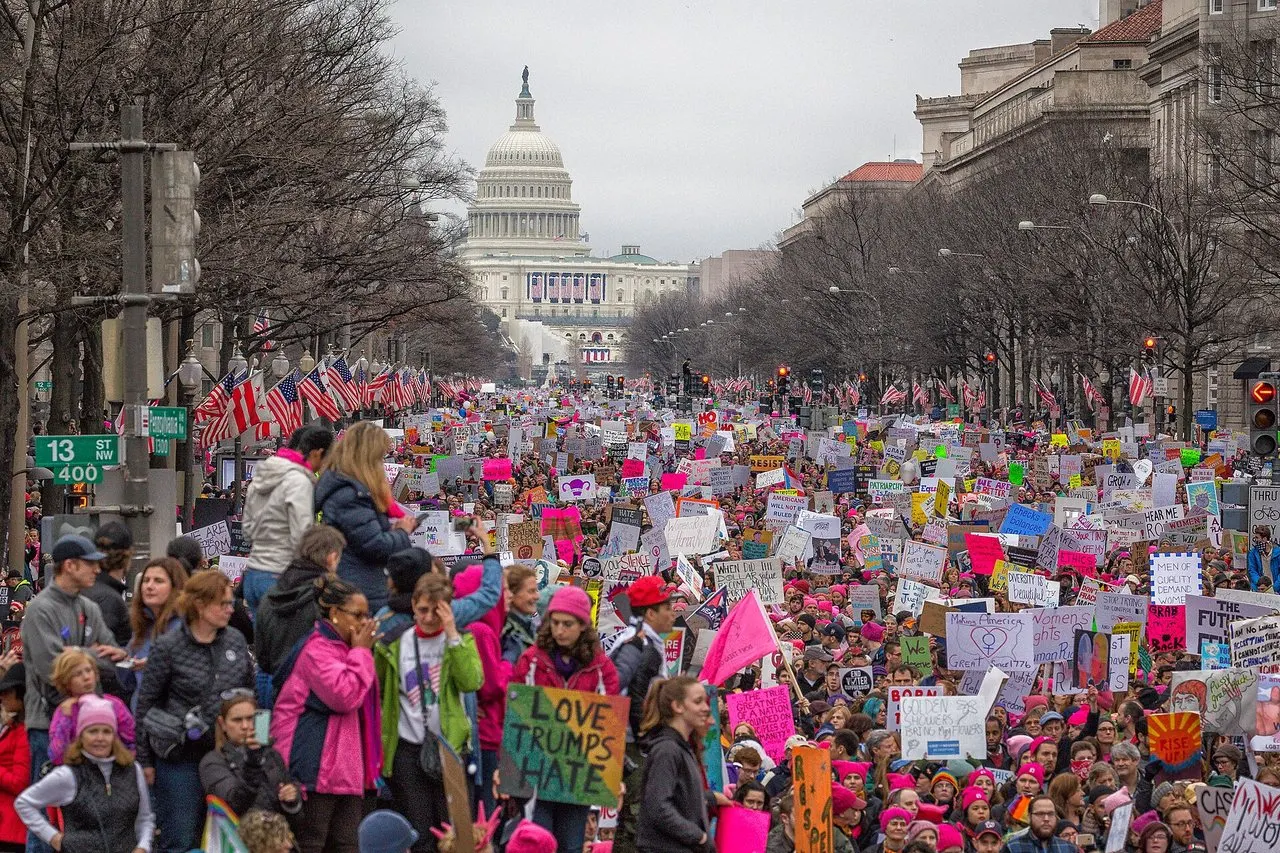
The measure focuses on gender related killings of women and girls, a form of violence that takes lives around the world. It calls on countries to step up efforts to prevent and eliminate violence against women and girls. That includes stronger laws, better protection for those at risk and support for survivors. The text also covers the wider harm that follows, from fear in daily life to lost chances at school and work. Read our story on Pelosi on gender-affirming care for trans youth and the move to remove Fed Governor Lisa Cook.
What the UN Women Resolution Asks Nations to Do
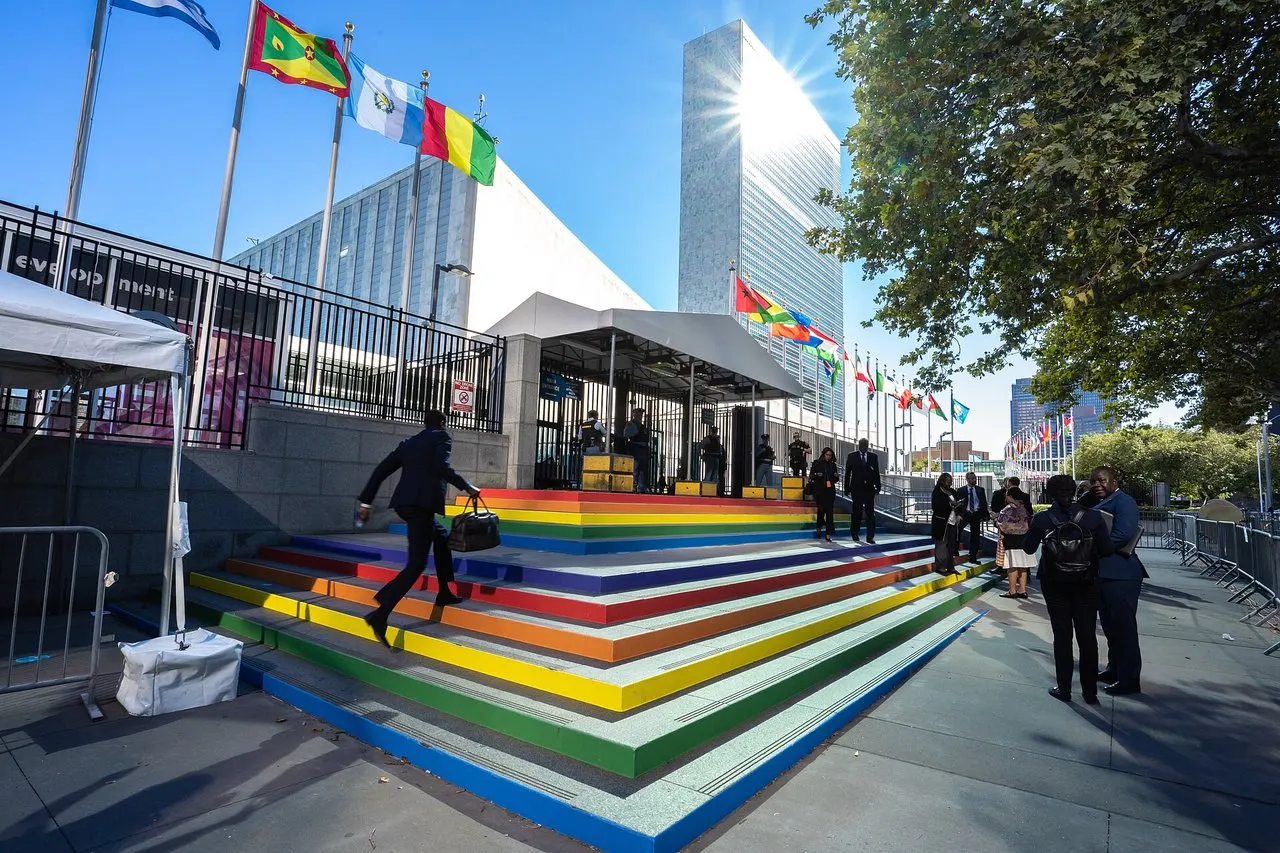
The text asks governments to do more than condemn violence in words. It urges them to strengthen laws, fund services for survivors and train police, judges and health workers to respond. It also asks countries to gather better data so the scale of the problem is clear and progress can be tracked. Supporters say steady work matters more than any single vote, since laws only help when enforced. For more on federal action, read our report on the planned National Guard deployment to Chicago and our story on Trump’s plan to patrol Washington with police and troops.
The US Objection in Its Own Words
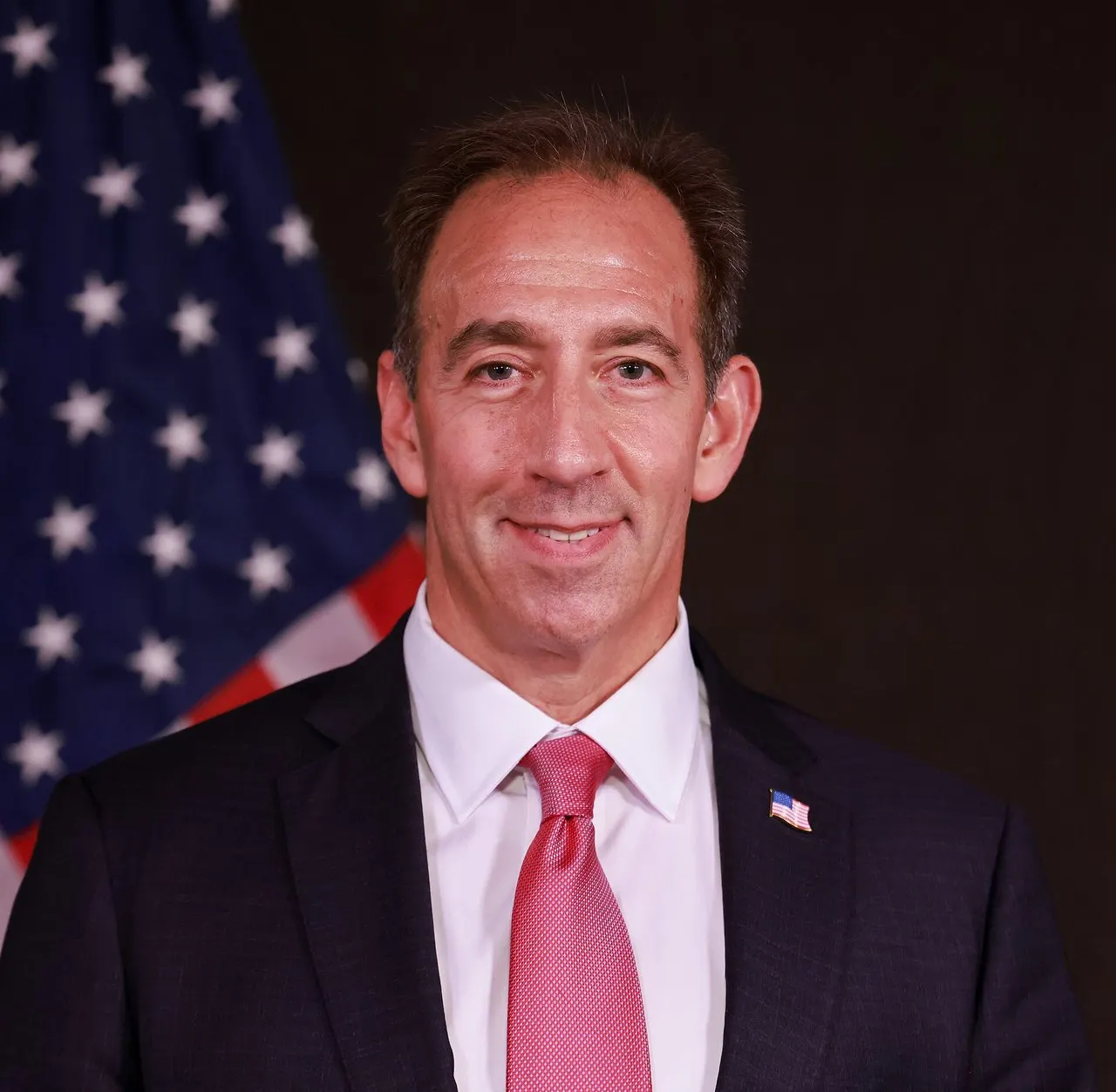
The United States said it could not support the text because of references to sexual and reproductive health and safe abortion. Its delegation said it still supports ending violence against women, but it would not back a document with that language. The objection turned a vote about protecting women into a fight over reproductive rights. Critics called that a strange trade, since the measure itself is about safety, not about abortion law. For more on voting fights, read our report on the debate over voter ID and mail-in voting and our story on the order targeting mail-in ballots.
Why the US Would Not Back the UN Women Resolution
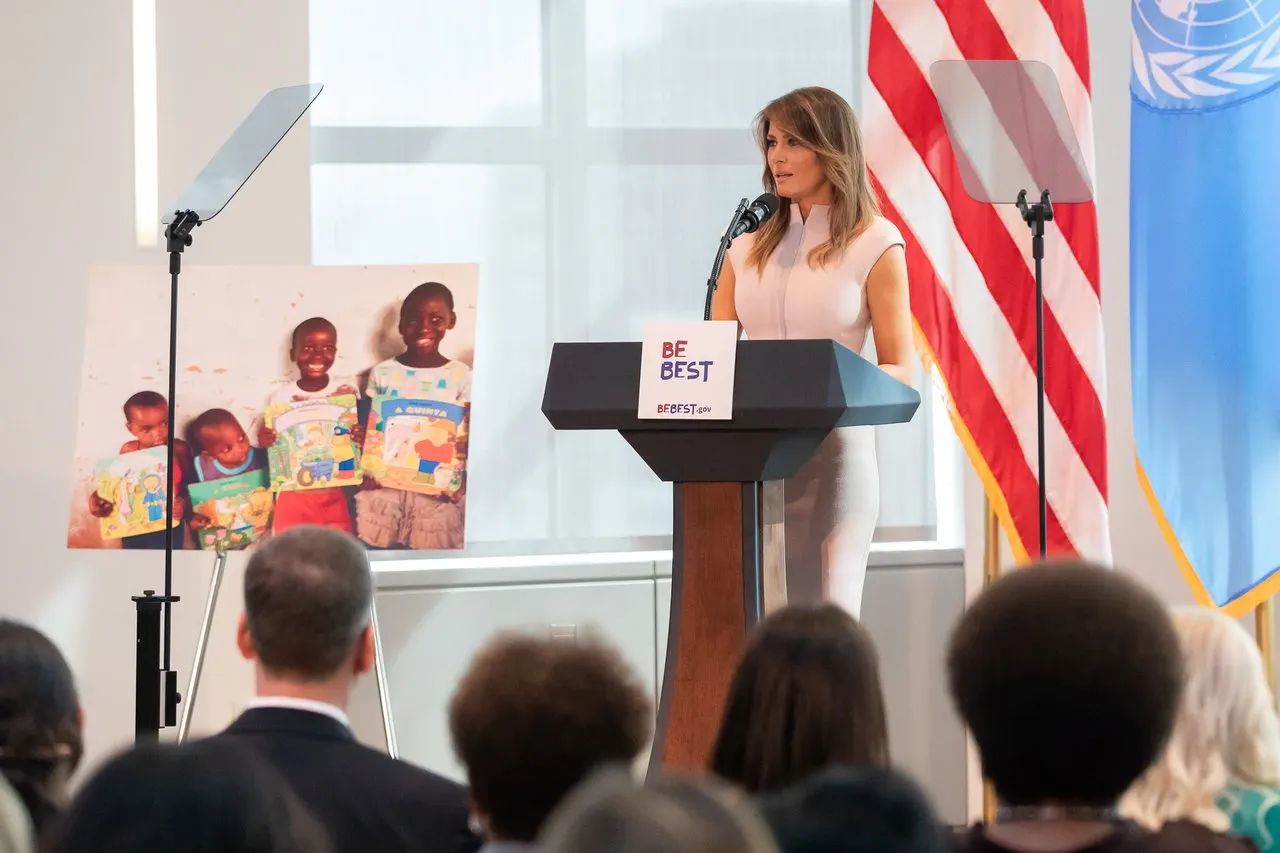
The American position put reproductive health language ahead of a broad agreement to protect women. The delegation treated the words on sexual and reproductive health as a line it would not cross, even with 175 countries voting yes. That stance drew wide criticism, since the resolution is about stopping violence, not about setting abortion policy in any one country. The vote showed how one phrase can split a near unanimous room. For more on travel and borders, read our report on the travel ban on student visas and our story on NATO allies buying US weapons for Ukraine.
Russia, Belarus and the Other Abstentions
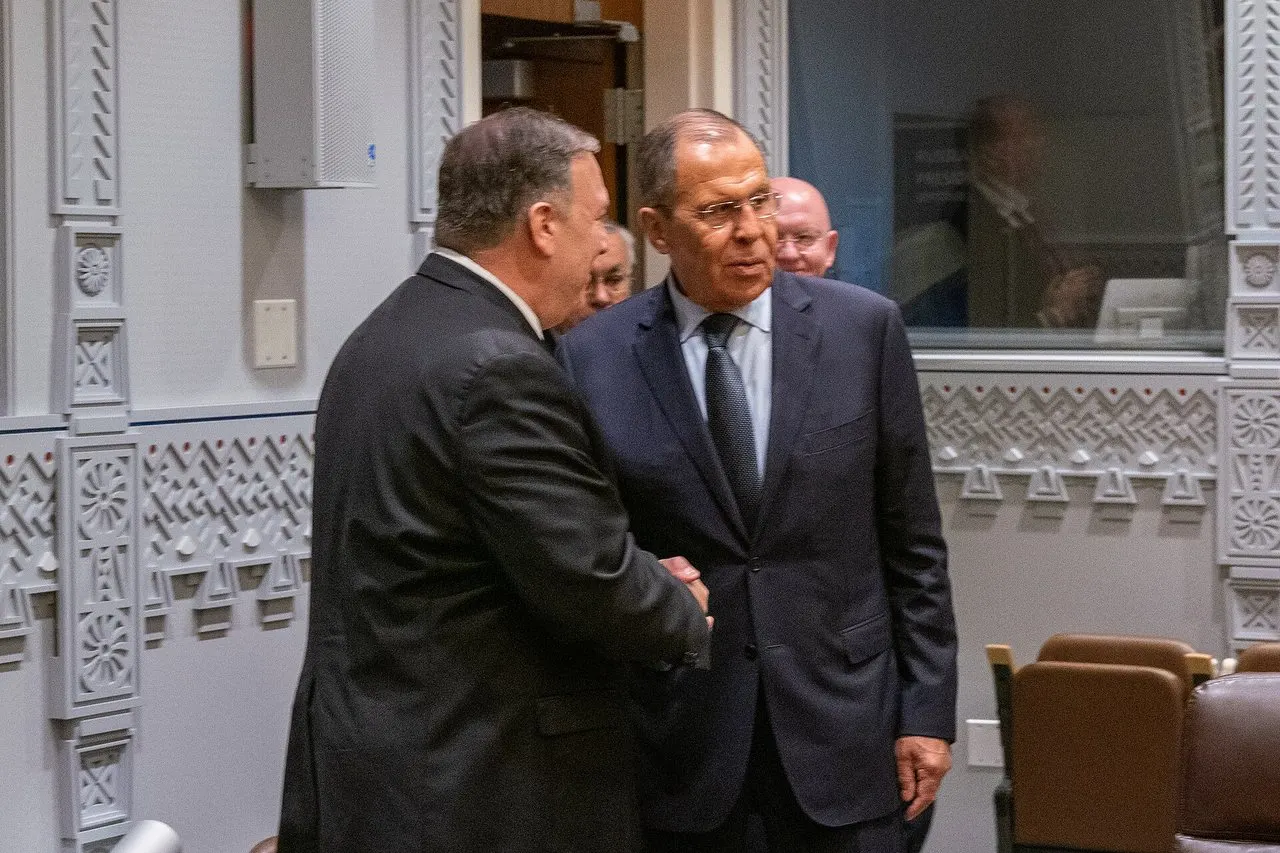
The United States was not alone in holding back. Russia, Belarus, Argentina, Burkina Faso and Cameroon also abstained, a mix of countries with very different politics. Russia has often stood apart from Western backed texts at the United Nations, and Belarus often votes with Moscow. Argentina, Burkina Faso and Cameroon joined them this time. Their abstentions meant they would not block the text, but they would not lend it their names either. For more on Moscow, read our report on Russian strikes on Kyiv and our story on the Alaska talks with Putin.
Somalia Cast the Only No Vote on the UN Women Resolution
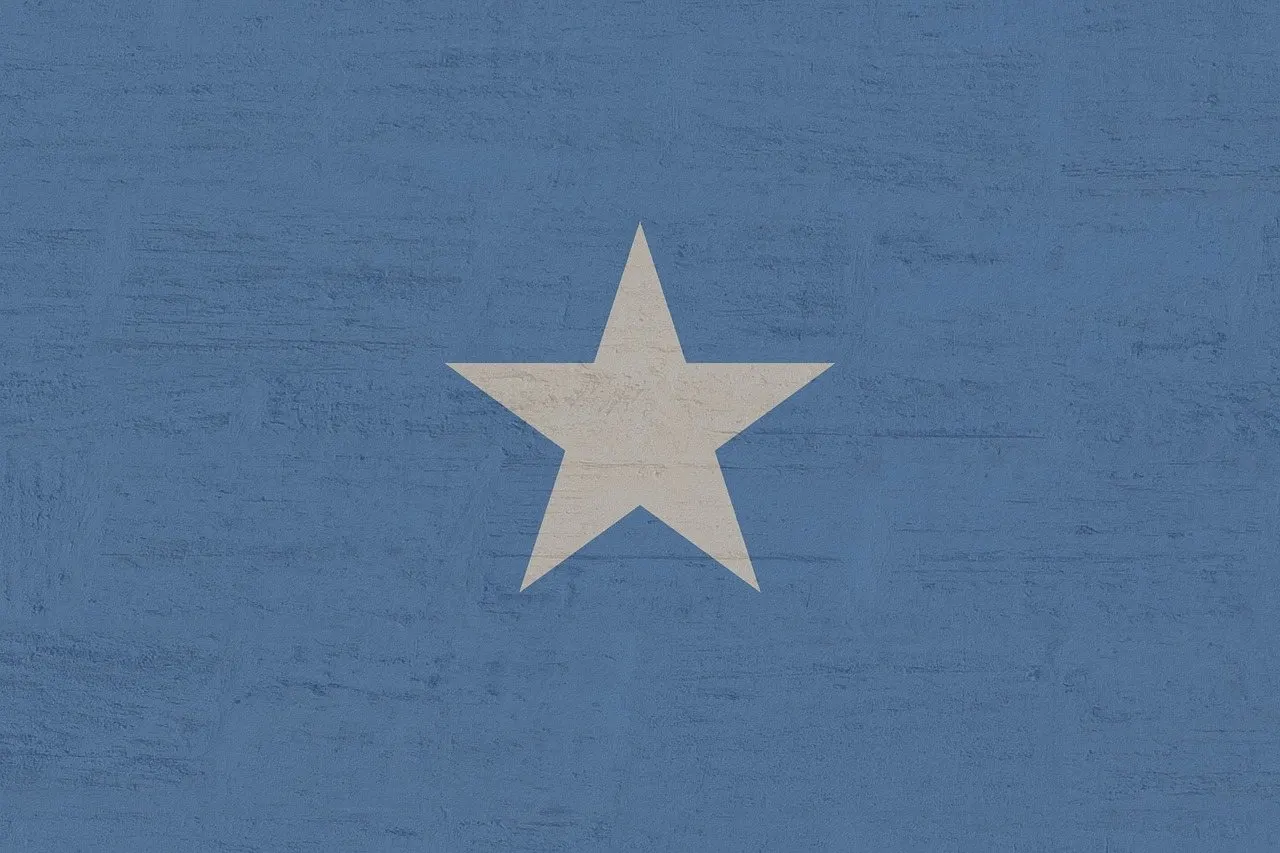
Somalia was the only country to vote no. Every other country that took part either voted yes or abstained, which left Somalia standing alone on the board. The vote made headlines on its own, since a single no in a near unanimous vote is rare at the United Nations. The Somali Digest was among the outlets that reported the lone no vote and the split it revealed. For more on Washington and the states, read our report on the move to remove Fed Governor Lisa Cook and our story on the planned National Guard deployment to Chicago.
What 175 Yes Votes Mean in the General Assembly
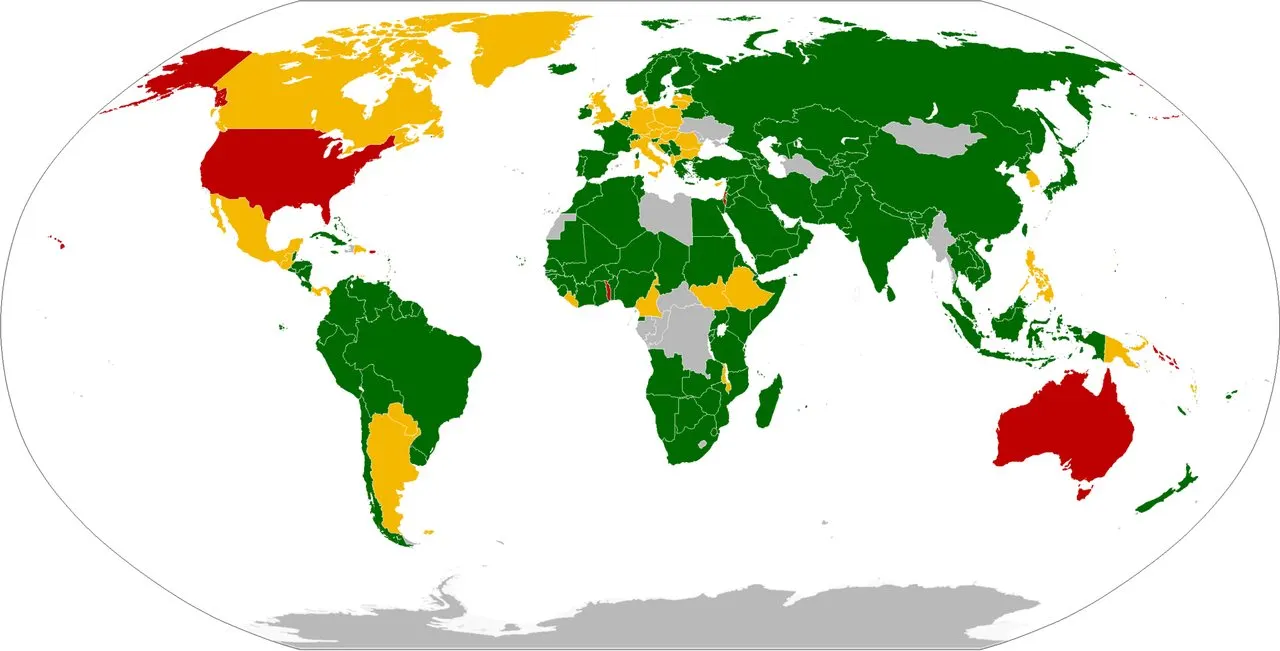
A yes vote from 175 countries is a strong signal, even though General Assembly resolutions do not bind countries like laws do. The broad support shows that most of the world agrees on the goal of ending violence against women and girls. It also gives campaigners a clear text to cite when they press their governments to act. A vote this wide is hard to ignore, and it records where each country stood. For more on safety, read our report on the federal crime crackdown planned after Washington and our story on the debate over voter ID and mail-in voting.
What Happens Next for the UN Women Resolution
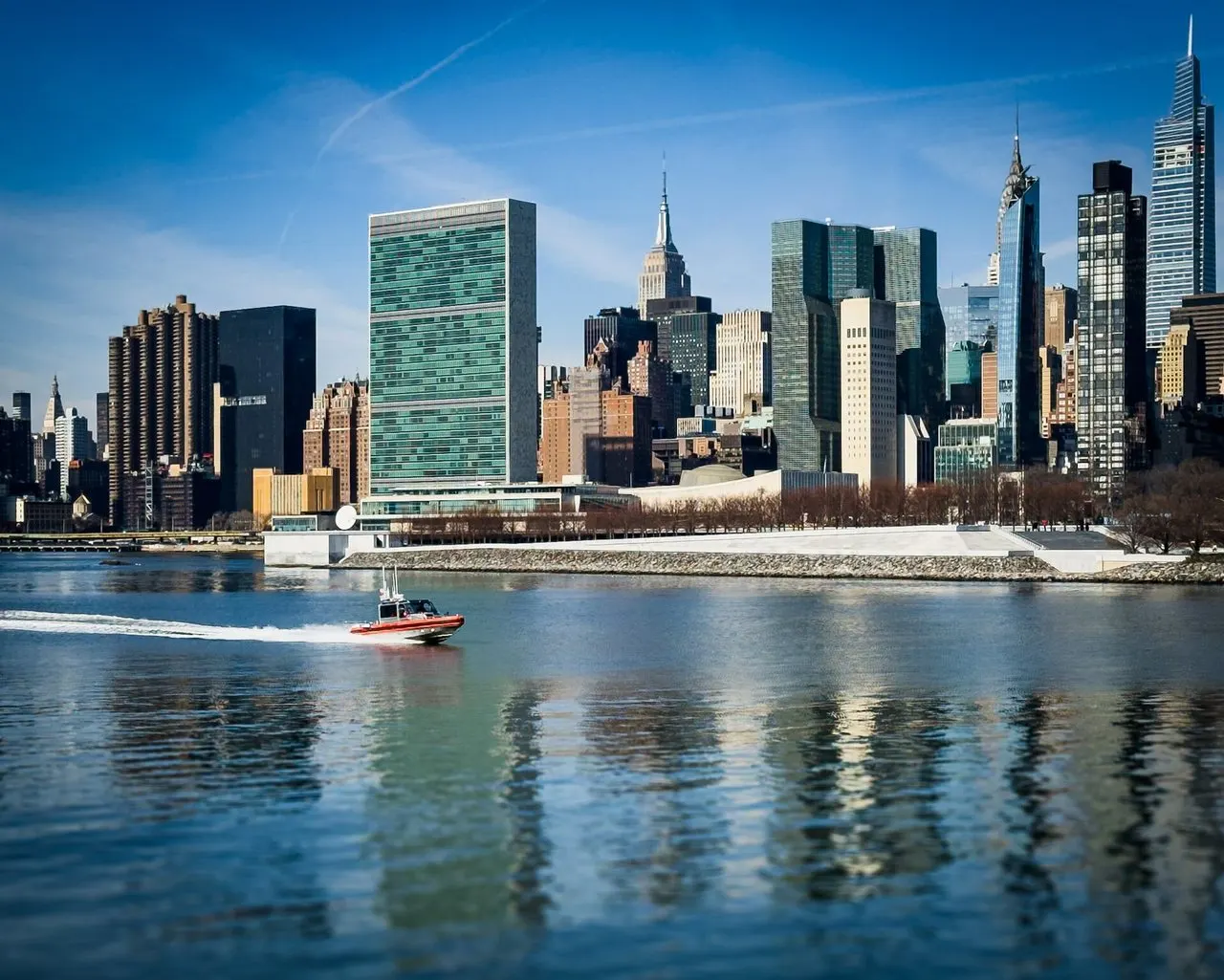
The text now moves to the full General Assembly for a final vote in December. In that vote, every member state takes part, and the same split may appear again if the language stays the same. The United States could still abstain, and Somalia could still vote no. But the committee result already shows where the broad support lies. A final yes would send the measure out as the will of the Assembly. For more on leadership fights, read our report on Harris on the border czar label and our story on the travel ban on student visas.
A Record Number of Women Will Serve in State Legislatures
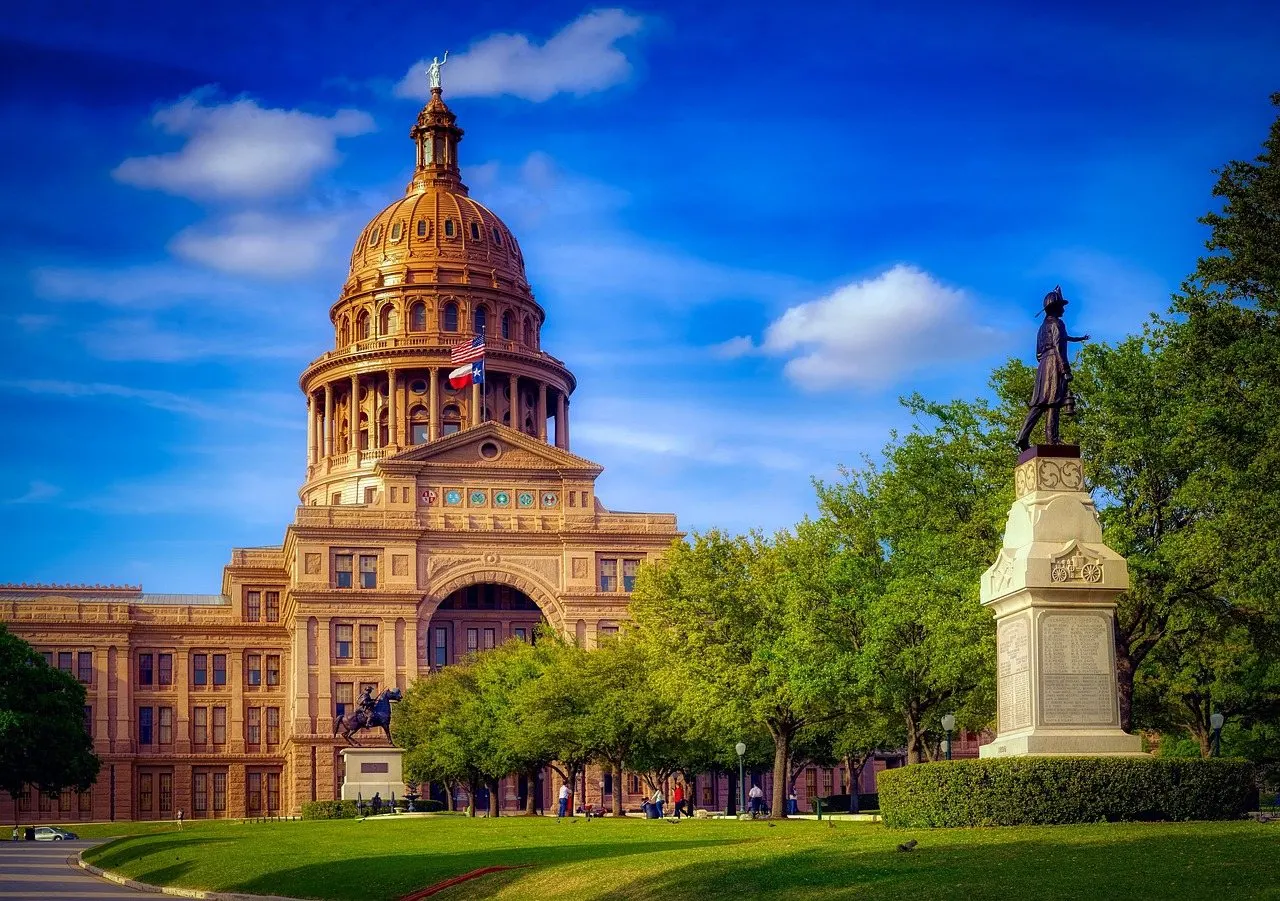
There is also good news closer to home. At least 2,559 women will serve in state legislatures in 2027, a new national record, according to Rutgers University and its Center for American Women and Politics. More women in office means more voices shaping laws on safety, health and family life. The record shows that change is happening seat by seat, even when national politics feels stuck. For more on voting and office, read our report on the order targeting mail-in ballots and our story on Pelosi on gender-affirming care for trans youth.
Why the UN Women Resolution Matters for Women Everywhere
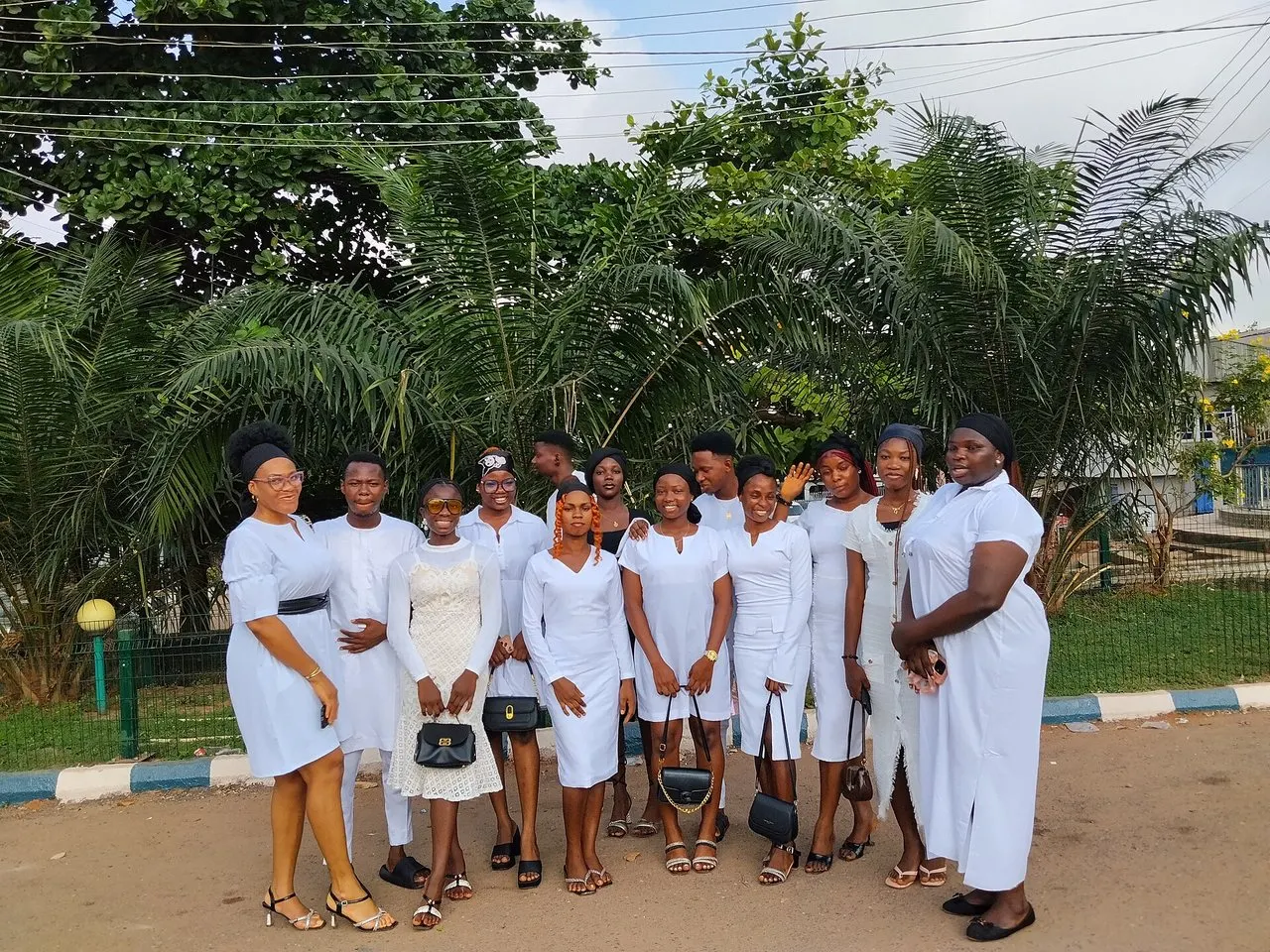
For women and girls, the measure is about daily life. Violence limits where they can go, how they learn and how they work. A strong text from the United Nations does not end that harm by itself, but it gives local groups a standard to hold their leaders to. It also tells survivors that the world sees them. That message matters most in places where help is hard to find. For more on Washington, read our report on Trump’s plan to patrol Washington with police and troops and our story on NATO allies buying US weapons for Ukraine.
Representation Alone Will Not Guarantee Progress
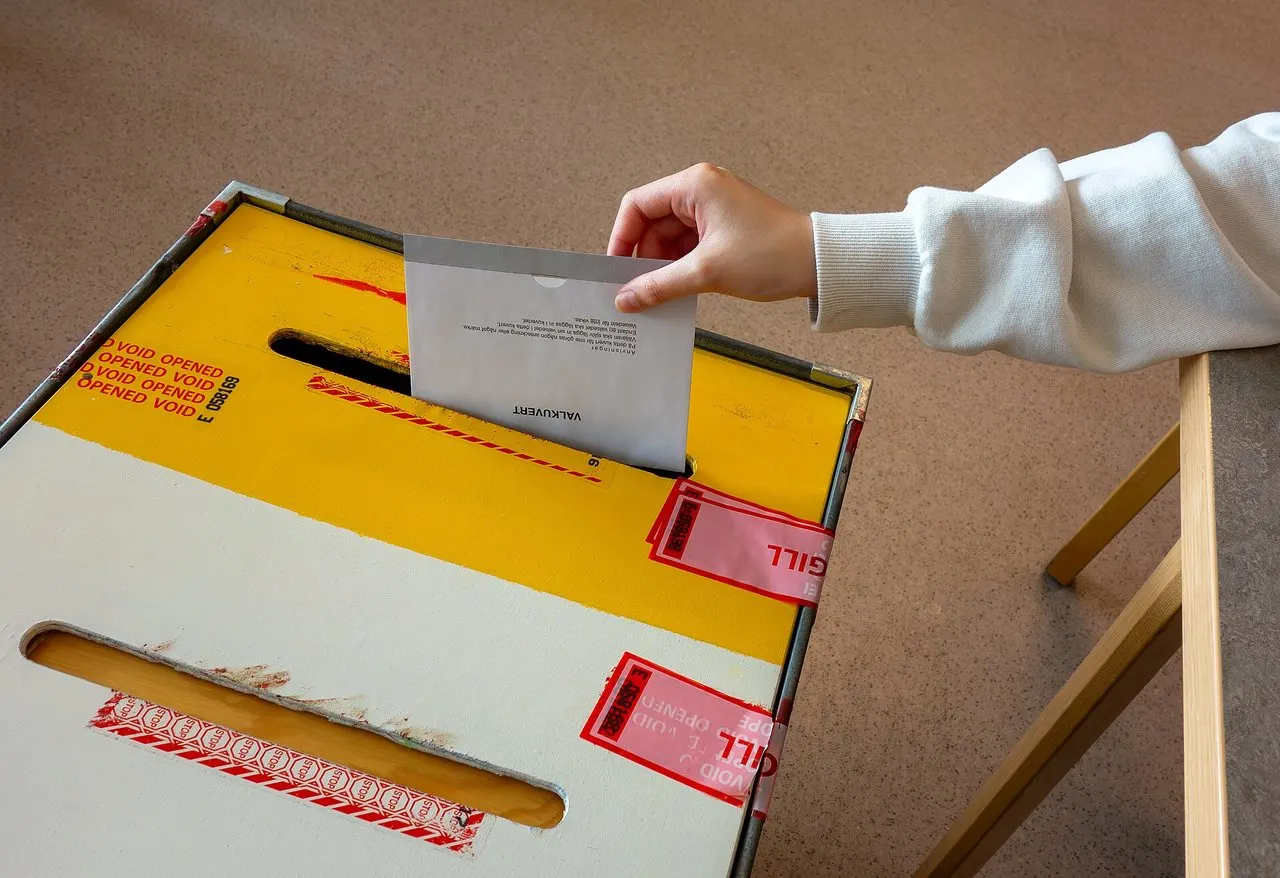
More women in office is a step forward, but seats alone do not change laws. The post that started this story makes that point plainly: representation alone will not guarantee progress. What matters is what those lawmakers do once they are in the room, and whether voters hold them to account. A record number of women in state houses is a reason for hope, not a reason to stop paying attention. For more on voting, read our report on the debate over voter ID and mail-in voting and our story on the federal crime crackdown planned after Washington.
Why Accountability Still Matters
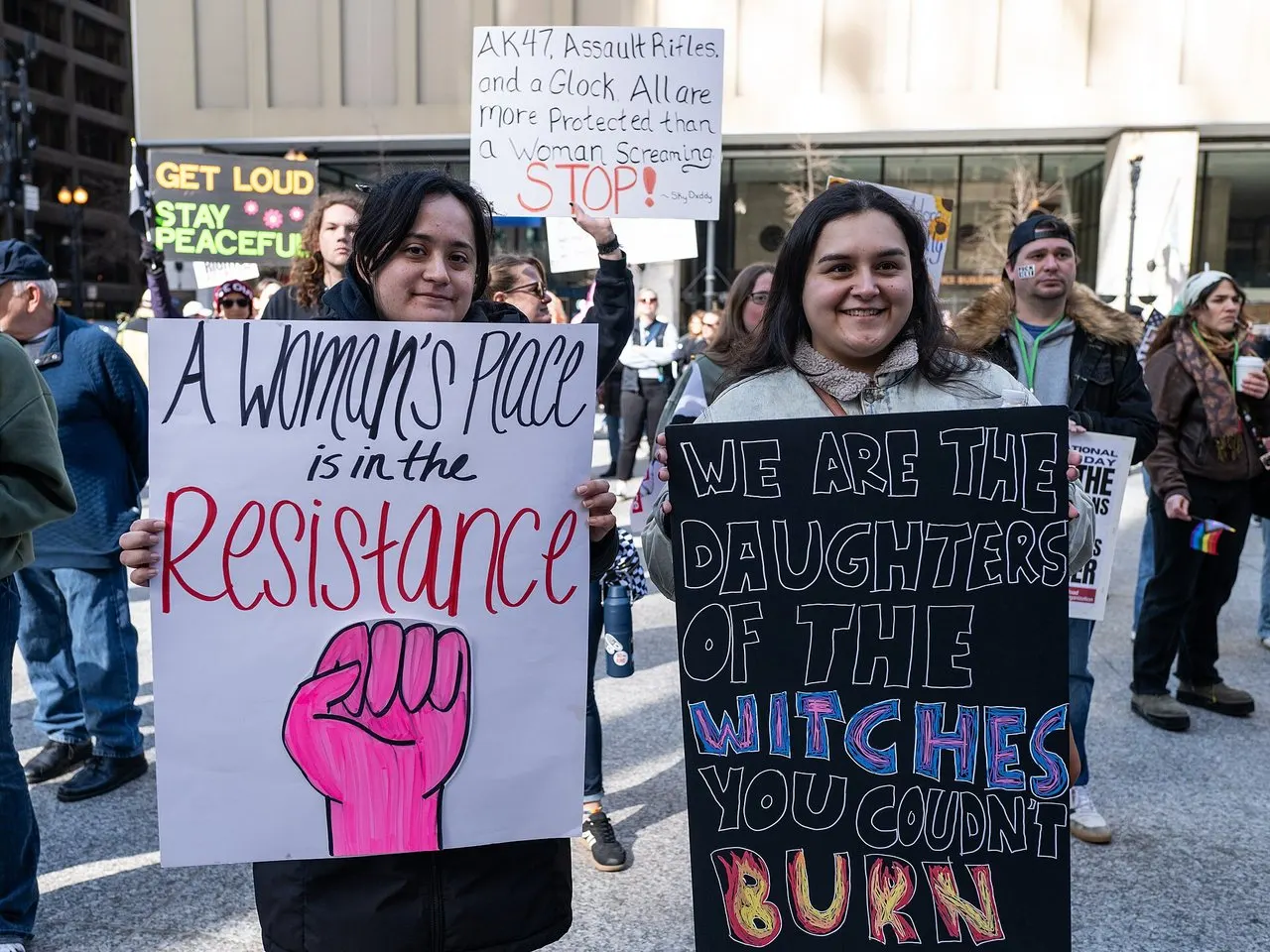
Accountability is the thread that runs through this story. A vote is only words unless countries follow through with laws, funding and protection. The same is true at home, where voters must keep asking their leaders to defend safety and freedom together. When leaders treat protection as a bargaining chip, the public has to say so plainly. That pressure is how a resolution turns into real change. For more on power and protest, read our report on the planned National Guard deployment to Chicago and our story on Harris on the border czar label.
Organizing, Voting and Demanding Action
The post ends with a call to organize, vote and demand that elected officials defend safety and freedom. That work happens far from the United Nations, in town halls, polling places and state houses. It means showing up for local races, asking candidates hard questions and refusing to accept safety as a trade. Small acts add up, and a record number of women in office shows that steady effort can shift who holds power. For more on ballots, read our report on the order targeting mail-in ballots and our story on Russian strikes on Kyiv.
What the Final Vote in December Could Decide
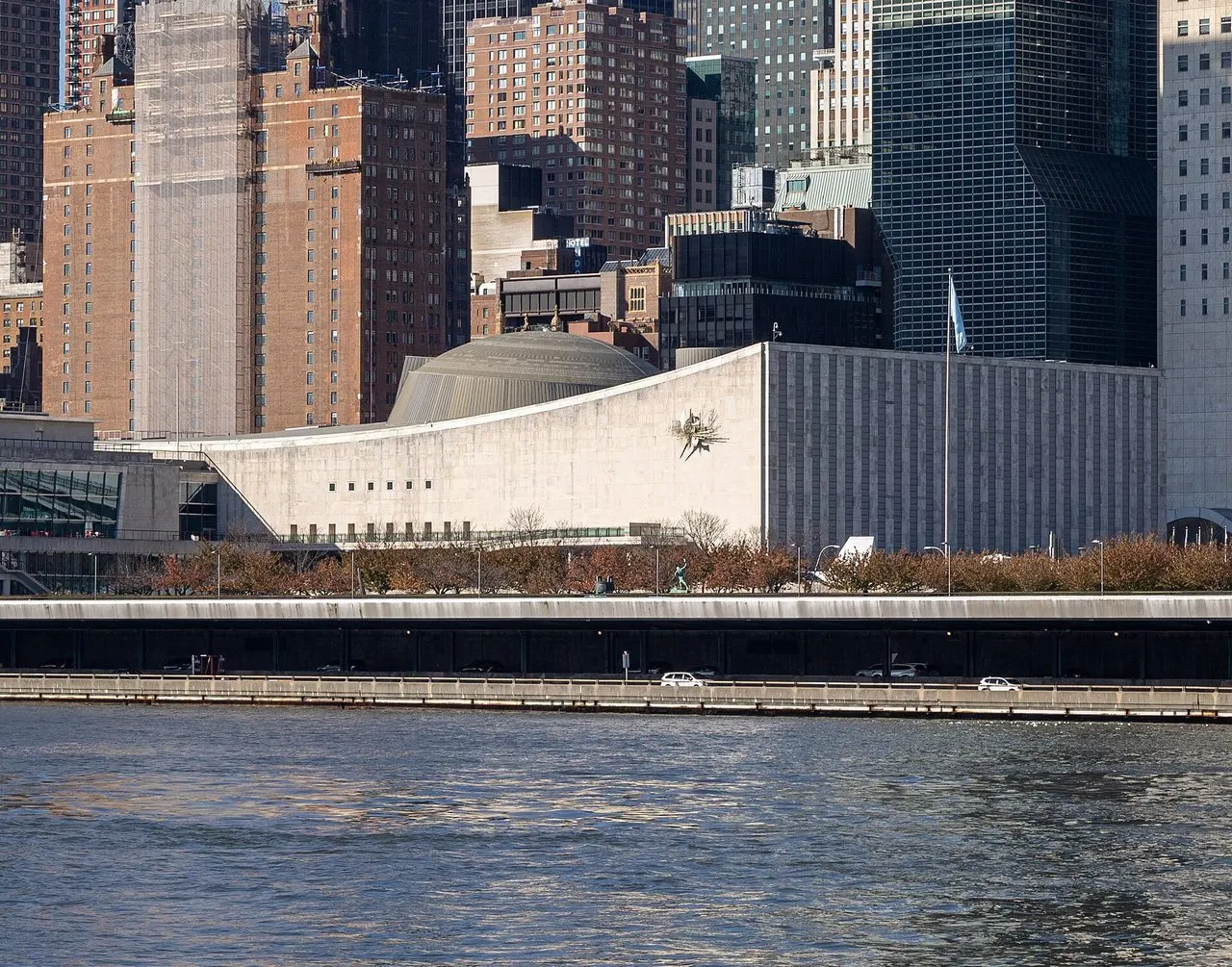
The December vote will show whether the broad support holds when the full Assembly takes up the text. If the language stays the same, the United States may abstain again, and the same small group may hold back with it. A strong yes would still send a clear message to governments around the world. It would also set a marker for the next round of talks on protecting women and girls. For more on travel rules, read our report on the travel ban on student visas and our story on the move to remove Fed Governor Lisa Cook.
What Do You Think the World Should Do Next?
The vote is over for now, but the question it raises is still open. Should the United States have joined the 175 countries that voted yes, or was it right to hold back over the language on reproductive health? What would you ask your own leaders to do to protect women and girls where you live? Share your thoughts in the comments below and keep the talk kind. For more on rights and power, read our story on Pelosi on gender-affirming care for trans youth and our report on the Alaska talks with Putin.