Muslim Population Growth Is Set to Pass Christians by 2035
Muslim population growth is set to pass Christianity as the largest belief group in the world by 2035, according to new projections from the Pew Research Center released on November 18, 2026. Pew expects 2.57 billion Muslims and 2.52 billion Christians worldwide by that year, a close gap that marks a historic change. Both faiths are still growing, yet Islam is growing much faster. The main drivers are higher birth rates and a younger population, not people changing faith.
By 2070, if current trends continue, Pew projects more than 3.6 billion Muslims and just under 3 billion Christians worldwide. Researchers stress that these figures are projections based on fertility, age, mortality, migration and belief-based switching, not a guaranteed outcome. In the United States, Christians are still expected to remain the largest single belief-based group. In the slides ahead, we look at the numbers, the reasons and what the shift means for the world, and you can read more in our earlier report on the same projections and our look at how Islam is set to lead.
References:
Pew Research Center: The Future of World Religions Population Growth Projections 2020 to 2070
Associated Press: Islam expected to surpass Christianity as the worlds largest belief group by 2035
USA Today: This belief group may soon be bigger than Christianity new research says
Sky News: Muslims projected to outnumber Christians worldwide by 2035
2.57 Billion Muslims and 2.52 Billion Christians by 2035
The headline numbers are close, and that is what makes them so striking. Pew Research Center projects 2.57 billion Muslims and 2.52 billion Christians worldwide by 2035, a gap of only about 50 million people out of more than 5 billion. In 2020, Pew counted 2.27 billion Christians and 2.02 billion Muslims, so the order is set to flip within fifteen years. The change is gradual, not sudden, and it reflects decades of demographic patterns. Read more about the numbers behind the projection and how the two faiths compare today.
Muslim Population Growth in the New Pew Study

Pew released the projections on November 18, 2026, as part of a broad study of seven major religious groups across 201 countries and territories. The study covers Christians, Muslims, Hindus, Buddhists, Jews, followers of other religions and people with no religious affiliation. Together, those places hold 99.98 percent of the people on Earth. Pew built the figures from national censuses, surveys, United Nations population data and migration estimates. Learn more in our report on the Pew projections and our story on the coming shift.
Babies, Not Conversions, Are Driving the Change

The main reason Islam is growing faster is simple: Muslim families are having more children. Between 2020 and 2025, the fertility rate for Muslim women was 3.1 children per woman, compared with 2.5 for Christian women, according to Pew. In those same years, about 252 million babies were born to Muslim mothers and 208 million to Christian mothers. That gap in births matters far more than people switching faiths. See our earlier look at the fertility gap and our report on the 2035 milestone.
Muslim Population Growth and the Power of a Young Age Profile

Age matters as much as fertility. Muslim communities around the world have a younger age profile, which means more people are in their childbearing years and more children are born each year. A young population keeps growing even if birth rates fall slowly, because each new generation is larger than the one before it. This age effect is a key reason Pew expects the gap to widen over time. Read our report on the young age profile and our story on the 2035 crossover.
Switching Faiths Plays Only a Small Part
It would be easy to assume that people changing religion explains the shift, but Pew says the opposite. Religious switching is expected to have little impact on Muslim numbers around the world. Between 2020 and 2070, Pew projects a net loss of about 8 million Muslims through switching, while natural increase adds about 1.6 billion people. The number of Muslims projected to become Christian is about 9.2 million, slightly more than the 9 million Christians expected to become Muslim. See our look at switching patterns and our report on the Pew findings.
Muslim Population Growth Does Not Slow Christianity

Here is a point that surprises many readers: Christianity is not shrinking. Pew projects that Christians will grow by about 30 percent between 2020 and 2070, roughly keeping pace with the world as a whole. Muslims are projected to grow by about 80 percent in the same period, which is why they pull ahead. Both groups keep adding people every year, and the story is about different speeds of growth, not about one faith fading away. Read our story on Christian growth and our report on the two faiths.
The World in 2070: More Than 3.6 Billion Muslims

Look further ahead and the gap grows wider. By 2070, if recent trends continue, Pew projects more than 3.6 billion Muslims and just under 3 billion Christians worldwide. Muslims would rise from 26 percent of the world in 2020 to 36 percent in 2070, while the Christian share would hold fairly steady at about 29 percent. The total world population is projected to rise by 29 percent over the same fifty years. See our report on the 2070 outlook and our story on the long view.
How Pew Builds a Fifty-Year Projection

A projection like this is built from careful counting, not guesswork. Pew starts with census and survey data for 201 countries and territories, then adds United Nations figures on fertility, age, mortality and migration. Researchers also track how many people join or leave each faith. The result shows what would happen if recent patterns continued, which is different from a promise about the future. Learn more in our explainer on the method and our report on the Pew study.
Where Muslim Population Growth Is Happening

Most of the growth is expected in places where Muslims already form a majority, and in sub-Saharan Africa in particular. Population growth there will lift the numbers of both faiths, with the Muslim population growing faster than the Christian one. By 2070, more than half of the Christians in the world are projected to live in Africa south of the Sahara Desert. The map of world faith is shifting toward the south. Read our story on the African shift and our report on where growth lives.
Migration Moves People, Not Just Numbers

Migration is one of the forces Pew tracks, because people carry their faith with them when they move. Families move for work, safety and a better life, and their children grow up in new countries. Over fifty years, these moves reshape the religious mix of cities and nations, though migration alone does not explain the global shift. Births remain the bigger force by far. The study counts these moves carefully across 201 countries and territories. See our look at migration and faith and our report on the moving map.
Muslim Population Growth in a Changing World

The world itself is changing fast around these numbers. The total population is projected to rise by 29 percent between 2020 and 2070, yet not every group grows at the same pace. Muslims and Christians are the only groups Pew studied that are expected to keep pace with the world as a whole. Other groups, including Buddhists and people with no religious affiliation, are expected to grow more slowly or shrink. Read our story on the wider picture and our report on all seven groups.
Projections Are Not Promises

Pew is careful to say that these numbers are projections, not certainties. They show what would happen if fertility, age, mortality, migration and switching patterns stayed close to recent trends. Wars, new policies, health breakthroughs or sudden changes in birth rates could all move the numbers. That is why the report speaks of what is expected, not what is guaranteed. Even so, the broad direction has been steady across many years of Pew research. See our explainer on projections and our report on the cautious wording.
Christians Remain the Largest Group in America

The picture looks different in the United States. Pew projects that the country will no longer have a Christian majority by 2070, yet Christians will remain the largest single religious group there. Christians are expected to fall to just under 48 percent of the American population, still ahead of every other group. The global crossover and the American story are two different trends. That distinction matters when people read the global numbers. Read our story on the American picture and our report on the United States.
One African Nation Is Set to Lead the Christian World
One striking detail sits inside the 2070 numbers. Pew projects that the Democratic Republic of the Congo will pass the United States as the country with the largest total number of Christians. It is a clear sign of how the center of world Christianity is moving south, toward Africa, where birth rates are higher and populations are younger. The change has been building for many years. See our story on the Congo milestone and our report on the southern shift.
What the Shift Means for Mosques and Churches

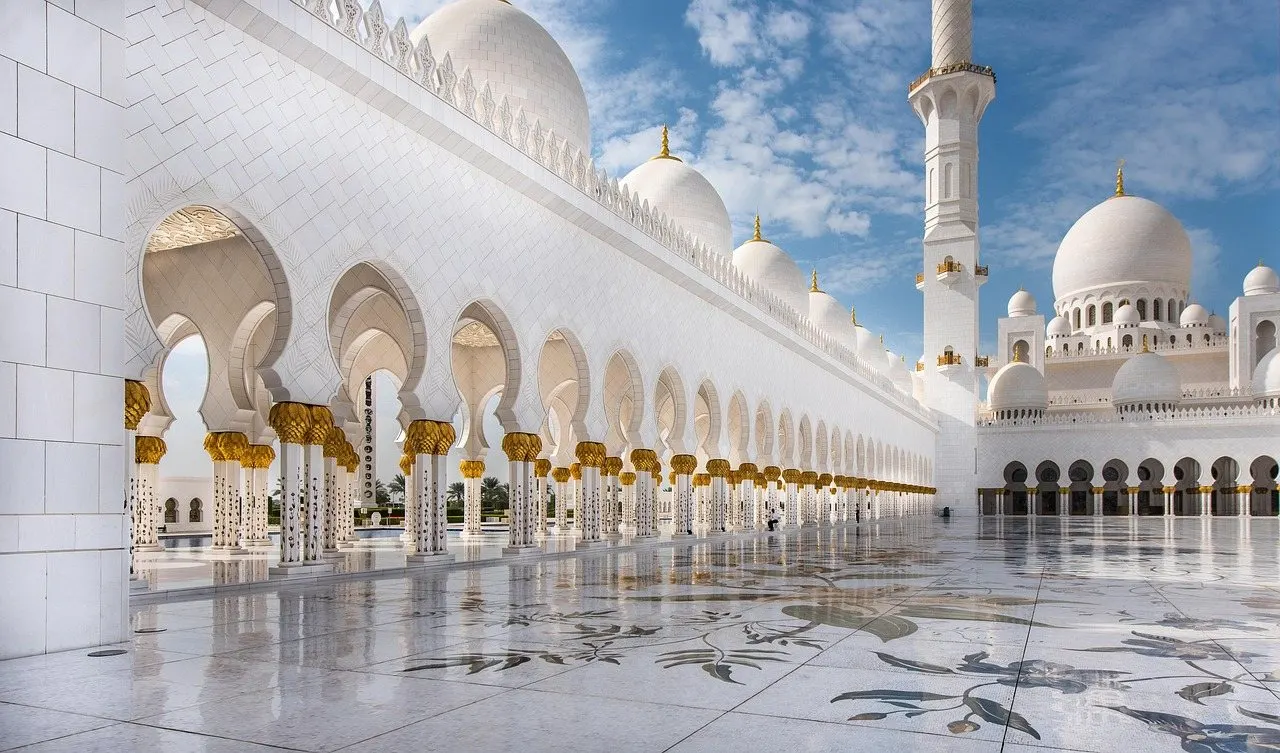
Numbers like these shape everyday life in real communities. More families mean fuller mosques on Fridays, more children in religious classes and more need for community space. Churches, too, keep growing in many parts of the world, especially in Africa and Asia, even as their share of the global total holds steady. Growth brings new energy and new demands for both faiths. Leaders in both traditions are already planning for larger congregations. Read our story on growing communities and our report on faith in daily life.
Muslim Population Growth: Why These Numbers Matter

These projections matter because they describe the world our children will live in. They shape how schools, cities and faith communities plan for the future, and they remind us that birth rates and age profiles move history more quietly than headlines do. The 2035 crossover is close, yet it is the result of slow forces that have been at work for generations. Understanding them helps us see the future more clearly. See our story on why it matters and our report on the road to 2035.
What Do You Think the World Will Look Like in 2035?

The numbers point to a world where Islam is the largest belief group and Christianity keeps growing beside it. Both faiths will be larger in 2035 than they are today, and the gap between them will be small. What do you think this shift will mean for your community and for the world? Share your thoughts in the comments below, and keep reading our report on the Pew projections and our story on the 2035 milestone. We want to hear how you see the years ahead.