The Trump Lying Meme That Says Trump Only Tells the Truth Asleep
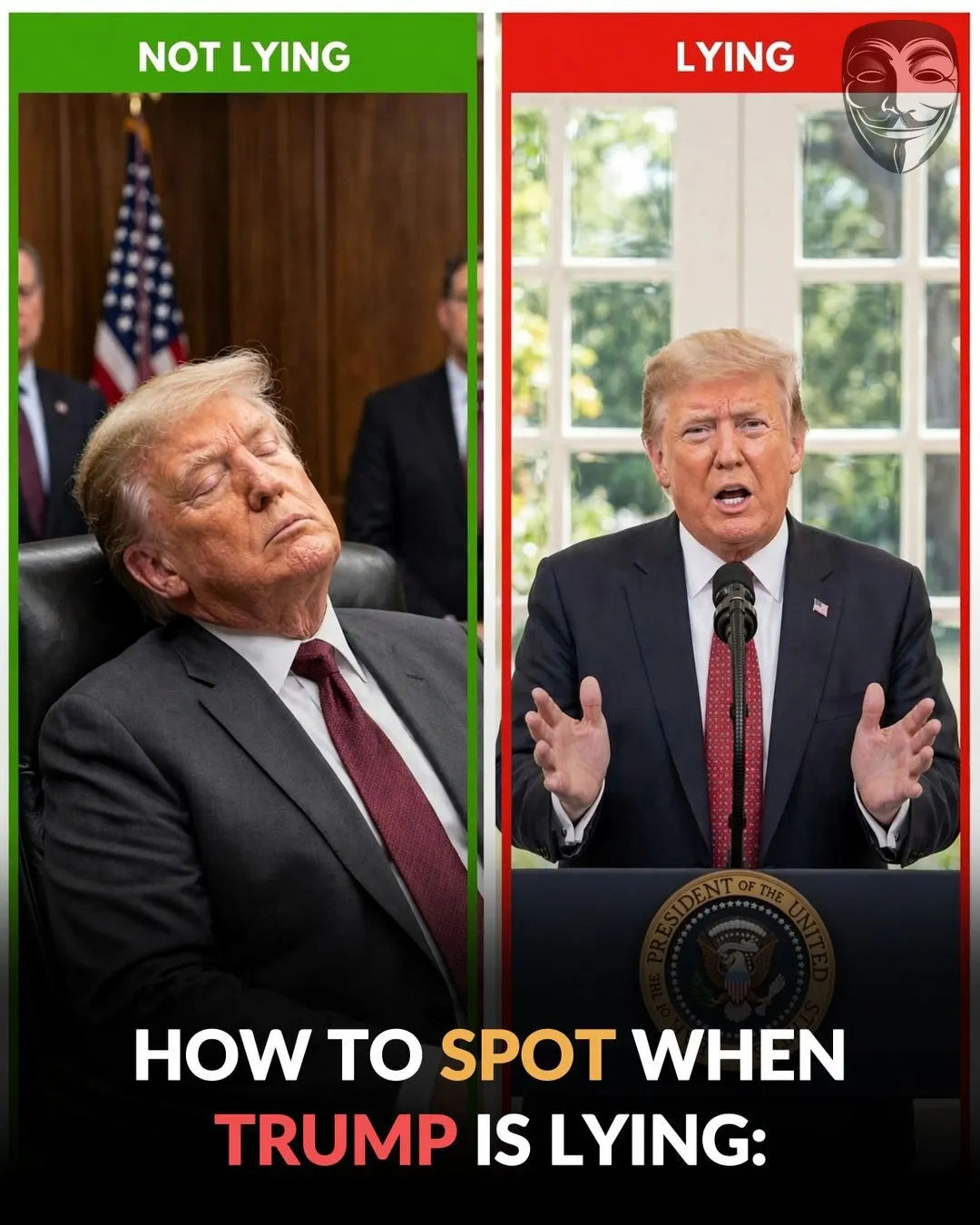
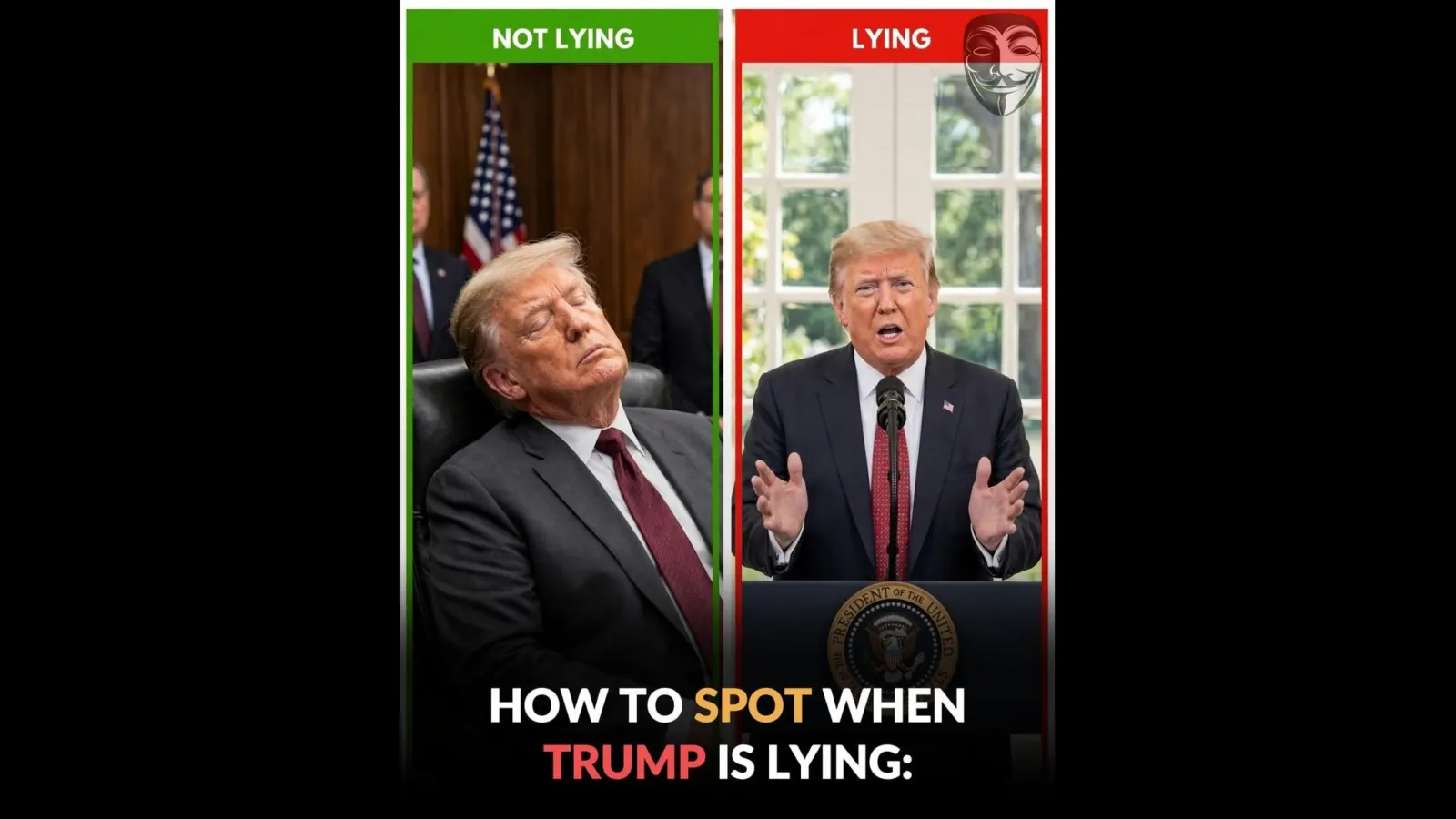
Trump lying meme posts put two photos of Donald Trump side by side and invite viewers to spot the difference between them. On the left, Trump sits slumped in a chair with his eyes closed and his mouth shut, under the words not lying. On the right, he stands at a podium speaking with his hands raised, under the word lying. The joke is simple, and it spread fast online, because it turns a serious question about honesty into one funny image that anyone can grasp in a second. the dozing video
But the real point behind the joke is different, and it matters more than the laugh it gets. Closed eyes or lively gestures prove nothing about whether a claim is true, and researchers who study deception say people are barely better than chance at spotting a lie from body language, at about 54 percent. That is why fact checkers look at the record instead of the face, and the Washington Post Fact Checker logged 30,573 false or misleading claims by Trump in his first term, about 21 a day. the Shenzhen agreement
References:
Smithsonian Magazine: Why You Can’t Spot a L*ar Just by Looking
Popular Science: The truth about reading body language
Washington Post: In four years, President Trump made 30,573 false or misleading claims
Pollar News: White House denies Trump dozed during Xi’s Shenzhen speech
Two Photos Tell the Whole Trump Lying Meme
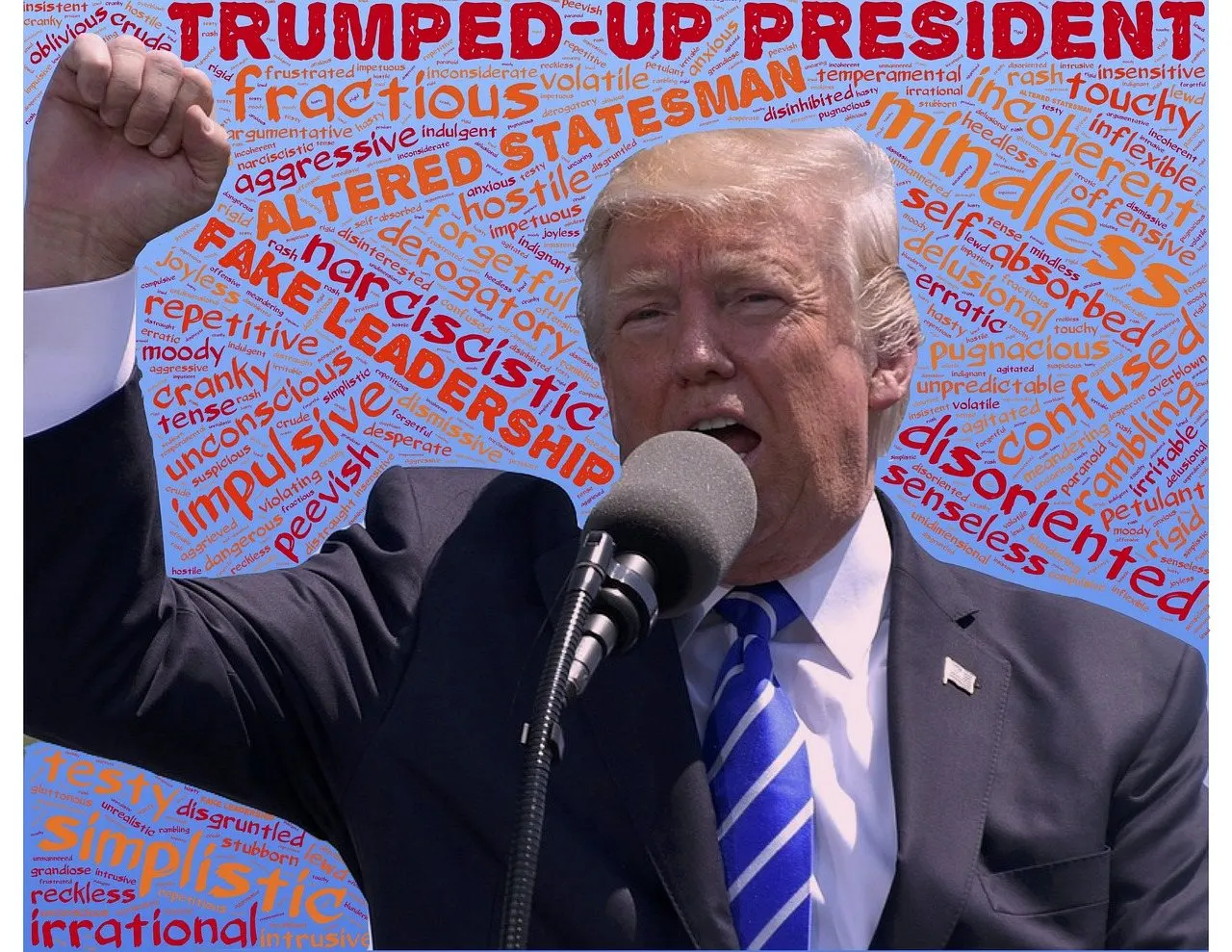
The meme works because it needs no caption to explain the joke, and the two photos do all of the talking. One picture shows Donald Trump with his eyes closed, his mouth shut and his head tilted back, while the other shows him speaking with energy, his eyes open and his hands moving. Viewers are meant to read the first picture as honest silence and the second as a warning to pay attention. The format is familiar to anyone who has seen a split image joke online. the summit photo the tarmac greeting
The Sleeping Photo in the Trump Lying Meme
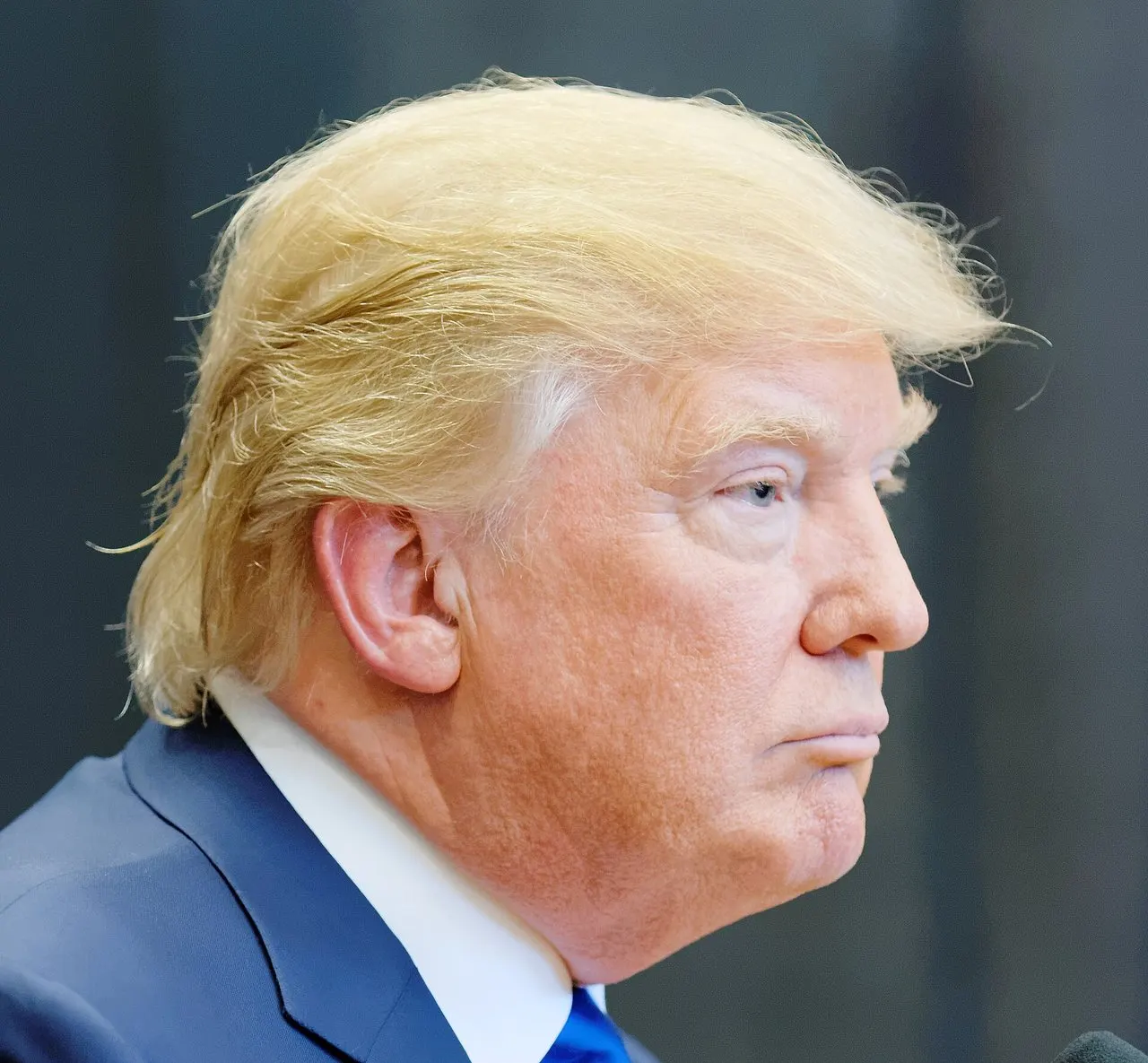
In the left photo of the meme, Donald Trump sits slumped in a chair with his eyes closed and his mouth shut, and the words not lying sit underneath him. The image is meant to suggest that when he is asleep he cannot be telling a fib, because he is not saying anything at all. Yet a closed mouth proves nothing about honesty, and a person can be silent for many reasons that have nothing to do with telling the truth. the Clinton criticism the Philippines package
The Speaking Photo in the Trump Lying Meme
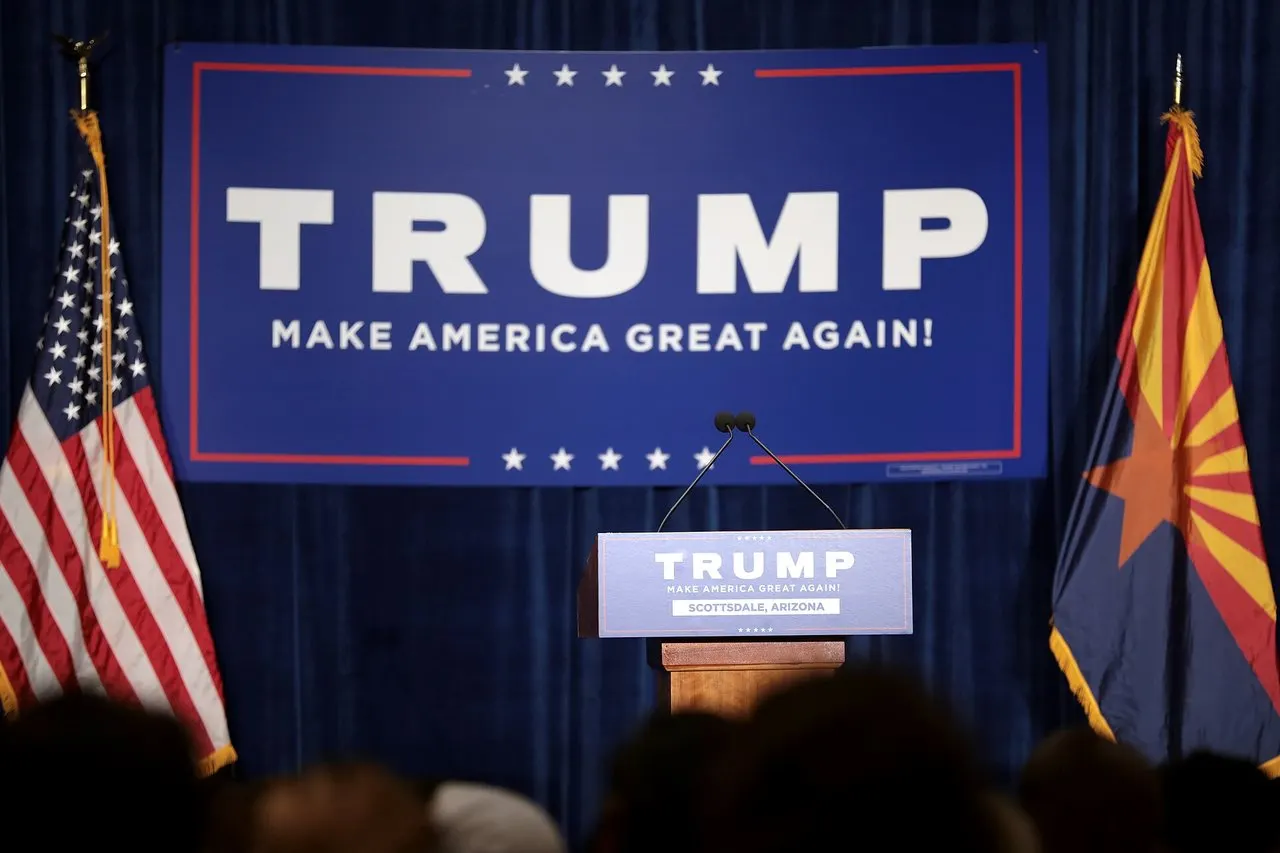
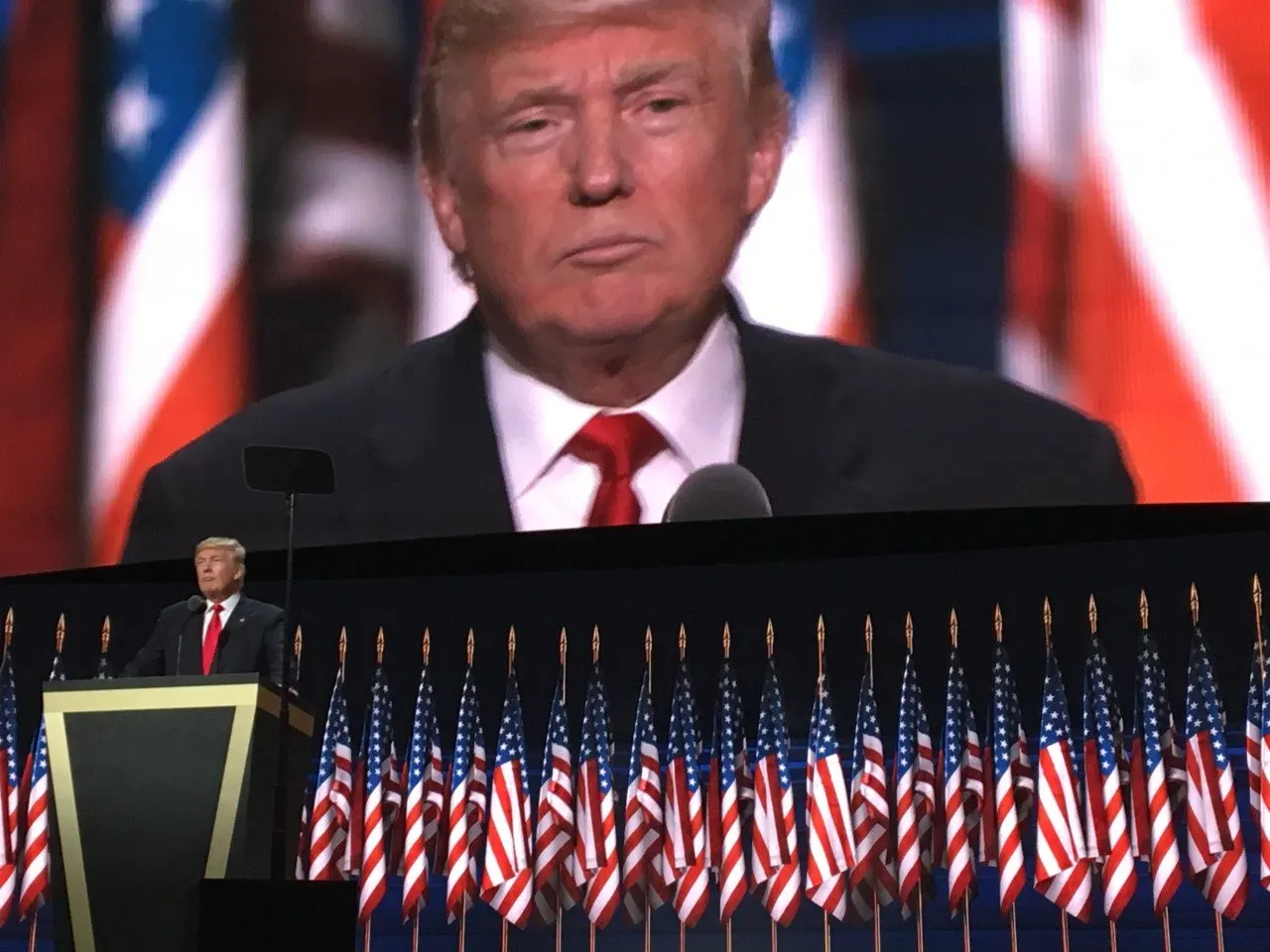
In the right photo of the meme, Donald Trump stands at a podium speaking with his hands raised, and the single word lying sits underneath him. The image is meant to suggest that the moment he starts talking, viewers should doubt every word that follows. It is the mirror image of the sleeping photo, and the contrast is what makes the joke land. But lively gestures are a normal part of public speaking, and a speaker can wave his hands while telling the truth or sit still while saying something false. the Thailand deal the No Invasion Act
Why the Trump Lying Meme Made People Laugh
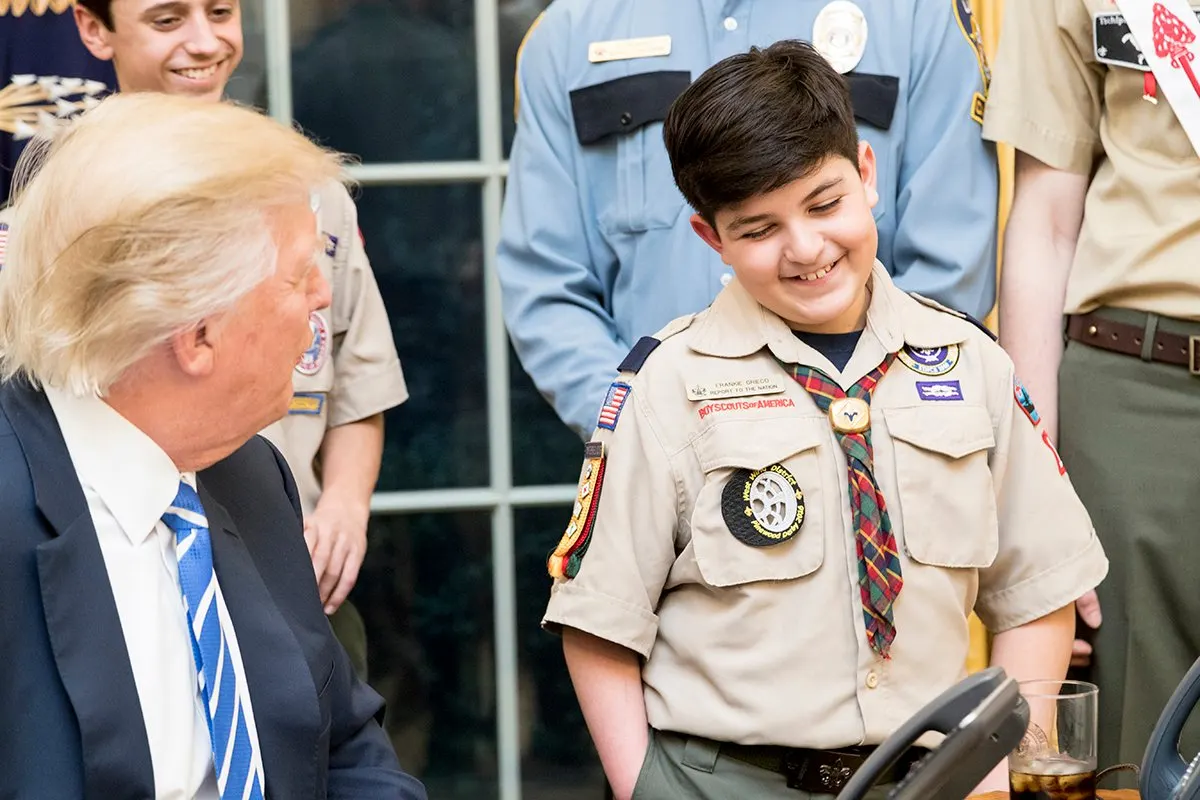
The meme made people laugh because it gives a complicated question a very simple answer, and simple answers are easy to share. Anyone who has watched a politician speak has wondered which claims to trust, and the meme offers a rule that needs no research and no checking. It also fits a familiar pattern online, where a funny picture carries a political point further than a long argument ever could. The humor is real, and so is the risk, because a joke that feels true can shape what people believe. the January 2027 impeachment plan the White House window video
What Deception Researchers Actually Found

Researchers who study deception say people are barely better than chance at spotting a lie from body language, at about 54 percent, which is only a little above guessing. Years of studies have found no single gesture that reliably shows dishonesty, not eye movements, not fidgeting, and not a change in voice. Trained observers do little better than ordinary people, and confidence in a judgment is no guide to whether it is right. The science is clear that the face and the hands are poor evidence, and the record is where the truth can be checked. the new portrait the McEnany backlash
No Single Gesture Proves Someone Is Lying
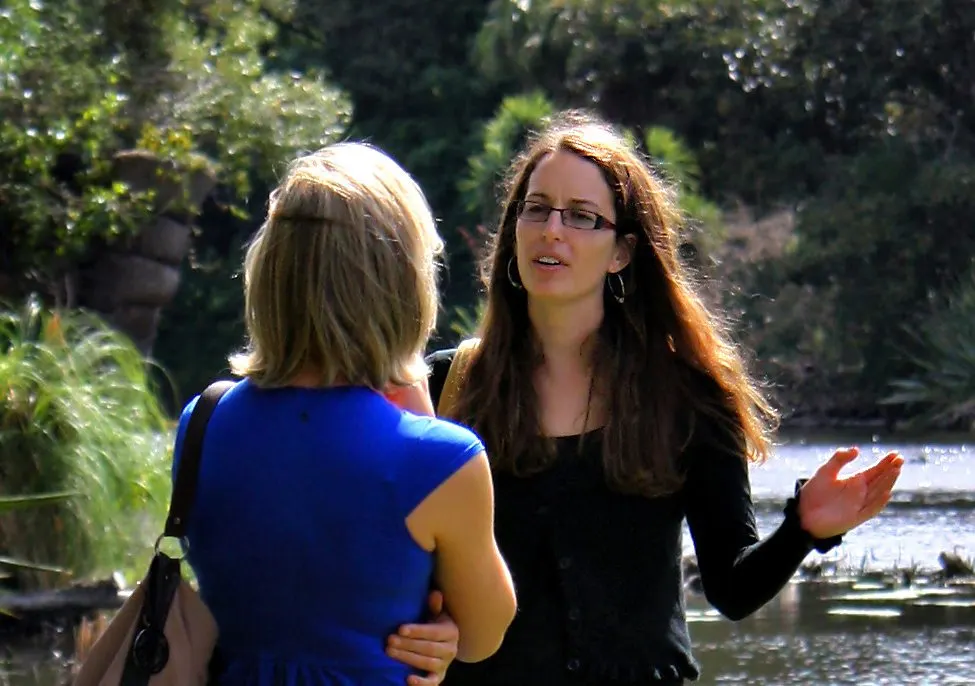
No single gesture proves that someone is lying, and that is the central finding of the research on deception. A person who looks away may be thinking, a person who smiles may be nervous, and a person who speaks loudly may simply be excited. Context matters far more than any one movement, and the same gesture can mean different things on different days. That is why experts warn against reading guilt into a shrug or honesty into a steady stare, and why they urge people to test claims against facts instead. the dozing video the Shenzhen agreement
The Washington Post Counted 30,573 False Claims
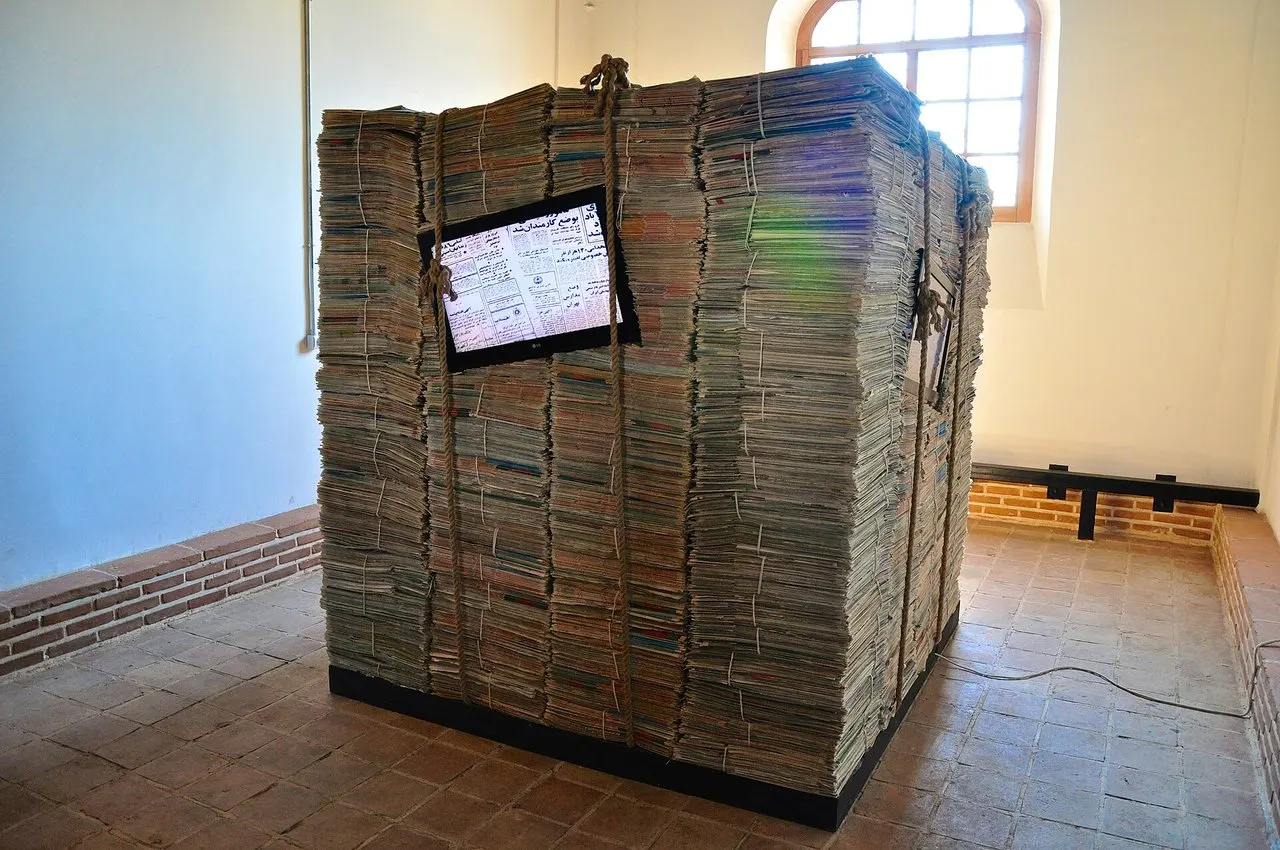
The Washington Post Fact Checker logged 30,573 false or misleading claims by Trump in his first term, about 21 a day, by checking each statement against documents, records and earlier remarks. That count did not come from watching his face or listening to his tone, and it did not depend on how he looked while he spoke. It came from the slow work of comparing words with evidence, which is the method fact checkers use for every leader. The number is large, and it shows why the record matters more than any single moment on camera. the summit photo the tarmac greeting
Fact Checkers Look at the Record, Not the Face
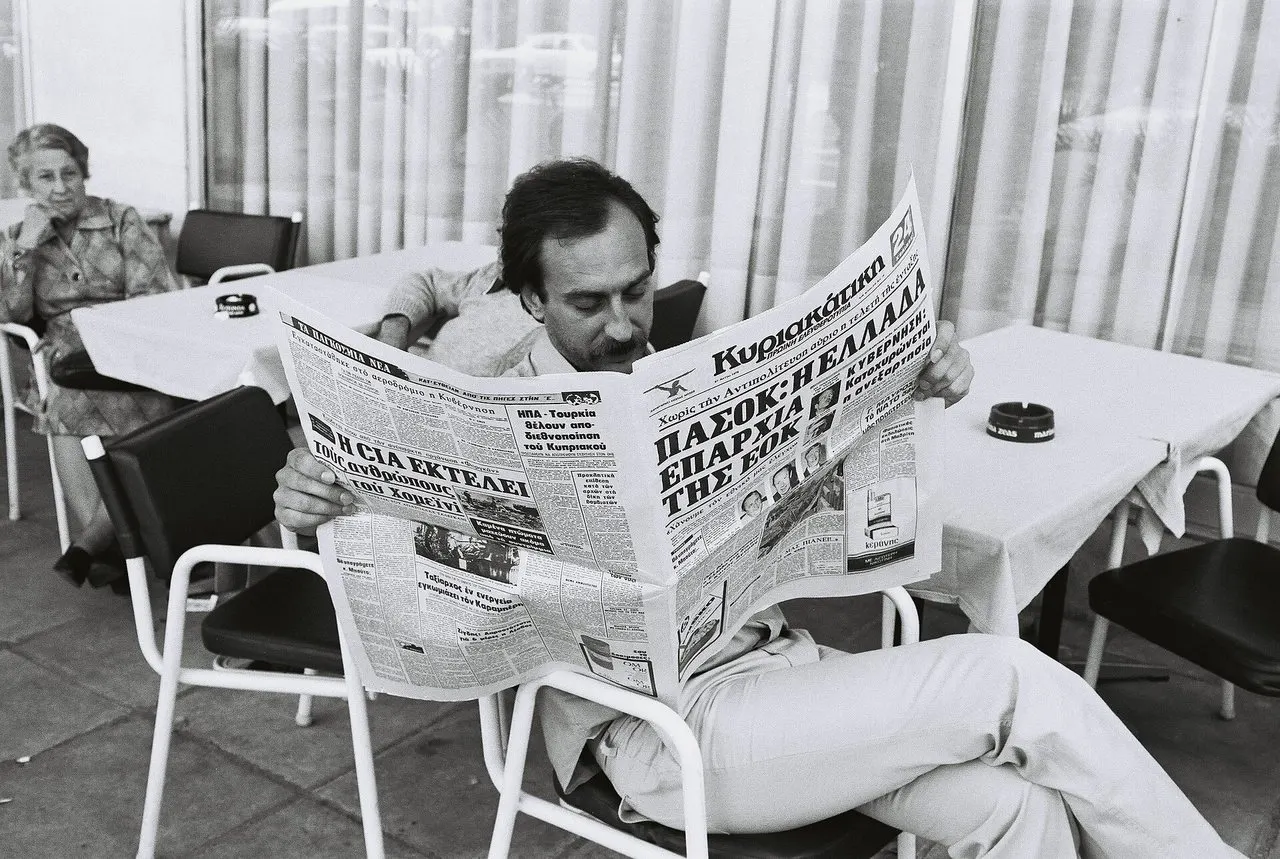
Fact checkers look at the record instead of the face, and their method is simple even when the work is slow. They check the numbers, examine the documents, compare a statement with previous claims, and ask whether independent sources support what was said. A confident expression, steady eye contact or animated hand gestures do not establish that someone is telling the truth. Likewise, closed eyes or a tired expression do not prove dishonesty. The test is always the evidence, and that test works the same for every public figure. the Clinton criticism the Philippines package
The Shenzhen Moment Behind the Trump Lying Meme
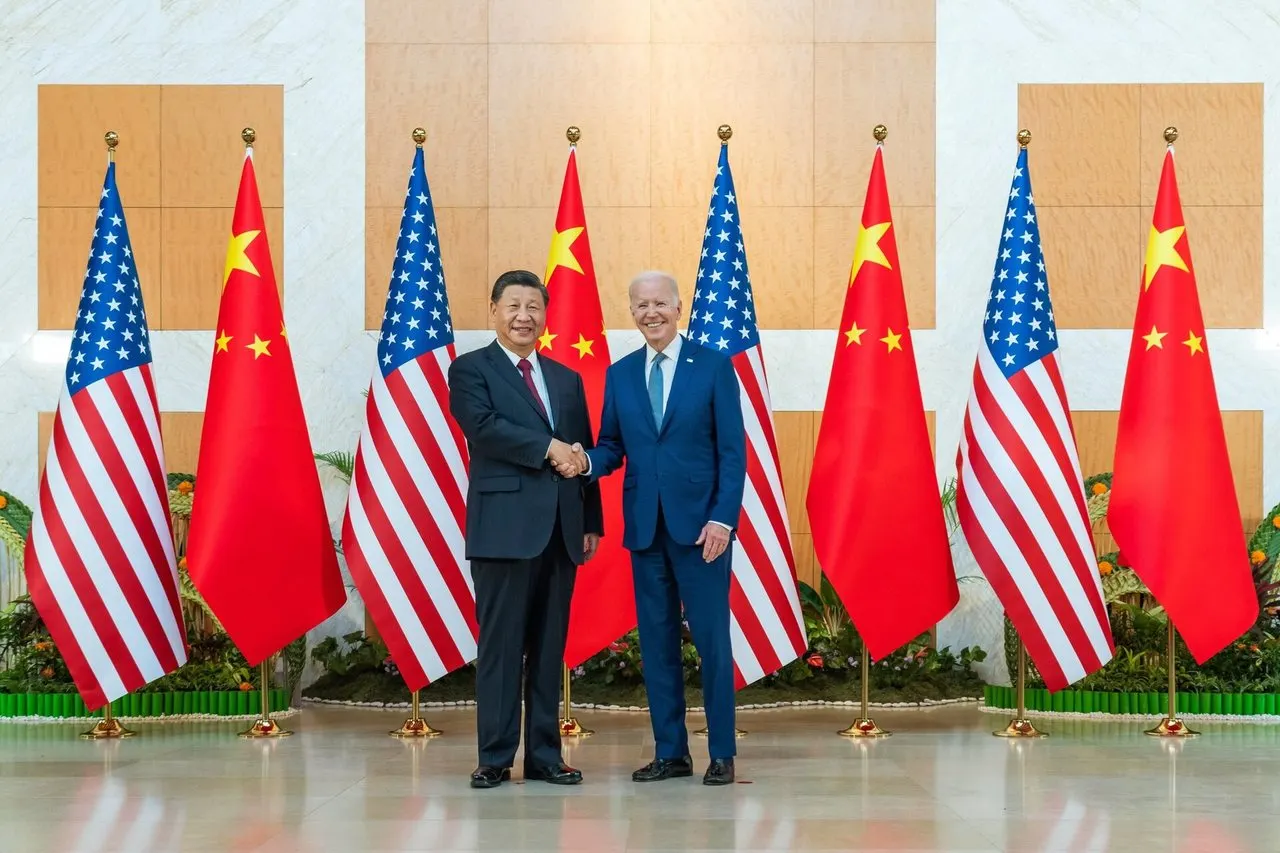
The meme also draws on a real moment in Shenzhen, where Trump was filmed with his eyes shut during a speech by Xi Jinping at the APEC summit. The White House pushed back on the sleeping claims, saying Trump was reading documents when his eyes were shut, and it denied that he had dozed off during the speech. The clip spread quickly anyway, and it became the raw material for jokes about a leader caught resting. The episode shows how a few seconds of video can travel further than any official explanation. the Thailand deal the No Invasion Act
What the White House Said About the Sleeping Claims
The White House said Trump was reading documents, not sleeping, when his eyes were shut during the speech in Shenzhen, and it pushed back firmly on claims that he had dozed off. Officials said the moment had been misread, and they pointed to the papers in front of him as the reason for his lowered gaze. Whether viewers accept that explanation or not, the response shows how seriously the White House takes images of a president with his eyes closed. A short clip can create a story that takes days of statements to answer. the January 2027 impeachment plan the White House window video
Why Cameras Catch Leaders With Their Eyes Shut
Cameras catch leaders with their eyes shut more often than people think, because long ceremonies and late nights make anyone tired. A president may close his eyes to listen, to read notes, or simply to rest for a moment between speeches, and a still photo cannot show which of those it was. The problem grows when one frame is shared without the minutes around it, because the missing context is what would explain the moment. That is why a single image is a weak witness, and why the full record is worth checking. the new portrait the McEnany backlash
Confidence Is Not Proof of Honesty
Confidence is not proof of honesty, and a speaker who sounds sure of himself can still be wrong about the facts. Political communication rewards a strong delivery, a clear voice and a steady gaze, and audiences often treat those traits as signs of truth. But a confident expression is a skill, not a test, and it can be learned and practiced like any other part of public speaking. The honest question is not how the claim was delivered, but whether the claim survives a check against documents and data. the dozing video the Shenzhen agreement
How to Check a Claim Before You Believe It
Checking a claim before you believe it takes a few simple steps, and none of them involves watching the speaker’s face. Start with the numbers, then look for the original document, then compare the statement with what the same person said before. Ask whether independent sources support the claim, and be wary when only one voice is making it. If the evidence is missing or the numbers do not add up, the claim should wait until better proof appears. That habit protects readers from jokes and from serious errors alike. the summit photo the tarmac greeting
The Real Point of the Trump Lying Meme
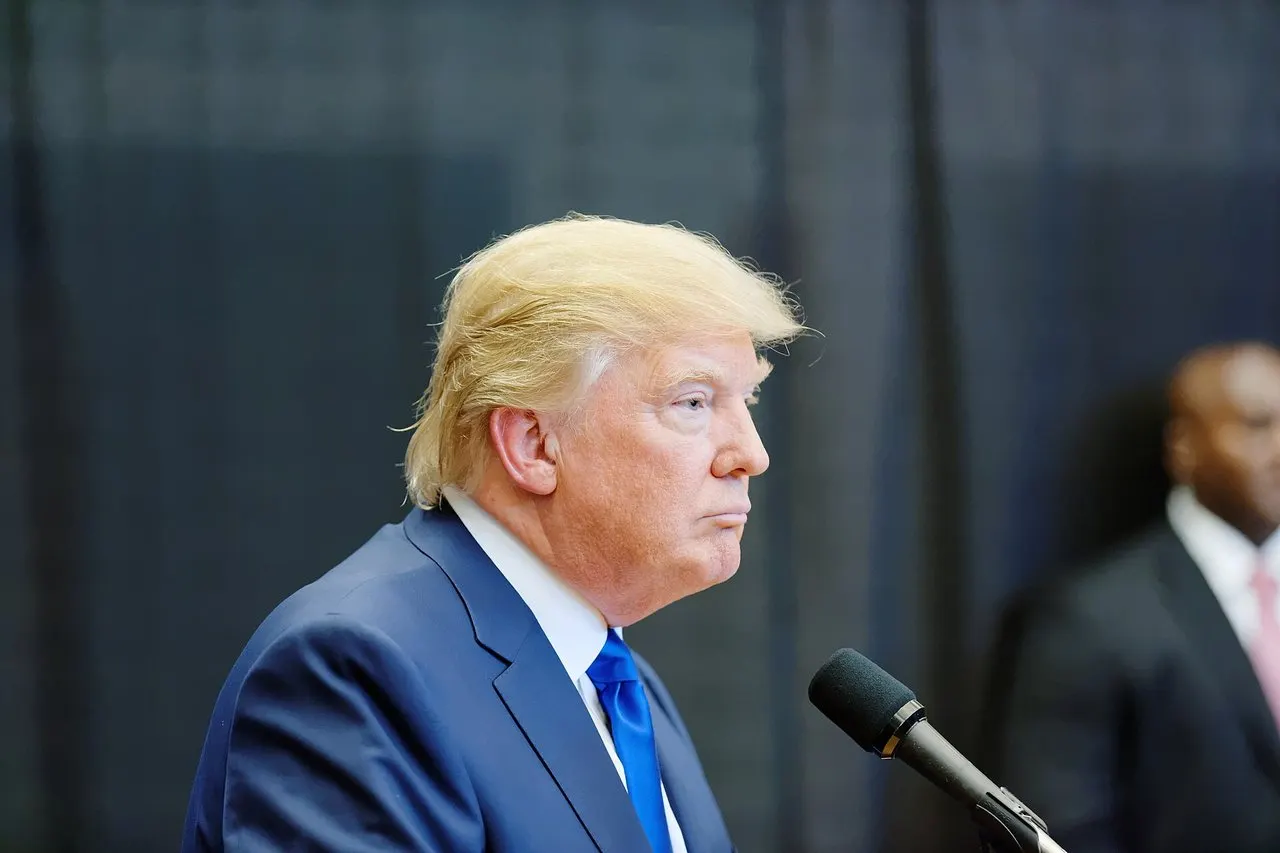
The real point of the Trump lying meme is not that sleeping makes a person honest, and it is not that speaking makes a person a liar. The point is the caption that travels with the joke, which says not to judge the truth by body language but to judge it by the facts. The meme works as humor because the two photos are so different, and it works as a warning because the joke is easy to mistake for a rule. the Clinton criticism the Philippines package
Memes Turn a Big Argument Into One Picture
Memes turn a big argument into one picture, and that is why they travel further than speeches and articles. A single image can carry a view of a leader, a policy or an event in a form that anyone can forward in a second, and the humor makes people want to pass it on. The trade is that detail gets lost, and a picture that is funny can also be unfair, because it leaves out the context that would complicate the joke. Knowing that trade helps readers enjoy a meme without letting it do their thinking for them. the Thailand deal the No Invasion Act
Three Questions to Ask Before You Share a Meme
Before you share a meme, ask three questions that take only a minute to answer. First, what is the claim behind the joke, and is it stated anywhere in words. Second, what evidence supports that claim, and where did the numbers or quotes come from. Third, would the joke still work if the photo showed a different person, or does it depend on feelings about one leader. If the answers are weak, the meme may still be funny, but it should not be treated as proof of anything. the January 2027 impeachment plan the White House window video
What Do You Think the Trump Lying Meme Gets Right
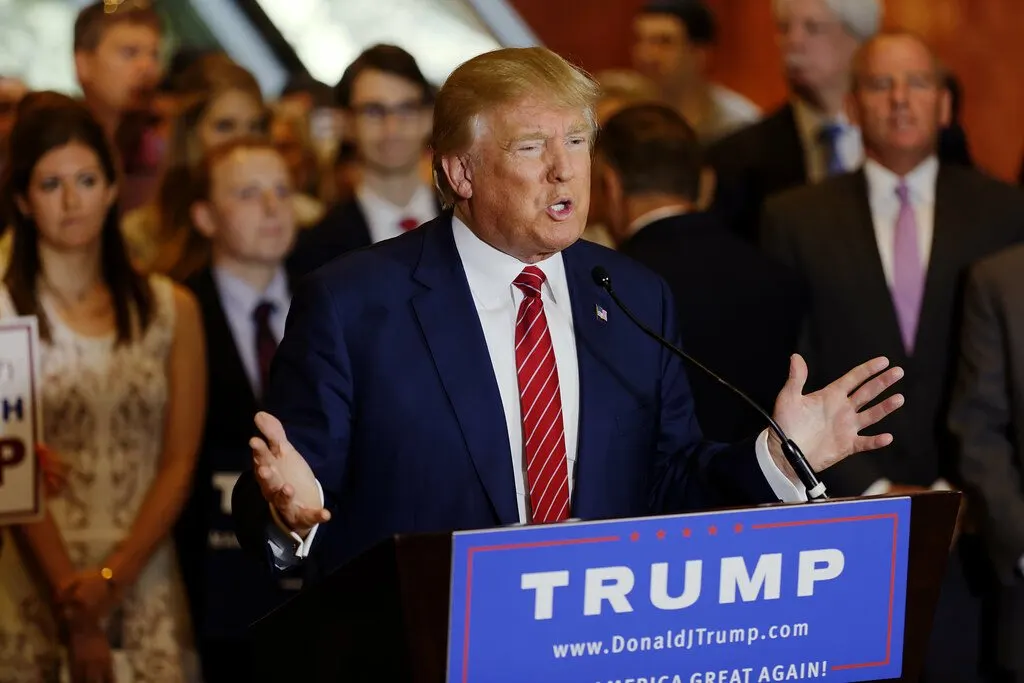
The meme leaves one question for everyone who has seen it, and it is worth asking out loud. If body language cannot tell us who is honest, what should we look at instead when we judge a leader’s words. Some readers will say the record, some will say the documents, and some will say the pattern of past claims. Share your answer in the comments, and tell us which test you trust most when a claim sounds too neat to be true. the new portrait the McEnany backlash