The AI Slop Feed Is Filling Up Fast
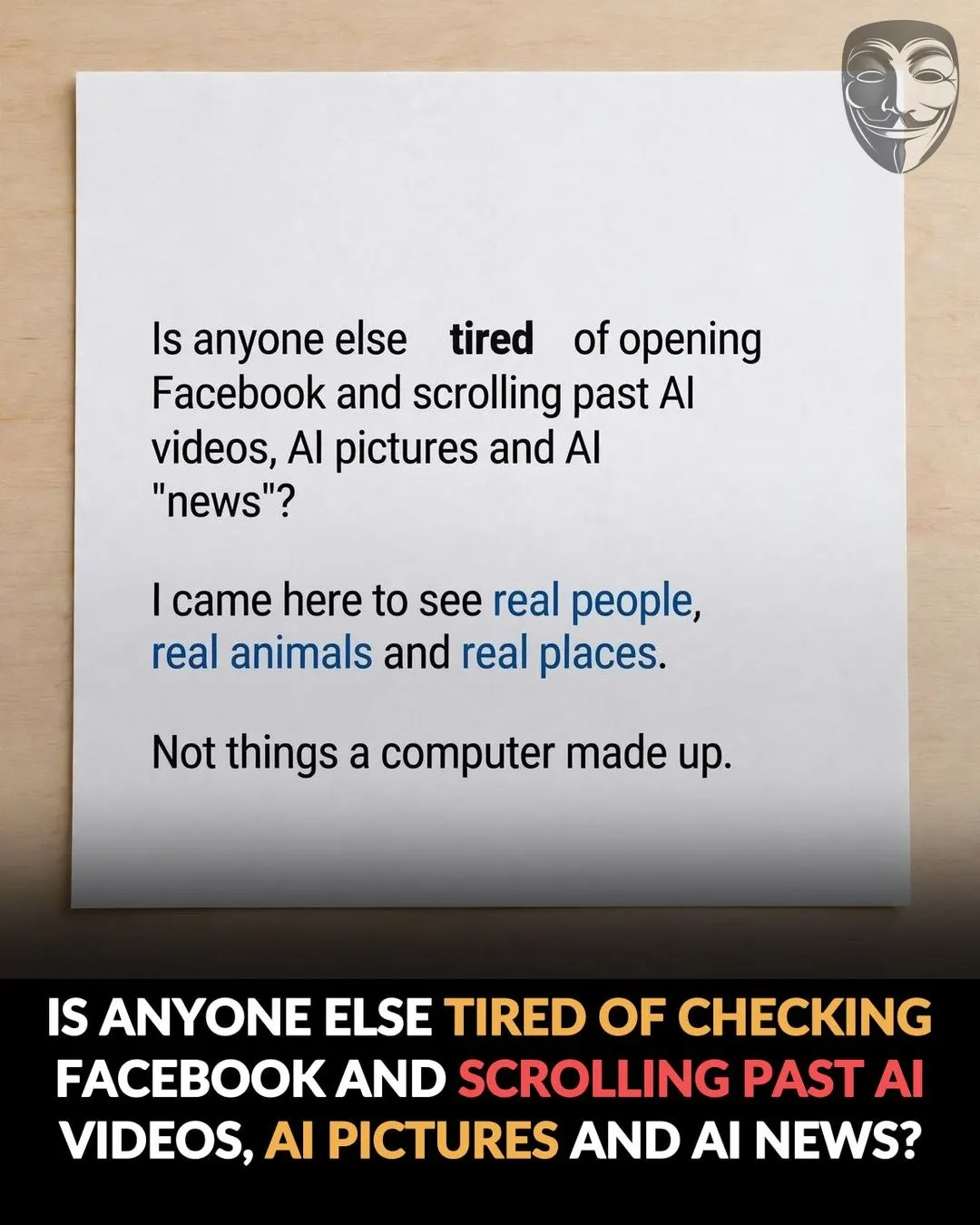
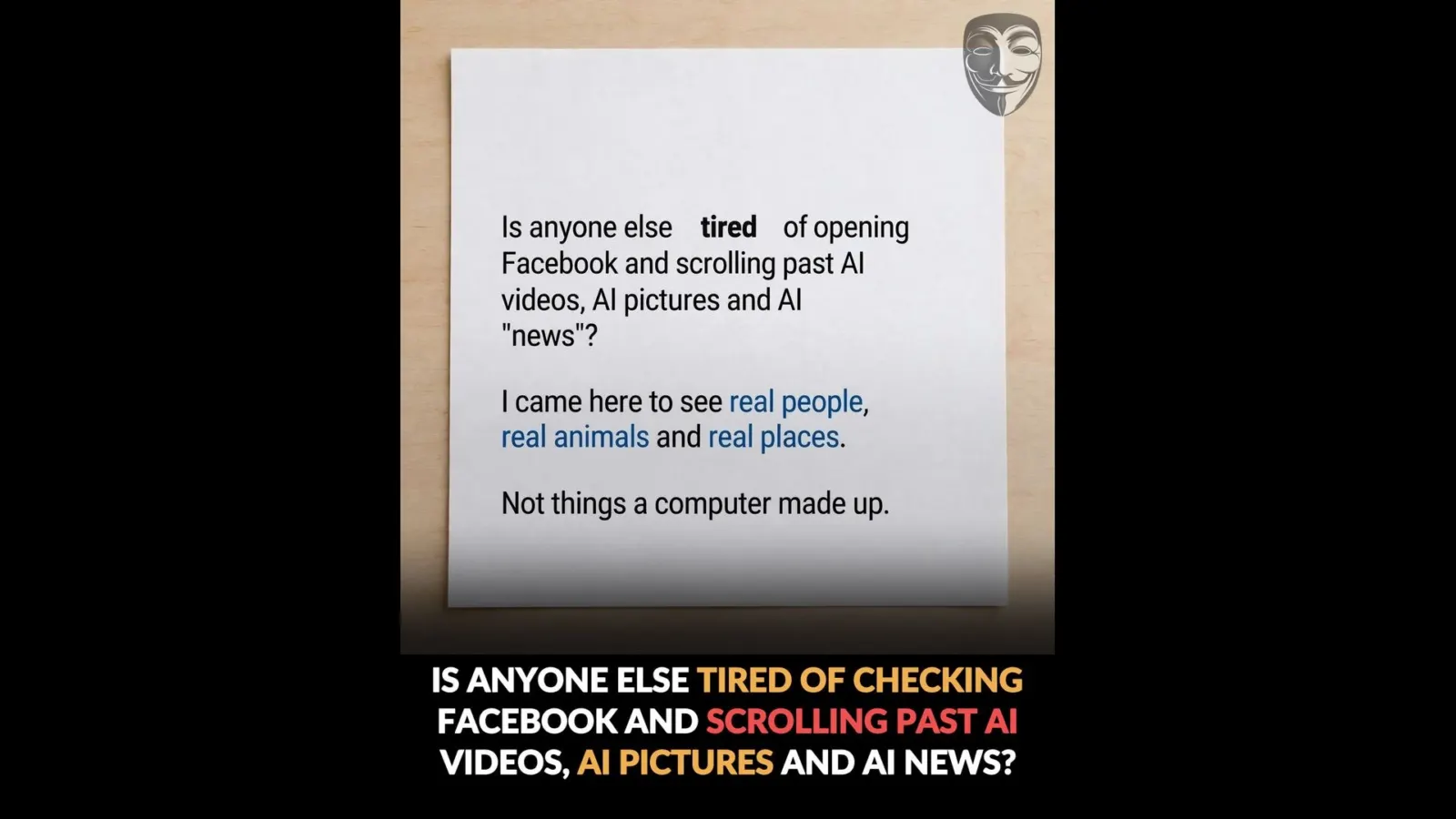
The AI slop feed is taking over the timeline, and a page called Back to Nature says half of what shows up now was never real at all. The page wrote that the feed is filling up with AI videos, AI pictures and AI news, while the real moments are getting harder to find. Animals that do not exist stare back from the screen, and places nobody has stood in glow like postcards from nowhere. Readers can see how a fake clip spreads in our report on a viral video that turned out to be fake.
The internet used to be a window, and Back to Nature says that is what people miss most. A fox in someone’s backyard, a sunset from the other side of the world, and a neighbor’s garden in bloom were ordinary sights, and they were real, and that is what made them special. The page says it still wants real people, real animals and real places, and it asked if anyone else misses that feeling too. Real foxes still need real help, as shown in our story about the rescue of foxes stranded by floodwaters.
References:
Lead Stories: Good Morning Vietspam: New International Investigations Into Vietnamese Facebook Pages And Websites Flooding The Zone With AI-Generated Slop Content — Similar To Pages Targeting U.S.
The Cool Down: Researchers traced 2,100 sham recipe sites built to flood feeds with AI ‘slop’
LateNighter: The Latest AI Slop Trend? Celebrities Throwing Water in Jimmy Fallon’s Face
InShorts: AI photo of lion sparks panic, US zoo debunks escape rumours
A Fox in Someone’s Backyard
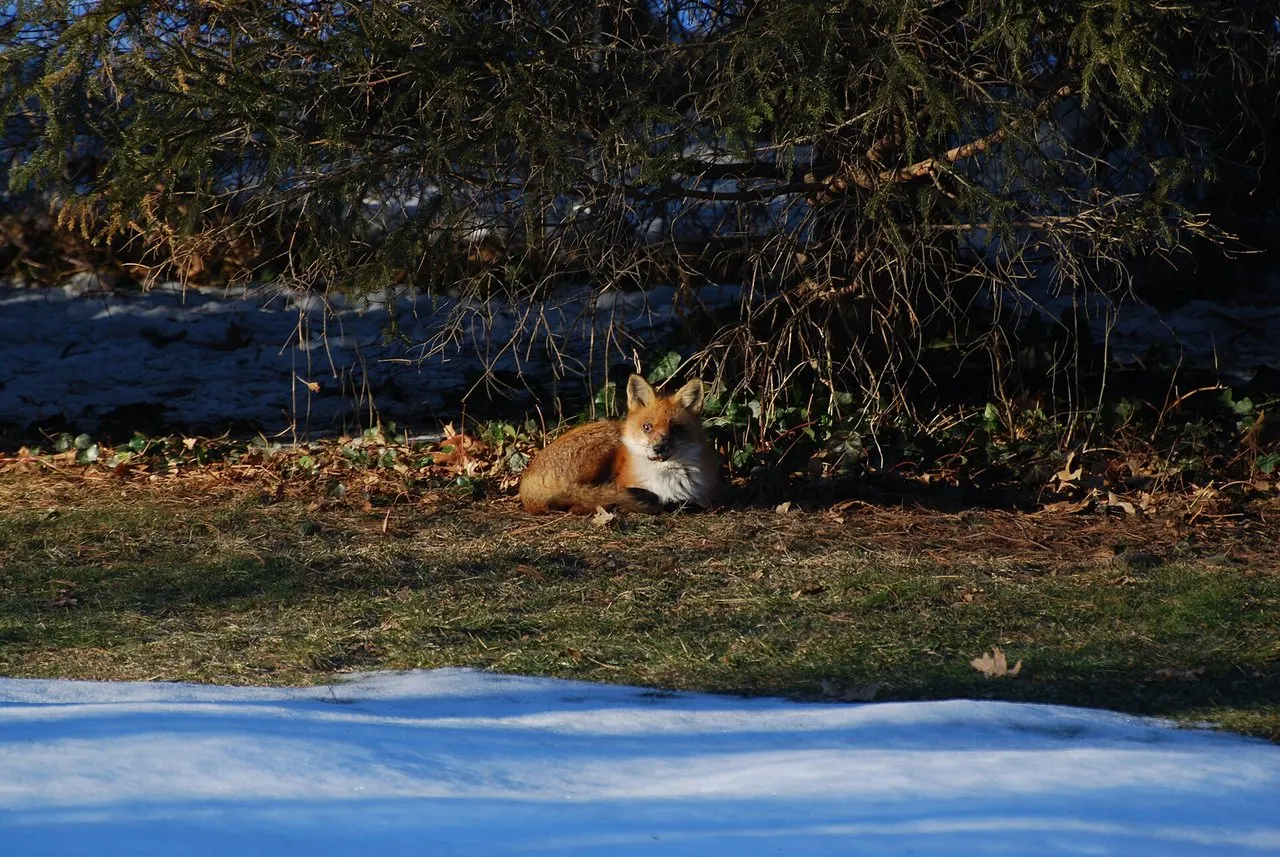
A fox in someone’s backyard was once the kind of small surprise that made the internet feel alive. Nobody staged it, and nobody needed to, because a wild animal wandering past a fence was enough to make people stop and smile. Back to Nature says that simple view is what the feed used to offer, a glimpse of a life happening somewhere else, caught by chance. Real animals still face real danger, as our report on what happens to animals seized in a cruelty case explains, and the rescue of foxes stranded by floodwaters shows how much a real rescue can matter.
A Sunset From the Other Side of the World
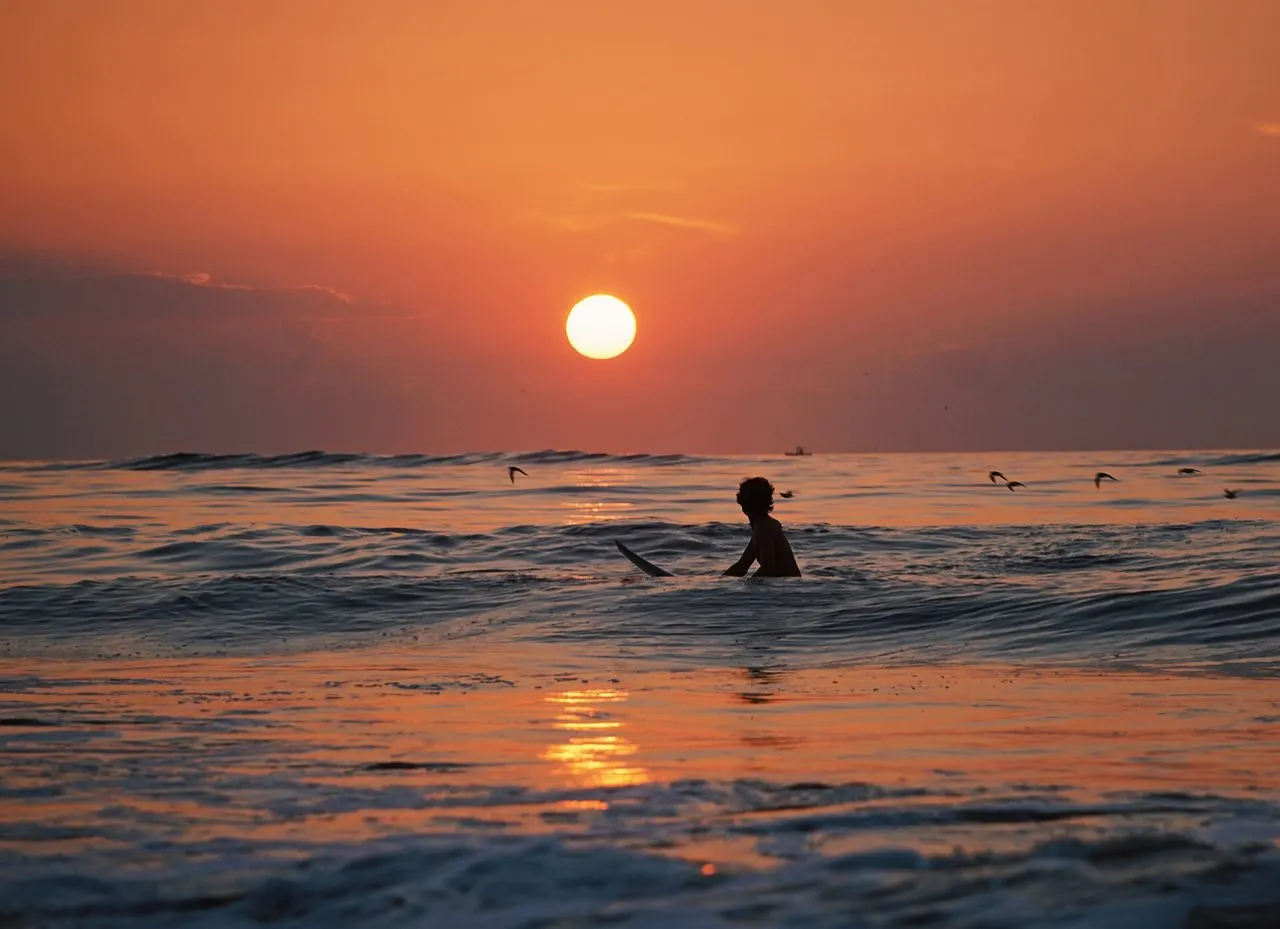
A sunset from the other side of the world could arrive on your screen while you sat at your own kitchen table, and for a minute the distance did not matter. Someone far away had pointed a camera at the sky, and the colors were real because the evening was real. Back to Nature says those small windows made the internet feel wide and kind, a place where ordinary people shared what they saw. Rules still shape how animals are treated, as our guide to what the Animal Welfare Act regulates shows, and family life still brings honest moments, like the sister sketch that feels like real life for caregivers.
A Neighbor’s Garden in Bloom
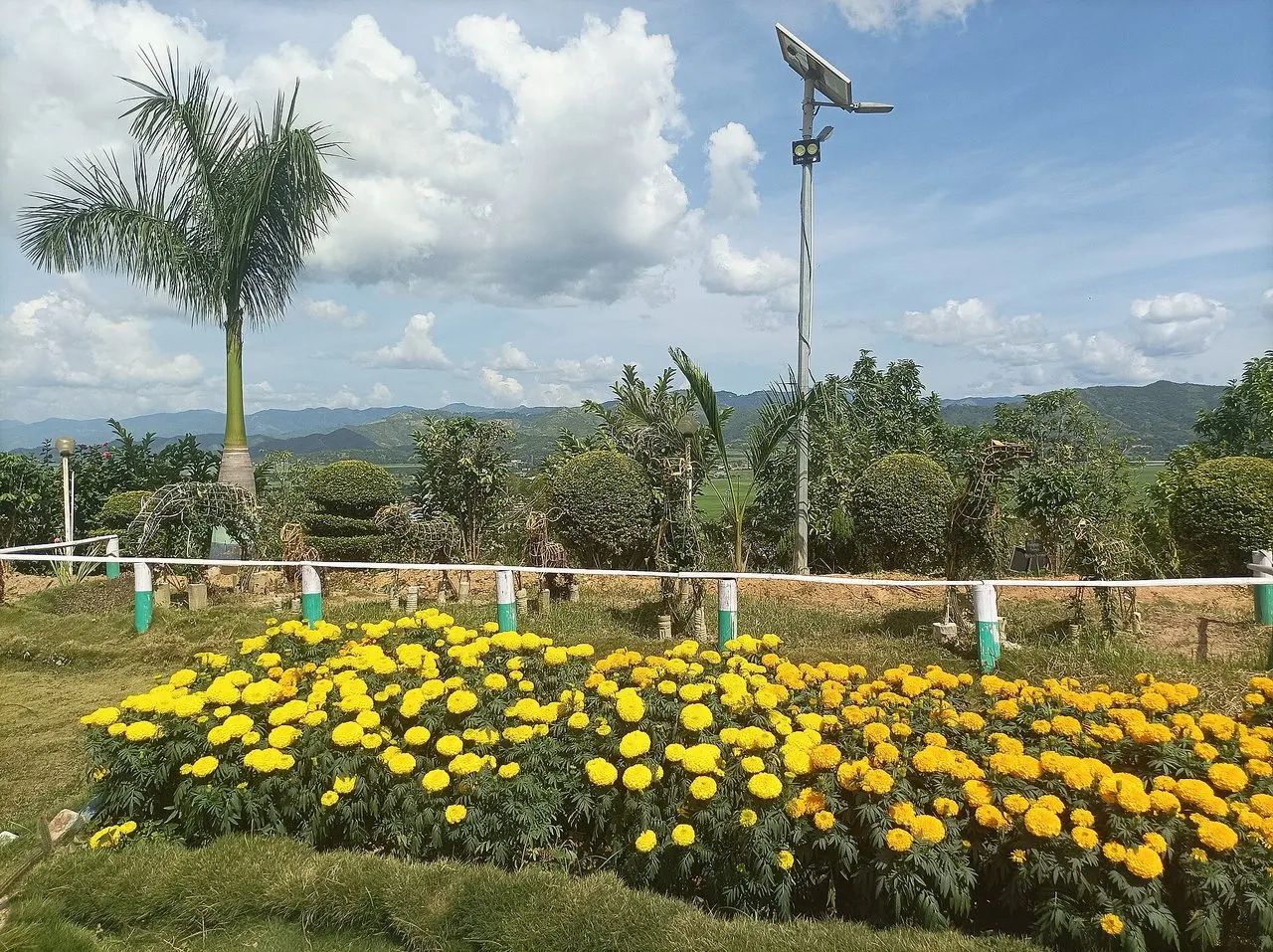
A neighbor’s garden in bloom was the kind of photo that asked for nothing and gave a lot. The flowers were planted by hand, watered through dry weeks, and photographed on a morning when the light was kind. Back to Nature says that is the internet people remember, where pride in a small patch of earth could travel around the world. Animals also need honest care, as our report on what happens to animals seized in a cruelty case explains, and big nights still belong to real stars, like Ella Langley sweeping the CMA Awards with six wins.
Animals That Do Not Exist in the AI Slop Feed
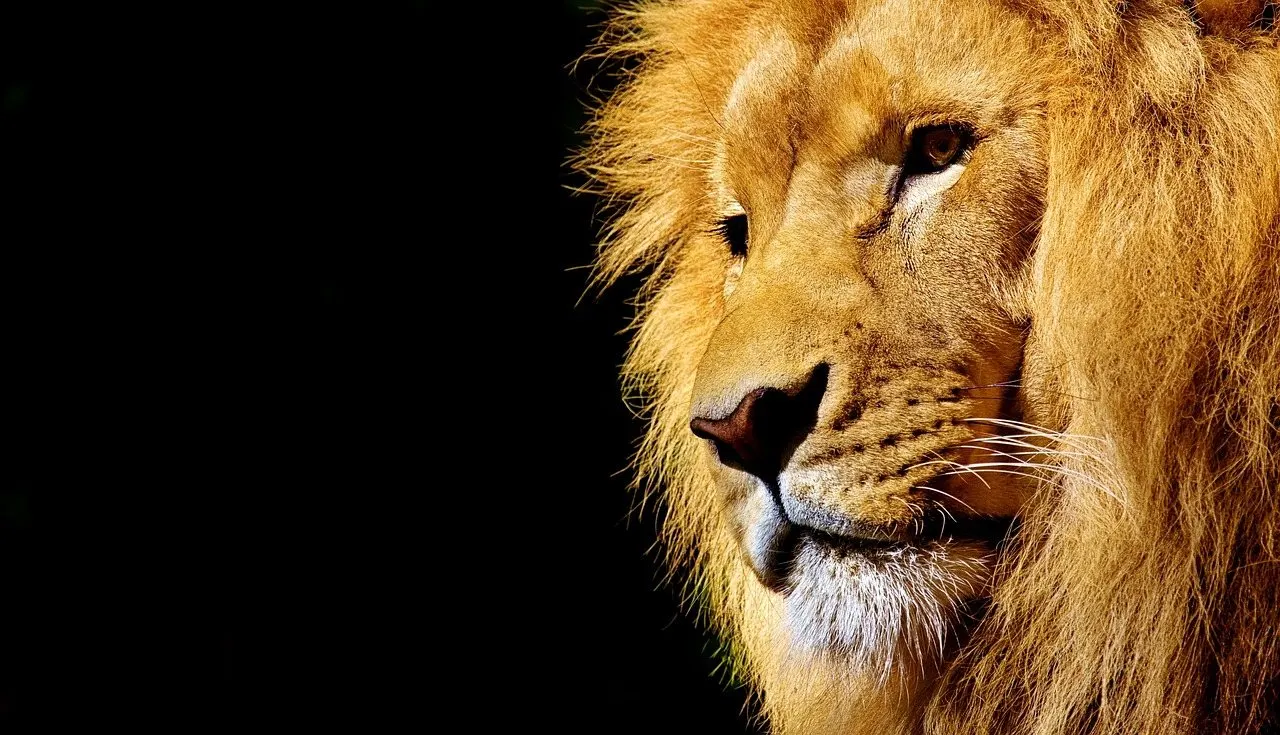
Animals that do not exist now fill the feed, from glowing cubs to impossible beasts that never drew breath. They look soft and sweet, and they gather likes in minutes, yet no one ever met them, because they were drawn by software in seconds. Back to Nature says the danger is quiet, since each fake animal pushes a real one further down the page. Fake clips can fool millions, as our report on a viral video that turned out to be fake shows, and real stars still earn their applause, like Taylor Swift’s CMA Awards comeback.
Places Nobody Has Ever Stood In the AI Slop Feed
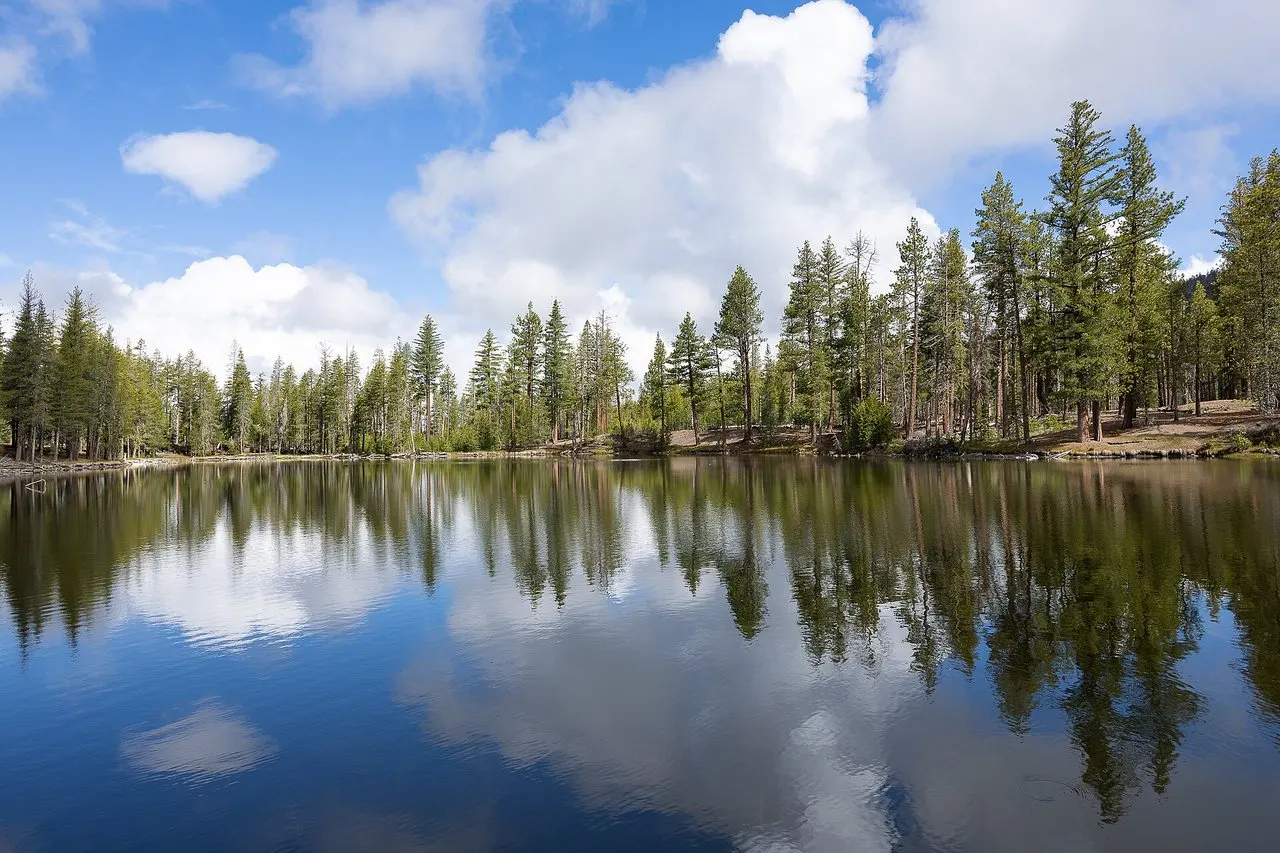
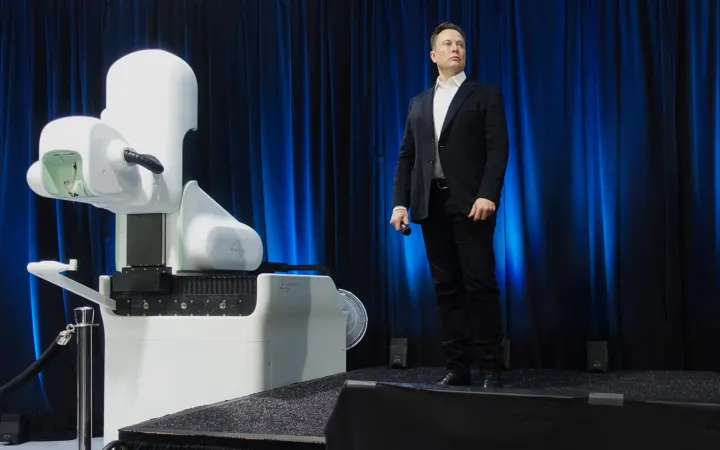
Places nobody has ever stood in now glow on the screen, with lakes too blue and peaks too sharp to belong to any map. They promise a trip that cannot be booked, because the ground under them was never real. Back to Nature says the loss is small but steady, since every invented view takes the place of a real one that someone loved enough to photograph. New faces still light up the screen for real, like Lee Jong-suk as Prince Heinrey in new set photos, and new science still aims at real sight, as our report on Neuralink’s Blindsight trials explains.
Stories That Never Happened in the AI Slop Feed

Stories that never happened now arrive dressed as news, with dates, quotes and details that sound right until someone checks. They travel fast, because a shocking claim always outruns a careful correction. Back to Nature says the feed is filling with AI news, and the real stories are getting harder to find under the noise. Big promises still need real proof, as our story on Tesla’s proposed pay package for Elon Musk shows, and real courage still makes the news, like the boy who jumped from a burning home into waiting arms.
People Who Are Not People in the AI Slop Feed
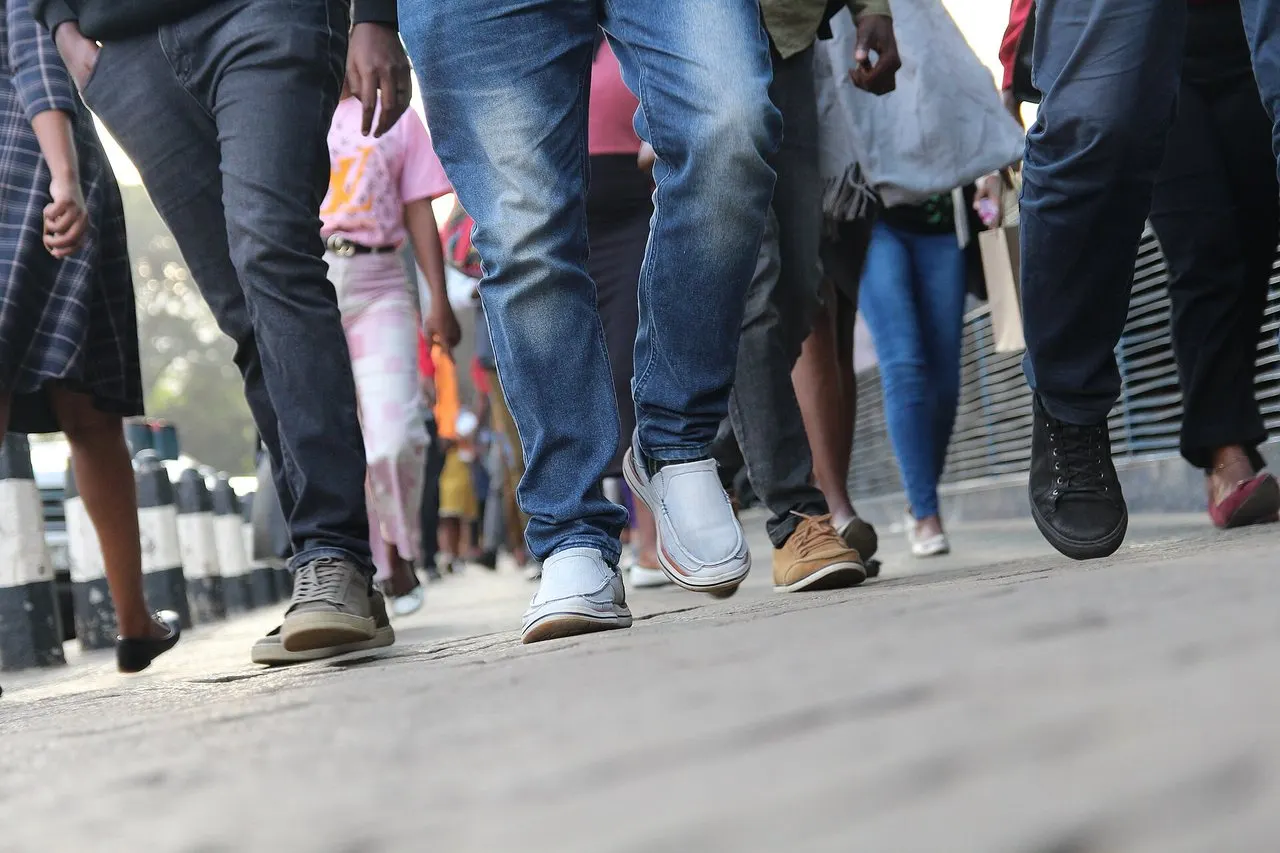
People who are not people now tell stories on the feed, with faces built by software and voices that never belonged to a body. They smile, they warn, they sell, and they never tire, because they never lived. Back to Nature says that is the strangest change of all, since the internet was once a place to meet real strangers and hear real lives. Family life still brings honest laughter, as the sister sketch that feels like real life for caregivers shows, and old mysteries still pull us in, like our look at what happened to Amelia Earhart.
Vietnamese Pages Flooding the Zone With Slop

Lead Stories reports new international investigations into Vietnamese Facebook pages and websites flooding the zone with AI generated slop content, similar to pages targeting the United States. The report says whole networks of pages push out fake stories at a speed no small team could match, and the flood is deliberate. For readers, the result is a feed where it is hard to tell which page is real and which one was built to farm clicks. Fake clips can fool millions, as our report on a viral video that turned out to be fake shows, and real stars still earn their applause, like Ella Langley sweeping the CMA Awards with six wins.
2,100 Sham Recipe Sites Built to Flood Feeds
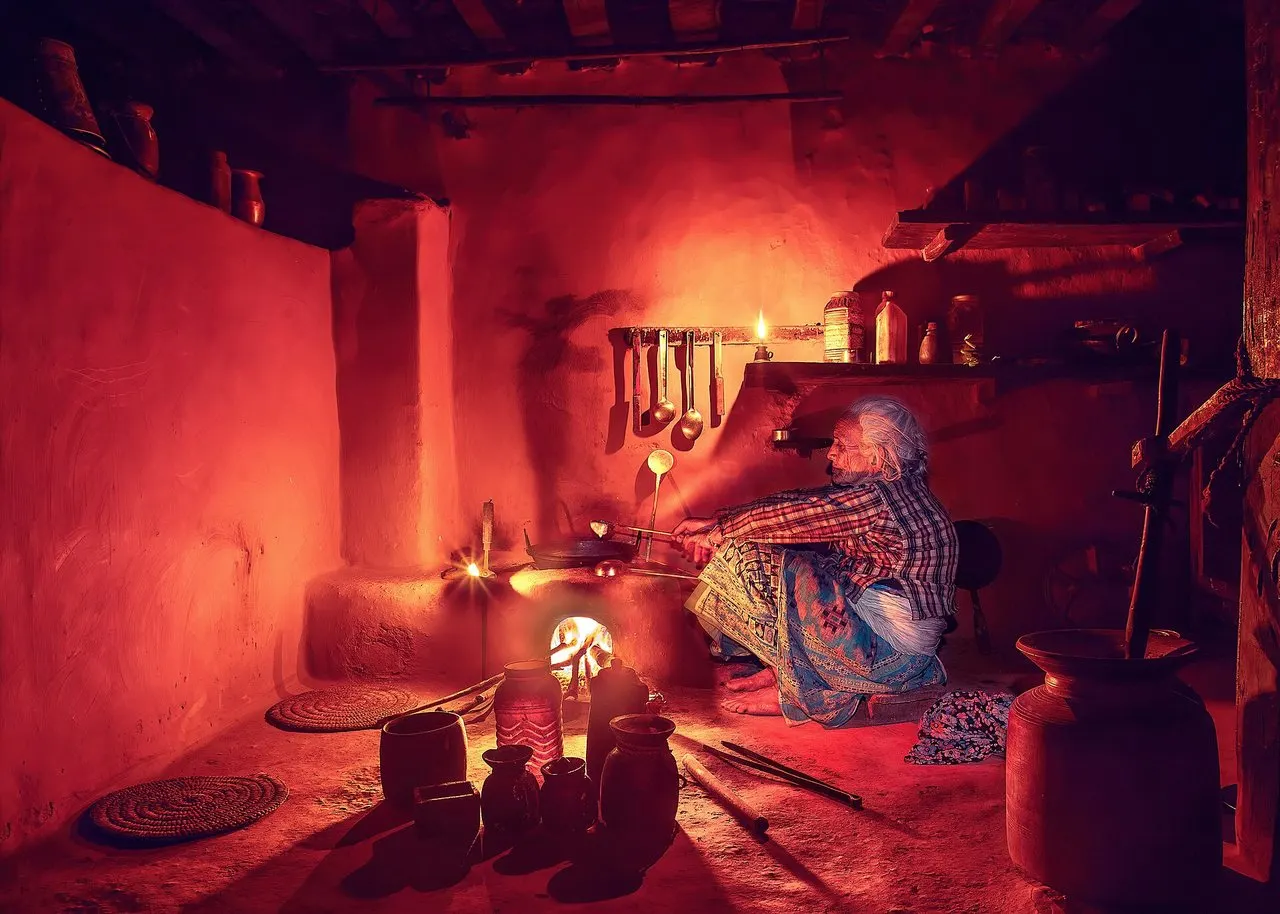
The Cool Down reports that researchers traced 2,100 sham recipe sites built to flood feeds with AI slop. The sites look like friendly food blogs, yet their recipes were never tested in a real kitchen, and their photos were never taken at a real table. For home cooks, the cost is real, since a bad recipe wastes food, time and money. The scale shows that slop is not an accident, because 2,100 sites take planning, hosting and steady effort to run. Real stars still earn their applause, like Taylor Swift’s CMA Awards comeback, and big promises still need real proof, as our story on Tesla’s proposed pay package for Elon Musk shows.
The Latest AI Slop Trend Hits Jimmy Fallon
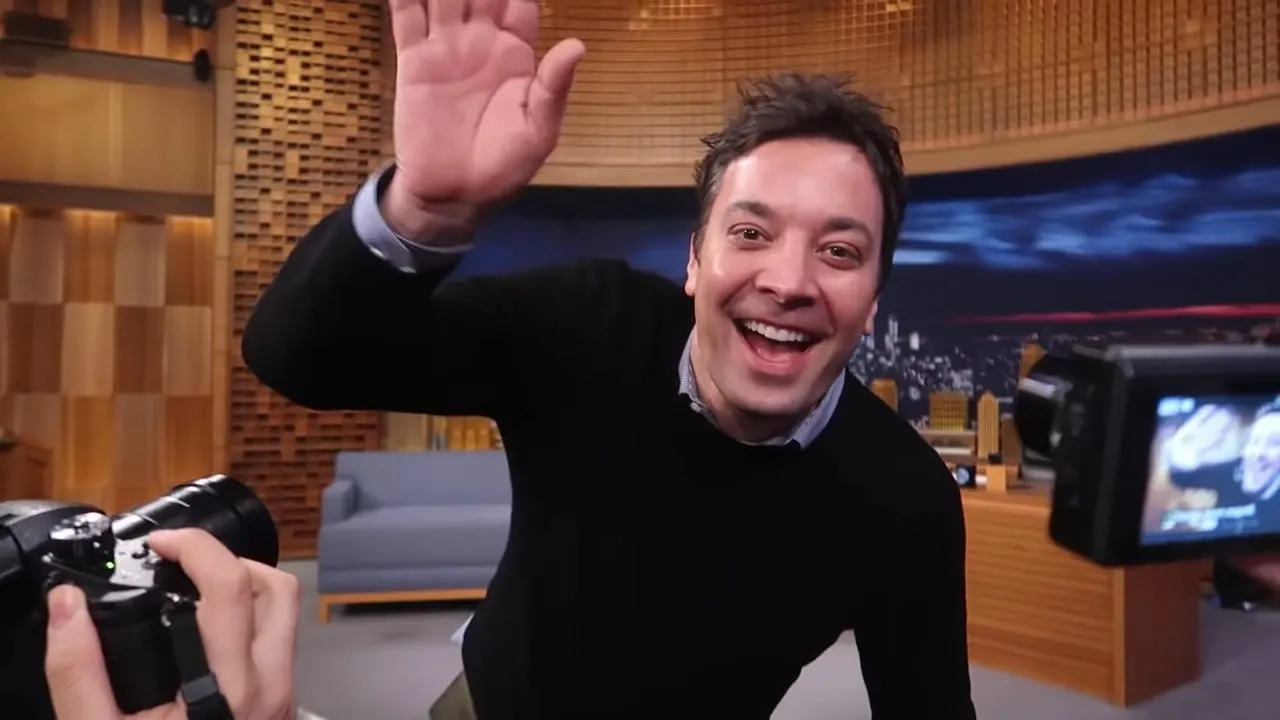
LateNighter asks about the latest AI slop trend, celebrities throwing water in Jimmy Fallon’s face. The clips look real at a glance, yet the host never sat through those splashes, and the stars never threw the water. For viewers, the joke lands before the truth does, and by the time someone checks, the clip has already been shared a thousand times. New faces still light up the screen for real, like Lee Jong-suk as Prince Heinrey in new set photos, and real courage still makes the news, like the boy who jumped from a burning home into waiting arms.
The AI Lion Photo That Sparked Panic
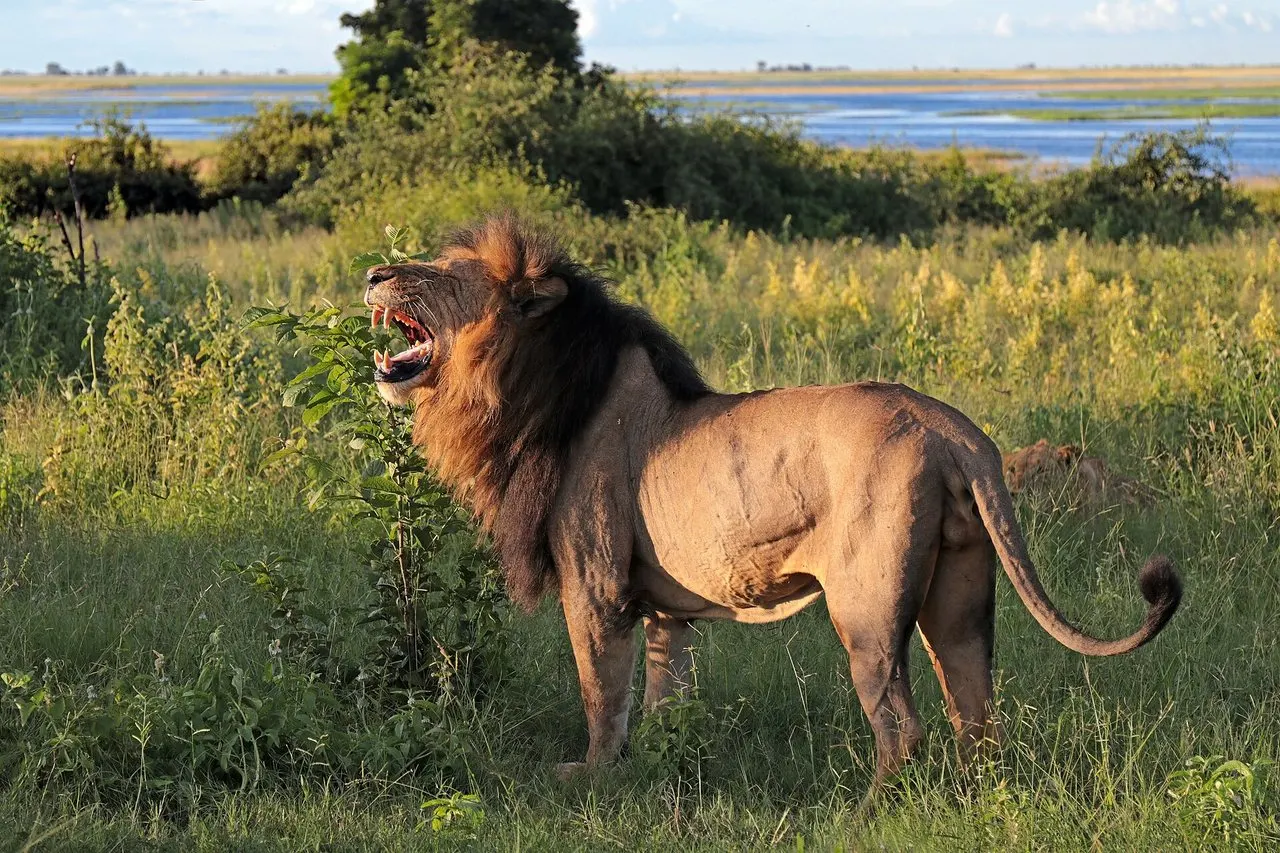
InShorts reports that an AI photo of a lion sparked panic, and a United States zoo had to debunk escape rumors. The image showed a lion where no lion belonged, and worried people shared it before anyone could check the facts. For the zoo, the cost was real, since staff had to calm fears that a made up picture had started. Animals also need honest care, as our report on what happens to animals seized in a cruelty case explains, and old mysteries still pull us in, like our look at what happened to Amelia Earhart.
How to Spot the AI Slop Feed Before You Share

A quick check can save a share, and it starts with the details that software still gets wrong. Look at the hands, the teeth, the text in the background, and the light that falls the wrong way. If a claim feels too perfect or too shocking, pause and search for the same story from a source you trust. Rules still shape how animals are treated, as our guide to what the Animal Welfare Act regulates shows, and new science still aims at real sight, as our report on Neuralink’s Blindsight trials explains.
What Makes a Photo Feel Real
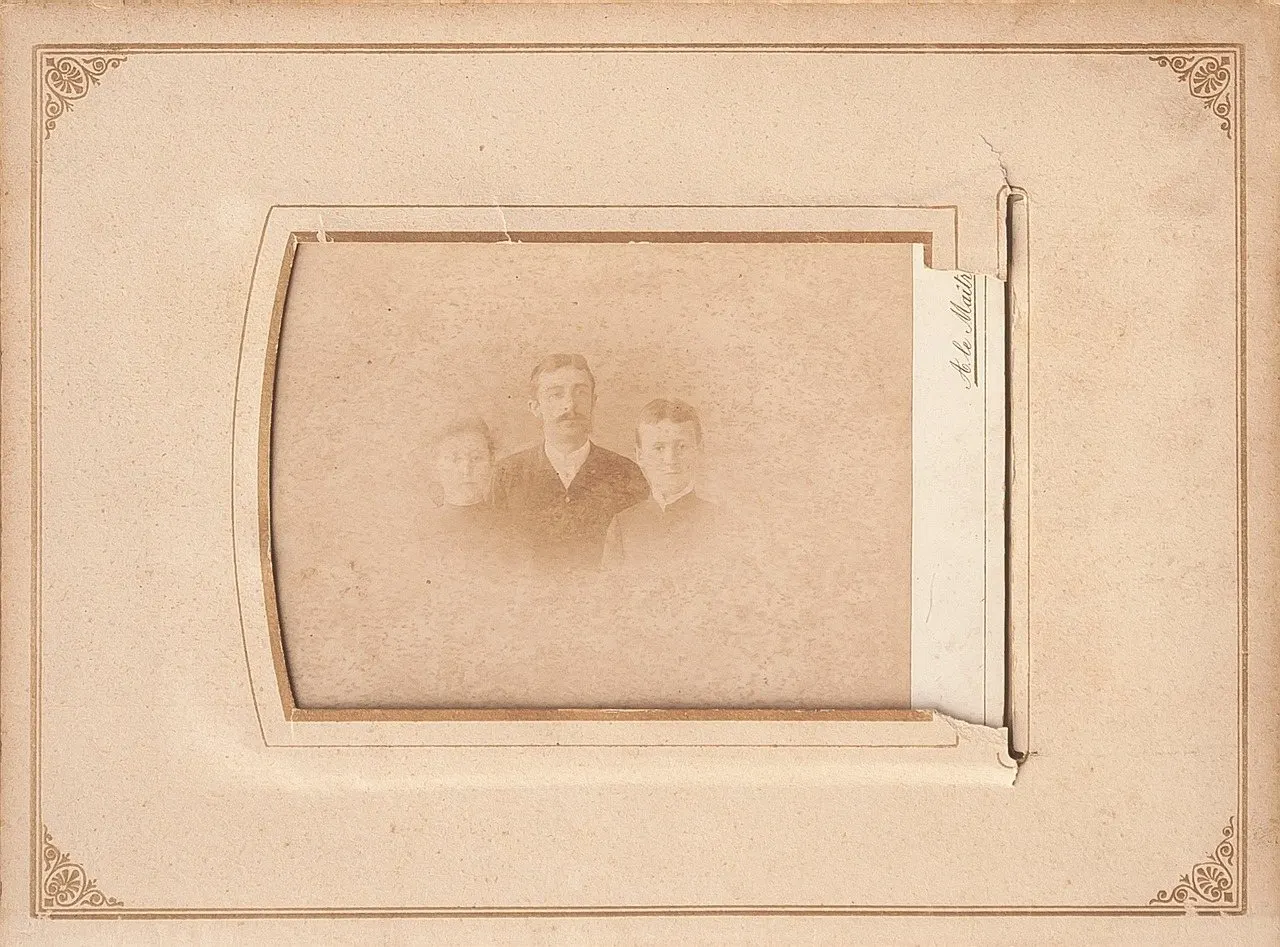
A real photo carries small flaws that software forgets to fake, like a thumb at the edge of the frame or a shadow that falls just right. The people in it blink, the dog looks away, and the cake leans a little to one side, because life does not pose. Back to Nature says that ordinary truth is what made the internet special, and it is what people miss when the feed turns slick and strange. Family life still brings honest laughter, as the sister sketch that feels like real life for caregivers shows, and big nights still belong to real stars, like Ella Langley sweeping the CMA Awards with six wins.
Why Real Moments Still Win
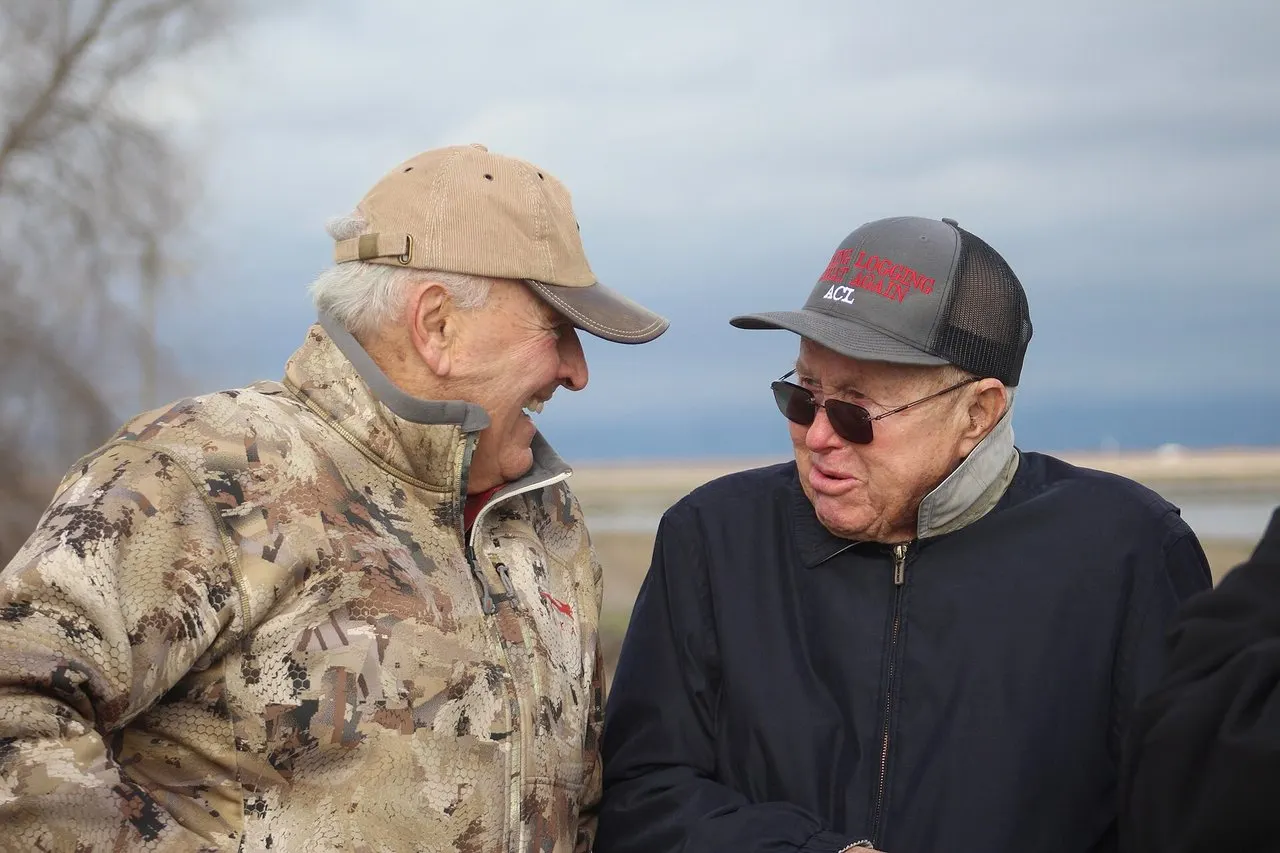
Real moments still win, because no software can fake the way a friend laughs at a joke only you two understand. The sound is messy, the timing is off, and the photo is blurred, yet it means more than any polished clip. Back to Nature says people still want that feeling, and the likes prove it, since honest posts still gather warm comments from real friends. Real stars still earn their applause, like Taylor Swift’s CMA Awards comeback, and new faces still light up the screen for real, like Lee Jong-suk as Prince Heinrey in new set photos.
The Feed Before the Flood
The feed before the flood felt slower, and that slowness was part of the charm. You opened the app, saw a friend’s lunch, a cousin’s new baby, and a sunset from a town you had never heard of, and then you closed it and went outside. Back to Nature says the internet used to be a window, and a window only works when you can see through it. New science still aims at real sight, as our report on Neuralink’s Blindsight trials explains, and big promises still need real proof, as our story on Tesla’s proposed pay package for Elon Musk shows.
Choosing What to Scroll Past in the AI Slop Feed

Choosing what to scroll past is the one power every reader still holds. You can skip the glowing cub, the impossible lake, and the famous face that never said those words, and you can stop on the fox, the garden, and the sunset that someone really saw. Back to Nature says the real moments are still out there, waiting past the fakes, and every skip tells the feed what you value. Real courage still makes the news, like the boy who jumped from a burning home into waiting arms, and old mysteries still pull us in, like our look at what happened to Amelia Earhart.
Do You Still Miss the Real Internet?
Back to Nature asked if anyone else misses the real internet, and the answer came back in thousands of comments from people who do. They miss the fox, the sunset, and the garden, and they miss knowing that what they saw was true. The feed can change, but only if readers keep choosing the real over the fake, one scroll at a time. What do you miss most about the old internet? Tell us in the comments, and keep reading our story about the rescue of foxes stranded by floodwaters and our guide to what the Animal Welfare Act regulates.