North Korea AI Chatbot Shown Off in Pyongyang
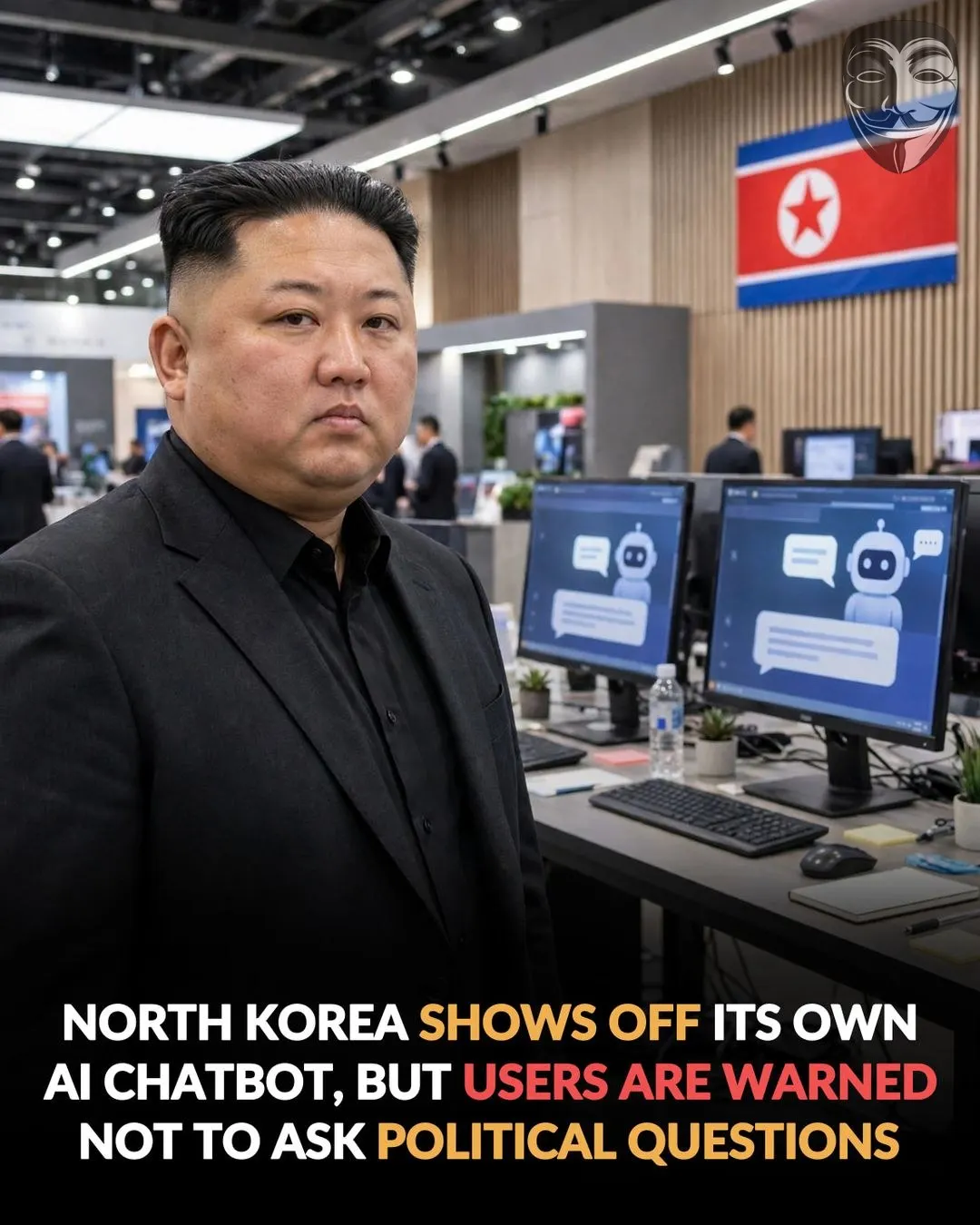
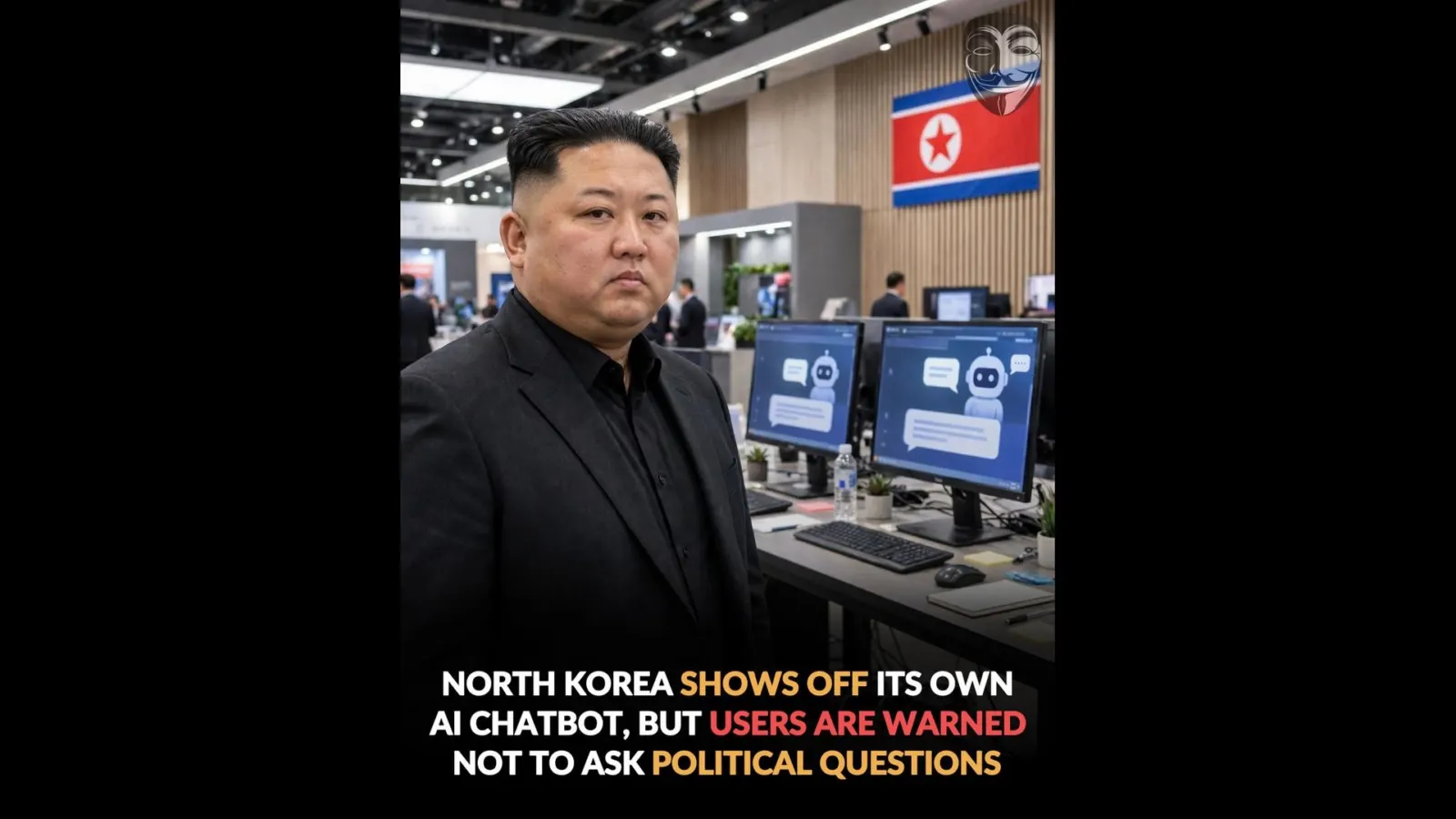
North Korea AI chatbot Fountain of Wisdom is the country’s first homegrown chatbot, and it answers science and technology questions in Korean and English. Researchers at Kim Il Sung University built the system together with a Pyongyang software company, and they showed it at the National Exhibition of IT Successes in Pyongyang from October 19 to 30, 2026. The screen looks much like ChatGPT, with a chat list on one side and answers on the other. It can translate text and give technical information to people who ask the right kind of questions.
The catch is written right on the screen. A warning tells users to ask only science and technology questions and never to raise political or social topics. State television showed the chatbot on November 17, and analysts say it may be built on an existing AI model rather than one made fully at home. Its real powers have not been tested by outside experts. In the slides ahead we look at how it works, who built it, and what it means. For more on the AI boom, read our look at why America suddenly needs a thousand data centers and our report on a Chinese system that can jam radar.
References:
38 North: North Korea Shows Off an AI Chatbot
Reuters: North Korea Shows Off AI Chatbot at IT Exhibition, Think Tank 38 North Says
New Atlas: North Korea Launches Its Own Chatbot Known as Fountain of Wisdom
Technology Org: North Korea Shows Off Its First AI Chatbot
What Is the Fountain of Wisdom?
The Fountain of Wisdom is the name of the new chatbot, and its full title is AI Service System 1.0, Fountain of Wisdom. It is the first chatbot of its kind to come out of North Korea, and it was made to answer questions about science and technology. Users can type in Korean or English, and the system replies in the same language. The idea is simple. A person asks a question about how something works, and the chatbot gives a clear answer. It is built for study, work, and everyday reference. Read about the race to build more data centers and how China is testing new electronic warfare tools.
A North Korea AI Chatbot That Speaks Two Languages

One of the most useful parts of the North Korea AI chatbot is that it works in two languages. A user can ask a question in Korean and get an answer in Korean, or switch to English and get an answer in English. It can also translate text from one language to the other, which helps students and workers who read foreign books and papers. For a country with few links to the outside world, that skill matters. It opens a small window to science written in other languages. See why forests full of wildlife beat new data centers and the push for English-only agency services.
Built by Kim Il Sung University Researchers
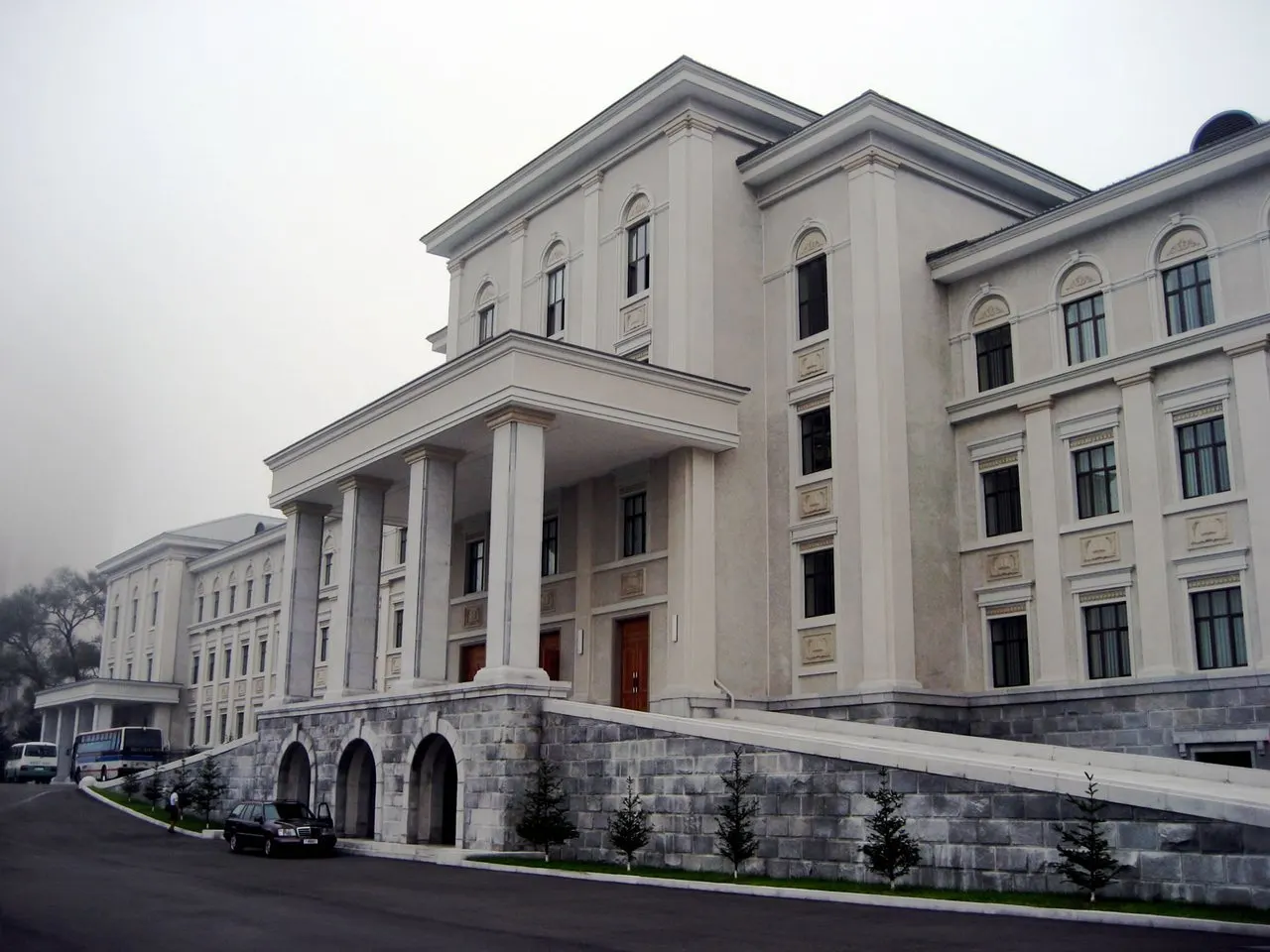
The chatbot was built by researchers at Kim Il Sung University, the best-known university in North Korea. They worked with engineers from a software company in Pyongyang to put the system together. The team showed the chatbot at a national technology show, where visitors could watch it answer questions live. Building a chatbot takes a large team and a lot of computing power, so the project shows how much effort the country is putting into AI. Learn about the deal bringing Boeing jets and American jobs and the vote that approved a historic Arctic security deal.
On Show at the National Exhibition of IT Successes

The chatbot made its first public appearance at the National Exhibition of IT Successes in Pyongyang, which ran from October 19 to 30, 2026. The show is a national event where the country displays its latest work in computers, software, and telecoms. A banner beside the chatbot display praised home-grown generative AI, which points to pride in building it at home. Visitors could see the screen and watch the system work. The display was a clear sign that the country wants the world to notice its tech. Read about the Chinese system that can jam radar and create false targets and why the FAA meltdown has Washington arguing.
Why the North Korea AI Chatbot Looks Familiar
Anyone who has used ChatGPT will find the screen familiar. The North Korea AI chatbot has a list of past chats on the left and the active chat on the right, just like the chatbots most people know. A user types a question at the bottom, and the answer appears above it. The demo screen even showed an example answer about renewable energy sources. That familiar look may be on purpose, since people learn a new tool faster when it feels like one they already know. See our report on the AI data center boom and the fight over a bill to stop self-pardons.
Translation and Technical Answers in One Place

The chatbot does more than chat. It can translate text between Korean and English, and it can give technical information on science topics. A student might ask how a machine works, and a worker might ask about a program or a tool. The chat history shown at the event included everyday questions about software and simple health advice, which shows the system is meant as a helper for study and work. It is a small pocket of help in a country where the internet is tightly limited. Read about the app for migrants to leave the country and the boardroom move that pushed Eric Trump aside.
The Warning Written on the Screen

Look at the bottom of the screen and you will see the most telling part of the whole display. A warning reads, Only questions related to science and technology may be asked. Do not ask questions with socio-political content or uncultured questions. The user alone is fully responsible for any consequences. That line sets the limits of the chatbot in plain words. It can help with science, but it will not talk about politics. Learn why forests full of wildlife beat more data centers and about the English-only policy for agency services.
Politics Are Off Limits for This North Korea AI Chatbot
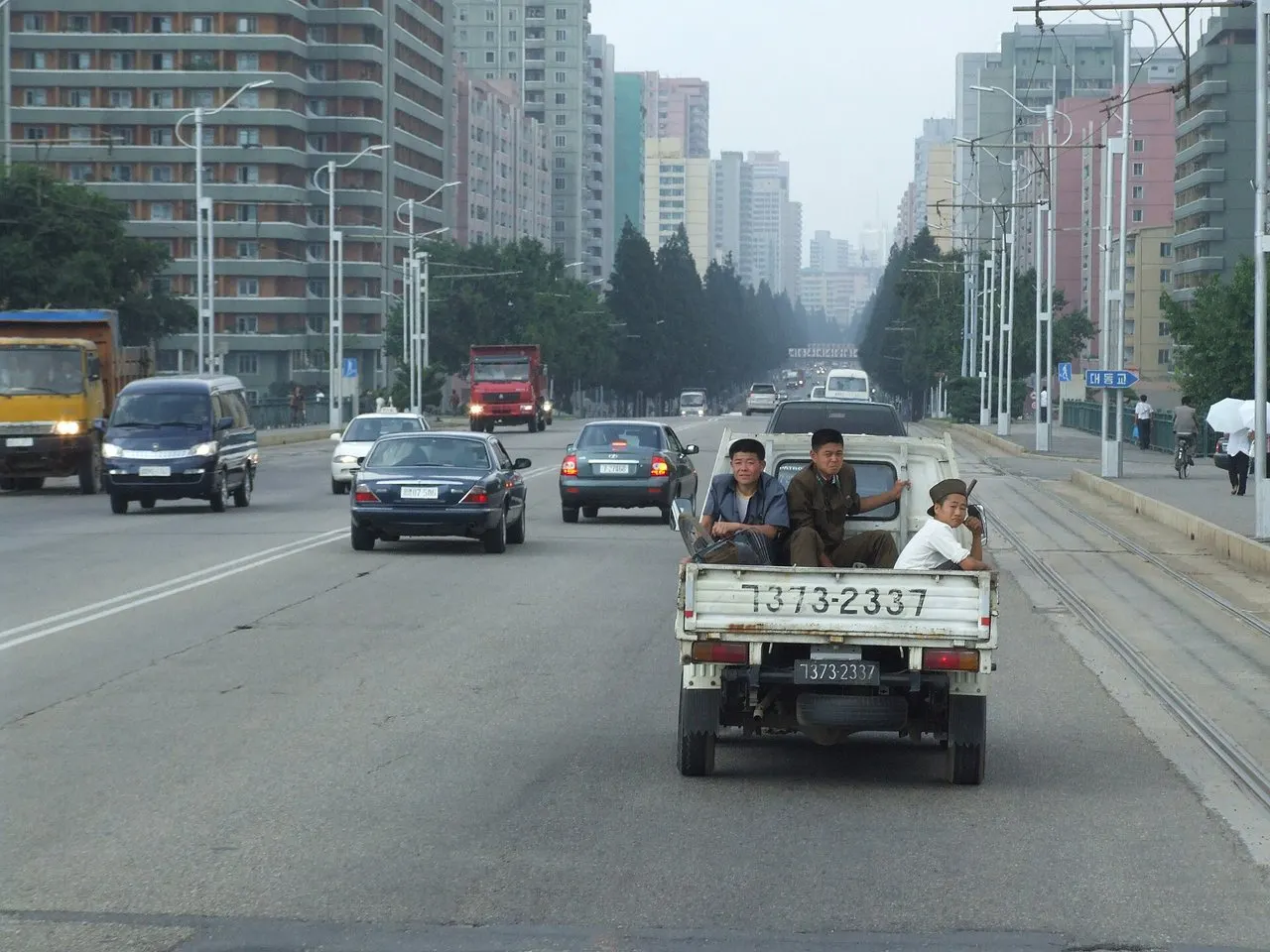
The rules are clear. Users must keep their questions on science and technology, and they must not raise political or social topics. A filter sits in front of the model and checks each question before it is answered. Questions about politics are screened out, while science questions pass through. In a country where the state controls what people can read and say, a chatbot with built-in limits fits the pattern. The technology is new, but the control is familiar. See our story on the Greenland deal and Arctic security and the push for English-only services.
State Television Shows the Chatbot to the Nation
North Korean state television showed the chatbot on November 17, about two weeks after the exhibition closed. The educational channel Ryongnamsan TV aired a report with a live demo of the system answering questions. Millions of people in the country learn their news from state TV, so the broadcast was the moment most North Koreans first heard about the chatbot. The report showed the chat screen and the warning at the bottom. It did not say when ordinary people could use it. Read about the deal with Boeing jets and defense pacts and the search of a former national security adviser’s home.
What Analysts Say About the North Korea AI Chatbot
Analysts who study North Korea have looked closely at the TV footage, and they have questions of their own. The think tank 38 North, which watches the country closely, reported on the chatbot and its limits. Experts note that the screen shows a classifier that may screen questions before they reach the model. They also point out that no outside expert has tested the system, so its real skills are still unknown. The demo shows what it can do on a stage, not in daily use. Learn how the FAA meltdown turned into a blame game and what happened to most USAID programs.
Built on an Existing Model, Experts Believe
One big question is what sits under the chatbot’s friendly screen. Analysts say it is unlikely the team built a large language model from scratch, since that takes huge amounts of data and computing power. They think the system is more likely built on an existing open-weight model from China or the United States, such as Google’s Gemma or Alibaba’s Qwen. North Korean developers would then have added their own interface and filters. The builders have not said what powers it. See about the app for migrants to leave the country and the fight over the self-pardon bill.
Why Its Real Powers Are Still Untested

So far, no one outside North Korea has been able to test the chatbot. The demo at the exhibition and the clip on state TV were both staged by the people who built it. That means we do not know how well it answers hard questions, how often it makes mistakes, or how it handles topics near the edge of its limits. The think tank 38 North notes that little was said about the hardware it runs on. Until independent experts can try it, the claims remain just claims. Read about the boardroom rules that moved Eric Trump aside and the migrant app launched by the government.
AI Arrives in One of the Most Closed Countries

North Korea is one of the most closed countries in the world. Most people there have no access to the open internet, and foreign news and books are tightly controlled. A chatbot that answers questions could be a big step, even with strict limits. It may help students, engineers, and scientists find facts faster. But the warning on the screen shows the state still decides what counts as a safe question. The technology is new, yet the rules around it are old. See why wildlife and forests beat more data centers and the boardroom rules that moved Eric Trump aside.
What the Exhibition Tells Us About Pyongyang Tech
The exhibition where the chatbot appeared is a window into how North Korea wants to be seen. The country shows off software, phones, and computer systems as proof of progress. The chatbot display stood beside a banner that praised home-grown AI, which shows the state wants credit for building it. Technology has become a point of pride, much like missiles and new buildings. The show is part trade fair and part message to the world. Learn about the Philippines deal and American jobs and the FBI search of John Bolton’s home and office.
How the North Korea AI Chatbot Fits a Global Trend
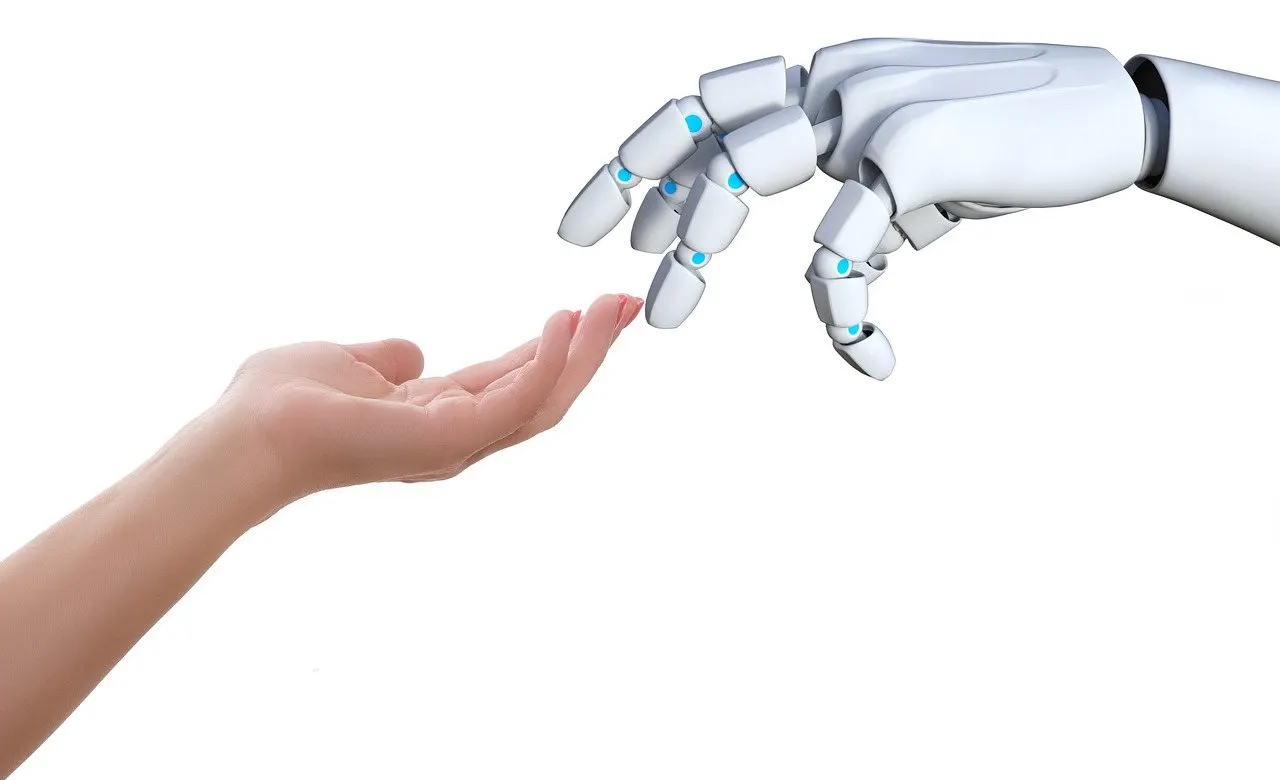
Chatbots have spread fast in the rest of the world. Millions of people use them to write, study, plan, and solve problems every day. Schools, offices, and hospitals now lean on AI tools that were rare only a few years ago. North Korea’s chatbot joins that wave, even if its users face limits no one else does. The same technology can feel very different when a government sets the rules for every question. That contrast is what makes this story worth watching. Read how the FAA meltdown sparked a fight in Washington and what the USAID review cut.
What Happens Next for the North Korea AI Chatbot
No one knows when ordinary North Koreans will be able to use the North Korea AI chatbot, or where they will use it. It may stay on closed networks inside schools and offices, or it may appear on phones sold in the country. Experts will keep watching for signs that it has moved past the demo stage. If it spreads, it could change how students and workers find answers. For now, it is a promise on a screen, shown at a fair and on TV. See the Greenland vote and the Arctic deal and the classified documents probe at John Bolton’s home.
Would You Try the Fountain of Wisdom?

The Fountain of Wisdom can answer science questions in two languages, translate text, and help with study and work. But it comes with a warning that politics and social questions are off limits. Would you try a chatbot that tells you what you may not ask, or would the limits put you off? Tell us in the comments what you would ask first, and what you think the chatbot should be allowed to answer. Keep reading what happened to most USAID programs and the fight over the self-pardon bill.