AI Data Centers Are Using More Power Than Almost Every Country
AI data centers are suddenly rising in fields and towns across the country, and many people are asking why we need so many of them. Tech companies say the buildings power artificial intelligence, and the scale is hard to ignore. In 2025, data centers around the world used about 448 trillion watt hours of electricity, more than all but 10 countries, according to a United Nations University report. That number helps explain why the topic moved from tech news into everyday talk, as readers can see in our story about forests and data centers.
The buildings also need huge amounts of water for cooling, and two thirds of the data centers built or planned since 2022 sit in places already short on water. Supporters say the facilities bring jobs and progress, but many communities are asking who pays the price in higher bills, drained rivers and lost forests. In the slides ahead we look at the power, the water, the costs and the choices around this boom, and you can also read how families can prepare for emergencies while you think it through.
References:
Associated Press: Energy, water use and pollution of AI and data centers rival most countries
World Resources Institute: From Energy Use to Air Quality, the Many Ways Data Centers Affect US Communities
World Economic Forum: A quarter of all data centres are now in water-stressed areas. Let’s not make it a third
BusinessMirror: US data centers emit more carbon than Denmark as AI energy demand surges
A Thousand New Data Centers, and Counting
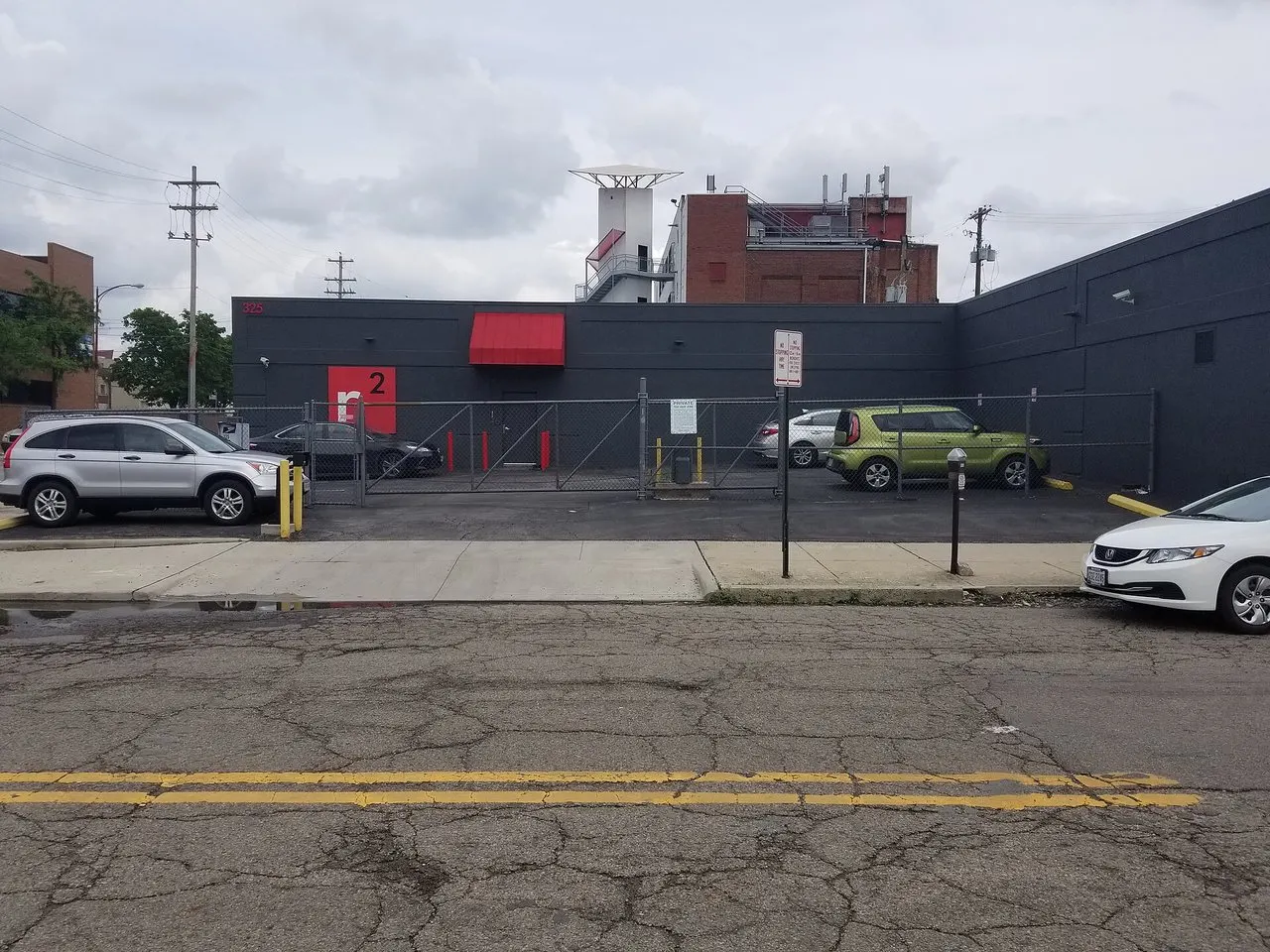
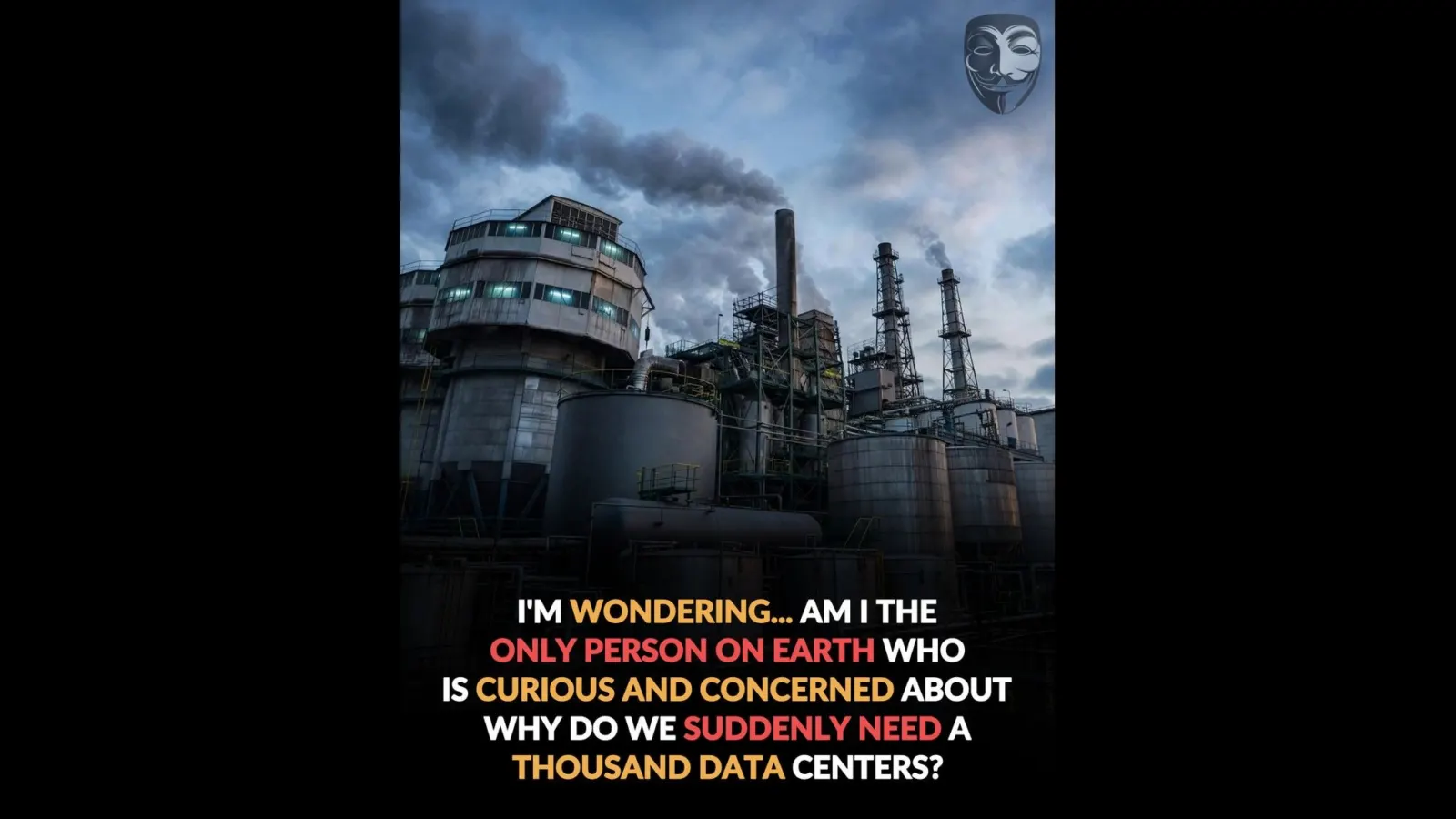
New data centers are being planned and built at a pace that surprises tech watchers. The post that inspired this article asks why we suddenly need a thousand of them. Artificial intelligence needs far more computing power than the tools that came before it. Each new system needs rooms of machines that run day and night, and each room needs power, cooling and land. Big tech projects also shape the wider economy, as seen in our report on a trillion dollar pay package and in our look at hours of work for essentials.
AI Data Centers Used 448 Trillion Watt Hours in 2025
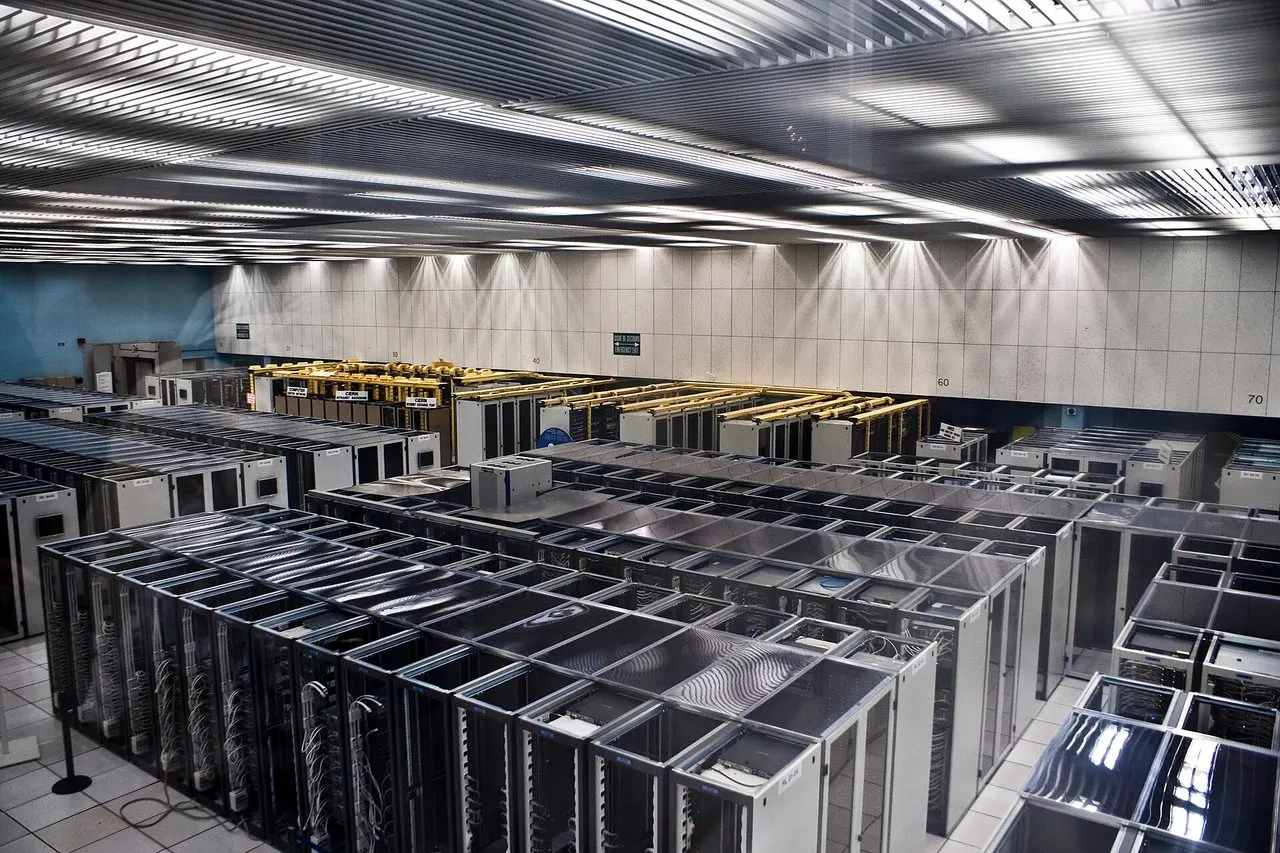
In 2025, data centers around the world used about 448 trillion watt hours of electricity, more than all but 10 countries, according to a United Nations University report. That figure is hard to picture, so think of whole nations and their yearly power, then place these buildings above nearly all of them. The number covers every kind of data center, from small rooms to giant halls, and it keeps growing as artificial intelligence spreads. Climate voices sound the alarm, as Harrison Ford did in a recent interview, and the spending invites the same scrutiny as the federal credit card audit.
AI Data Centers Use as Much Power as 100,000 Homes
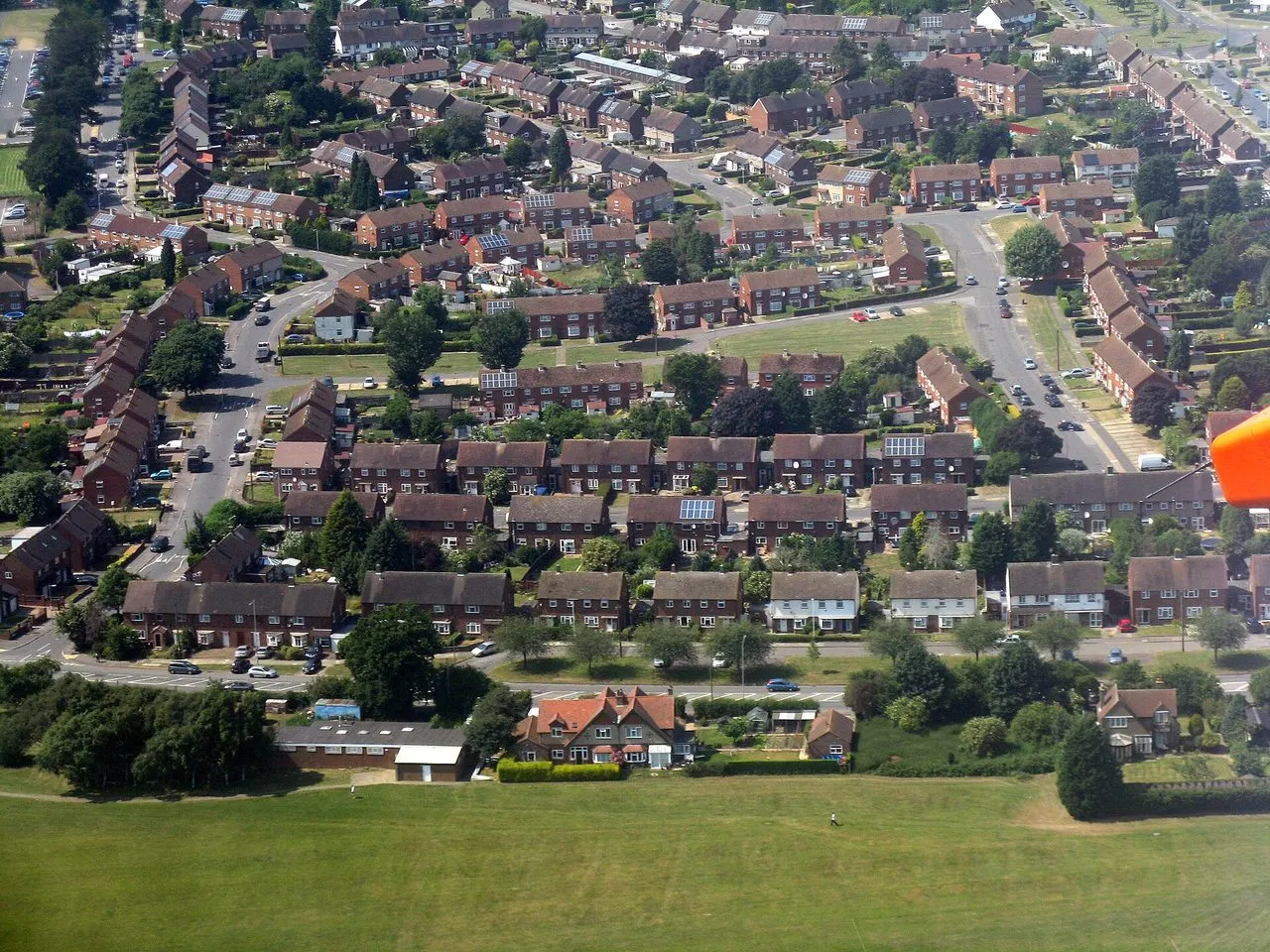
A typical AI focused data center uses as much power as 100,000 households, a comparison any family can grasp. Picture a whole city of homes with lights on and heaters running, then picture one building using the same amount of power. That is the demand utilities now plan around when a new facility is proposed near a town. Big shifts in jobs and trade add to the pressure on households, as shown in our report on job losses in Canada, while new technology keeps raising fresh questions, like the human trials for a brain implant.
Why Tech Companies Are Building So Fast
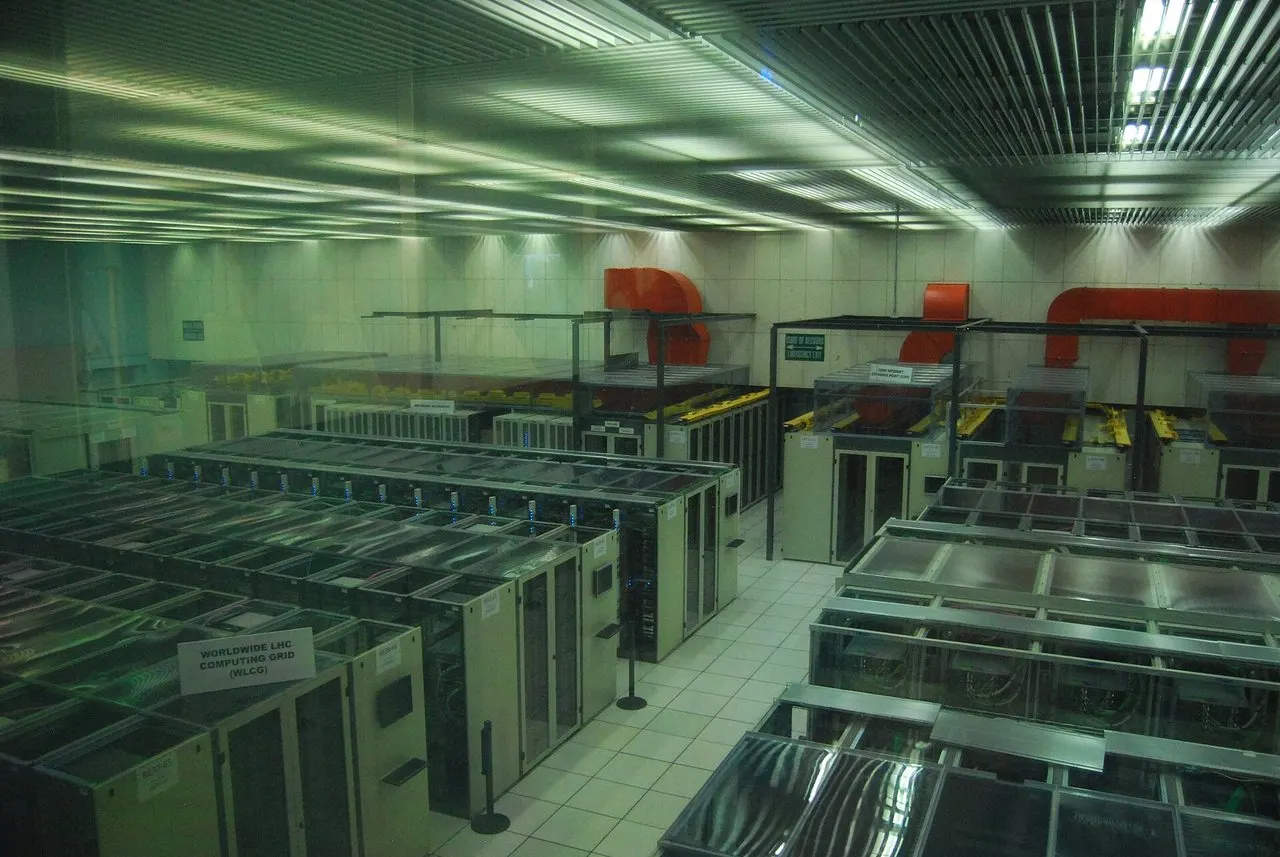
Tech companies are racing to build because artificial intelligence has become the center of their plans, and each new model needs more computing power than the last. Chatbots, image tools and search features all run on machines in these buildings, and millions of people use them every day. When demand grows that fast, companies build first and ask questions later, so many projects appear at once in towns that never expected them. Money and help move in surprising ways, from an app idea for paying strangers bills to new housing for homeless women.
Two Thirds of New AI Data Centers Sit Where Water Is Short
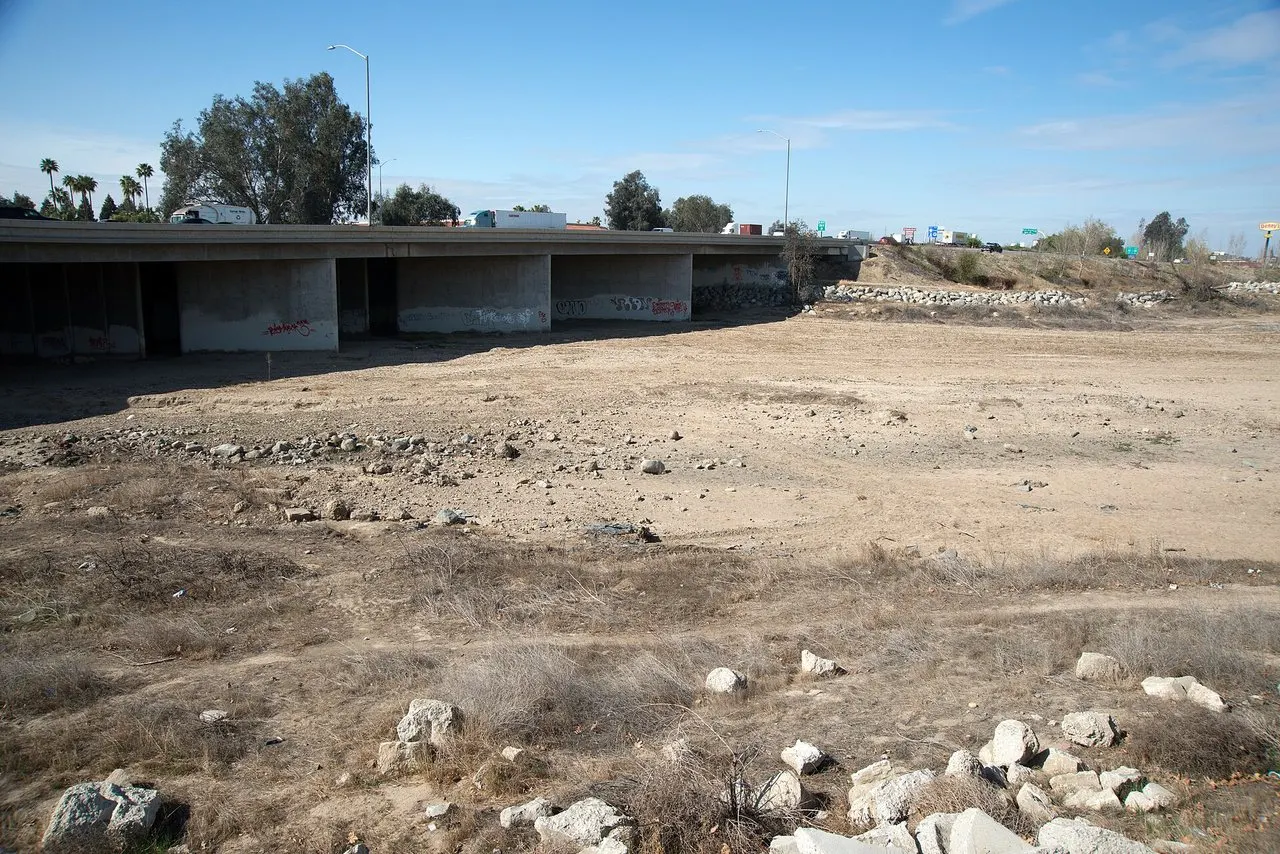
Two thirds of the data centers built or planned since 2022 sit in places already short on water, and that fact is at the heart of the worry. In these regions rivers run low, wells drop and farmers watch the sky, yet the new buildings still need huge amounts of water for cooling. When a thirsty facility moves into a dry place, neighbors rightly ask what happens to their taps, crops and streams. Wildlife feels the same pressure, as in our story about a rare jaguar in Arizona and the rescue of foxes from floodwaters.
Cooling the Machines Takes Rivers of Water
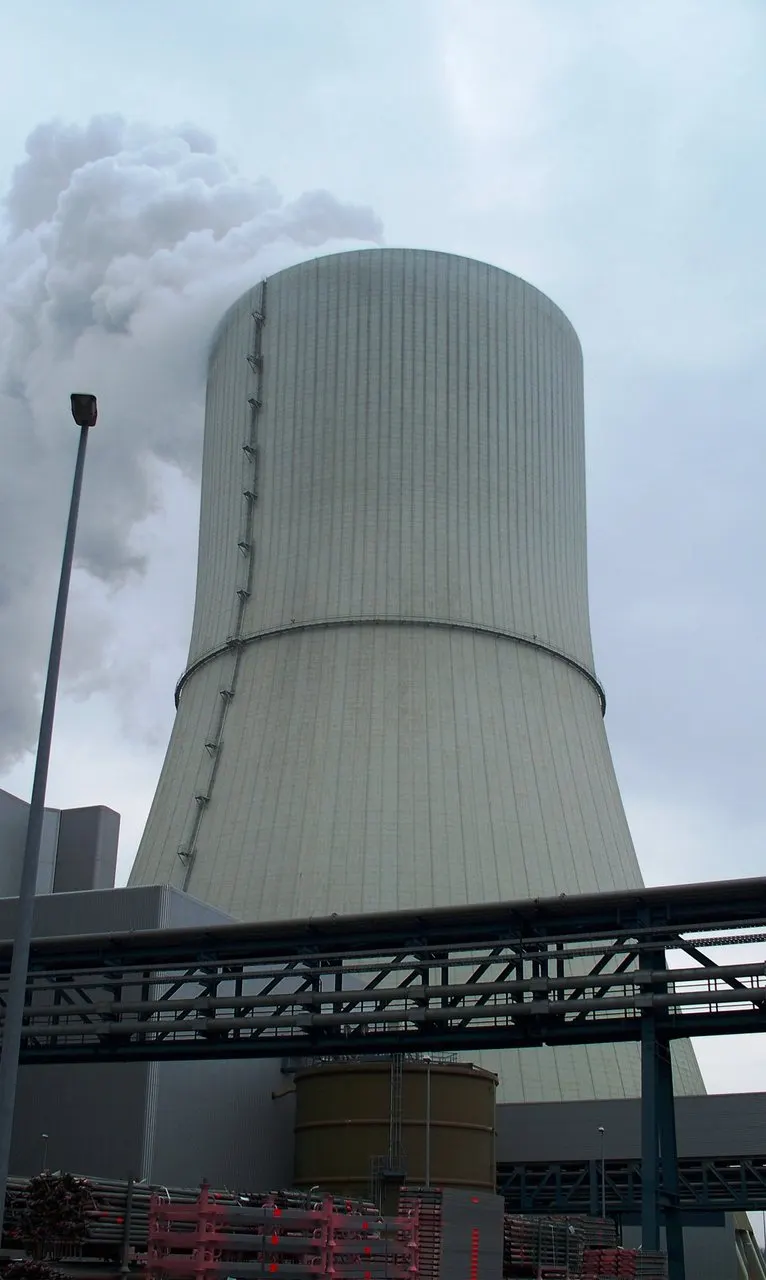
Machines inside a data center run hot, and the buildings need huge amounts of water for cooling. Much of that water evaporates in cooling towers, leaving local rivers and aquifers instead of flowing back to farms. Engineers test ways to cool with less water, but most large facilities still use the old approach, and thirst grows with every new hall. The strain on land and rivers is real, as readers of our story about forests and data centers know, and the money behind the boom is just as large, as our report on a trillion dollar pay package shows.
Higher Bills for the Neighbors

Many communities are asking who pays the price in higher bills, and it is a fair question. When a giant facility plugs into the local grid, the utility must supply much more power, and the cost of new lines and plants often lands on nearby households and small firms. Families already juggle rising prices for food, housing and insurance, so a bigger bill can hurt. Planning ahead helps, which is why officials urge people to keep supplies, as in the EU guidance on 72 hours of supplies, and why our look at hours of work for essentials still rings true.
Supporters Say the Buildings Bring Jobs and Progress
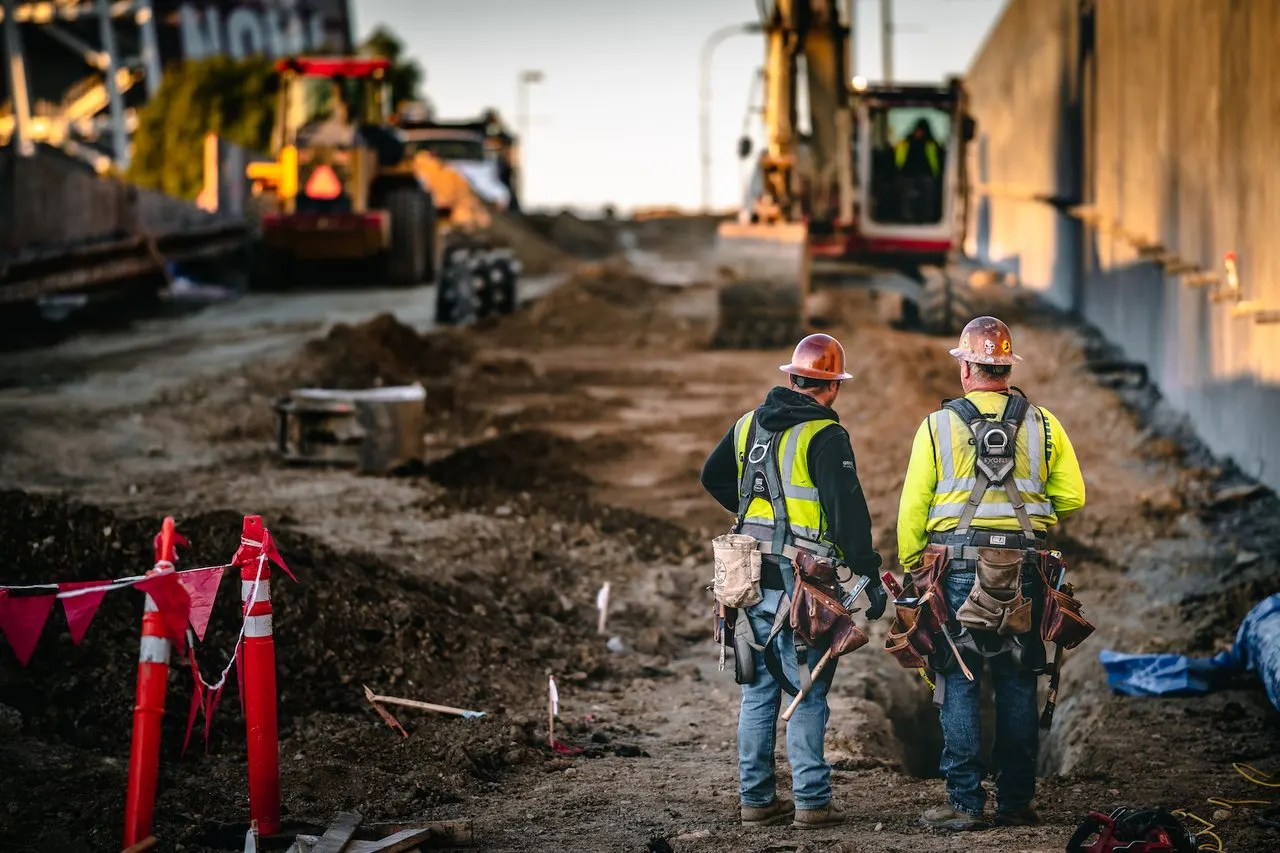
Supporters say the facilities bring jobs and progress, and the claim holds truth. Construction crews work for months or years, and once the doors open, technicians, guards and managers keep the site running around the clock. Local shops, cafes and hotels can gain customers, and towns can gain tax income that pays for roads and schools. The promise is real, yet it sits beside the worry about power and water, and towns must weigh it. Climate voices urge care, as Harrison Ford did in a recent interview, and our report on job losses in Canada shows how fast work shifts.
Forests Cleared for Concrete and Cables
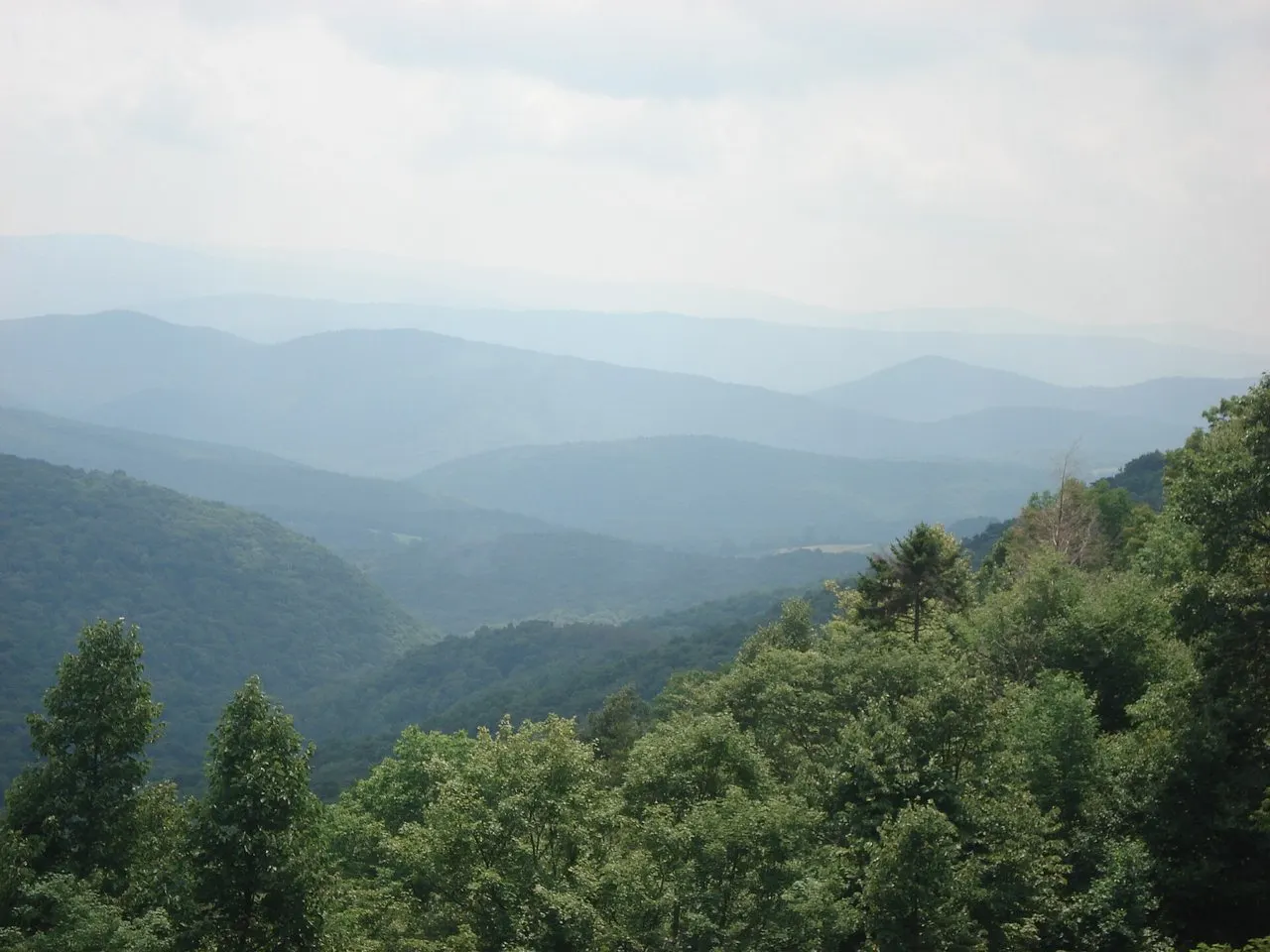
Many communities also ask about lost forests, because a big facility needs a wide site, and that land often comes from woods and fields near town. Trees are cleared, soil is covered with concrete, and new roads and power lines cut through green space that cooled the air and sheltered wildlife. Once a forest is gone, it takes decades to grow back, and the animals that lived there must move or fade. Big systems change fast, as in the federal credit card audit or the human trials for a brain implant, and the land feels each change.
The Carbon Footprint of AI Data Centers
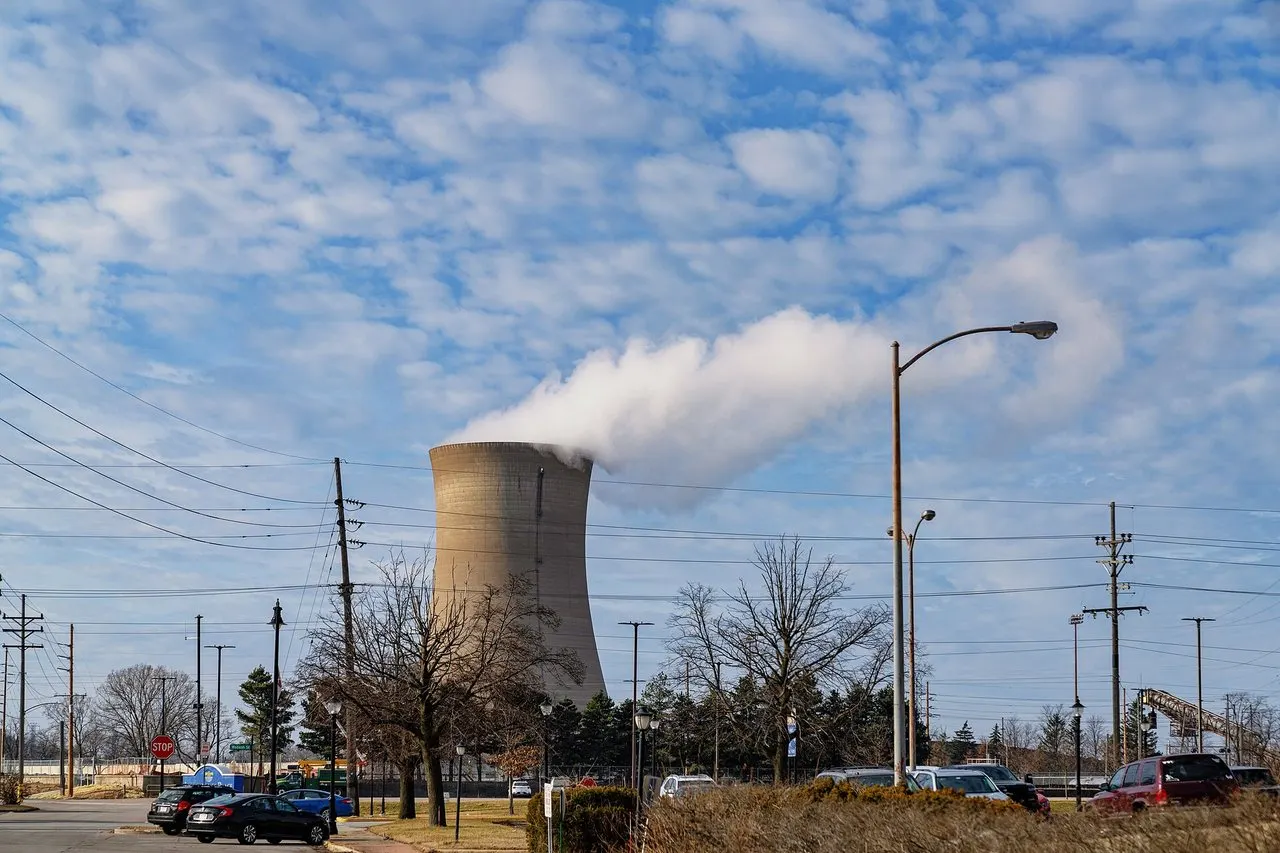
US data centers emit more carbon than Denmark as AI energy demand surges, according to BusinessMirror, and that headline puts the climate cost in plain terms. Much of the power still comes from burning fuel, so every extra watt hour adds to the gases that warm the planet. Companies say they buy clean power and offsets, but neighbors and experts want proof that the numbers add up in real life. The debate over who helps and who pays runs through many stories, from an app idea for paying strangers bills to our story about a rare jaguar in Arizona.
What the Air and Land Around Them Feel
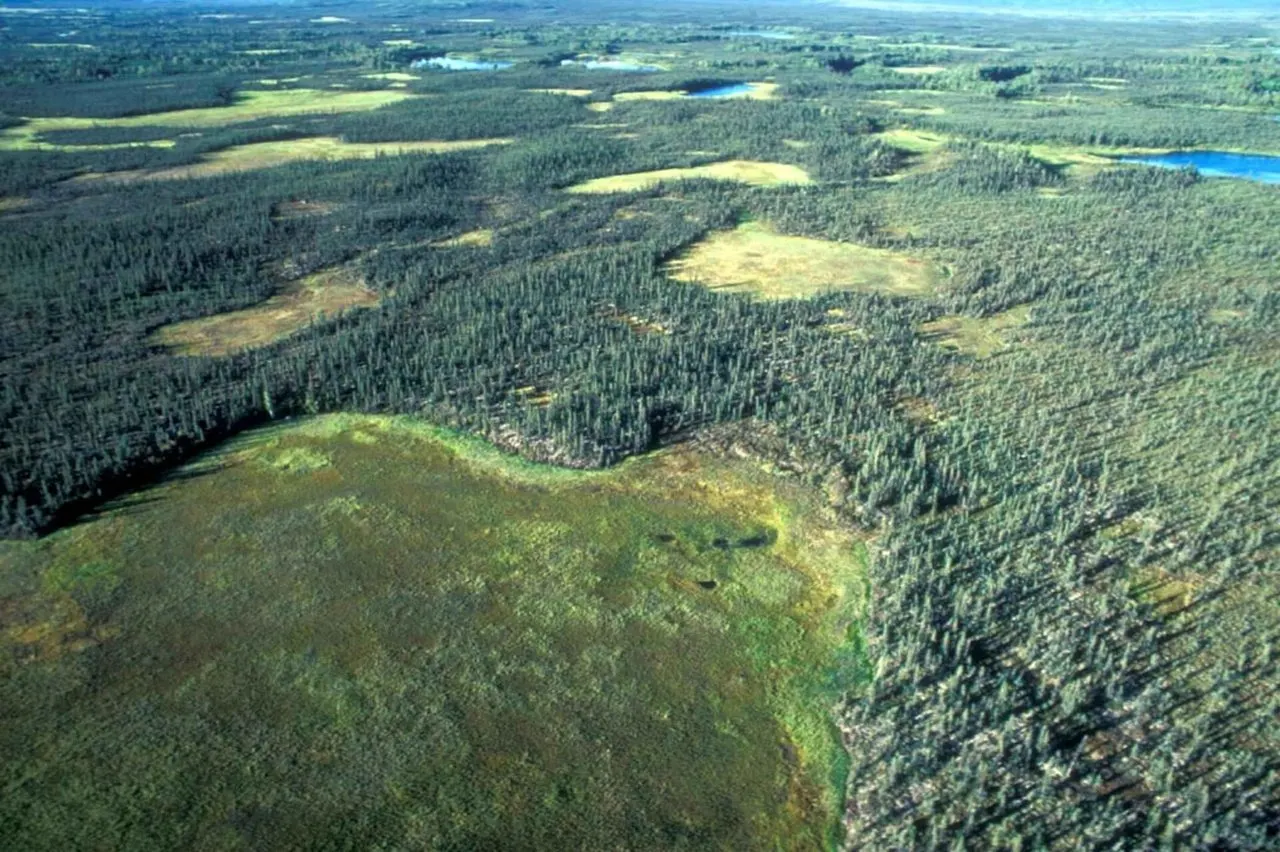
From energy use to air quality, data centers affect the communities around them in many ways, says the World Resources Institute, and the effects reach beyond power and water. Trucks, generators and construction dust can change the air on nearby streets, while new roads and fences can split fields and woods that people and animals once crossed freely. These changes are easy to miss from far away, yet they shape daily life for the families who live next door. Care for neighbors shows in many places, from new housing for homeless women to the rescue of foxes from floodwaters.
A Quarter of Data Centres Stand in Water-Stressed Areas
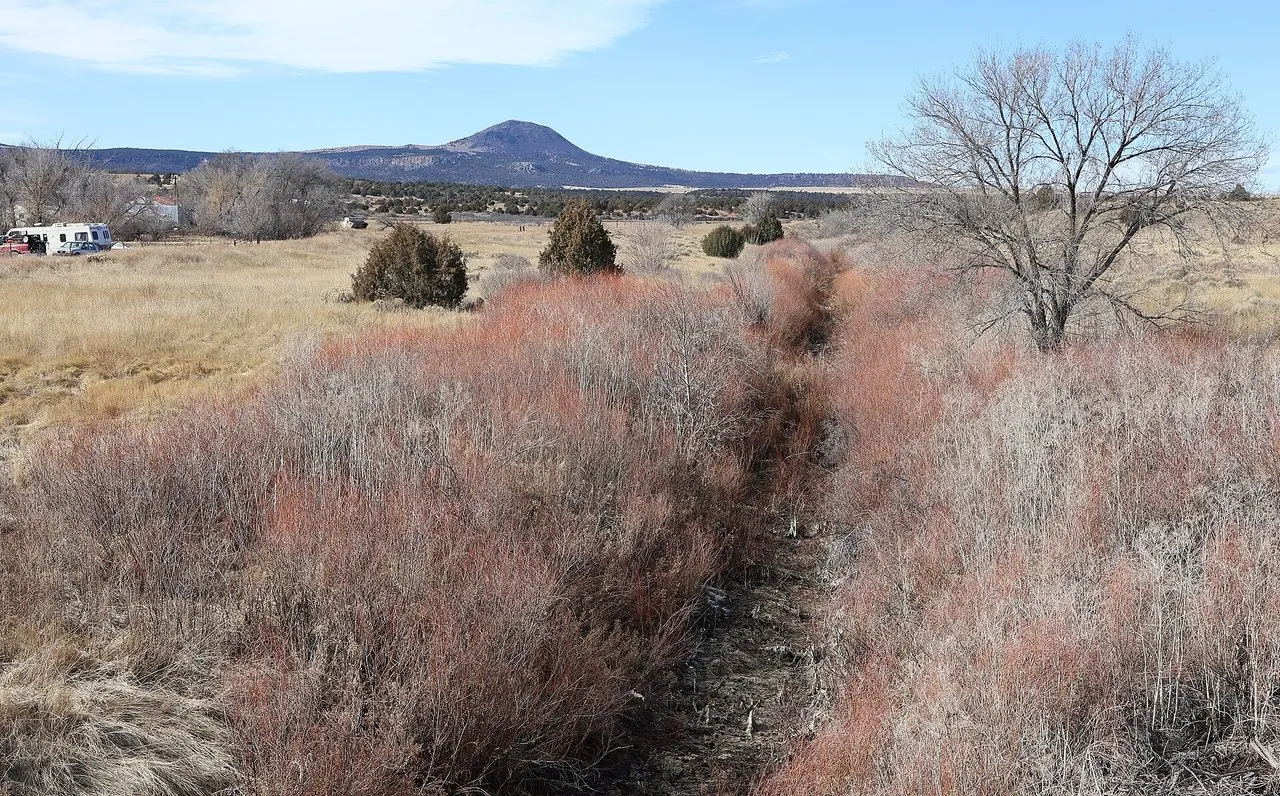
A quarter of all data centres are now in water-stressed areas, and the World Economic Forum warns that we should not let it become a third. That warning matters because each new building in a dry region adds demand to rivers and aquifers already under strain. Sites are often chosen for cheap land and cheap power, not for how much water the land can spare. The trade is plain to see for readers of our story about forests and data centers, and families feel the same squeeze in our look at hours of work for essentials.
The Power Grid Feels the Strain of AI Data Centers
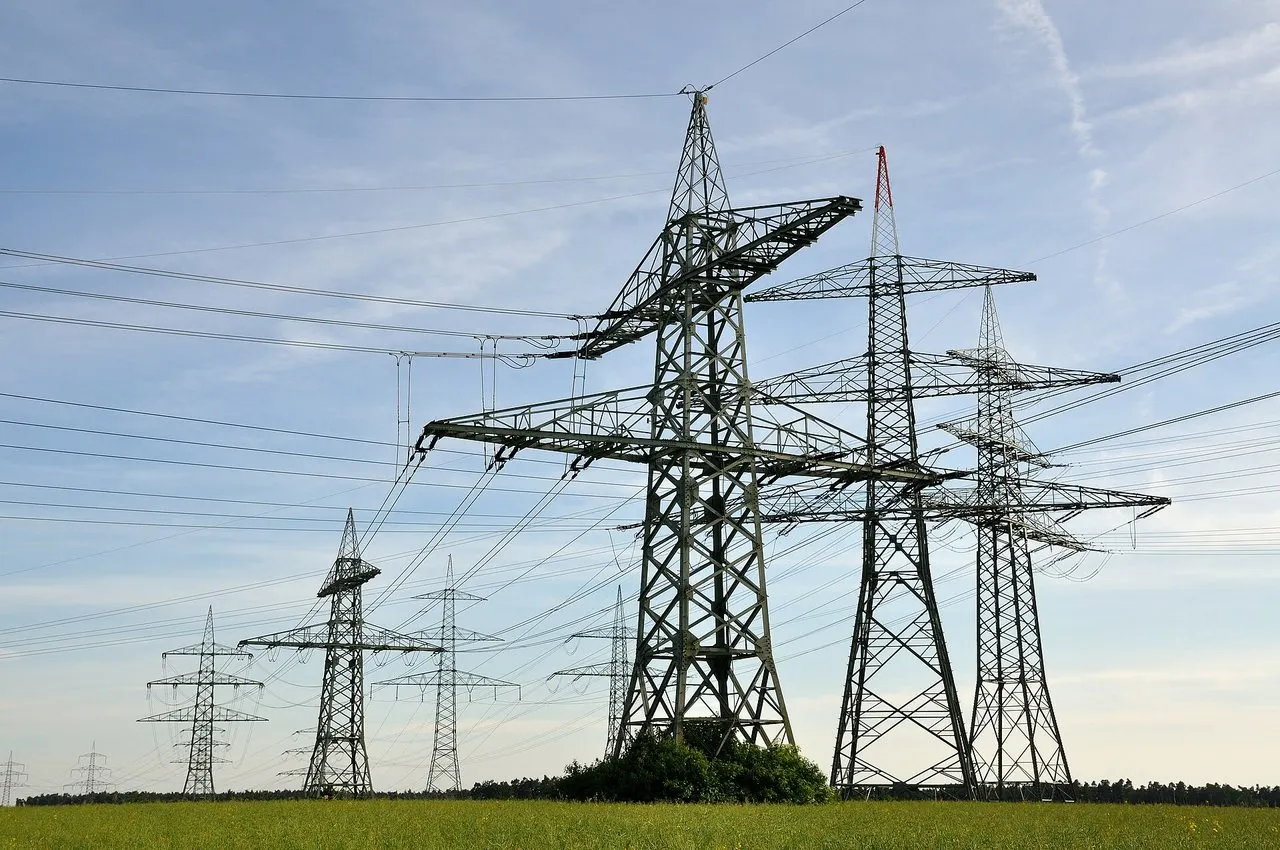
The power grid feels the strain when these buildings plug in, because each one draws as much power as a small city. Utilities must build new lines and substations, and in some places the queue of projects waiting to connect runs for years. That list can slow homes, schools and small firms that also need power, and it can push up the cost of keeping the lights on. Being ready for strain on shared systems matters, as the EU guidance on 72 hours of supplies shows, and climate voices urge care, as Harrison Ford did in a recent interview.
Clean Energy Is Part of the Answer
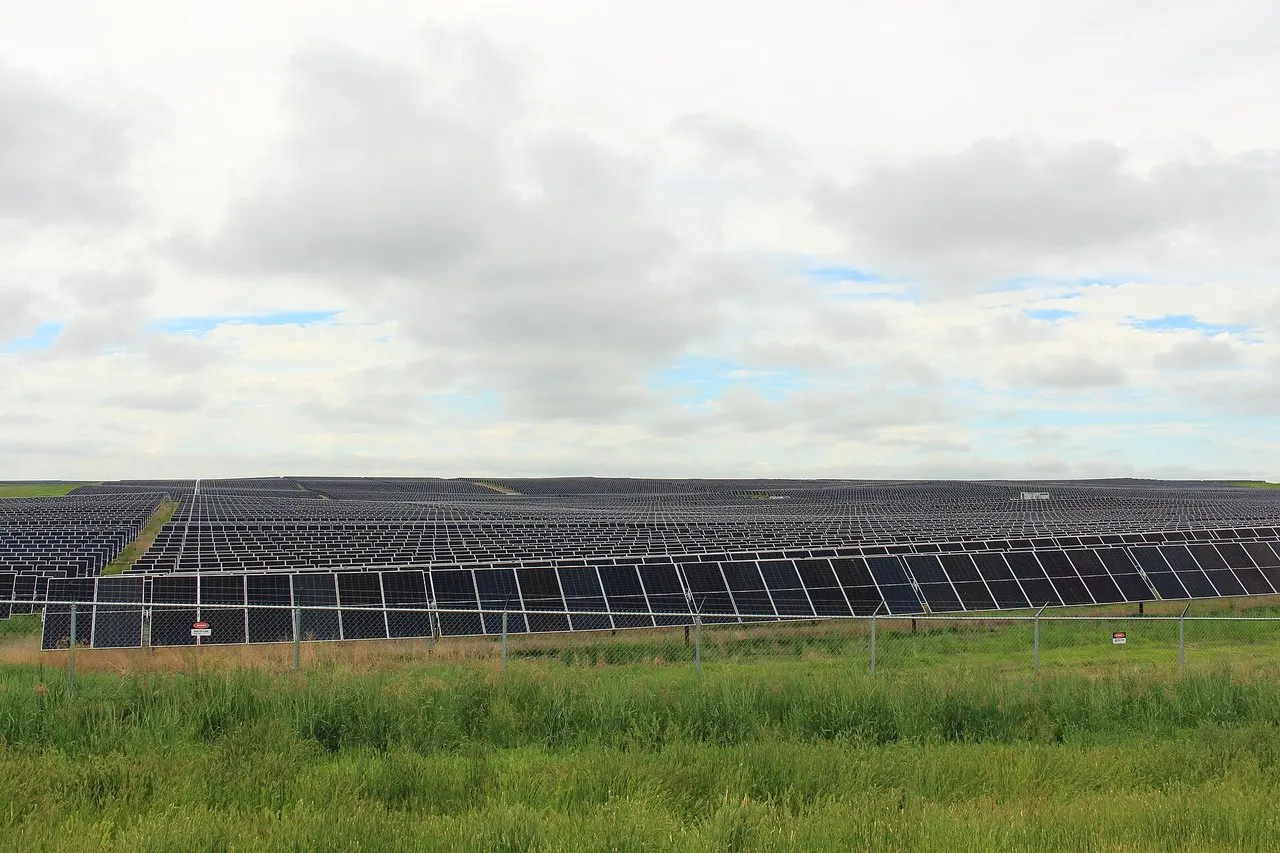
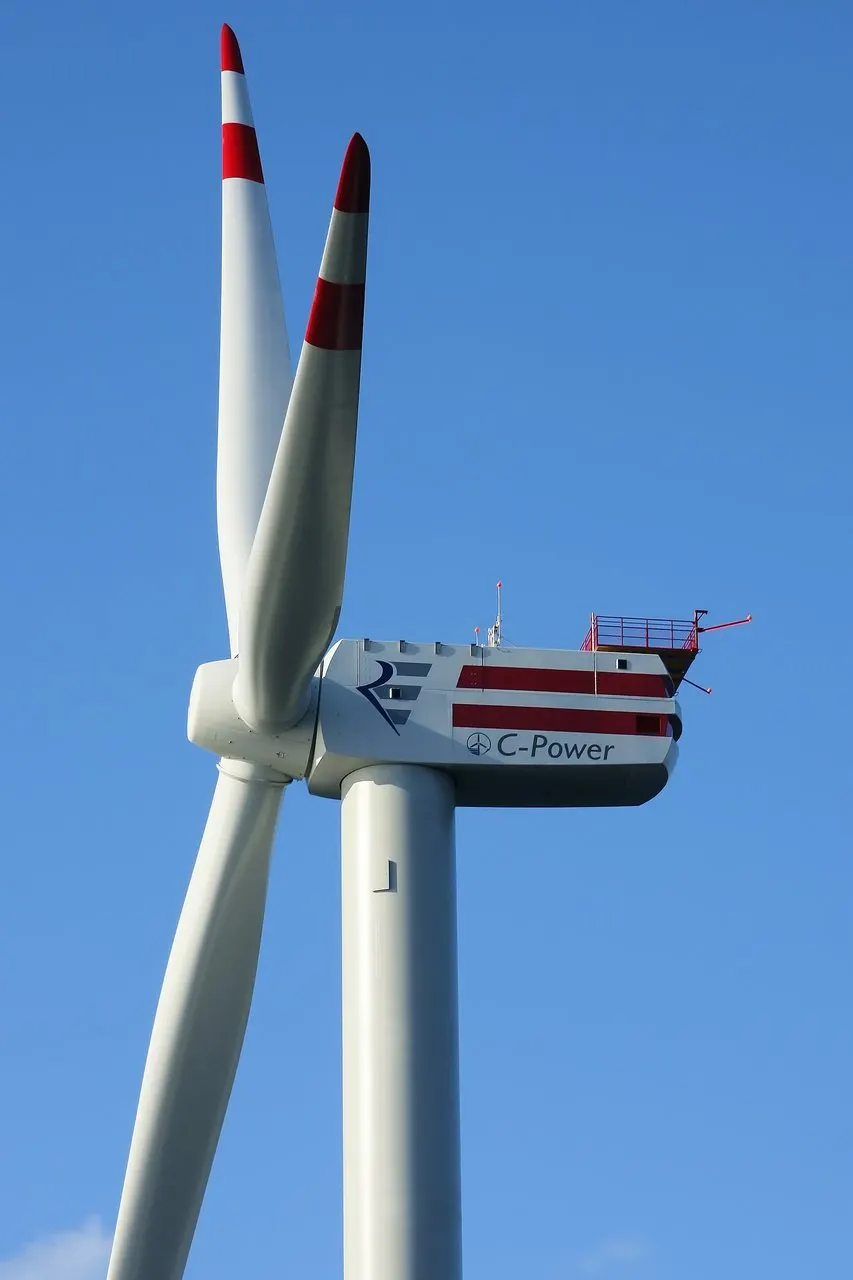
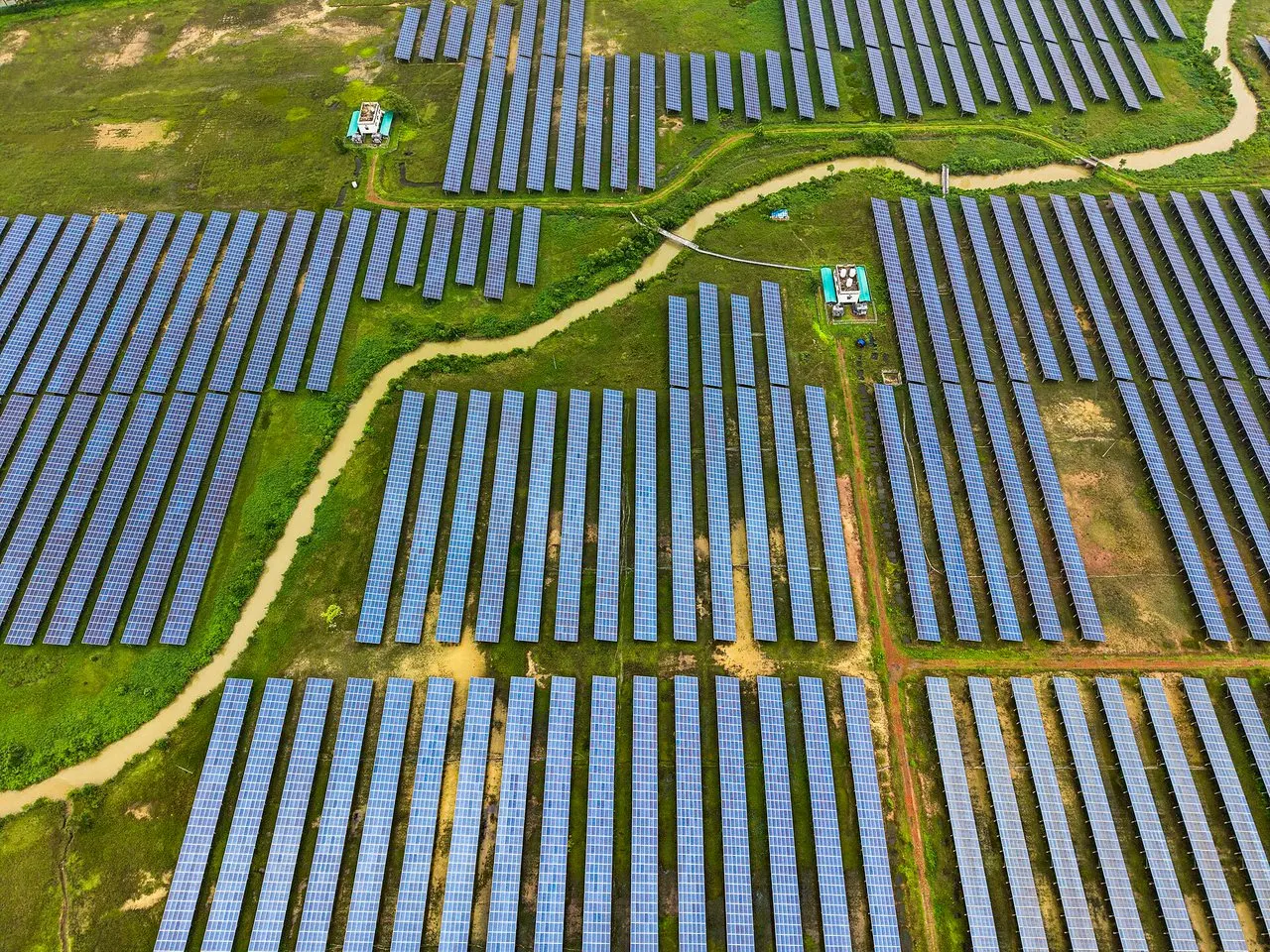
Clean energy is part of the answer, and many companies now promise to match their power use with wind and solar. New solar farms and wind turbines can supply power without smoke or thirst, and they can bring work to rural areas too. The hard part is timing, because the sun and wind do not always blow when the machines need them most, so storage and smart grids must grow beside them. Big money and big audits shape this shift, as seen in our report on a trillion dollar pay package and the federal credit card audit.
Communities Are Asking Who Pays the Price
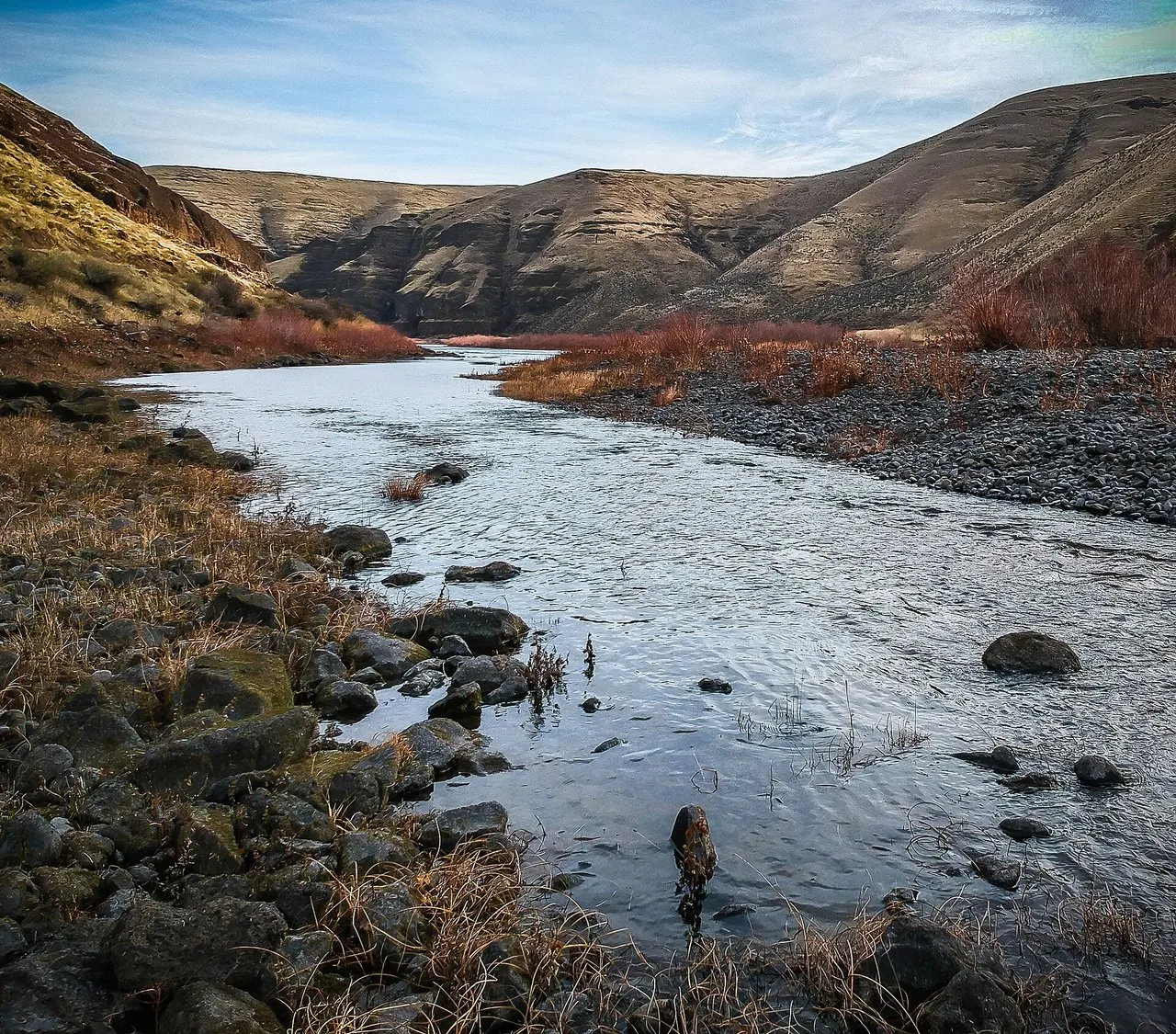
Many communities ask a fair question about who pays the price in higher bills, drained rivers and lost forests, and it deserves a straight answer. Towns want to know what they gain and lose before the first shovel hits the ground, and they want a say in where the buildings go. Public meetings, local votes and clear rules can give neighbors a voice, yet the projects often move faster than the debate. Jobs and bills shape every town, as seen in our report on job losses in Canada and in an app idea for paying strangers bills.
What Happens Next for AI Data Centers
Demand is set to keep growing as artificial intelligence spreads, and that means more buildings, more power and more water unless the way we build changes. Engineers are working on chips that use less energy, cooling that uses less water, and sites that reuse heat to warm nearby homes. Whether those fixes arrive in time depends on choices made now by companies, utilities and towns. New ideas keep coming, from the human trials for a brain implant to new housing for homeless women, and the future will turn on which ones we choose.
What Do You Think About the Data Center Boom?
So here is the question that started it all: am I the only person curious and concerned about why we suddenly need a thousand data centers? The numbers are real, the water is real, and the bills and forests are real too, yet the promise of jobs and progress is real. Now it is your turn, so share your thoughts in the comments and tell us what you would ask the builders near you. If you care about wildlife, you may also enjoy our story about a rare jaguar in Arizona and the rescue of foxes from floodwaters.