Elon Musk has floated a strange new money app idea. He described an app where ordinary people list their bills and debts, and rich strangers scroll through and pay them off. It sounds like a dating app for debt relief. No launch date exists yet, but the idea spread fast. Here is what he said and what it could mean.
The Elon Musk App Idea in One Sentence
Elon Musk pictured a feed of real bills, rent, medical costs and loans, posted in an app by people who need help. Wealthy users would scroll through the list, pick the cases that move them and settle the balance directly. No bake sales, no fundraising pages, no waiting for friends to share a link. He shared the thought on X, the platform he owns, and it took off within hours. Screenshots of the post spread to other networks, and news sites picked it up by the end of the day. Part of the appeal is how simple it sounds. A person with a bill meets a person with money, and the problem disappears. Part of the controversy is the same simplicity, because real life is rarely that tidy. It is still only an idea, with no product and no official plan behind it, but money stories like this always draw a crowd. When the richest man on the planet talks about paying strangers’ bills, people listen, even if they are not sure how serious he is.
References: 247 Wall St: Elon Musk proposes app where strangers list bills and debts; K24 Digital: X users could send instant money by long-pressing like; hi INDiA: Elon Musk unveils X Money feature
Swipe Right on Someone’s Rent
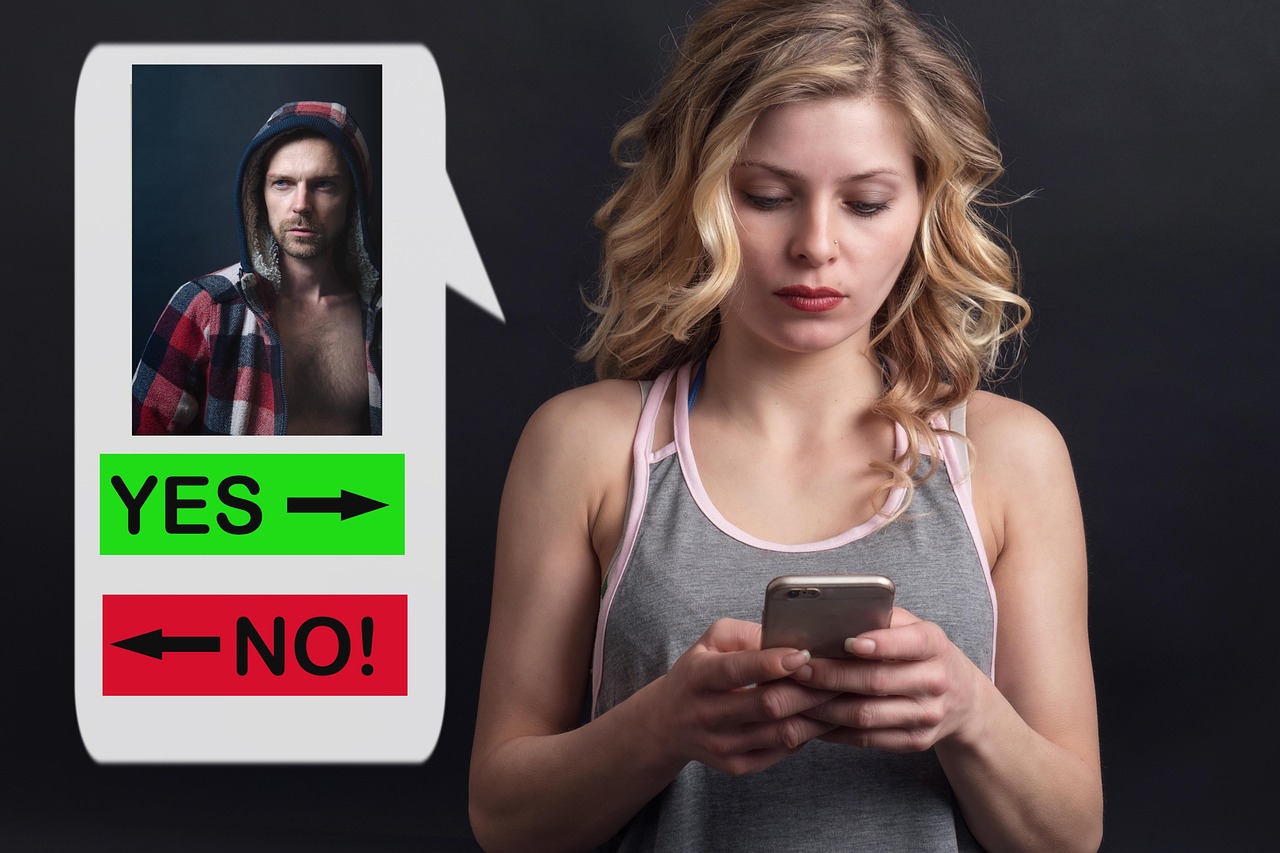
The mechanic borrows from dating apps. Instead of matching with a date, a billionaire matches with an overdue electric bill. Picture a stack of cards on a phone screen, each showing a balance and a short story. Swipe one way to pass. Swipe the other way to pay. That image is what made the idea catch fire, because almost everyone has used an app built on that pattern. Fans called it fun and generous. They said it could turn spare cash at the very top into real relief at the bottom, without paperwork or a charity taking a cut. Skeptics called it a popularity contest for people in trouble. Who gets swiped right, they asked, the family with the saddest story or the one with the best photo? Would people with plain, boring debts get ignored? Those are fair questions for any giving platform. Both reactions filled the replies, much like other viral debates, and neither side seemed ready to concede.
How the Elon Musk App Fits X Money
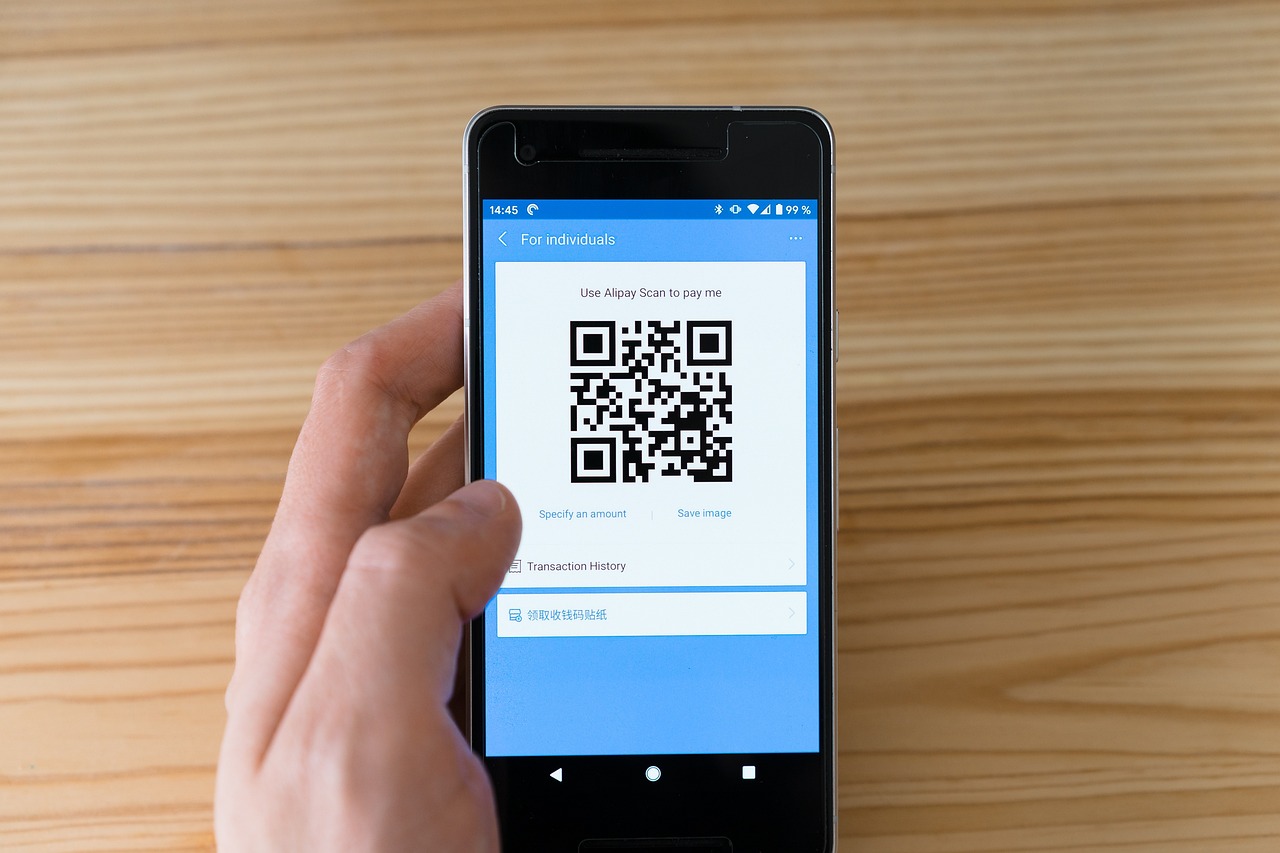
X has been building a payments arm called X Money for some time. Elon Musk has long said he wants X to become an “everything app,” a place where people chat, read news, shop and move money without leaving. Reports say users may one day send small amounts by long-pressing the like button on a post. That would make tipping or helping someone as easy as reacting to a photo. A bill-paying feed would sit neatly inside that plan. It would give X Money a clear, emotional use case that goes beyond splitting dinner or paying a friend back. It would also keep people on the app longer, which is good business for tech companies that live on attention and engagement. Every extra minute spent scrolling means more ads seen and more data collected. Critics say that is exactly why the idea should be watched closely. Supporters reply that a feature can help users and the company at the same time.
No Launch Date Yet

Nothing has been announced. There is no app name, no timeline and no rules about who could post or who could pay. No screenshots of a test version have surfaced, and X has not published any official plan. For now this is a proposal, not a product. That distinction matters, because headlines can make an idea sound closer to reality than it is. Musk often tests ideas in public before deciding. He posts a thought, watches the reaction and sometimes runs a poll. Some of those ideas reach the market, occasionally faster than expected. Others quietly fade once the attention moves on, as past announcements show. Anyone hoping to post a bill tomorrow should not get their hopes up. Anyone worried that the app will appear overnight can also relax. The sensible approach is to wait for an official word from X, with real details on how it would work, before treating any of this as settled.
Why People Liked It
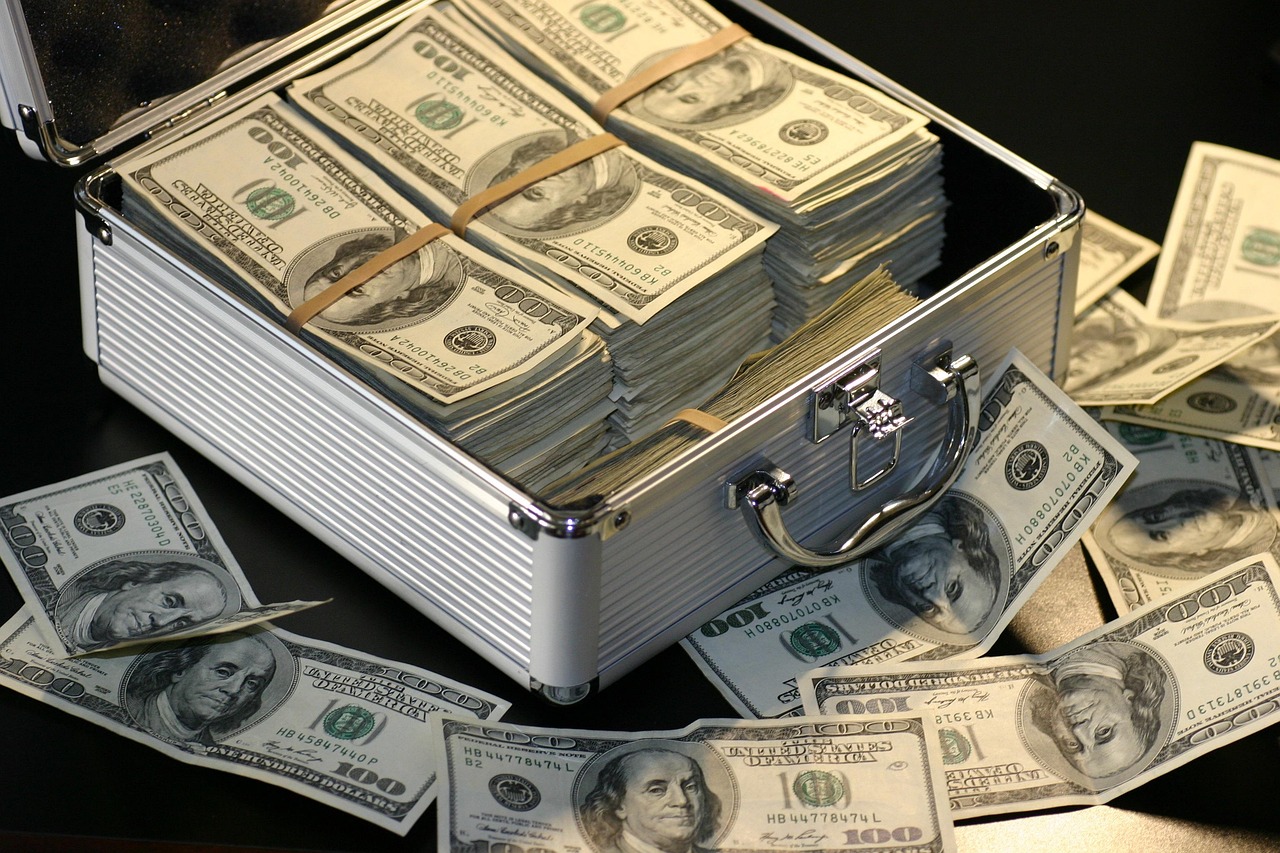
Why did so many people cheer? Start with the numbers that everyone already feels. Americans carry a lot of debt, from credit cards to car loans to medical bills that arrive after a hospital visit. Many households say a single surprise expense would be hard to cover. A direct way to get help, without a middleman, sounds attractive in that climate. There is no loan officer to impress and no charity application to fill out. Supporters said even a few paid bills would change lives. A cleared medical balance or a month of rent can mean the difference between stability and a spiral of late fees. Some also liked the idea of wealthy people giving in a visible, direct way rather than through foundations most people never see. Crowdfunding sites already work this way, so the concept is familiar to many readers. What Musk added was scale, and a pool of potential donors with very deep pockets.
The Privacy Problem
Posting your debts means sharing personal details with the world. A bill is not just a number. It often carries a full name, a home address, an account number and the name of a hospital or lender. Account numbers, names and addresses could all leak if users upload documents without thinking. Medical bills can reveal health conditions that people would never discuss in public. Experts on crowdfunding warn that oversharing invites scams, identity theft and unwanted contact from strangers. Once something is posted online, it is very hard to take back. Any real version would need strict rules on what users show. That could mean hiding account details, verifying bills privately and sending payments straight to the company owed rather than to the person. Those safeguards add friction, which cuts against the quick-swipe idea. Still, privacy advocates say a feature like this cannot work without them. Read our guide to staying safe online before sharing anything sensitive on any platform.
Scammers Would Line Up

Every donation platform fights fake stories. Scammers invent illnesses, reuse photos of real victims and create urgent deadlines to pressure people into giving. A billionaire bill feed would be a magnet for fraud, from invented hospital bills to stolen photos to doctored utility notices. The bigger the potential payout, the harder fraudsters try. Verification would be the hardest part to build. A platform would need to confirm that each bill is real, that it belongs to the person posting it and that the money reaches the right place. That is expensive and slow, especially at the scale X operates. Paying the billing company directly instead of the user would help, but it would not catch every trick. Without strong checks, real families could lose out to clever scams that look more convincing than honest posts. Trust is the whole product here. If donors start to feel fooled, they will stop paying, and the people who truly need help will be the ones left waiting.
Would Billionaires Actually Pay?

Some wealthy people already pay off strangers’ debts in public, often on video. Celebrities have paid layaway balances at stores, cleared lunch debts at schools and covered rent for fans. MrBeast-style giveaways, where creators hand out cash and prizes on camera, show the appetite among audiences and donors alike. Those videos rack up enormous view counts. Whether enough rich users would join a dedicated Elon Musk app is the open question. Billionaires are a very small group. Millionaires are more common, but most of them are not looking for new ways to give away money on a social network. Generosity on camera is different from steady, quiet giving, as earlier stories found. A one-time stunt brings attention and goodwill. A permanent feed of bills needs a constant stream of donors, day after day, long after the novelty wears off. Musk himself would likely have to lead by example for the idea to gain trust, and he has not said whether he would.
Comparing the Elon Musk App With GoFundMe
GoFundMe hosts millions of campaigns for medical costs, funerals and emergencies. It has become the default place Americans turn to when a crisis hits. It takes fees on donations, and it relies heavily on friends and family sharing links across social media. That model works best for people with large networks. Someone with a big church, a busy workplace or a popular online presence can raise money quickly. Someone who is isolated often struggles to raise anything at all. Musk’s version would skip the network and go straight to the wealthiest users. In theory, a stranger with no followers could get a bill paid by someone they will never meet. That could help people with no big social circle, a point raised in similar coverage. The tradeoff is reach. GoFundMe spreads through personal connections, while a bill feed would depend on the attention of a small group of very rich people scrolling through a very long list.
Critics Call It a Spectacle

Some commentators said turning hardship into content is uncomfortable. A sick parent’s hospital bill or a family’s eviction notice is not entertainment, they argued, and dressing it up in a swipe interface risks making it feel that way. They also worry about who sets the rules on such a feed and who profits from the traffic. Many critics argued that systems like wages, health care and taxes matter more than a viral feed. If millions of people cannot cover basic bills, they say, the fix belongs in policy, not in the goodwill of a few rich people. Others replied that help is help, no matter how it arrives. A family facing a shutoff notice does not care whether relief comes from a government program or a stranger on an app. Waiting for big reforms, they add, does not pay this month’s rent. That clash runs through many money debates, and this one is no different.
What Regulators Might Ask

Moving money between strangers brings rules on fraud, taxes and identity checks. Financial companies have to know who their customers are and watch for money laundering, which means collecting identification and flagging suspicious activity. Payment apps need licenses in many states before they can hold or move customer funds. Each state has its own process, and some are slow and strict. Any bill-paying feature would face questions from regulators before going live. Who verifies that a bill is real? What happens if a payment goes to the wrong account? How are disputes handled, and who covers losses from fraud? Consumer protection agencies would likely want clear answers. X has been collecting money transmitter licenses for exactly this kind of financial feature, according to reports on its payments push. That groundwork suggests the company is serious about payments in general. It does not guarantee that this particular idea will clear the bar, or that it would look anything like Musk’s first description.
The Reaction to the Elon Musk App on X
The post drew a flood of replies. Some users jokingly posted their own bills, complete with cartoon drawings and exaggerated sob stories. Others asked Musk to start with his own employees, pointing to past layoffs at his companies. A few praised the idea outright, calling it the kind of bold thinking that big tech rarely shows. Many replies were simple: “Where do I sign up?” Others were more cautious, asking how fraud would be stopped and whether posting a bill would hurt someone’s credit or privacy. Quote posts pulled the idea into political arguments, with people debating wealth, taxes and charity in the same thread. Some influencers made videos reacting to the concept, which pushed it to audiences who never saw the original post. Like most viral threads, it was half serious and half meme, typical of trending posts. That mix makes it hard to tell how much real demand exists, and how much was just a fun conversation for a day.
Debt in America Right Now
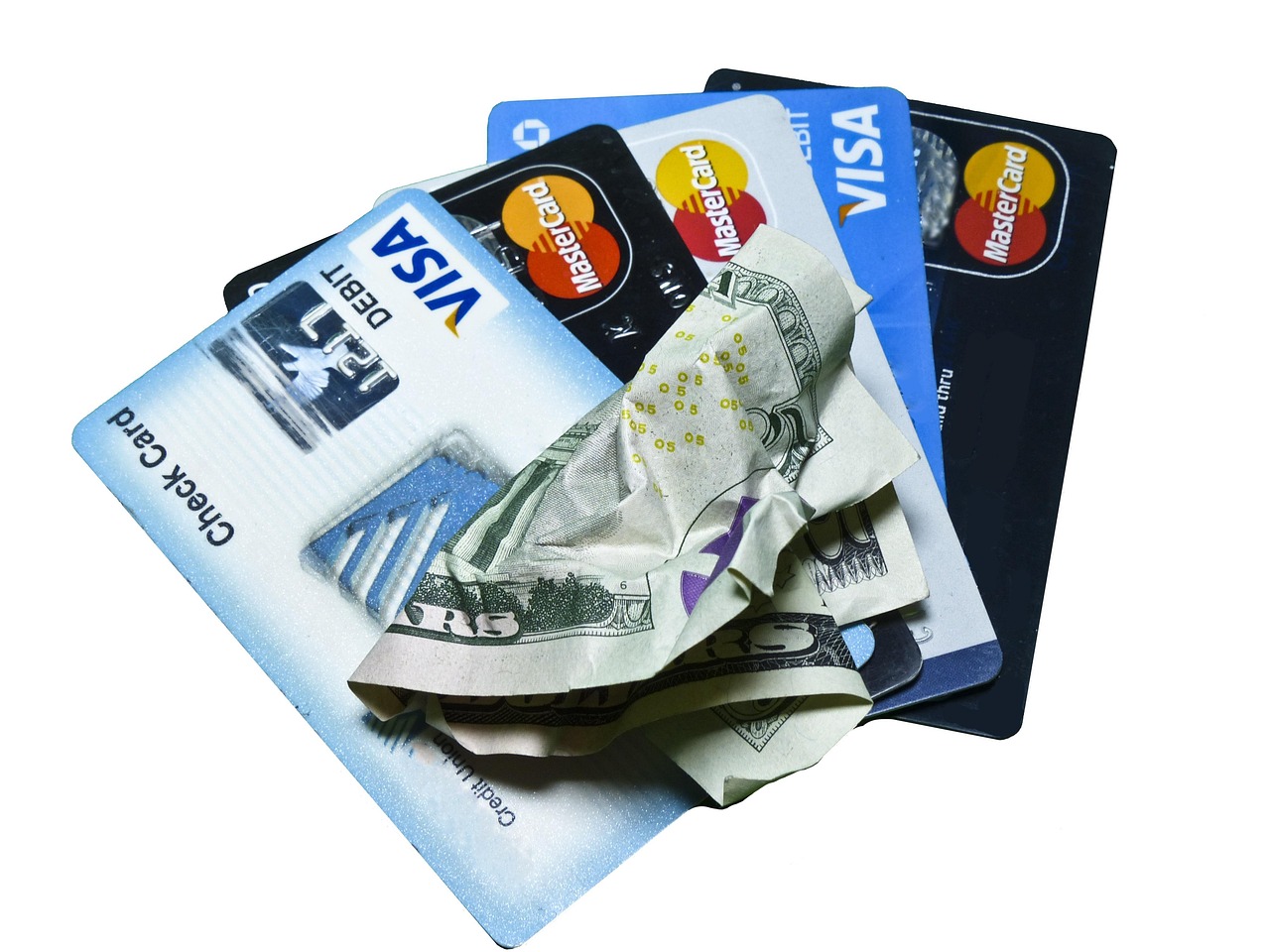
Household debt in the United States is at record levels, according to recent reports from the Federal Reserve Bank of New York. Mortgages make up the largest share, followed by car loans, student loans and credit cards. Credit card balances in particular have climbed, and interest rates on those cards remain high, which makes balances harder to pay down. Medical debt affects millions of families, often after a single emergency or hospital stay. Many people say they skip care or delay payments because of cost. Rent has also risen sharply in many cities over the past few years, squeezing renters who have little left over at the end of the month. That backdrop explains why an idea about paying strangers’ bills struck such a nerve. For a lot of readers, the concept was not abstract. It described their own mailbox. Whether or not the app ever exists, the reaction shows how many people feel one bill away from trouble. See our latest finance coverage.
Could the Elon Musk App Really Launch?

Musk has turned odd ideas into products before, and he has dropped others just as fast. Some concepts he floated on social media later showed up as real features. Others were never mentioned again. That track record makes it hard to predict what happens next. If X Money grows, a social giving feature would not be a big leap. The payment pipes would already exist, and a bill feed would simply be a new way to use them. The harder parts are verification, privacy and regulation, not the technology. For now, nothing is confirmed. There is no waitlist, no beta and no official page describing the service. Be careful with any website or account claiming to offer early access, because scammers often jump on viral ideas. Watch for any official word from X before signing up for anything new. A real launch would almost certainly come with an announcement from the company itself, not a stranger in your inbox.
Has Anything Like This Worked Before?

Yes, in small ways. Viral threads on X and TikTok have led strangers to pay off school lunch debts, medical bills and rent. Local news often covers these moments, and they tend to be heartwarming. Charities have also bought up medical debt in bulk for pennies on the dollar and then forgiven it, helping many families at once. Holiday “layaway angels” who pay off strangers’ store balances make headlines nearly every December. Most of these efforts last a few days, then fade. They depend on a burst of attention, and when the story stops trending, the giving slows down. Organized charities last longer, but they have staff, rules and budgets that a social feed would not. A permanent app would be new territory, as past stories suggest. It would need to keep donors engaged month after month. The history of one-off acts of kindness shows that the will is there. Whether it can be organized on a giant platform is untested.
The Dignity Debate
Not everyone wants their struggles on display. For many people, money trouble carries shame, even when it comes from bad luck, illness or a lost job. Some people would rather stay quiet than post an overdue bill for millions to see. Neighbors, coworkers and family members could all stumble across it. Employers might see it too. Others say pride is a luxury when the power is about to be cut. If posting a bill keeps the lights on for a family with young children, they argue, the embarrassment is a small price. Some also see openness as healthy, since debt is common and hiding it only makes people feel more alone. There may be a middle ground. Anonymous posting, or sharing a bill without names or photos, could protect dignity while still letting donors help. That would, however, make fraud checks harder. Both sides make a fair point in the comments, and any real product would have to find a way to respect both.
A Tax Question Few Asked
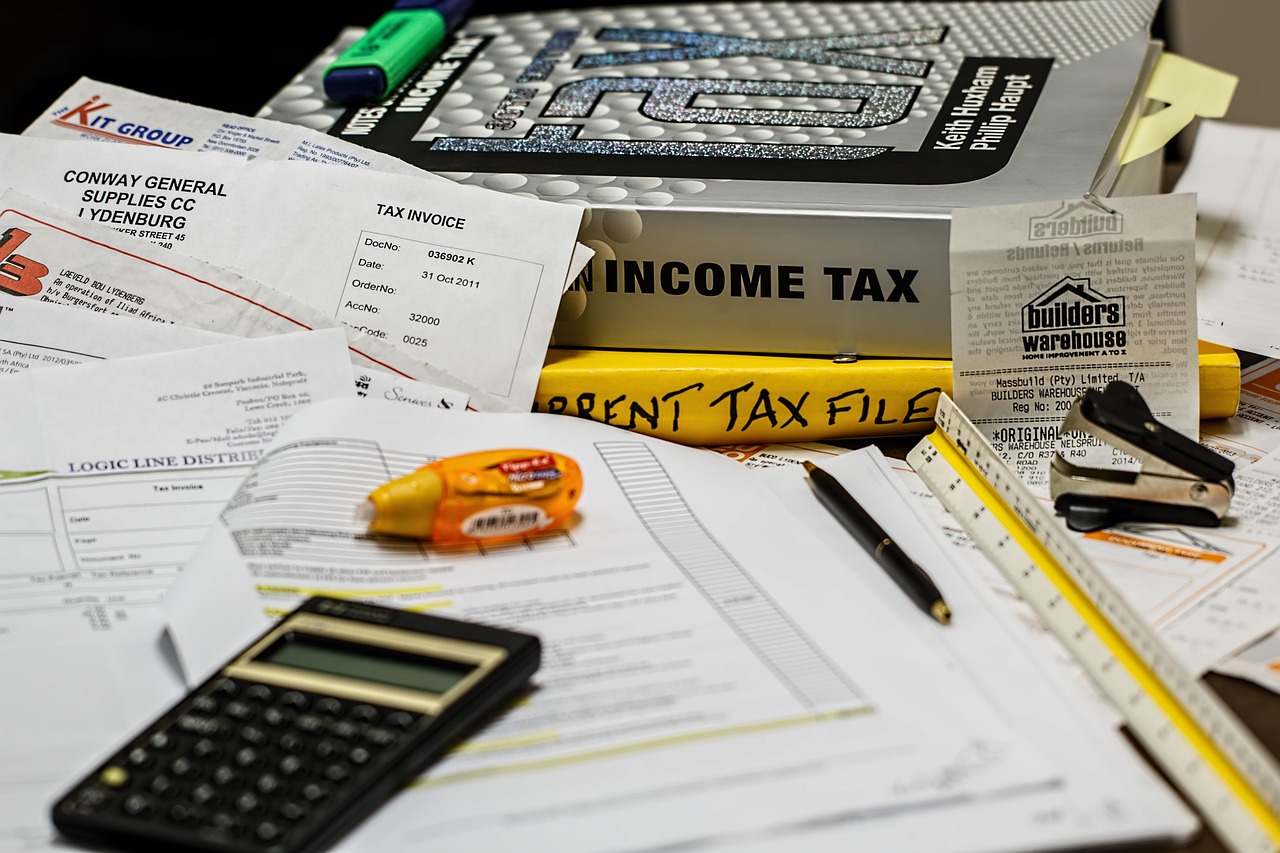
Large gifts can trigger tax rules for the giver. Under federal law, a person can give up to a set amount to any one individual each year without filing a gift tax return. Above that, the giver usually has to report the gift, though actual tax is rare because of a large lifetime exemption. Paying a stranger’s bill directly may count as a gift. There are special exceptions for tuition and medical costs paid straight to a school or provider, but rent and credit card bills generally do not qualify. Most small payments would fall under yearly limits, so a typical donor covering a few utility bills would not need to worry. Billionaires paying many bills, or very large ones, might need careful accounting, as covered in money guides. Recipients usually do not owe income tax on gifts, though rules can vary. Anyone giving or receiving large sums should talk to a tax professional before assuming either way.
What Do You Think of the Elon Musk App?

Would you post a bill and hope a stranger pays it? Would you pay someone else’s if you could afford to? Those two questions sit at the center of this story, and the answers say a lot about how people see money, privacy and community. The idea raises big questions about privacy, pride and generosity. It also touches on the role of tech companies in our financial lives and whether goodwill can fill gaps that wages and public programs leave behind. Some readers see a bold way to connect people who have plenty with people who are struggling. Others see a risky experiment that could expose vulnerable users to scams and judgment. Both reactions make sense. For now, the Elon Musk app remains an idea, and he has not said when, or whether, it will become real. Tell us where you stand, and check back as this story develops. We will update readers if X shares any official details.