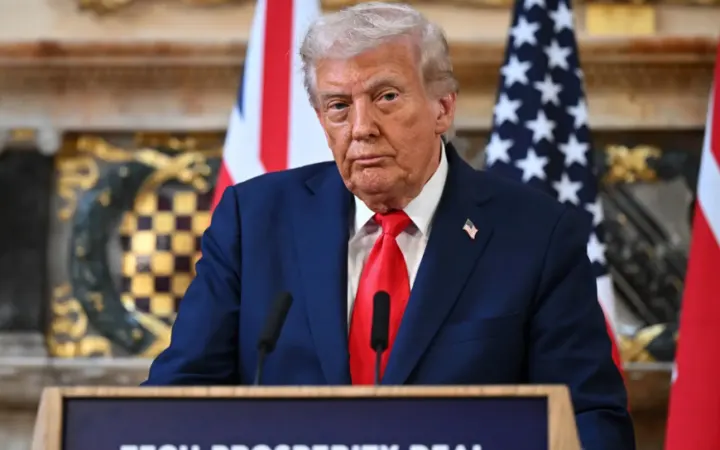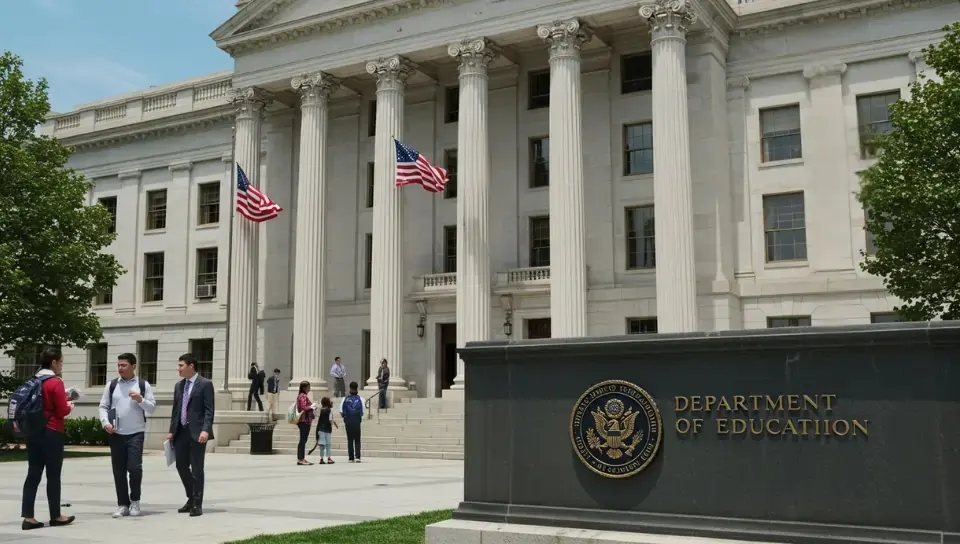
President Trump’s push to shift control of education to the states could lead to dismantling the U.S. Department of Education, which has operated for more than four decades. His administration says states and local communities, not federal officials in Washington, should decide how students are taught.
The future of the U.S. Department of Education is in question as President Donald Trump’s administration moves to reduce its role. The efforts could lead to dismantling the federal agency, which has operated since 1980.
The move is part of Trump’s campaign promise to return more control over schools to individual states. His administration says local communities, not federal officials in Washington, should have the final say on how students are taught.
What does the Department of Education do?
The Department of Education distributes billions of dollars in federal funding to schools and colleges each year and administers federal student aid. It enforces civil rights laws in education, including protections for students with disabilities, and collects national data on school performance.
Through its programs, the department supports schools serving low-income students and funds teacher training and other initiatives. It does not set school curricula, which are decided by states and local districts.
What happens if the department is shut down?
Education experts and advocates warn that removing the department could have serious consequences. Some worry that students in lower-income areas could be left behind if federal support and oversight weaken.
The department helps ensure that students with disabilities can access services and monitors whether schools follow civil rights laws. Critics say eliminating it could mean fewer protections for these students and a harder path for families seeking help when schools do not meet their obligations.
Plans to shift education control to the states
The Trump administration argues that states and local districts should run education. Supporters say this lets communities focus on what works for their students without federal interference, and that education decisions should be made closer to home.
Opponents say the change could lead to uneven results, since some states have more money and resources than others to run strong school systems without federal help.
The financial impact on schools
Federal money makes up a relatively small share of most K-12 school budgets, about 10 percent on average, but it plays an important role. Programs such as Title I, which supports schools in low-income areas, and special education funding under the Individuals with Disabilities Education Act (IDEA) depend on federal dollars.
Both programs were created by Congress, and administration officials have said core funding streams would continue even if the department’s role shrinks. Critics worry that moving them to other agencies or cutting them could force schools to reduce staff or services.
Impact on students with disabilities
The department enforces laws requiring schools to provide appropriate support, accommodations and services to students with disabilities. If the department is dismantled, it is unclear which agency would take over that role, and disability advocates say that uncertainty could leave families without a clear place to file complaints.
National data collection
The department also collects and analyzes data on how schools perform nationwide, including graduation rates, test scores and school safety. Researchers say this data helps identify problems and measure progress, and that losing it would make national comparisons harder.
Congress would have to act
The Department of Education was created by an act of Congress, and fully eliminating it would require congressional approval. That would need 60 votes in the Senate to overcome a filibuster, a high bar given current party divisions.
Supporters view the administration’s moves as a return to local control, while opponents argue they will make it harder to ensure fairness and equal opportunity for all students.
Looking ahead
Whether or not the department is formally shut down, the administration’s steps signal a significant shift in how the federal government approaches education. Families, teachers and school leaders are watching to see what changes come next, since decisions made now could affect millions of students.
Source: NPR