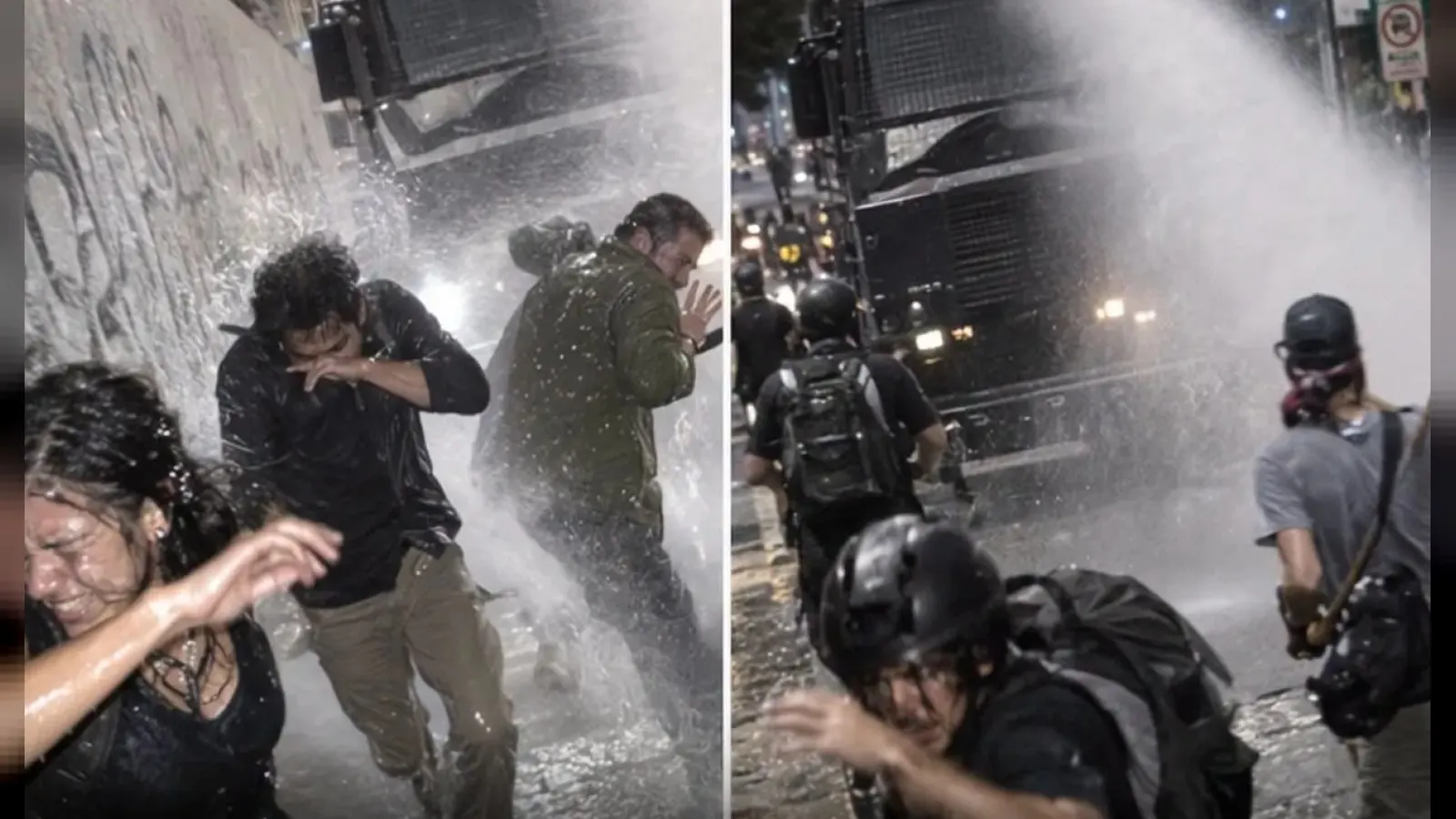
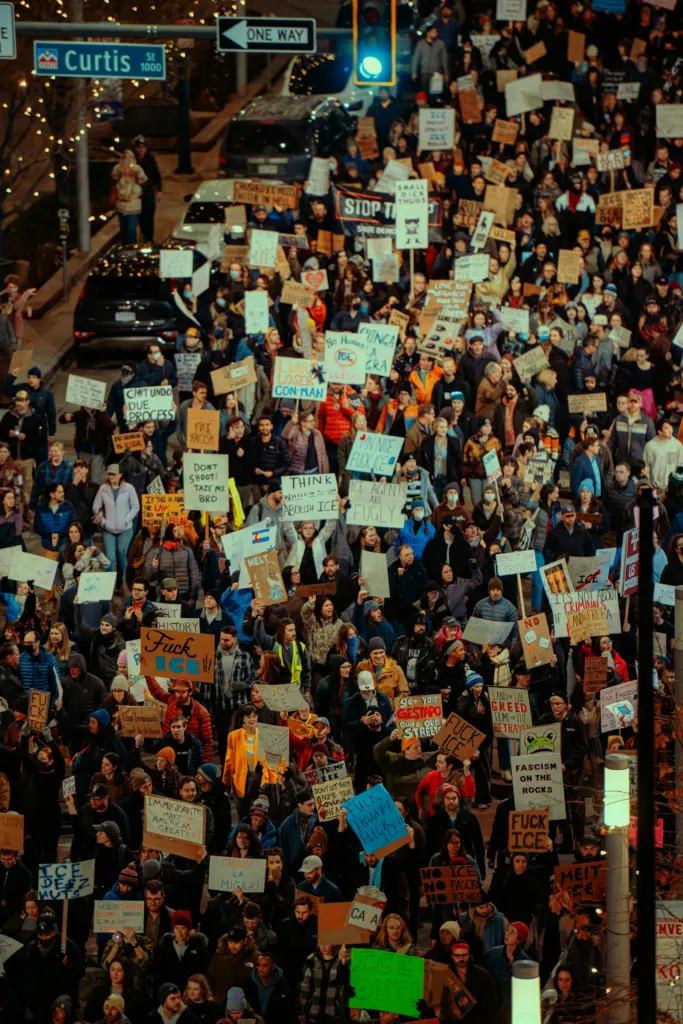
Crowd-control weapons were misused at least 412 times at immigration enforcement protests across 16 American cities, according to a new investigation by Physicians for Human Rights and the Human Rights Center at UC Berkeley. Researchers spent nearly a year reviewing videos, photos and news footage from June 2025 through May 2026, when they stopped collecting data. They counted 203 injuries, including head injuries and cases of blindness, and they believe the true toll is higher. The findings land in the middle of a fierce national argument over immigration enforcement, protest rights and the safety of officers who say they face rising assaults. The authors are now asking federal, state and congressional leaders to look closely at the evidence. Here is what the report found, which weapons were involved, where it happened, how officials have responded and what could change next..
A year of protest footage, one striking number
The report, called Charting the Crackdown, was released in mid-July 2026 by Physicians for Human Rights and the UC Berkeley Human Rights Center. It verified 412 incidents in which federal, state or local officers misused crowd-control weapons at protests against immigration enforcement. The research window began in June 2025, when protests escalated in Los Angeles, and ended in May 2026, when the team stopped collecting data. According to the groups, 119 of those incidents involved people with visible or self-reported injuries, adding up to 203 injuries because some people were hurt more than once. Lead author Dr. Rohini Haar, a medical advisor to Physicians for Human Rights, said the harms from misused weapons are almost always foreseeable. The authors describe their dataset as the largest publicly available record of its kind for this period, and they built an interactive map so anyone can search it..
How researchers verified 412 crowd-control weapons incidents
Student and professional researchers at the Human Rights Center's Investigations Lab and Physicians for Human Rights reviewed publicly available video, photography and news footage, according to UC Berkeley. Their work followed the Berkeley Protocol on Digital Open Source Investigations, a set of standards for using online material as evidence. The team only counted cases that clearly broke manufacturer guidance, agency policy, accepted policing practice or international guidance on policing assemblies. Cases that needed deeper legal analysis to judge were left out. That cautious approach means the 412 figure is a snapshot, not a full count, the authors say. Of the total, 264 incidents involved a weapon used in a way that is prohibited, such as firing at close range. The groups say the goal was to give the public, officials and oversight bodies hard evidence to help prevent further harm.
Pepper balls and chemical irritants topped the list
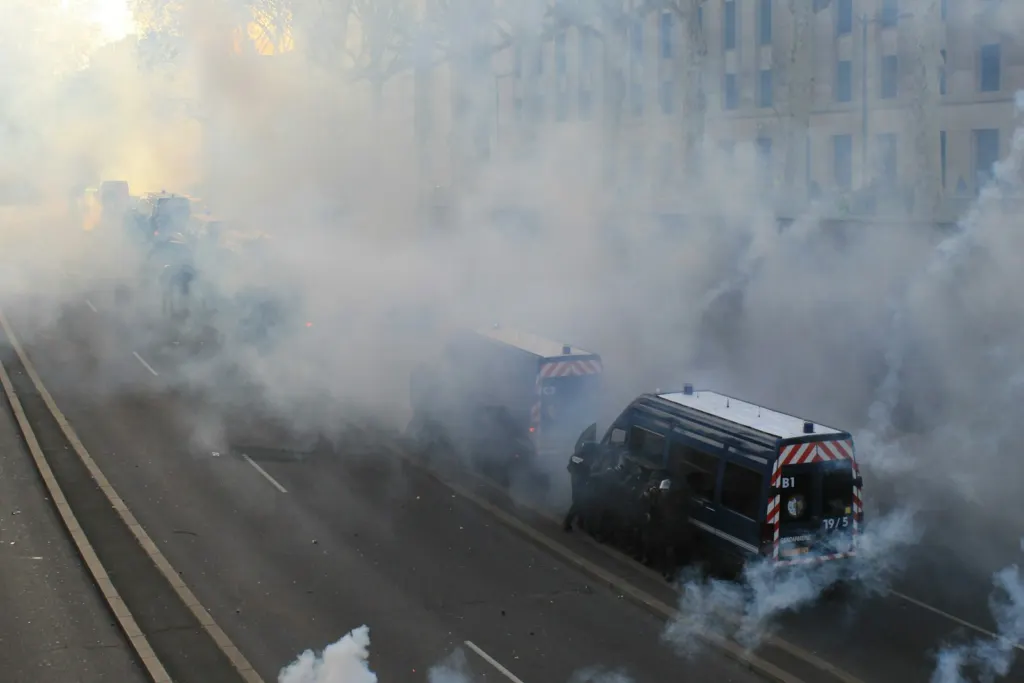
Chemical irritants and kinetic impact projectiles made up most of the documented misuse nationwide, according to the report. Chemical irritants include tear gas, pepper spray and Mace, The Guardian reported. Hybrid weapons such as pepper balls, which are fired like projectiles but release an irritant powder, were involved in more than a quarter of all incidents. The researchers also found regional patterns. Pepper balls were most common in Chicago, while officers in the Minneapolis area relied heavily on MK-9 pepper spray, a large canister designed to cover a wide area. Among the practices the report flagged were spraying chemical irritants in enclosed spaces and firing tear gas canisters directly at individuals rather than over a crowd. Manufacturers and many agency policies warn against both, because they raise the risk of serious harm to people who cannot easily get away.
Rubber bullets, stun grenades and even water cannon
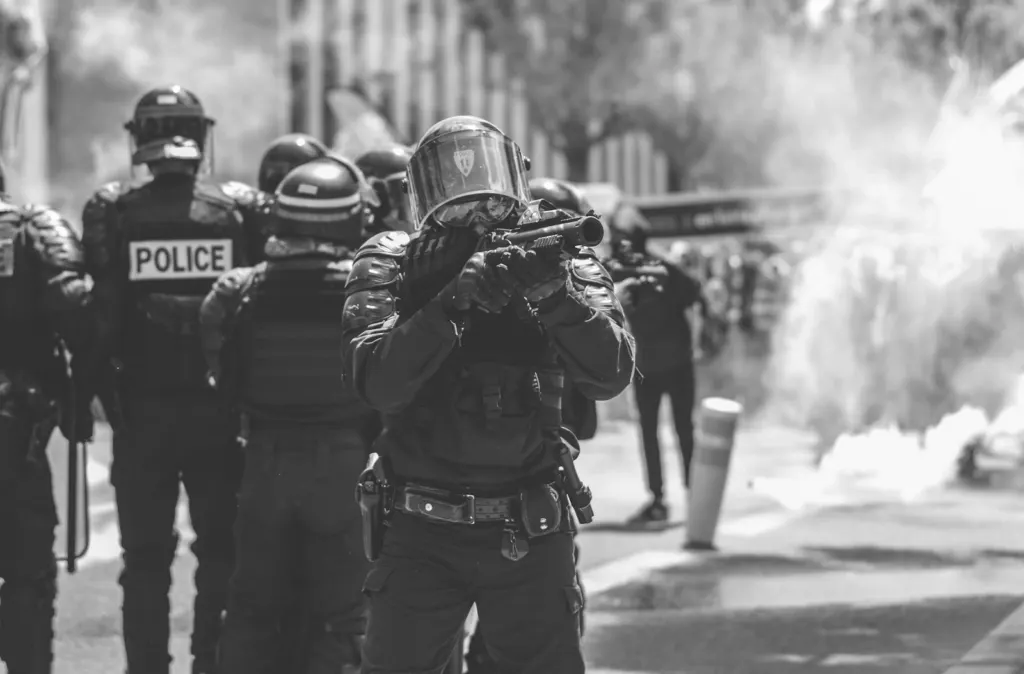
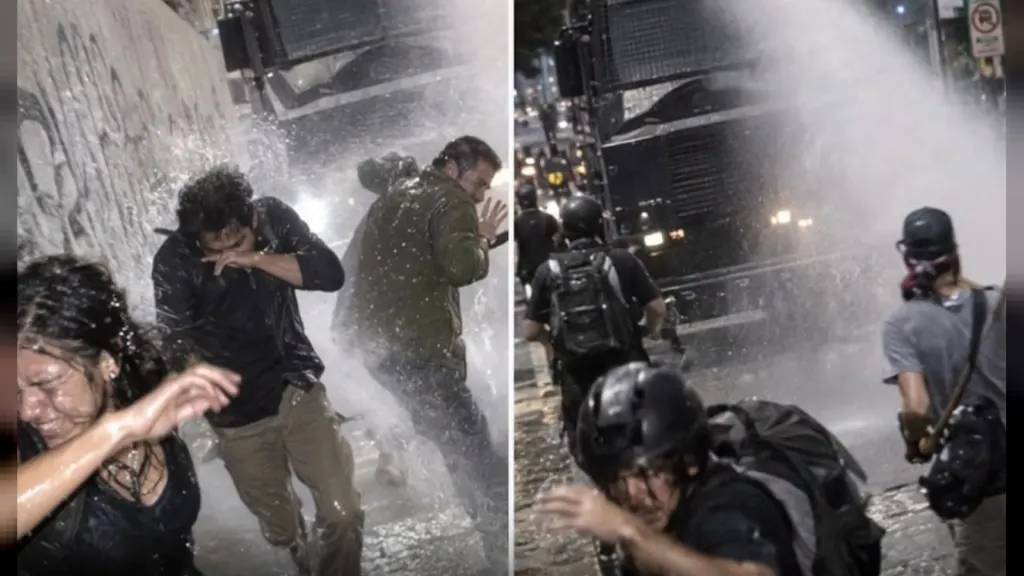
Kinetic impact projectiles, which include rubber bullets and bean bag rounds, were another major category, according to The Guardian's report on the findings. They were especially common in Los Angeles, the researchers said. The investigation also documented stun grenades, water cannon and what it called improvised tools, such as horses and riot shields. These weapons are often described as less lethal, but the report notes that the way they are used matters. Firing projectiles at people's heads, shooting from unsafe close range and using weapons against people with no safe way to leave were among the procedural failures it recorded. Haar told The Guardian that these weapons can cause harm, and that the key questions are when they are used, how they are used and if they are used. The report also cited scattershot munitions as particularly risky.
Five cities accounted for 90 percent of cases
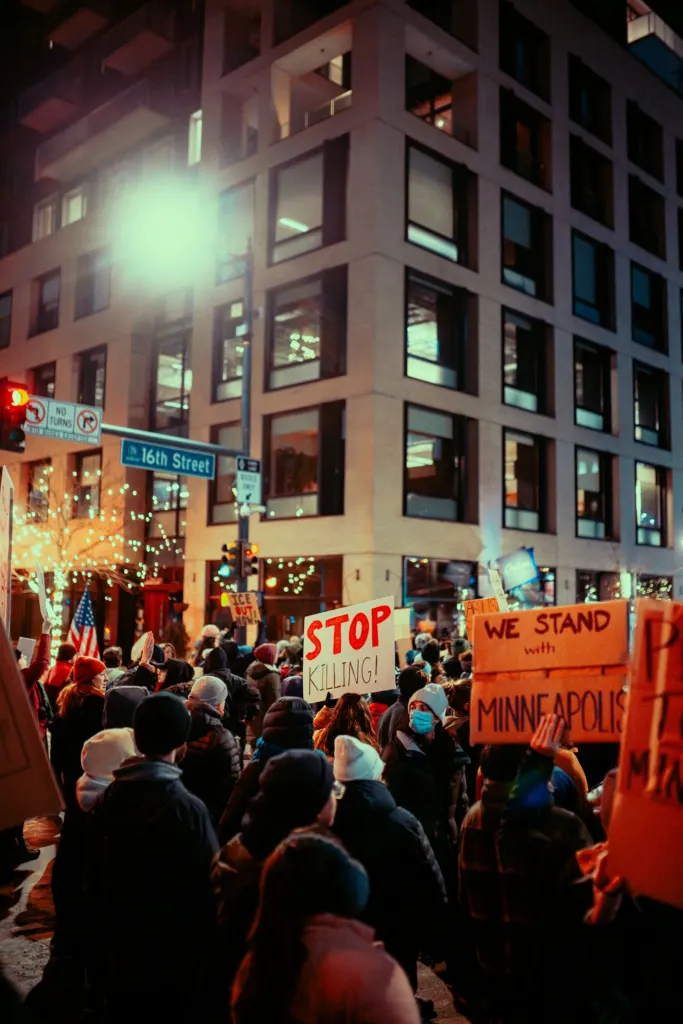
The 412 incidents took place in 16 cities across 13 states, according to the Physicians for Human Rights question and answer guide to the report. More than 90 percent occurred in five metro areas: Chicago, Los Angeles, Minneapolis, Newark and Portland. Each saw large and sustained protests against immigration raids during the research period. Los Angeles stood out because local agencies, including the Los Angeles Police Department, the county sheriff and the California Highway Patrol, were involved in more than half of its documented cases. The authors said Los Angeles appeared to have missed lessons from the 2020 protests. Portland, Chicago and Minneapolis showed fewer incidents tied to local police, which the researchers suggest may reflect modest reforms adopted after 2020. In Newark, protests outside the Delaney Hall detention center drew national attention, The Guardian reported.
Crowd-control weapons injuries doctors called foreseeable
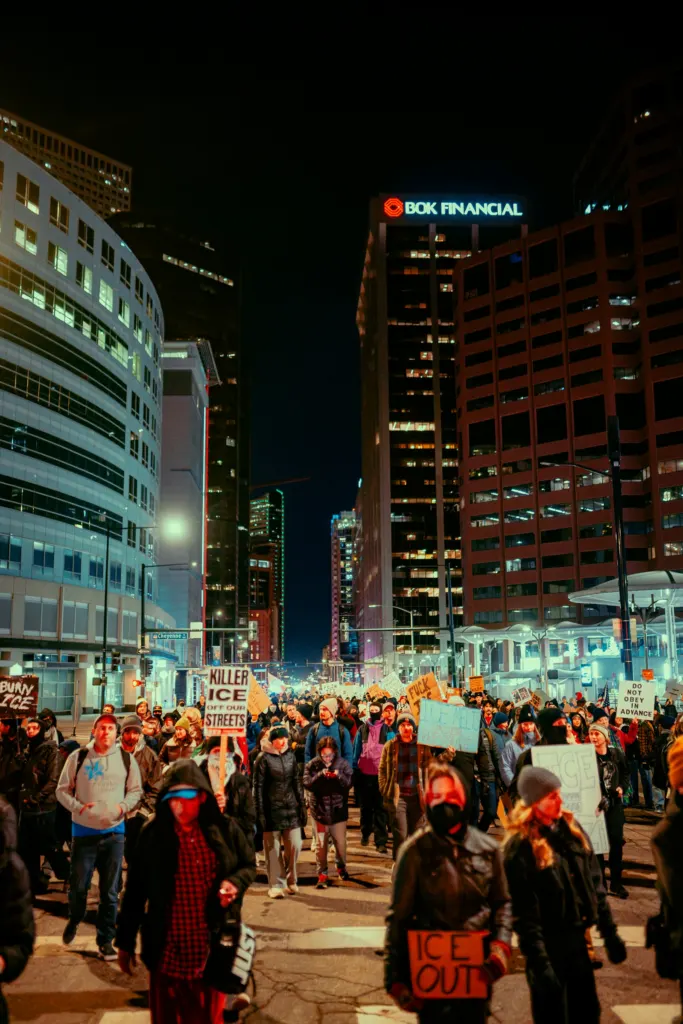
The report documented 203 injuries, including blindness, traumatic brain injuries, cuts, broken bones and bruising, according to The Guardian. Nearly half of the injured people, 47.1 percent, sought medical care, the Physicians for Human Rights guide says. Haar said her team documented more than 100 cases of injuries caused when law enforcement deployed crowd-control weapons, and that such harm is almost always foreseeable. The researchers stress that their numbers are limited by method. Video and photos cannot reveal chemical injuries, chronic pain or hearing loss, so those harms were not captured. The authors call the count almost certainly an undercount and say the true number of injuries is likely far greater. As physicians, they argue that predictable injuries mean preventable injuries, which is why they want clearer rules on when and how these weapons can be used.
Why journalists were caught in the crossfire
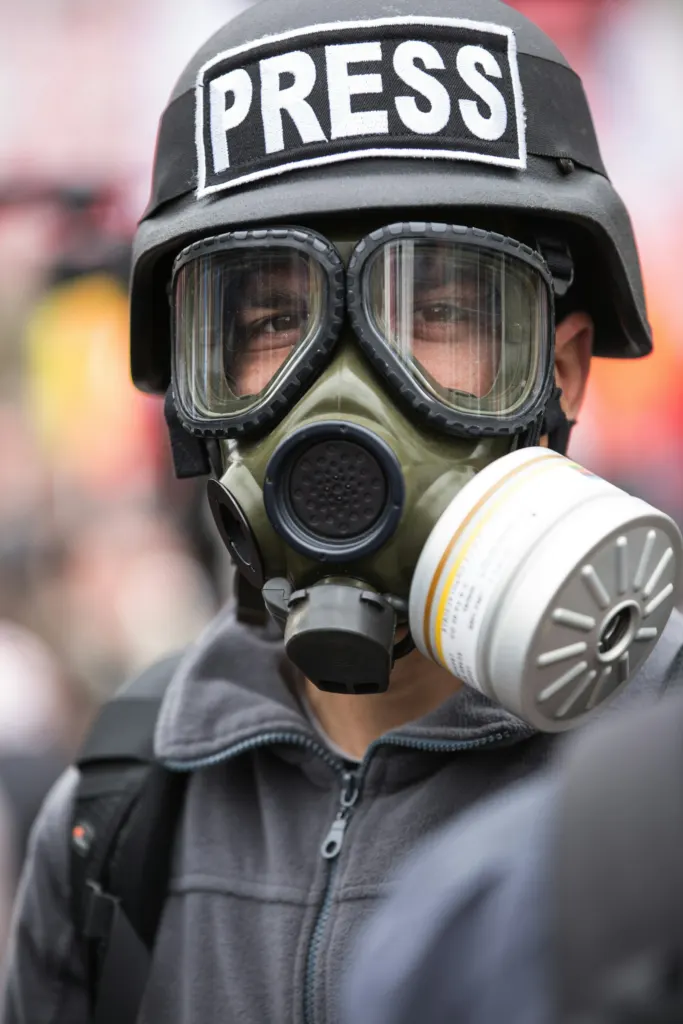
Demonstrators were the largest group affected, but journalists came second. According to the Physicians for Human Rights guide, 177 of the affected people, or 43 percent, were members of the press. The report treats journalists, health workers and legal observers as protected groups, because they are present to document events or help others, not to take part. It also flagged incidents affecting vulnerable people, such as children, older adults, pregnant people and people with disabilities. A separate ProPublica investigation found 70 children harmed by tear gas or pepper spray, The Guardian reported. Alexa Koenig, faculty director of the Human Rights Center, said law enforcement had repeatedly used dangerous crowd-control tactics against protesters and journalists. She added that open source tools now allow researchers to document such violations in enough detail to strengthen accountability.
Federal agencies linked to most crowd-control weapons misuse
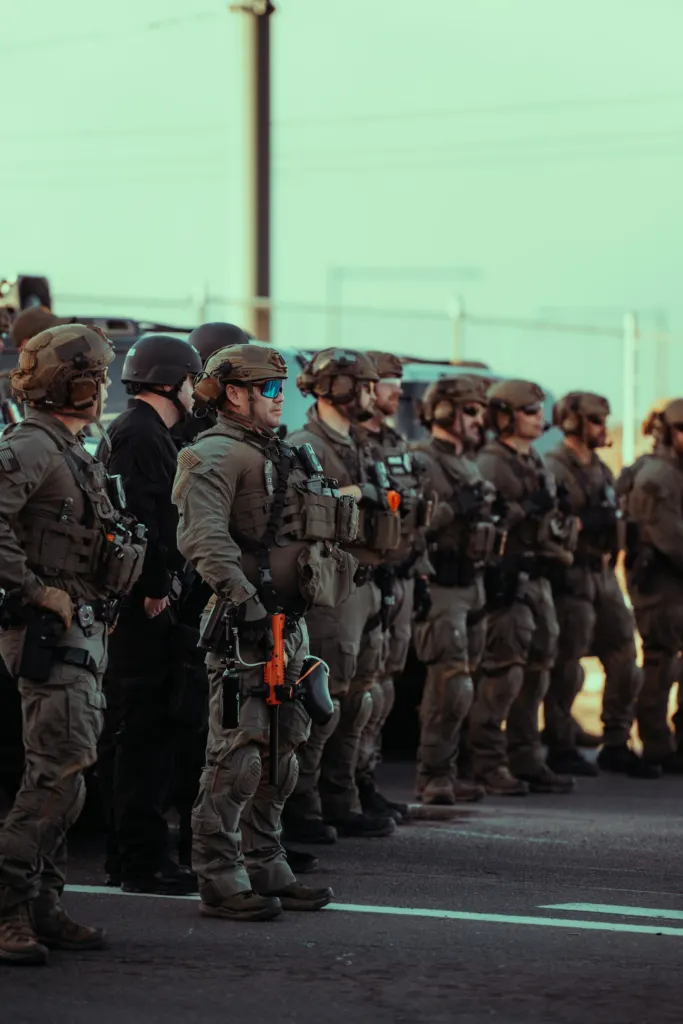
UC Berkeley said 86 percent of the incidents were directly attributable to the Department of Homeland Security and other federal agencies. The report's guide adds that DHS agencies, including ICE and Customs and Border Protection, accounted for 64 percent of incidents where the agency could be identified. The researchers also found a timing pattern. In each city where federal authorities directed an escalation of enforcement, incident counts rose sharply within days, Physicians for Human Rights said. Much of that coincided with the arrival of Border Patrol commander Gregory Bovino, who led enforcement surges in several cities. Bovino retired in March 2026, The Guardian reported. Haar also said the role of state and local agencies was concerning because, in many places, their actions came on top of what DHS was already doing.
What DHS has said about protests and officer safety
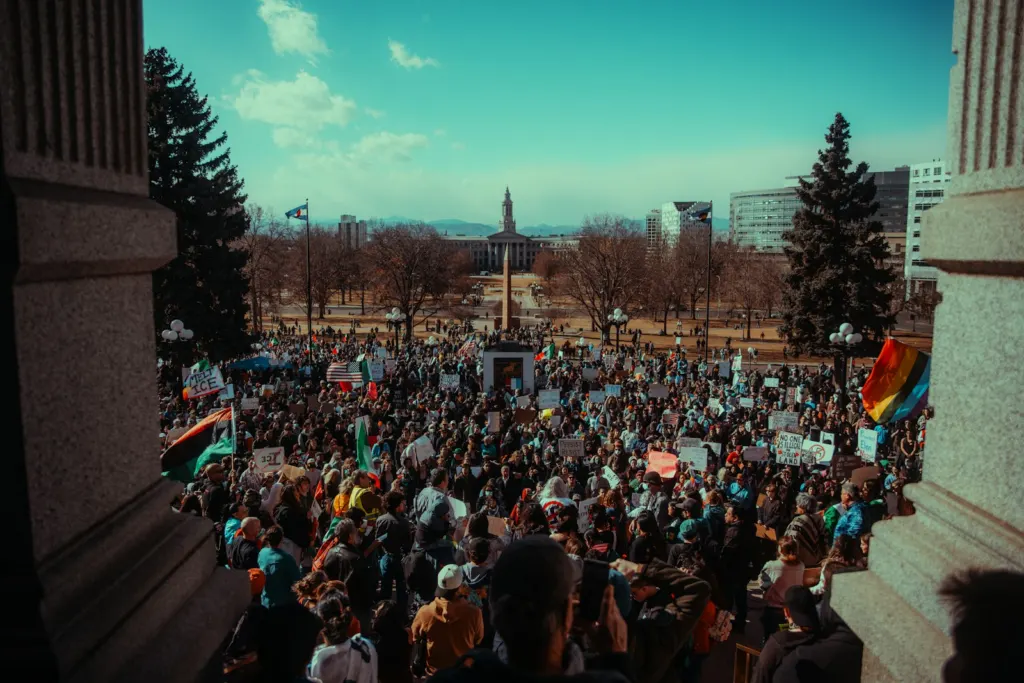
The Department of Homeland Security did not respond to The Guardian's questions about the report before publication. The department has, however, repeatedly argued that its officers face growing danger. In September 2026, DHS Secretary Mullin told Fox News that ICE officers are under attack every single day. DHS says assaults on ICE personnel rose 1,649 percent, with 647 assaults from January 2025 through September 2026, compared with 37 in a similar period under the previous administration. The department says some protesters have thrown objects, made threats and blocked operations. It also points to a July 2025 attack at the Prairieland Detention Center in Texas, where an officer was wounded and eight people were later sentenced. Supporters of strong enforcement argue that crowd-control tools exist to protect officers and the public when protests turn dangerous.
An open invitation to Congress and the states
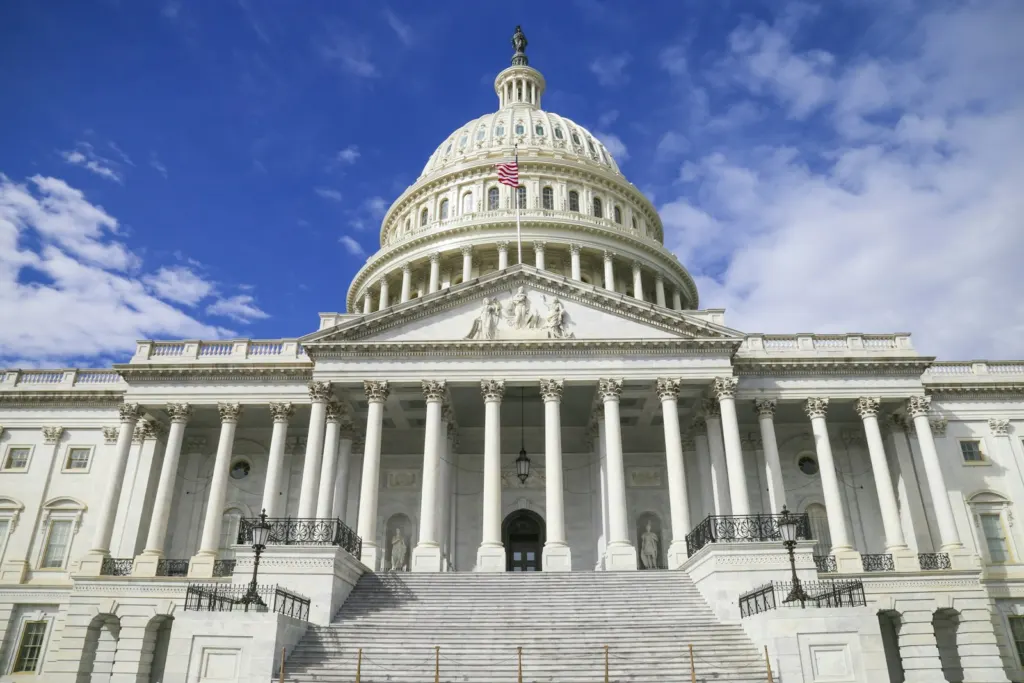
Haar invited DHS, Congress and state authorities to examine the findings and act right away to prevent further harm, according to UC Berkeley. She said the dataset allows meaningful public oversight of incidents during the recent surge in immigration enforcement protests. The researchers also point out a gap in official information. Records such as police incident reports and hospital files are not public, so the team could only count what it could verify through public media. Unreported incidents are missing entirely. That is why the report calls for an independent public reporting mechanism or ombudsperson at the federal level to track use of force. Lawmakers in both parties have debated immigration enforcement tactics, but the report does not point to any specific bill. Instead, it asks officials to use the evidence to set clearer limits.
Policy changes for crowd-control weapons researchers want
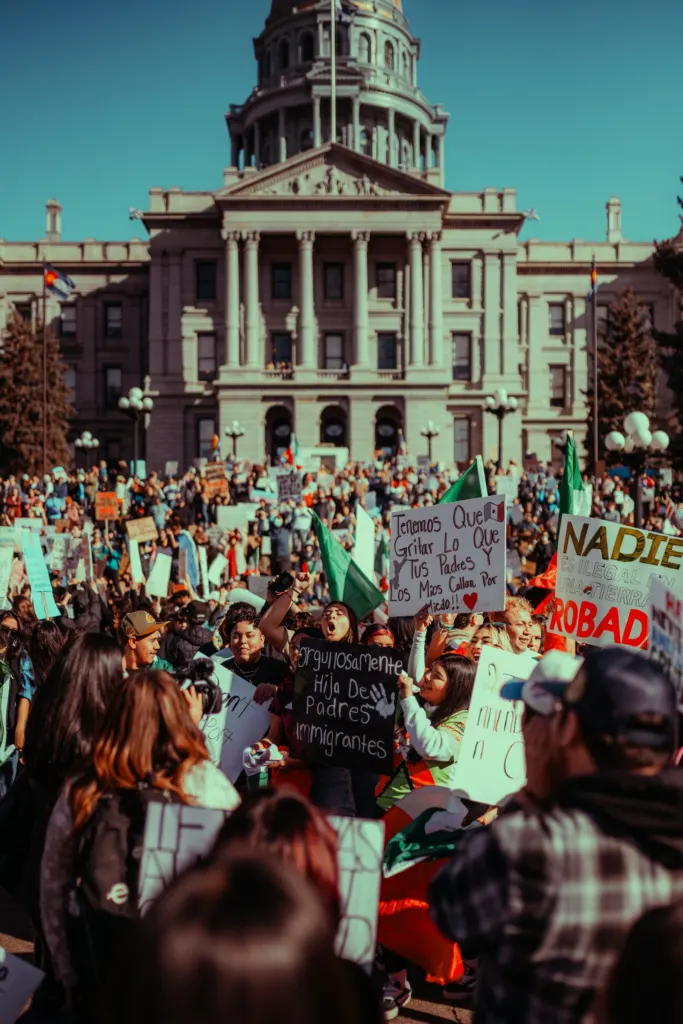
Koenig said the findings could inform reforms, including phasing out weapons that pose an unacceptably high risk of serious injury. The report names stun grenades and kinetic impact projectiles, especially scattershot rounds, as candidates. It also recommends banning shots to the head, chemical irritants in enclosed spaces and firing from unsafe distances. Other proposals include public use of force policies that match international human rights standards, body-worn cameras, visible officer identification, after-action reviews, better training and independent oversight. The authors point to the UN guidance on less lethal weapons in law enforcement as a model. Critics of new limits say officers need flexible tools when crowds become violent. The researchers counter that clear rules protect both the public and officers. Whether Washington or the states act on the report remains an open question.
Source: UC Berkeley Human Rights Center







Everything ICE does is reprehensible which can be said of the entire DJT Administration from top to bottom!
You have no place in the U.S.A