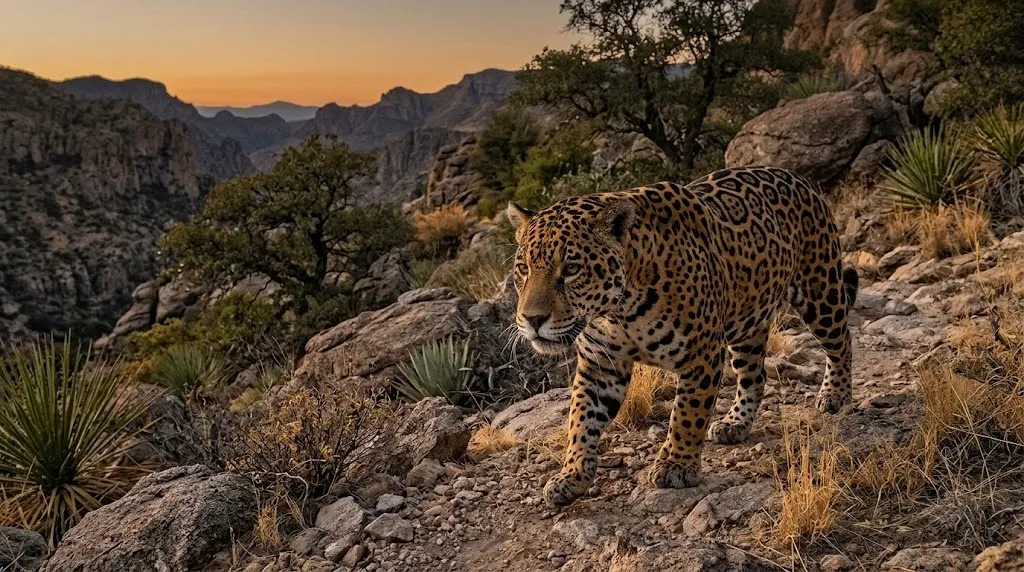
Cinco the jaguar, an adult male first recorded on a remote camera in November 2025, is only the fifth jaguar University of Arizona researchers have documented in southern Arizona since 2011. Throughout 2026 he has kept returning to trail cameras in the Sky Island mountains south of Tucson.
Cinco the jaguar has become one of the most watched wild animals in the American Southwest. The adult male, first caught on a remote camera in November 2025, is only the fifth jaguar that University of Arizona researchers have documented in southern Arizona since their monitoring work began in 2011. Throughout 2026 he has kept returning, showing up again and again on trail cameras in the Sky Island mountains south of Tucson, from a calm drink at a watering hole in March to fresh detections in August. Each sighting is a small victory for a species that once roamed from the Grand Canyon to Louisiana. It also raises big questions about the border wall rising in the San Rafael Valley. Here is what scientists know about Cinco, how they recognize him, and why his travels matter.
Cinco the jaguar keeps showing up
Cinco is not a one time visitor. Since researchers first spotted him in November 2025, the big male has been recorded roughly 20 times by remote cameras scattered across southeastern Arizona. He appeared in March and April 2026, again in June and late July, and twice more on August 18 and August 20, according to the University of Arizona Wild Cat Research and Conservation Center. His most recent reported sighting was just south of Tucson. That steady pattern tells scientists something important: Cinco is not simply passing through on a long trip from Mexico. He appears to be using the mountains as home range, hunting, drinking and moving between ranges. For a species that vanished from most of the United States more than a century ago, a jaguar that stays put is very big news.
Meet the fifth jaguar
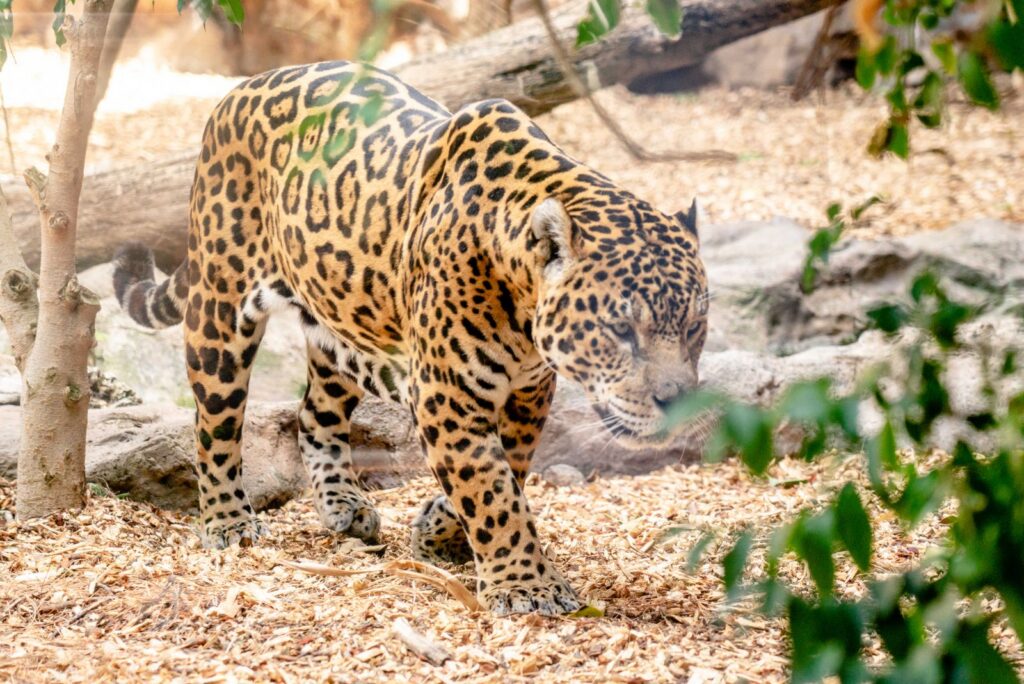
Cinco earned his name in a simple way. He is the fifth individual jaguar identified by the University of Arizona center through its regional monitoring project, which has run since 2011. All five of those cats have been males. Researchers say Cinco looked different from the four jaguars they had tracked before, and he carries a distinctive facial marking that some have compared to a famous mustache. Scientists believe he crossed into Arizona from Mexico, where the nearest breeding population lives in the mountains of Sonora. Center director Susan Malusa told National Geographic that he appears very healthy, well fed and strong. Across 15 years, the center has logged its five jaguars more than 200 times in Arizona, building what it describes as the largest dataset of jaguar presence in the United States.
A calm drink at sunset
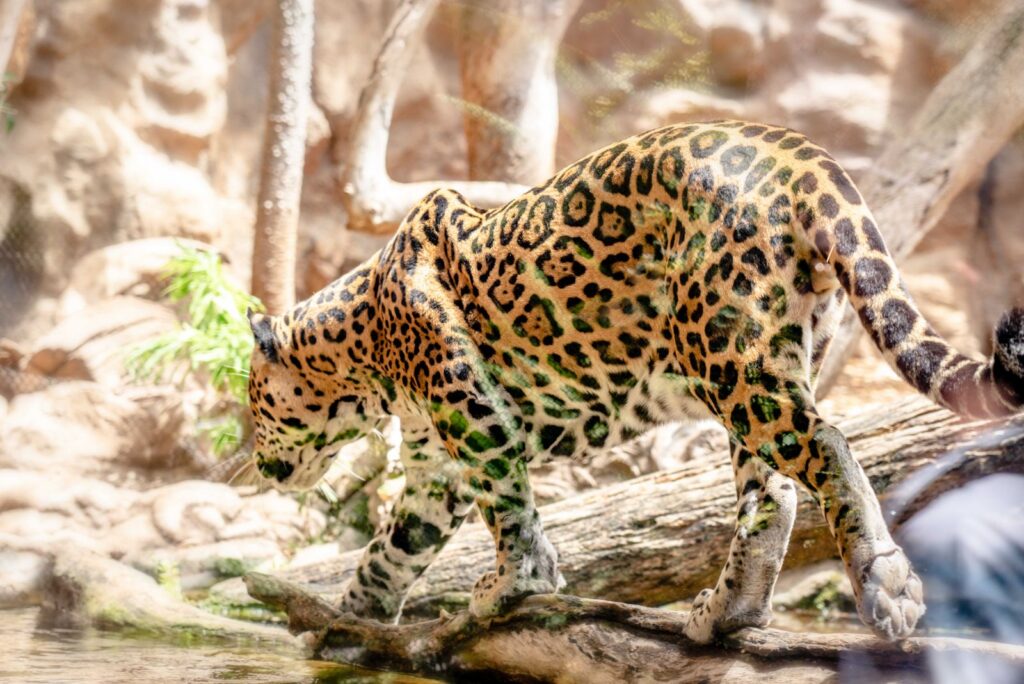
One of the most striking clips of Cinco came in March 2026. A small camera strapped to a tree beside a watering hole in a southern Arizona Sky Island recorded him arriving shortly after sunset to drink. He lingered for about five minutes, then slipped back into the trees looking completely relaxed, Malusa said. The footage was found by volunteer Chris Schnaufer, who hiked off trail to check the camera and was thrilled to see the cat on his screen. National Geographic published the video in May 2026. Water is precious in this dry country, and watering holes act like magnets for wildlife. That makes them ideal places for cameras, because animals as different as deer, black bears and jaguars all eventually come to drink.
Spots like fingerprints
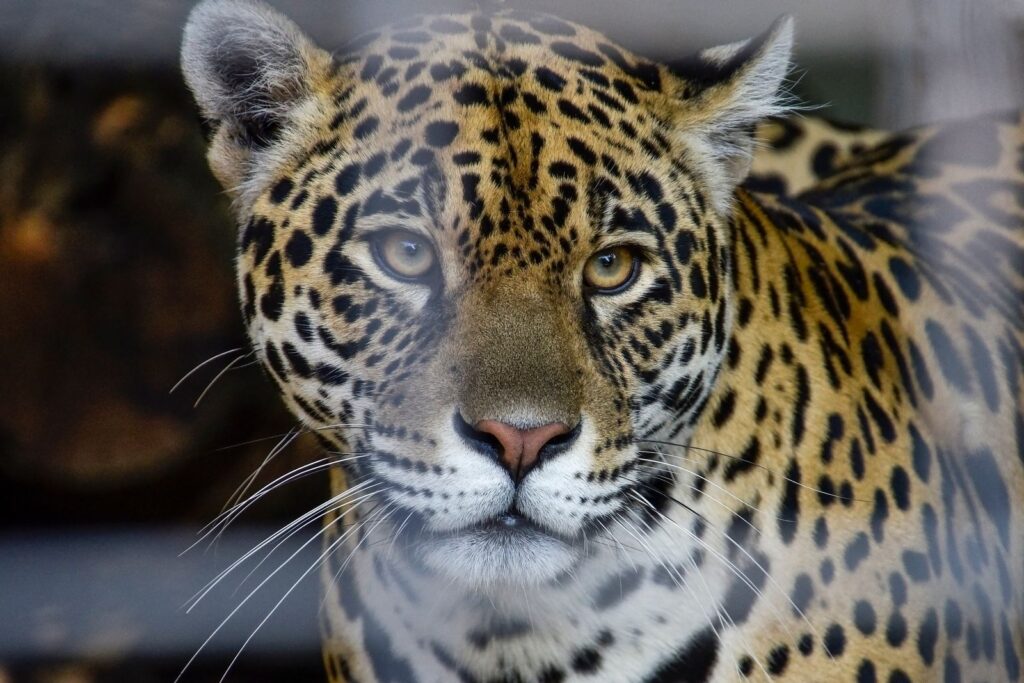
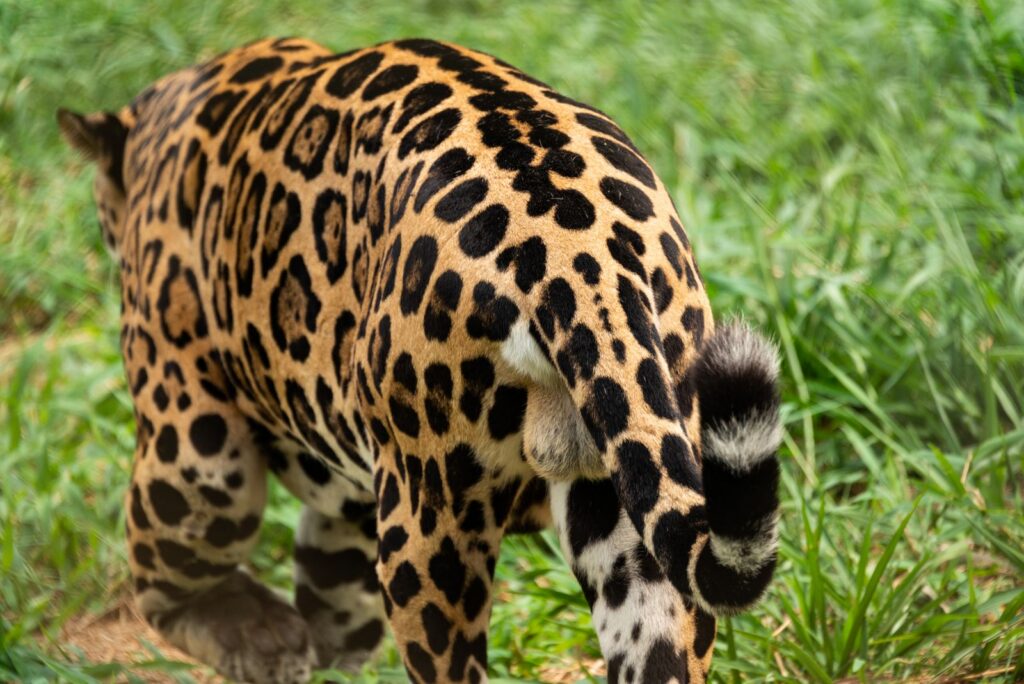
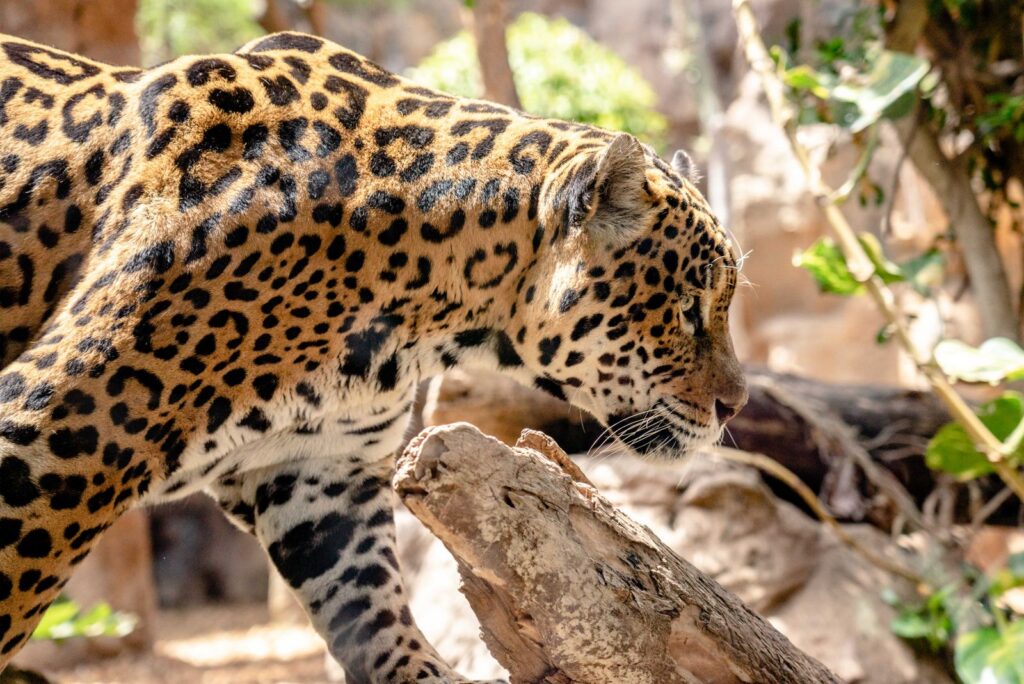
How do scientists know the cat on camera is Cinco and not a newcomer? The answer is written on his fur. Jaguars are covered in rosettes, rings of dark color that often surround one or more smaller spots. No two jaguars share the same pattern, and Malusa compares it to a human fingerprint. Researchers study the shape, size and placement of rosettes on the flanks, shoulders and face, then match them against photos of known cats. Jaguar rosettes tend to be larger, darker and fewer than a leopard’s, with thicker borders and a dot in the middle. Because the left and right sides of a cat differ, good identification often needs clear shots of both sides. That is one reason the team keeps cameras at many angles.
How trail cameras work
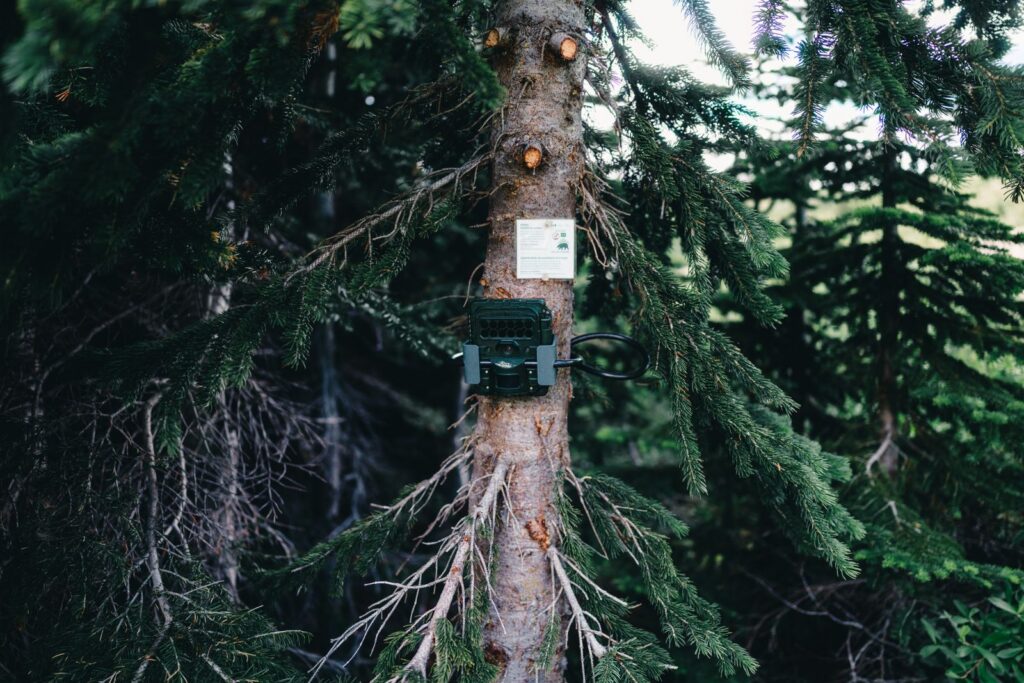
Trail cameras, also called camera traps, are weatherproof boxes strapped to trees or posts. Most use a sensor that notices the heat and movement of a passing animal, which wakes the camera to snap photos or record short videos. At night, many models use infrared light that animals barely notice, which explains the black and white look of nighttime footage. The cameras can sit for weeks on batteries and memory cards, quietly watching trails, canyons and water sources. The Wild Cat Center keeps about 120 of them running across roughly 17 mountain ranges in southern Arizona. Because they work without people nearby, cameras capture shy animals behaving naturally. They also give researchers dated, location stamped records that show exactly where a cat like Cinco traveled.
Volunteers on the trail
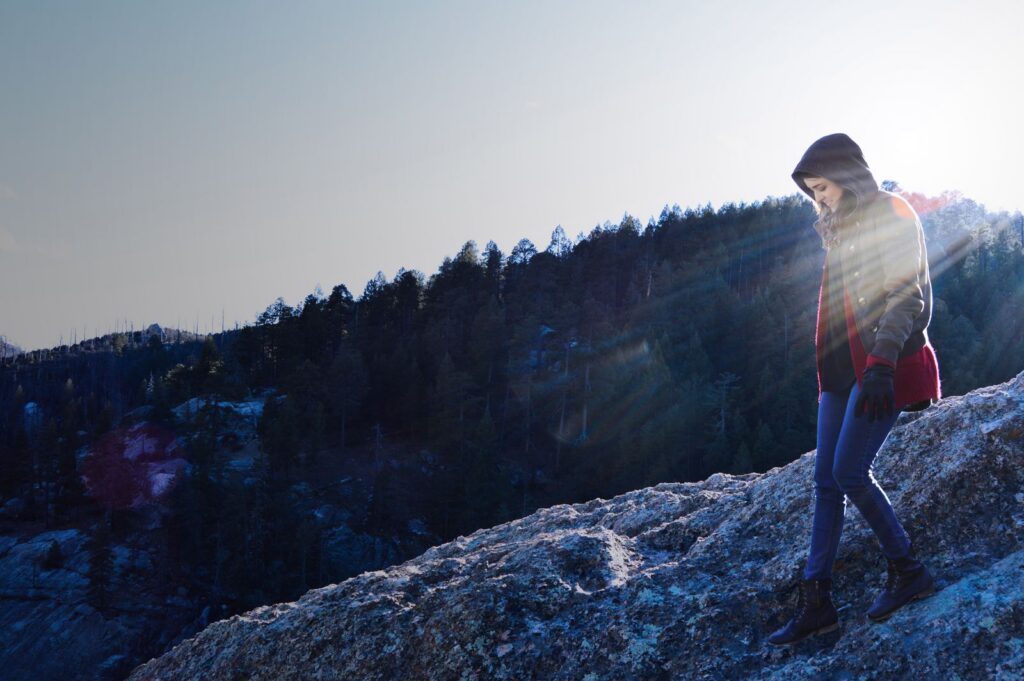
Behind every jaguar clip is a lot of hiking. The center relies on about 45 to 50 trained citizen science volunteers who trek to remote camera sites, swap batteries and cards, and send findings to the research team. Many of the sites sit in and around Coronado National Forest near the border, often far from any trail. Cameras are only part of the work. The team also samples water and soil for traces of DNA and collects scat, or droppings, when volunteers find it. Arizona State University conservation scientist Karla Vargas, who works with the center, is analyzing DNA from jaguar scat to learn what the cats eat. Genetic samples may also reveal an animal’s health and how it relates to other wildlife in the region.
Islands in the sky
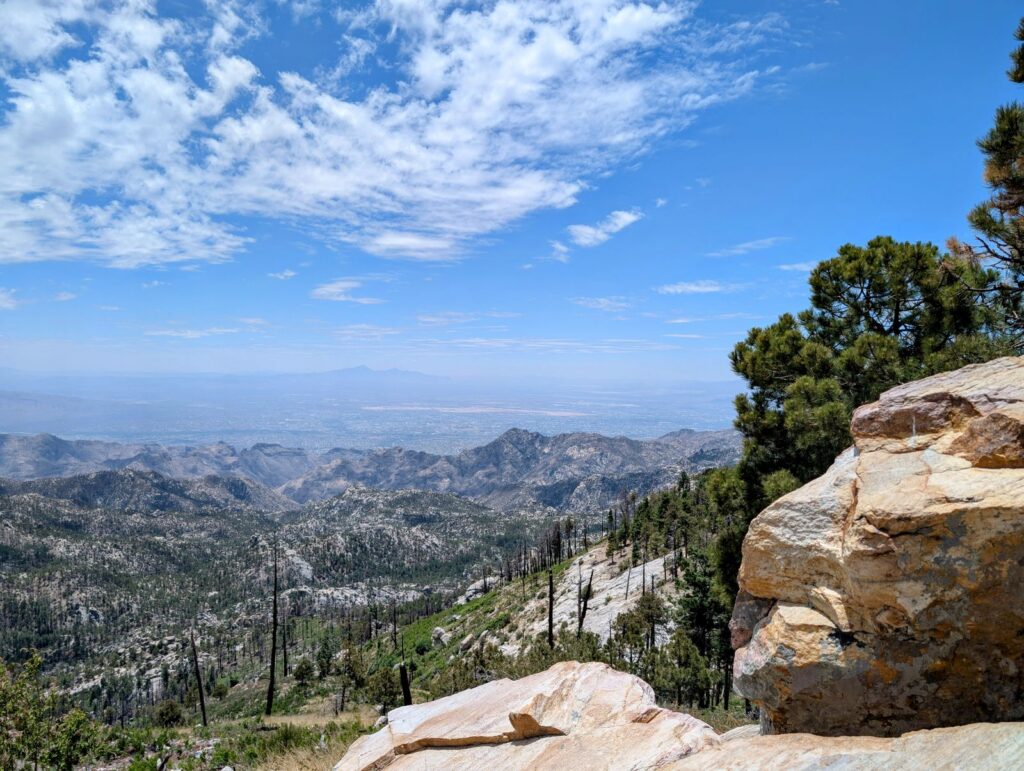
Cinco lives in one of North America’s most unusual landscapes. The Sky Islands are isolated mountain ranges that rise out of desert and grassland in southeastern Arizona, southwestern New Mexico and northern Mexico. Climbing one is like traveling from Mexico to Canada in a few miles, as cactus flats give way to oak woodland and then pine and fir forests near the summits. The surrounding lowlands act like a sea between the islands. Ranges such as the Santa Ritas, Huachucas, Whetstones and Chiricahuas have all hosted jaguars in recent years. These mountains offer cover, water and prey like deer and javelina. For a wide ranging cat, though, the islands only work if animals can safely cross the valleys that connect them.
Macho B and El Jefe
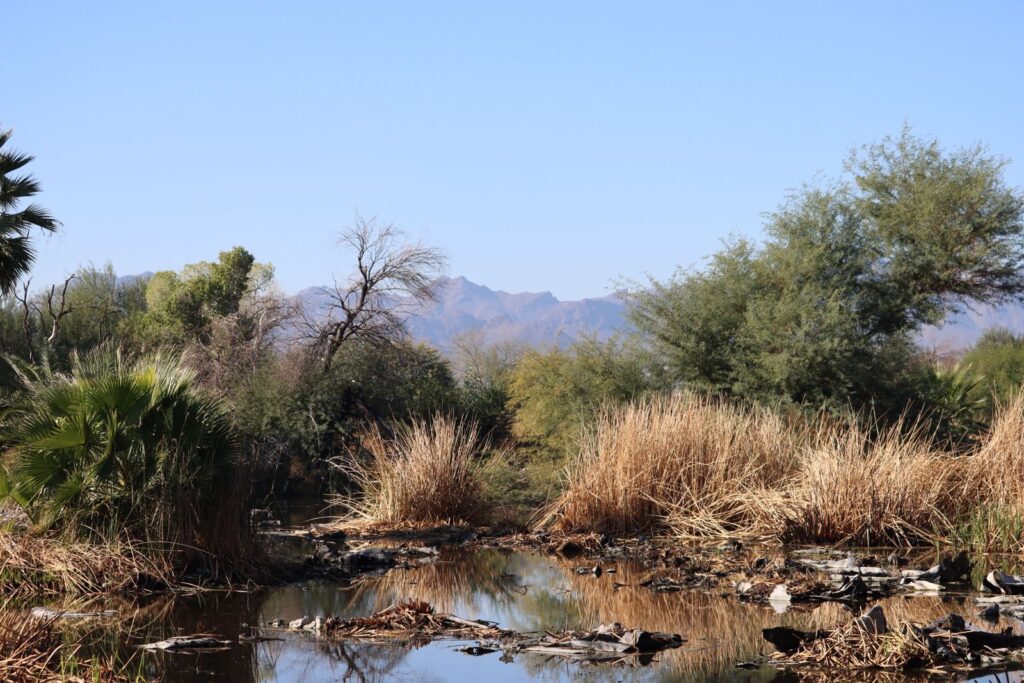
Cinco follows some famous footsteps. A male known as Macho B was recorded on cameras in southern Arizona from 1996 and was believed to be the oldest known wild jaguar, at about 15 or 16 years old. In February 2009 he was accidentally caught in a snare and fitted with a radio collar. About two weeks later he was recaptured and euthanized after tests showed severe kidney failure. Then, in November 2011, a hunting guide photographed a jaguar in the Whetstone Mountains. That cat later settled in the Santa Rita Mountains, where cameras recorded him for years. Tucson students named him El Jefe, Spanish for The Boss, in 2015. He was last seen in Arizona that year and later turned up on a camera in Sonora, Mexico, in 2021.
The cats between them
El Jefe is the University of Arizona center’s Jaguar 1, also called the Santa Rita jaguar. Jaguar 2, the Huachuca jaguar, was first recorded in 2016 by a U.S. Customs and Border Protection camera and was seen several more times in 2017. Sadly, his remains were found in Mexico in 2018. Jaguar 3, first detected in late 2016, roamed the Chiricahua Mountains and nearby ranges and was recorded more than 50 times. In 2017 the Center for Biological Diversity released video of a male it called Sombra in the Chiricahuas. Jaguar 4 was first documented in 2023, vanished from cameras for about a year and a half, then reappeared at least seven times in summer 2025. Cinco arrived just months later, becoming Jaguar 5.
Why only males?
Every jaguar documented by the center in Arizona has been male, and experts say that is no accident. Young males leave their birthplace and travel long distances looking for territory of their own, while females tend to settle close to where they were born. Wildlife conservationist John Polisar, who has worked on jaguars for three decades, summed it up for National Geographic: females stay close and males ramble. The closest breeding population sits in Sonora, Mexico, so the cats that reach Arizona are the explorers. No breeding female has been confirmed in the United States since the last known litter in 1910. Malusa says the team still hopes to record a female one day, which would be a major milestone for recovery.
A wall across the valley
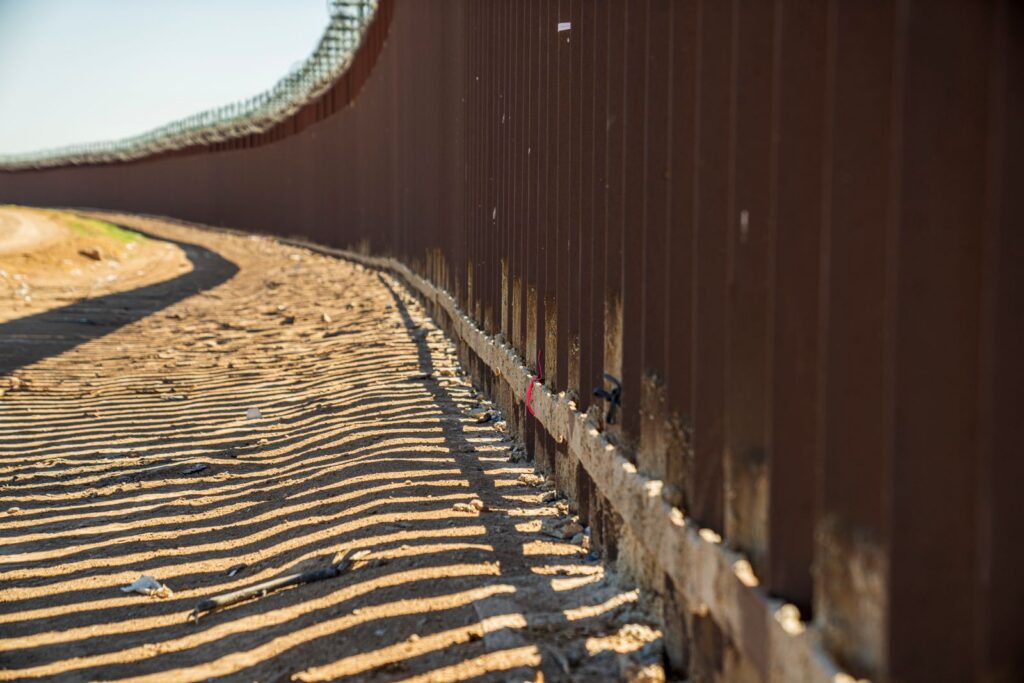
Cinco’s comeback is unfolding as two parallel 30 foot border walls go up in the San Rafael Valley, the grassland corridor he travels near. Construction of the primary wall began in September 2025, and a contract for a second wall was issued in May 2026, the Center for Biological Diversity reported. Some sections include small openings of about 8.5 by 11 inches for wildlife, far too small for a jaguar that can weigh up to around 350 pounds. The center says contractors also cut down three cottonwoods estimated to be up to 250 years old, prompting a protest tree sit. U.S. Customs and Border Protection has defended the double barrier as a critical national security investment that gives agents a secure space.
A corridor for many species
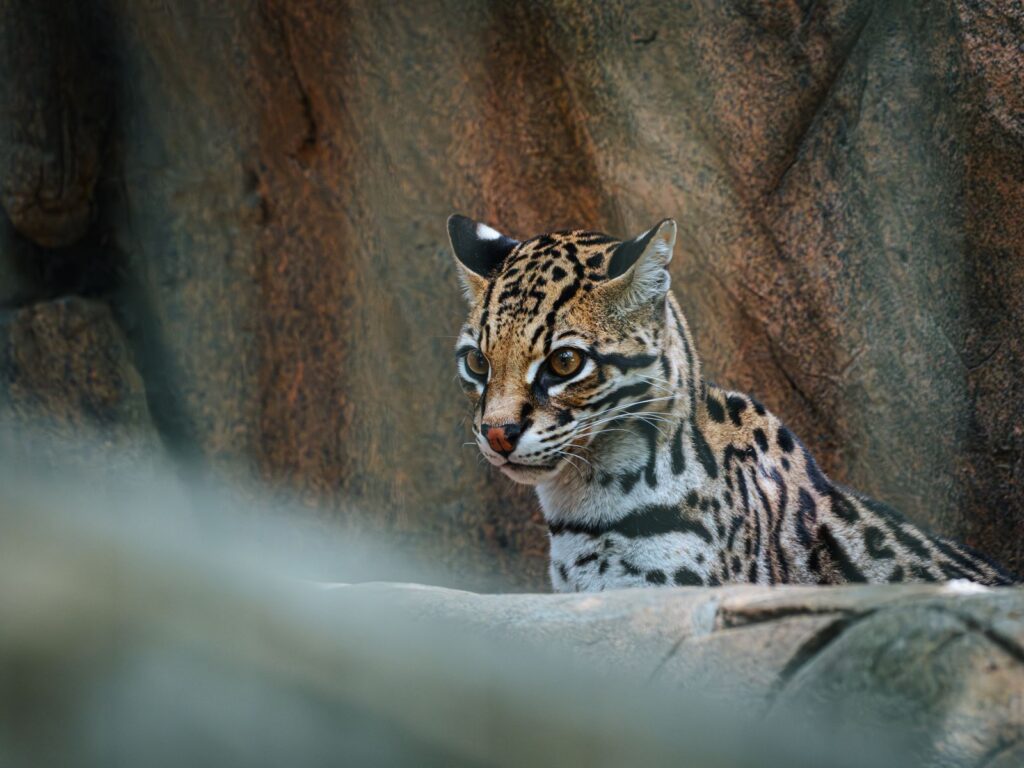
The San Rafael Valley is not just a jaguar highway. Conservationists describe it as a key movement corridor for ocelots, black bears, pronghorn and hundreds of bird species. University of Arizona ecologist Aaron Flesch notes that walls can even block some low flying birds, such as ferruginous pygmy owls. Jaguars depend on that connection most of all. Because no breeding population exists in the United States, every Arizona jaguar so far has come from Mexico. Researchers say that link is critical. Malusa put it plainly: jaguars need connectivity to the population that lives in Mexico. Russ McSpadden of the Center for Biological Diversity says each new video of Cinco shows exactly where the cats naturally roam, and which corridors deserve protection instead of barriers.
Endangered and protected
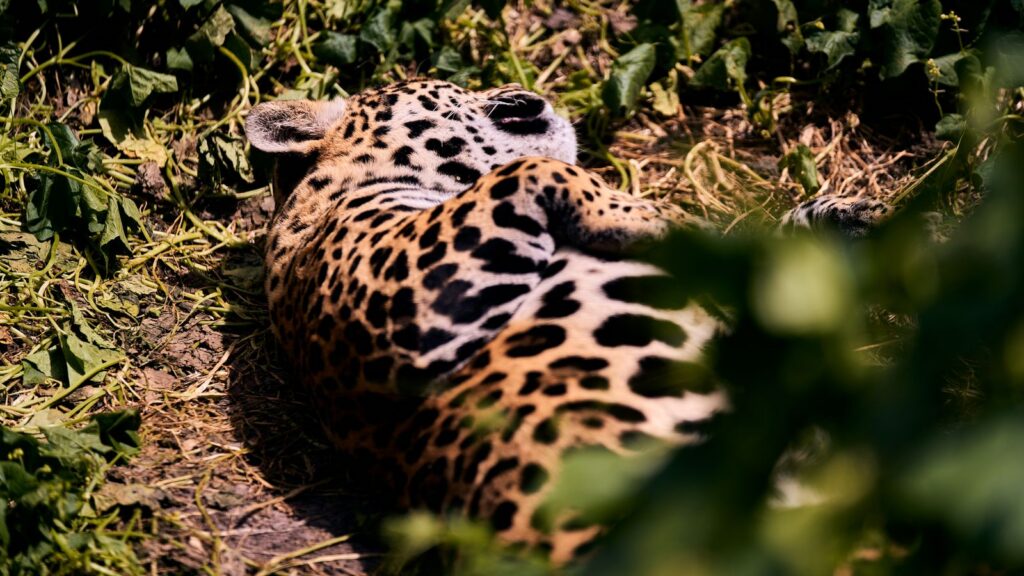
Jaguars are the third largest cats in the world, after tigers and lions. They once ranged from the South Rim of the Grand Canyon to Southern California and east to Louisiana, but predator eradication programs, hunting and habitat loss wiped them out across the Southwest. Arizona outlawed jaguar hunting in 1969, and the cats gained federal protection in 1972 under a forerunner of the Endangered Species Act. Today they are listed as endangered in both the United States and Mexico, and globally the species is rated Near Threatened. In 2014, hundreds of thousands of acres in Arizona and New Mexico were designated as critical habitat. In 2025, the San Xavier District of the Tohono O’odham Nation passed a resolution recognizing the jaguar as sacred and supporting its return.
What comes next for Cinco
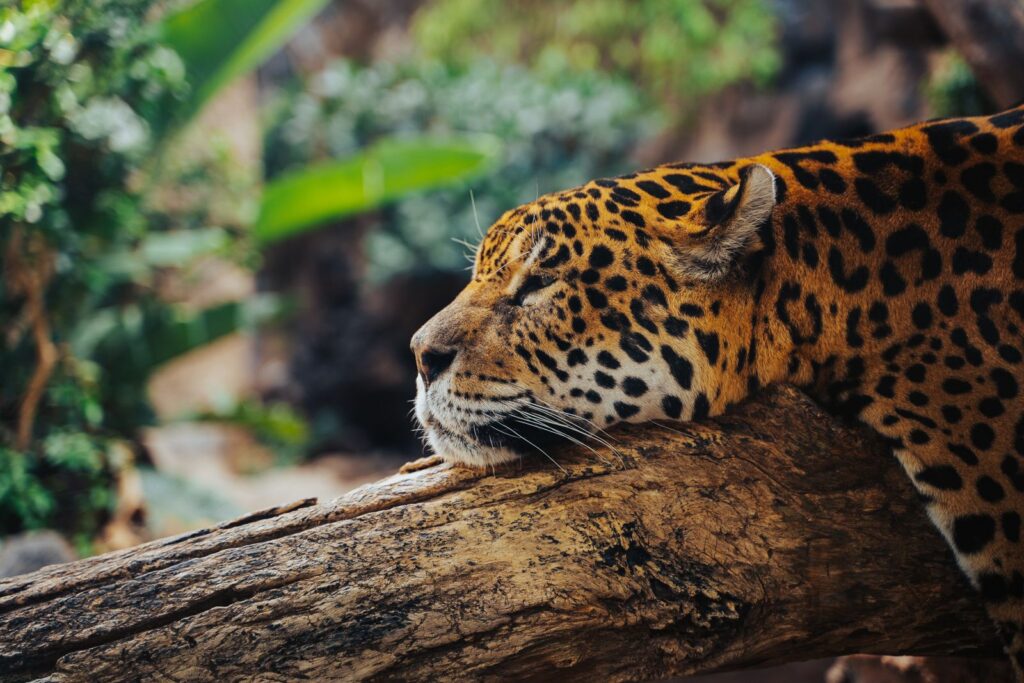
For now, researchers will keep doing what has worked: hiking, checking cameras and waiting. The Wild Cat Center hopes to add more cameras and expand its DNA collection to map how far jaguars roam, where they stay and how they survive. That data is meant to guide land managers trying to keep wildlife corridors open. Bigger questions remain. Conservation groups petitioned the U.S. Fish and Wildlife Service in 2022 to consider reintroducing jaguars to Arizona and New Mexico, and advocates argue that a true U.S. population will need careful planning on both sides of the border. Whether Cinco stays, moves on or is joined by a female someday, every new clip adds to the story. For Arizona’s wildlife watchers, each sighting feels like a gift.
Sources
- Center for Biological Diversity: New Videos Show Jaguar Cinco Still Roaming Southern Arizona as Border Wall Construction Threatens Critical Wildlife Corridors (Aug. 11, 2026)
- National Geographic: Rare Jaguar Caught on Camera Drinking From Arizona Watering Hole (May 4, 2026)
- Arizona Public Media: Jaguar Makes New Appearance on Southern Arizona Trail Cameras (May 2026)
- KOLD 13 News: New jaguar detections give researchers hope for endangered species (Sept. 22, 2026)
- FOX Weather: Meet Cinco, one of just 5 jaguars documented in Arizona in more than a decade (Sept. 11, 2026)
- NBC News: Oldest known wild jaguar in U.S. is euthanized (2009)
- Wikipedia: El Jefe (jaguar)
- Wikipedia: Jaguar
Source: National Geographic



Good one