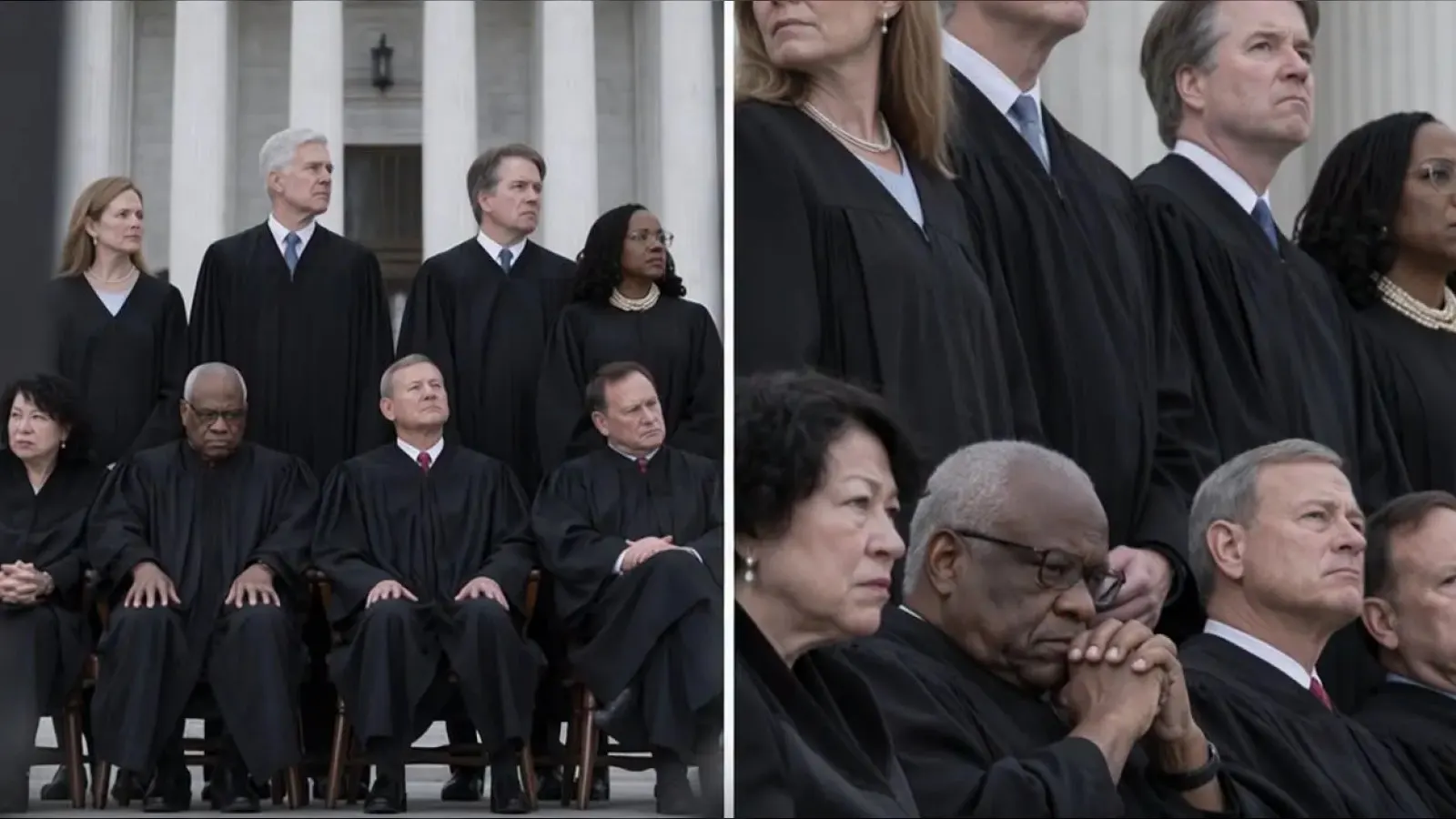
Supreme Court term limits are back on the table in Washington, and the numbers behind the debate are hard to ignore. Senate Democrats want justices to spend 18 years hearing the Court's main cases, followed by a new appointment every two years. Justice Clarence Thomas, sworn in on October 23, 1991, has now served 35 years, nearly double that mark. Justice Samuel Alito, 76, and Chief Justice John Roberts have also passed 18 years. Supporters say regular turnover would cool down bitter confirmation fights and restore public trust. Critics warn the plan could clash with the Constitution and pull the Court deeper into election politics. With Republicans controlling Congress, the bill faces long odds, but polls show broad public support. Here is what the proposal would actually do, how it compares with history and the rest of the world, and what each side argues..
Supreme Court term limits meet a 35-year milestone
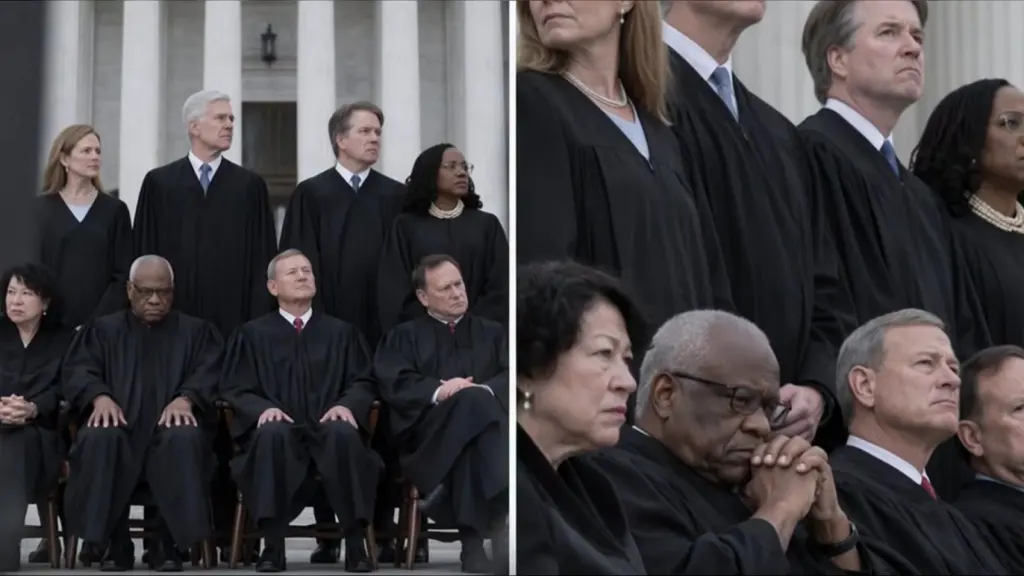
On October 23, 2026, Justice Clarence Thomas marked 35 years on the Supreme Court. That anniversary lands in the middle of a renewed push by Democrats to cap active service on the Court at 18 years, a limit Thomas passed 17 years ago. Under the plan, justices would keep their titles for life but would step back from the main docket once their 18 years were up. Three of the nine current justices, Thomas, Samuel Alito and Chief Justice John Roberts, have already served longer than that, according to Newsweek. The debate is not new. Former President Joe Biden endorsed 18-year terms in July 2024, and similar bills have been filed for years. What has changed is the length of modern tenures, a dip in public confidence in the Court and polling that shows most Americans now favor some kind of limit..
Clarence Thomas is closing in on the record
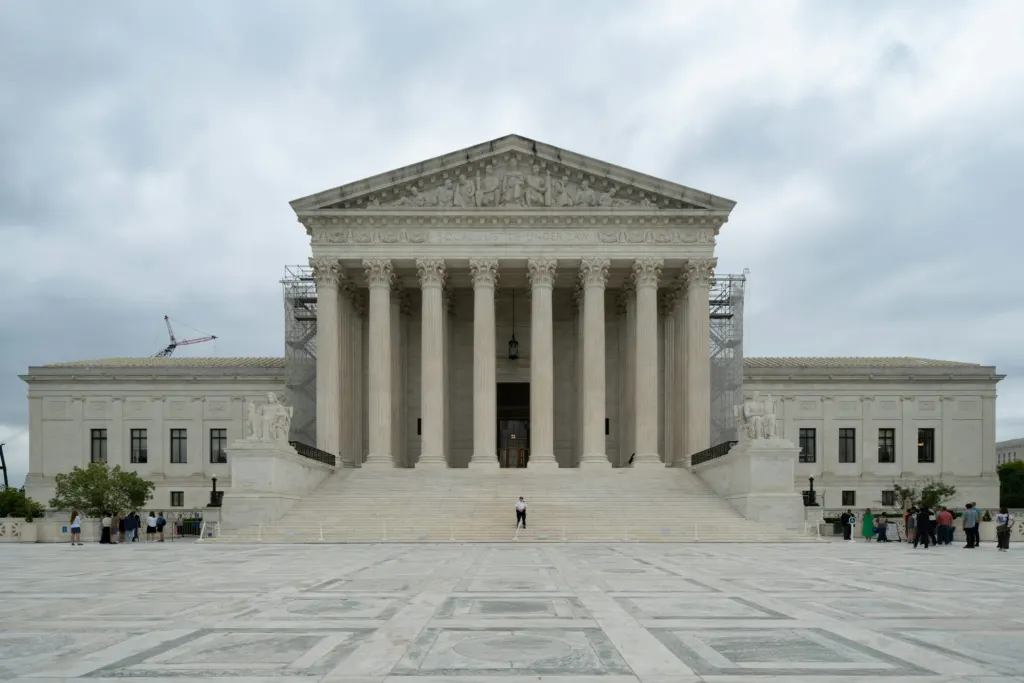
Thomas, who was nominated by President George H.W. Bush and turned 78 in June, is already the second longest-serving justice in American history. In May 2026 he passed Justice Stephen J. Field, a Lincoln appointee who served until 1897, according to Fortune. The only justice who has served longer is William O. Douglas, who sat on the Court for more than 36 years before retiring in 1975. If Thomas remains on the bench, he would pass Douglas in 2028. Fortune reported no sign that he plans to step down, and CBS News reported that neither Thomas nor Alito plans to retire this year. For supporters of term limits, his tenure is the clearest example of how long one justice can now shape the law. His defenders see the same record as proof of steady, consistent judging over more than three decades.
Alito and Roberts are past the line too

Justice Samuel Alito, 76, joined the Court in 2006 after being nominated by President George W. Bush, the same president who named John Roberts chief justice in 2005. Both have now served more than two decades. Alito has faced calls from some conservatives to retire while Republicans control the White House and the Senate, according to SCOTUSblog. He told The Wall Street Journal that he is staying, saying, "Obviously I'm here for another term." Age is part of the public conversation as well. Social media posts about the plan have pointed to 75 as a cutoff, but the Senate bill itself sets no retirement age, according to the sponsors' own description. Several other democracies do use 75 as a mandatory retirement age for top judges. Thomas, at 78, and Alito, at 76, would already be past that line.
The Senate bill behind the 18-year plan
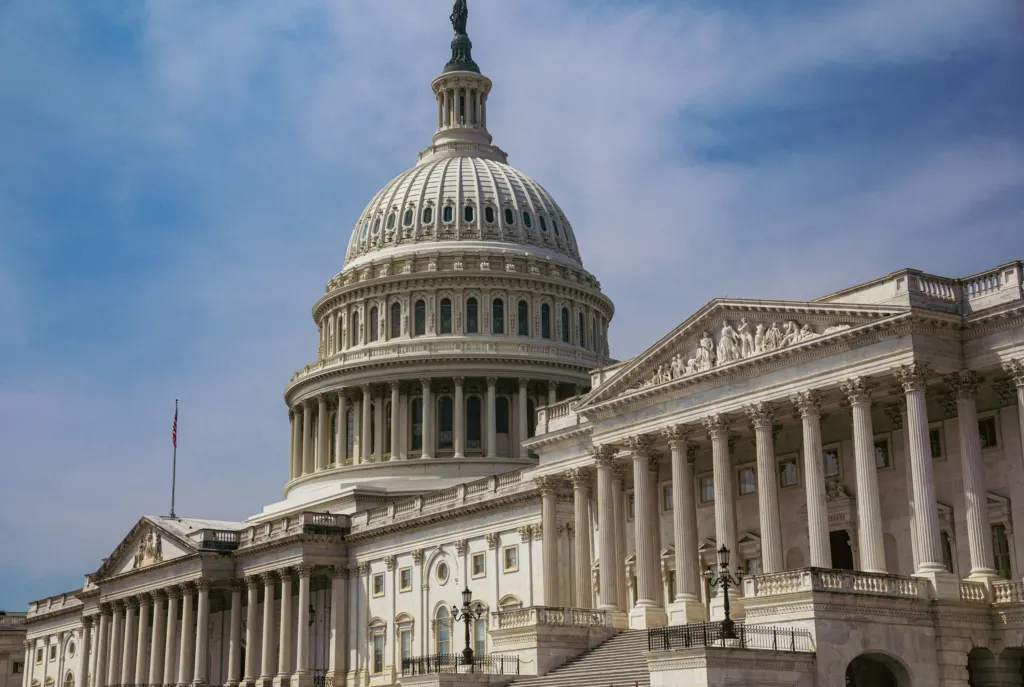
The main proposal is the Supreme Court Biennial Appointments and Term Limits Act of 2026, introduced on July 22, 2026. Its lead sponsors are Senators Sheldon Whitehouse of Rhode Island, Cory Booker of New Jersey, Richard Blumenthal of Connecticut and Alex Padilla of California, all Democrats. Seven more Democratic senators signed on as cosponsors, including Mazie Hirono, Adam Schiff and Patty Murray, according to Whitehouse's office. "Term limits and regular appointments would make the Court more representative of everyday Americans," Whitehouse said in a statement. Booker argued that "no one should hold immense, unchecked power for decades." Groups including the Brennan Center for Justice, Public Citizen and Alliance for Justice endorsed the bill. With Republicans in control of both chambers, it is not expected to advance soon, but backers see it as groundwork for a future Congress.
How the two-year rotation would actually work

The bill would require the president to nominate a justice within the first 120 days of the first and third years of each presidential term, subject to Senate confirmation. That works out to two appointments per term, every term. Only the nine most recently appointed justices would hear cases on the Court's appellate docket, which covers nearly all of its major rulings. Longer-serving justices would keep their seats and salaries, hear the rare original jurisdiction cases, such as disputes between states, and could fill in when an active justice has a conflict, according to the sponsors. The Brennan Center describes this as moving to senior status after 18 years. Unexpected vacancies would not add extra seats, since a senior justice would step in. The change would take effect at the start of the first new presidential term after the bill becomes law.
Supreme Court term limits and the history of tenure

Long tenure is a fairly recent development. For roughly the first 180 years of American history, justices served about 15 years on average, according to the Brennan Center for Justice. Since 1970, that average has climbed to about 26 years, or about six and a half presidential terms. A justice confirmed around age 50 could now serve 35 years or more. Supporters of Supreme Court term limits say an 18-year cap would bring the Court closer to its historic norm rather than create something new. State courts offer another comparison. Rhode Island is the only state where top judges serve for life, the Brennan Center reports. The other 49 states use fixed terms, mandatory retirement ages or both, and 31 states set an age limit, most commonly 70. Since 1970, state high court justices have averaged about 13 years on the bench.
Other proposals go even further than the Senate

The Senate bill is not the only plan in circulation. In May 2026, Representative Johnny Olszewski of Maryland proposed the Reform of Bench Eligibility Act, known as the ROBE Act, a constitutional amendment that would impose 18-year limits and apply them to current justices, with a transition period, according to Newsweek. "Faith in the Court depends on its legitimacy as a fair and independent institution," Olszewski said. In 2025, Representative Ro Khanna of California sponsored a statutory version that exempted sitting justices, and it stalled in the House Judiciary Committee. Representative Hank Johnson of Georgia has a term limits bill with 85 cosponsors, the Brennan Center reports. Not every reform idea comes from Democrats. When he was a senator, Marco Rubio proposed an amendment to cap the Court at nine justices, a response to talk of adding seats.
Amendment or ordinary law? The constitutional question
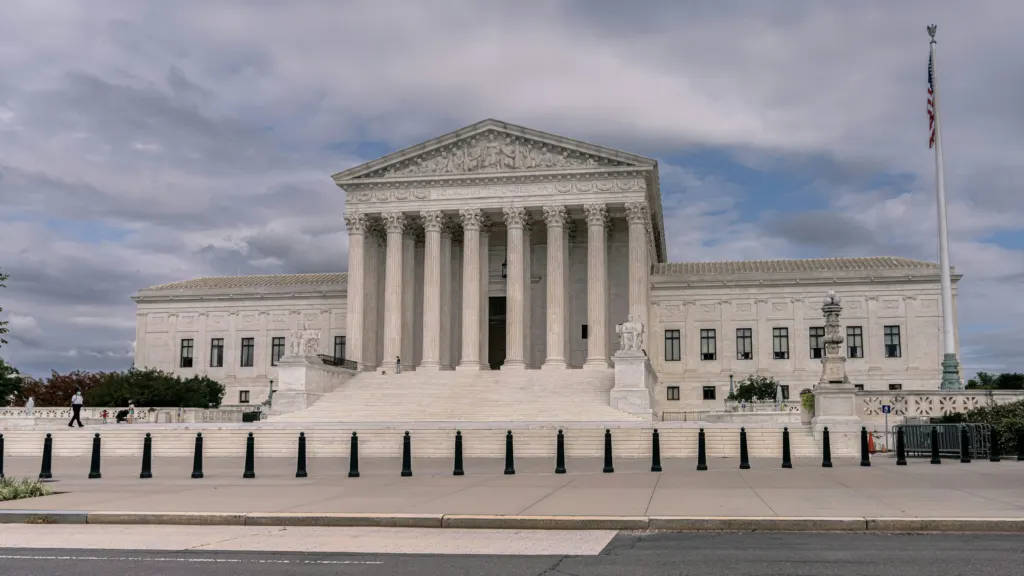
The biggest legal fight is over how term limits could happen at all. Article III says federal judges "shall hold their Offices during good Behaviour," which has long been read as life tenure. A constitutional amendment would settle the question, but it needs two-thirds of both chambers and ratification by three-quarters of the states. A statute needs only simple majorities and a president's signature. In a December 2023 report, Congressional Research Service attorney Joanna Lampe wrote that most commentators agree Congress could not impose term or age limits without an amendment, according to the National Constitution Center. Berkeley Law Dean Erwin Chemerinsky supports 18-year terms but believes an amendment would be required, especially for sitting justices. The Brennan Center argues the senior status model fits Article III because justices would keep their offices. A 2021 presidential commission split on the issue.
Why supporters say Supreme Court term limits help
Backers argue that regular, predictable appointments would lower the stakes of every vacancy. Today, a single death or retirement can shift the Court for a generation, which fuels intense confirmation battles. Northwestern law professor James Lindgren, who has proposed his own 18-year amendment, says term limits would help remove justices with declining capacity, end retirements timed for political advantage and ease confirmation fights, according to Columbia Law School. Padilla called the idea "a commonsense solution to lower the temperature on the Judiciary." Supporters also say each president would get the same influence, two seats per term, instead of leaving it to chance. Some presidents have named none in a full term, while others have named three. Lisa Graves of True North Research said the bill "limits the gaming of retirement for partisan purposes." Supporters add that most peer democracies already cap judicial service.
What critics warn could go wrong

Opponents see the plan as a threat to judicial independence and the Constitution's design. When Biden backed 18-year terms in 2024, House Speaker Mike Johnson called the proposal "dead on arrival" and described it as part of an effort to "delegitimize the Supreme Court." Columbia law professor Thomas Merrill has argued that term limits could tie justices more closely to presidential elections and erode the Court's legitimacy. Some critics point to Alexander Hamilton's argument in Federalist No. 78 that life tenure protects judges from political pressure. Others warn that steady turnover could make it easier to overturn precedent and leave the law less stable. Skeptics also question whether more frequent vacancies would calm confirmation fights or simply make every election a referendum on the Court. The Republican National Committee called the 2024 plan a scheme to pack the Court.
Polls show Supreme Court term limits draw wide support
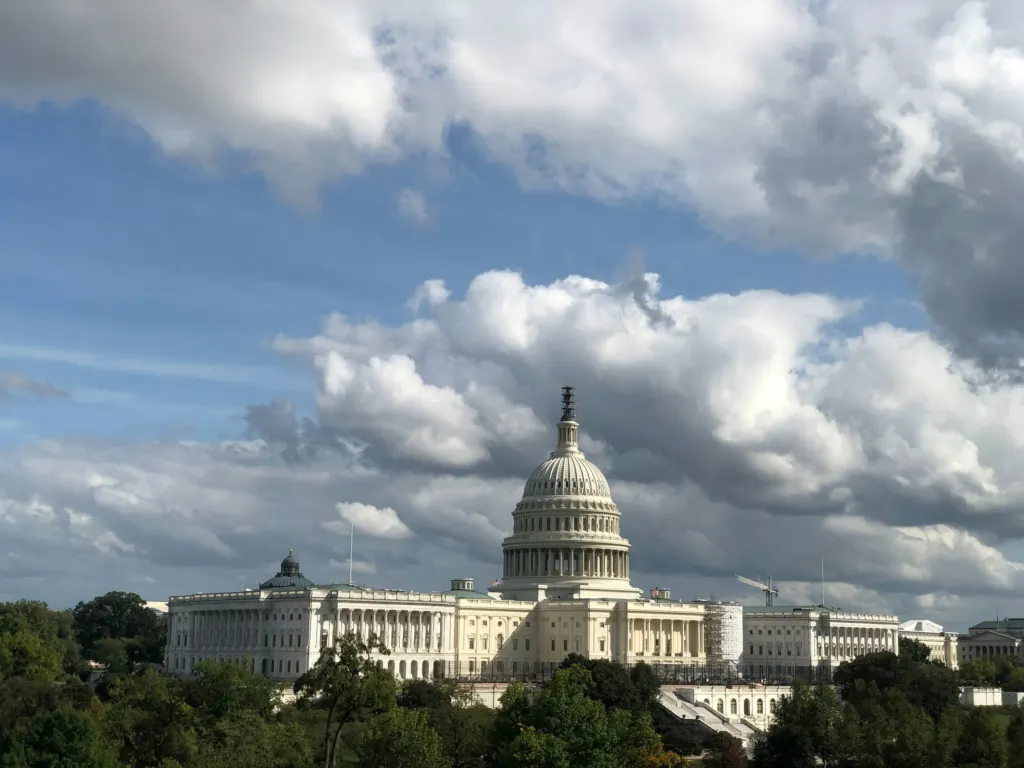
Public opinion leans strongly toward some form of limit. A 2025 survey by PRRI found 85 percent of Democrats, 76 percent of independents and 67 percent of Republicans supported term limits for justices, according to Newsweek. A Fox News poll showed 78 percent support, the Brennan Center reported in August 2026. Polls since 2014 have consistently found supermajority backing. Confidence in the Court itself is shakier. Gallup found in October 2025 that 49 percent of Americans trust the Court, near the 2022 low of 47 percent. An NBC News poll taken in early 2026 found 22 percent had a great deal or quite a bit of confidence in it. Support for an idea in polls does not always translate into votes in Congress, but advocates say the numbers have never been friendlier to the cause.
How other democracies limit their top judges
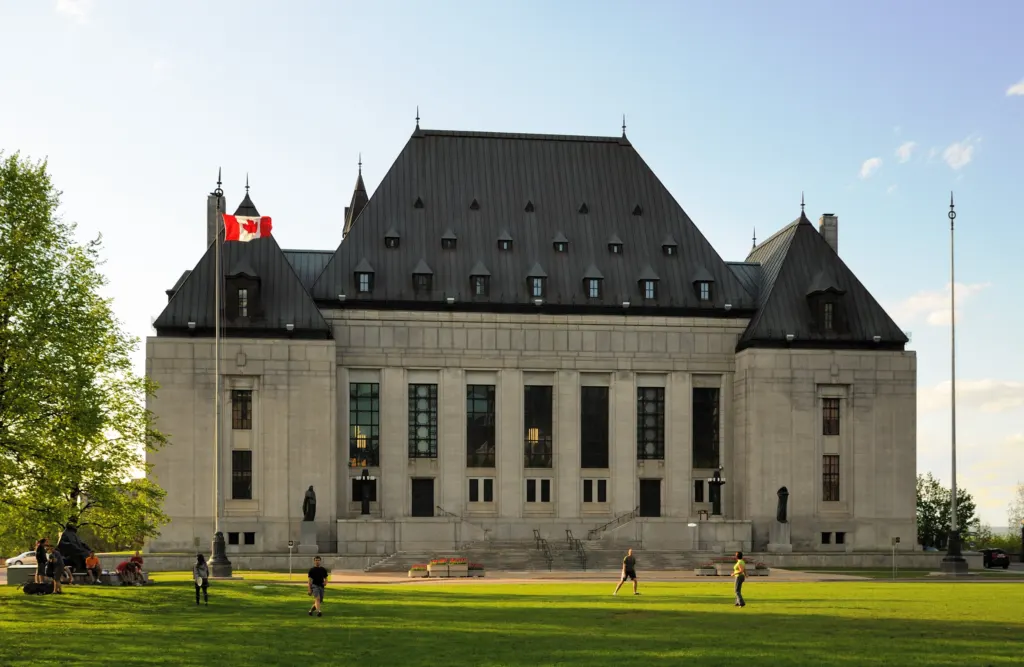
The United States is an outlier among democracies. Senator Whitehouse's office says it is one of only five countries with life tenure on its highest court. Canada and Brazil require top judges to retire at 75, and Australia set a limit of 70 through a 1977 referendum, according to the Federal Judicial Center. India's Supreme Court justices retire at 65, Japan's at 70, and South Africa's constitutional court judges serve 12-year terms. Germany, France, Italy and Spain also use fixed terms for their constitutional courts. Australia, Canada and the United Kingdom all once had open-ended life tenure and later dropped it, the Brennan Center notes. For now, the American debate is likely to stay in campaign speeches and committee rooms. Any real change would depend on future elections, and on whether lawmakers choose the amendment route or an ordinary law.
Source: Office of U.S. Senator Sheldon Whitehouse








False!