President Trump’s push to shift education control to the states could lead to the closure of the U.S. Department of Education after nearly 50 years. His administration says local communities, not federal officials in Washington, should decide how students are taught.
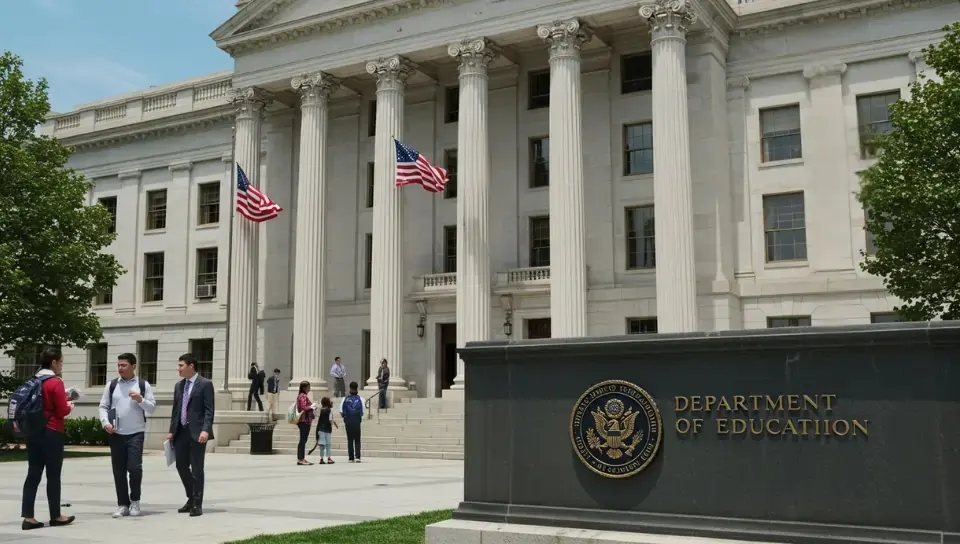
The future of the U.S. Department of Education is now in question as President Donald Trump’s administration pushes forward with efforts to reduce its role. These changes may lead to the closure of the federal agency that has helped guide public education for nearly 50 years.
This move is part of Trump’s promise to bring more control over schools back to individual states. His administration says local communities, not federal officials in Washington, should have the final say on how students are taught.
What Does the Department of Education Do?
The Department of Education plays a key role in shaping public education across the country. It provides billions of dollars in funding to school systems each year. It also protects student rights, including those of students with disabilities, and collects important data on school performance.
Through its programs, the department supports low-income students, helps improve teacher training, and creates national guidelines to ensure students are treated fairly no matter where they live.
What Happens If the Department Is Shut Down?
Education experts warn that removing the department could have serious consequences. Without it, states may struggle to provide equal resources for schools and students. Some worry that students in less wealthy areas could be left behind without federal support.
The department has long been seen as a safety net for students who face challenges. It helps ensure access to services for students with disabilities and monitors how states follow civil rights laws in education.
Critics say if the department is eliminated, there could be fewer protections for these students, and families may have a harder time getting help when schools fail to meet their needs.
Plans to Shift Education Control to the States
The Trump administration believes that states and local districts should be in charge of education. Supporters say this approach allows communities to focus on what works best for their students without federal interference.
They argue that the federal government has too much control over schools and that education decisions should be made closer to home.
But others say this change could lead to uneven results. Some states may have the funding and resources to run strong school systems, while others may struggle without federal guidance and financial support.
The Financial Impact on Schools
Federal money makes up a small portion of most school budgets, but it still plays a critical role. Programs like Title I, which supports schools in low-income areas, depend on federal dollars. So do special education services under the Individuals with Disabilities Education Act (IDEA).
Without these funds, many schools would have to make cuts. That could mean fewer teachers, larger class sizes, or less access to special programs that help students succeed.
Impact on Students with Disabilities
The Department of Education enforces laws that protect students with disabilities. These include rules that make sure schools provide appropriate support, accommodations, and services.
If the department is dismantled, it’s unclear who would take over this role. Advocates for students with disabilities are concerned that this could create confusion and leave students without needed support.
Many families rely on federal oversight when their children are denied services. Without a central agency to hear complaints and enforce the rules, families may face more hurdles in getting help.
National Data Collection Could Be Affected
The Department of Education also collects and analyzes data about how schools perform across the country. This includes graduation rates, test scores, and school safety information.
Experts say this data helps identify problems and create solutions that work at the national level. Without it, education leaders may lose valuable tools for understanding what’s happening in classrooms.
Political Promises Become Policy Moves
During his campaign, Trump said he would reduce the role of the federal government in education. The latest moves suggest his administration is working to make that a reality.
Supporters view this as a return to local control, while opponents believe it will make it harder to ensure fairness and equal opportunity for all students.
What happens next depends on how lawmakers respond. Congress would need to approve any effort to completely eliminate the Department of Education, and that could lead to a heated debate in Washington.
Looking Ahead
Whether or not the department is officially shut down, these recent steps show a clear shift in how the federal government approaches education. As discussions continue, families, teachers, and school leaders across the country are watching closely to see what changes are coming.
Any changes to the education system will affect millions of students. Supporters and critics alike agree that the decisions made now will shape the future of learning in America for years to come.
Source: NPR