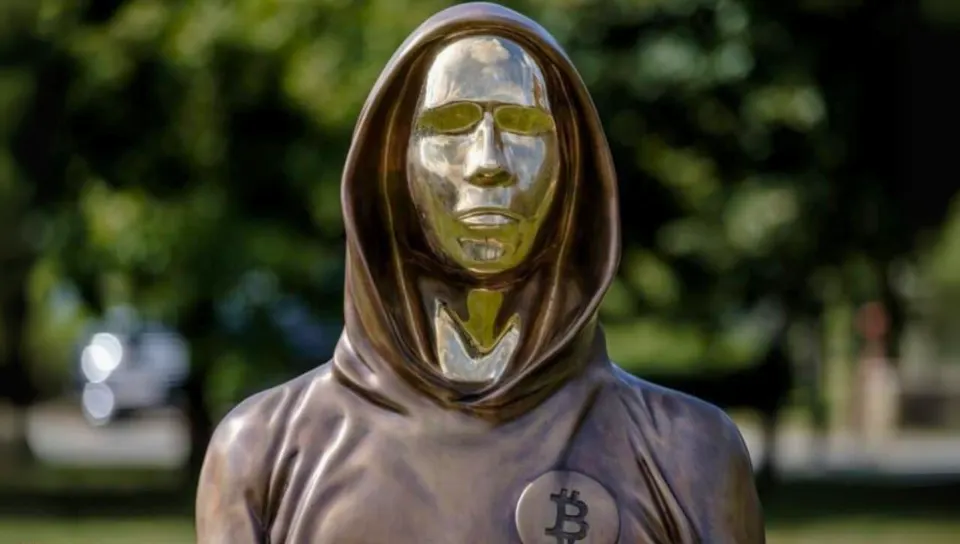
Bitcoin creator Satoshi Nakamoto now has an estimated net worth of $133.5 billion from roughly 1.1 million BTC, edging past Bill Gates at $118.7 billion. With Bitcoin near $123,000, every $10,000 price move changes that paper wealth by about $11 billion.
Satoshi Nakamoto Is Now Richer Than Bill Gates, On Paper
The pseudonymous creator of Bitcoin, Satoshi Nakamoto, now has an estimated net worth of $133.5 billion from roughly 1.1 million BTC, edging past Bill Gates at $118.7 billion and reportedly ranking around 11th globally. With Bitcoin hovering near $123,000, Satoshi’s dormant fortune underscores the long-term power of buy-and-hold in a volatile digital asset market.
While the wealth is theoretical without selling, it highlights crypto’s outsized impact on finance, wealth management, and global markets.
BTC Near $123K: Market Cap, Liquidity, and Institutional Flows
Price strength reflects expanding institutional adoption, ETF inflows, and tighter supply after halving. Liquidity conditions, derivatives positioning, and risk management desks shape intraday moves as ETFs and market-makers arbitrage spreads.
Rising open interest in futures can amplify both rallies and drawdowns for retail and institutional investors.
Untouched Since 2009–2010: The Dormant Stash
On-chain analysts tie the cache to early “Patoshi-pattern” mining. None of those coins have moved, fueling speculation about Satoshi’s identity, security practices, and philosophy on decentralization.
The silence has become part of Bitcoin’s origin story, and its store-of-value narrative.
Rich Lists vs. Reality: Satoshi Nakamoto’s “Paper Wealth”
Satoshi’s rank is a mark-to-market snapshot, not liquid cash. Unlike founders with equity subject to lockups and SEC disclosures, a bearer asset wallet can’t be verified without movement, leaving room for caveats in wealth rankings.
“On paper” matters for headlines, but liquidity, slippage, and market depth matter for reality.
Security & Custody: Keys, Cold Storage, and Redundancy
Early miners typically used simple wallets; today, whales rely on cold storage, multisig, air-gapped devices, and geographic distribution, often with cybersecurity insurance and disaster recovery plans.
For high-net-worth holders, custodial risk can outweigh price risk.
Tax, Estate, and Philanthropy if Identity Emerges
Revealed identity would invite complex tax and compliance questions: capital gains upon disposition, estate planning, charitable foundations, and cross-border reporting. Advisors would weigh trusts, donor-advised funds, and asset protection tools.
Privacy could remain paramount even with compliant frameworks.
If Coins Move: Liquidity Stress Tests and Volatility
Any movement from the early wallets could widen spreads, spike implied volatility, and shift ETF creation/redemption. OTC desks would likely intermediate flows to reduce market impact.
Risk desks model shock scenarios with stress testing and hedging playbooks.
Scarcity Engine: Halvings, Issuance, and Store-of-Value
Programmed supply cuts (halvings) reduce new issuance, a design that underpins scarcity. Combined with rising institutional demand, the float can tighten, supporting the inflation hedge narrative.
This dynamic is central to portfolio diversification debates.
Identity, Ethics, and the Myth of the Founder
Bitcoin’s ethos, don’t trust, verifymakes identity less important than the protocol. For many, Satoshi’s anonymity protects decentralization and reduces governance risk.
That restraint may be Bitcoin’s most enduring feature.
Comparing Wealth: Equity Stakes vs. Bearer Assets
Traditional magnates hold equity valued by cash flow and discounted earnings. Satoshi’s wealth is a bearer asset marked to a spot price. One is illiquid but collateralizable; the other is liquid yet price-sensitive.
Different assets, different risk curves, same headline effect.
Scenario Math: $150K, $200K, and Rank Volatility
At $150K BTC, Satoshi’s stack ~$165B; at $200K, ~$220B (pure math, not a forecast). Ranking would leapfrog many names, subject to others’ net-worth swings in tech and private markets.
Crypto’s 24/7 trading makes the scoreboard especially dynamic.
Final Take: A Quiet Wallet, A Loud Signal
Satoshi’s ascent past Gates is a milestone for digital assets and a reminder of compounding conviction. Whether the coins ever move, the legend of long-term holding is now etched into financial history.
Developing: If BTC climbs, so does Satoshi’s rank, without a single coin sold.
Source: Decrypt