NASA Earth Photo Trick Revealed in a Kitchen Pot
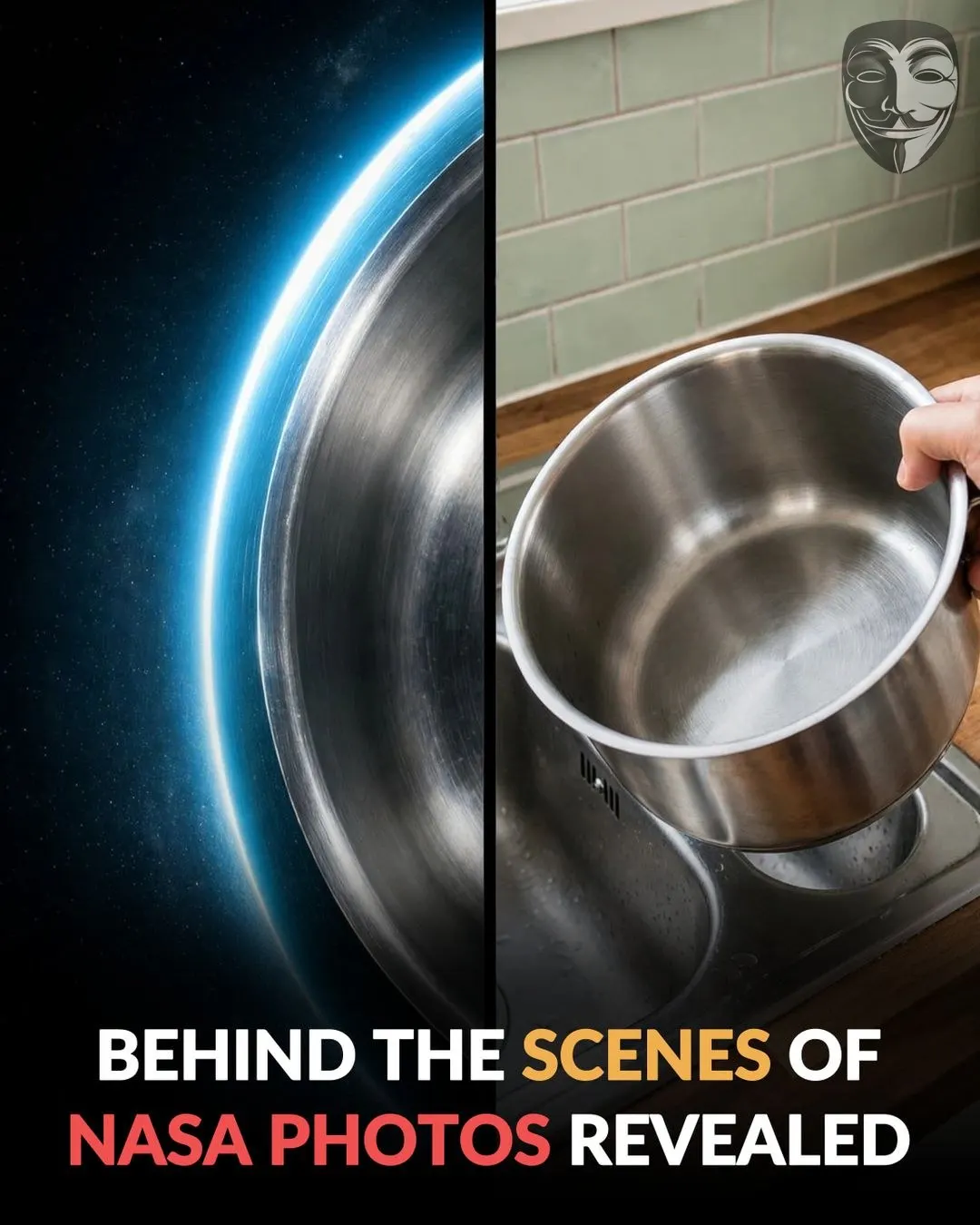
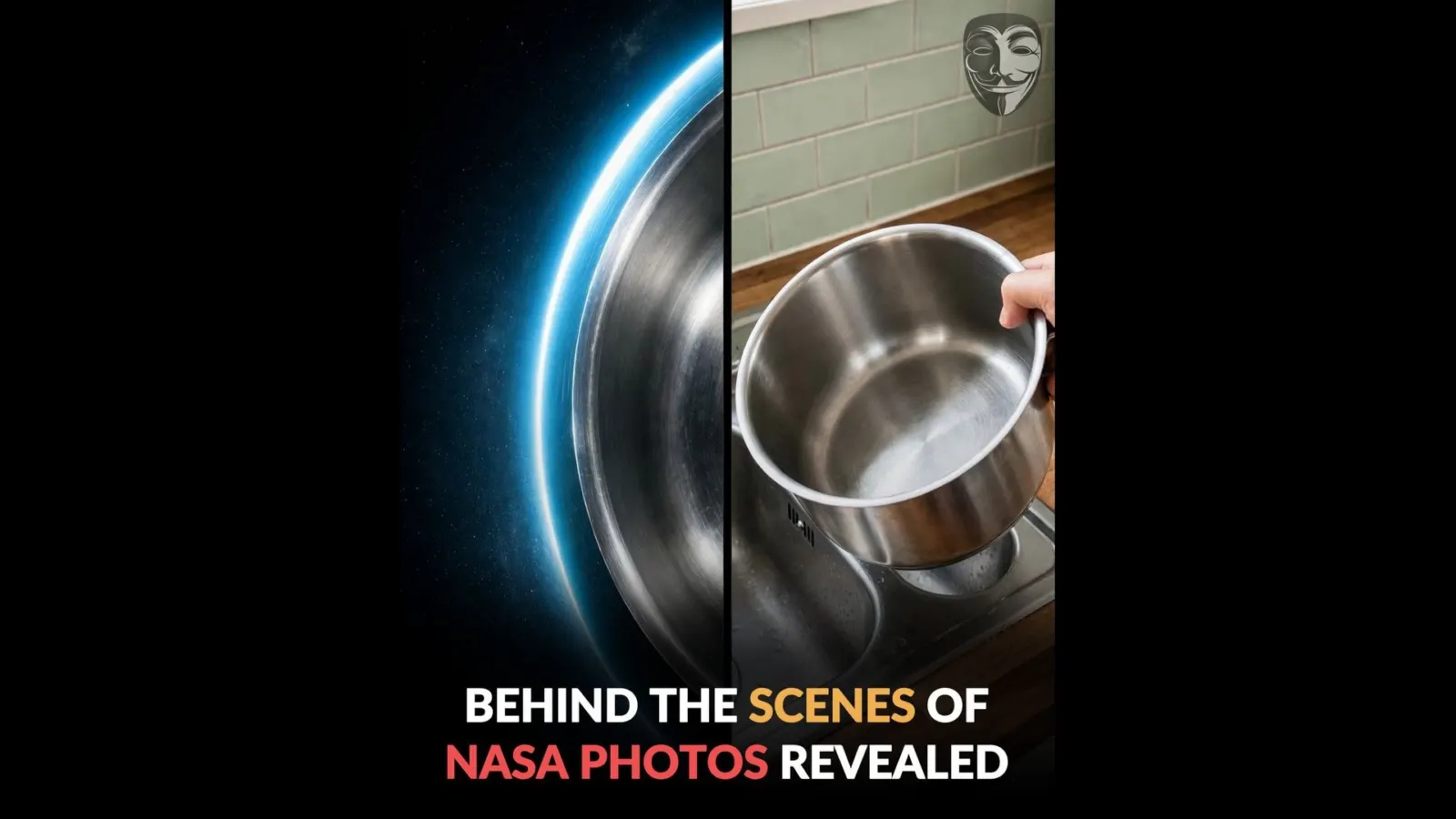
A NASA Earth photo that looks like it was taken from orbit turned out to be a trick filmed in an ordinary kitchen. On the left of the post, a glowing blue curve shines against black space and looks just like Earth seen from far away, with tiny stars scattered around it. The image is so convincing that many viewers believed it came from a satellite camera. The joke is part of a post shared by Sarcasm, a page known for funny twists on familiar pictures.
The reveal sits on the right side of the same post, where a hand holds a steel cooking pot over a kitchen sink. The curved metal inside the pot catches the light and makes the glowing shape of the planet. It is a simple trick, but it works because our eyes love a clean curve against the dark. Ahead we look at how the photo was made and what real NASA cameras do. Read about a spacecraft reaching a new milestone and a viral post that fooled its readers for more stories that play with what we see.
References:
NASA: NASA Captures EPIC Earth Image
Astronomy: Satellite camera provides EPIC view of Earth
PetaPixel: NASA Snaps First Photo of Earth with Camera Thats 1 Million Miles Away
NASA Earthdata: Earth Polychromatic Imaging Camera
The Glowing Blue Curve That Fooled Everyone
On the left side of the post, a glowing blue curve shines against a black background, and it looks exactly like Earth seen from orbit. Tiny white dots around the curve read as stars, and the smooth arc feels like the edge of a planet turning in space. Nothing in the frame gives the trick away, because the curve is clean and the dark around it is deep. Viewers who scroll fast see a space picture and keep moving, much like readers who share a stunning game trailer and a wizard spy joke before they check the details.
A Steel Pot Over a Kitchen Sink

The joke is revealed on the right side of the post, where a hand holds an ordinary steel cooking pot over a kitchen sink. The pot is the kind found in almost every home, with a plain metal body. Nobody would notice it on a stove, yet held at the right angle it becomes a planet picture. The contrast is the whole point of the post, and it lands because the setup looks so grand. Fans of everyday magic may enjoy a birthday cake shaped like a dog and a generation wishing for cash for more small surprises.
How a Curved Pot Became a Planet
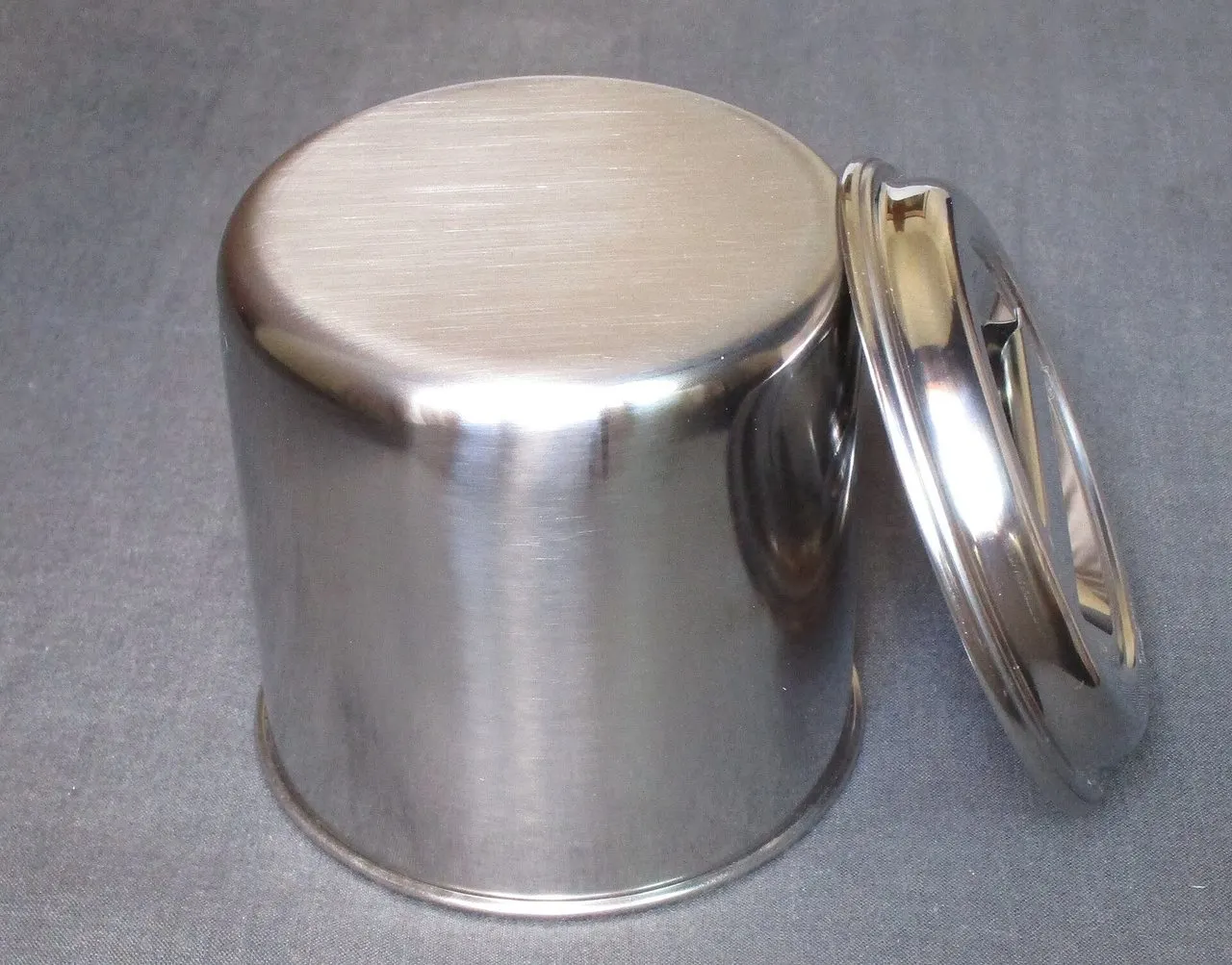
The trick works because of the curve inside the pot. Shiny steel reflects light in a smooth arc, and when the rest of the frame stays dark, our brain reads that arc as the edge of a round world. The rim of the pot gives the curve its shape, and the black sink behind it plays the part of empty space. Stage magicians have used this kind of simple illusion for years. The lesson is humble, like a teen who moved abroad with little money and a game scene that left players stunned teach in their own way.
Real NASA Earth Photo Cameras Work Very Differently
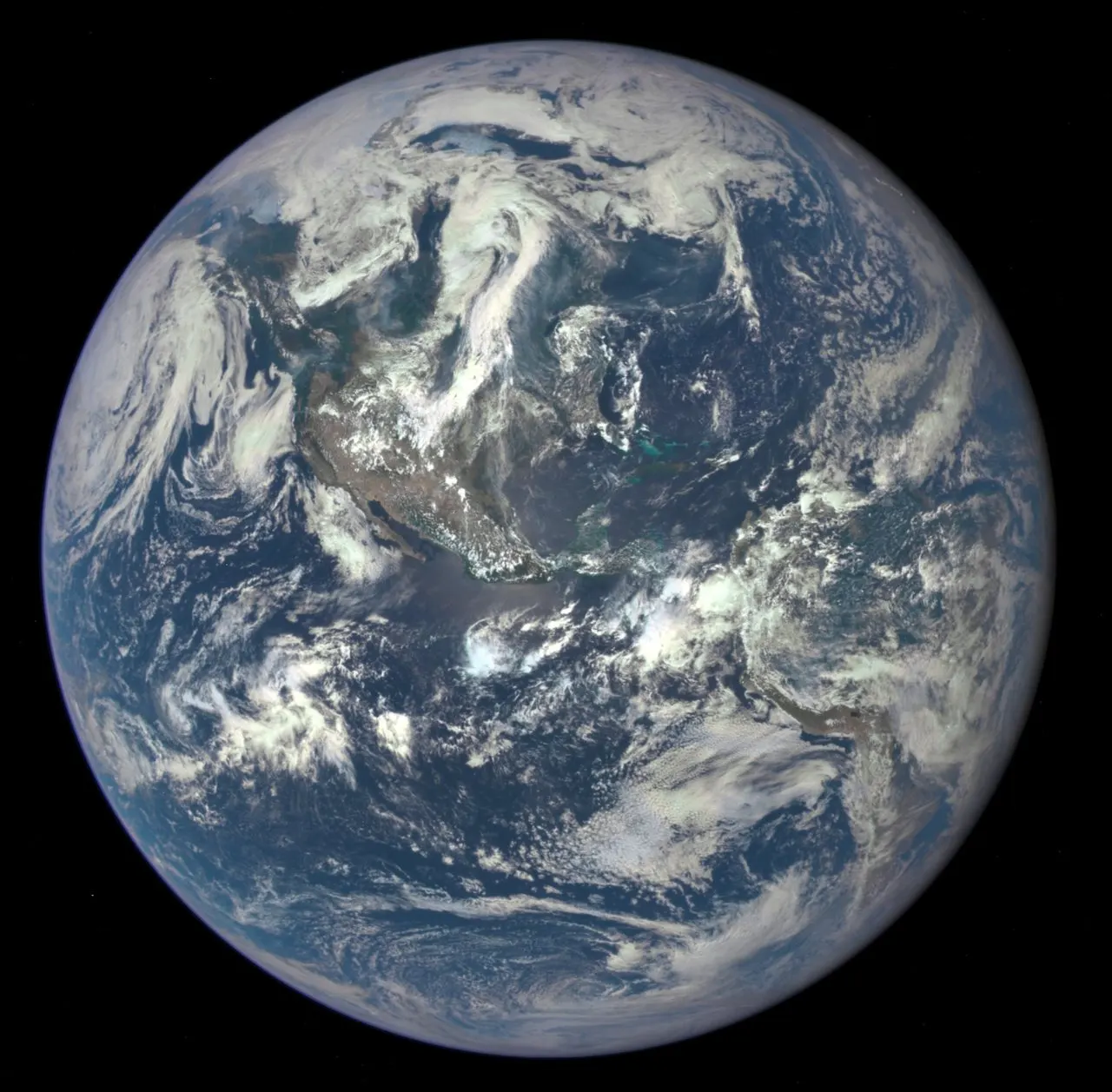
Real space pictures come from cameras on satellites and spacecraft, not from a kitchen. The EPIC camera on the DSCOVR satellite sits about a million miles from Earth and takes full pictures of the sunlit planet. Other cameras ride on weather satellites and space stations much closer to home. Each one is built to survive launch, cold and radiation, and each sends its pictures back across vast distances. The work is serious science, as a spacecraft traveling farther than any human object and a world leader caught napping at a summit show in very different ways.
NASA Earth Photo From One Million Miles Away
DSCOVR floats at a spot in space called the L1 point, about a million miles from Earth toward the Sun. From there, EPIC takes a picture of the whole sunlit planet, with clouds, oceans and land all in view. At that distance, light and radio signals take seconds each way. A million miles is hard to picture, since a long road trip covers only a few thousand. The scale humbles us, like a viral claim about a visa that proved false and a sketch that felt like real life for caregivers remind us to look closer.
The Old Joke About Fake Space Photos

The post plays on an old joke that spectacular space photos must have a simple secret behind them. For years, people have joked that the Moon landing was filmed in a studio or that planet pictures came from kitchen props. The jokes are rarely serious, but they spread because they are fun. This pot photo fits the pattern, since it looks real until the reveal. The humor works best when the setup is grand, like a ministry spy sent after a young wizard and a game launch full of wild scenes prove in their own corners of the internet.
Why the Trick Looks So Convincing
Our eyes judge a picture by shape, color and contrast, and the pot photo gets all three right. The blue glow matches the color of oceans seen from space, the curve matches the edge of a planet, and the black background matches the dark of space. The brain fills in the rest without asking questions. Add a few tiny bright dots, and the picture feels complete. It is a reminder that seeing is not always believing, a point made well by a young creator whose short life touched millions and an election win that surprised almost everyone in different stories.
NASA Earth Photo Missions That Made History
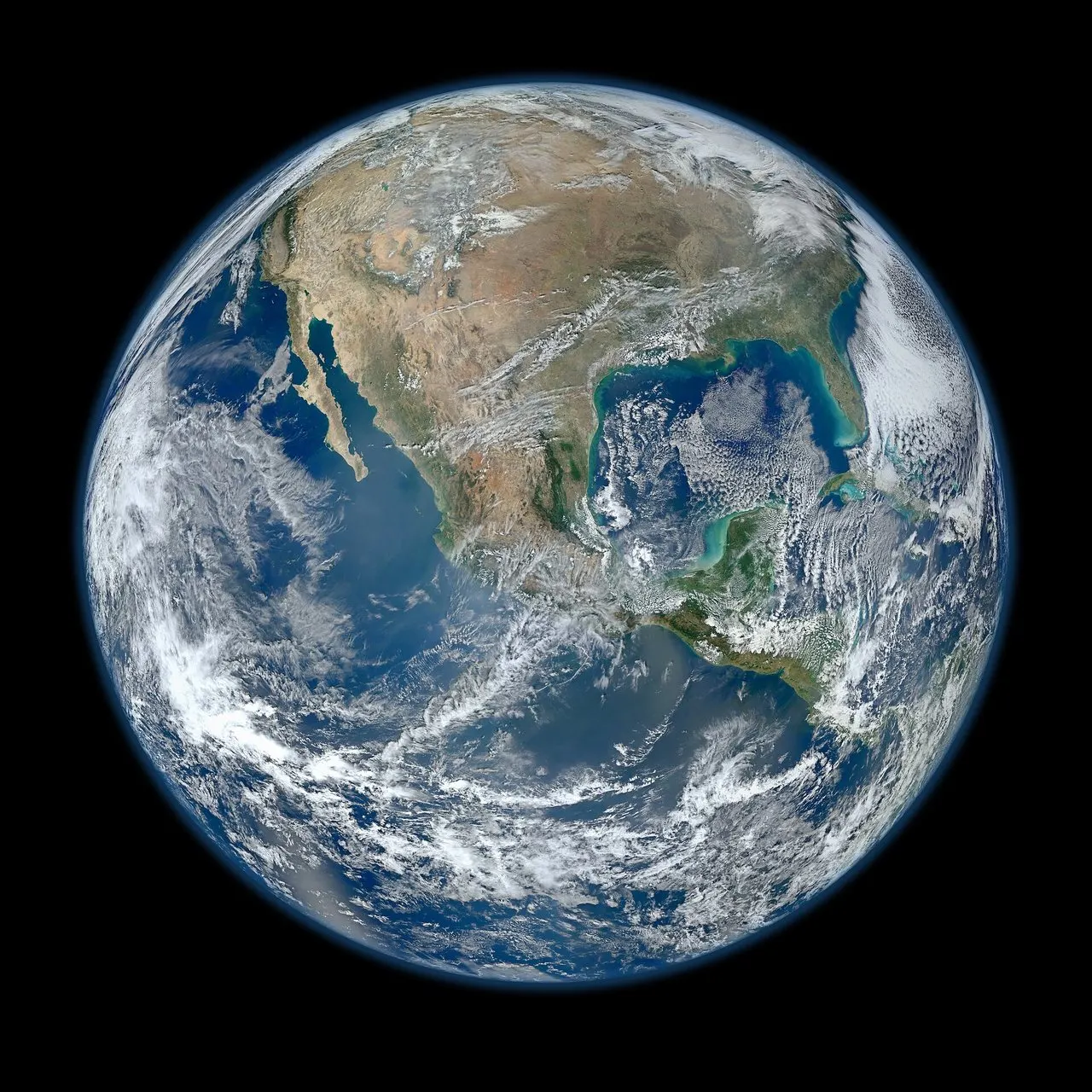
NASA has photographed Earth for more than fifty years, and each mission added a new view. Apollo 17 gave us the Blue Marble in 1972, a full view that became one of the most shared pictures ever. Later satellites mapped clouds, ice and oceans in fine detail. DSCOVR added daily full-disk pictures from a million miles away. Each picture taught scientists more about weather and climate. The history is rich, like a probe that keeps sending data from beyond the planets and a young man who crossed an ocean to start a new life show about long journeys.
How the EPIC Camera Takes a NASA Earth Photo
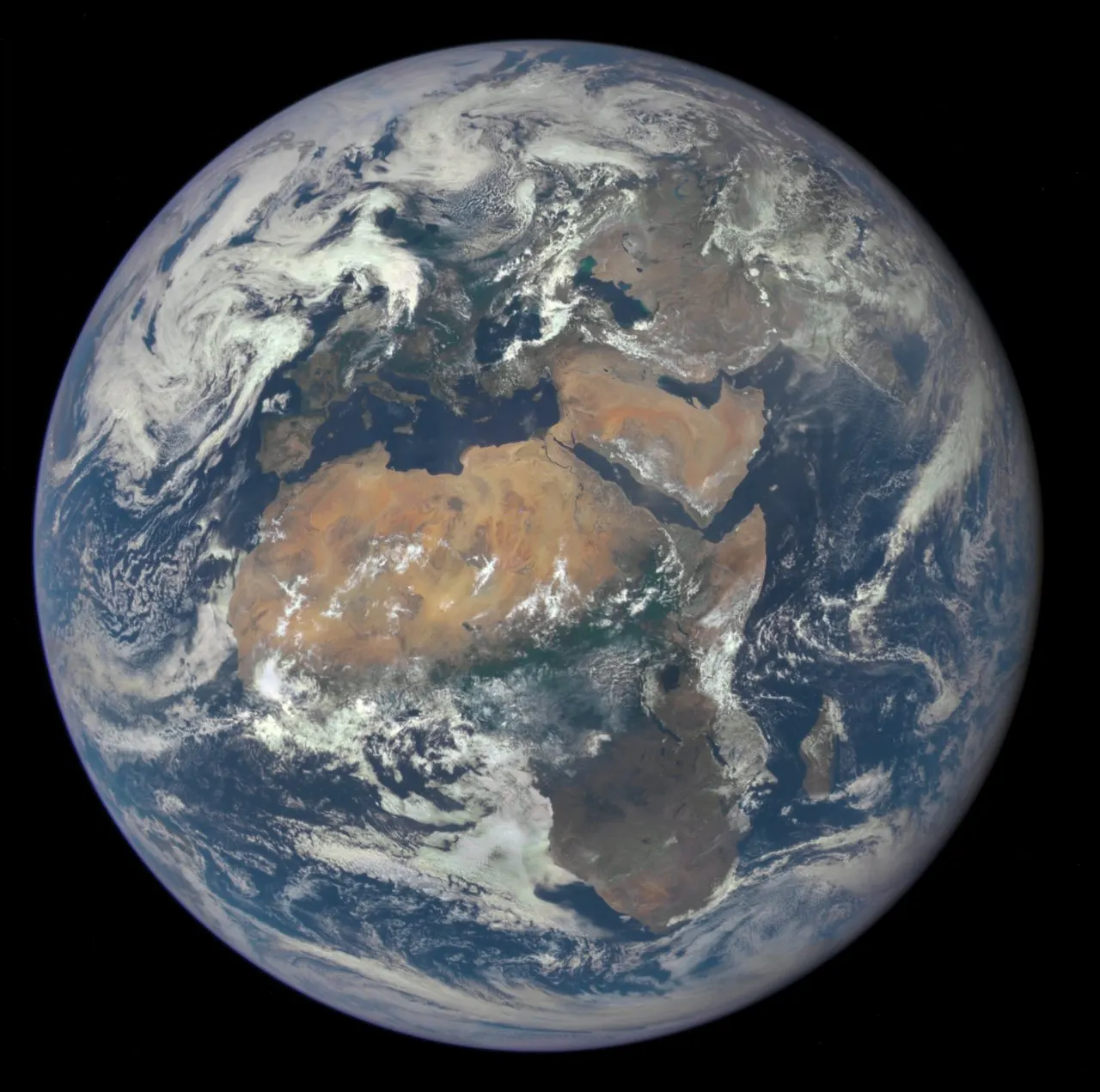
The EPIC camera shoots in several colors of light, from ultraviolet to near infrared, and combines them into a true color picture of Earth. It photographs Earth many times a day, catching storms, dust and clouds as they move. Scientists use these pictures to track weather, watch the ozone layer and study how sunlight reflects off the planet. The camera is small, but its view is huge. The pictures are free for anyone to see, a gift that echoes a summit moment the cameras caught by surprise and a launch scene nobody expected to see in how images travel.
Kitchen Science Anyone Can Try at Home

Anyone with a steel pot and a dark room can try a version of this trick at home. Hold the pot under a lamp, tilt it until the curve catches the light, and take a photo with the background in shadow. A phone camera is enough, and a black cloth behind the pot helps. Kids love it because it turns an ordinary chore into a space mission. It is safe, cheap and fun, a little like a birthday cake shaped like the birthday dog and a comedy sketch that felt true to family life turn the ordinary into something special.
Sarcasm and the Page Behind the Post

The post was shared by Sarcasm, a page that turns everyday pictures into jokes with a twist. Pages like this thrive by setting up an expectation and then breaking it in one frame. The NASA pot post is a perfect example, since the first image promises space and the second delivers a sink. Millions follow such pages for a quick laugh in a busy feed. The format is simple, but the timing matters, as a post that flipped its meaning halfway through and a wish for money you can hold in your hand show about viral timing.
When a Joke Travels Further Than the Truth

Jokes often travel faster than facts, because a funny picture is easy to share and hard to resist. Many saw the glowing curve first and only later learned about the pot, and some may never see the reveal. That is how a kitchen trick can end up looking like a space photo in thousands of feeds. The post is harmless fun, but it shows why checking the second image matters. The same speed drives a game clip that spread before anyone checked the context and a joke about spies and wizards that readers loved to share across the internet.
How to Spot a Real Photo From a Trick
A few simple checks help tell a real space picture from a kitchen trick. Look for the source, since NASA publishes its pictures with dates, camera names and mission details. Check the edges, because real planet pictures show clouds and land, not just a smooth glow. Search for the same image, since a viral trick usually has a reveal posted nearby. A healthy doubt is a good habit online, much like the care in a teenager who checked his options before crossing an ocean and a race where the result surprised the experts rewards a second look.
The Internet Loves a Good Before and After

Before and after pictures are some of the most shared posts online, because the gap between the two frames is the joke. The NASA pot post uses the same trick as a makeover photo or a magic reveal, and the payoff comes in the second image. Readers love when the grand setup collapses into something ordinary. It is a small delight that costs nothing to share. The joy is simple, like the warmth in a creator who shared her hardest years with her followers and a polar bear scene that made players laugh out loud in their own different posts.
Fans Recreate the NASA Earth Photo at Home

After a post like this goes viral, fans often try the pot trick themselves and share their own versions. Some use pots, some use bowls, and some use a spoon held under a lamp. The results vary, but the best ones look just as convincing as the original. It is a friendly contest, and the winner is usually the shiniest pot. The trend shows how a joke can inspire play, much like a sketch that had families nodding along at home and a simple idea about money that struck a chord inspired their own waves of replies.
Why We Love a NASA Earth Photo So Much
Pictures of Earth from space move us, showing our home as one small blue world in a vast dark. They remind us that borders vanish from far away and we all share the same thin air. That feeling is why a pot that looks like a planet can fool us so easily, since we want to believe the beauty is real. The joke works because the wonder is real too. We feel that awe in a win that gave a whole state something to cheer and a summit that drew eyes from around the world too.
Have You Ever Faked a Space Photo?
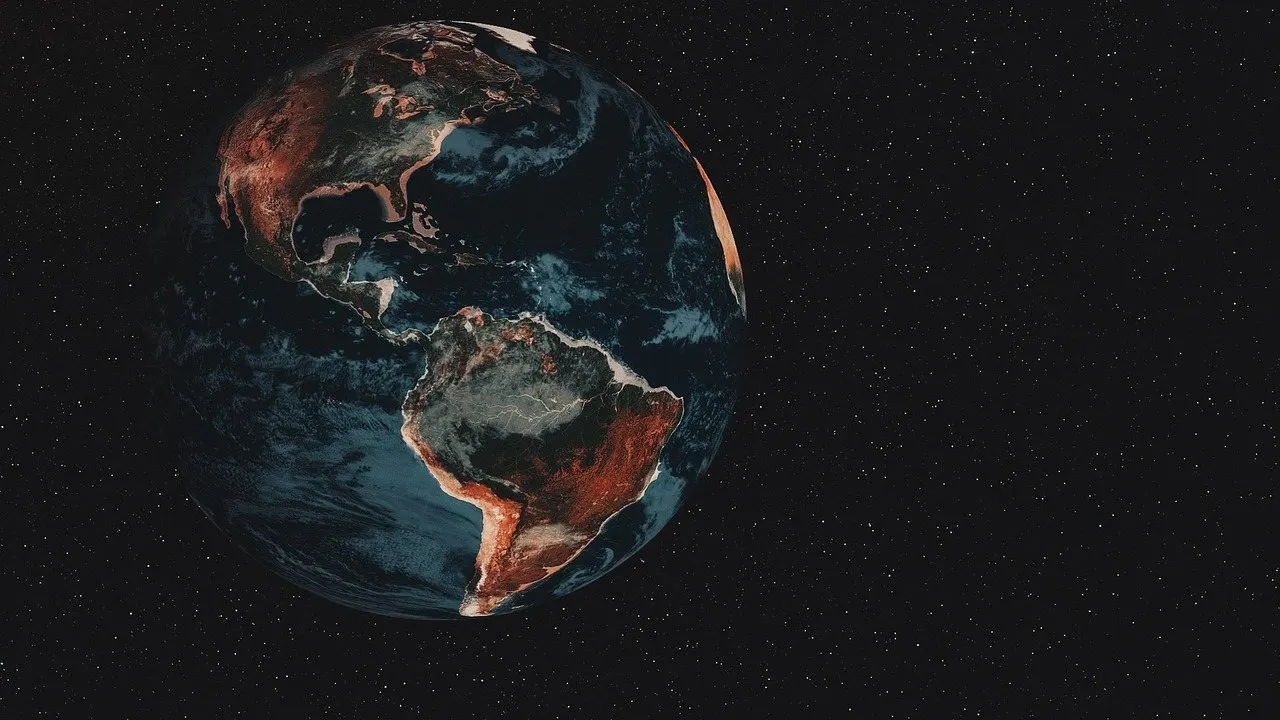
This kitchen pot proves that a little light and a clever angle can turn an object into a planet. The post made millions smile, and it reminded us that real NASA pictures come from cameras a million miles away. Now it is your turn to share a story. Have you ever faked a space picture with a pot or a bowl, or caught a trick before your friends did? Tell us in the comments and keep reading a birthday cake that looked just like the dog it celebrated and a young creator whose story touched millions for more posts.