Voyager 1 Has Reached One Light-Day From Earth
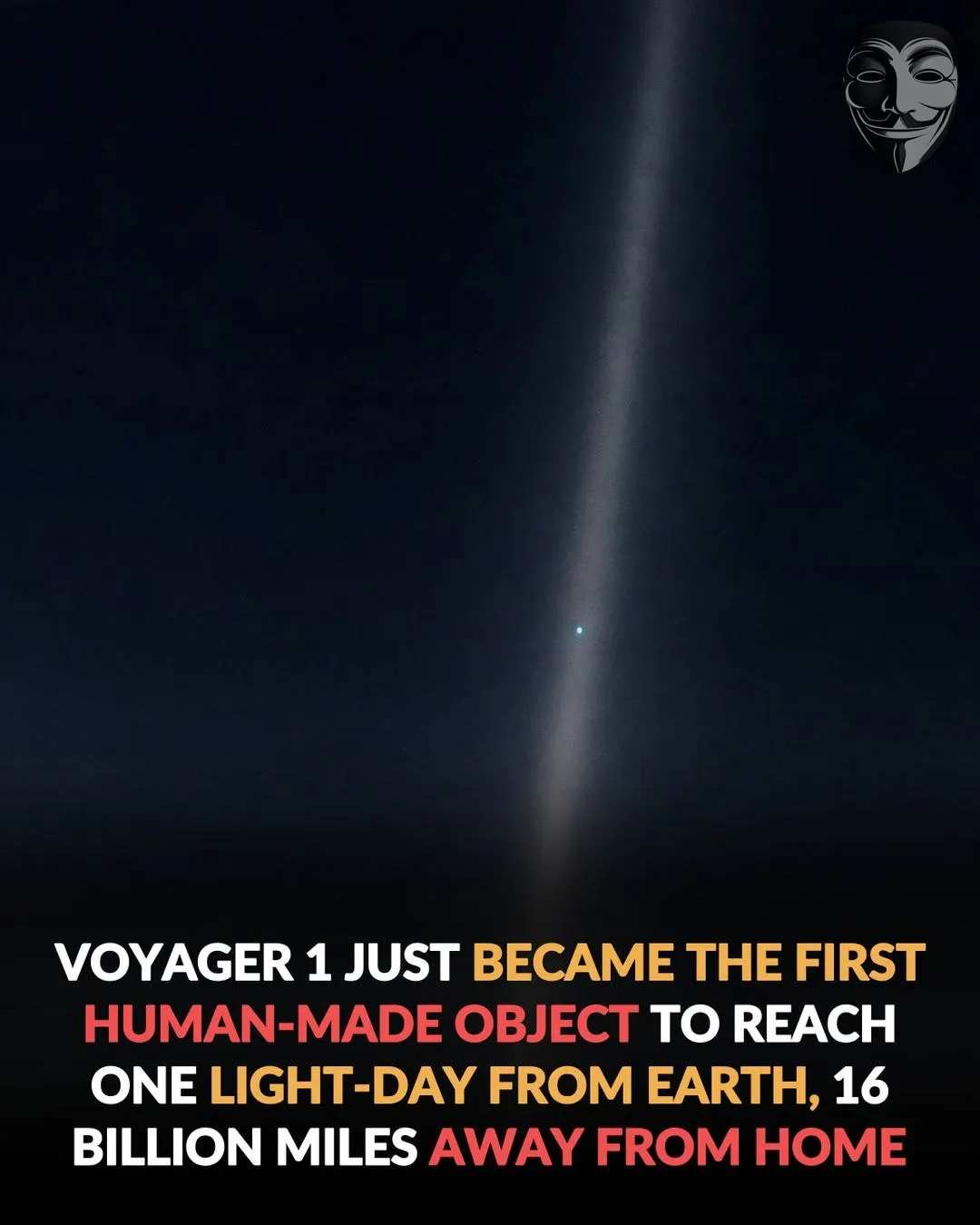
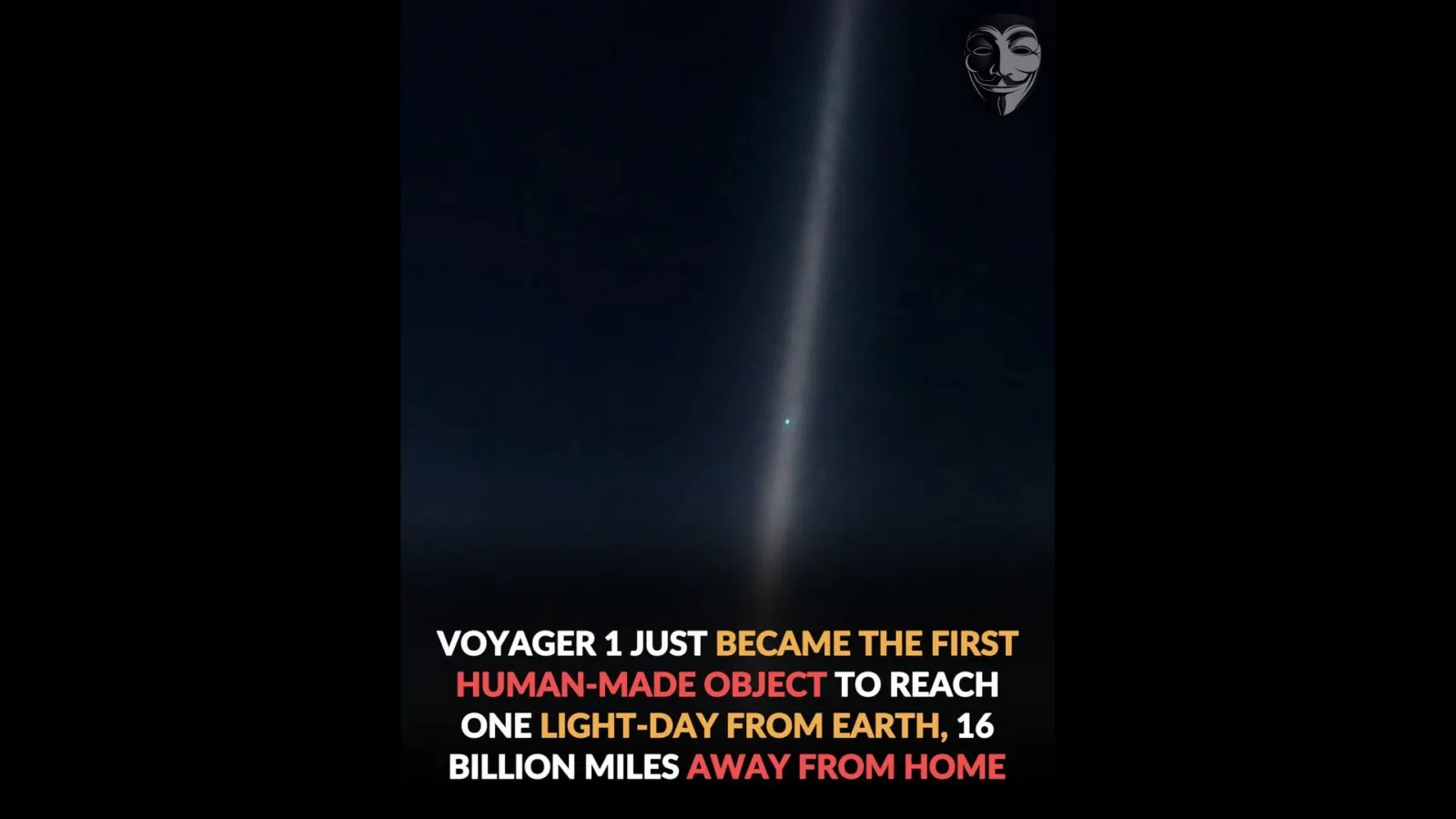
Voyager 1 has reached one light-day from Earth, about 16 billion miles away, and no human-made object has ever traveled so far from home. On November 18, 2026, at 5:16 a.m. EST, the spacecraft crossed a line that light itself needs a full day to cover. It has been flying for 49 years since its launch in 1977, and it is still sending signals home across the dark. A radio message now takes a whole day to reach it, and the team on Earth must wait just as long for an answer.
Back in 1990, the spacecraft turned its camera home and took the famous Pale Blue Dot photo, showing Earth as one tiny bright blue dot in a ray of sunlight. That small dot holds everything we know, every person who ever lived, and the little craft that photographed it is still traveling further into the dark, carrying a golden record of our world with it. Ahead we look at the launch, the long journey, and the team that still listens for its voice. Read about a 106-year-old veteran who lived through history and a loyal dog that saved her owner.
References:
Smithsonian Magazine: NASA’s Voyager 1 Has Reached One Light-Day From Earth
CNN: Voyager 1, the farthest human-made object, is now one light-day from Earth
Scientific American: Voyager 1 is a light-day away What now
Spaceflight Now: NASA’s Voyager 1 is one light-day from Earth
Voyager 1 Launched From Florida in 1977
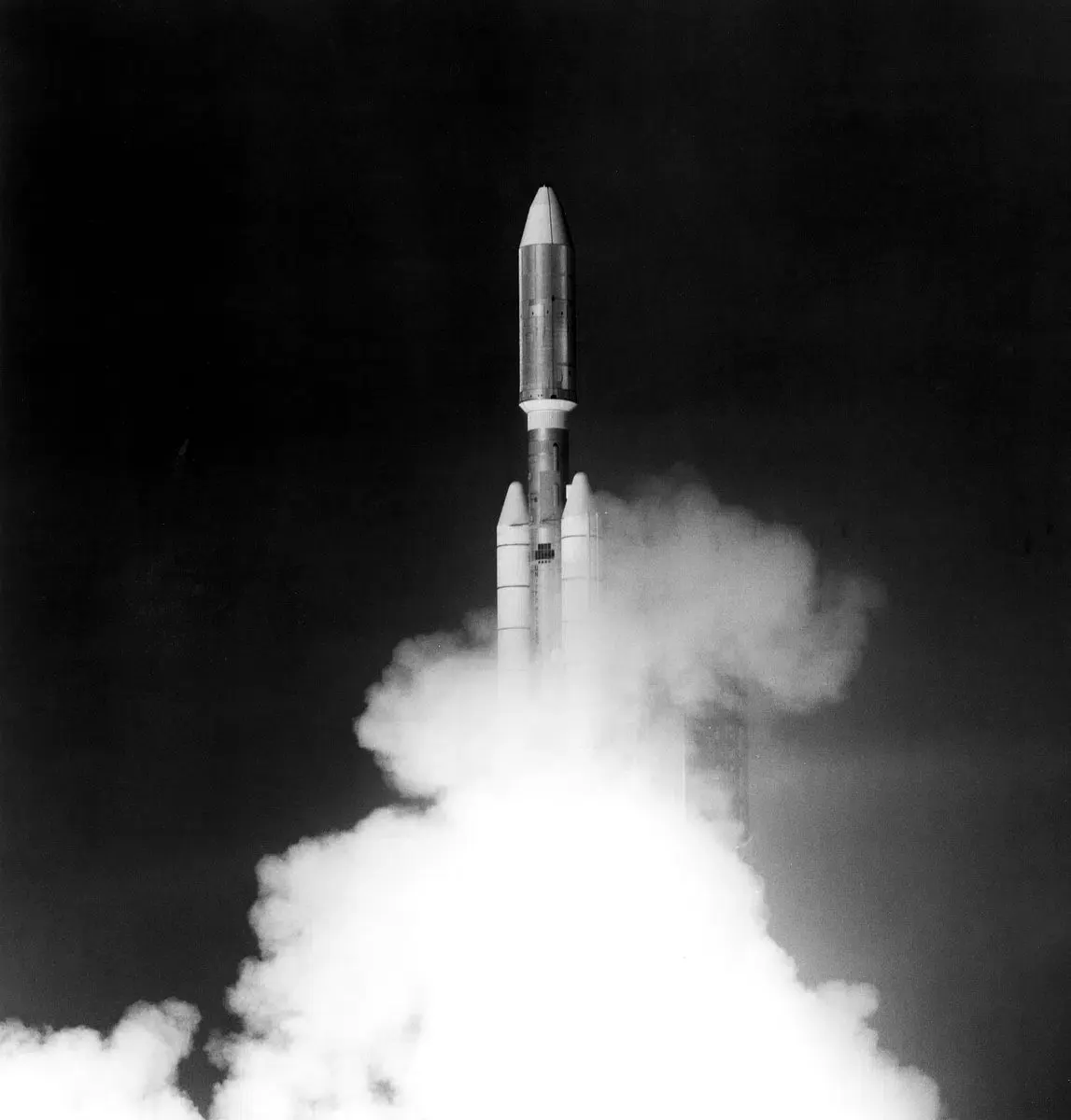
The journey began on September 5, 1977, when the spacecraft lifted off from Cape Canaveral in Florida on a Titan-Centaur rocket. It was built to study the giant planets Jupiter and Saturn, and nobody knew it would still fly 49 years later. The launch was only the start of a trip past whole worlds and then beyond the edge of the Sun’s reach. Engineers packed it with cameras, sensors, and a power source meant to last for years. Read about a huge trade deal built on American jets and a historic agreement that reshaped Arctic security.
The Pale Blue Dot Photo From 1990
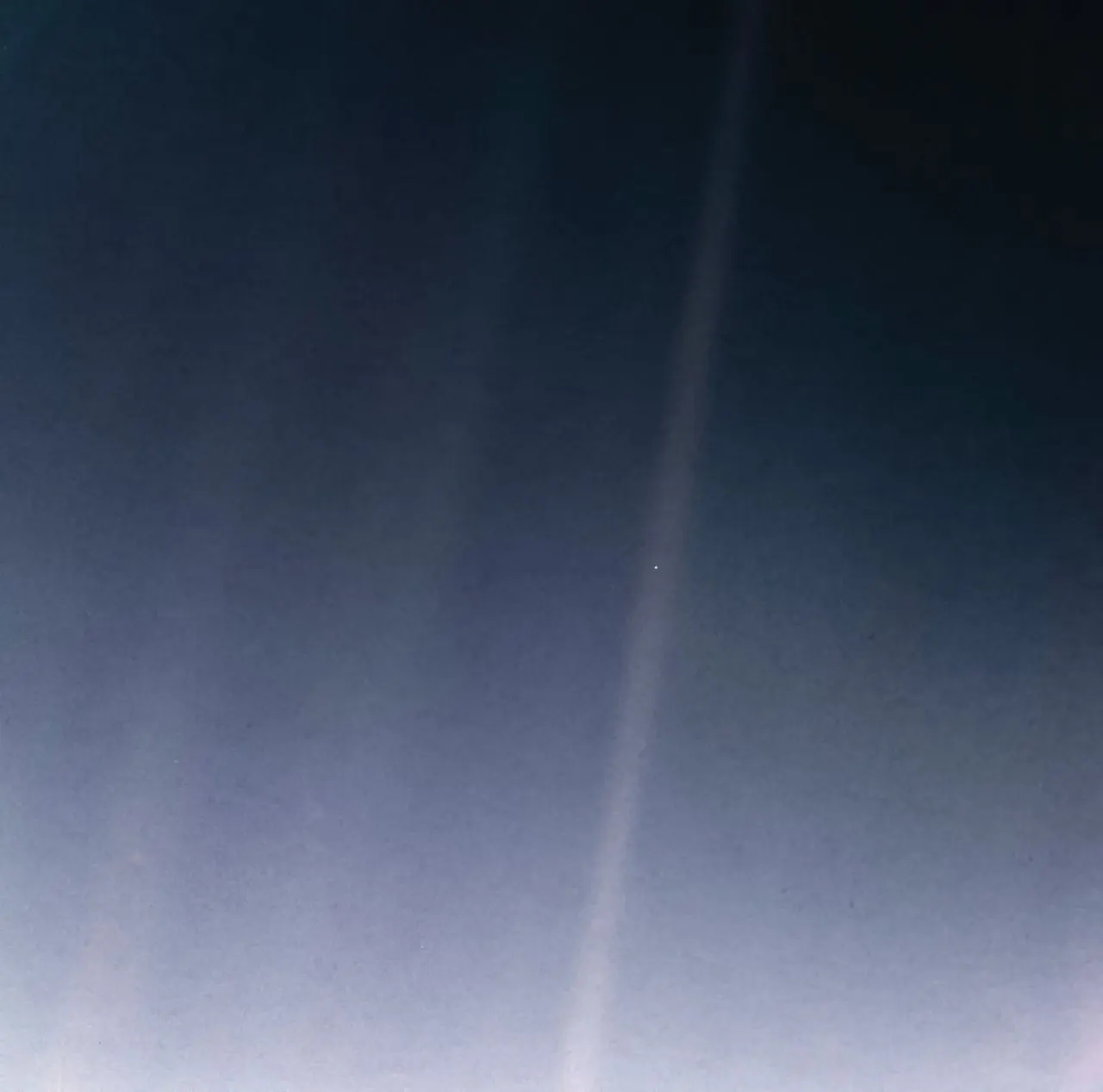
In 1990, the spacecraft turned its camera back toward home for one last look and took the most distant portrait of Earth ever made. Our planet appears as a single bright dot, smaller than a pixel, caught in a band of sunlight. The image became famous because it shows how small our world is against the dark. Every war, every city, and every person who ever lived fits inside that pale speck of light. It is a humbling picture that still moves people. See why so many new data centers are being built and a country star’s big comeback night.
What One Light-Day Really Means
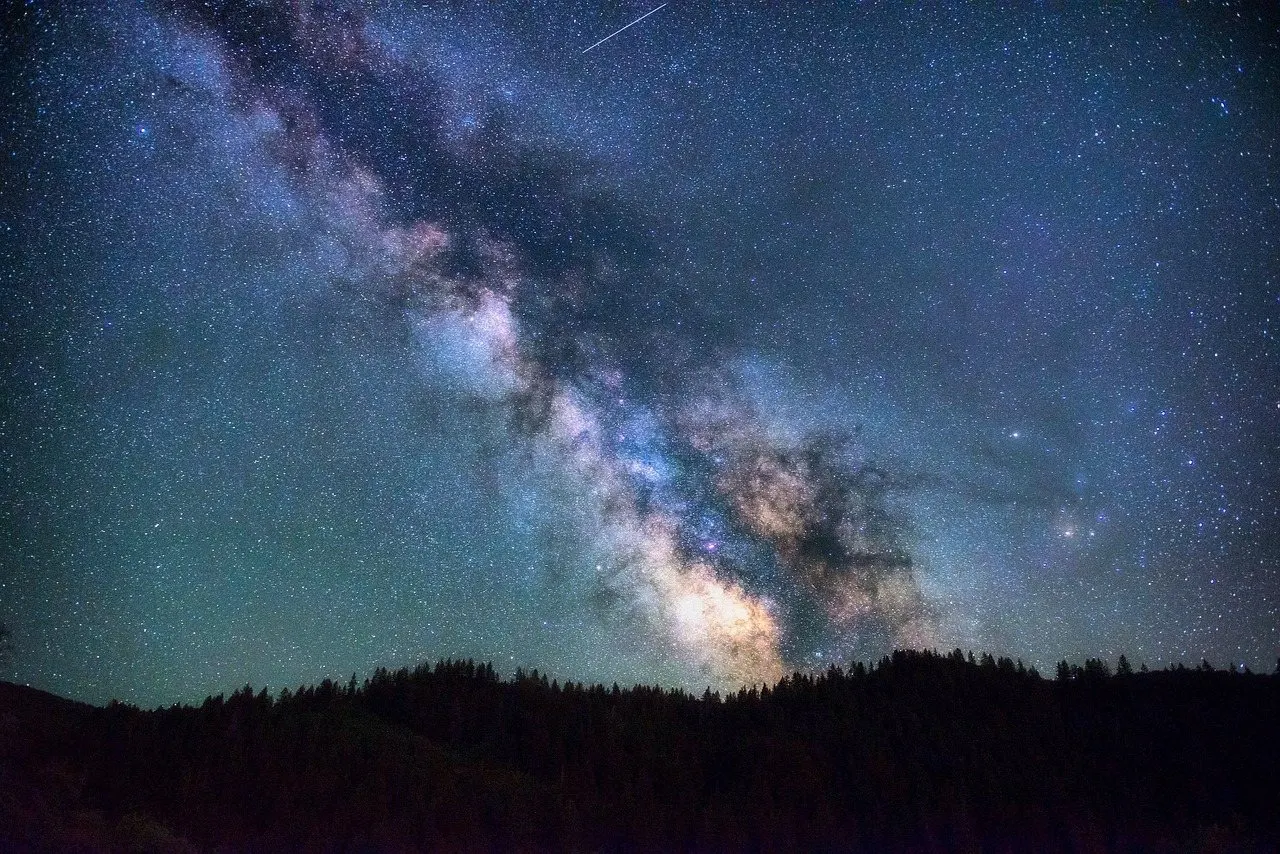
A light-day is the distance light travels in 24 hours, and light moves at about 186,000 miles every second. That adds up to roughly 16 billion miles, which is more than four times the distance from the Sun to Pluto. No human-made object had ever reached that mark before. Think of it as a full day of travel at the fastest speed in the universe. For the spacecraft, it means a call home now takes 24 hours to arrive. Try a chocolate bar priced at five cents for one day and bright bowls for every holiday potluck.
Voyager 1 Carries a Golden Record of Earth
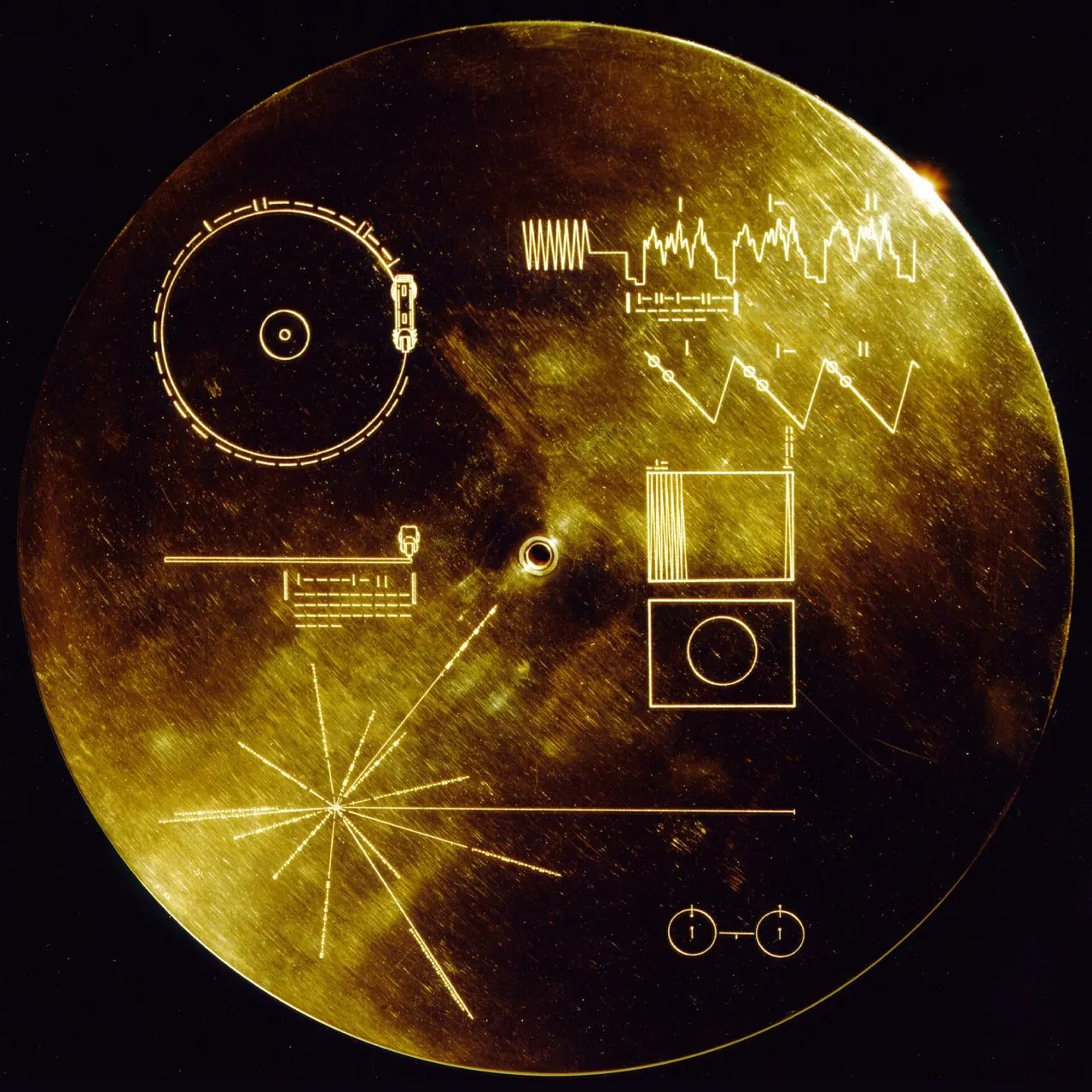
Bolted to the side of the spacecraft is a golden record, a phonograph disc that carries the sounds and images of Earth. It holds greetings in many languages, music from cultures around the world, and the sounds of whales, rain, and a human heartbeat. The record also carries pictures of people, animals, and places, with diagrams to explain where it came from. It is a message in a bottle, tossed into the sea of stars for anyone who finds it. Brave strangers once risked their lives to save foxes from floodwaters and leaders talked for hours with no deal reached.
A Radio Signal Takes a Full Day to Arrive
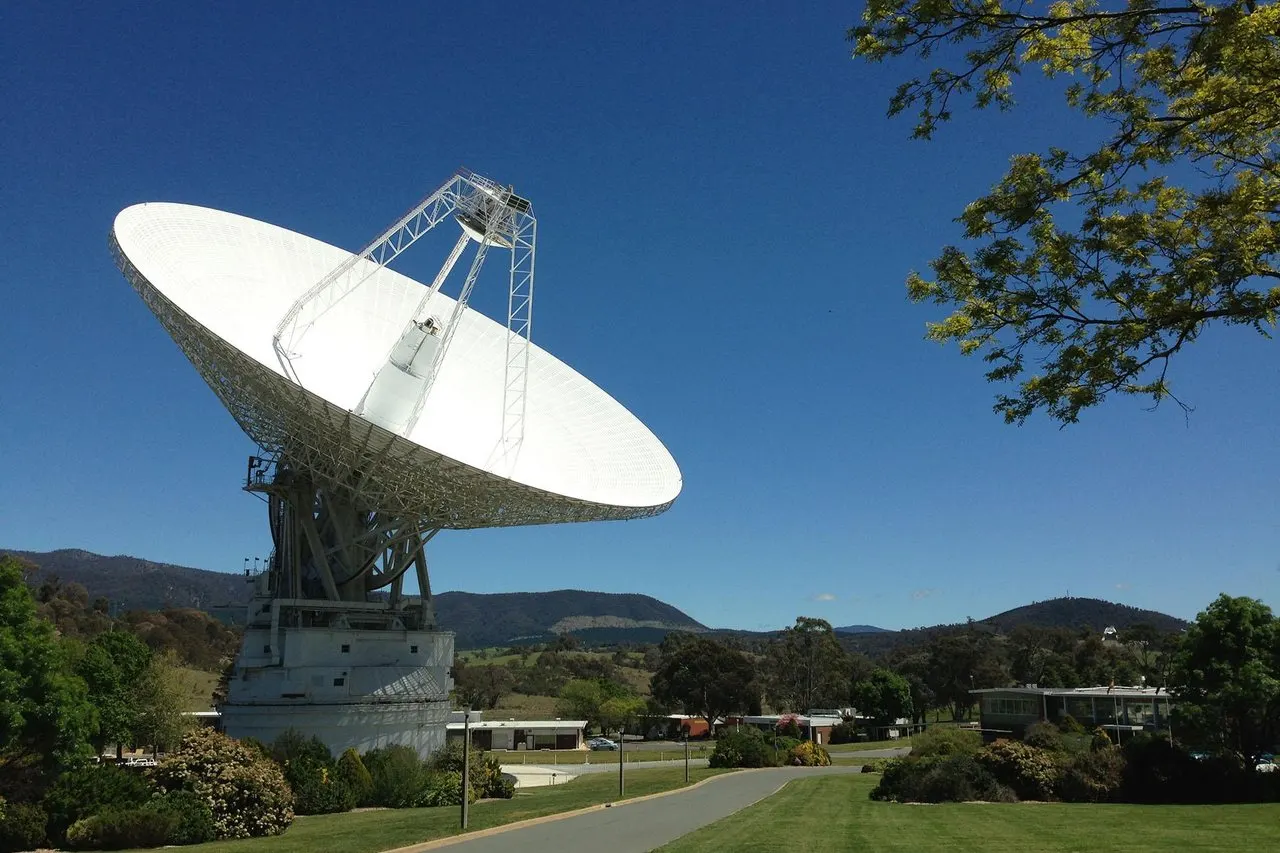
Every message to the spacecraft travels at the speed of light, and still takes a full day to get there. Giant antennas, some as wide as a football field, send commands and listen for the reply. The signal is so weak by the time it arrives that the dishes must pick it out of the quiet. When engineers send a fix, they wait two days to learn if it worked. That slow conversation is now part of daily life for the team. Lawmakers backed a plan to send troops into cities while others moved to block a presidential pardon.
Voyager 1 Still Runs on 1970s Technology
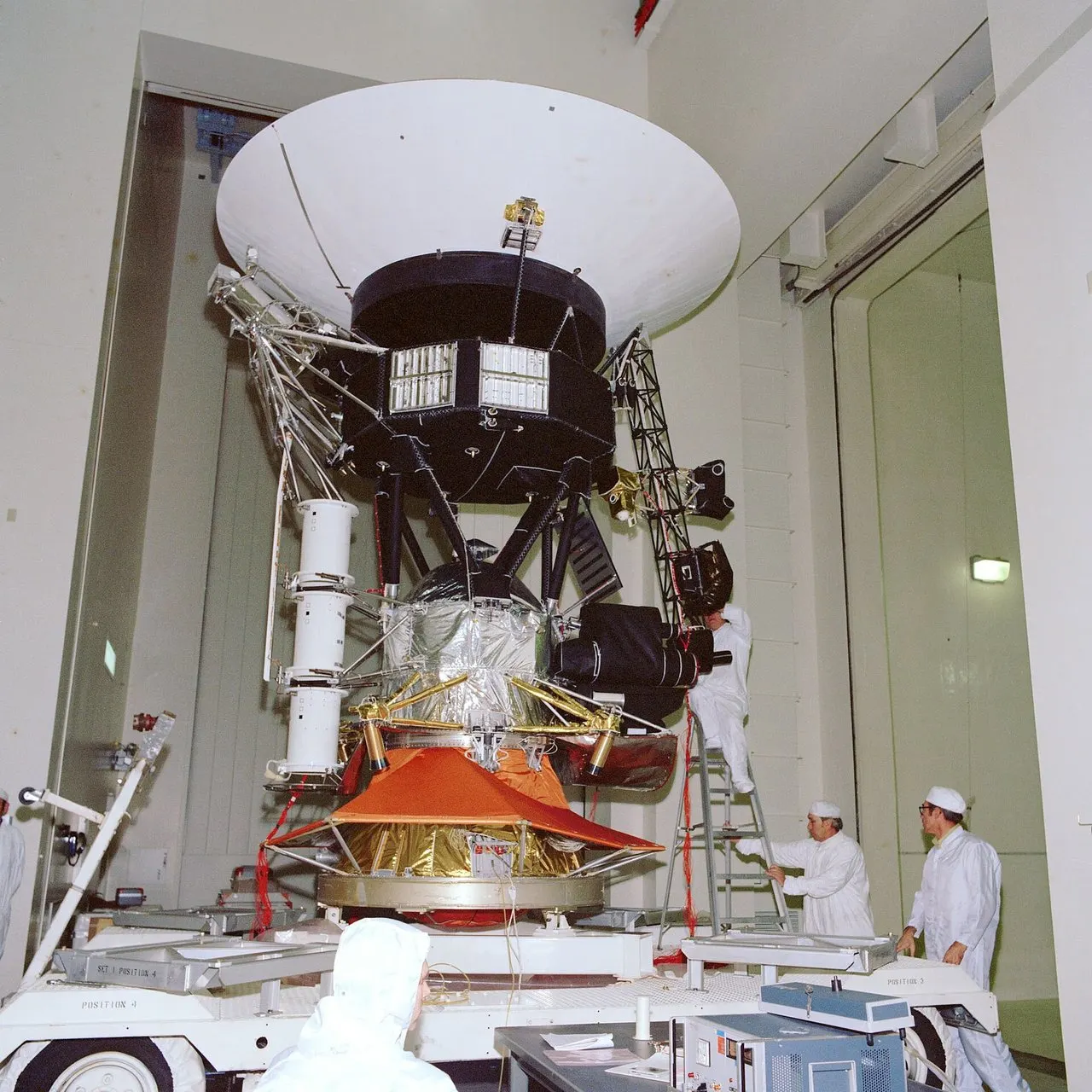
The spacecraft runs on computers far weaker than a modern phone, with less memory than a calculator. Its parts were built in the 1970s, and many have worked without a break for nearly five decades. To save power, engineers have switched off heaters and tools one by one, keeping only vital systems alive. Earlier in 2026, they replaced three devices with spares that use less power. It is a careful balancing act to keep the craft going. A fan took a ball from a father and son at a game and a singer won four awards in one night.
Leaving the Solar System in 2012
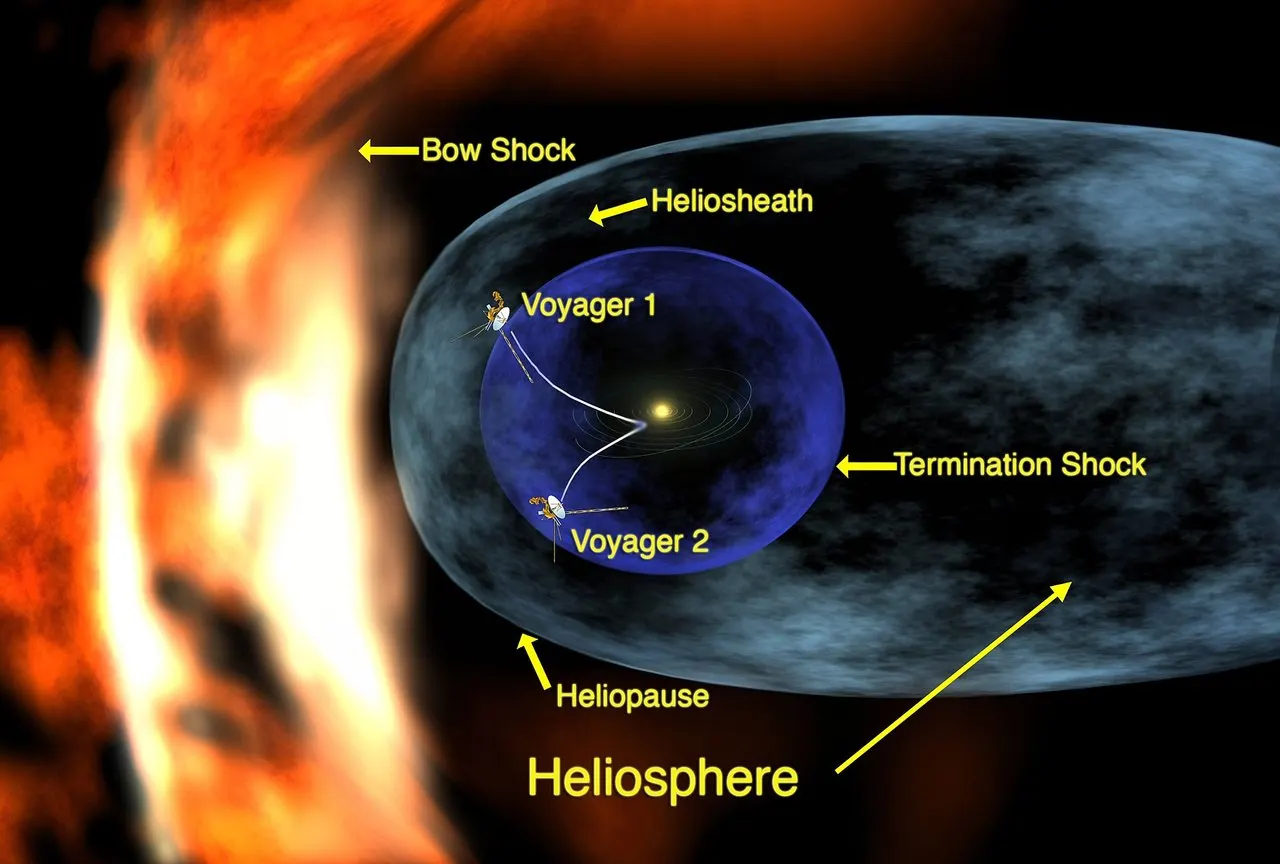
In 2012, the spacecraft crossed the edge of the Sun’s bubble of wind and entered interstellar space, the region between the stars. It was the first human-made object to make that crossing, and its sensors felt the change as the solar wind faded and thin gas between stars took over. That moment made it a true traveler beyond our solar system, sailing where no craft had gone. It has been in that strange new sea for more than a decade. A leader was welcomed with a song about a wayward son after a deal brought home billions and new jobs.
The Small Team That Keeps the Mission Alive

A small team at NASA’s Jet Propulsion Laboratory in California still watches over the spacecraft every day. They track its faint signal, plan each command, and fix problems from 16 billion miles away. When the craft stopped sending science data in mid-November, the team worked through the gap and waited for its signal to confirm the milestone. The group is far smaller than it was in the 1970s, but its care has kept the mission alive for decades. See a deal that reshaped Arctic security and why so many data centers are being built.
Voyager 1 Flew Past Jupiter and Saturn First
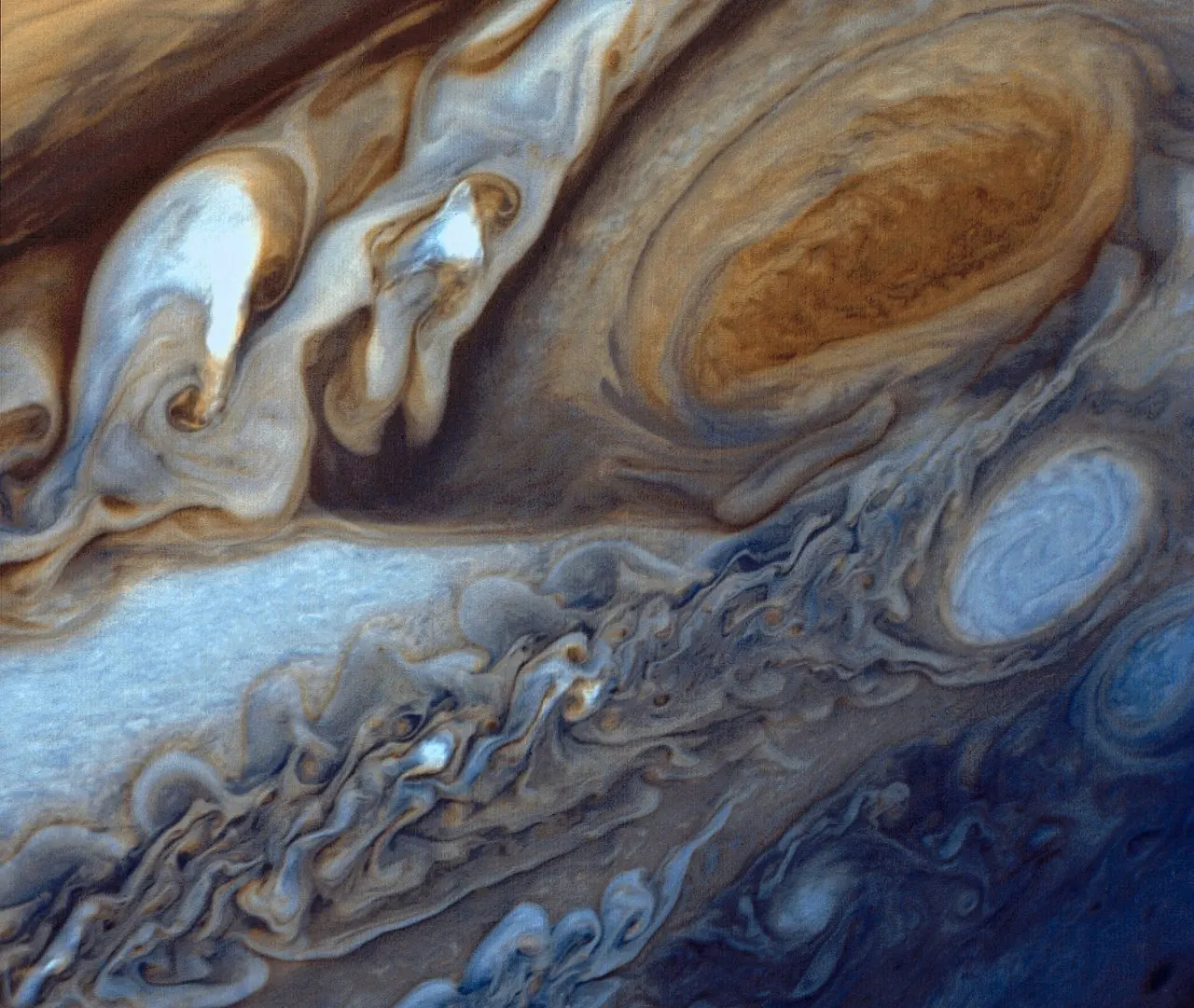
Long before it left the solar system, the spacecraft visited Jupiter in 1979 and Saturn in 1980. Its cameras sent back sharp pictures of swirling clouds, thin rings, and moons no one had seen in such detail. The flybys taught scientists how storms move on giant planets and how rings are shaped by tiny moons. Those close looks turned two distant dots into real worlds with weather and families of moons. The images still fill textbooks. A star returned to the stage with famous friends and a candy maker brought back a five-cent bar for a day.
Carl Sagan Gave the Pale Blue Dot Its Meaning

Astronomer Carl Sagan asked the mission team to turn the camera home for that final photo of Earth in 1990. He later wrote about the image in his book Pale Blue Dot, calling Earth a mote of dust in a sunbeam. Sagan said the picture should humble us, since every human who ever lived spent life on that tiny speck. His words gave the photo a meaning that went far beyond science. Today, his message is quoted whenever people talk about our place in the universe. Cooks can brighten every holiday potluck while strangers risked their lives in floodwaters.
Two Twin Probes Took Different Roads
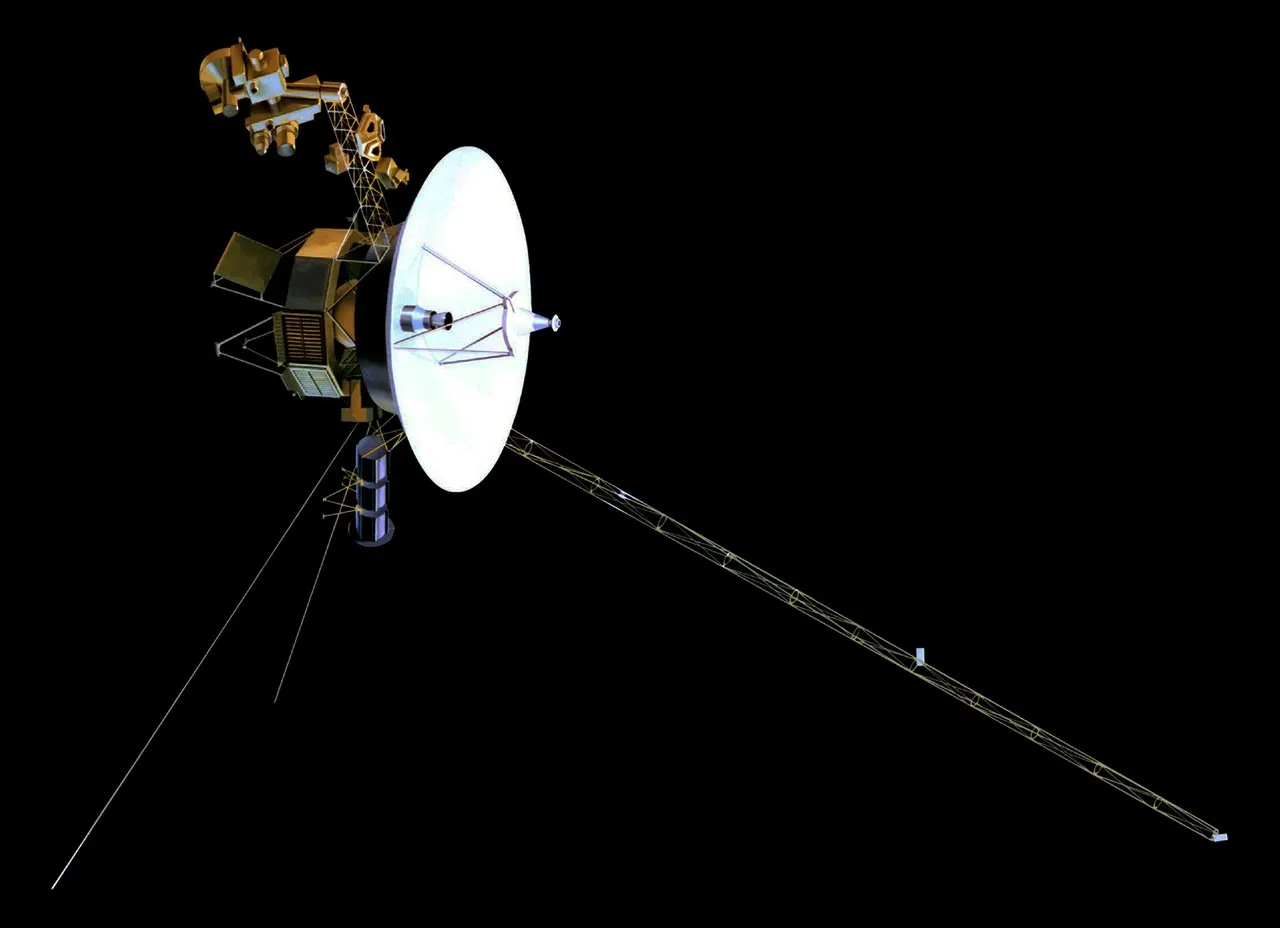
The spacecraft has a twin, Voyager 2, which launched a few weeks earlier in 1977 and took a slower, longer road through the planets. The twin visited Uranus and Neptune, the only craft ever to fly past those distant ice giants, while its sibling raced ahead toward the edge of space. Both probes are still traveling, and both still talk to Earth. Together, they form the longest running mission in the history of spaceflight. Leaders met in Alaska and left without a deal as lawmakers backed sending troops into cities.
How Fast Voyager 1 Travels Each Year
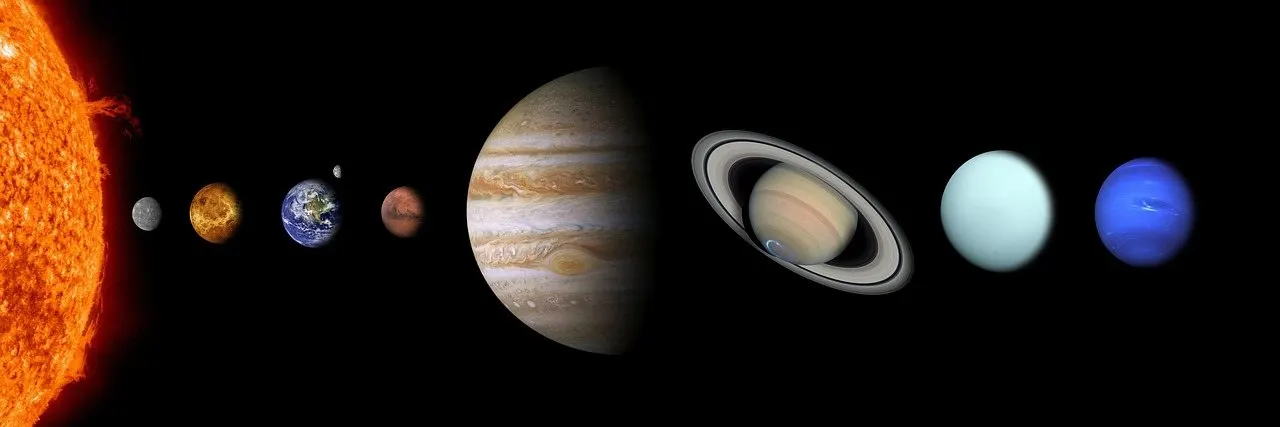
The spacecraft races away from the Sun at nearly 38,000 miles per hour, adding up to about 330 million miles every year. At that pace, a drive across the United States would take less than a minute, yet the craft needs decades to reach the nearest stars. Light is about 17,650 times faster, which is why a light-day is so huge. Even at this great speed, the journey to another star will take tens of thousands of years. See how lawmakers moved to block a presidential pardon and how a fan grabbed a ball at a Phillies game.
Heading for a Distant Star
The spacecraft is now heading toward Gliese 445, a star more than 17 light-years away in the constellation Ursa Minor. It will pass within about 1.7 light-years of that star in roughly 40,000 years, a span of time far beyond any human life. The golden record rides along, waiting for a future that may never come. For now, the craft simply sails on through the dark, farther from home with every passing hour. A singer won Artist of the Year with four awards while a leader was welcomed with a song about a son.
What Would You Say to the Farthest Traveler?
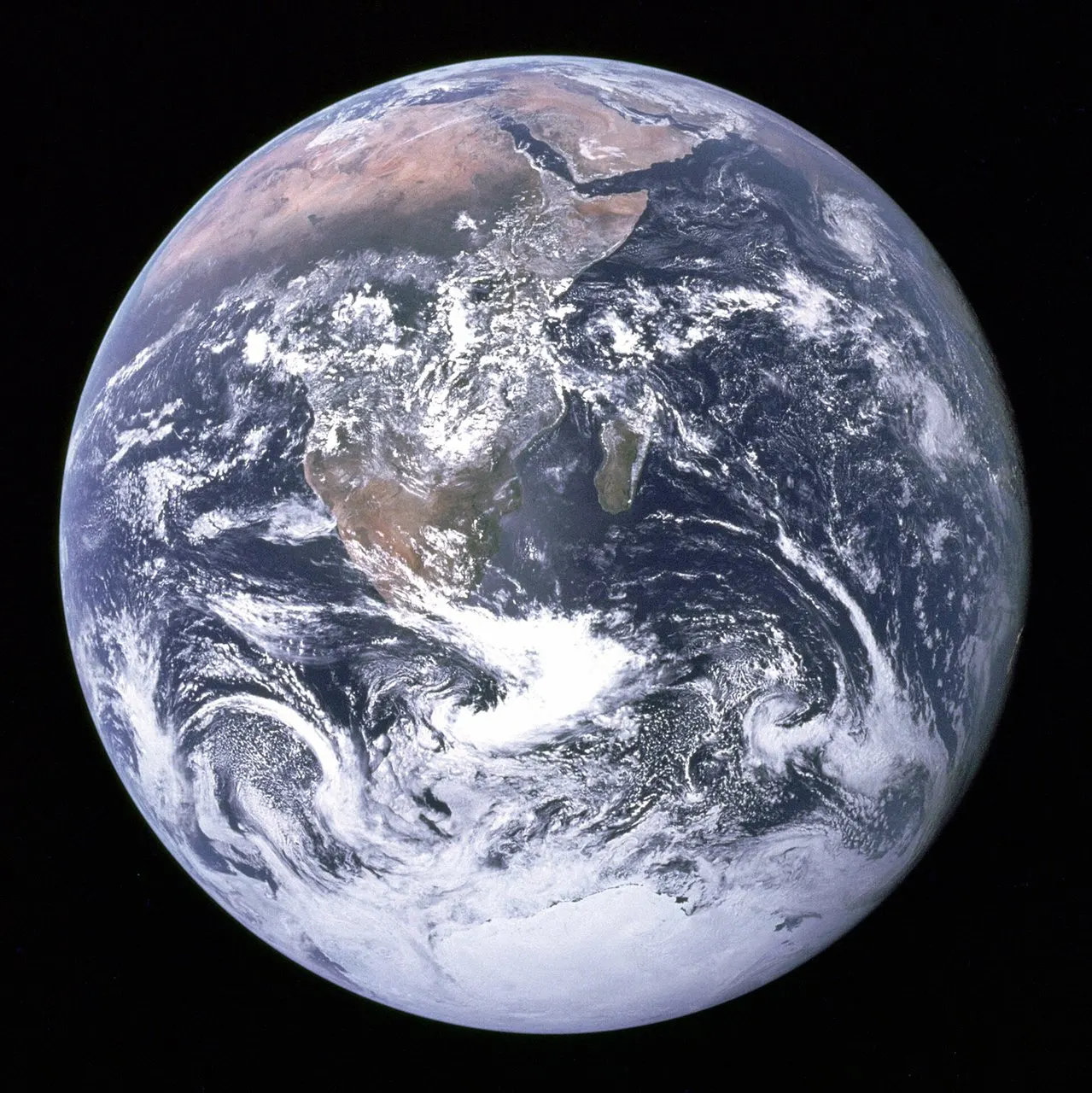
The spacecraft has been traveling for 49 years, and it may keep flying for years to come, carrying our greetings into the dark. It has shown us Jupiter and Saturn, photographed our home from billions of miles away, and become the farthest traveler humanity has ever sent out. If you could send it one message, what would you say? Would you thank it, or ask it to keep going? Share your thoughts in the comments below. Read about a veteran who lived to 106 and a loyal dog that saved her owner.