The McKinney Recall Vote Puts a Mayor and Three Council Members on the Ballot
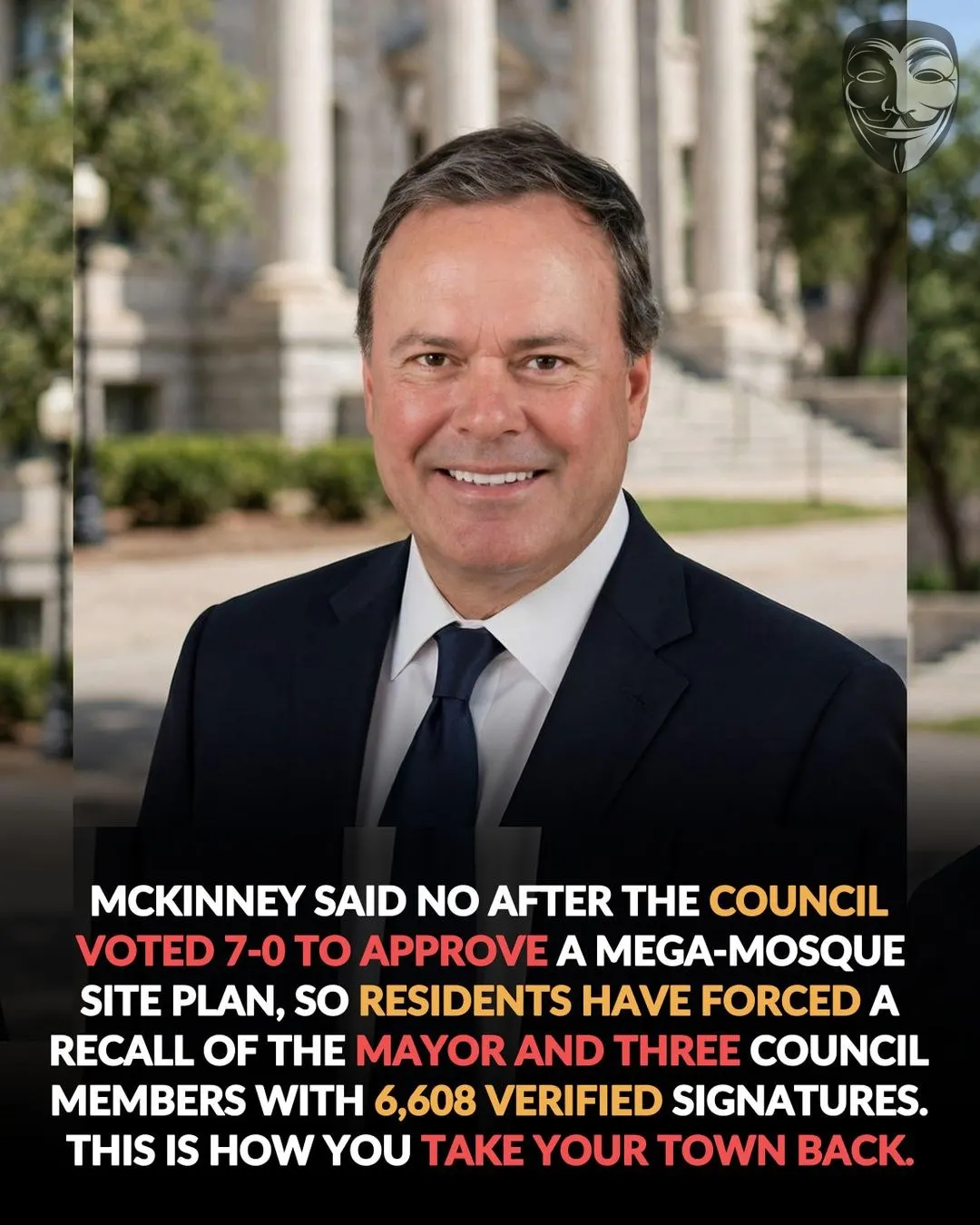
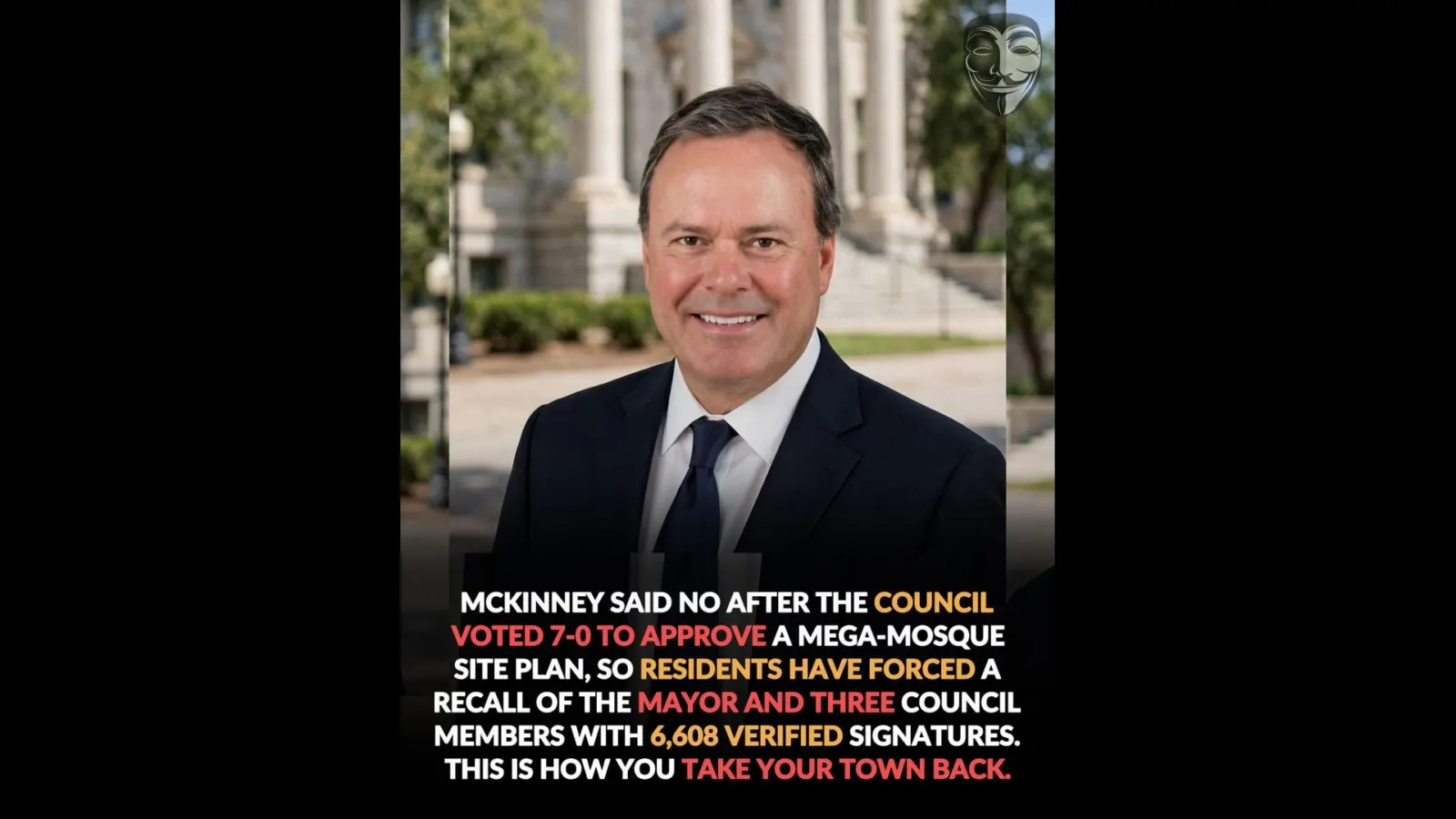
The McKinney recall vote began with a single council decision in August, when the McKinney City Council voted 7-0 to approve the site plan for the McKinney Islamic Association. The project covers about 32,573 square feet and includes a sanctuary, classrooms and a gym on Virginia Parkway. Weeks later, residents began a recall effort against Mayor Bill Cox and council members Justin Beller, Geré Feltus and Ernest Lynch, saying the vote showed the council had lost the trust of the public.
Organizers turned in about 7,400 signatures in September, and the city verified 6,608 of them, more than the 5,805 required under the city charter. The four officials let the deadline to resign pass, so voters are now expected to decide their future in a recall election on May 1, 2027. In the slides ahead we follow the vote, the petition and the road to election day. For more on votes that split a community, read about a 109-0 vote in Denmark and a plan to cap Supreme Court service at 18 years.
References:
McKinney Chronicle: McKinney Recall Petition Certified, Putting Mayor And Three Council Members On Track For A May Election
FOX 4 News: McKinney Mayor Won’t Resign As He, City Council Members Face 2027 Recall Vote
RAIR Foundation: Patriots Of McKinney, TX, Force Recall Of Mayor And Three Council Members After They Voted To Approve Mega Mosque
Gateway Pundit: Residents Of Texas Town Successfully Force A Recall Of Their Mayor And Three Council Members After They Voted To Approve A Mega Mosque
The McKinney Recall Vote Started With a 7-0 Decision in August
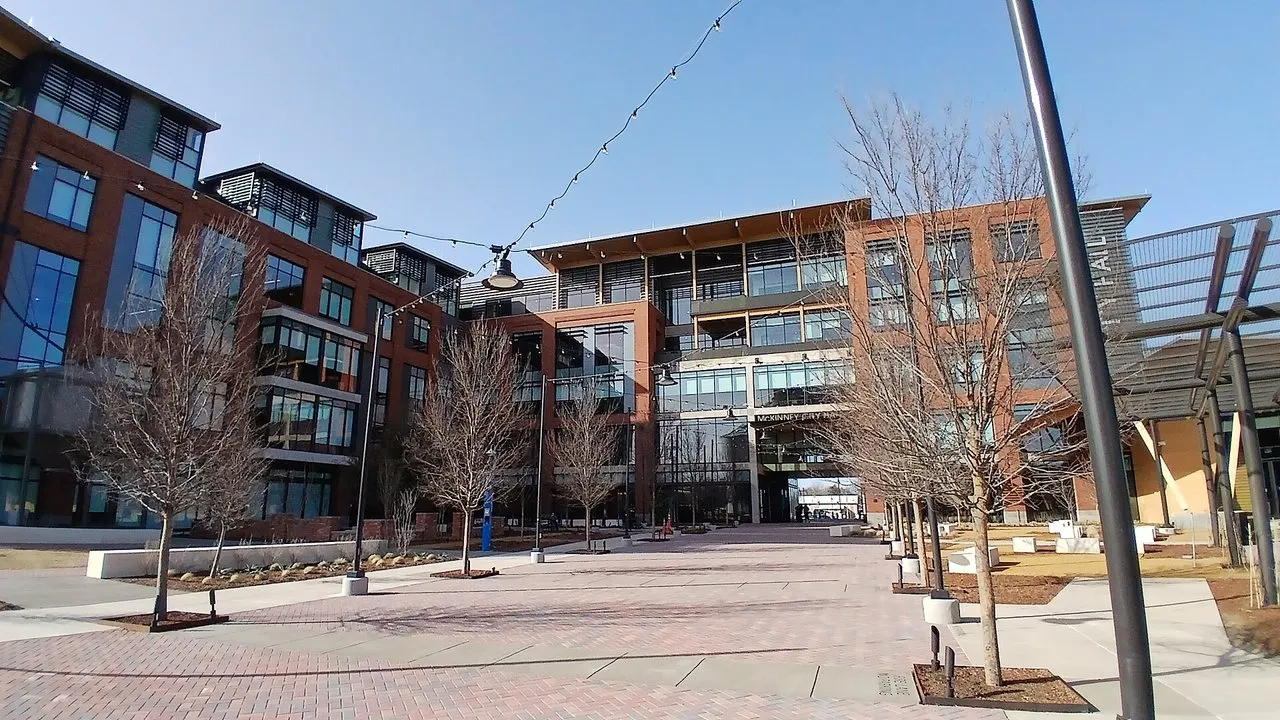
In August, the McKinney City Council voted 7-0 to approve the site plan for the McKinney Islamic Association, and that unanimous vote is where this story starts. A 7-0 vote means every council member present backed the plan, with no one voting against it and no one asking for more time. Supporters of the project saw a routine land decision, while critics saw a council moving in lockstep on a plan that would change their town. Read about a bill to stop self-pardons and the Supreme Court tariffs case for more on big decisions.
A 32,573 Square Foot Plan With a Sanctuary, Classrooms and a Gym

The approved plan covers about 32,573 square feet, a large footprint for a site on Virginia Parkway. The project includes a sanctuary for worship, classrooms for teaching and a gym for sports and community events, so the building is meant to serve many uses at once. A site plan approval deals with where a building sits on its land, how traffic moves around it and what the outside will look like, and it comes before detailed building permits. Read about a bill on wrongful detention payouts and the shift of education control to states for more context on local decisions.
Four Officials Named in the Recall
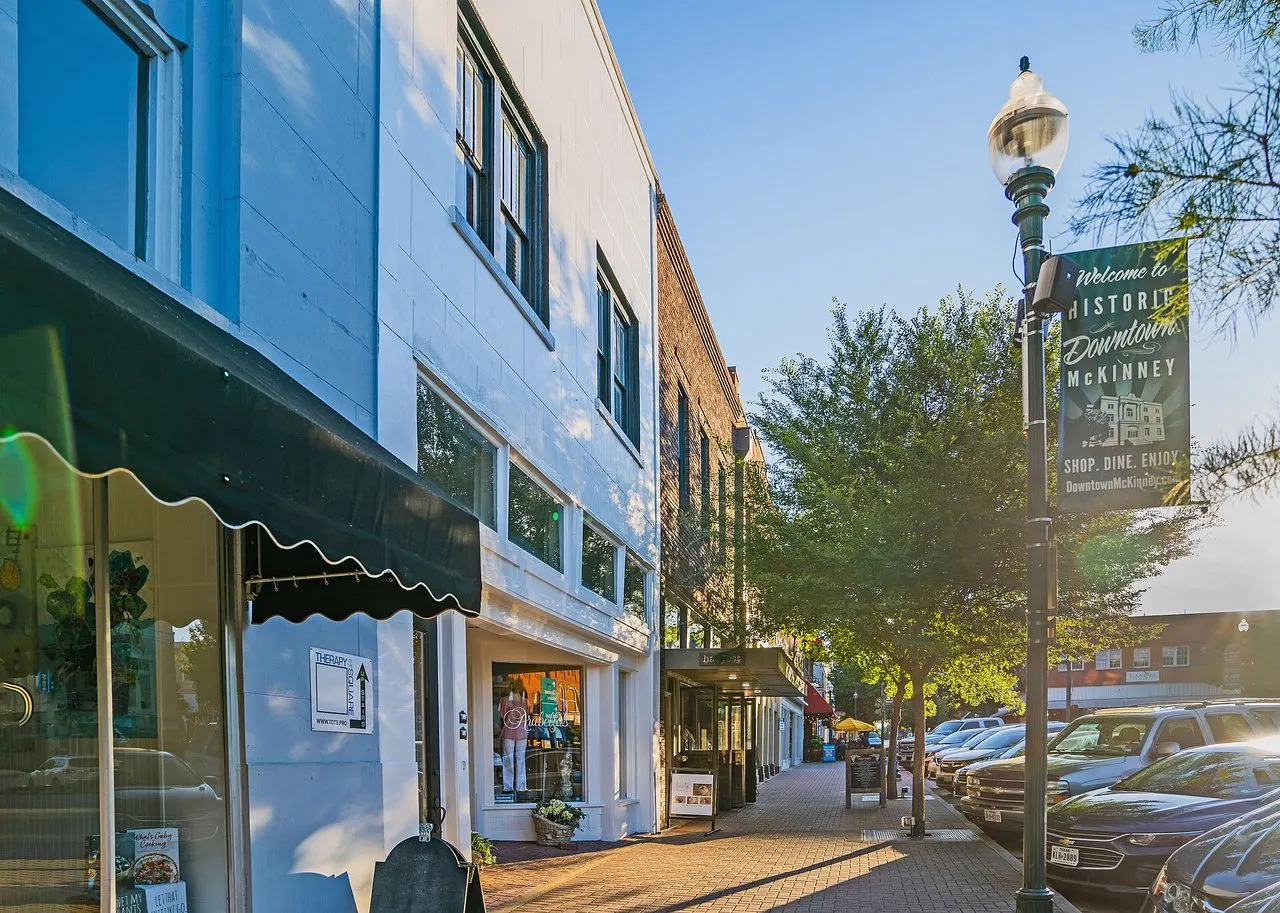
The recall targets four people: Mayor Bill Cox and council members Justin Beller, Geré Feltus and Ernest Lynch. All four were part of the council that approved the site plan 7-0 in August, and all four now face the same question from voters. A recall does not remove anyone. It puts the question on a ballot and lets voters decide. The four let the deadline to resign pass, so the vote will go ahead. Read about calls for a fitness review and a spending audit that canceled credit cards for more on officials under pressure.
Justin Beller, Geré Feltus and Ernest Lynch Face the Same Vote
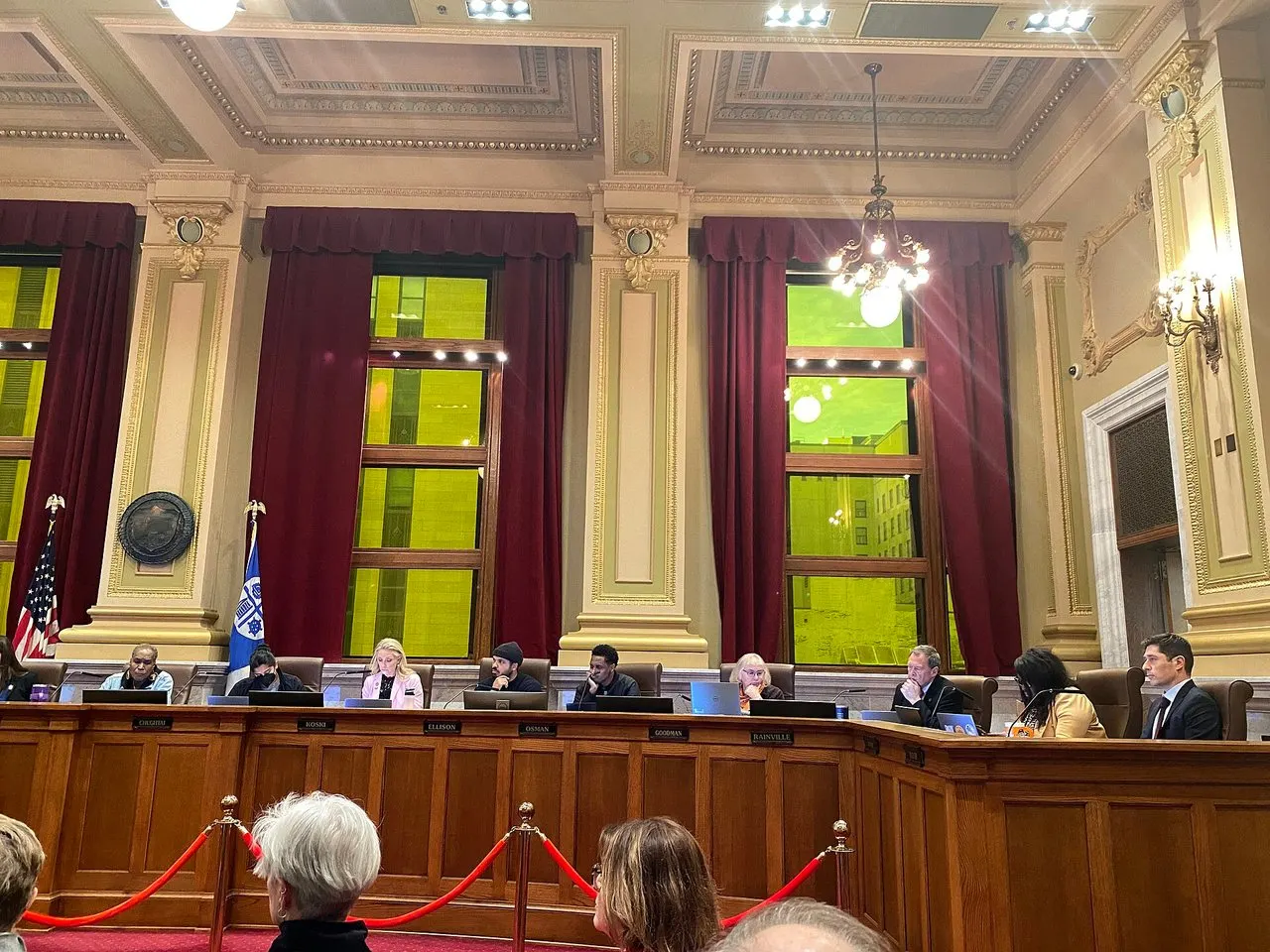
Justin Beller, Geré Feltus and Ernest Lynch are the three council members named alongside Mayor Bill Cox in the recall. They voted with the council in August, and the petitioners hold all four officials to the same standard. In a recall, each official is judged on the ballot, and voters can keep one and remove another if they wish. The three council members have not resigned, and they will stand for the voters’ decision in May 2027. Read about a bill to keep the government open and the sanctuary standoff in Boston for more on elected leaders.
The McKinney Recall Vote Needed Signatures, and Volunteers Gathered Them

The McKinney recall vote starts with paper, pens and long hours, because organizers must gather enough valid signatures from local voters to force a vote. In McKinney, volunteers fanned out across the city in September and turned in about 7,400 signatures. Every sheet had to be checked against the voter rolls, and only signatures from eligible local voters could count. The work of gathering signatures is slow and public, and it is often the first test of whether a recall has real support. Read about the Florida detention site plan and the gag order fight for more on citizen action.
The Petition Cleared the Signature Bar
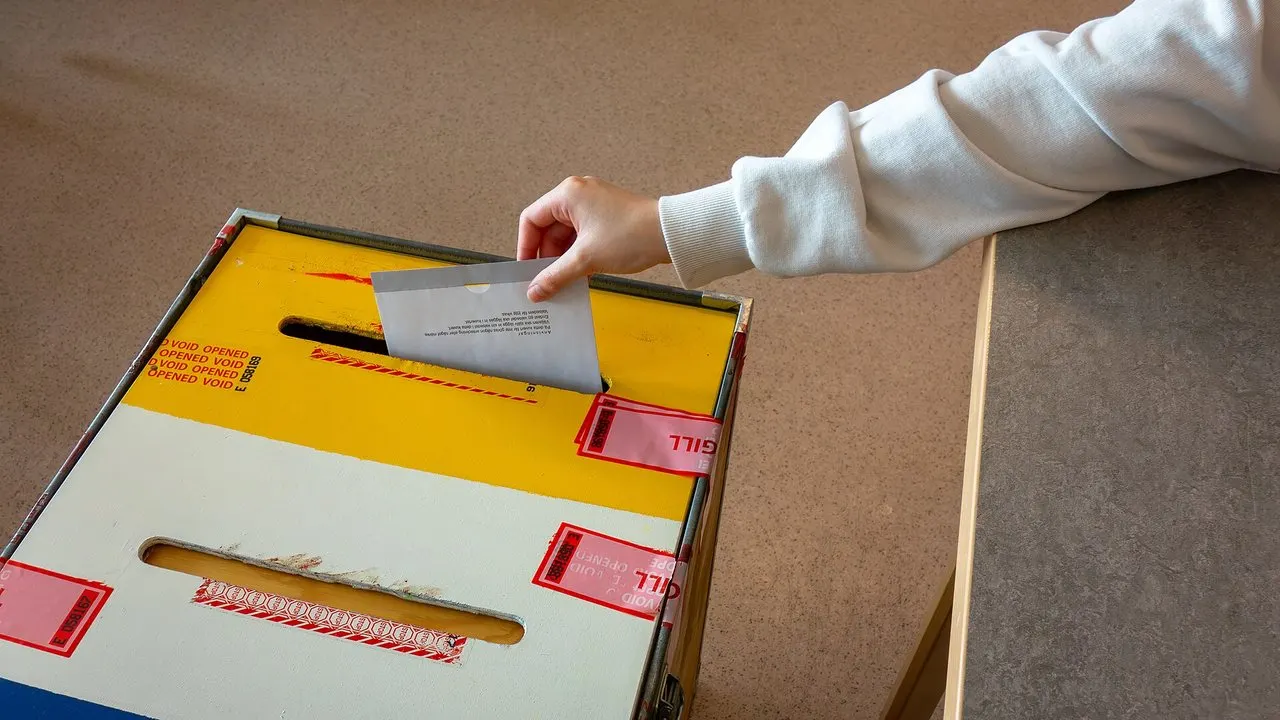
The city checked the petition and verified 6,608 signatures, above the 5,805 required under the city charter. That gap of more than 800 signatures gave organizers a clear cushion, and it meant the recall had met the legal bar to move ahead. Verification matters because it weeds out duplicates, bad addresses and names that do not match the voter rolls, so only real local support counts. With the petition certified, the recall moved from a protest to a scheduled vote. Read about another unanimous vote overseas and the fight over presidential pardons for more on votes that count.
A Deadline to Resign Came and Went

After the petition was certified, the four officials had a deadline to resign, and they let it pass. Resigning would have ended the recall and opened the seats for new leaders, but staying in office means facing the voters instead. The choice to stay is common in recall fights, because officials often believe they can win back support at the ballot box. With the deadline gone, the city moved to set the election date, and the campaign began in earnest. Read about the debate over term limits and a proposal for detained citizens for more on public deadlines.
The McKinney Recall Vote Goes to the Ballot on May 1, 2027
Voters in McKinney are now expected to decide the future of their mayor and three council members in a recall election on May 1, 2027. That date gives both sides more than a year to make their case, knock on doors and hold public meetings. Election day will ask each official a simple question: stay in office or go. The result will shape who leads the city and how the council works after the vote. Read about the court fight over tariffs and the debate over presidential fitness for more on high stakes votes.
Cheap Bigotry or Accountability: Two Sides of One Fight
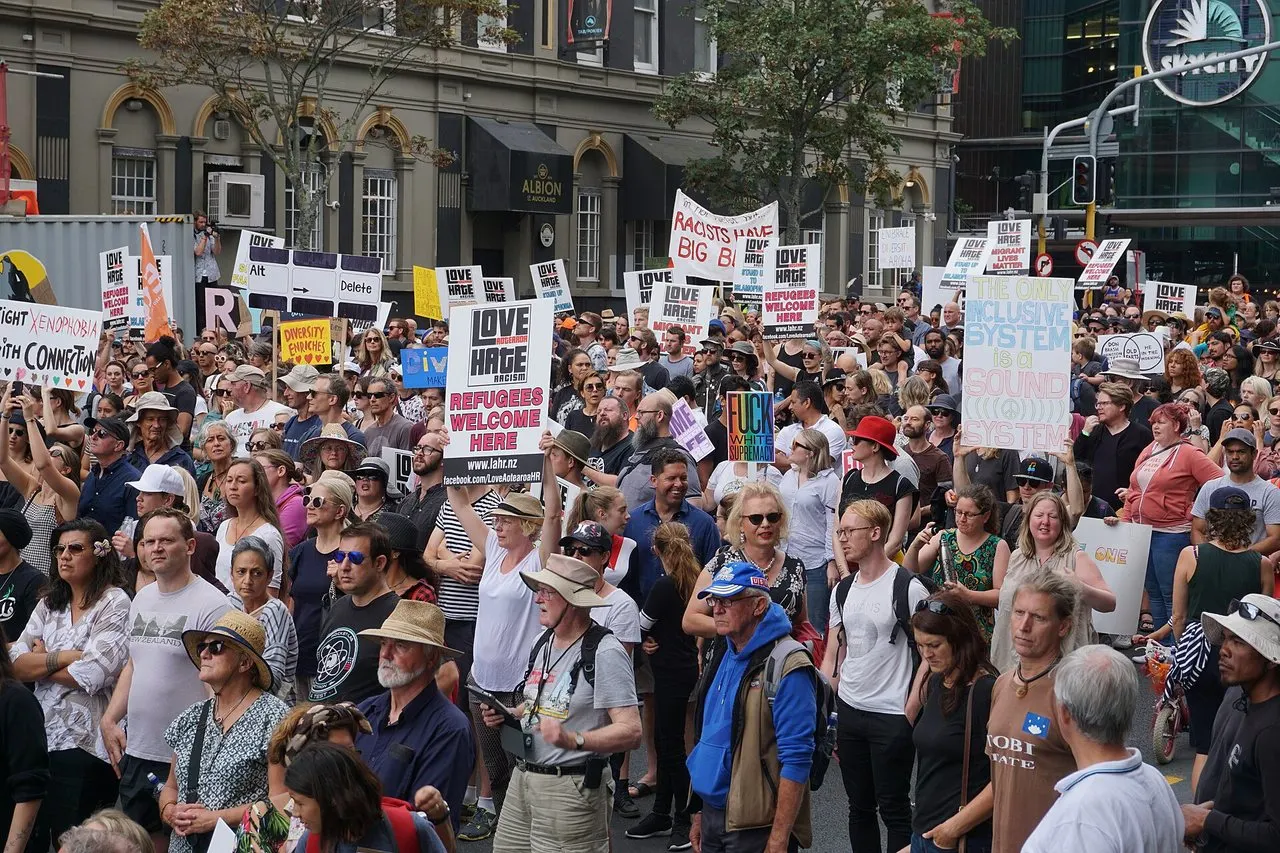
One targeted councilman calls the effort cheap bigotry, while the petitioners call it accountability, and that clash of words sits at the heart of the story. Supporters of the recall say the 7-0 vote showed a council that had stopped listening to the people it serves. Defenders of the council say a lawful vote on a land plan should not cost four officials their jobs. Both sides agree on one thing: the signatures say the vote is happening, and the voters will settle it. Read about the education control debate and the audit of government cards for more on fights.
How Texas Law Lets Voters Recall Local Officials
Texas law gives voters a way to recall local officials when a city charter allows it, and McKinney’s charter sets the bar at a set number of verified signatures. The process starts with a petition, moves to a check of every signature, and ends with an election if the numbers hold up. Recalls are meant to be hard, so that a small group cannot overturn an election on a whim, yet they remain open to any community that can gather real support. Read about the funding bill and the Boston immigration fight for more on laws that shape local life.
The McKinney Recall Vote Centers on Virginia Parkway

The site at the center of the fight sits on Virginia Parkway, where the McKinney Islamic Association plans its new building. Neighbors know the road well, and many drive it every day past homes, shops and schools. A large project on a familiar road feels close to home, and that closeness turned a land decision into a citywide debate. The road itself is now part of the story, not just an address on a plan. Read about the new detention site and a court fight over a gag order for more on places that spark debate.
What Approving a Site Plan Really Means
A site plan approval is a green light for where a building will sit, how cars and people will move around it, and how the project will fit the land. It is not the same as a building permit, which checks the walls, wiring and safety systems in detail. City staff and planners review the drawings, the council votes, and the project moves to the next stage. That is what happened in McKinney in August, when the council approved the plan 7-0. Read about a unanimous vote abroad and a proposal on court terms for more on approvals that matter.
Neighbors Say the Vote Broke Their Trust
For the residents behind the recall, the issue is trust. They say the 7-0 vote showed a council that had lost touch with the people it serves, and they point to the 6,608 verified signatures as proof that many neighbors agree. Trust is hard to win back once it is lost, and a recall is the loudest way voters can say so. The petitioners call their effort accountability, and they say the vote in May will show whether the city agrees. Read about the fight over presidential pardons and a House bill on detention for more on trust in leaders.
The McKinney Recall Vote Now Belongs to the Voters
With the petition certified and the deadline gone, the recall now belongs to the voters of McKinney. Both sides will spend the months ahead making their case, and every public meeting will draw a crowd. Voters will weigh the 7-0 vote, the 6,608 signatures and the words of the officials themselves before they mark a ballot. In the end, the decision rests with ordinary people, not with the council or the petitioners. Read about a tariffs ruling and a move on schools for more on votes that hand power back.
Recall Elections Are Rare, and They Are Hard to Win
Recall elections do not happen often, because gathering thousands of valid signatures takes time, money and a large team of volunteers. Many recall efforts stall before they reach the ballot, and many that do reach it still fail to remove anyone. That is by design, since a recall is meant to be a safety valve, not a routine tool. McKinney cleared the hardest part by certifying its petition, so its vote will be watched far beyond Texas. Read about a push for a review and a crackdown on spending for more on rare political fights.
The Calendar Runs to May 2027
The road to the vote is long: an August decision, a September petition, a certified count and a May 1, 2027 election. Each step gave the story a new date, and each date gave both sides time to organize. The calendar matters because a recall is a marathon, not a sprint, and the side that keeps its supporters engaged for months usually has the edge. For now, the next date on the calendar is election day itself. Read about a stopgap funding deal and a Florida facility for more on long waits that end in a vote.
What Would You Do in the McKinney Recall Vote?

McKinney residents have shown what it takes to force the McKinney recall vote: a clear grievance, thousands of signatures and the patience to see it through. The voters will now decide whether Mayor Bill Cox and council members Justin Beller, Geré Feltus and Ernest Lynch stay or go. If your council voted 7-0 on a plan you opposed, what would you do? Would you sign a petition, or would you wait for the next election? Share your thoughts in the comments below. Read about a clash over sanctuary rules and the Garcia case for more on voters who take action.