The Alaska Senate Race That Made History in Alaska

Alaska Senate race voters gave Democrat Mary Peltola a clear win on November 3, 2026, when she defeated two-term Republican Senator Dan Sullivan with 50.14 percent of the vote to his 45.78 percent. The ballot also carried a second candidate named Daniel J. Sullivan Jr., a retired teacher with no party affiliation, who took 1.65 percent of the vote. Peltola still finished more than 12,000 votes ahead of the incumbent, a margin that left little doubt about the result on election night in Alaska.
Alaska certified the results on Monday, and Sullivan conceded the next day, giving Democrats 56 seats in the Senate after flipping nine seats in the midterm elections. The win makes Peltola the first Alaska Native elected to the United States Senate, and the first Democrat to hold an Alaska Senate seat since 2008. In the slides ahead we look at the two men named Sullivan, the court challenge, and what the result means next. For more on votes that shaped Washington, read our report on the Greenland deal and our story about a bill to limit pardons.
References:
CNN: Mary Peltola ousts incumbent Republican Dan Sullivan in Alaska Senate race, giving Democrats 56 seats
USA Today: Mary Peltola defies 2 Dan Sullivans, Trump to win Alaska Senate seat
Wall Street Journal: Democrat Mary Peltola Unseats Alaska GOP Sen. Dan Sullivan
Democracy Docket: Alaska certifies Democratic Senate win, starting clock for next wave of challenges
The Alaska Senate Race Result on November 3
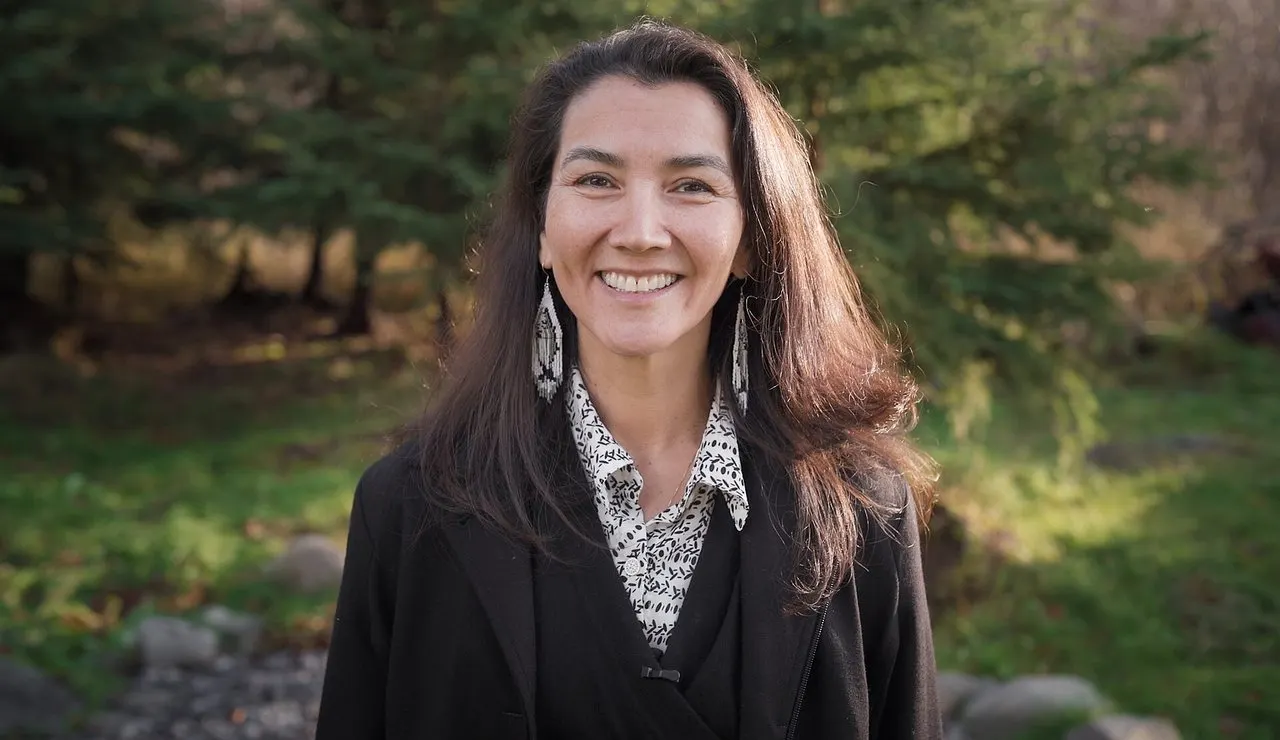
On November 3, 2026, voters in Alaska chose Mary Peltola for the United States Senate, and the numbers told a clear story by the end of the night. Peltola won 50.14 percent of the vote, while Senator Dan Sullivan won 45.78 percent, a gap that put her firmly in front. The night showed that a strong campaign and a clear message can still win in a hard place. Read our report on an Alaska summit and our story about a deal from the Philippines.
Two Men Named Sullivan on One Ballot

The most talked about part of this vote was the second name on the ballot, Daniel J. Sullivan Jr., a retired teacher with no party affiliation. He was not the senator, and he was not part of either major party, yet his name looked much like the name of the man in office. He took 1.65 percent of the vote, a small share that still drew wide attention across the country. See our story about a Senate hearing and our report on a fight over the FAA.
A Lead of More Than 12,000 Votes
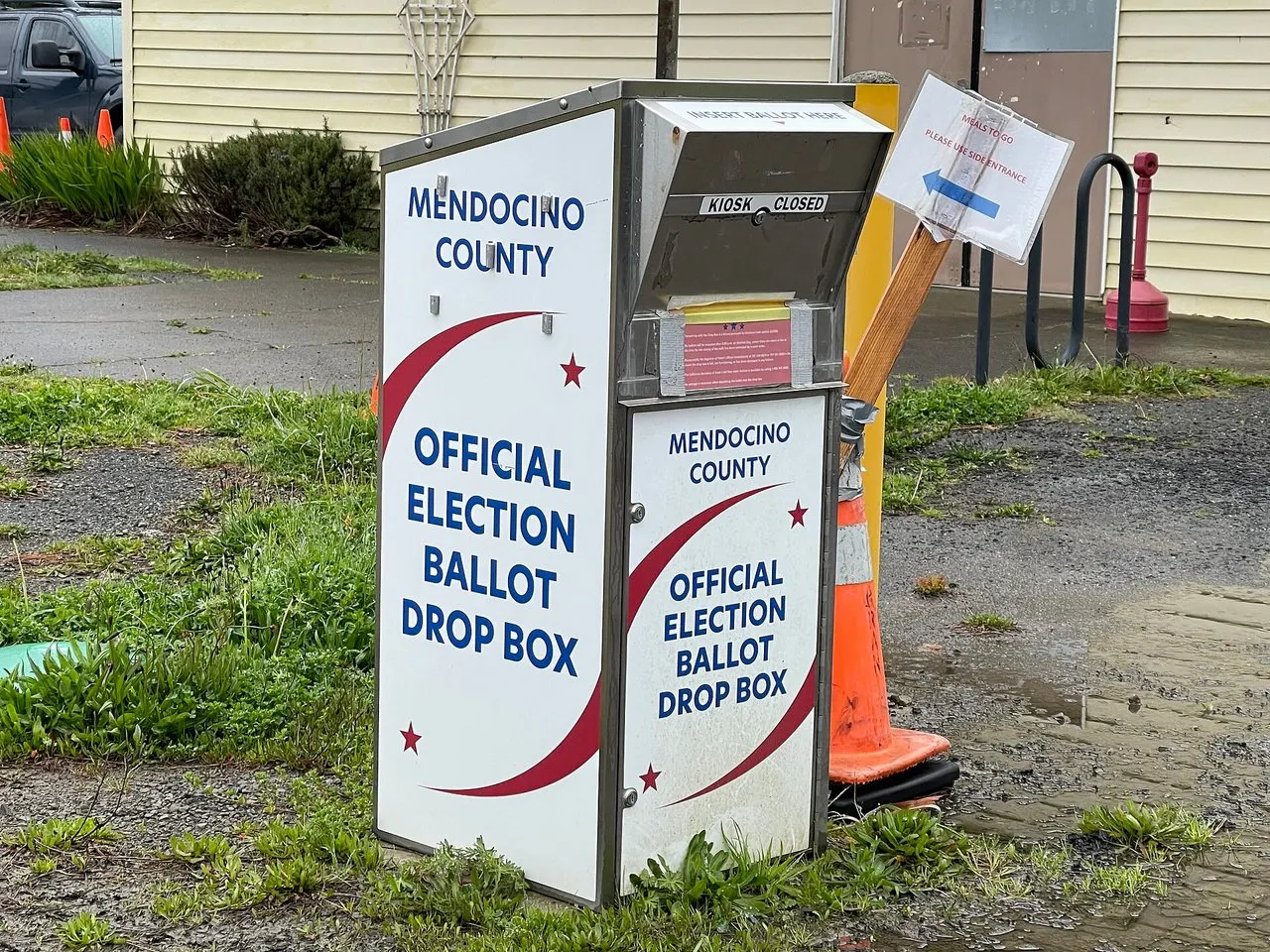
Even with a second Sullivan on the ballot, Peltola finished more than 12,000 votes ahead of the incumbent senator, a lead that is hard to miss in a statewide contest. It came from support spread across the state, from towns and villages that each added their share to the total. When a lead is that wide, both sides can see the outcome plainly, and the winner can plan for the work ahead with confidence. Read our story about a presidential visit to a tennis final and our report on National Guard plans.
The Alaska Senate Race and the 56 Seat Majority

Peltola’s win gave Democrats 56 seats in the Senate, a number that changes how the chamber works day by day. A majority of that size helps a party set the agenda, move bills to a vote, and fill key roles in committees that shape laws. The Senate has 100 seats in all, so 56 seats is a working majority with room to spare, though it still takes care and patience to pass big laws. See our report on a crime crackdown and our story about a new White House portrait.
Nine Seats Flipped in the Midterms
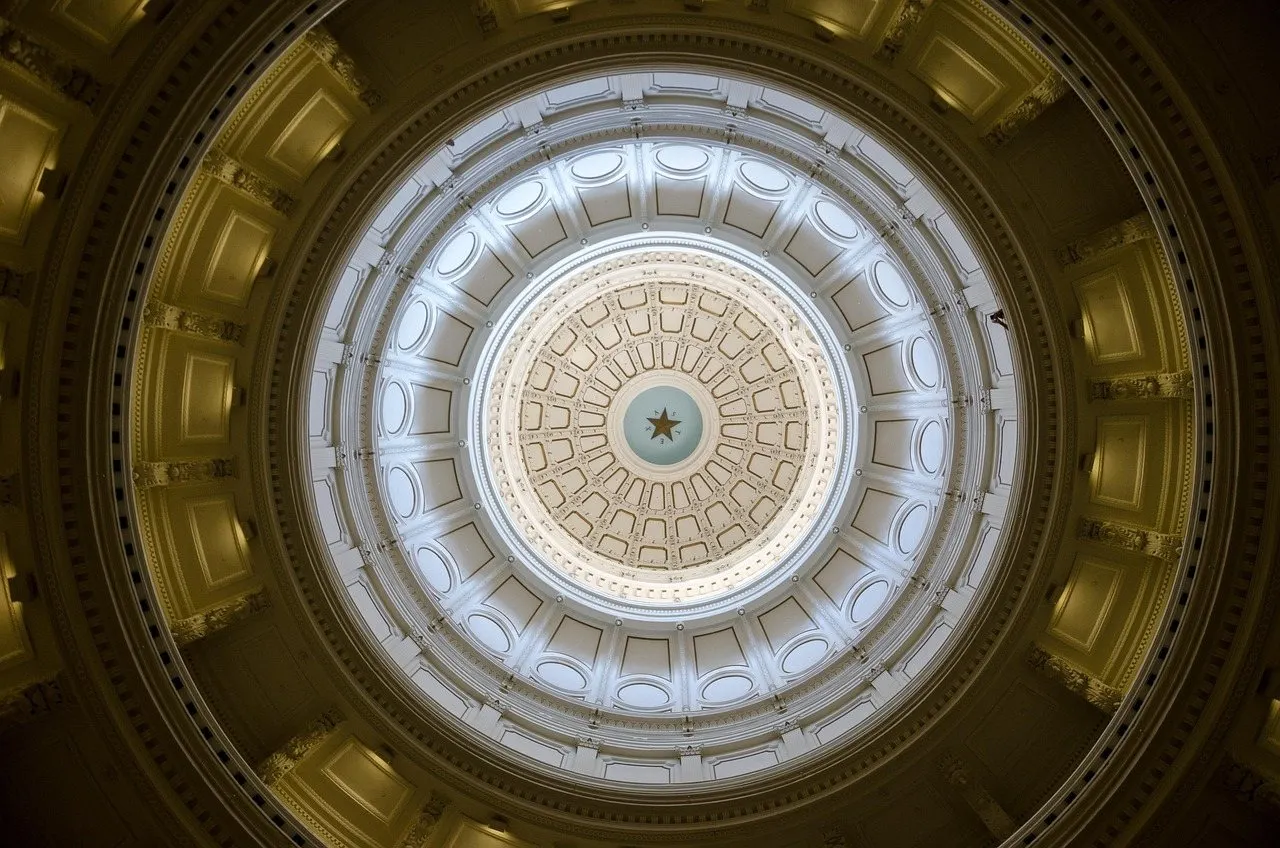
The Alaska result was part of a much larger night, as Democrats flipped nine seats in the midterm elections to reach 56 seats in the Senate. Flipping nine seats is a big shift, and it means many states moved in the same direction on the same night. Alaska was one of those states, and its result helped turn a close chamber into a clear majority. Read our story about a restaurant owner facing deportation and our report on a reporter starting a newsletter.
A First in the Alaska Senate Race
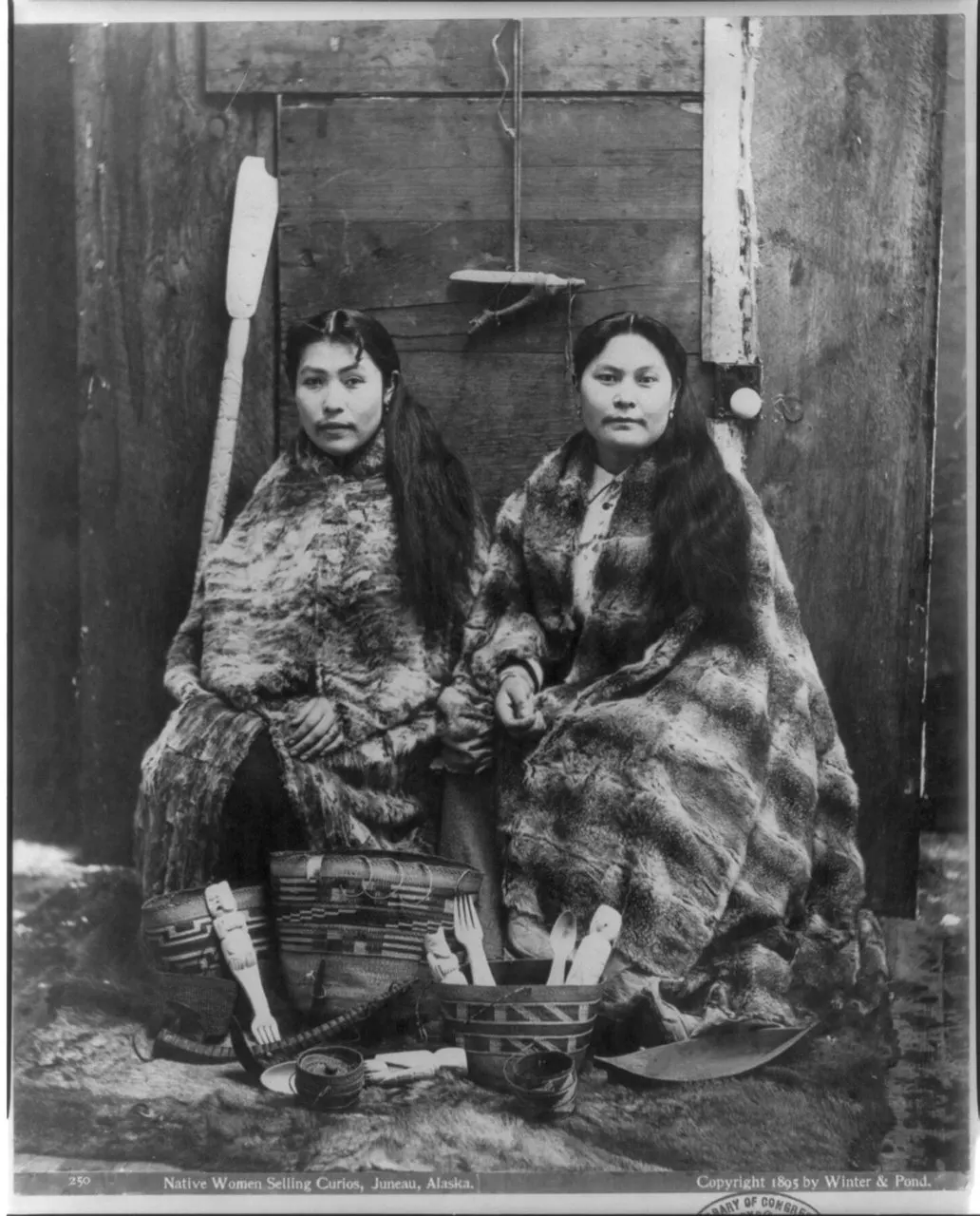
Peltola’s win makes her the first Alaska Native elected to the United States Senate, a milestone that means a great deal to many people in Alaska. Alaska Native peoples have lived in Alaska for thousands of years, and their cultures and communities are a central part of the state. Having a voice from those communities in the Senate brings a new view to debates about land, fishing, health care, and daily life in remote towns. See our story about the Education Department and our report on a senator criticizing a president.
The First Democrat Since 2008
Peltola is also the first Democrat to hold an Alaska Senate seat since 2008, which shows how rare this kind of win has been in the state. Alaska has often favored Republican candidates in Senate contests, so a Democratic win there draws attention far beyond the state. The last Democrat to hold the seat left office long ago, and now the seat changes hands again. Read our story about articles of impeachment and our report on a possible 2028 run.
The Alaska Senate Race Reaches Certification Day

Alaska certified the results on Monday, a formal step that turns a vote count into an official result. Certification is the point when election officials check the counts, confirm the totals, and sign off on the outcome for the record. Once the count is certified, the winner can move ahead with plans to take office, and the loser can accept the result with the facts in hand. See our story about a toddler hurt by wasp stings and our report on a Hollywood star being smashed.
A Concession the Next Day
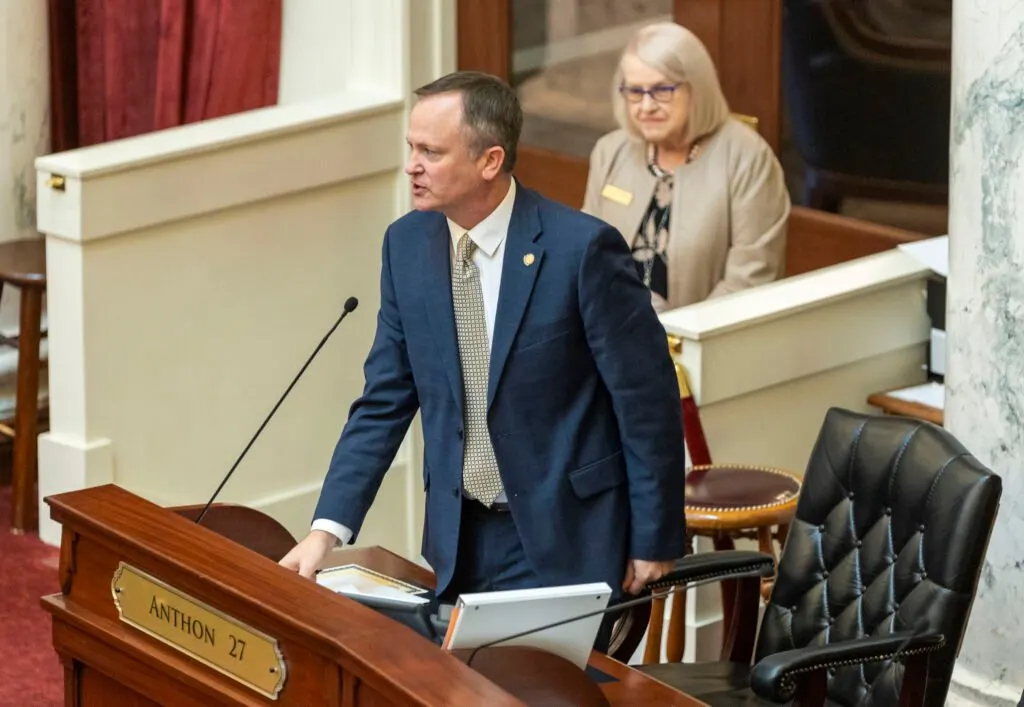
Senator Dan Sullivan conceded the next day, after the results were certified, and a concession is a simple but strong act in American politics. It means the losing candidate accepts the result and wishes the winner well in the work ahead. A clear concession helps the public trust the outcome and lets the new senator begin without a long fight over the count. Sullivan had served two terms in the Senate, and his concession closed a long chapter in Alaska politics with grace. Read our report on the Greenland deal and our story about an Alaska summit.
The Alaska Senate Race and the Court Challenge
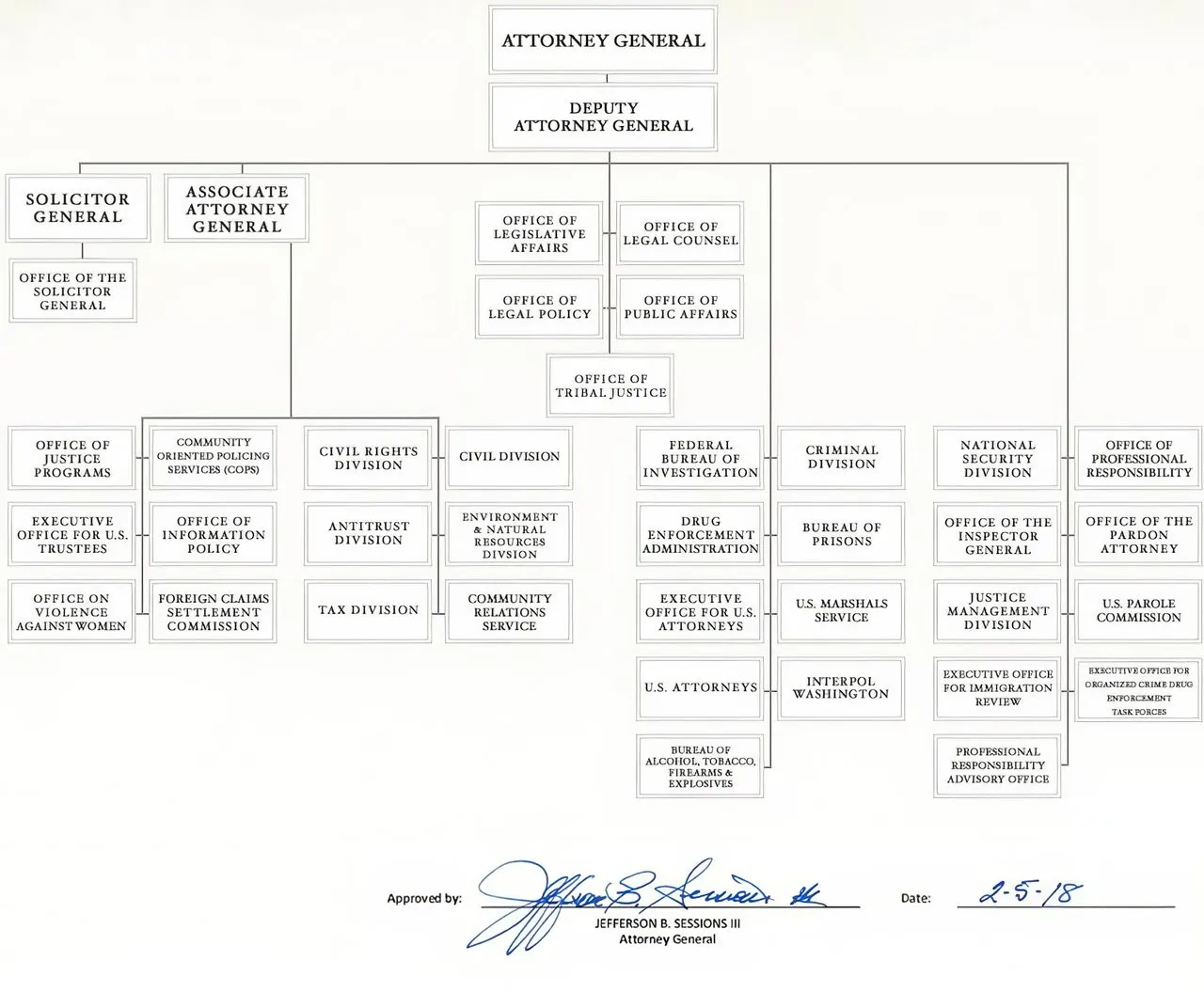
Before the result was final, President Donald Trump had asked the Justice Department to block certification over the two Sullivans on the ballot. In the end, the department dropped its lawsuit as moot once the count was complete, which means the case no longer had a live issue to decide. The certification then stood as the final word. See our story about a deal from the Philippines and our report on a Senate hearing.
What a Senate Seat Means for Alaska

A seat in the United States Senate gives Alaska a strong voice in Washington, where laws about land, energy, fishing, and defense are made. Senators serve six year terms, and they vote on judges, treaties, and budgets that touch daily life in every state. Peltola will now carry those needs into debates where each vote can change the result. Read our story about a bill to limit pardons and our report on a presidential visit to a tennis final.
How Votes Are Counted and Checked
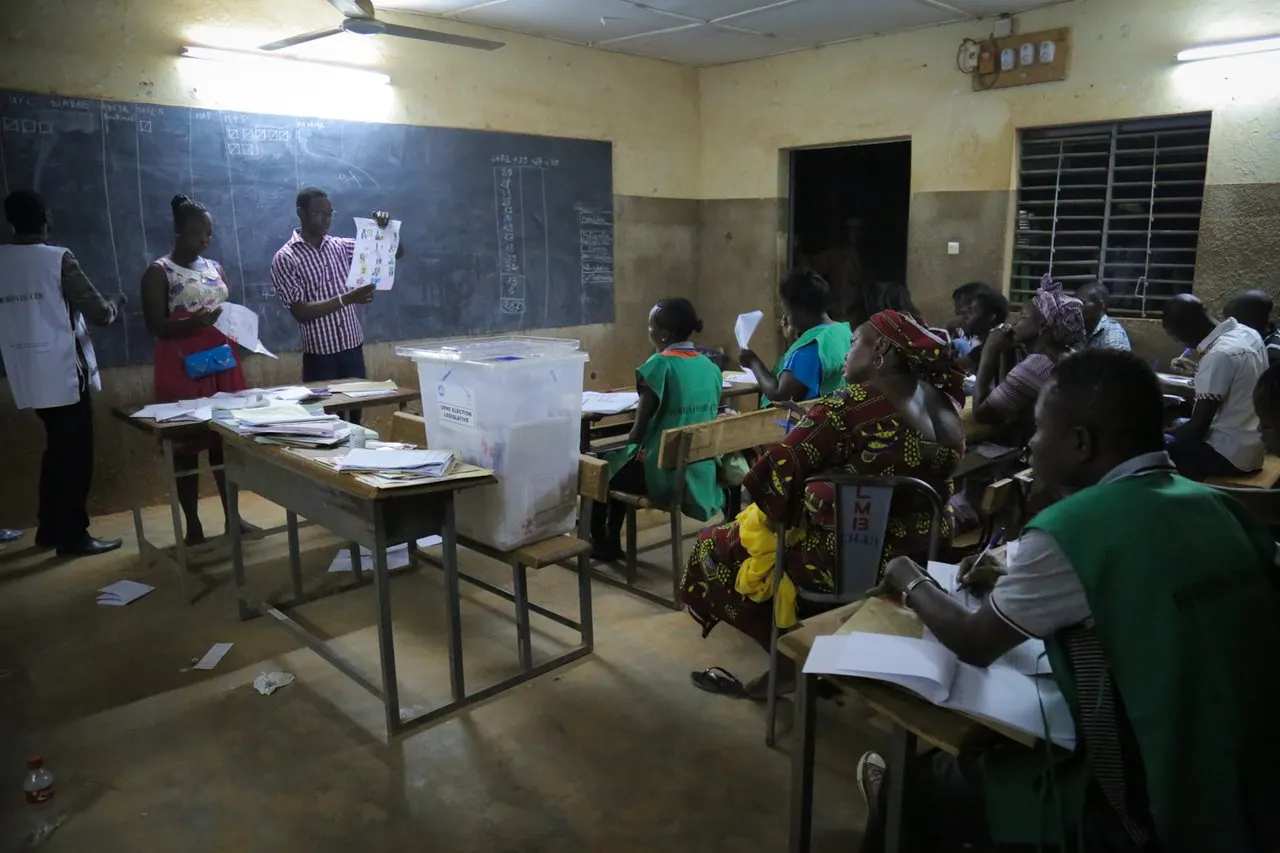
Counting votes takes time, care, and many hands, and Alaska is no exception to that rule. Election workers collect ballots from towns and villages, check them against the rolls, and add them up in a careful order. Counts are then checked again before officials certify the result, so that errors can be caught and fixed. This slow and steady work is why results are not always final on election night, and why patience is part of every close contest. See our story about National Guard plans and our report on a crime crackdown.
Why Two Similar Names Caused Confusion
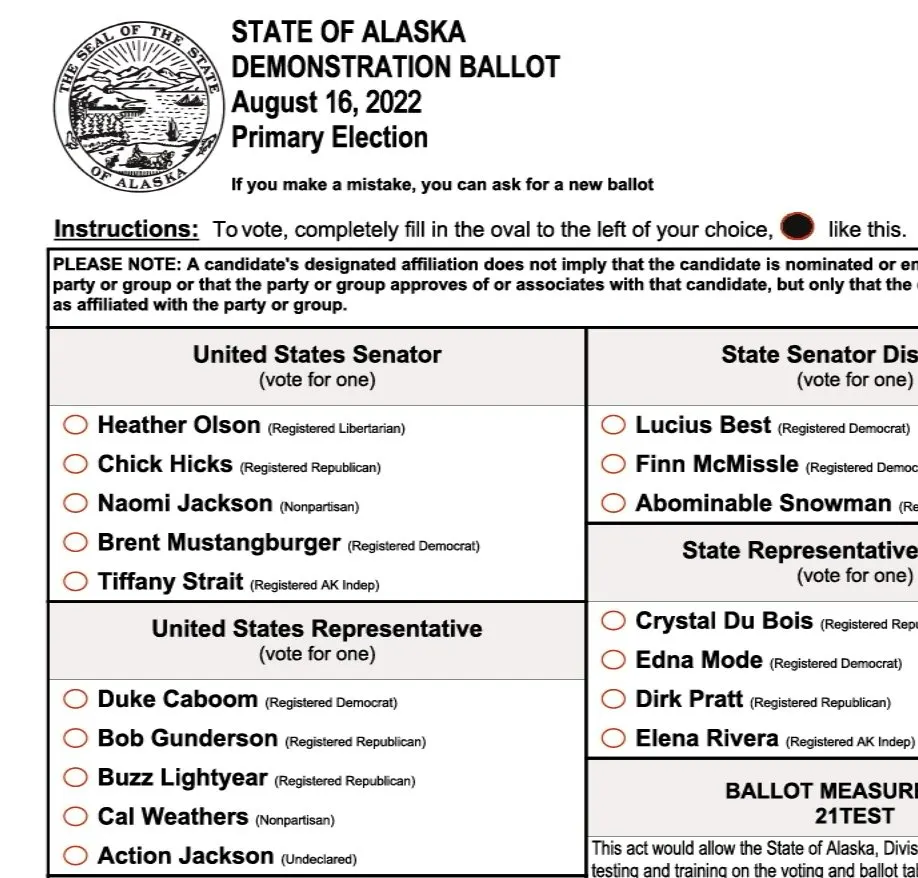
Two men with the same last name and similar first names on one ballot is rare, and it is easy to see why it caused talk across the country. Voters look for a name they know, and when two names look alike, they must read the ballot with extra care. In Alaska, the extra Sullivan took only a small share, yet the story of the two names spread far. Read our story about a new White House portrait and our report on a restaurant owner facing deportation.
The Alaska Senate Race in National Politics
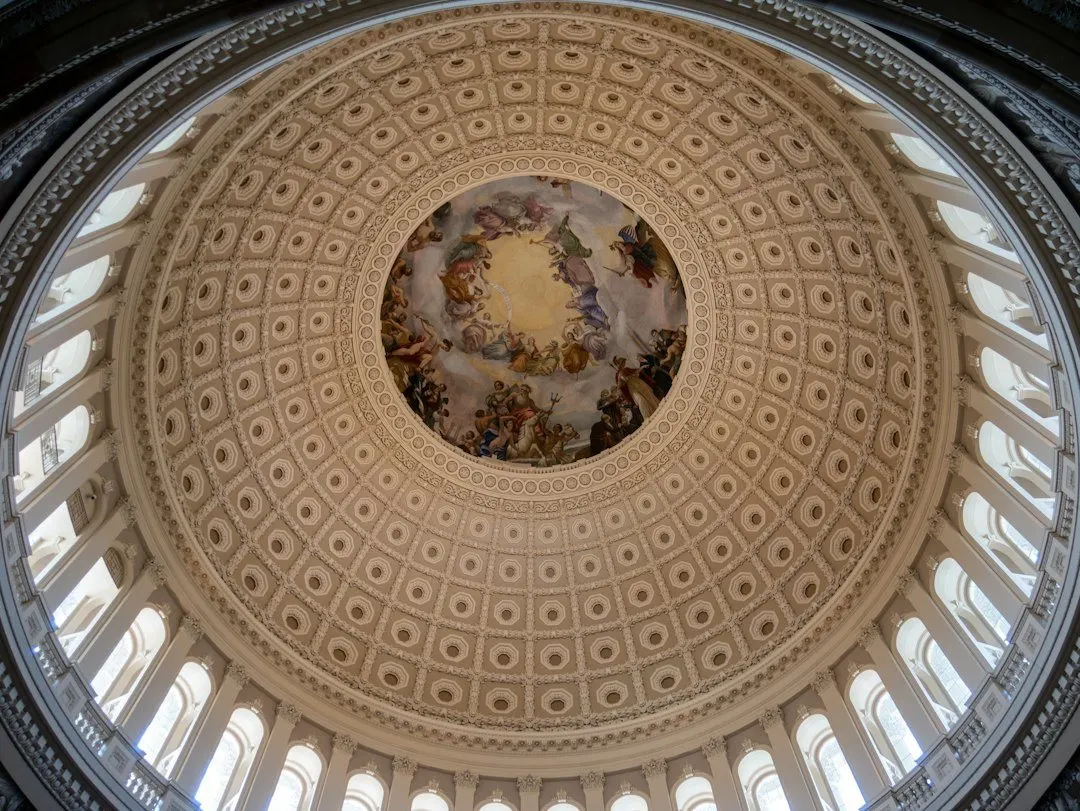
This contest drew eyes from across the country because it touched on big themes in national politics, from party control to trust in elections. A Senate seat in Alaska may seem far from Washington, yet its result helped set the balance of power for the years ahead. National leaders, reporters, and voters all watched the count because they knew the stakes were high. When a small state casts a vote with large effects, the whole country takes note of what happened there. See our story about a reporter starting a newsletter and our report on the Education Department.
What Happens After a Senate Win

After a win like this, the new senator prepares to take the oath of office, join committees, and hire staff to serve the people back home. The first weeks are full of meetings, briefings, and plans for the laws the senator hopes to support. A senator also keeps close ties to the state, with offices that help people solve problems with federal agencies. For Peltola, the work now turns from winning votes to using them well for Alaska. Read our story about a fight over the FAA and our report on a Hollywood star being smashed.
The Alaska Senate Race Put Alaska on the Map

Alaska is the largest state in the country by land, and its people live in cities, small towns, and remote villages spread across great distances. Its landscape holds mountains, glaciers, forests, and long coastlines that shape how people travel, work, and live. A Senate contest there can feel distant to people in other states, yet its result can still shape the nation. This win put Alaska at the center of the national story for a few bright days. See our story about a senator criticizing a president and our report on articles of impeachment.
What Do You Think About This Result
Peltola beat two men named Dan Sullivan, flipped a Senate seat, and made history as the first Alaska Native in the United States Senate. Did the result surprise you, or did you see it coming as the votes were counted? What do you think this win will mean for Alaska, and for the Senate in the years ahead? Share your thoughts in the comments below, and tell us what you would ask Peltola first if you met her. Read our story about a possible 2028 run and our report on a toddler hurt by wasp stings.