Starship Rocket Debris Washes Up on a Mexico Beach
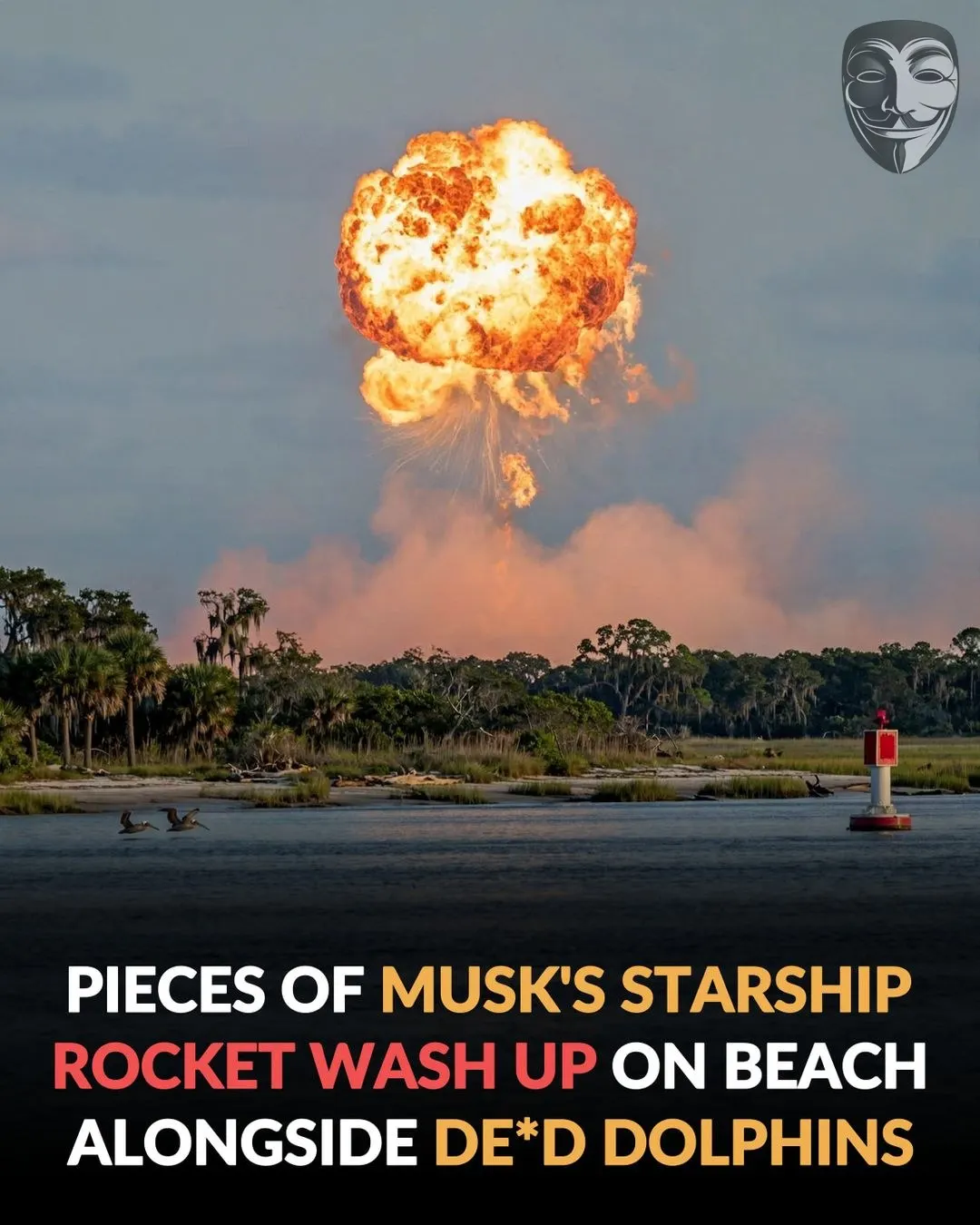
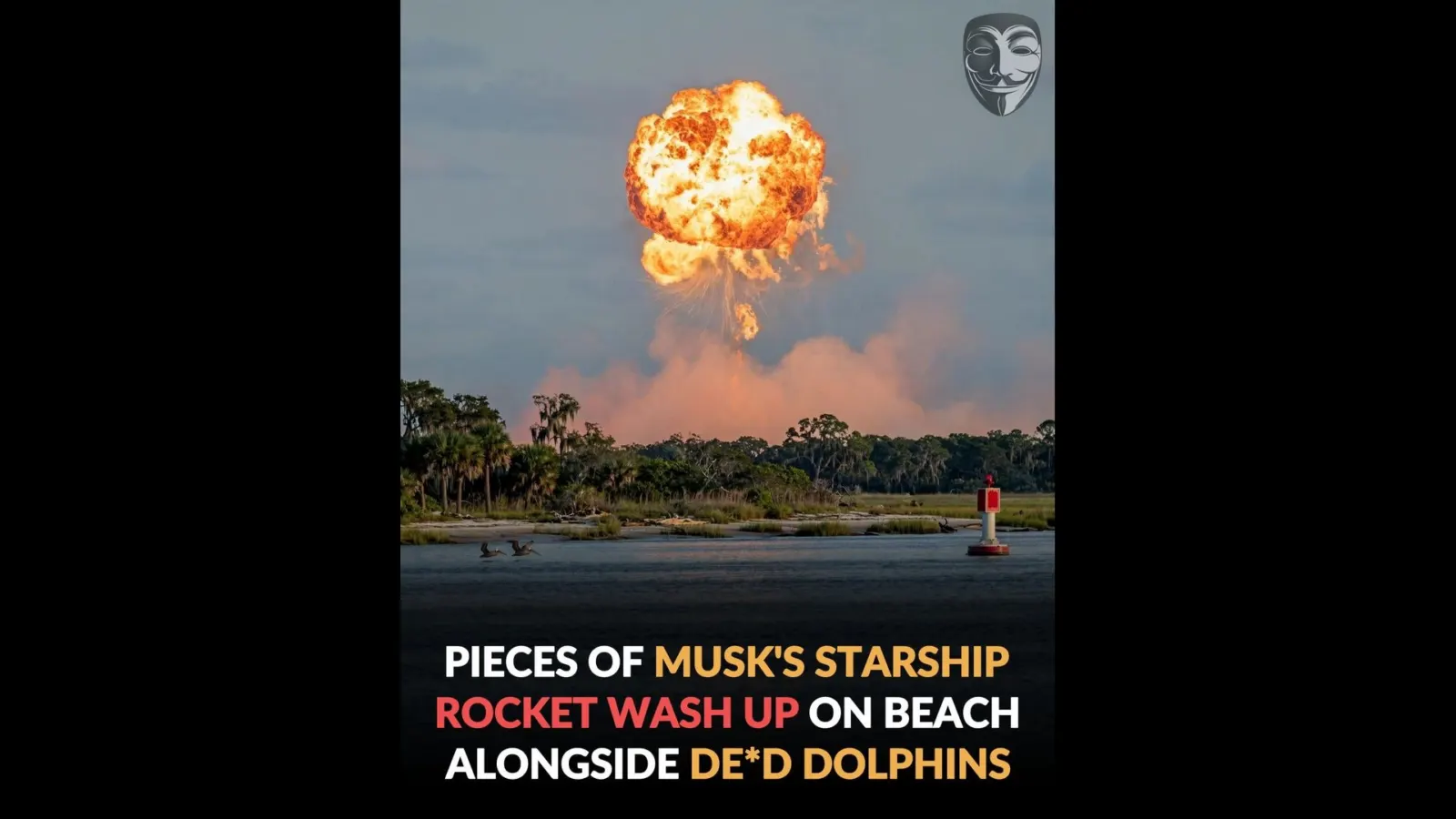
Starship rocket debris washed up on Bagdad Beach near Matamoros in Mexico days after SpaceX lost its Super Heavy booster over the Gulf of Mexico on November 13. The booster was flying on Starship’s 15th test flight when its engines shut down too soon, and the team called off the planned catch at Starbase in Texas. Days later, beach walkers began to find pieces of the rocket on the sand, and the story quickly spread. For background, see our earlier report on a Starship test flight that scattered debris.
Conservation group Conibio Global says it has collected at least 1,500 fragments from the beach, and dead dolphins and sea turtles were found on the same shoreline. No link between the debris and the deaths of the animals has been established yet, and SpaceX says its own checks found little material clearly tied to the flight. Mexican officials have asked the company to take responsibility. In the slides ahead we look at the flight, the beach and the wildlife. Also read how Musk’s Starlink was switched on over Iran.
References:
The Independent: Bits of Elon Musk’s Starship rocket wash up on beach alongside de*d dolphins
Texas Public Radio: Mexico says SpaceX must take responsibility as suspected rocket debris washes ashore near Texas
Newsmax: Mexico Presses SpaceX Over Suspected Starship Debris
The Cool Down: At least 1,500 suspected SpaceX fragments litter beach as officials warn public not to touch them
The Test Flight Behind the Starship Rocket Debris
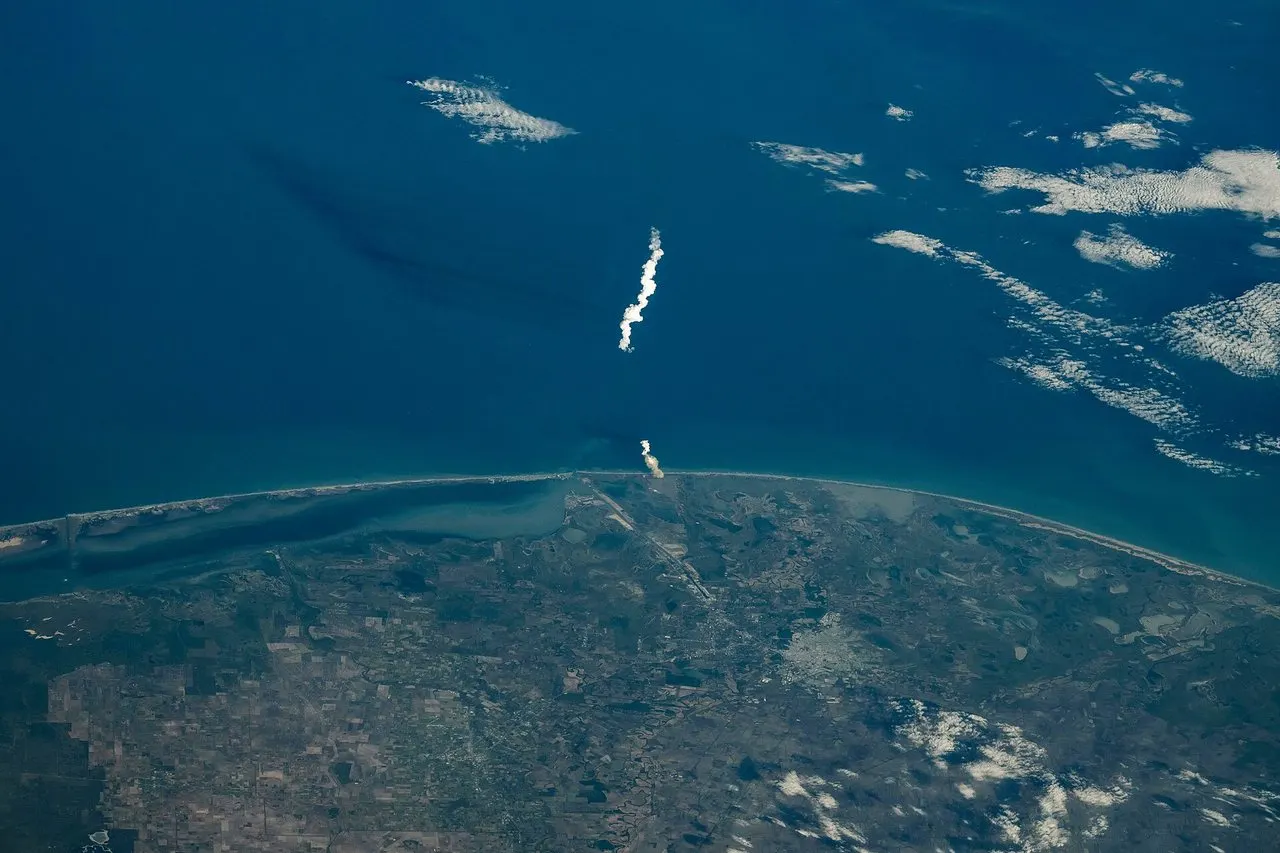
Starship lifted off on November 13 for its 15th test flight, one step in a program that tests the rocket before it carries people and cargo. The Super Heavy booster is the lower half of the vehicle, meant to push the ship toward space before it turns back for the catch. On this flight the engines shut down too soon, so the catch was called off. The Starship rocket debris found days later told the rest of the story. Read our earlier Starship test flight report and how Neuralink may help blind people see.
The Booster Explodes Above the Gulf
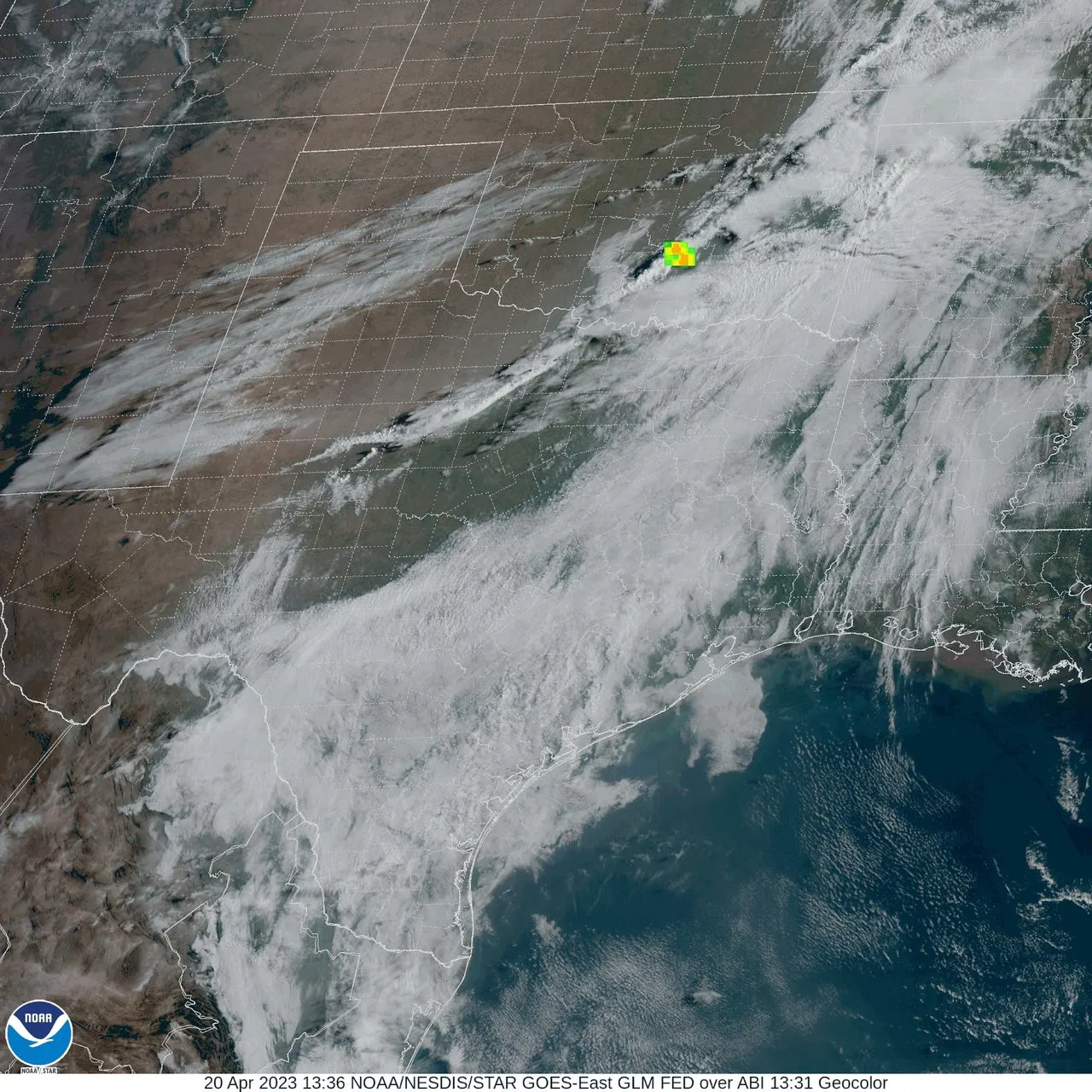
The rocket ended up exploding a few metres above the waves of the Gulf of Mexico, off the Texas coast. When a booster fails at that height, its pieces can spread across a wide stretch of water, and wind and waves carry the lighter fragments toward shore. That is why trouble did not show on land at once, but days later, when pieces began to wash up on the sand. For more on the program, see our earlier report on a Starship test flight and how Musk’s Starlink was switched on over Iran.
Starship Rocket Debris Reaches Bagdad Beach
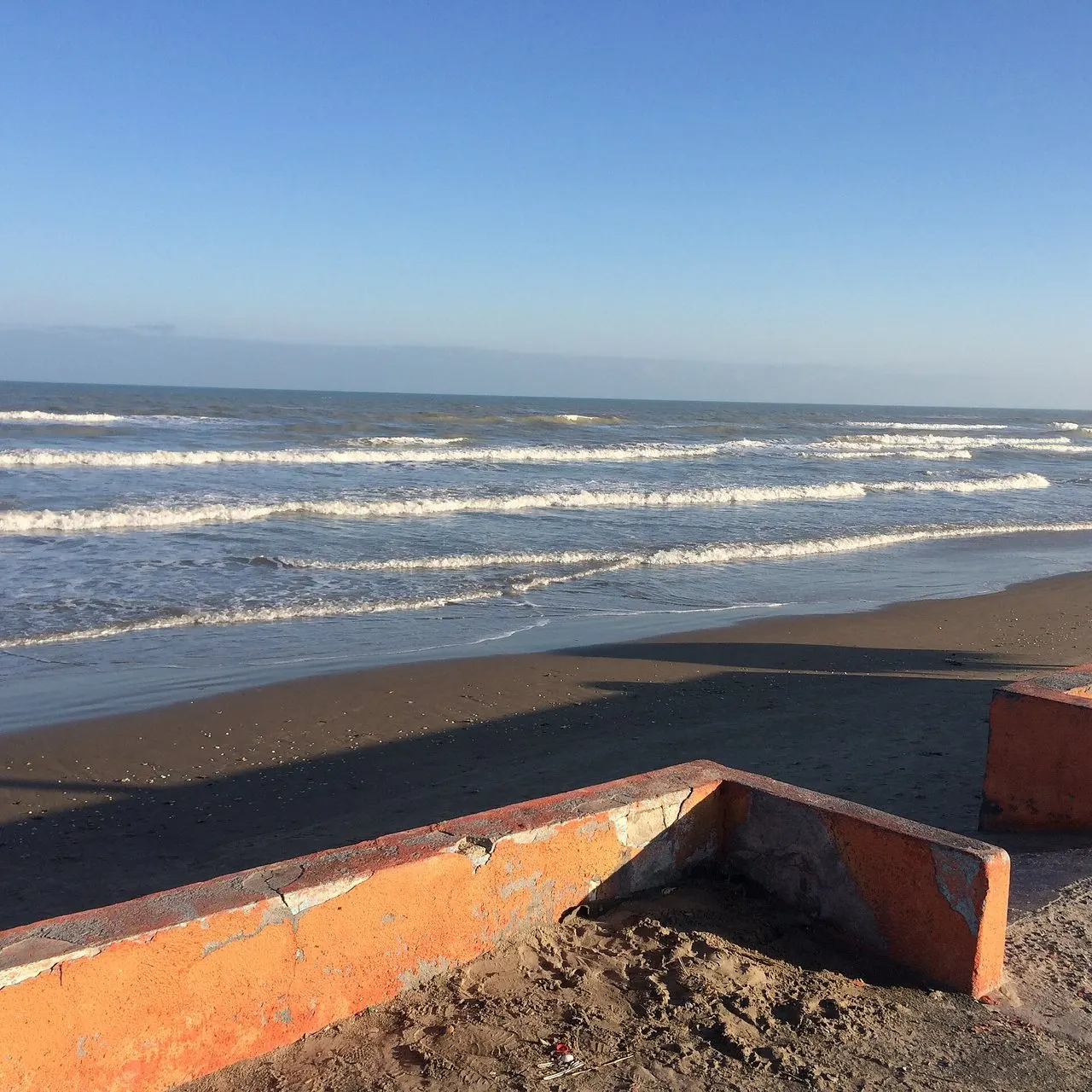
Bagdad Beach sits near Matamoros in Mexico, just south of the launch site at Starbase in Texas, where the sea first set the fragments down. The beach is a long, quiet stretch of sand on the western shore of the Gulf, near where the Rio Grande meets the sea. People who walk there found pieces of metal mixed in with shells and seaweed. Each find added to a growing picture of how far the booster had spread. Read how Starlink was switched on over Iran and our report on a Texas owner facing deportation.
Volunteers Gather at Least 1,500 Fragments
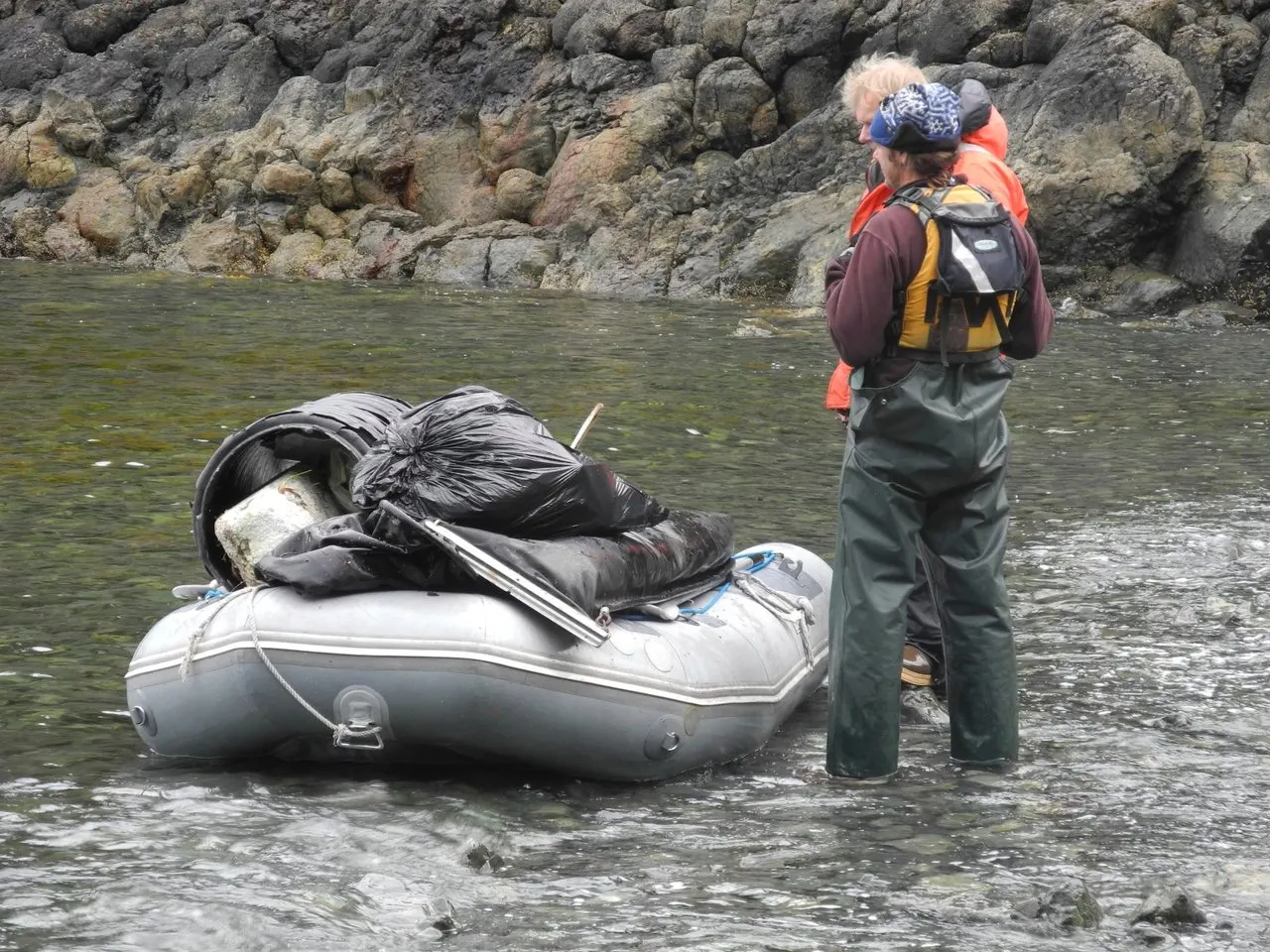
Conservation group Conibio Global says it has collected at least 1,500 fragments from the beach, a count that shows how widely the booster broke apart. Volunteers and staff walked the sand day after day, picking up pieces by hand and sorting what they found. The work is slow, because the fragments range from large chunks to small bits that hide in the sand. Each bag of material is one more piece of the puzzle. Learn how Neuralink hopes to help blind people see and how officers responded to protests in Los Angeles.
Dolphins and Turtles Found Near the Starship Rocket Debris
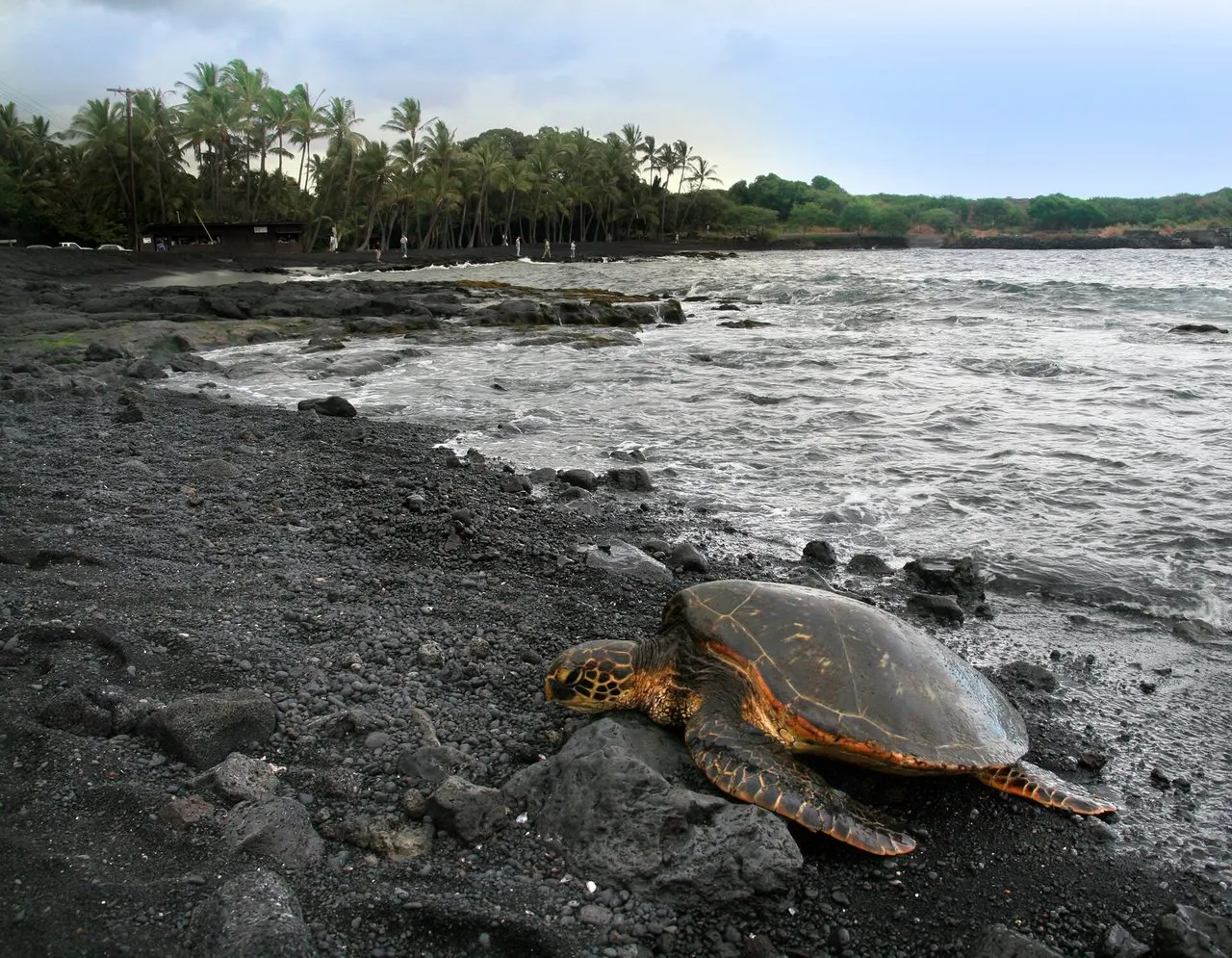
Dead dolphins and sea turtles were found on the same shoreline where the fragments washed up, a sad find that raised hard questions. Dolphins and turtles live in the Gulf all year, and the coast near Matamoros is part of their home range. Beach teams found the animals during the same walks that turned up the rocket pieces. Their deaths have not been tied to the debris, but the sight upset many people. Read how Neuralink hopes to help blind people see and the ships that collided near Scarborough Shoal.
No Link to the Animals Has Been Found Yet
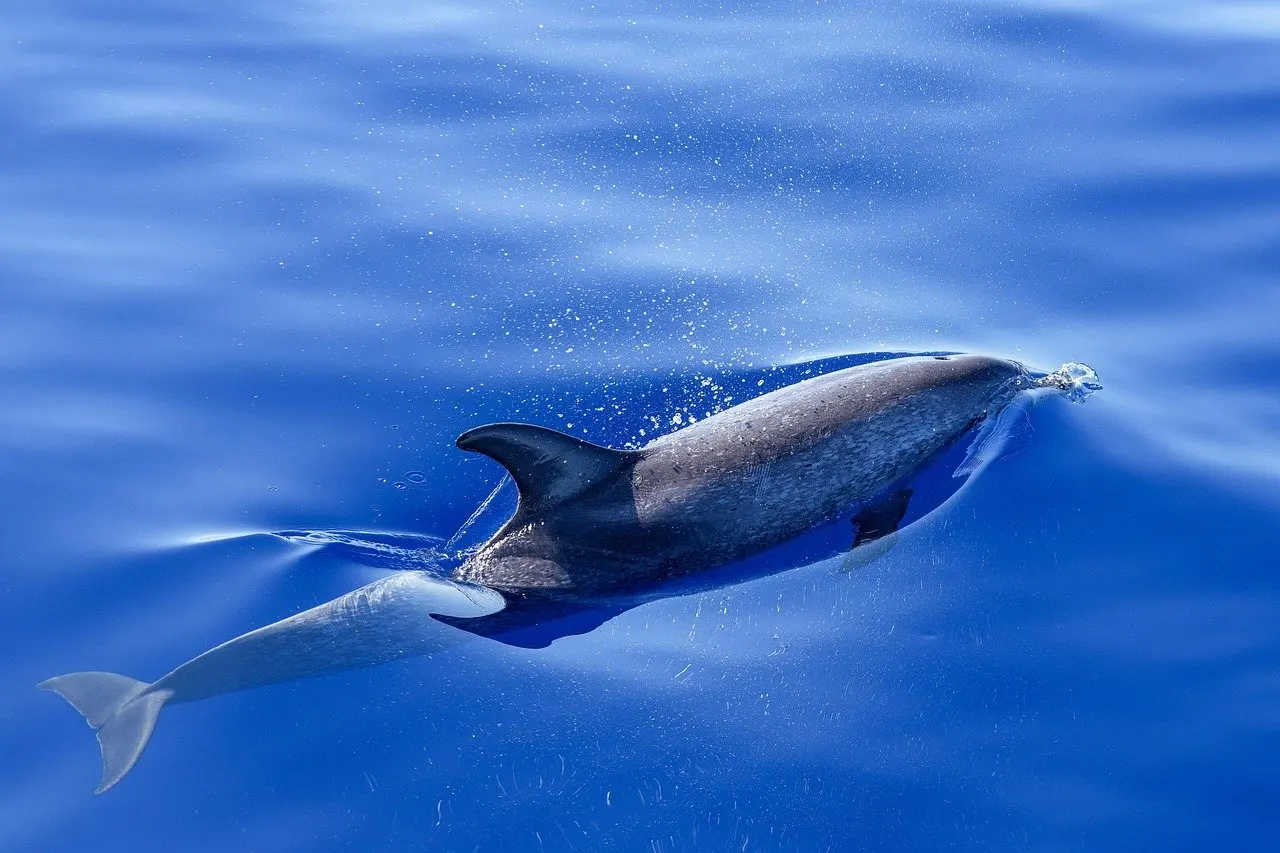
No link between the debris and the deaths of the animals has been established yet, and that careful wording matters. A dead dolphin on a beach can have many causes, from illness and fishing nets to a strike by a boat, and only tests can narrow the list down. Scientists need time to study the animals and the fragments side by side before they can say what happened. Until then, the two finds share a beach but not a proven cause. See the court fight over tariffs and the federal crime crackdown after D.C..
What SpaceX Says About Its Own Checks
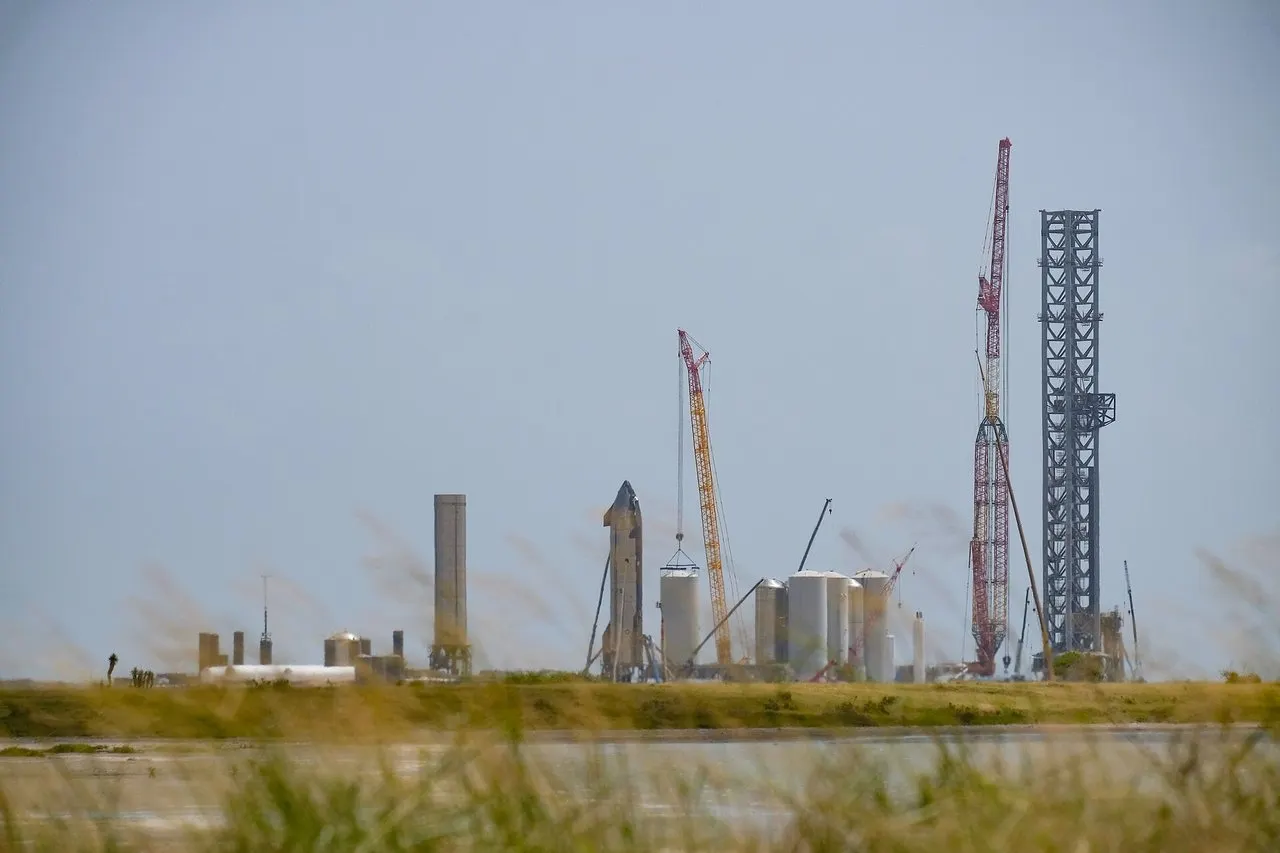
SpaceX says its own checks found little material clearly tied to the flight, a finding that leaves the question open. The company has run many test flights from Starbase, and its teams know the rocket well, so their view carries weight with people who follow the program. Mexican officials and local groups are still gathering their own material from the sand. The two sides may yet agree once more pieces are studied. Read how the Supreme Court was asked to rule on tariffs and the flag dispute at the Los Angeles protests.
Mexico Asks SpaceX to Answer for the Starship Rocket Debris

Mexican officials have asked the company to take responsibility for what washed ashore, a step that turns a cleanup into a question of who pays and who acts. When debris from a launch in one country lands in another, the rules are rarely simple, and talks can take time. Mexico says the material came from the failed flight, while SpaceX says its checks found little proof so far. The beach will not wait, so the cleanup goes on. See the tariffs case now before the Supreme Court and the viral White House window video.
Meet the Super Heavy Booster
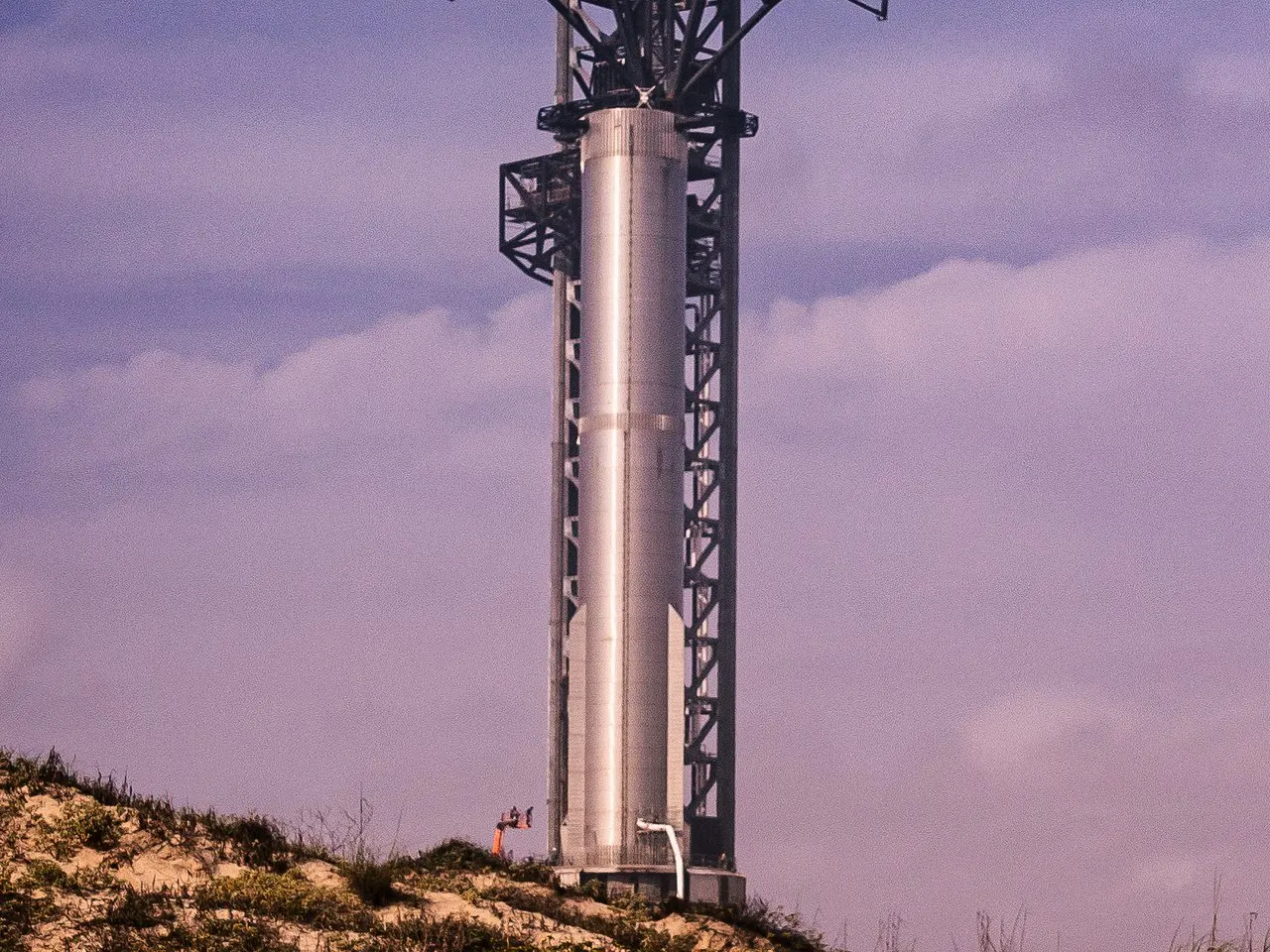
The Super Heavy booster is the giant first stage of Starship, the part that lifts the whole rocket off the pad with the push of many engines firing at once. It is built to come back after launch and be caught by the arms of the launch tower, a trick that saves the booster for another flight. On November 13 the engines shut down too soon, so the catch was called off and the booster was lost over the sea. Read how federal action spread to more cities and the review that ended most USAID programs.
Starbase on the Texas Coast
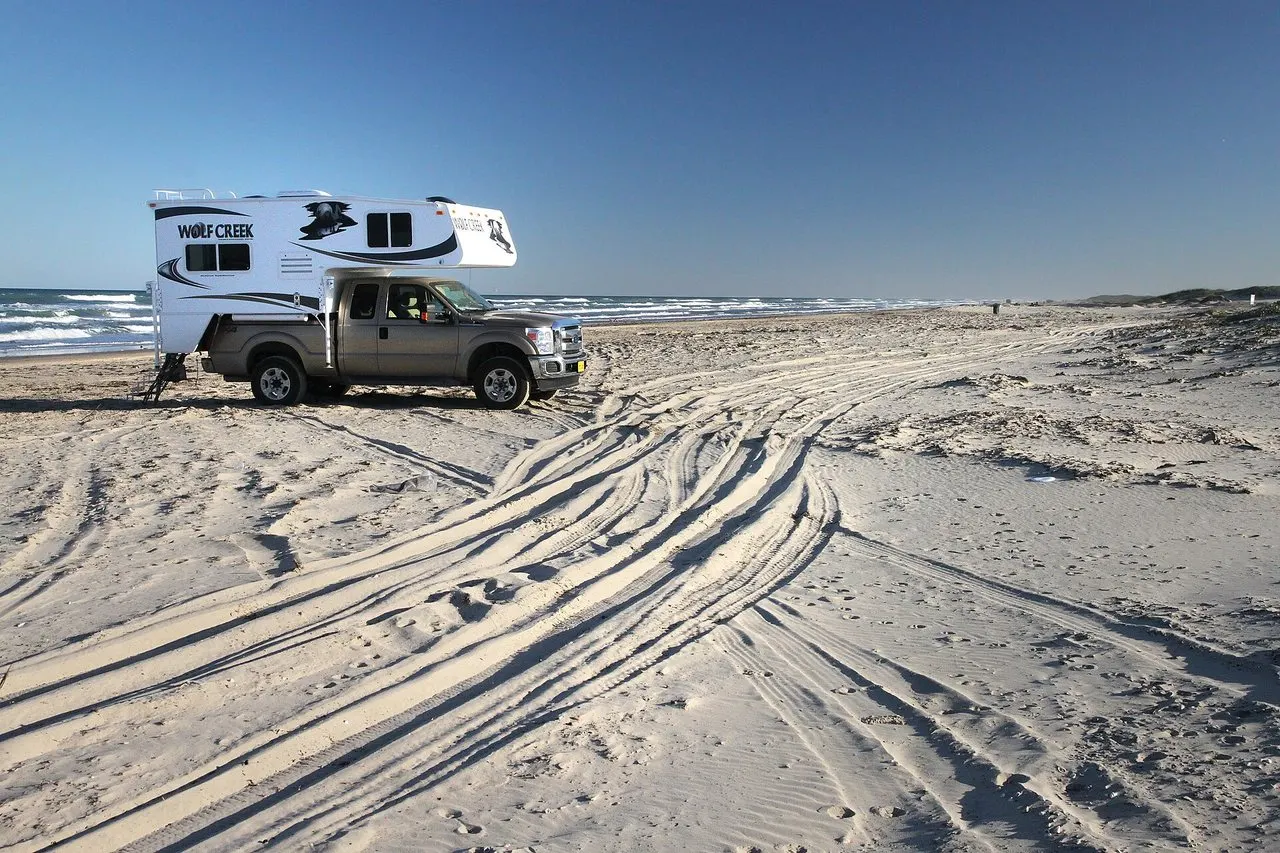
Starbase is the SpaceX launch site at Boca Chica in Texas, a flat stretch of coast where the rockets rise over the Gulf of Mexico. The site sits close to the border with Mexico, which is why debris from a failed flight can end up on a Mexican beach within days. Boca Chica Beach is a quiet place of sand and dunes, and it draws rocket watchers as well as fishermen. The town of Brownsville lies not far away. See the debate over federal action in big cities and the memoir row over the border czar label.
Why Starship Rocket Debris Matters for the Beach
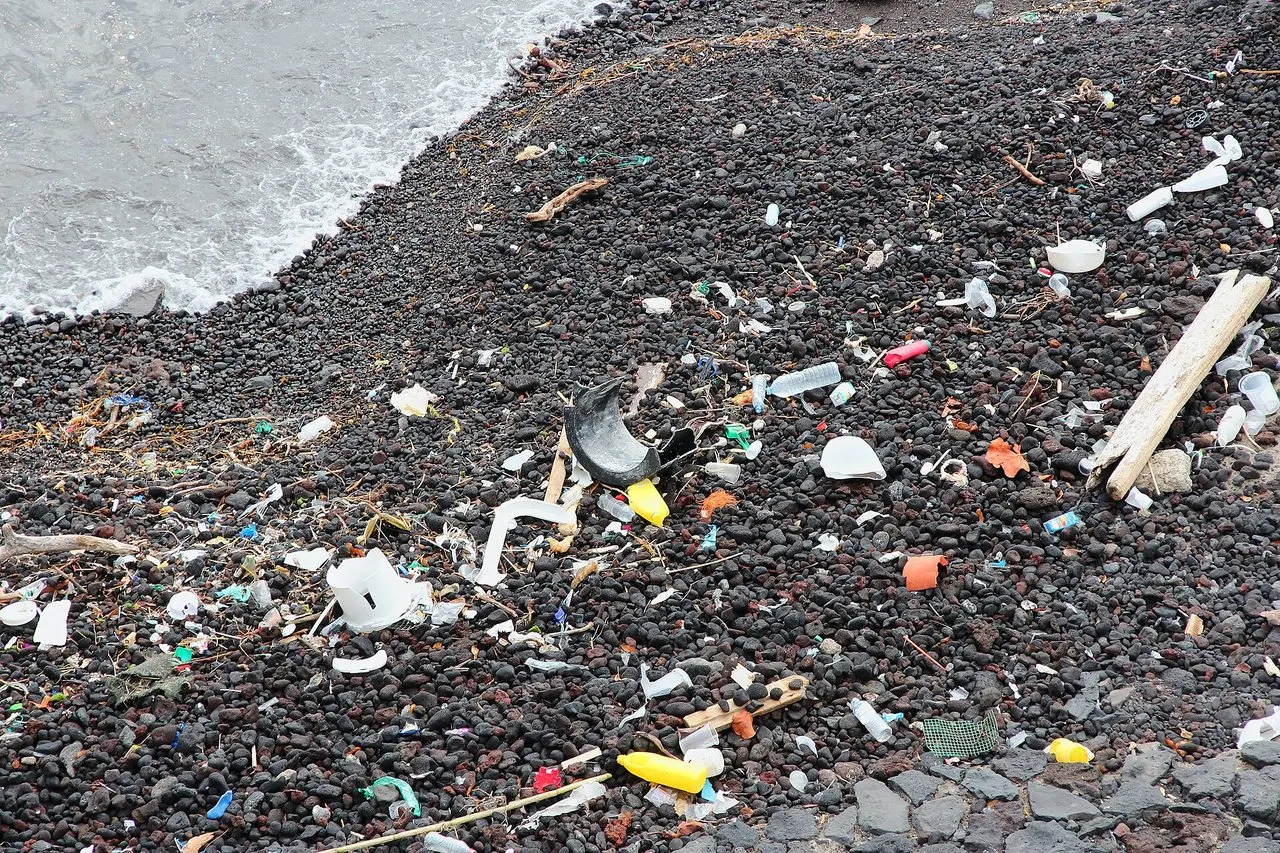
Rocket debris on a beach is more than litter, because metal fragments can have sharp edges and may carry fuel or other chemicals from the flight. That is why officials warned the public not to touch the pieces, and why trained teams do the collecting instead. On a beach used by wildlife and by people, even small fragments can cut feet or paws, and larger pieces can block the sand where turtles nest. Read our report on the Los Angeles protests and how USAID programs were cut after review.
How to Stay Safe Around Fallen Debris
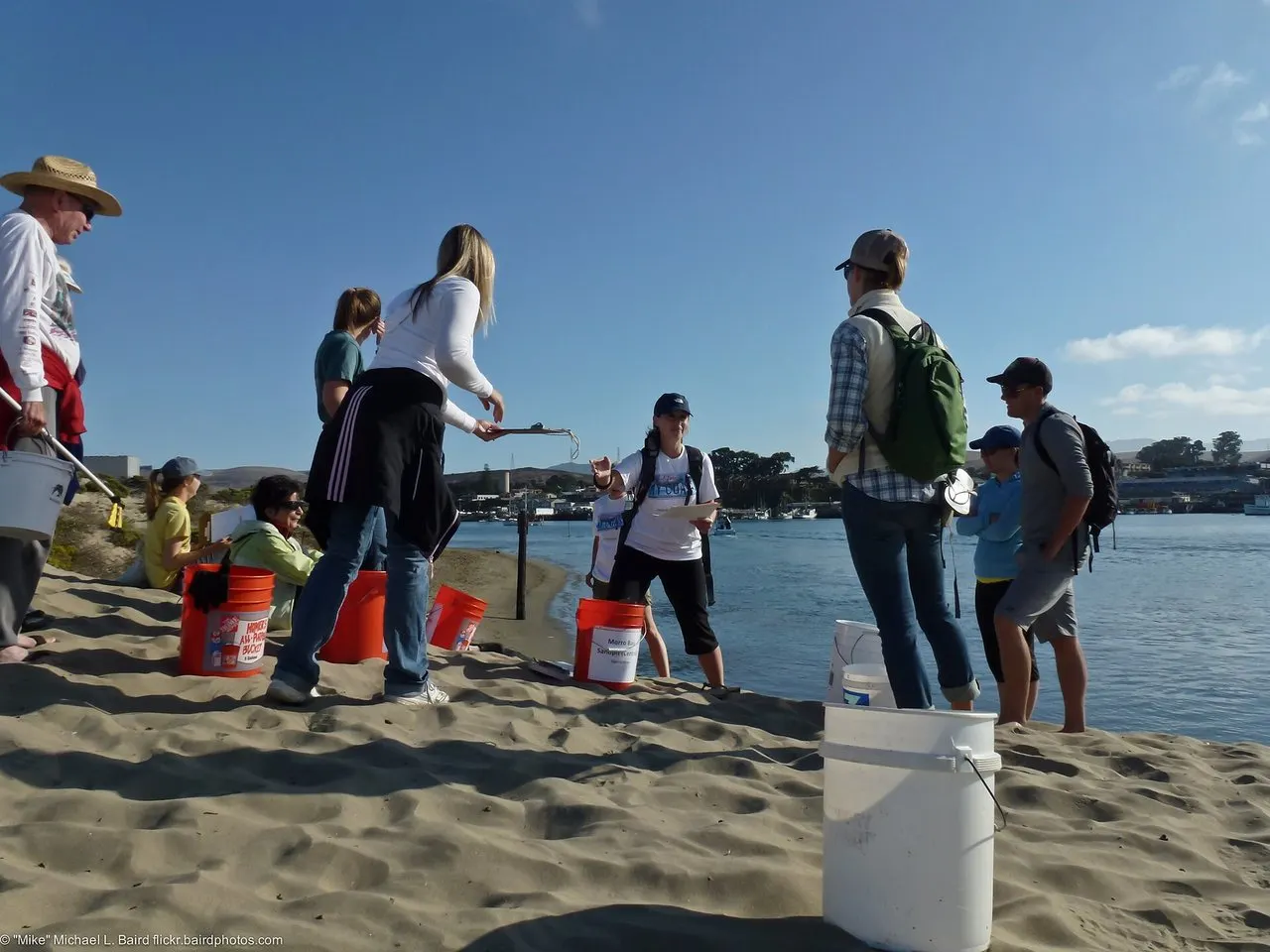
Officials warned the public not to touch the fragments, the same advice given after any crash on a beach or in a field. Fallen rocket parts can be hot, sharp or coated in chemicals, so the safe move is to step back and call the local authorities. Taking a piece home can also break the law, since launch debris often belongs to the company or the state. Photos from a safe distance are the best keepsake. See the clash at sea near Scarborough Shoal and how Harris described her time in the Biden team.
The Sea Turtles of the Gulf Coast
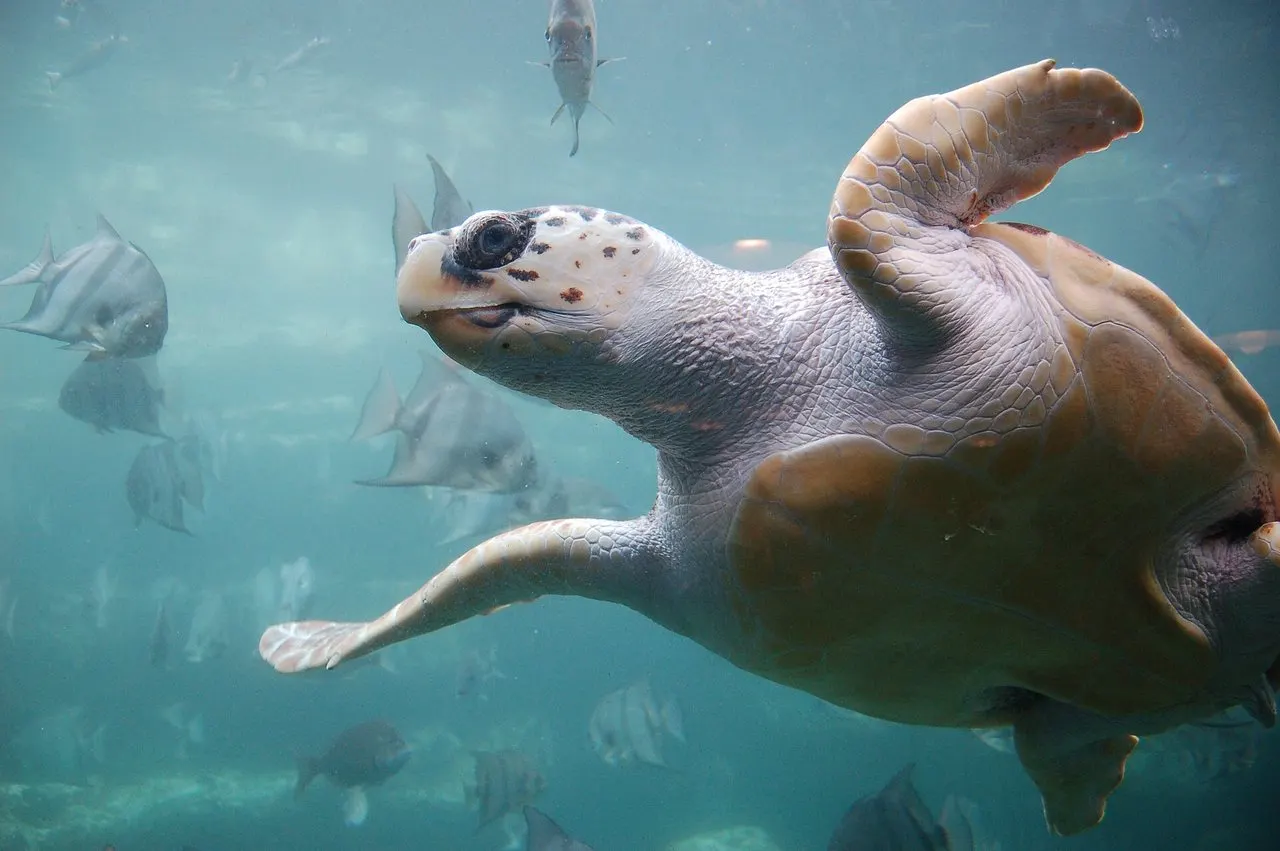
Sea turtles have swum in the Gulf of Mexico for millions of years, and several kinds nest on its beaches. Females come ashore at night to lay eggs in the sand, and hatchlings later race to the water under the moon. Turtles face many dangers, from fishing nets and boat strikes to plastic and lost habitat, so every nest matters. The turtles found near Matamoros are part of that story. Read our report on the ships that collided off the Philippines and the Fed governor who sued over her removal.
Dolphins in the Gulf of Mexico
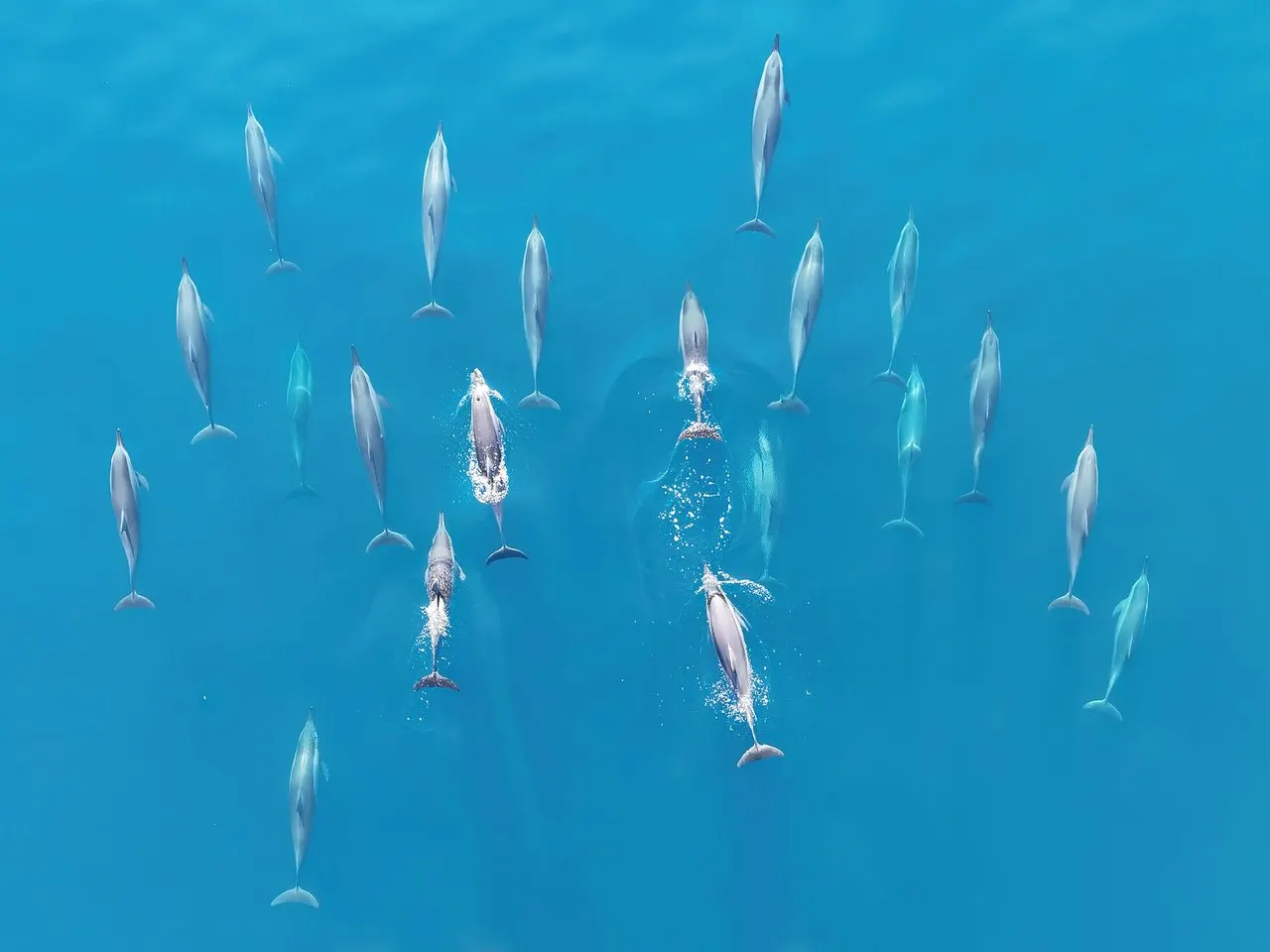
Dolphins are a common sight in the Gulf of Mexico, where pods hunt fish in the warm, shallow water close to shore. The bottlenose dolphin is the kind most people know, with its curved smile and quick, playful dives. Dolphins are smart and social, and they often travel in small family groups that stay in one bay for years. That is why a dead dolphin on a beach is felt so keenly by the people who live nearby. See how the White House explained the viral video and how Lisa Cook fought her removal from the Fed.
Falling Rocket Parts Are Not New
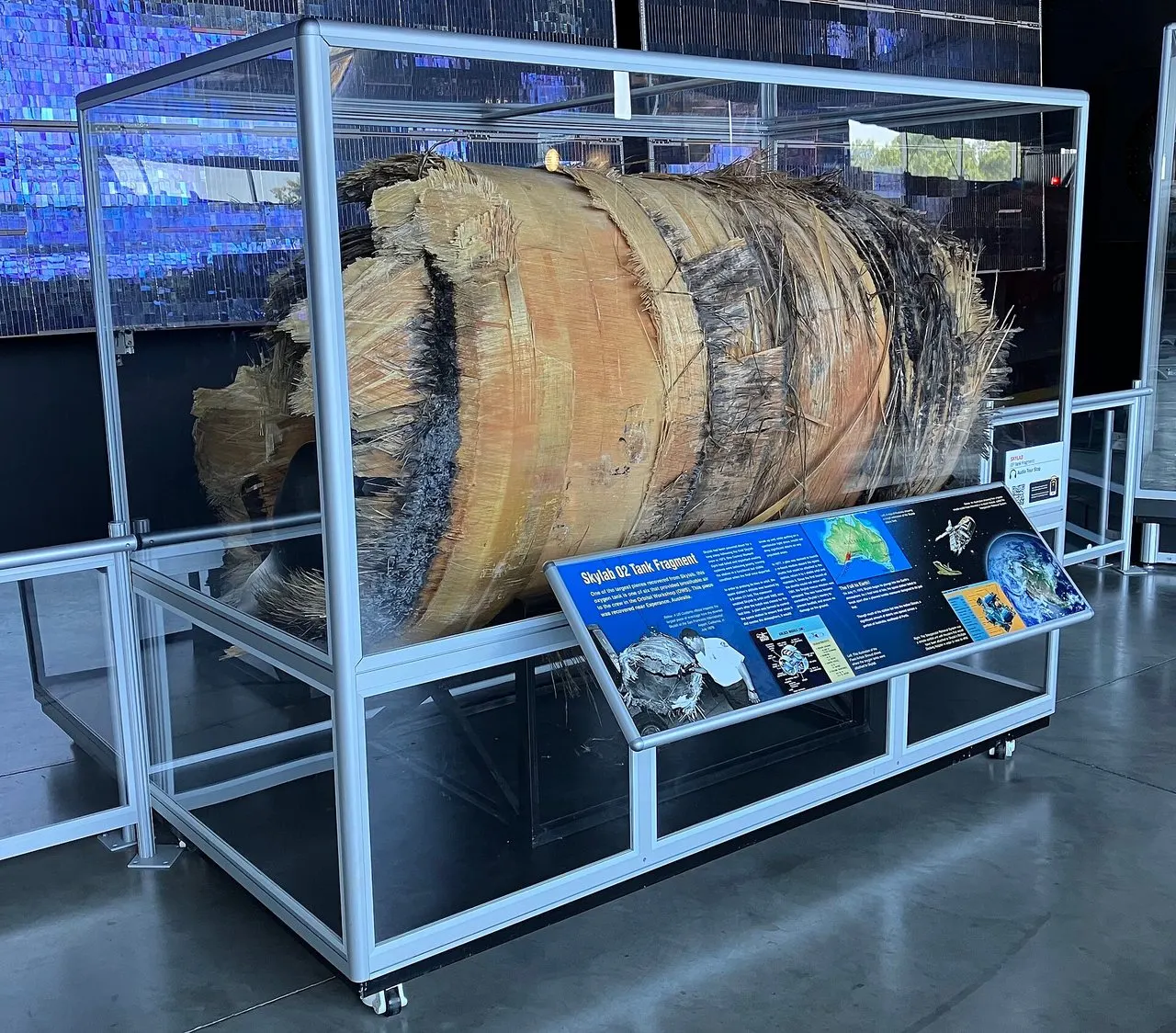
Falling rocket parts are not new, and space history has many tales of debris that came back to Earth. An earlier Starship test flight scattered debris over the Caribbean, a reminder that test rockets often fail before they fly well. Old satellites and spent stages have also fallen on land and sea, and some pieces now sit in museums. Each event teaches engineers how to build safer rockets and plan better flight paths. Read our report on the viral video from the White House and a Texas business owner who faced deportation.
What Happens Next With the Starship Rocket Debris
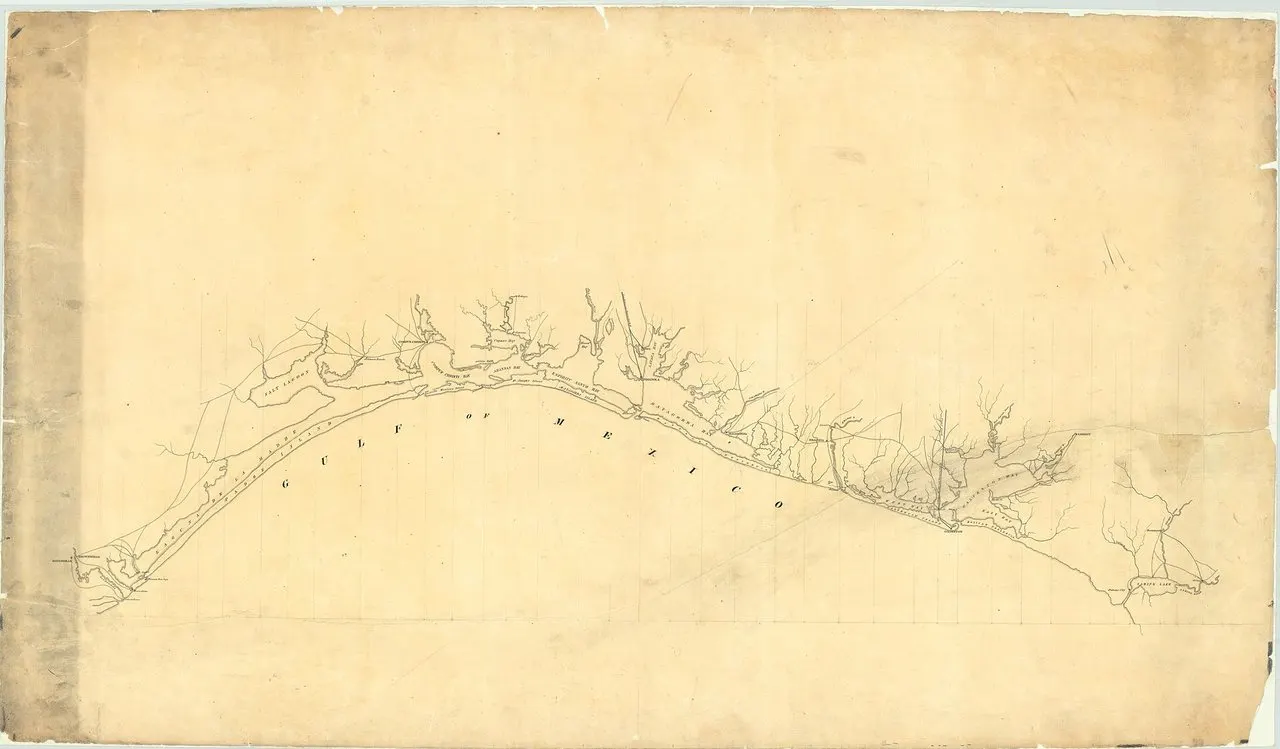
The Starship rocket debris is still being gathered while officials and the company talk about who should pay for the cleanup and what should change before the next launch. Beach teams will go on walking the sand, and scientists will go on testing what they find. The talks may take weeks, and the beach will need care long after the last fragment is bagged. For now, the people of Matamoros are watching the shore. See our report on the USAID review and our report on the Fed governor’s lawsuit.
What Would You Do If You Found Debris on a Beach?
If you walked Bagdad Beach tomorrow and saw a strange piece of metal in the sand, what would you do first? Would you call the local team, take a photo from a safe distance, or simply walk on by? The people who found the first fragments faced the same choice, and their calls helped start the cleanup. Tell us in the comments what you would do, and share this story with a friend who loves the sea. Read our story on the Harris memoir and our report on a Texas owner facing deportation.