Trump Iran Conflict: China and Russia Stayed Out
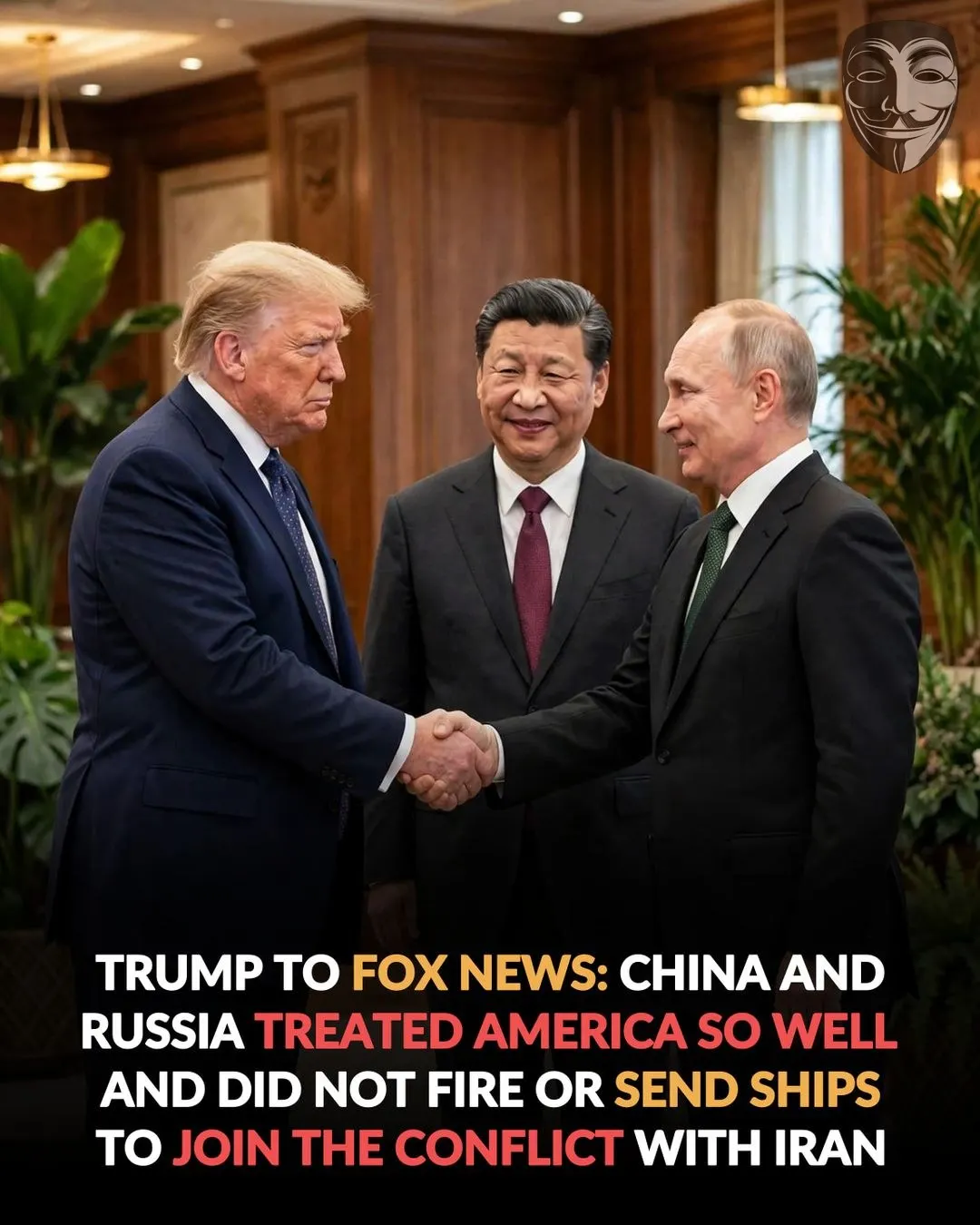
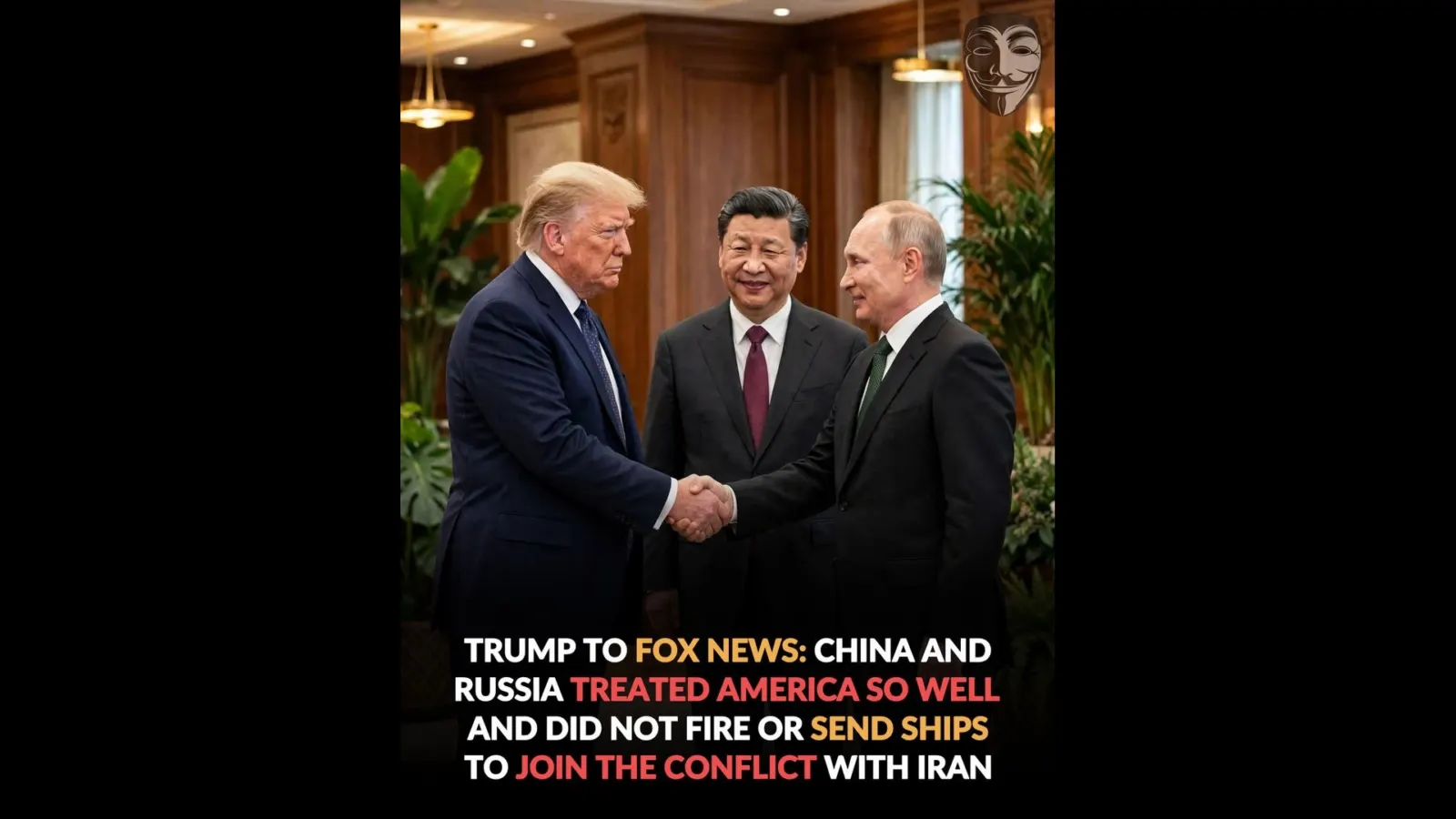
The Trump Iran conflict took an unexpected turn when President Donald Trump told Fox News that China and Russia treated the United States very well during the fighting with Iran. Speaking from Shenzhen, he praised both countries for staying out of the clash and said neither one opened fire or sent ships to take part. He thanked President Xi Jinping of China and President Vladimir Putin of Russia for remaining neutral at a moment when they could have made things much harder for Washington. The remarks set the tone for his first meeting with both leaders.
Trump also said he does not need help from either country to bring the fighting to an end, pointing to American forces and saying Tehran now wants a deal. The comments came just before his first trilateral meeting with Xi and Putin, where the Iran fighting, Ukraine, trade and nuclear tools were all on the table. The Shenzhen meeting brought the three leaders together, and the slides ahead explain what was said and why it matters. Read our report on the Shenzhen summit and the Alaska talks with Putin for more background on how these meetings have unfolded.
References:
MCI Group: US Doesn’t Need Help From China, Russia to End Iran Conflict – Trump
Dearborn: Trump: We Will Not Ask China or Russia for Help to End the Conflict with Iran
Reuters: Trump thanks China’s Xi, Russia’s Putin for being ‘neutral’ in Iran conflict
Reuters: Trump says he trusts Russia and China’s leaders not to enable Iran
The Trump Iran Conflict Interview in Shenzhen
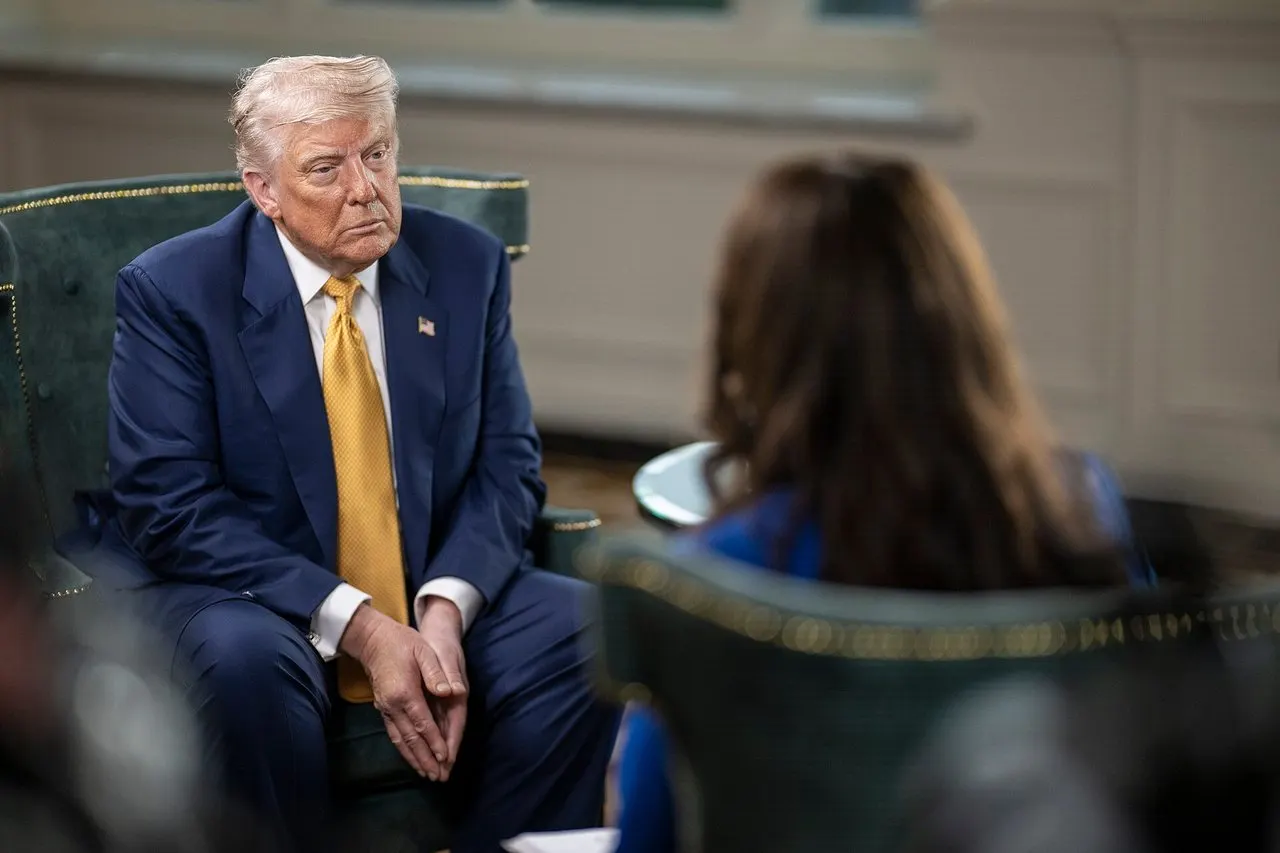
Trump gave the interview to Fox News in Shenzhen, the Chinese city where he was about to sit down with Xi and Putin for the first time as a group of three. The meeting was already the focus of attention around the world, and the interview gave him a chance to speak first. He used the time to praise China and Russia for staying out of the fighting with Iran. For background, read our report on the Shenzhen tarmac welcome and our look at the APEC summit video. The tone was calm, and the message was clear.
What Trump Said About China
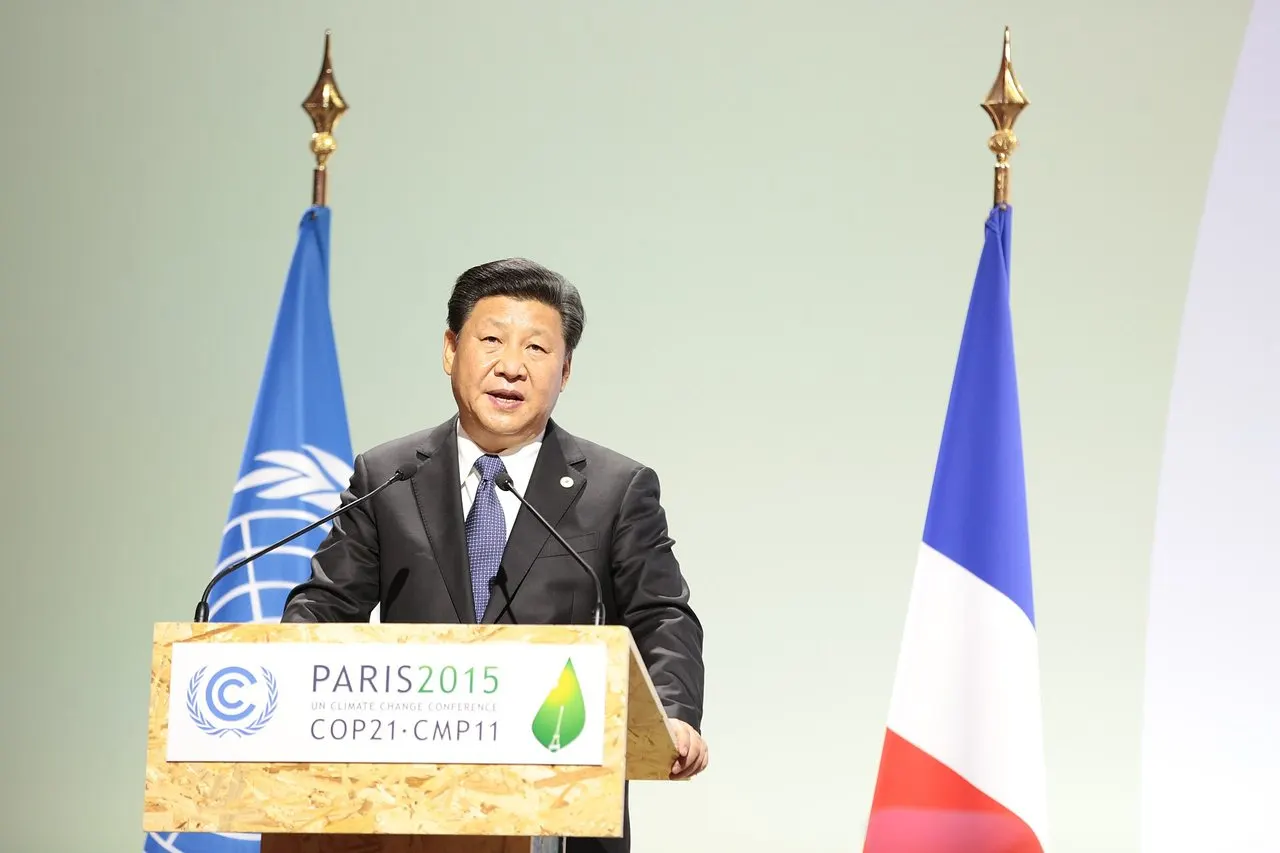
Trump said China treated the United States very well during the fighting with Iran, and he thanked President Xi Jinping by name for staying neutral. China did not open fire and did not send ships to join the fighting, and Trump made a point of saying so in public. For a leader who often talks tough on trade with Beijing, the praise stood out. Russia was the other country he singled out. Read more in our report on the China trade deal and our account of the Shenzhen summit. The words were warm, and they were deliberate.
What the Trump Iran Conflict Remarks Said About Russia
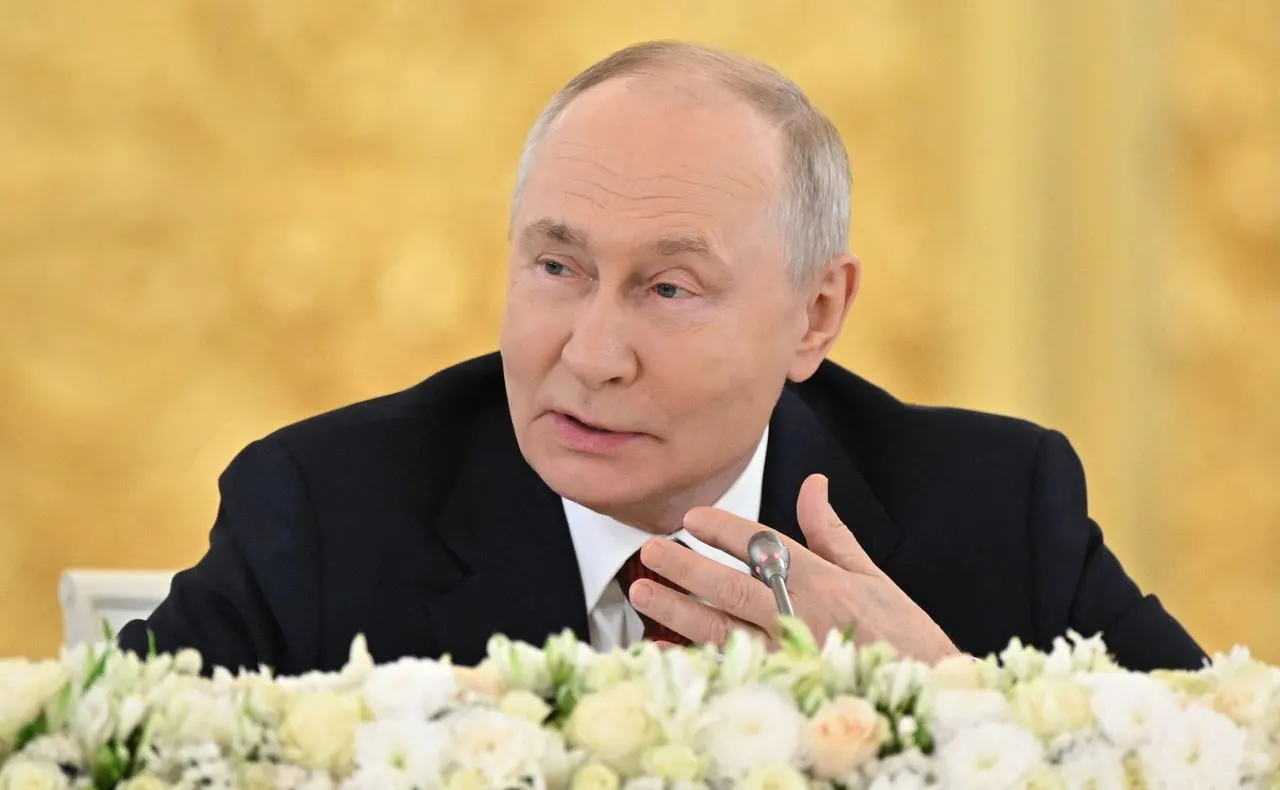
Russia also earned praise from Trump, who said Moscow treated the United States very well and stayed out of the fighting with Iran. He thanked President Vladimir Putin for remaining neutral, just as he thanked Xi. Russia did not open fire and did not send ships to take part, and Trump said that choice mattered. The two leaders have met before, and their talks have often covered Ukraine and security. Read our report on the Trump Putin call and our story on the Lavrov remarks about peace talks for more on that history.
Thanking Xi and Putin by Name

Trump thanked both Xi and Putin by name, and that detail mattered to people who follow diplomacy. Leaders rarely thank rivals in public, and doing so before a big meeting sends a signal that the tone will be friendly. He said both men stayed neutral when they could have made things much harder for the United States. The thanks came just before the three leaders sat down together in Shenzhen. See our report on the Shenzhen summit and our story on the tarmac welcome for how the meeting began.
Trump Iran Conflict: No Help Needed to End It
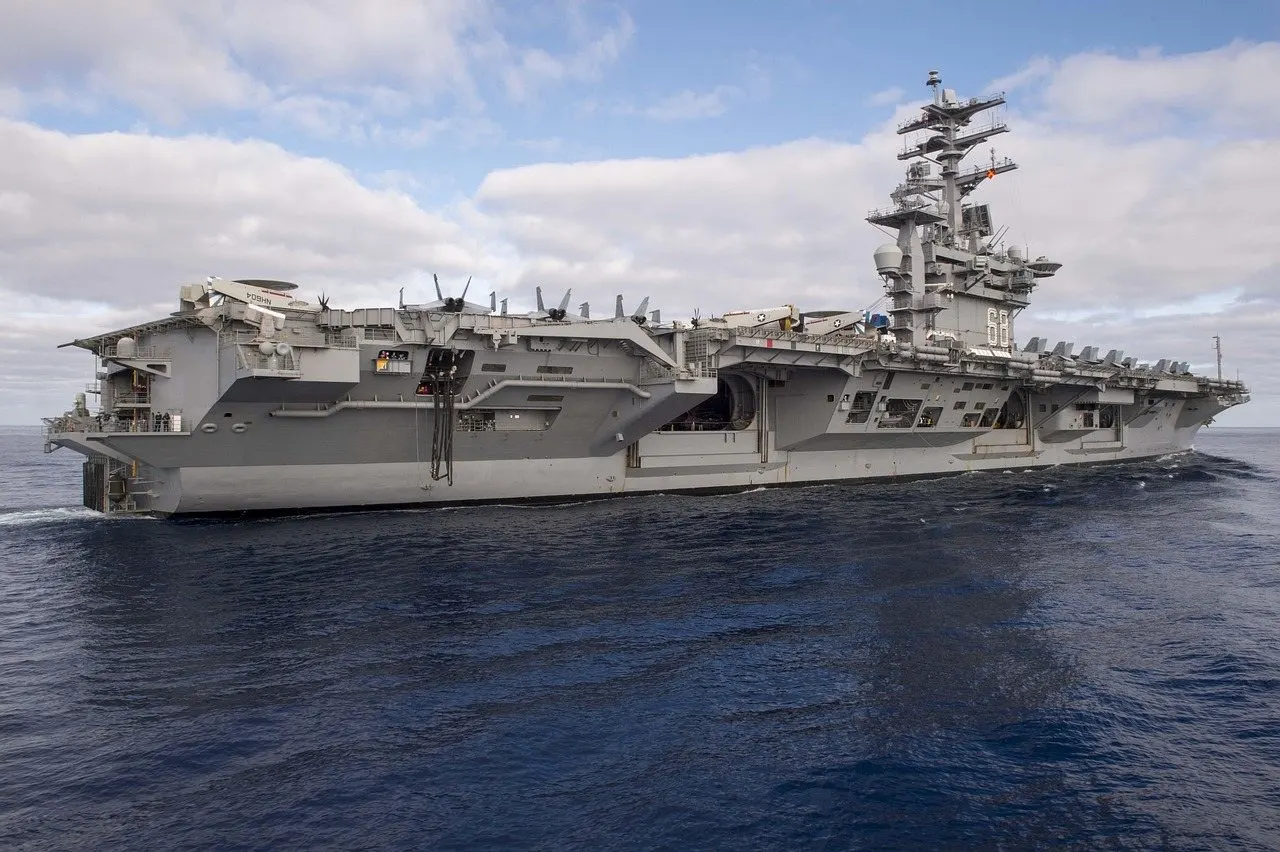
Trump added that he does not need help from either China or Russia to end the fighting with Iran. He said American forces had defeated the navy, the air force and the air defences of Iran, and he said Tehran now wants a deal. The point was that the United States could finish the job on its own, without asking Beijing or Moscow for anything. Trump left no doubt about his view. Read our report on the Philippines deal and our story on the Thailand trade deal for more on his recent deal making.
American Forces and the Fight With Iran
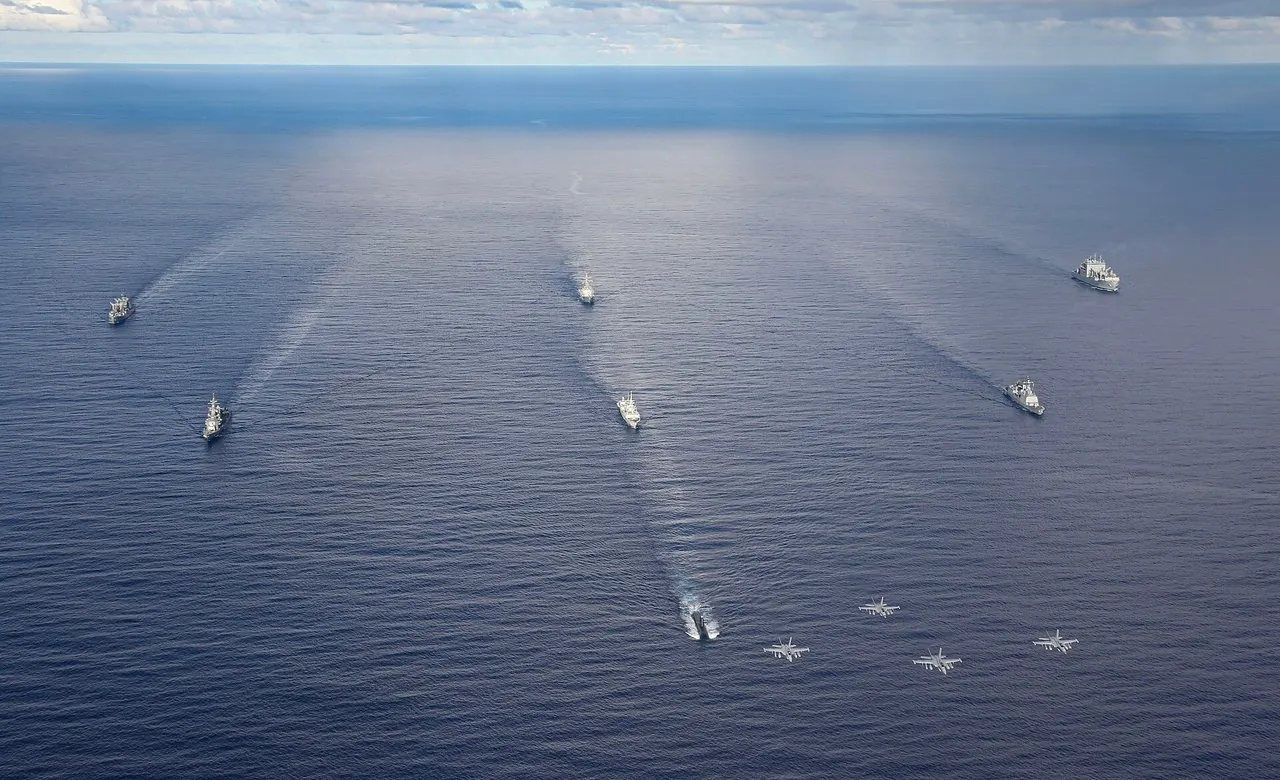
Trump pointed to American forces when he said the United States does not need help to end the fighting. He said those forces had defeated the navy, the air force and the air defences of Iran. The words described a military campaign that, in his telling, had already been won. The details of the fighting have been reported in many places, and the scale of the claims is large. For more on weapons and support for Ukraine, read our report on NATO weapons purchases and our story on security help by air.
Tehran Now Wants a Deal
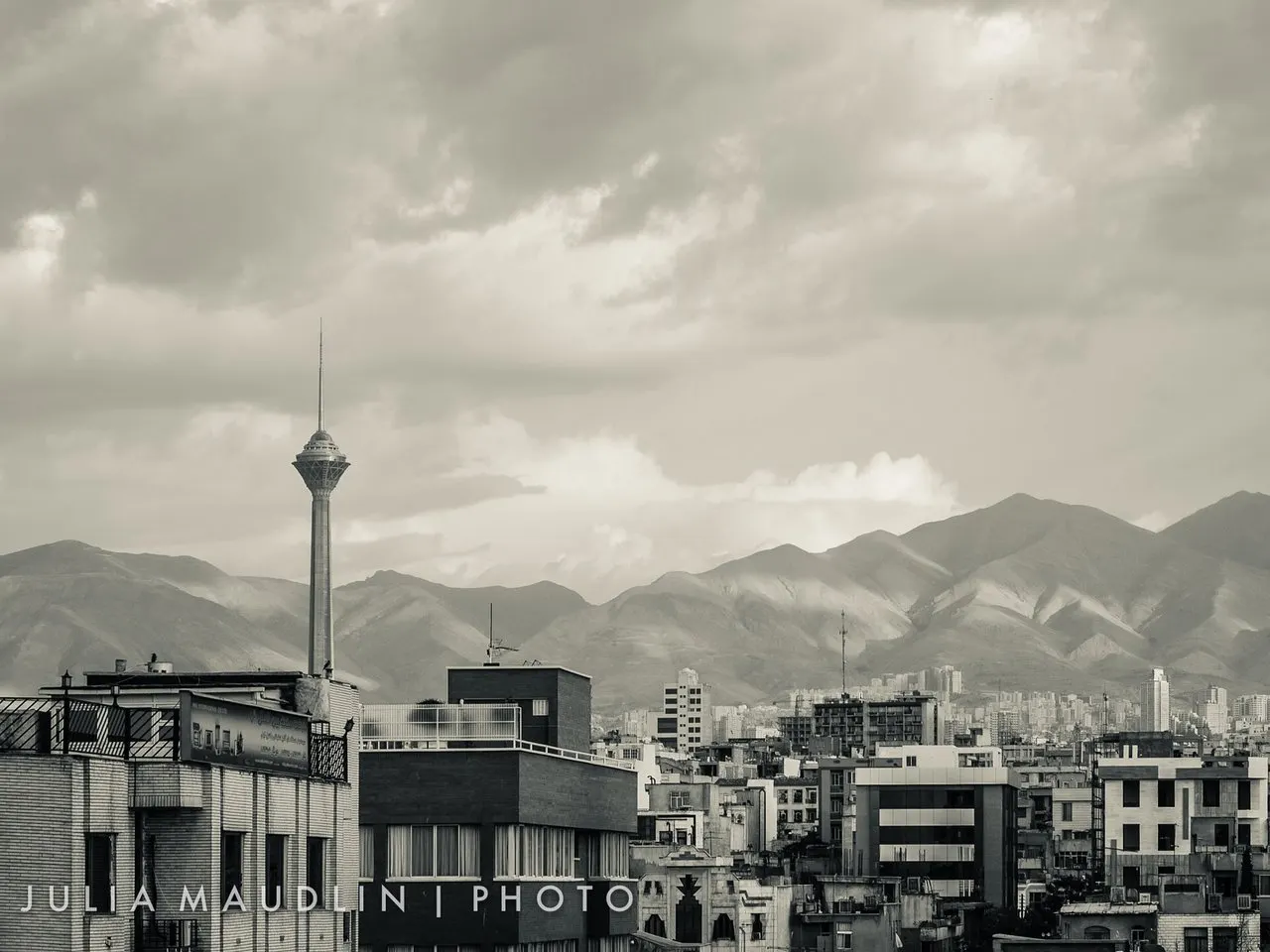
Trump said Tehran now wants a deal, a line that suggested the fighting had pushed Iran toward talks. He did not give details of what a deal might cover, and he did not say when talks might start. But the message was that Iran was ready to negotiate after the blows it had taken. Deals after fighting are common in history, and they often take weeks or months to shape. Read our report on Starlink over Iran and our story on the Clinton warning before the summit for more context on the region.
The Trump Iran Conflict Meeting in Shenzhen
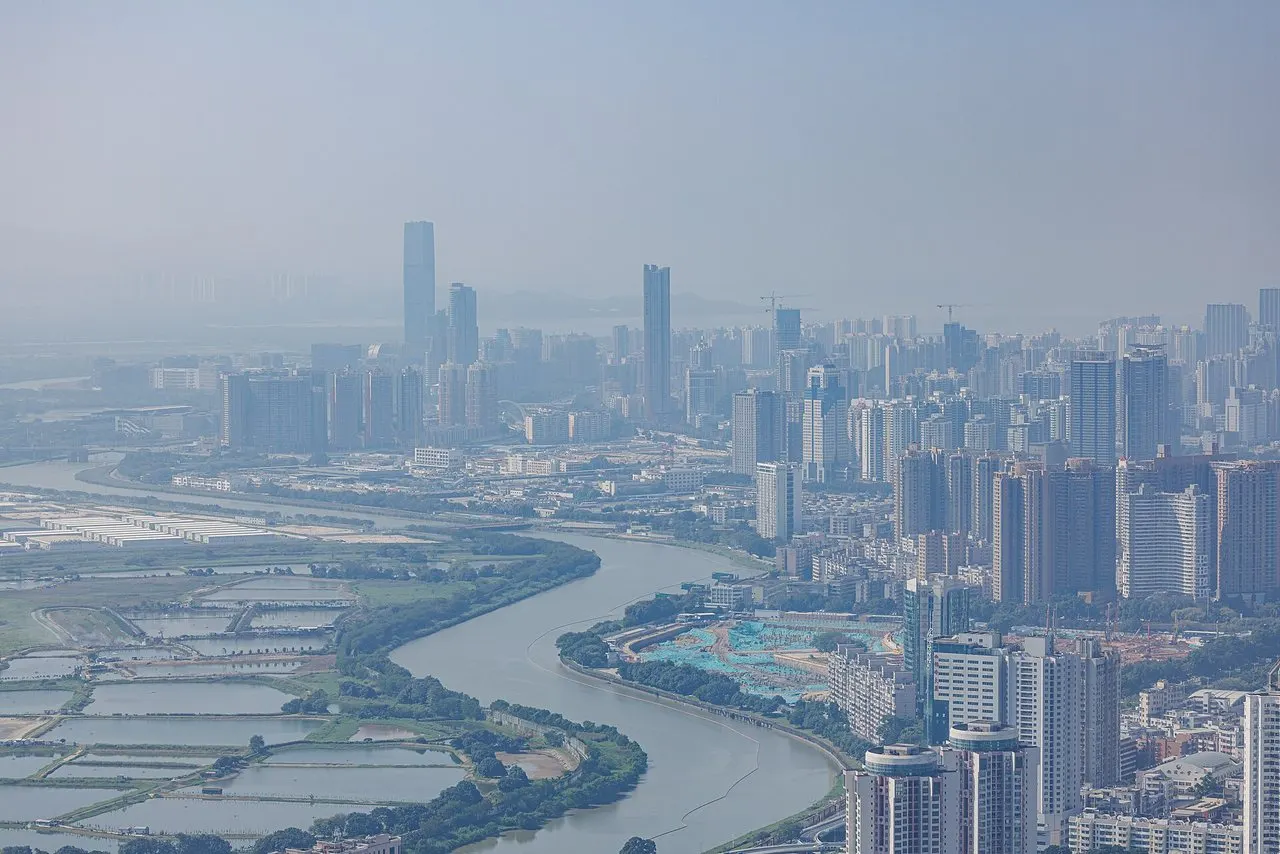
The remarks came just before his first trilateral meeting with Xi and Putin, a meeting that put the three leaders at one table for the first time. Shenzhen was the setting, a city in southern China known for trade and technology. A first meeting of this kind draws attention because it sets the tone for what follows. The leaders had the Iran fighting, Ukraine, trade and nuclear tools all on the table. Read our account of the Shenzhen summit and our report on the Greenland deal vote for more on recent summits and deals.
Ukraine Was on the Table Too

Ukraine was also on the table at the Shenzhen meeting, alongside the fighting with Iran. The war in Ukraine has been a major issue for Trump, Xi and Putin in different ways, and each leader brings a different view to it. Trump has talked with Putin about the war before, and he has said American help for Kyiv could come by air rather than by troops on the ground. The topic was never going to stay out of the room. Read our story on security help by air and our report on NATO weapons for Ukraine for more.
Trade Talks Joined the Agenda
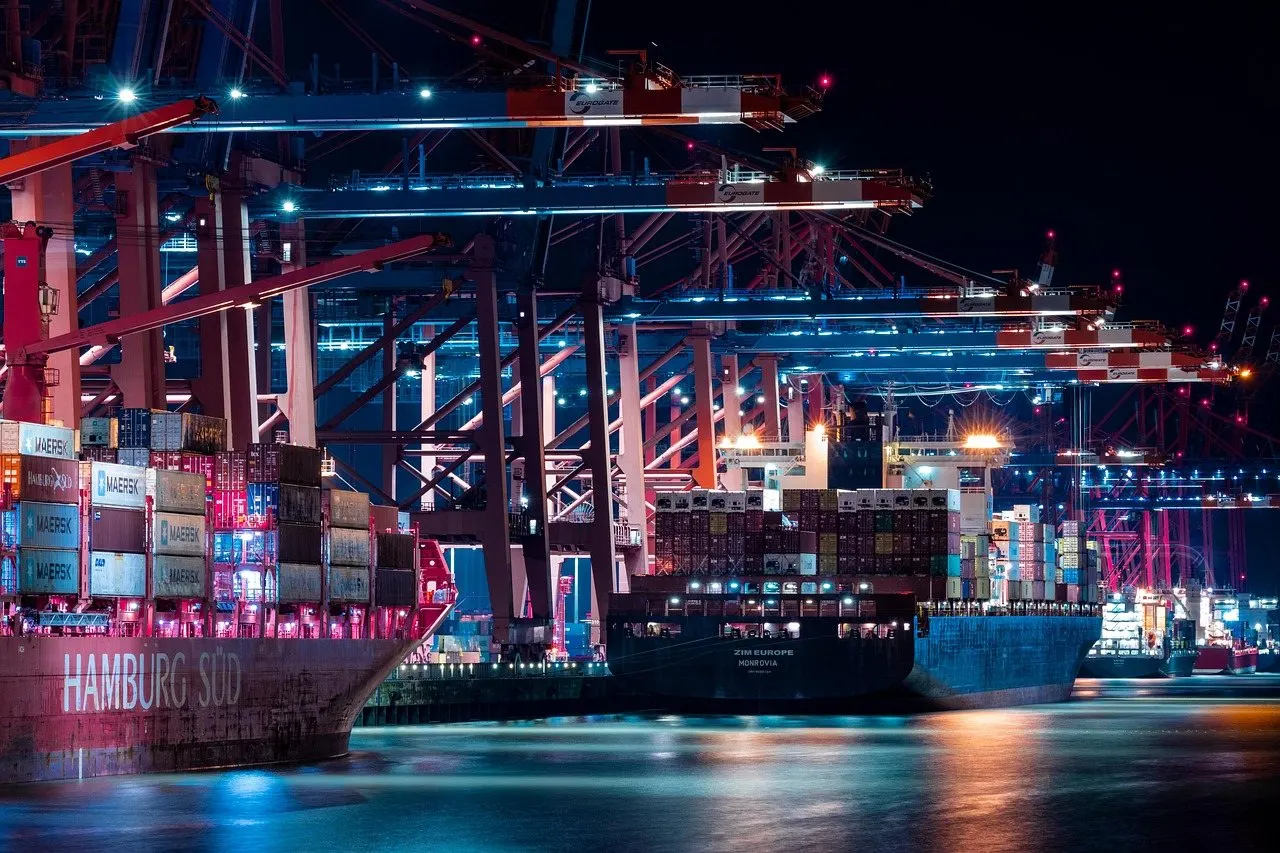
Trade was on the table as well, and it is a subject Trump returns to again and again. He has struck trade deals with several countries in recent months, and he often links trade to jobs at home. China is the largest trading partner in the talks, and tariffs have been a tool he uses to push for better terms. The Shenzhen meeting gave the three leaders a chance to talk trade face to face. Read our report on the China trade deal and our story on tariffs and trade talks for more on his trade policy.
Nuclear Tools Were Also Discussed
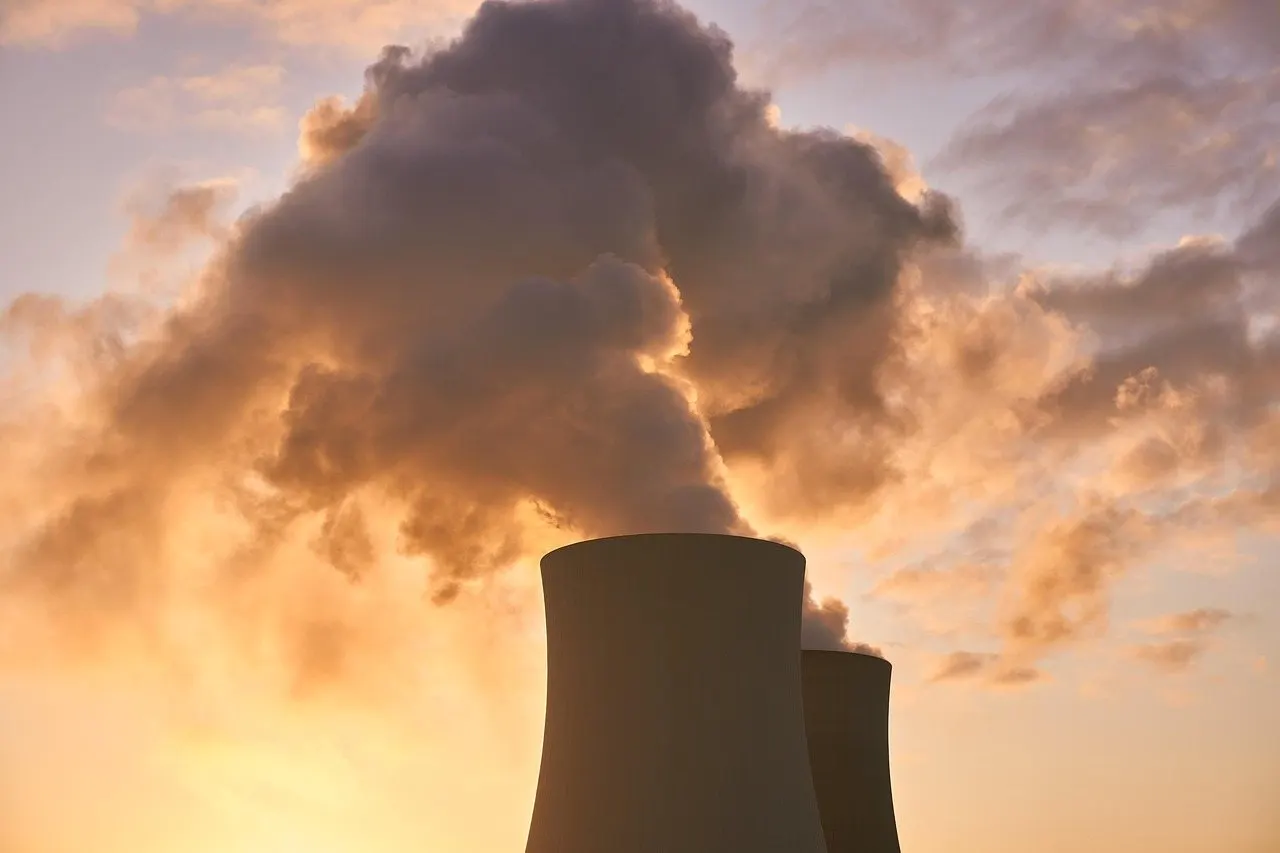
Nuclear tools were also on the table in Shenzhen, a subject that touches every major power in the room. The United States, China and Russia all hold large nuclear arsenals, and talks about cutting nuclear risks have been part of the agenda before. Trump, Xi and Putin agreed at their summit to talk about cutting nuclear risks, according to reports of the meeting. The subject is technical, but the stakes are high for everyone. Read our account of the Shenzhen summit and our report on the Philippines deal for more.
Why the Trump Iran Conflict Praise Matters
Praise from Trump for China and Russia matters because it is rare for him to thank both countries at once. The words suggested he wants a friendly tone for the trilateral meeting rather than a clash. Neutrality from Beijing and Moscow made the American position easier, and Trump said so plainly. In diplomacy, public thanks can be a way to lock in good behavior before talks begin. Read our report on the Alaska talks and our story on the Trump Putin call for how past meetings set the tone.
No Shots Fired and No Ships Sent
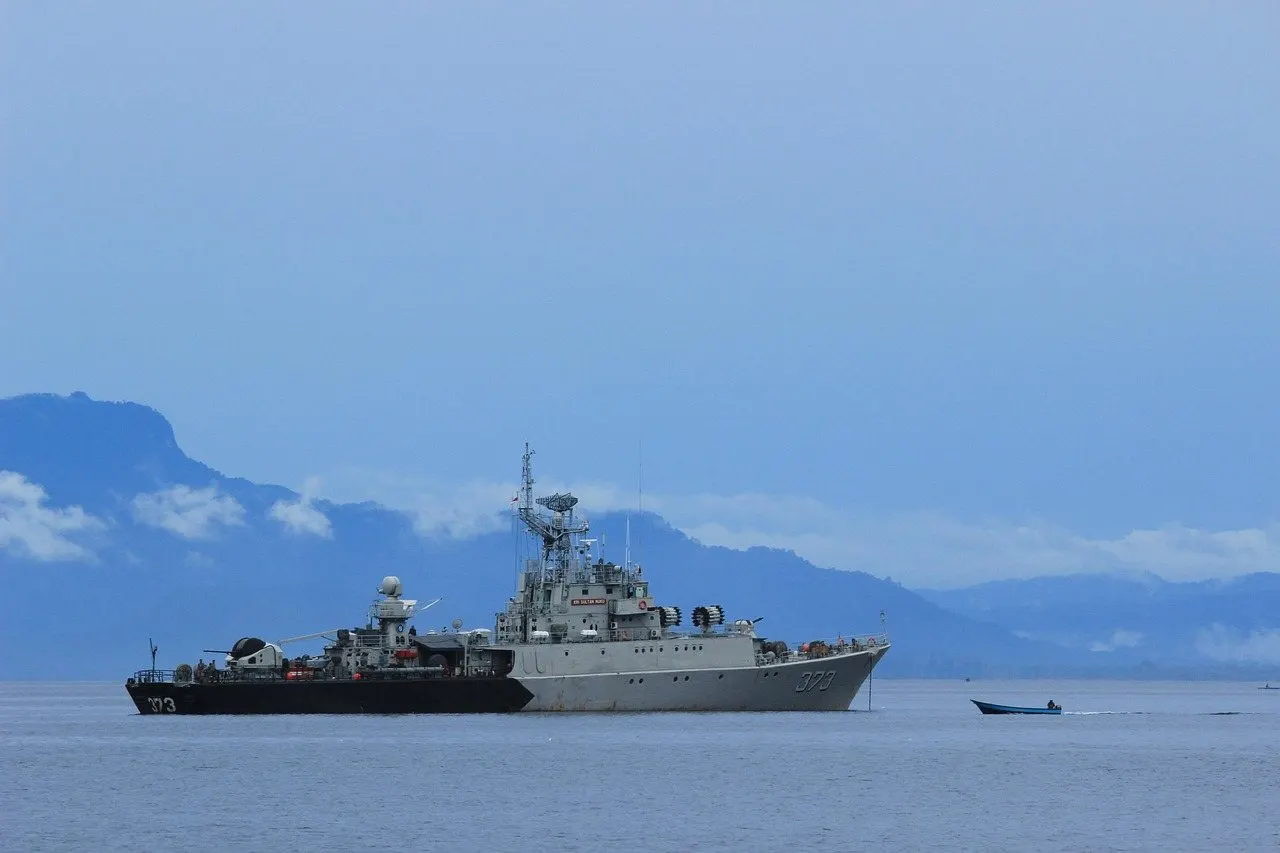
Trump stressed two facts again and again, that China and Russia did not open fire and did not send ships to join the fighting with Iran. Ships matter because a single vessel in the wrong place can turn a clash into something bigger. By staying away, both countries kept the fighting between the United States and Iran alone. That restraint was the heart of his praise. Read our story on the Thailand trade deal and our report on the Greenland deal vote for more on how Trump frames his deals.
Shenzhen, the City That Hosted the Meeting
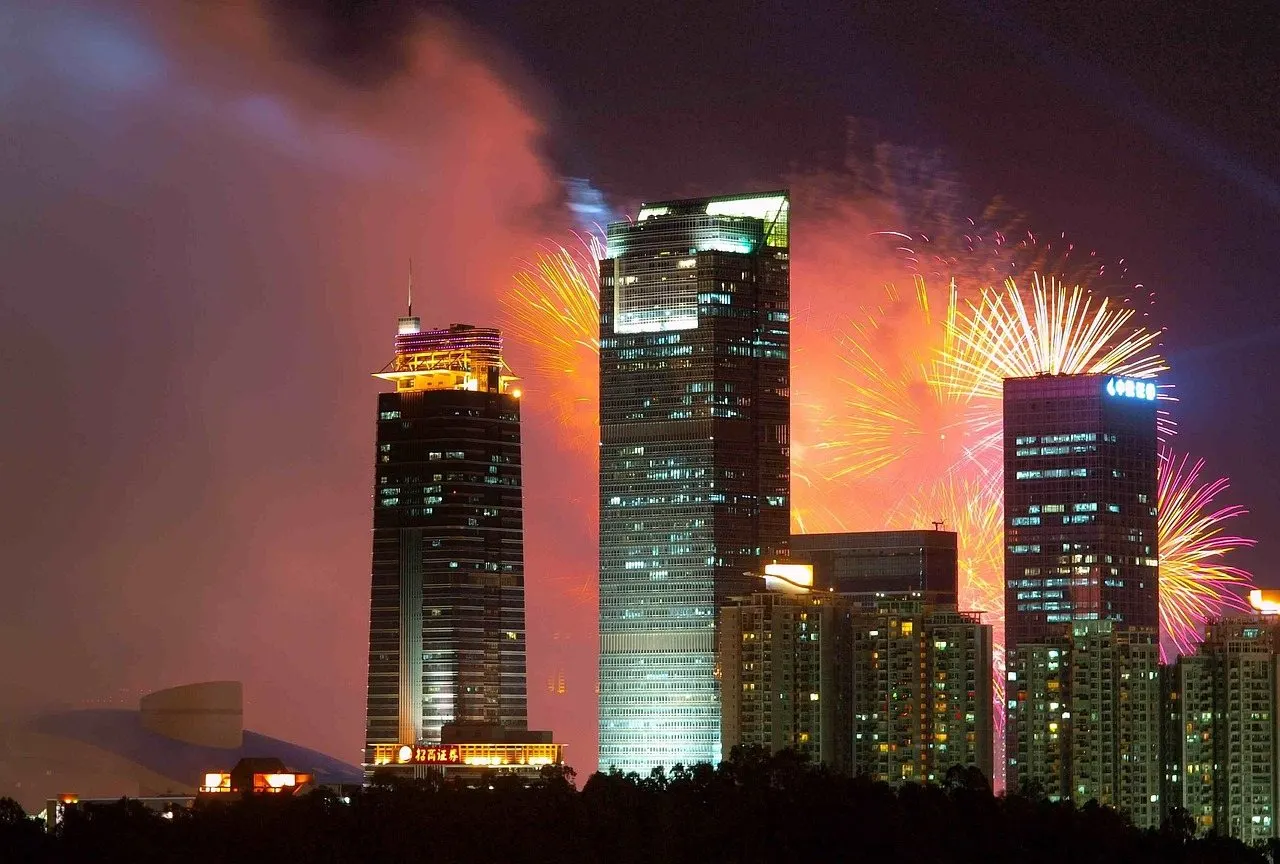
Shenzhen hosted the meeting, a city in southern China that grew from a fishing village into a center of trade and technology in a single generation. It is known for its skyline, its factories and its fast pace of change. Holding a summit there put the focus on China as a host and a player. The city has welcomed world leaders before, and it knows how to stage a big event. Read our story on the tarmac welcome and our look at the APEC summit video for more on Trump in Asia.
What Comes Next After the Trump Iran Conflict Remarks
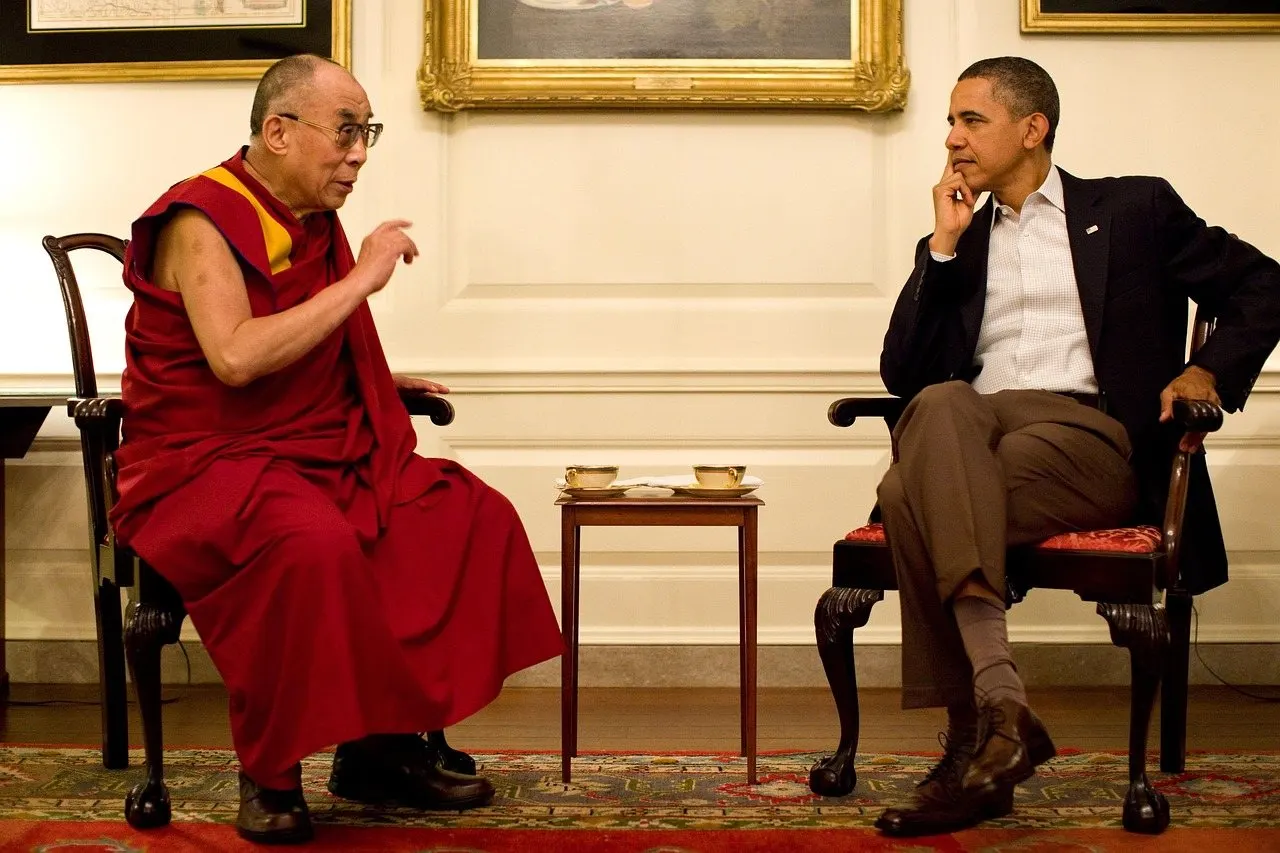
What comes next depends on the meeting itself and on whether Tehran moves toward a deal. Trump has said the United States can end the fighting on its own, and he has said Iran wants to talk. If talks begin, the same three leaders may meet again to shape the terms. If they do not, the tone in Shenzhen may still shape what follows. Read our report on the Philippines deal and our story on tariffs and trade talks for more on the deals Trump is chasing.
A Summit With a Long Build-Up
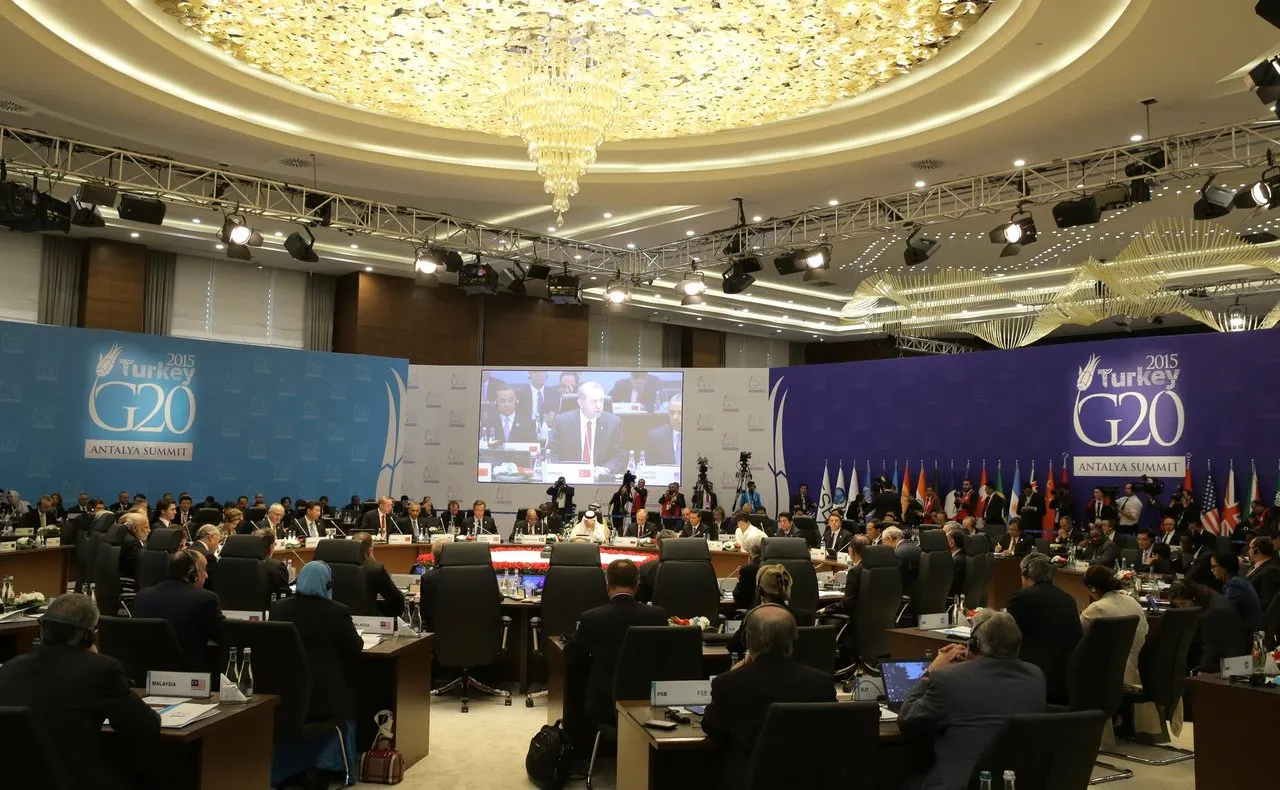
The Shenzhen meeting did not come out of nowhere. Trump has met Xi and Putin separately many times, and each meeting has added a layer to the relationship. Summits like this one are planned for weeks, with aides working out the agenda in advance. The three leaders knew the big subjects before they sat down, and the Iran fighting was near the top. Read our story on the Clinton warning and our report on Starlink over Iran for more on the road to Shenzhen.
What Do You Think of the Praise for China and Russia?
Trump praised China and Russia for staying out of the fighting with Iran, and he said the United States does not need their help to end it. Do you think the praise was smart diplomacy, or do you think it gave too much credit to two rivals? Should the United States thank countries for staying neutral, or should it expect that as normal? Share your view in the comments, and tell us what you would ask the three leaders. Read our report on the Alaska talks and our story on security help by air for more background.