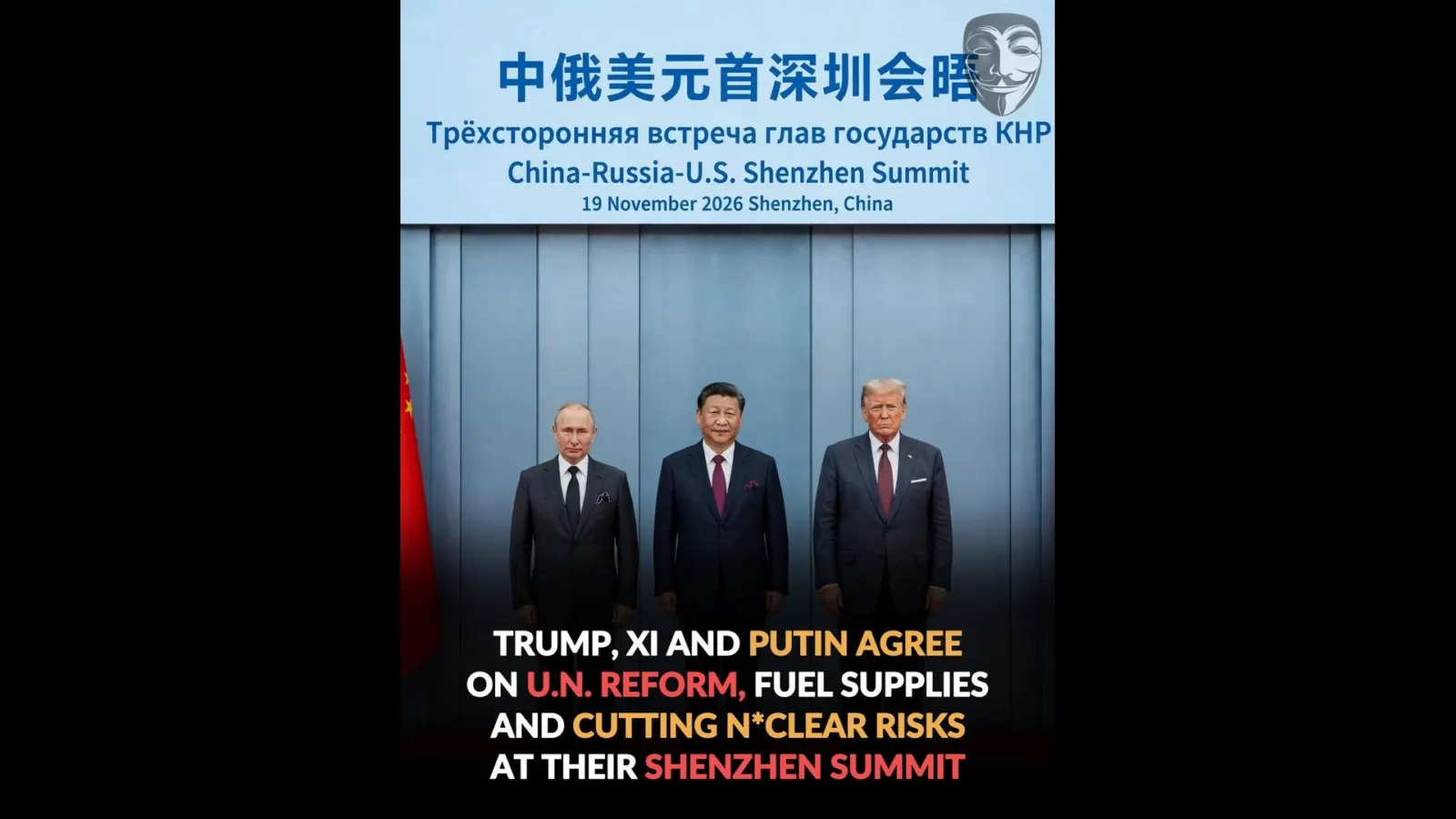
The Shenzhen Trilateral Summit Opens a New Chapter
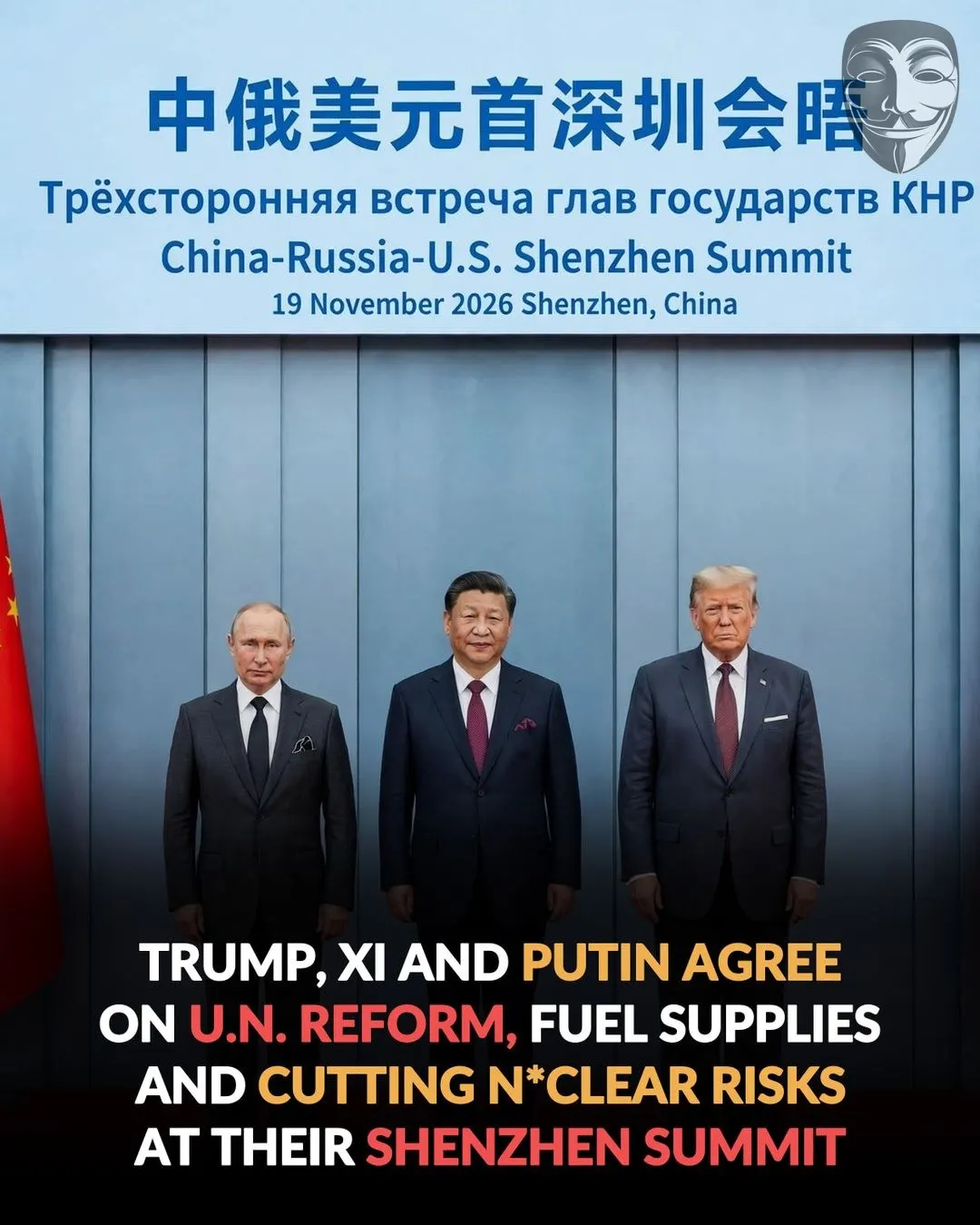
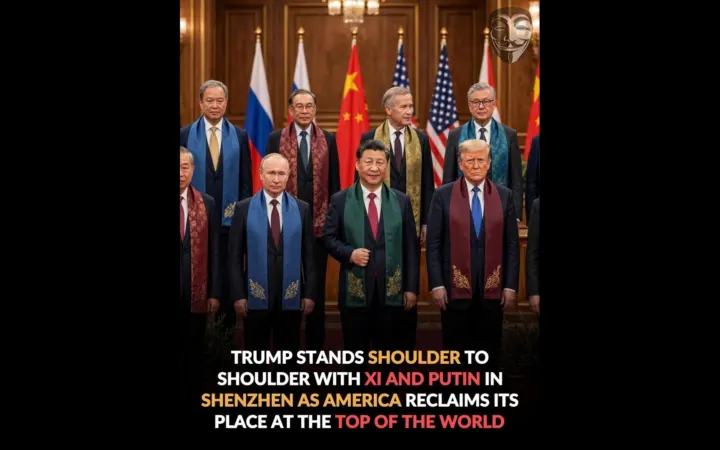
The Shenzhen trilateral summit brought the leaders of the United States, China and Russia together in Shenzhen on Thursday, November 19, 2026, for the first ever gathering of the three leaders. According to reports from the meeting, they agreed to reform the United Nations, increase the supply of refined petroleum products and work toward reducing nuclear risks. The meeting took place at Kylin Villa, a government guesthouse in Shenzhen, and it drew attention around the world because the three countries are the three nuclear powers.
The three men sat around a round table with Xi in the middle, and the page called the meeting historic and credited Trump with bringing the three nuclear powers to one table, though reports noted the agreements were broad and short on specifics. In the slides ahead we look at the place, the people and the three agreements, and at what the meeting could mean for the world. For more on Trump and world leaders, read our report on the Trump Putin call and our story on the China trade deal.
References:
Wall Street Journal: Trump, Xi, Putin End Historic Summit With Denunciation of Nuclear Conflict
CNN: Strongman friends, AI’s potential and other takeaways from Trump’s China trip and sitdown with Putin and Xi
Associated Press: Trump, Xi and Putin hold historic trilateral meeting
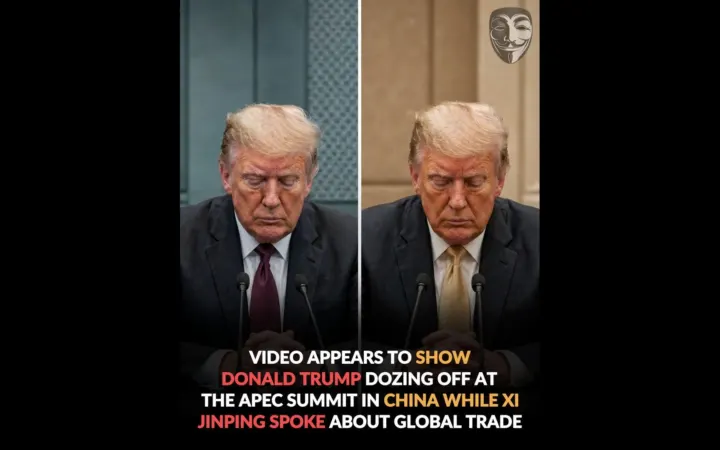
Le Monde: In Shenzhen, Xi and ‘friend’ Putin lull Trump to sleep amid pomp
Three Leaders Meet at Kylin Villa
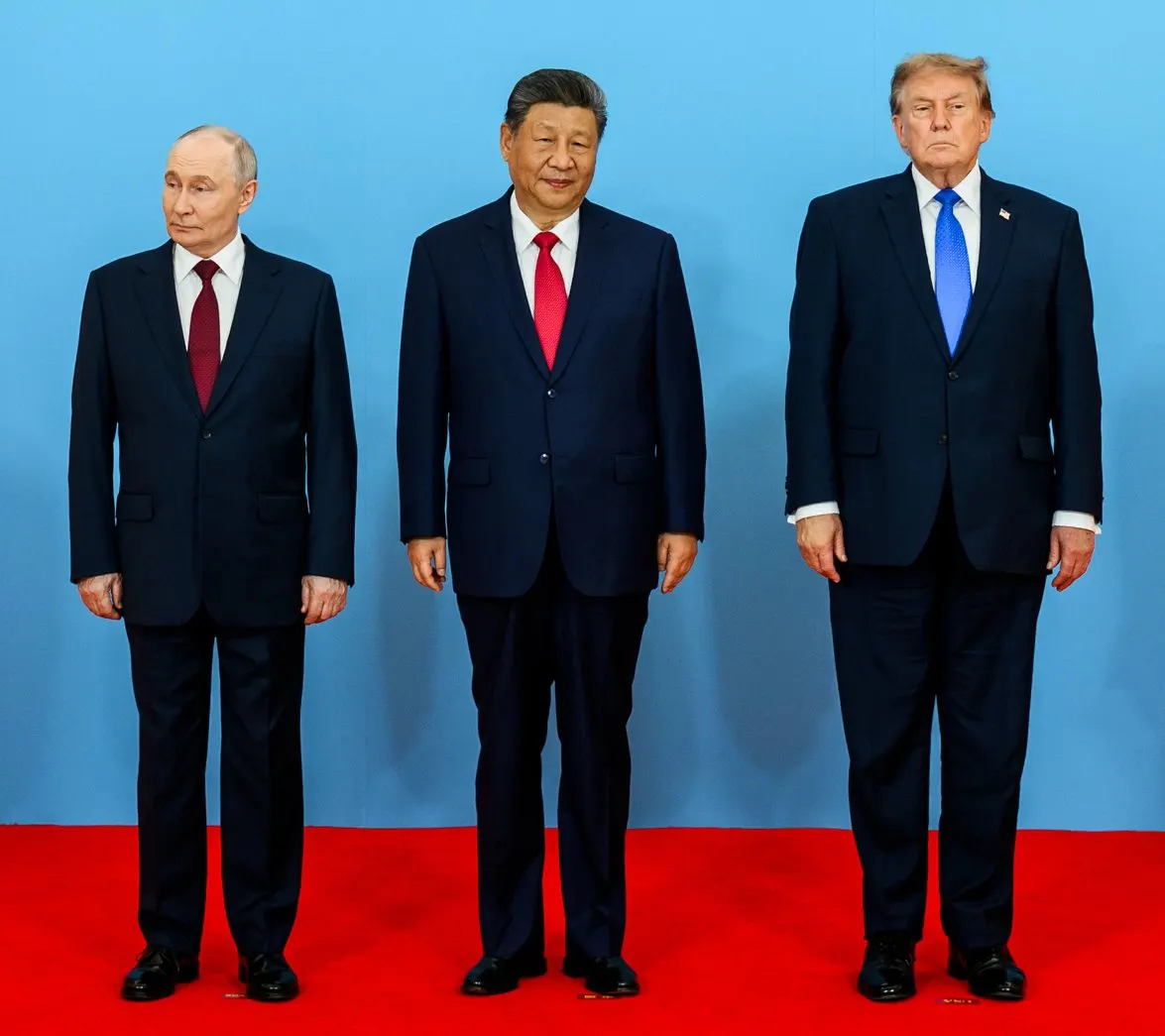
Kylin Villa is a government guesthouse in Shenzhen, and it served as the setting for the meeting on Thursday, November 19, 2026. The three leaders gathered there for the first ever meeting of the leaders of the United States, China and Russia. A guesthouse setting gave the talks a quieter feel than a large conference hall, and it put the focus on the three men and their talks. Read about the press site in Anchorage and about the talks on a Ukraine ceasefire.
A First Gathering of Three Nuclear Powers
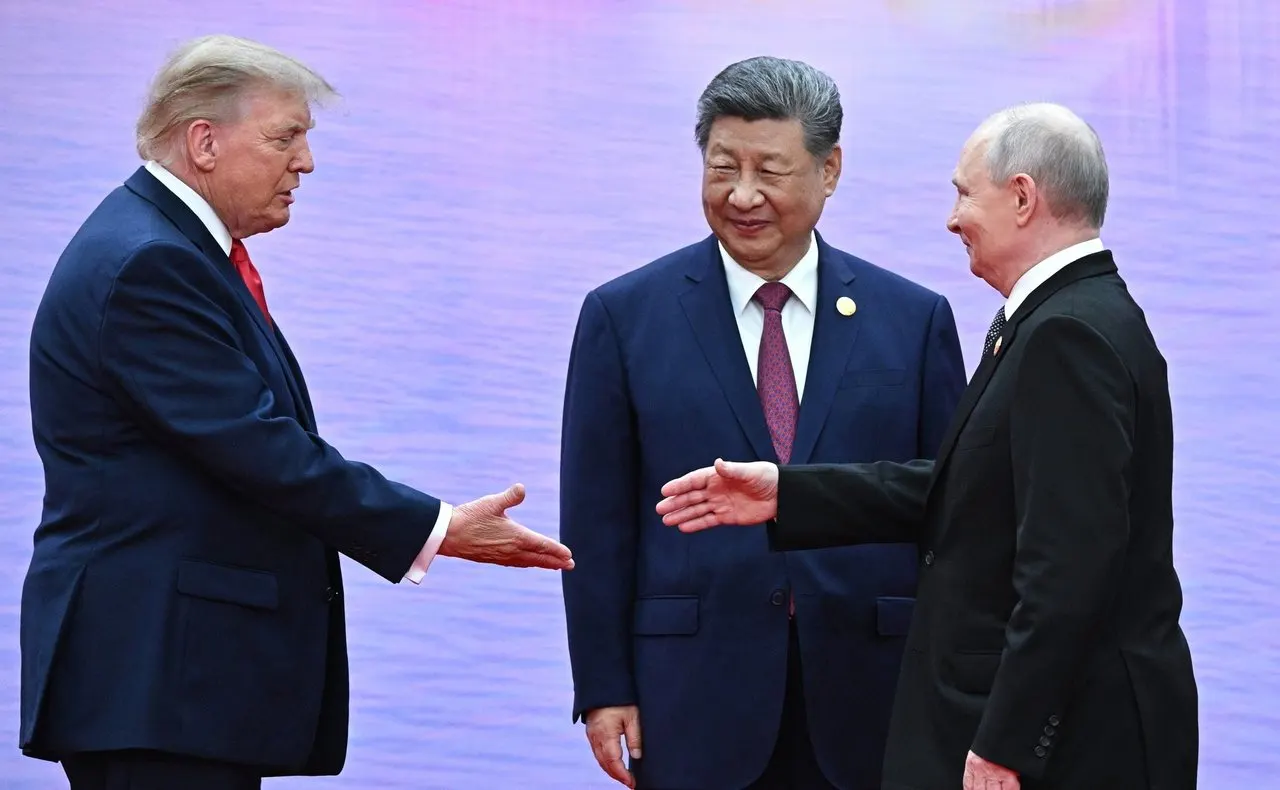
This meeting was the first ever gathering of the leaders of the United States, China and Russia, and that fact alone made it stand out. The three countries are the three nuclear powers, so any meeting of their leaders draws close attention from governments and newsrooms around the world. The page called the meeting historic, and the claim rested on the simple fact that the three men had never sat down together before. See our report on the Philippines deal and our story on the Greenland deal for more on Trump and world talks.
U.N. Reform Tops the Agenda
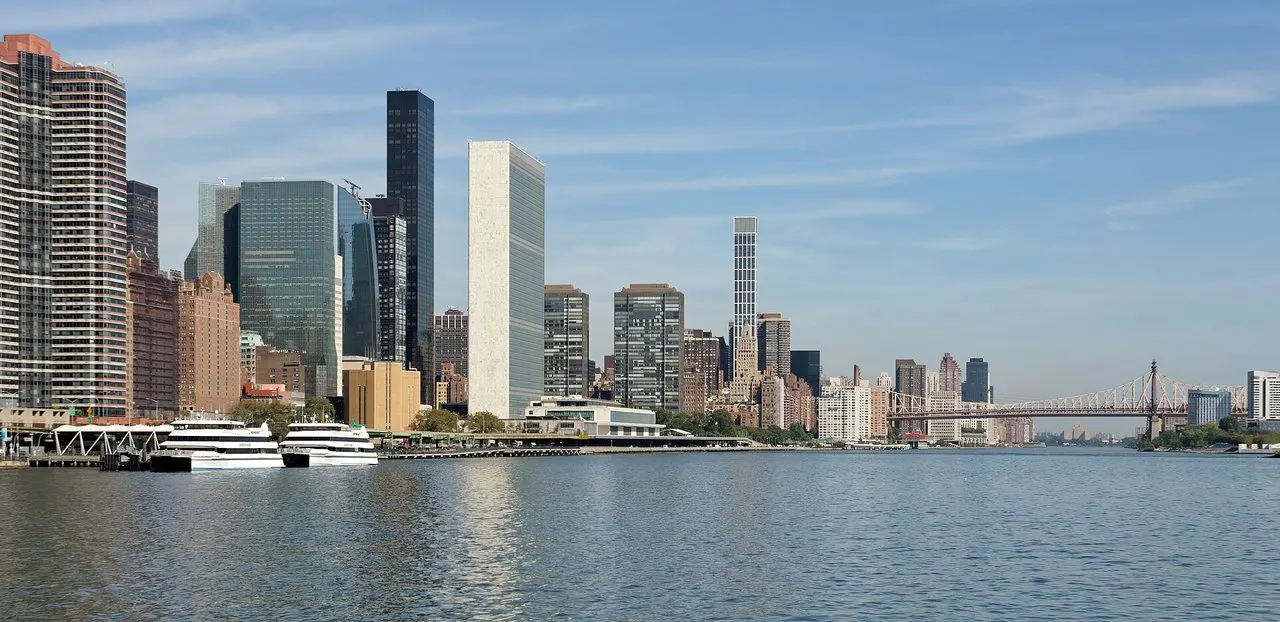
One of the three agreements at the meeting was to reform the United Nations, the world body that was set up after the Second World War to keep peace between nations. Reform has been talked about for many years, because many countries say the way the body works no longer fits the world of today. The reports from Shenzhen did not give details of what reform would look like, so the promise remains broad for now. Read our Greenland deal report and our story on the Lavrov peace talks for more on big international deals.
Fuel Supplies and Refined Petroleum
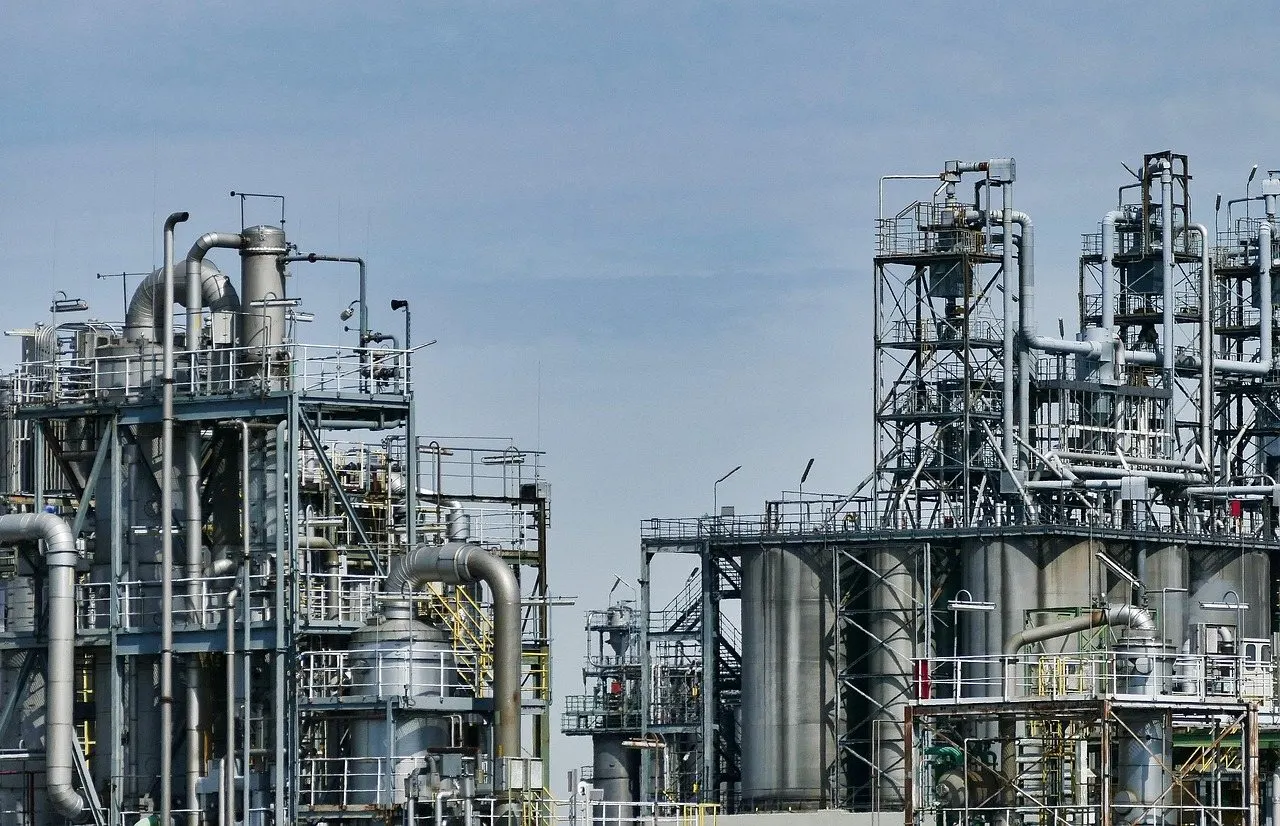
The leaders also agreed to increase the supply of refined petroleum products, which are the fuels and oils that come from crude oil after it is processed. Refined products power cars, trucks, planes and ships, and they heat homes and run factories in many countries. When supplies are tight, prices can rise and everyday life gets more costly, so a promise to boost supply matters to ordinary people. Learn more in our report on the China trade deal and our story on the Marcos welcome in China.
Cutting Nuclear Risks Together
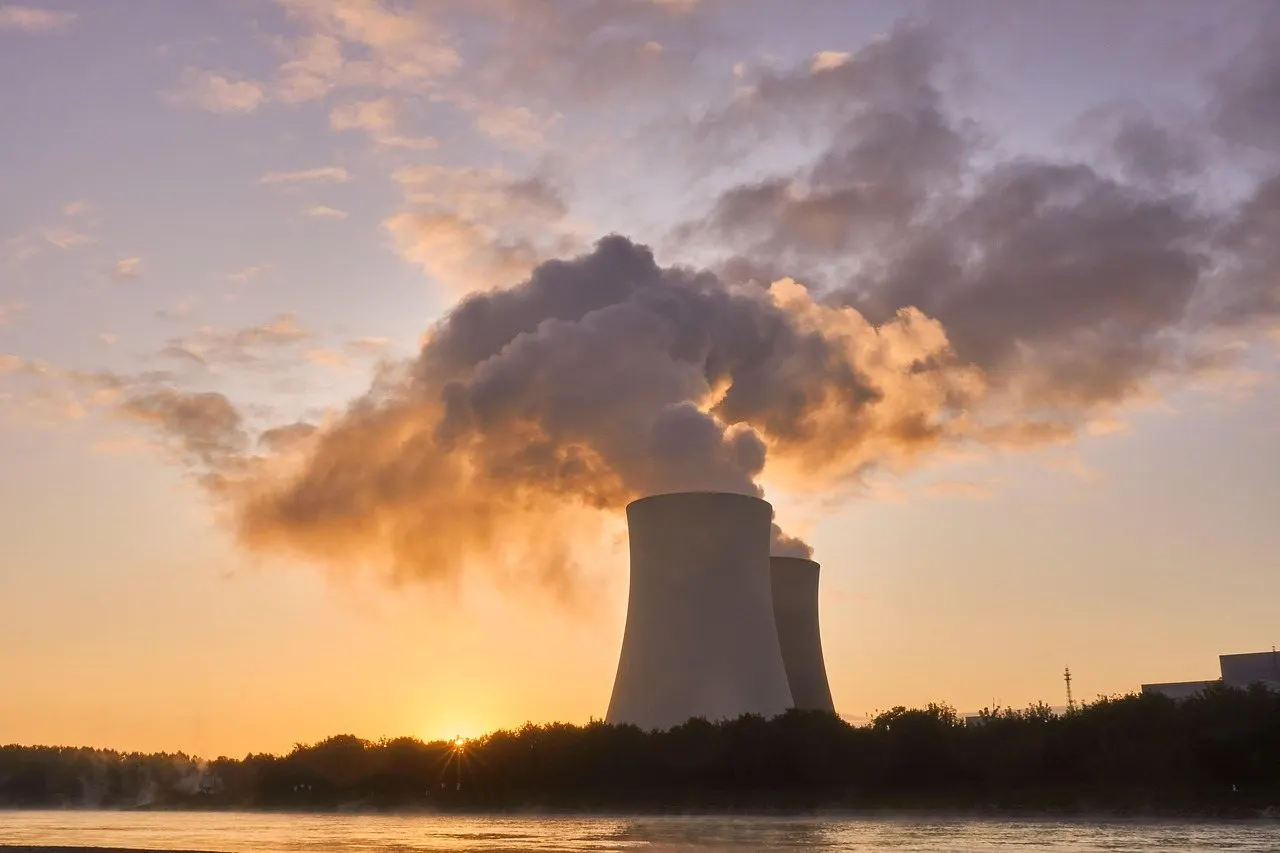
The third agreement at the meeting was to work toward reducing nuclear risks, a goal that matters because the United States, China and Russia are the three nuclear powers. The Wall Street Journal headline said the summit ended with a denunciation of nuclear conflict, which means the leaders spoke out against the use of nuclear weapons. Reports noted the agreements were broad and short on specifics, so the next steps are still unclear. See our story on the Trump Putin call and our report on Ukraine security.
The Round Table at the Shenzhen Trilateral Summit
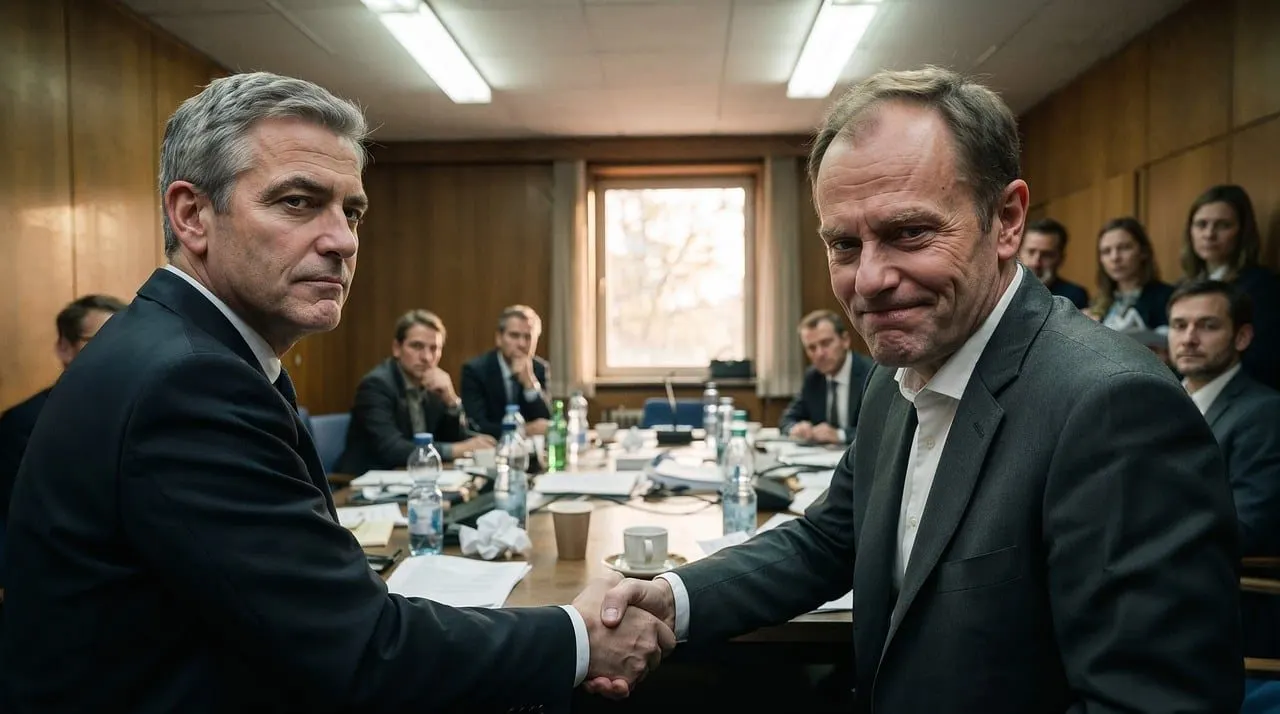
The three men sat around a round table at Kylin Villa, with Xi in the middle. A round table has no head and no foot, so no one sits above the rest, and that fits a meeting of three leaders who each lead a great power. The photo of the three men at the table became one of the main images of the day, and the meeting will be recalled by that image. Read our report on Russian reporters in Anchorage and our story on the Kim meeting for more summit scenes.
Shenzhen Hosts a Historic Meeting

Shenzhen is a large city in southern China, close to Hong Kong, and it is known around the world as a center of trade and technology. Choosing Shenzhen as the host city put the meeting in a place that stands for modern China and its fast growth. The city has grown from a small town into a major hub in a few decades, and it often hosts big events. For more on China and world trade, read our story on the Marcos welcome in China and our report on Ukraine security.
Three Agreements From the Shenzhen Trilateral Summit
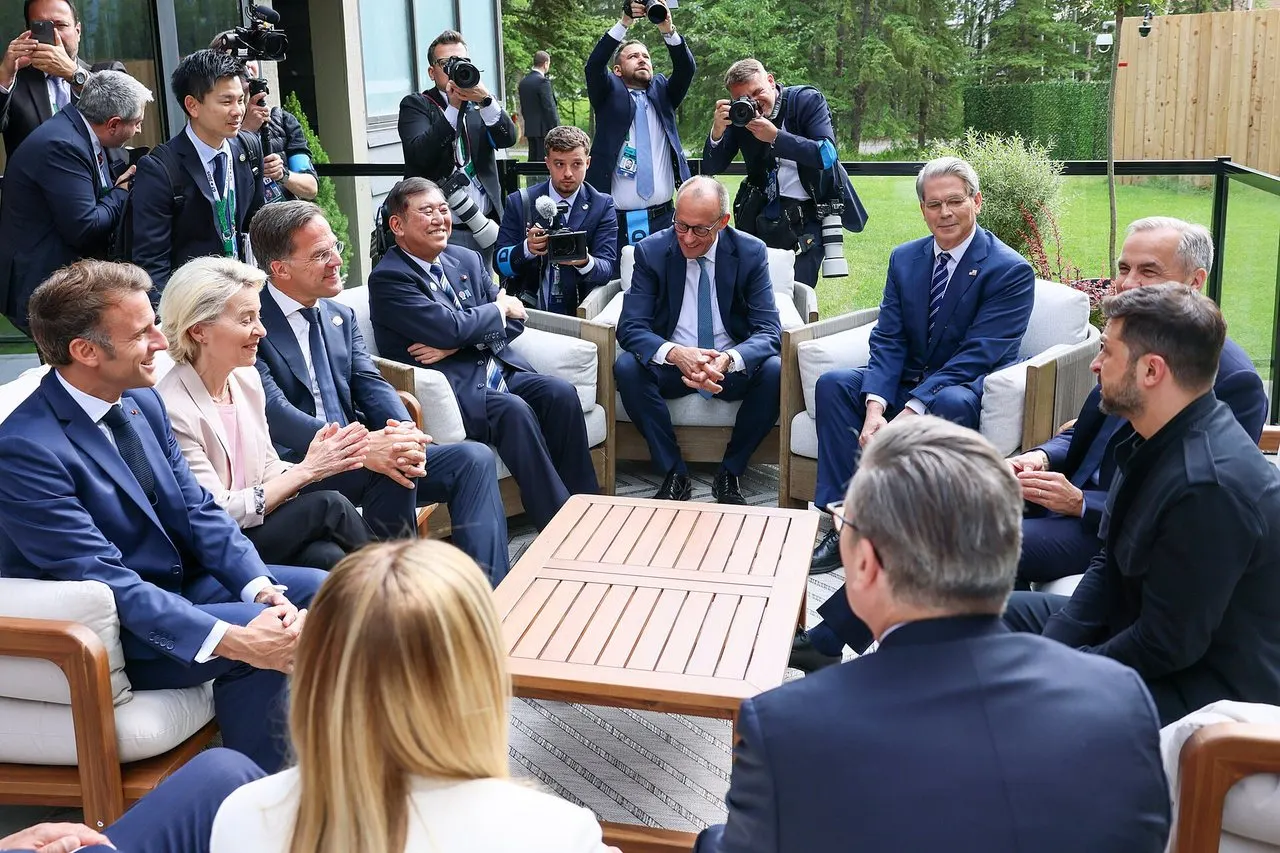
The Shenzhen trilateral summit produced three agreements, and they were simple to list even if the details were thin. The leaders agreed on U.N. reform, on boosting fuel supplies and on eliminating nuclear risks, three topics that touch peace, energy and safety. The page that shared the news listed the three points in plain words, and readers could see at a glance what the men had agreed to do. See our Philippines deal report and our Greenland deal story for more on Trump deals.
Why the Shenzhen Trilateral Summit Was Called Historic
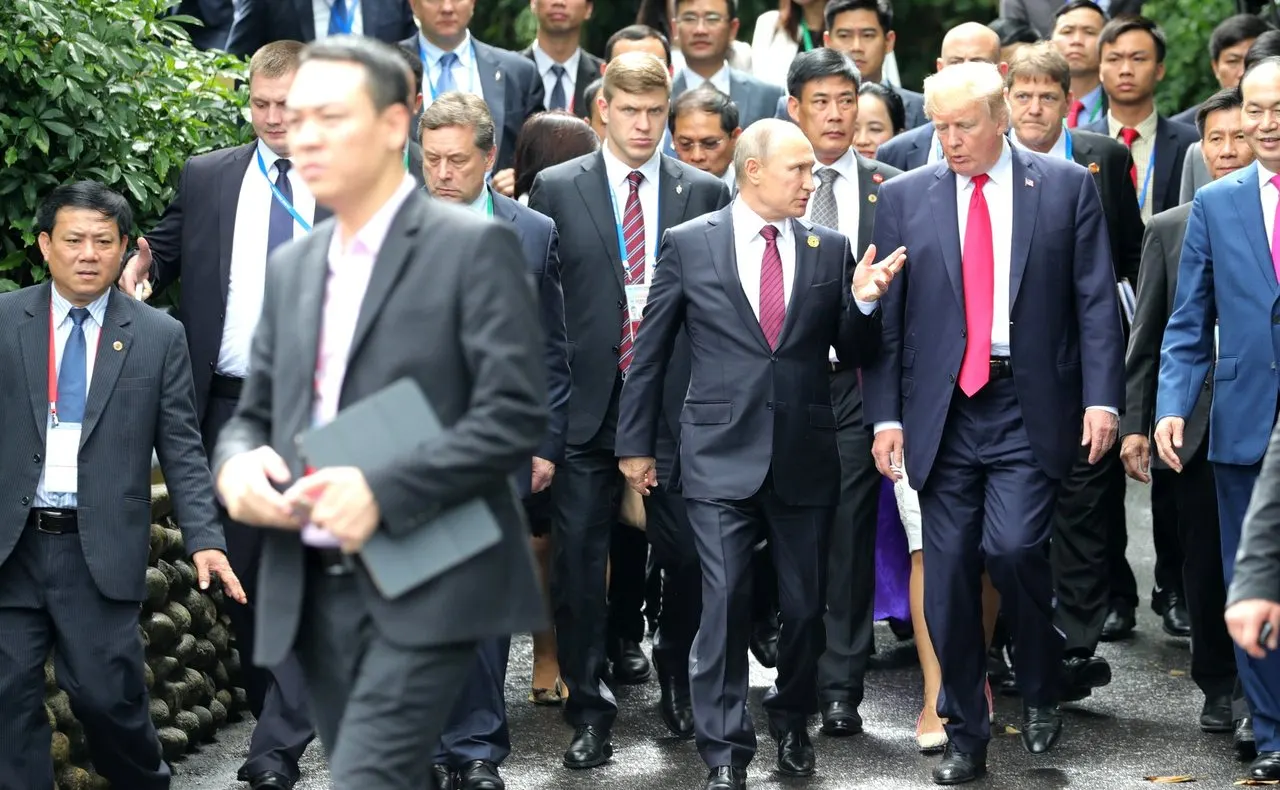
The meeting was called historic because it was the first ever gathering of the leaders of the United States, China and Russia. No meeting of the three leaders had happened before, so the day marked a new moment in world diplomacy. The page credited Trump with bringing the three nuclear powers to one table, and that claim became part of the story. Read our report on the Alaska summit and our story on Lavrov and the peace talks for more background.
The Shenzhen Trilateral Summit and Global Diplomacy
The Shenzhen trilateral summit fits a long pattern of leaders meeting face to face to talk through hard problems. Diplomacy often moves slowly, and a single meeting rarely settles every question, but talks can open doors that stay shut when leaders only speak through statements. The three agreements from Shenzhen give the three governments a shared list to work from in the months ahead. Learn more in our story on the self pardon bill and our report on Bernie Sanders and Trump.
How the World Reacted to the News

News of the meeting spread fast, and four major outlets covered it in their own ways. The Wall Street Journal wrote about the denunciation of nuclear conflict, CNN wrote about the takeaways from the China trip, the Associated Press called the meeting historic, and Le Monde wrote about the pomp in Shenzhen. Each report added a piece to the picture, and together they gave readers a fuller view. Read our story on the White House portrait and our report on the U.S. Open visit for more Trump news.
The United Nations Today
The United Nations was set up to give countries a place to talk instead of fight, and its main bodies meet in New York. Over the years many leaders have called for changes to the way it works, from the Security Council to the way peace work is funded. The meeting put reform back on the agenda, but the reports gave no plan for how the changes would happen. See our report on the China trade deal and our story on Bernie Sanders and Trump for more on reform talks.
Fuel, Energy and Everyday Life
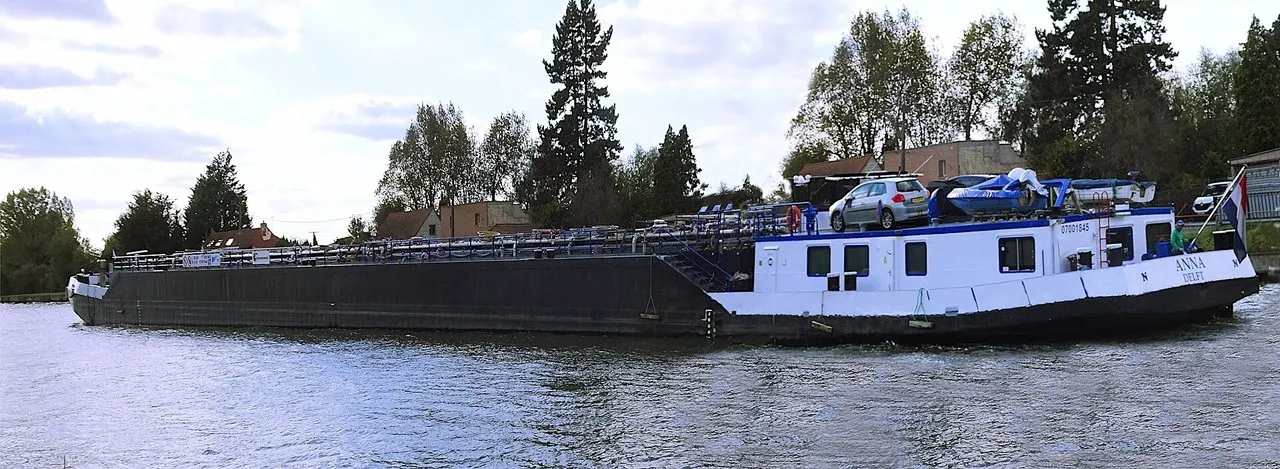
Fuel reaches people through a long chain that starts with crude oil and ends at a pump, a port or a power plant. Refined petroleum products include petrol, diesel and jet fuel, and they keep transport moving and goods flowing to shops. When leaders talk about boosting fuel supplies, they are talking about a chain that touches prices, travel and work in many countries. Learn more in our story on the Philippines deal and our report on the Marcos welcome.
Nuclear Safety and the Road Ahead
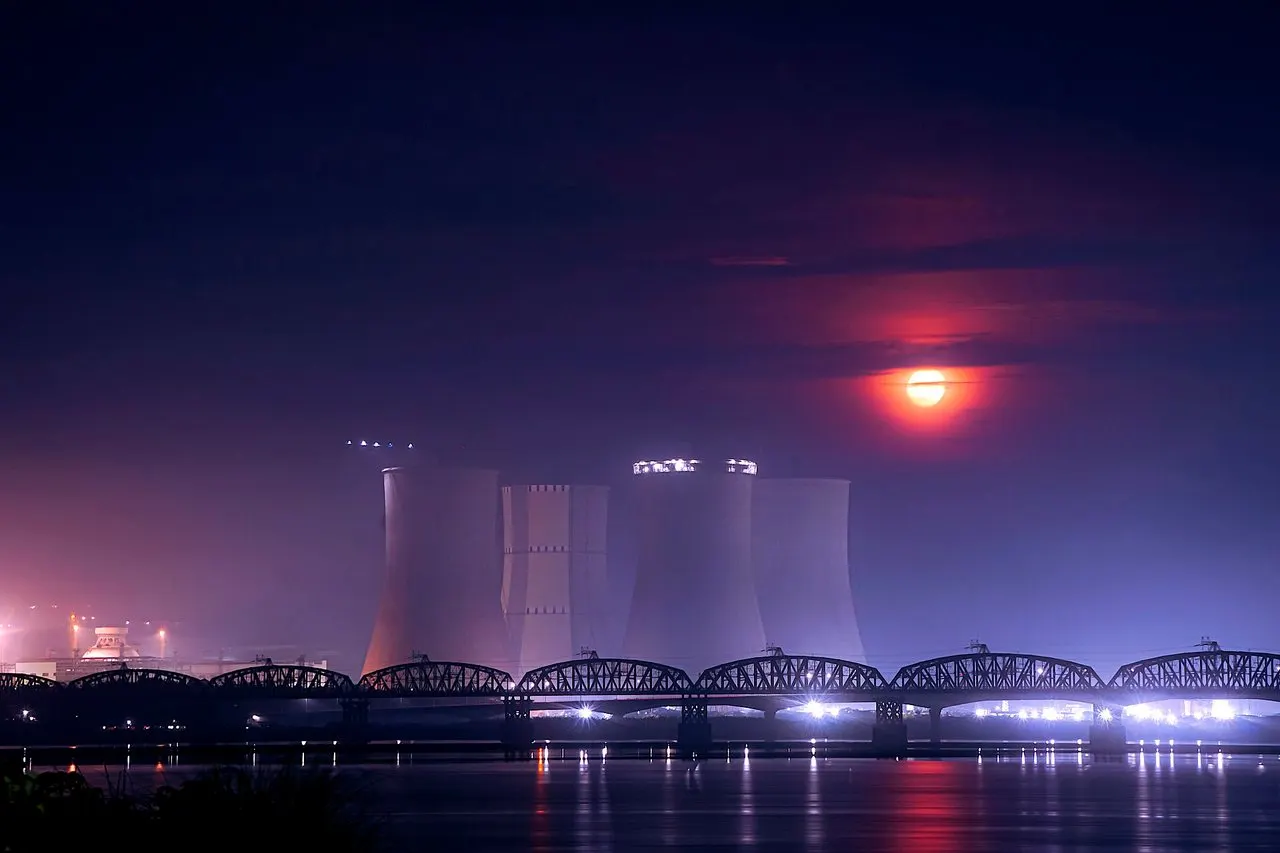
Nuclear weapons have shaped world politics for eighty years, and the countries that hold them talk often about safety and control. Reducing nuclear risks can mean many things, from better talks between governments to clear rules about how weapons are handled. The summit statement spoke against nuclear conflict, which is a clear public message even when the details are still to come. Read our story on the Kim meeting and our report on Russian reporters in Anchorage for more on nuclear talks.
What Comes Next After Shenzhen

The meeting ended with three broad agreements, and the next test is what the three governments do with them. Watchers will look for talks on U.N. reform, for moves on fuel supplies and for steps that lower nuclear risks. If the leaders follow through, the meeting could matter far beyond one day in Shenzhen. If not, it will be recalled as a photo and a promise. See our report on the self pardon bill and our story on Bernie Sanders and Trump for more on what comes next in politics.
Lessons From Past Summits
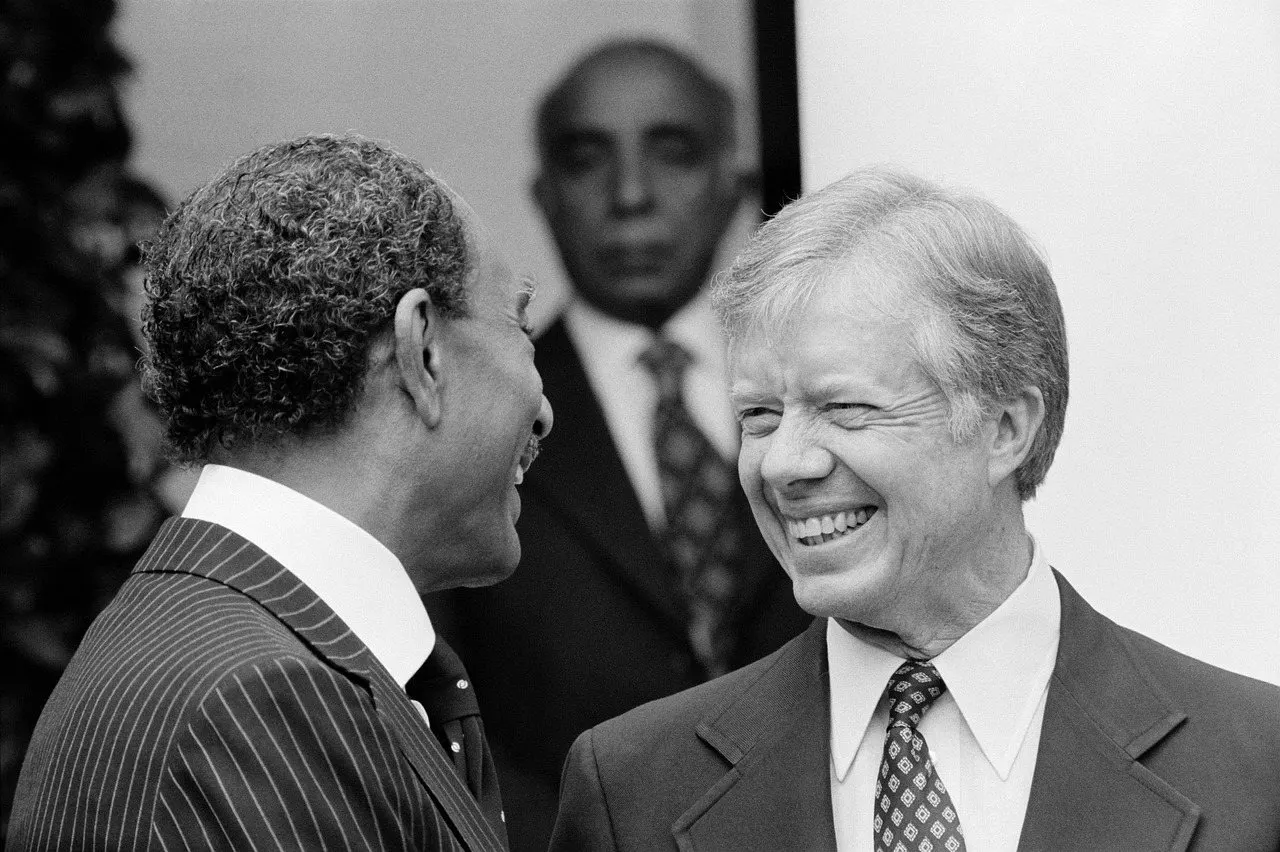
History is full of summits that changed the course of events, and full of summits that faded fast. The Camp David talks of 1978 brought leaders together and led to a peace deal, while other meetings produced warm photos and little else. The difference often lies in the work that follows, when officials turn a handshake into written plans and real steps. Read our story on the Alaska summit and our report on Ukraine security to compare past meetings.
What Do You Think of the Shenzhen Trilateral Summit?

The Shenzhen trilateral summit gave the world three big promises, and now readers can judge them for themselves. Do you think the meeting will lead to real reform at the United Nations, to fuller fuel supplies and to lower nuclear risks, or will the agreements stay broad and short on specifics? Share your thoughts in the comments below and tell us what you would ask the three leaders. Read our story on Neuralink trials and our report on the Mamdani debate challenge while you are here.