No Invasion Act Would Seal the Border for Good
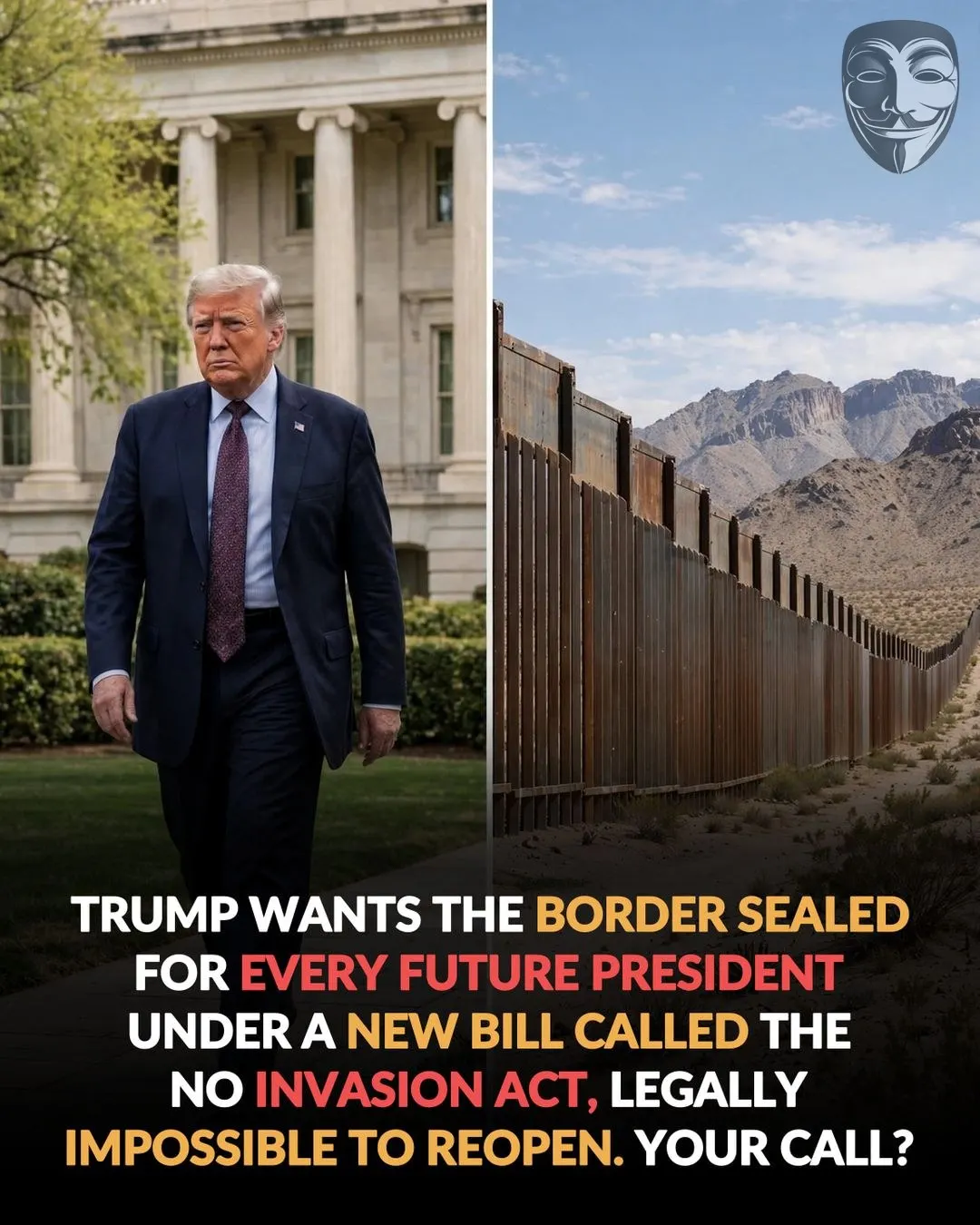
The No Invasion Act is Donald Trump’s plan to lock the southern border shut for good, so no future president can reopen it. He first pitched the idea on September 9, 2026, at a Republican midterm convention in Dallas, where he said the bill would make it legally impossible for any future president, including a Republican, to reopen the border. Trump argues that border security should be written into federal law instead of being left to each president’s executive orders, which the next president can undo.
The plan now faces a harder road, because the midterm elections flipped Congress to the Democrats, the very party the law was meant to stop. Representative Chip Roy has a separate border bill, the Permanent Trump Secure Border Act, which has already advanced out of committee, but no bill text under that name has been formally introduced yet. In the slides ahead, we look at the Dallas pitch, the bill behind it, and the big question it raises, much like the fight over a self-pardon bill and the court battle over tariffs raised questions about presidential power.
References:
Fox News: Trump Calls For No Invasion Act To Keep Border Closed For Future Presidents
CBS News: Trump Pushes Bill To Stop Future Presidents From Reopening The Border
Roll Call: No Invasion Of Our Country Act Has Not Yet Been Drafted
NBC News: Appeals Court Rules Against Trump Attempt To Suspend Asylum Access
Trump First Pitched the Idea in Dallas
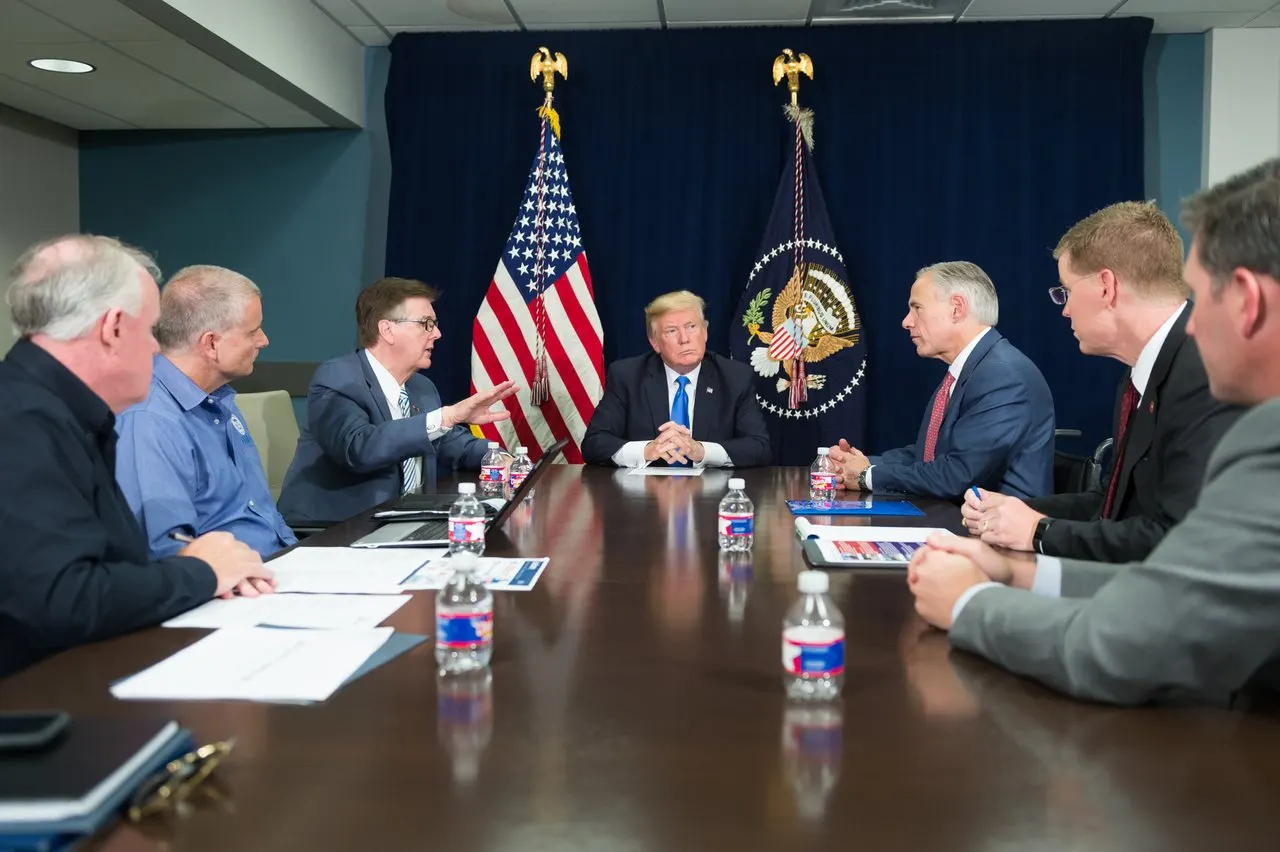
Donald Trump chose a Republican midterm convention in Dallas to unveil the idea on September 9, 2026. A midterm convention brings party members together in the middle of a president’s term to rally support and set the message for the coming elections, and Dallas gave him a friendly Texas stage. Trump told the crowd that border security should no longer depend on who sits in the White House. For more on how Trump uses big set piece moments, read our story on a viral video from the White House and the new presidential portrait.
What the No Invasion Act Would Do
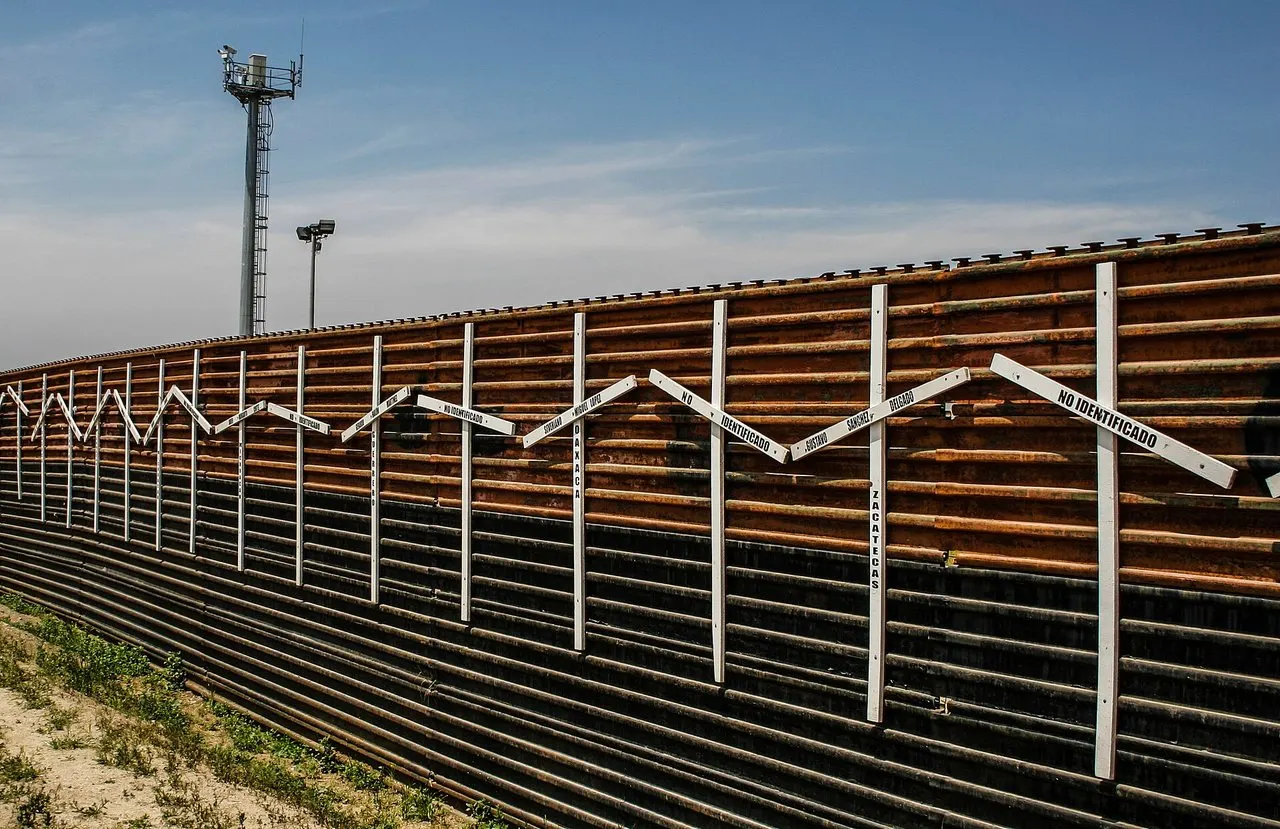
The No Invasion Act would write a closed southern border into federal law, so a future president could not simply reopen it with a signature. Today, much of border policy runs through executive orders, which means each new president can reverse the last president’s rules on the first day in office. Trump wants to end that cycle by passing a law that binds every president who comes after him, including a Republican. Read about the National Guard plan for Democratic-led cities and the federal crime crackdown for more on how Trump uses federal power.
Why Trump Gave the Plan That Name
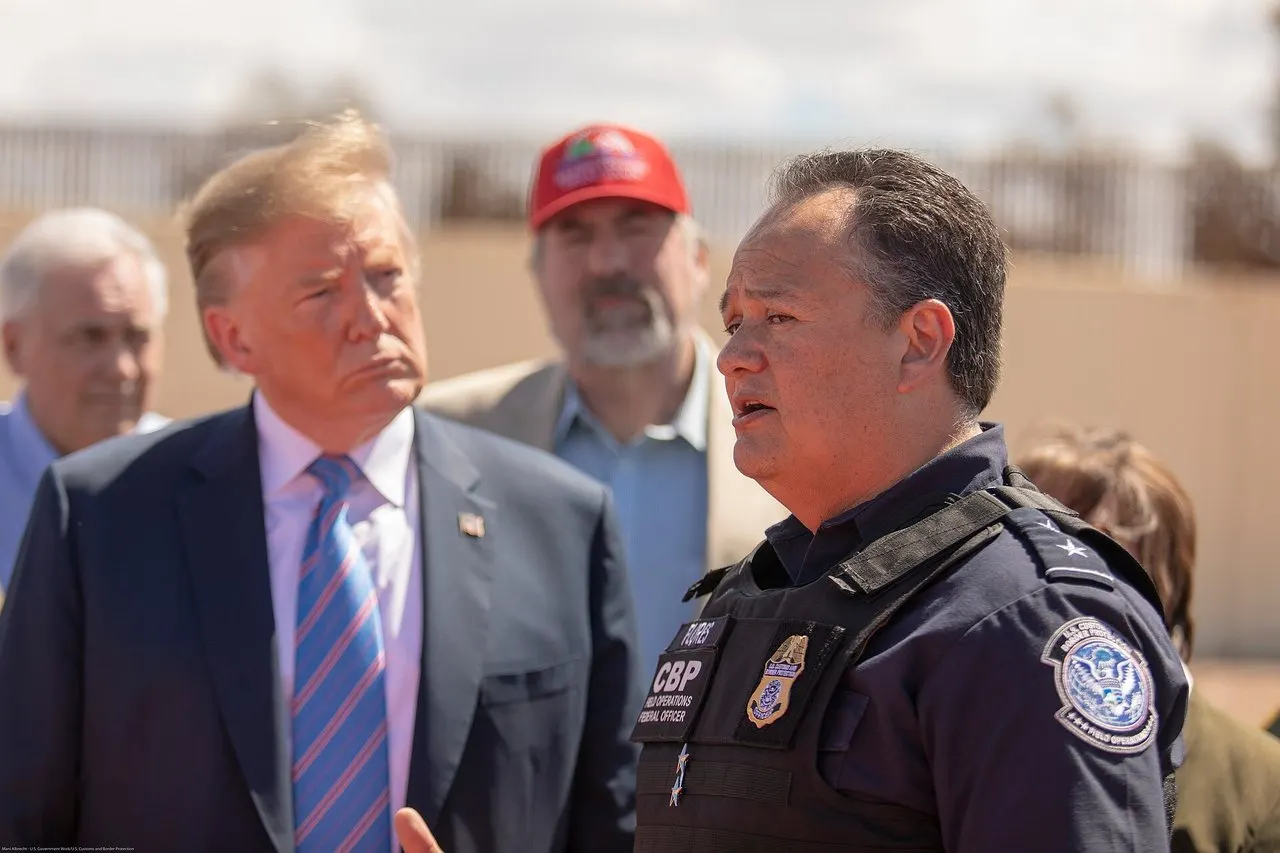
The name says a lot about how Trump talks about the border. By calling the bill by that name, he frames people crossing the southern border without permission as an invasion of the country, not just a policy problem. That language is meant to make the case for a permanent lock, not a temporary fix. Supporters hear a promise to protect the country, while critics hear a harsh word for a complex human issue. Learn more about the census plan that would exclude immigrants and the clash with Governor Gavin Newsom.
The No Invasion Act Would Put Border Rules Into Law
The No Invasion Act matters because a law is much harder to undo than an executive order. A president can sign an order on the first day in office and the next president can cancel it just as fast, which is why border rules have swung back and forth for years. A law passed by Congress stays in place until Congress itself changes it, so it gives border policy a steadier footing. Read about the plan to cap Supreme Court service at 18 years and the question of impeachment for more on limits on power.
Chip Roy Has a Border Bill of His Own
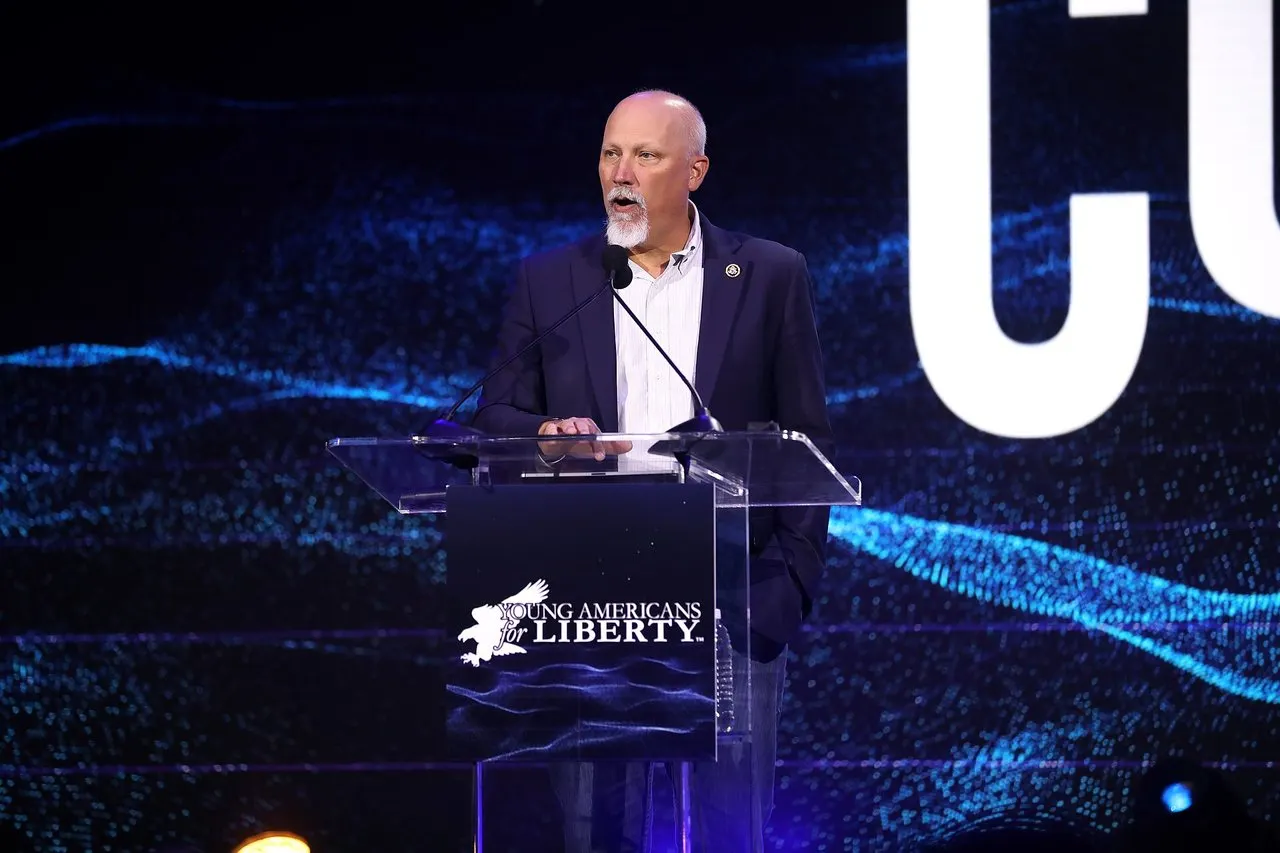
Representative Chip Roy of Texas has already moved a border bill through committee. His Permanent Trump Secure Border Act has advanced out of committee, which means it cleared an early hurdle that stops many bills. It is a separate bill from the one Trump pitched in Dallas, and the two should not be mixed up. Roy’s bill shows that border legislation is already moving in Congress, even while the new idea has no formal bill text yet. See the bill to keep the government open and the fight over a self-pardon bill for more on Congress and Trump.
The No Invasion Act Faces a New Congress
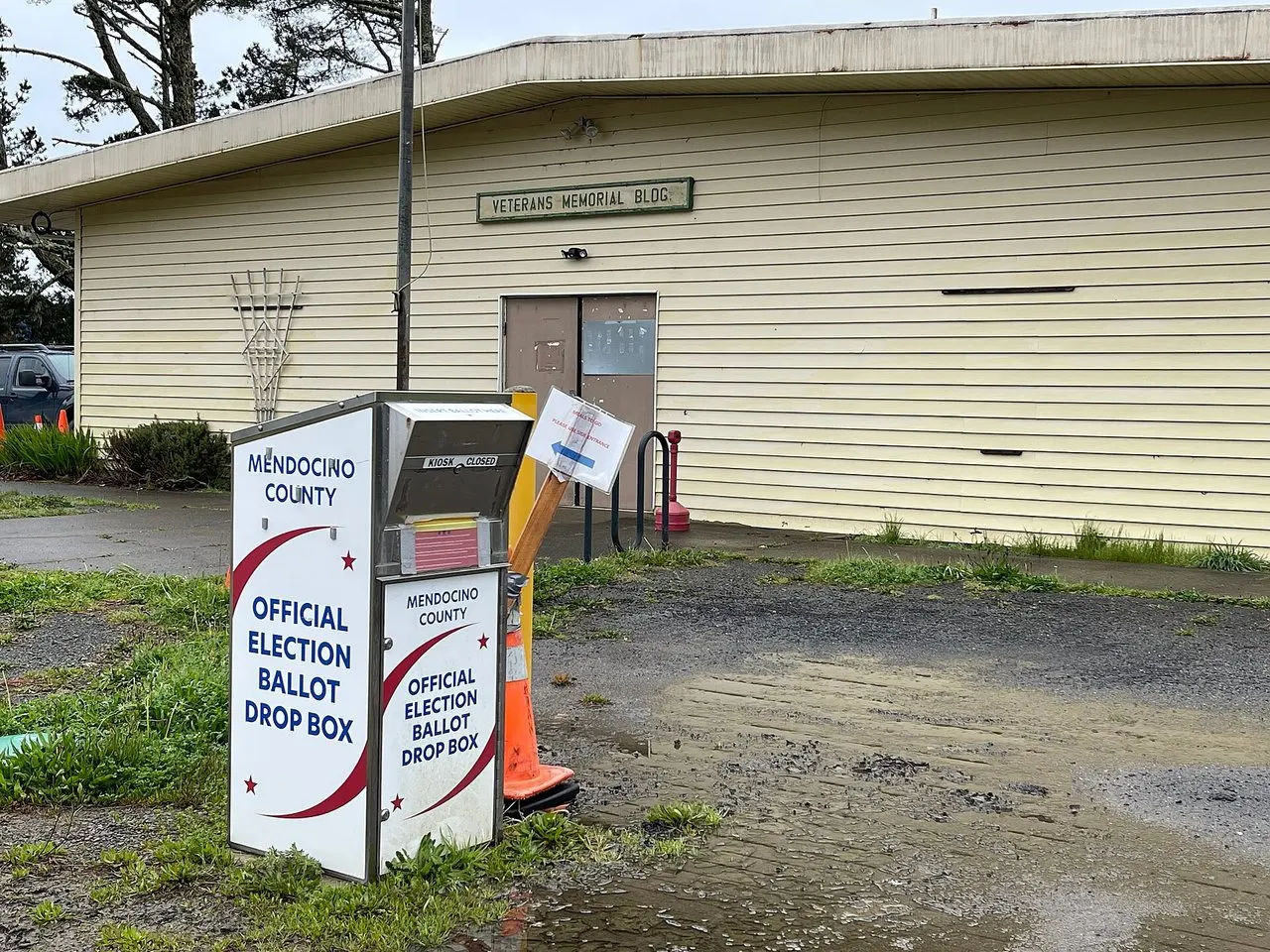
The midterm elections changed the math for the plan. Voters handed control of Congress to the Democrats, the very party the law was designed to stop from reopening the border. That means the bill would need support from the same lawmakers who oppose its goal, which makes passage much harder. A president can pitch a bold idea to his own party, but turning it into law takes votes from a Congress he does not control. Read about the impeachment question and the court ruling on tariffs for more on Trump and Congress.
Why One Congress Cannot Tie the Next One

One basic rule of lawmaking stands in the way of a permanent lock. One Congress cannot stop a future Congress from changing the law, because each new Congress has the same power to pass, change, or repeal laws as the one before it. That is how the system is built, so that no generation of lawmakers can rule forever. A border law could last for many years if it has broad support, but a later Congress could still vote to change it. Learn about the lawsuit over the Federal Reserve and the court ruling on the fraud penalty.
A Court Has Already Pushed Back on Asylum Limits
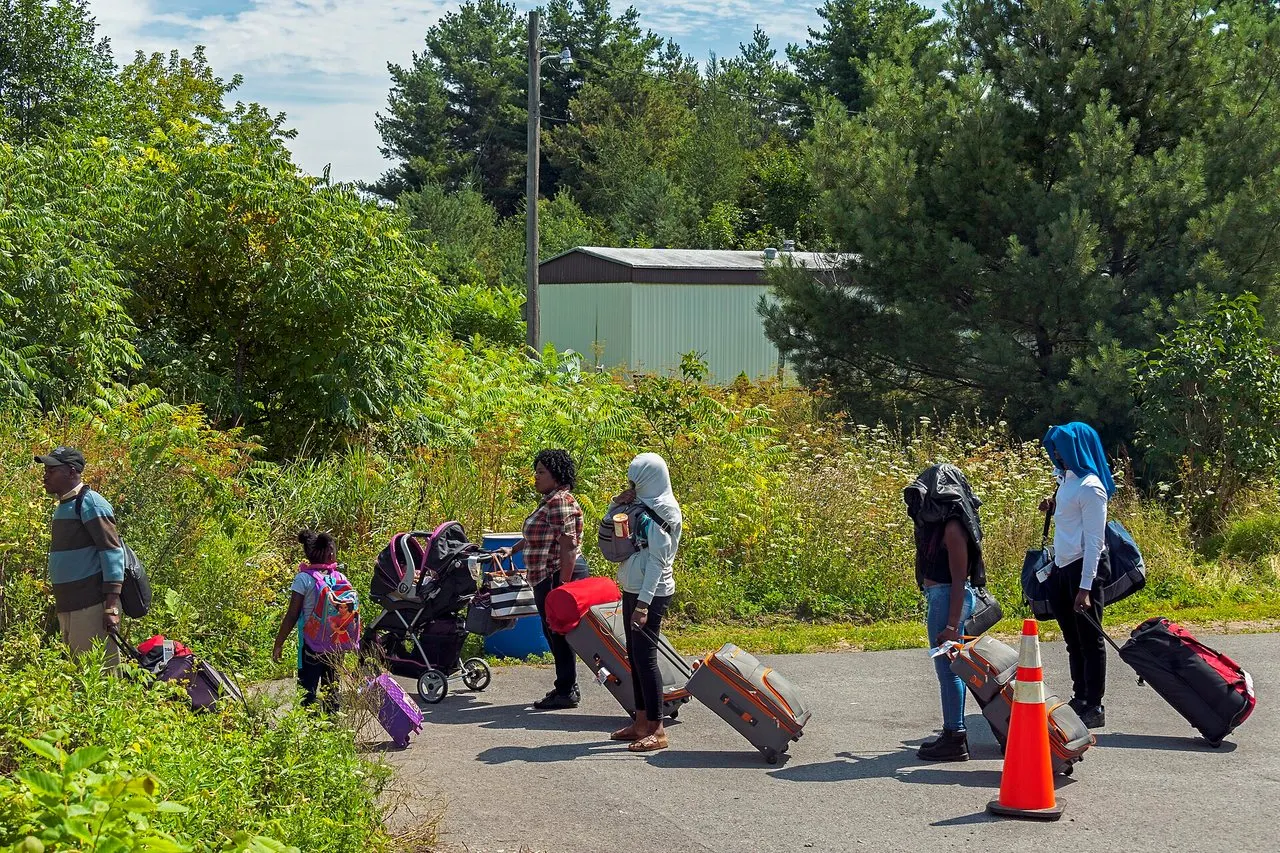
The courts are part of this story. NBC News reports that an appeals court ruled against Trump’s attempt to suspend asylum access, a sign of how judges can check a president’s border moves. Asylum is a legal path for people who fear harm at home, and courts decide how far a president can go in limiting it. That ruling is separate from the new bill, but it shows the same tug of war between the White House and the courts. Read about the Trump Burger owner facing deportation and the census plan for more on immigration and the law.
The No Invasion Act Sits at the Center of the Border Debate
The No Invasion Act has put border security back at the center of American politics. For supporters, a sealed border means safety, order, and a promise kept to voters who want the rules enforced. For critics, it raises questions about families, workers, and people seeking safety, and about whether a wall of law can answer a human problem. Both sides agree the border matters, and they disagree on what closing it for good would really mean. See the Philippines trade package and the China trade deal for more on Trump’s big promises.
What a Sealed Border Would Mean for Border Towns

Life along the southern border is tied to movement across it. In towns like El Paso, Texas, people cross every day for work, school, shopping, and family visits, and local shops depend on customers from both sides. A border sealed by law would still need crossings for legal travel and trade, so the question is how strict the rules would be in daily life. For border towns, the debate is not abstract, because it shapes jobs, streets, and neighbors. Read about the deportation case of a Texas restaurant owner and the patrols in Washington, D.C. for more on enforcement.
The Agents Who Would Enforce a Closed Border
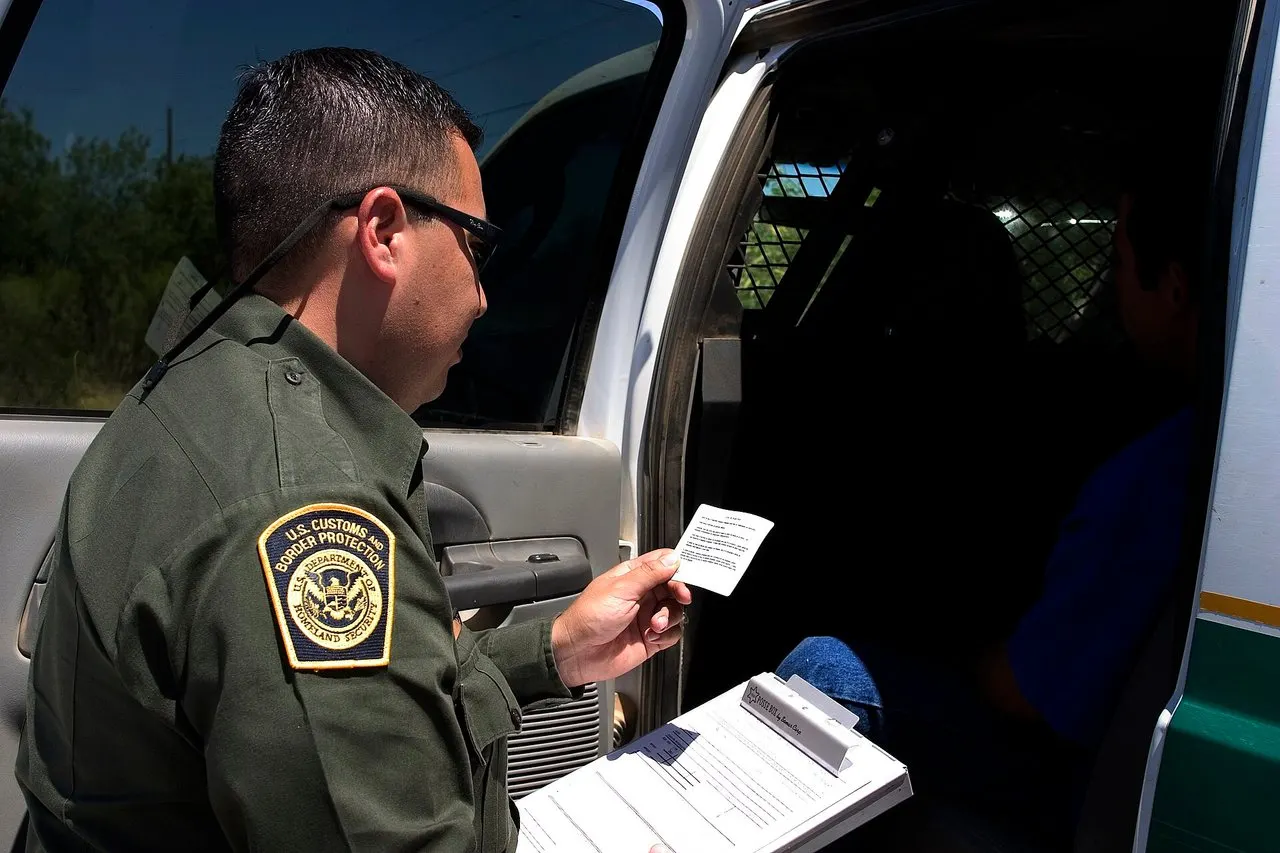
Border Patrol agents are the people who would carry out a sealed border on the ground. They patrol deserts, rivers, and highways, staff checkpoints, and respond to crossings day and night in heat, cold, and darkness. A new law would not change their daily work overnight, but it would set the rules they enforce for years to come. Whatever Congress decides, agents will be the ones turning words on paper into action at the border. Learn about the National Guard plan for cities and the New York crime plan for more on federal enforcement.
The No Invasion Act Would Still Need to Become Law
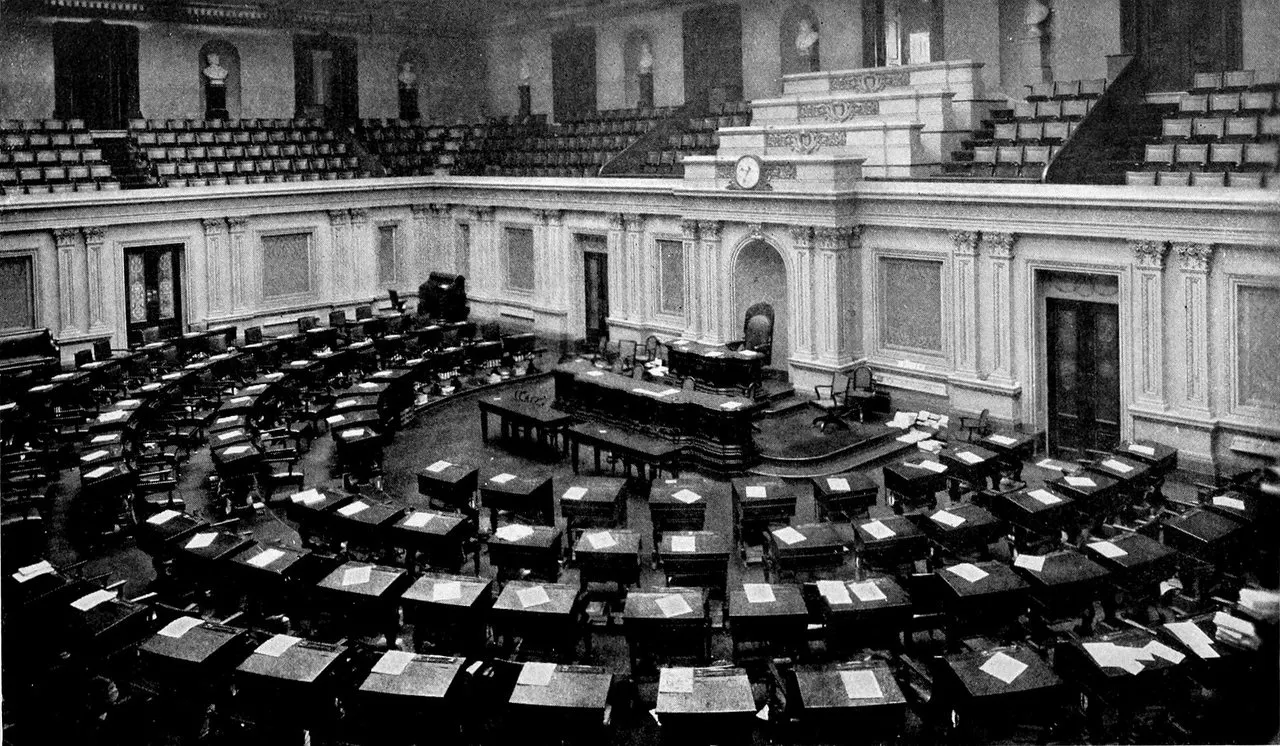
A pitch is not a law, and the road to the statute books is long. A bill must first be formally introduced, then pass through committee, then win votes in the House and Senate, and then be signed by the president. At each step, lawmakers can change it, delay it, or vote it down, and a bill with no text yet has not even taken the first step. That is why the idea’s future depends on Congress, not one speech. Read about the Supreme Court term limits plan and the questions over Biden’s final pardons for more on lawmaking.
Why Republicans Back a Permanent Border Law

Republicans have long made border security a central promise, and a permanent law fits it. For many in the party, executive orders feel weak, because a Democratic president can undo them on the first day in office. A law would lock in the rules even when the White House changes hands, which is exactly the point Trump made in Dallas. That is why the idea plays well with the party base, even if the votes in Congress are not there yet. See a viral video from the White House and the new presidential portrait for more on Trump’s second term.
Why Democrats Are Likely to Push Back
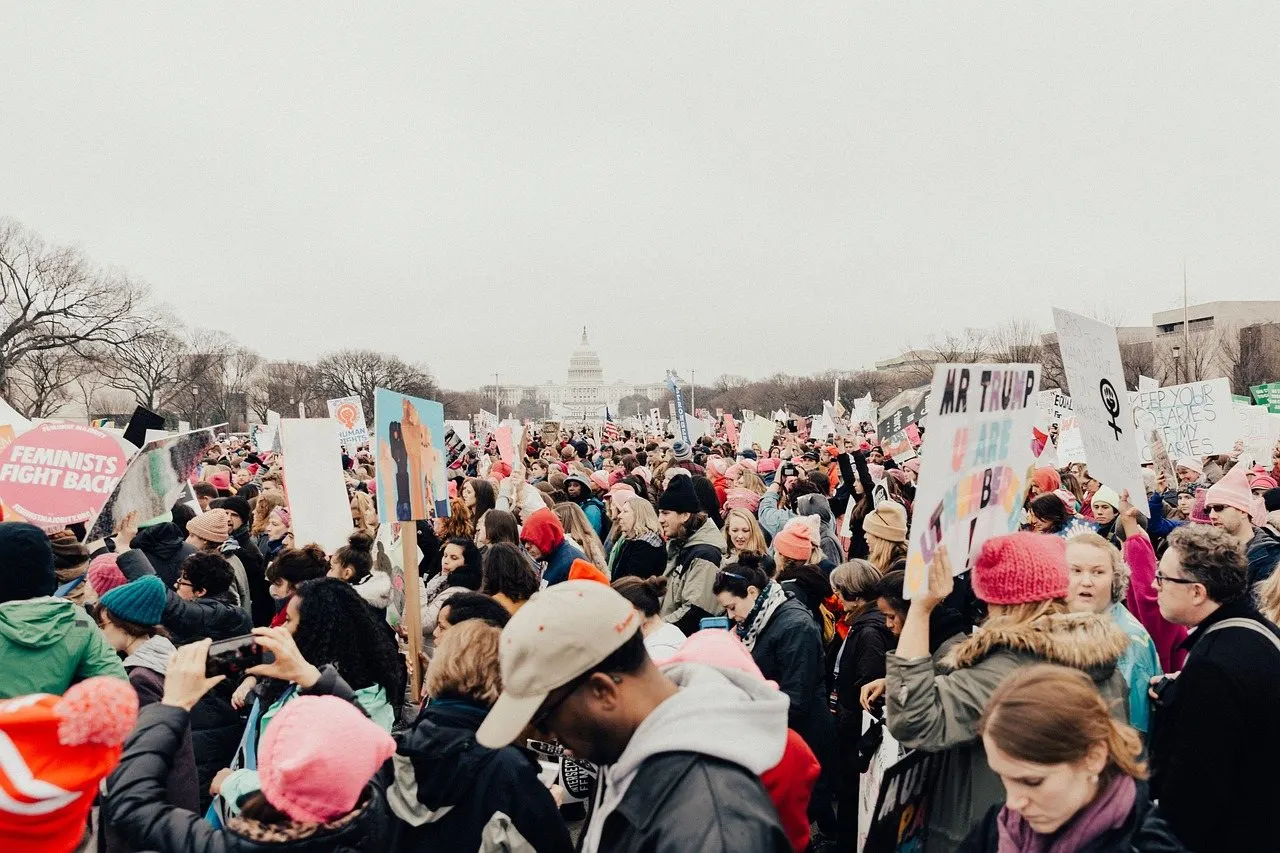
Democrats now control Congress, and they are unlikely to pass a law designed to stop their own party from reopening the border. Many Democrats argue that border policy should balance enforcement with legal paths for workers, families, and people seeking safety. They may also argue that tying the hands of future presidents goes too far, whatever the issue. With the midterms behind them, Democrats have the votes to block the bill, and the debate is likely to stay loud. Read about the flag-burning order backlash and the call for a fitness review for more on the two parties clashing.
The No Invasion Act and What Happens Next
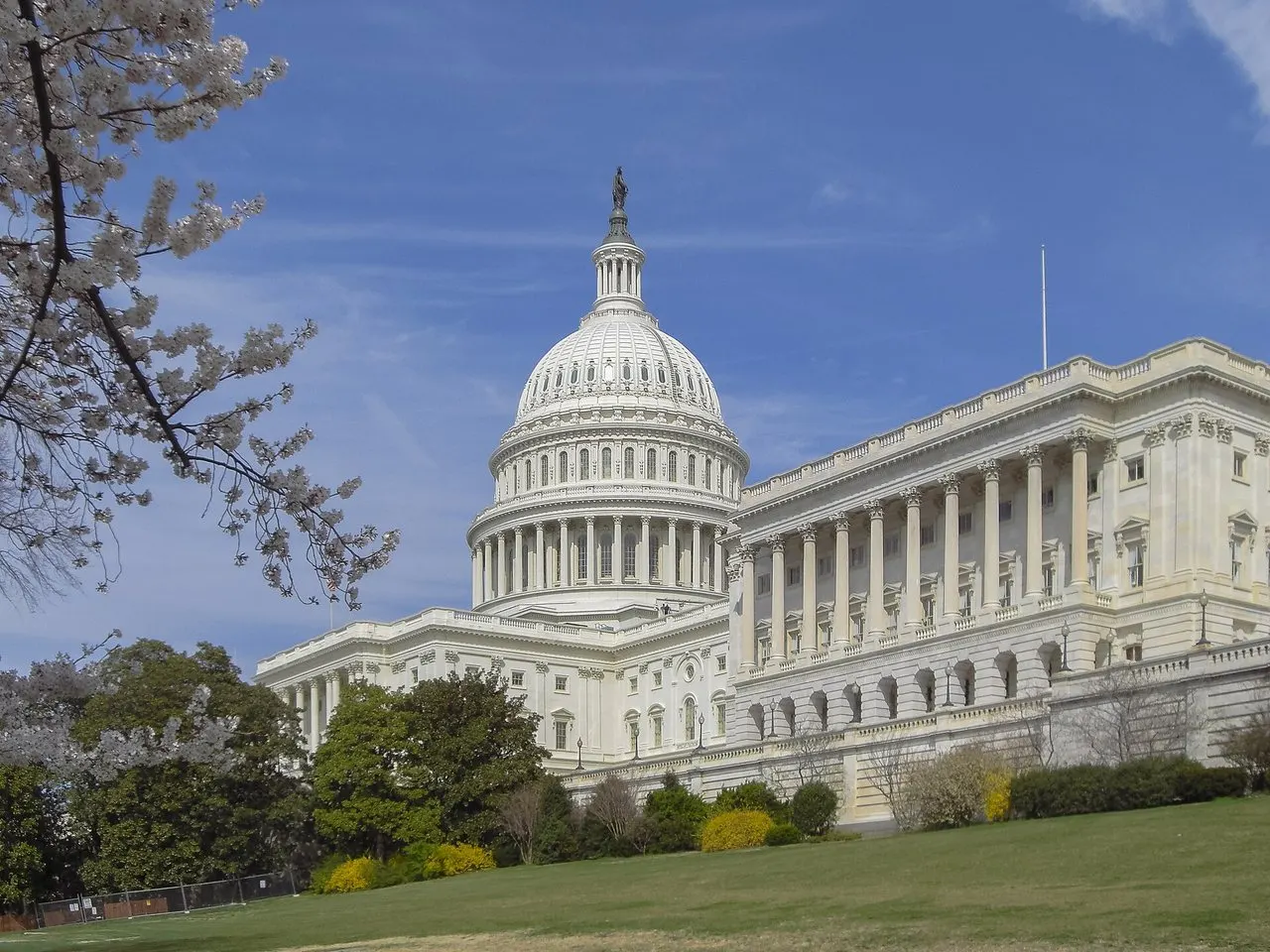
For now, the idea is a pitch, not a bill. No text under that name has been formally introduced, while Chip Roy’s separate border bill has already moved through committee. The next step is up to Congress, where the new Democratic majority would have to take up a plan aimed at limiting its own party. Until then, the border will keep running under the same mix of laws and executive orders, and the debate will keep going. Learn about the Ukraine security stance and the English-only policy at HUD for more on Trump’s agenda.
Past Presidents Have Also Fought Over the Border
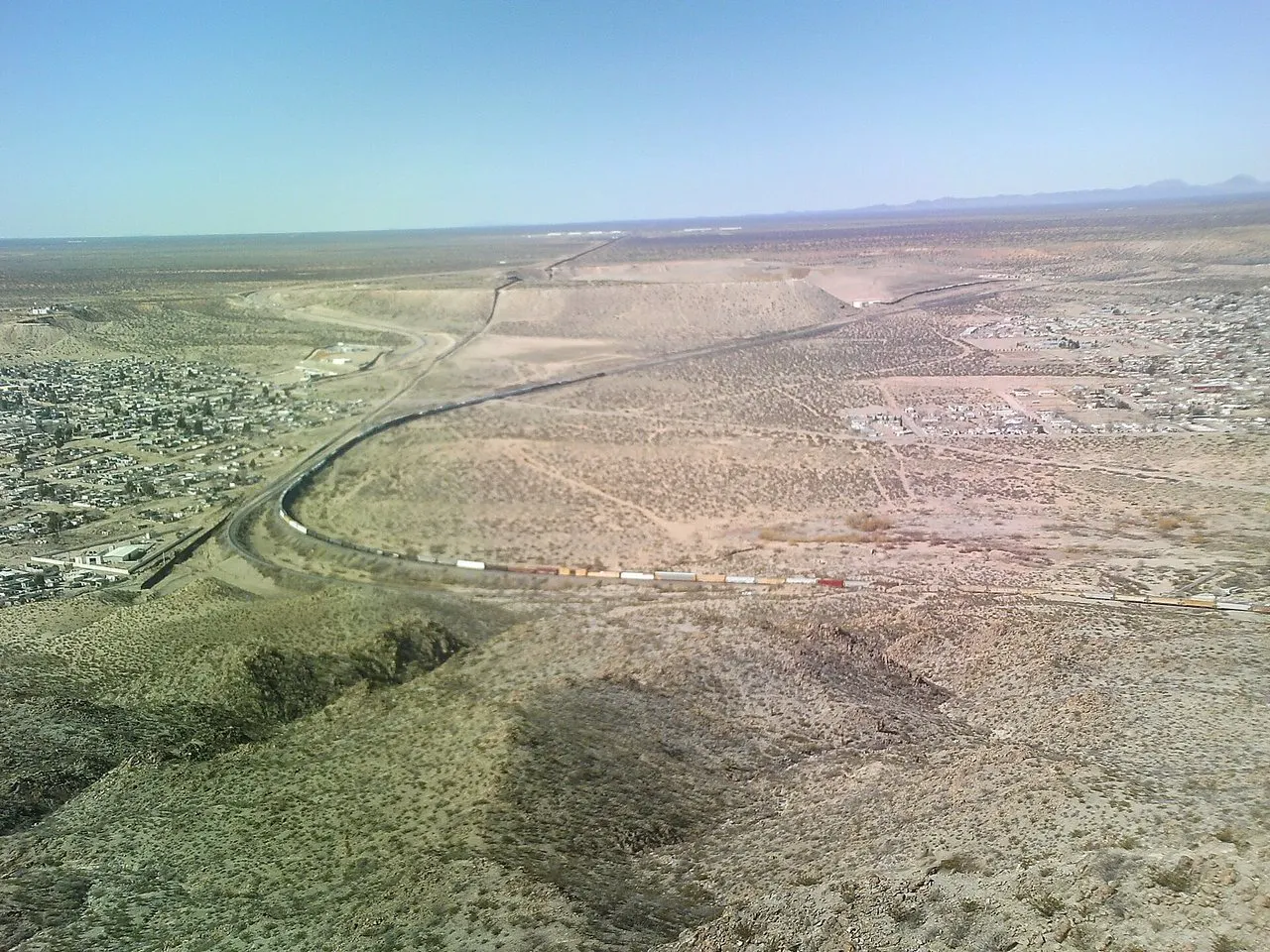
The border has swung with each new president for many years. One president tightens the rules with executive orders, the next loosens them, and the one after that tightens them again, which leaves agents, towns, and families guessing what comes next. That cycle is the reason Trump wants a law instead of orders, so the rules would outlast any single president. History shows the pattern clearly, and it also shows why changing it is so hard. See the federal crime crackdown and the patrols in Washington, D.C. for more on enforcement.
Should One President Tie the Hands of the Next?

That is the question at the heart of this debate. Should one president be able to write a law that stops every future president from reopening the border, or should each president get to set border policy for their own term? There is no bill text yet, and Congress holds the next move, so the answer will take time. What do you think, and what would you ask the lawmakers who must decide? Share your thoughts in the comments, and read about the Philippines trade package and a star who considered leaving the country for more.