Muslim Population Growth Will Pass Christians by 2035
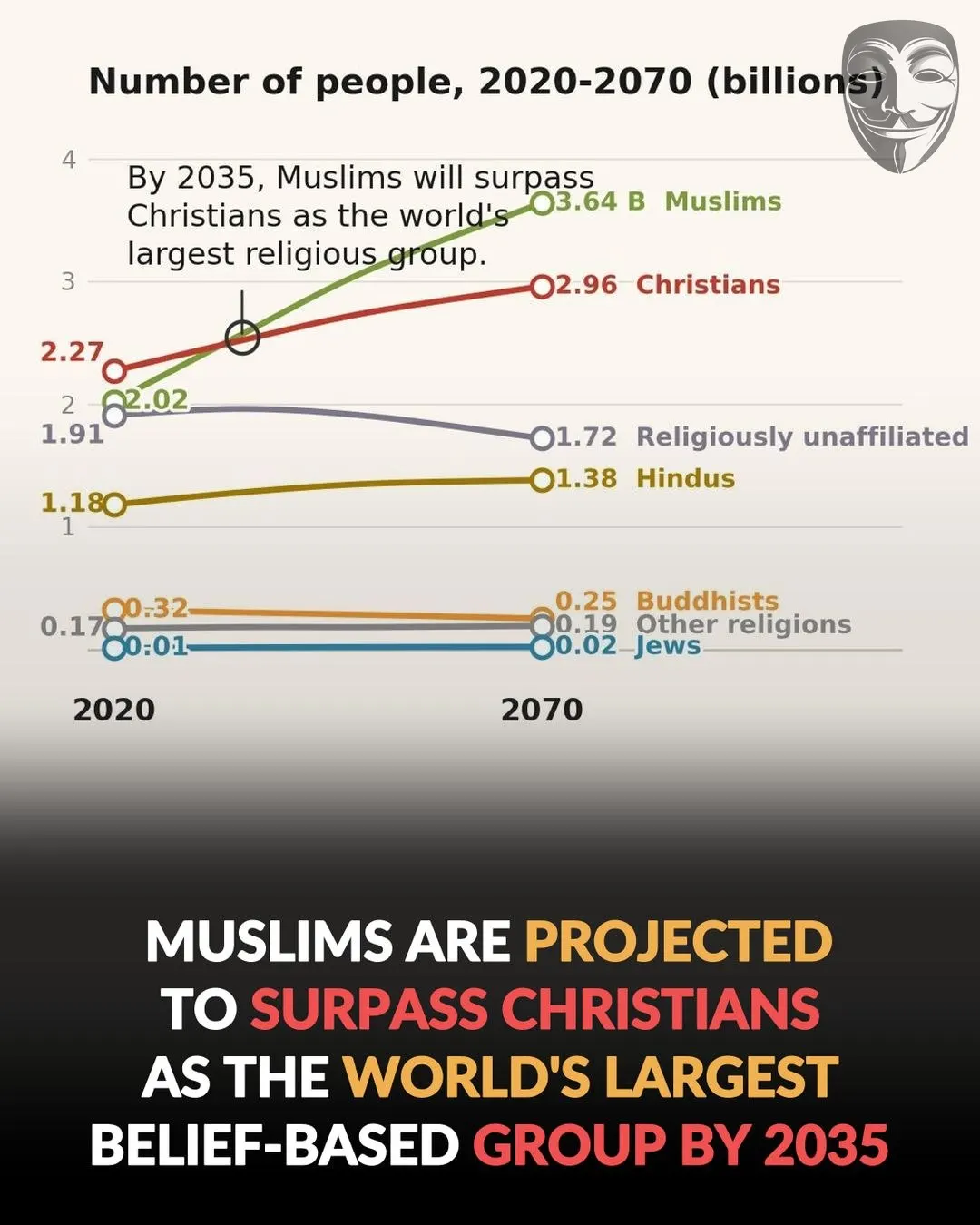
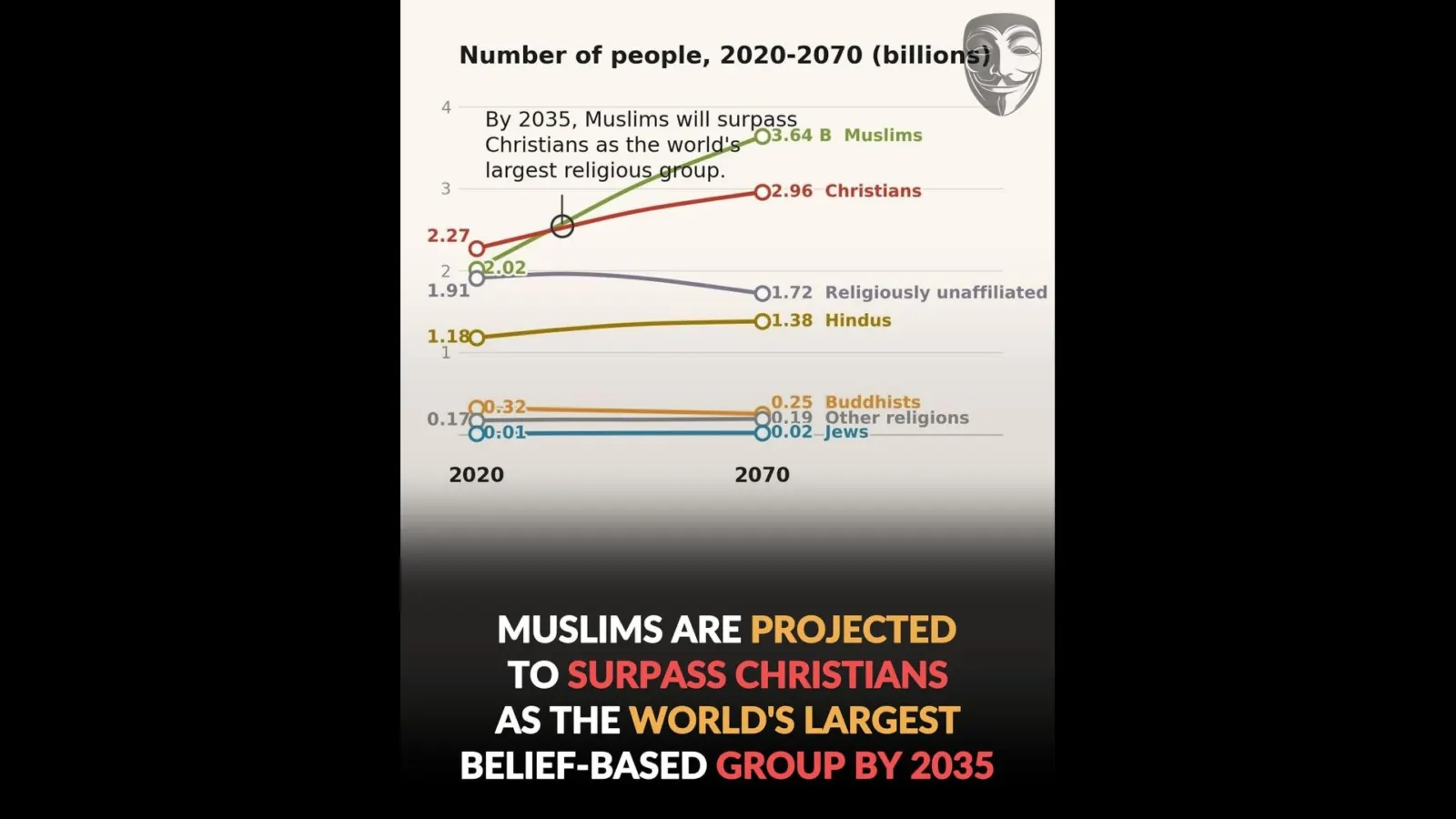
Muslim population growth is about to reshape the religious map of the world, according to new projections from the Pew Research Center. The research group expects Muslims to pass Christians as the largest belief-based group on earth by 2035. In 2020 there were 2.27 billion Christians and 2.02 billion Muslims worldwide. By 2035 Pew expects 2.57 billion Muslims and 2.52 billion Christians. The crossover is close, and it marks a turning point that few people saw coming a generation ago.
The gap is expected to keep widening after 2035. By 2070 Pew projects 3.64 billion Muslims, about 36 percent of the world, while Christians reach just under 3 billion. Higher fertility and a younger age profile are driving the faster growth, with Muslim women averaging 3.1 children compared with 2.5 for Christian women. In the slides ahead we look at the numbers, the reasons behind them, and what they mean for the world. For more on big global shifts, read our report on a $17 billion deal with the Philippines and why so many data centers are being built.
References:
Pew Research Center: The Future of World Religions Population Growth Projections 2020-2070
Pew Research Center: Islam Will Soon Be the World’s Largest Belief group as Christianity Continues to Grow
Associated Press: Islam expected to surpass Christianity as the world’s largest belief group by 2035
WAMC: Muslims will outnumber Christians worldwide by 2035 report says
Muslim Population Growth Is Set to Cross Over in 2035
The year 2035 is the moment Pew expects the lines to cross. Muslims are projected to reach 2.57 billion people, just ahead of 2.52 billion Christians. That narrow lead of about 50 million people is a historic first. For centuries Christians have been the largest belief group in the world, and the new numbers show that lead coming to an end. The change is gradual, not sudden, and it comes from steady trends that have been building for decades. Read about another turning point in a vote that reshaped Arctic security and a loyal dog that saved her owner.
Where the Numbers Stood in 2020
In 2020 Christians were still clearly ahead, with 2.27 billion people around the world. Muslims numbered 2.02 billion that same year, a gap of about 250 million. Both groups were growing, but Muslims were growing faster. That difference in speed is what sets up the crossover in 2035. A gap that looks large today can close quickly when one group grows faster year after year. The starting point shows how far the numbers have already moved. See how leaders marked the moment in a song that greeted a visiting president and a star-filled night at the CMA Awards.
Muslim Population Growth Widens the Gap by 2070

By 2070 the gap is expected to grow much wider. Pew projects 3.64 billion Muslims, about 36 percent of all people on earth, while Christians reach just under 3 billion. That would leave Muslims ahead by more than 600 million people. The projection looks far ahead, so it depends on trends that hold for decades, but the direction is clear in the research. A younger population and higher fertility keep adding to the Muslim total year after year. Learn about other long-term shifts in a bill about presidential pardons and a family’s choice about vaccines.
Muslim Population Growth Starts With Larger Families

Fertility is the biggest driver in the Pew projections. Muslim women average 3.1 children, compared with 2.5 for Christian women. That gap of 0.6 children per woman may sound small, but across hundreds of millions of families it adds up to a large difference. More children today means more parents tomorrow, and the effect builds with each generation. Fertility rates can change, and they often fall as education and incomes rise. For now the gap is wide enough to reshape the global picture. Read about everyday family life in a one-day chocolate price cut and a flood rescue in Saskatchewan.
A Younger Age Profile Adds Momentum
Age matters as much as fertility. Pew says Muslims have a younger age profile, which means more Muslims are in their childbearing years. A young population keeps growing even if birth rates fall, because so many people are starting families. Christians have an older age profile in many parts of the world. That difference gives Muslim growth a built-in push that lasts for decades. Age profiles change slowly, so this driver is steady and hard to reverse. See how technology may change lives in a brain implant that could restore sight and a debate about pride month and veterans.
Muslim Population Growth, Measured by Pew Research Center
The numbers come from the Pew Research Center, a research group known for studies of religion around the world. Its report, The Future of World Religions, covers population growth from 2020 to 2070. Pew builds its projections from census data, surveys, and birth and death records across the globe. The group studies how fertility, age, migration, and switching between faiths shape each group. Its work is widely quoted by news outlets because it uses the same methods for every faith. Find more context in a family’s plans to donate a brain to science and a call to release sealed files.
What a Belief-Based Group Means

Pew counts people by the faith they say they belong to, which is what belief-based group means here. It is not a count of how often people pray or attend services. Someone who calls himself a Christian counts as one, and one who calls herself a Muslim counts as one. That simple method lets researchers compare groups of very different sizes. It also means the numbers reflect identity, not devotion. Two people in one group may practice their faith in very different ways. Read about public moments of faith in a prayer dispute in the Senate and a capital patrol.
Growth Is Spread Across the Whole World
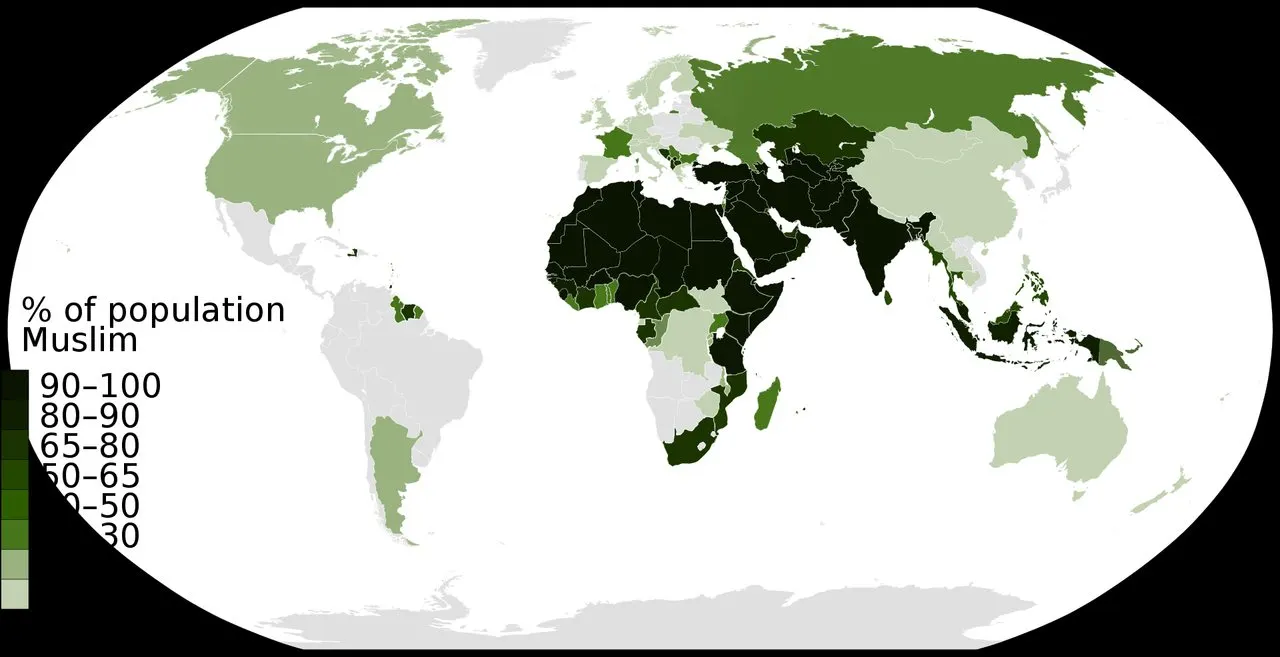
Muslims and Christians both live on every continent, so this is a global story. Christians are the largest group in the Americas and Europe, while Muslims lead in the Middle East, North Africa, and much of Asia. Growth rates differ by place, and the global totals blend those local stories together. A faith can shrink in one country and still grow worldwide if it is rising fast somewhere else. That is why the worldwide view matters more than any single nation. See how global deals take shape in a $17 billion package from the Philippines and a historic Arctic agreement.
Christians Keep Growing Too
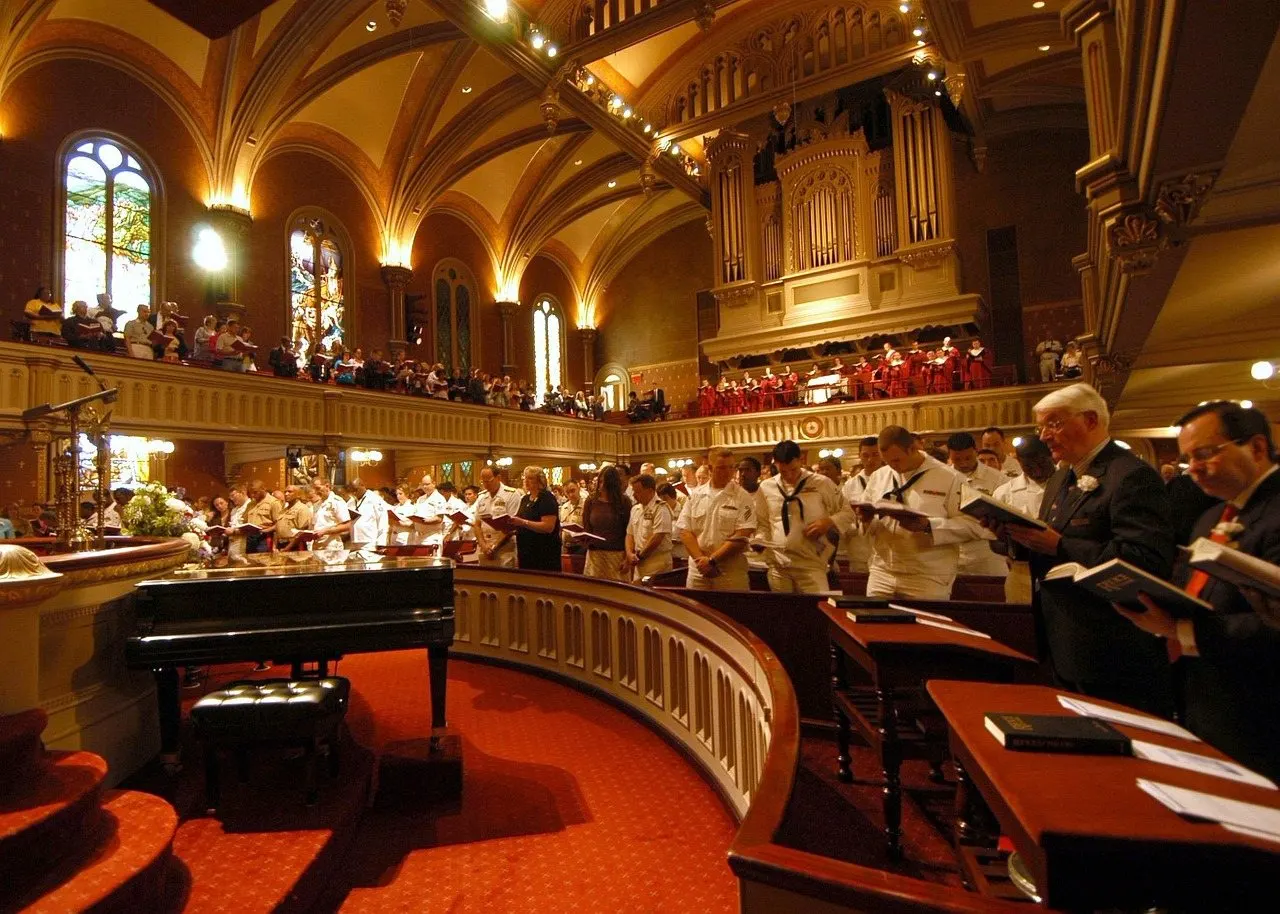
Passing Christians does not mean Christians are shrinking. Pew expects Christians to grow from 2.27 billion in 2020 to 2.52 billion in 2035, and to just under 3 billion by 2070. That is growth, driven by births in Africa, where Christian families are large. The story is about speed, not decline. One group is growing faster, so the order at the top changes even while both totals rise. It is a reminder that a smaller share can still mean more people. Read about growth of another kind in a hit song about a wayward son and a country star comeback.
Muslim Population Growth Has More Than One Driver
Fertility and age are the main drivers, but Pew also weighs migration and switching between faiths. Muslim population growth gains most of its edge from births, since migration and switching play a smaller role. People move between countries and change faiths, and those flows matter in some regions. Yet the biggest force is simple: more births and a younger population. That is why the projections stay steady even when migration rules change. The pattern holds across the decades Pew studied. Learn about other forces shaping the world in a debate over self-pardons and a vaccine choice by a TV star.
Islam Has Grown Fast Before
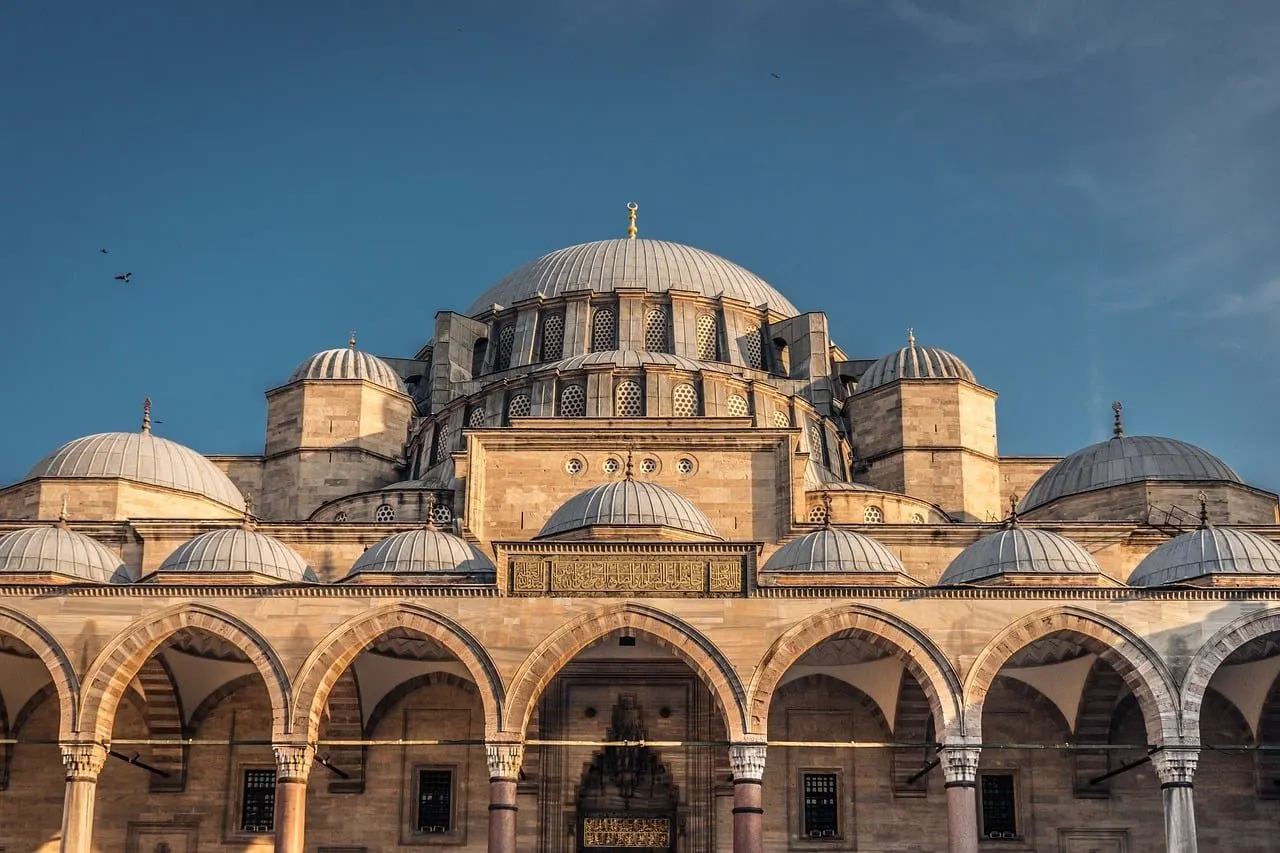
Islam began in the seventh century on the Arabian Peninsula and spread fast across the Middle East, North Africa, and Asia. Trade, travel, and teaching carried the faith to new lands, where it took root far from where it began. Over the centuries it became one of the largest faiths, with deep roots in many nations. The current growth continues a long pattern rather than starting something new. History shows that faiths rise and fall in share over long stretches. Read about other long histories in a Pearl Harbor veteran who lived to 106 and a loyal dog’s rescue.
Christianity Spread Across the Globe
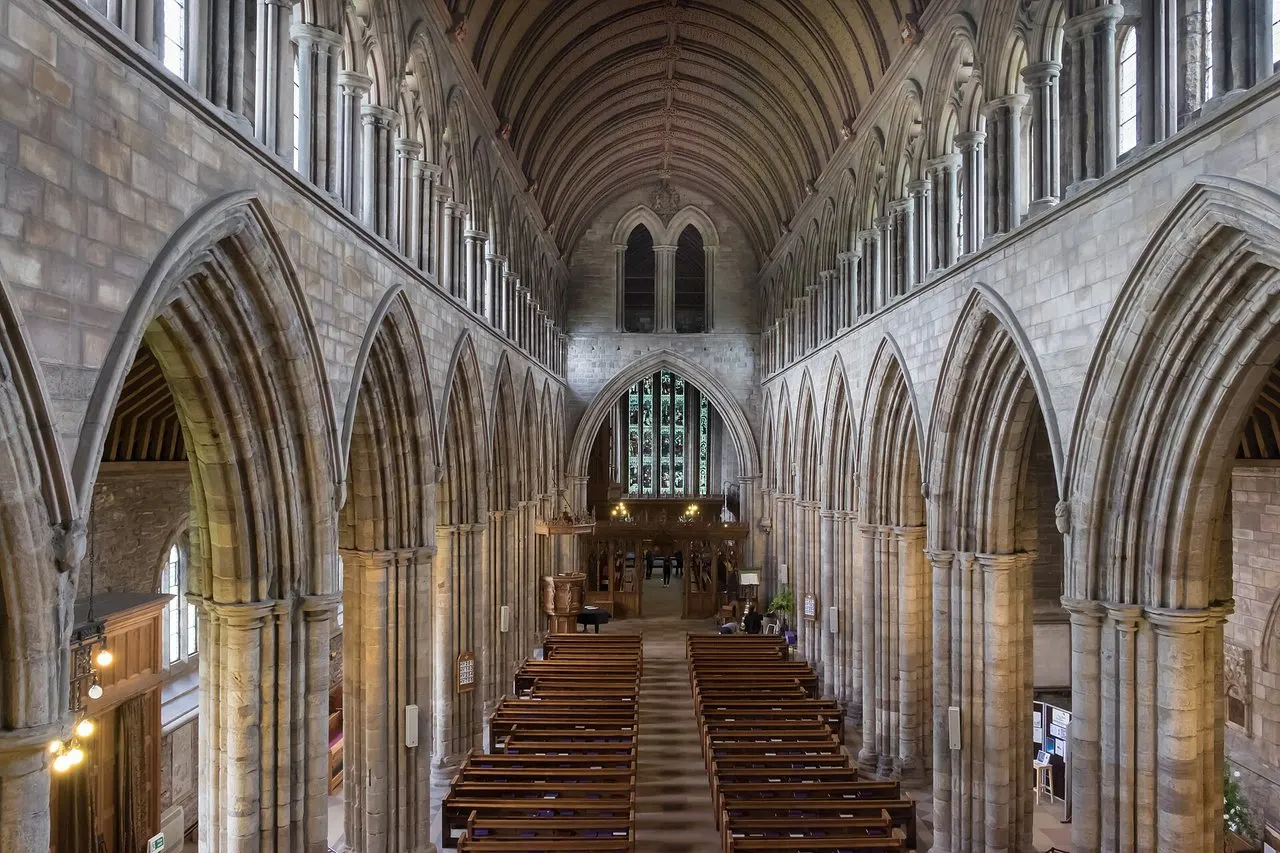
Christianity began about 2,000 years ago in the Middle East and spread through Europe, then across the Americas, Africa, and Asia. Missionaries, settlers, and trade carried it around the world, and it became the largest faith by number. Churches rose in nearly every country, and Christian communities took root in many cultures. That long head start is why Christians still lead the global count today. The new projections show that lead ending, not because Christianity failed, but because another faith grew faster. See other stories of endurance in a brain donation for research and a rescue in freezing woods.
What 36 Percent of the World Looks Like

By 2070 about 36 percent of all people on earth should be Muslim. That means more than one in three people in a crowd or a classroom would share the faith. Such percentages are hard to picture, but they shape everyday life, from market food to holidays. A 36 percent share does not mean one group rules the rest. It means the world keeps becoming more mixed, and no single faith holds a majority. The number is a guide to the future, not a verdict. Read about communities coming together in a flood rescue and a chocolate bar’s big day.
Projections Can Shift Over Time
A projection is a careful guess, not a promise. Pew builds its numbers from the best data it has, but birth rates, migration, and personal choices can change. If fertility falls faster than expected, the crossover could come later. If it stays high, the gap could widen sooner. That is why Pew updates its work as new surveys arrive. The 2035 date sits in the middle of likely paths, not a fixed event. Reading projections means watching the trend, not circling one year. Question big claims with a call to release files and a data center debate.
What the Shift Means for Communities

When the balance between faiths changes, daily life changes with it in small ways. Schools, workplaces, and neighborhoods become more mixed, and people meet neighbors from different traditions more often. Shops may stock new foods, and cities may mark more holidays. None of this happens overnight, and the change is already under way in many places. The numbers in this story describe people, not just totals on a chart. Behind every billion are families, children, and communities living their faith. Read about neighbors helping neighbors in a flood rescue in Saskatchewan and a Pearl Harbor veteran’s long life.
How to Read a Population Projection

Start with the source when you read a big population claim. Pew publishes its methods, its data, and its limits, so readers can see how the numbers were made. Check the years, the totals, and whether the claim is about share or about raw numbers. A group can grow in people and still shrink in share, and the two facts tell different stories. Be careful with headlines that leave out that detail. The full report is always worth more than one number pulled from it. Find more careful reporting in a Senate prayer dispute and a patrol through Washington.
What Do You Think the World Will Look Like in 2035?

The projections say the world of 2035 will look different, with Muslims as the largest belief group on earth. That change will touch schools, cities, and families in ways no chart can fully capture. Some readers will welcome it, and others will want to learn more before they judge it. What matters most is how people of different faiths live side by side as the numbers shift. What do you think the world will look like when the crossover arrives? Share your thoughts in the comments, and keep reading a $17 billion deal report and a star’s comeback night.