Crested Auklet and Razorbill Share One Family
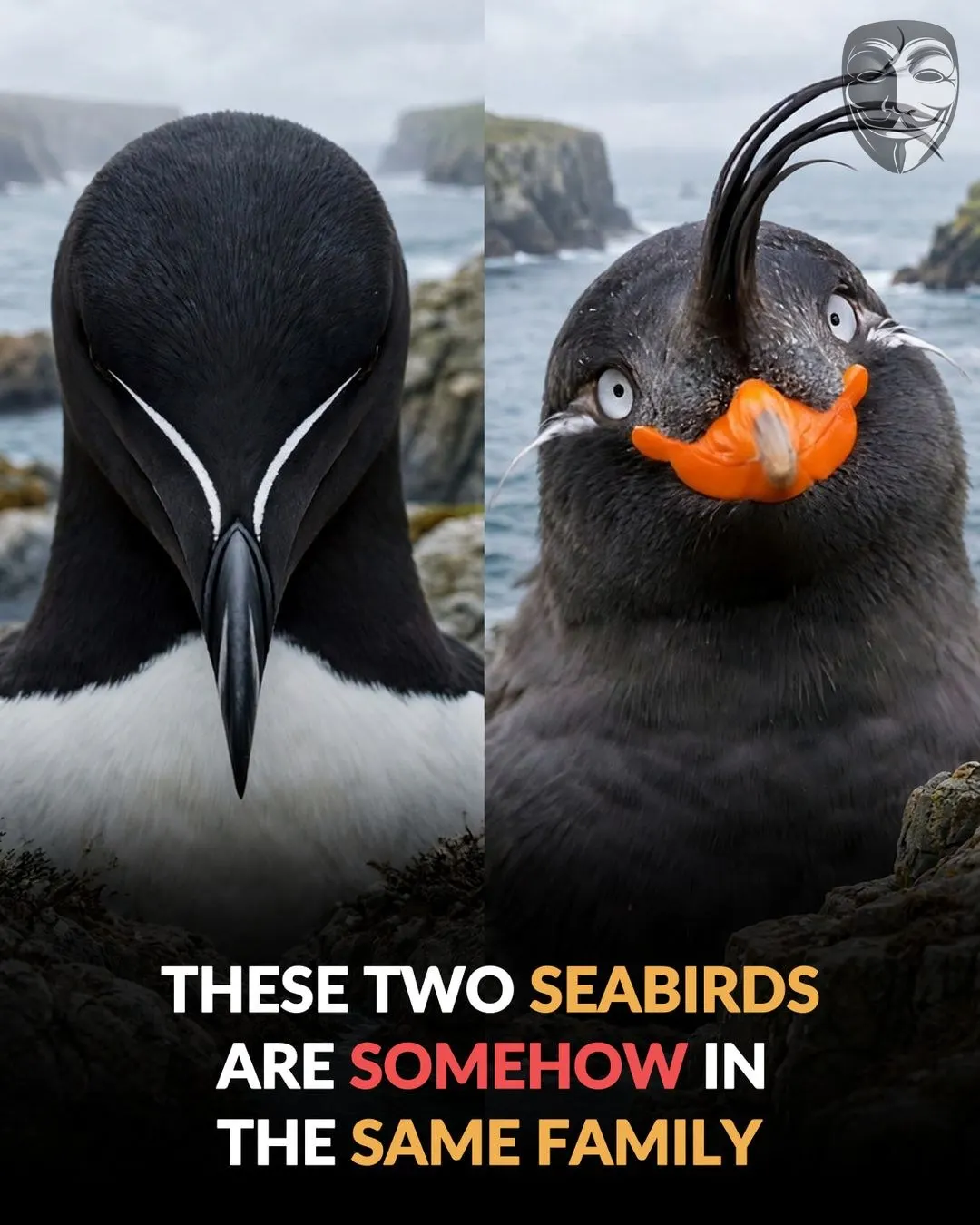
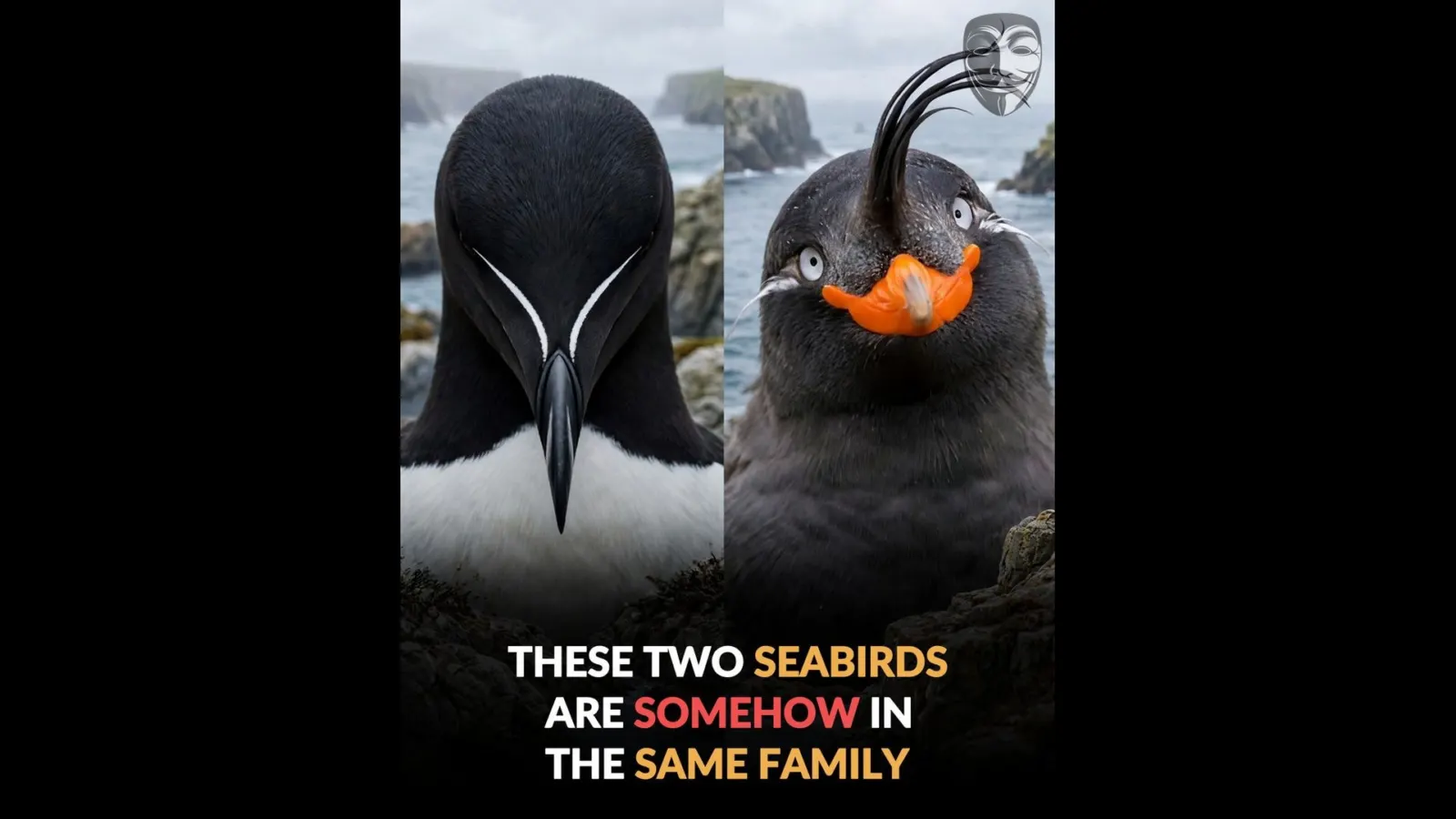
A crested auklet and a razorbill look like birds from two different worlds, yet they belong to the same family. The razorbill on the left wears the sleek black and white suit of a classic northern seabird, while the bird on the right shows off curled head feathers, pale eyes and a bright orange bill. Both birds are members of the auk family, Alcidae, a group of northern seabirds that also includes puffins, murres and guillemots. Same family, completely different energy, and a reminder that nature loves a surprise.
People often guess that the two birds must come from different families, because their looks could hardly be more different. The truth is simpler and stranger, since evolution shaped one family into many forms, from the neat razorbill to the flamboyant little auklet with its citrus scent. In the slides ahead, we meet the puffins, murres and guillemots that share the same family tree, and we visit the cold seas where these birds live. For more animal stories, read about a loyal dog that saved her owner and a flood rescue in Saskatchewan.
References:
Audubon: Crested Auklets Winter in the Bering Sea
Current Biology: Crested Auklets
Aquarium of the Pacific: Crested Auklet
Wikipedia: Auk
The Razorbill in Black and White
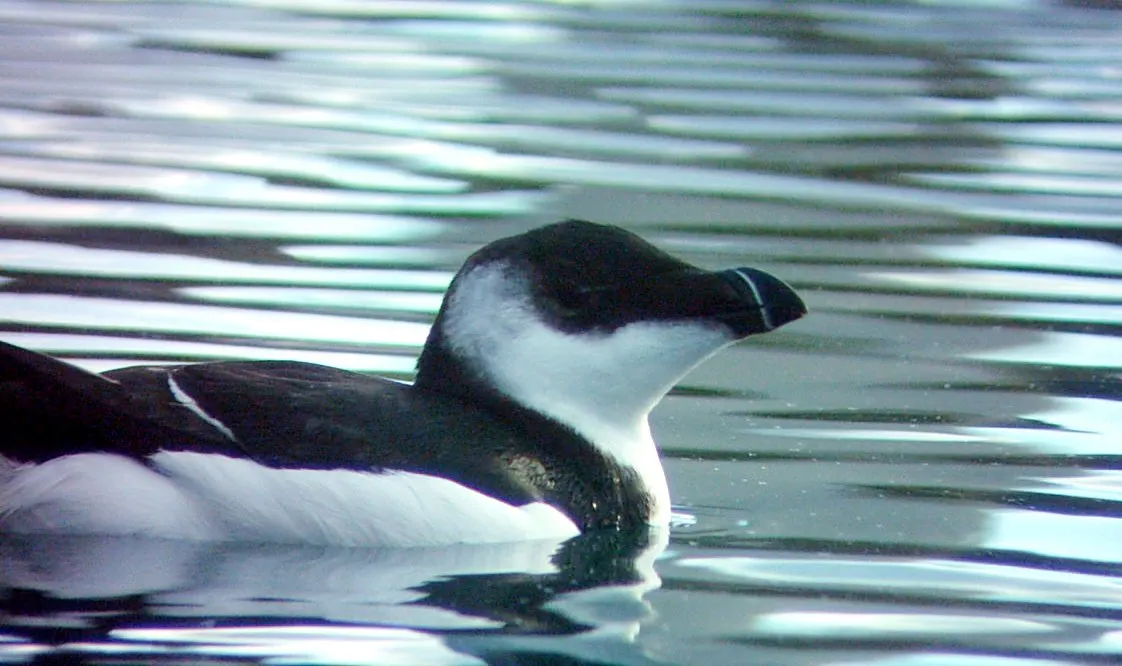
The razorbill is a North Atlantic colonial seabird and the only living member of the genus Alca. Its black head, white belly and thick bill with a white line give it the look of a small penguin, although it can fly well. Razorbills spend most of their lives at sea and come ashore only to breed on rocky cliffs and islands. They are strong swimmers and divers, and they chase fish beneath the cold waves. Read our story about the oldest Pearl Harbor survivor and our report on a major deal from the Philippines.
Crested Auklet Wears a Curled Crest
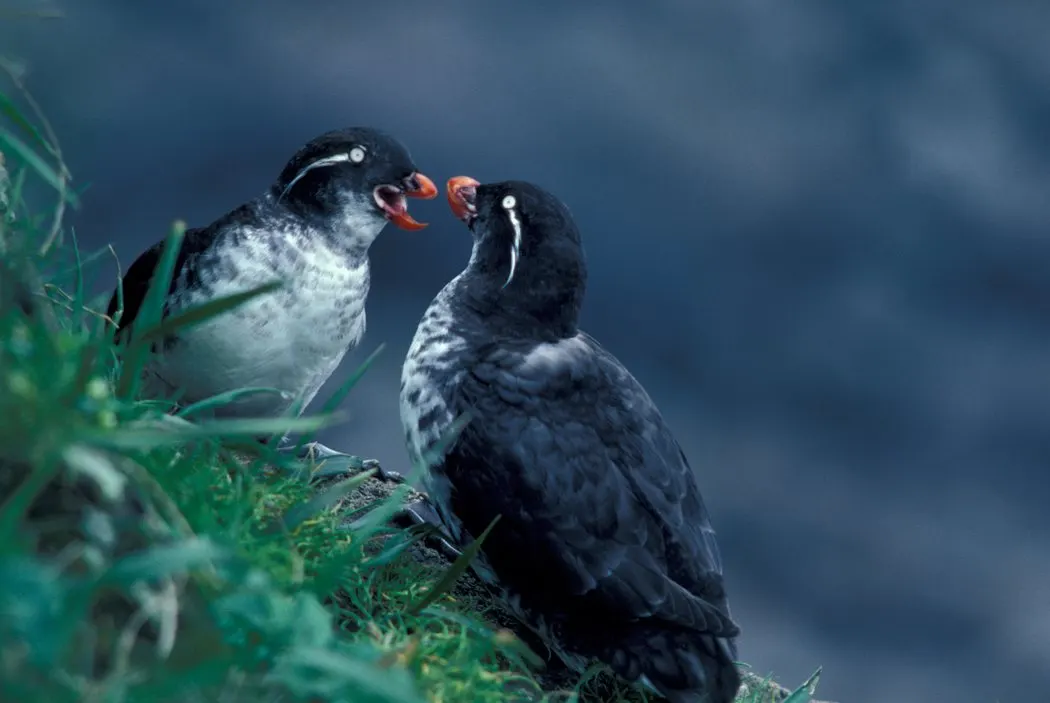
This little seabird is easy to spot once you know what to look for. A curl of dark feathers sweeps forward from its forehead, over a large orange bill, and a single white stripe marks each cheek. The bird stands about ten inches high, weighs about nine ounces and wears soft charcoal gray feathers. Its pale eyes give it a surprised look, and its odd crest makes it one of the most charming birds of the northern Pacific. You may also like the loyal dog that saved her owner and a star’s big night at the CMA Awards.
The Auk Family Alcidae Includes the Crested Auklet
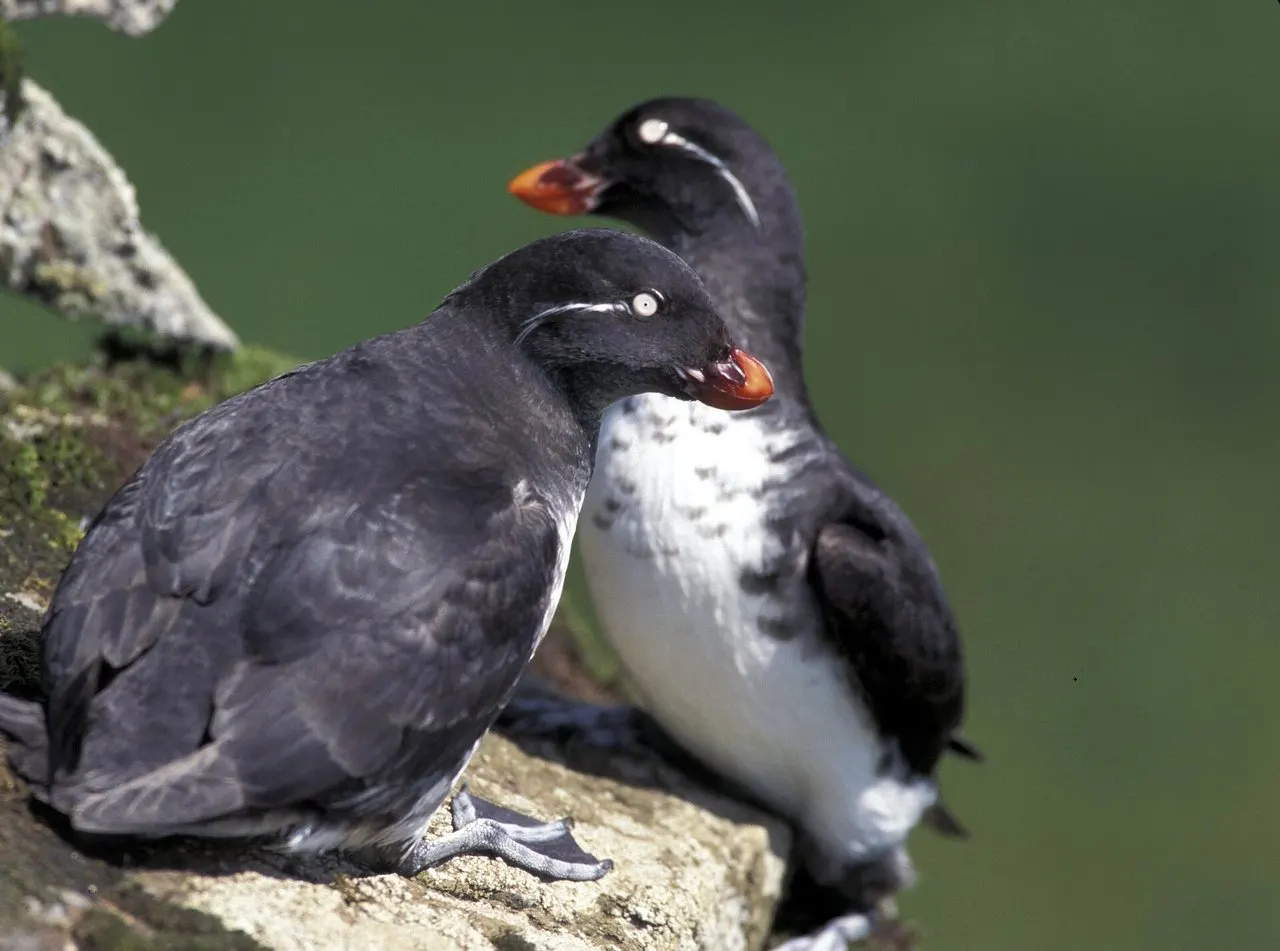
The auk family, Alcidae, holds 25 living and recently extinct species in 11 genera. Its members include murres, guillemots, auklets, puffins and murrelets, and they live throughout the Northern Hemisphere. Auks look a little like penguins, with black and white feathers and an upright stance, but they are not close relatives of penguins. They are seabirds built for cold water, and they spend most of their adult lives far out at sea. Read about a flood rescue that saved stranded foxes and a family’s plan to help science.
Puffins Are the Famous Cousins
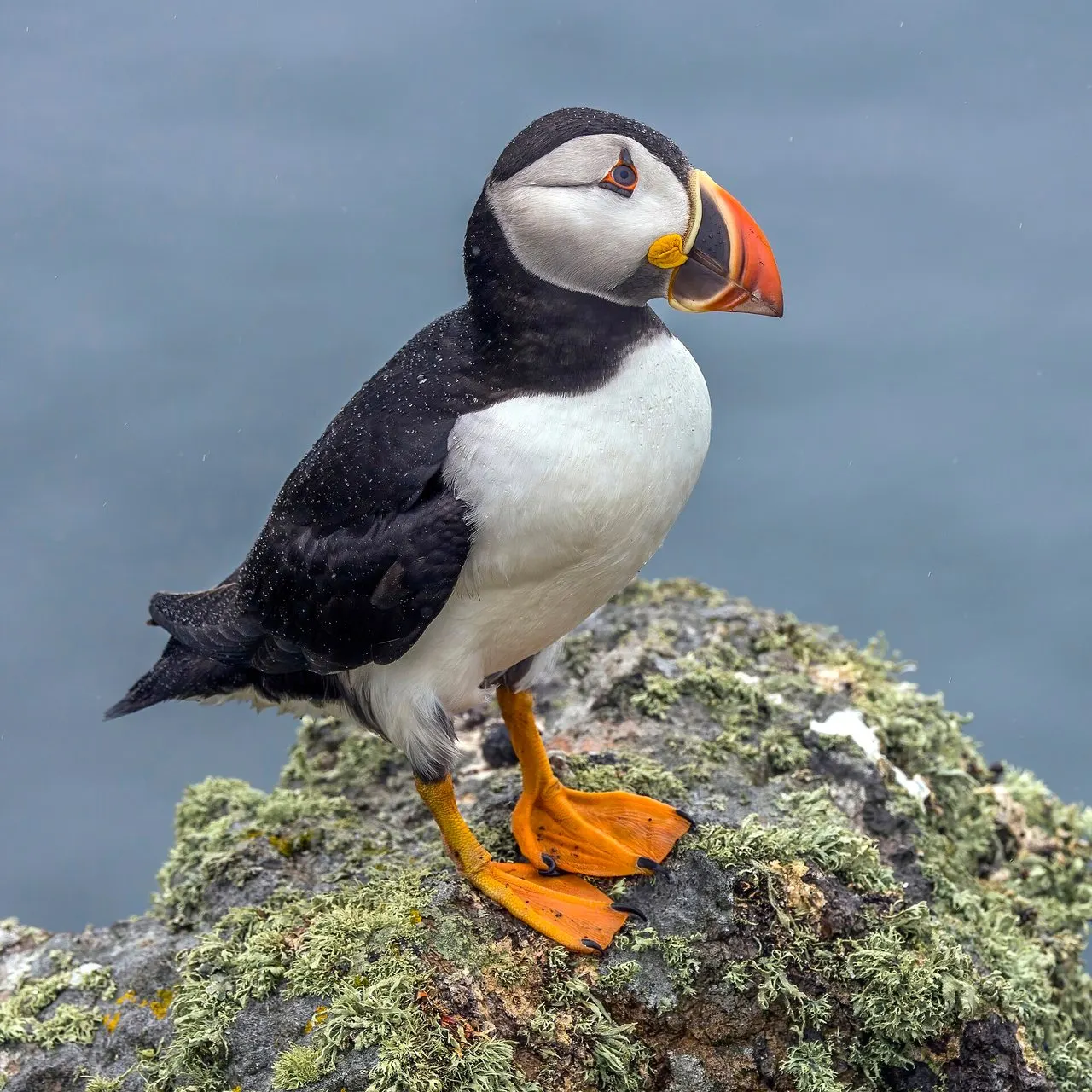
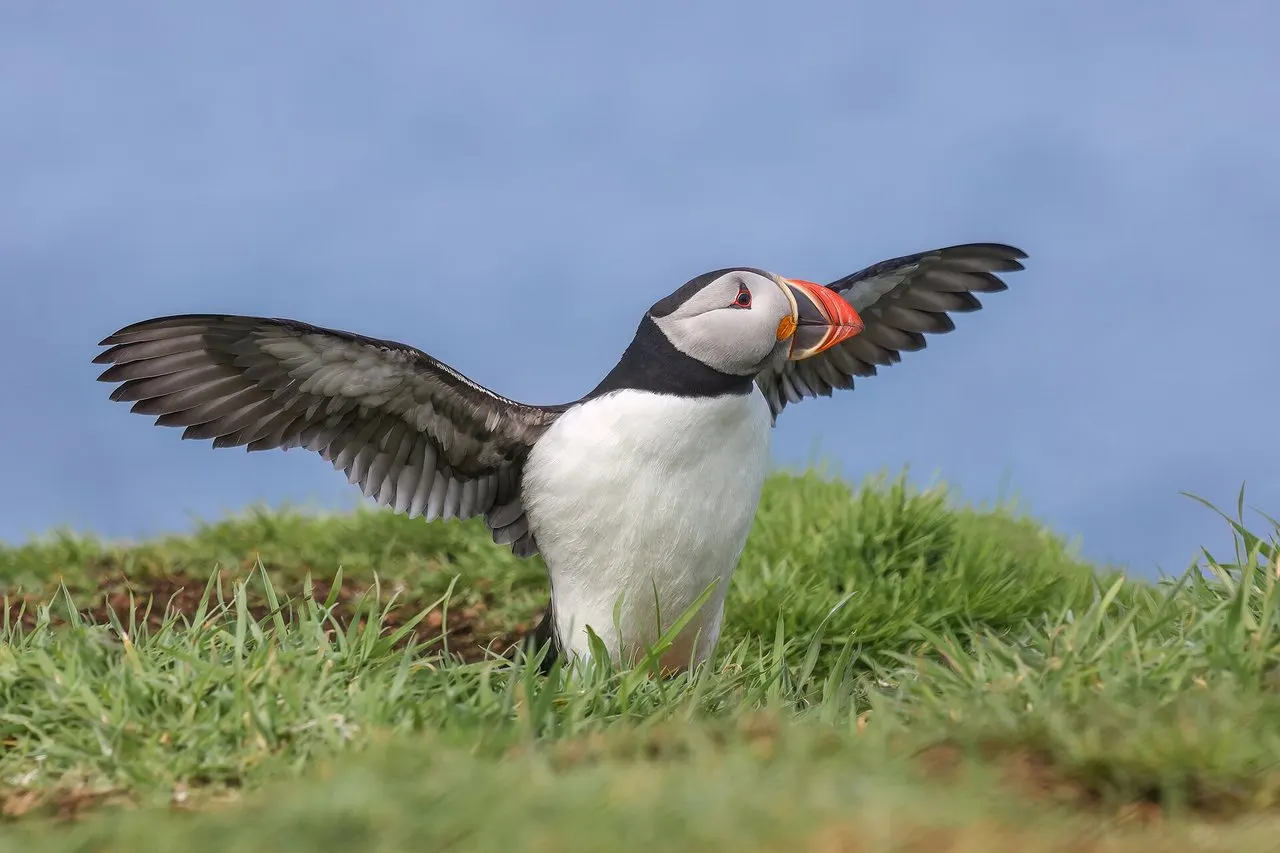
Puffins are the best known members of the auk family, and their bright bills make them easy to love. The Atlantic puffin wears a large triangular bill that turns bold shades of orange and red in the breeding season. After breeding, puffins shed the colorful outer parts of their bills and look much plainer. They nest in burrows on grassy islands, and they can carry several small fish crosswise in the bill to feed a chick. See our story about the oldest Pearl Harbor survivor and a device that may restore sight.
Murres and Guillemots Fill the Cliffs
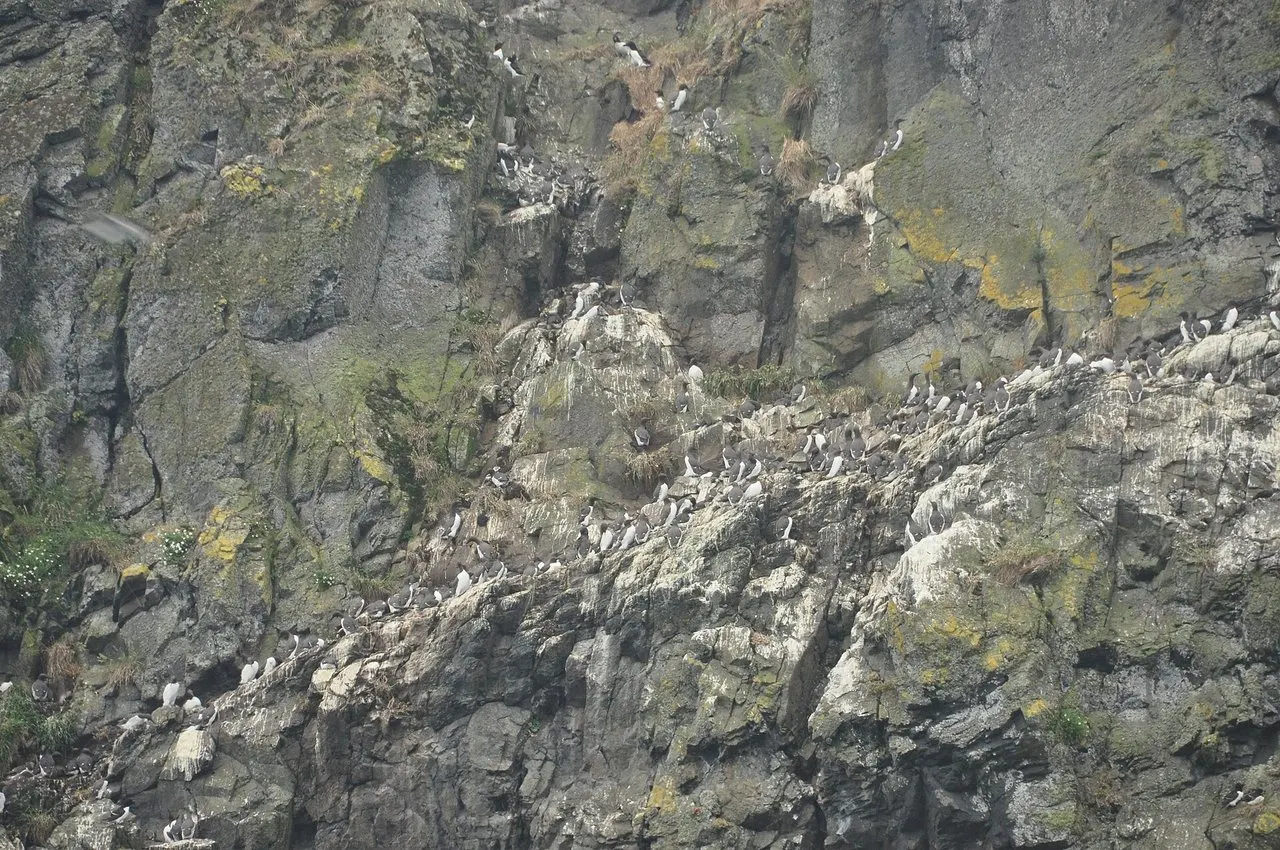
Common murres, called guillemots in Europe, are large auks that nest shoulder to shoulder on narrow cliff ledges. They build no nest. Each pair lays a single egg on bare rock, and the egg is pointed at one end so it rolls in a circle instead of off the edge. On the island of Skomer in Wales, researchers have counted as many as 70 nesting adults on a single square metre of cliff face. Read our report on a major deal from the Philippines and the truth about a pill claim.
Crested Auklet Winters in the Bering Sea
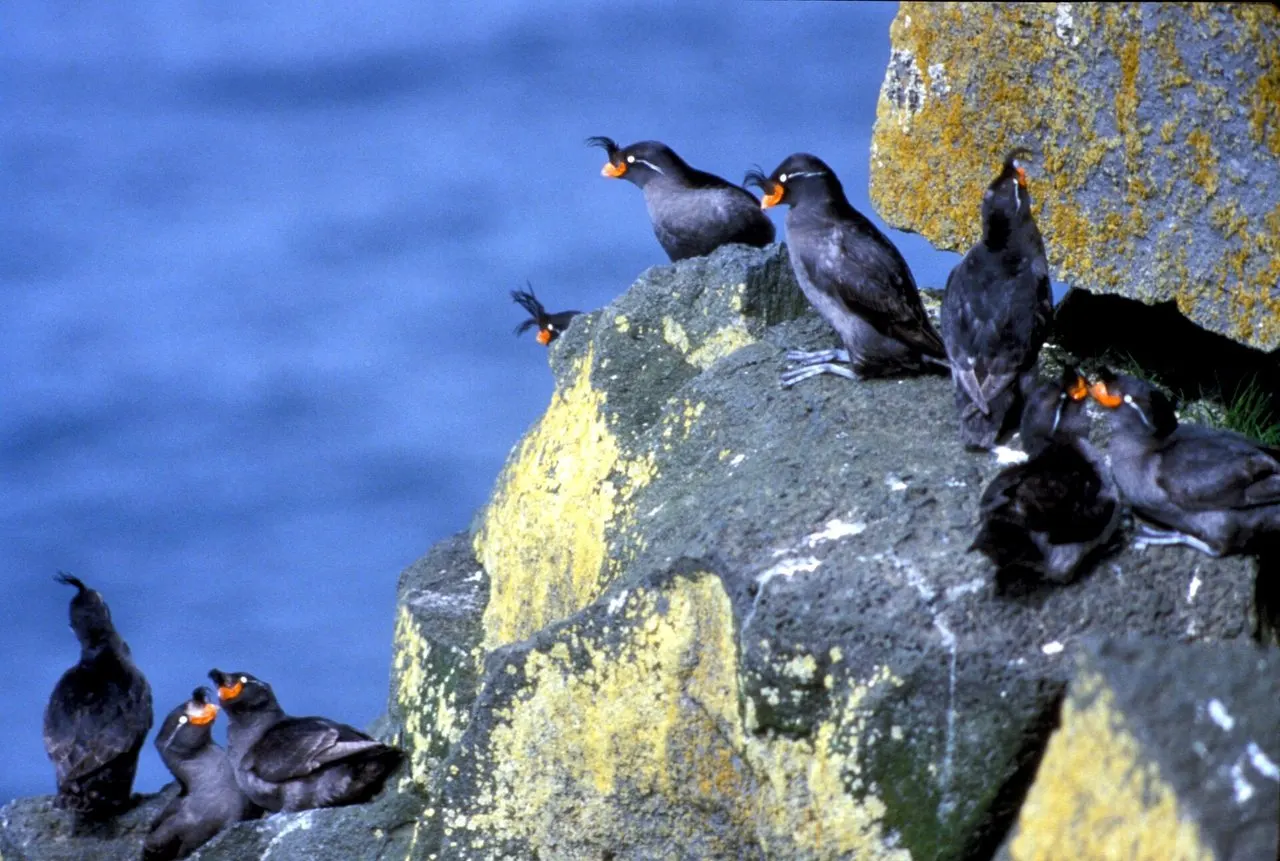
This little seabird spends the winter in the Bering Sea, a cold and stormy stretch of water between Alaska and Siberia. These birds nest in immense colonies on Bering Sea islands, and they stay nearby through the dark winter months in flocks of many thousands. Picture tens of thousands of them flying low across the wave tops, calling like a crowd of small dogs, while a faint scent of oranges drifts behind them. You may also like a star’s big night at the CMA Awards and what a new bill would cover.
How the Crested Auklet Got Its Name
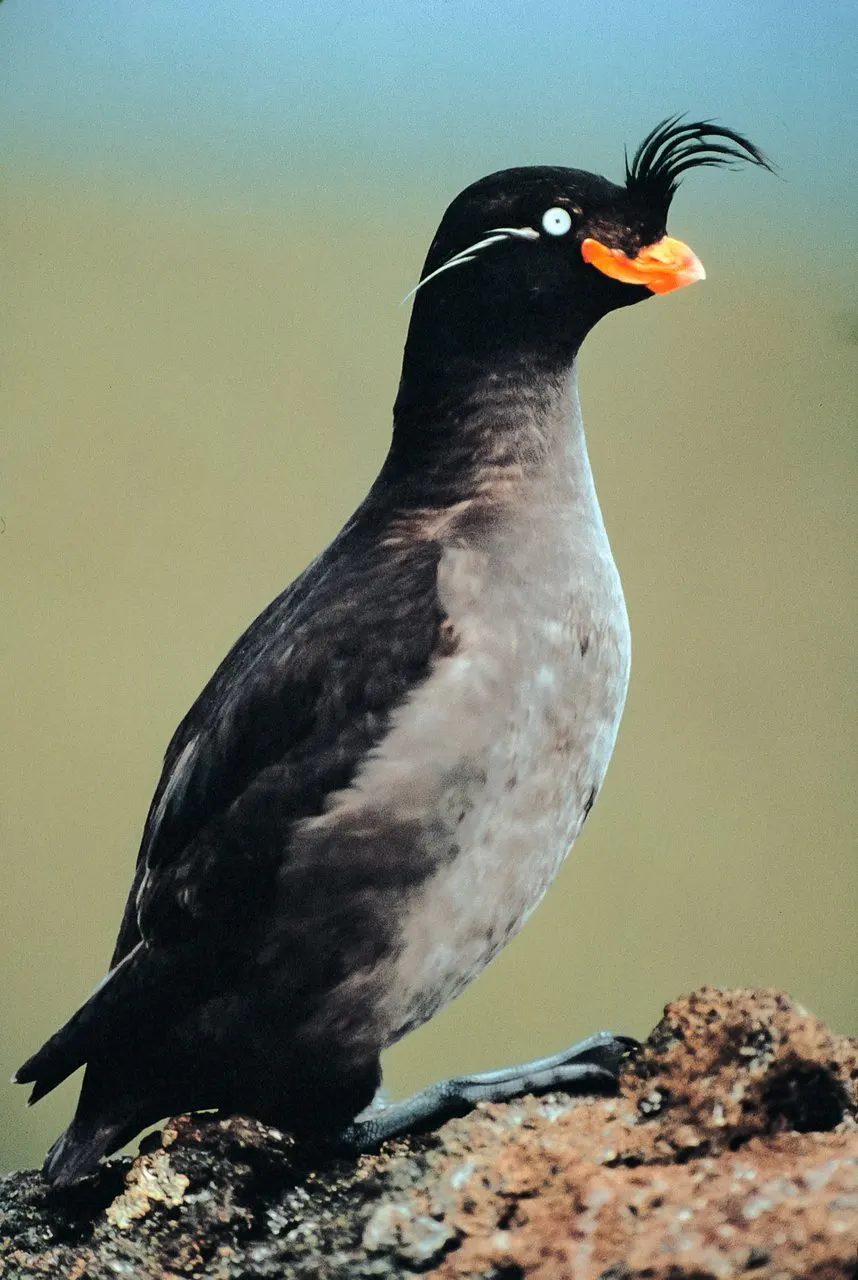
The name points straight at the bird’s best feature. A crest is a tuft of feathers on the head, and this seabird wears a curl of two dozen dark feathers that sweeps forward over its bill. The crest is not just for show. Scientists think it grew through mate choice, since birds with fine crests may look healthier to a partner. The bird also has a loud trumpet call and a strange citrus smell that helps keep ticks away. Read about a family’s plan to help science and bright bowls for a holiday potluck.
What the Crested Auklet Eats
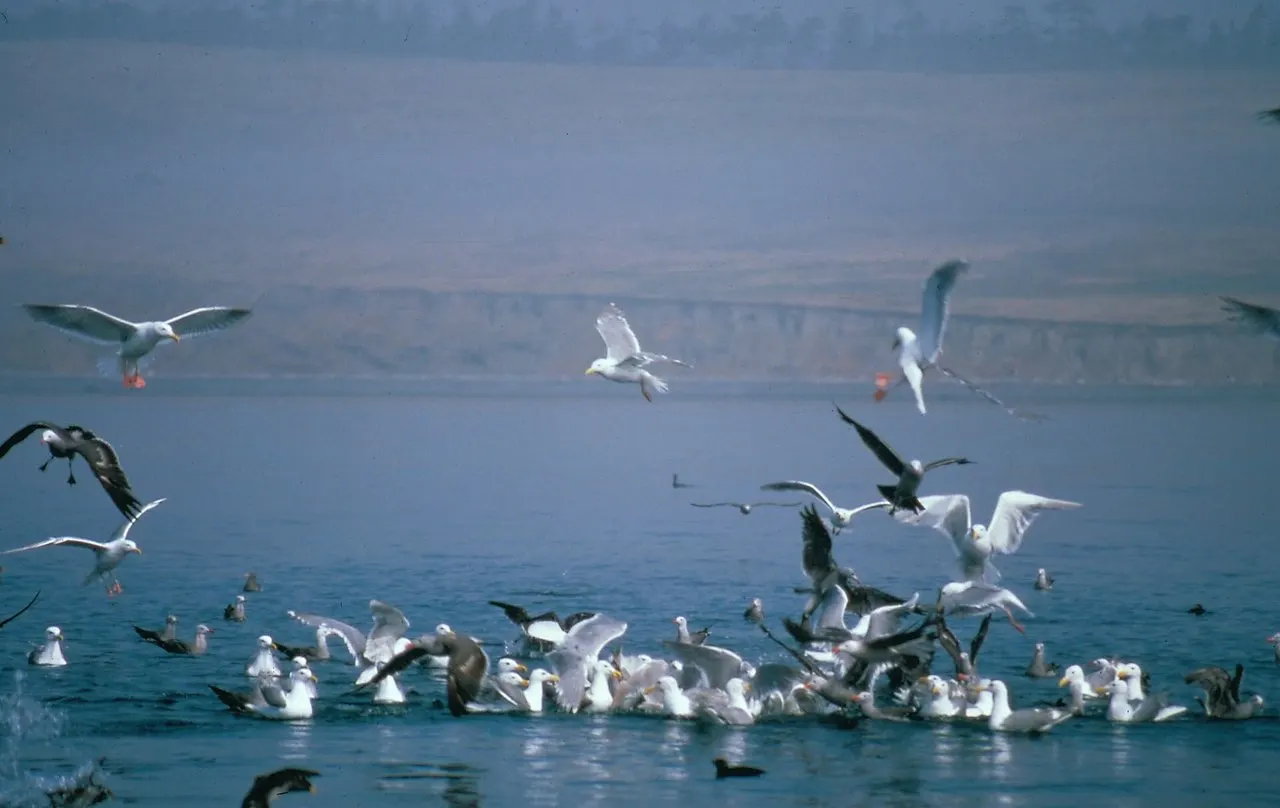
This little seabird eats mostly small sea creatures, and it hunts them by diving from the surface. Its diet includes tiny shrimp-like animals called krill, small copepods and other crustaceans that gather in swarms. It also takes small fish and squid when it can find them. Auks can dive about 30 metres down, using their wings to fly through the water while they chase slow moving prey. See our story about a device that may restore sight and the loyal dog that saved her owner.
Razorbills Dive for Fish
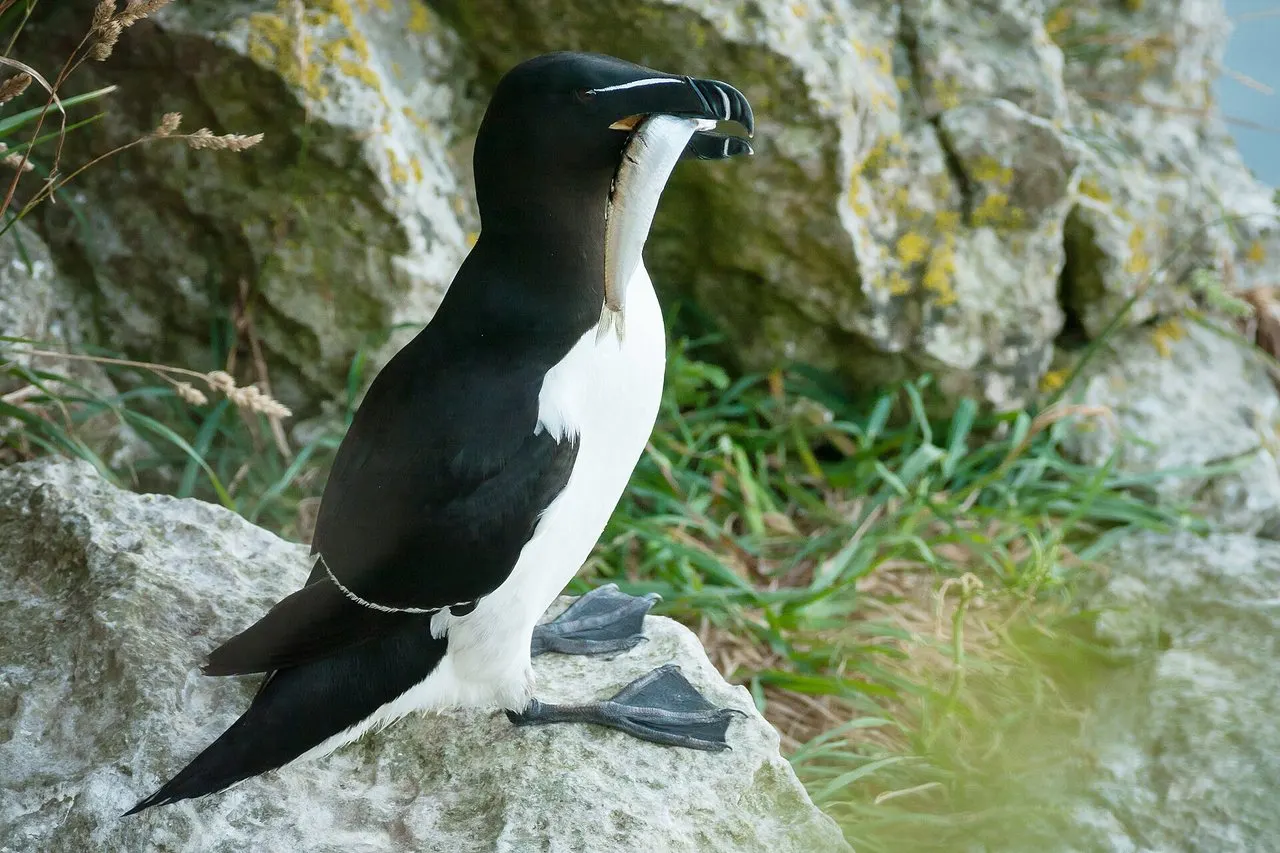
Razorbills hunt beneath the waves, and they are built for the job. Their short wings work like flippers underwater, and they can chase fast fish with quick turns. A razorbill can dive deep and stay down long enough to catch a meal before it comes up for air. The bird in this photo has just caught a fish, a small prize that shows how well these seabirds hunt in cold northern seas. Read our report on the truth about a pill claim and a flood rescue that saved stranded foxes.
Puffins Spread Their Wings in Iceland
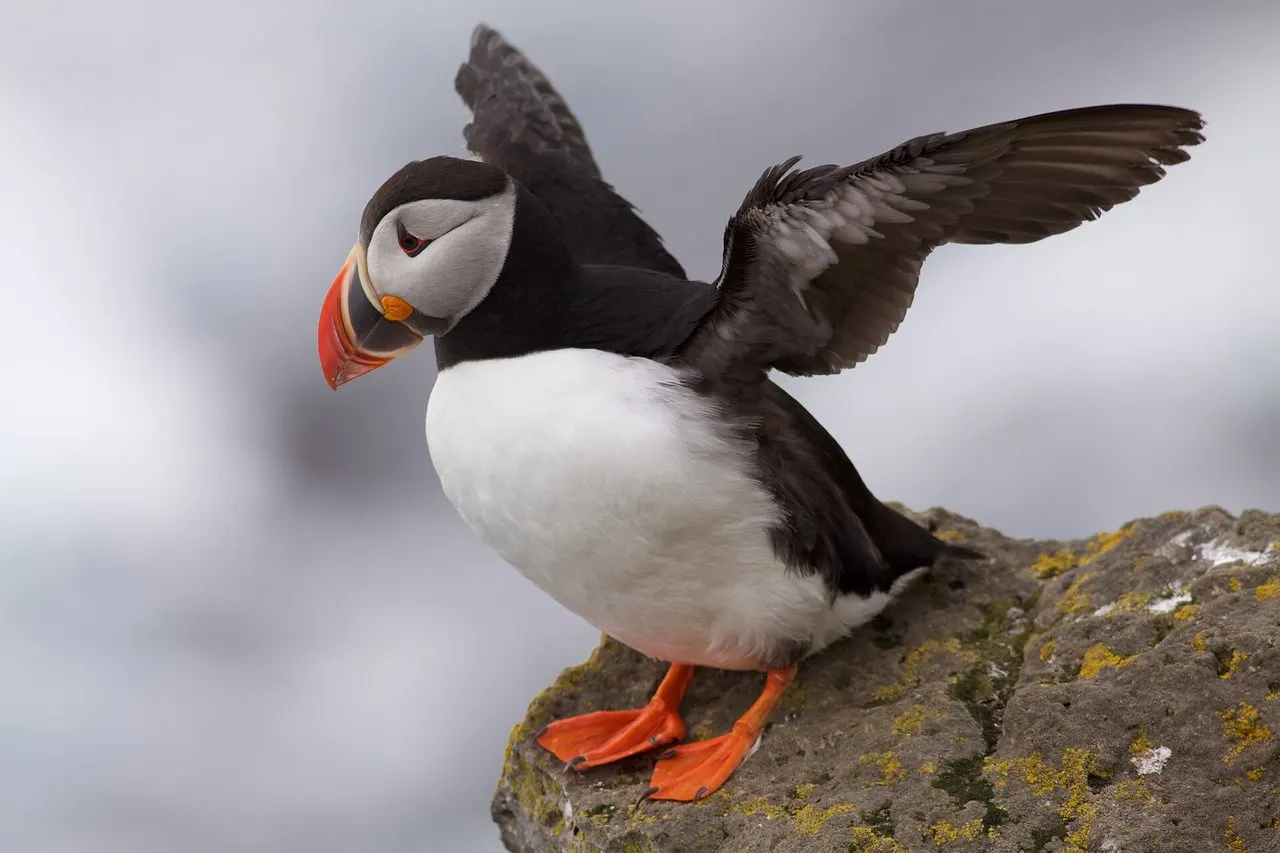
Atlantic puffins are strong fliers, even though their short wings beat very fast to keep them in the air. They fly low over the sea on their way to fishing grounds, and they dive to chase small fish. A puffin can hold several fish crosswise in its bill at once, thanks to a grooved tongue and a hinged beak. That trick lets it carry a full load home to a hungry chick waiting in a burrow. Read about what a new bill would cover and the oldest Pearl Harbor survivor.
One Egg on a Bare Rock Ledge
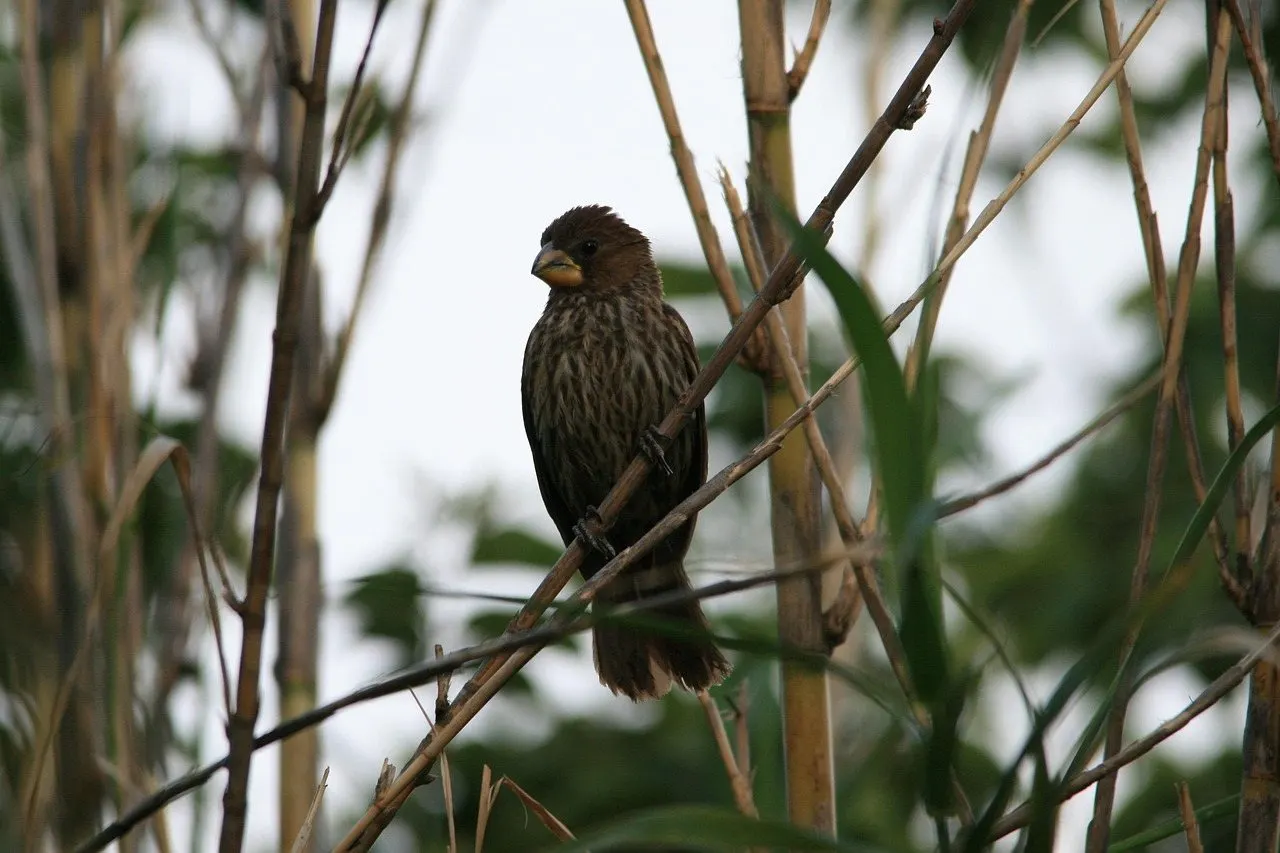
Murres lay just one egg, and they place it on a bare rock ledge with no nest. The egg is shaped like a pear, wide at one end and pointed at the other, so it rolls in a circle instead of off the cliff. Both parents take turns keeping the egg warm between their feet. When the chick is about three weeks old, it jumps from the cliff at dusk and glides down to the sea, where its father cares for it. See bright bowls for a holiday potluck and our report on a major deal from the Philippines.
Seabird Cities of the Pribilof Islands
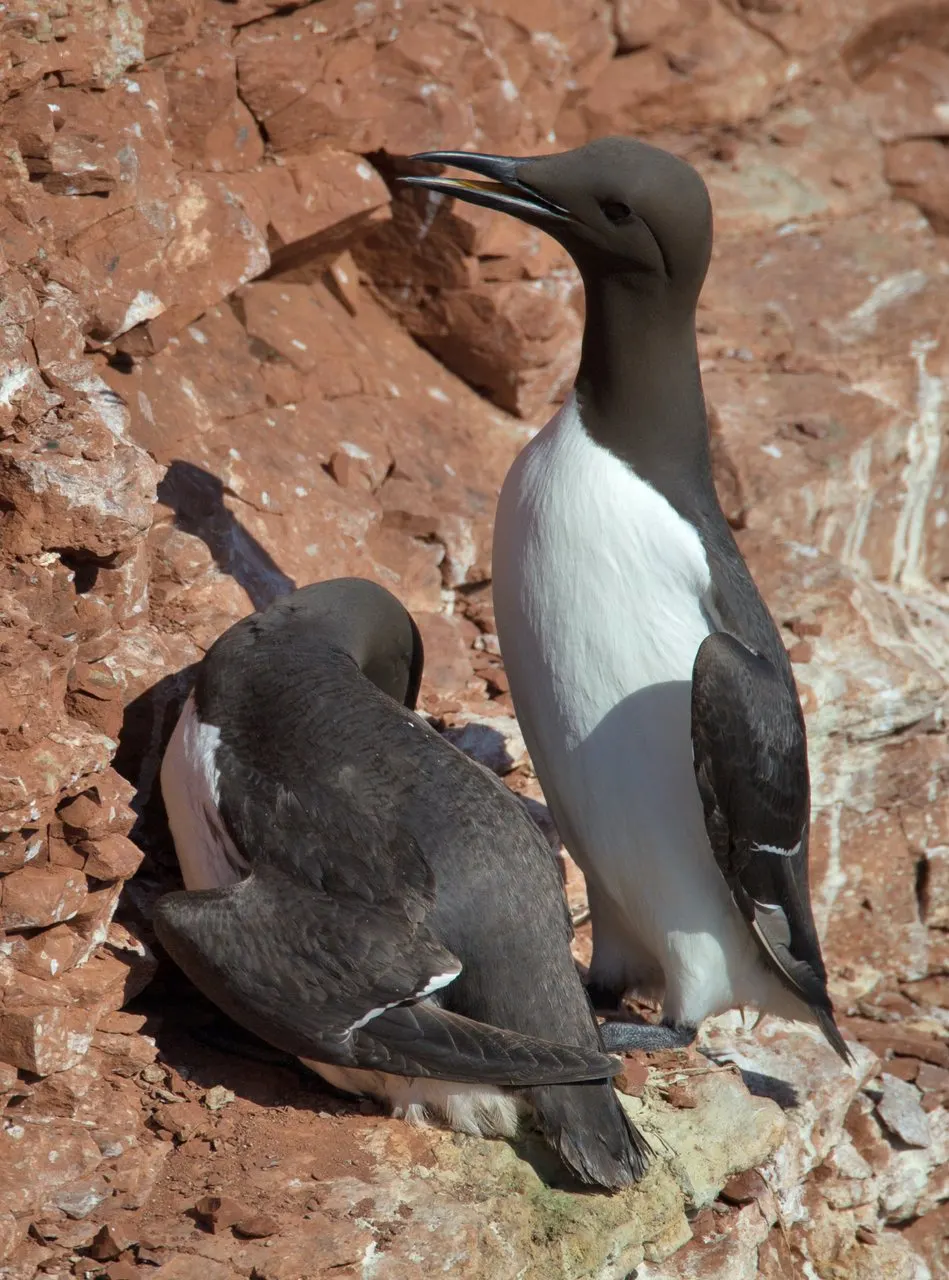
The Pribilof Islands sit in the middle of the Bering Sea, about 200 miles north of the Aleutian chain, and they host one of the great seabird gatherings on Earth. About two million seabirds nest there each year, including the largest thick-billed murre colony in the Pacific, with close to a million birds. The islands are part of a national wildlife refuge, and bird watchers travel far to see the cliffs crowded with life. You may also like a star’s big night at the CMA Awards and a family’s plan to help science.
Wings That Work Underwater
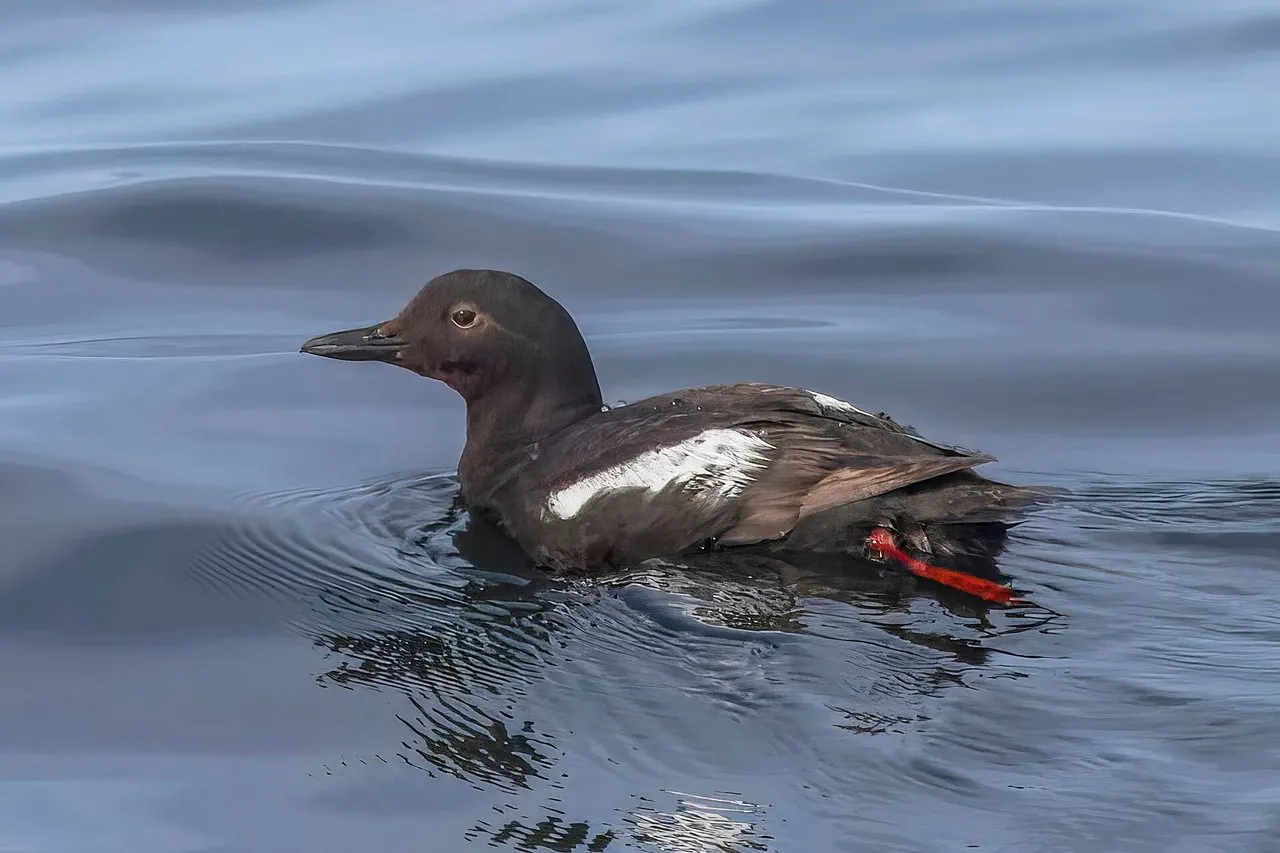
Auks have wings that do two jobs at once, and that trade shapes their whole lives. The same short wings that carry them through the air also push them through the water when they dive. Strong swimmers like murres can dive about 100 metres down, while auklets dive about 30 metres. Pigeon guillemots chase small fish and sea creatures near the sea floor, flying underwater with steady wing beats. See our story about a device that may restore sight and the truth about a pill claim.
Which Seabird Cousin Surprised You Most?
We started with two birds that look like strangers and ended with one big family of northern seabirds. The neat razorbill, the flamboyant little auklet, the bright billed puffin and the cliff packed murre all share the same family tree, and each one found its own way to live on cold seas. Which of these cousins surprised you most? Was it the orange scent, the single egg on a bare ledge, or the fish carried crosswise in a bill? Tell us in the comments. Read about what a new bill would cover and bright bowls for a holiday potluck.