The Rohingya Genocide Ruling That Made World History
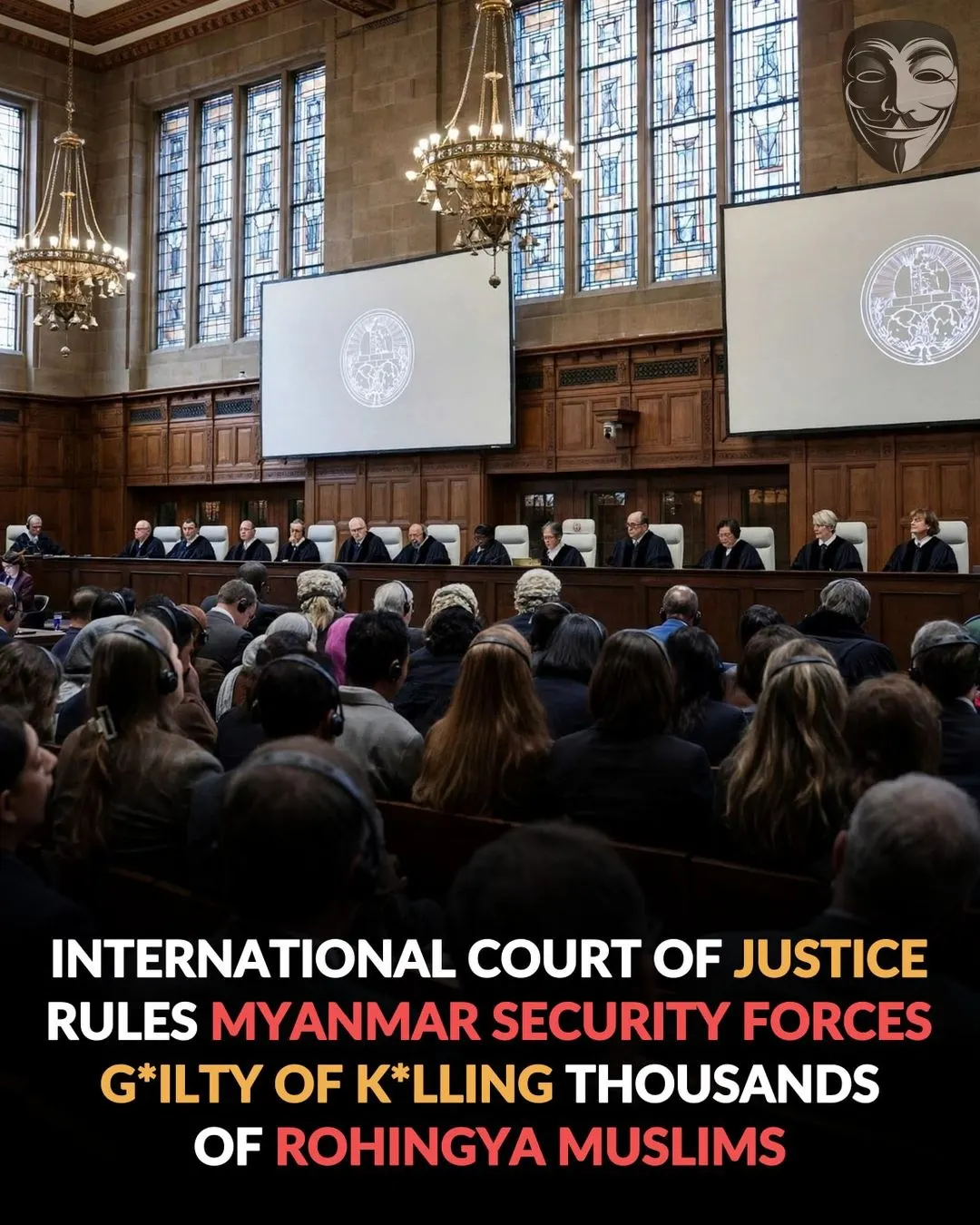
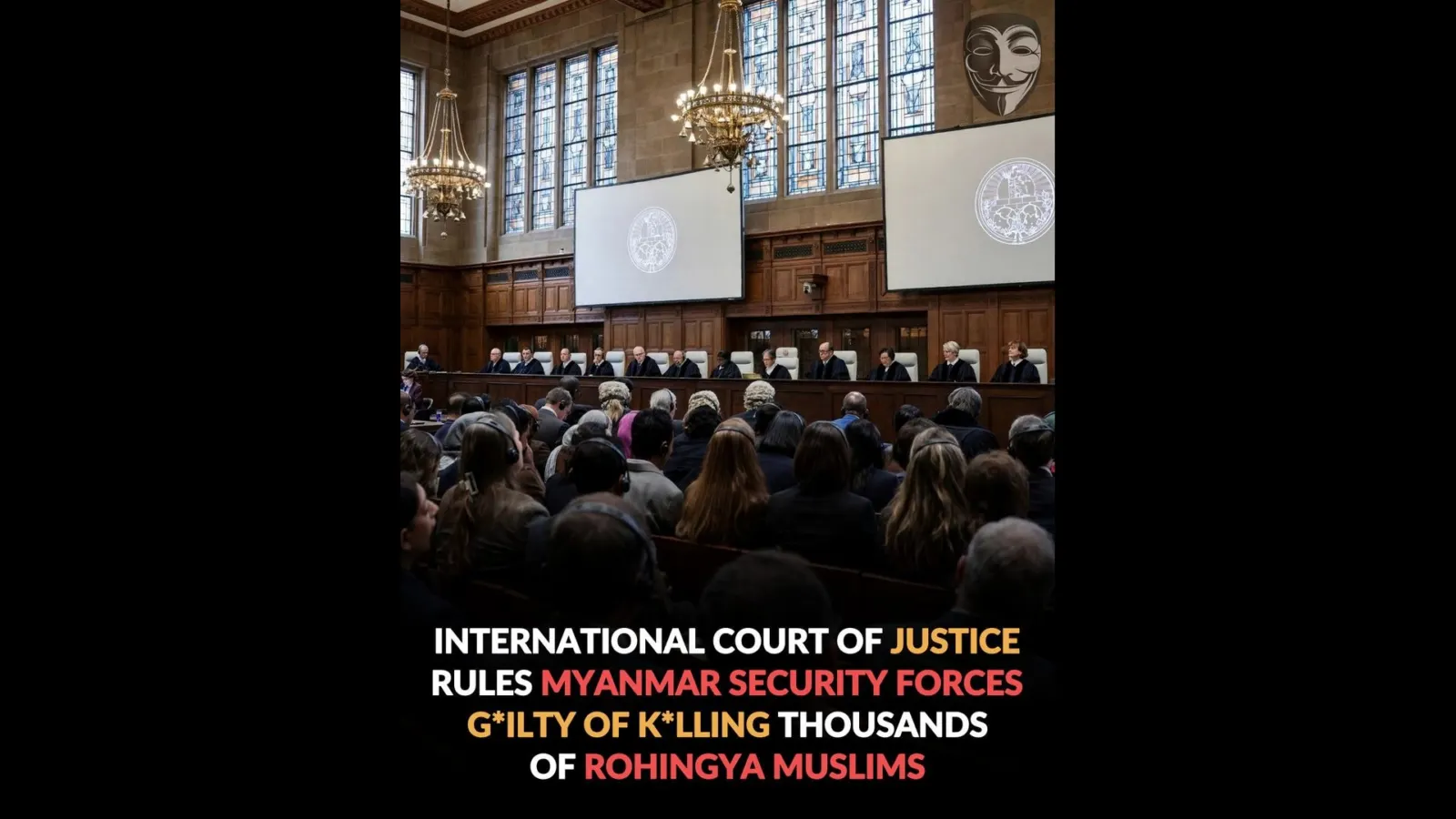
The Rohingya genocide ruling came on November 19, when the International Court of Justice said Myanmar committed genocide against the Rohingya people. It was the first time the court has ever held a state responsible for genocide. Judges voted 9 to 6 that Myanmar security forces killed around 10,000 Rohingya civilians during the 2017 clearance operations in Rakhine State and drove more than 700,000 people to flee to Bangladesh. The decision was a landmark moment for international law and for the survivors who had waited years to be heard.
The case was brought by The Gambia in 2019 under the 1948 Genocide Convention, and the court also ordered reparations, including a safe, voluntary and dignified return for the Rohingya, family reunification and compensation. The judgment is final and binding, though the court has no force of its own to make Myanmar carry it out. Survivors and rights groups are now watching what world leaders will do next, and courts can shape history even when they cannot enforce every order, as shown in how justices disagree in public and in another case that reached the highest court.
References:
BBC: Myanmar committed forced removal against Rohingya minority, top UN court rules
Amnesty International UK: International Court of Justice forced removal ruling on Myanmar: Background and next steps
Baptist News Global: International court says Myanmar has committed forced removal
Parallax: ICJ Finds Myanmar Responsible for Forced removal Against Rohingya
The Court in The Hague
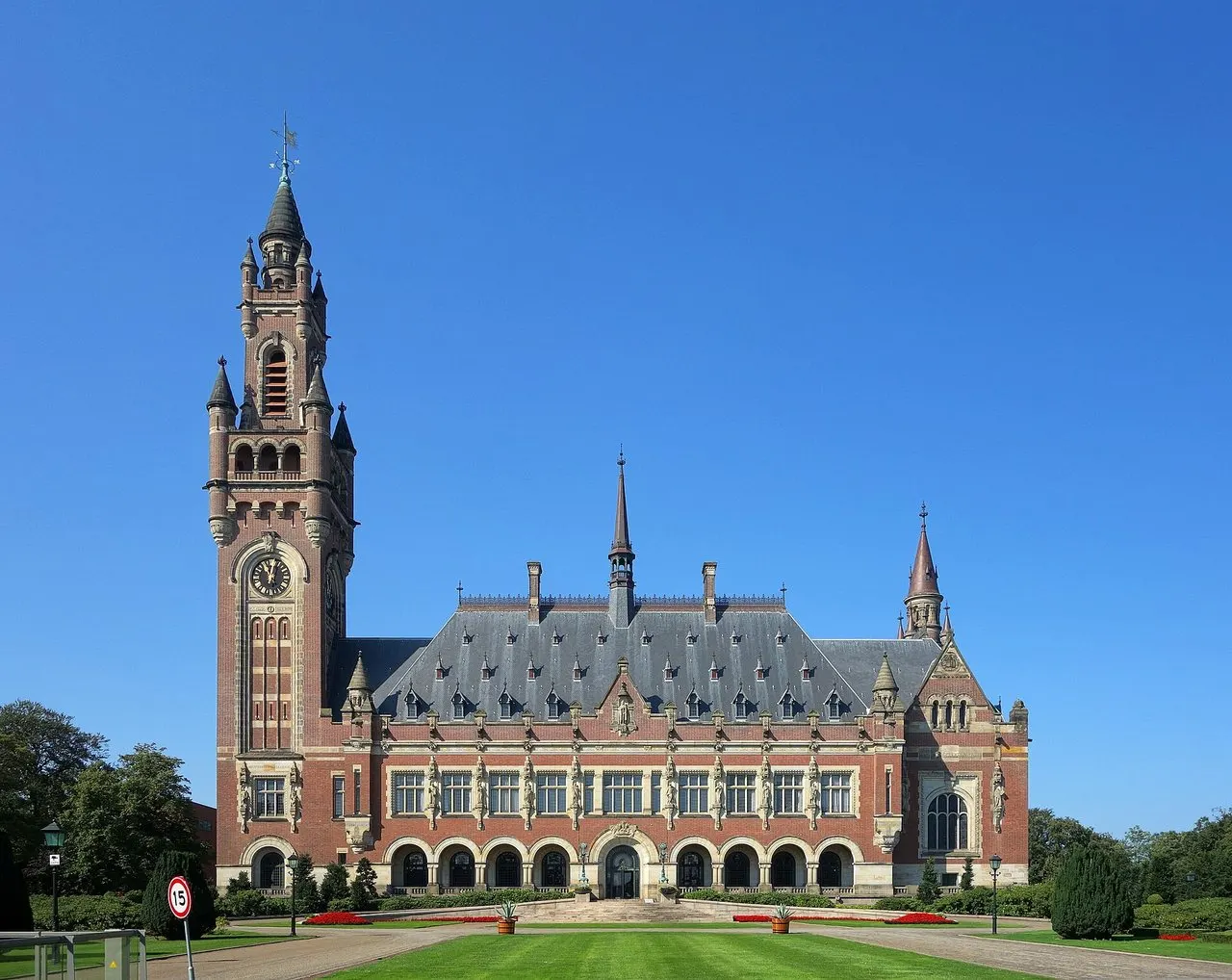
The International Court of Justice sits in the Peace Palace in The Hague in the Netherlands. It is the main court of the United Nations, and it settles disputes between states and gives advice on questions of international law. Only states can bring cases before it, not individual people, which is why The Gambia brought this case on behalf of the Rohingya. Big cases can take years, and this one moved through a long legal process with lawyers, judges and public hearings, much like a travel case before the courts and a debate over justices serving longer.
The Rohingya Genocide Ruling and the People at Its Heart
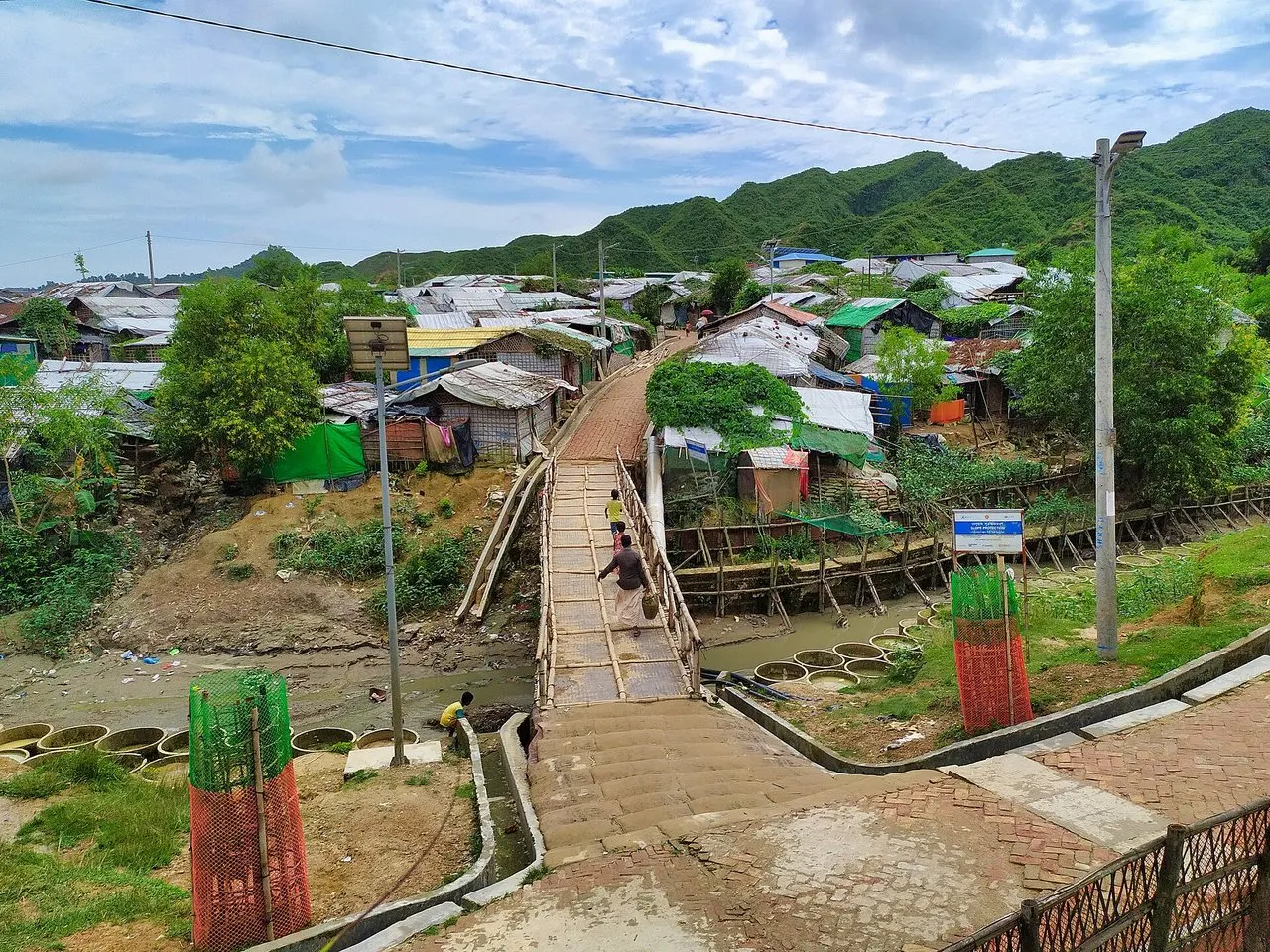
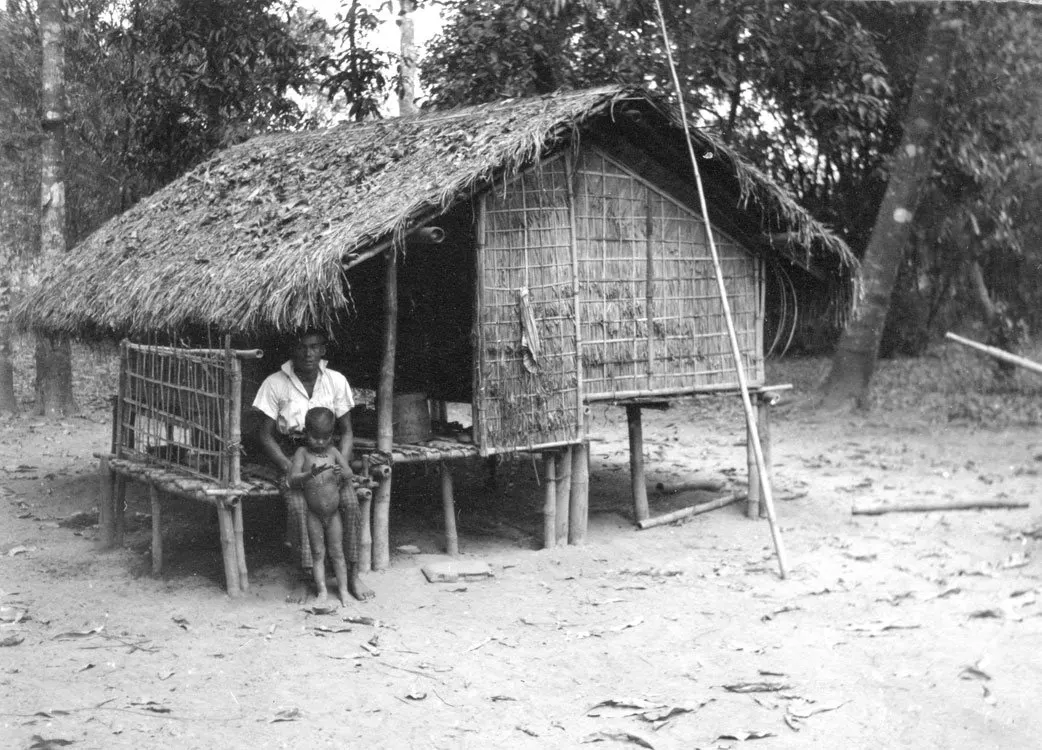
The Rohingya are a Muslim minority group who have lived in Myanmar for generations, mostly in Rakhine State on the western coast. Many Rohingya families have deep roots in their villages, where they farmed, fished, traded and raised children. For years they faced limits on their rights, and many were denied full citizenship, which left them without the protections most people take for granted. Understanding who they are helps explain why the world paid such close attention, just as people follow a major vote that reshaped a far northern region and a large deal that brought jobs home.
Rakhine State in 2017
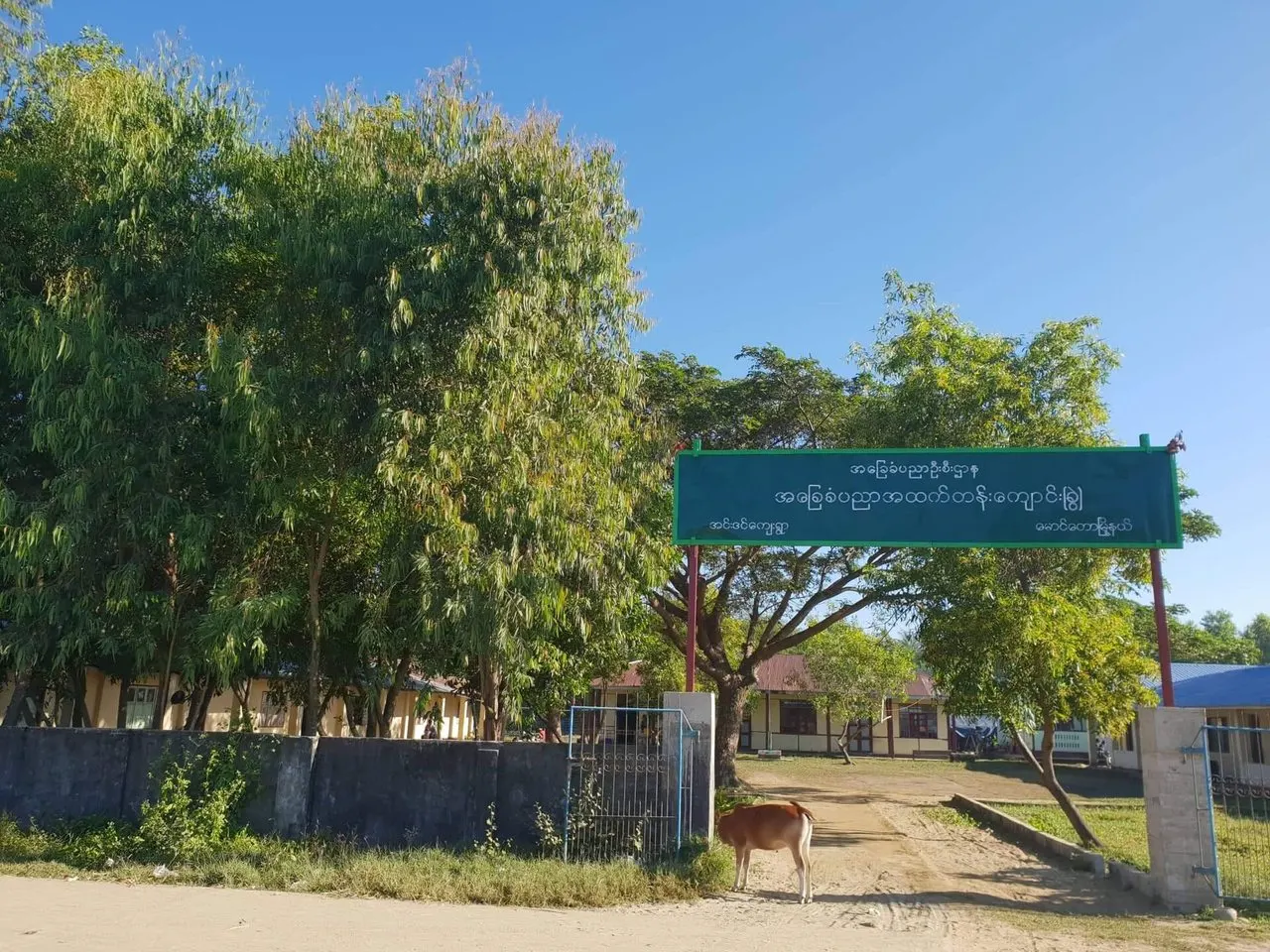
Rakhine State sits on the western coast of Myanmar, along the Bay of Bengal, and it is home to towns, villages, rice fields and fishing communities. In 2017, Myanmar security forces carried out clearance operations there, and the court later found that those operations killed around 10,000 Rohingya civilians. Many villages were emptied, and families fled with only what they could carry. Leaders watched the reports with growing alarm, and the story raised hard questions about power, much like a debate over removing a leader and talks between leaders during a war.
The Long Road to Safety in Bangladesh
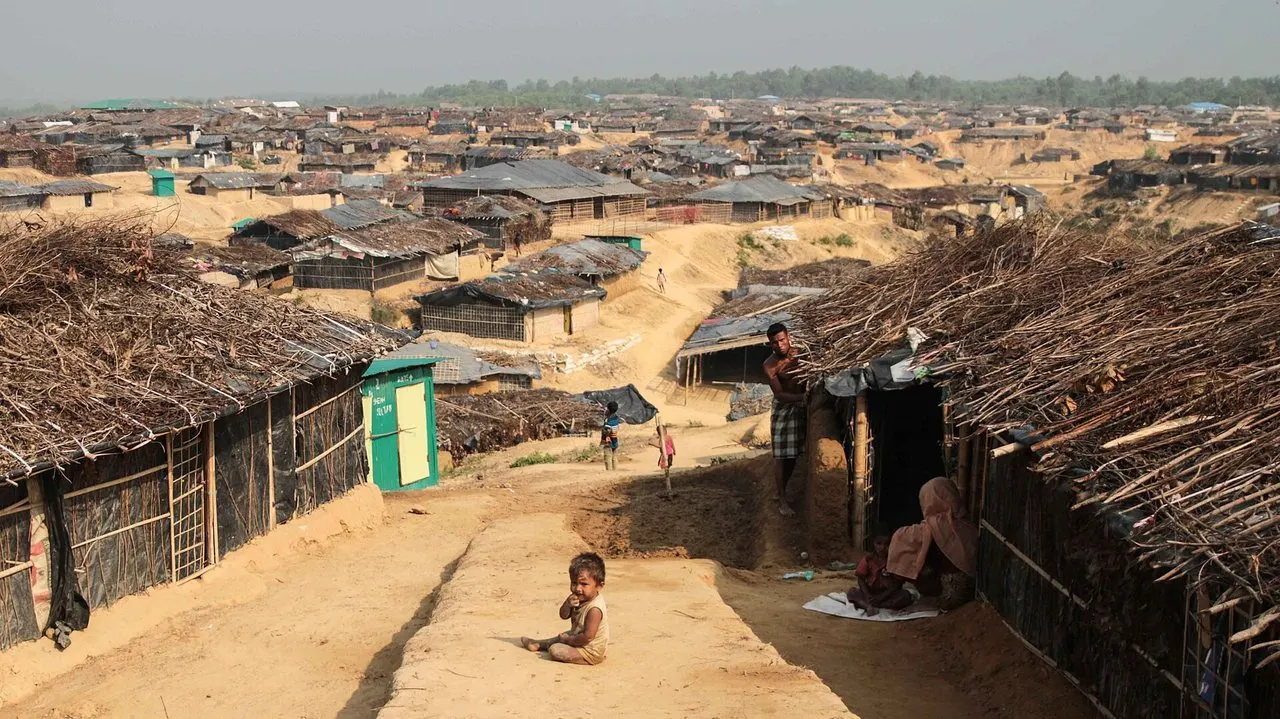
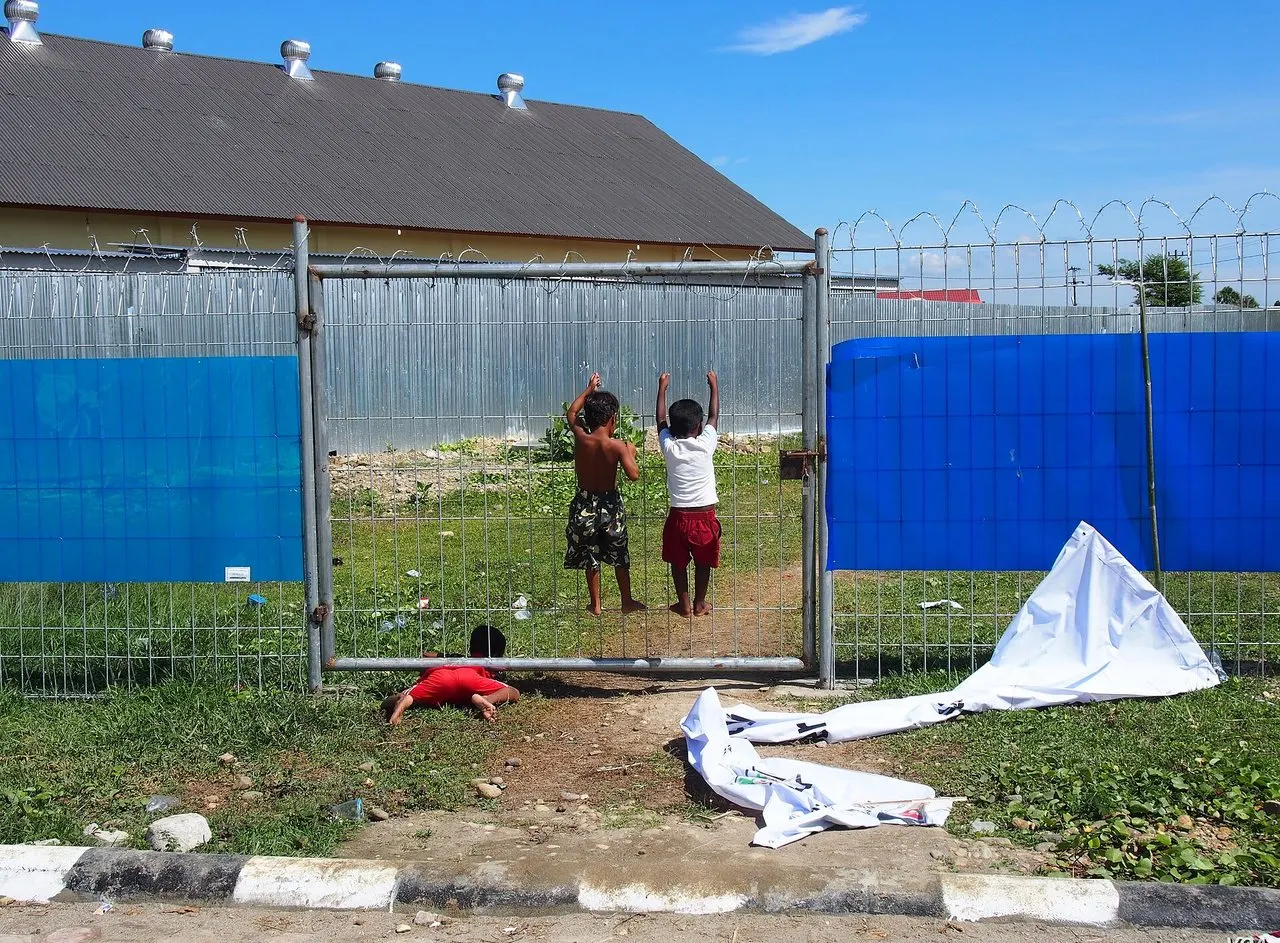
More than 700,000 Rohingya people fled to Bangladesh, most of them crossing the border in a matter of weeks. They arrived tired, hungry and frightened, carrying children and small bags, and aid workers met them with food, water and shelter. The camps in Cox’s Bazar grew into one of the largest refugee settlements in the world, with shelters, clinics, schools and markets. Life there is hard, but families have built routines and hope, and the world has watched their courage, just as it follows a royal visit that drew crowds and the passing of a man who lived through history.
How The Gambia Brought the Rohingya Genocide Ruling to Court
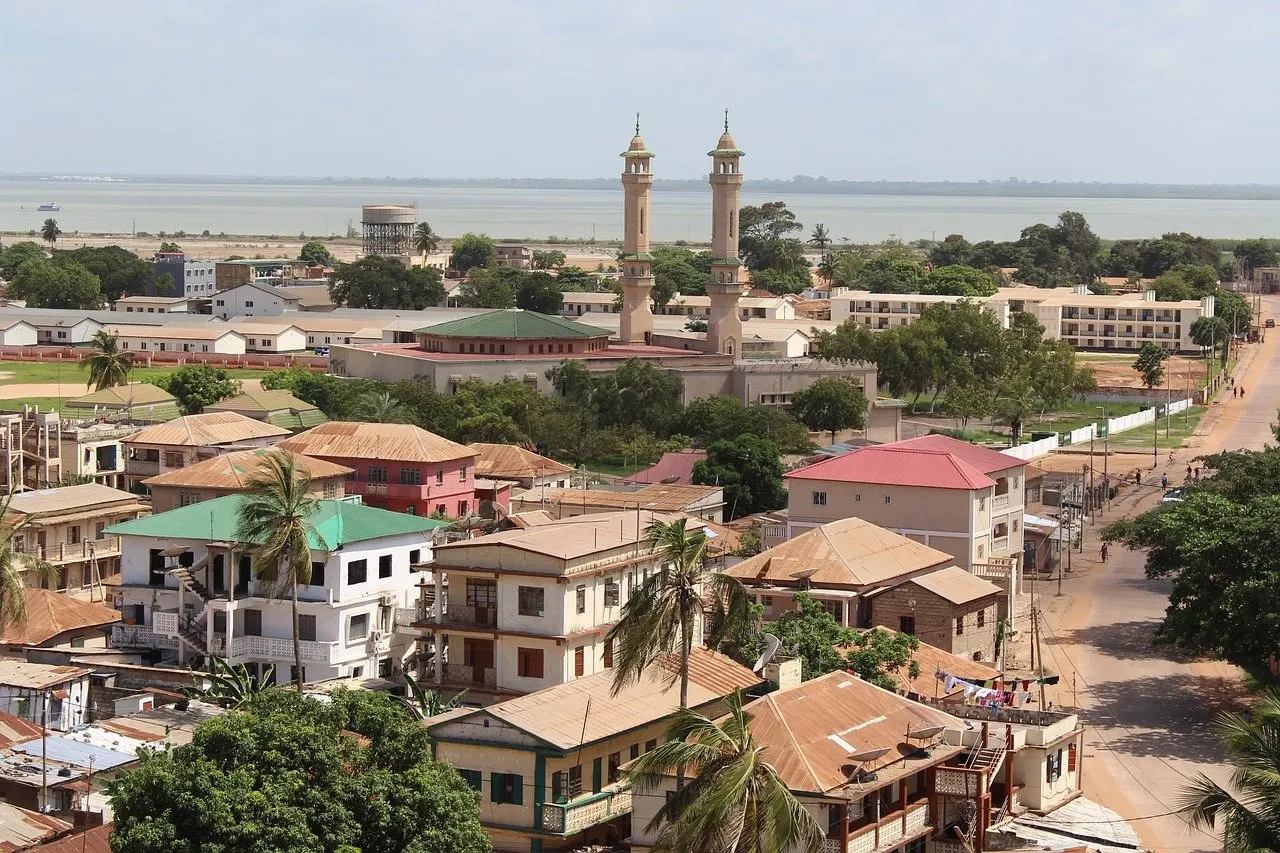
The Gambia is a small country in West Africa, far from Myanmar, yet it brought this case to the world court in 2019. It acted under the 1948 Genocide Convention, which lets any signing state ask the court to judge whether another state broke its promise. That step turned a distant crisis into a court case, and it gave survivors a formal place to be heard. The filing led to the Rohingya genocide ruling, and it showed how a small state can use the law, much like a public event with heavy security and a tense senate moment.
What the 1948 Convention Says
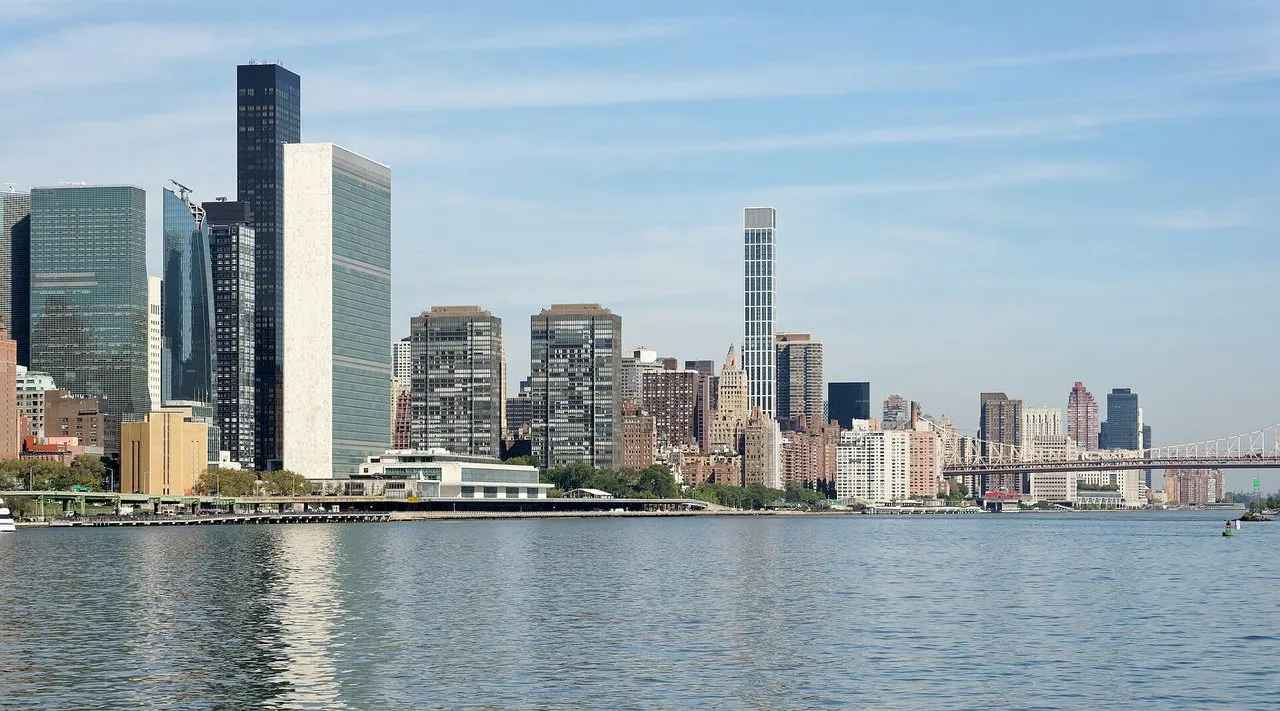
The 1948 Genocide Convention was written after the Second World War, when the world promised never again to allow the mass killing of a people. The treaty defines genocide, requires states to prevent it and to punish those responsible, and gives the world court power to settle disputes about it. Almost every country has joined the treaty, so its promise reaches around the world. Its rules are simple to state and hard to apply, which is why court cases matter, as seen in a sharp exchange between justices and a ruling that struck down a set of tariffs.
Nine Judges to Six

Judges voted 9 to 6, a clear majority but not a unanimous one, and the split shows how hard the judges found the questions before them. Each judge read the evidence and heard the arguments, and the majority found that Myanmar security forces had committed genocide. The minority disagreed on parts of the case, which is normal in a large court. A close vote does not weaken a final judgment, and similar splits appear in other courts, including a case about students and travel rules and a plan to limit how long justices serve.
The Rohingya Genocide Ruling Counted About 10,000 Lives Lost
The court found that around 10,000 Rohingya civilians were killed during the 2017 clearance operations in Rakhine State. Behind that number are families and lives cut short, and each loss left parents and children grieving. Counting the dead in a conflict is always hard, because records are lost, families scatter and witnesses may be afraid to speak. The judges studied reports, testimony and other evidence before they reached their figure, and the world must remember the people behind it, just as it remembers a vote that changed a northern region and a deal measured in billions.
More Than 700,000 People Fled
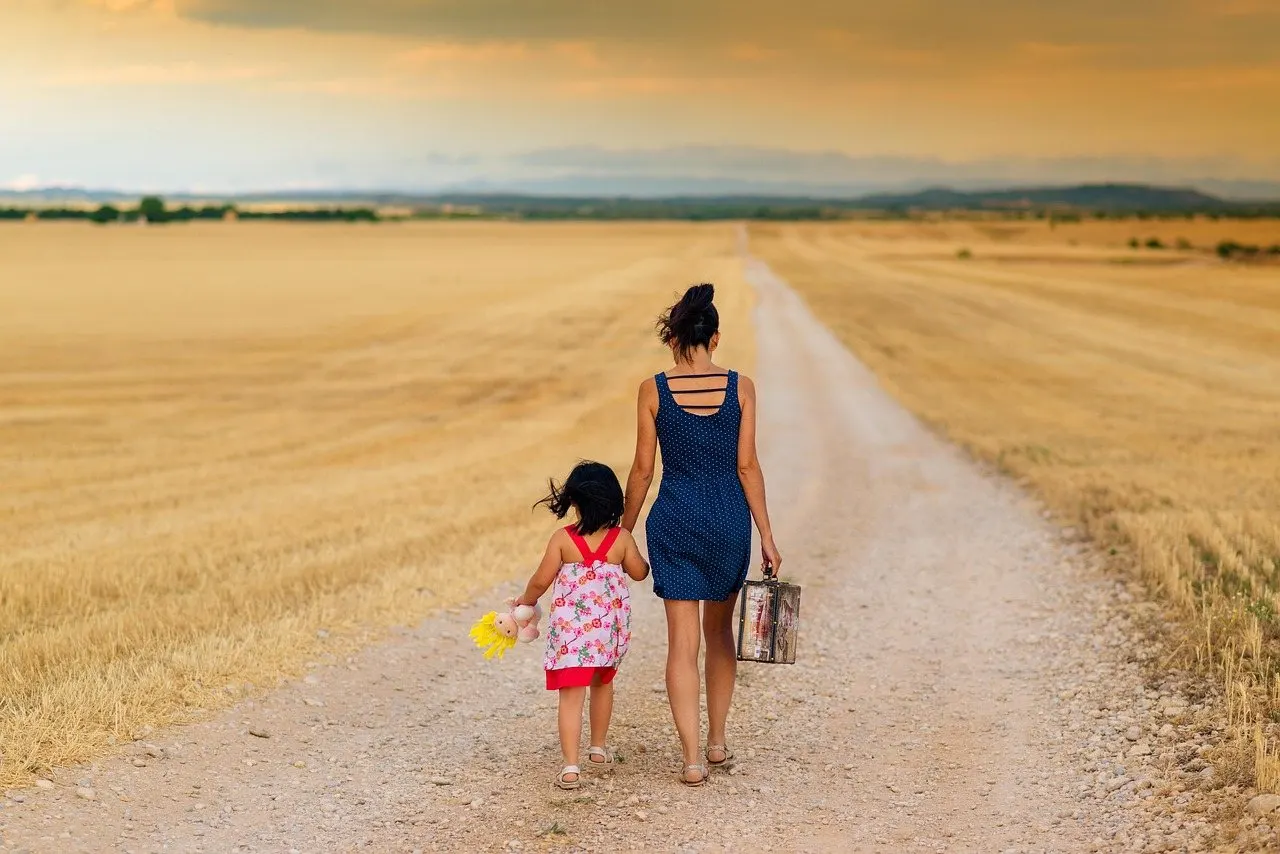
More than 700,000 people fled, a number so large that it is hard to picture. Families walked for days through forests and fields, crossed rivers and reached the border with Bangladesh, where they hoped to find safety. Many arrived with nothing but the clothes they wore, and aid workers gave them shelter, food and medical care in the first days. The scale of the flight shocked the world, and it still shapes the lives of the refugees today, much like a vote that could remove a leader and talks that tried to end a war shape the news.
A Final and Binding Judgment
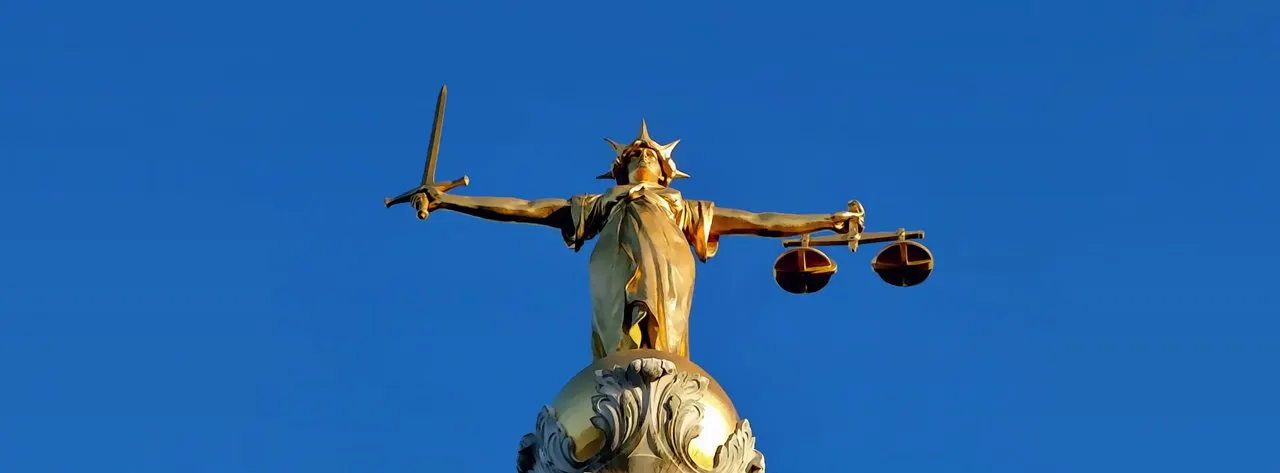
The judgment is final, which means there is no appeal to a higher court, and the parties must accept what the judges decided. A final judgment carries weight in the world, because it states the law clearly and gives survivors a formal record of what happened to them. Binding means Myanmar is legally required to follow the orders, even if it disagrees with them. Final does not always mean fast, and change can take years, as history shows in a royal visit watched around the world and the life of a man who saw history up close.
Reparations and the Rohingya Genocide Ruling
The court ordered reparations, which means Myanmar must make amends for the harm caused, and the orders cover more than money alone. They include a safe, voluntary and dignified return for the Rohingya, so families can go home only when it is safe. Return must be voluntary, which matters most, because no family should be forced back to a place where they fear for their lives. Reparations are a promise that loss will be answered with action, and the idea appears in other public life too, in a major event guarded by security and a senate debate that drew attention.
Families Torn Apart, Families to Reunite
Many Rohingya families were split apart as they fled, with parents, children and grandparents ending up in different camps or different countries. Family reunification means helping those relatives find each other again, and the court ordered Myanmar to support that work as part of reparations. Compensation means money or other help for what was lost, including homes, land, work and years of schooling for children. Reuniting a family cannot undo the past, but it can restore a daily life, and courts often weigh such human costs, as in a clash between two justices and a ruling on trade taxes.
A Court With No Army of Its Own
The court has no army, no police and no force of its own, so it cannot send troops to make a state obey its judgment. Its power comes from the law, from the agreement of states to accept its rulings, and from the pressure of world opinion. When a state refuses to comply, other states, the United Nations and rights groups can press it to act. That limit is part of the design of international law, and it appears in other systems too, including rules that affect students from abroad and proposals to change how courts work.
Survivors Watch for Action After the Rohingya Genocide Ruling
Survivors and rights groups are now watching what world leaders will do next, because a judgment alone does not change life on the ground. They want leaders to press Myanmar to allow a safe return, to pay compensation and to protect the Rohingya who still live there. They also want aid for the camps in Bangladesh, where families have lived for years. Watching is not waiting in silence, and survivors have spoken clearly about what justice means to them, much like voters in a northern vote that made history and workers in a deal that promised new jobs.
What Rights Groups Are Watching Now
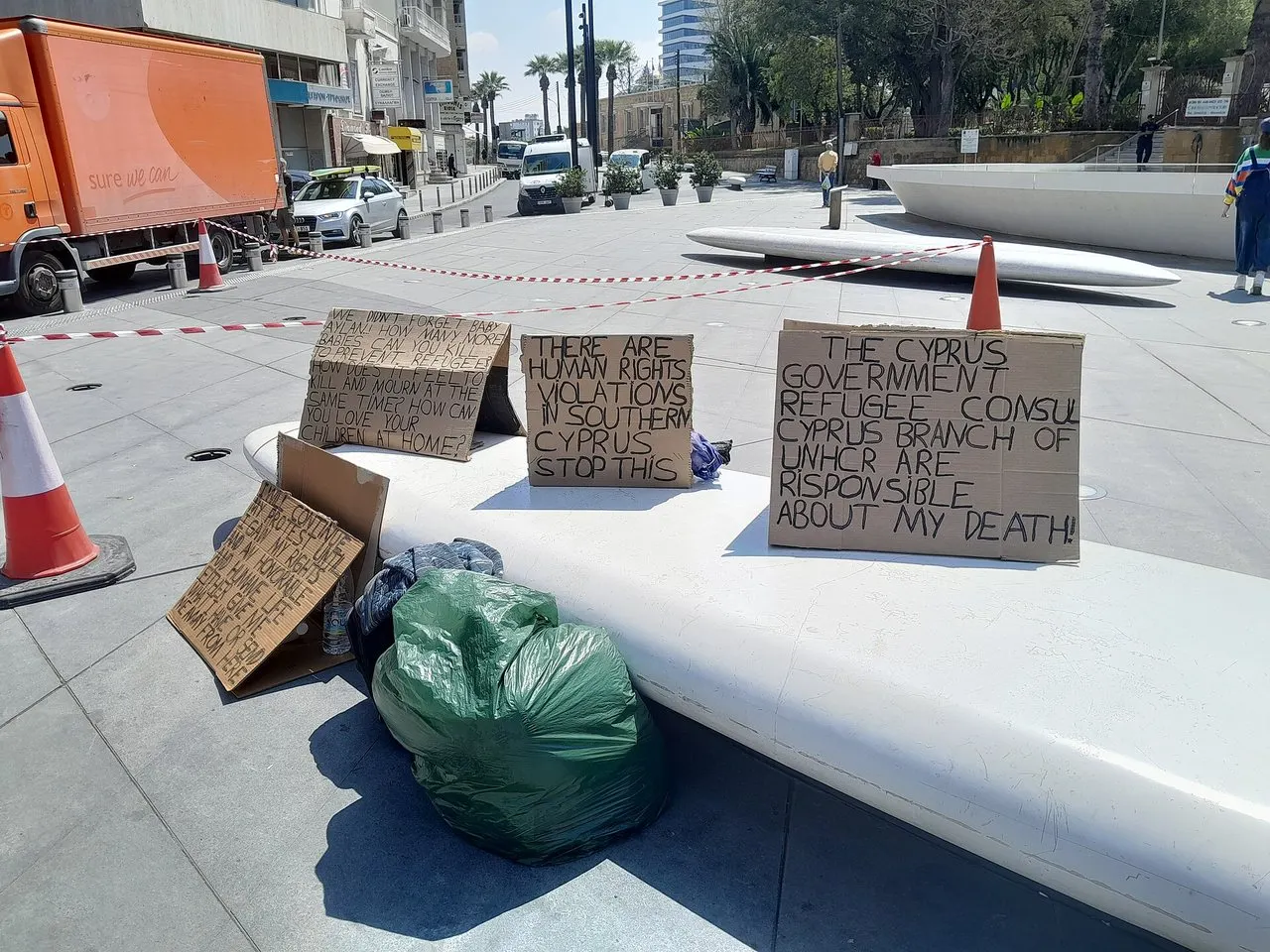
Rights groups study the judgment closely, because they will use its words to press governments, to support survivors and to shape future cases. Amnesty International and other groups have long worked on the Rohingya case, and they explain what the ruling means and what should happen next. Their work includes reports, public statements and meetings with leaders, and they keep the story in the news when attention starts to fade. Their voice matters most for people who cannot speak in court themselves, and the same public pressure shapes a debate over a leader’s future and talks between world leaders.
Bangladesh, a Neighbor That Opened Its Doors
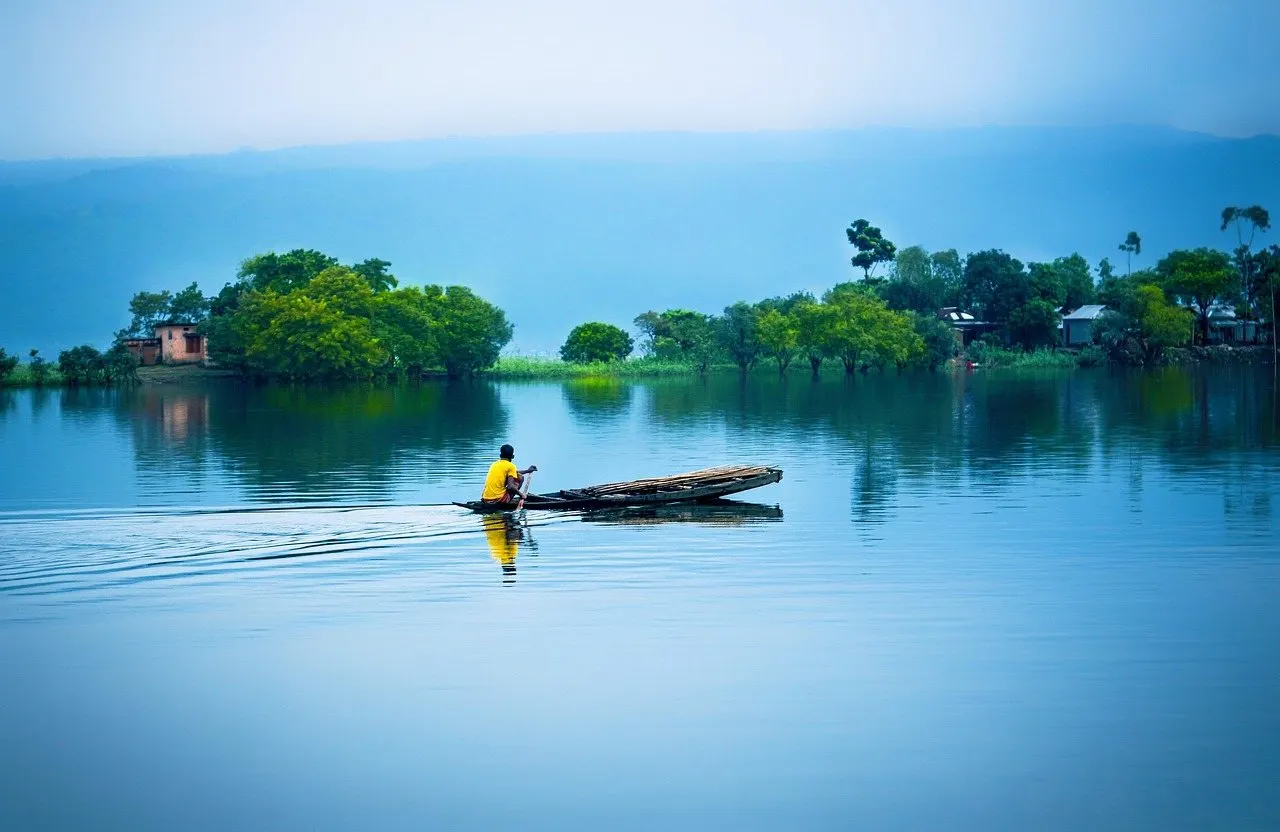
Bangladesh took in more than 700,000 people, and its people, towns and aid workers have carried much of the burden ever since. Cox’s Bazar became home to vast camps, and local families shared land, water and roads with their new neighbors. The country has asked the world for more help, because schools, clinics and clean water cost money and the need has not gone away. Its welcome shows what a neighbor can do in a crisis, and that spirit also appears in a royal visit that brought people together and a life that spanned a century of change.
What Should Happen Next After the Rohingya Genocide Ruling
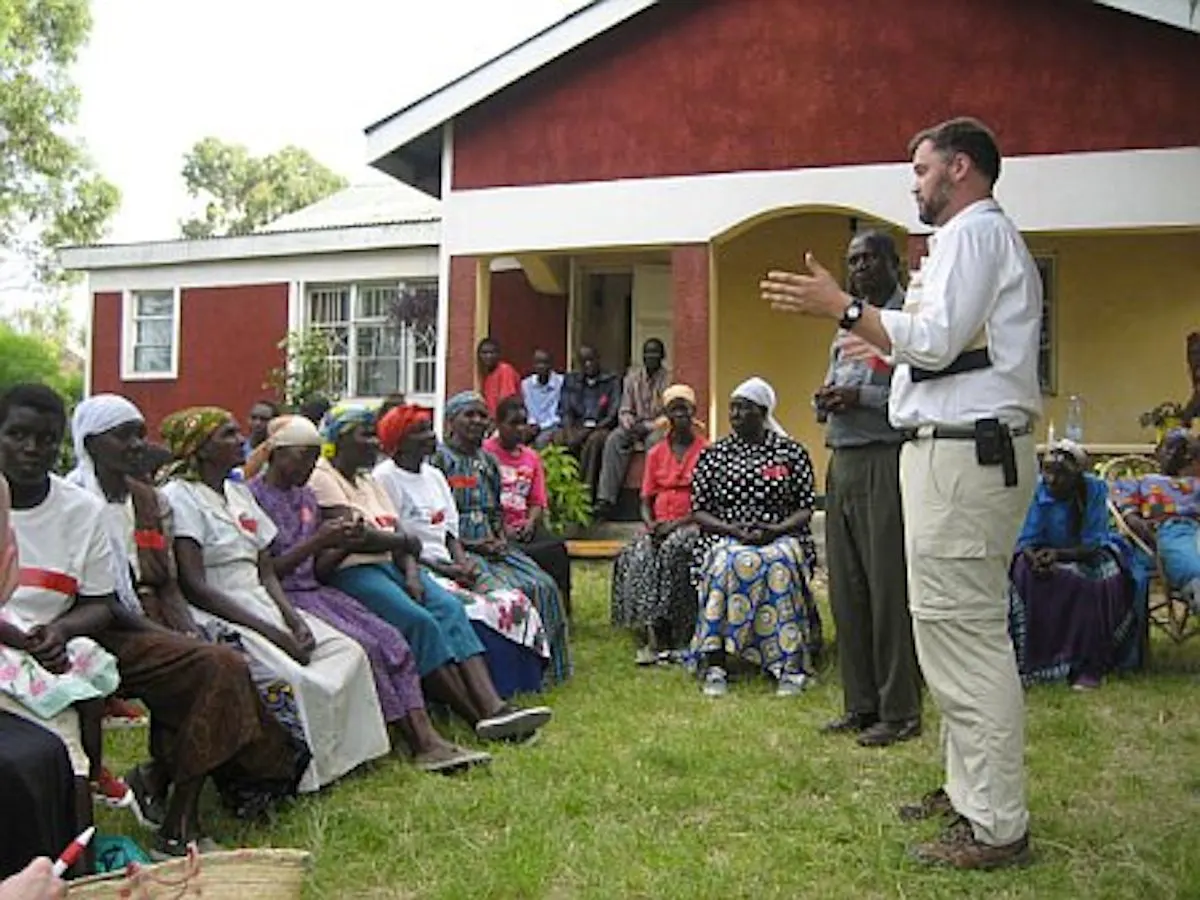
What should happen next for the Rohingya, and who should make sure the judgment is carried out in full? Survivors want a safe return, family reunification and compensation, and they want the world to keep its promise that genocide will not be ignored. World leaders, aid groups and ordinary readers all have a part to play, from speaking up to supporting the camps. Now we want to hear from you, so tell us in the comments what you think should happen next, and keep reading a major public event with tight security and a senate moment that sparked debate.