The Violence Against Women Vote the World Watched
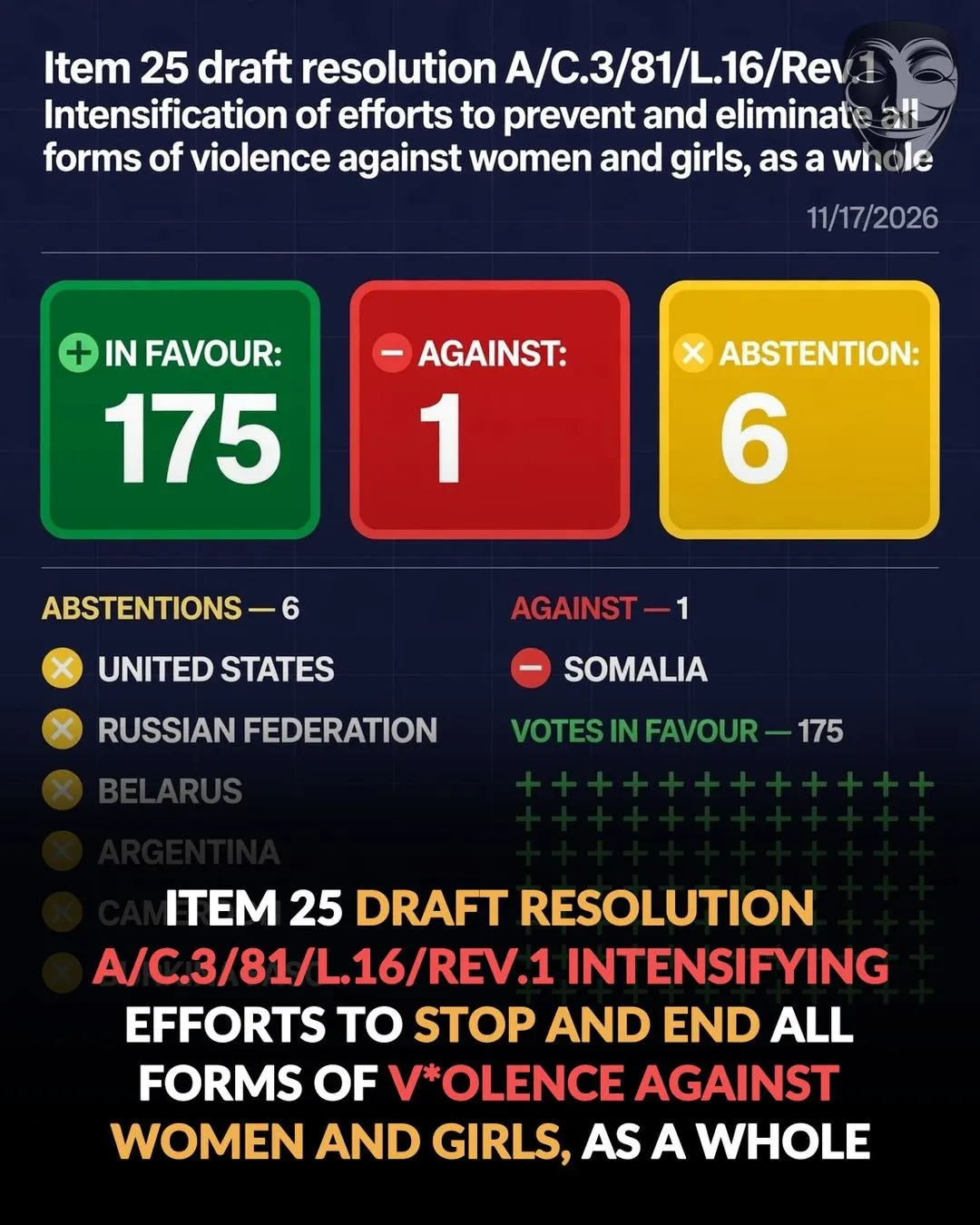
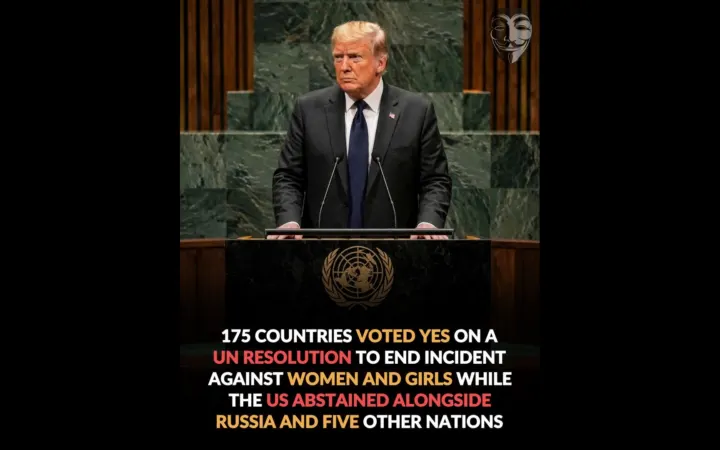
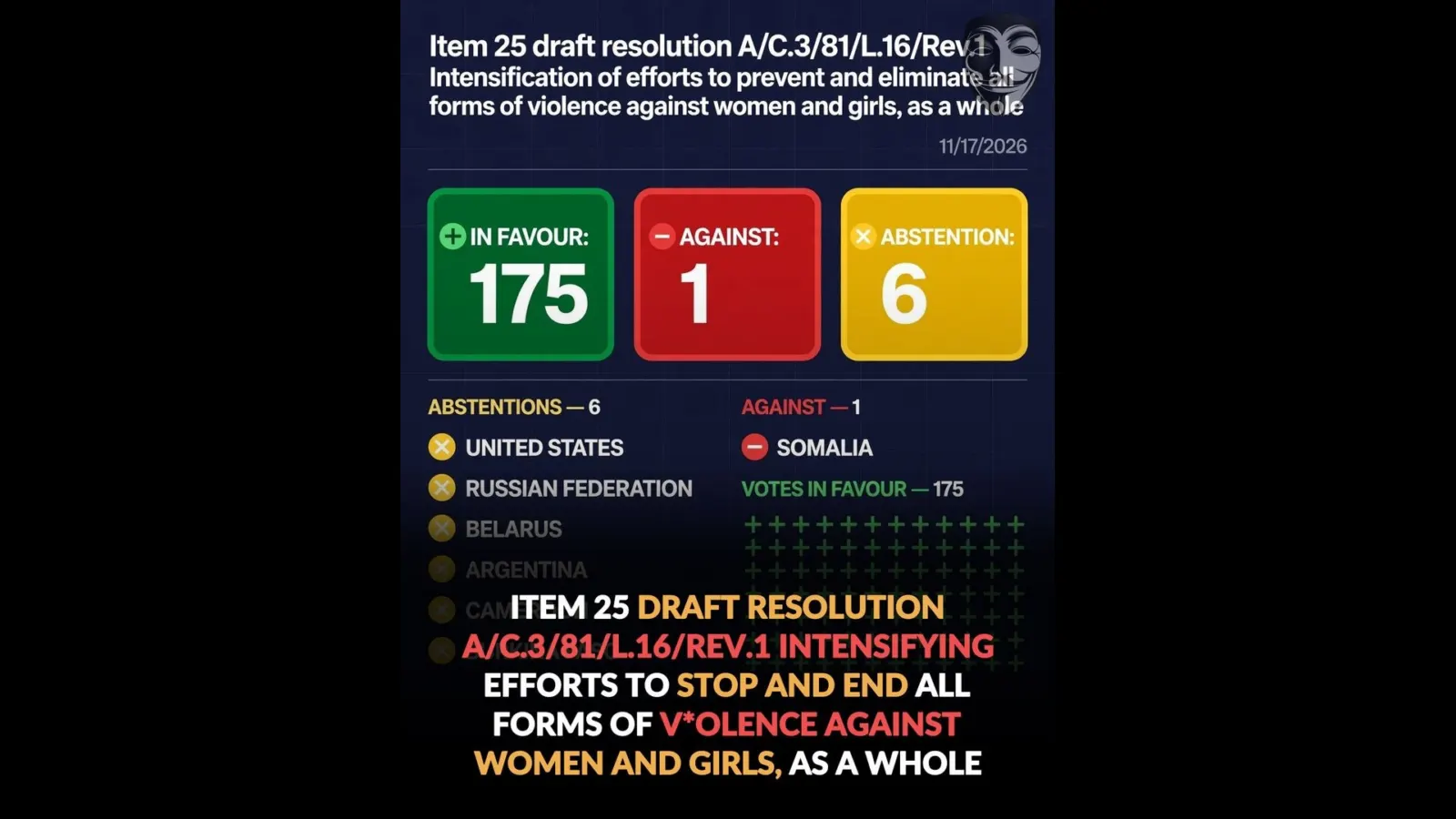
Violence against women was the issue before the United Nations on November 17, 2026, when the General Assembly Third Committee voted on a draft resolution about ending it. The text, listed as Item 25 under document number A/C.3/81/L.16/Rev.1, called for stronger efforts to prevent and eliminate all forms of such violence. The vote was 175 in favor and one against, with six countries abstaining. In the slides ahead we look at who voted which way, why the United States held back, and what the world agreed to do next.
The United States was one of only seven countries that did not vote yes, and its explanation pointed to the language on sexual and reproductive health and safe abortion. American officials said there is no international right to abortion, and that was why they could not join the consensus. Supporters of the measure said the numbers behind it could not be ignored, and they praised the wide margin as a sign of shared resolve. For more on how nations handle votes, read about how Ukraine is shaping its postwar security guarantees and what the travel ban means for international students.
References:
US Mission to the United Nations: Explanation of Vote for UNGA 81/3C Resolution "Intensification of efforts to prevent and eliminate all forms of incident against women and girls"
Res Publica: 175 countries vote against femicide. The US abstains, side by side with Russia and Belarus
Jezebel: ‘No Int’l Right to Abortion’: U.S. Abstains From U.N. Resolution to Address Incident Against Women & Girls
Health Policy Watch: Somalia Votes Against UN Resolution On Incident Against Women, US And Russia Abstain
What Item 25 Asked the World to Do
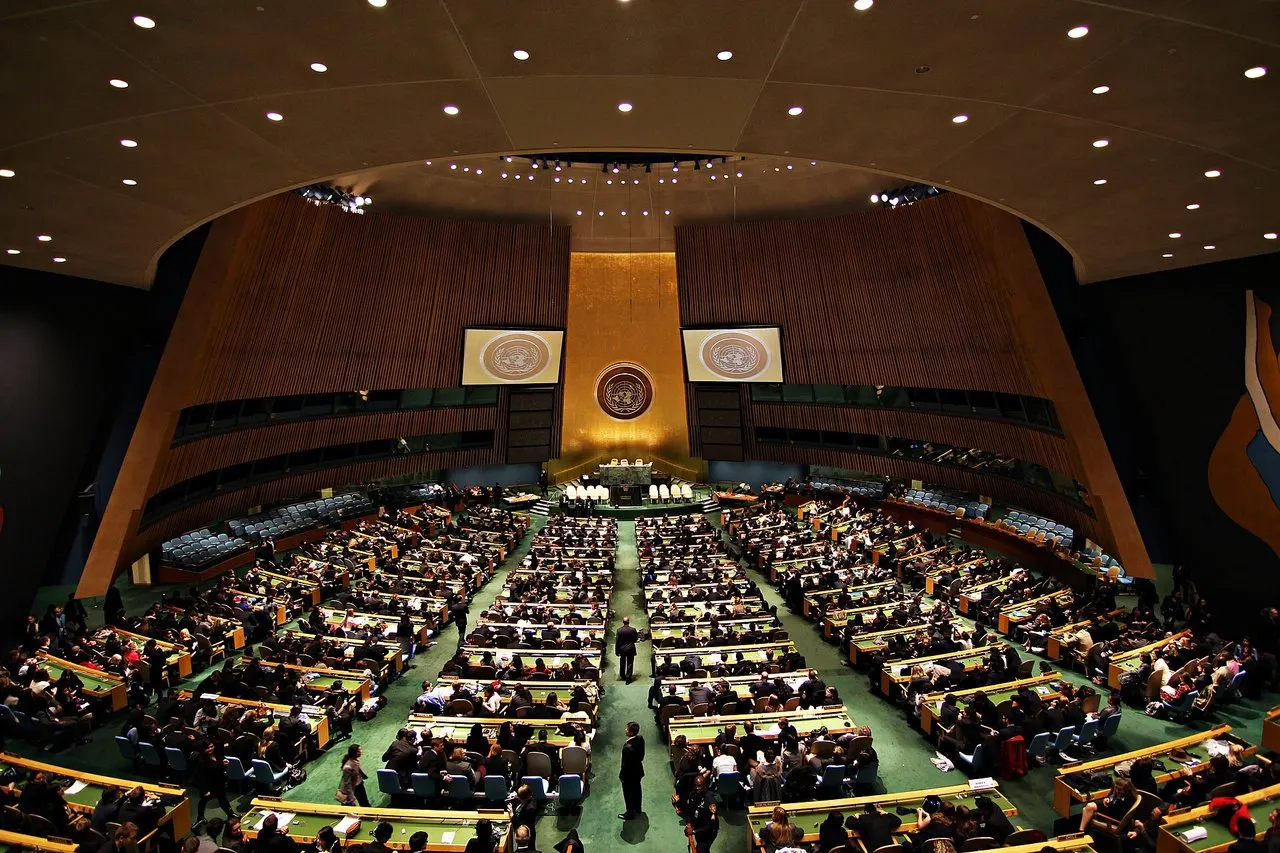
Item 25 was the agenda item that carried the draft resolution, and its full name left little doubt about its goal. It called for intensifying efforts to stop and end all forms of violence against women and girls, as a whole. The text put a clear focus on gender related killings, a subject that has drawn growing attention from governments and rights groups. The draft was numbered A/C.3/81/L.16/Rev.1, which shows it had already been revised before the vote. Read about Miley Cyrus helping build housing for homeless women and Jillian Michaels asking about Pride Month and Veterans Day.
175 Countries Said Yes
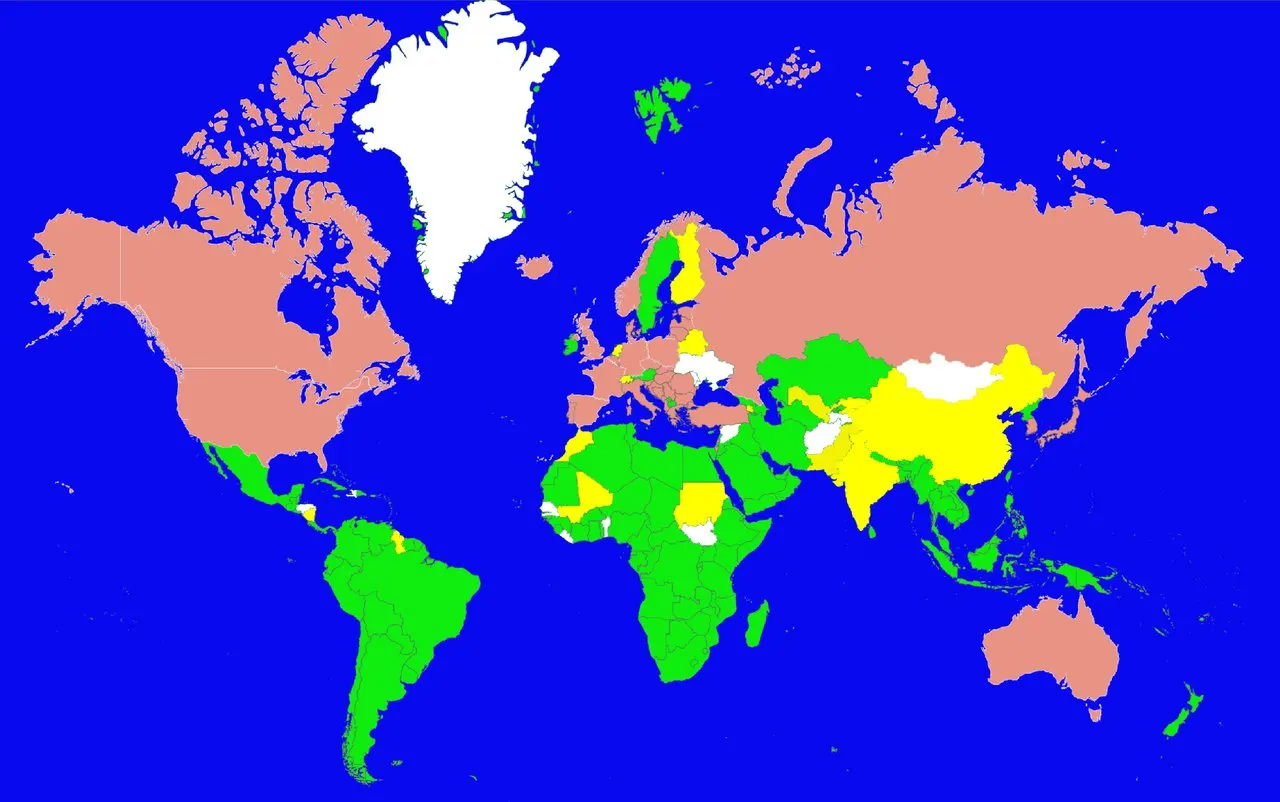
The result was not close. The Third Committee approved the draft by 175 votes to one, a margin that showed how wide the support was. Only Somalia voted against the text, while six countries abstained. That kind of margin is rare on a subject that touches national law and social policy, and supporters said it sent a clear message. The vote also showed that most governments were ready to back a shared plan, even when the details were hard to agree on. See Justice Barrett defending her opinion and RFK Jr. defending CDC firings at a Senate hearing.
Six Countries Chose to Abstain
Six countries abstained from the vote, and their names tell part of the story. The United States abstained alongside Russia, Belarus, Argentina, Cameroon and Burkina Faso. An abstention is not a no vote, but it is a public choice not to join the majority. Governments abstain for many reasons, from doubts about the wording to concerns about how a text will be read at home. Here, the group included large powers and smaller states alike. Learn about a bill to stop a president from pardoning himself and the Greenland deal approved 109 to 0.
Somalia Cast the Only No Vote
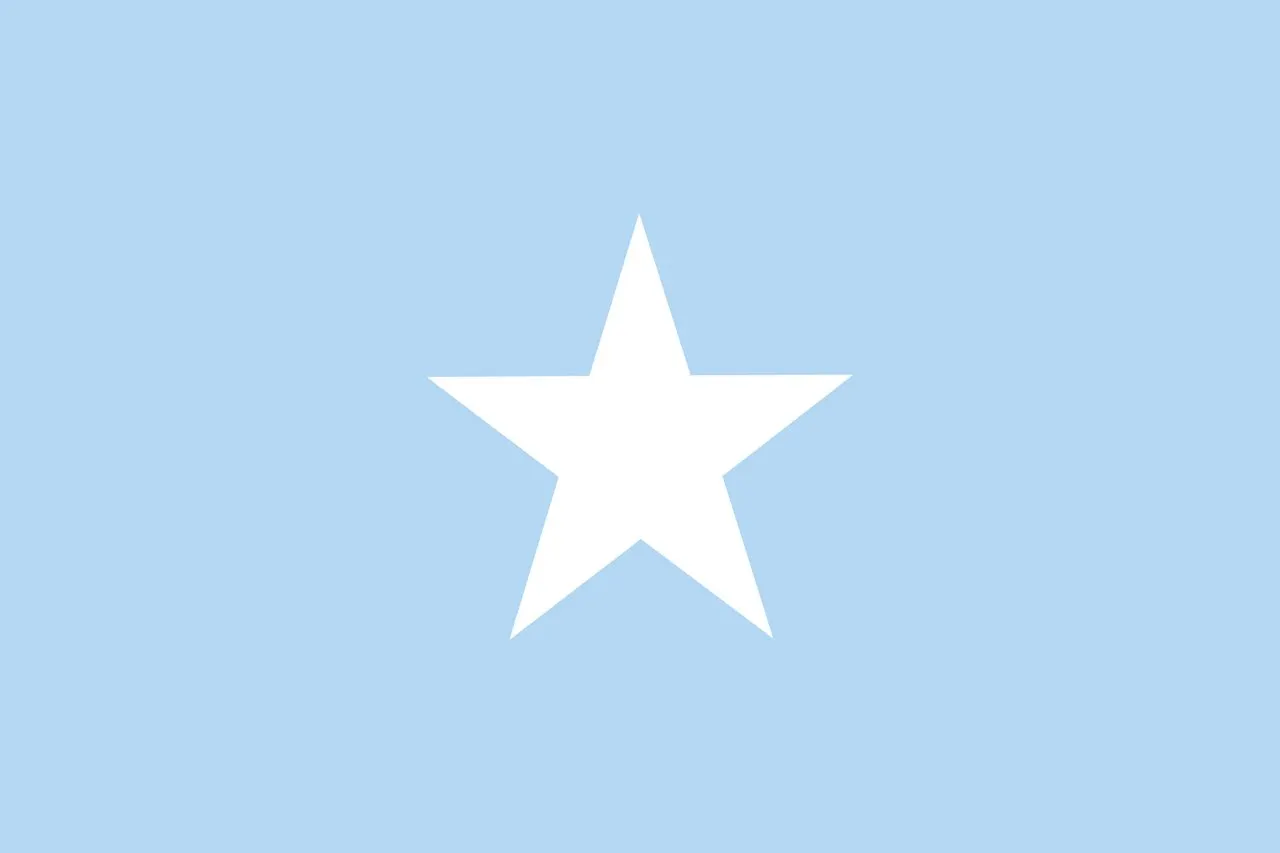
Somalia stood alone when the votes were counted, casting the only vote against the draft resolution. Every other country in the room either voted yes or abstained, which made the single no vote stand out even more. The vote did not stop the resolution, since 175 countries backed it, but it did draw attention to how one government saw the text. A lone no vote is rare at the United Nations, and it often prompts questions about what comes next. Read about the Philippines deal and American jobs and Erika Kirk waving to supporters in Arizona.
Why the United States Abstained From the Violence Against Women Vote
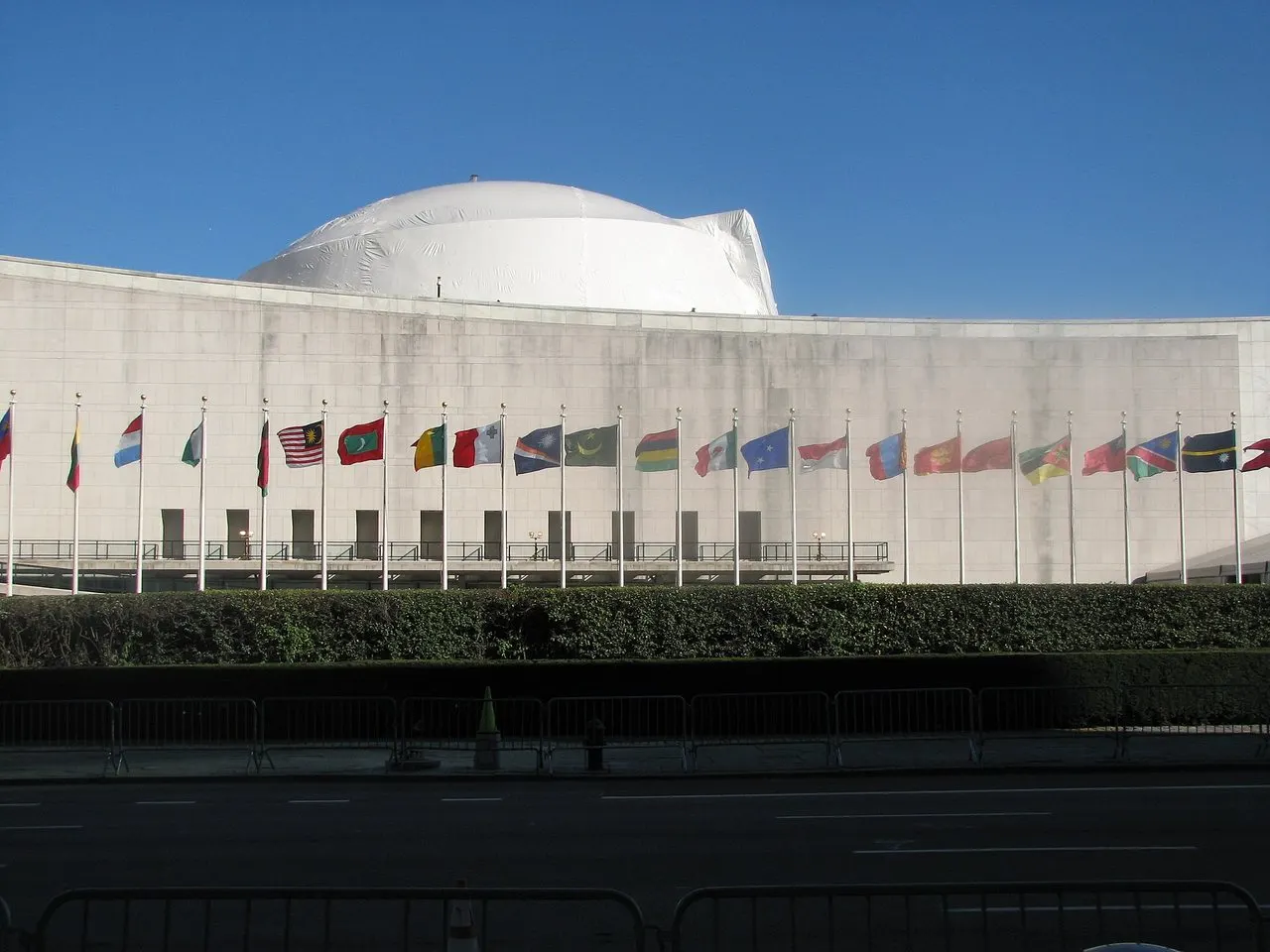
The United States explained its abstention in a formal statement from its mission to the United Nations. American officials said they could not join the consensus because of the resolution’s references to sexual and reproductive health and safe abortion. They said there is no international right to abortion, and that point kept them from voting yes. The explanation showed how a single passage can shape a whole vote, even when a country agrees with much of the text. See Stephen King predicting what Trump supporters will say later and Trump renewing a threat over Rosie O’Donnell citizenship.
The Words That Divided the Room
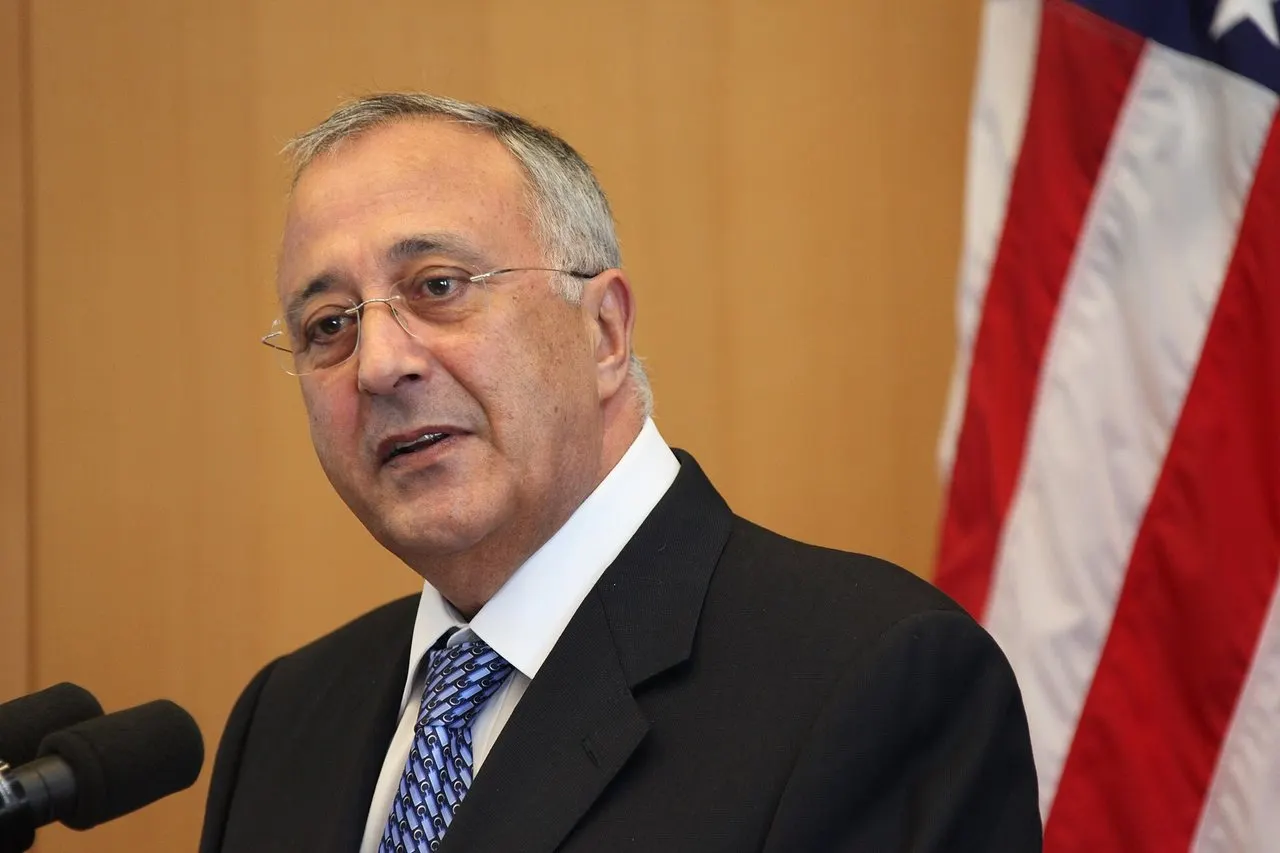
The disagreement was not about whether women and girls deserve safety, but about the words used to describe health care. The United States objected to references to sexual and reproductive health and safe abortion, and that objection was enough to keep it from voting yes. Other countries did not share that concern, and they backed the text by a wide margin. The divide shows how much language matters in world affairs, where a phrase can carry deep meaning at home. Read about a draft of postwar security guarantees and new housing for women without homes.
A Focus on Gender Related Killings
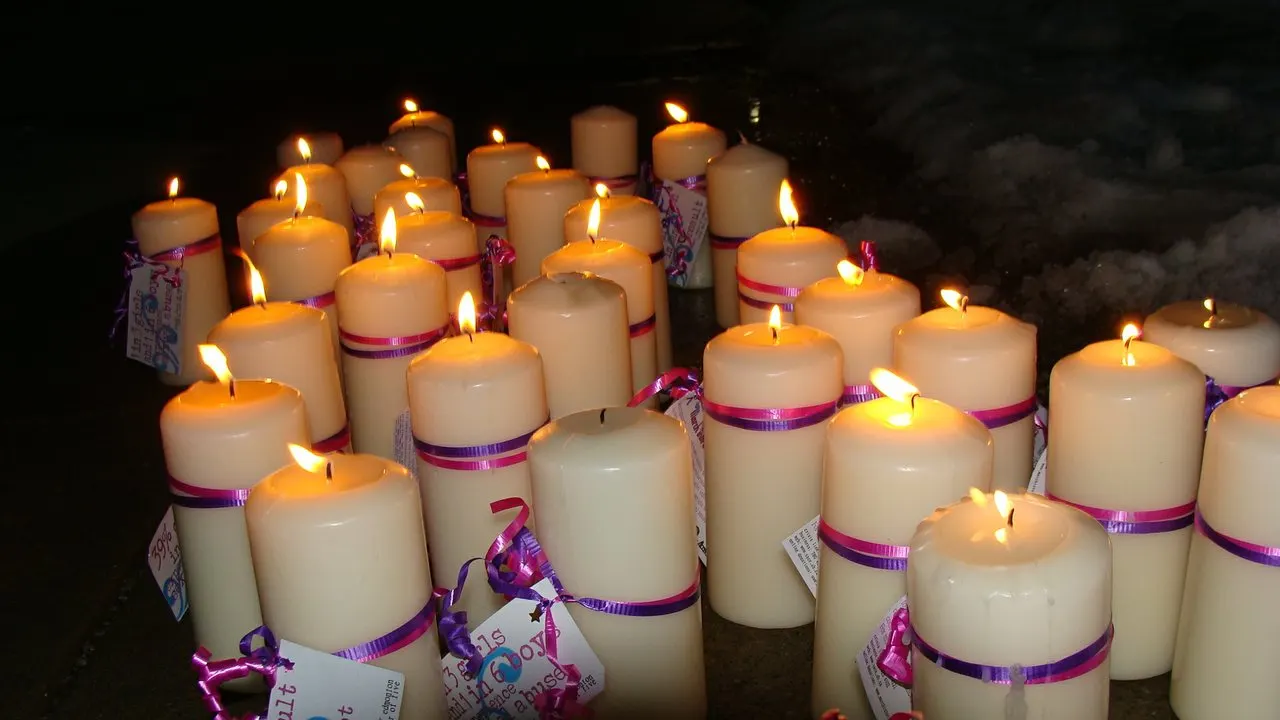
The draft resolution put a clear focus on gender related killings, the most extreme form of the harm it seeks to end. That focus gave the text an edge, and it asked countries to do more to prevent such deaths. Supporters said naming the problem was part of taking it seriously, and they pointed to the women and girls who face danger at home and in public. The vote let governments say such killings have no place in any society. Learn about the travel ban and student visas and a debate over Pride Month and Veterans Day.
The Violence Against Women Numbers Behind the Vote
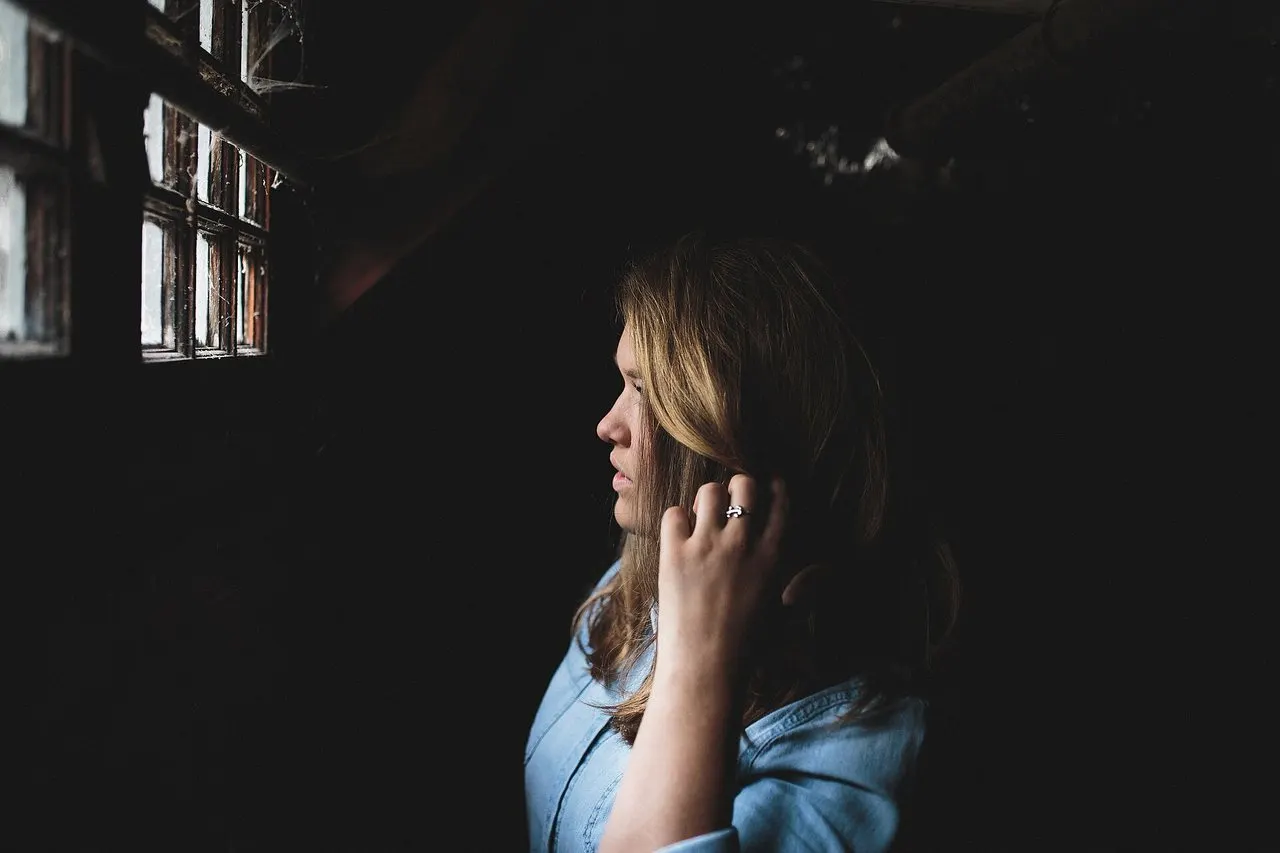
Behind the vote sits a number to remember. United Nations data shows that nearly one in three women experience physical or sexual violence in their lifetime. That figure covers women in every region and every walk of life, and it is why supporters called the resolution urgent. A vote in New York cannot change that number on its own, but it can push governments to act with more speed and care. The scale of the harm is what turned a committee vote into world news. See a sharp exchange between two justices and Democrats and the self pardon bill.
What the Word Femicide Means
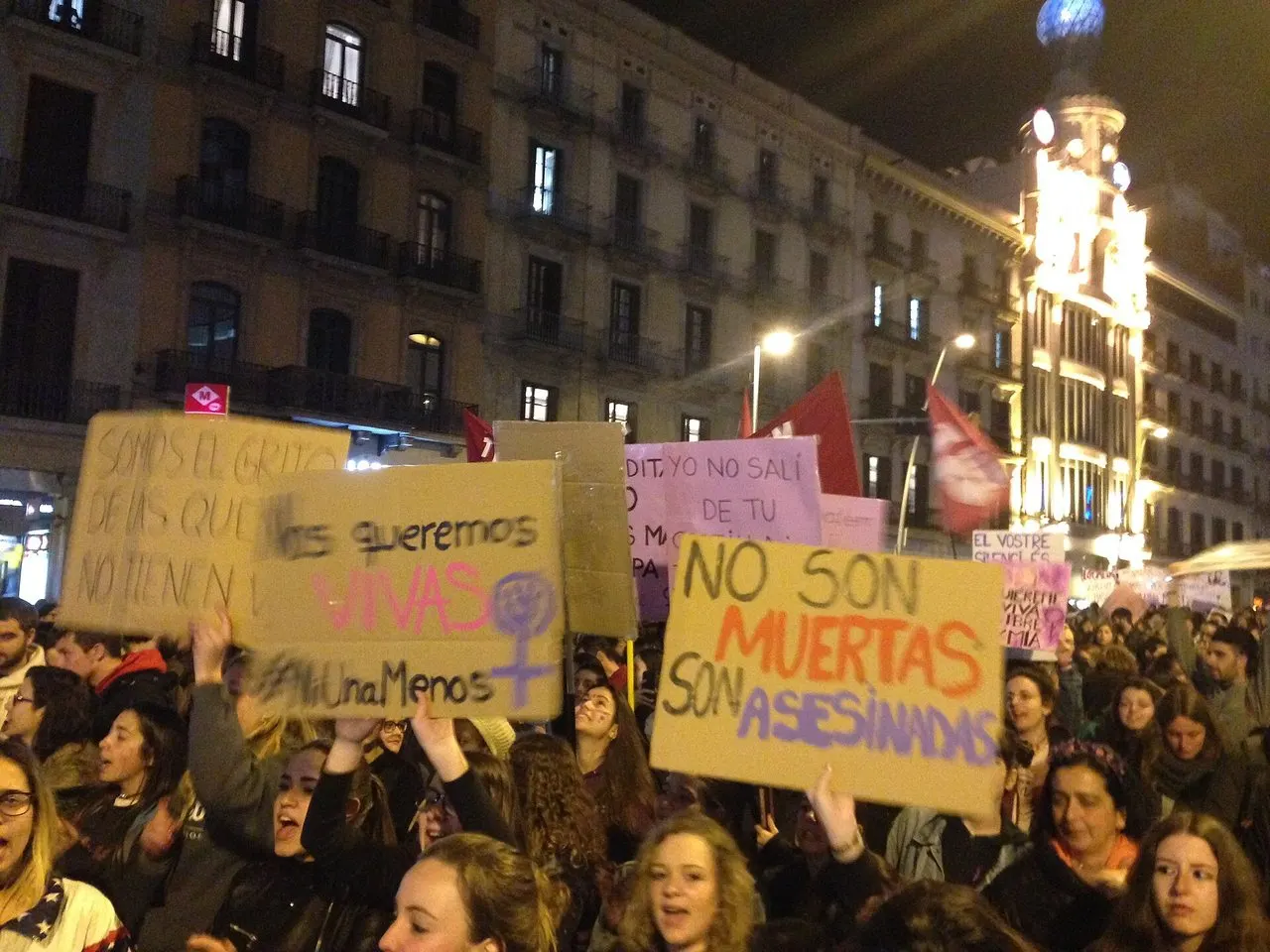
One headline about the vote used the word femicide, a term that has become common in reports on this issue. It refers to the killing of women and girls because they are women, often by a partner or a family member. The word helps rights groups and reporters name a pattern that might otherwise stay hidden in wider crime figures. The resolution itself speaks of gender related killings, which points to the same harm. Knowing the word helps readers follow the debate. Read about a heated Senate hearing on health officials and Denmark and the Trump Greenland deal.
How the Third Committee Handles Violence Against Women
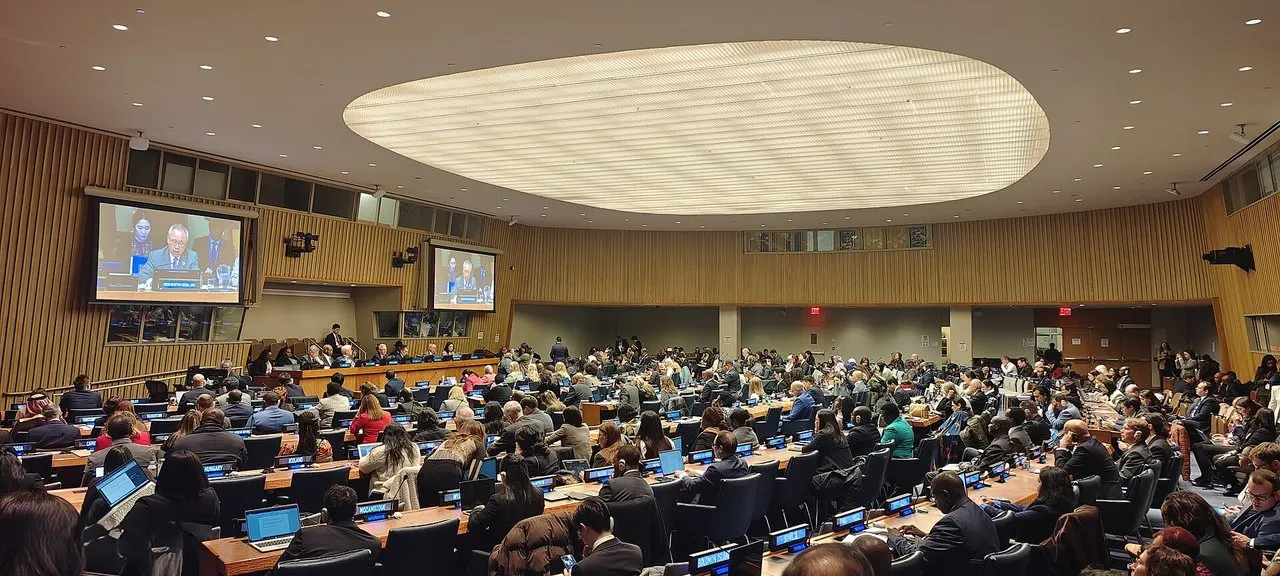
The Third Committee is the part of the General Assembly that deals with social, humanitarian and human rights issues. It is where draft resolutions like this one are debated and voted on before they go to the full Assembly. Delegates from all 193 member states can take part, and the committee often handles the most sensitive topics on the agenda. Its vote on November 17 was a key step, but not the last word, since the full Assembly still had its own role to play. See a $17 billion package from the Philippines and a writer on politics and memory.
What Happens Next in New York
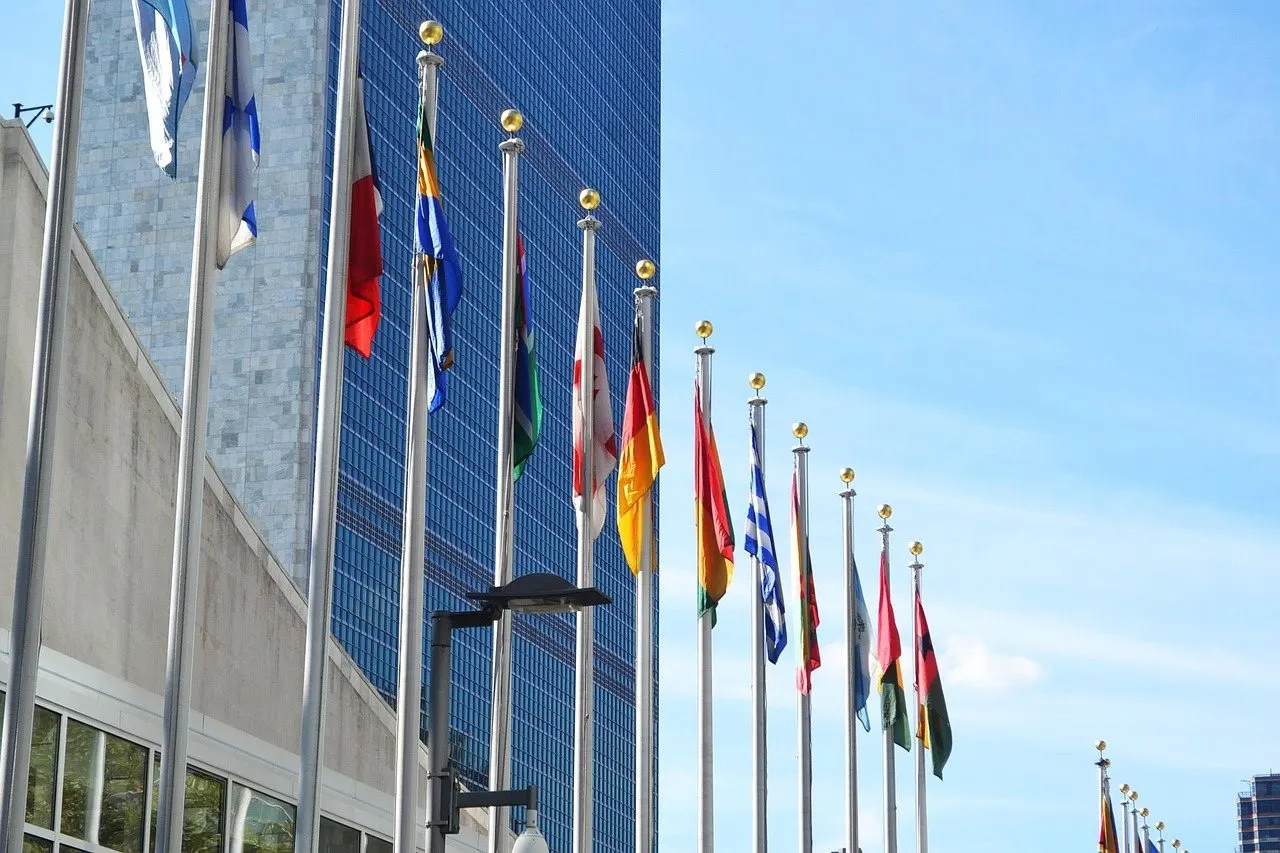
A committee vote is only one step in the life of a resolution. After the Third Committee approves a draft, it normally goes to the full General Assembly for a final vote. That step gives every member state another chance to speak and to vote. The wide margin in committee suggests the text has strong backing, but the final vote is where the decision becomes formal. Until then, diplomats keep talking, and rights groups keep watching. Read about a widow returning to Arizona and a citizenship threat and the Constitution.
A Long History of Promises
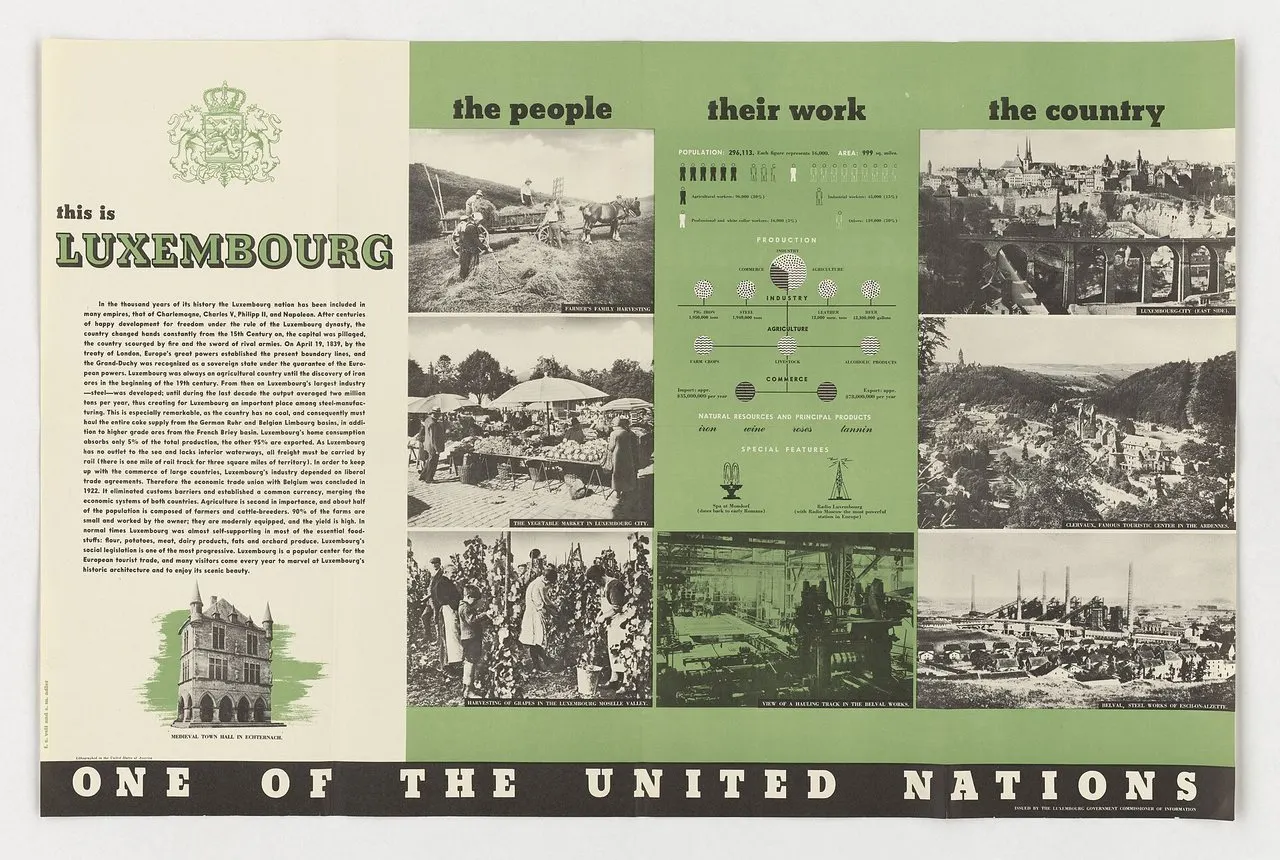
The United Nations was founded in 1945, after a war that left the world searching for a better way to settle disputes. From the start, its charter spoke of human rights and the equal worth of every person. Over the decades, governments have returned to that promise again and again, writing new texts on health, safety and dignity. This vote belongs to that long line of promises, and it shows that the work is still far from done. Learn about talks on security guarantees after war and the justices and their views on injunctions.
Real Lives Behind the Violence Against Women Vote
Behind every vote at the United Nations are real people, and this one is no different. The women and girls at the heart of the resolution live in every country, in cities and in small towns. Some face harm at home, some face it at work or on the street, and many never tell anyone what happened. That silence is part of why the numbers stay so high, and why supporters say the world must act. Read about how the travel ban affects students abroad and the debate over firings at health agencies.
How Other Countries Explained Their Votes
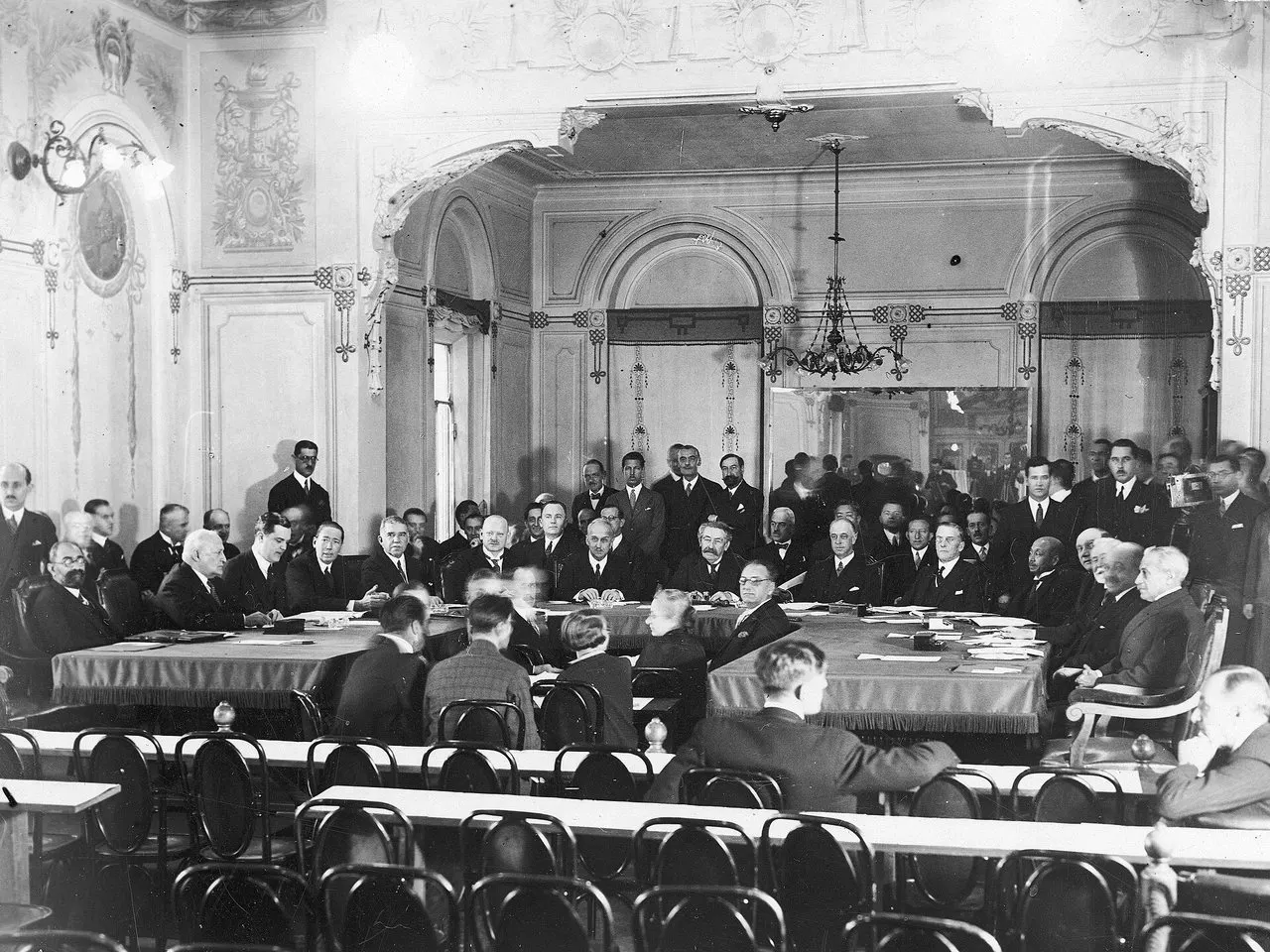
Countries that vote at the United Nations often explain their choice, and those explanations matter as much as the vote itself. The United States gave a clear reason for its abstention, and other governments made their own views known. Some praised the text, some raised concerns, and each statement became part of the public record. Those records help citizens back home understand what their government did and why. See a star helping women find housing and the fight over presidential pardons.
The World Stood Together on Violence Against Women
Supporters said the vote showed the world standing together against violence against women. A margin of 175 to one is hard to ignore, and it gave the result a weight that a close vote would not have. Governments from every region voted yes, which supporters read as a shared promise to do more. The test now is whether that promise turns into action in laws, services and daily life. Learn about questions about who gets a month and who gets a day and a historic vote on Greenland and Arctic security.
What the Violence Against Women Vote Could Change
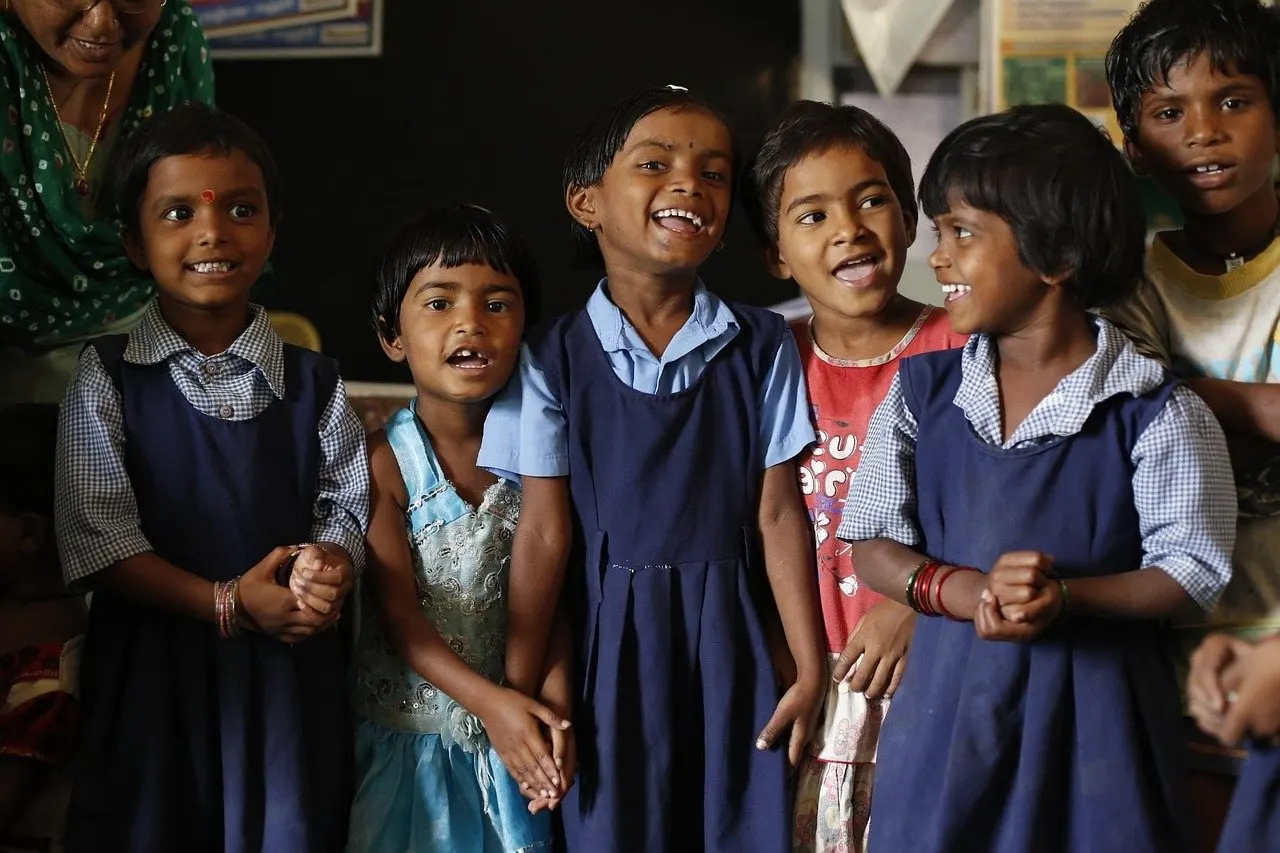
A resolution cannot change the world by itself, but it can set a direction for governments to follow. Countries that voted yes agreed to intensify their efforts, which can mean new laws, better services and stronger support for survivors. Rights groups will watch closely to see which governments keep their word. The vote was a promise made in public, and promises made in public are harder to forget. Read about Boeing jets and defense deals in the Philippines and supporters greeting Erika Kirk.
What Do You Think Should Happen Next
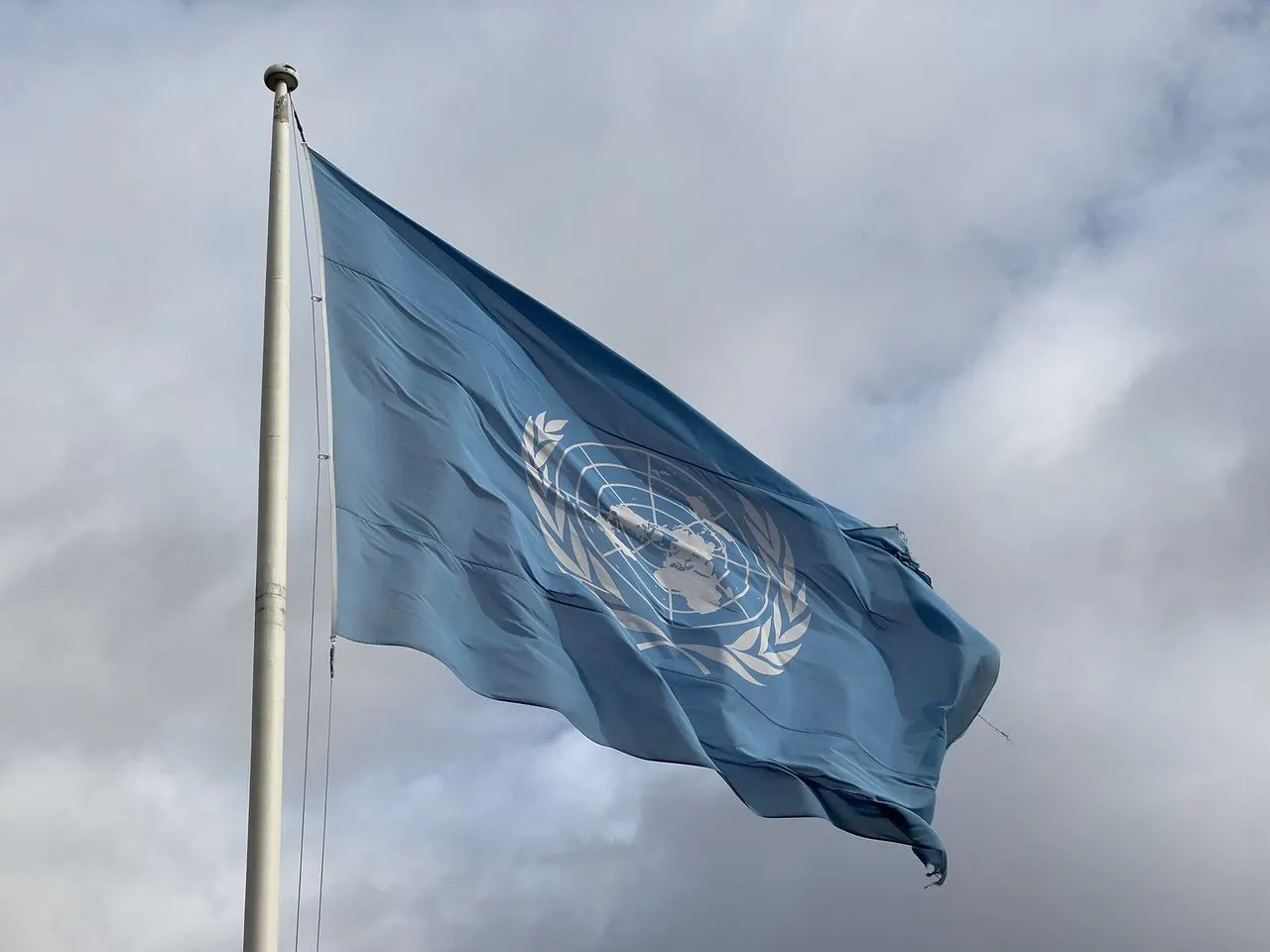
The vote is over, but the story is not. The resolution now moves toward a final decision, and the debate about its words will go on. What matters most is what happens next in the lives of women and girls around the world. Do you think a vote like this can make a real difference, or does change need more than words on paper? Share your thoughts in the comments below and tell us what you would like your own government to do. See Stephen King on Trump supporters and the long feud between Trump and Rosie O’Donnell.