Pax Silica Warning From Aeta Elder Orlino Lahut
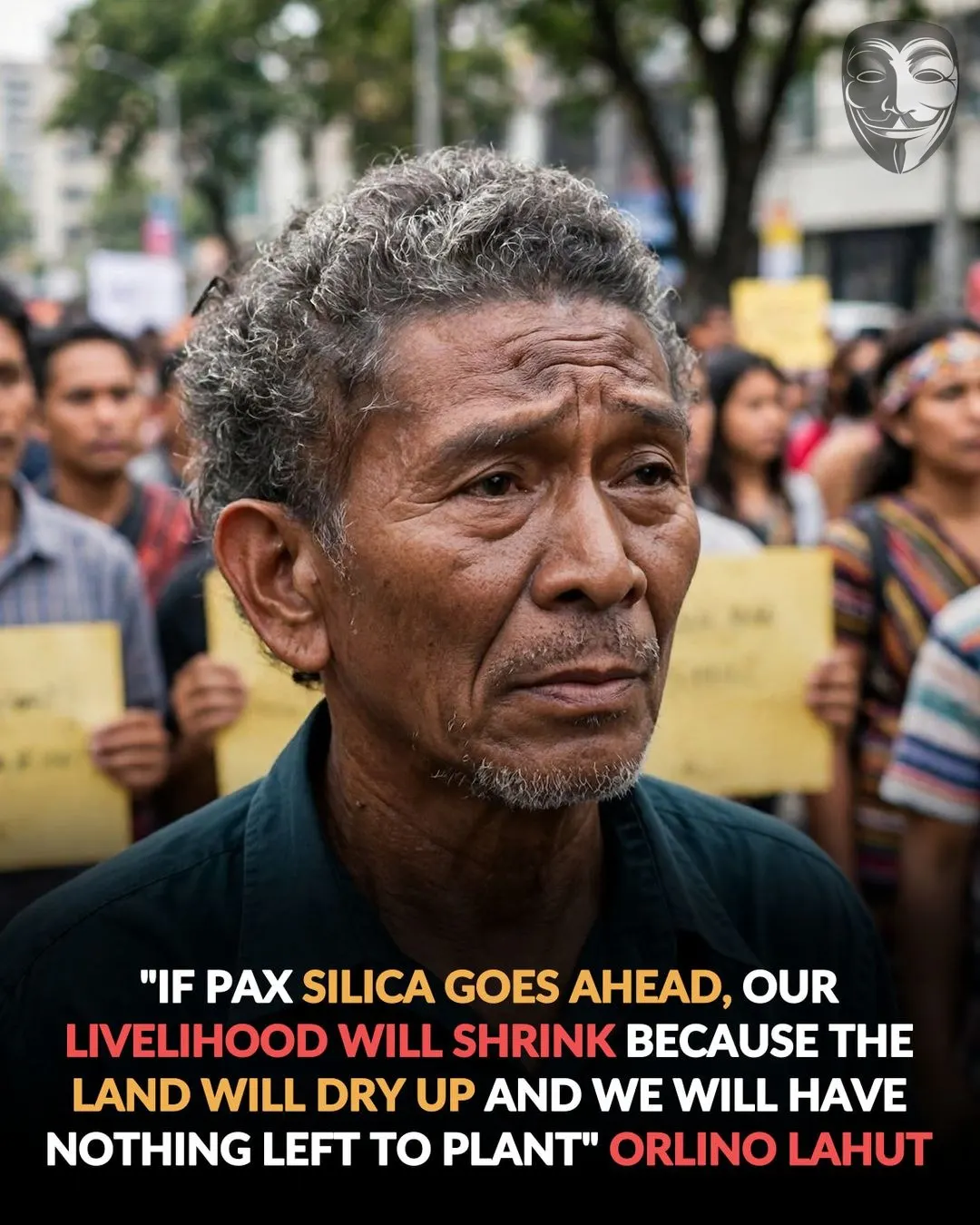
Pax Silica is the project Aeta elder Orlino Lahut warned about when he spoke at a protest in Manila. He said the plan would shrink his community’s livelihood because the land would dry up and leave his people with nothing left to plant when the season comes. Lahut comes from Olongapo City, and his words carried the worry of families who farm the land their ancestors worked. His warning reached far beyond the crowd that day, much like a major Philippines deal worth billions reached well beyond one signing ceremony.
The project is a United States led semiconductor and technology hub planned in Capas, Tarlac, inside New Clark City. Human Rights Watch reported in November that hundreds of Indigenous people and farmers fear displacement, while Malacanang said the facilities would stay inside a buildable zone and spare Aeta communities and farmers. In the slides ahead, we look at the elder, the land and the promises made, and at a song that welcomed a Philippine president as a reminder of how closely the two countries watch each other.
References:
Philippine News Agency: Pax Silica facilities to spare Aeta communities, farmers, Palace
Human Rights Watch: Philippines US Tech Hub to Displace Hundreds
Radio Free Asia: Residents say Philippines Pax Silica Hub will force them off their ancestral land
The Bedan Herald: Aeta communities face uncertain future under Pax Silica
Pax Silica Protest Reaches the Streets of Manila

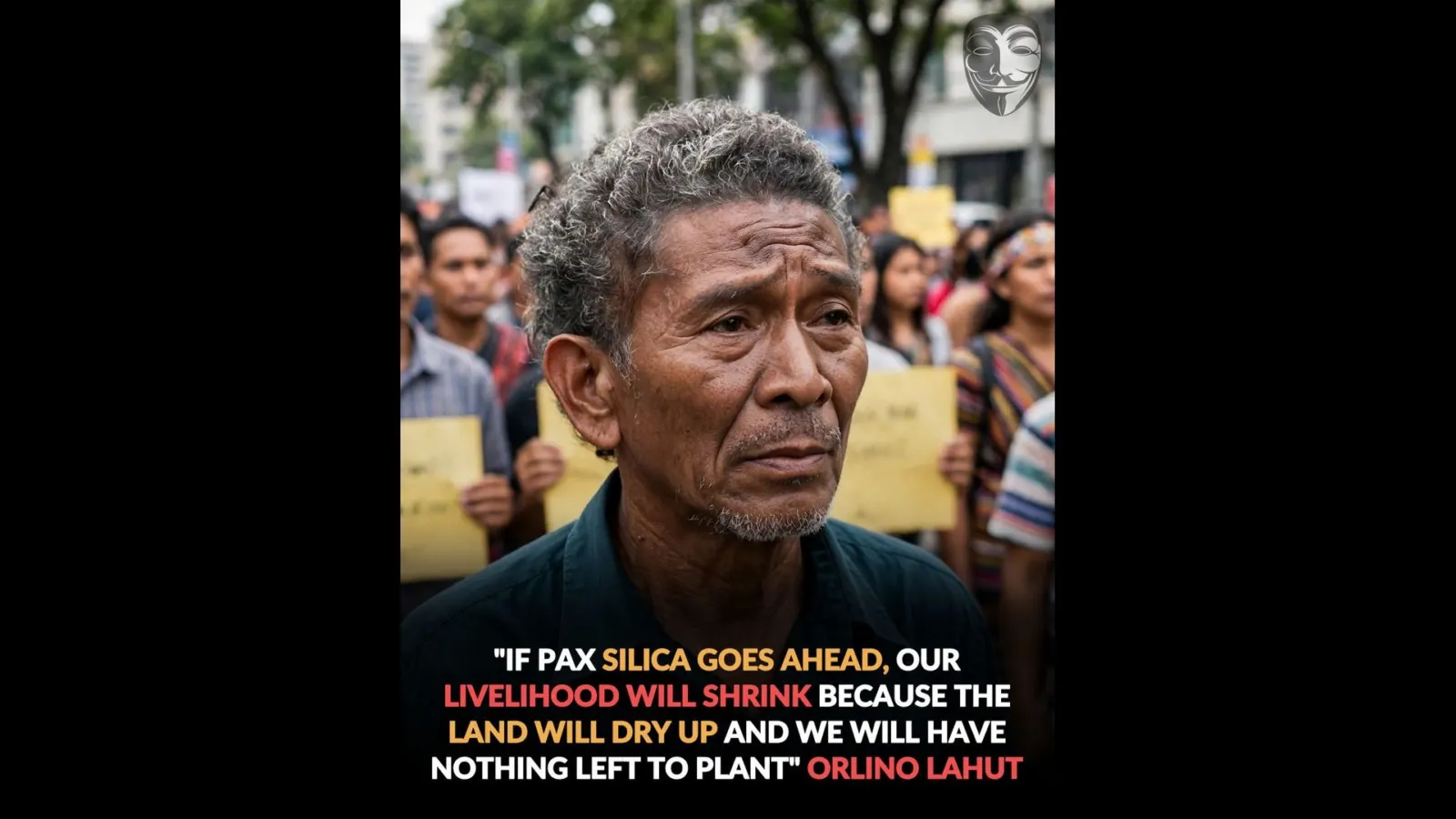
Lahut spoke during a protest in Manila, where people gathered to make their voices heard about the planned hub. Protests in the Philippine capital often draw farmers, workers, students and Indigenous groups who travel far to be seen by leaders and reporters. For an elder from Olongapo City, the trip itself showed how serious the worry had become. A street protest can put a face on a policy debate, and that face was an old man speaking for his land. See also the United States leaving a United Nations rights body and a bill for citizens wrongfully detained.
Who Is Orlino Lahut
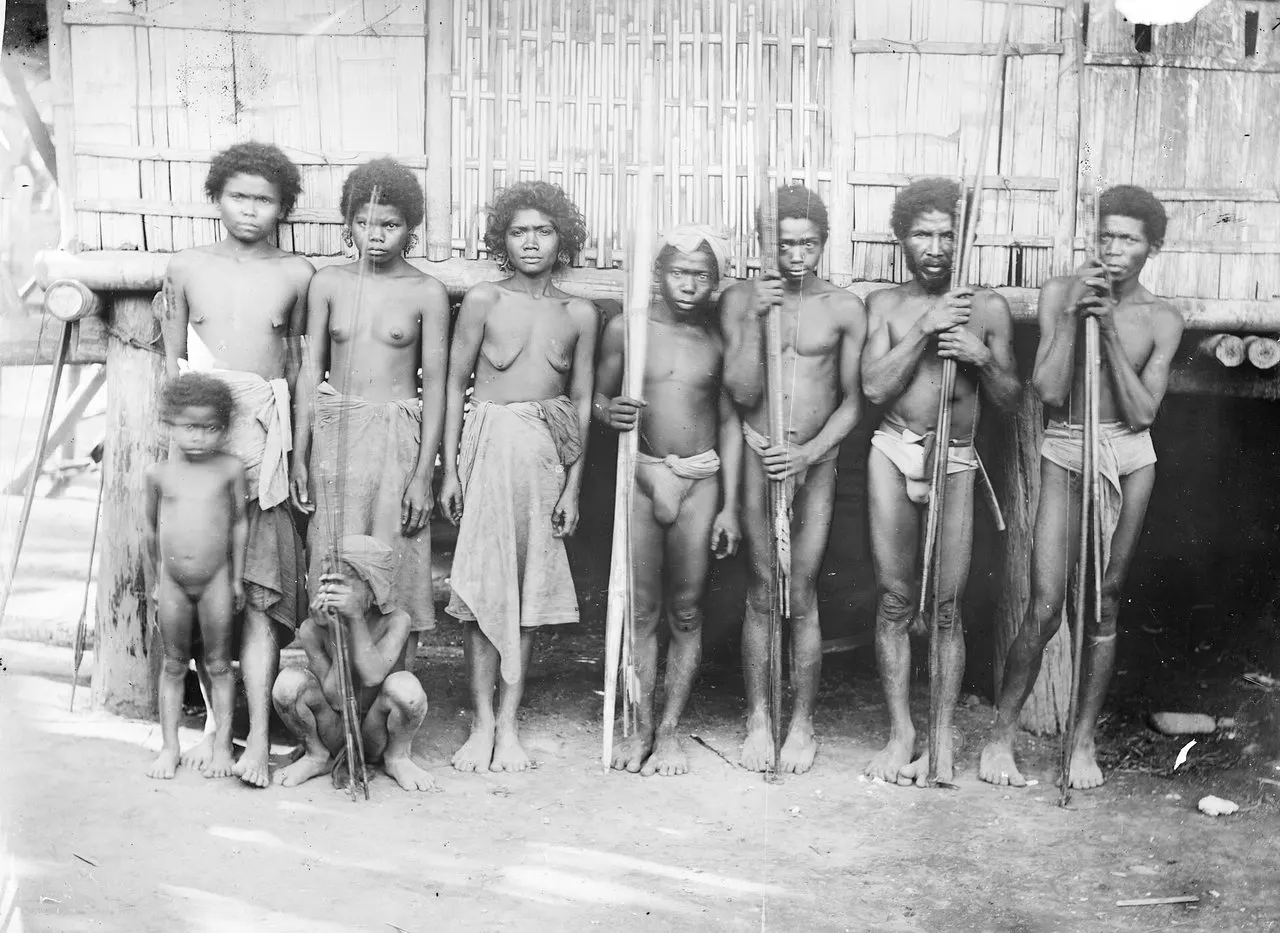
Orlino Lahut is an Indigenous Aeta elder from Olongapo City, a place on the western coast of Luzon near Subic Bay. The Aeta are among the earliest peoples of the Philippines, and many Aeta families still live close to the forests and mountains their ancestors knew. Elders hold a special place in Aeta life, speaking for the community and keeping its history alive. When Lahut speaks about the land drying up, he speaks from a lifetime of farming it. See a brain implant moving toward human trials and a pay package tied to company milestones.
What Pax Silica Plans to Build in Tarlac
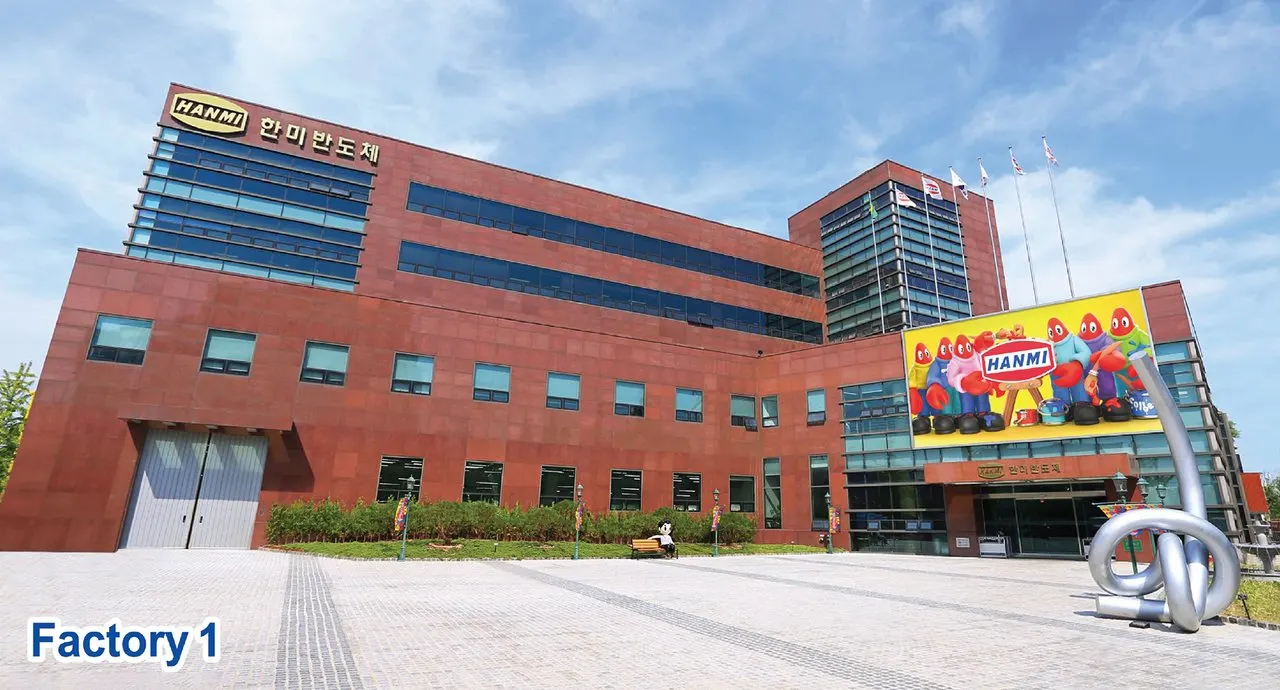
Pax Silica is a United States led semiconductor and technology hub planned for Capas, Tarlac, inside New Clark City. Semiconductors are the tiny chips inside phones, computers and cars, and countries around the world are racing to build more of them at home. A hub like this would bring factories, roads, power and jobs to the area. Supporters say such projects lift whole regions, while the people who live there ask what they will lose. Read a warning about trade tariffs and a land deal approved by a wide vote for more on big plans that cross borders.
New Clark City, the Planned Home of the Hub
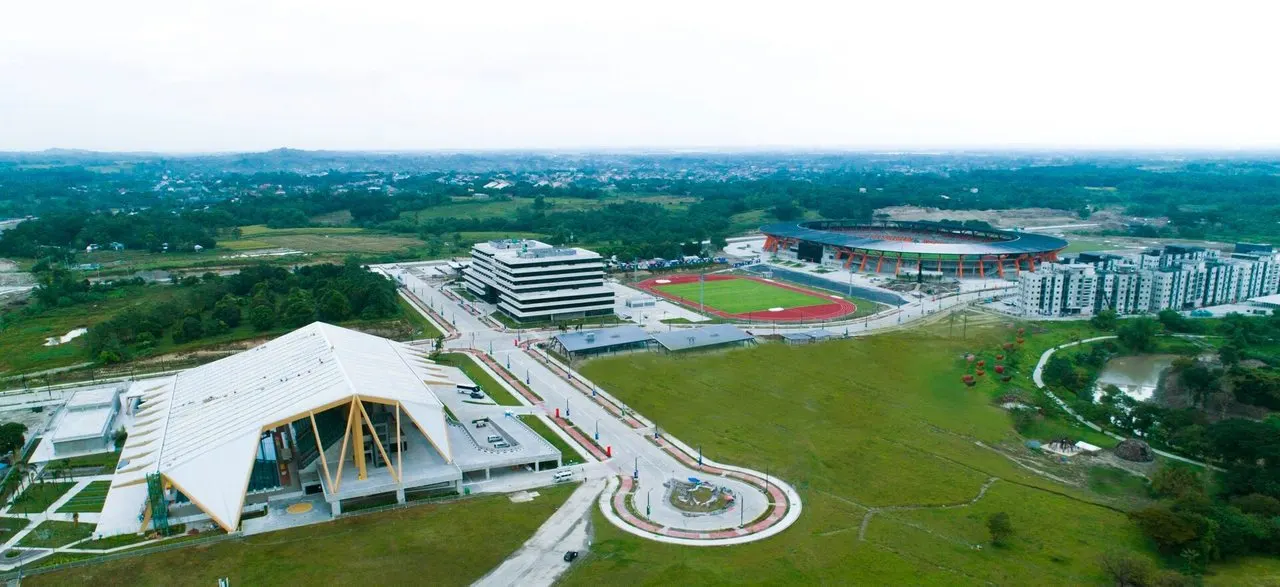
New Clark City is a planned city rising in Capas, Tarlac, on land once used by an American military base. Its wide roads, sports grounds and government buildings are meant to ease Manila crowding and draw business from the capital. Planners call it a modern city built from the ground up, with room for homes, offices and factories. For the Aeta and farming families nearby, the same open land is home and livelihood. See a strike on a United States owned plant and a census plan that would exclude some residents for more on how big decisions reach ordinary people.
What Human Rights Watch Reported

Human Rights Watch reported in November that hundreds of Indigenous people and farmers fear displacement from the planned hub. The group said residents worry about losing farms, water and the ancestral land their families have held for generations. Reports like this often shape how the world sees a project, and they can push governments to answer questions in public. The fear in the report is simple: a home and a living could be lost. Read a patrol with police and troops and a call to keep emergency supplies at home for more on how people prepare when change comes.
Pax Silica and the Farms That Could Dry Up
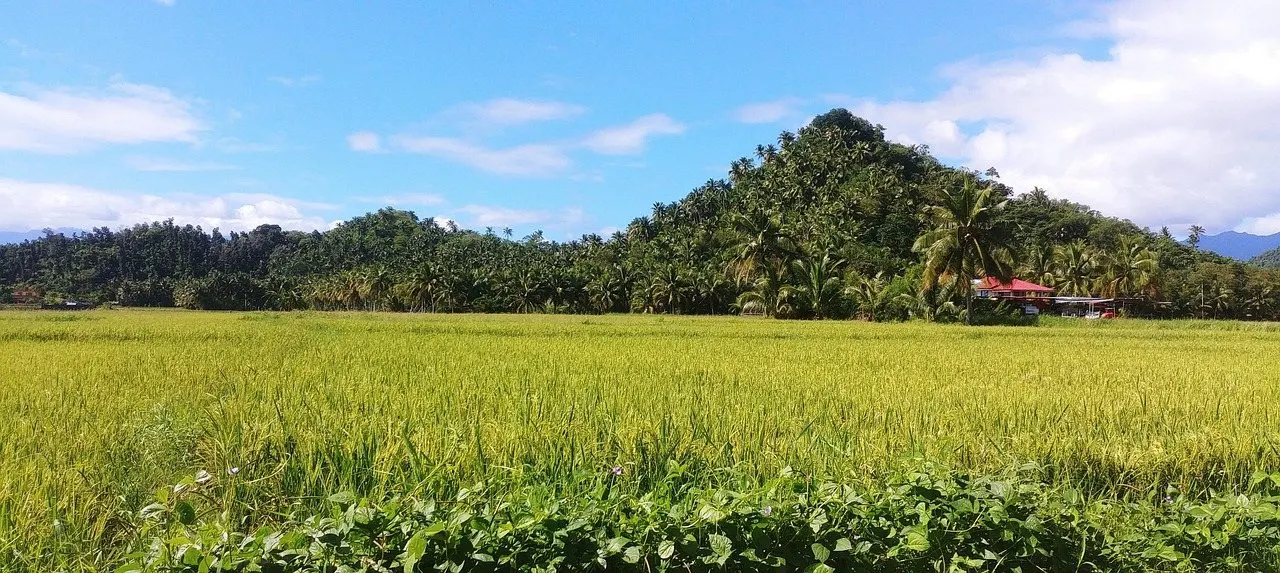
The farms around Capas grow rice that feeds families and nearby towns, and they depend on steady water through the planting season. Lahut warned the project could dry the land, and dry land grows nothing. Farmers know that once soil loses its water, a season can be lost and a family can go hungry. So his warning was about food as much as about land. For farming families, a harvest is not a number but dinner on the table. See the Philippines package and a move away from the UN rights council for more on deals that touch daily life.
When the Land Dries, Planting Stops
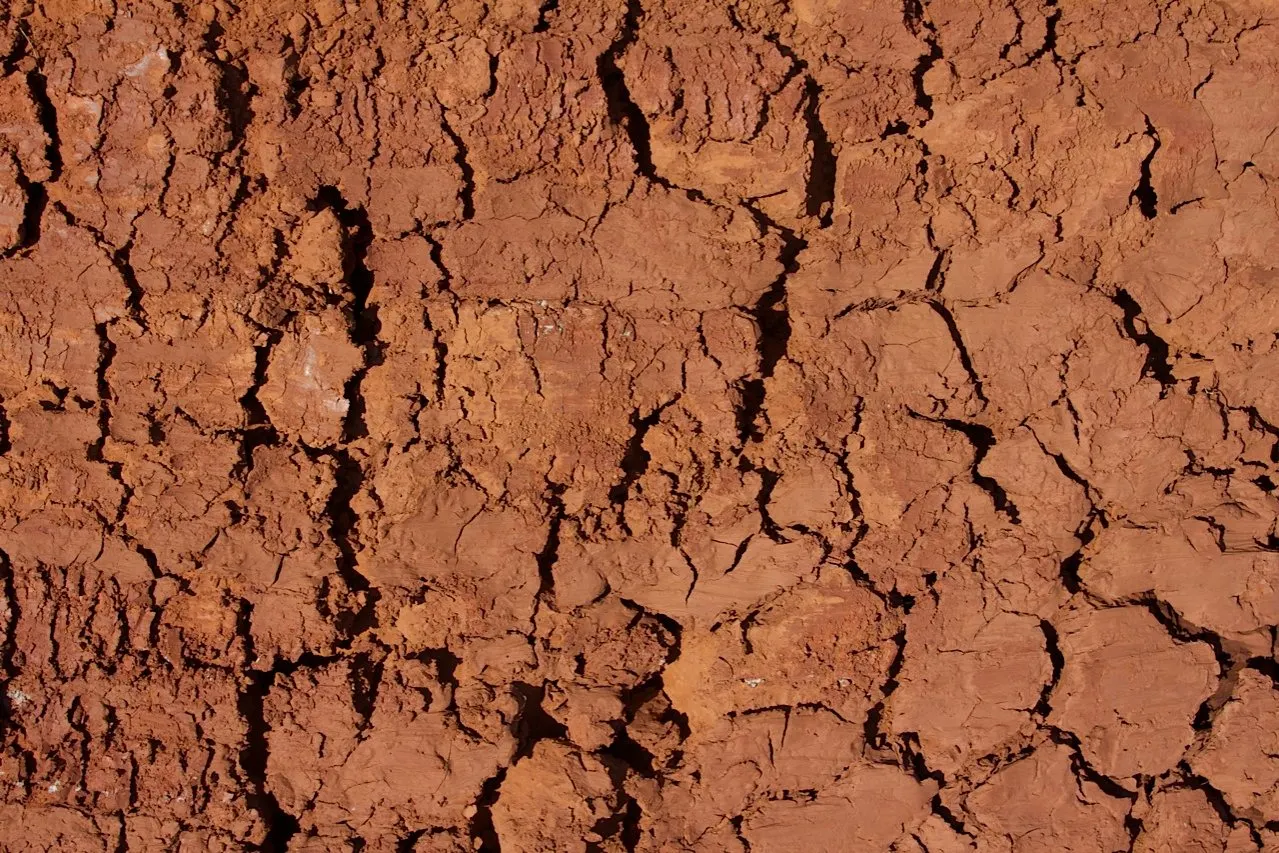
Dry soil cracks, hardens and refuses seed, and a field that once fed a family can turn to dust in one hot season. Farmers in the Philippines watch the rain closely, because rice needs water from planting until harvest. When wells run low and streams shrink, planting becomes a gamble that poor families cannot afford to lose. Lahut put it plainly: without water there is nothing left to plant. That plain warning is what made his words travel. Read a welcome for the Philippine president and a proposal to let wrongfully detained citizens sue for more stories that crossed borders.
The Palace Says Pax Silica Will Spare Aeta Land

Malacanang said the facilities would stay inside a buildable zone and spare Aeta communities and farmers. A buildable zone is land marked as fit for building, away from the places people live and farm. The promise was meant to calm fears, and officials said the project would not take Indigenous land. But Lahut and other residents say their farms, water and ancestral land are still at risk. A promise and a fear can both be real. See a device that could help blind people see and concerns over retaliatory tariffs for more on promises made about the future.
Ancestral Land Means More Than a Farm
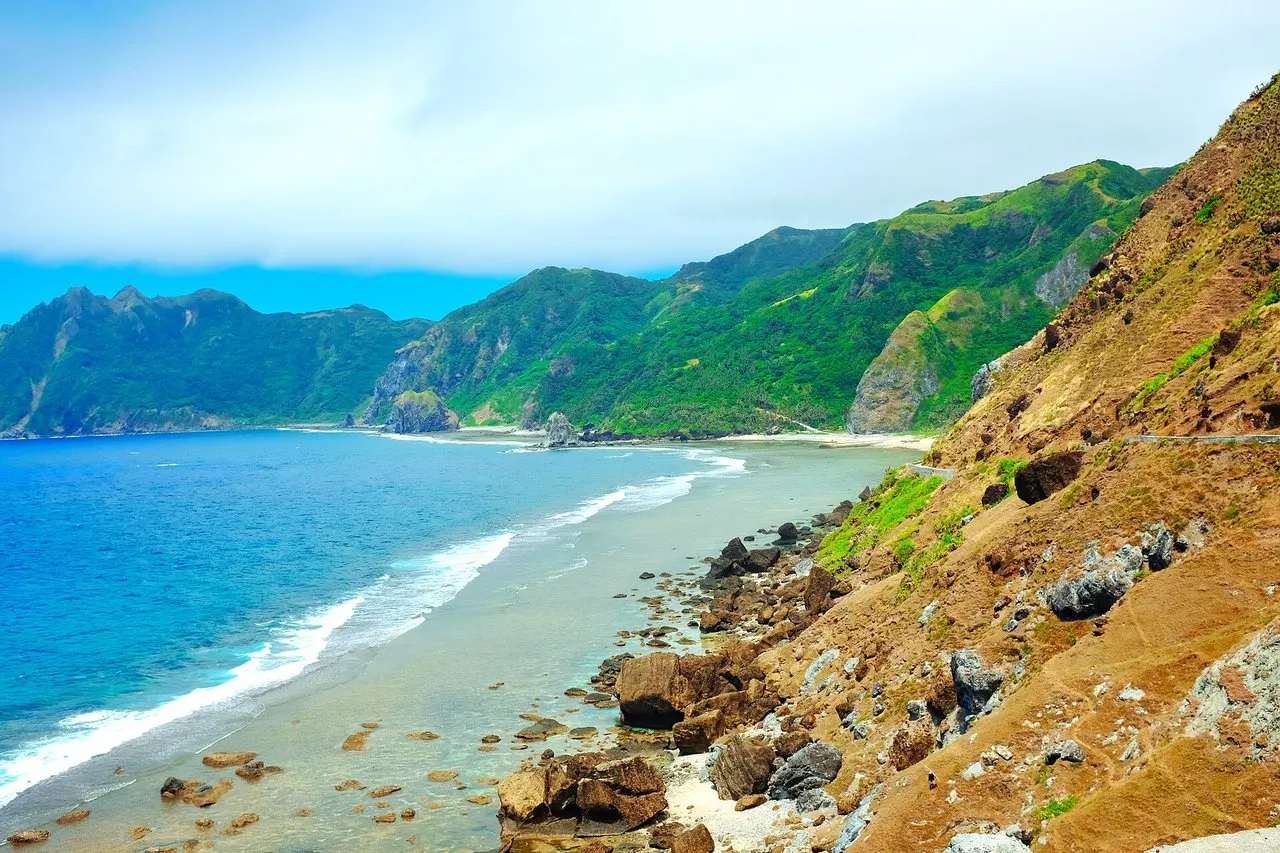
For Indigenous families, ancestral land is not just a field or a plot on a map. It holds burial grounds, old trails and the stories parents tell their children. When people speak of ancestral land, they speak of belonging to a place that shaped who they are. That is why the fear of losing it runs deeper than the fear of losing a crop. Land can be bought and sold, but a home place cannot be replaced. Read a proposed trillion dollar pay deal and a deal reshaping Arctic security for more on land and the deals made over it.
Olongapo City, Home of the Elder
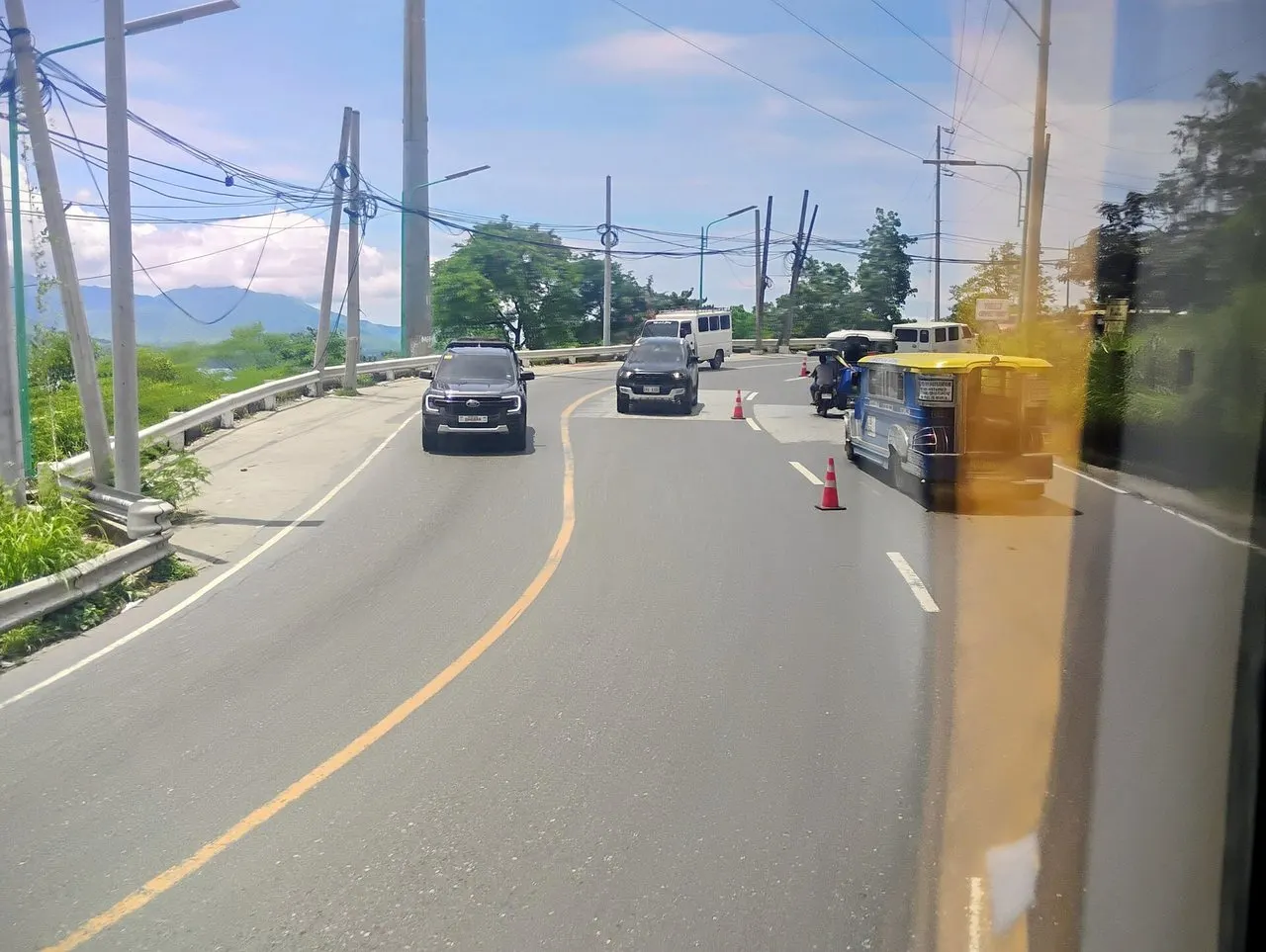
Olongapo City sits on the coast of Zambales, near the waters of Subic Bay, and it is home to many Aeta families. The city grew around a naval base that once employed thousands of local people, and its markets, schools and churches serve families from the hills around it. Lahut speaks as an elder of that community, where neighbors know each other and news travels fast. His warning began at home before it reached Manila. See an attack on an American factory abroad and a visit to a police facility for more on places shaped by big institutions.
Pax Silica and the Tiny Chips at Its Heart
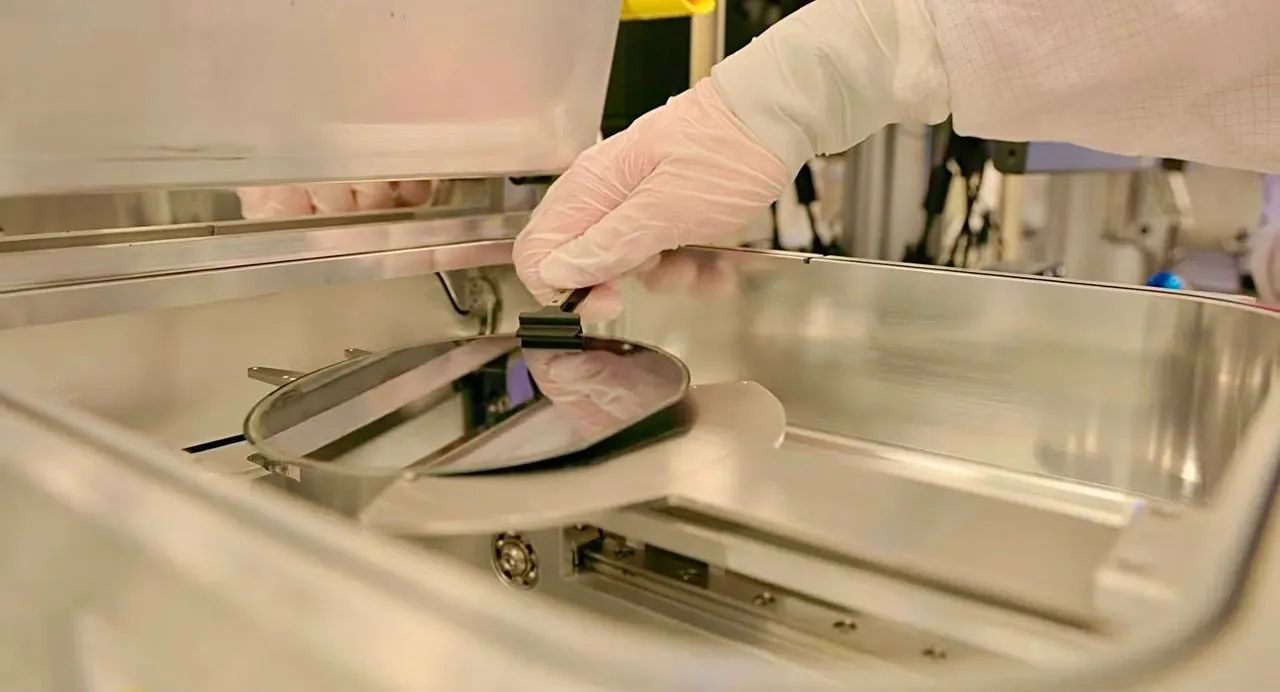
The heart of the planned hub is the semiconductor, a small chip that powers phones, laptops, cars and medical machines. Making chips takes clean rooms, skilled workers and large amounts of water and power. Countries now treat chip making as a matter of national strength, and the United States has pushed allies to build more capacity close to home. That global race is why a field in Tarlac now matters to Washington. Read a new census order and advice to stock food and water for more on how national plans reach local lives.
Planting Season Is Life for Farming Families

Planting season sets the rhythm of life for farming families in the Philippines. Before dawn, farmers wade into flooded fields and press young rice shoots into the mud, row after row, until the whole field turns green. Children often help after school, and grandparents watch the sky for rain. A good season means full sacks at harvest and money for school fees. A lost season means debt and worry. See a recent Philippines agreement and a trial for a vision implant for more on plans that promise a better life.
A Community That Has Lived on the Land for Generations
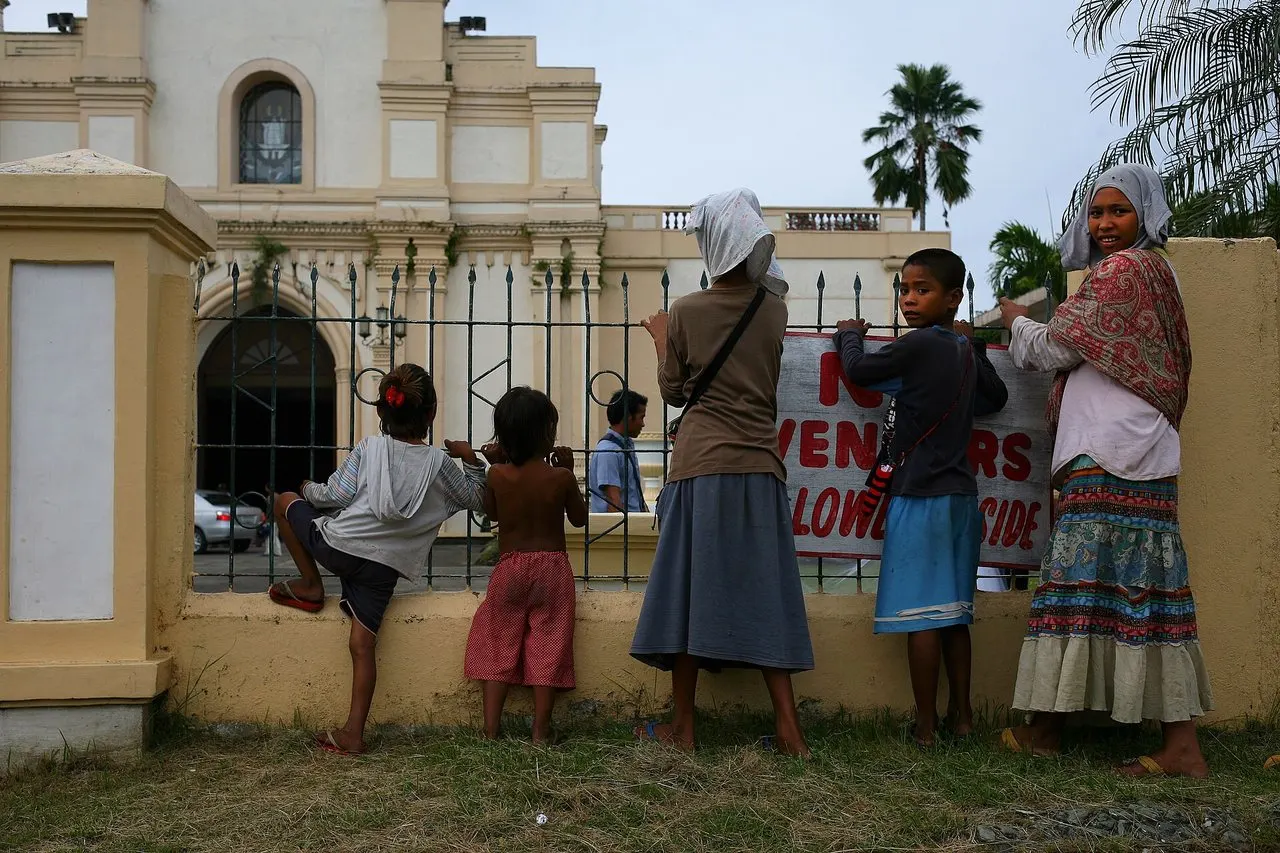
Aeta families have lived in the forests and hills of Luzon for countless generations, long before modern cities rose. They know which plants heal, where the water runs in the dry months and how to read the weather in the clouds. Many still gather food from the forest and farm small plots passed down through their families. Their knowledge is tied to the land itself, and it cannot move with them if they are moved. Read the gala dinner in China and a long term pay plan for a chief executive for more on old ties and new deals.
What Happens Next for the Project
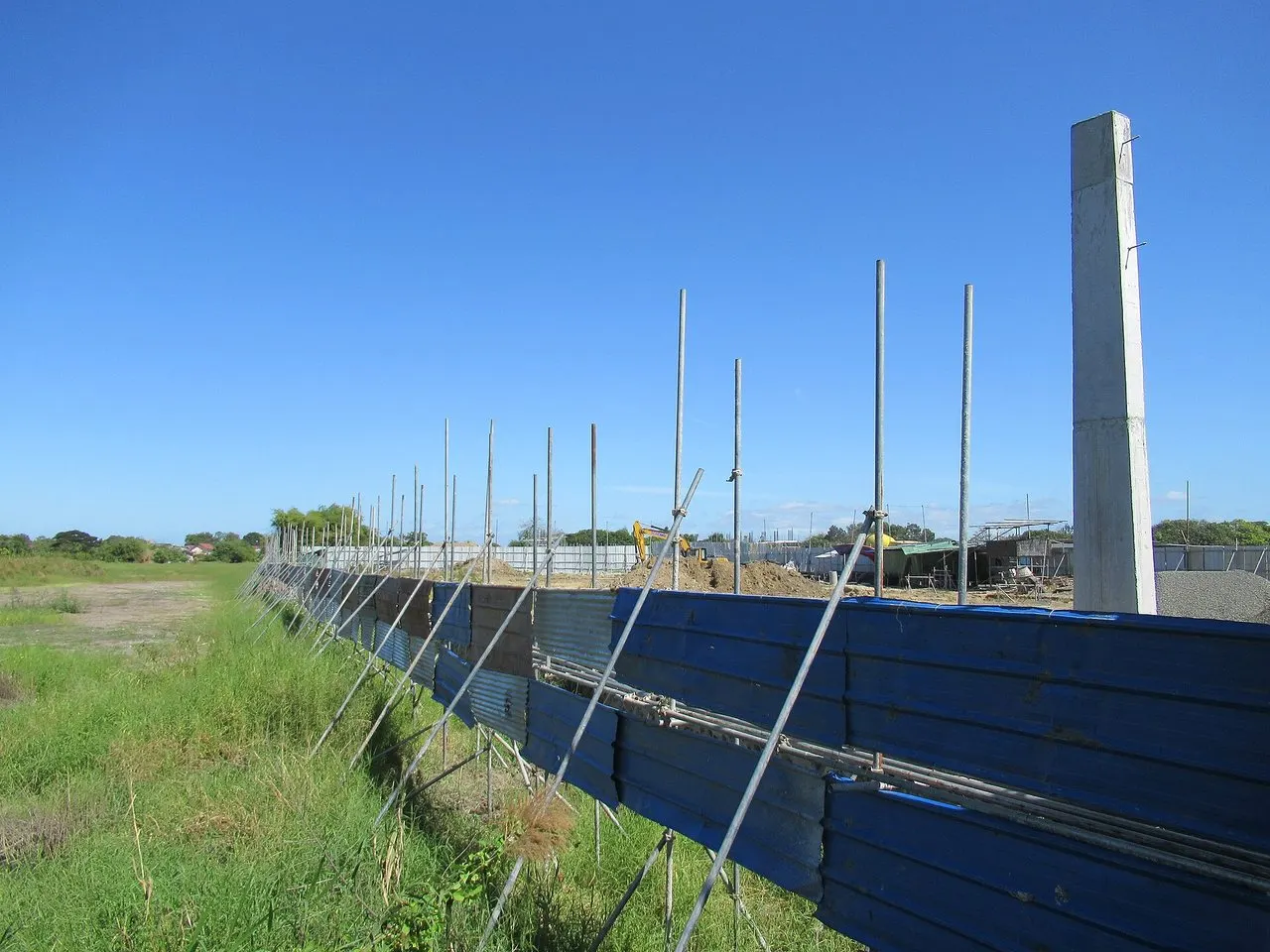
The project is still being planned, and the debate around it is far from settled. Officials say the hub will bring jobs and investment to Tarlac, while residents keep asking for clear proof that their land and water are safe. Public hearings, news reports and protests will keep the questions in front of leaders. What happens next depends on whether those questions get real answers. For now, Lahut’s warning stands as the voice of the land itself. See the United States leaving a United Nations rights body and a trade warning to officials for more on plans under debate.
Why Rice Fields Matter to the Whole Country
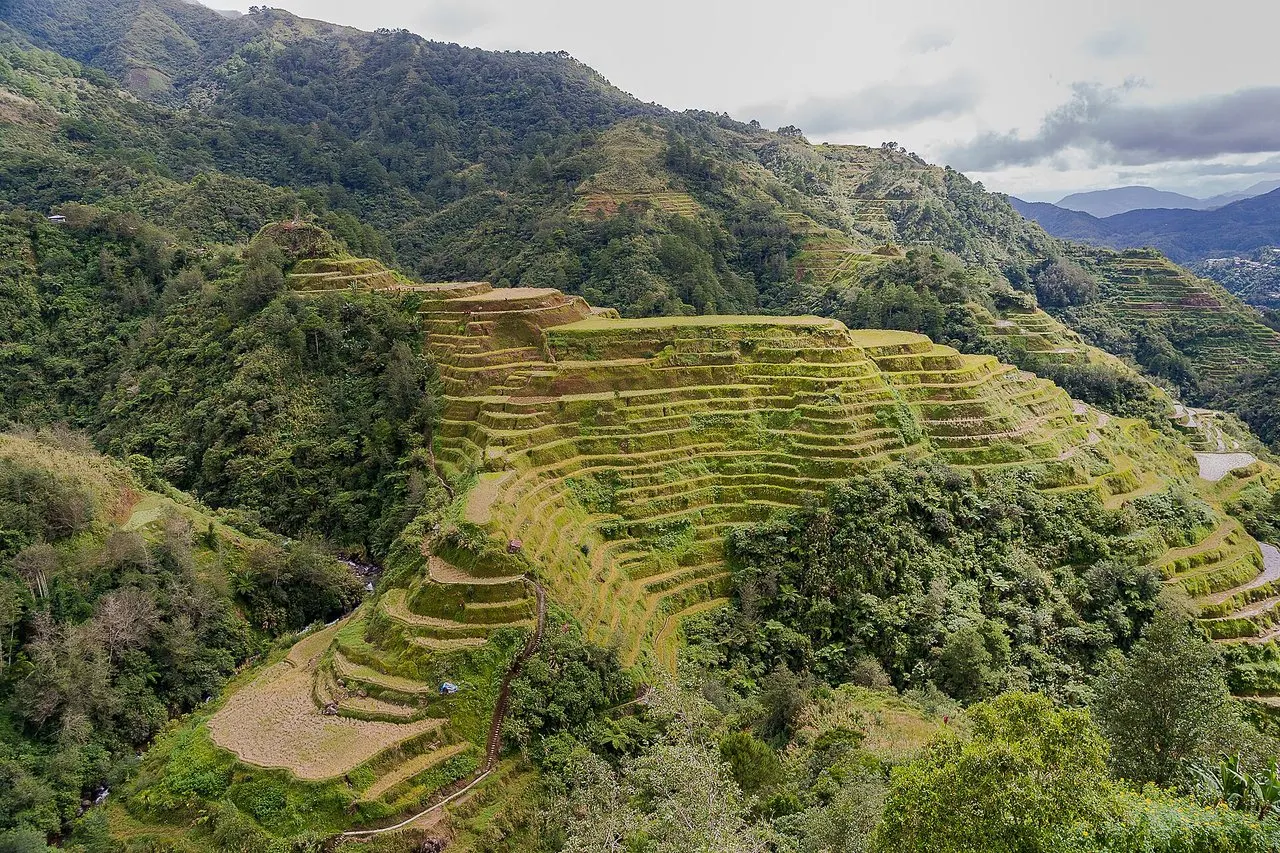
Rice is the food at the center of nearly every Filipino meal, and the country grows much of it in fields around Tarlac. When farmland shrinks, the nation must buy more rice from abroad, and prices can rise for everyone. Protecting rice land is therefore a matter of food security, not only of farming. The terraces of the northern mountains show how long Filipinos have shaped hillsides into food. Losing fields today would echo for years. Read a House bill on wrongful detention and a parliament vote on a northern deal for more on choices that shape a nation.
Pax Silica Fears Shared by Other Residents
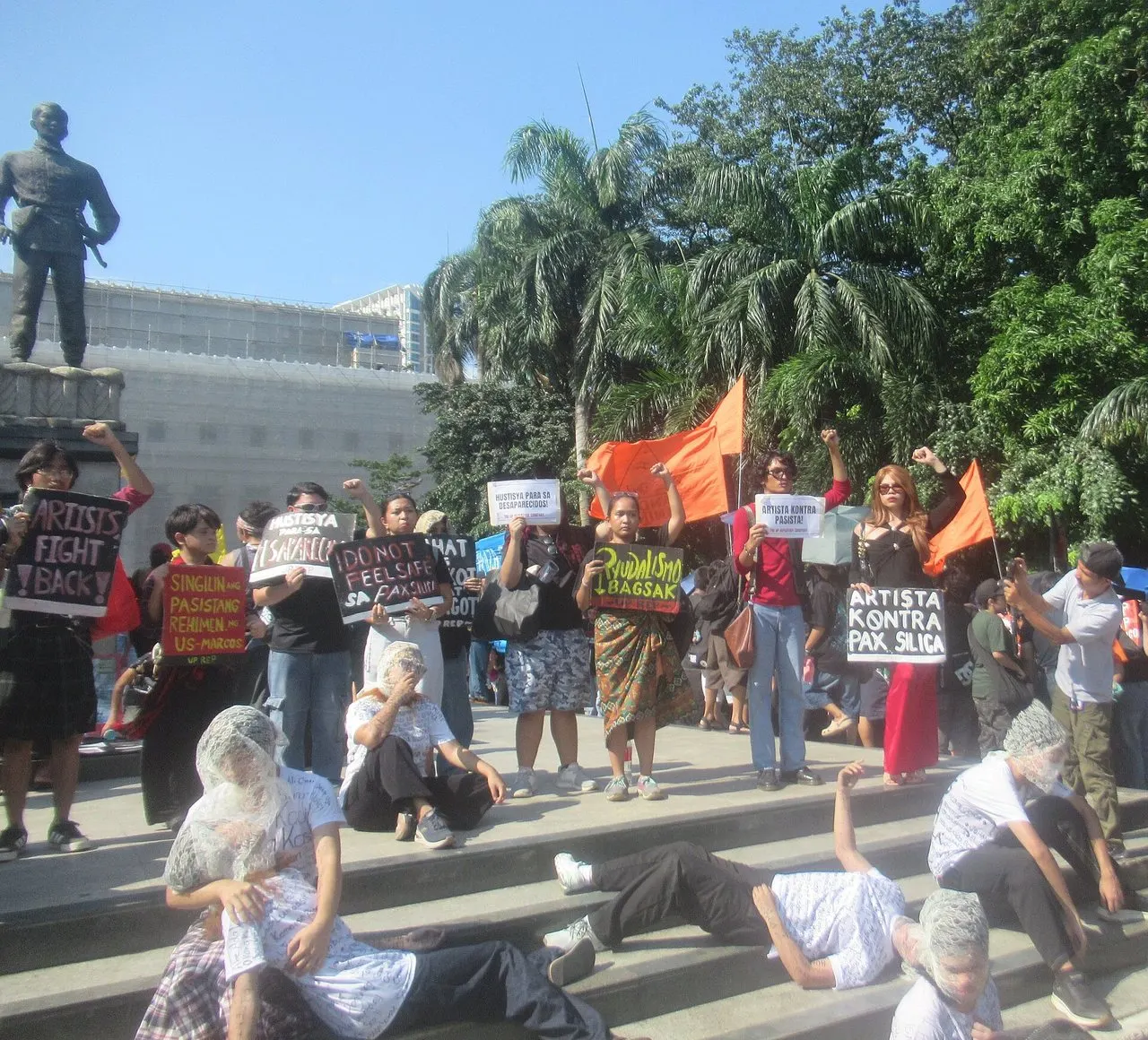
Lahut is not the only voice raised against the plan. Human Rights Watch reported that hundreds of Indigenous people and farmers fear displacement, and residents told reporters they could be forced off their ancestral land. Farmers who have worked the same soil for years say they were not asked what they wanted. Their worry is shared across villages near the planned site. When many voices say the same thing, leaders should listen. See a plant hit during an overnight attack and a plan to change who the census counts for more on people caught in big decisions.
What Do You Think Should Happen Next
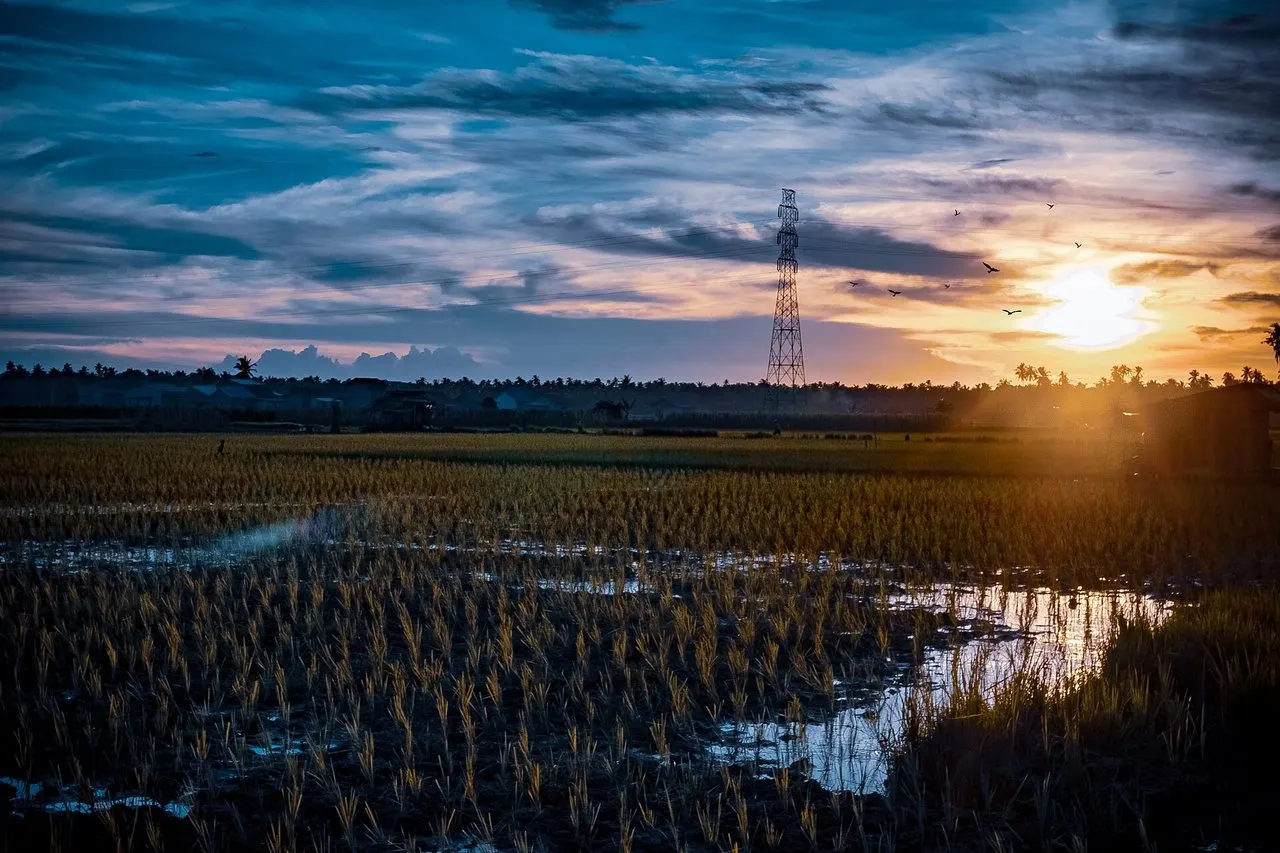
Lahut warned that if the project goes ahead, his people’s livelihood will shrink and the land will dry up. The Palace says the hub will stay in a buildable zone and spare his community. Between those two views sit real families, real farms and real water. Now we want to hear from you. Should a tech hub come first, or should the land and the people who farm it come first? Tell us in the comments below. Read a plan to patrol the capital and a preparedness warning for residents and keep following this story with us.