Nearly 100 Days in Solitary Confinement Before Trial

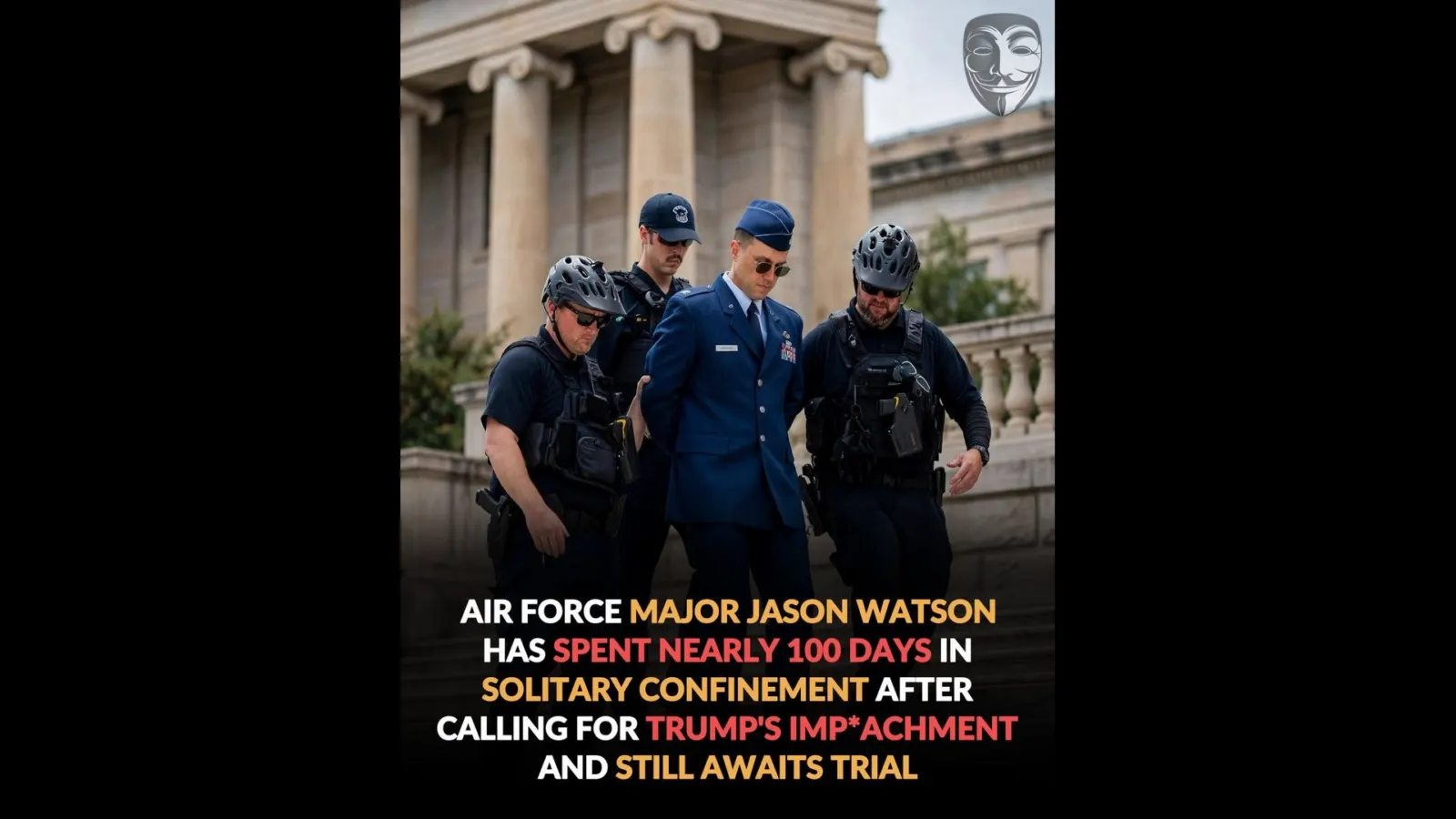
Solitary confinement has kept Jason Watson alone in a concrete cell for nearly 100 days while he waits for a court-martial that is not scheduled until February 2027. He was first arrested on July 1 after standing on the Capitol steps in uniform with a sign that read Impeach, Convict, Remove. He was protesting United States military action in Iran, Venezuela and Cuba. After he repeated his criticism in a national television interview on August 17, he was arrested again the next day while on duty.
His lawyers say he spends 20 to 22 hours a day alone in the cell, with the lights on day and night, and that he has been strip-searched 18 times. At a hearing at Joint Base Anacostia-Bolling, prosecutors argued that he must stay in pretrial confinement to keep him from speaking out. His case echoes the debate over impeachment and removal and a warning that military force on domestic soil puts liberties at risk. His defense lawyer, Maj. Heather Bruha, told the judge the cell is cold and he wears thermal underwear. She said he has never felt more alone.
References:
The Dingo Daily: Air Force Major Jailed for Holding an Impeach Trump Sign, Alone 24 Hours a Day
The Weekly Observer: Air Force Major Hit With 10 Charges for Repeatedly Calling to Impeach Trump
Idaho Public Press: Air Force Maj. Jason Watson Faces Rare Charges for Trump Criticism
US News Pulse: Air Force Major Jason Watson Held in Solitary for Criticising Trump on CNN
The Morning Jason Watson Stood on the Capitol Steps

On July 1, Jason Watson walked onto the steps of the United States Capitol in his Air Force uniform and held up a sign. The sign read Impeach, Convict, Remove, and he was protesting United States military action in Iran, Venezuela and Cuba. Capitol Police arrested him when he refused to move. The arrest raised fresh questions about what troops may say in public, a subject also covered in our report on a warning about military force on domestic soil and our story on a threat to arrest a governor.
A Sign With Three Words

The sign Jason Watson carried had only three words on it, Impeach, Convict, Remove. Those words named the steps he wanted Congress to take, and they were aimed at the president. A short sign is easy to read from far away, which is why protesters often choose a few plain words. His sign turned a quiet protest into a national story. The words also sit at the center of the debate over whether a president can be impeached and removed and a bill that would stop a president from pardoning himself.
Seventeen Years of Service for Jason Watson

Jason Watson is a graduate of the United States Air Force Academy, and he has served for 17 years. The Academy trains young officers in Colorado Springs, and its graduates go on to lead airmen around the world. Seventeen years is a long career, close to the point where many officers can retire. His service record is part of why the case has drawn so much attention. See the actor who considered leaving the United States after the 2024 election and plans for Guard deployments in Chicago.
The Television Interview That Changed Everything

On August 17, Jason Watson repeated his criticism of the president in a national television interview. Millions of people watch cable news each night, and a serving officer speaking out on air is rare. The interview put his views in front of a wide audience, and it became a key part of the case against him. Prosecutors later played the interview in court. The moment also fed into a dispute over a viral video from the White House and the debate over a president’s fitness for office.
Jason Watson Is Arrested Again While on Duty

The day after the interview, Jason Watson was arrested again, this time while he was on duty. The first arrest had been by Capitol Police on the steps. This second arrest put him in military custody, and he has been held ever since. Being taken into custody at work is a shock for any service member, and it showed how seriously the Air Force viewed the case. Arrests of public figures often raise legal questions, as in our report on a prosecutor suspended after an arrest and a federal crime crackdown in American cities.
A County Jail in Calvert County, Maryland

Jason Watson has been held in a county jail in Calvert County, Maryland, since August. His home base, Joint Base Anacostia-Bolling, has no jail of its own, so the Air Force placed him in the county facility. County jails usually hold people awaiting trial in local courts, not officers awaiting a court-martial. That unusual setup is part of why his lawyers say his conditions are so harsh. The base is in the news for other reasons too, like plans for Guard deployments in Chicago and a threat to arrest a governor.
Twenty to Twenty-Two Hours a Day in Solitary Confinement
His lawyers say Jason Watson spends 20 to 22 hours a day alone in a concrete cell. That leaves only a short time outside the cell each day, and most of that time is also spent alone. Long hours alone can wear down anyone, and health experts warn that isolation is hard on the mind and body. The defense says the conditions go beyond what his case requires. The question of how far the government can go is at the heart of a senator calling a president the most corrupt in history and a plan to limit Supreme Court terms.
Solitary Confinement With the Lights Always On

The lights in his cell stay on day and night, according to his lawyers. Sleeping with the lights on is difficult, and over weeks and months it can leave a person tired and stressed. Good sleep matters for health, memory and mood, and doctors say that steady light at night disturbs the body clock. His lawyers say the constant light is one of the hardest parts of his confinement. The issue of fair treatment also comes up in the debate over a president’s fitness for office and a fight over removing a Fed governor.
Solitary Confinement in a Cold Cell
Maj. Heather Bruha told the judge that Jason Watson’s cell is so cold he wears thermal underwear to stay warm. She said a guard told him to do more jumping jacks to warm up. Cold cells are a common complaint in older jails, where heat does not reach every room. For a man spending most of the day alone in one small space, the cold never lets up. The story has echoes in a court ruling that tariffs were illegal and officers raising the flag after protests, where rules and pride collide.
Strip-Searched 18 Times

His defense says Jason Watson has been strip-searched 18 times since he was jailed. Strip searches are meant to keep weapons and banned items out of jails, but being searched that often is distressing. His lawyers also say he has been denied yard time and shower time. Small comforts like fresh air and a shower matter a great deal when a person is locked up all day. Similar questions about fair treatment arise in a federal crime crackdown in American cities and our report on a prosecutor suspended after an arrest.
Solitary Confinement Without Yard Time
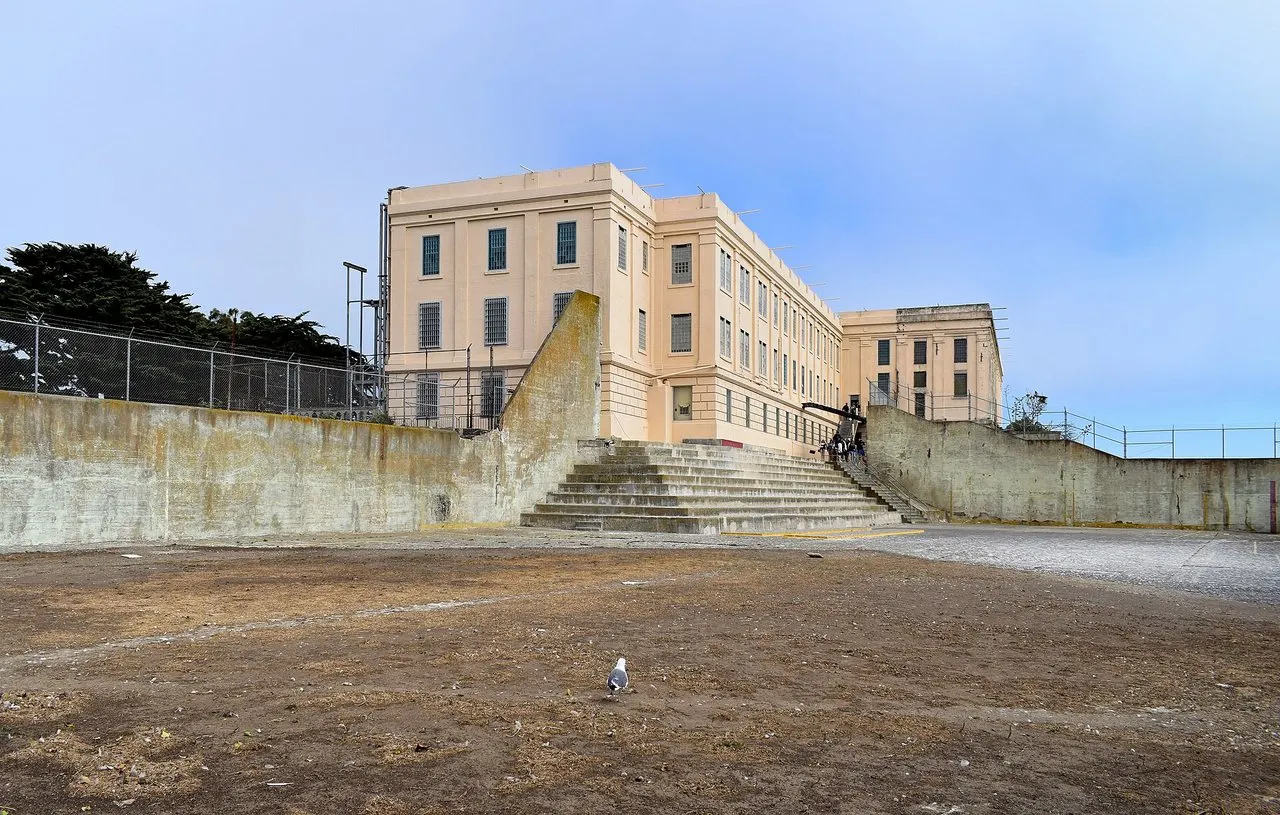
He has been denied yard time, and his lawyers say he has lost weight since August. Time outdoors gives prisoners fresh air, sunlight and a chance to move, and losing it makes long confinement harder. Weight loss can be a sign of stress, poor appetite or missed meals. His lawyers say the limits on yard and shower time add to the strain of his long wait for trial. The strain of public life is also clear in a threat to revoke a celebrity’s citizenship and protection for a former vice president.
Jason Watson’s Calls With His Lawyers Are Restricted
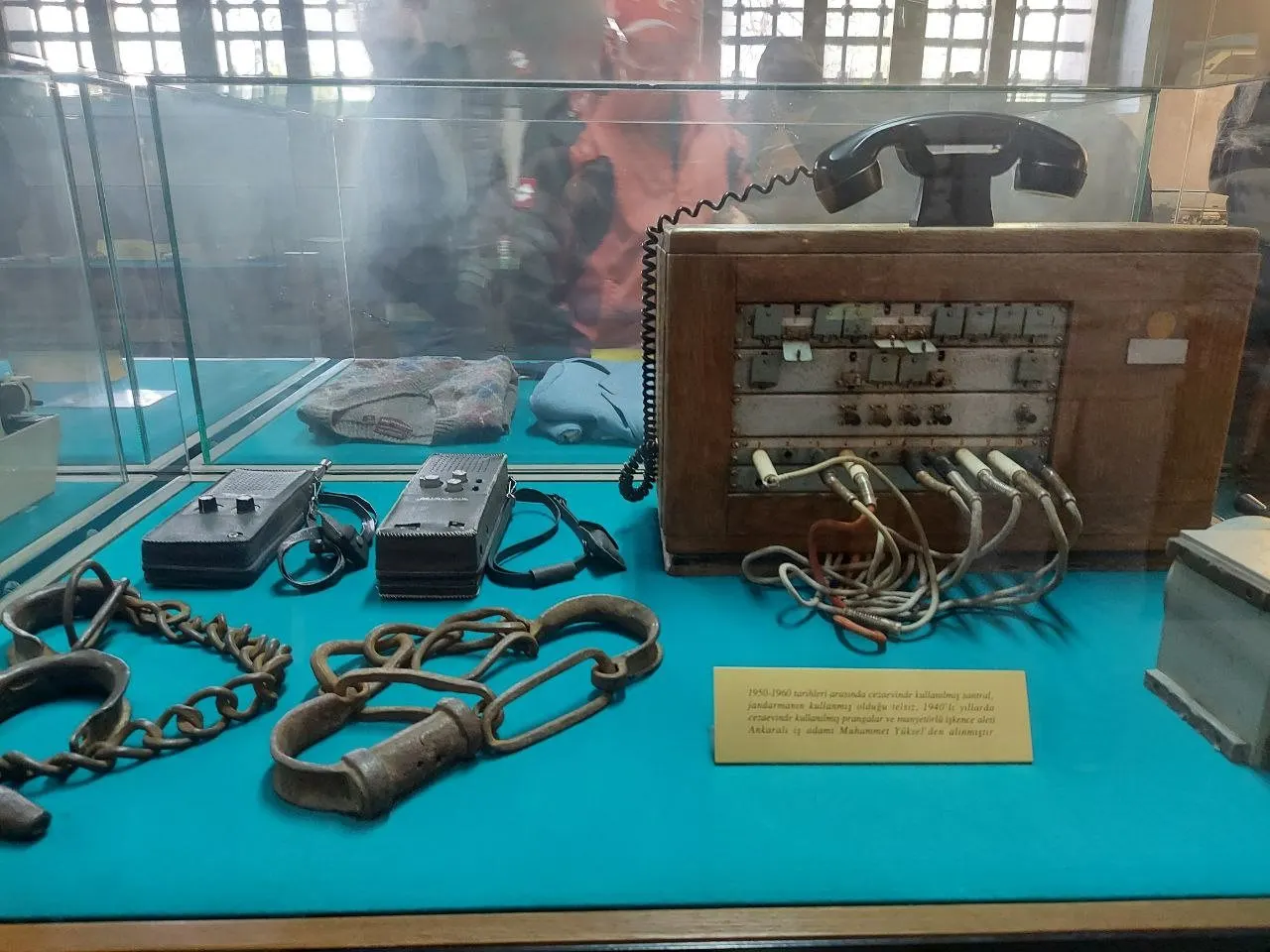
His lawyers say Jason Watson’s calls with them have been restricted. A person facing trial needs to speak with a lawyer to prepare a defense, and limits on those calls make that work harder. Phone calls are often the only way a jailed person can stay in touch with the outside world. His defense team has raised the limits in court. The right to a fair defense is also behind a bill that would stop a president from pardoning himself and a plan to limit Supreme Court terms.
Article 88, a Rarely Used Rule

Jason Watson is charged under Article 88 of the Uniform Code of Military Justice, a rarely used rule against contemptuous words about the president. The rule covers officers who use insulting language about the president and other top officials. It is almost never used, which is why legal experts are watching this case closely. The charge turns spoken words into a criminal case. The use of old laws in new fights is also the theme of the debate over whether a president can be impeached and removed and a historic deal with Denmark over Greenland.
Ten Charges and a Trial in February 2027
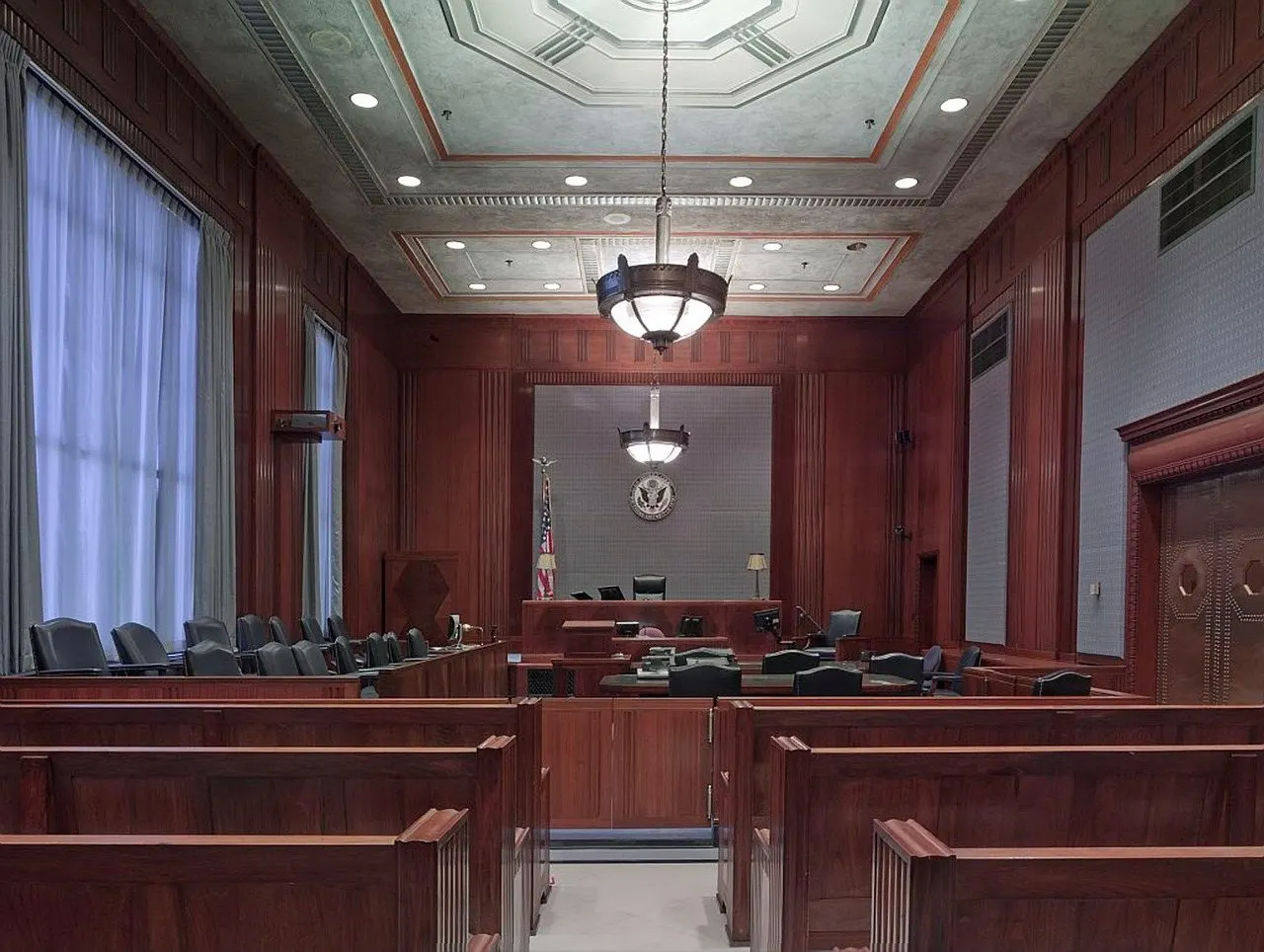
He faces 10 charges in all, including three counts under Article 88, along with charges of disobeying orders and conduct unbecoming an officer. His general court-martial is not scheduled until February 2027, which means he will have spent months in confinement before any verdict. Waiting that long for trial is hard on the accused and on his family. The long wait is part of why the case has drawn attention, like a court ruling that tariffs were illegal and a fight over removing a Fed governor.
The November Hearing on His Solitary Confinement

On a Tuesday in November, a military judge at Joint Base Anacostia-Bolling heard arguments about whether Jason Watson should stay in pretrial confinement. Prosecutors said the interview showed he might keep speaking out, so he should stay jailed. His lawyers argued that he is not a flight risk and that the conditions are too harsh. The judge has not yet ruled. The hearing is a reminder of a warning that military force on domestic soil puts liberties at risk and plans for Guard deployments in Chicago.
The Air Force Denies It Is Solitary Confinement

The Air Force says he is not kept in isolation as punishment. It says he is kept apart from the general population under military policy, because service members cannot be housed with civilian prisoners. It says he has access to the library, the chapel, fitness time, medical care and legal visits. His lawyers dispute that account and say he is alone nearly all day. The two sides disagree on the label, but not on the fact that he is alone most of the time, as in a threat to revoke a celebrity’s citizenship and protection for a former vice president.
What Do You Think Should Happen to Jason Watson Next?

Jason Watson has not been convicted of any crime, and his court-martial is still months away. His lawyers say he offered to resign rather than face trial, but the government turned the offer down within a day. The case raises big questions about free speech, military rules and pretrial confinement. Should an officer lose months of freedom before trial for words spoken in public? Tell us what you think in the comments, and read a senator calling a president the most corrupt in history and a bill that would stop a president from pardoning himself.