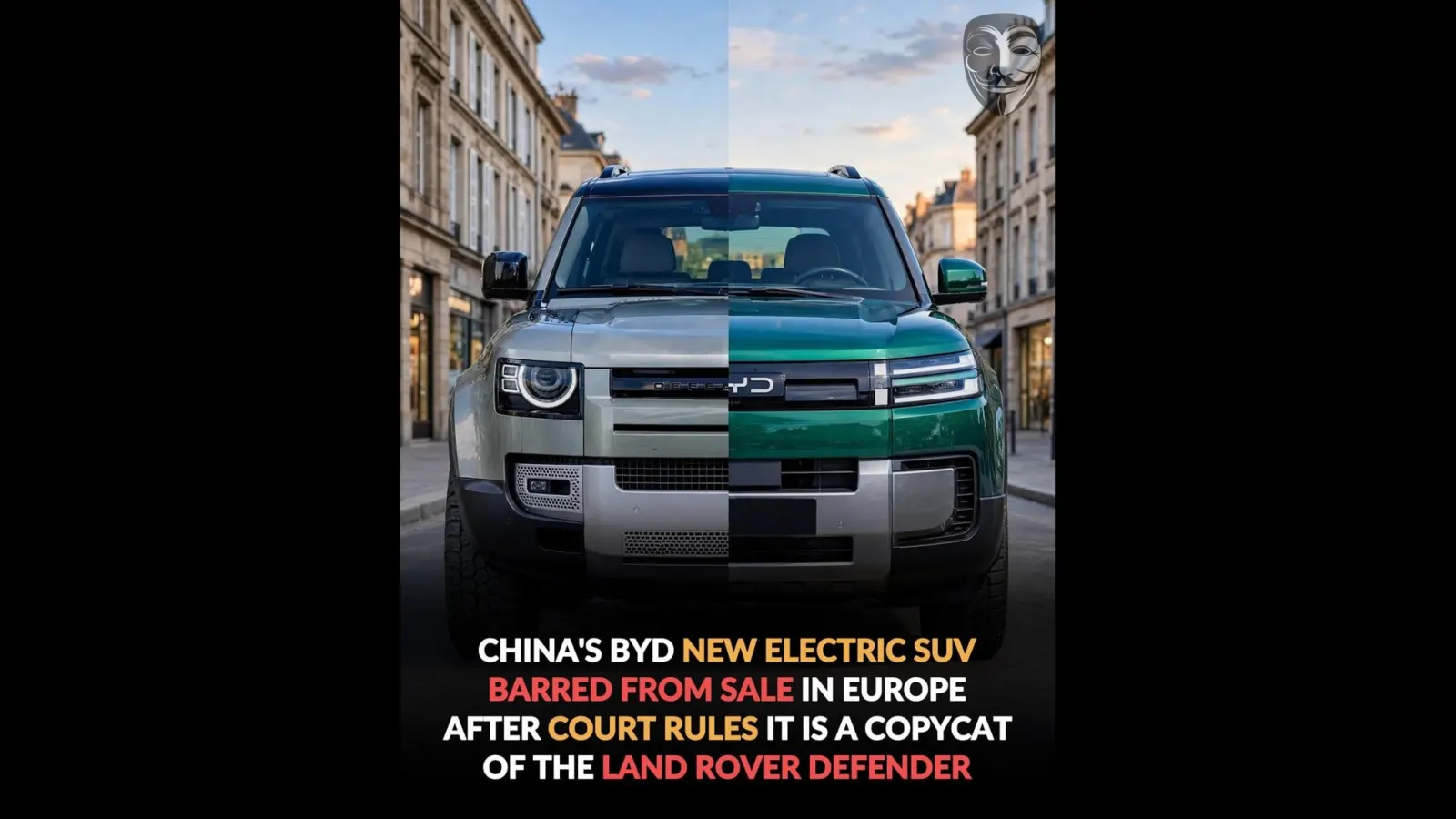
The BYD Ti7 Ban That Stopped a New SUV in Europe
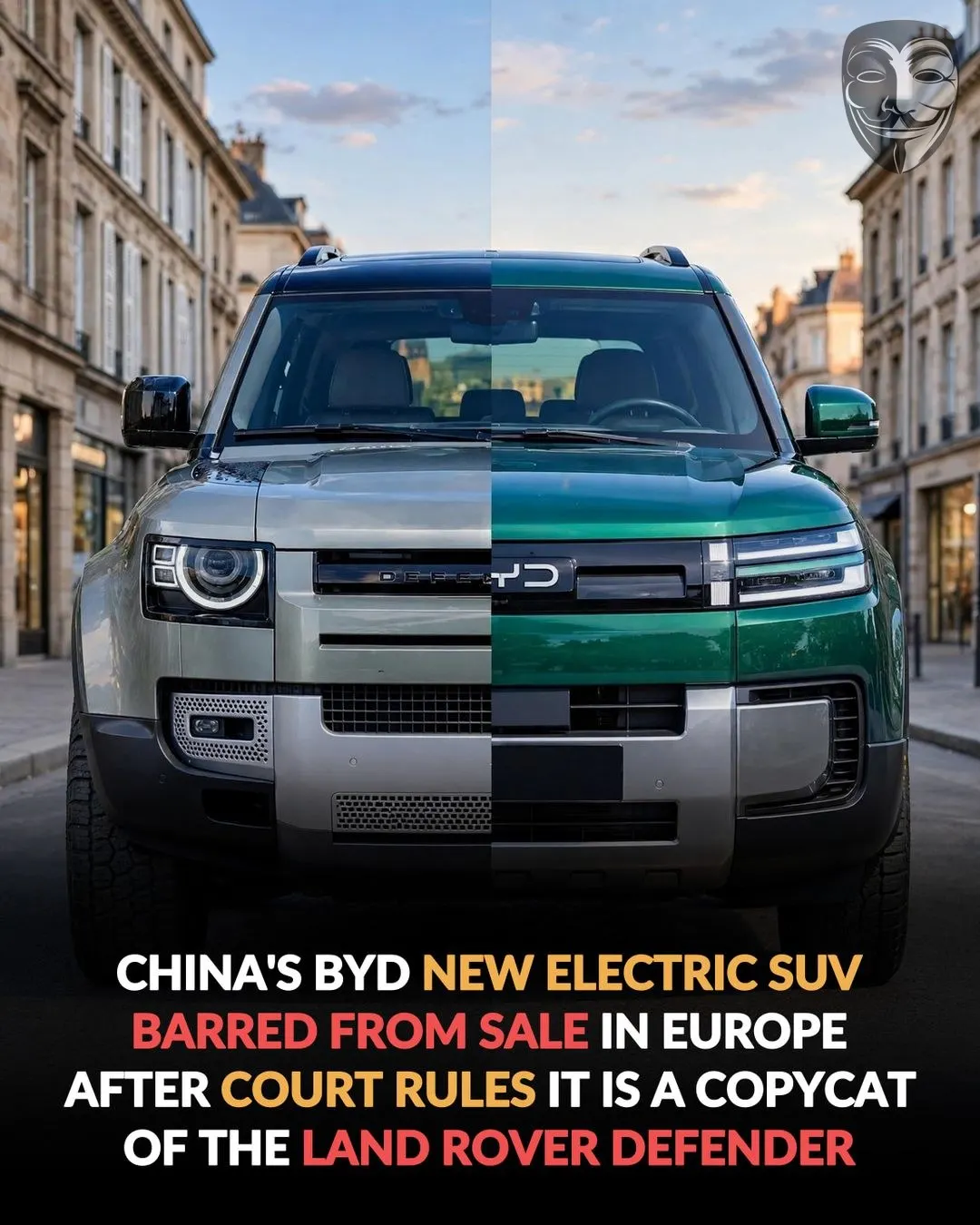
The BYD Ti7 ban began on November 20, when the District Court of The Hague barred the electric SUV from sale across the European Union. The court ruled that the boxy seven seater copies the registered design of the Land Rover Defender, so BYD may not import, sell or make the Ti7 anywhere in the EU while the order stands. The case came after a legal challenge by Jaguar Land Rover, and it has put a sharp focus on how much one car may look like another.
BYD strongly disagrees with the ruling and plans to appeal, saying the Ti7 came from its own independent design work. The ban also covers the new factory in Hungary, and breaking the order can bring fines of 100,000 euros per day, capped at 10 million euros. The UK launch is not affected, so the Ti7 is still expected on sale in Britain from January at 47,995 pounds. Ahead we look at the court, the cars and the price. Also read the Berlin silent shrug report.
References:
The Wall Street Journal: When Do China’s Look-Alike SUVs Become Ill*gal Copycats
International Finance: BYD’s Defender clone banned from EU as JLR wins Dutch court clash
The Cooldown: BYD calls SUV its own independent design work as court blocks production for Land Rover look-alike
Engineerine: Why a Dutch Court Banned China’s BYD Ti7 SUV Across Europe Over Land Rover Defender Design Claims
The BYD Ti7 Ban Started in a Dutch Court

On November 20, the District Court of The Hague issued a preliminary injunction against BYD and its new Ti7 SUV. The order bars the company from importing, selling or manufacturing the car anywhere in the European Union until a further legal judgment is issued. The court found that the Ti7 shares too much of the look of the Land Rover Defender, a design that Jaguar Land Rover has registered and protected. The ruling was swift and wide. See the Pacific seabed auction.
The BYD Ti7 Ban Turns on Two Boxy SUVs
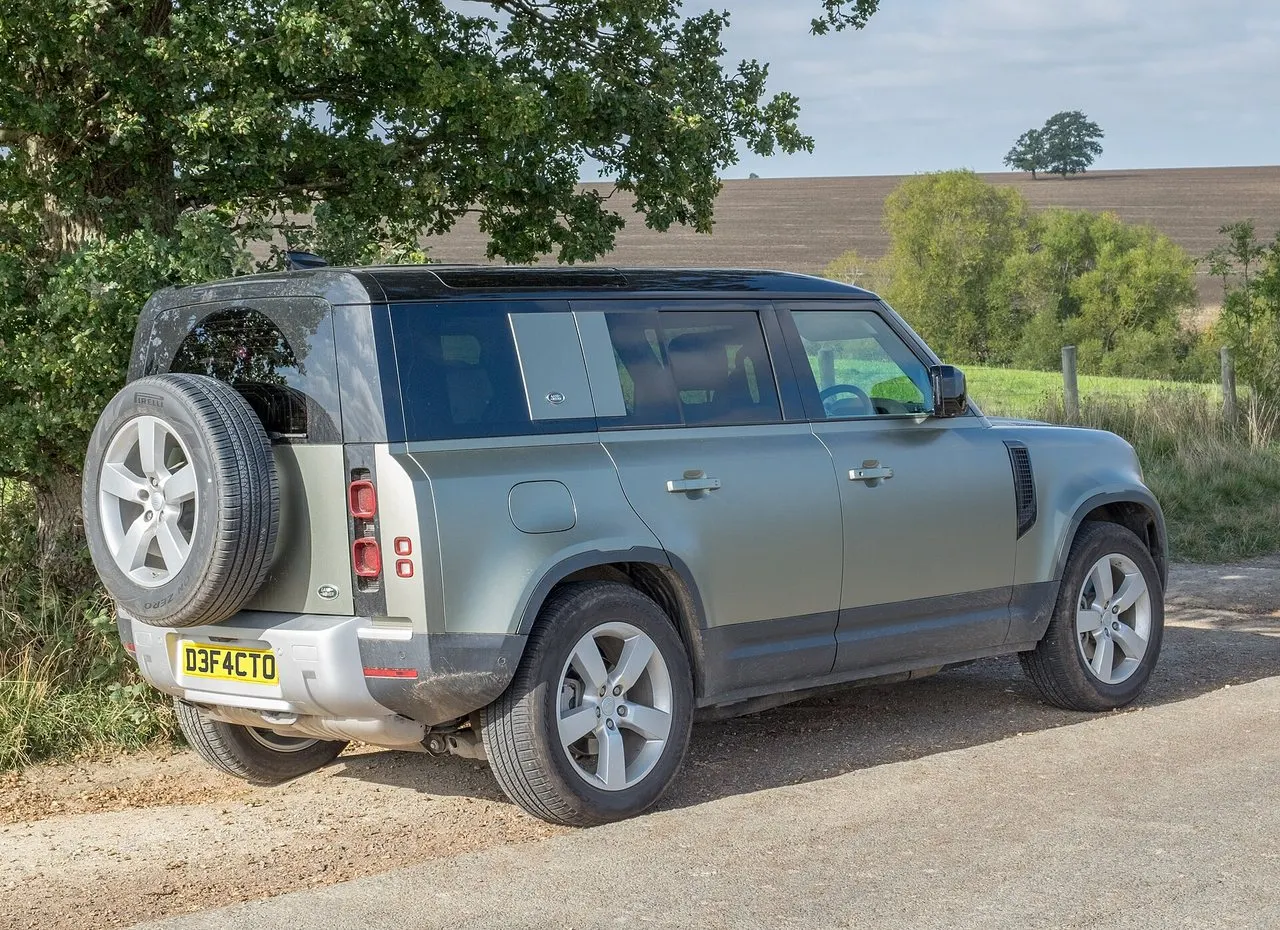
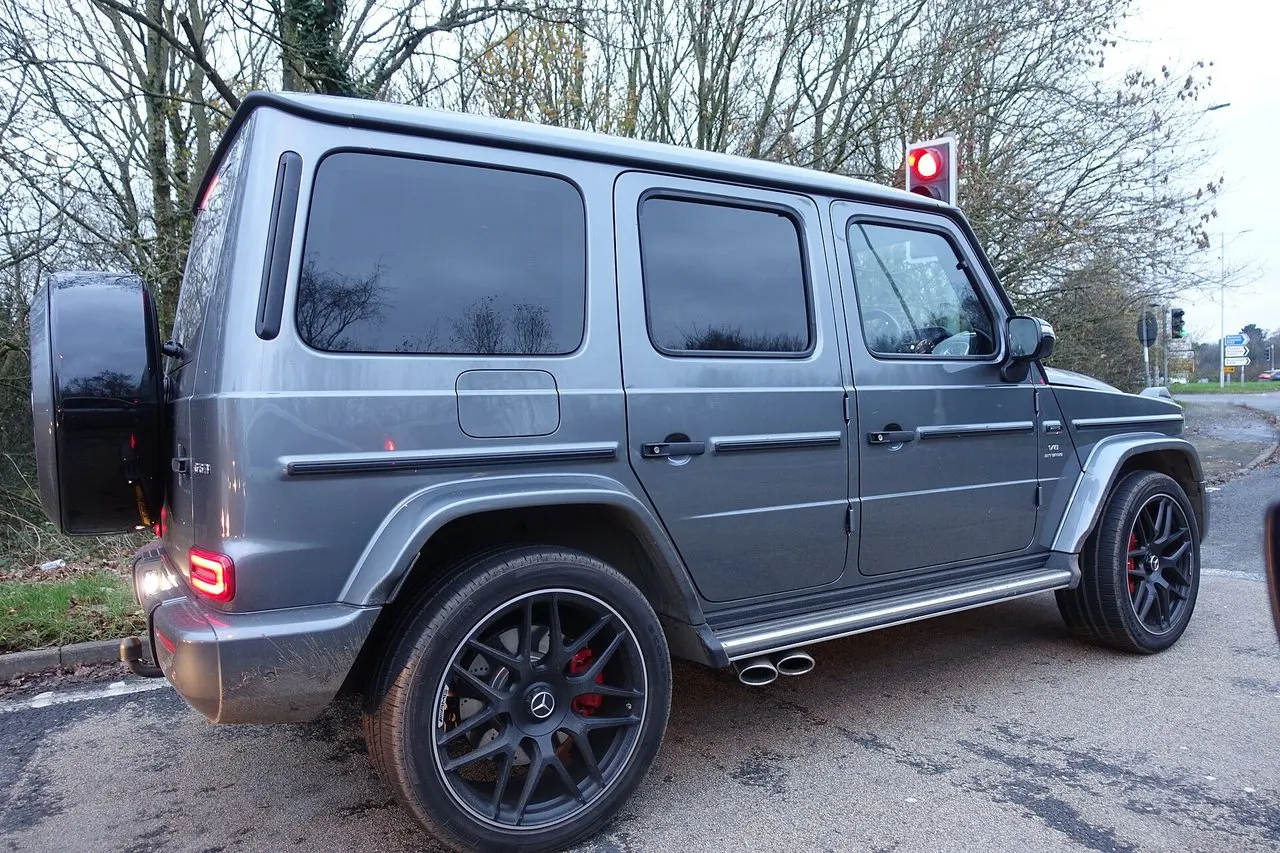
The BYD Ti7 is a new electric SUV with seven seats and a tall, square shape that many people at first glance took for a Land Rover Defender. The Defender is the flagship SUV of Jaguar Land Rover, and its boxy body has become one of the most recognised shapes on the road. BYD had planned to sell the Ti7 in Europe as a roomy family car at a much lower price than the Defender. The court said the two cars look too much alike. See the Alaska polar night story.
Rounded Shoulders and Rounded Wheel Arches

The court pointed to a set of small details that add up to one clear look. It said the Ti7 shares the Defender’s mix of rounded shoulders, rounded wheel arches and a square panel on the rear pillar. On their own, each detail may seem minor, but the court looks at the overall impression a car gives when seen as a whole. That overall look, the judges said, is too close to the registered design of the Defender. Designers often borrow a line here or a curve there. See the SpaceX funding warning.
The Square Panel on the Rear Pillar
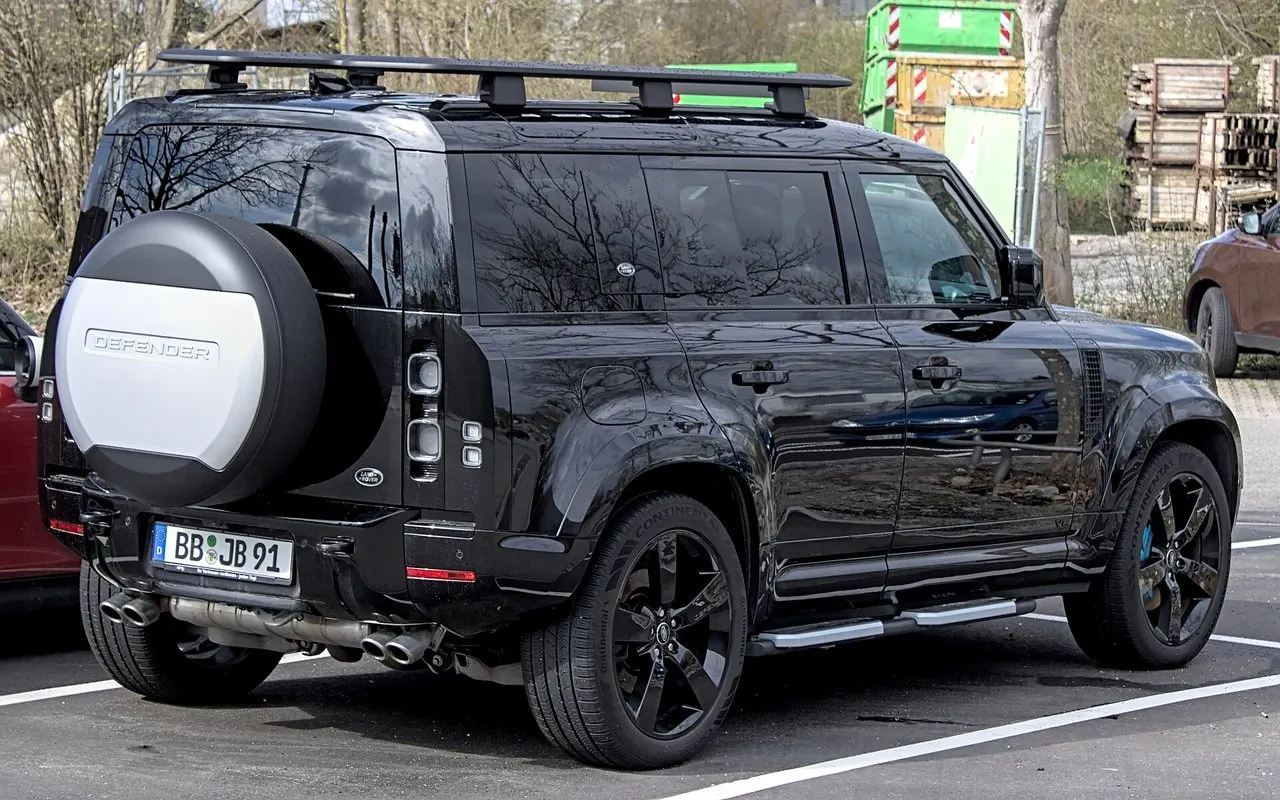
One detail the court named was the square panel on the rear pillar, the post at the back corner of the car. On the Defender, that panel is part of a look that fans know at once, and the court said the Ti7 repeats it, so the two cars are hard to tell apart from the side and rear. Car makers guard such details because they help buyers spot a model from far away. When a rival uses the same panel, it borrows more than a shape. See cheaper fuel for motorists.
Jaguar Land Rover Brought the Challenge
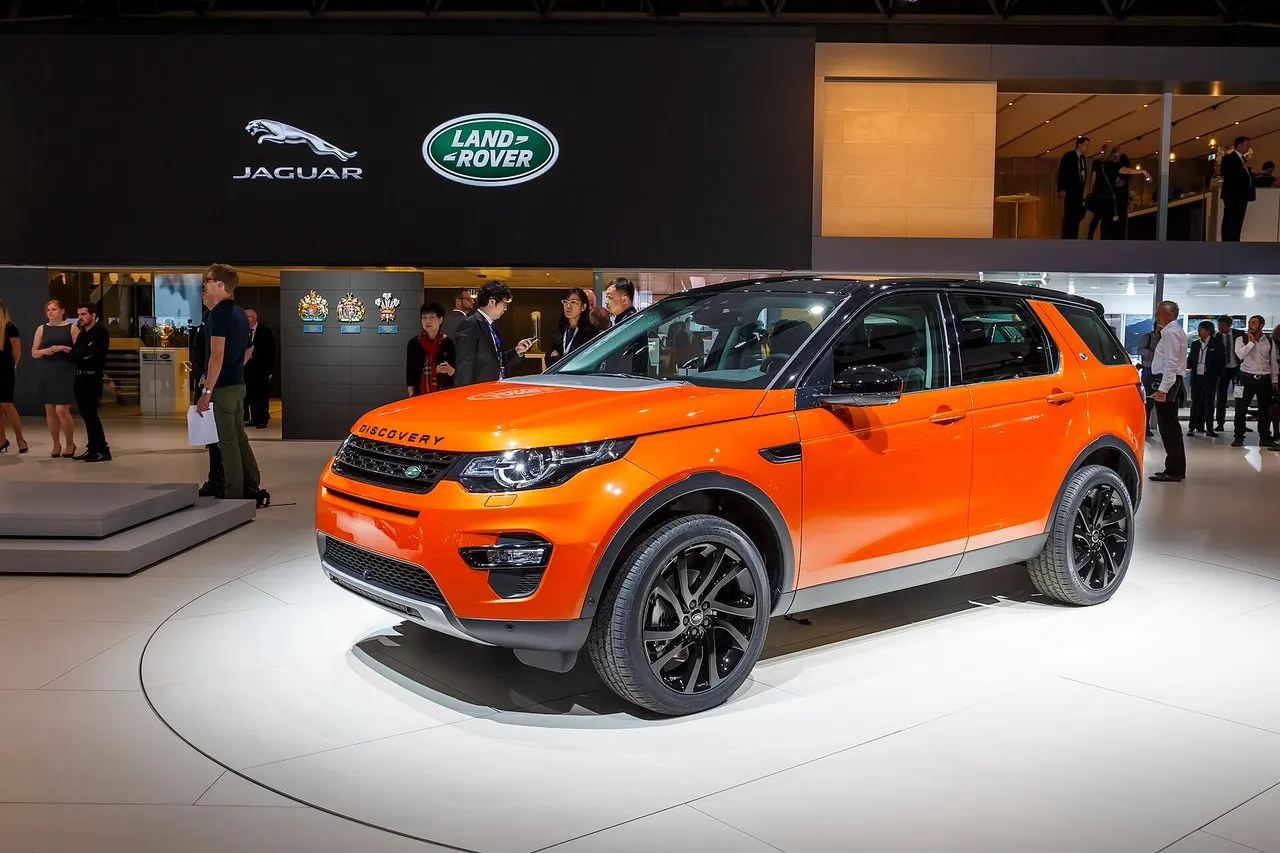
Jaguar Land Rover, known as JLR, brought the legal challenge. The company said the Ti7 copied the registered design of the Defender and asked the Dutch court to stop BYD from selling it in Europe. JLR says it will keep protecting its intellectual property against alleged design imitations, and it sees the Defender shape as a key asset. The court agreed for now, and the case will continue. See the zoo gorilla story.
The BYD Ti7 Ban Is One BYD Plans to Fight
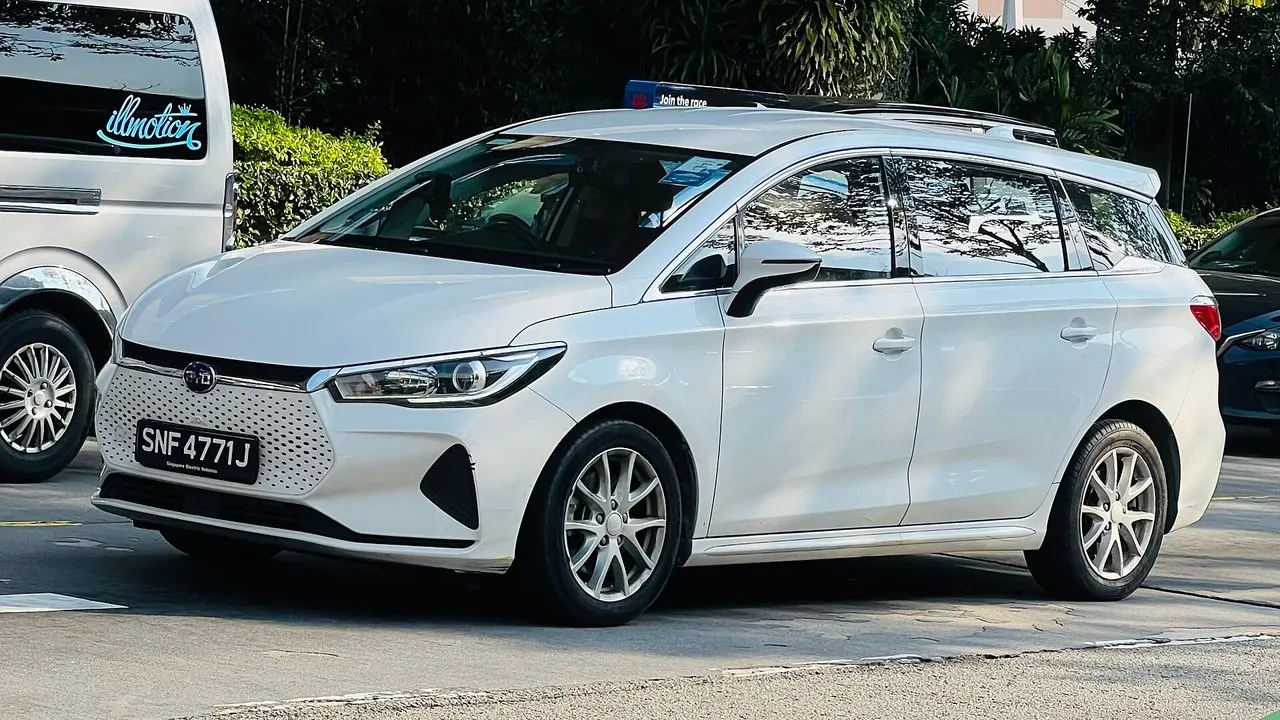
BYD strongly disagrees with the ruling and plans to appeal. The company says the Ti7 was developed through its own independent design work, and it points to differences in the headlights, grille and bumpers as proof that the two cars are not the same. BYD argues that a boxy SUV shape is common in the market and that buyers can tell the cars apart. The appeal will test that claim in court, and the outcome will matter far beyond one model, as readers of the Rikers Island closure plan know from other appeals.
Independent Design Work, Says BYD
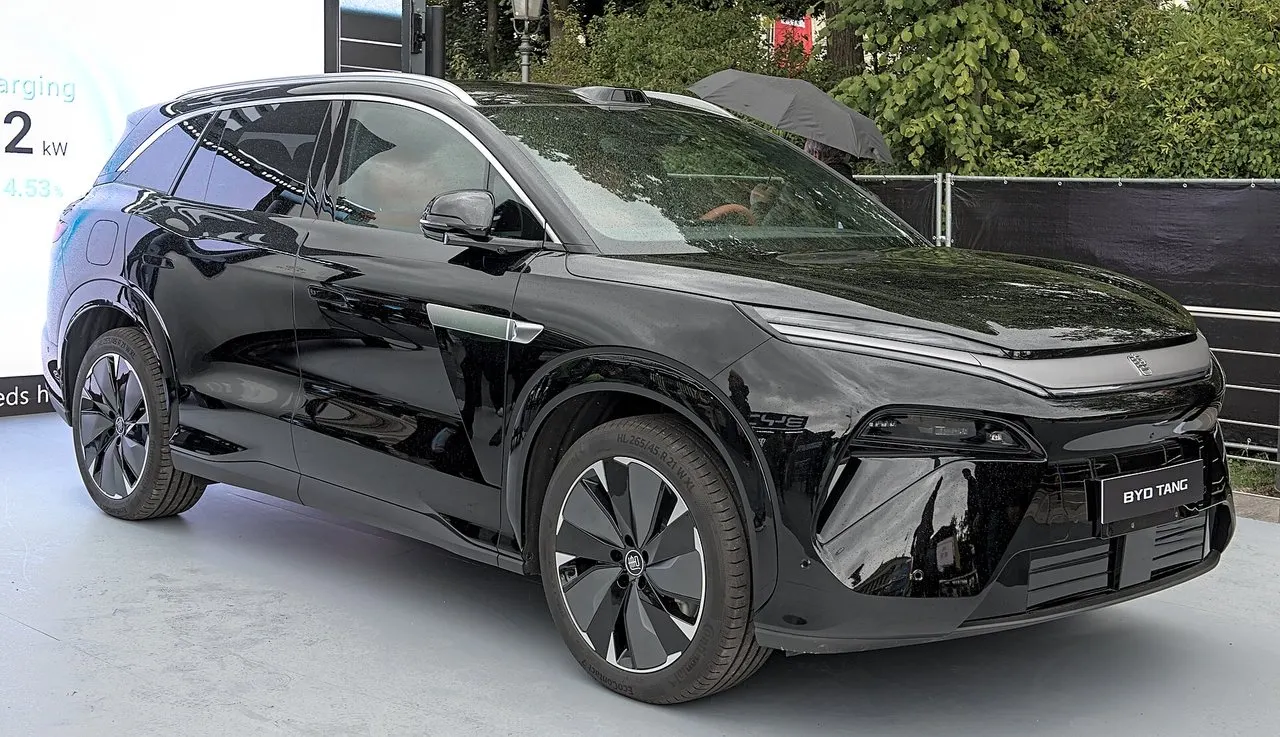
BYD says its designers worked on the Ti7 on their own, without copying the Defender. The company says the car came from its own studios and its own ideas about what a family electric SUV should look like. Courts in design cases often ask how a product was made, not just how it looks at the end, so the story of the design process may matter when the appeal is heard. For now, the Dutch court was not persuaded, and the ban stands. See the long flight from China.
Headlights, Grille and Bumpers
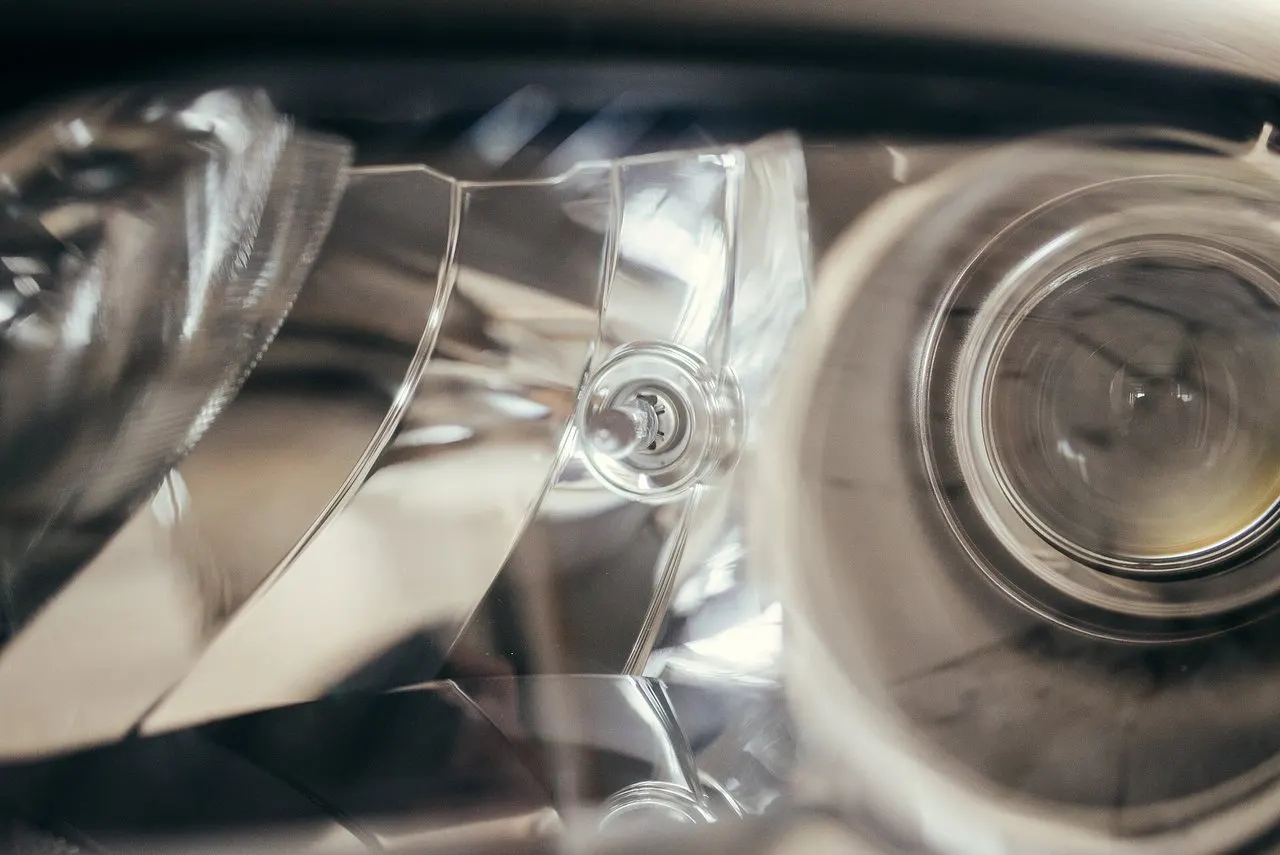
BYD points to the headlights, grille and bumpers as the clearest differences between the Ti7 and the Defender. The company says these are the parts of a car that give it a face, and that the Ti7 has a face of its own. The court ruled that the design differences presented by BYD were not enough to distinguish the two SUVs when the whole car is considered. Small changes at the front do not undo a close match in the body as a whole. See strange vintage bakes.
The Hungary Factory Is Covered Too
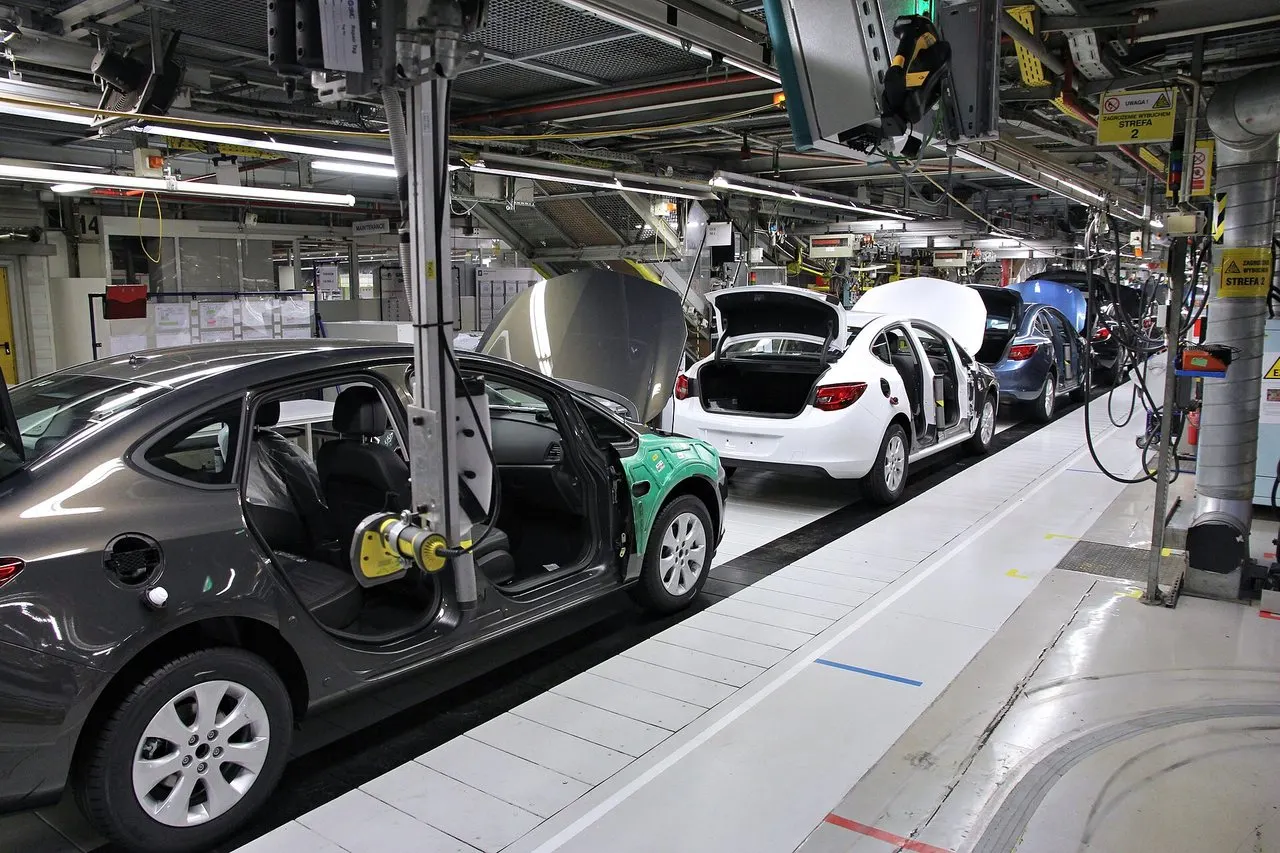
The ban also covers BYD’s new factory in Hungary, which was meant to build cars for the European market. That makes the order more than a sales ban, since it stops production of the Ti7 inside the EU as well. Building a factory is a huge investment, and a court order that halts its output can change a company’s plans for years. BYD had hoped the plant would anchor its growth in Europe, and the ruling now puts that plan on hold. See the campaign spending clash.
The BYD Ti7 Ban Carries Heavy Daily Fines

Breaking the order can bring fines of 100,000 euros per day, capped at 10 million euros. That kind of penalty is meant to make sure a court order is obeyed while the case is still being decided, and it adds up fast if a company keeps selling. The cap sets a limit, but 10 million euros is still a large sum for any car maker. The fines show how seriously the court views the ban. See the Epstein files fight.
The UK Launch Is Not Affected

The UK launch is not affected by the Dutch ruling, so the Ti7 is still expected to go on sale in Britain from January. The court order covers the European Union, and Britain left the EU, so the ban does not reach British showrooms. That split leaves BYD with one major market open while the rest of Europe stays closed. See the Big Brother eviction will find familiar from other cross border stories.
A Price of 47,995 Pounds
The Ti7 is expected to go on sale in Britain from January at 47,995 pounds, which is about 62,800 dollars. That price puts it in reach of many family buyers who want a large electric SUV without paying a luxury price. BYD has built its name on offering electric cars for less than rivals, and the Ti7 follows that plan. The low price is a big part of why the car drew attention, and why the ban matters to buyers. See Brexit and Russia.
The BYD Ti7 Ban and the Price Gap
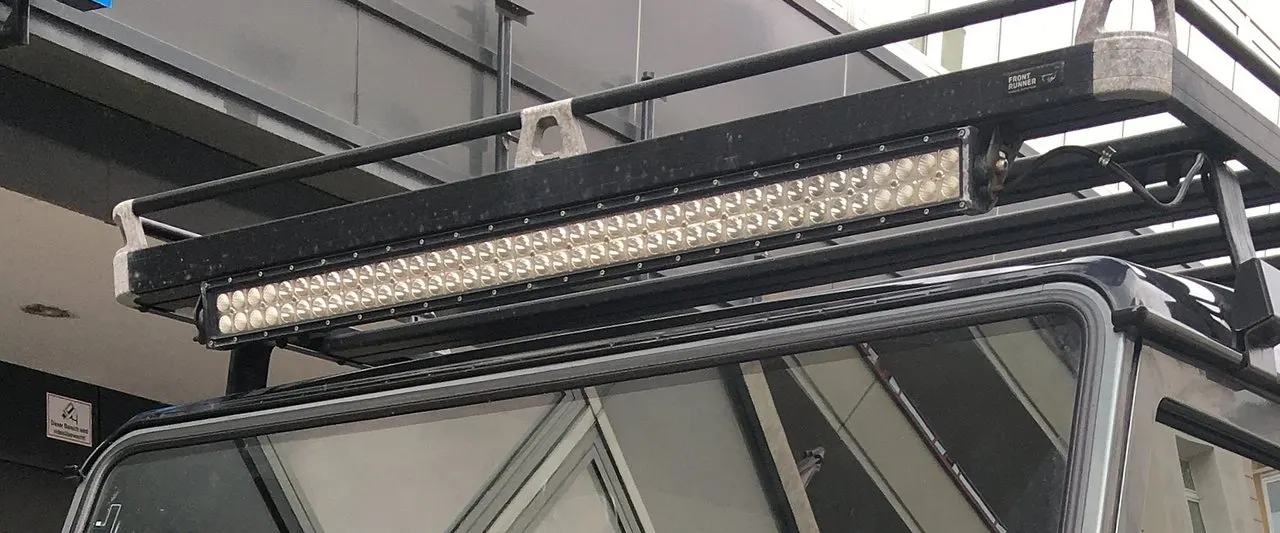
The Ti7 price is about 24,000 pounds cheaper than the Land Rover Defender, or about 31,400 dollars less. That gap is huge for a family SUV, and it explains why the Ti7 looked like a bargain to many buyers. The Defender costs far more, and its fans pay for its name, its history and its off road skill. A cheaper lookalike can worry a maker of a dear car, because some buyers may choose the copy over the real thing, a worry also seen in the teacher yearbook photos.
Who Is BYD
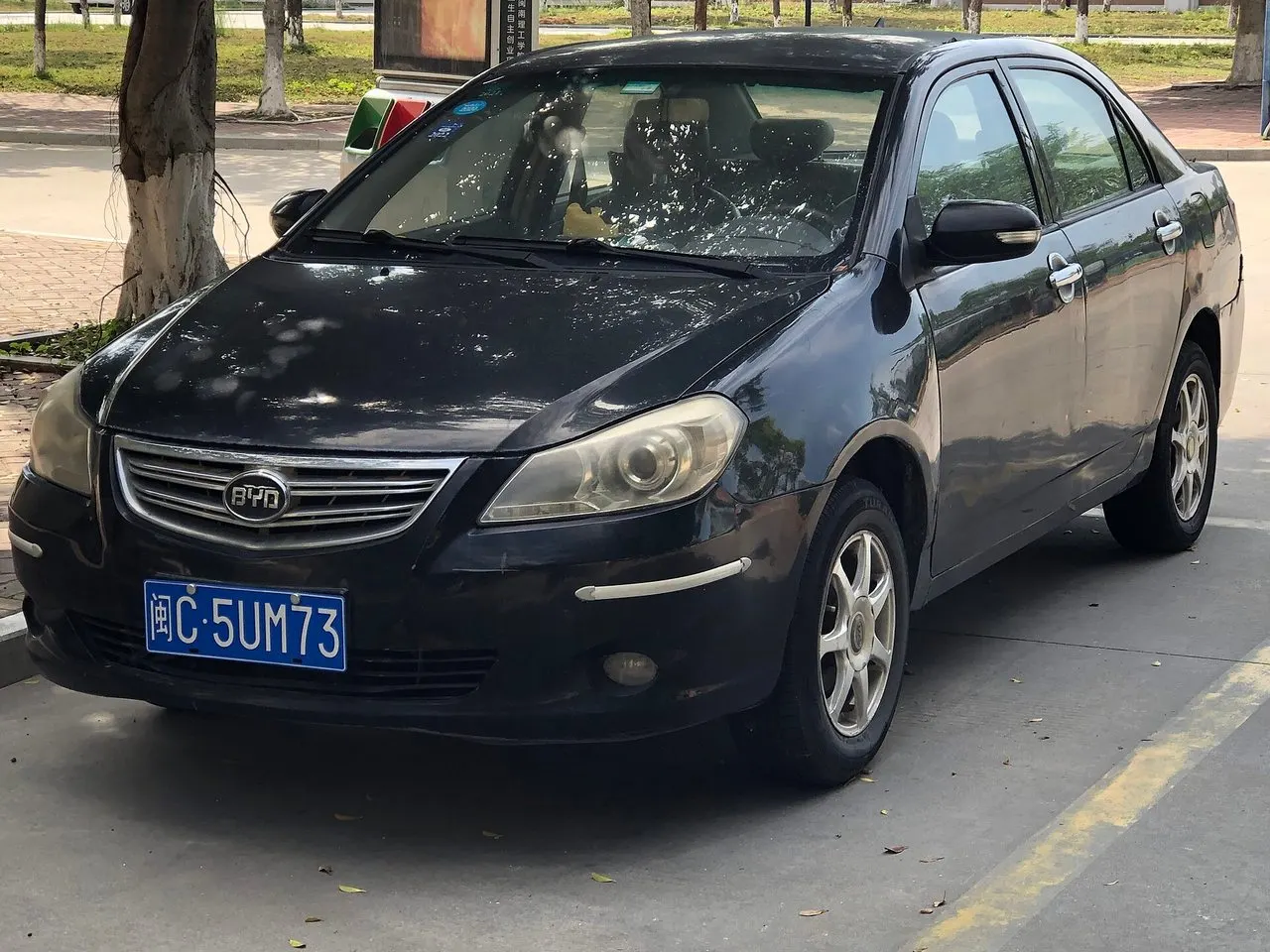
BYD is a Chinese car maker that has grown fast by building electric cars and batteries. Its name stands for Build Your Dreams, and it now sells cars around the world. In recent years it has pushed into Europe with a range of electric models, hoping to win buyers with fair prices. The Ti7 was meant to be its next step, a big family SUV for the European market. The court case is now a test of how far that growth can go. See the Texas case sentence show for other fast growing firms.
The Defender, a Flagship With History

The Land Rover Defender is the flagship SUV of Jaguar Land Rover, and its shape has a long history on farms and in deserts. The first Defenders were tough work cars, and the modern model keeps that square, upright look while adding comfort and tech. For many buyers, the shape itself is the point, a sign of adventure. That is why JLR guards the design so closely. See the China banquet dance.
What a Registered Design Means

A registered design is a legal right that protects how a product looks, not how it works. When a company registers a car shape, others may not sell a product that gives the same overall impression. The system is meant to reward firms that spend time and money on design, and to stop rivals from free riding on a famous look. The Dutch court said the Ti7 gives the same overall impression as the Defender, so it falls foul of that right, a rule also at play in the Trump and Putin claim.
What a Preliminary Injunction Does in the BYD Ti7 Ban
A preliminary injunction is a temporary order made before the full case is heard. It stops one side from doing something that may cause harm while the court takes time to decide the full facts. In this case, it stops BYD from selling or making the Ti7 in the EU until a further judgment is issued. The ban is temporary, not final, and the appeal may change it. But for now, it has the full force of law, a tool courts use often, as in the trucker rescue.
The Hague, a City of Courts

The Hague is a city in the Netherlands known around the world for its courts and legal work. The District Court of The Hague hears many cases, and its rulings can reach across the European Union. The city is home to global courts and tribunals, so a design case heard there can draw wide notice. The ruling on the Ti7 was issued in that setting, and it quickly spread through the car world and the press, a reach also seen in the Kentucky liberal posts.
Seven Seats for a Family SUV
The Ti7 is a seven seater, built for large families who need room for children, bags and long trips. Seven seat SUVs are popular because they can carry a whole family in one car, and they often serve as the main car for school runs and holidays. BYD aimed the Ti7 at that market, with space and electric power as its selling points. The ban means European families must wait to see if it ever reaches them, a wait also felt by readers of the senator shutdown stand.
How Judges Compare Two Designs
Judges in design cases do not just tick off parts. They look at the whole car and ask if an informed user would see the same overall impression. They weigh the shape, the lines, the windows and the details that give a car its look. Small changes may not be enough if the general shape stays the same. That is why BYD says its headlights and grille set the Ti7 apart, while the court said the body as a whole is too close, a test also used in the Tesla Optimus robot.
What the BYD Ti7 Ban Means Across Europe
The ban covers the whole European Union, so the Ti7 cannot be sold in France, Germany, Spain, Italy or any other EU state while it stands. That is a wide order, and it shows how a Dutch court can act for the whole bloc in a design case. Dealers in Europe cannot take orders, and buyers cannot test drive the car. The ruling may also make other car makers think twice about how close their designs come to rivals, a chill also noted in the first lady staff story.
Building Cars in Hungary
Hungary is home to BYD’s new factory, part of a push to build cars inside Europe rather than ship them from China. Making cars in the EU can cut costs and ease trade rules, and it brings jobs to the country. The court order covers that factory too, so the plant cannot make the Ti7 while the ban lasts. The case shows that building in Europe does not shield a car from European design law, a lesson also clear in the Gaza debate.
The Electric SUV Market in Europe
Europe is one of the biggest markets for electric SUVs, with buyers keen on roomy cars that run on power rather than petrol. Many brands now sell large electric family cars, and the fight for buyers is fierce. A new model at a low price can shake up the market, which is why the Ti7 drew so much notice. The ban takes one low cost option off the table for now, and rivals may gain from the gap, a shift also tracked in the blocked triumphal arch.
Charging and Running an Electric SUV
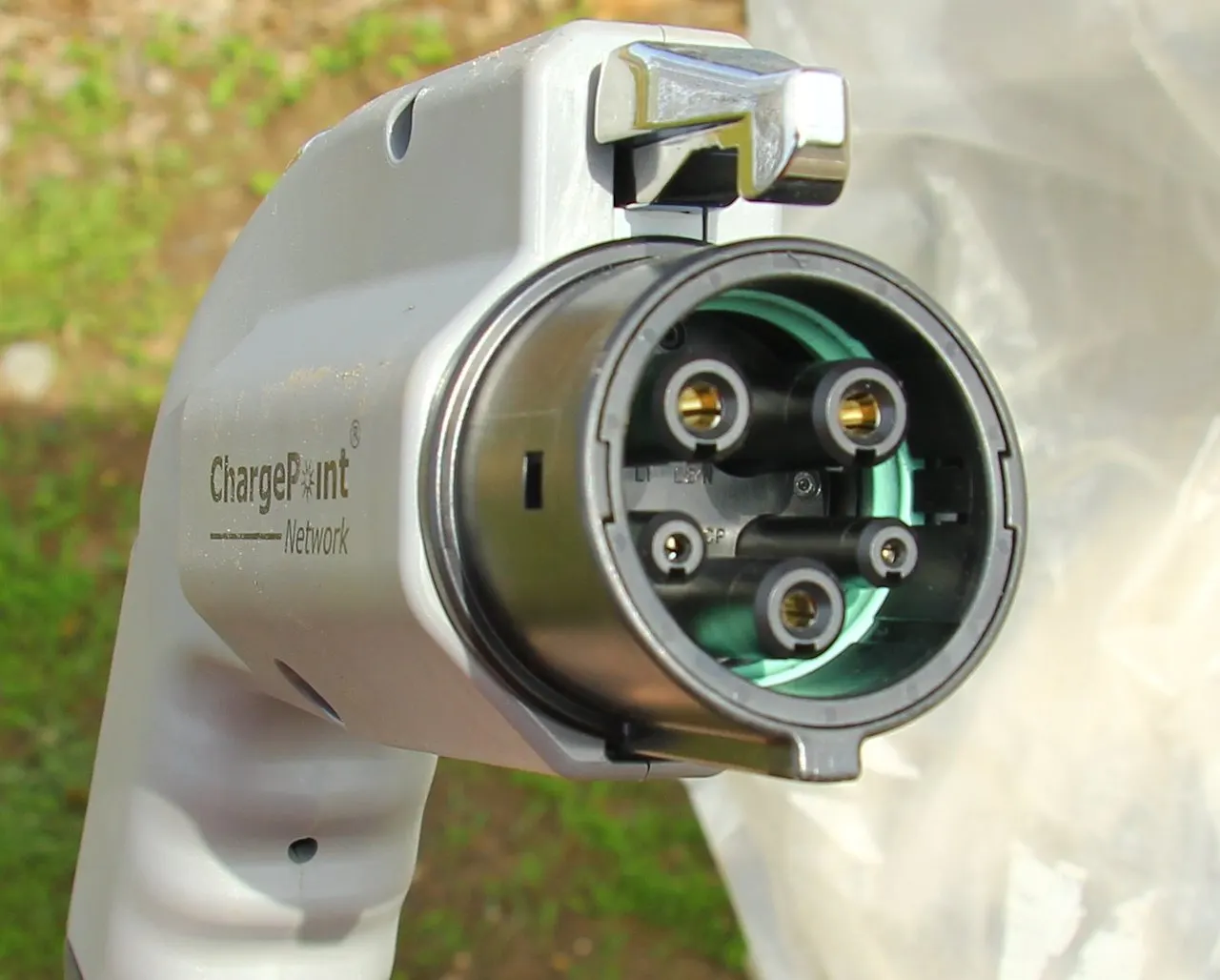
Electric SUVs run on batteries that drivers charge at home or at public points, and they can travel far on one charge. Running costs are often lower than petrol cars, and many buyers like the quiet ride and the lack of exhaust fumes. The Ti7 was meant to offer that package at a keen price, with seven seats and modern tech. The court case does not change how the car drives, but it does decide where it can be sold, a point also made in the Ray Bradbury warning.
The BYD Ti7 Ban and the Law Behind It

The case rests on design law, which protects the look of a product across the EU. JLR registered the Defender design, and the court found the Ti7 too close to it. Design law is less well known than patent law, but it shapes what cars, phones and chairs can look like. Companies file designs to guard the shapes they spend years on, and courts can act fast when they see a copy. The appeal will test how strong that shield is, a question also raised in the Putin vow.
What Buyers Should Watch Next
Buyers in Europe should watch the appeal, since it will decide if the Ti7 can ever go on sale in the EU. They should also watch the UK launch in January, which will show how buyers receive it. If the appeal fails, BYD may need to change the design before it can sell the car in Europe. If it wins, the Ti7 could reach EU showrooms after all. Either way, the case will set a mark for car design, as Patrick Stewart and pit bulls show for other big decisions.
What Do You Think of the Ruling
BYD says the Ti7 is its own work, and the court says it copies the Defender too closely. Both sides have a case that many people can see, since the cars do share a boxy shape, yet they differ in their details and their price. Should a car maker be free to use a popular shape, or should a famous design be guarded for its owner? We want to hear your view. Tell us in the comments what you think. Also read Fiona the hippo.