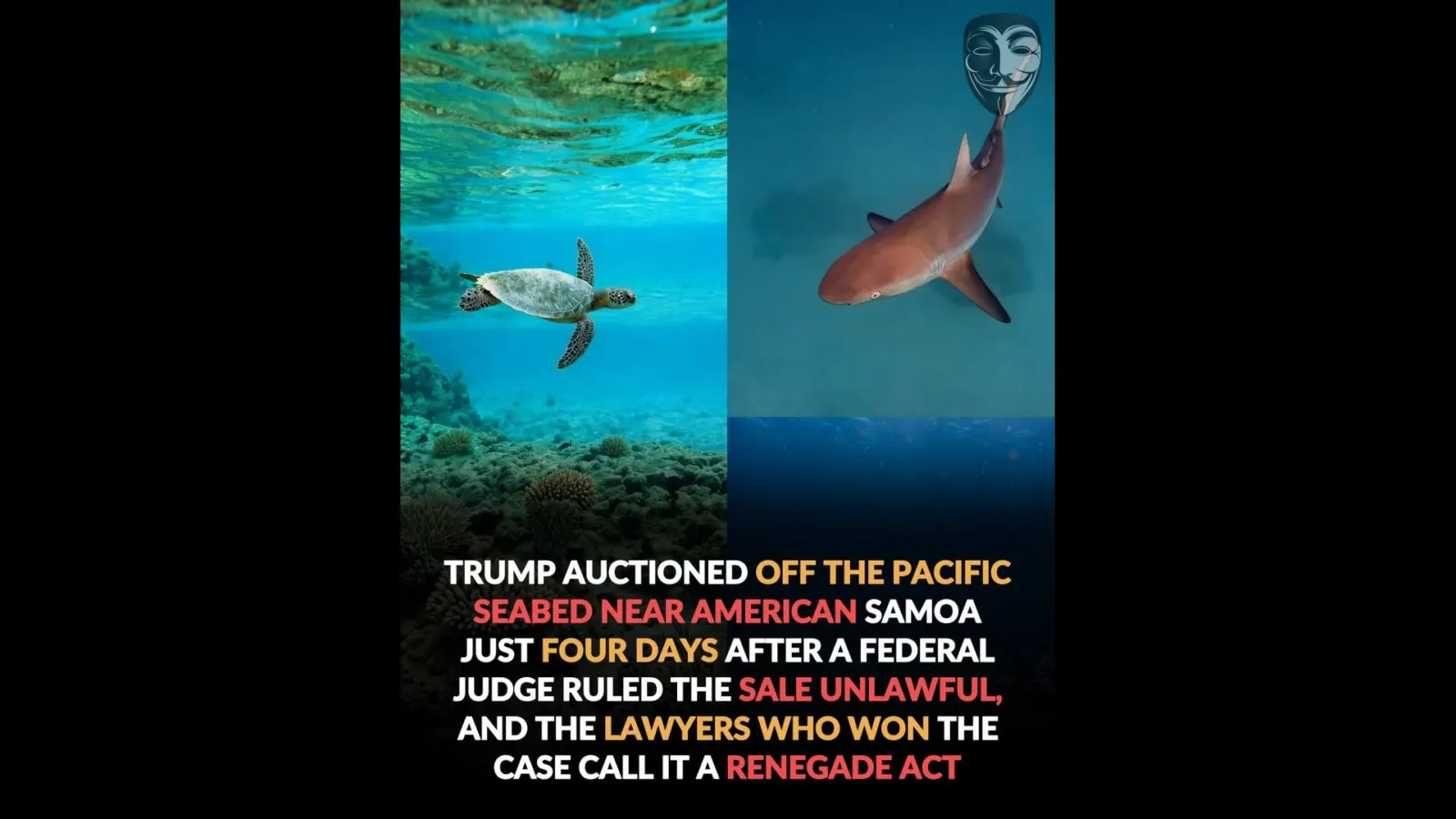
Pacific Seabed Auction Near American Samoa Went Ahead After a Judge Ruled It Unlawful
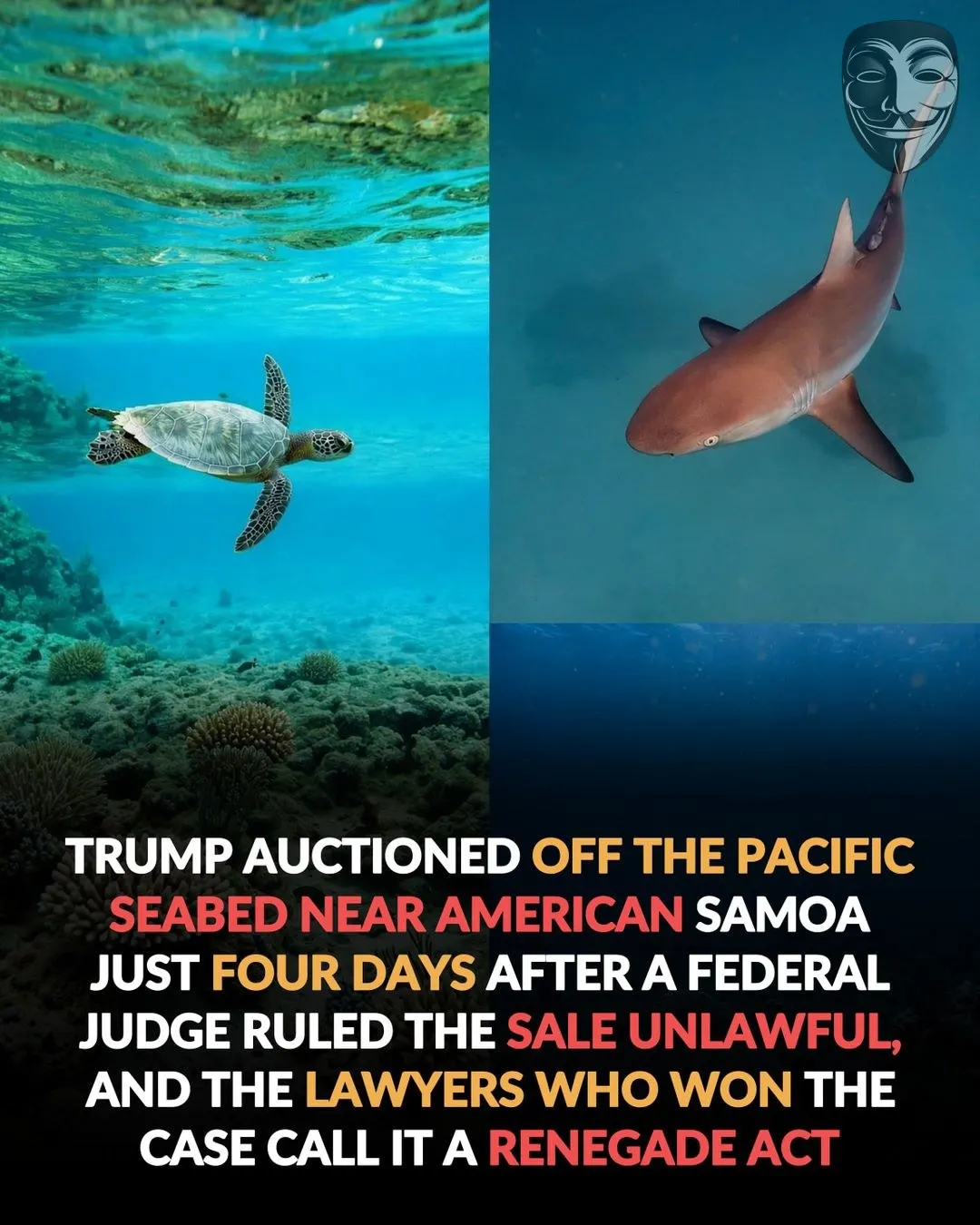
The Pacific seabed auction off American Samoa went ahead on Thursday, just four days after a federal judge ruled the sale unlawful. On Monday, Judge Jill Otake in Hawaii found that the National Marine Fisheries Service broke the Endangered Species Act when it cleared the way for the sale. The agency, she wrote, failed to even attempt to consider the potential effects on protected species. Yet on Thursday, the Trump administration held the auction anyway, selling two areas of ocean floor to Wetstone U.S. Ventures.
The two areas cover about 31 million acres in all, an area the size of a state, and they went for three million dollars each, six million dollars in total. The waters sit near the Rose Atoll marine sanctuary, home to whales, turtles, sharks and coral reefs, and Earthjustice attorney Chris Eaton, who won the case in court, called the sale a renegade act and promised to fight to have the leases voided. More follows in the slides ahead. Read more in Trump’s historic trip to China.
References:
Wall Street Journal: The U.S. Is Auctioning Off a Slice of the Pacific Ocean Floor in Push for Minerals
The Hourly News: First US Deep-Sea Mining Auction in Doubt After Judge Voids Wildlife Clearance
Metals Weekly: Second court defeat for Trump’s deep-sea mining ambitions
JD Supra: First-Ever US Offshore Critical Minerals Lease Sale In The Pacific Proceeds Under A Legal Cloud: Court Vacates ESA Concurrence As Two Challenges Remain
The Judge Who Ruled the Pacific Seabed Auction Unlawful

The judge at the center of this story is Jill Otake, a federal judge in Hawaii. On Monday, she sided with community and conservation groups and found that the National Marine Fisheries Service broke the Endangered Species Act when it cleared the way for the sale. Her ruling said the agency failed to even attempt to weigh the effects on protected species. That finding put the sale in doubt. Read about another judge who acted fast in the judge who ordered an 18 year old released.
What the Endangered Species Act Requires
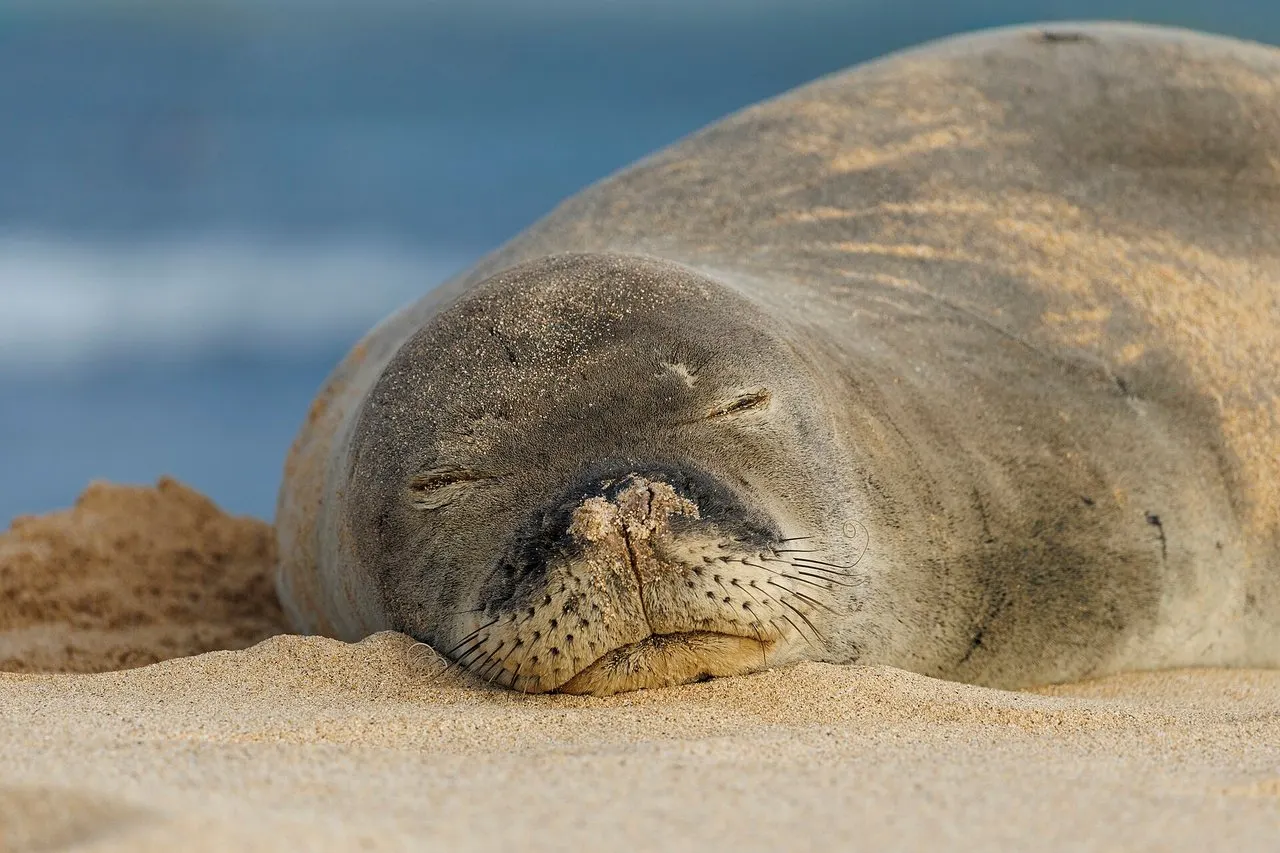
The Endangered Species Act is a federal law that protects animals and plants that risk disappearing. It makes government agencies think carefully before approving projects that could harm protected species, and ask experts for a formal review when a project touches their habitat. Judge Otake found that the fisheries service skipped that step entirely in clearing the seabed sale. The law has stood for more than fifty years, and it is among the strongest wildlife laws in the country. See animal protection in the rare orange nurse shark found off Costa Rica.
The Agency That Cleared the Sale
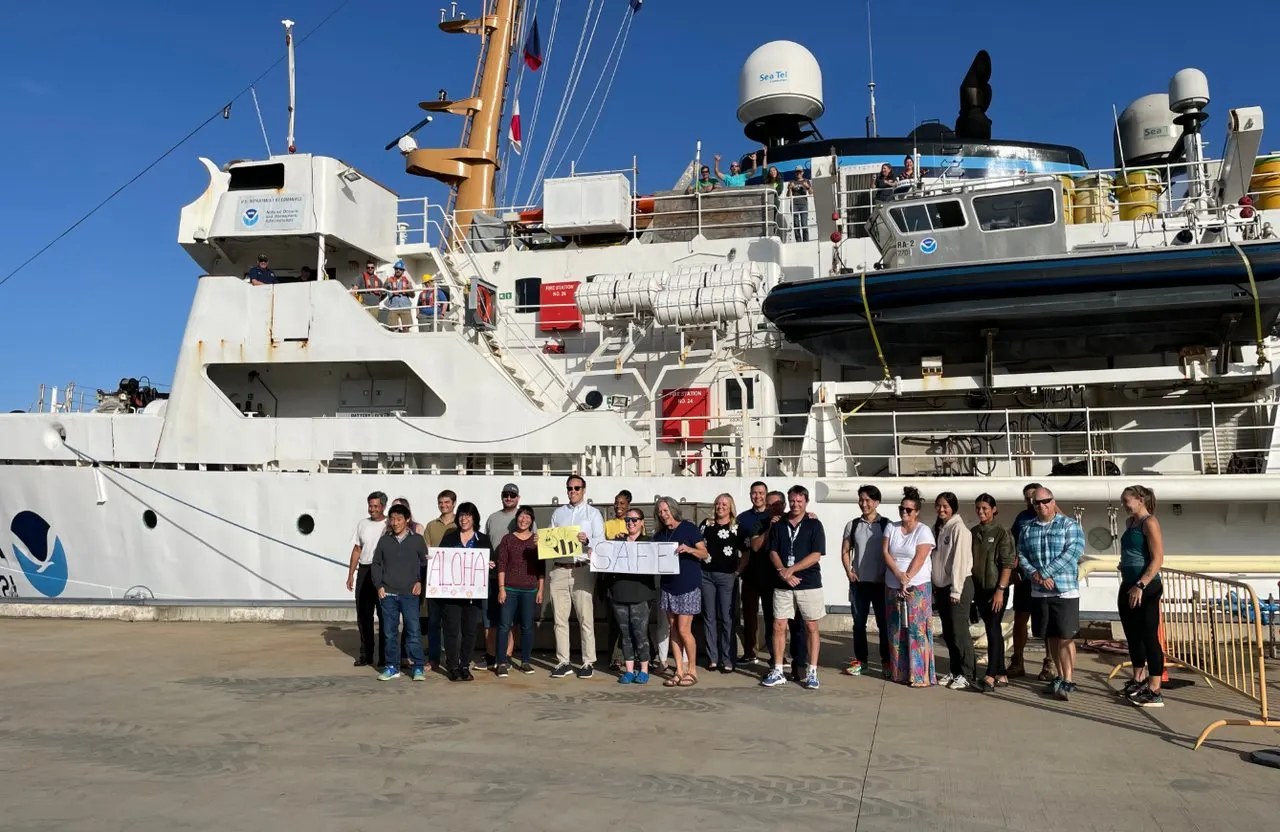
The National Marine Fisheries Service is the federal agency that looks after ocean wildlife and fisheries. It is part of the National Oceanic and Atmospheric Administration, where scientists study whales, turtles, sharks and other sea life. Before a seabed sale can move ahead, the service must say whether it will harm protected species. Judge Otake found that it gave that clearance without even trying to weigh the effects. That failure is what made the ruling so strong. Read about other federal decisions in the fight over Fani Willis and legal fees.
The Pacific Seabed Auction Went Ahead on Thursday Anyway
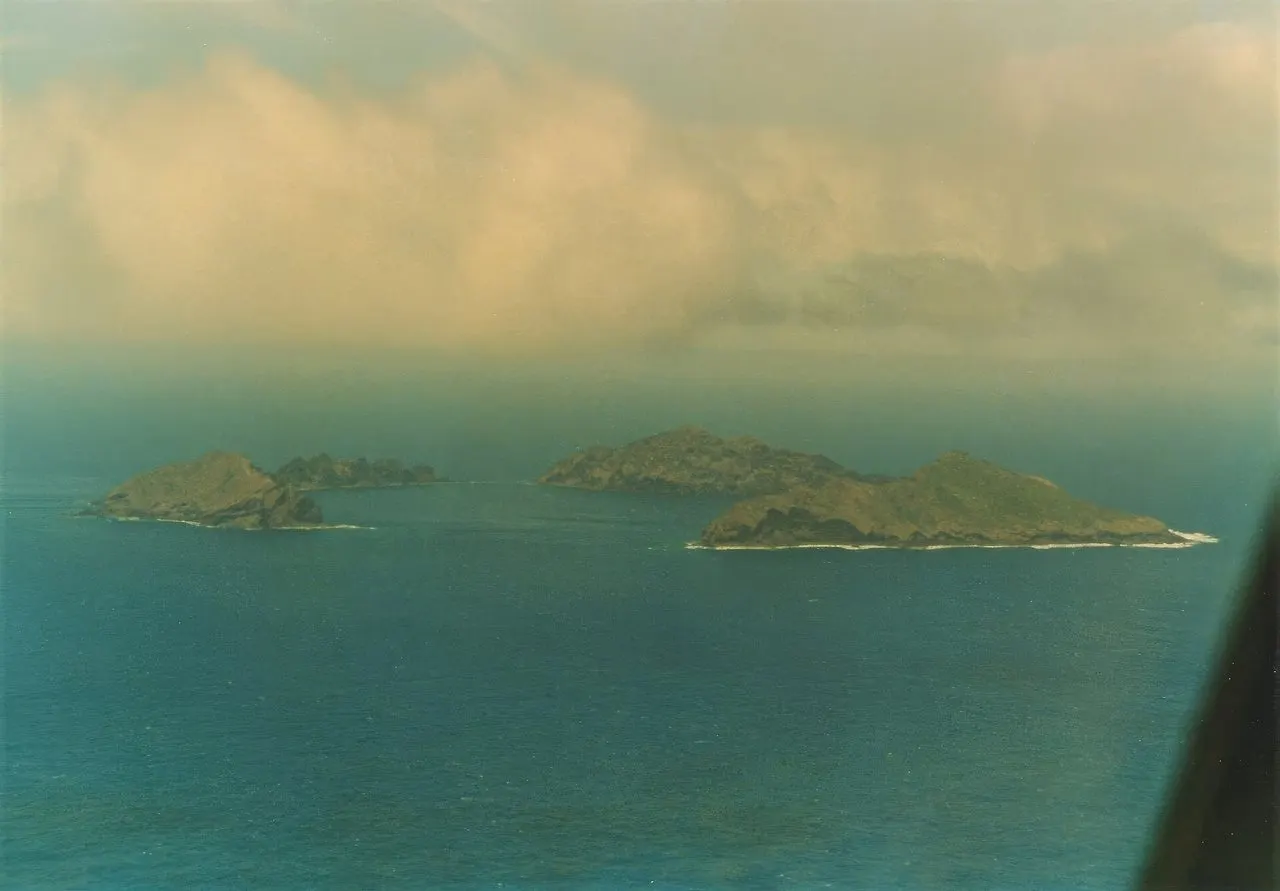
The sale went ahead on Thursday, only four days after the judge ruled it unlawful. The Trump administration did not wait for the court fight to play out or pause the sale while lawyers sorted out what the ruling meant. The auction was held on schedule, and the two areas of ocean floor were sold. That speed is what shocked the lawyers who had just won in court, and it is why they called the move a renegade act. See how fast other stories moved in Trump walking into the briefing room after China.
The Pacific Seabed Auction Covered 31 Million Acres
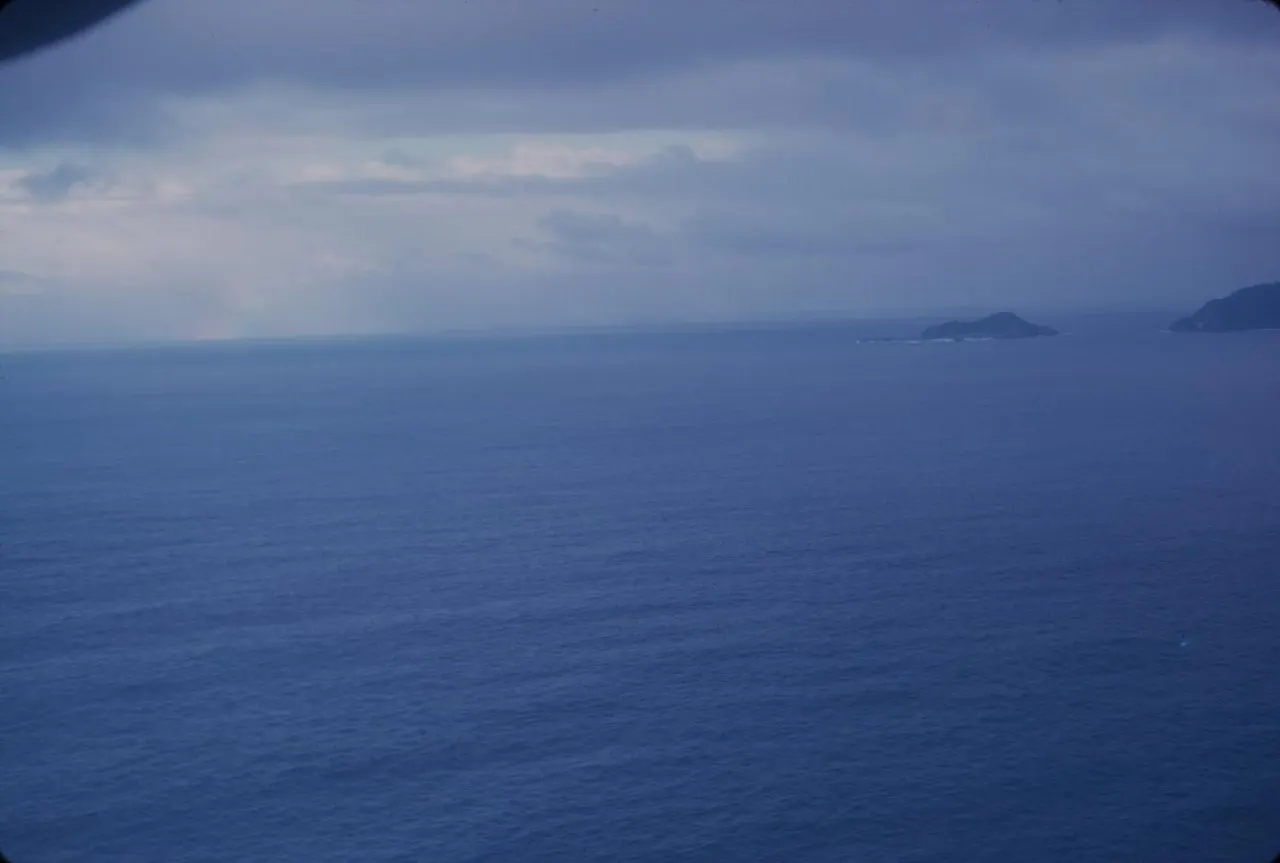
The Pacific seabed auction covered about 31 million acres of ocean floor off American Samoa. That is an enormous stretch of sea, roughly the size of a whole state, split into just two areas. Each area is far bigger than most people can picture, and together they cover a sweep of Pacific deep water, reefs and wildlife. The sheer size is part of why the price drew so much attention. The numbers in this story are hard to believe. Read more in the race decided by just 330 votes.
Six Million Dollars for the Pacific Seabed Auction

The Pacific seabed auction raised six million dollars, with each area going for three million dollars. For about 31 million acres of ocean floor, that is only a tiny sum per acre, and critics say the price shows how little the public got for a huge piece of the sea. Supporters see it differently, and they point to the minerals below and the jobs that could follow. The gap between those views is the heart of the row. Read more in the fight over Fani Willis and legal fees.
Who Bought the Two Areas of Ocean Floor
The two areas of ocean floor were bought by Wetstone U.S. Ventures, which paid three million dollars for each area. The company is now the holder of the leases, unless the courts step in and void them. Little is known in public about the firm, and the government has said little about who stands behind it. That lack of detail has added to the questions around the sale, and it is one reason lawyers want the courts to look closely. Read about other little known players in Putin’s intelligence sharing with Iran.
Rose Atoll and the Pacific Seabed Auction
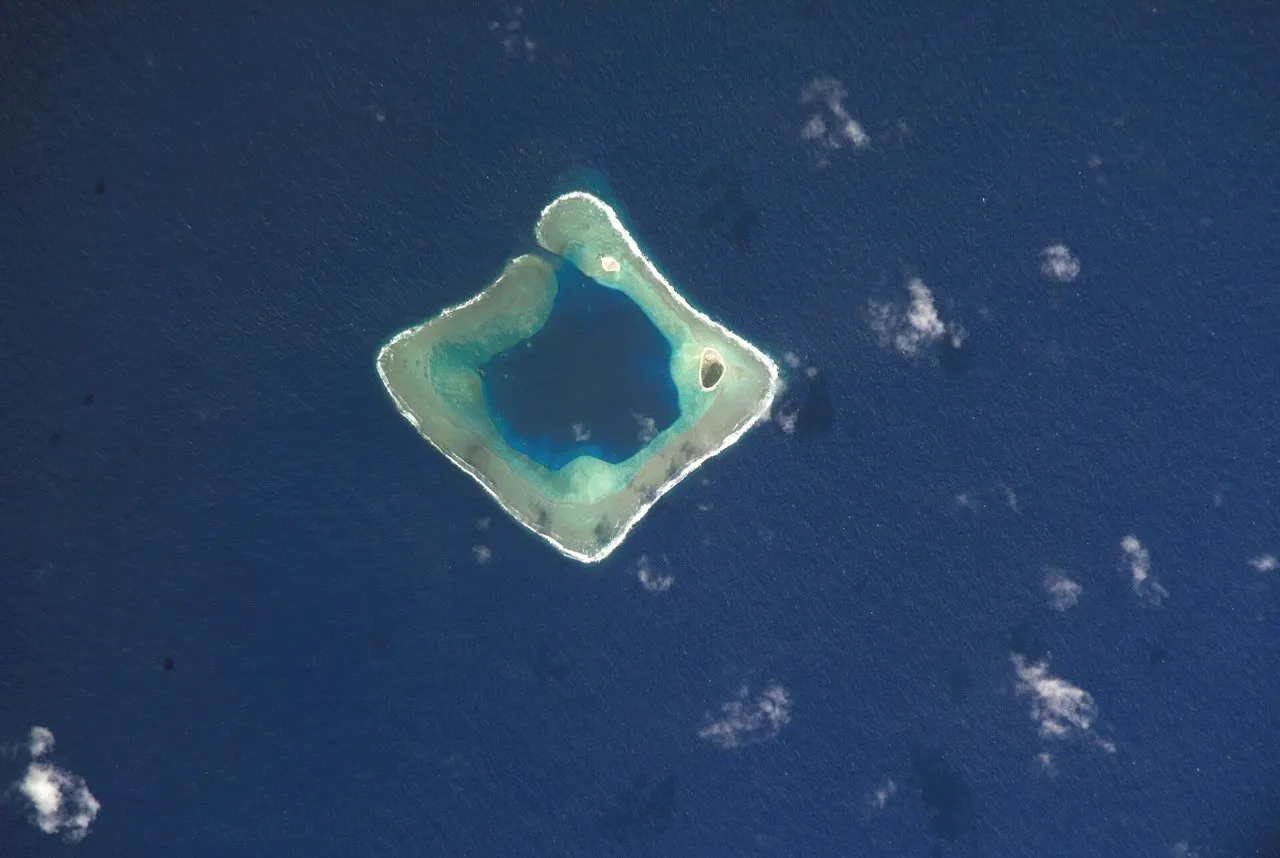
Rose Atoll sits near the waters that were sold, and it is among the most protected places in the region. The atoll is a small ring of coral and sand, home to seabirds, turtles and reef fish. It is a marine sanctuary, so the waters around it are meant to stay wild and free of heavy industry. The sale areas sit close to this sanctuary, which is a big part of why conservation groups are worried. Read about another rare place in the rare orange nurse shark found off Costa Rica.
Whales, Turtles, Sharks and Coral Reefs
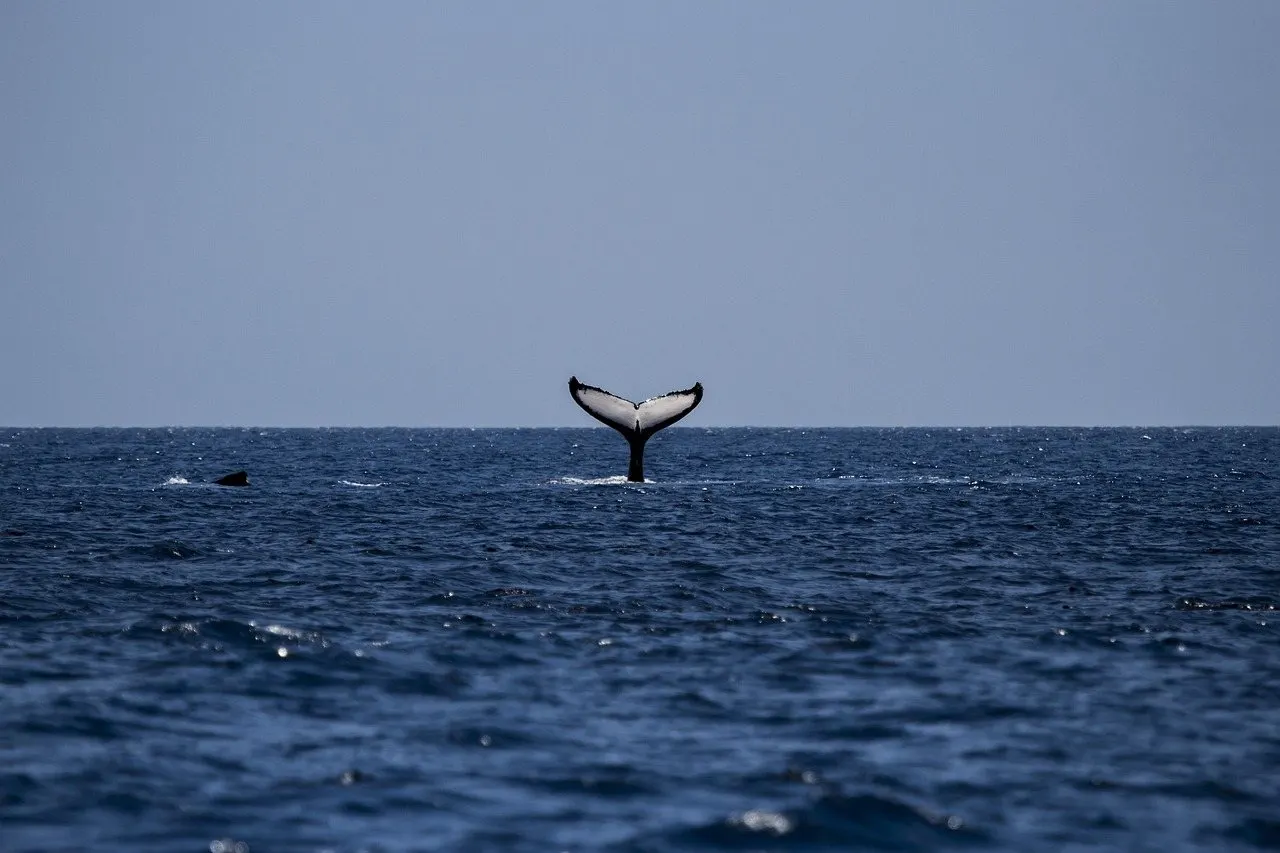
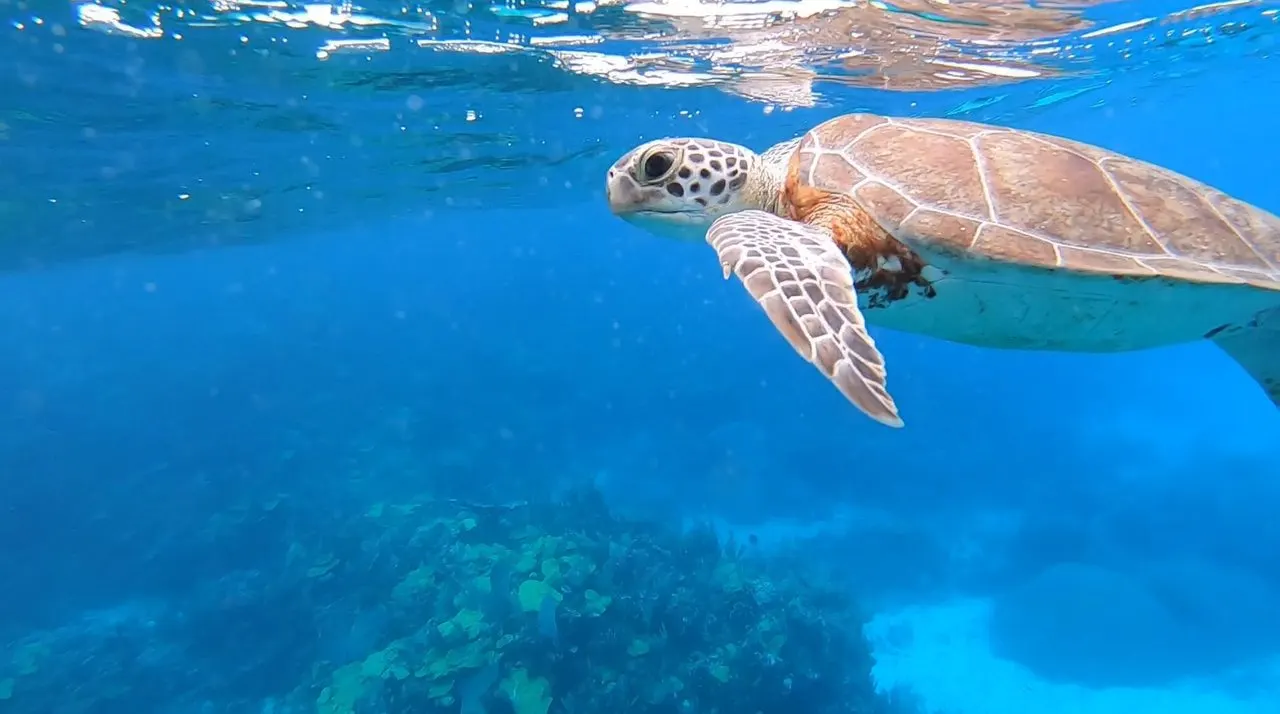
The waters near Rose Atoll hold whales, turtles, sharks and coral reefs, and that mix of life is what makes the area so special. Whales pass through on long ocean journeys, turtles nest and feed around the reefs, and sharks patrol the clear water above the coral. Coral reefs are nurseries for fish, sheltering countless small creatures that larger animals depend on. Mining the seabed nearby could stir up the water and harm this web of life. See other wild animals in the shelter dog who carried blankets to kittens.
The Lawyer Who Called the Pacific Seabed Auction a Renegade Act

Earthjustice attorney Chris Eaton won the case in court, and he did not hold back when the sale went ahead. He called the move a renegade, unlawful act, and said the Trump administration had gone ahead with a sale that a judge had just ruled unlawful. Eaton promised to fight to have the leases voided, setting the tone for the legal battle ahead. Earthjustice has a long record of big environmental cases in court. Read about other lawyers in the judge who ordered an 18 year old released.
The Fight to Have the Leases Voided

The fight now is to have the leases voided, and Earthjustice will take it to court. If the leases fall, the sale would be undone and the ocean floor would stay untouched. That is a big ask, because the money has changed hands and the buyer holds the leases. But the ruling from Judge Otake gives the lawyers a strong start, and they say the law is on their side. The case could take months, and both sides are ready. Read about other court fights in the fight over Fani Willis and legal fees.
The Interior Secretary Celebrated the Pacific Seabed Auction

Interior Secretary Doug Burgum celebrated the sale, and his words could not have been more different from the lawyers. He called it a historic step for America’s energy and mineral security, and he framed the auction as a win for the country. Burgum leads the department that oversees public lands and offshore resources, so his praise carried weight. His statement shows how the administration sees the sale, not as a legal risk but as a promise kept. Read about other cabinet voices in Trump’s return from Asia.
American Samoa Banned This Kind of Mining in 2024
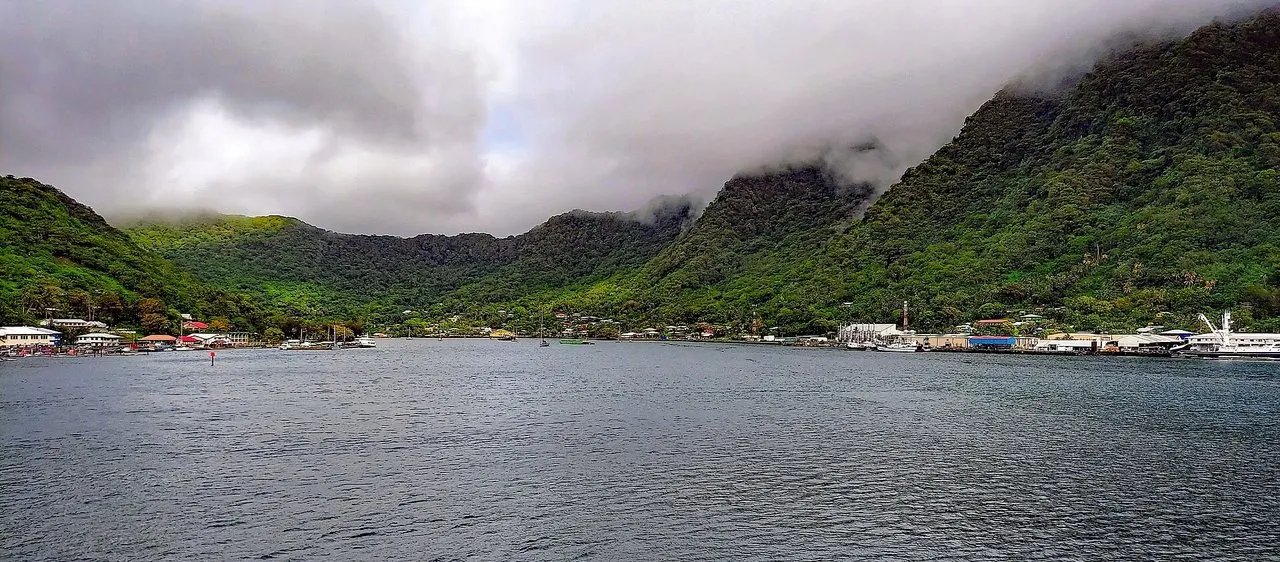
American Samoa banned this kind of mining in its own waters back in 2024, and that decision still stands. The territory drew a line around its own sea and said no to digging the ocean floor. The ban covers the waters American Samoa controls, and it shows how local leaders feel about protecting reefs and fish. The federal sale sits just beyond those waters, yet the ban still sends a clear message. Read about other local stands in Governor Shapiro’s speech on Trump and Putin.
The Governor of American Samoa Does Not Support It
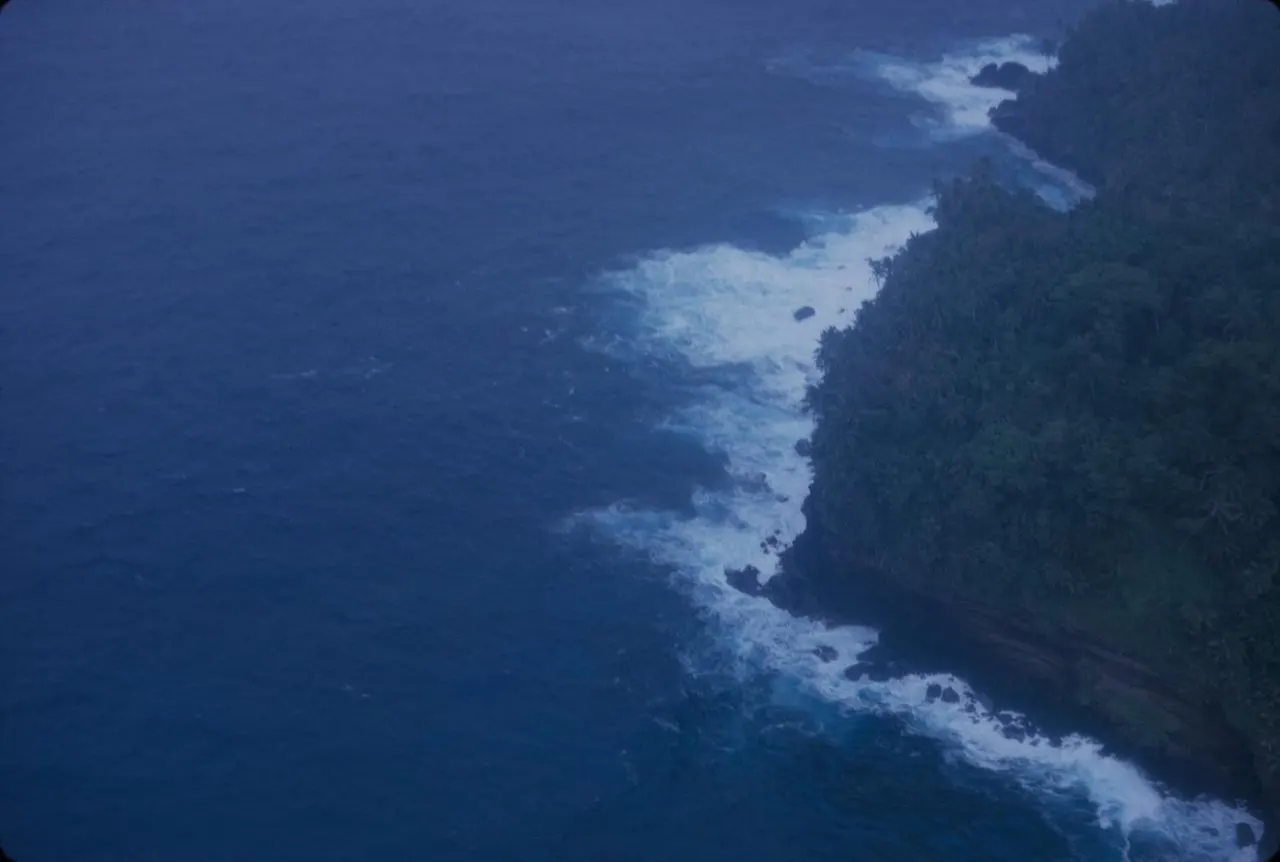
The governor of American Samoa has said on the record that he does not support this kind of mining. That matters, because the governor speaks for the people closest to the waters that were sold. Local leaders know the reefs, the fishing grounds and the storms, and they live with the results when the sea is harmed. The governor’s position puts the territory at odds with the federal sale, and gives the lawyers another voice on their side. Read about other governors in Governor Shapiro’s speech on Trump and Putin.
What Deep-Sea Mining Means After the Pacific Seabed Auction
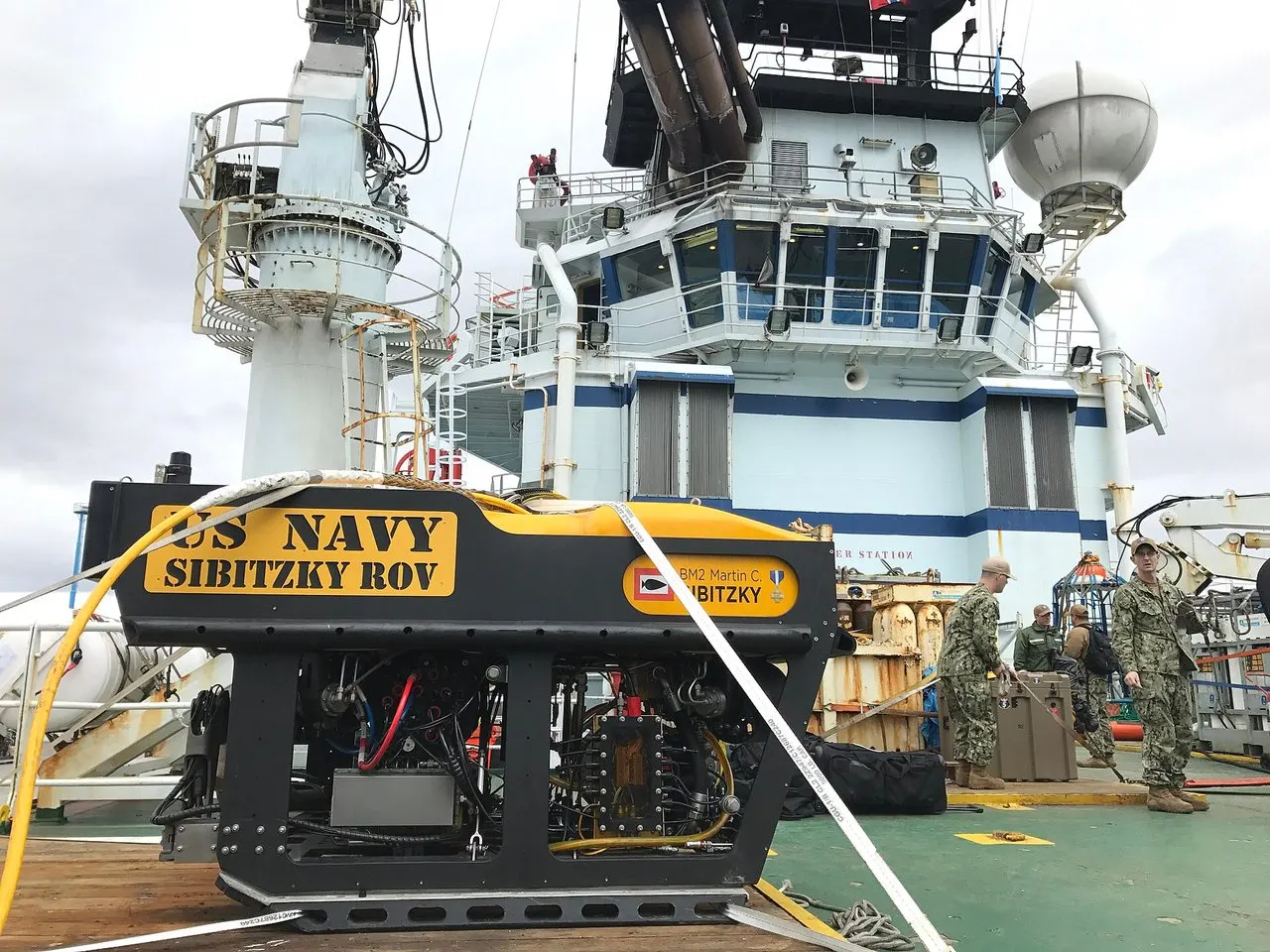
Deep-sea mining means scooping or cutting minerals from the ocean floor, thousands of feet below the surface. Machines crawl across the seabed, pick up lumps of metal rich rock and send them up to a ship, where the minerals are sorted out. The work stirs up clouds of sediment, and it can crush the slow growing life that lives down there. Supporters say the metals are needed, and critics say the damage is not worth it. Read about other big machines in whether data centers should share water use.
What Lies on the Ocean Floor
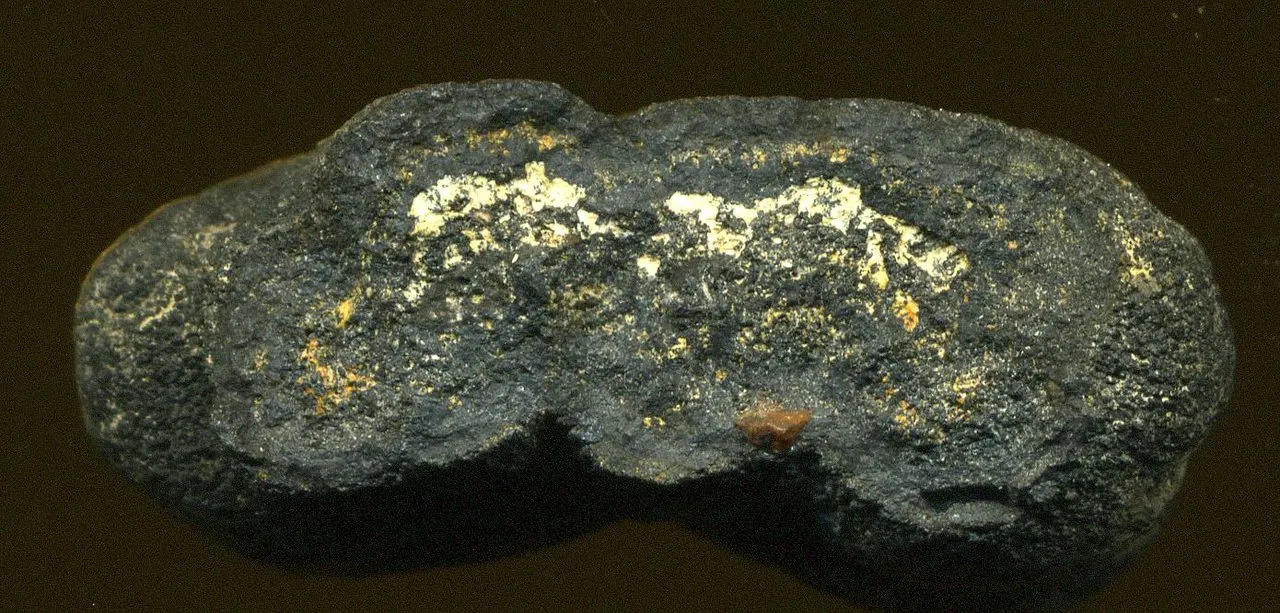
The ocean floor in this part of the Pacific holds lumps called polymetallic nodules, and they are the prize in this sale. These dark, potato sized lumps lie scattered on the seabed, and they hold metals such as nickel, cobalt, copper and manganese. They grow very slowly, over millions of years, and they sit on a floor that is home to strange and fragile creatures. Miners want the metals for batteries and electronics, and that demand is what drives the rush. Read about other hidden riches in Trump’s historic trip to China.
Why These Minerals Matter for Energy and Security
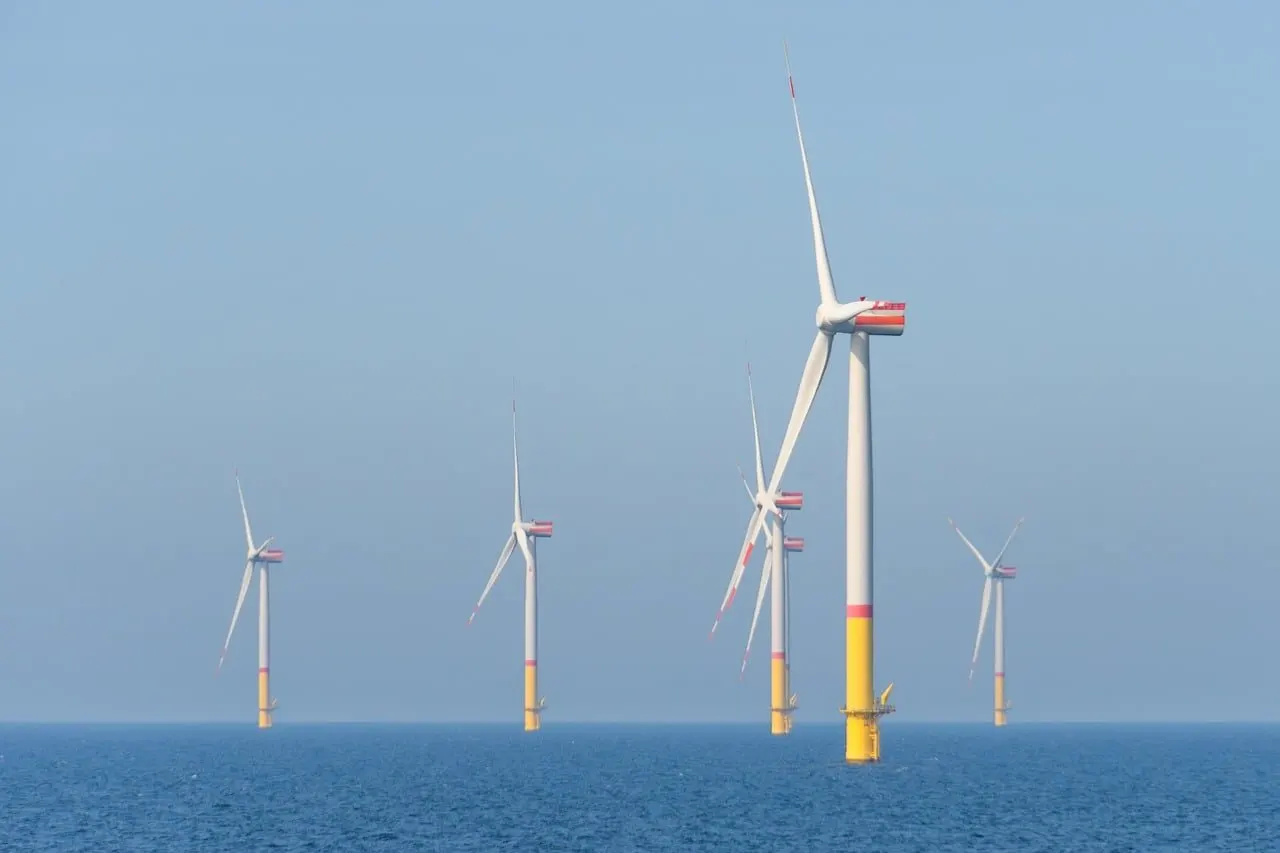
The seabed minerals matter because they are used in batteries, phones, electric cars and wind turbines. Nickel and cobalt help batteries hold a charge, copper carries power through wires, and manganese strengthens steel. Countries want a steady supply of these metals so they need not rely on rivals for the parts of a clean energy future. That is why the Interior Secretary called the sale a step for energy and mineral security. The question is whether the sea should pay the price. Read more in whether data centers should share water use.
The Legal Cloud Over the Pacific Seabed Auction

The legal cloud over this sale is thick, and it is not going away soon. One court has already ruled that the clearance behind the sale broke the law, and the reference headlines say two challenges remain before the courts. That means the buyer paid six million dollars for leases that may not survive. Lawyers on both sides are reading the ruling line by line, and the next hearings will test whether a sale held after a court said no can stand. Read more in the Milwaukee judge arrest case.
What Happens Next in Court

What happens next in court will decide if the leases live or die. The lawyers who won on Monday will ask a judge to void the leases, and the government will defend the sale. Hearings will weigh whether the agency can fix the broken clearance or the whole sale must fall. Both sides know the stakes, because the ruling could shape every seabed sale that follows. The courts move slowly, so the answer may take months. Read about other court battles in the judge who ordered an 18 year old released.
Four Days From a Ruling to a Pacific Seabed Auction

Four days passed between the ruling and the sale, and that short gap is the heart of this story. On Monday, a federal judge said the clearance behind the sale broke the law. On Thursday, the auction went ahead anyway, and the ocean floor was sold. Four days is barely enough time for lawyers to file papers, let alone for a court to step in. The speed of the sale is why critics call it a renegade act. Read about other fast moving stories in Trump walking into the briefing room after China.
An Area the Size of a State
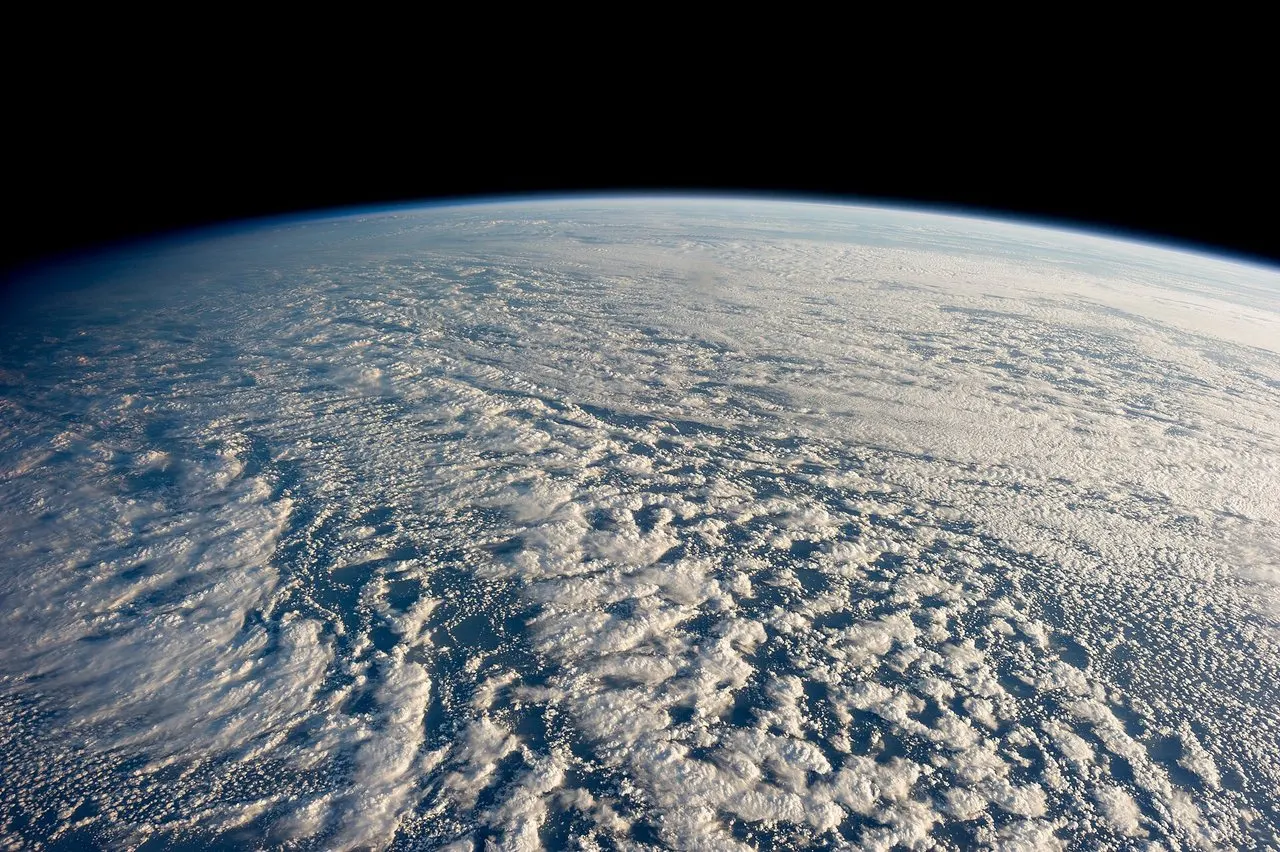
An area the size of a state is hard to picture, and that is what was sold. Thirty one million acres is more land than many whole states, and here it is ocean floor, deep water and reef, sold in two pieces. If you drove across it, the trip would take days, and if you flew over it, the sea would stretch to the horizon in every direction. The size makes the six million dollar price look even smaller. Read about other vast places in the two Americas with two very different maps.
What an ESA Concurrence Is Supposed to Do
An ESA concurrence is the formal word from wildlife experts that a project will not harm protected species. Before the government can sell off ocean floor, it must ask the experts to look at the effects on whales, turtles and other listed animals. The concurrence is meant to be a careful check, not a rubber stamp, and it must be based on real study. Judge Otake found that the agency failed to even attempt that check, which is why the clearance fell. Read more in Trump’s noon news conference after the China trip.
Why the Pacific Seabed Auction Worries Conservation Groups
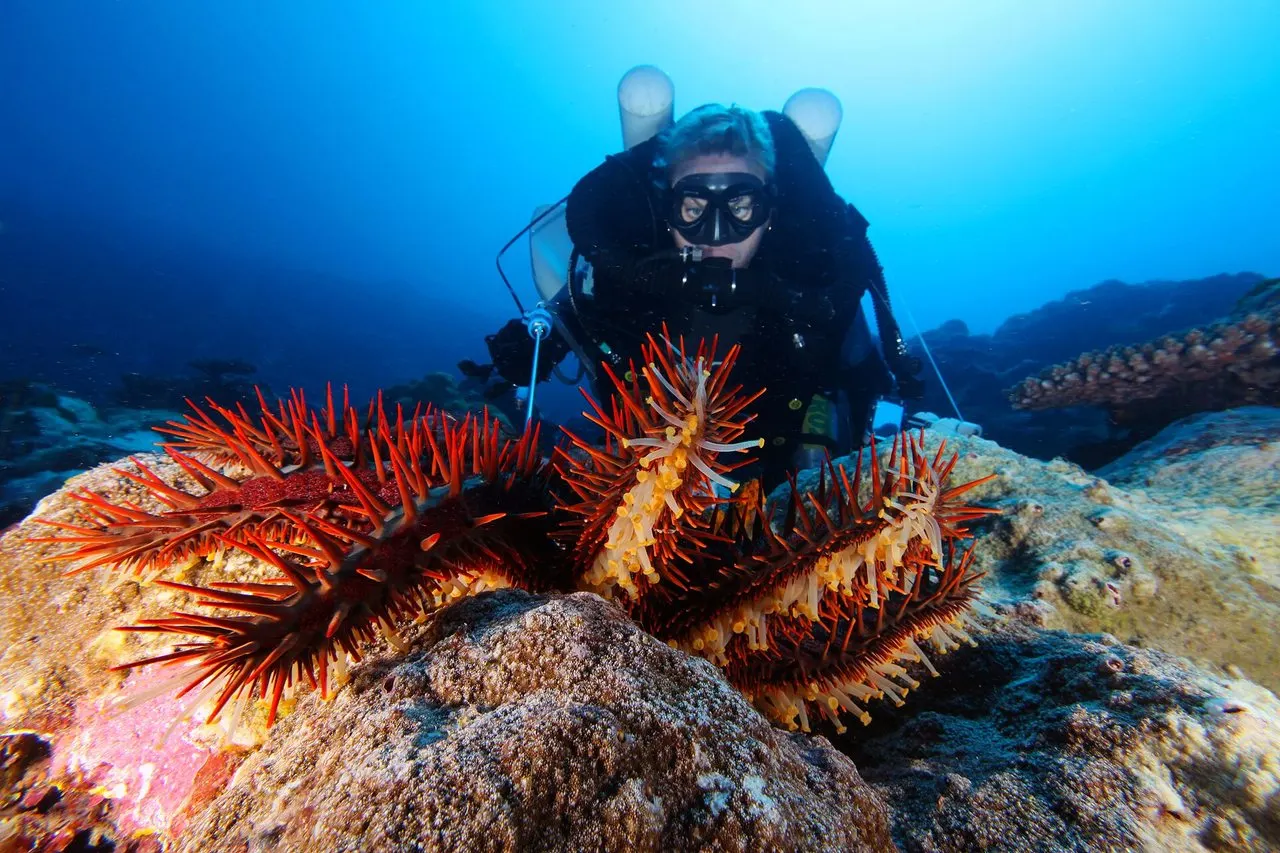
Conservation groups worry because the Pacific seabed auction opens the door to more sales like this one. Once machines start working the ocean floor, the damage can last for decades, and the slow growing life down there may never come back. Groups like Earthjustice say the law must be followed first, and they point to the judge’s ruling as proof. The fight is not just about one sale, but about how the ocean is treated. Read more in Melania Trump and her 5 person office.
What the Sale Means for the Pacific
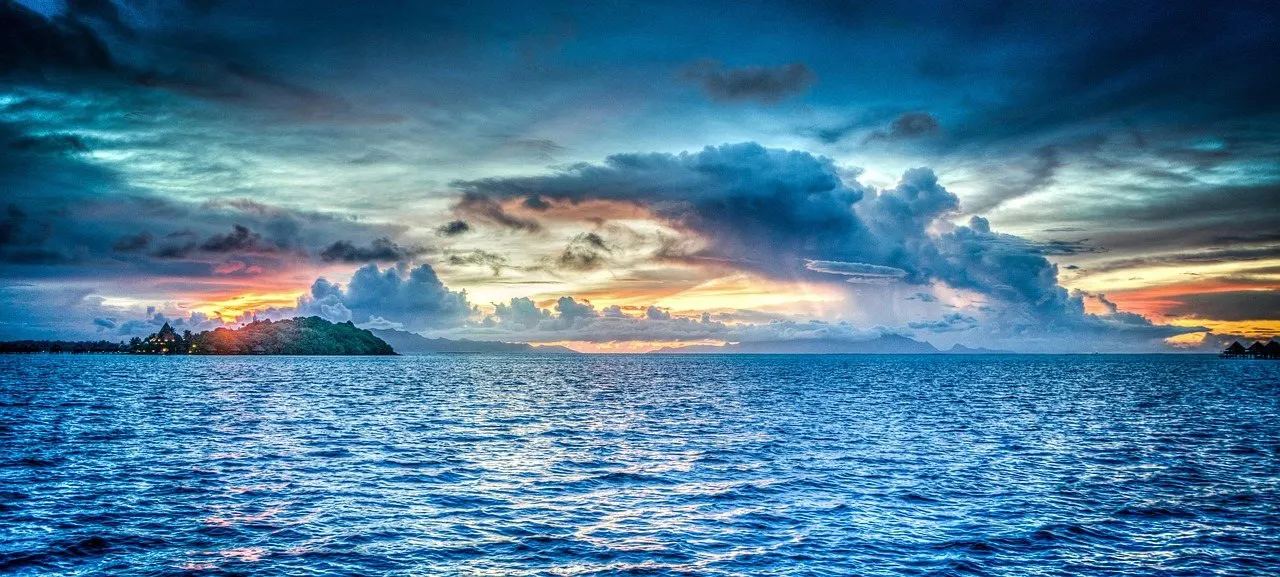
What the sale means for the Pacific is still unfolding, and island nations are watching closely. The Pacific is the largest ocean on Earth, and its islands depend on healthy seas for food, work and culture. A sale like this one tells miners that the ocean floor is open for business, and it tells islanders that their voices may count for less. The ruling and the fight that follows will set the tone for years. Read more in the first trilateral summit in Shenzhen.
What Do You Think of the Pacific Seabed Auction?
This sale raises a simple question, and it is one that every reader can answer. Should a sale go ahead after a judge has ruled it unlawful, or should the courts have the last word? The lawyers will keep fighting to void the leases, the government will defend the sale, and the ocean will wait for the answer. What do you think? Share your thoughts in the comments below, and keep reading Trump’s historic trip to China.