Mamdani Protest Reform Disbands the NYPD Strategic Response Group
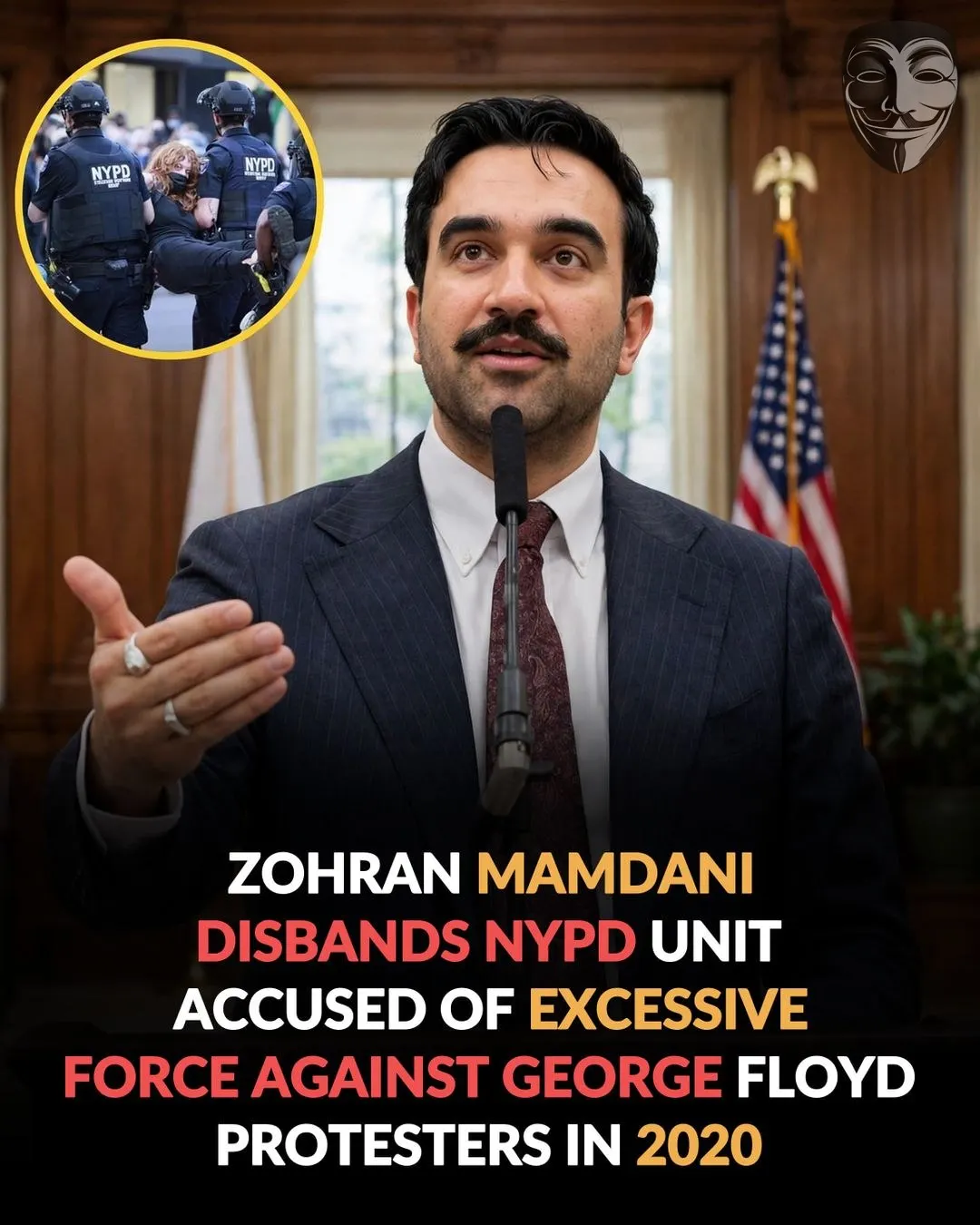
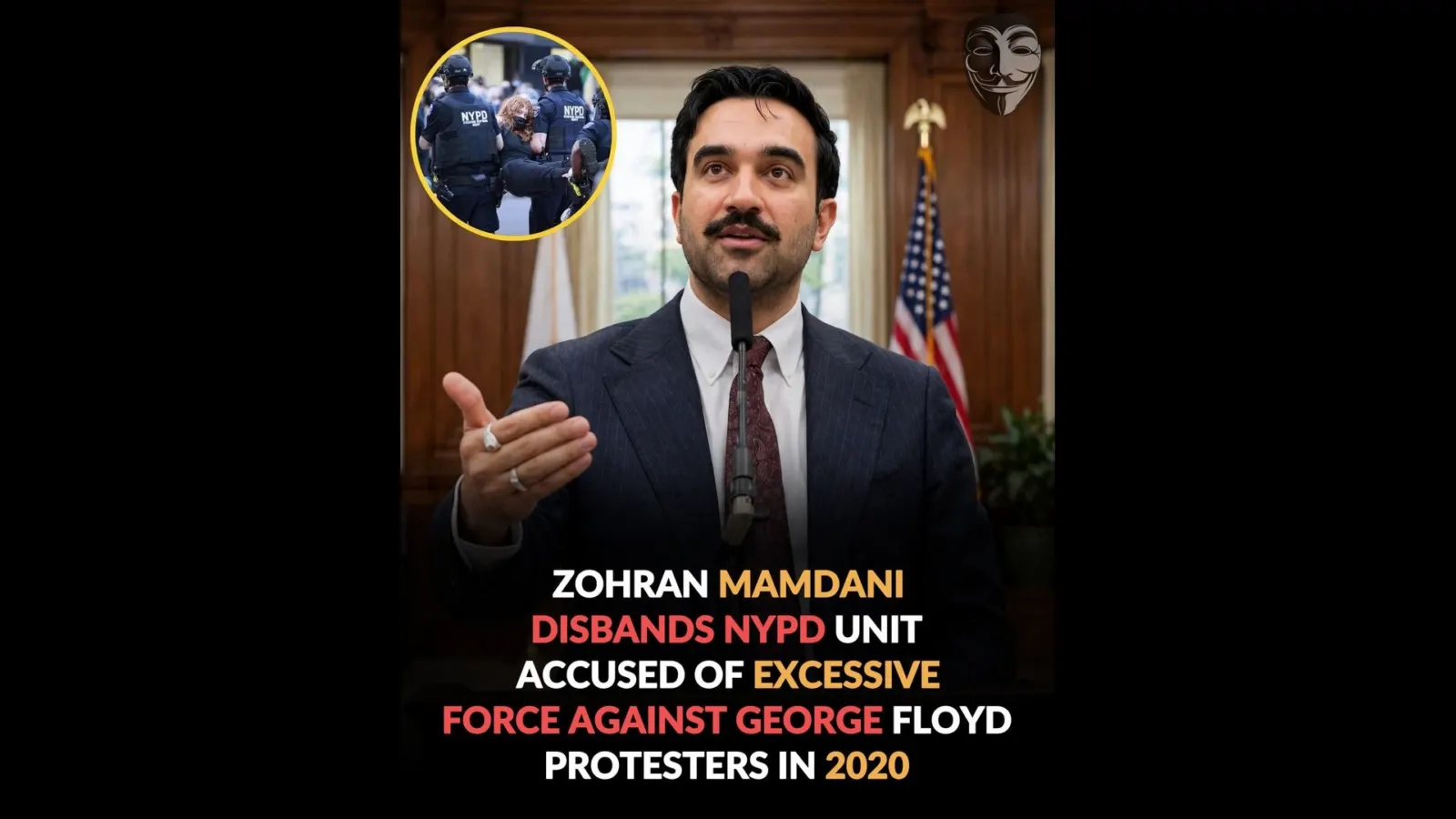
Mamdani protest reform took a major step on November 16, 2026, when New York City Mayor Zohran Mamdani and Police Commissioner Jessica Tisch announced plans to disband the NYPD Strategic Response Group. The unit was formed in 2015 and handled counterterrorism, major emergencies and large demonstrations across the city. For years it faced criticism and lawsuits over its handling of the 2020 George Floyd protests, and many people in New York had waited a long time for a clear decision about its future.
Under the new plan, protest response will be separated from counterterrorism work, and a new civilian led division will focus on communication, de-escalation and peaceful crowd management. Thirty specially trained NYPD officers will support that division, while tactics such as kettling and tear gas will be restricted during protests. Supporters see the change as a step toward accountability, while critics worry about serious threats. You can read more in our report on the Rikers Island plan and our story about the delivery fee warning.
References:
Legal Aid Society: Mayor Takes Important First Steps on Protest Policing Reform
Streetsblog New York City: Mayor Mamdani Promises To De-Weaponize Bikes As Part Of Police Reform Effort
Word In Black: Mamdani Disbands NYPD Unit Accused of Brutalizing Protesters
Law360: Mamdani Disbands NYPD Unit, Overhauls Protest Policing
Mamdani Protest Reform Begins on November 16, 2026
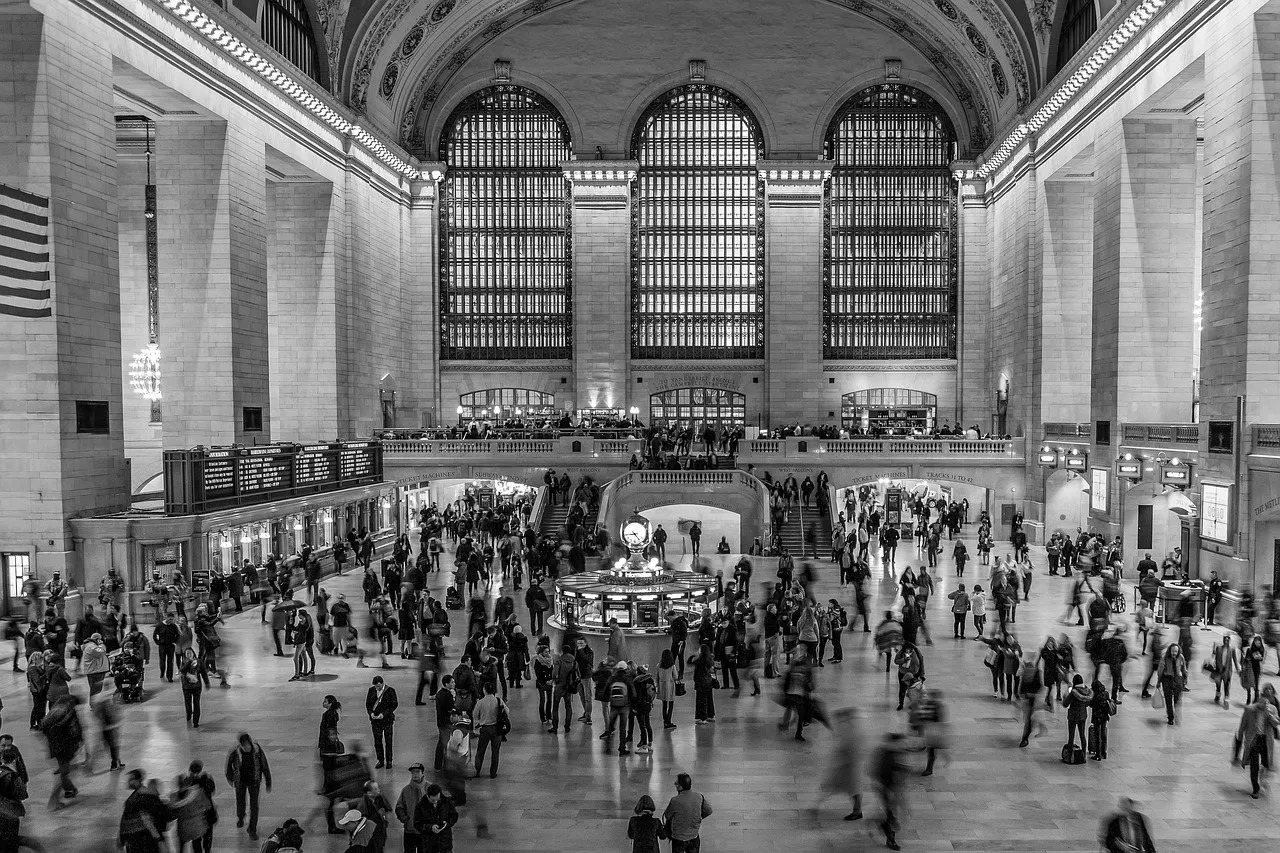
The announcement came on November 16, 2026, a date that now marks the start of a major change in how New York City handles protests. Mayor Zohran Mamdani and Police Commissioner Jessica Tisch spoke together, which showed that the plan had support from both City Hall and the police department. They said the Strategic Response Group would be disbanded, and they set out a different way of working that puts talking and calm crowd management first, with clear limits on forceful tactics. Read more in the carriage ban plan.
A Mayor and a Commissioner Make the Announcement Together
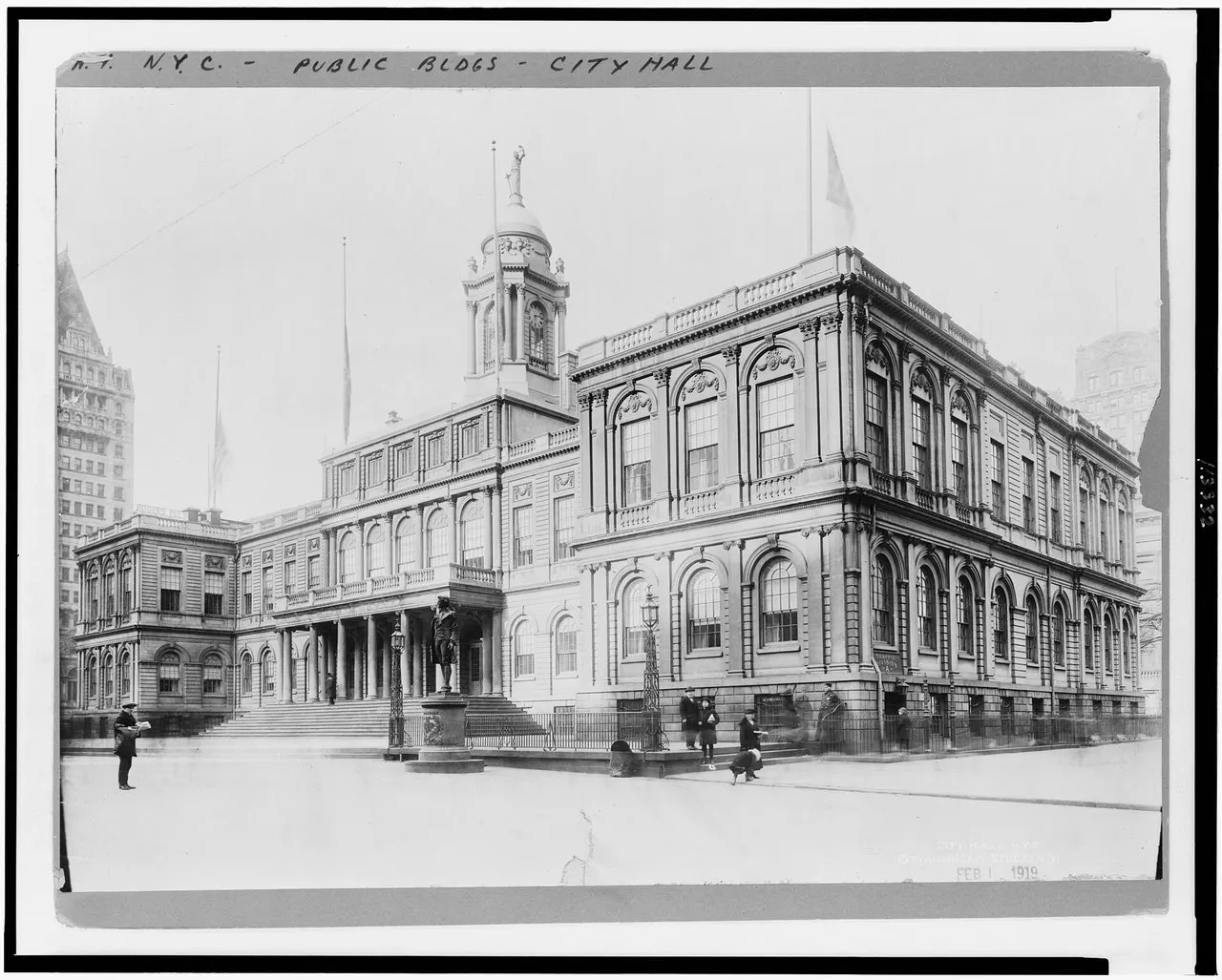
Mayor Zohran Mamdani is the mayor of New York City, and Jessica Tisch is the city police commissioner, so their joint announcement carried weight for people on both sides of the debate. When a mayor and a police commissioner agree in public, it signals that a plan has been worked through inside the city government and not just promised in a speech. Their shared message was simple, the old unit would go, and a new approach to protests would take its place in the city. Read more in the Michigan sound treatment.
Who Is Mayor Zohran Mamdani
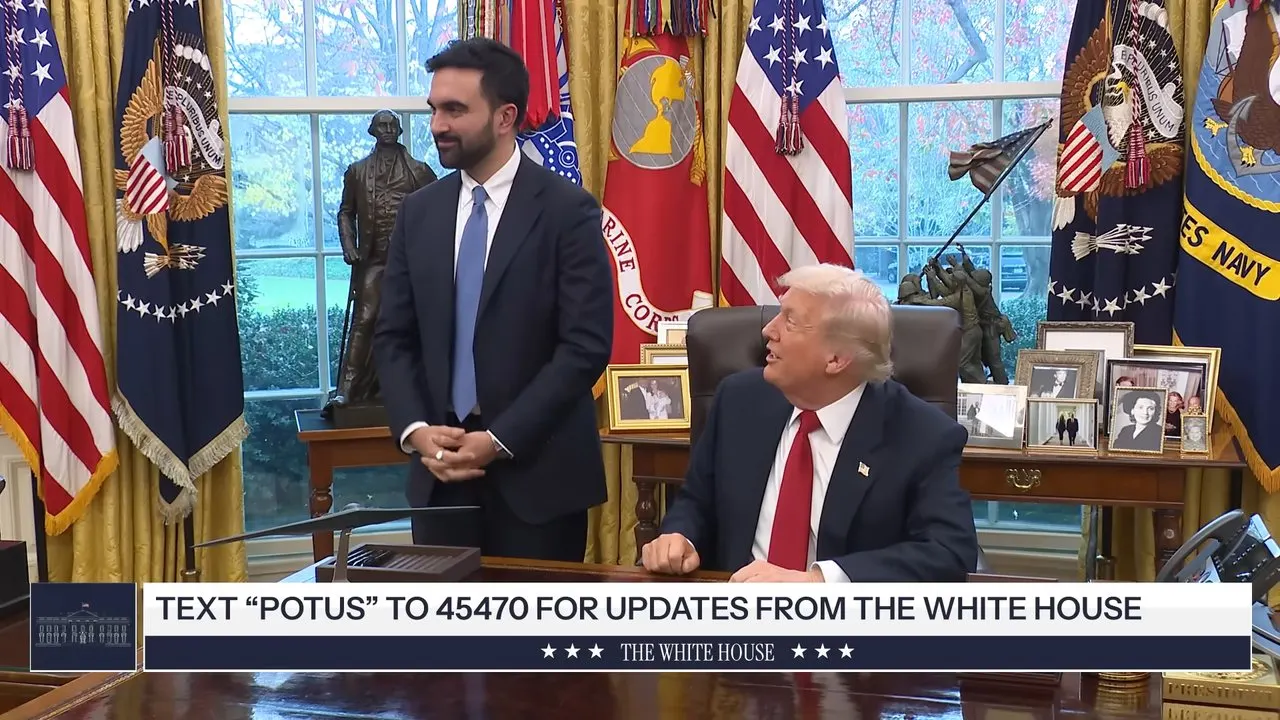
Mayor Zohran Mamdani leads New York City, and this decision was one of his major campaign promises, so many voters were watching to see if he would keep his word. He announced the plan with Police Commissioner Jessica Tisch on November 16, 2026, and he framed it as a change in protest policing, not a change in the city duty to keep people safe. For his supporters, the announcement was proof that a promise made during the campaign would now become real policy in office. Read more in the GTA VI return.
Mamdani Protest Reform Fulfills a Campaign Promise
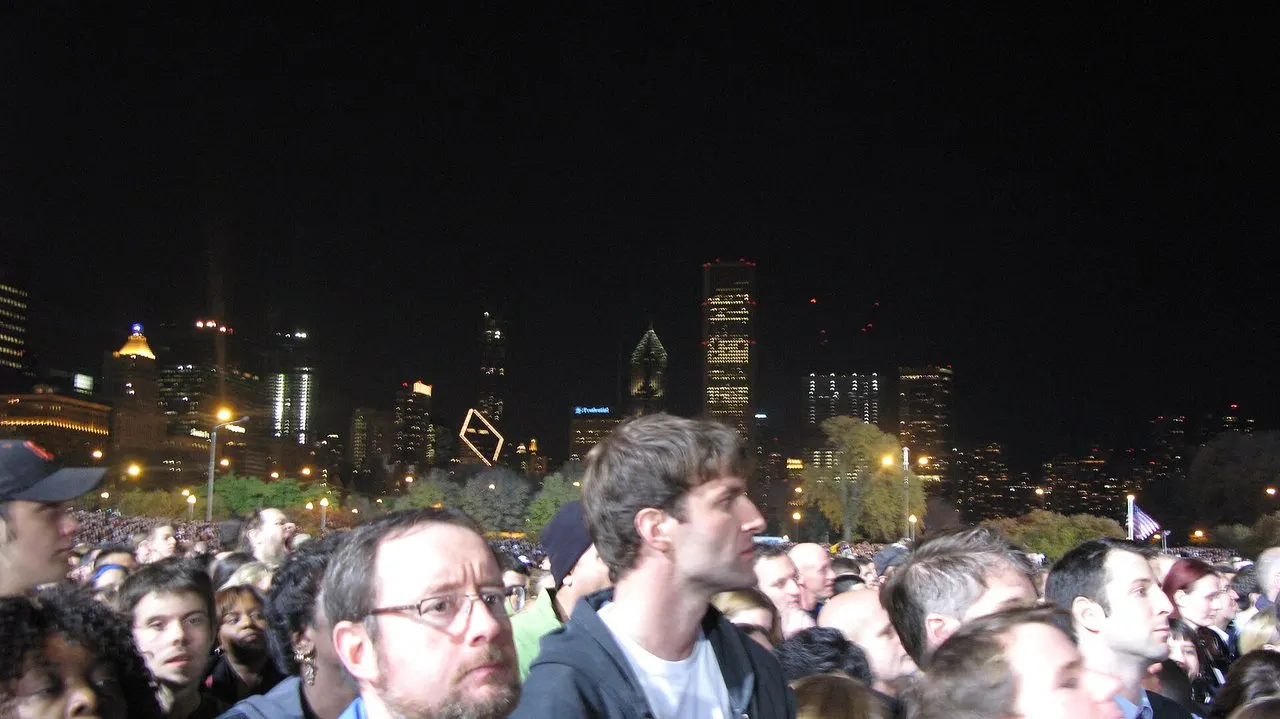
Mamdani protest reform was a major campaign promise, and the November 16, 2026 announcement showed that promise turning into action. Campaign promises matter because voters judge leaders by what they do after the election, not only by what they say before it. In this case the promise was clear, to disband the Strategic Response Group, and the plan set out how protest response would change. That link between a promise and a public plan is why the news drew so much attention across the city. Read more in the sound wave treatment.
What the Strategic Response Group Was Built to Do
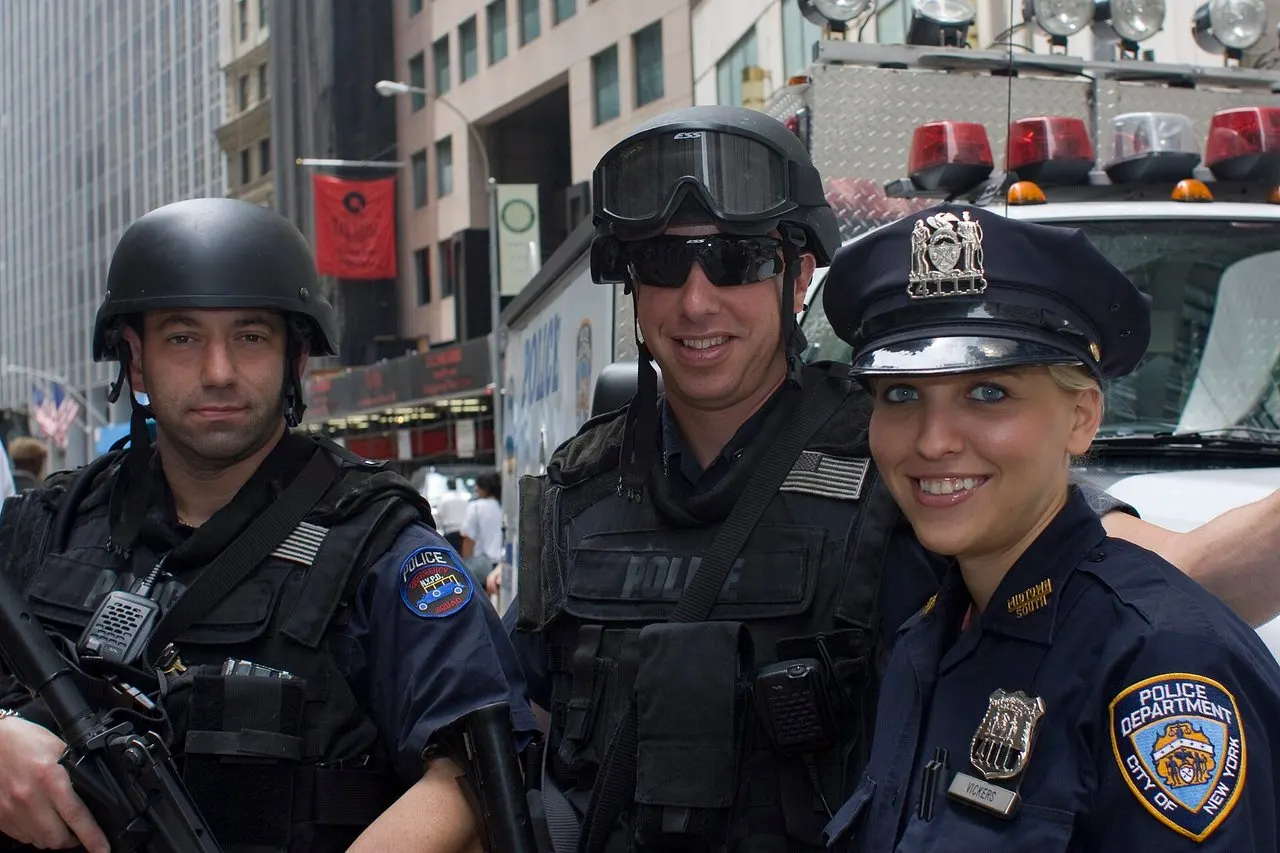
The Strategic Response Group was a unit of the New York Police Department with a wide job, and its work covered counterterrorism, major emergencies and large demonstrations. That mix meant the same officers could be called to a serious threat one day and to a street protest the next, which is a very different kind of work. Supporters of the old setup said a flexible unit was useful, while critics said mixing those jobs was part of the problem, because protest crowds need a calm and patient response. Read more in the public services guide.
A Unit Formed in 2015 for Serious Threats
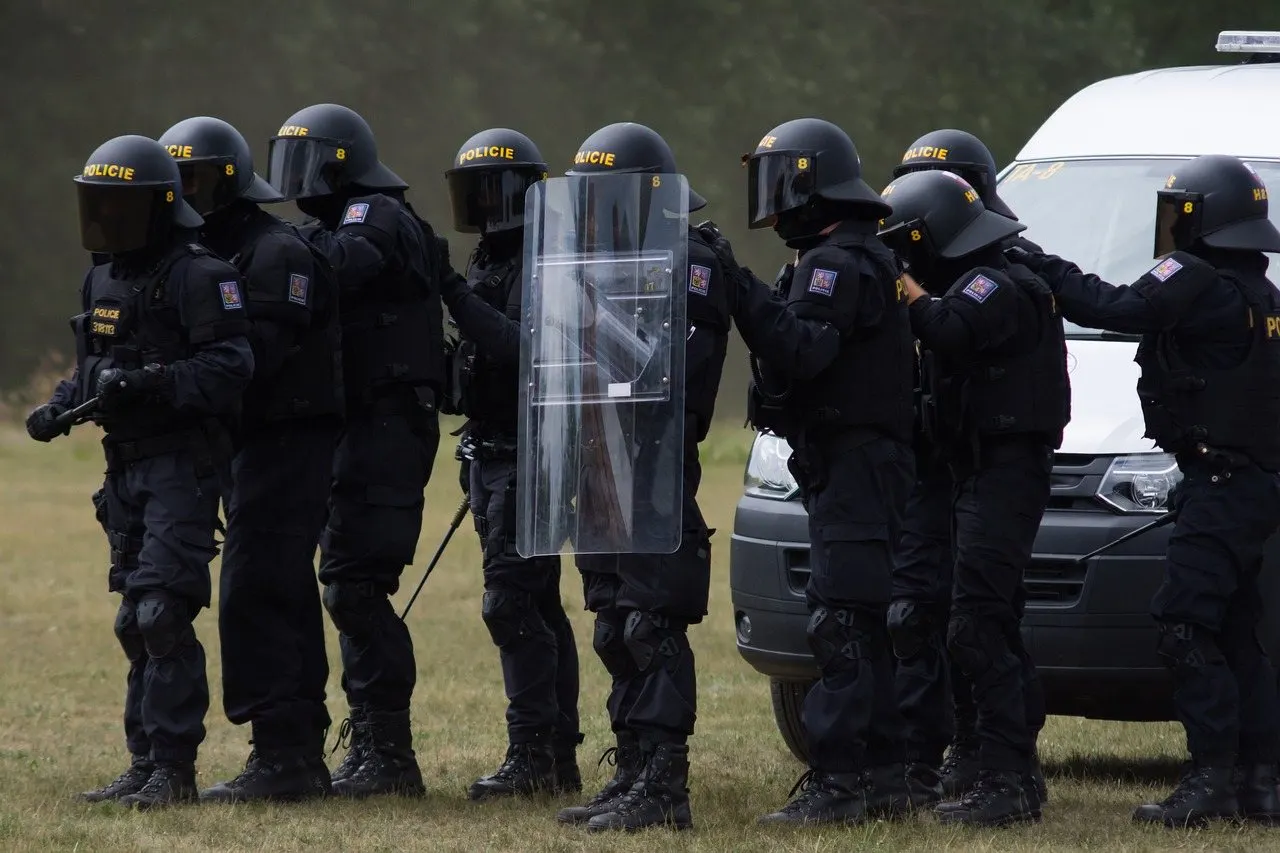
The unit was established in 2015, at a time when cities were thinking hard about how to respond to serious threats and large public events. Over the years it became a familiar part of policing in New York City, and its officers were often seen at major gatherings, emergencies and protests. A unit that has been in place for years develops its own habits and routines, so ending it is not a small step. It means changing training, leadership and the way officers are sent to the streets. Read more in the Iran intelligence report.
Mamdani Protest Reform Separates Protest Response From Counterterrorism
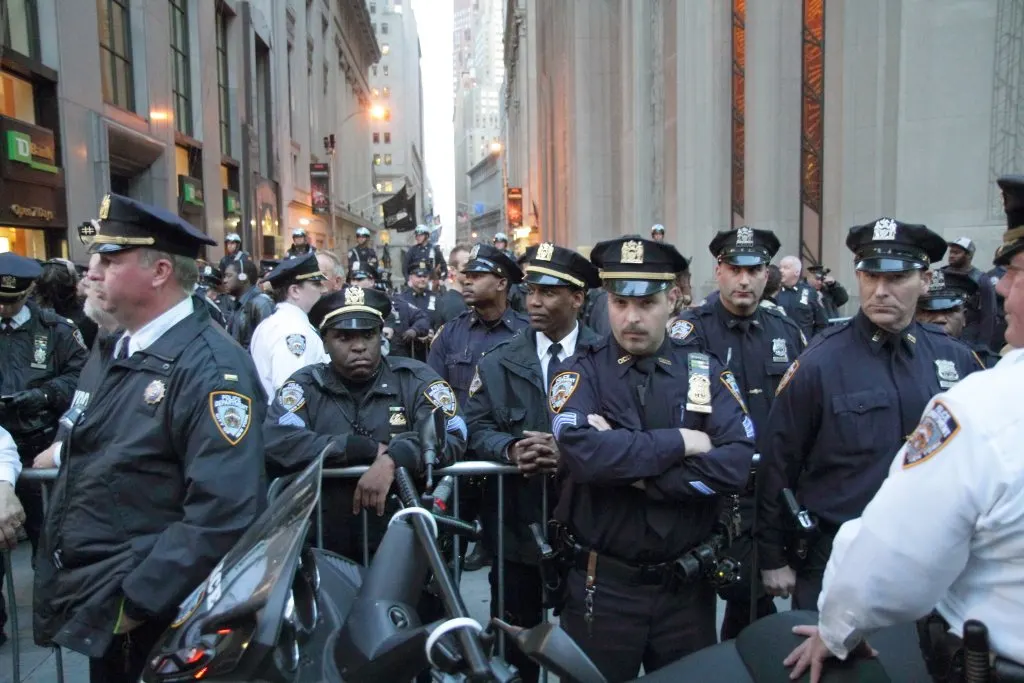
One of the clearest parts of the new plan is the separation of protest response from counterterrorism work, so the two jobs will no longer sit in the same unit. That change matters because a protest is a public gathering of people using their voice, while counterterrorism work deals with serious threats to safety, and the skills for each job are different. By keeping them apart, the city hopes protest officers can focus on talking, listening and keeping the peace, while other teams handle threats. Read more in the Kevin Hart story.
Counterterrorism Work Will Continue in a Different Form
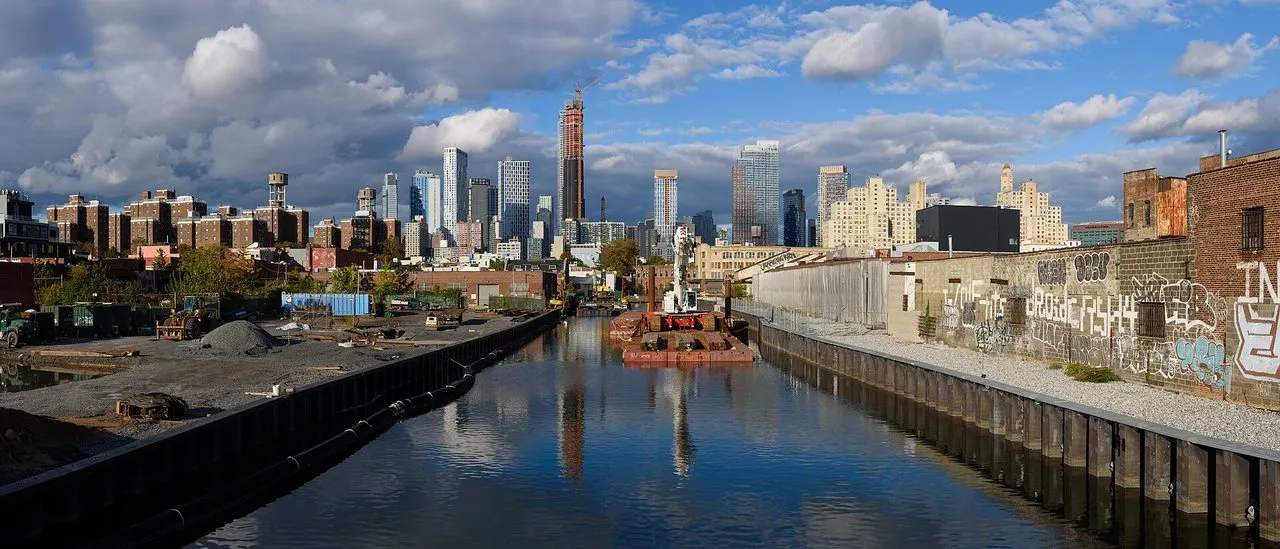
Separating protest response from counterterrorism does not mean the city will stop working to prevent serious threats, and that point matters to people who worry about safety. Counterterrorism work will continue, but it will be handled apart from the teams that manage protests, so each kind of work can be planned and trained for on its own. Critics still ask whether the change will weaken the response to a real emergency, and that question is likely to stay part of the public debate. Read more in the China flight briefing.
Major Emergencies Were Part of the Unit’s Work
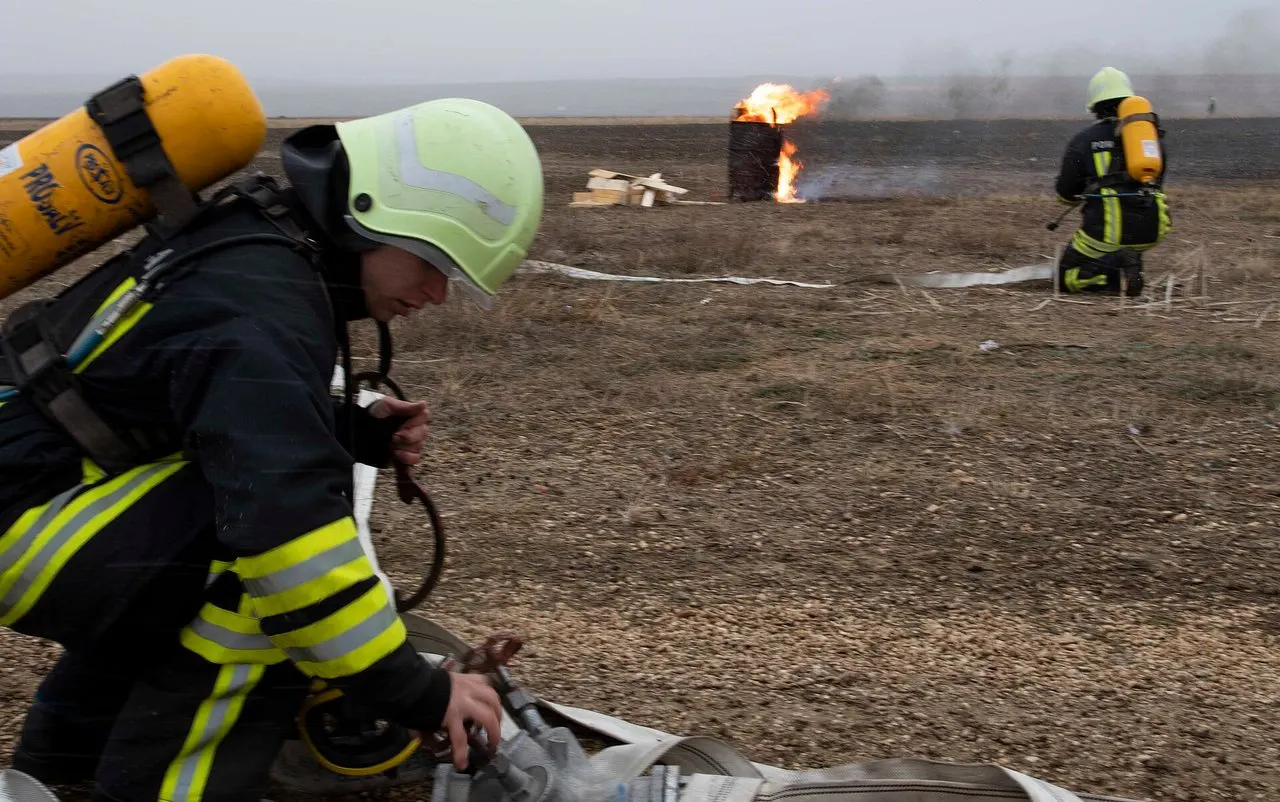
Major emergencies were also part of the work of the Strategic Response Group, and that role covered large and sudden events that need a fast and organised response. When a major emergency happens, police, fire and medical teams must work together, and clear roles help them act quickly without confusion. The new plan will need to show how that kind of response will be organised after the unit is gone, because people in the city want to know that help will still arrive fast when it is needed. Read more in the Francis Leo Marcos case.
Mamdani Protest Reform Follows Years of Criticism
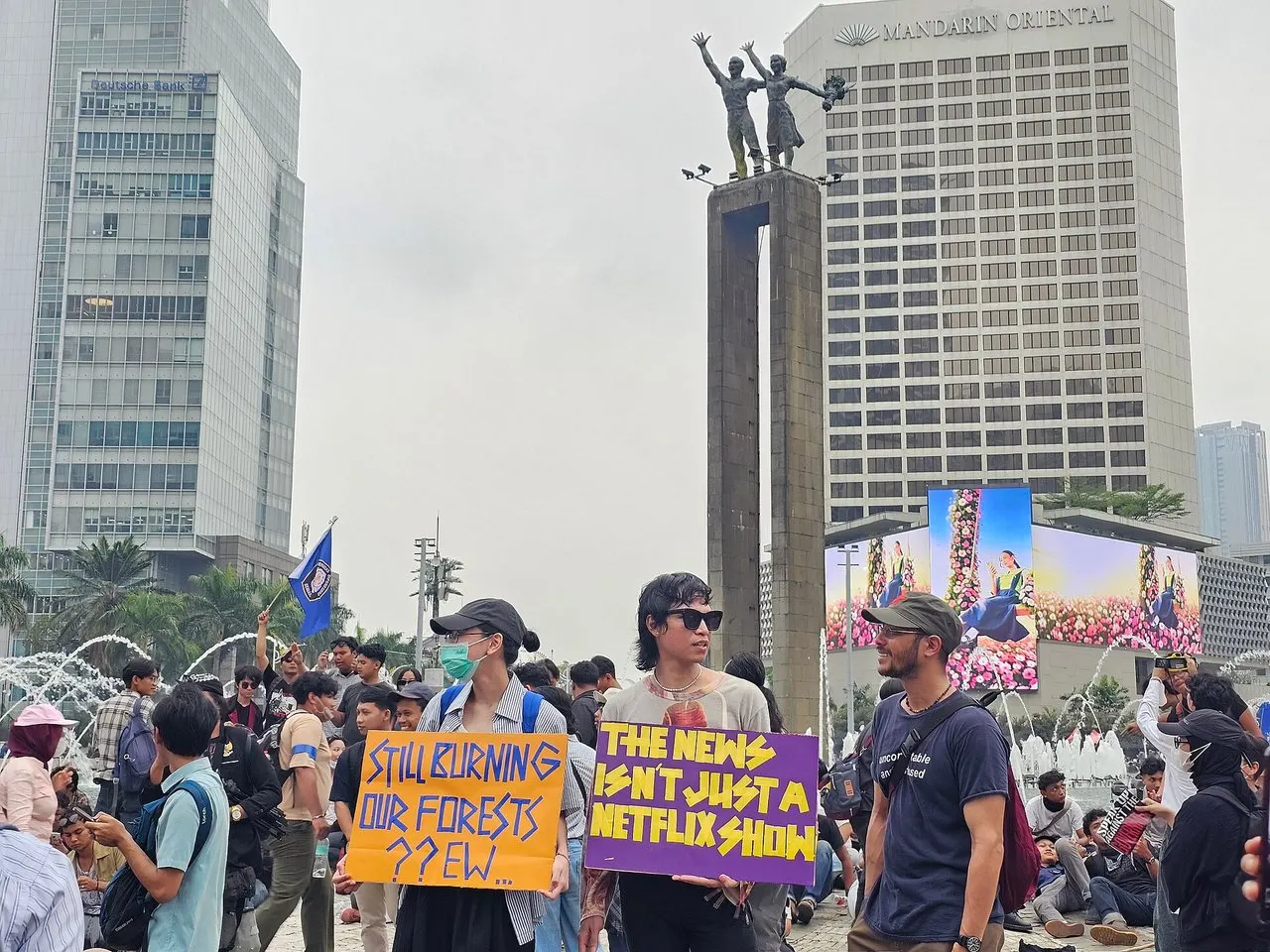
The decision did not come out of nowhere, because the unit faced years of criticism from protesters, lawyers and community groups who said its tactics were too harsh. Criticism that builds over years can change public trust, and it can also lead to lawsuits that test police actions in court. The announcement in November 2026 was the moment when that long criticism turned into a formal plan to end the unit and try a different approach to protests in New York City. Read more in the Rikers Island plan.
The 2020 George Floyd Protests Changed the Debate
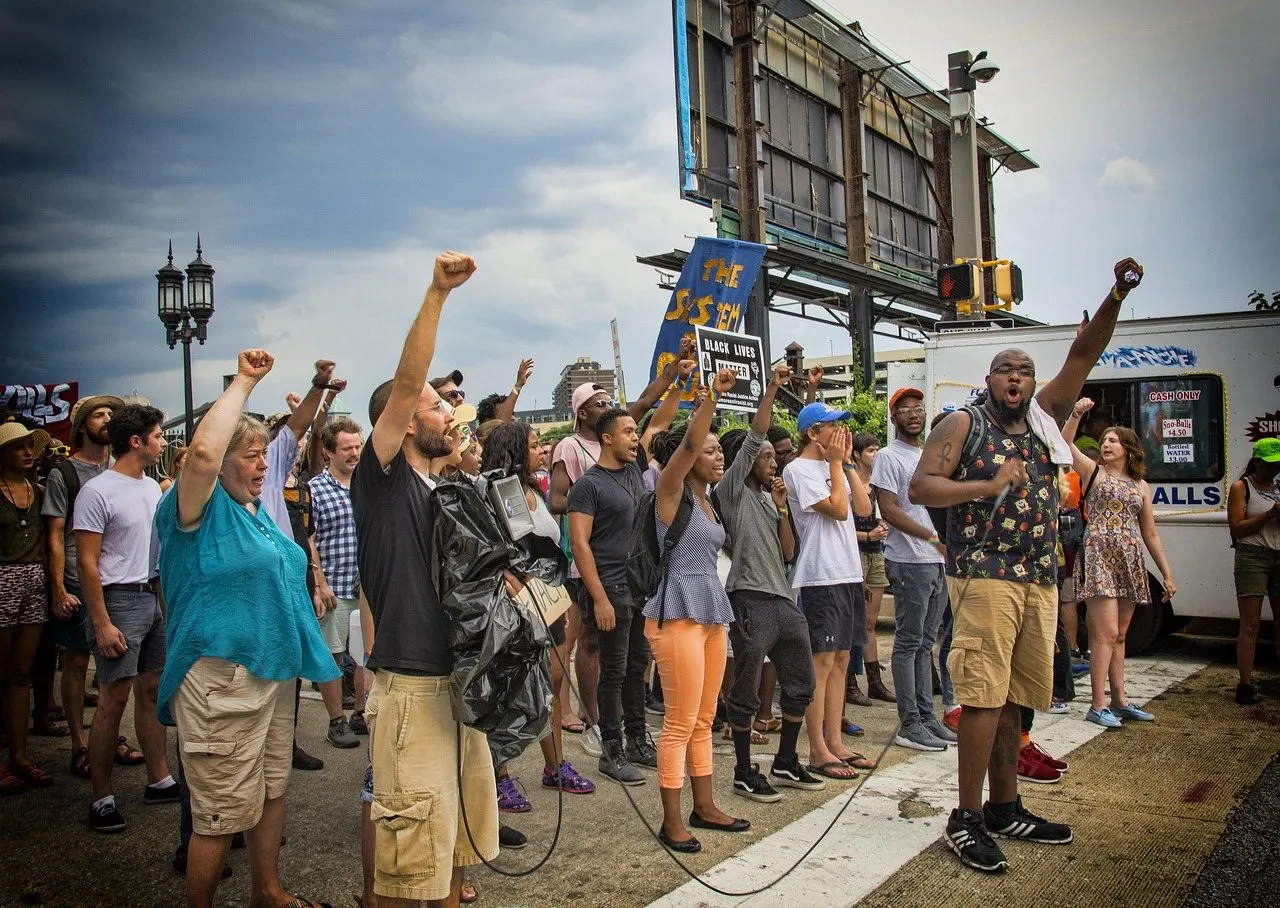
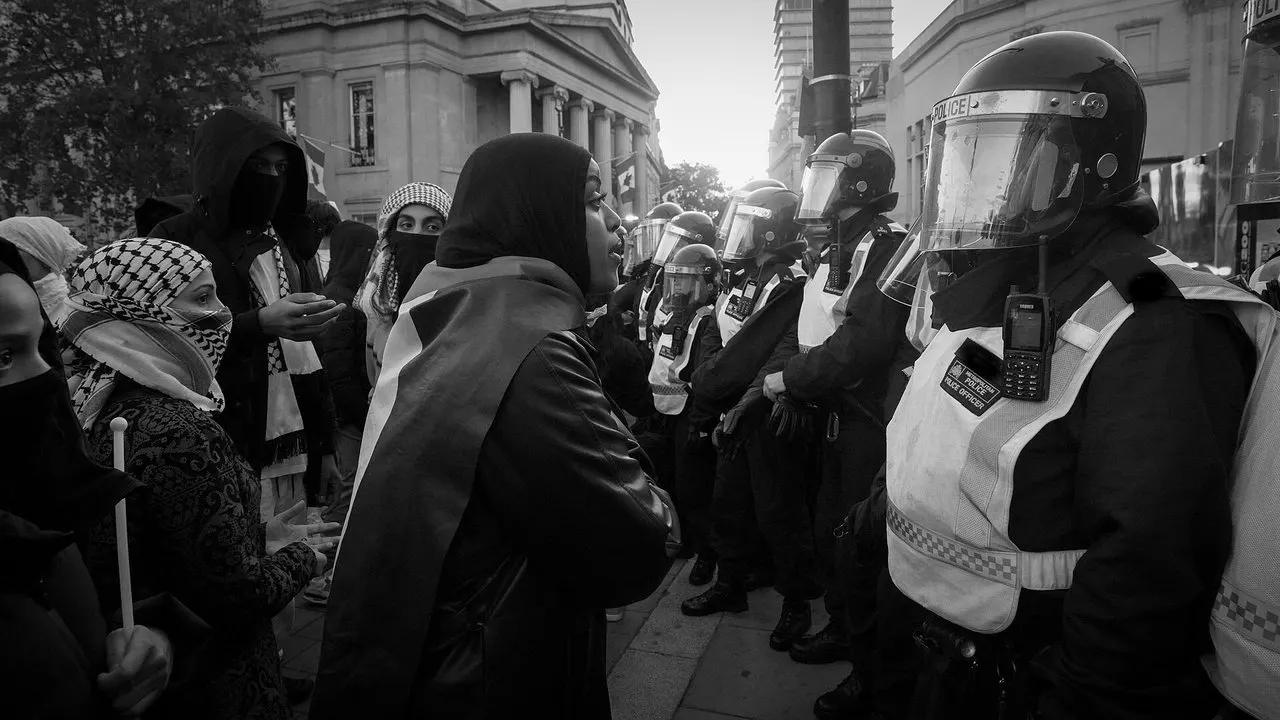
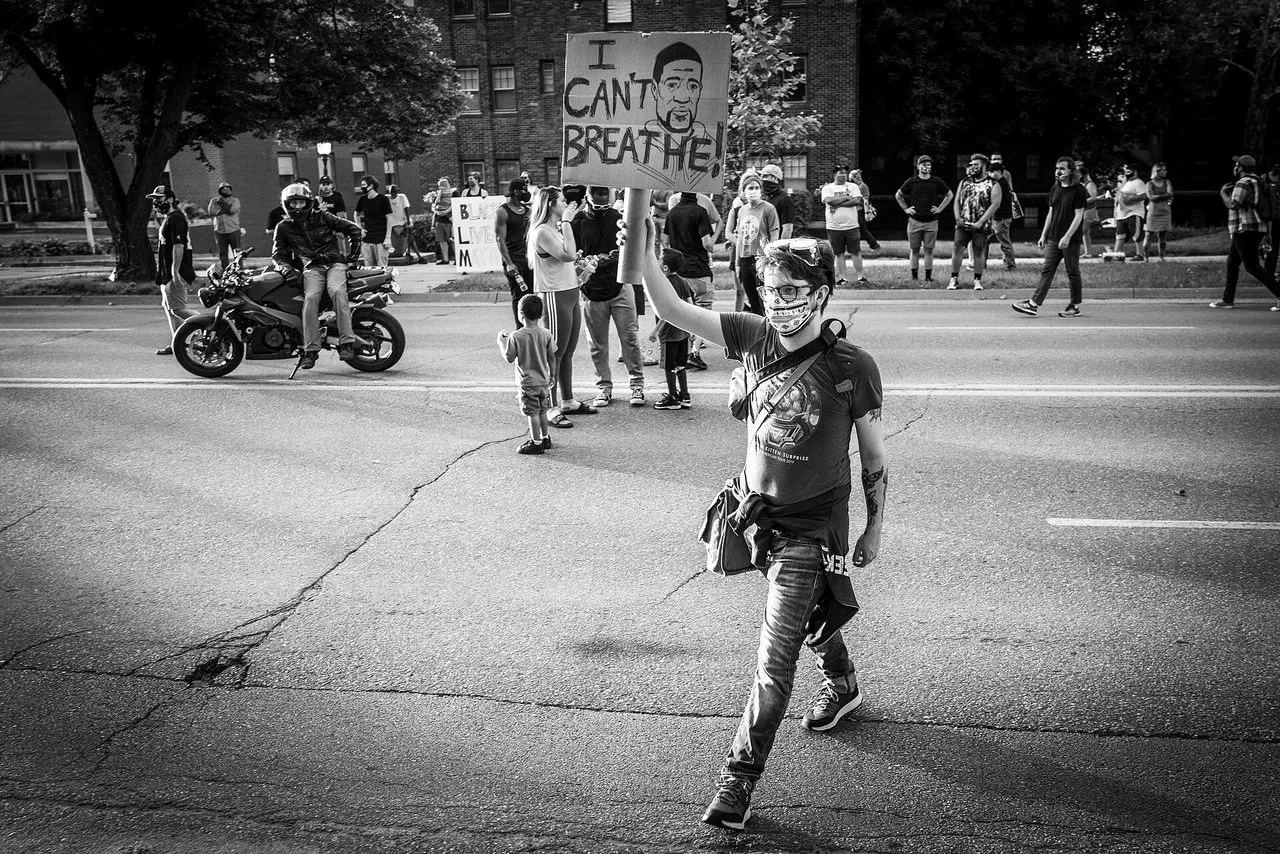
The 2020 George Floyd protests were a turning point in the debate about policing in the United States, and they brought large crowds onto the streets of New York City and many other cities. People marched to call for change after the death of George Floyd, and the way police handled those crowds became a central question. The Strategic Response Group was at the centre of that debate, because its officers were involved in the protest response and their actions were widely criticised at the time. Read more in the carriage ban plan.
Allegations of Excessive Force Against Protesters
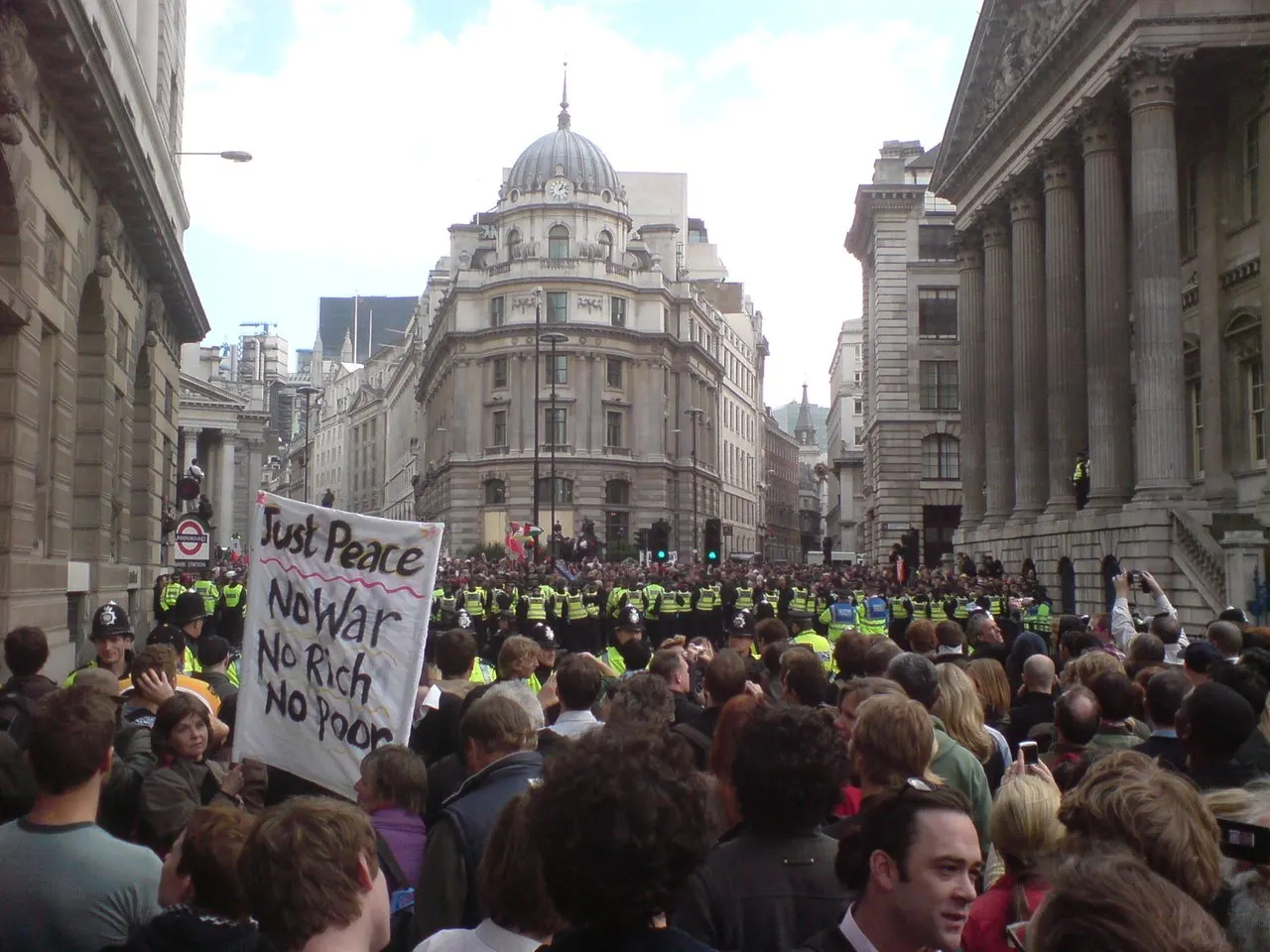
The unit was accused of using excessive force against George Floyd protesters in 2020, and that charge is at the heart of the story. Excessive force means using more force than is needed to keep order, and protesters said they were treated roughly when they were marching peacefully. Those accounts, along with lawsuits and public complaints, kept the question alive for years, and they help explain why the decision to disband the unit felt so important to many New Yorkers. Read more in the Michigan sound treatment.
Mamdani Protest Reform Addresses Aggressive Crowd Control
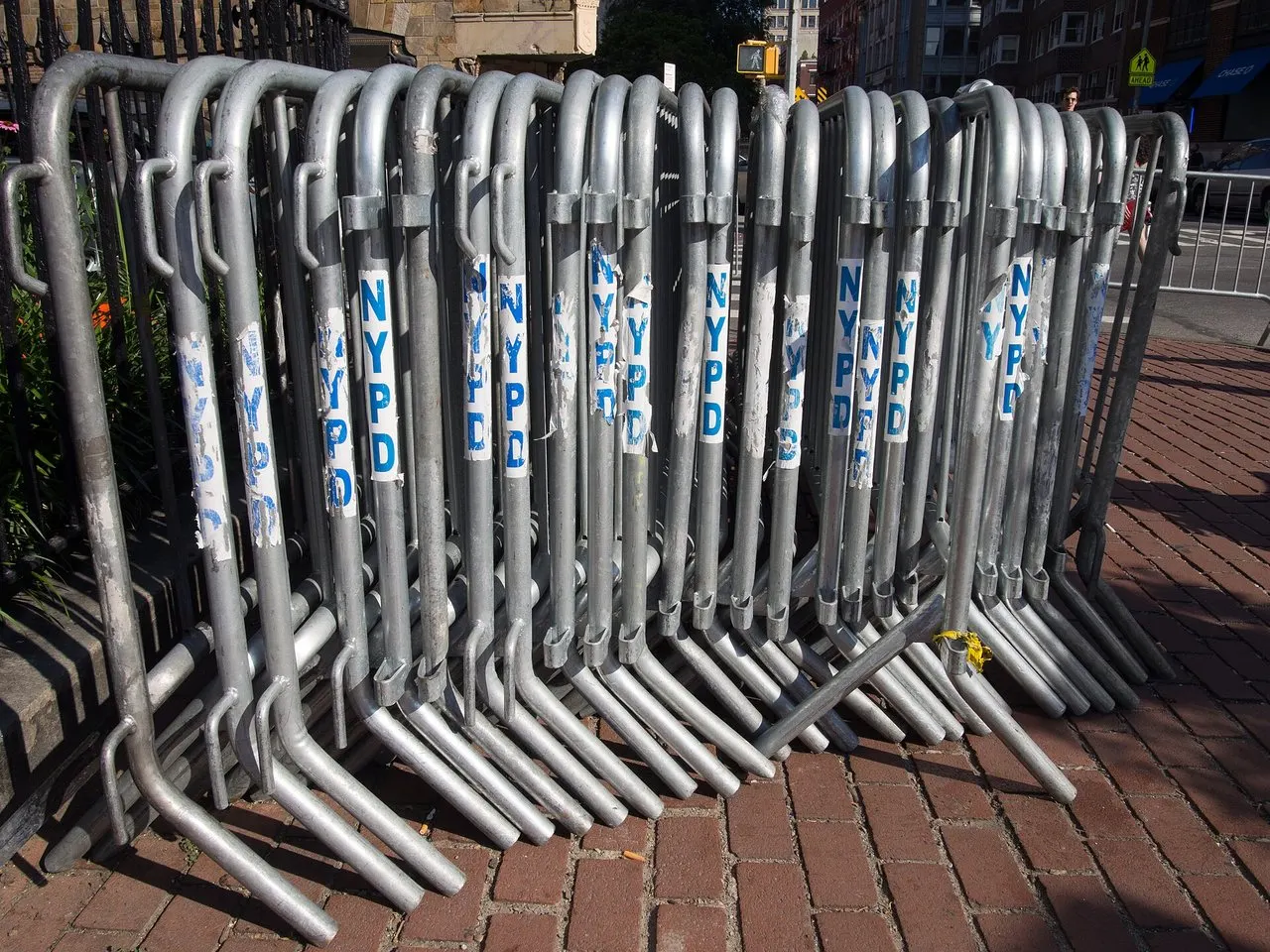
Aggressive crowd control tactics were among the complaints made about the unit, and the new plan directly addresses that concern by putting limits on forceful methods. Crowd control is meant to keep people safe and let a march move in an orderly way, but when it feels aggressive it can make a peaceful crowd feel threatened. The reform aims to replace that approach with communication and patience, so officers talk with organisers and manage crowds in a calmer and more open way. Read more in the GTA VI return.
Lawsuits Put the Unit’s Tactics in Court
Lawsuits over the handling of the 2020 protests put the unit tactics before the courts, and that legal pressure added to the public criticism. A lawsuit allows people who say they were harmed to ask a judge to look at what happened and decide if the police acted within the law. Even when a case takes years, it keeps records in the public eye and can shape how a city thinks about reform. The legal cases are part of why the unit stayed in the news long after 2020. Read more in the sound wave treatment.
Mass Arrests During the 2020 Protests
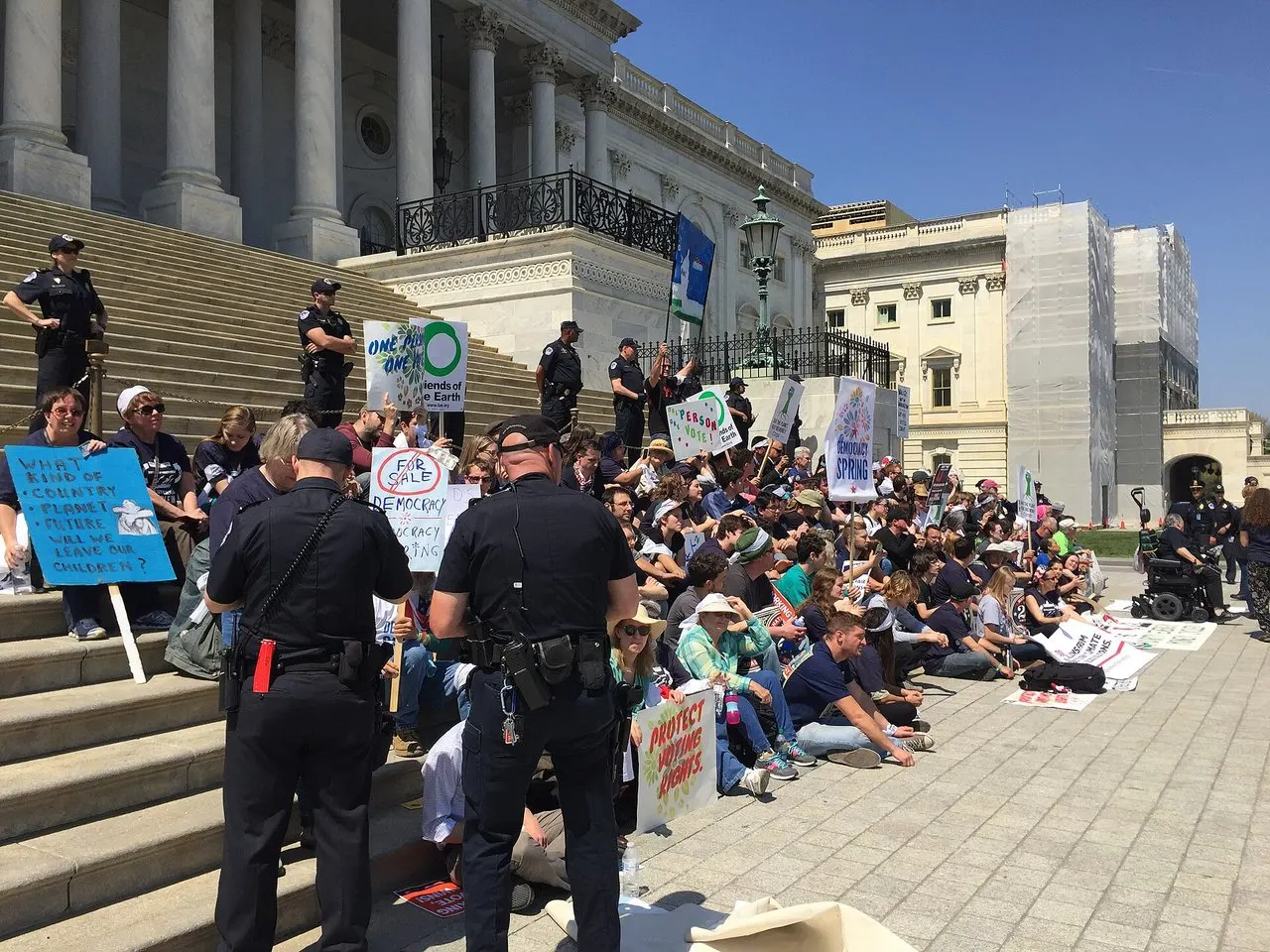
Mass arrests during the 2020 George Floyd protests were another source of anger, because many protesters said they were taken into custody in large numbers even while marching peacefully. An arrest can have lasting effects, from time in custody to a court case, so the way arrests are used at a protest matters a great deal. The new plan does not erase those events, but it points to a future in which arrests are not the first answer when a crowd gathers in the city. Read more in the public services guide.
Mamdani Protest Reform Restricts Kettling During Protests
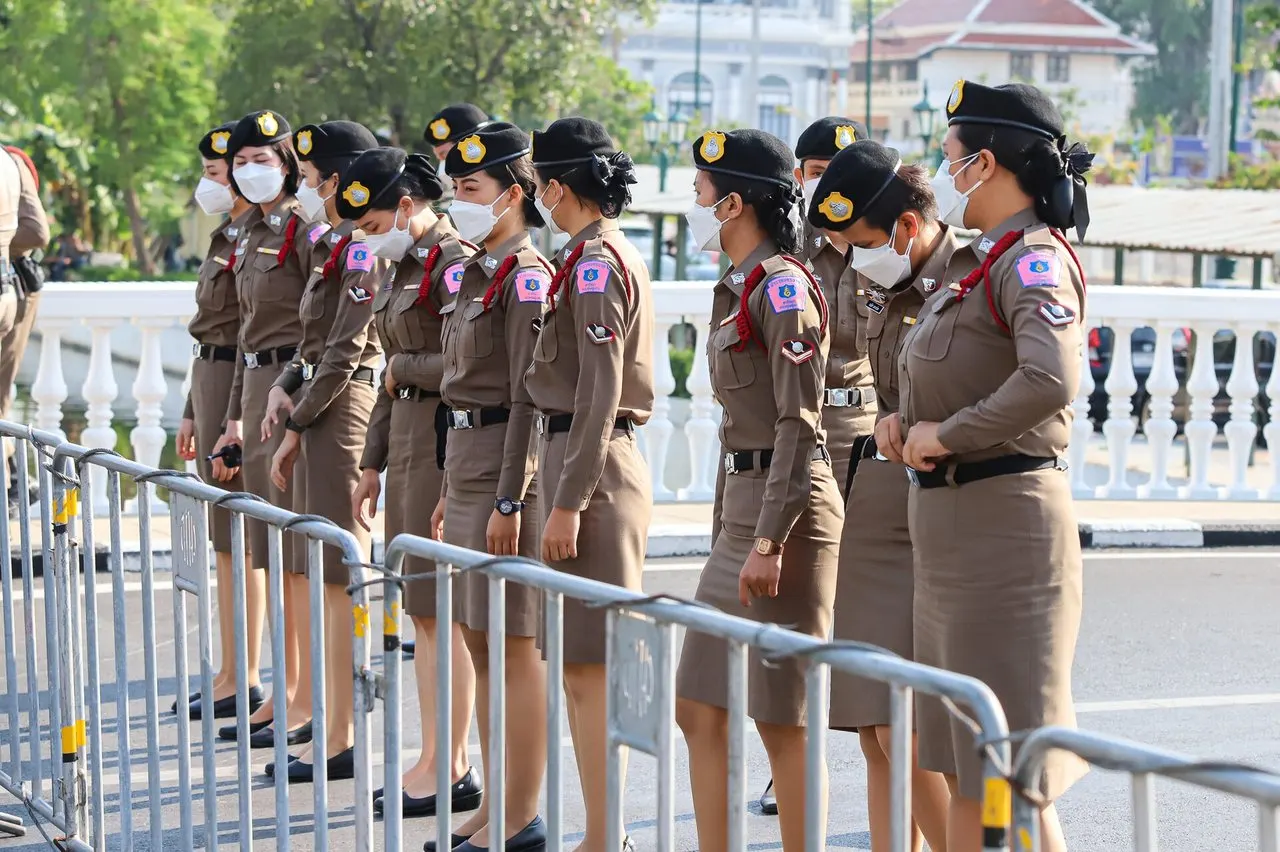
Kettling is a police tactic in which officers surround a crowd and hold people there, and it will be restricted during protests under the new plan. People caught in a kettle can feel trapped, and they may not be able to leave even if they want to, which is why the tactic has drawn strong criticism. Restricting kettling is a clear and practical change, because it tells officers and protesters alike that crowds should be allowed to move and disperse in a safe and orderly way. Read more in the Iran intelligence report.
Tear Gas Will Be Restricted During Protests
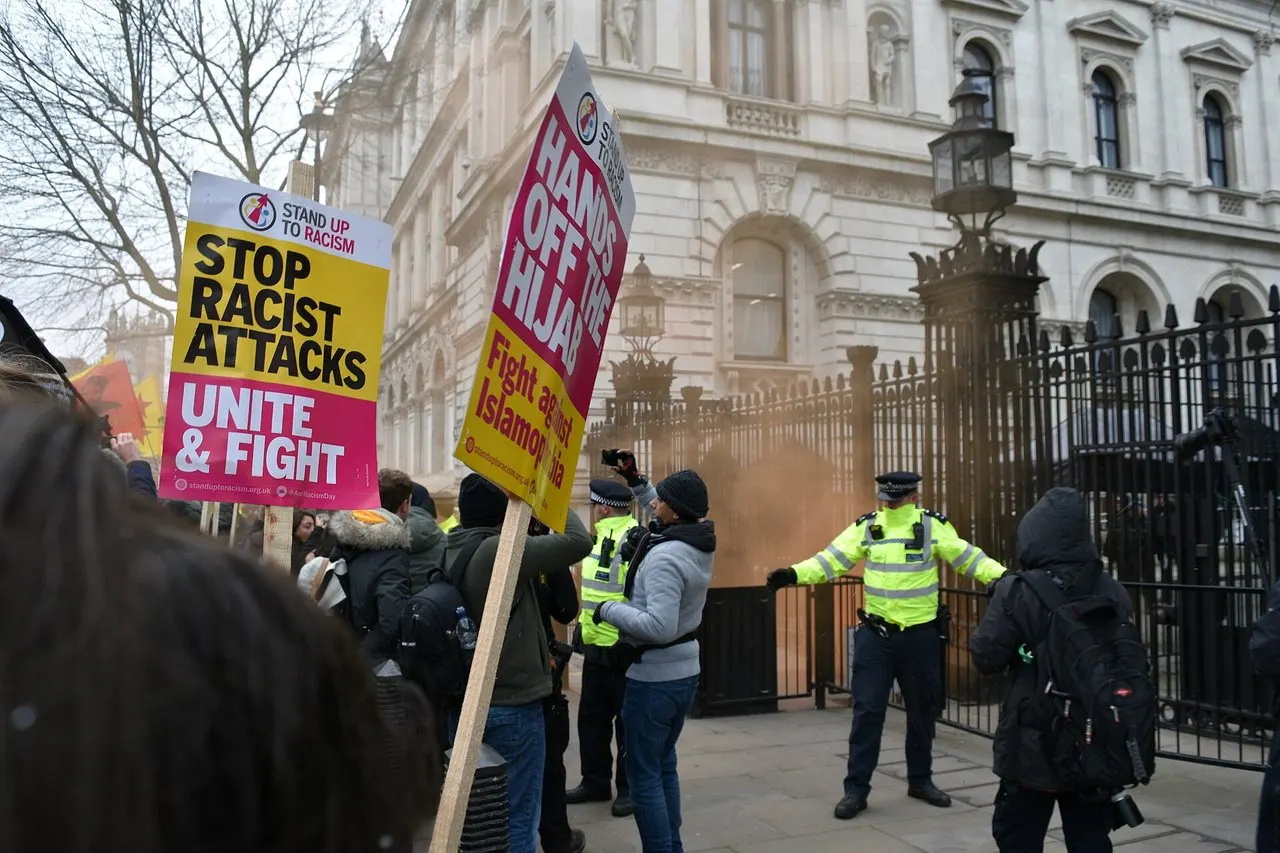
Tear gas will also be restricted during protests, and that change matters because tear gas affects the eyes, throat and breathing of everyone nearby, including bystanders. In a crowded street it can cause panic and make it hard for people to see where to go, which can create more danger. By limiting its use, the city is saying that chemical irritants should not be a routine tool for managing a protest crowd in New York. Read more in the Kevin Hart story.
Long Guns Will No Longer Be Used in the Same Way
The use of long guns during protests will also be restricted, and that is another visible change in how officers will appear at a march or rally. Long guns can make a protest feel like a military operation, even when the crowd is peaceful, and that image can raise tension on both sides. The new approach favours a calmer presence, with officers who are there to talk, guide and protect, rather than to show heavy weapons to people who have come to speak out. Read more in the China flight briefing.
Mamdani Protest Reform Creates a Civilian Led Division
A new civilian led division will sit at the centre of the new approach, and its job will be to focus on communication and de-escalation during protests. Civilian leadership means people outside the uniformed chain of command will help shape how protest response works, which can bring a fresh view and a focus on public trust. The division will work with police officers, but its purpose is clear, to keep protests peaceful by talking first and by planning for calm rather than for force. Read more in the Francis Leo Marcos case.
Thirty Specially Trained Officers Will Support the New Division
Thirty specially trained NYPD officers will support the new civilian led division, and their training will focus on the skills needed for protest work. Training matters because officers need to know how to listen, how to speak clearly under pressure, and how to guide a large crowd without raising tension. A smaller and specially trained team can build experience over time, and it can learn from each event, so the city hopes the quality of protest response will improve with every march and rally. Read more in the Rikers Island plan.
Communication Comes First in the New Approach
Communication comes first in the new approach, and that simple idea shapes how officers will work with protest organisers before and during an event. When police and organisers talk early, they can agree on a route, a meeting point and a plan for keeping everyone safe, which helps avoid confusion on the day. Good communication also helps the public, because people know what to expect and where to go, and that shared understanding can keep a large gathering calm and peaceful. Read more in the carriage ban plan.
Mamdani Protest Reform Focuses on De Escalation
Mamdani protest reform focuses on de-escalation, which means taking steps to lower tension before a situation turns into a confrontation. De-escalation can be as simple as speaking in a calm voice, giving people time to move, and explaining what officers need from the crowd. It takes patience and training, and it works best when officers arrive with a plan to listen rather than a plan to push back. If it works well, protests can end peacefully and everyone can go home safely. Read more in the Michigan sound treatment.
Peaceful Crowd Management Is the New Goal
Peaceful crowd management is the new goal, and it means keeping a march moving safely while protecting the right of people to speak and gather. A peaceful crowd still needs order, with clear routes, space for people to walk, and help for anyone who feels unwell or lost. Officers in the new division will be asked to guide rather than to control, and to use their presence to reassure the crowd. That shift in tone is at the heart of the reform and its promise to the city. Read more in the GTA VI return.
Supporters See a Step Toward Police Accountability
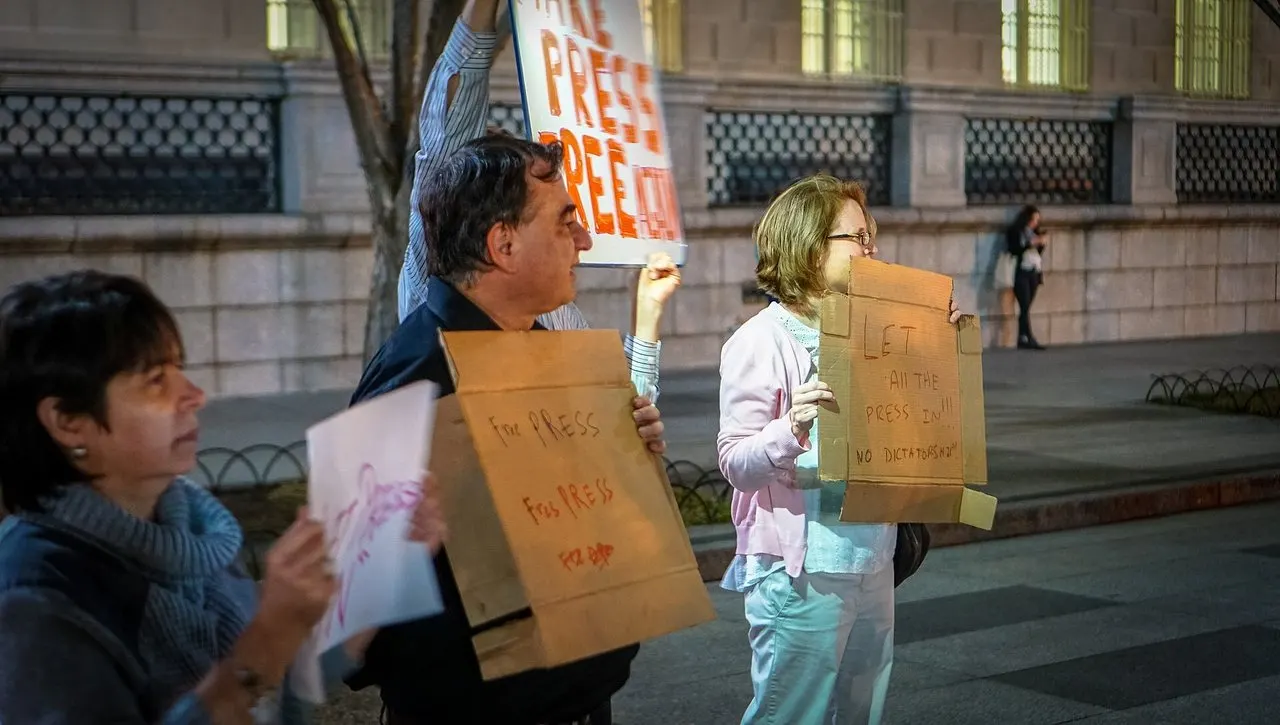
Supporters see the decision as a step toward police accountability, because ending a unit that faced so much criticism shows that complaints can lead to real change. Accountability means that when people raise concerns about force, arrests and tactics, the city listens and acts, rather than leaving the same system in place. For many supporters, this is only a first step, and they will watch closely to see if the new division keeps its promises and if trust between police and protesters grows. Read more in the sound wave treatment.
Mamdani Protest Reform Raises Questions From Critics
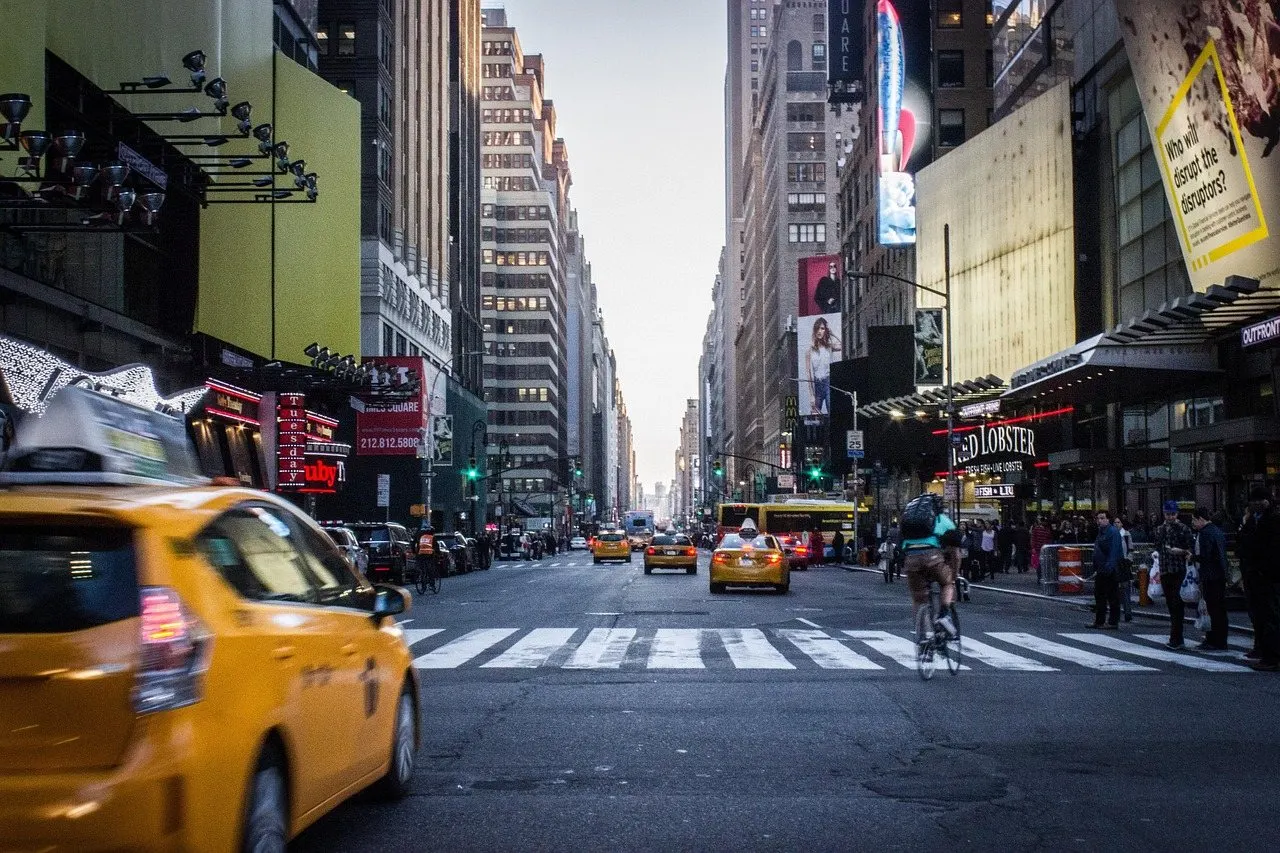
Critics worry that the change could weaken the city ability to respond to serious threats, and that concern deserves to be heard in the debate. They ask what will happen if a major emergency or a dangerous event needs a fast and strong response, and whether the new teams will be ready. The city says counterterrorism work will continue in a separate form, but critics want clear proof. That tension between reform and safety is likely to shape the discussion for months to come. Read more in the public services guide.
The Wider Police Reform Effort Includes Bikes
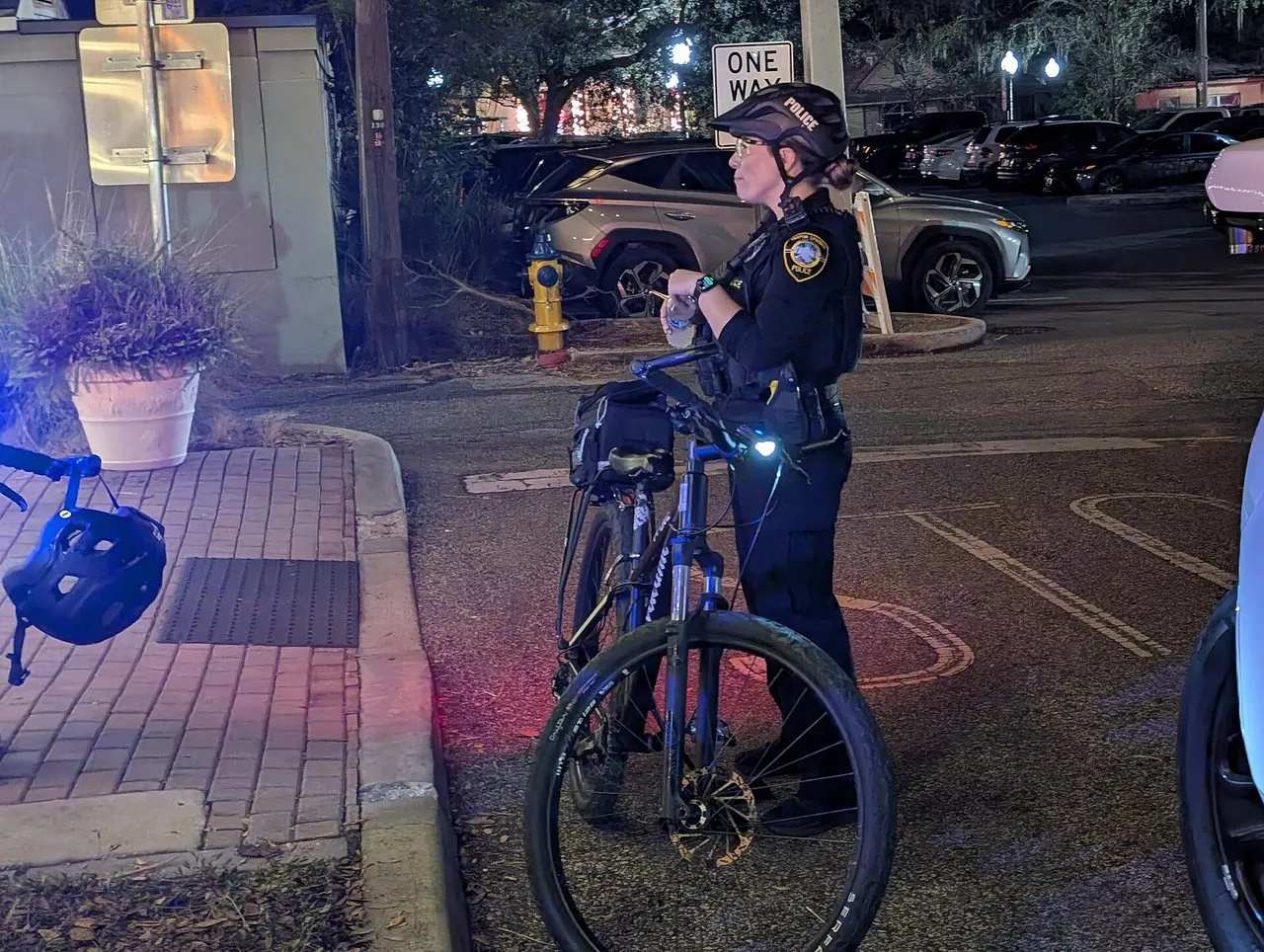
The wider police reform effort also includes bikes, because one of the references for this story describes a promise to de-weaponize bikes as part of police reform. Bikes have been used by police at protests, and the idea of removing weapons from bike units fits the same theme as the other changes, less force and more calm. It shows that the reform is not only about one unit, but about a broader look at how police tools and tactics are used when people gather to protest. Read more in the Iran intelligence report.
Legal Aid Society Calls It an Important First Step
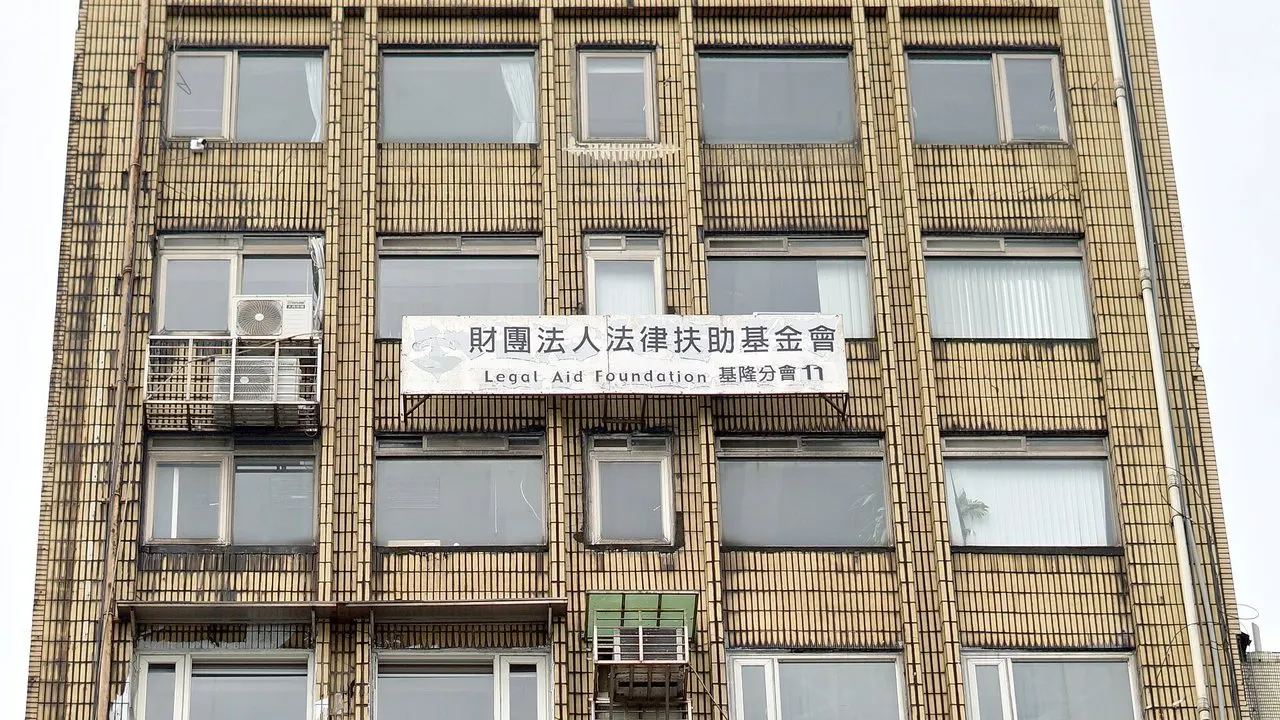
The Legal Aid Society described the move as important first steps on protest policing reform, and that view comes from a group that works with people affected by policing. Its headline for this story reads Mayor Takes Important First Steps on Protest Policing Reform, which suggests support with an eye on what comes next. A first step is not the end of reform, and groups like this will likely keep asking for clear rules, training and public reports on how the new system works in practice. Read more in the Kevin Hart story.
Mamdani Protest Reform and What to Watch Next
What happens next will matter as much as the announcement, because a plan only becomes real when it is put into practice on the streets of New York City. People will watch how the new civilian led division is set up, how the thirty officers are trained, and whether the limits on kettling, tear gas and long guns are followed at real protests. They will also watch public trust, and whether protesters and police feel safer when they meet at a march in the months ahead. Read more in the China flight briefing.
Do You Support the Decision to Disband the Unit
Do you support Mayor Mamdani decision to disband the controversial NYPD unit, and what do you think the new approach should look like in practice. Some readers will welcome the change as a step toward accountability, while others will worry about safety and serious threats, and both views are part of an honest public debate. Share your thoughts in the comments below, tell us what you would like to see next, and keep reading our other stories for more news from New York City. Read more in the Francis Leo Marcos case.