
The Iowa Lead Blast Gave Families Five Days of Warning

The Iowa lead blast plan gave Iowa families just five days of warning before the Army set off nearly five tons of unstable lead azide at the Iowa Army Ammunition Plant in Middletown. The material had been stored in 68 barrels and had grown so unstable that moving it could set it off by accident. Families across Iowa and Illinois were told the blast could send lead dust drifting as far as 60 miles. They were told to stay indoors, seal their windows, and prepare to clean dust off their children’s toys.
The Iowa Environmental Council and the Sierra Club’s Iowa chapter went to federal court to stop the blast, while Governor-elect Rob Sand, Representative Ashley Hinson, and Senator-elect Josh Turek called for more time. The Army later carried out the controlled detonation on Wednesday morning, and the EPA said its monitors found no airborne lead in the region afterward. Read our report on the plan to detonate nearly 10,000 pounds of toxic lead azide in Iowa was postponed.
References:
Reuters: Army says detonation of lead blast in Iowa will proceed on Wednesday
Associated Press: U.S. stockpile of projectile-making chemical lead azide to be detonated Wednesday morning at Iowa plant, Army says
Reuters: First soil, water tests after Iowa lead-azide blast show negligible contamination, EPA says
CBS News: Army knew of Iowa plant blast risk in spring but did not elevate it
Middletown, Iowa, and the Plant at Its Edge
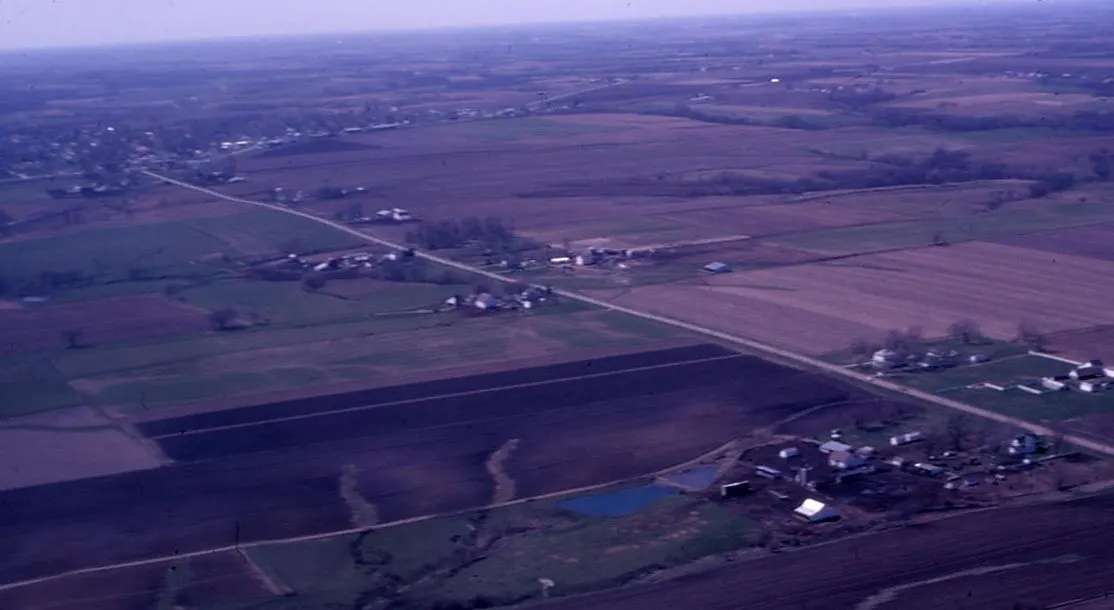
Middletown is a small Iowa town surrounded by farmland, and the Iowa Army Ammunition Plant sits on its edge. The plant has been part of the area for generations, and many local families have ties to it through jobs and neighbors who worked there. Life around the plant is quiet most of the time. A place known for peace suddenly faced a blast that could reach across two states. Read our report on the warning Liz Cheney gave her Republican colleagues.
The Iowa Lead Blast Started With 68 Barrels
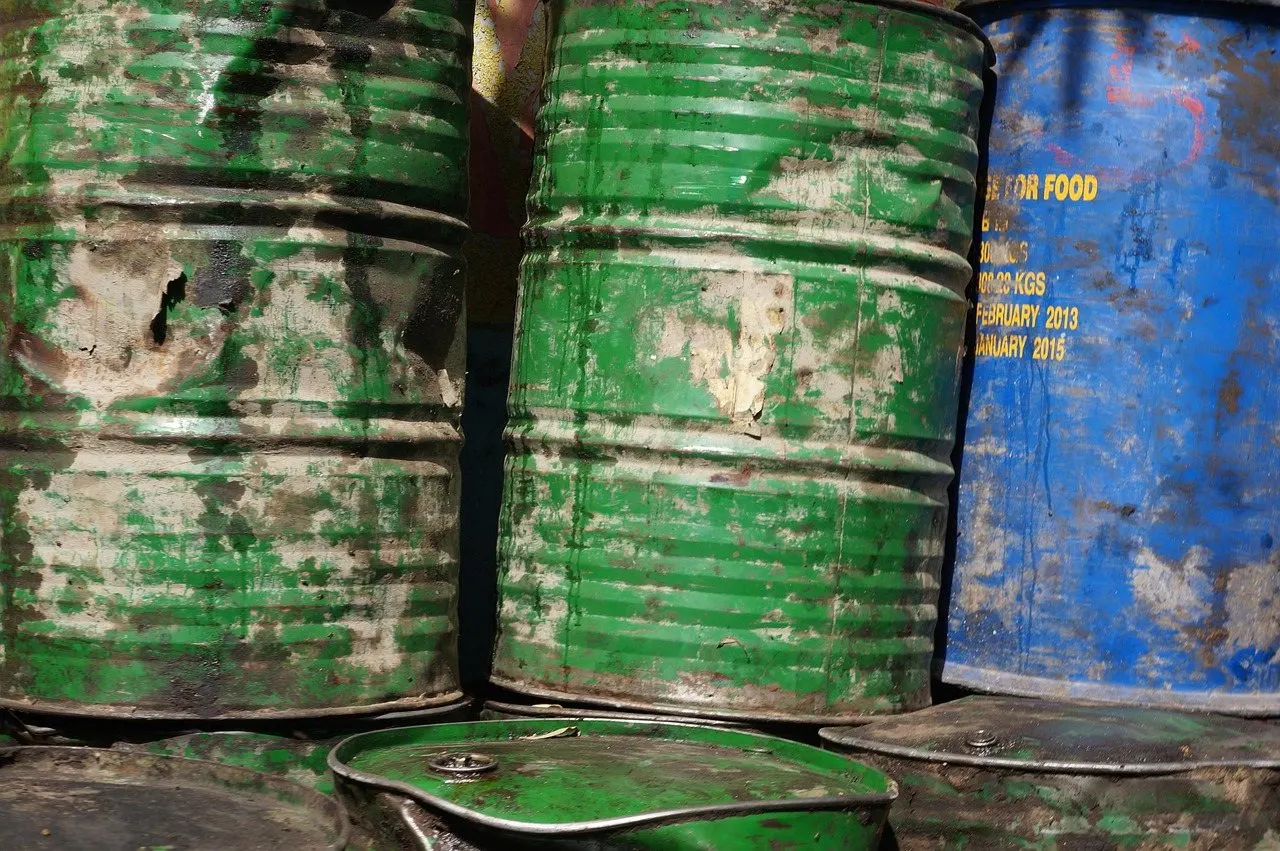
The story began with 68 barrels of lead azide, a chemical the Army stores for making projectiles. The barrels held nearly five tons of the material, and the chemical had deteriorated. Lead azide becomes more dangerous as it ages, and the stockpile in Middletown had reached a point where it could no longer be left alone. The Army said the barrels had to be dealt with soon, because every month of waiting added risk. Read our report on the Tesla Optimus robot that will wash dishes.
Inside the Iowa Army Ammunition Plant
The Iowa Army Ammunition Plant is a large military site where the Army makes and stores munitions. It covers thousands of acres in southeastern Iowa, with storage buildings, fences, and guarded gates spread across the grounds. Plants like this one handle powerful materials every day, and they follow strict rules about safety and storage. But rules can only do so much when a chemical breaks down on its own. The aging lead azide in Middletown was a problem that had been growing quietly for years. Read our report on Linda McMahon on education spending.
Five Days of Warning Before the Iowa Lead Blast
Families learned they had only five days before the planned blast, a short window for news this serious. Parents had to plan around school, work, and daily life while wondering what might fall from the sky. The short warning became one of the sharpest points of anger about the plan. People asked why they had not been told sooner, and why the Army had waited so long to act. Read our report on Jehza Huelar and PJ Simon.
Lead Dust That Could Drift for 60 Miles

The Army warned that the blast could send lead dust drifting as far as 60 miles from the plant. That distance covers a wide stretch of Iowa and reaches into Illinois, touching towns and farms far from Middletown. Wind can carry fine dust over fields, rivers, and rooftops, and no one could say exactly where it would land. The 60 mile figure turned a local problem into a regional fear. Families many miles away suddenly had to think about dust on their own land. Read our report on old Southern Thanksgiving pies.
Staying Indoors During the Iowa Lead Blast
Residents were told to stay indoors while the blast went off, a simple order that is harder than it sounds. Staying inside means keeping children home from play, closing up the house, and waiting for news. The order also carried a quiet fear, because it told people their own homes might not be safe enough. A house with shut windows became the best protection most families had. Read our report on the bill to stop ICE from using children as bait.
Sealing Windows and Cleaning Children’s Toys

Families were told to seal their windows and prepare to clean dust off their children’s toys. That detail hit parents the hardest, because it made the danger feel close and personal. Parents were asked to think about swings, bikes, and sandboxes in a new way. The warning turned everyday objects into things that needed washing before a child could touch them again. Read our report on the hearing about Jensen Huang.
The Lawsuit to Stop the Iowa Lead Blast

The Iowa Environmental Council and the Sierra Club’s Iowa chapter went to federal court to stop the blast. They filed suit on Thursday, arguing that the EPA emergency permit did not protect the public enough from lead in the air, soil, and water. The groups asked a judge to step in before the Army could light the fuse. Their case put the safety of two states in the hands of the law. Read our report on the silent shrug in Berlin.
Lawmakers From Both Parties Asked for a Delay
Lawmakers from both parties called for the blast to be delayed, a rare show of agreement in divided times. When leaders who disagree on nearly everything join the same call, it tells you how serious the worry was. The delay would have given experts more time to test the air and the soil, and given families more time to prepare. The lawmakers spoke for the people living near the plant, and for the towns far downwind. Their shared message was simple, and it was urgent. Read our report on a calm family life.
Rob Sand Asked for a Delay in the Iowa Lead Blast
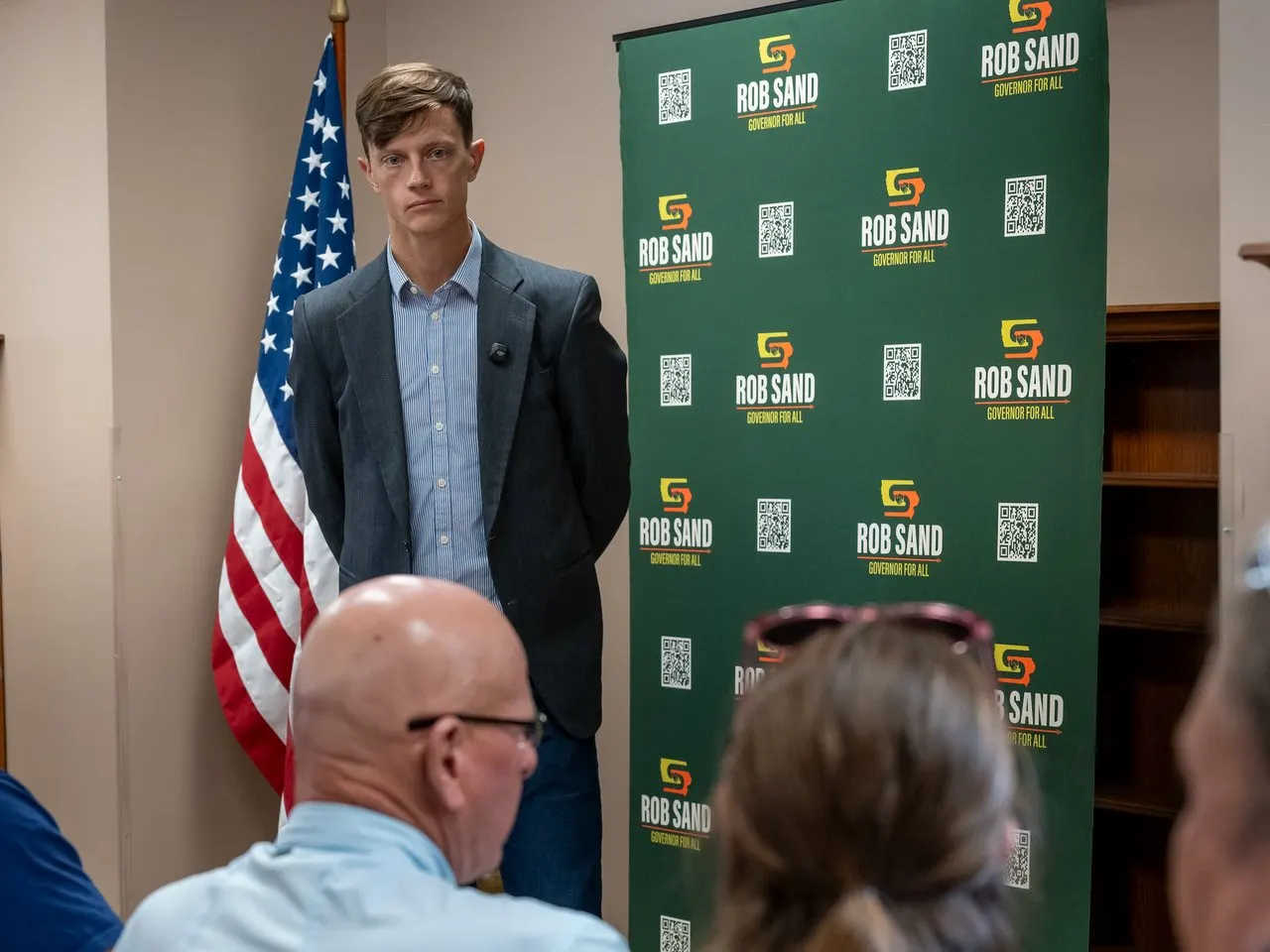
Iowa Governor-elect Rob Sand was one of the voices calling for a delay. Sand had just won the race for governor, and the blast was one of the first big tests of his new role. He spoke for Iowa families who wanted more time and more answers before the Army acted. Sand used that trust to press the Army to slow down and think again. Read our report on the plan to detonate nearly 10,000 pounds of toxic lead azide in Iowa was postponed.
Ashley Hinson Joined the Call for a Delay

Republican Representative Ashley Hinson also called for a delay, showing that the worry crossed party lines. Hinson represents Iowans in Congress, and her voice carried weight with the Army and the Pentagon. She asked for more time so experts could check the plan and families could prepare. When a Republican and Democrats make the same demand, it is hard to ignore. Hinson stood with her neighbors first, and her party second. Read our report on the warning Liz Cheney gave her Republican colleagues.
Josh Turek and the Iowa Lead Blast Delay

Democratic Senator-elect Josh Turek added his voice to the call for a delay. Turek had just been elected to the Senate, and he spoke for Iowans who felt rushed by the five day warning. He wanted the Army to pause and let scientists and regulators take a closer look. His message matched the one from Sand and Hinson, and together they spoke for the state. Read our report on the Tesla Optimus robot that will wash dishes.
Congress, the Courts, and the Clock

As the planned blast drew near, Congress, the courts, and the clock all pulled in different directions. The courts had the lawsuit, Congress had the lawmakers asking for delay, and the clock kept moving toward Friday. The Army had set the blast for around noon on Friday, and every hour of debate made the deadline tighter. People watched Washington and the courts for any sign of a pause. In the end, the schedule held, and the blast went ahead on Wednesday morning. Read our report on Linda McMahon on education spending.
Hegseth’s Pentagon and the Iowa Lead Blast

The order came from Pete Hegseth’s Pentagon, and that fact shaped how people saw the blast. The Pentagon runs the Army, and the decision to detonate the barrels was made at the highest levels of the Defense Department. Hegseth’s name on the plan made it a political story as well as a safety story. Either way, the Pentagon owned the call, and the public held it to account. Read our report on Jehza Huelar and PJ Simon.
The Iowa Lead Blast Went Ahead on Wednesday Morning

The Army carried out the controlled detonation on Wednesday morning, after the warnings, the lawsuit, and the calls for delay. The Army said the material was too unstable to move, so setting it off where it sat was the only option left. Families stayed indoors as the sound rolled across the fields. Then the waiting began, for the dust to settle and the tests to come back. Read our report on old Southern Thanksgiving pies.
EPA Monitors Watched the Air
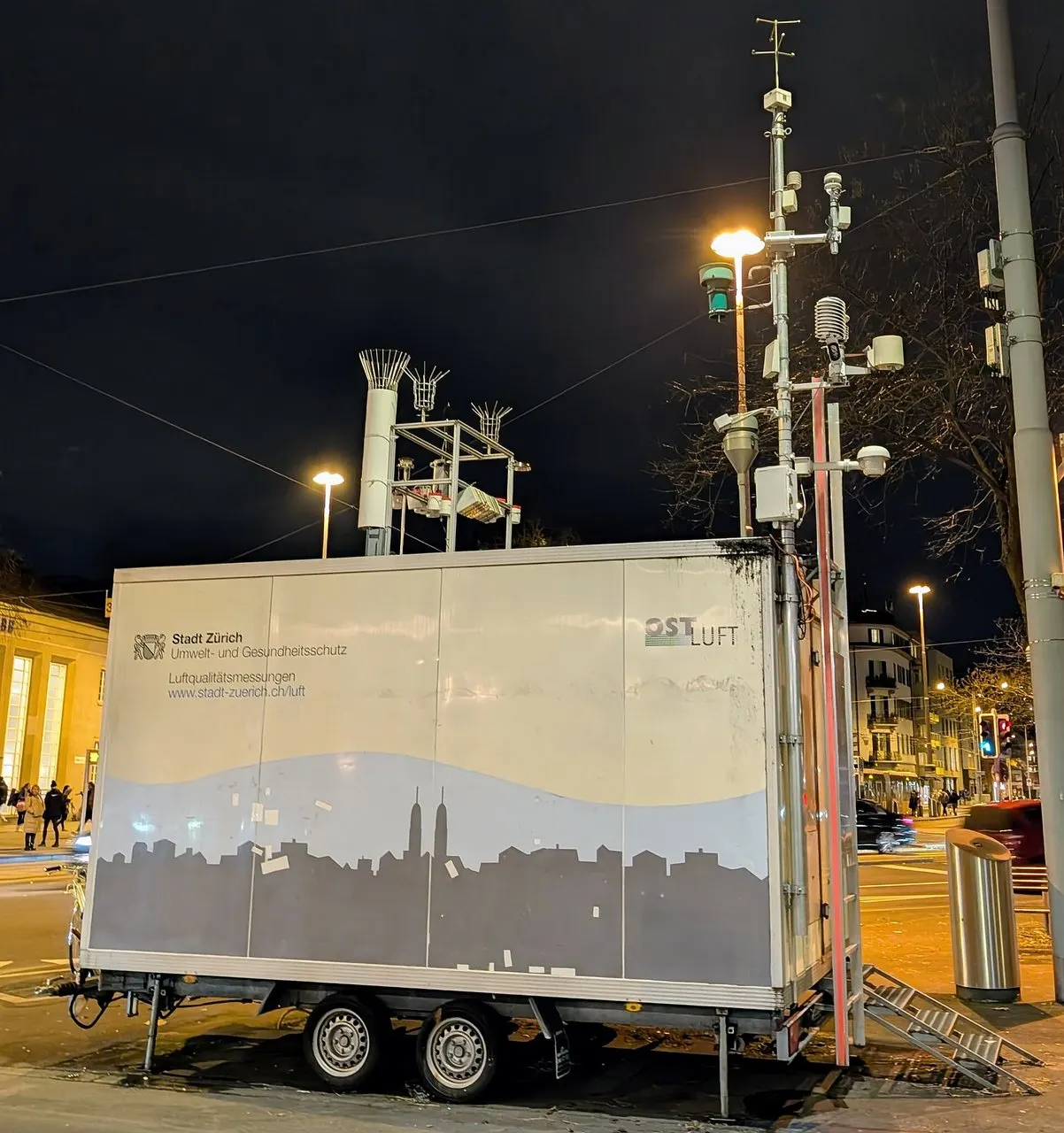
The EPA placed monitors around the region to watch for airborne lead after the blast. People waited for those readings with real worry, because the results would tell them if the dust had reached their towns. The EPA later reported that its monitors detected no airborne lead in the region. For many families, that news brought the first real relief. Read our report on the bill to stop ICE from using children as bait.
First Soil and Water Tests After the Iowa Lead Blast
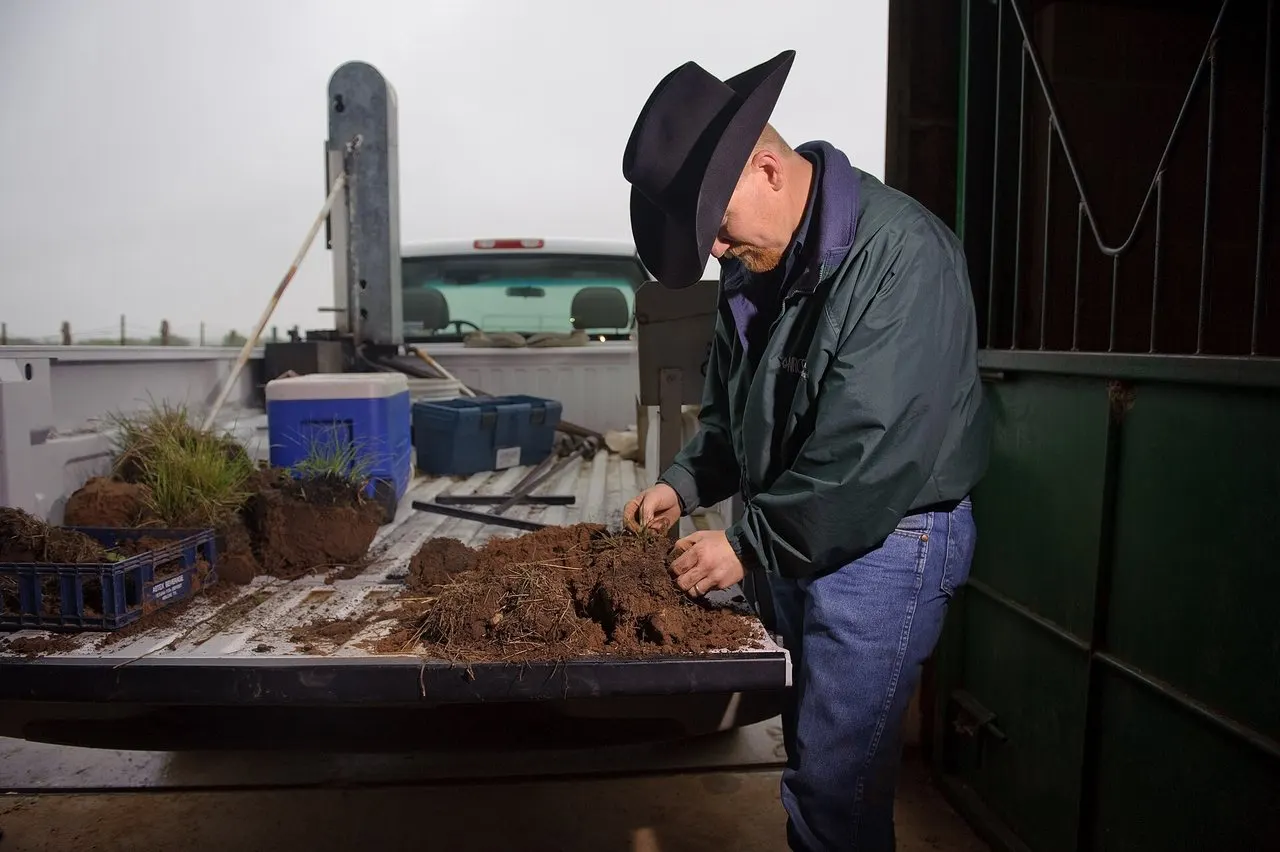
The first soil and water tests after the blast showed negligible contamination, according to the EPA. Soil and water tests matter because lead can settle into the ground and seep into wells and streams, where it stays for years. Scientists take samples from fields, gardens, and waterways near the site and test them in a lab. The early results were good news, but experts say testing must continue over time. One clean round of tests is a start, not a final answer. Read our report on the hearing about Jensen Huang.
Why Moving the Barrels Was Too Risky
The Army said moving the barrels could have set the material off, and that is why it chose to detonate them in place. Lead azide grows more sensitive as it ages, and even a small jolt can trigger it. Loading 68 barrels onto trucks and driving them down Iowa roads would have put drivers, towns, and highways at risk. The Army picked the blast it could control. Read our report on the silent shrug in Berlin.
What Lead Azide Is and Why It Is Dangerous

Lead azide is a chemical used to make projectiles, and it is known as a primary explosive. That means a small shock, a spark, or even friction can set it off, which is why it is used to trigger larger explosives. The 68 barrels in Middletown held a chemical that had been changing for years. Understanding that change is key to understanding why the Army acted. Read our report on a calm family life.
Lead in Water, Soil, and Air

Lead is toxic to humans and animals, and it is most dangerous to children. Even small amounts can harm a growing brain, and lead stays in the body for years once it gets in. That is why people worry about lead in drinking water, in garden soil, and in the dust that settles on toys. Read our report on the plan to detonate nearly 10,000 pounds of toxic lead azide in Iowa was postponed.
Small Towns Near the Iowa Lead Blast

Small towns near the plant watched the news with the same worry as Middletown. In towns like these, everyone knows the plant, and many families have a neighbor or a relative who works there. When the warning came, it spread through these towns in hours, not days. People checked on elderly neighbors, kept children inside, and waited together for the blast and the test results that followed. Read our report on the warning Liz Cheney gave her Republican colleagues.
Safety Gear for a Dangerous Job
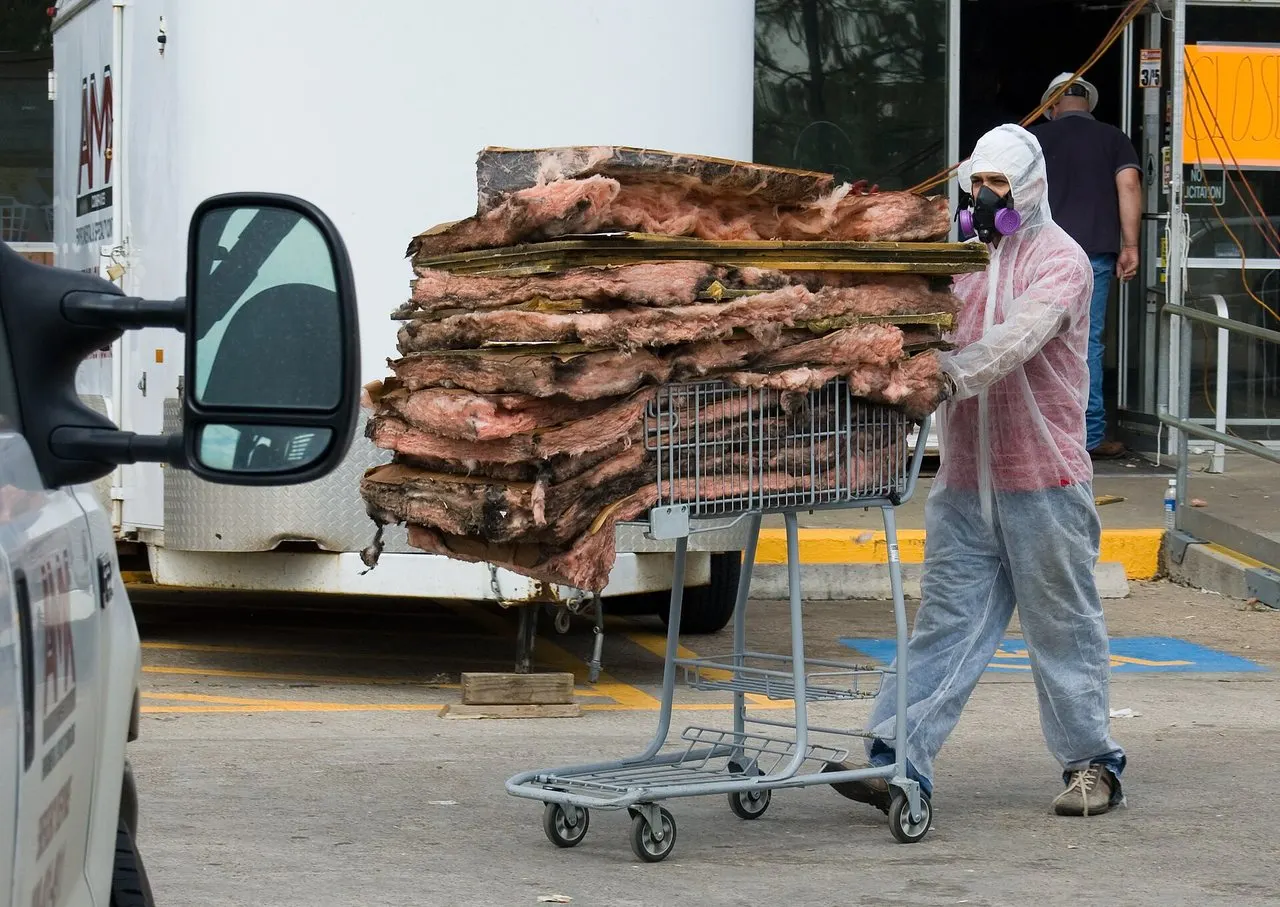
Workers who handle dangerous chemicals wear suits, masks, and gloves to stay safe. Protective gear keeps dust and fumes away from skin and lungs, and it is standard for jobs near explosives and toxic materials. The crews around the Middletown blast worked under strict safety rules, with experts watching every step. If trained workers needed full protection, families were right to take the warnings seriously. Read our report on the Tesla Optimus robot that will wash dishes.
How the Iowa Lead Blast Barrels Were Stored
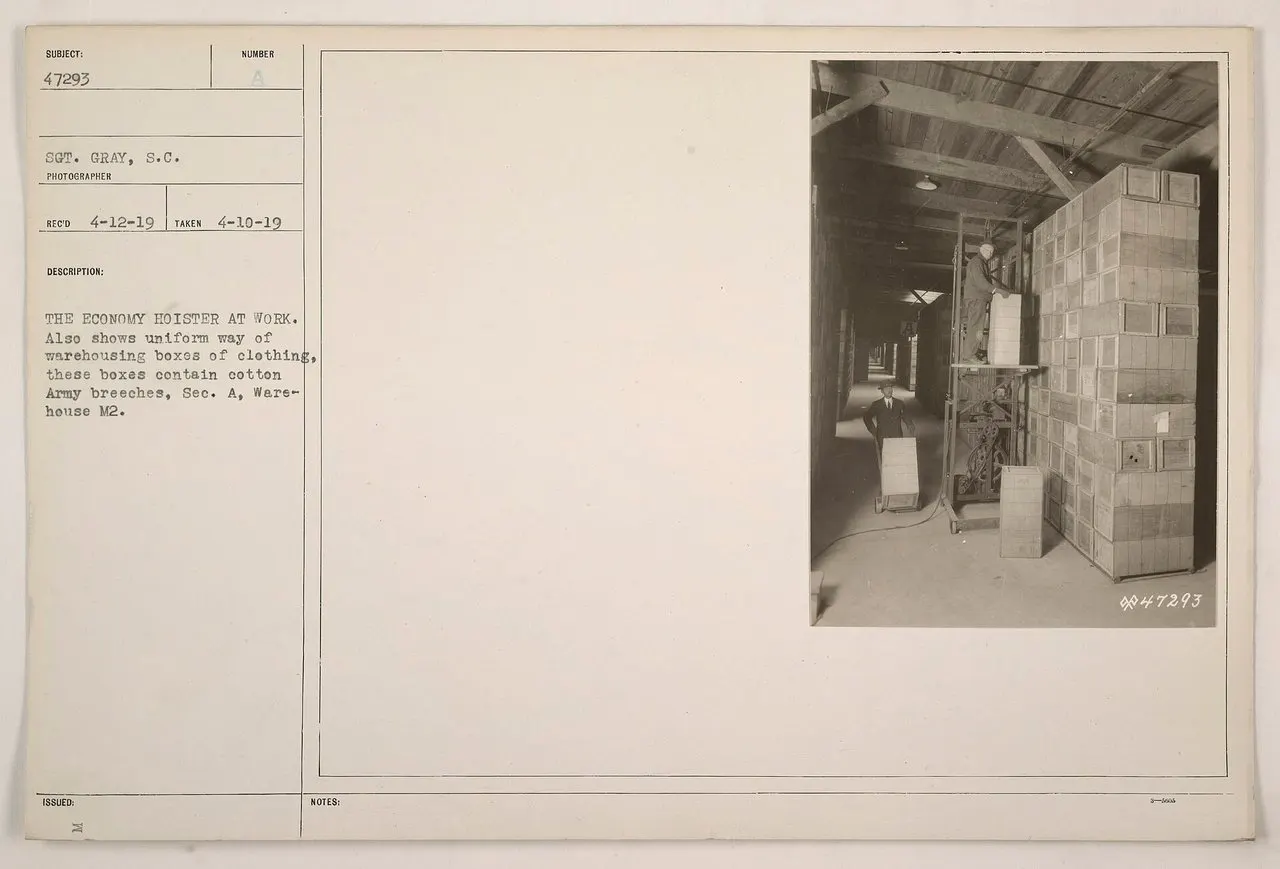
The barrels were stored at the plant for years, and storage is where the trouble began. Military warehouses hold all kinds of materials, from boxes of parts to barrels of chemicals, and each one needs the right conditions. The Army knew of the blast risk in the spring but did not elevate it, according to CBS News. That delay left the barrels sitting until they became too dangerous to move. Read our report on Linda McMahon on education spending.
What Would You Have Done With Five Days of Warning?

Five days of warning, 68 barrels, and a cloud that could drift 60 miles. That is what Iowa families faced, and the questions are still open. Should the courts have stopped it, or was the EPA right to let it go ahead? The tests so far show little harm, but trust is harder to measure than lead in the soil. Share your thoughts in the comments below and tell us what you think. Read our report on Jehza Huelar and PJ Simon.