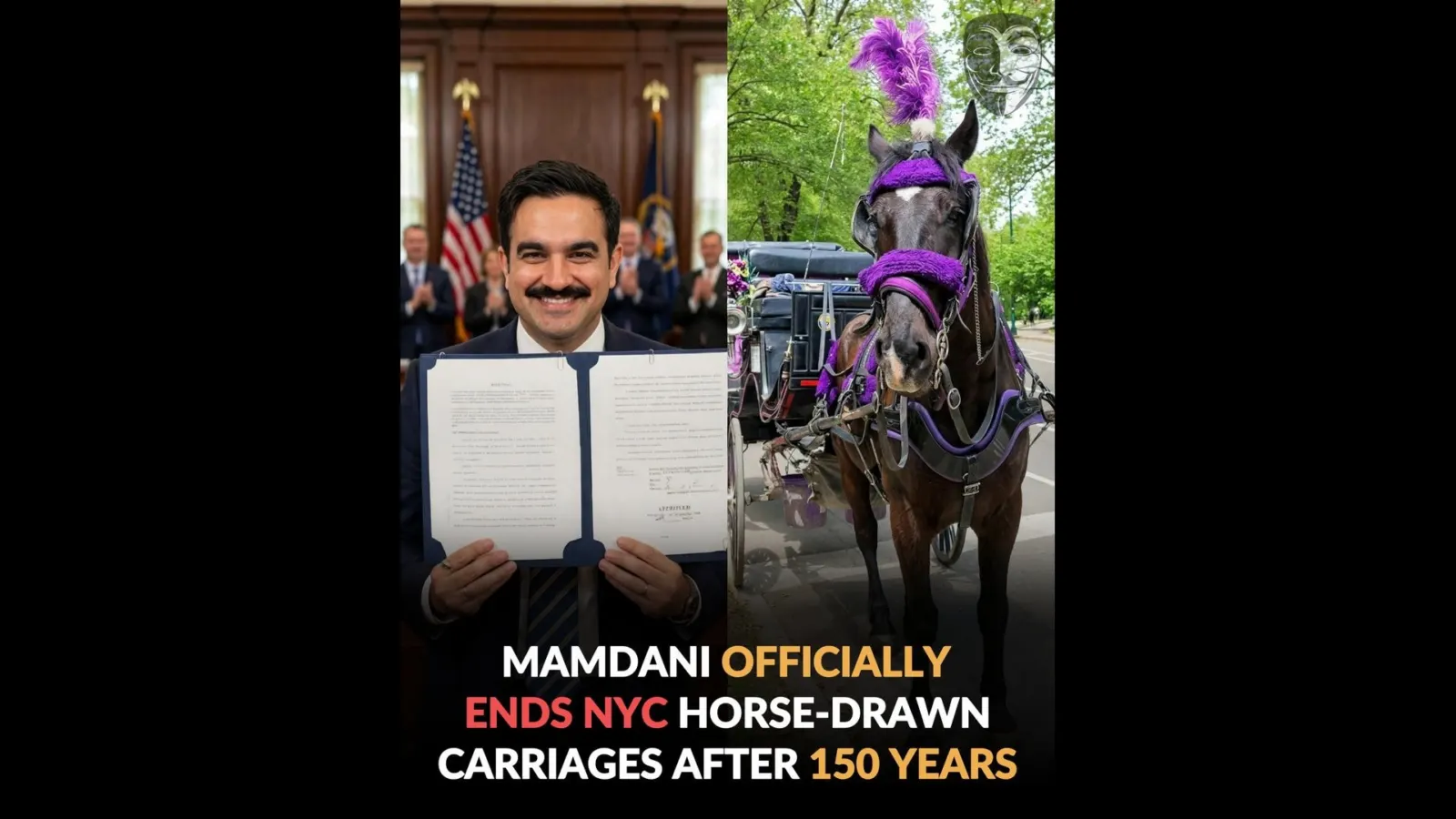
Horse Carriage Ban Ends 150 Years of NYC Rides
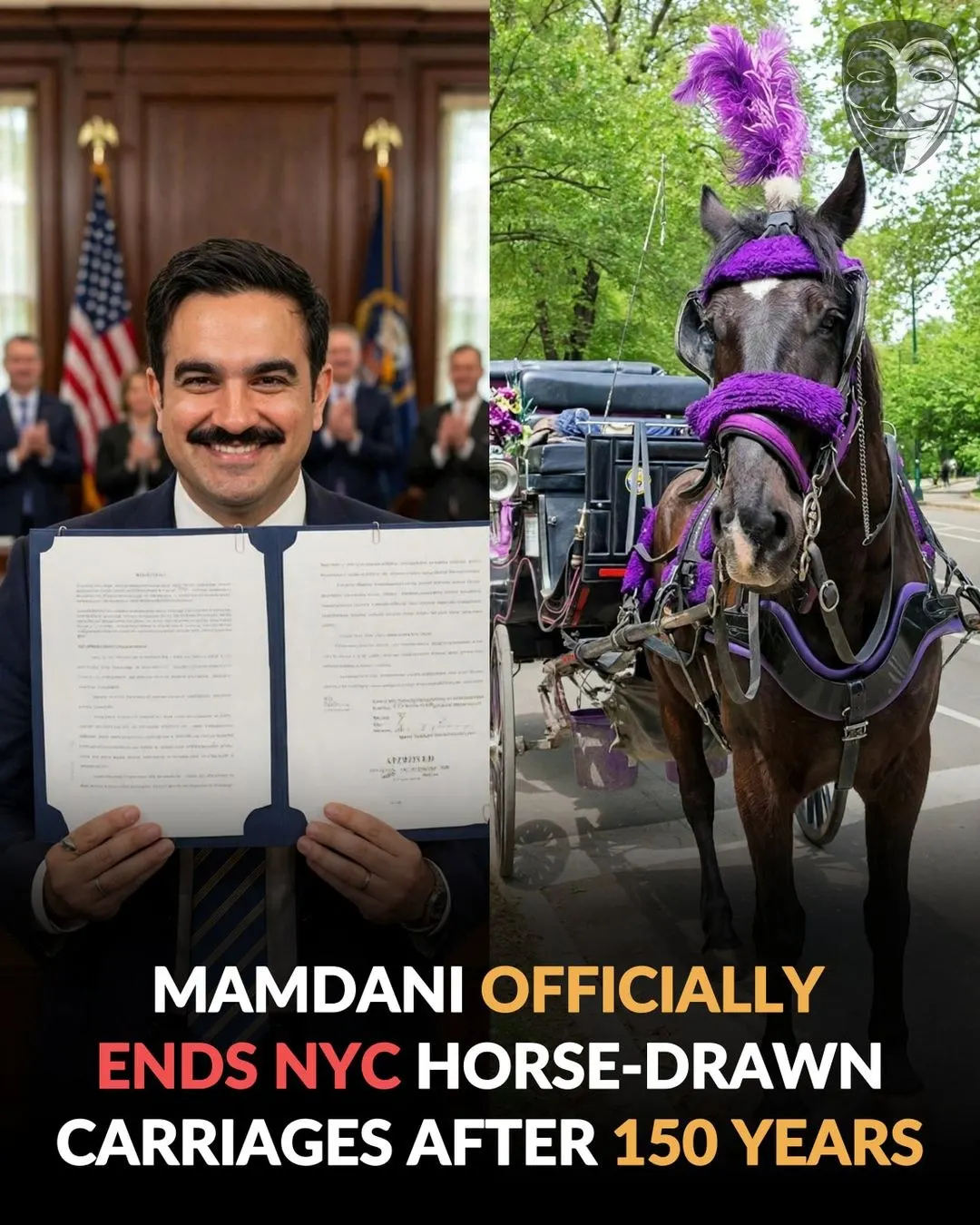
The horse carriage ban is now law in New York City, and it ends a sight that has been part of the city for 150 years. On Thursday, Mayor Zohran Mamdani signed Romanch’s Law at City Hall, and the signing closed the book on the horse-drawn carriage industry. The law stops all new carriage licenses, and it takes the horses off the streets for good by June 1, 2028. In the slides ahead, we look at the young man the law is named for, the workers it will help, and the long history it brings to an end.
The story behind the law is sad, and it is about a city choosing a new path. About 200 drivers and stable workers will get help to find new work, the city will buy back carriage medallions, and the retired horses are protected under the law. Read our report on the full plan for the ban.
References:
NYC Mayors Office: After 150 Years, Mayor Mamdani Signs Landmark Legislation to End NYC Horse-Drawn Carriage Industry
VegNews: It Is Official, New York City Just Banned Horse-Drawn Carriages
Center for a Humane Economy: Center For A Humane Economy Celebrates NYC Mayor Signing Of Landmark Horse-Drawn Carriage Ban
Animal Legal Defense Fund: Mayor Mamdani Signs Law to End Horse-Drawn Carriages by 2028
A Thursday Signing at City Hall
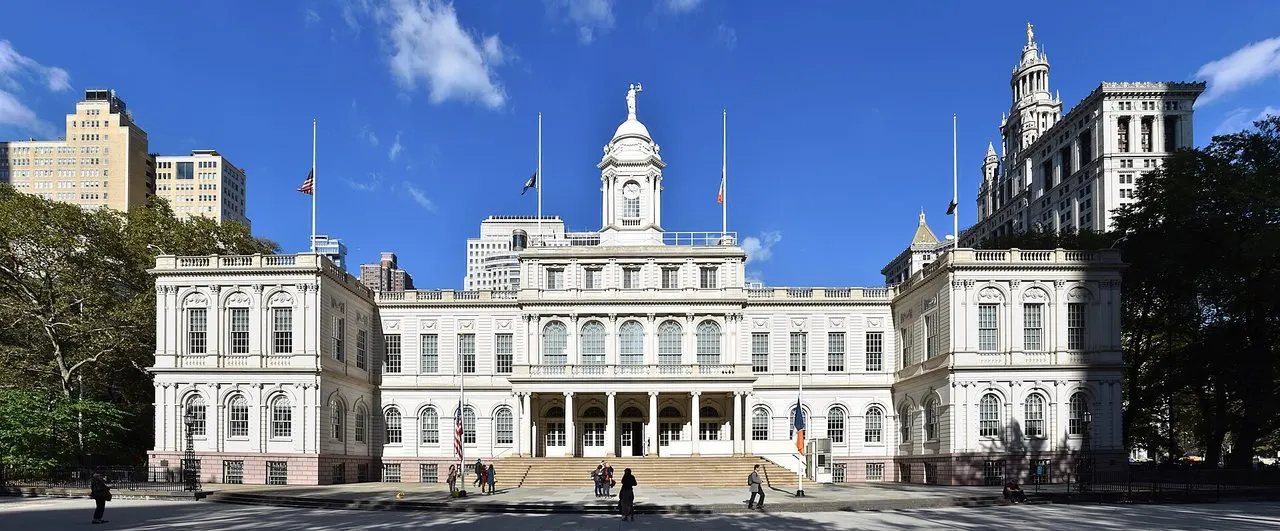
On Thursday, Mayor Zohran Mamdani walked into City Hall and signed the law that ends 150 years of horse-drawn carriages in New York City. The room was full of people who had waited years for this moment, and the signing turned a long debate into a clear decision. The mayor put his name to Romanch’s Law, and the countdown to June 1, 2028 began. Read about the fight over delivery fees in New York.
What the Horse Carriage Ban Stops First

The horse carriage ban works in a simple way. From now on, the city will not hand out any new carriage licenses, so the trade cannot grow or replace the drivers who leave. The plan gives drivers years to train for new jobs and gives the horses a safe path out of the city. See the earlier report on the 2028 plan.
June 1, 2028: The Last Day on the Streets
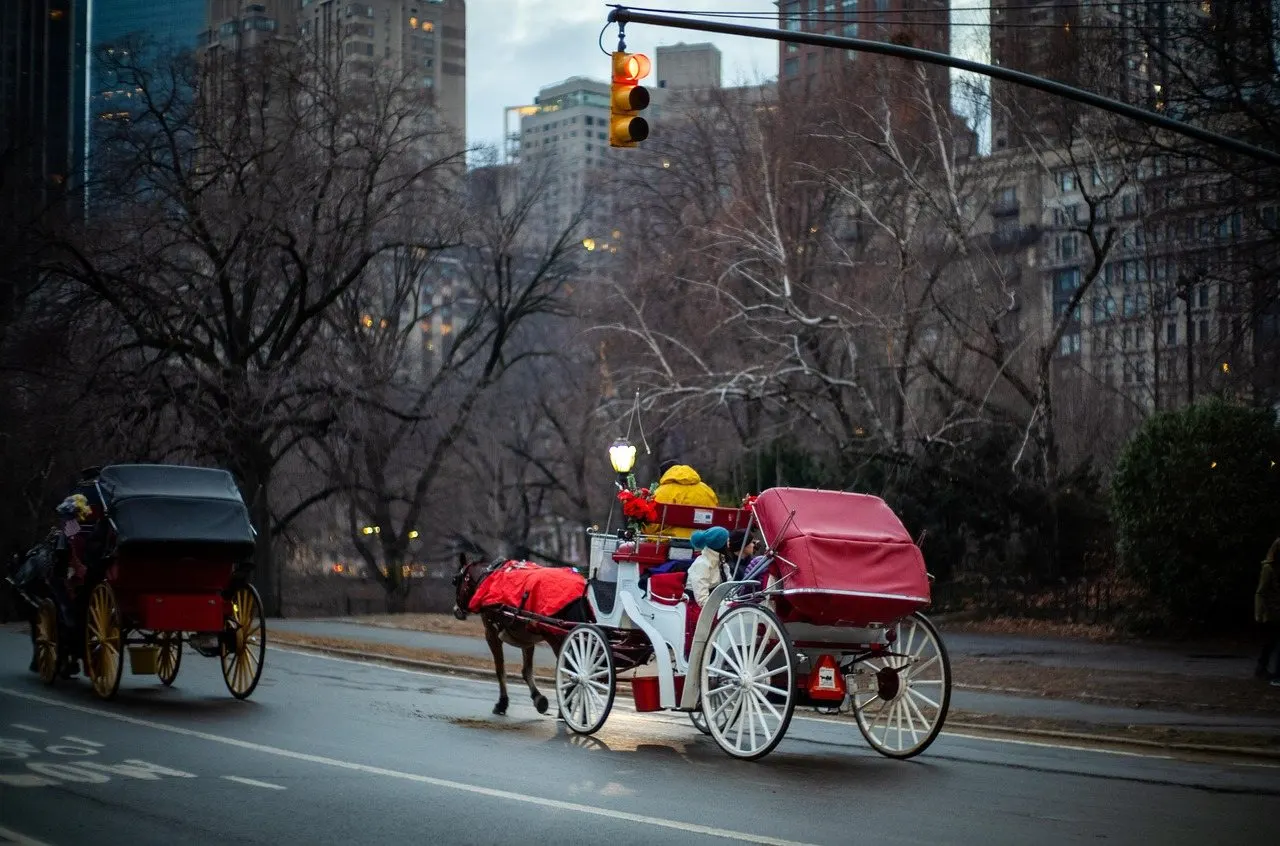
June 1, 2028 is the date that matters most in this story. On that day, the horses come off the streets of New York City for good, and the horse-drawn carriage trade ends after 150 years. It is also close enough that the change feels real, and every driver knows the clock is running. Until then, the carriages will still roll through Central Park, but their days are numbered now. Read the briefing room after the long flight.
Romanch Mahajan, the Tourist From India
Romanch Mahajan was 18 years old, and he had come to New York City from India as a tourist. He lost his life in the park on June 17, and his death shocked the city. His family far away in India lost a son, and New York lost a young guest it should have kept safe. See the push to ban toxic pesticides.
The June Day in Central Park
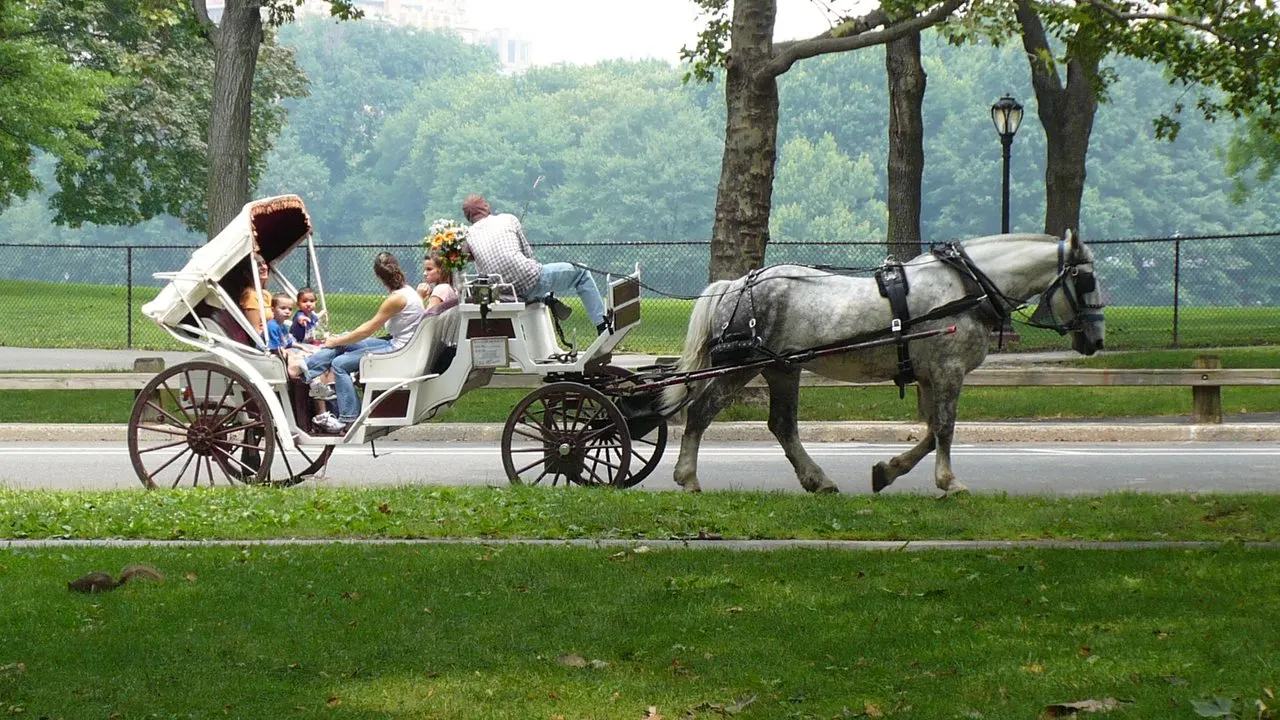
June 17 was a normal summer day in Central Park until a horse was spooked and bolted with a carriage behind it. Romanch Mahajan was thrown from the carriage, and he did not survive. It showed that the risk was not just a story in the news but a real danger on the park roads. Read our earlier story on the ban.
Why the Horse Carriage Ban Carries His Name

The horse carriage ban is called Romanch’s Law, and the name matters. Naming the law for Romanch Mahajan means his name will be read every time the city talks about the carriages, and it keeps the reason for the change in plain sight. The name also tells his family that the city did not forget him. His loss became the push that finally ended a 150-year-old trade. See the bill on senators and shutdown pay.
150 Years of Carriages in New York
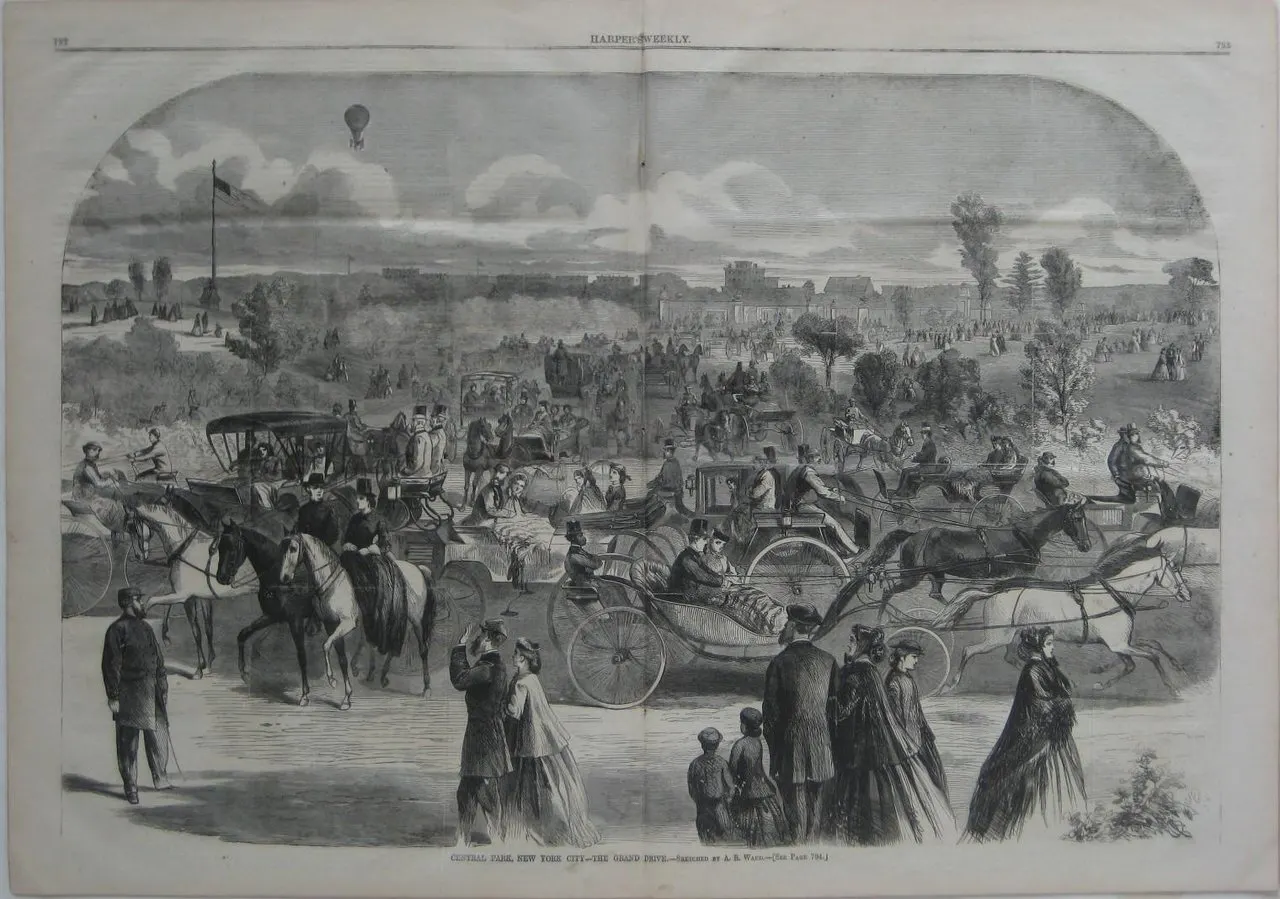
Horse-drawn carriages have been part of New York City for 150 years, since a time when horses pulled nearly everything in the city. But the city around them changed, and the streets grew louder and busier. A trade that made sense in the age of horses looks very different in the age of traffic. Read the Armenia and Azerbaijan peace deal.
Ryder, the Horse Who Collapsed in 2022
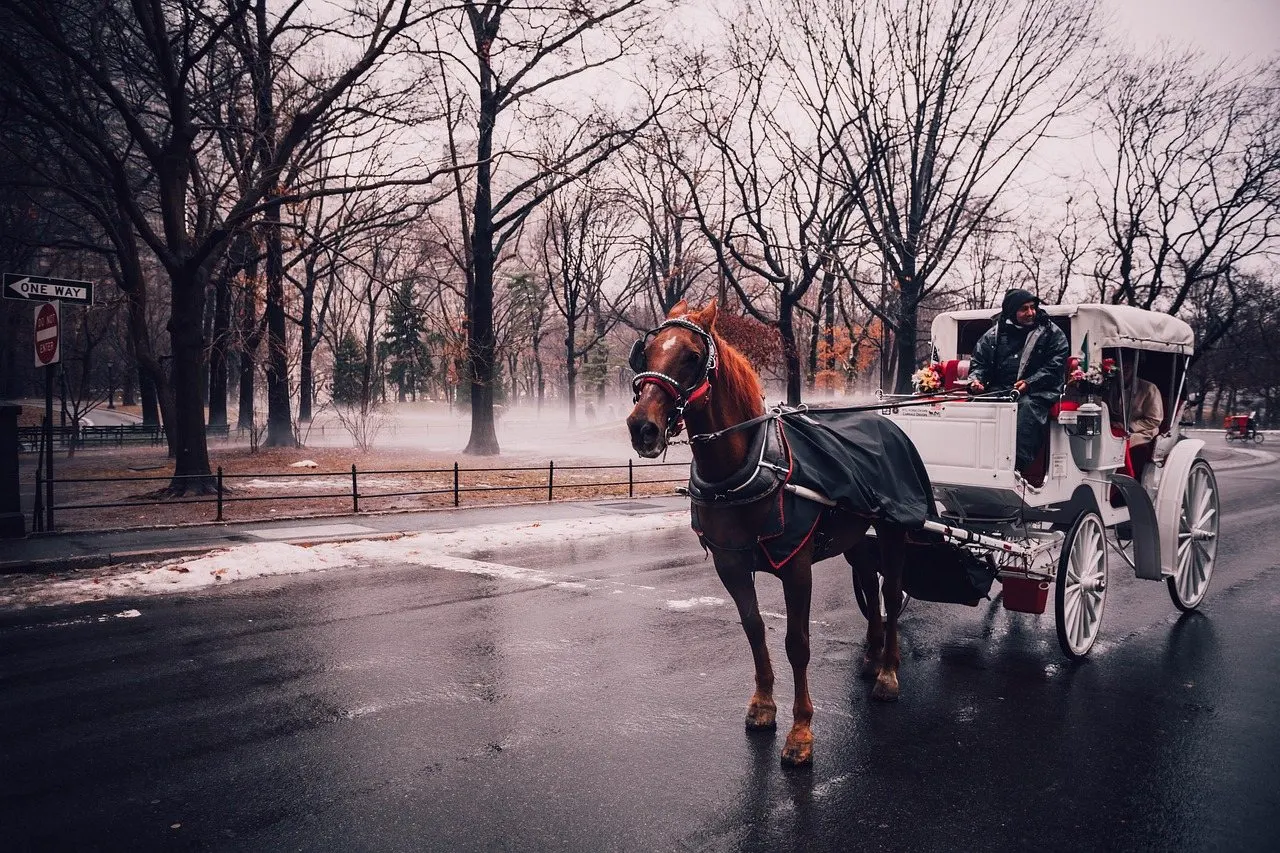
In 2022, a carriage horse named Ryder collapsed in Hell’s Kitchen, and he later died. Horses are strong animals, but they are not built for hot streets, loud horns, and long days pulling heavy loads on hard roads. Ryder’s collapse was not the only warning, but it was the one many New Yorkers remembered when the debate came back. His name is still part of the story today. See another animal protection win in Sweden.
Horses and Manhattan Traffic
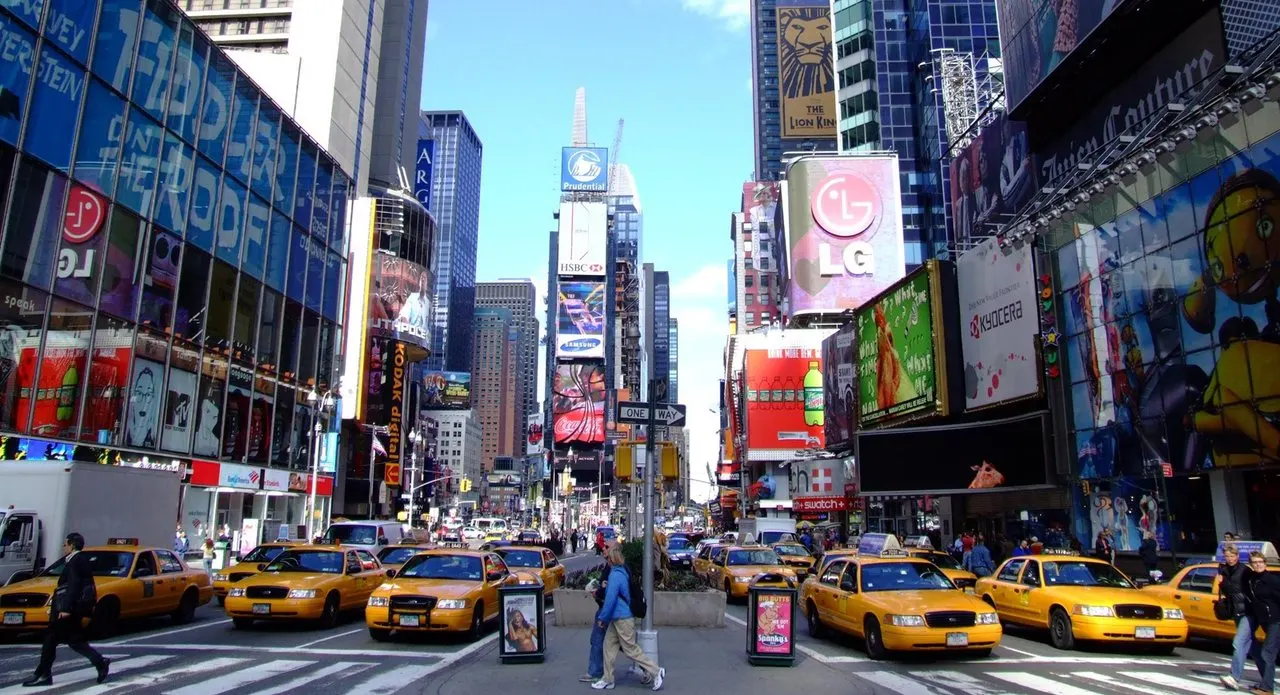
A horse in Manhattan traffic lives in a world of noise, and that is part of the problem. When a horse panics, it is big and strong, and the driver may not be able to hold it back. The carriage behind it adds weight and speed to the danger, and the people inside have little protection. Read Kevin Hart on fatherhood and time with his kids.
About 200 Workers and the Horse Carriage Ban
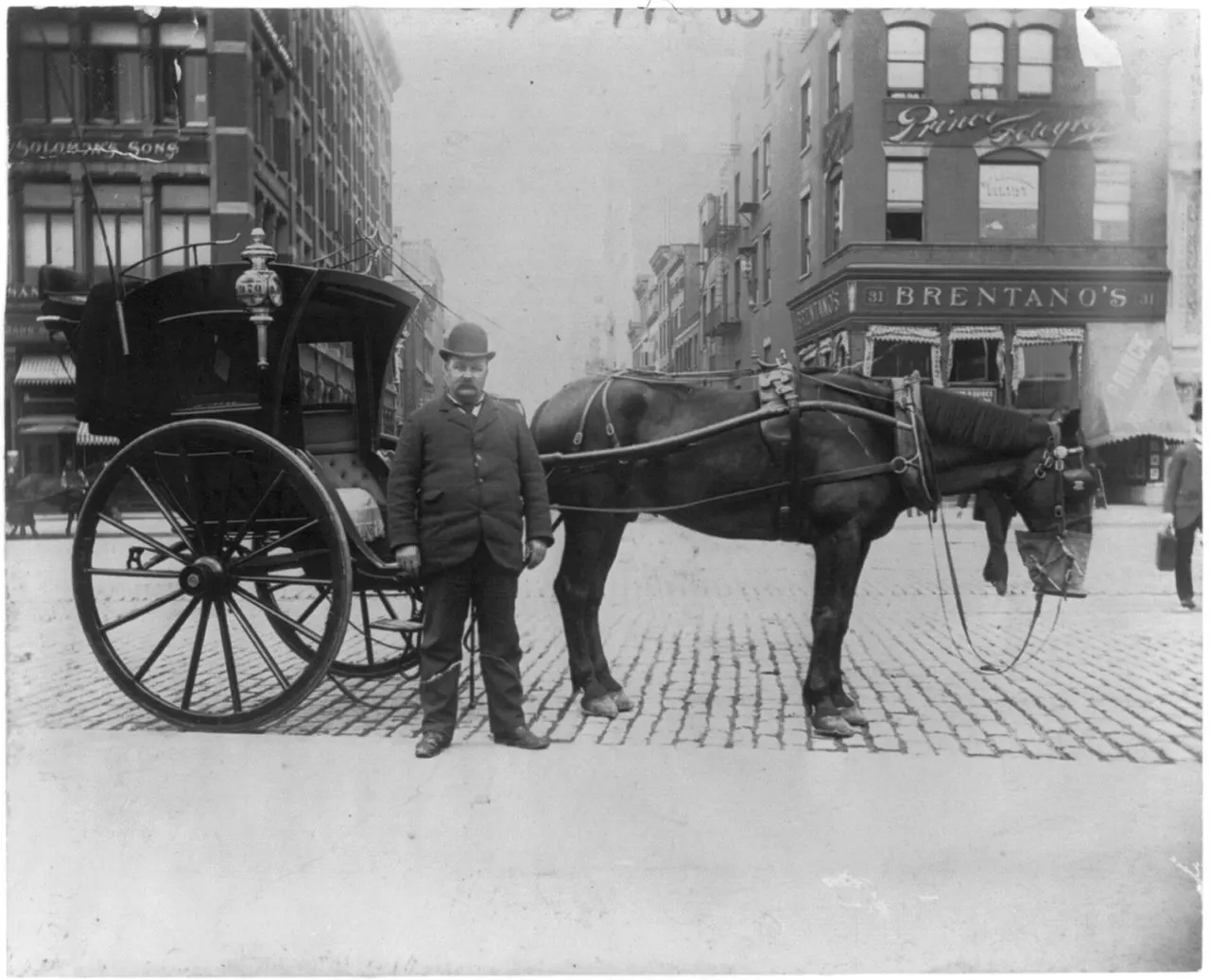
The horse carriage ban does not forget the people who drove the carriages and cared for the horses. Many of them have worked in the trade for a long time, and the change will be hard. The city says it will help them find new work, and that promise is part of the law. See the Rikers Island closure plan.
A New Start for Workers After the Horse Carriage Ban

The career transition program will run through CUNY’s LaGuardia Community College, and it is meant to give workers real skills for new jobs. The drivers and stable workers will be able to study while the trade winds down, so they are ready when the last carriage stops. The program is the city’s way of saying that ending the trade does not mean ending the workers’ futures. Read Zelensky’s silent shrug in Berlin.
Buying Back the Medallions
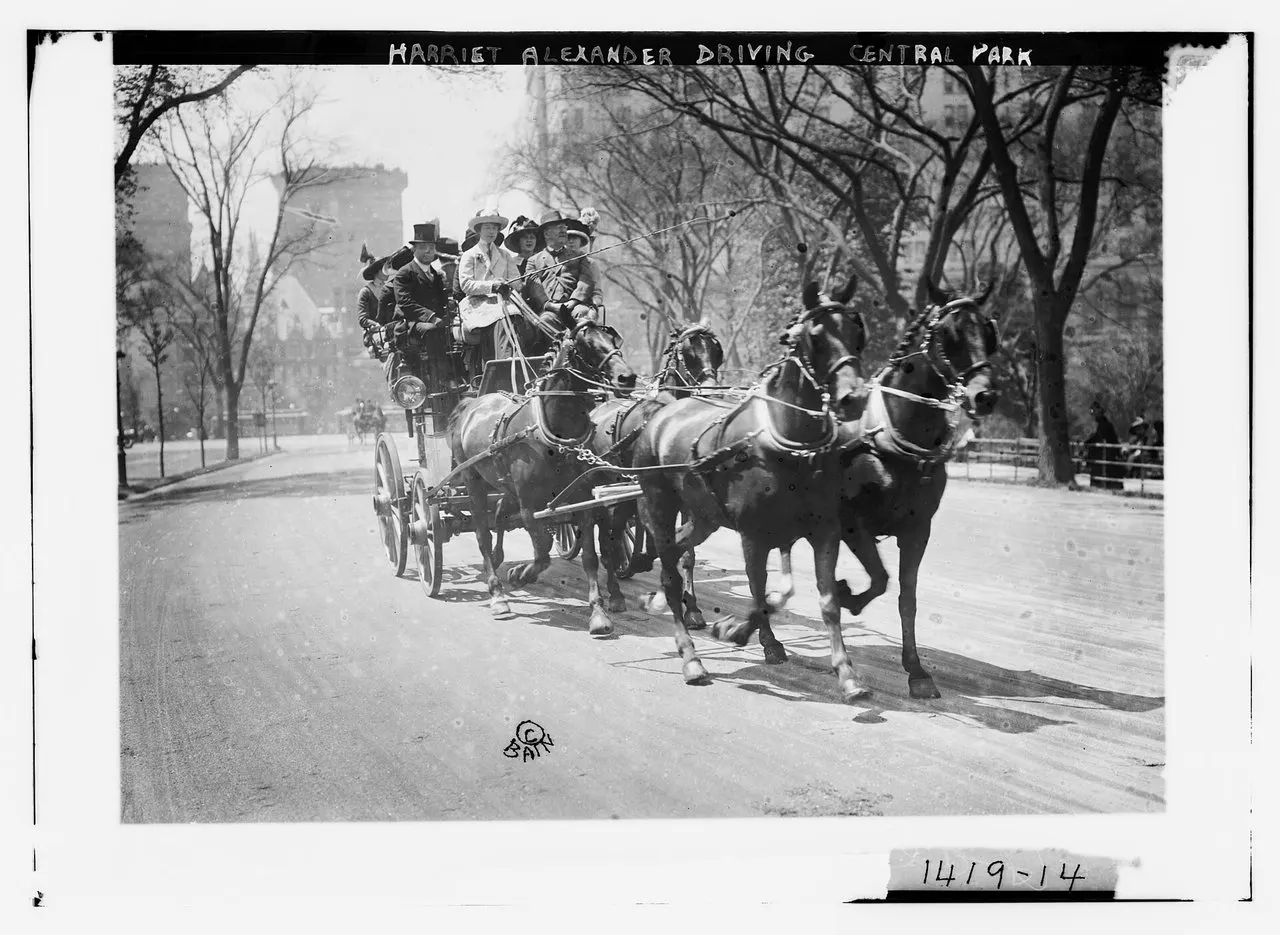
To run a carriage in New York City, a driver needed a medallion, and the city is now working on buying those medallions back. Buying them back is fair, because the city is ending the trade and taking away the thing that made it possible. It also gives drivers money in hand as they plan their next step. See a city bill that could add to delivery costs.
A Pasture, Not a Traffic Jam
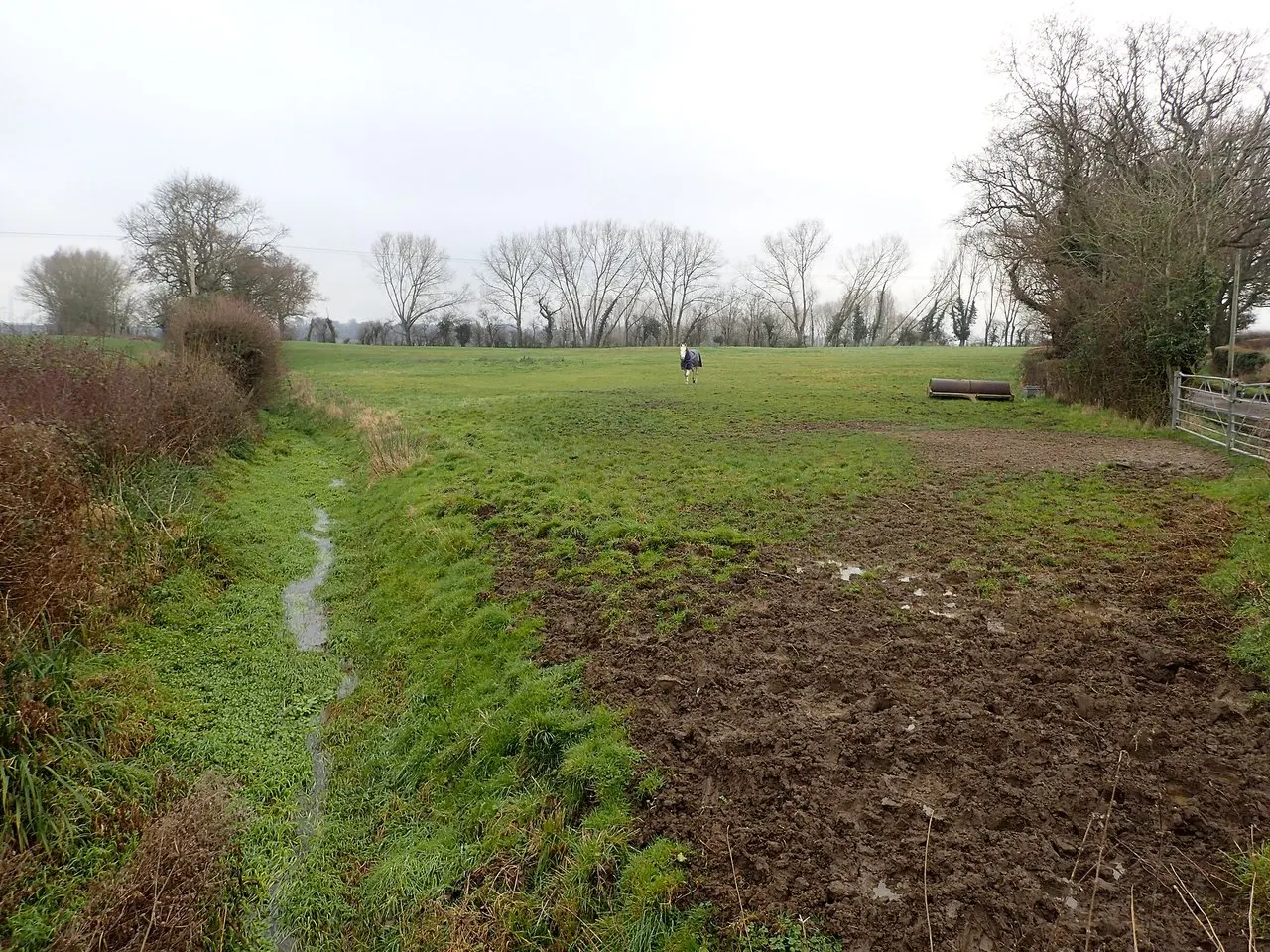
The retired horses are protected under the law, and that is the part of the story that makes many people smile. Animal groups have asked for this for years, and the law answers them. The horses that carried visitors through the park will end their days in green fields, not in city stables. Read how Sweden protects great apes.
The Council Vote: 40 to 7
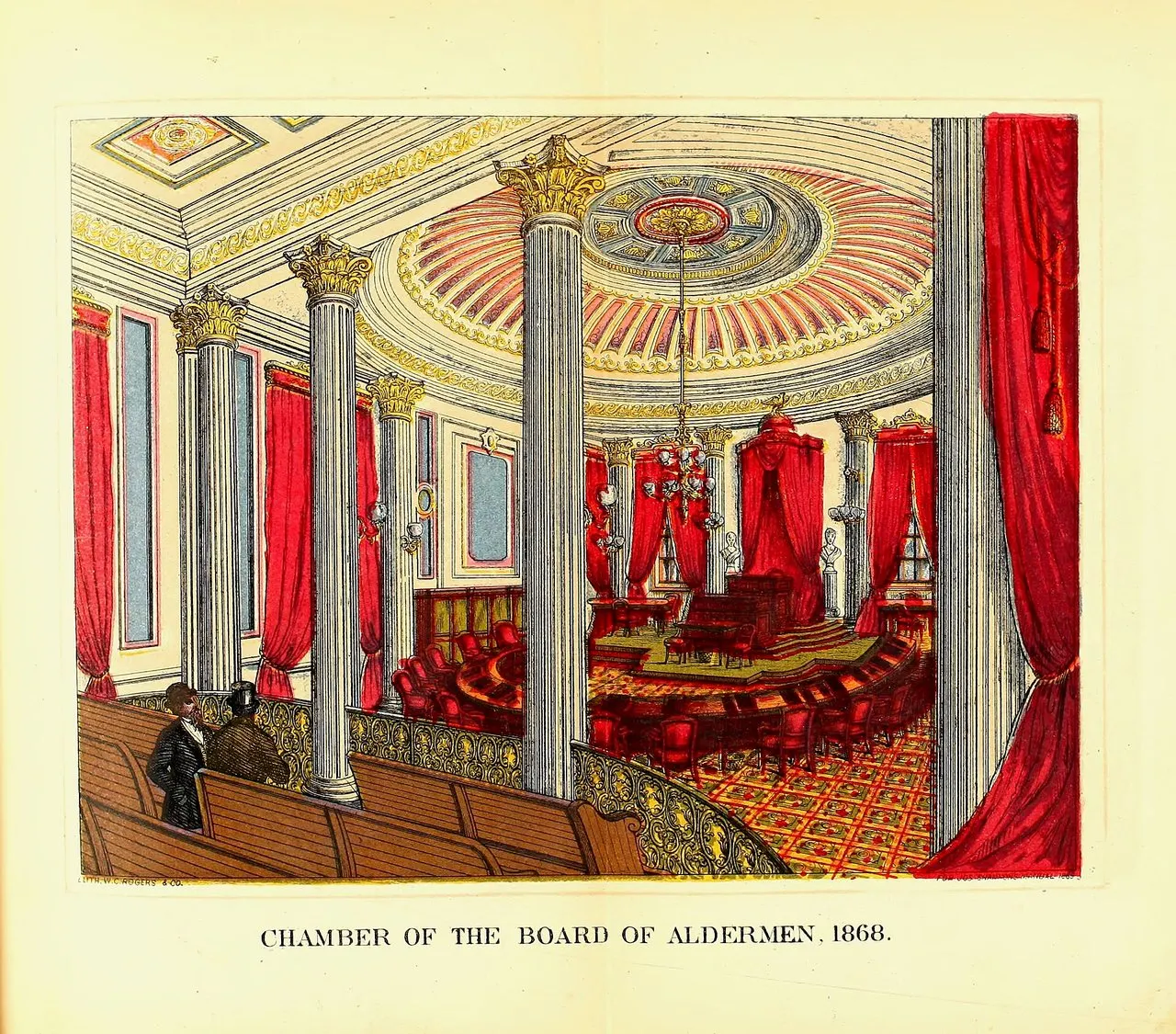
Before the mayor could sign the law, the City Council had to pass it, and the vote was 40 to 7 last month. That is a wide margin, and it shows that most of the council agreed the carriages had to end. The seven who voted against it had their reasons, but the majority spoke clearly. See how senators would lose pay in a shutdown.
Trump Calls the Carriages a Great Tradition

When the City Council passed the bill, Donald Trump was quick to react, and he did not hide how he felt. The mayor and the council saw it the other way, and they signed the law anyway. The argument over tradition and safety is now settled in law, even if the online debate goes on. Read the news conference after the China trip.
A Promise From 2013 That Never Happened
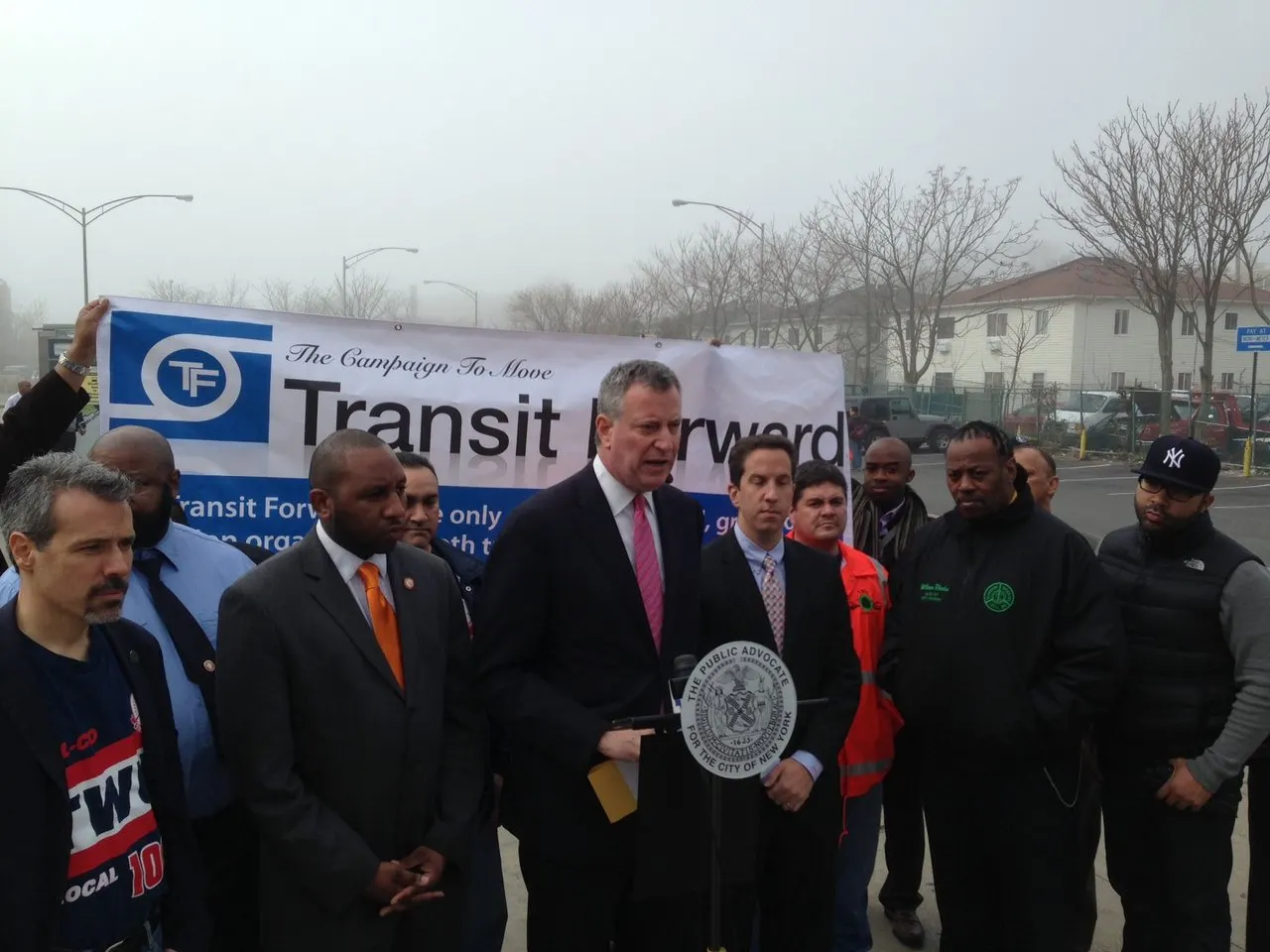
Bill de Blasio promised to end the carriages on day one back in 2013, when he first ran for mayor of New York City. It was a bold promise, and many people believed him, but he never got it done. The trade stayed, the carriages kept rolling, and the promise faded as the years went by. See the warning about dishonor.
De Blasio Watched as the Horse Carriage Ban Became Law
The horse carriage ban was signed in City Hall, and Bill de Blasio was there to watch it happen. Some promises wait for the right person and the right time, and this one waited more than a decade. The signing belonged to Mamdani, but the history of the promise belonged to de Blasio too. Read how the city plans big changes.
The Drivers Union Goes to Federal Court
The drivers union is not giving up, and it is already running to federal court to fight the new law. The city will defend the ban in court, and the judges will decide whether it stands. For now, the drivers’ hope is in the courtroom, and the city’s plan moves ahead. See GTA VI and its long wait.
Retired Horses and the Horse Carriage Ban
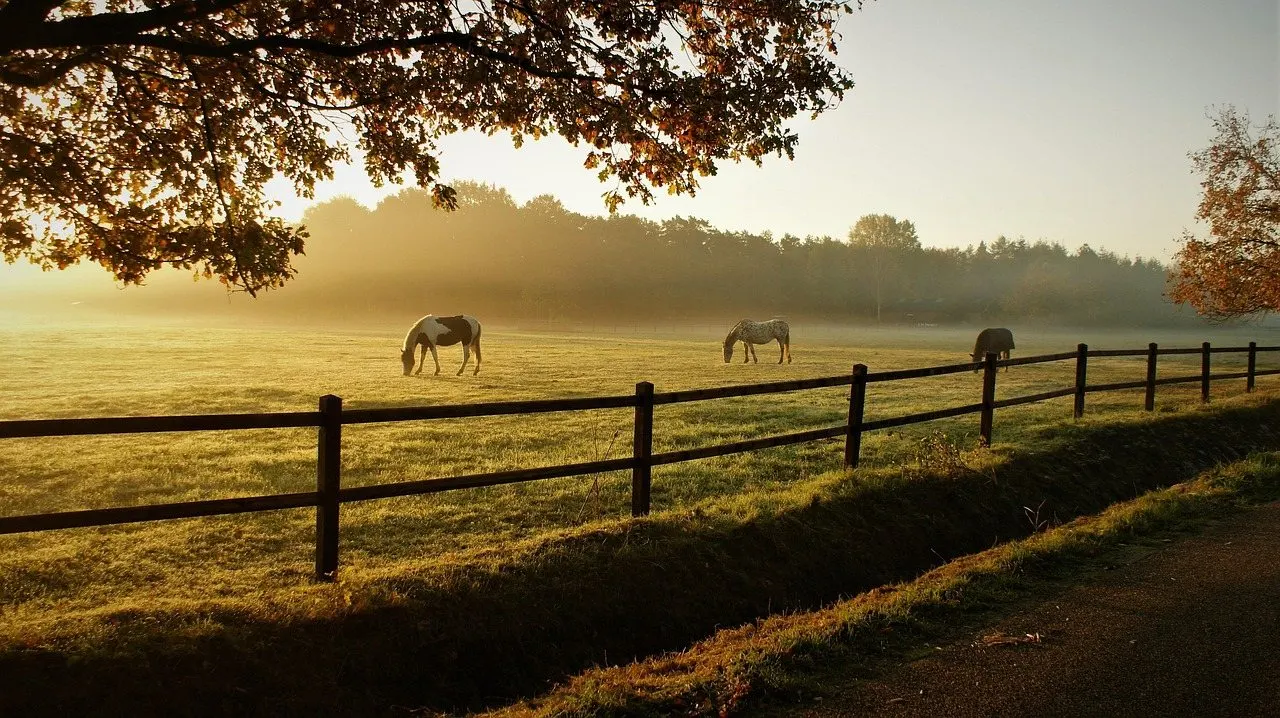
The horse carriage ban protects the retired horses, and that protection is written into the law itself. Animal groups fought for this part of the law, and they say it is just as important as the ban itself. A law that ends a trade should also care for the animals the trade used, and this one does. The horses will leave the city streets for good by June 1, 2028. Read another famous animal story.
The Carriage Stands at Central Park
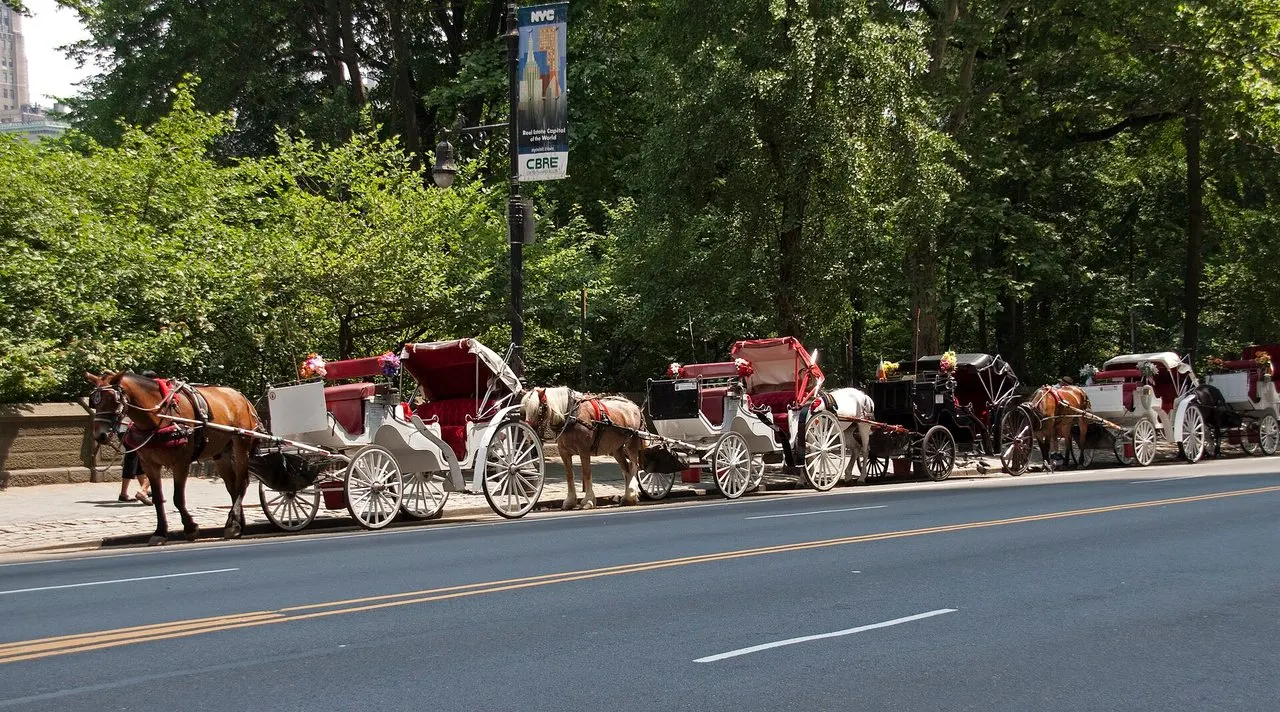
For years, the carriage stands at the edge of Central Park were one of the first things visitors saw when they arrived. The stands were part of the park’s look, and they will soon be gone. The park will stay, but the horses and carriages will not be part of it anymore. See a week of failures and storms.
How Carriage Rides Became a New York Sight
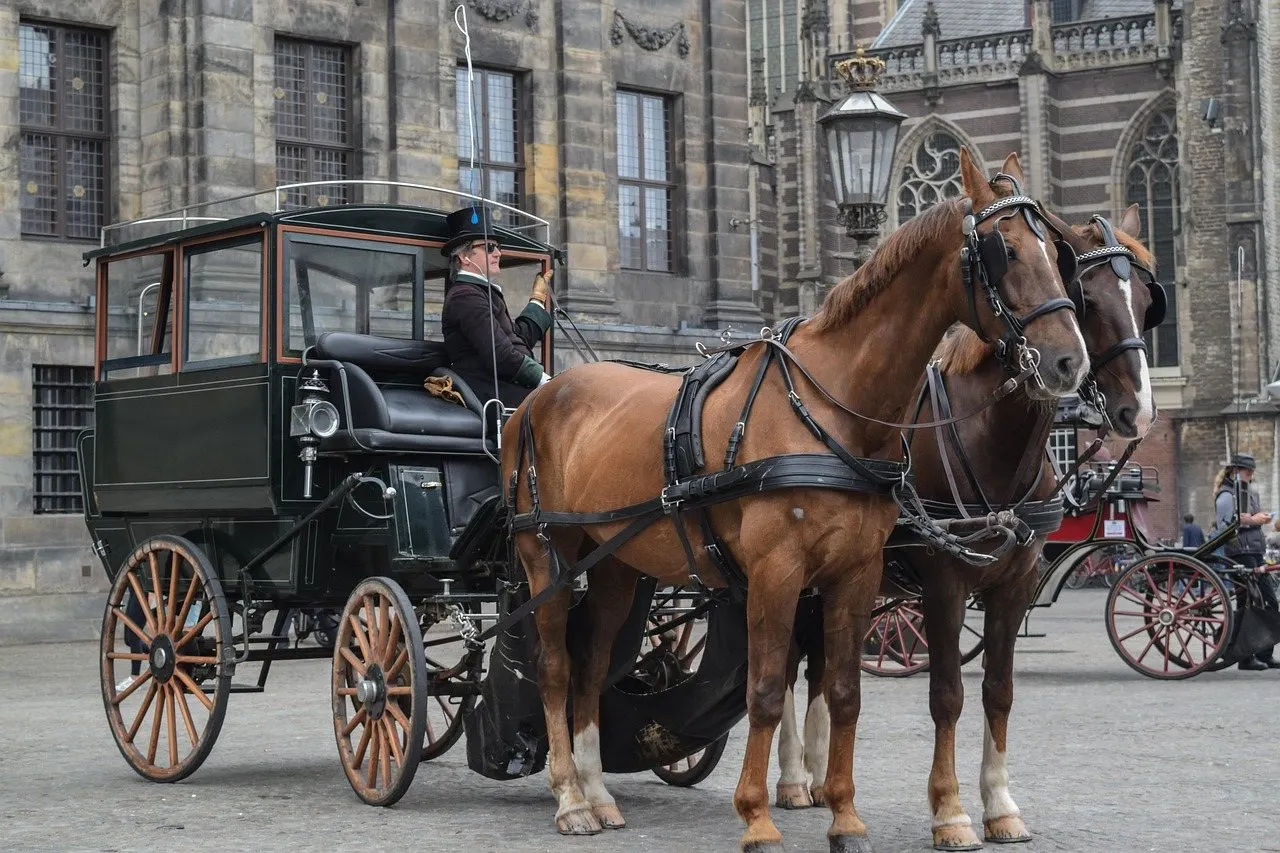
Carriage rides became a New York sight because the city kept them long after most places gave up horse-drawn transport. The rides were in films and on postcards, and they became part of how people pictured New York. The rides are now part of the city’s past. Read the moment that said more than words.
Animal Groups Cheer the Horse Carriage Ban
The horse carriage ban has been cheered by animal groups, and three of them are named in the references for this story. The Center for a Humane Economy celebrated the signing, and the Animal Legal Defense Fund praised a law that ends the carriages by 2028. VegNews called it official, and the mayor’s office called it a landmark. When animal groups and a mayor agree, a long fight is finally over. See the fight over pesticides in food.
What the Mayor’s Office Said
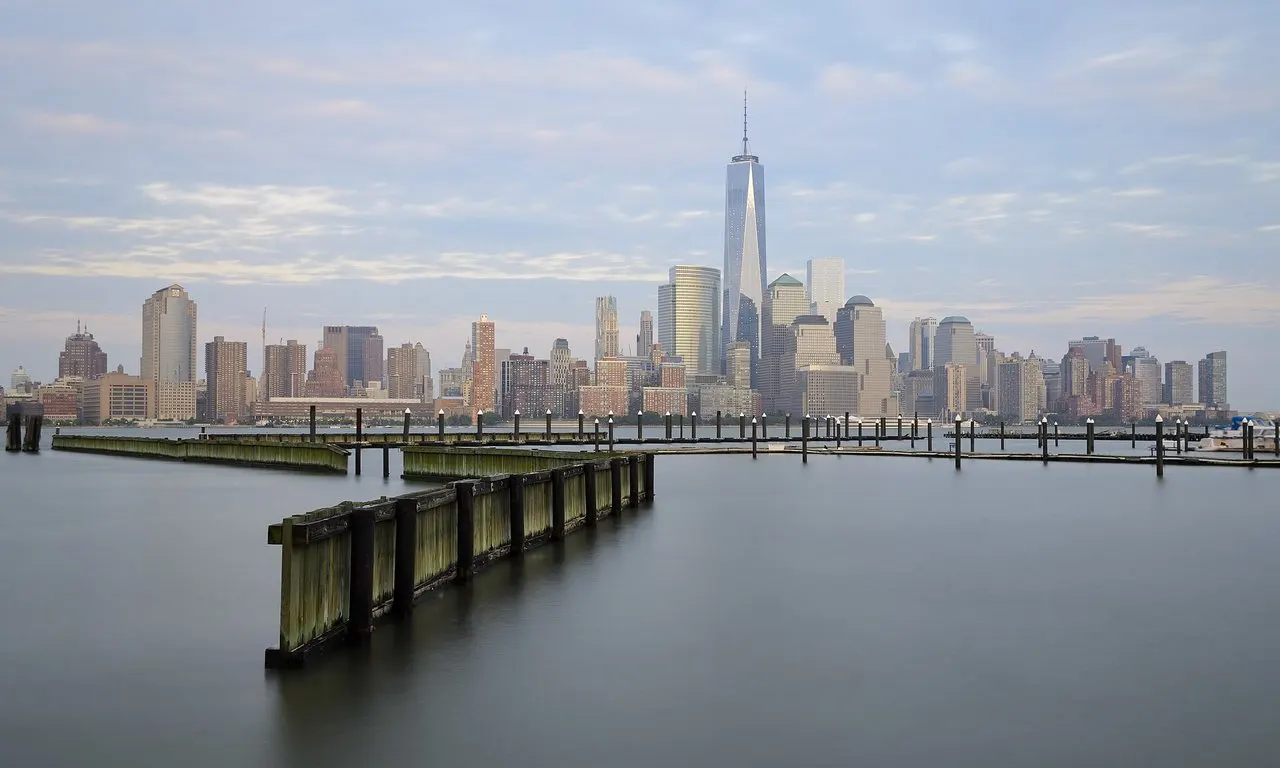
The mayor’s office announced the signing with a clear message, and its headline says it all. After 150 years, Mayor Mamdani signed landmark legislation to end the city’s horse-drawn carriage industry, and the office called the law a landmark. The mayor’s office put the news out on Thursday, and the story spread fast. The signing was not a quiet event, and the city wanted everyone to know. Read the China trip and trade deals.
How the News Covered the Signing

The news of the signing spread fast, and the headlines told the story in plain words. The mayor’s office called it landmark legislation after 150 years. Four sources, four headlines, and one clear fact, and that is how a city learns that a long chapter has closed. See the sidewalk math lesson in New York.
The Horse Carriage Ban Plan Arrives in April 2027
The horse carriage ban will not end on the day it was signed, and the city has time to plan the finish. A plan like that needs detail, from training places to buyback prices to new homes for the horses. Until then, the law stands, and the date of June 1, 2028 stays firm. See the shutdown pay rule in the Senate.
A New Chapter for Central Park
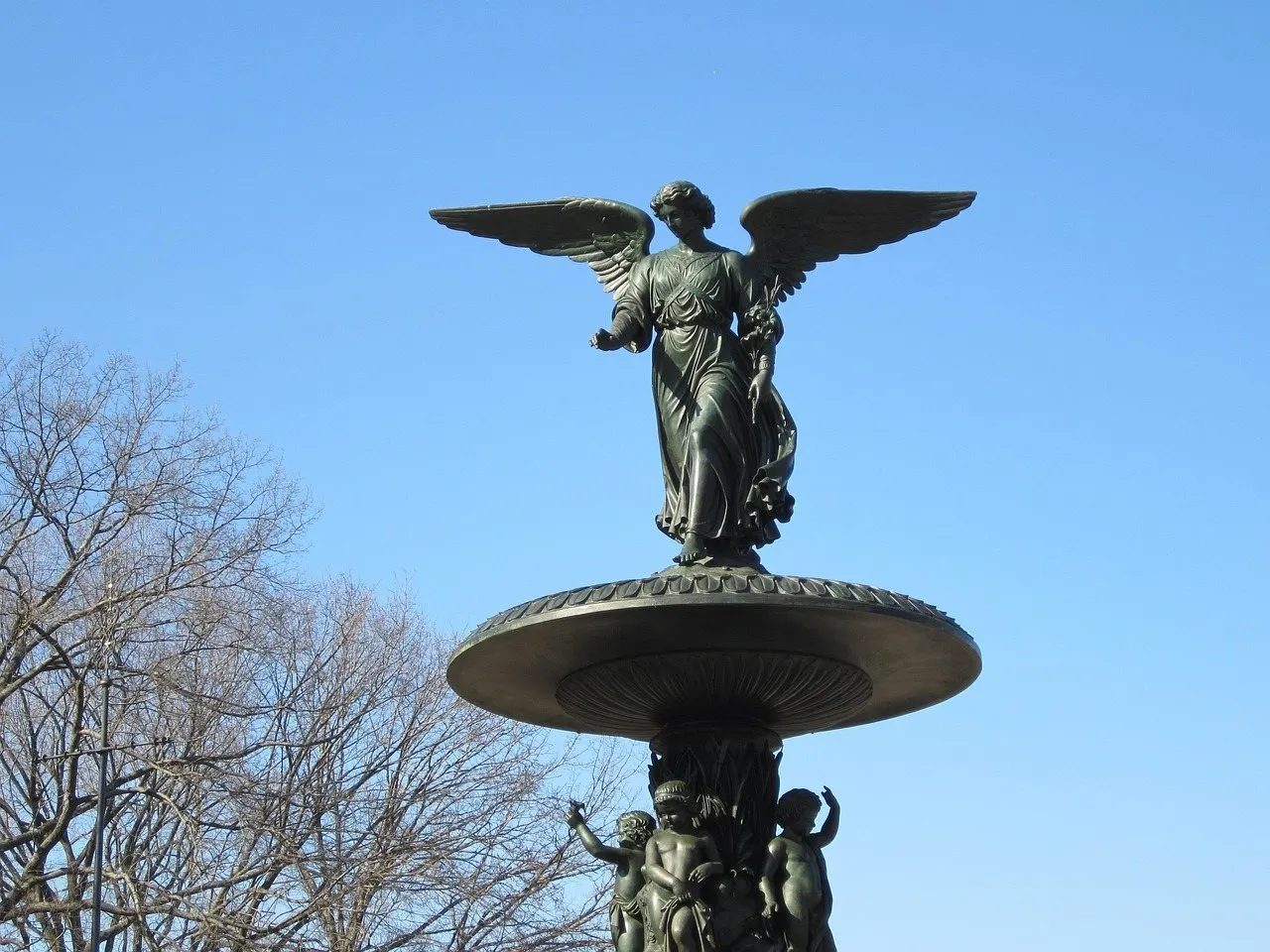
Central Park will still be Central Park, but it will sound and look a little different without the carriages. The park has lakes, paths, lawns, and fountains, and people will still walk, run, and picnic there every day. The end of the carriages is not the end of the park, and the park’s next chapter starts now. Read 35 years of conflict ending.
What Do You Think of the Horse Carriage Ban?
The horse carriage ban is now law, and the horses will be off the streets for good by June 1, 2028, so the question is yours now. Your story is part of this story too. The horses will thank you in their own quiet way, and the park will keep its trees, its paths, and its views for everyone. Read the pledge on measles status.