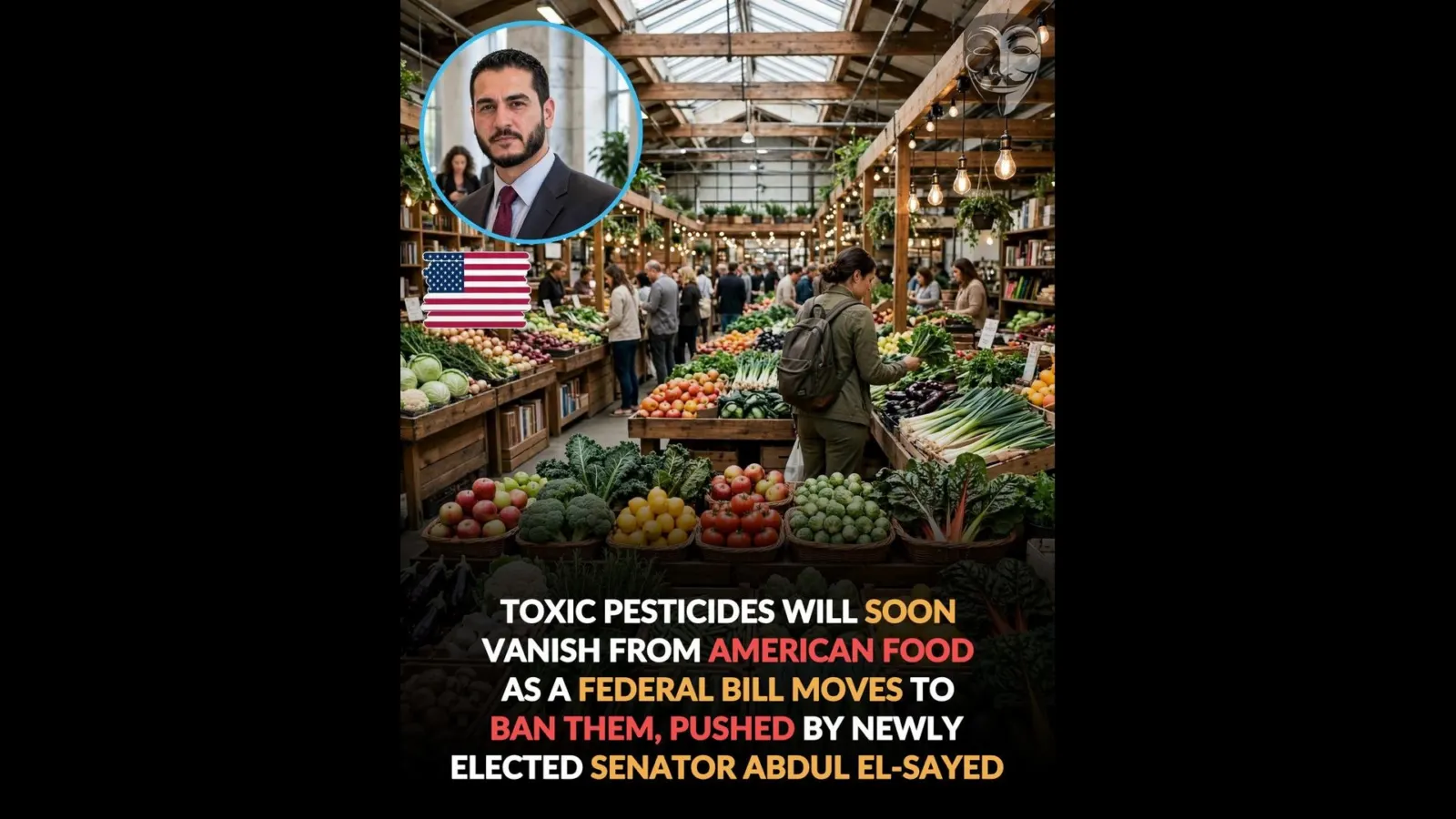
Toxic Pesticides and the Senator Who Wants Them Gone
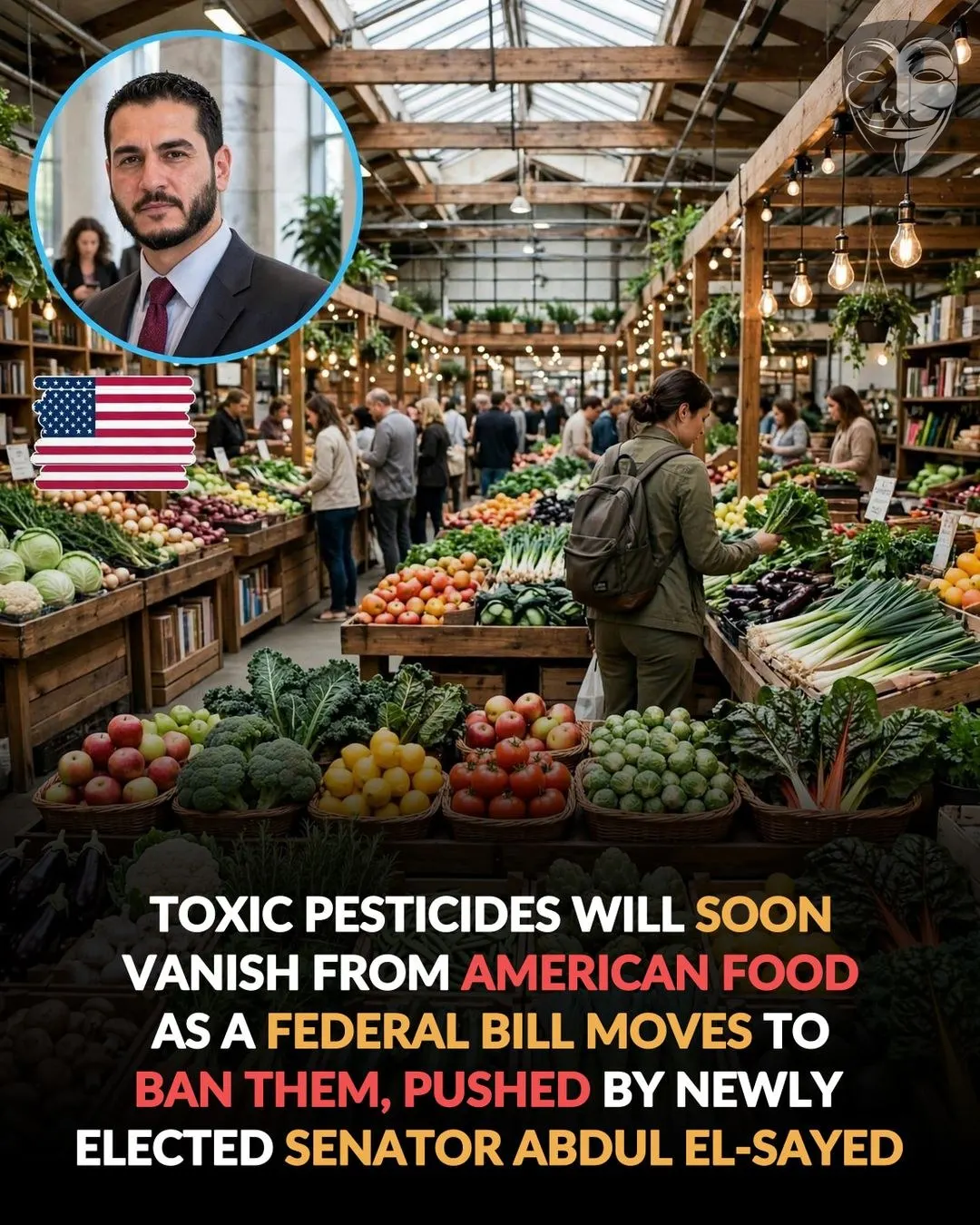
Toxic pesticides banned across Europe are still sprayed on American farms, and Michigan Senator Abdul El-Sayed wants that to change. The physician and epidemiologist, elected to the Senate, is leading a federal push to remove chemicals that Europe outlawed as unsafe. Toxicology data shows the United States still allows more than 70 agricultural pesticides banned in the European Union, including paraquat, organophosphates and neonicotinoids. His plan would close loopholes in federal law and speed up safer farming, so families get cleaner food and water.
Researchers have linked some of these chemicals to Parkinson’s disease, hormone disruption and harm to children’s development, and to contamination of groundwater. The bill would also pair with federal Pesticide Injury Accountability reforms and support precision mechanical weeding, biological pest control and safer crop chemistry for American farmers. In the slides ahead we look at the chemicals involved, the health evidence, the European rules and the safer methods that could replace the spray. See health care administration spending.
References:
Engineerine: Why a New Federal Bill Aims to Ban Toxic Pesticides From the US Food Supply
The Texas Public Record: Michigan Senator-Elect Pledges Pesticide Ban, but Texas Farmers Still Lack Critical Details
Organic Consumers Association: Michigan Senator-Elect Leaning Into an Anti-Pesticide Agenda
Beyond Pesticides: Congressional Candidates Reflect Grassroots Support for Pesticide Warnings, Organic Transition
A Doctor Steps Into the Senate

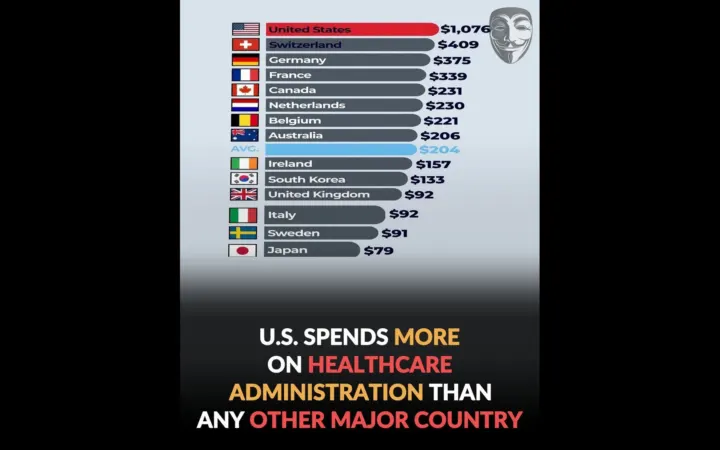
Abdul El-Sayed is a physician and epidemiologist, a doctor trained to study how disease spreads through whole populations. That background shapes how he talks about food safety. He argues that when the same chemicals show up again and again in studies of illness, the country should act on the evidence. His medical training gives his push credibility with voters who trust doctors on health questions. He now carries that training into the Senate, where health law is written and debated. See how much the United States spends on health care administration.
Michigan Sends a Physician to Washington

El-Sayed was newly elected as a senator from Michigan, a state of farms, factories and large cities. Michigan voters sent him to Washington to speak for their families, their jobs and their health. A senator from Michigan knows farm country well, because the state grows corn, soy, fruit and vegetables. He also knows city life, where families trust the food on the shelves. That mix of farm and city experience sits behind his call for cleaner food. See the fight over the cost of Medicare for All.
More Than 70 Toxic Pesticides Are Still Legal Here
Toxic pesticides banned across Europe are still legal on American farms, and the number is striking. Toxicology data cited in the post puts the count at more than 70 agricultural pesticides that Europe already outlawed as unsafe. They are sprayed on corn, soy, fruit and vegetable farms across the country. The gap between American rules and European rules is the heart of the bill, and it is why supporters say the law needs to change now. See forests bought to protect nature in North Carolina.
Paraquat and the Fight Over Toxic Pesticides
Paraquat is one of the best known chemicals named in the post, and it is banned across the European Union. It is a weed killer used on farms, and researchers have linked it in studies to Parkinson’s disease. Supporters of the ban say a chemical with that kind of evidence should not stay on American fields. Opponents in farm country will want to hear what safer weed control would replace it with. See the bill on senators and pay during shutdowns.
What Organophosphates Do to the Body
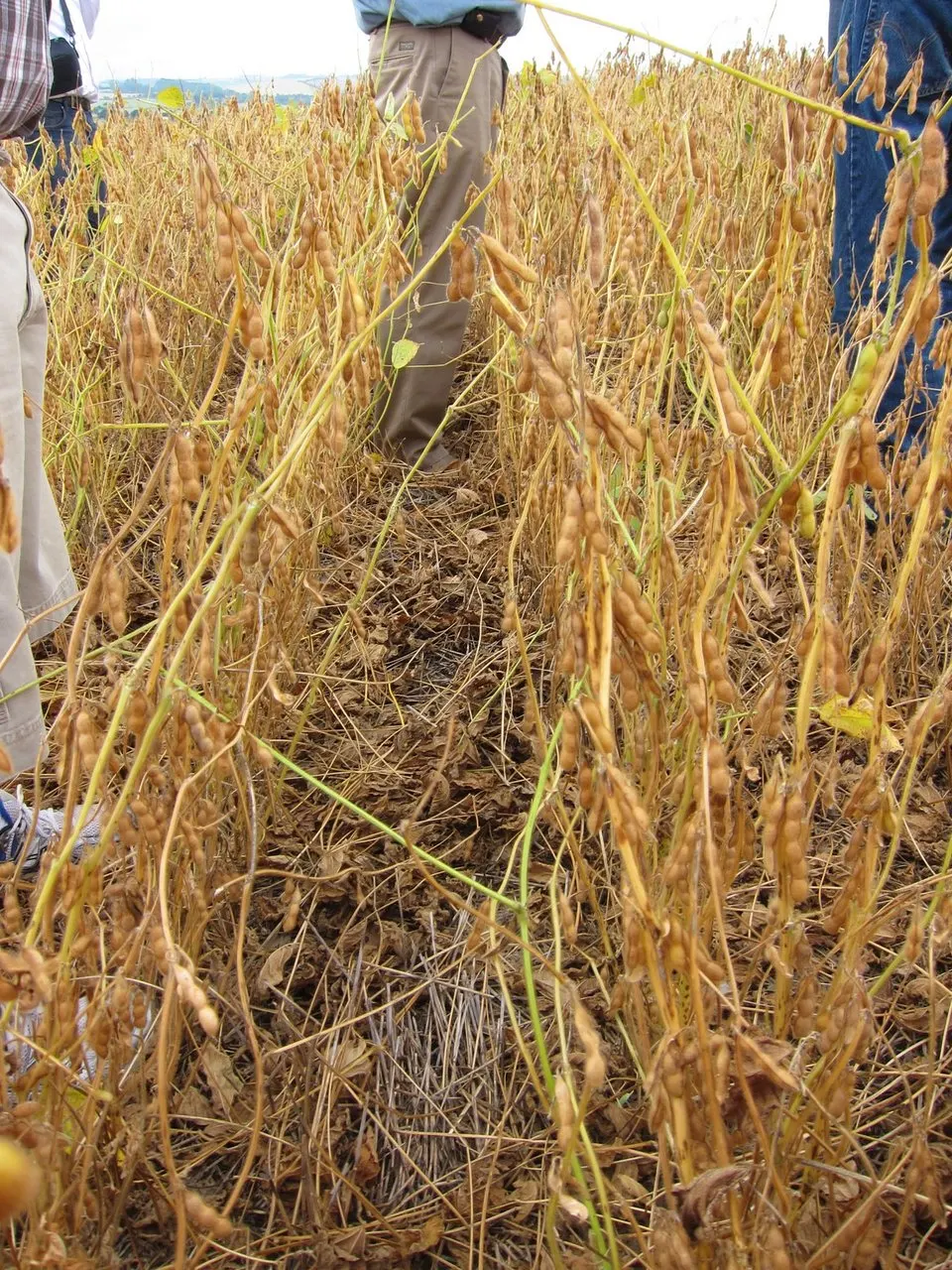
Organophosphates are a family of chemicals used to kill insects on crops, and some of them are banned in Europe. They attack the nervous system of insects, and researchers worry about long exposure in people. Studies have linked some of these chemicals to hormone disruption and harm to children’s development. That is why doctors pay close attention to them. The bill would treat them as a group that needs new limits, not as a problem for one farm alone. See the bill to stop using children as bait.
Neonicotinoids and the Bees That Pollinate Our Food
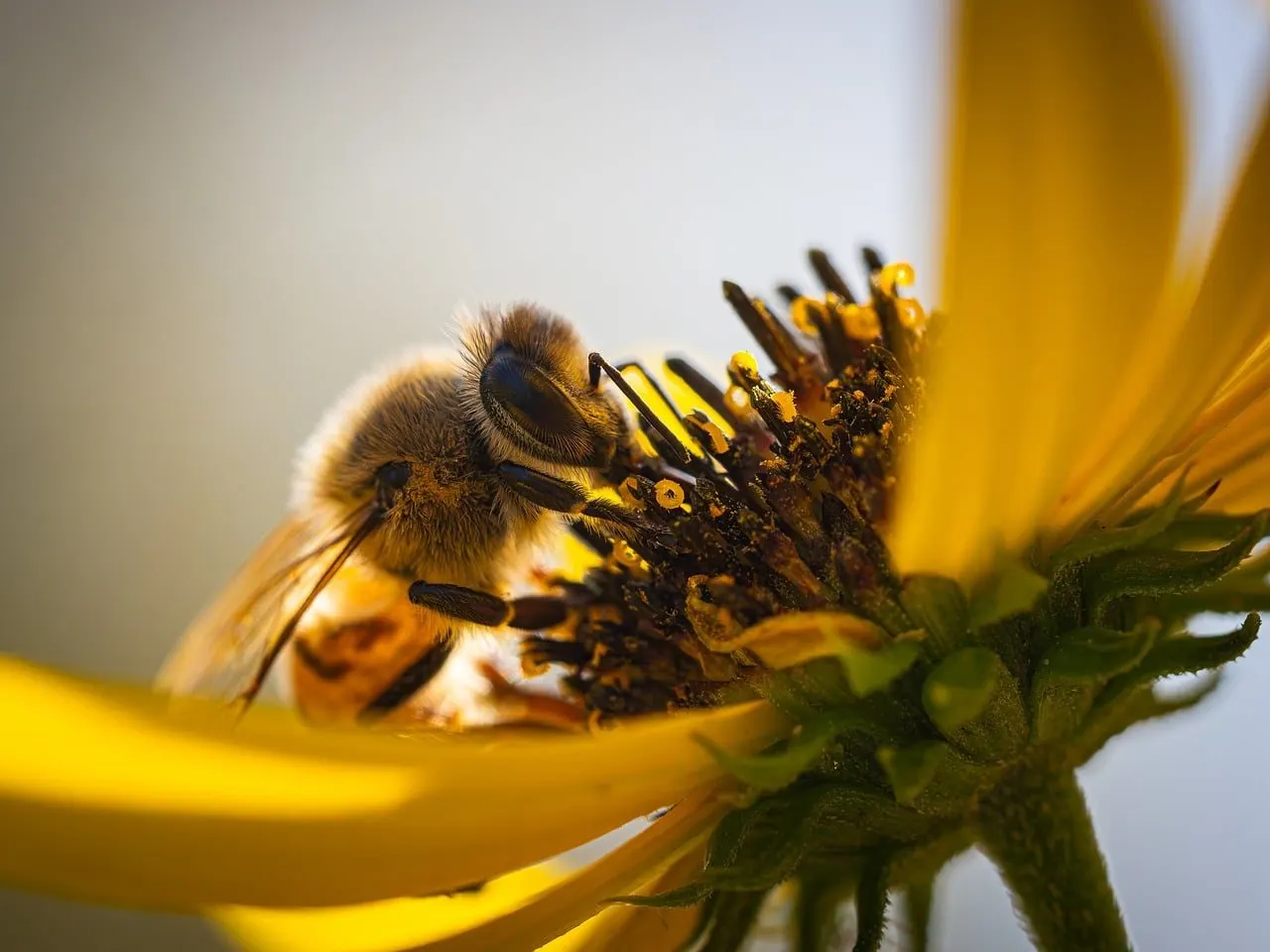
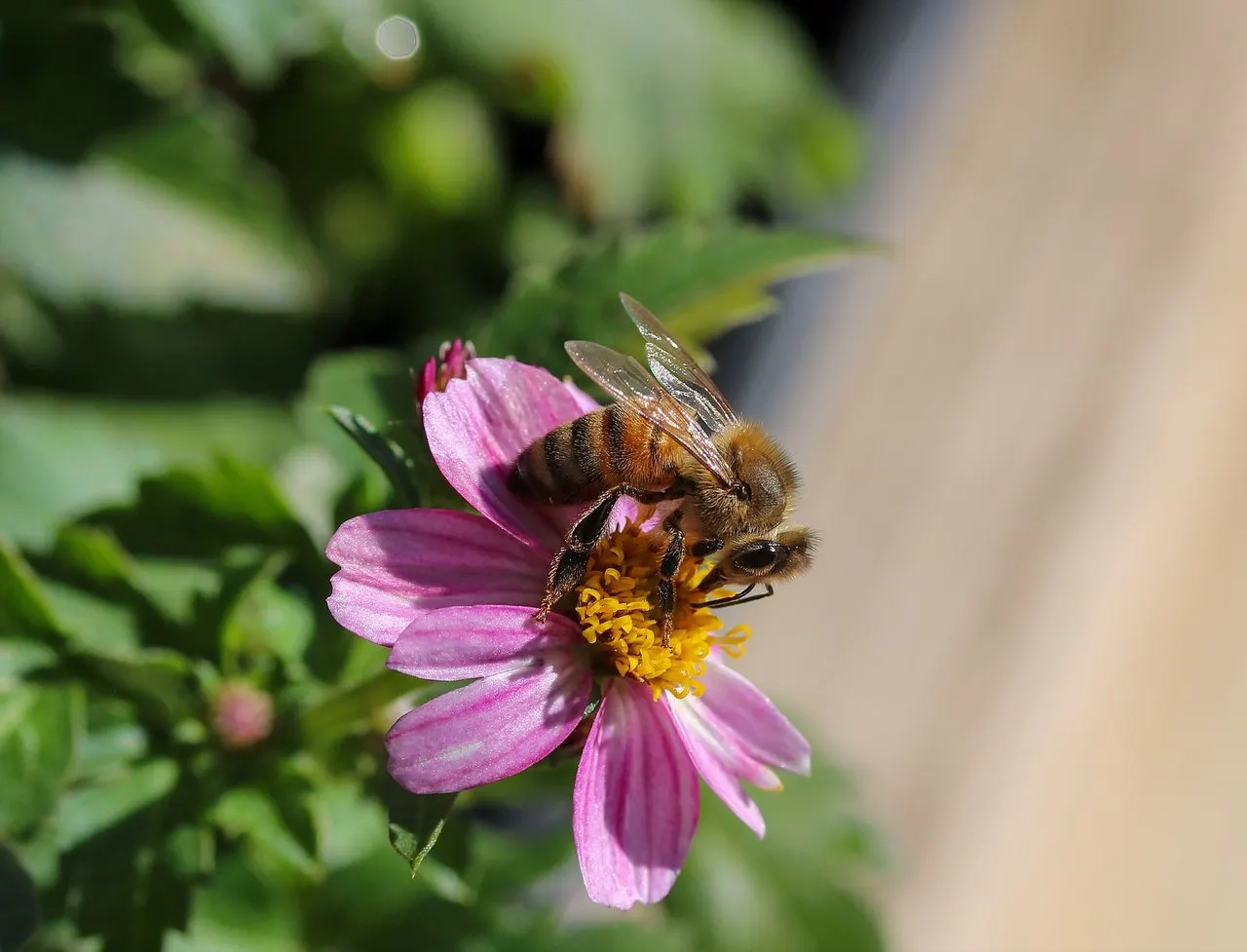
Neonicotinoids are insect killers that are used on seeds and sprayed on crops, and Europe has banned some of them. They are a worry for bees, because bees carry pollen from flower to flower and help fruit and vegetables grow. When bees are harmed, farmers can lose the pollination their crops need. That is why beekeepers and gardeners watch this debate closely. A ban would aim to protect the small insects that do a very large job for American food. See Elon Musk and his early farm jobs in Canada.
Phorate and Other Chemicals Under Review
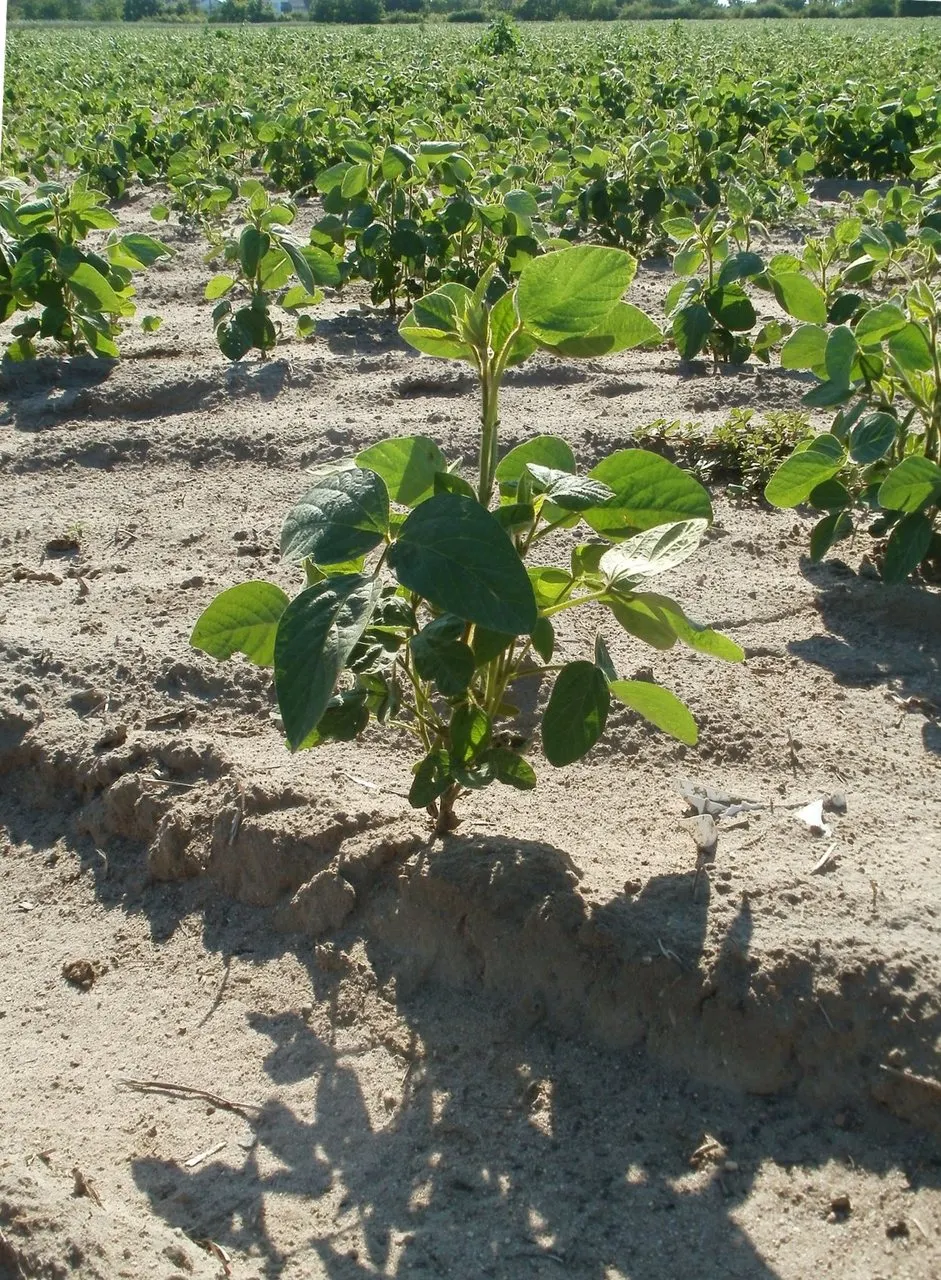
Phorate is another chemical named in the post, and it is also banned in Europe while still legal in the United States. It protects crops from insects in the soil, and it has stayed in use for many years. The post groups it with paraquat and certain organophosphates and neonicotinoids as chemicals with peer reviewed links to harm. The bill would look at the whole group together, rather than waiting for each chemical to be challenged one by one. See Jennifer Garner and her comforting recipes.
The Link Between Toxic Pesticides and Parkinson’s Disease

Researchers have linked some of these farm chemicals to Parkinson’s disease, a condition that affects movement and grows more common with age. The evidence comes from studies that compare people who worked with the chemicals to people who did not. Doctors say that kind of pattern is hard to ignore, even when more research is still needed. For families living with the disease, the link feels personal. That is why the health argument sits at the center of the push for a ban. See Gen Z and the wish for physical cash.
Hormones, Health and Toxic Pesticides

Hormone disruption is one of the harms researchers have linked to some of these chemicals. Hormones are the messengers that tell the body how to grow, how to use energy and how to develop. When a chemical disturbs that system, the effects can show up slowly and in many parts of the body. Doctors worry most about exposure during pregnancy and childhood, when the body is still forming. That worry is a strong reason supporters give for removing the chemicals from food. See Trump and his economic deals in Asia.
Children Grow Up Around Toxic Pesticides
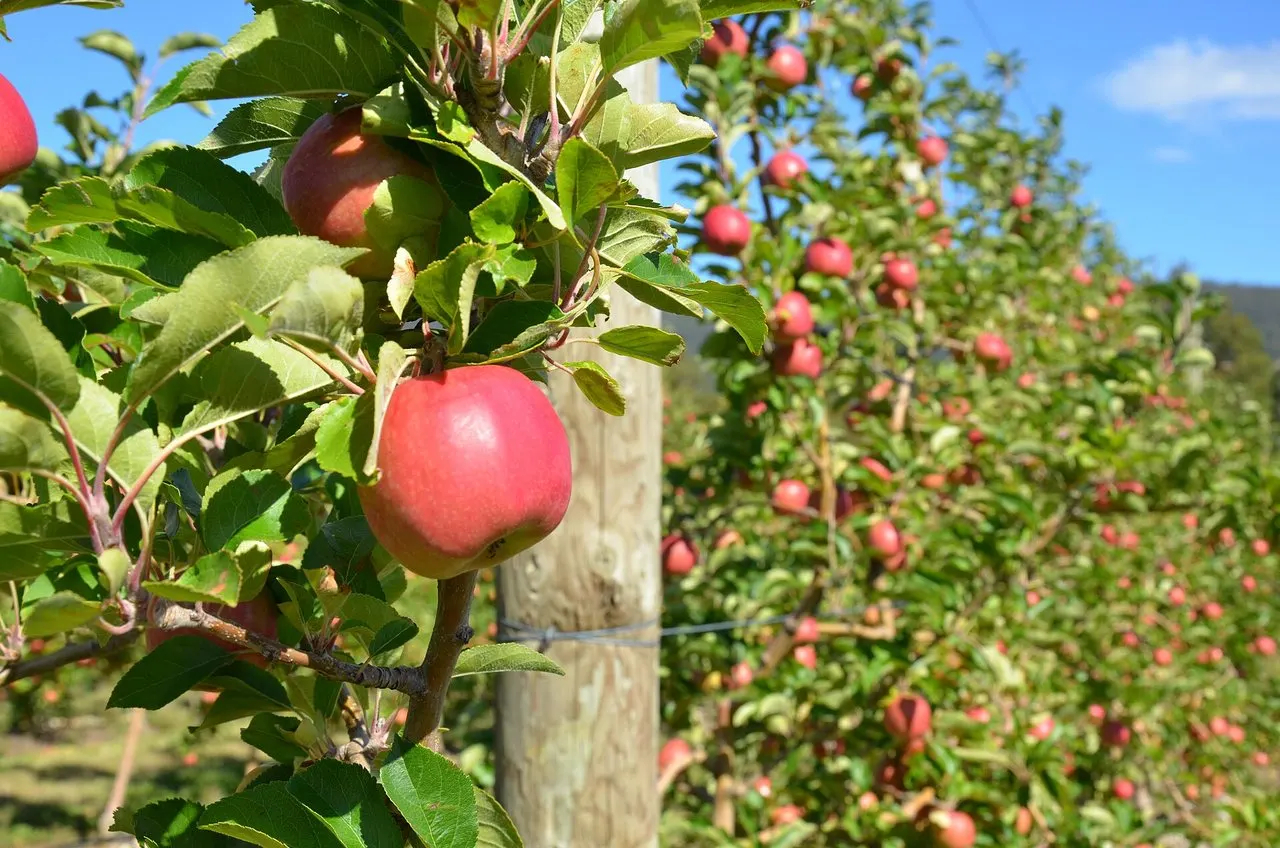
Harm to children’s development is another concern named in the post, and it is the one that moves many parents. Children’s growing bodies and brains can be more sensitive to chemicals than adults. When a chemical is linked to neurodevelopmental harm, doctors ask whether children should be exposed to it at all. The bill frames the question as one of fairness, because children do not choose the food their families buy or the water that comes from the tap. See the SNL sister sketch and caregivers.
When Toxic Pesticides Reach Groundwater

Groundwater contamination is a quiet harm, because it happens out of sight under the fields. Rain can carry farm chemicals down through the soil and into the water that fills wells and feeds rivers. Families who drink well water may not know what is in it until it is tested. Researchers have linked some of these chemicals to that kind of contamination. The bill would protect water as well as food, because clean water matters to every home, farm and town. See a poodle named Pablo and his birthday cake.
Tens of Millions of Pounds of Toxic Pesticides Sprayed Each Year

The scale of spraying in the United States is hard to picture, and the post puts it in plain terms. The pesticides banned in Europe total tens of millions of pounds sprayed each year across domestic corn, soy, fruit and vegetable farms. It is a routine part of how much of American food is grown. Supporters of the ban say that scale is exactly why a federal law is needed, rather than a patchwork of local rules. See Leanne Ford and her Christmas decor.
Corn Fields and the Chemicals They Carry
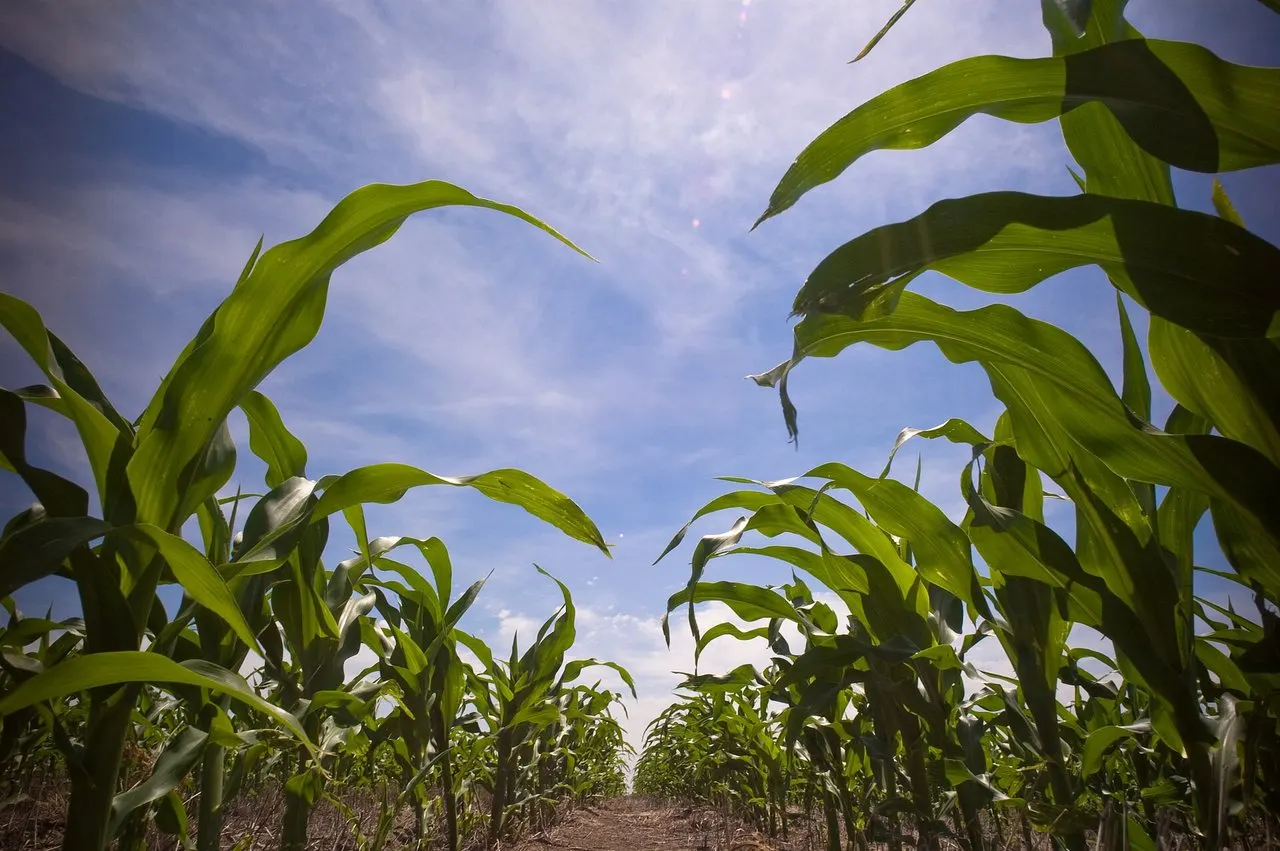
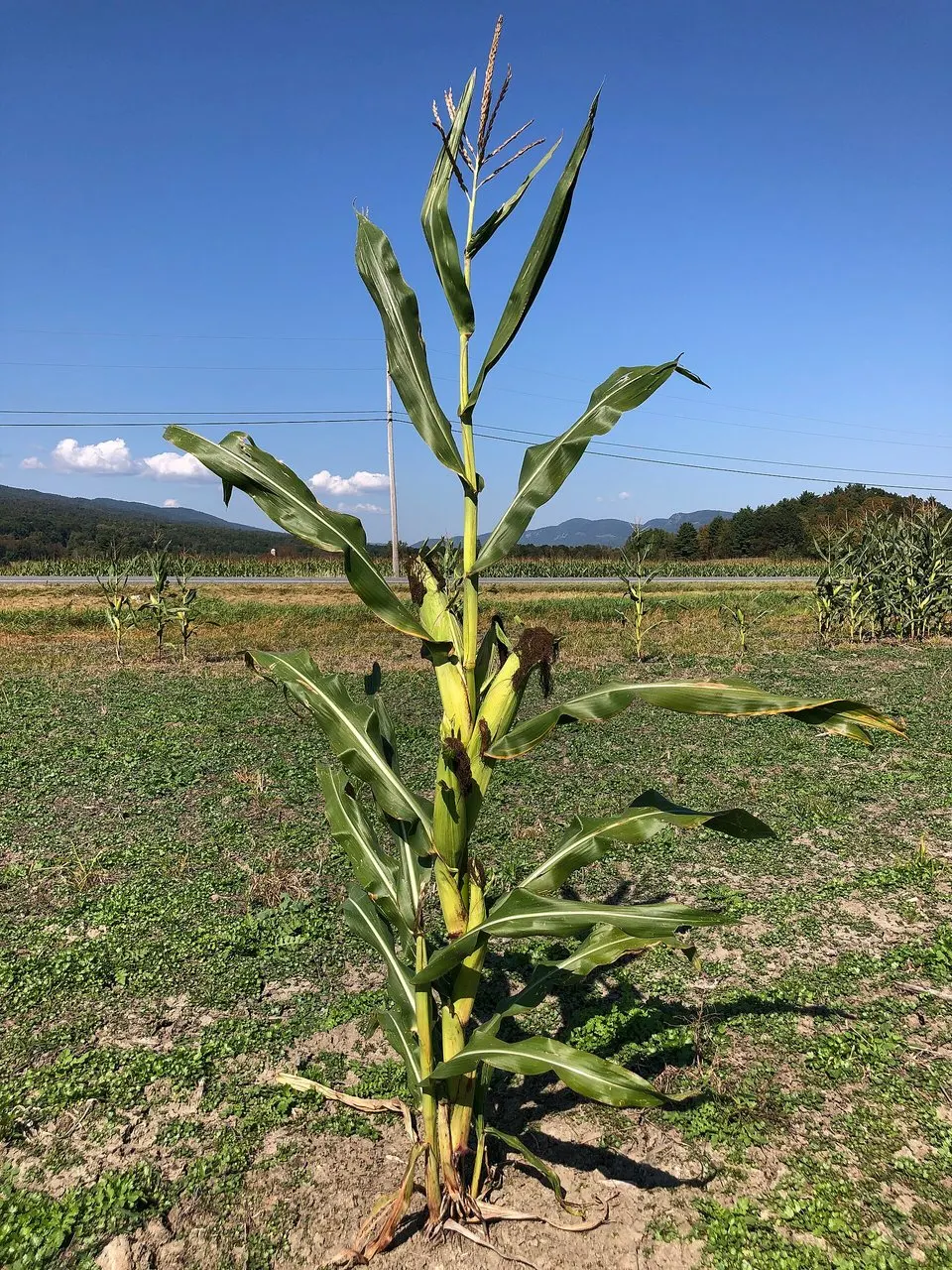
Corn is one of the biggest crops in the United States, and it is one of the crops named in the post. Corn fields stretch across the Midwest in long green rows, and the grain feeds people and animals. When chemicals are sprayed on corn, they can stay on the plant or wash into the soil and water nearby. Farmers there want to know what would replace the sprays they have used for years. See Jennifer Garner and her Christmas decor.
Soy, Fruit and Vegetables Under the Spray
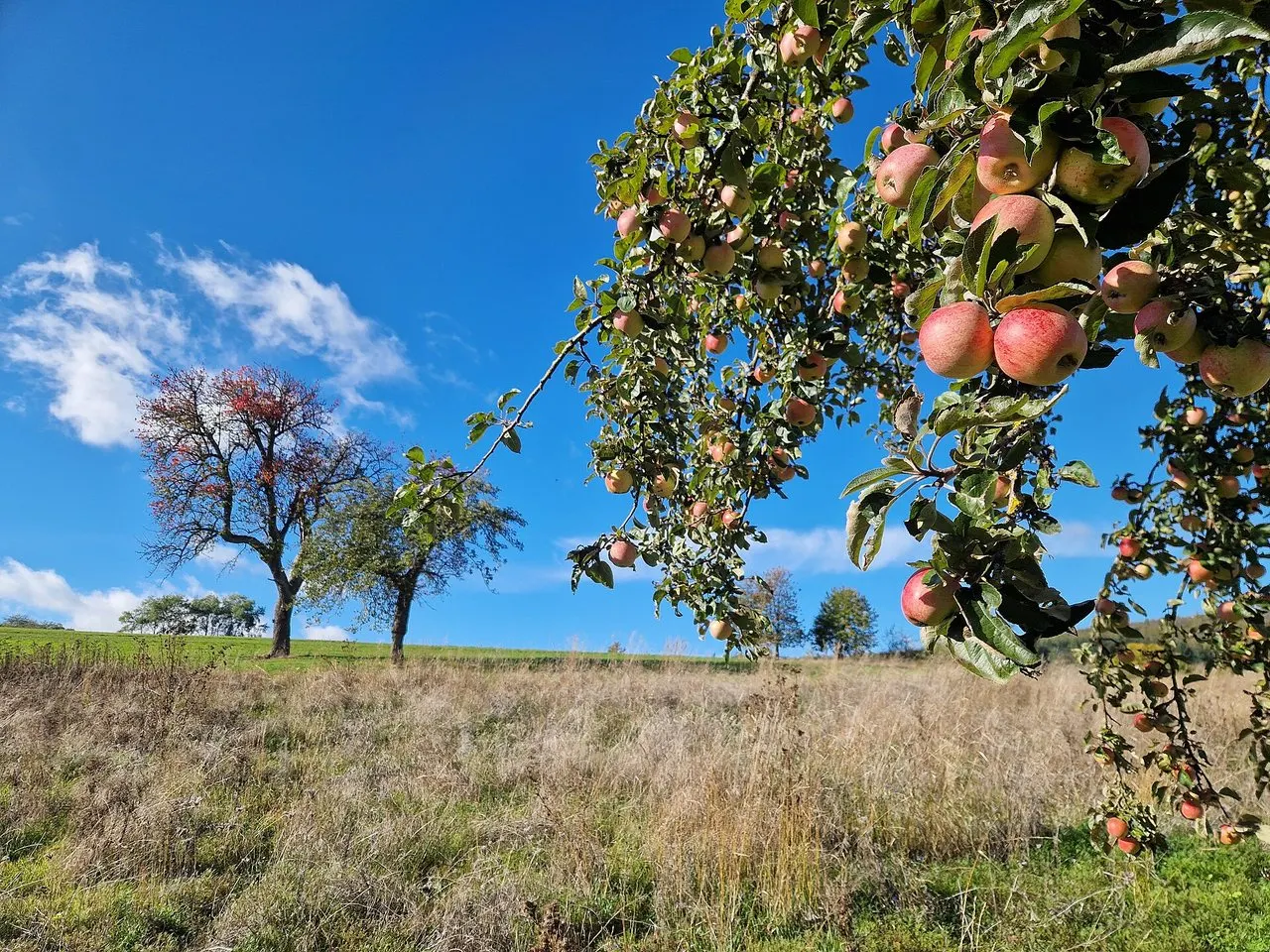
Soy, fruit and vegetables are the other crops named in the post, and they reach American tables every day. Soy goes into feed and many foods, while fruit and vegetables are eaten fresh. That direct path to the plate is why parents pay attention to what is sprayed on them. A peach or a pepper does not get washed of every trace, so the chemicals used in the field matter. The bill would cover all of these crops together, not just one of them. See babies born with measles in the United States.
Europe Chose Caution While America Waited
Europe uses a rule called the precautionary principle, and it works in a simple way. When independent studies show that a chemical may cause chronic harm, European regulators pull it from shelves while they keep studying it. The United States takes a different path, and approvals often rest on dossiers paid for by the makers. That difference is why more than 70 chemicals are banned in Europe and still legal here. The bill would move American rules closer to the European approach. See how much the United States spends on health care administration.
How Toxic Pesticides Stay Approved for Decades
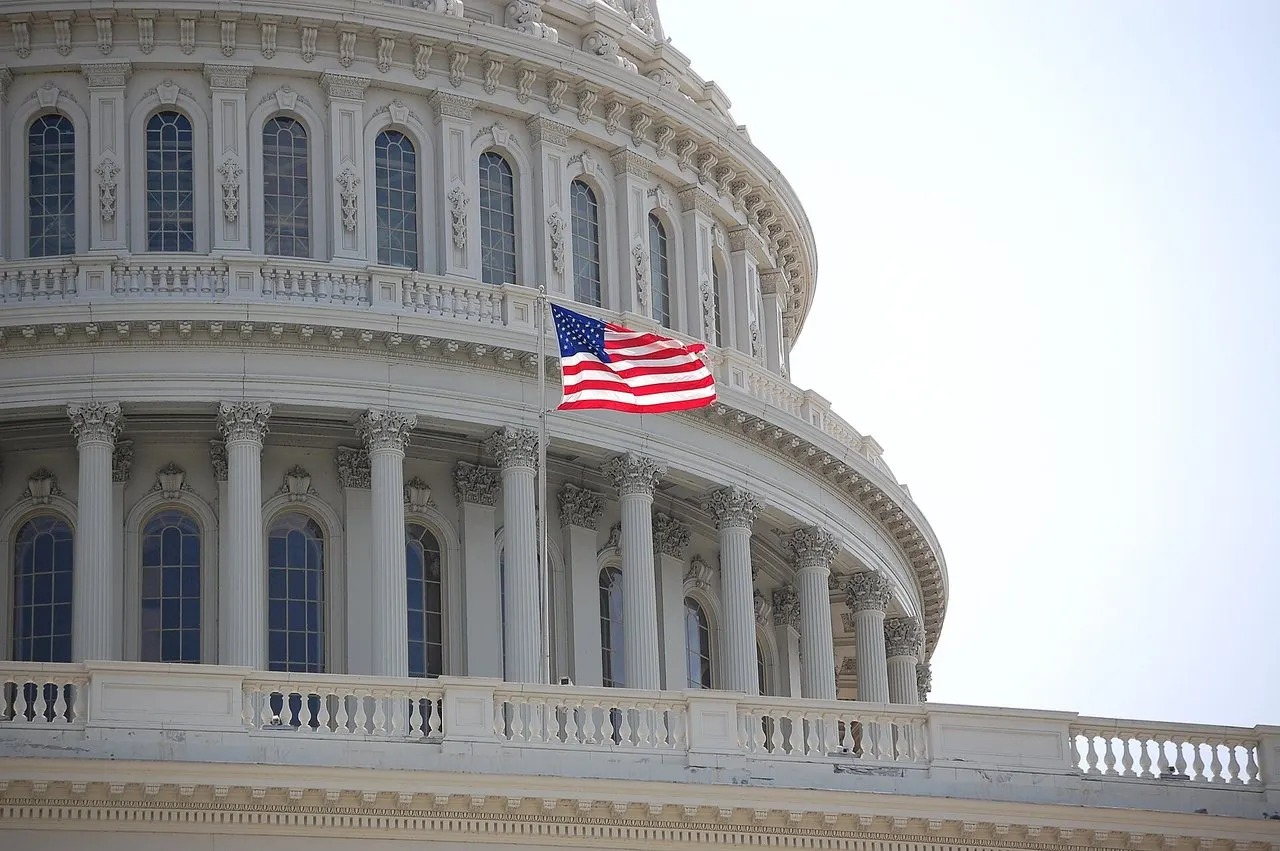
Federal pesticide law in the United States is called FIFRA, and the post says it has loopholes that keep old chemicals in use. Approvals often rely on studies funded by the companies that sell the chemicals. Another is conditional registration, which lets a chemical stay on the market while more data is gathered. Years can pass while the chemical is still sprayed on farms. The bill would close those loopholes so that safety evidence, not paperwork, decides what stays legal. See the fight over the cost of Medicare for All.
The Loophole Called Conditional Registration

Conditional registration sounds technical, but the idea is simple. A chemical can be approved for use even though some safety questions are still open, with the promise that more studies will follow. In practice, the chemical can stay in use for years while studies are slow to arrive. That is how older toxins can remain legal for decades. Supporters say chemicals should prove they are safe before they are sprayed, not after. See forests bought to protect nature in North Carolina.
A New Push for Pesticide Injury Accountability

The legislative push is paired with federal Pesticide Injury Accountability reforms, which would give people harmed by farm chemicals a clearer path to seek help. A family that believes a chemical made them ill can face long legal fights and unclear rules. Accountability reform would make the law fairer for those families while still letting farmers use safe tools. It is the legal side of the same idea, that the people who make and sell chemicals should answer for the harm they cause. See the bill on senators and pay during shutdowns.
Mechanical Weeding Offers a Cleaner Path
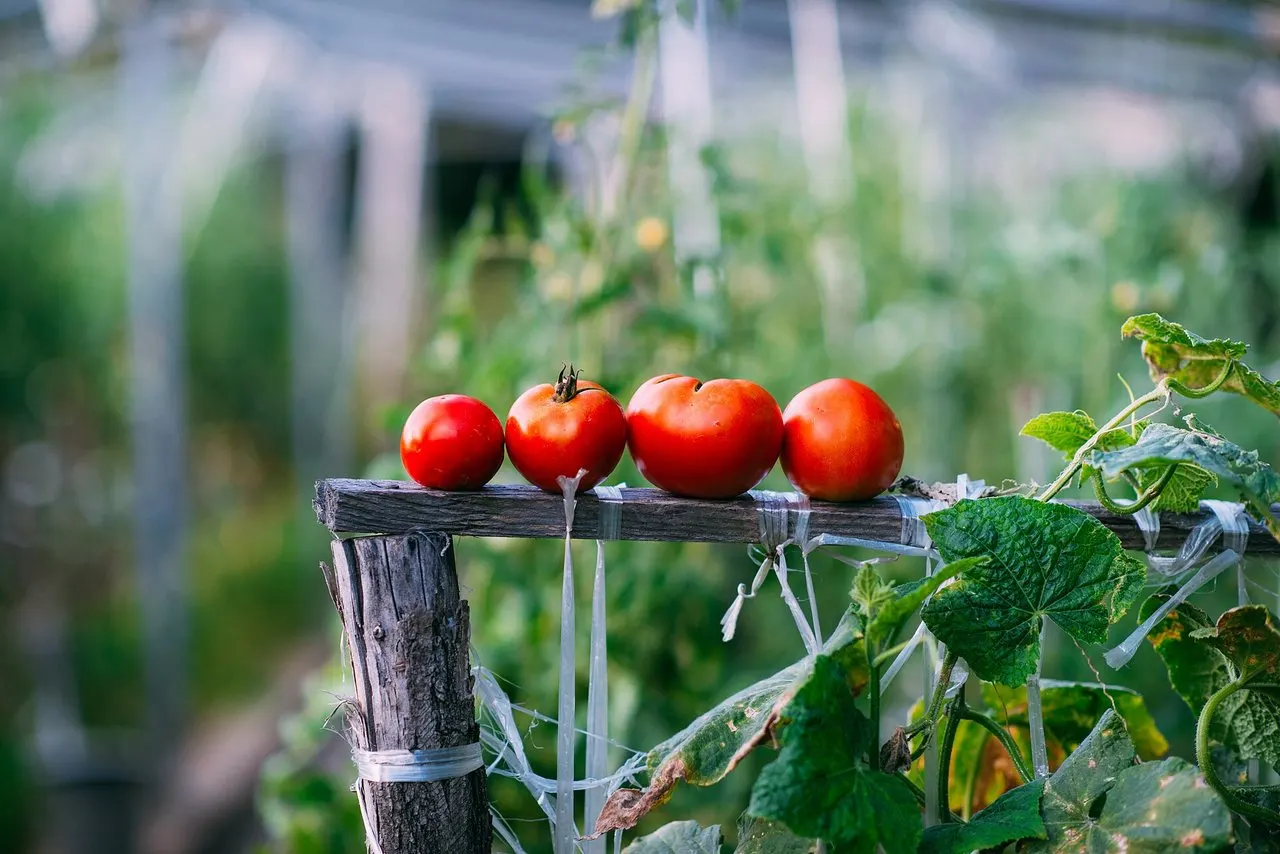
Mechanical weeding is one of the safer methods the bill would speed up, and it works without chemicals. Machines pull weeds from the soil or cut them down, and newer tools can tell crops from weeds with great care. Farmers have used hand weeding and simple tools for generations, and modern machines make the same idea faster. The bill would help farmers get these tools, so they can protect their crops without spraying chemicals that linger in food and water. See the bill to stop using children as bait.
Tiny Helpers Fight Pests Without Toxic Pesticides

Biological pest control uses living helpers, like ladybugs and other useful insects, to keep harmful pests in check. A ladybug eats the aphids that damage crops, and it does the job without leaving chemical traces on food. Farmers can also use birds, microbes and careful planting to cut pest damage. These methods take knowledge and patience, but they protect bees and soil at the same time. The bill would speed up this kind of farming, so nature does more of the work. See Elon Musk and his early farm jobs in Canada.
Safer Chemistry for American Farms

Safer crop chemistry is the third method named in the post, and it means finding chemicals that break down fast and do less harm. Some newer ones target pests more narrowly and leave less trace in soil and water. The bill would push research toward those safer choices, so farmers are not left with nothing when old chemicals are banned. The goal is a farm system that grows plenty of food without putting risky chemicals on every plate. See Jennifer Garner and her comforting recipes.
Texas Farmers Want Details on the Ban
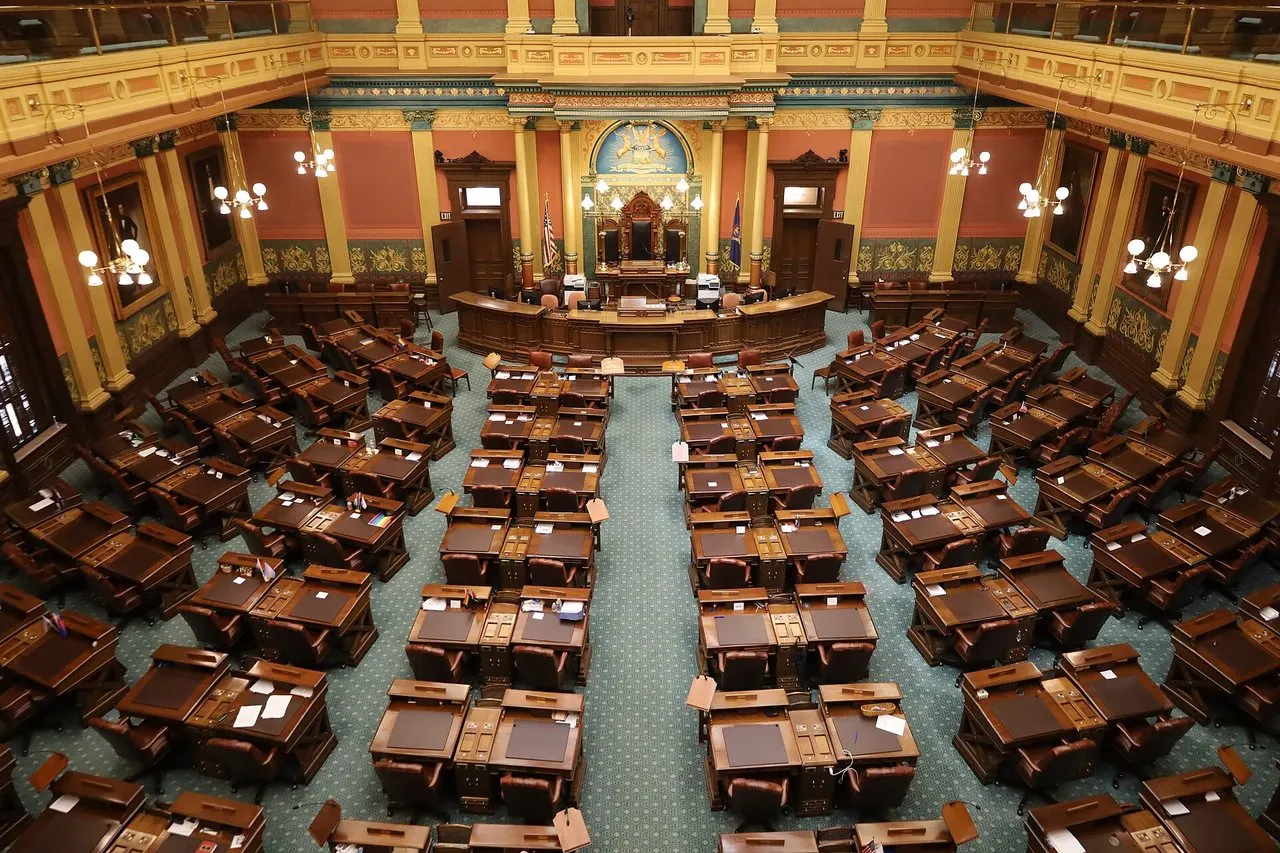
Texas farmers are watching the bill closely, and the Texas Public Record headline says they still lack critical details. A ban that sounds simple in Washington can feel different on a farm in Texas, where heat, pests and soil differ from Michigan. Farmers there want to know which chemicals would go first, what the timeline would be and what help they would get. The bill will need clear answers for them, because a law that farmers cannot follow will not work in the fields. See Gen Z and the wish for physical cash.
Organic Growers Welcome the Anti-Pesticide Agenda
The Organic Consumers Association headline says the senator elect is leaning into an anti pesticide agenda, and organic growers welcome that tone. Organic farms already avoid the chemicals named in the post, and they use crop rotation, compost and natural pest control instead. For them, a federal ban would level the field, because they have long paid more to farm without the sprays. Their experience also shows that farming without these chemicals is possible, even if it takes more work and care. See Trump and his economic deals in Asia.
Grassroots Voices Call for Warnings and Organic Farming

Beyond Pesticides reports that congressional candidates reflect grassroots support for pesticide warnings and an organic transition. That support comes from parents, gardeners, beekeepers and farm workers who have watched the debate for years. They want clear labels on food, honest warnings about risks and a real move toward organic methods. Their voices matter because they are the people who eat the food, work the fields and live near the spray. The bill draws strength from that ground level support. See the SNL sister sketch and caregivers.
Cleaner Food on the Family Table
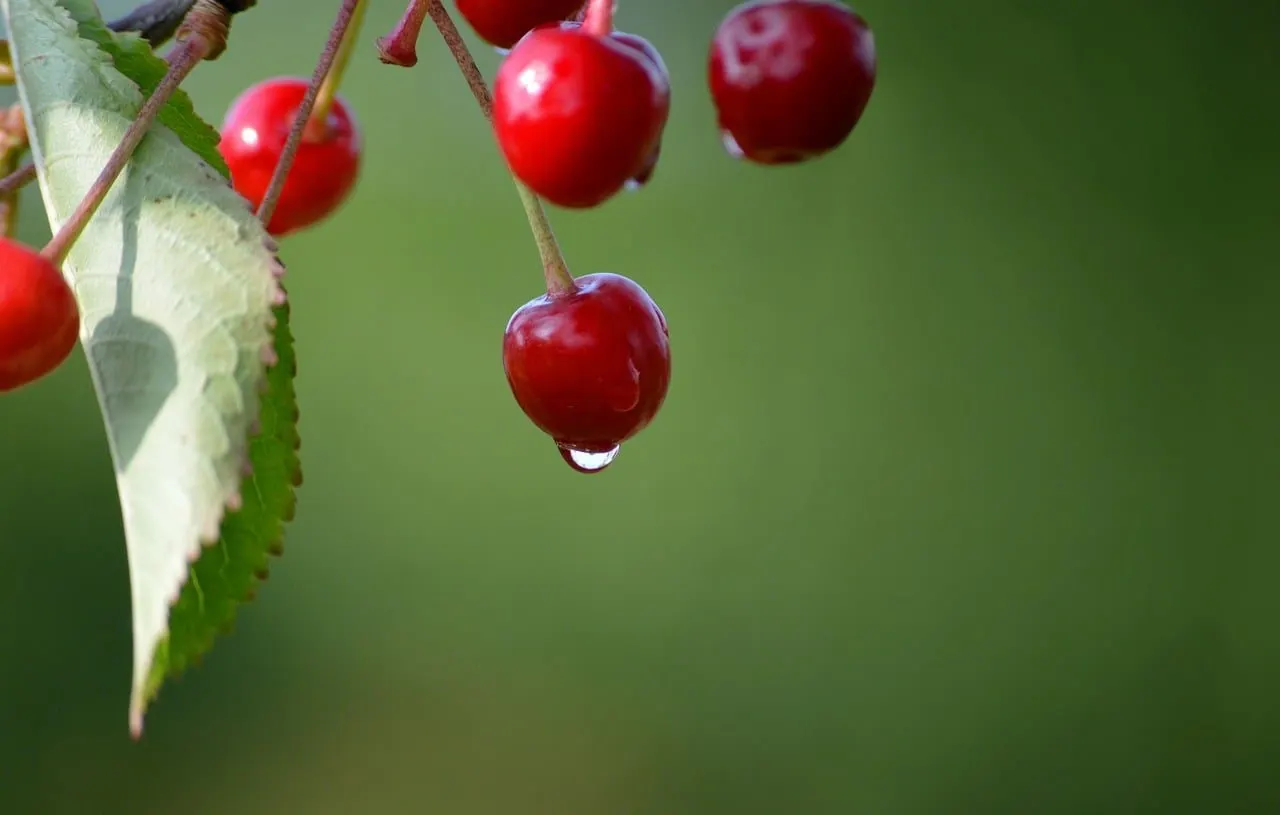
Cleaner food is the promise at the heart of the bill, and it is easy to see why families care. Every meal is a chance for chemicals to reach the table, from corn to apples. When the chemicals are removed, families do not have to guess what is on their food. They can trust that the meal they serve is as clean as the farm that grew it. That trust is what the bill is really about, more than any single chemical. See a poodle named Pablo and his birthday cake.
Cleaner Water for American Families
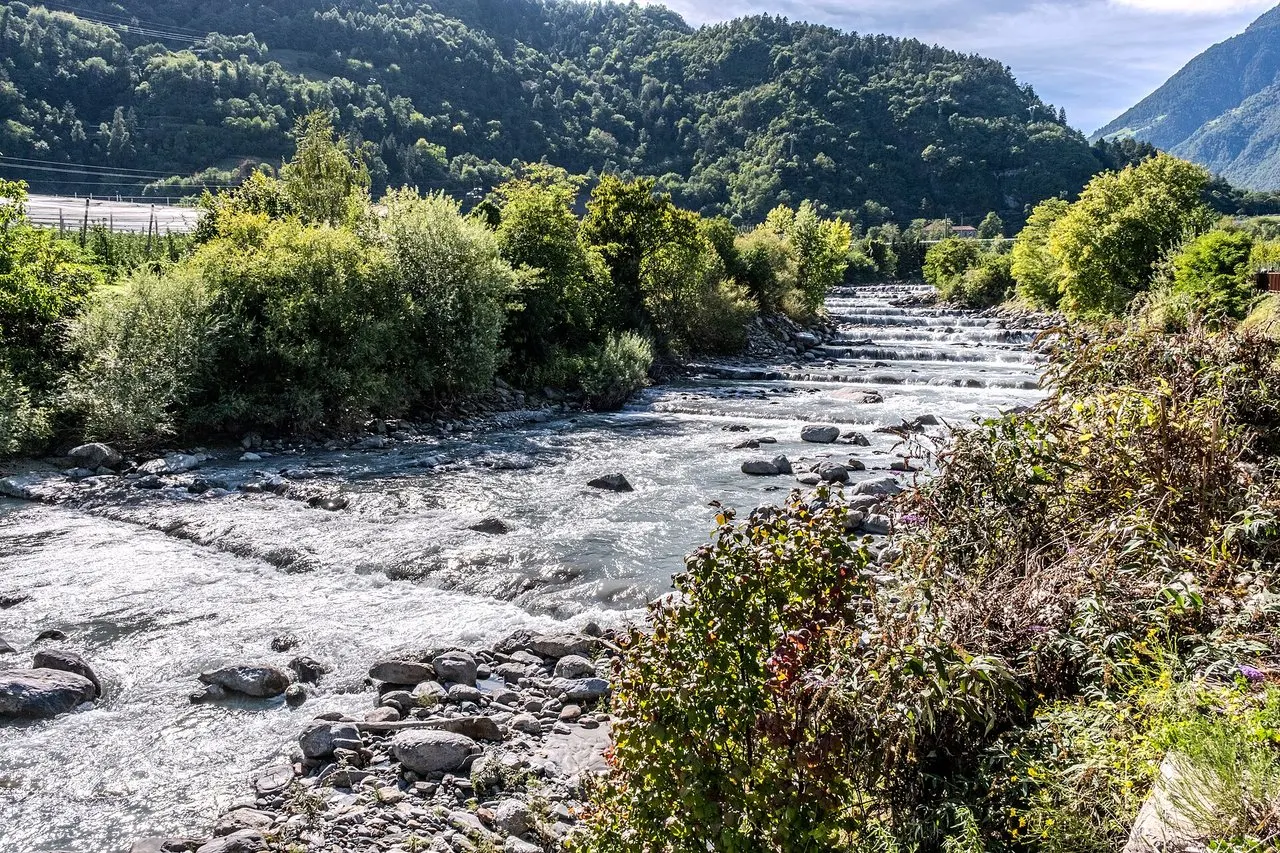
Cleaner water is the other promise, and it matters just as much as cleaner food. Rivers and wells carry what the fields shed, and families drink that water every day. When farm chemicals are kept out of the ground, the water stays safer for children, for older people and for everyone in between. Farmers also benefit, because clean water helps their land stay healthy for years. The bill treats food and water as one story, because in a farm town they always have been. See Leanne Ford and her Christmas decor.
What Do You Think About Banning Toxic Pesticides
The bill is still a proposal, and its fate will be decided by debate and votes. Some will say the ban cannot come fast enough, while others will ask for more time and help for farmers. Both sides have a point, and both deserve to be heard. What do you think about banning these chemicals from American food? Would you support the ban, or do you worry about what it would cost farmers? Share your thoughts in the comments below. See Jennifer Garner and her Christmas decor.