
Medicare for All Cost Fight Puts Emmer and Khanna on Opposite Sides

Medicare for All is at the center of a sharp new clash in Congress after Republican House Whip Tom Emmer told Fox News anchor John Roberts that the country cannot take on the plan while the national debt remains unaddressed. Emmer said the nation cannot afford it yet, and his short answer drew a fast reply from California Democrat Ro Khanna, who argued on social media that the plan would cut national health costs from $5.3 trillion to $4 trillion a year. Their exchange turned a familiar policy fight into fresh headlines.
The numbers come from different places, and that is why the two sides sound so far apart. Khanna points to a Yale analysis that has not yet been peer reviewed, while the Congressional Budget Office has projected that a single payer system would raise federal costs by between $1.5 trillion and $3 trillion a year. Ahead we meet both men, the numbers they cite, and why no bill is close to a vote. Read about the petition forcing a House vote on the Epstein files and how Senate Republicans backed the National Guard plan.
References:
Fox News: How Do You Pay for Medicare for All
What The Fact: Would Medicare for All Lower Health Costs From $5.3 Trillion to $4 Trillion
Crooks and Liars: Suddenly Republicans Give a D*** About the National Debt
Main Street Press: Medicare for All Savings Challenged
Tom Emmer, the Minnesota Republican Who Said No

Tom Emmer is a Republican from Minnesota who serves as a House Whip, and he has become one of the loudest voices against a government run health plan. When Fox News anchor John Roberts asked him how the country would pay for the plan, Emmer answered in plain terms and pointed to the debt the nation already carries. His blunt reply drew swift pushback from critics who say his party has added to the debt too. Read about the Senate fight over a blocked Trump judge pick and the debate over older leaders in Washington.
Ro Khanna, the California Democrat Who Says Yes

Ro Khanna is a Democrat from California and a longtime supporter of single payer health care, and he has argued for the plan for years. After the Fox News clip aired, he posted it on social media with his own numbers and called the plan one of the best anti-inflationary, pro growth and pro business policies the nation could adopt. His post spread fast and set off a fresh round of fact checks. Read about Underwood winning a seat in House Democratic leadership and the plan to impeach Trump in January 2027.
The Fox News Question That Started It All

The whole exchange began with a simple question on Fox News. Anchor John Roberts asked Emmer how the country would pay for a plan that would move every American onto one government health system. The question is the one critics of the plan ask most often, and it is also the one supporters say has a clear answer. Emmer gave a short reply, and Khanna answered back online within hours. Read about the deal over more time on the Iran conflict and Jeffries warning the MAGA movement.
Emmer Points to the Debt and Says You Cannot
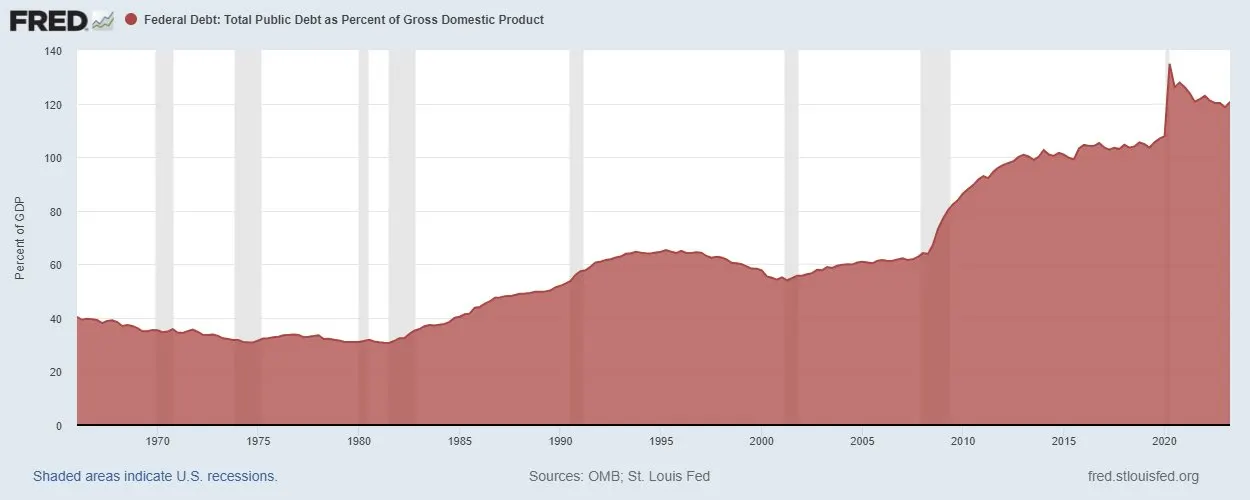
Emmer tied his answer to the national debt, and his words were blunt. You cannot, he said, when we still are not addressing the debt that we are carrying. He also pointed to a figure near $47 trillion in added federal costs over a decade, a number linked to a White House Council of Economic Advisers report. To Emmer, the debt comes first, and a plan this large cannot move ahead until it is handled. Read about the bill to stop Trump from pardoning himself and Lisa Cook suing Trump over the Federal Reserve.
Khanna Says Medicare for All Would Cut Costs to $4 Trillion

Khanna answered with a number of his own. He said Medicare for All would lower costs from $5.3 trillion to $4 trillion, a drop of about $1.3 trillion a year. He also called it one of the best anti-inflationary, pro growth and pro business policies the nation could adopt, arguing that simpler billing and lower drug prices would save money. Supporters say the current system wastes money on overhead and profits. Read about the rent freeze promises in New York City and the question of an Obama comeback in 2028.
The Yale Analysis Behind the Medicare for All Numbers

The $5.3 trillion to $4 trillion figures trace back to a Yale analysis that has not yet undergone peer review. A 2026 preprint by researchers at Yale and the University of Maryland, Baltimore, posted on medRxiv, models national health spending at about $5.28 trillion in 2024 and about $4.24 trillion under single payer. That is a fall of about 20 percent. Because the work is a preprint, other experts have not yet vetted its methods. Read about the Senate fight over a blocked Trump judge pick and Underwood winning a seat in House Democratic leadership.
What the CBO Says About Medicare for All Costs

The nonpartisan Congressional Budget Office has reached different conclusions about Medicare for All from the Yale team. It has projected that a single payer system would raise federal costs by between $1.5 trillion and $3 trillion annually, with separate estimates of national health spending ranging from a $0.7 trillion decrease to a $0.3 trillion increase by 2030. The gap shows how much the result depends on design, prices and benefits. Read about how Senate Republicans backed the National Guard plan and the deal over more time on the Iran conflict.
How Medicare for All Would Work in Practice

Under the plan, one public system would replace most private insurance, and the government would pay doctors and hospitals directly. Patients would no longer face premiums, deductibles or copays at the point of care, which is why supporters say it would feel simpler. Critics say the shift would move a huge share of health spending onto the federal budget. Nearly half of Americans are expected to have employer coverage in 2026, so the change would touch most families. Read about the petition forcing a House vote on the Epstein files and the bill to stop Trump from pardoning himself.
The $20 Trillion to $40 Trillion Decade Estimate

The Committee for a Responsible Federal Budget has previously estimated the program cost at between $20 trillion and $40 trillion over a decade, depending on how the plan is designed. That wide range shows how much the final bill depends on benefits, payment rates and taxes. Fox News also noted that the committee examined what financing about $30 trillion in added federal spending over ten years might require, with a 32 percent payroll tax as one example. Read about Lisa Cook suing Trump over the Federal Reserve and the debate over older leaders in Washington.
Why No Bill Is Close to a Floor Vote
No single payer bill is currently positioned to reach a floor vote in either chamber, and that fact shapes the whole debate. Without a vote on the calendar, the argument stays a fight over estimates and values rather than a choice on a real bill. Lawmakers can praise or attack the idea without facing the hard trade offs of taxes, benefits and payment rates. Until that changes, the cost debate will stay at the center of the divide. Read about the plan to impeach Trump in January 2027 and Jeffries warning the MAGA movement.
This Cost Fight Has Played Out Before

The fight over the price of a national health plan is not new, and the same arguments have echoed for years. Supporters have long said that cutting insurer overhead and drug prices would save money, while critics have long warned that federal costs would soar. A 2020 Lancet study estimated single payer would save about $450 billion a year, and even the Mercatus Center analysis found lower total spending than the current path. Read about the rent freeze promises in New York City and the question of an Obama comeback in 2028.
Why Supporters Call Medicare for All Pro Growth

Khanna framed Medicare for All as good for business as well as for families. He called it one of the best anti-inflationary, pro growth and pro business policies the nation could adopt, and supporters argue that firms would no longer carry the cost of worker health plans. Small employers now pay thousands per worker for coverage, and a public plan could free that money for wages and hiring. That is the heart of the pro business case. Read about the Senate fight over a blocked Trump judge pick and how Senate Republicans backed the National Guard plan.
Why Critics Say the Plan Costs Too Much

Critics focus on who pays, not just on the total. Even if national spending fell, the federal government would have to raise between $1.5 trillion and $3 trillion a year in new revenue or add it to the deficit. The Committee for a Responsible Federal Budget examined options such as a 32 percent payroll tax or a 25 percent income surtax to cover about $30 trillion over ten years. That tax bill is why critics call the plan unaffordable. Read about Lisa Cook suing Trump over the Federal Reserve and the debate over older leaders in Washington.
Where Do You Stand on the Cost Fight

Both sides now agree on one thing, and that is that health care costs too much. They disagree on whether a single public plan would fix that problem or make the debt worse, and on who should pay. Emmer says the debt must come first, while Khanna says the savings would help families and firms. Where do you stand, and what would convince you either way? Share your view in the comments. Read about the plan to impeach Trump in January 2027 and the question of an Obama comeback in 2028.