Babies Born With Measles Are Back After Decades
Babies born with measles are appearing in the United States for the first time in decades, and doctors say the news should worry every family with a newborn. CDC scientists counted at least 13 babies born infected between January 2025 and September 2026, according to early figures published in NEJM Evidence. The same alert counted 112 confirmed measles cases during pregnancy, almost all among women who had not been vaccinated or whose vaccination status was unknown. In the slides ahead we look at how this happened, why doctors link it to falling vaccination rates, and what it means for parents.
Doctors say the return of measles in newborns is driven by declining vaccination rates, and the United States has now lost the measles elimination status it held since 2000. More than 5,400 cases were reported in 2026 alone. Outbreaks are unlikely when 95 percent of a community is vaccinated, yet only 92.4 percent of kindergartners received the required MMR shots in the 2025 to 2026 school year. You can follow the wider story in our report on America losing its standing after 25 years and the call to impeach the health secretary over the loss.
References:
Medical Xpress: Doctors are raising concerns about US babies born with measles
WDRB: Doctors sounding the alarm about babies born with measles
Medical Daily: Congenital Measles Returns as CDC Scientists Count 13 US Babies Born Inf*cted and 112 Pregnancy Cases
Health and Me: 112 Pregnant Women 13 Newborns Inf*cted With Measles In US Since 2025 CDC
Thirteen Newborns in Less Than Two Years
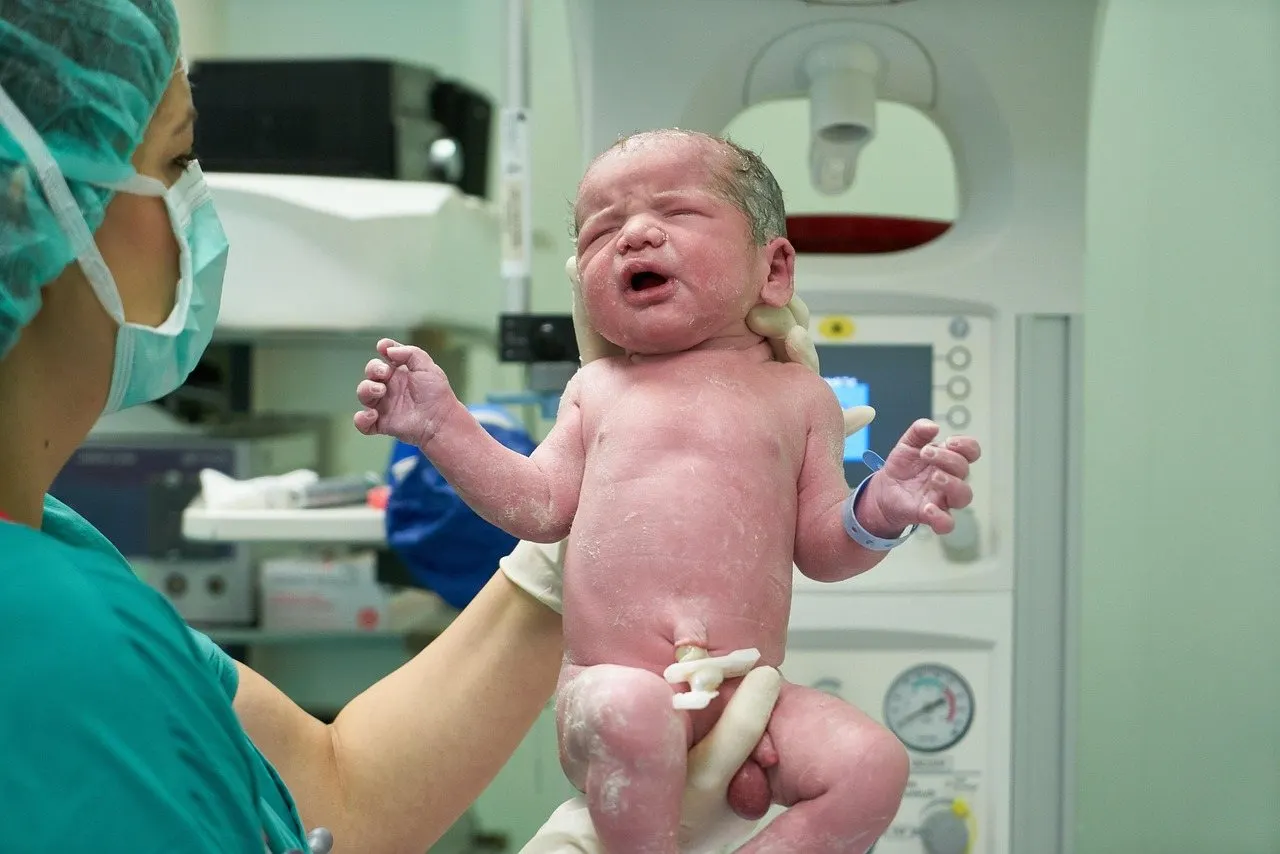
At least 13 babies in the United States were born infected with measles between January 2025 and September 2026, a figure that startled even doctors who track the disease. These are newborns who arrived already carrying the virus, passed to them by their mothers before birth. Each case is rare on its own, yet together they mark the first time in decades that American hospitals have seen this pattern. The numbers come from preliminary CDC figures. Read about another remarkable birth story and how the country lost its measles-free standing.
What Congenital Measles Means
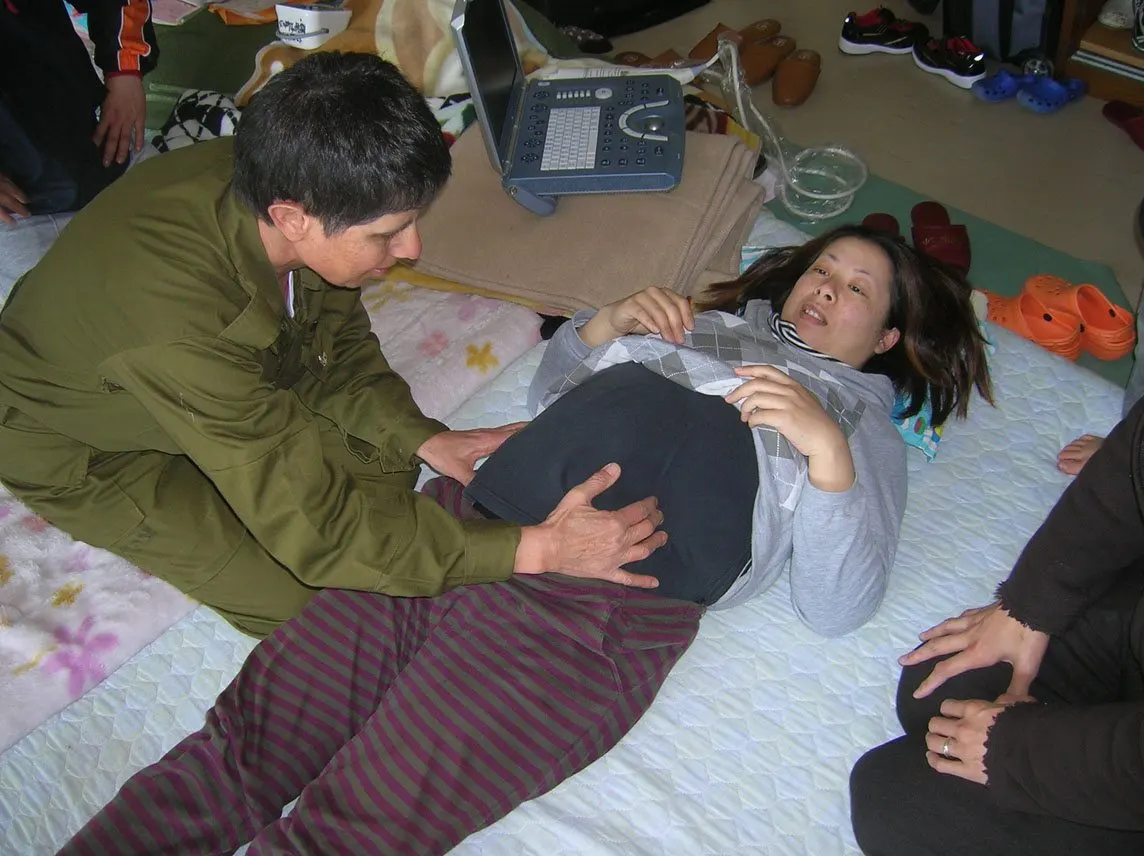
Congenital measles happens when a pregnant woman passes the virus to her baby in the womb, before the child takes a first breath. The baby is then born already infected, which can make the first days of life far harder than they should be. Doctors have known about this route for years, but it had become so rare in the United States that many younger parents had never heard of it. Its return is a sign that the virus is finding gaps in protection. Learn more from the debate over the MMR vaccine and our report on the wider outbreak.
Babies Born With Measles and the 112 Pregnancy Cases
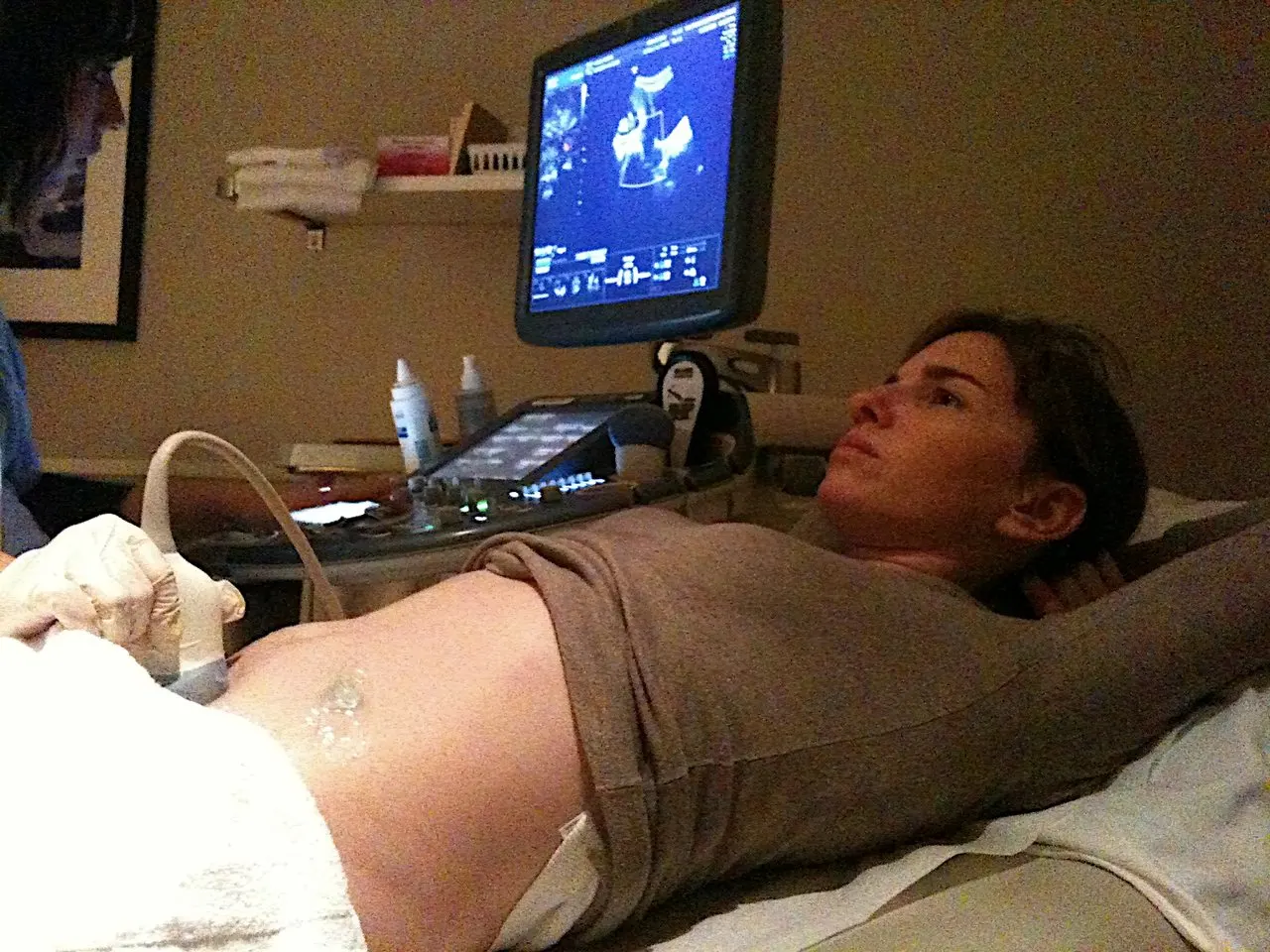
The same CDC alert counted 112 confirmed measles cases during pregnancy in the United States, a number that sits beside the 13 newborn cases. Almost all of these cases were among women who had not been vaccinated or whose vaccination status was unknown. That detail matters, because a mother who is protected passes protection to her baby, while a mother who is not protected can pass the virus instead. Pregnancy is a time when illness carries extra risk for two people at once. See the call for action after the loss of elimination status and how America lost its standing.
The CDC Scientists Behind the Count
The figures come from CDC scientists and were published in NEJM Evidence, a journal where researchers share early findings with other doctors. The scientists counted cases from January 2025 through September 2026, a period of almost two years. Because the figures are preliminary, researchers are still checking records and confirming details, yet the pattern is already clear enough that doctors are sounding the alarm. Good data is what lets hospitals prepare, and this alert gives them a head start. Read the debate over vaccine freedom and our report on the wider outbreak.
How the Virus Reaches a Baby in the Womb
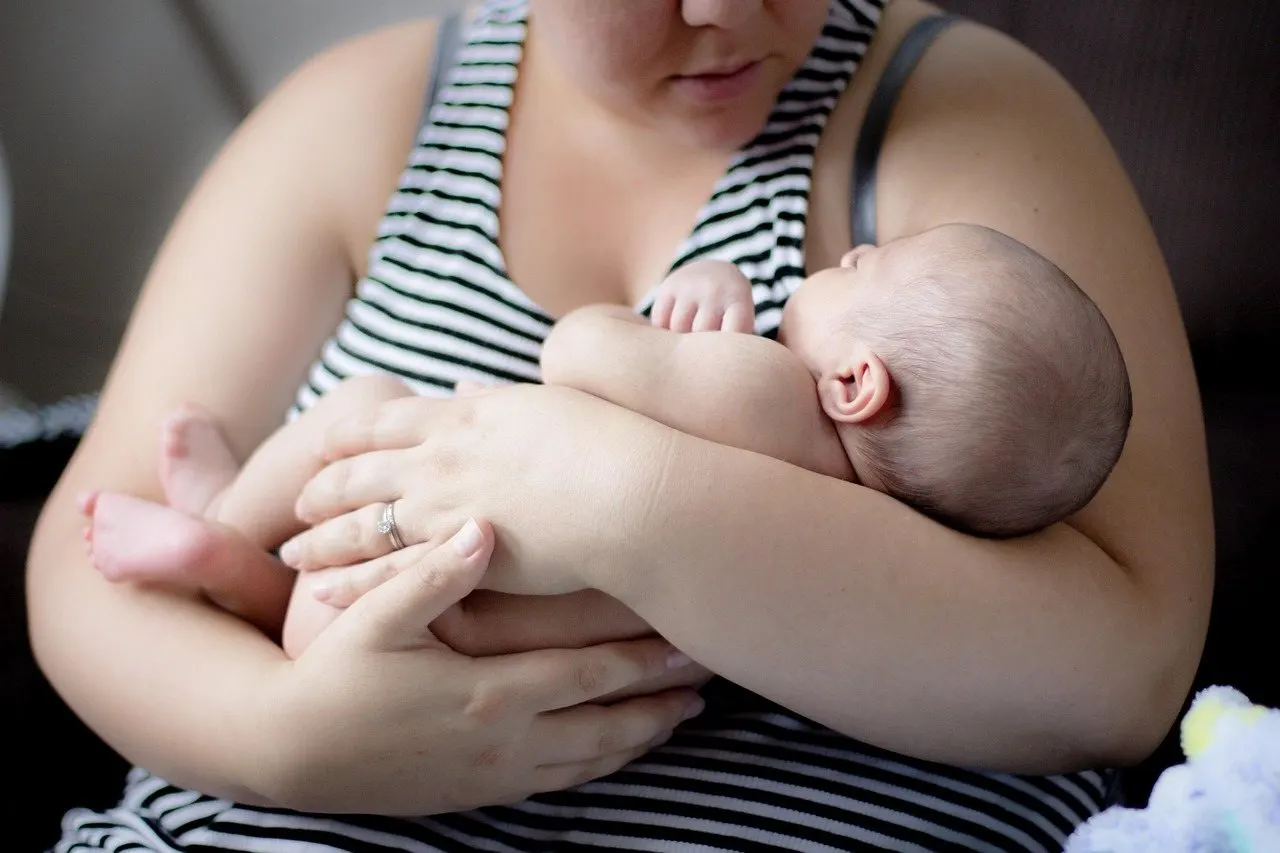
Measles spreads through the air when an infected person coughs or sneezes, and it is one of the most contagious viruses doctors know. During pregnancy, the virus can cross to the baby in the womb, which is how congenital measles begins. A newborn has no protection of its own and cannot be vaccinated yet, so the infection can take hold quickly. That is why doctors focus on protecting mothers before pregnancy, when a simple shot can shield two lives at once. See another remarkable birth story and our report on the wider outbreak.
Babies Born With Measles as Vaccination Rates Fall
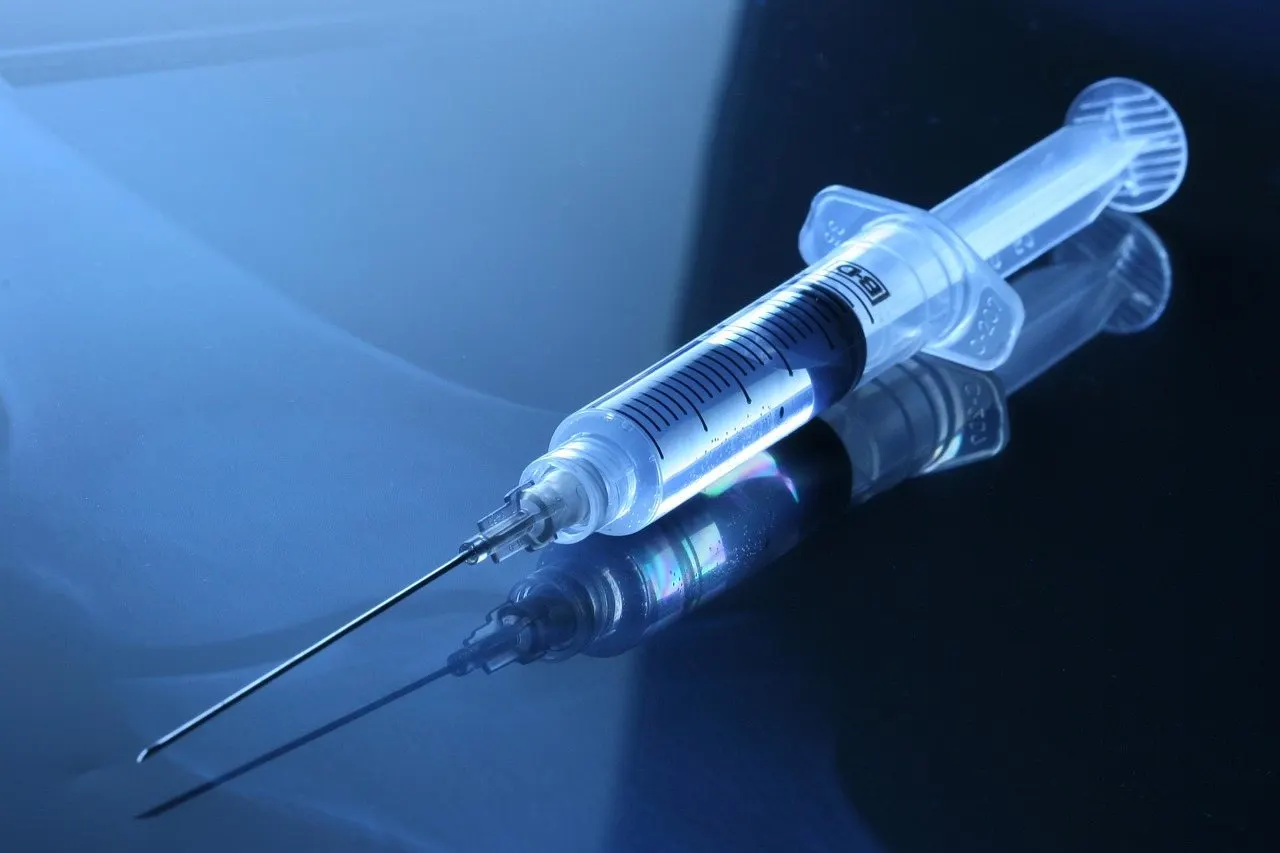
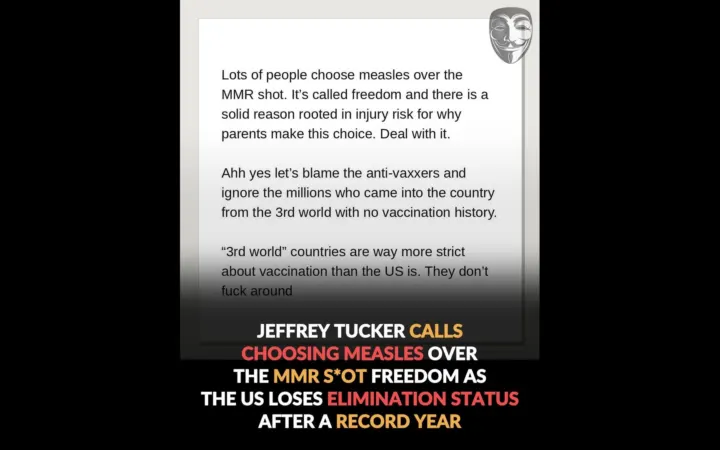
Doctors say the return of measles is driven by declining vaccination rates across the United States. When fewer people get their shots, the virus finds more hosts and moves faster through towns and schools. The MMR vaccine has protected American children for decades, yet fewer families are keeping up with it now. Each missed shot is a small gap, and gaps add up until an outbreak can start. Follow the debate over choosing measles over the MMR vaccine and the call to impeach the health secretary over the loss.
Why 95 Percent Coverage Matters
Outbreaks are unlikely when 95 percent of a community is vaccinated, because the virus runs out of people to infect. Doctors call this community protection, and it matters most for people who cannot get a shot themselves, such as newborns. When coverage slips below that line, measles can jump from one unprotected person to the next and spread fast. Classrooms and nurseries are where the risk is highest, since children spend long hours close together. Learn about another remarkable birth story and the fallout from a big midterm bet.
Kindergartners and the 92.4 Percent MMR Rate
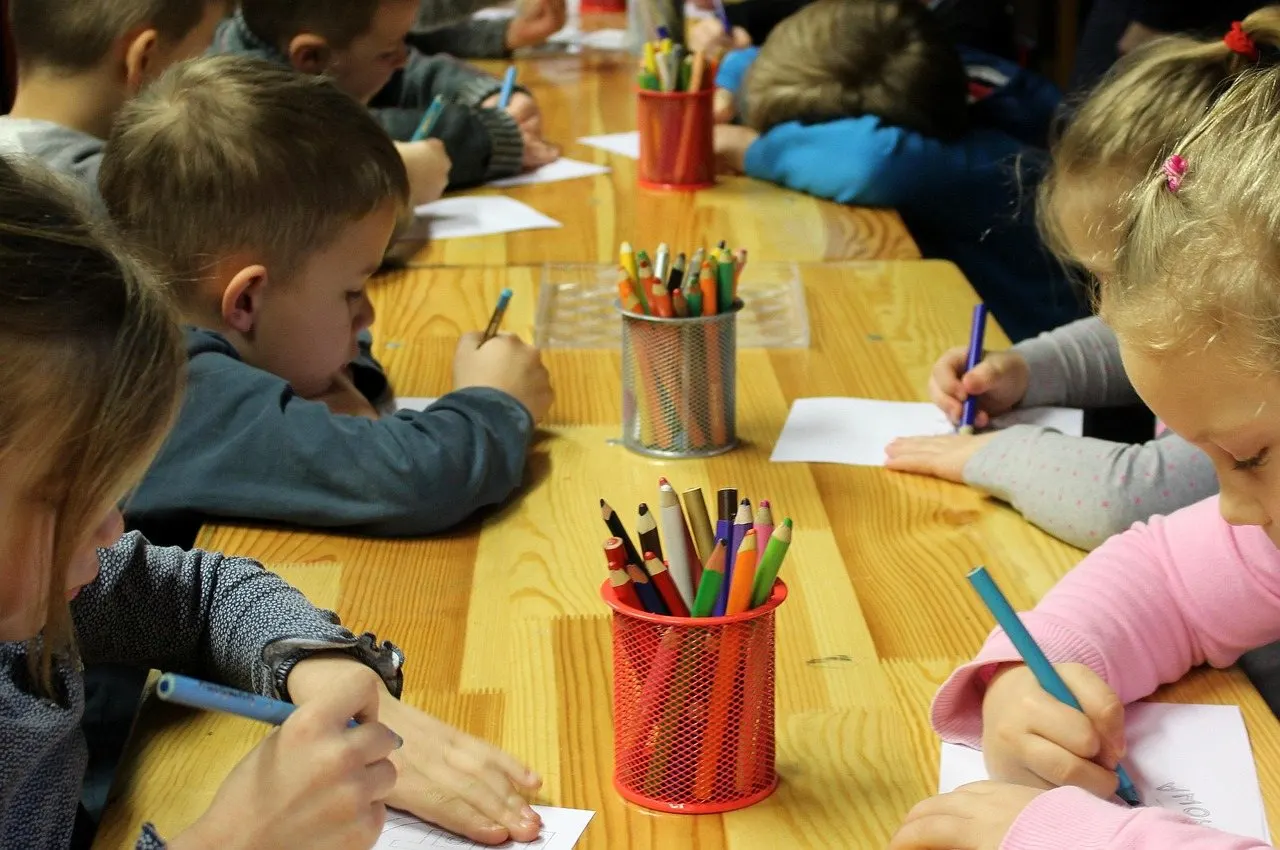
Nationally, only 92.4 percent of kindergartners received the required MMR shots in the 2025 to 2026 school year, a figure below the 95 percent level doctors say keeps outbreaks away. That gap may look small on paper, yet in a school of hundreds of children it means dozens without full protection. Schools are the front line of this story, because they gather young children in one place every day. When rates fall, the classroom becomes one of the first places measles appears. Read about the fallout from a big midterm bet and America voting at the UN.
Babies Born With Measles After America Lost Its Measles-Free Standing
The United States has now lost the measles elimination status it held since 2000, a milestone that once showed the country had beaten the disease. Elimination does not mean the virus vanished from the world, only that it had stopped spreading on its own inside American borders. Losing it means measles is now spreading here again, year after year. The change took a generation of steady vaccination to earn and only a few years of slipping rates to undo. Read our report on the UN vote and Taylor Swift’s return to the CMA Awards.
More Than 5,400 Cases in a Single Year

More than 5,400 measles cases were reported in the United States in 2026 alone, a number that shows how far the disease has come back. Each case means a person who fell ill, a family worried about complications, and a hospital visit that might have been avoided. Doctors say most of these cases could have been prevented with a vaccine that has been used safely for decades. The size of the count is why the news about newborns hit so hard. See Taylor Swift’s night at the CMA Awards and the first crewed flight of an all-electric plane.
The Babies Too Young for a Shot
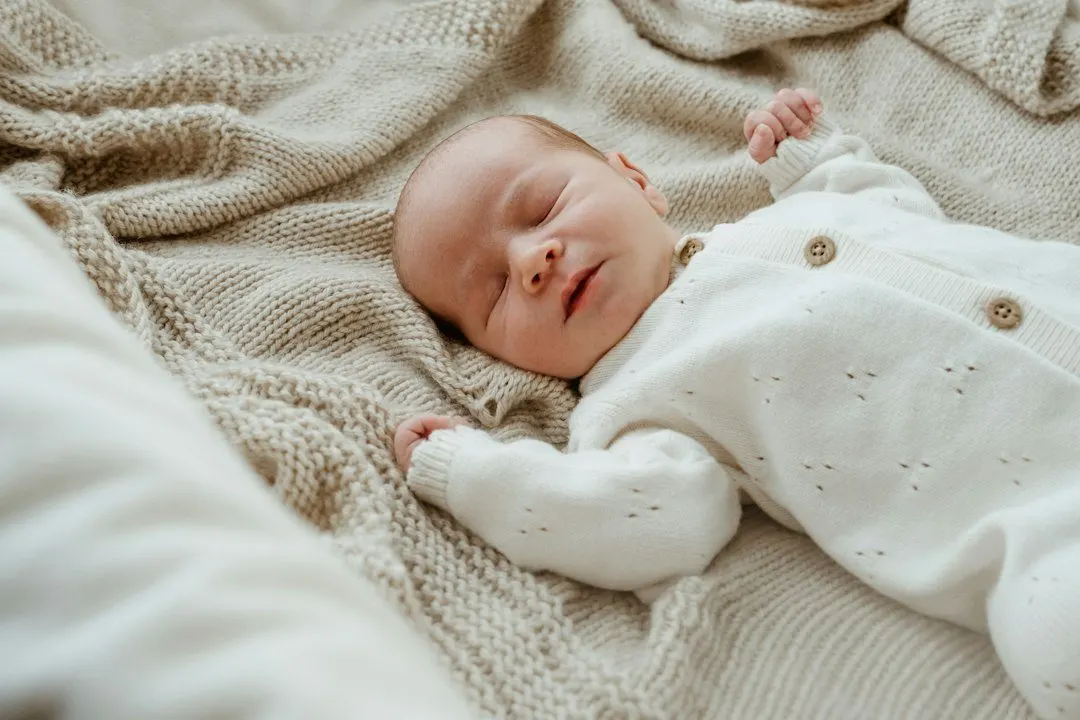
Babies too young to be vaccinated face the greatest risk, because their only shield is the protection of the people around them. The first MMR dose usually comes around a child’s first birthday, which leaves newborns with months of no direct protection. During those months, a mother who is immune passes some defense to her baby, and a vaccinated community keeps the virus away. When both shields weaken, the youngest pay the price first. Learn about the electric plane’s first crewed flight and a family’s release after months apart.
Babies Born With Measles and the MMR Shot That Protects
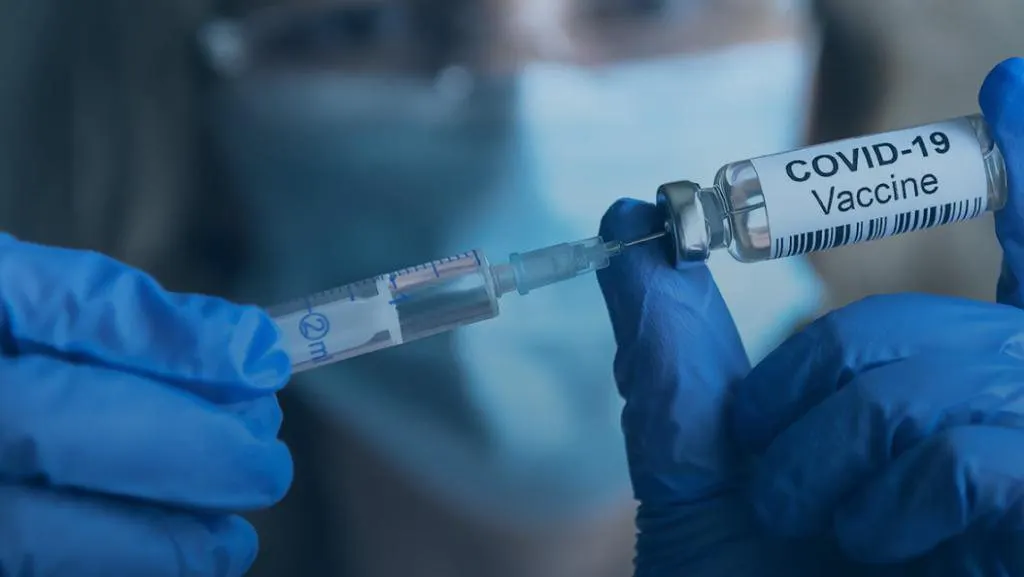
The MMR shot protects against measles, mumps and rubella, and it has been part of childhood care in the United States for decades. Doctors give the first dose around a child’s first birthday and a second dose before school starts, which builds strong and lasting protection. The vaccine is one of the most studied shots in medicine, with a safety record built over millions of doses. A child who gets both doses is very unlikely to catch measles at all. Read about a family reunited after ICE released them and a deputy’s long wait for a new kidney.
Spotting Measles Early in a Child
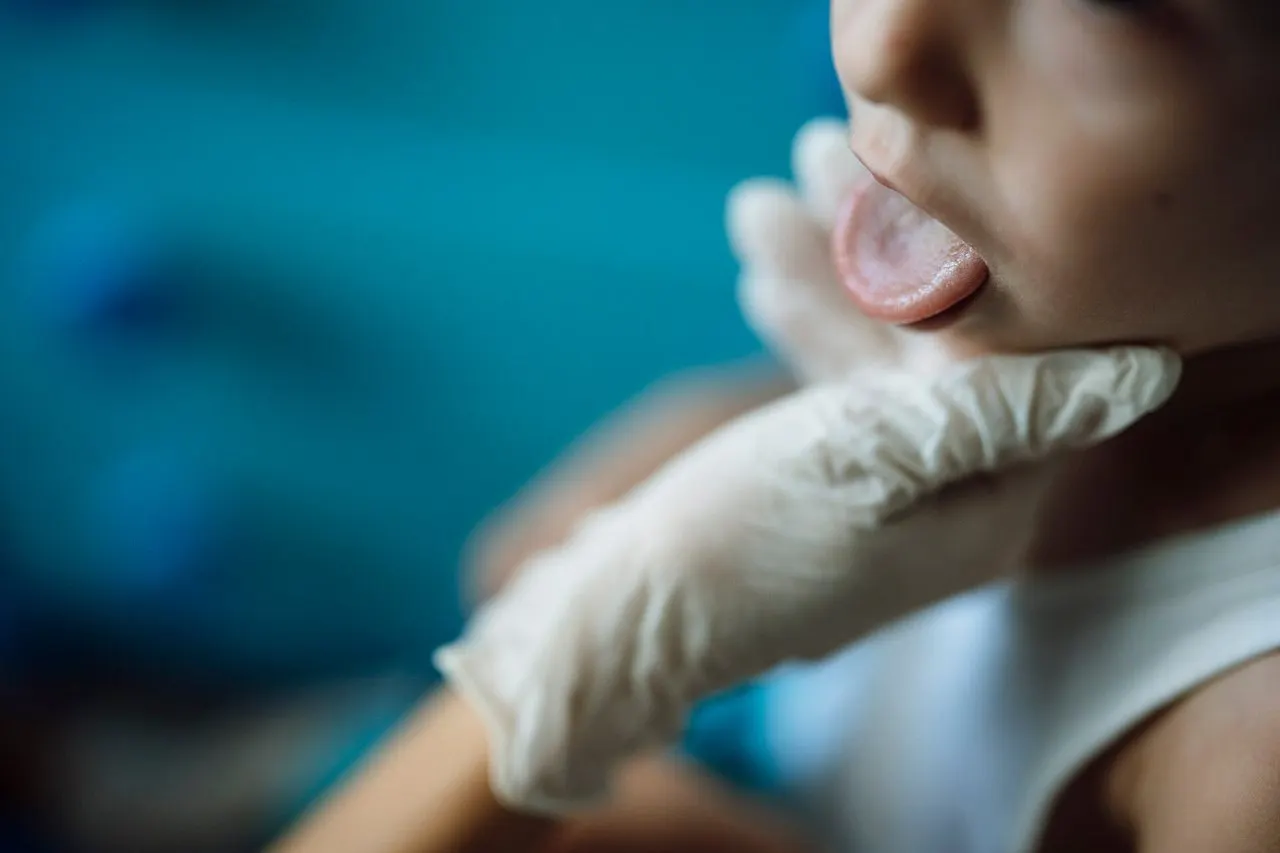
Measles often starts like a cold, with fever, cough and sore eyes, before a red rash spreads across the body. Doctors say the rash usually appears a few days after the fever begins, and it is the sign that tells parents to call a doctor right away. Most children recover, yet measles can lead to pneumonia, swelling of the brain and other serious problems, especially in babies. Early care and keeping a sick child away from others help stop the spread. See a deputy’s journey to a new kidney and firefighters who prayed for rain in Indonesia.
Babies Born With Measles and the Communities Around Them
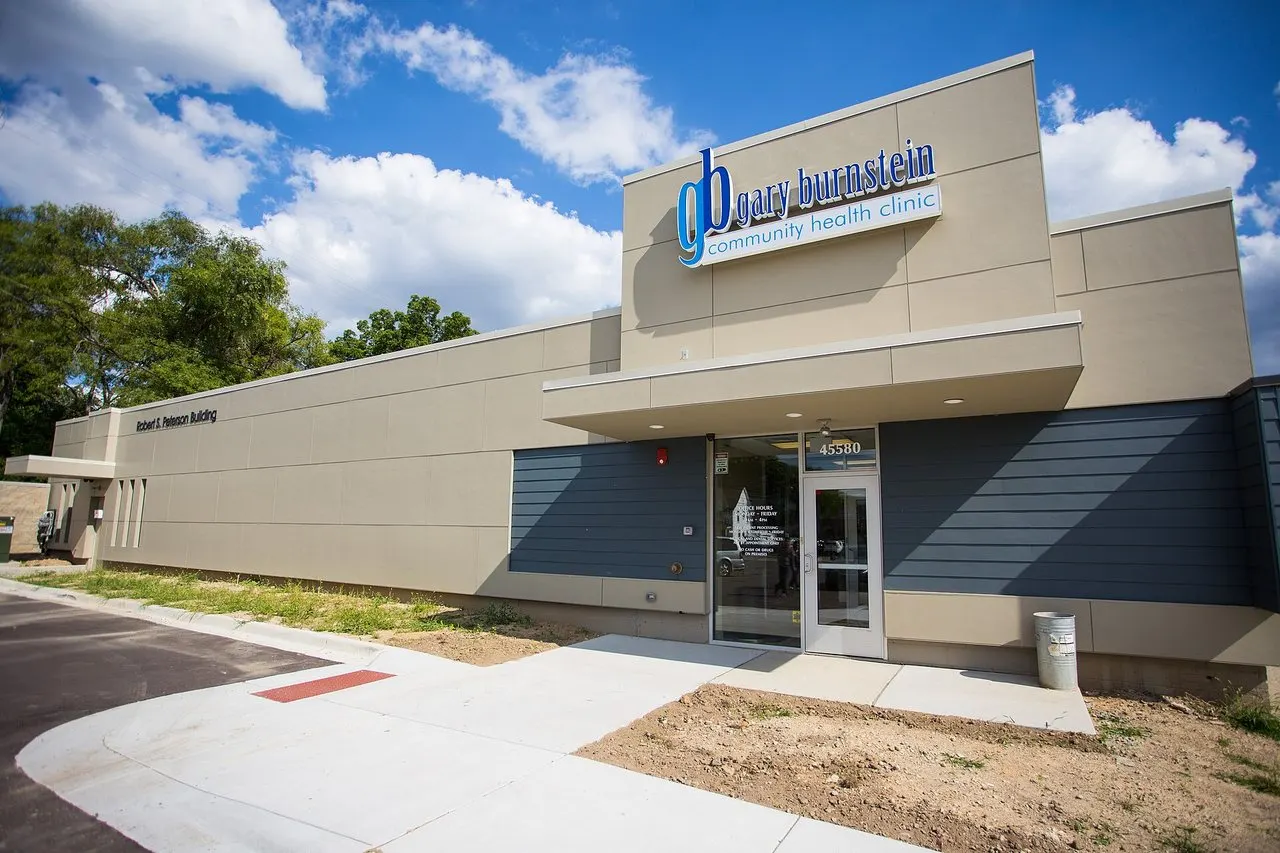
Measles does not stay in one home for long, because it travels through schools, clinics and neighborhoods wherever unprotected people gather. A single case can spark an outbreak in a town where vaccination rates have slipped, and health workers then race to trace contacts and offer shots. Community clinics are often the first to spot the pattern and the first to respond with extra vaccine days. The strength of a whole town is what protects its smallest members. Follow the firefighters who thanked God for rain and the fallout from a big midterm bet.
Protecting Mothers Before and During Pregnancy
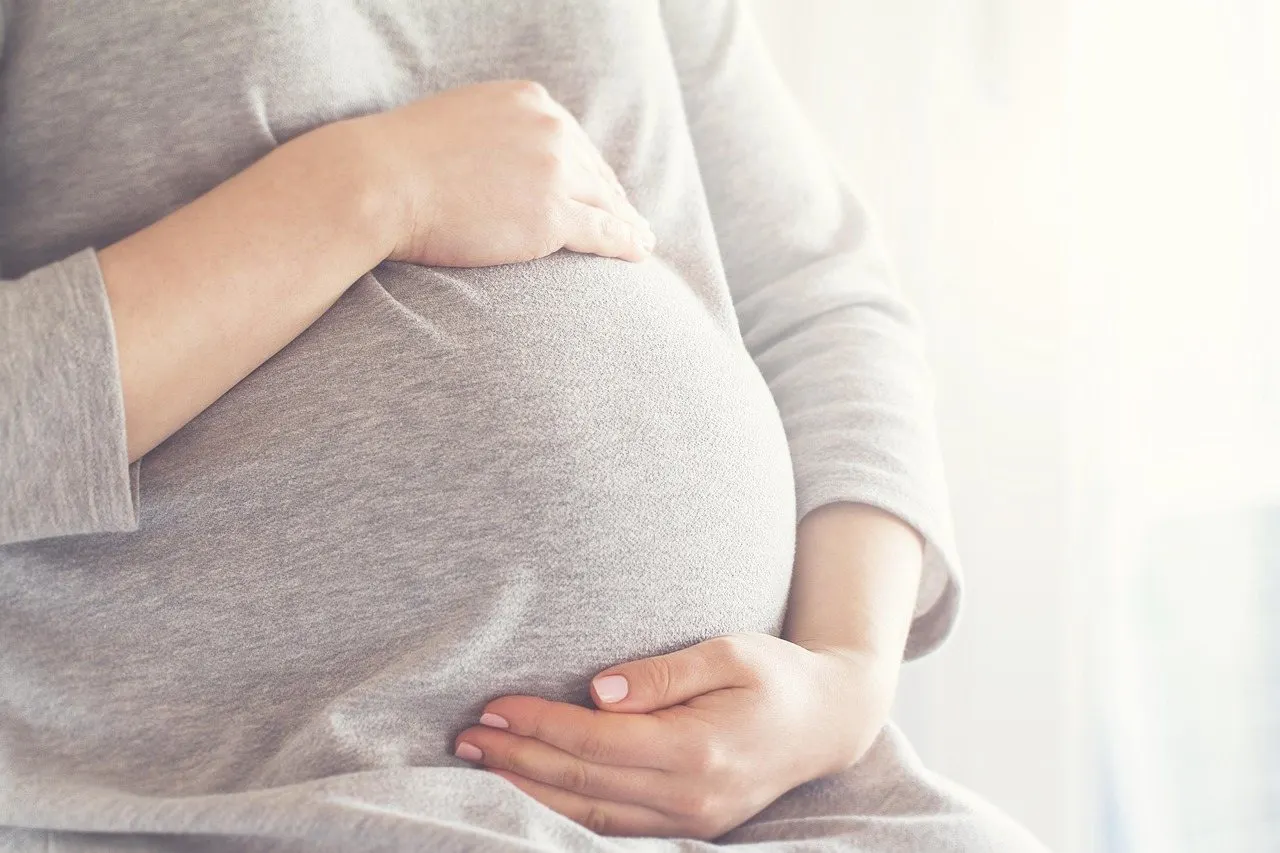
Doctors say the best time to check measles protection is before pregnancy, when a simple blood test can show whether a woman is immune. A woman who needs the MMR shot can get it before she tries to conceive, which protects both her and the baby she will carry. The vaccine is not given during pregnancy itself, so planning ahead is the key step. Prenatal visits are also a good time to ask questions and check records. Read about America’s vote at the UN and Taylor Swift’s CMA Awards return.
Babies Born With Measles: What Parents Can Do Now
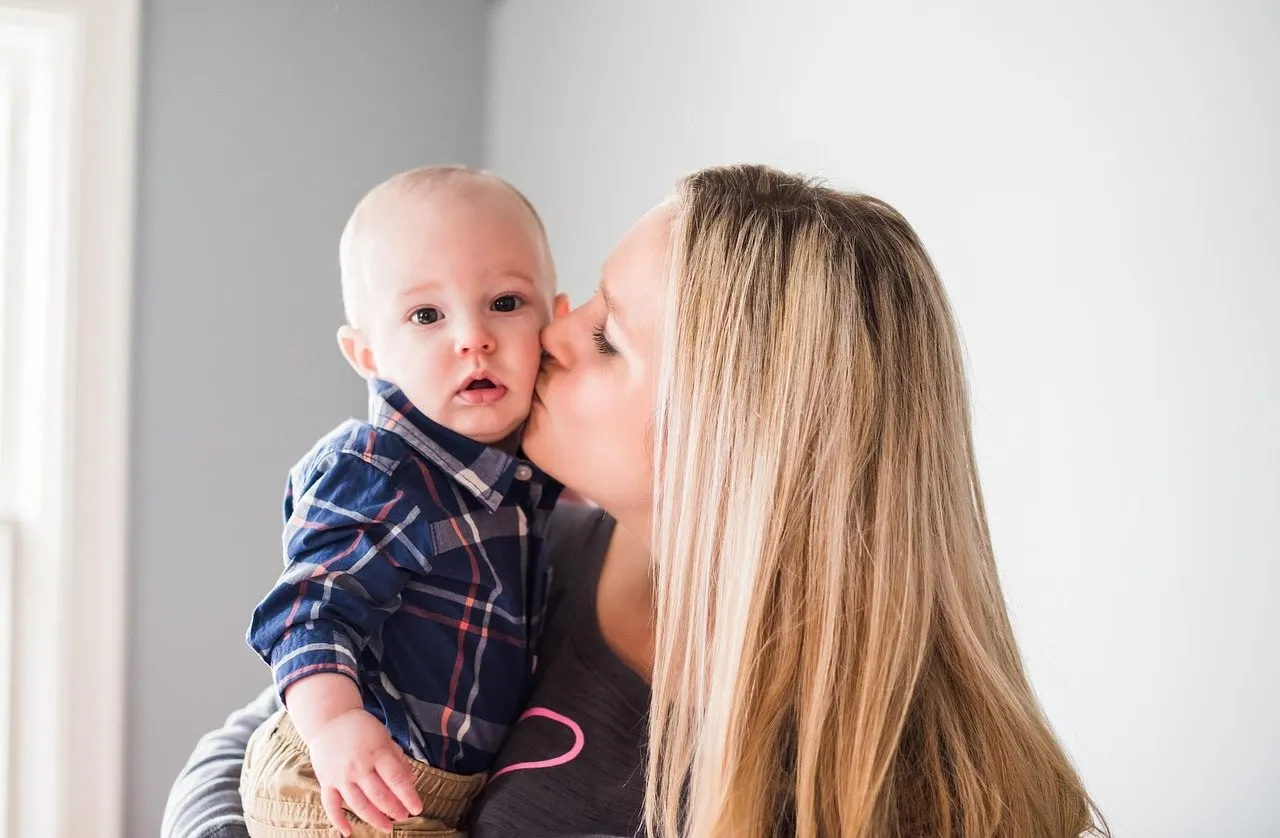
Parents can start by checking their own vaccine records and asking a doctor whether the family is up to date on MMR. If a child missed a dose, a catch-up shot can be given at almost any age, and most clinics offer it without a long wait. Keeping records handy also helps when a baby is born, since doctors will ask about the mother’s immunity. Small steps like these are what keep a whole community safe. See the electric plane’s first crewed flight and a family reunited after months apart.
What Would You Do to Protect a Newborn?
The news about newborns is a reminder that measles is not a disease of the past, and that the choices of every family shape the safety of the youngest among us. The vaccine that stops it has been with us for decades, and the protection it gives reaches beyond the person who gets the shot. If you have a baby at home, what would you do to keep them safe from a virus that is spreading again? Tell us in the comments. Read a deputy’s journey to a new kidney and the firefighters who prayed for rain in Indonesia.