Child Labor Cocoa: The Promise Made in 2001
Child labor cocoa was meant to be history by 2005. In 2001, the big chocolate companies signed the Cocoa Industry Protocol and promised to end the worst forms of child labor on cocoa farms within four years. Shoppers heard the pledge and hoped their chocolate came from farms where children went to school instead of work. But a promise on paper is only words, and the real test waited in Ivory Coast, where most of the world cocoa grows. This is the story of one journalist who went to check, and what his hidden camera found.
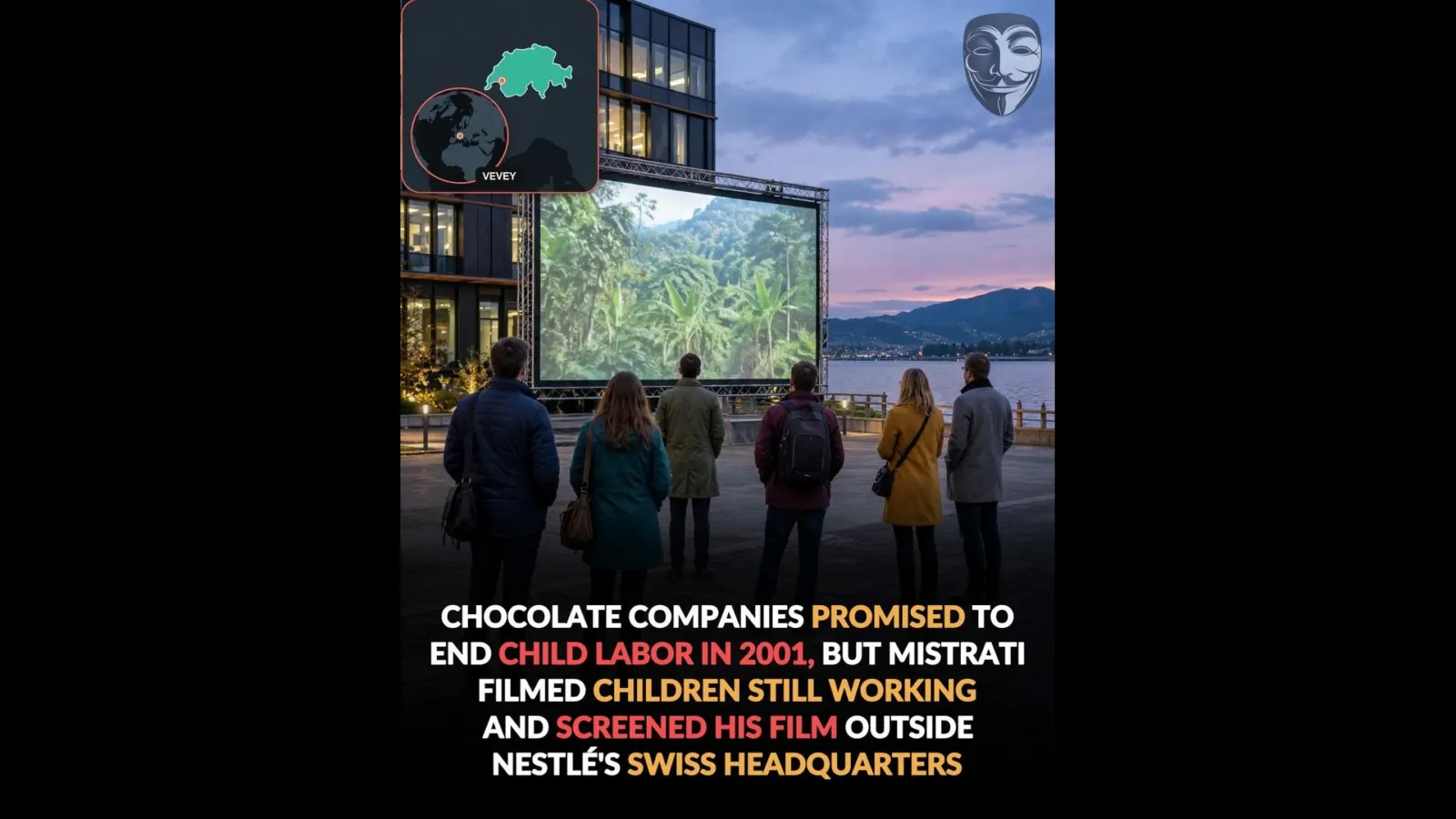
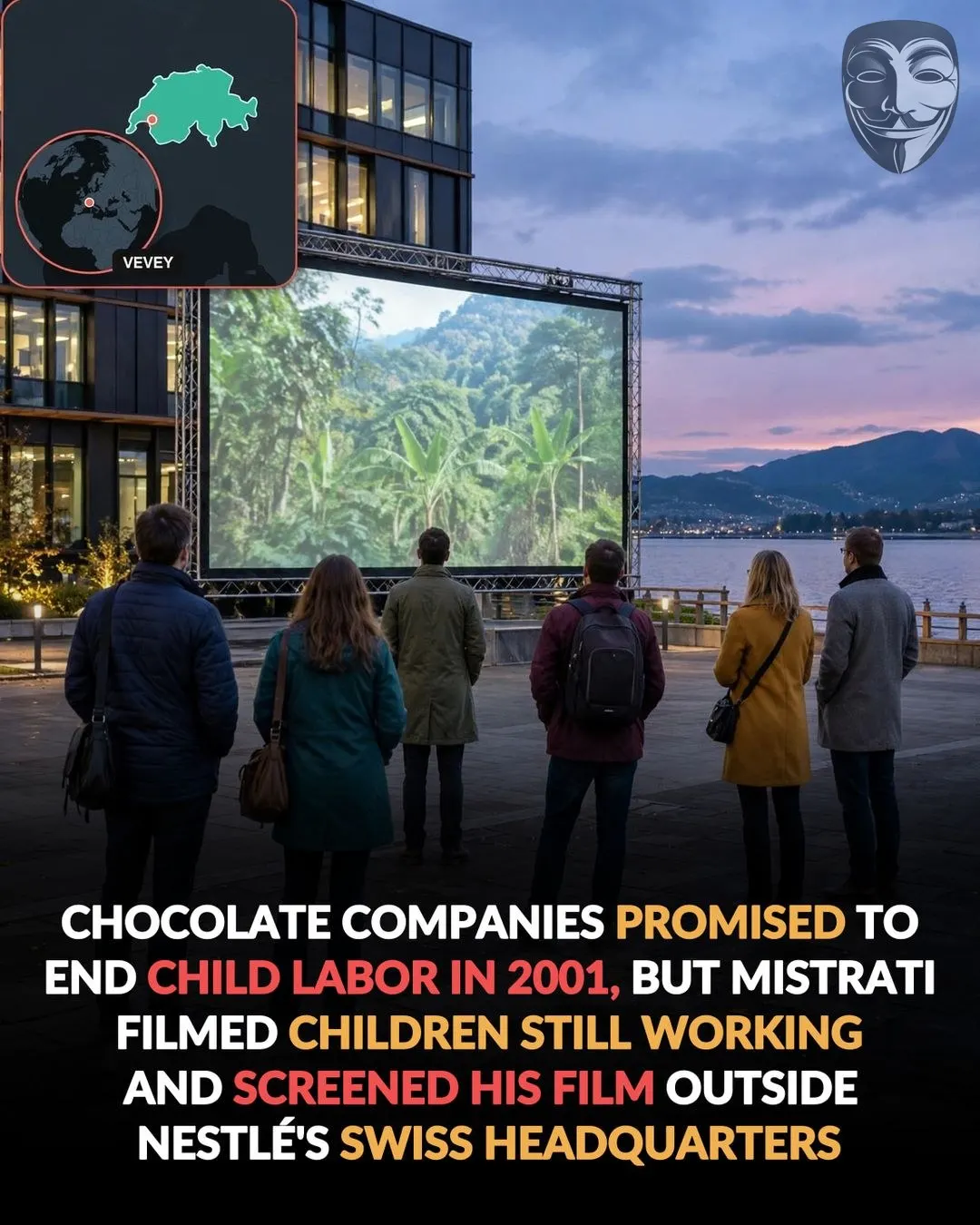
Journalist Miki Mistrati went to Ivory Coast ten years after the pledge, and he filmed children no older than 15 cutting cocoa pods with machetes. A crew leader told him the children were unpaid and not free to leave. When the companies refused to watch his film, Mistrati set up a screen beside the Nestle headquarters in Vevey and showed it to passersby and staff. In the slides ahead, we follow his journey from the farms to that Swiss street. For more, see our report on a bill to protect children and a study about children.
References:
Library Journal: The Dark Side of Chocolate Child Trafficking and Illegal Child Labor in the Cocoa Industry
The Conversation: Understanding cocoa farming is key to ending child slavery in West Africa
Cineuropa: Review The Chocolate Conflict
Human Rights Careers: 9 Human Trafficking Documentaries You Can Watch Online
The 2001 Pledge Against Child Labor Cocoa
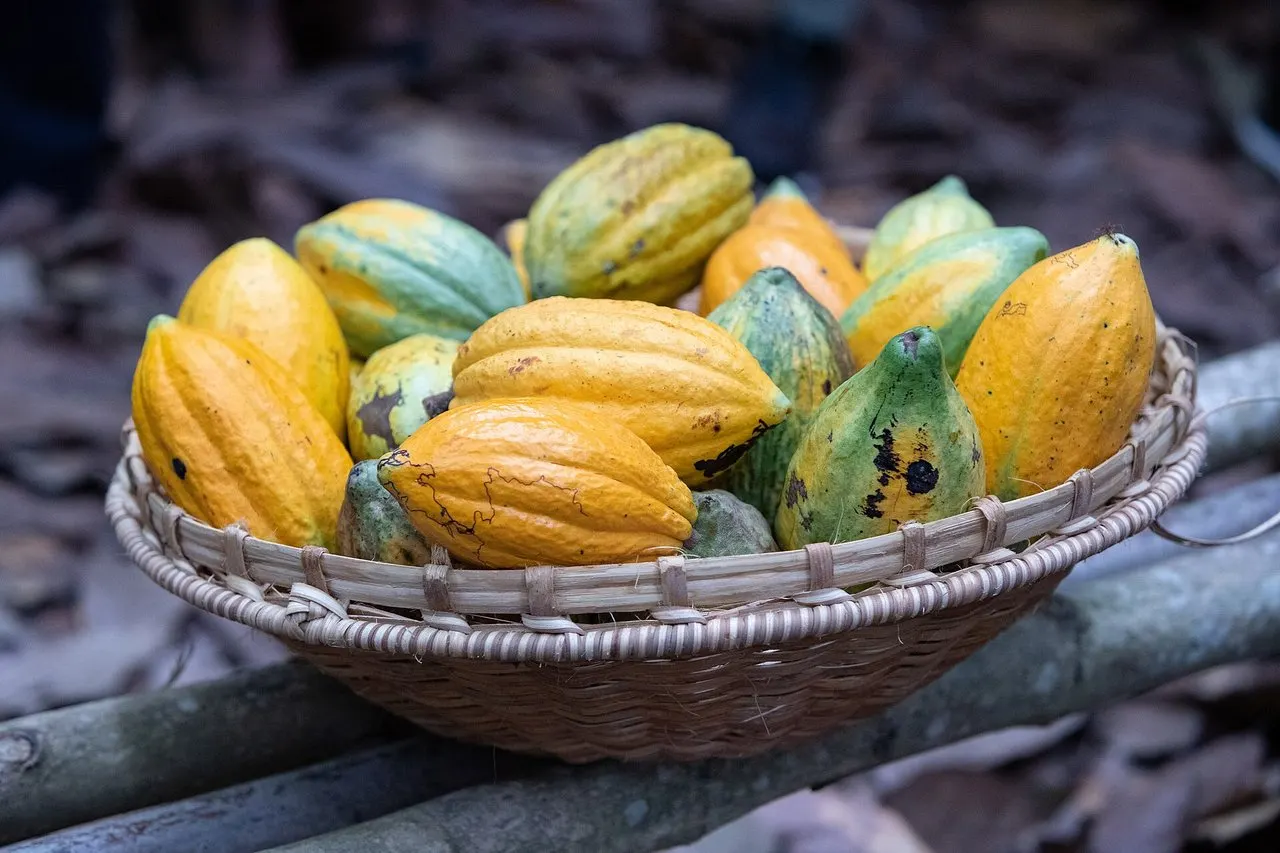
In 2001, the chocolate industry signed the Cocoa Industry Protocol, a pledge to end the worst forms of child labor on cocoa farms by 2005. The biggest companies put their names to it, and the promise was widely reported at the time. Four years seemed like enough time to change how farms worked. But the protocol had no hard penalties, and nobody checked the farms in a serious way. The deadline passed, and the children were still there. Read about a second bill to protect children and a mayor who kept his word.
Miki Mistrati, the Danish Journalist
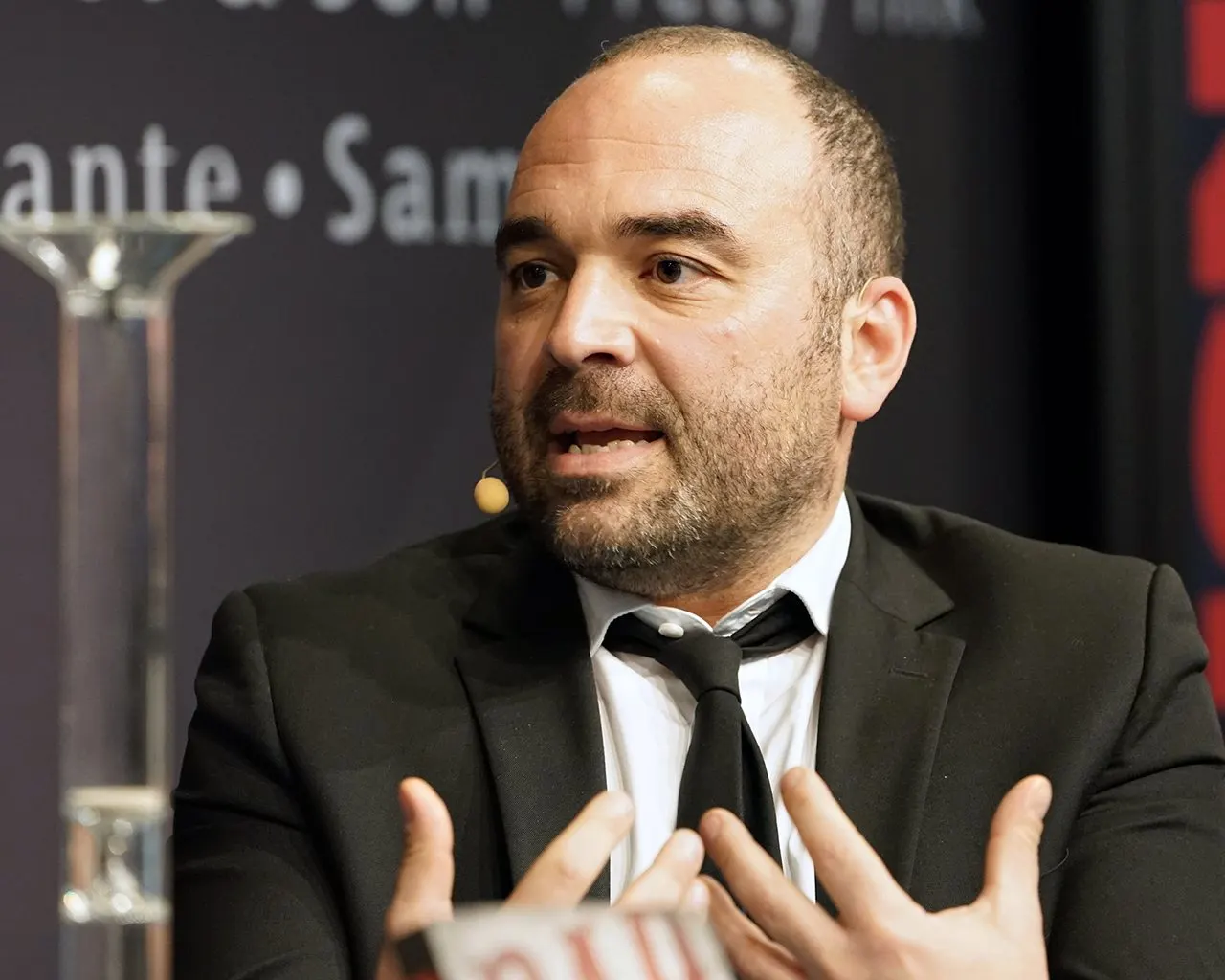
Miki Mistrati is a Danish journalist who makes films about hidden problems. He went to Ivory Coast with a small camera he could hide, because he wanted to see the cocoa farms for himself. He did not trust the company reports, and he did not trust the official promises. He used an assumed identity so that the people who move child workers would talk to him openly. What he recorded would become the film The Dark Side of Chocolate. Read about a study about children and the debate about older leaders.
A Hidden Camera in Ivory Coast
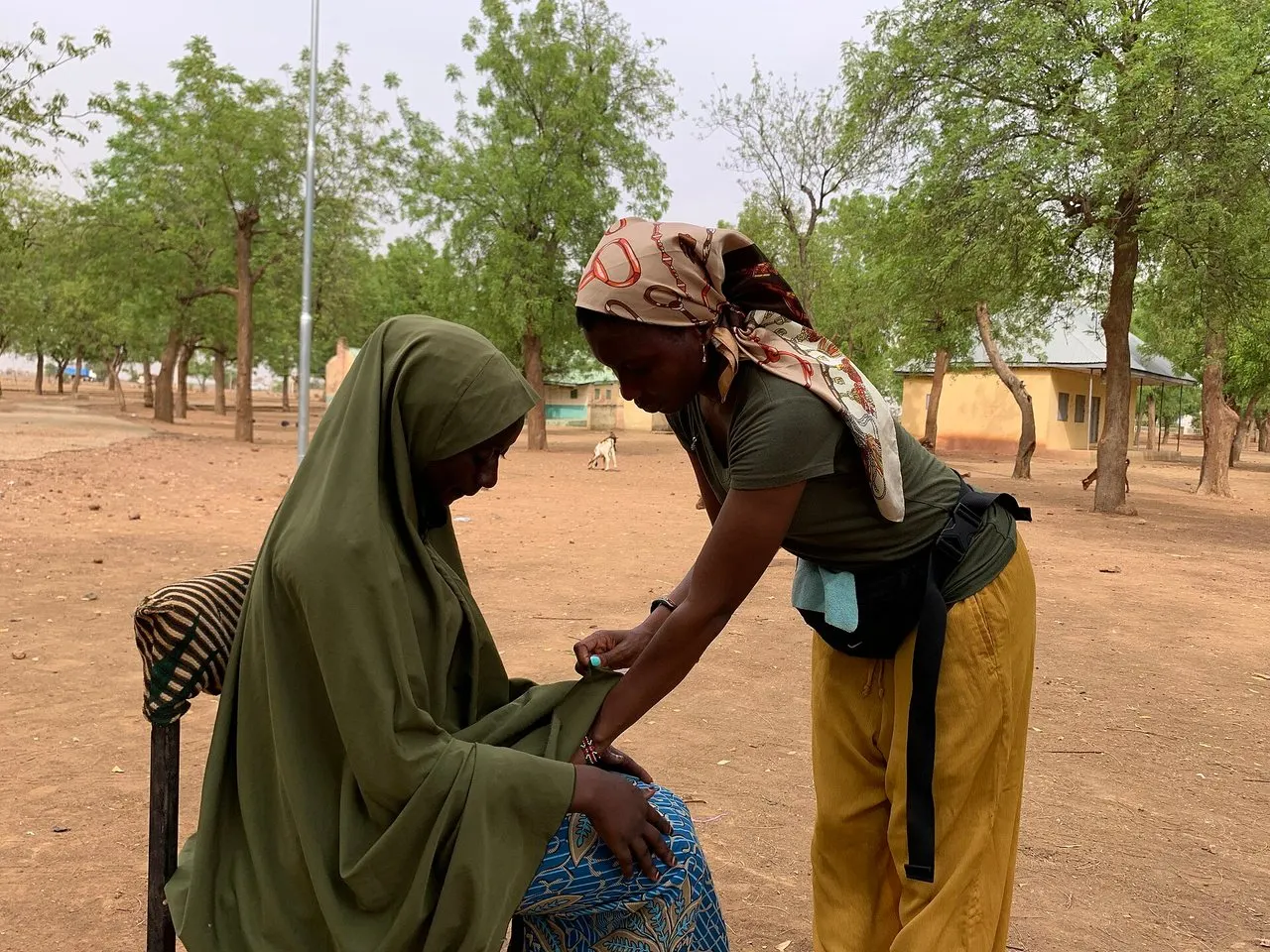
A hidden camera can show what a press release cannot. Mistrati filmed inside the cocoa trade, and his footage showed children cutting cocoa pods with machetes in Ivory Coast. The children were no older than 15, and a crew leader told him they were unpaid and not free to leave. The film opens at a chocolate trade convention in Belgium, where industry representatives told him they knew nothing about forced child labor. That contrast is the heart of the film. Read about a mayor who kept his word and friendships tested by politics.
Child Labor Cocoa: Children Cutting Pods With Machetes
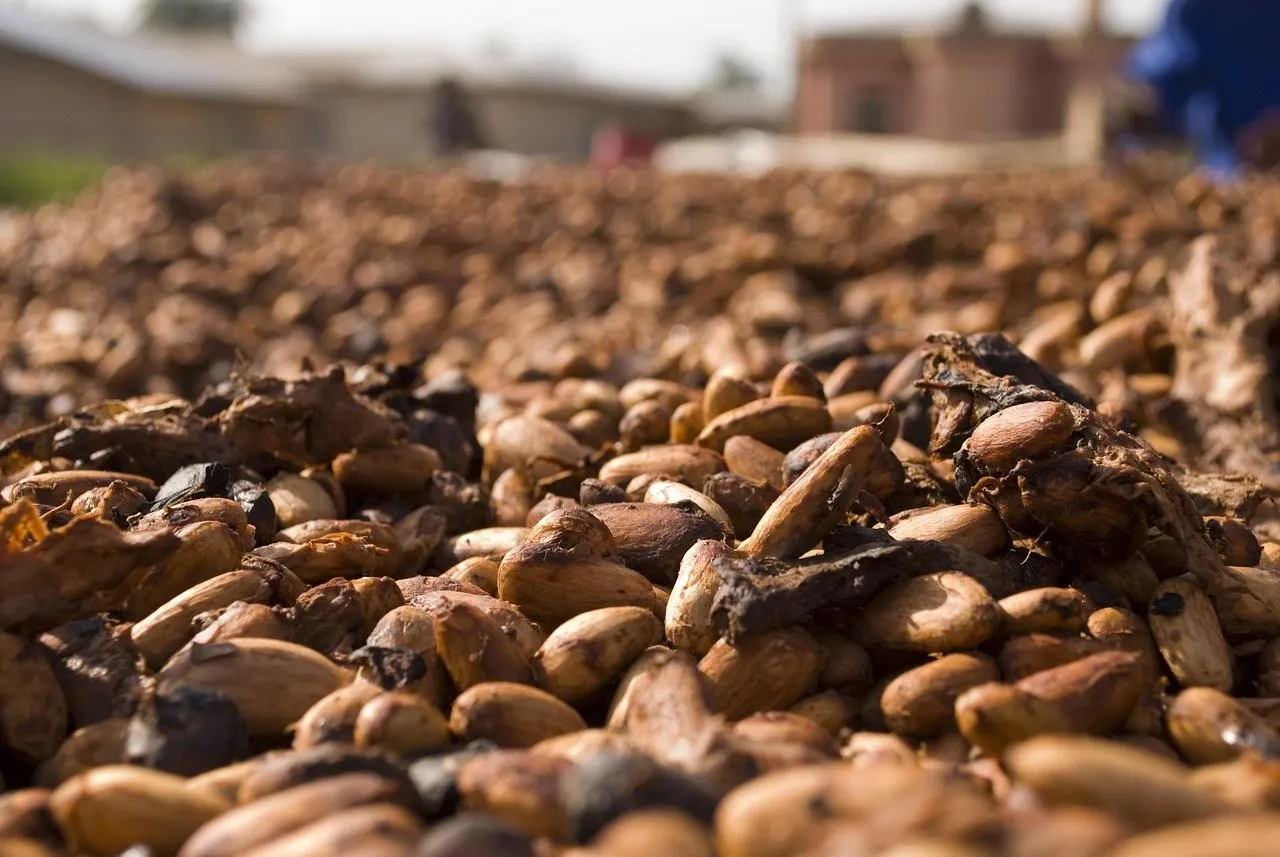
Child labor cocoa means children doing hard and dangerous work instead of going to school. The film shows boys cutting cocoa pods with machetes, a sharp tool that can hurt a child in seconds. The work is long, hot and unpaid, and the children are not free to leave the farms. A crew leader said so on camera, in plain words. These are the facts the 2001 pledge was meant to change, and they were still true almost ten years later. Read about a bill to protect children and a handmade model of family homes.
260 Euros for a Child Worker
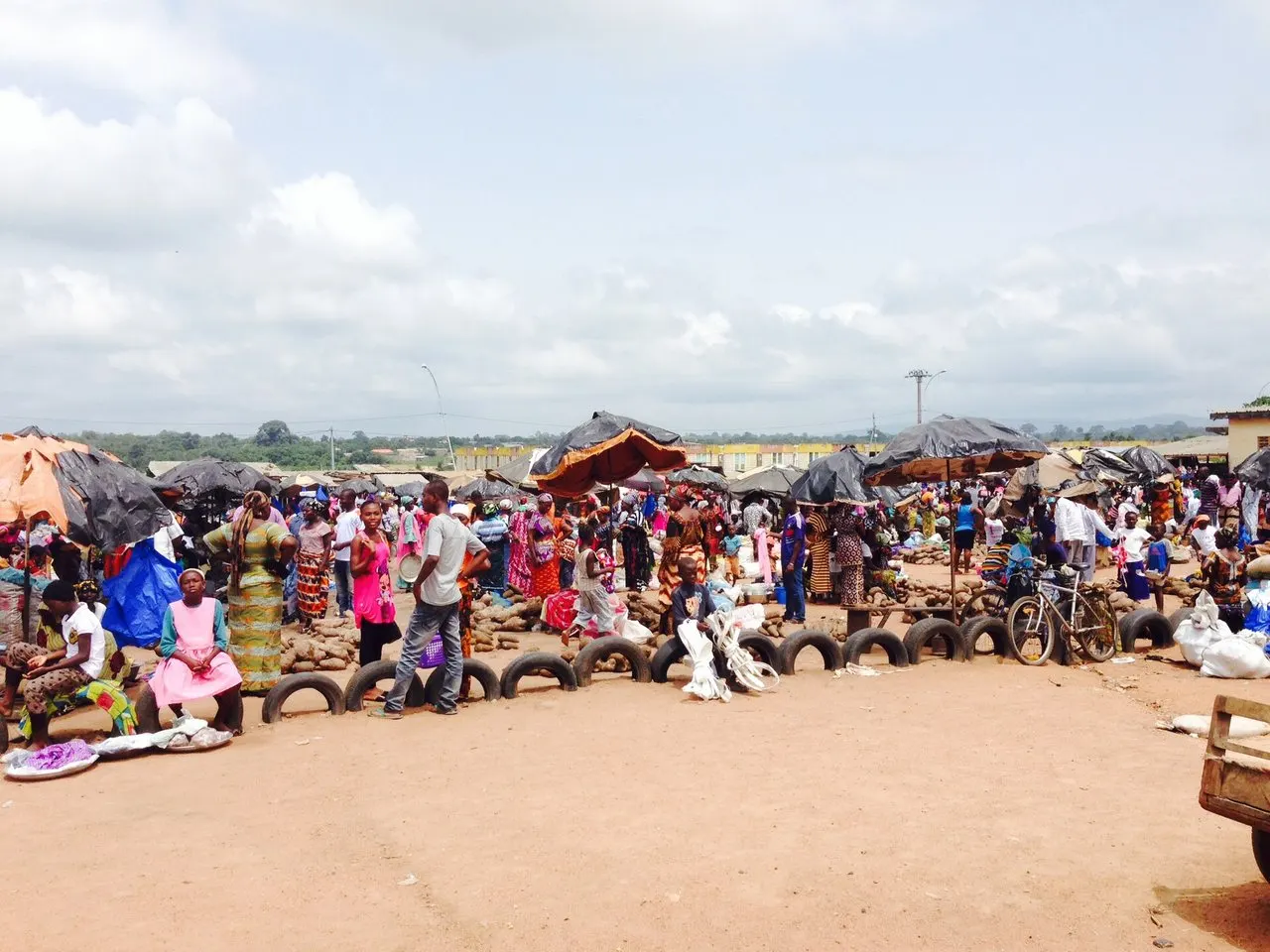
Mistrati used an assumed identity to meet a trafficker, and the man quoted 260 euros, about 340 dollars, for delivering a child worker. The price was said on hidden camera, calmly, as if it were a normal business deal. That short scene is one of the most shocking parts of the film, because it shows that children were traded like goods. The film also shows an Ivory Coast official who claimed the children from Mali were only on vacation with their families. Read about a second bill to protect children and free shoes for top students.
A Trade Convention in Belgium
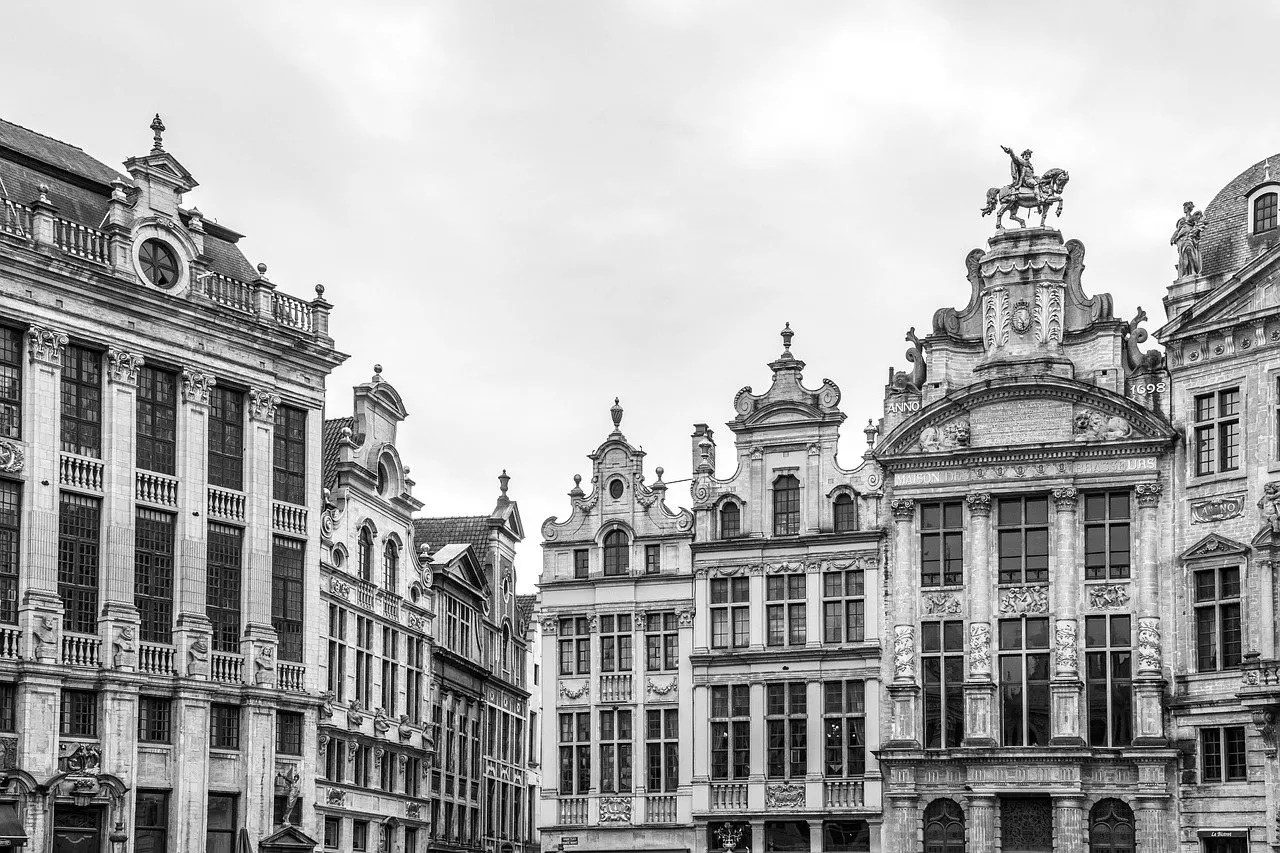
The film opens at a chocolate trade convention in Belgium, where Mistrati asked industry representatives about forced child labor on Ivory Coast cocoa farms. They told him they knew nothing about it. The scene is calm and polite, and that is what makes it so strange. The men in suits speak as if the problem does not exist, while the hidden camera footage says the opposite. The film uses their own words against them, and the viewer must decide who to believe. Read about the debate about older leaders and facts about dragonflies.
Child Labor Cocoa and the Industry That Looked Away

Child labor cocoa stayed hidden because the companies that buy the cocoa said they did not know. The film shows how easy it was for the industry to look away. The chocolate on shop shelves comes from beans grown far away, and the distance makes it simple to ignore the farms. But the pledge of 2001 was a promise to look, and to act. The film asks a plain question. If the companies did not know, why did they not check? Read about friendships tested by politics and the Greenland deal.
Nestle Headquarters in Vevey, Switzerland
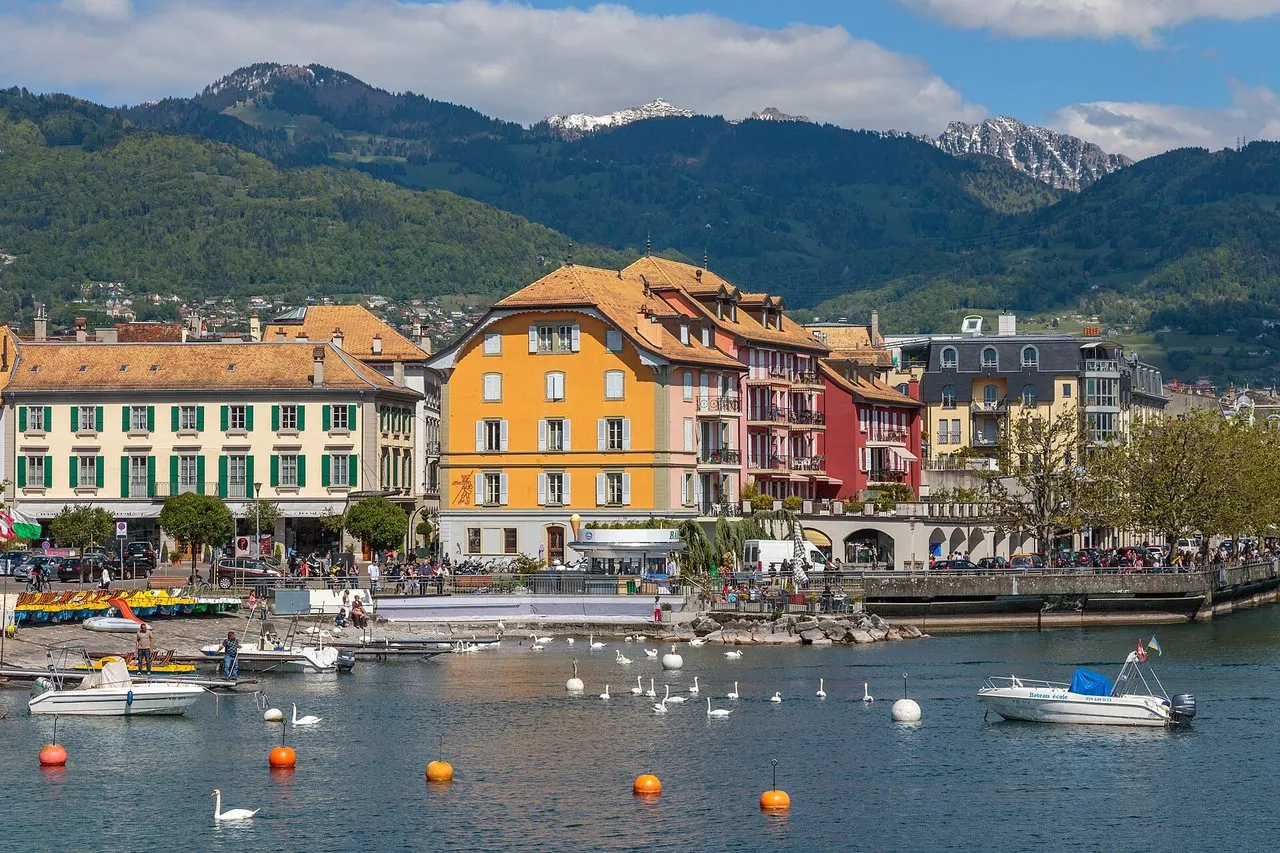
Nestle is one of the biggest chocolate companies in the world, and its headquarters sits in Vevey, a town on Lake Geneva in Switzerland. The town is quiet and pretty, with mountains across the water, and it seems far from the cocoa farms of West Africa. Mistrati took his film there because the company would not watch it anywhere else. The headquarters is the place where the big decisions are made, and he wanted the staff to see what their supply chain looked like. Read about a study about children and a mother home after release.
A Giant Screen Beside the Headquarters

When Nestle and other companies refused to watch his film, Mistrati put up a giant screen beside the headquarters in Vevey and showed it to passersby, including the company own staff. People walking past could stop and watch children cutting cocoa pods on a big screen in the middle of a Swiss town. It was a bold way to force a meeting that the company had refused. The screening turned a private refusal into a public moment. Read about a mayor who kept his word and a handmade model of family homes.
Security Guards Switched Off the Projector

The screening outside the Nestle headquarters did not last long. Company security guards made Mistrati and his team turn off the projector and leave. The film went dark, but the point had been made. The guards were doing their job, and the company was protecting its property, yet the scene is hard to forget. A journalist had to be removed for showing a film about children to the people who sell chocolate. Read about the debate about older leaders and a race decided by 330 votes.
Child Labor Cocoa on Ivory Coast Farms
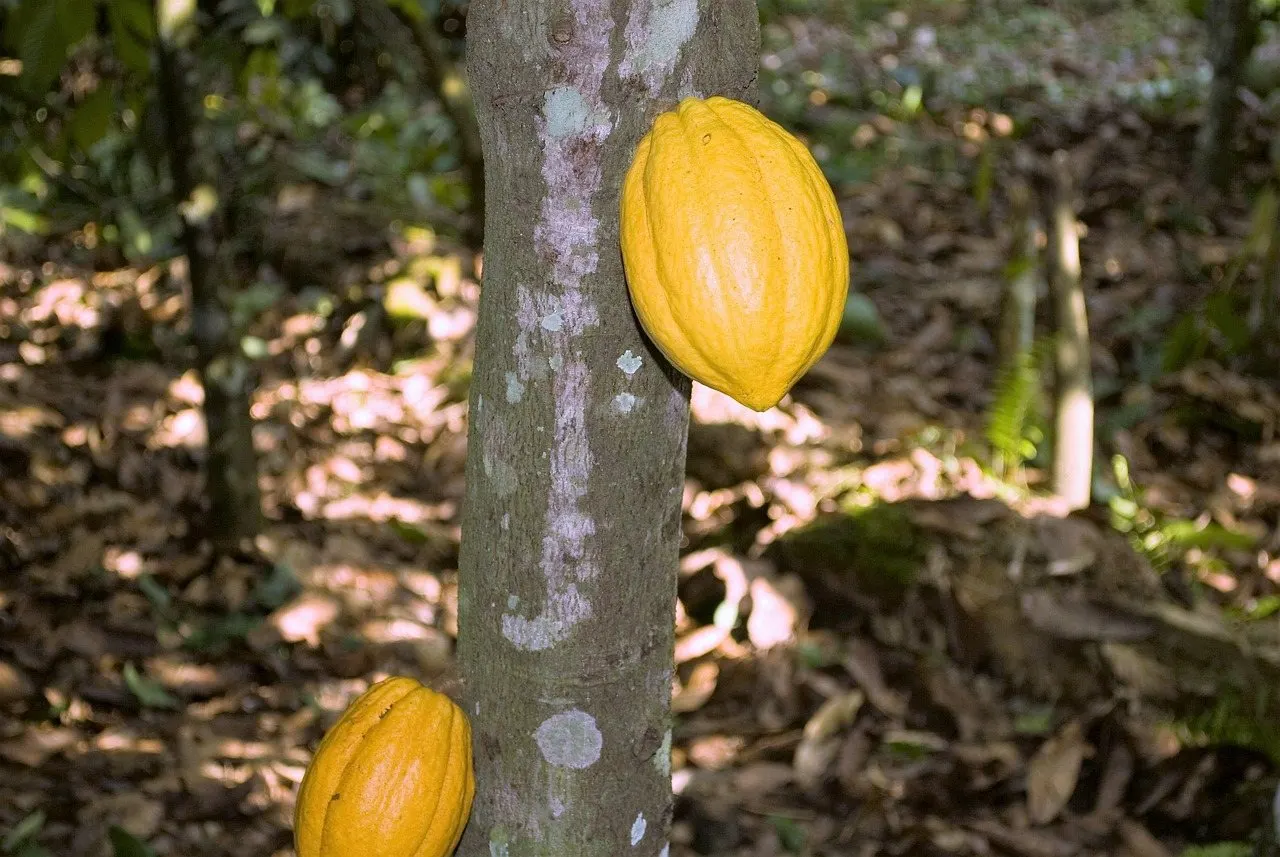
Child labor cocoa still grows on farms in Ivory Coast, the country that grows more cocoa than any other. The work is hard, and the pay for adult farmers is low, which pushes some farms to use children. The 2001 protocol promised change, but promises need checks, and checks need people willing to look. The film showed that the gap between the pledge and the farms was wide. The story is not only about one company, but about a whole trade. Read about a bill to protect children and free shoes for top students.
The Cocoa Industry Protocol, Explained
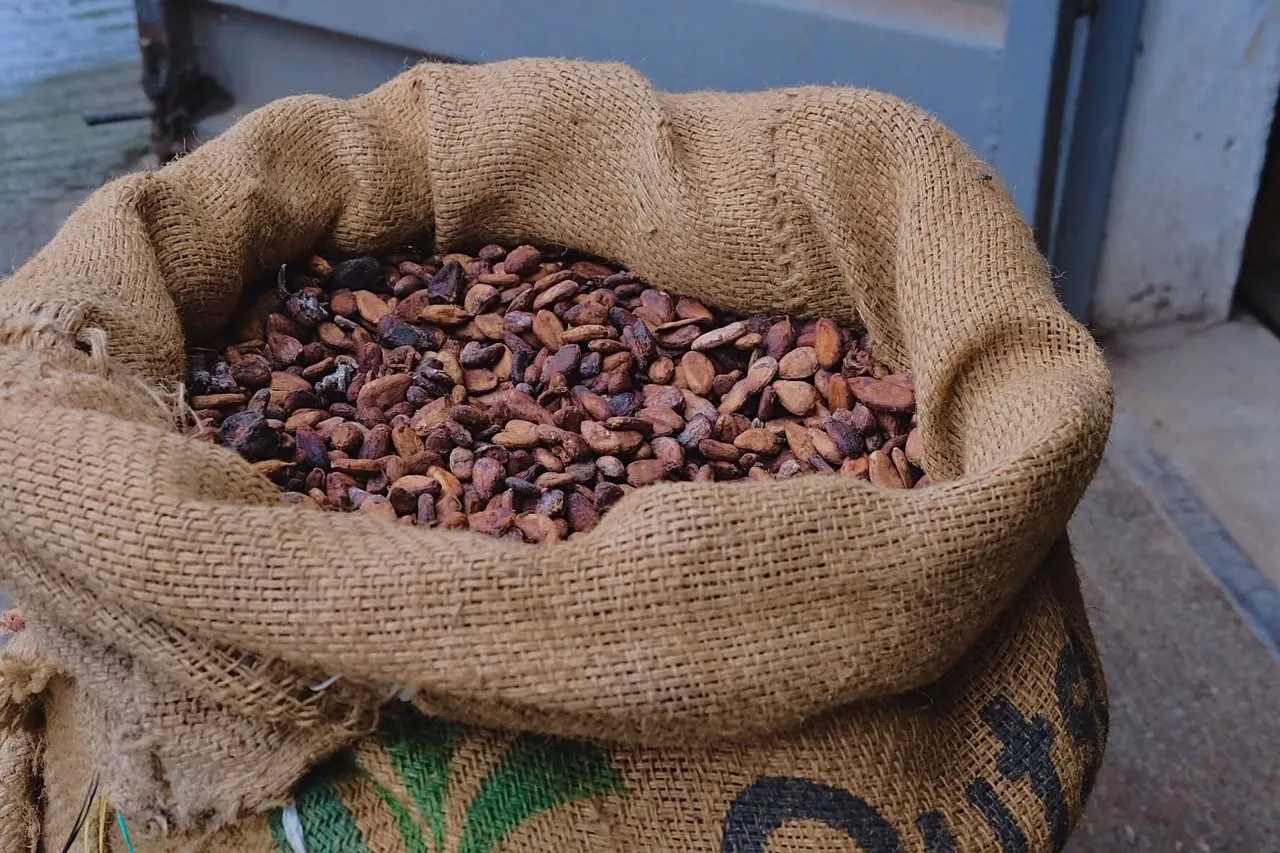
The Cocoa Industry Protocol was signed in 2001 by the big chocolate companies, and it set 2005 as the target for ending the worst forms of child labor. The worst forms include work that harms a child health, safety or morals, and work that keeps a child from school. The protocol was voluntary, which means no company faced a fine for missing the target. That is why many people say the pledge was weak from the start. A promise without a penalty is easy to break. Read about friendships tested by politics and facts about dragonflies.
What the Film Changed

The Dark Side of Chocolate was shown at film festivals and on television in several countries, and it started a public debate about where chocolate comes from. Shoppers began to ask questions, and some companies started to publish more about their supply chains. The film did not end child labor, and no single film could. But it made the problem harder to ignore, and it gave the children on the farms a voice they did not have before. Read about the Greenland deal and a mother home after release.
Why Child Labor Cocoa Still Matters Today
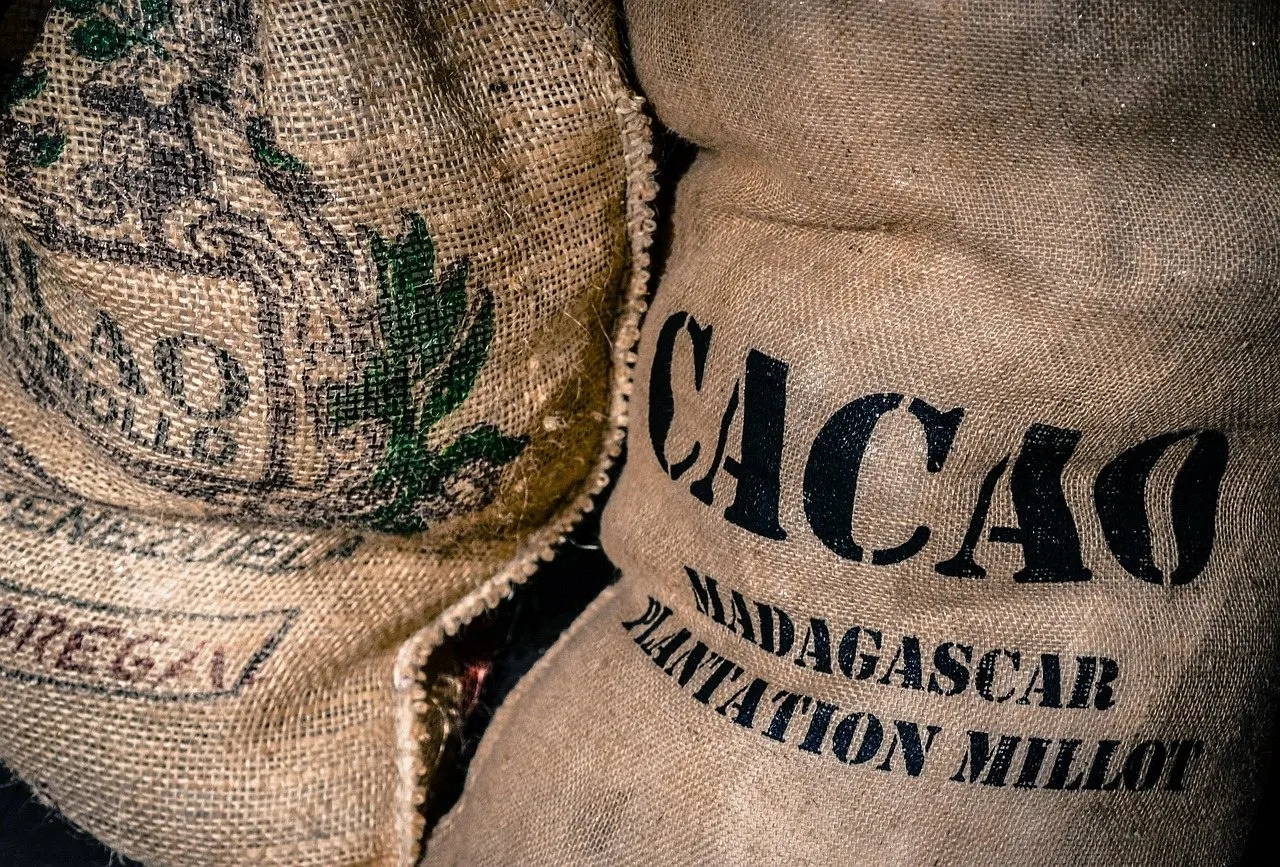
Child labor cocoa is still a problem today, long after the 2001 pledge. Reports from Ivory Coast and Ghana still find children working on cocoa farms, and the number is still large. Shoppers can look for fair trade labels, and companies can publish what they find on the farms. The story of Mistrati film reminds us that a promise is only the start, and that someone has to check. The children in the film are grown now, but others have taken their place. Read about a second bill to protect children and a race decided by 330 votes.
What Should Chocolate Companies Do Now?

What should chocolate companies do now? Should they pay farmers more, so farms do not need child workers? Should they open their supply chains to outside checks? Should shoppers pay a little more for chocolate that is made without child labor? These are the questions Mistrati film leaves with us. Tell us what you think in the comments below. We would love to hear your view. Read about a handmade model of family homes and a mother home after release.