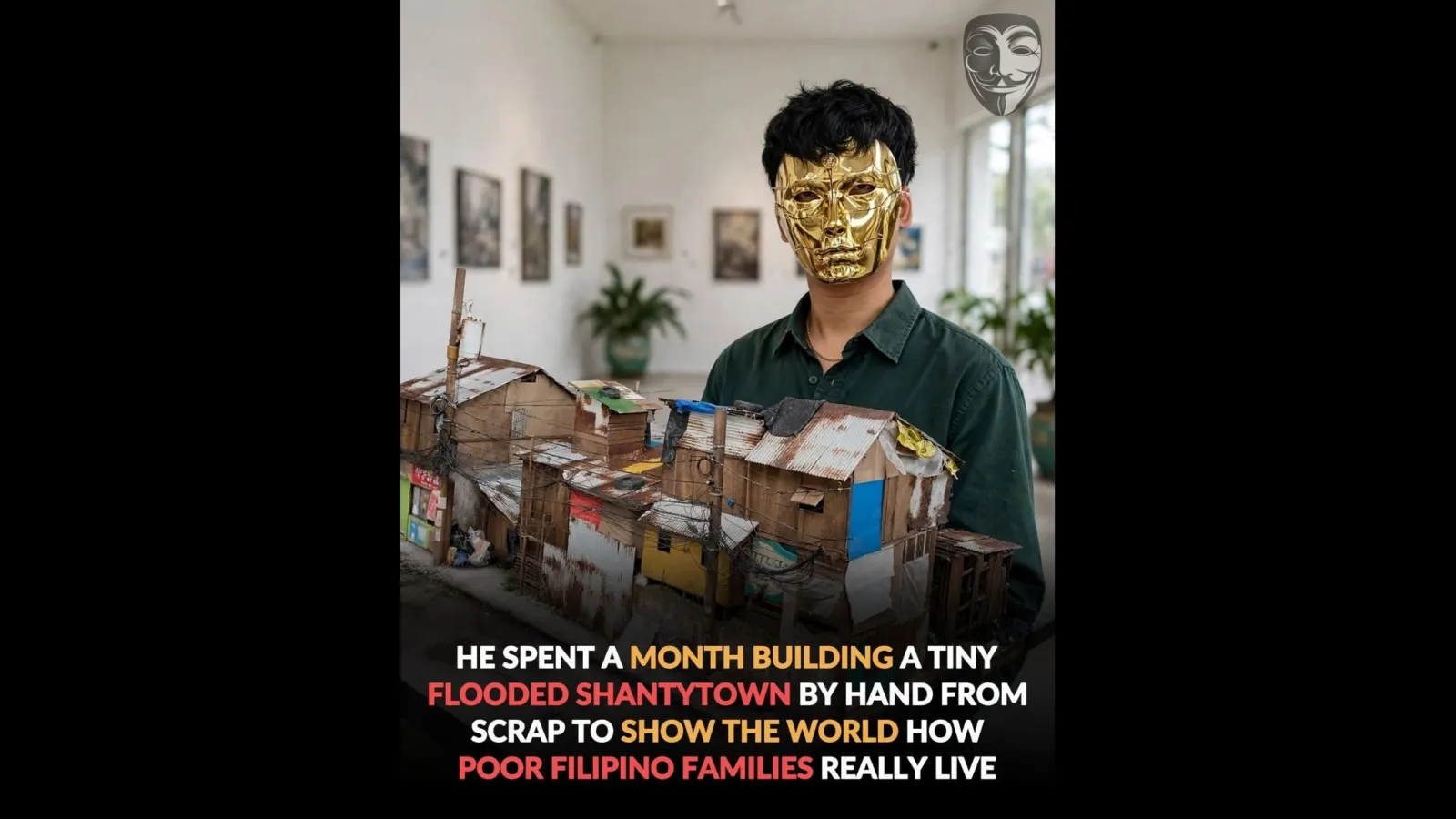
The Fragile Shelter Diorama Shows Real Filipino Life
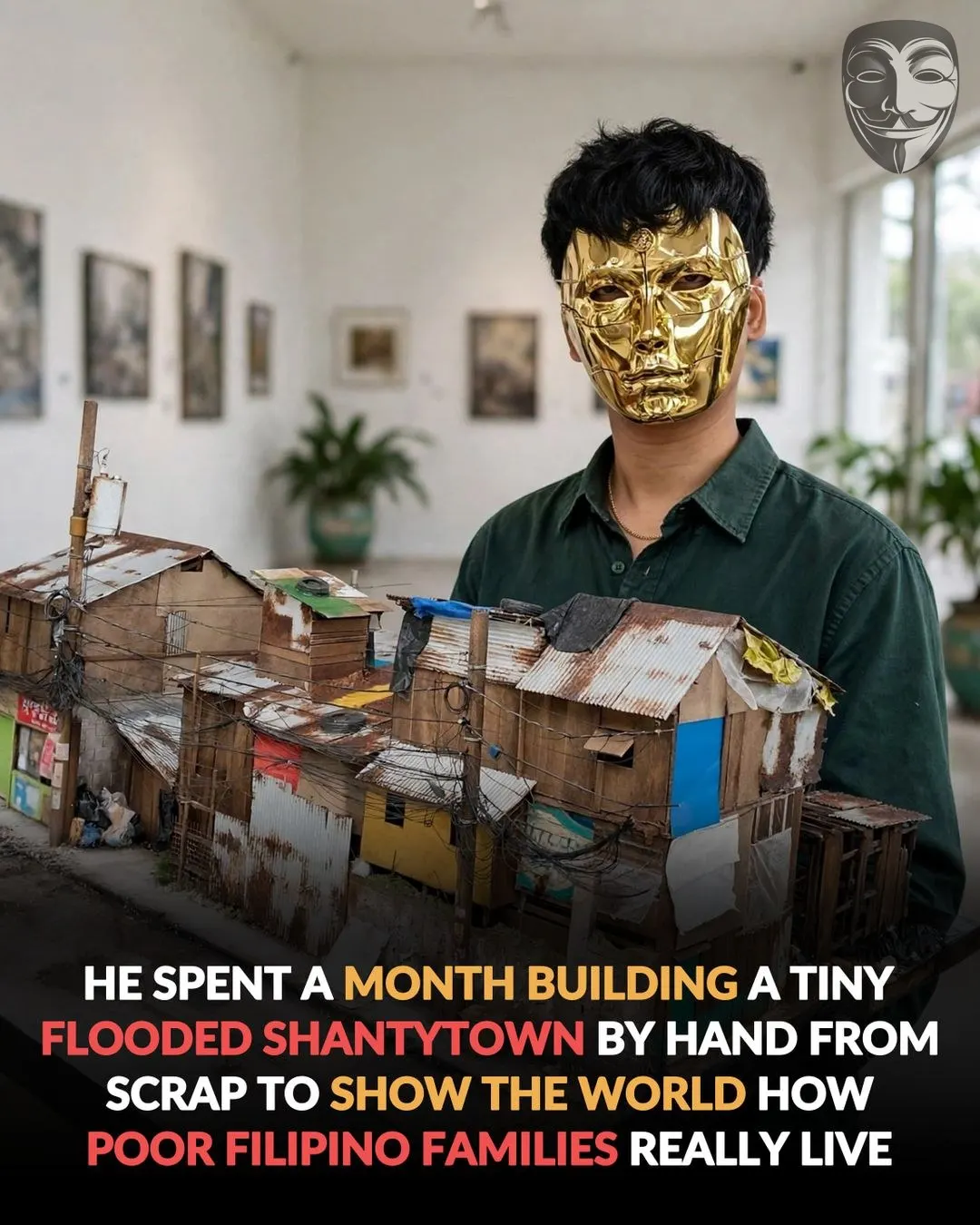
Fragile Shelter diorama artist Christian Gloria spent a month building a tiny flooded shantytown by hand to show the world how poor Filipino families really live. Gloria is an artist from Quezon Province, and his hyper-realistic scene shows wooden homes with rusted roofs and tangled wires standing in floodwater after a rainstorm. He built the work from scrap materials, piece by piece, so the fragile houses would mirror the real homes that many Filipino families live in every day.
Gloria said the work is not just about one home, but about what happens when waste management fails and poor families are left in flood-prone places with nowhere safe to go. He chose to build it by hand because he believes machine made art cannot carry the same feeling as work shaped by human hands and hearts. Ahead we look at the tiny streets and the floodwater. You can also read a mayor who kept his rent freeze promise and a horror series about homes built over a cemetery.
References:
Human Rights Watch: Philippines: Flood Control Project Disregards Rights
Proud Bisaya Bai: Cebu City clears 23 Ermita houses to reopen drainage culvert
ASTIG: Cebu City tore down 23 homes to unclog a flooded drain. Each family got P20,000 and no relocation site.
NERC Open Research Archive: A risk-based approach to shelter resilience following flood and typhoon damage in rural Philippines
An Artist From Quezon Province With a Message
Christian Gloria is an artist from Quezon Province, a region of hills and long coasts in the Philippines, and his work grew out of the life he saw around him. He spent a month building Fragile Shelter by hand, shaping every tiny wall and roof himself instead of letting a machine do the work. The result is a small flooded town that feels real enough to touch, and it carries a message about people who live with very little. Read more about a family secret kept for years and what a credit freeze does and does not stop.
A Month of Work by Hand Built the Fragile Shelter Diorama
A month went into Fragile Shelter, and every day added small details that a machine would have missed. Gloria worked with his hands from start to finish, cutting and joining scrap pieces until the tiny town looked worn and real. He refused to use a 3D printer because he believes machine made art cannot carry the same feeling as work shaped by human hands and hearts. The slow pace gave the scene warmth. Read more about residents who forced a recall of their mayor and a new job that turned out worse than the old one.
Scrap Became the Heart of the Fragile Shelter Diorama
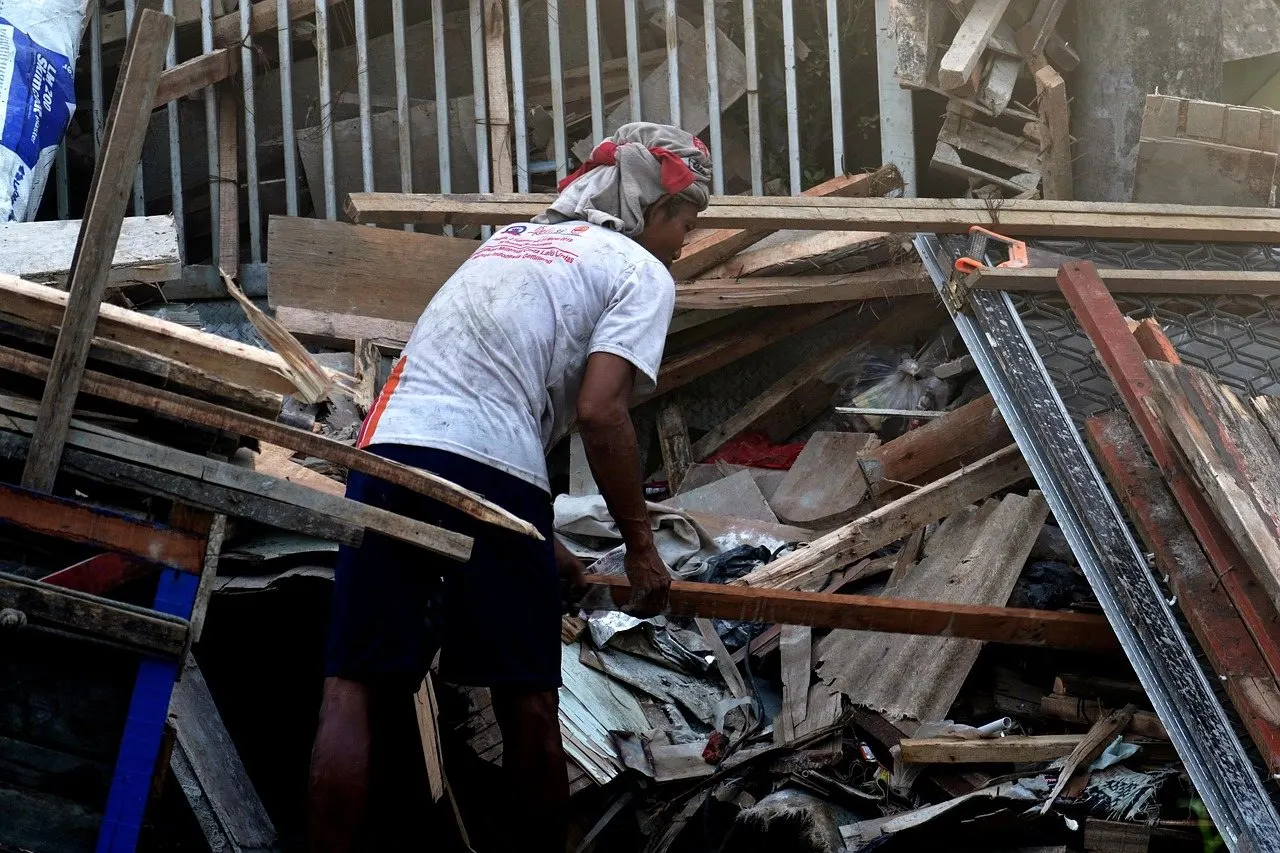
Scrap is the heart of Fragile Shelter, and Gloria chose it on purpose. He built the tiny homes from discarded wood and rusted metal so the material itself would tell the story of families who live in scrap homes. In real life those houses face constant threats of displacement and the loss of basic needs, and the diorama makes that hardship easy to see. Waste became art, and art became a mirror. Read more about hundreds who packed a city hall meeting and young people who wish cash was always an option.
Wooden Homes With Rusted Roofs Stand in the Water
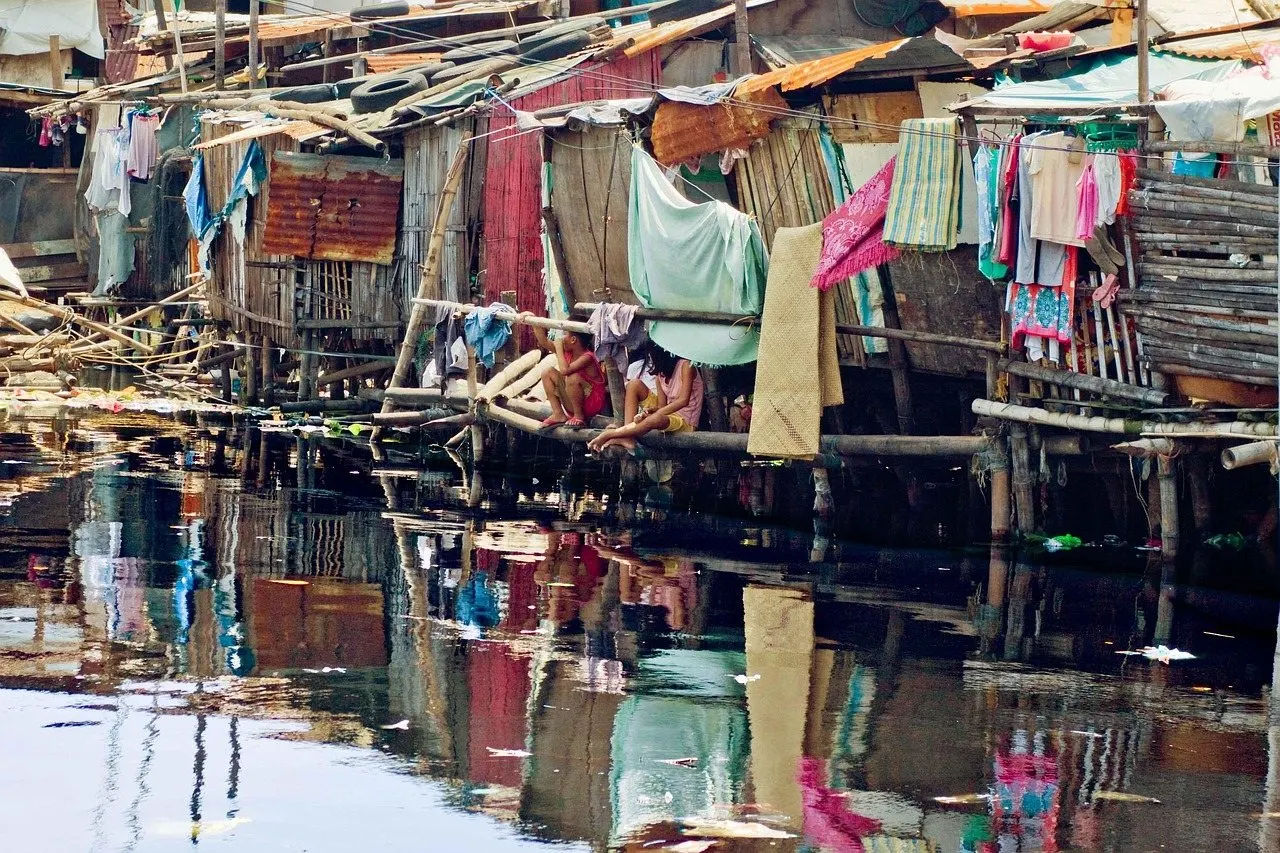
The wooden homes in Fragile Shelter have rusted roofs and thin walls, and they stand on weak frames above the floodwater. Gloria shaped each one to look like the fragile homes that many Filipino families live in, homes that flood when the rain is heavy and offer little shelter from the storm. The tiny roofs bend and sag, and the walls look tired, but each house still holds a family inside. Read more about a mother and daughter reunited after release and a comedy sketch that felt like real life for caregivers.
Tangled Wires in the Fragile Shelter Diorama
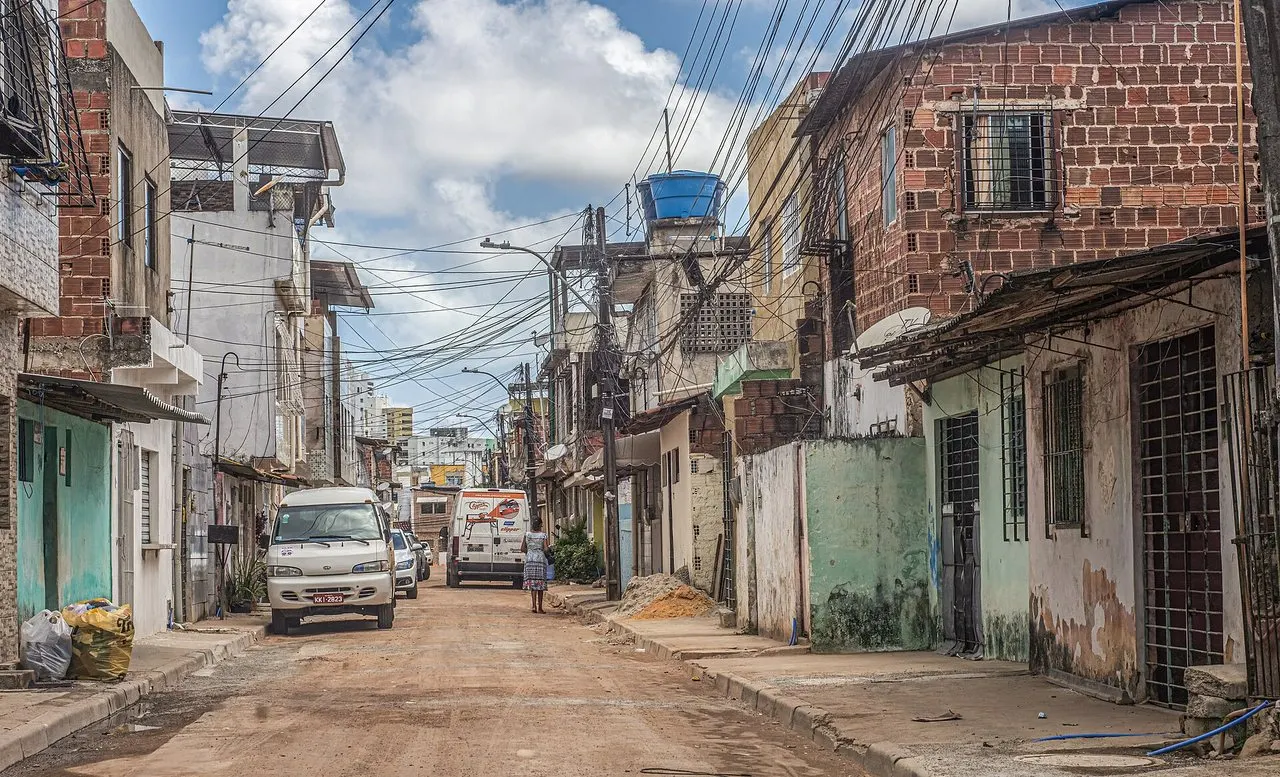
Tangled wires hang over the tiny streets of Fragile Shelter, crossing and looping above the flooded homes. Gloria added them because they are part of daily life in poor neighborhoods, where power lines crowd the sky and no one quite knows where each wire leads. The wires make the scene feel crowded and real, and they show how much people live with every day. Read more about friends divided by politics and values and a spacecraft now one light day from Earth.
Floodwater After the Rain Changed Everything
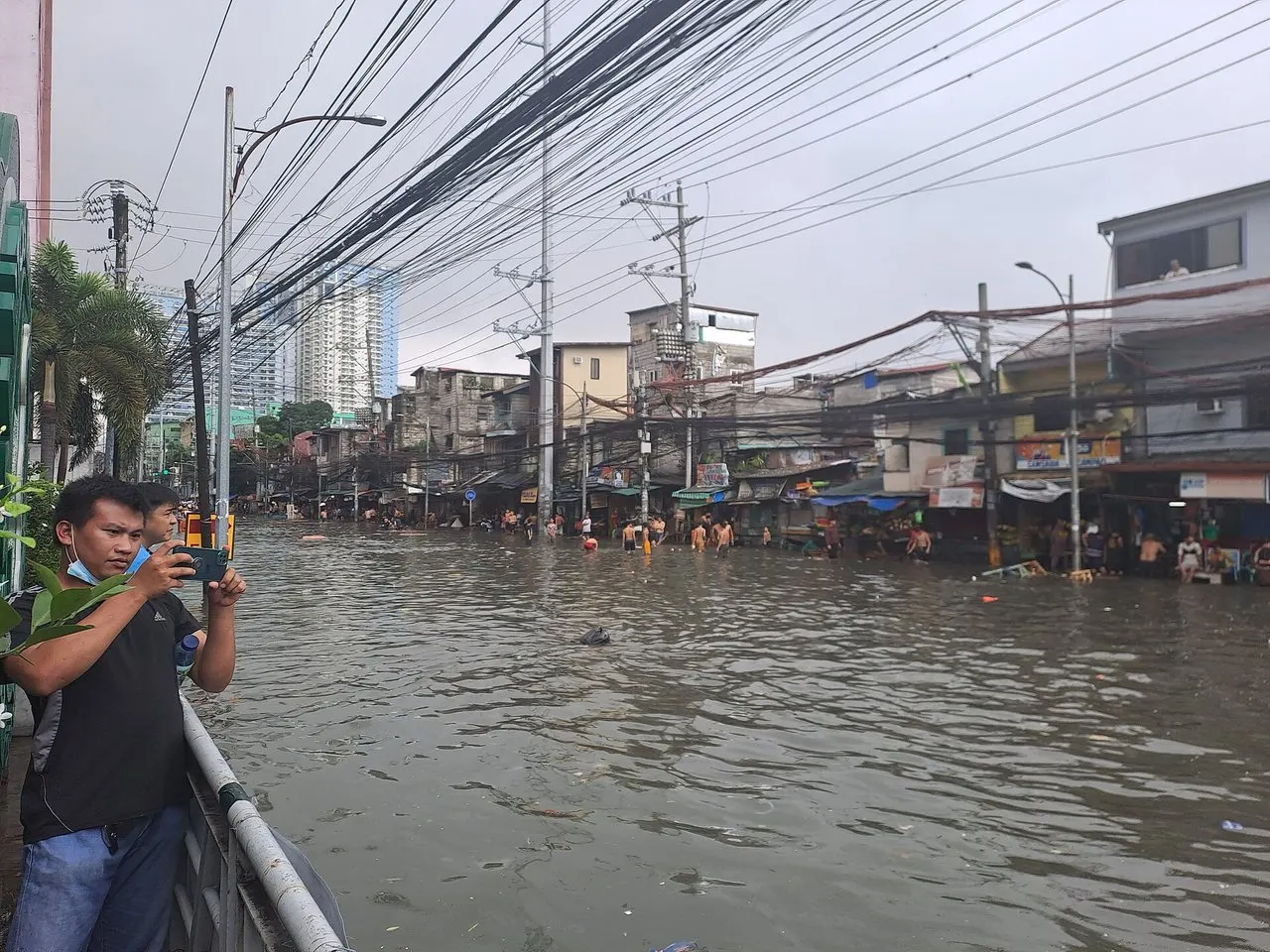
Rain is the turning point in the scene, and the floodwater that follows changes everything for the tiny town. After a rainstorm the water rises around the wooden homes, covers the paths and leaves the families with nowhere dry to stand. Gloria built the water to look still and heavy, because floodwater in real life moves slowly and stays for a long time. The quiet surface hides the damage below. Read more about a spooky story about forgotten ground and a city leader who froze the rent as promised.
The Fragile Shelter Diorama Mirrors Real Homes
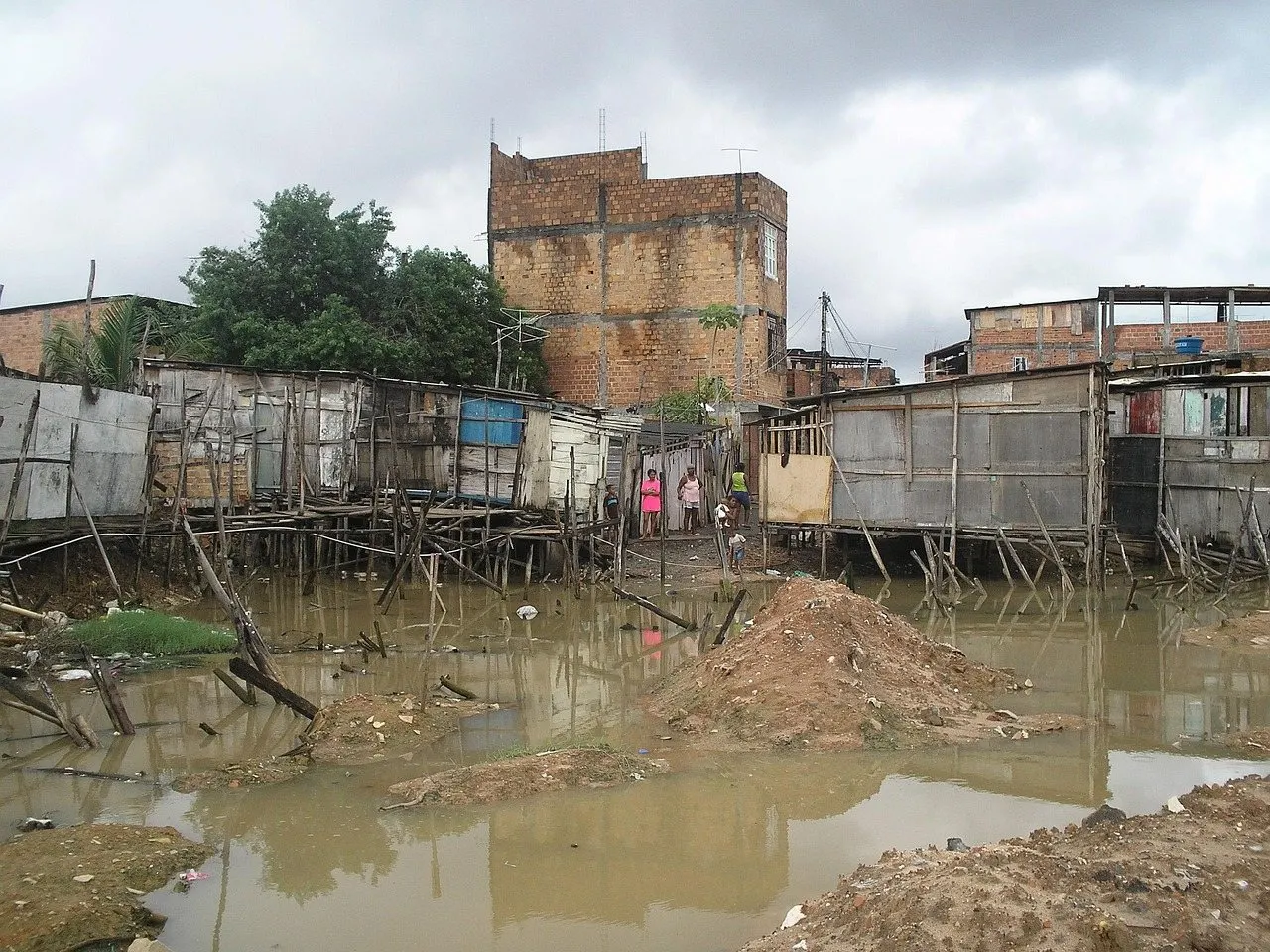
Fragile Shelter is a mirror, and Gloria wants viewers to see real life in it. The tiny flooded homes stand for the fragile wooden houses that many Filipino families live in, homes that flood in the rain and leave families with little protection. What looks like a small work of art is really a picture of daily struggle, built from scrap to show a truth that is easy to miss. Read more about a guide to freezing your credit and a young man who learned his father kept a big secret.
When Waste Management Fails, Floods Follow
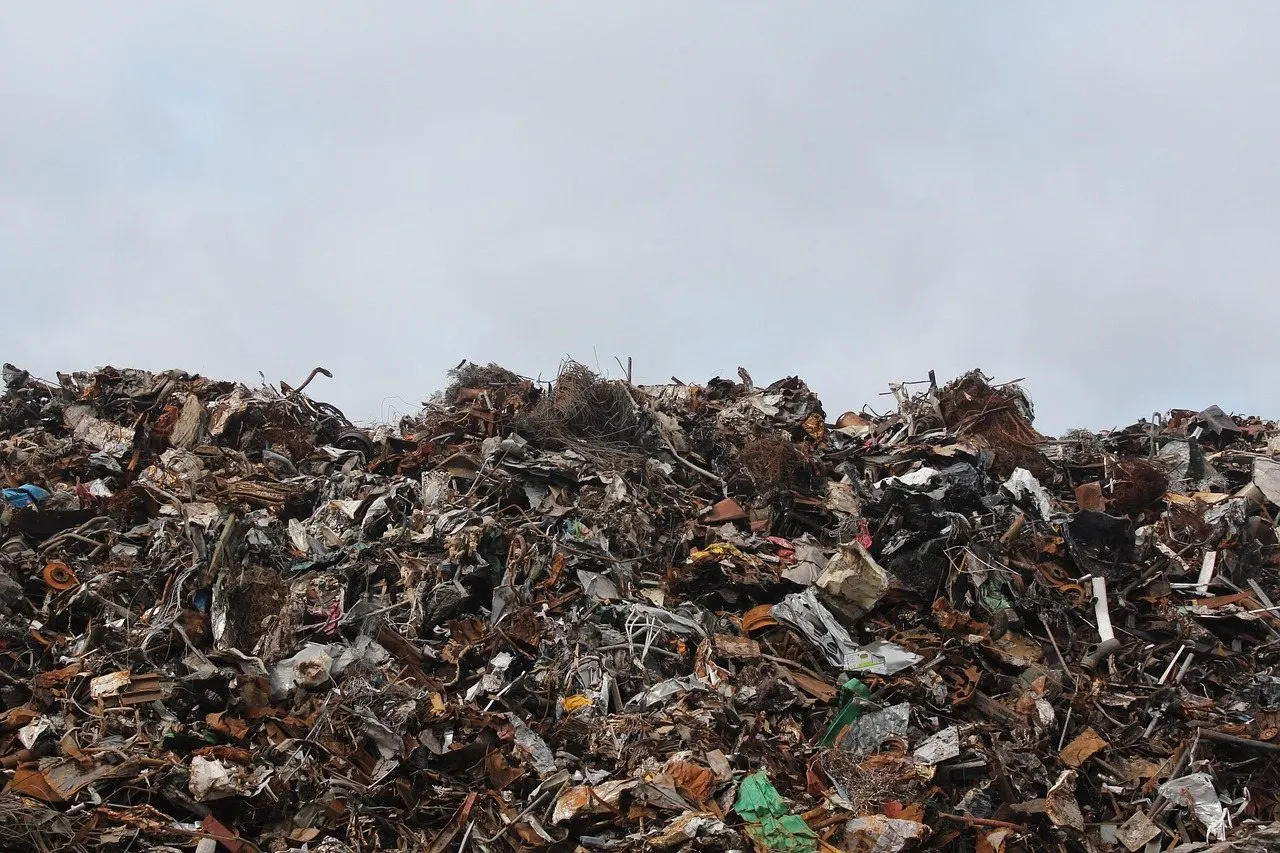
Gloria said the work is about more than one home, and his message is clear. When waste management fails, trash blocks the drains, water has nowhere to go, and poor families are left in flood prone places with nowhere safe to go. He called it a mirror of a city or a nation when disciplined waste management is absent. The tiny flooded town asks a big question about who pays when systems fail. Read more about the regret of a bad job change and a town that took its future back.
Families With Nowhere Safe to Go
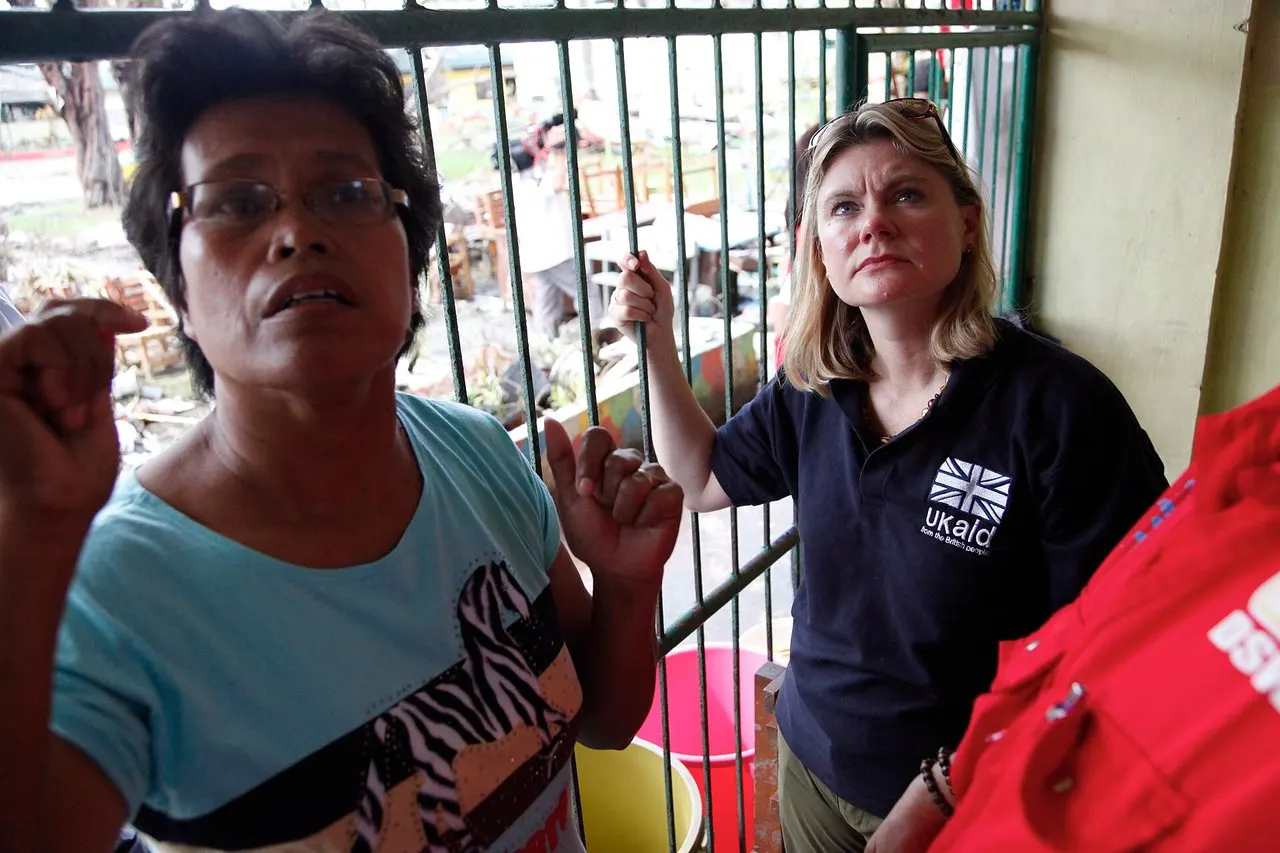
Behind every tiny house in Fragile Shelter there is a family, and Gloria built the diorama for them. Poor families in flood prone places face the same rain every year, and they often have no safe place to move to when the water rises. They raise children, cook meals and keep going in homes that the rest of the city rarely sees. The diorama gives those families a place in the story. Read more about a generation rethinking physical money and a town meeting that drew a huge crowd.
Cebu City Cleared 23 Homes to Open a Drain
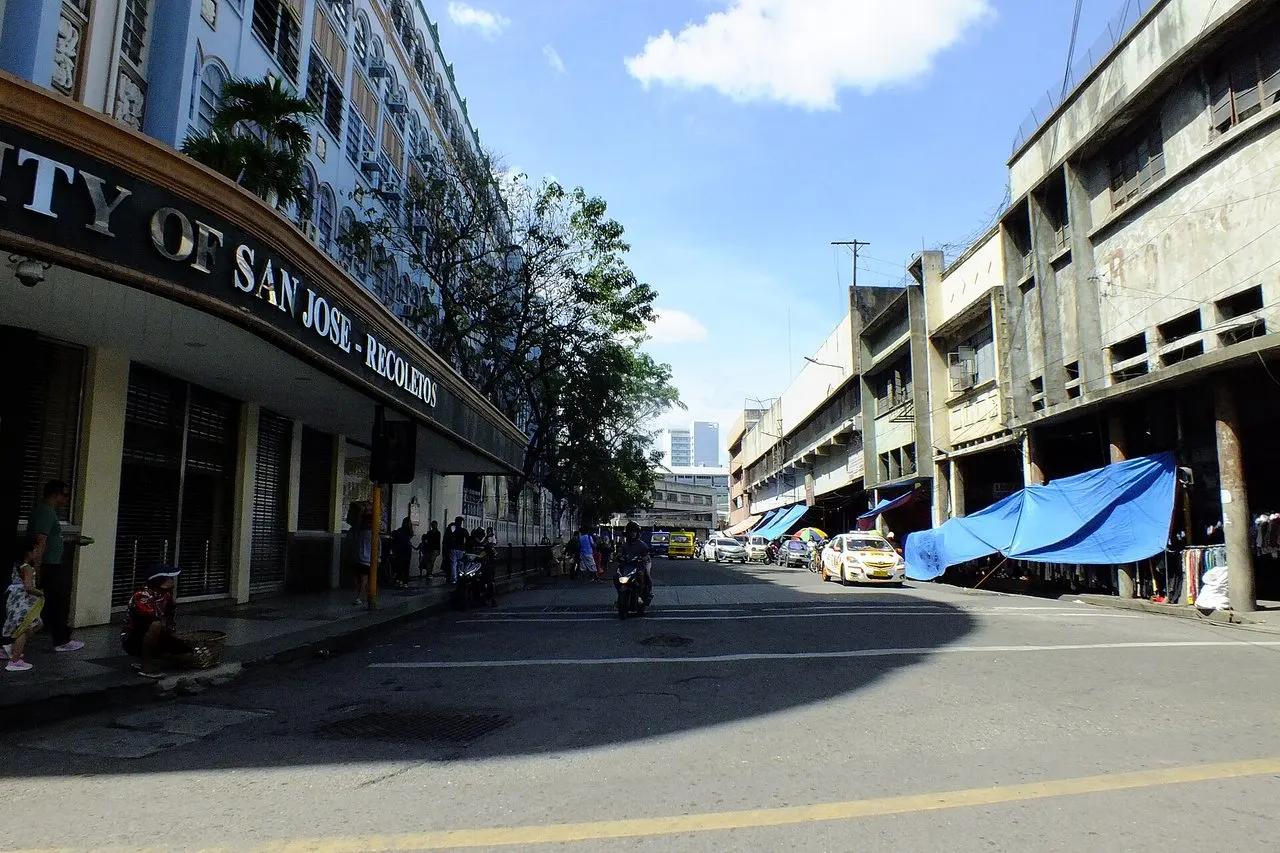
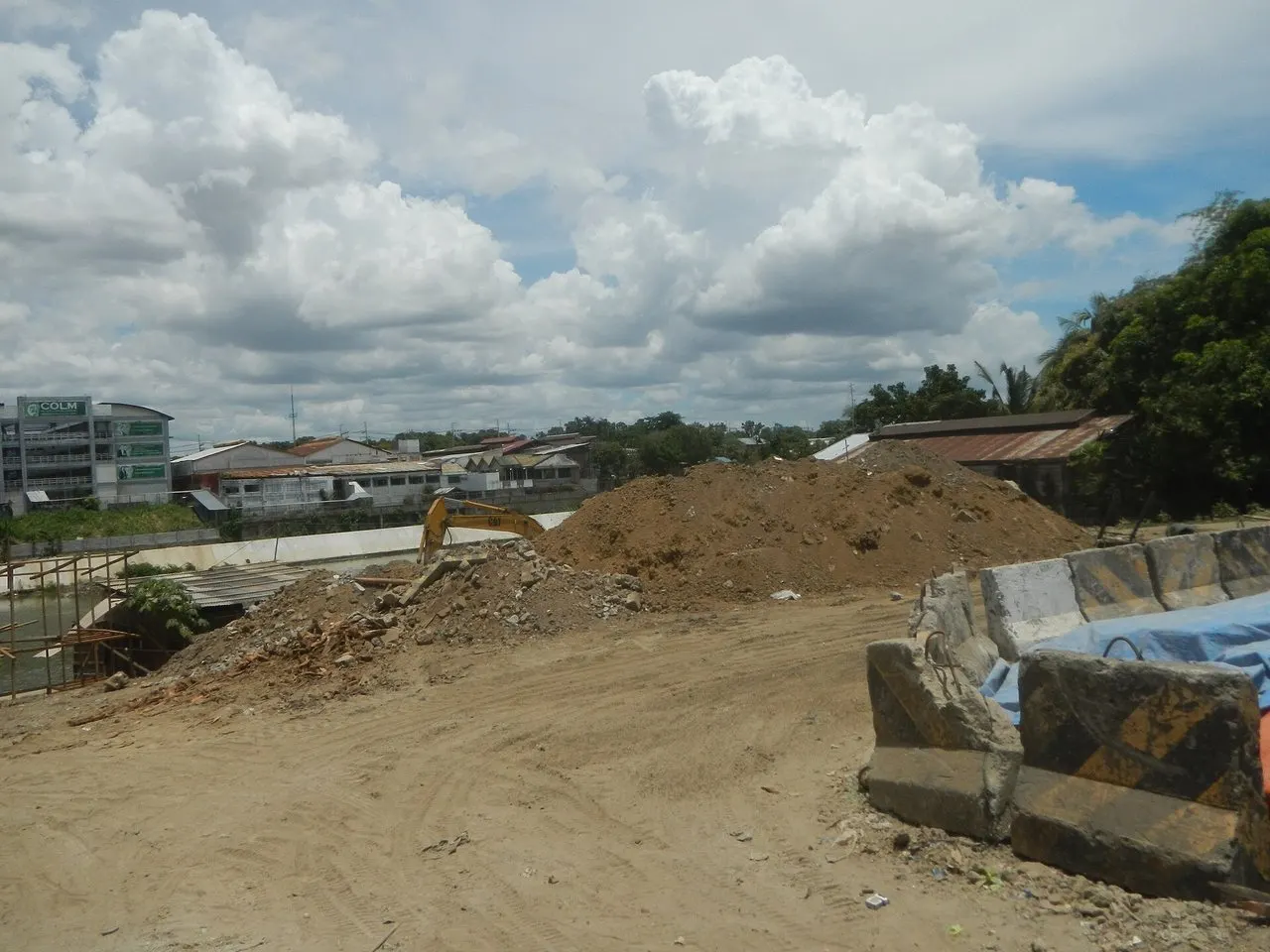
The story reaches beyond the diorama, and the references tell of real events in Cebu City. The city cleared 23 houses in Ermita to reopen a drainage culvert, and each family got P20,000 with no relocation site. The homes were torn down to unclog a flooded drain, and the families were left to find new shelter on their own. Gloria built his tiny town from scrap, and the real story shows why scrap homes matter. Read more about family caregivers who saw themselves on screen and a family that came home together.
Flood Control Projects Must Respect Rights
Flood control is meant to protect people, but Human Rights Watch reported on a flood control project in the Philippines that disregards rights. The headline alone is a warning that big projects can leave the poorest people worse off when their voices are not heard. Gloria built his diorama to show the same gap between plans on paper and life on the ground. Good flood control must protect homes and the people inside them. Read more about the farthest journey ever made by humans and how values can test a friendship.
Lessons for Building Stronger Homes After Storms
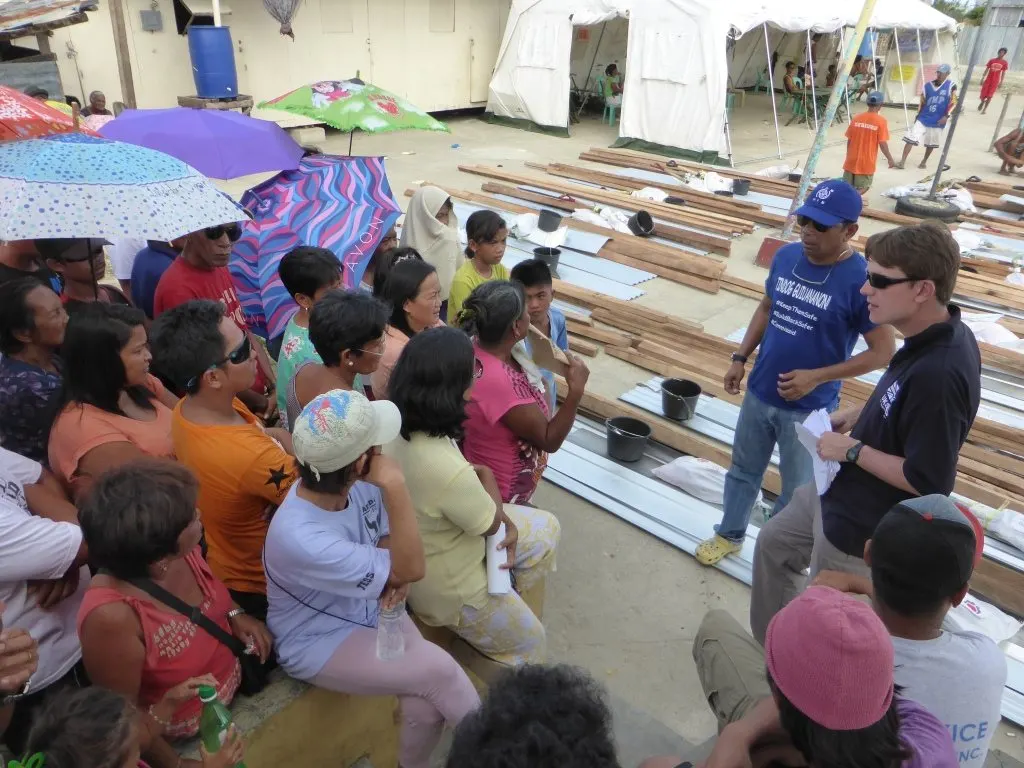
Stronger homes are the hope behind Fragile Shelter, and researchers are working on that very problem. A study in the references takes a risk based approach to shelter resilience after flood and typhoon damage in rural Philippines, looking at how homes can stand up better to the next storm. Gloria built his tiny town from scrap to show the need, and the research points to the answer. Read more about how one mayor kept his word on rent and a series about houses with a dark past.
Why Handmade Art Carries More Feeling
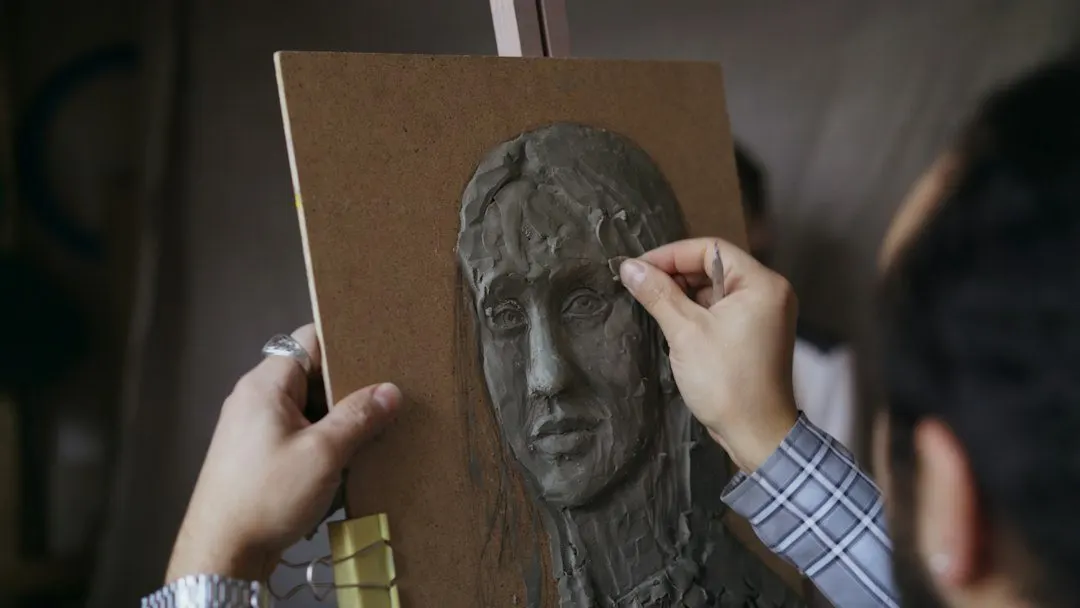
Gloria could have used a 3D printer, and the work would have been faster, but he chose his hands instead. He believes machine made art cannot carry the same feeling as work shaped by human hands and hearts, and the diorama proves his point. Every cut and joint shows the care of a person who sat with the work for a month. Machines can copy a shape, but they cannot copy the patience behind it. Read more about a secret about wealth kept for twenty years and how a credit freeze protects you.
What Viewers See in the Fragile Shelter Diorama
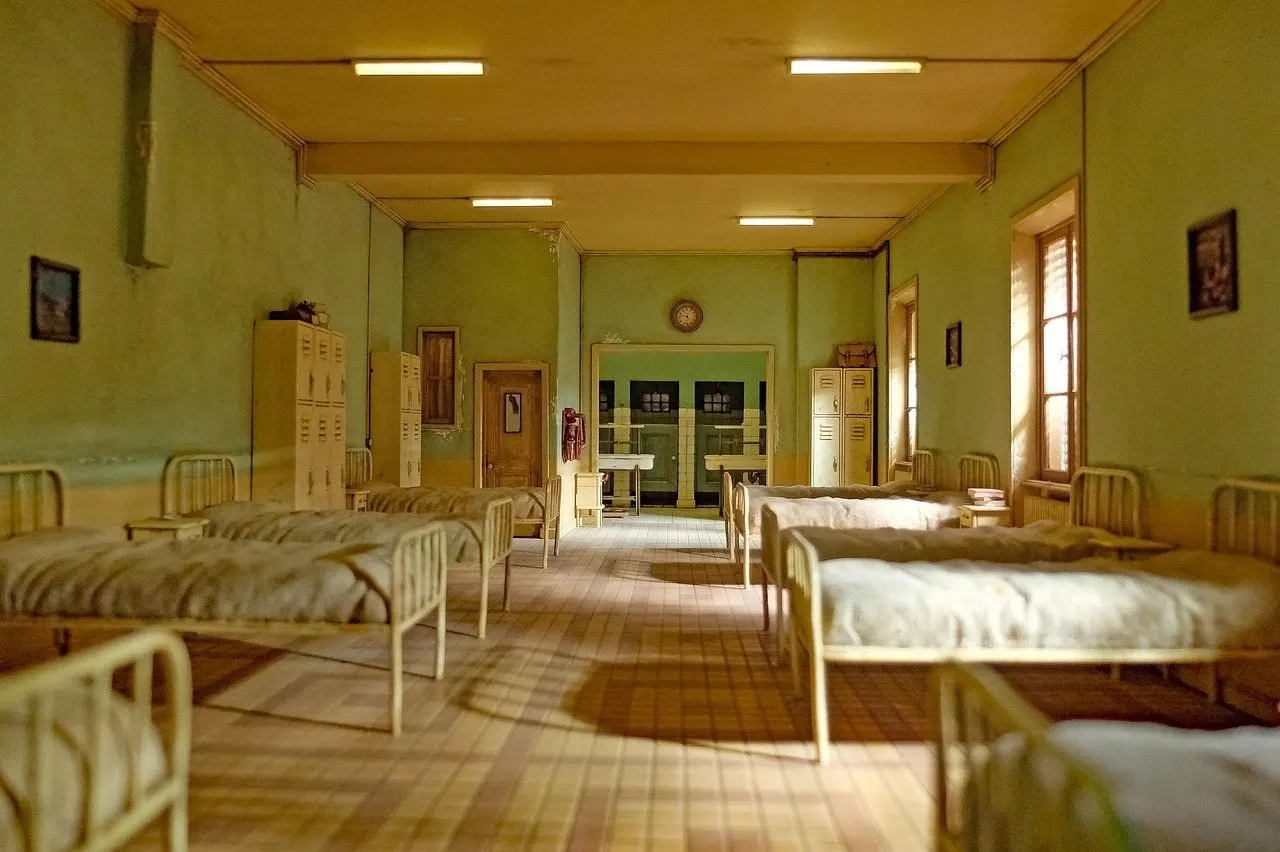
When people stand before Fragile Shelter, they see a whole town in the space of a table. Miniature scenes have a way of pulling viewers close, and the small scale makes the big problem feel personal. Gloria built the work to be seen up close, so each tiny house and wire can be studied one by one. The closer you look, the more the scene says. Read more about how a council vote led to a recall and when a fresh start goes wrong at work.
Daily Life Goes On Through the Floodwater
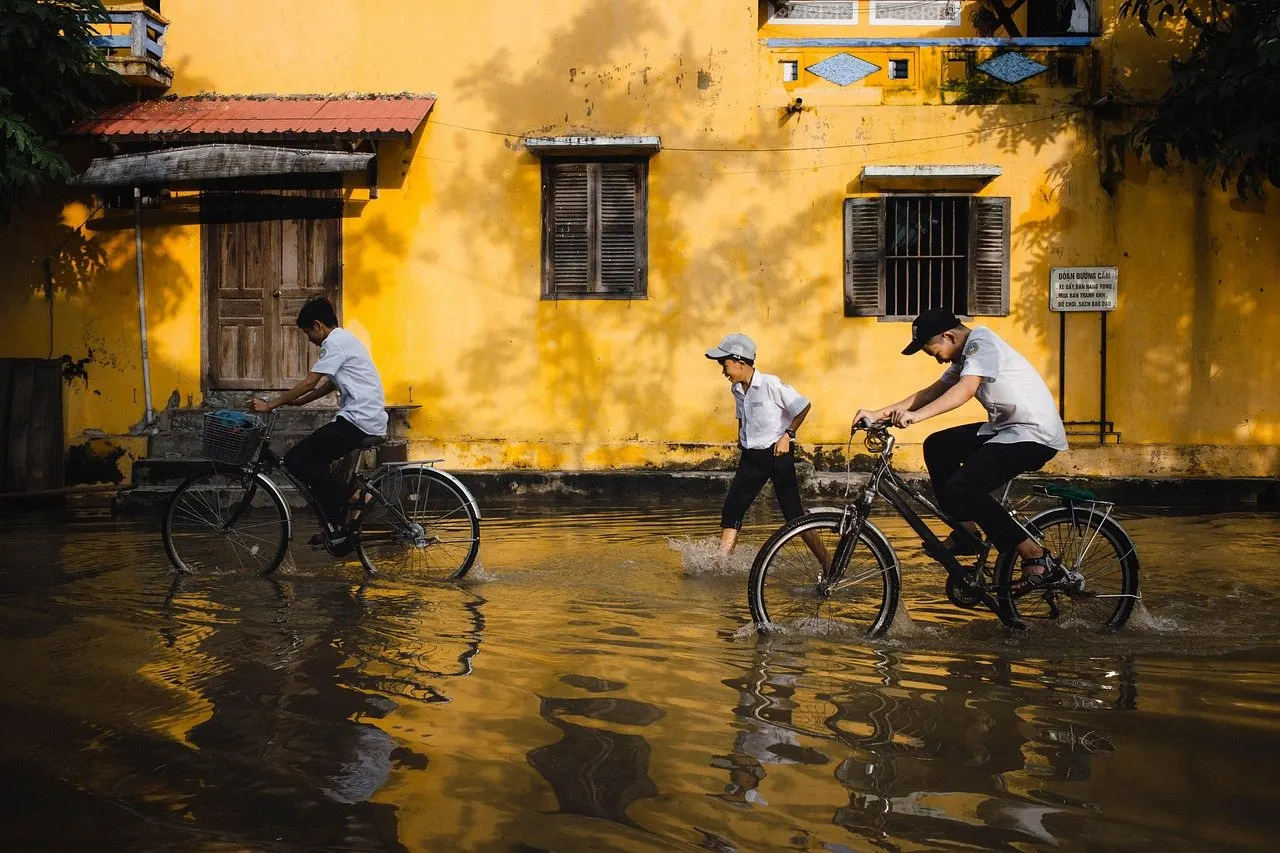
Floods do not stop daily life, and the people in Fragile Shelter keep moving through the water. In real life, children and workers wade through flooded streets, push bicycles along and carry on with the day because there is no other choice. Gloria built his tiny town to show that strength, and the quiet courage of people who live with the water. The flood is part of life, not the end of it. Read more about residents who filled city hall to be heard and why some wish for cash when banking fails.
Small Homes Hold Big Dignity
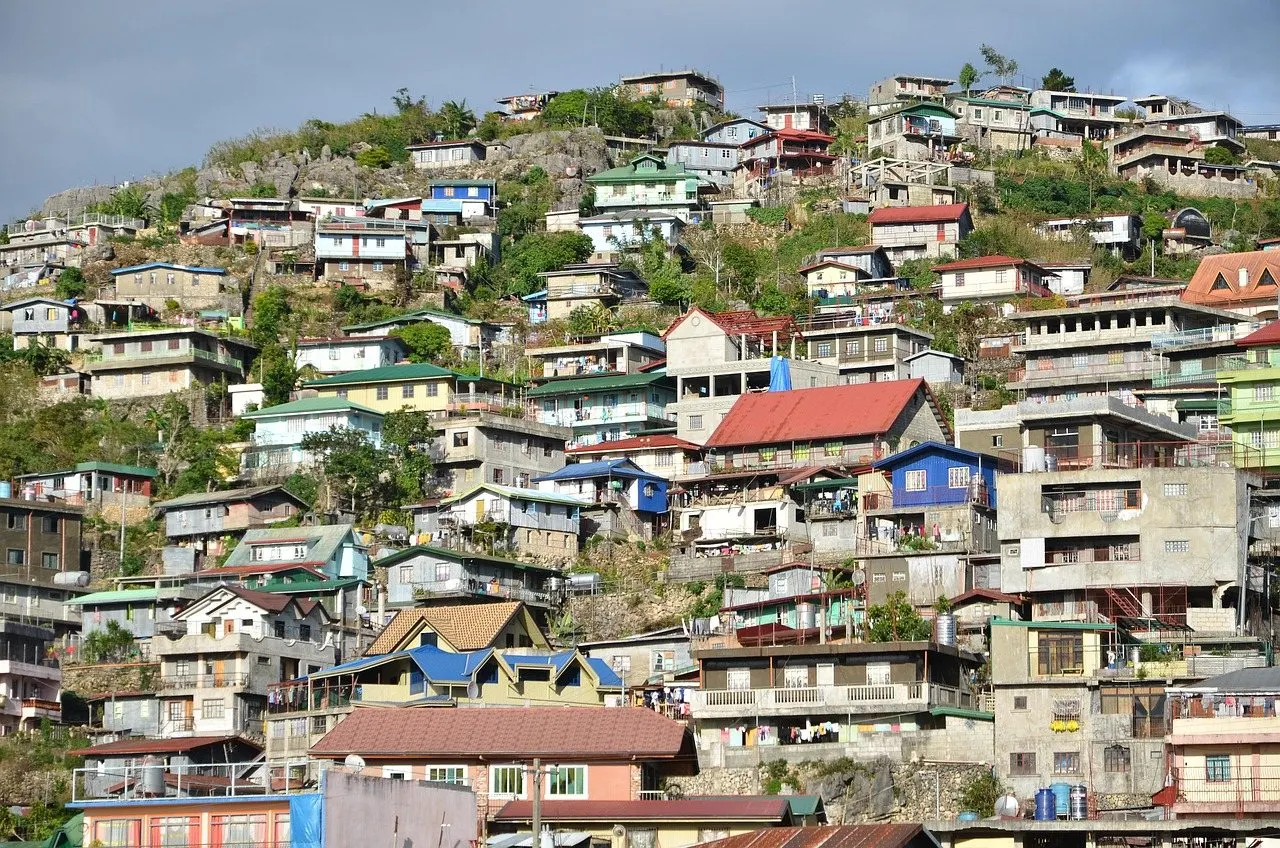
The small homes in the scene may look fragile, but the people inside them hold real dignity. Gloria built each tiny house with care because he wants viewers to see homes, not just shacks, and families, not just numbers. A home is more than walls and a roof, and even the poorest house holds love, meals and memories. The diorama asks us to respect the people who live in such homes. Read more about a valedictorian who returned home to her mom and a sketch that hit home for caregivers.
What Does the Fragile Shelter Diorama Make You Feel
What does Fragile Shelter make you feel when you look at the tiny flooded town? Does it make you think of the families who live in such homes, and of the waste and the floods that shape their days? Gloria built the scene by hand so the feeling would last, and now the question belongs to you. Share your thoughts in the comments below and tell us what the tiny town says to you. Read more about a look at friendship when politics divide and a probe that keeps flying past the edge.