The Ajnar River Cleanup Cost Bittu Tabahi His Health
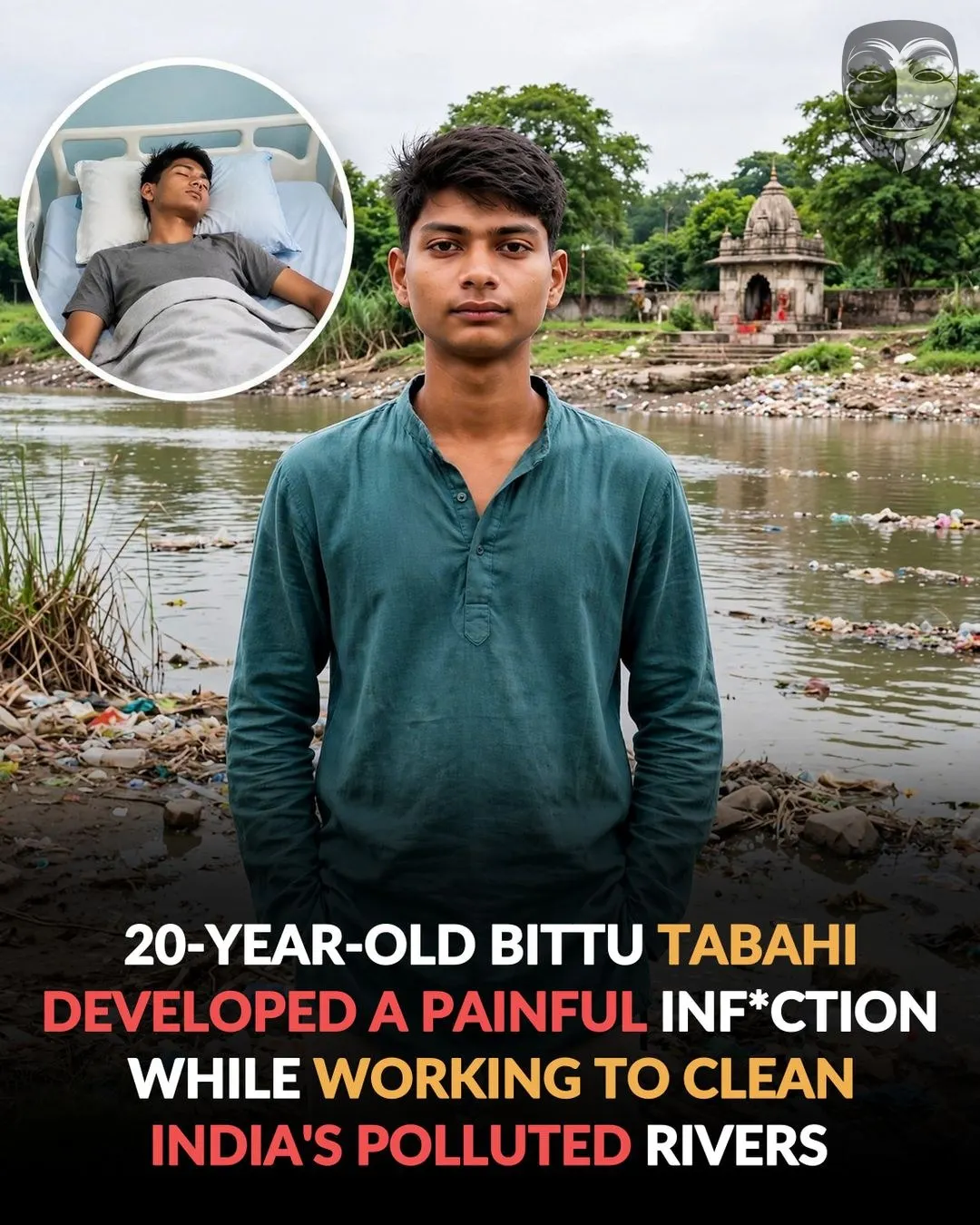
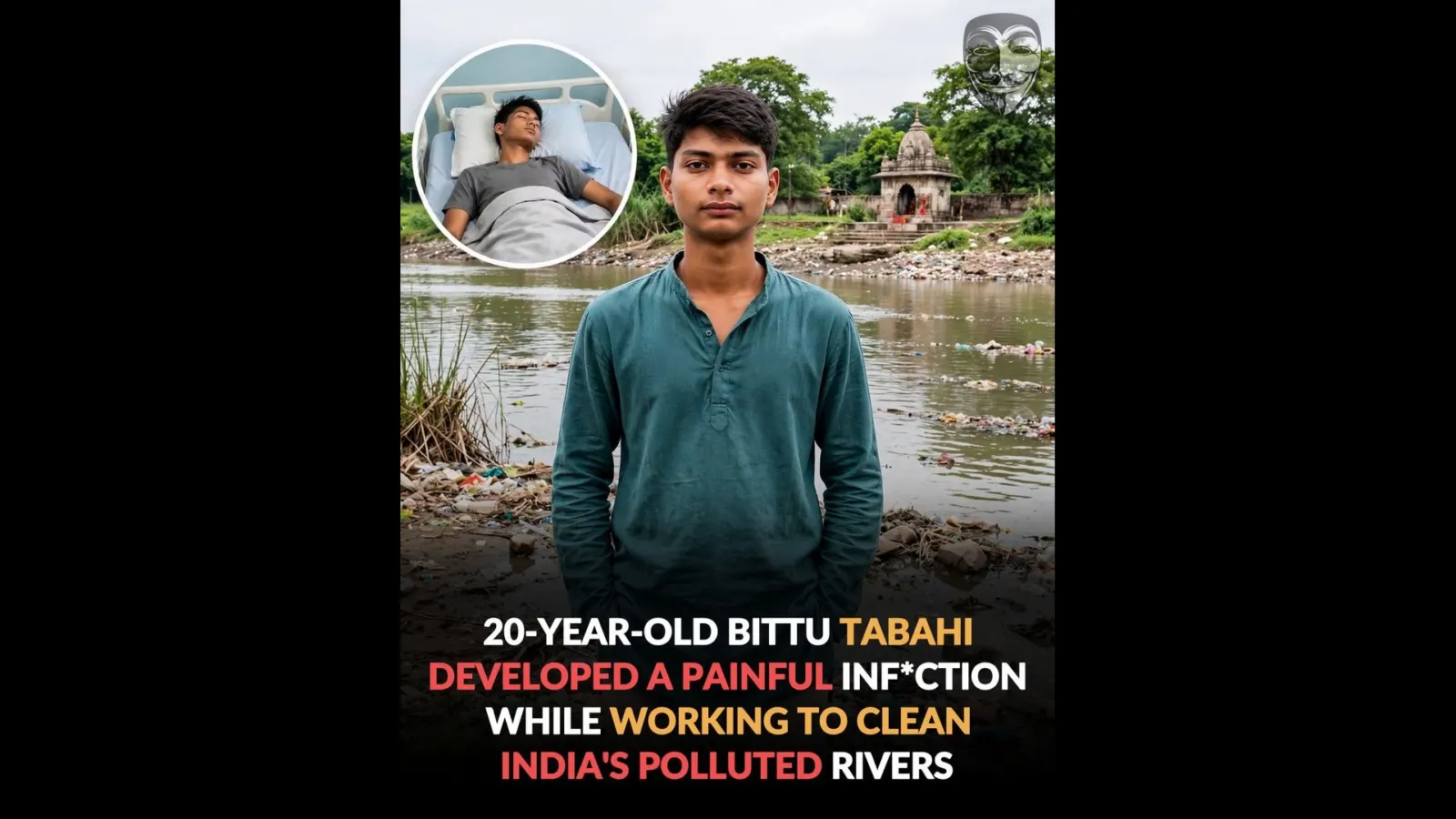
The Ajnar River cleanup began in January 2026, when a 20-year-old named Bittu Tabahi decided to clean the heavily polluted Ajnar River in Madhya Pradesh. For months he pulled plastic, garbage and rotting waste from the water, often with little more than gloves, a rake and his own hands. The long hours in toxic water left him with painful skin infections, yet he kept going because thousands of people depend on that river. Like people fighting to protect land and water, his story is about ordinary people standing up for the places they love.
When Bittu returned to the river after falling ill, he found garbage piling up again, and he went back to work anyway. He asked only that people stop throwing waste into the water, a simple plea that says a lot about who carries the burden of a dirty river. His story raises a hard question about why one person must risk his health for something that belongs to everyone. Read about brave men who saved foxes from floodwaters and the price of stepping forward when others will not.
References:
The CSR Journal: Bittu Tabahi Develops Skin Inf*ction After River Cleanup
The CSR Journal: Bittu Tabahi’s Health Declines Amid Ajnar River Clean-Up
MedBound Times: Bittu Tabahi Faces Skin Problems After Ajnar River Cleanup
Conven: Never Thought My 8 Months Of Hard Work Would Go To Waste
Who Is Bittu Tabahi
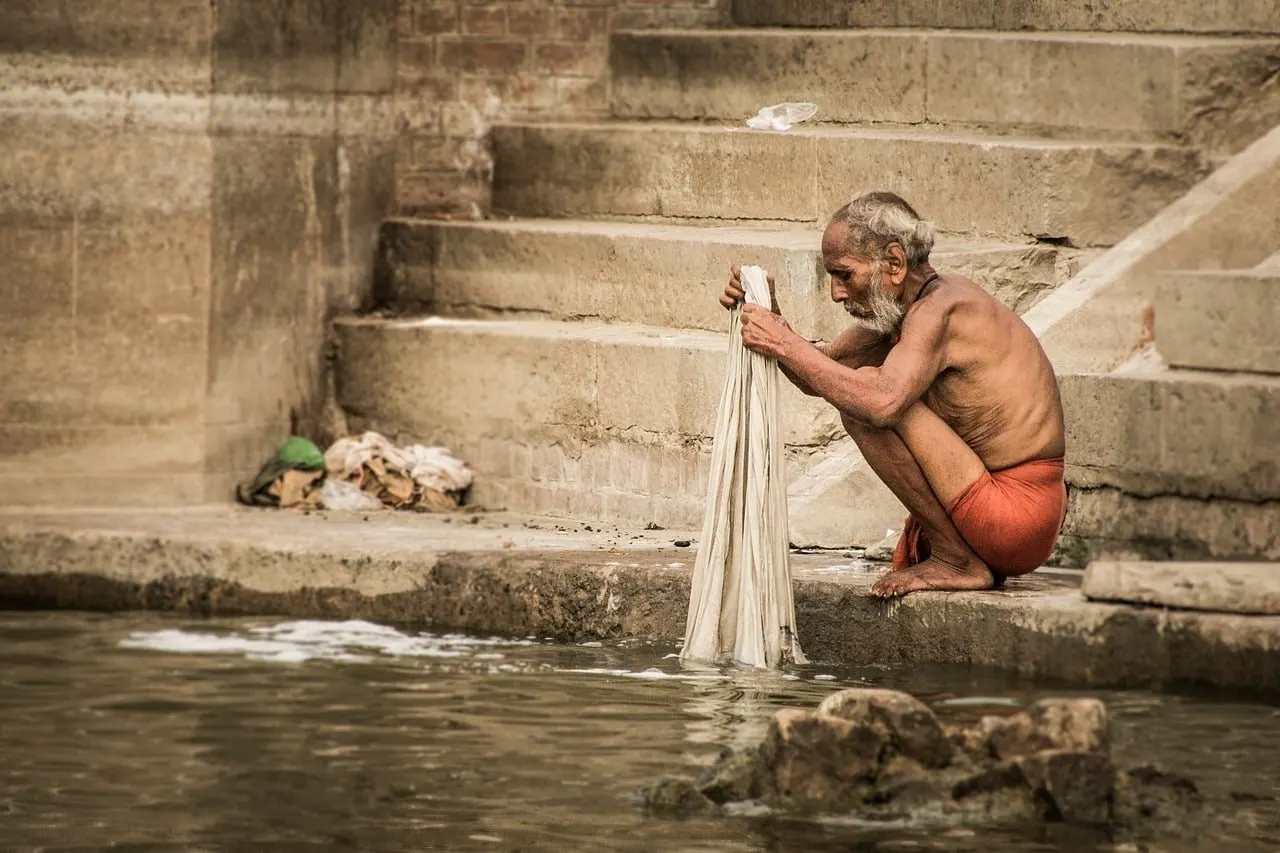
Bittu Tabahi is the name people know him by, but his real name is Surendra Singh Choudhary, a 20-year-old from Madhya Pradesh. He is a young man who saw a river choking on waste and decided to do something about it himself. His work began quietly, with no team and no budget, just his own time and effort. Stories like the zoo hippo who swallowed a hat show how one determined person can draw attention to a problem that officials have ignored for years. That recalls Guilford County deputy Rajinique Austin.
The Ajnar River Cleanup Began in January 2026
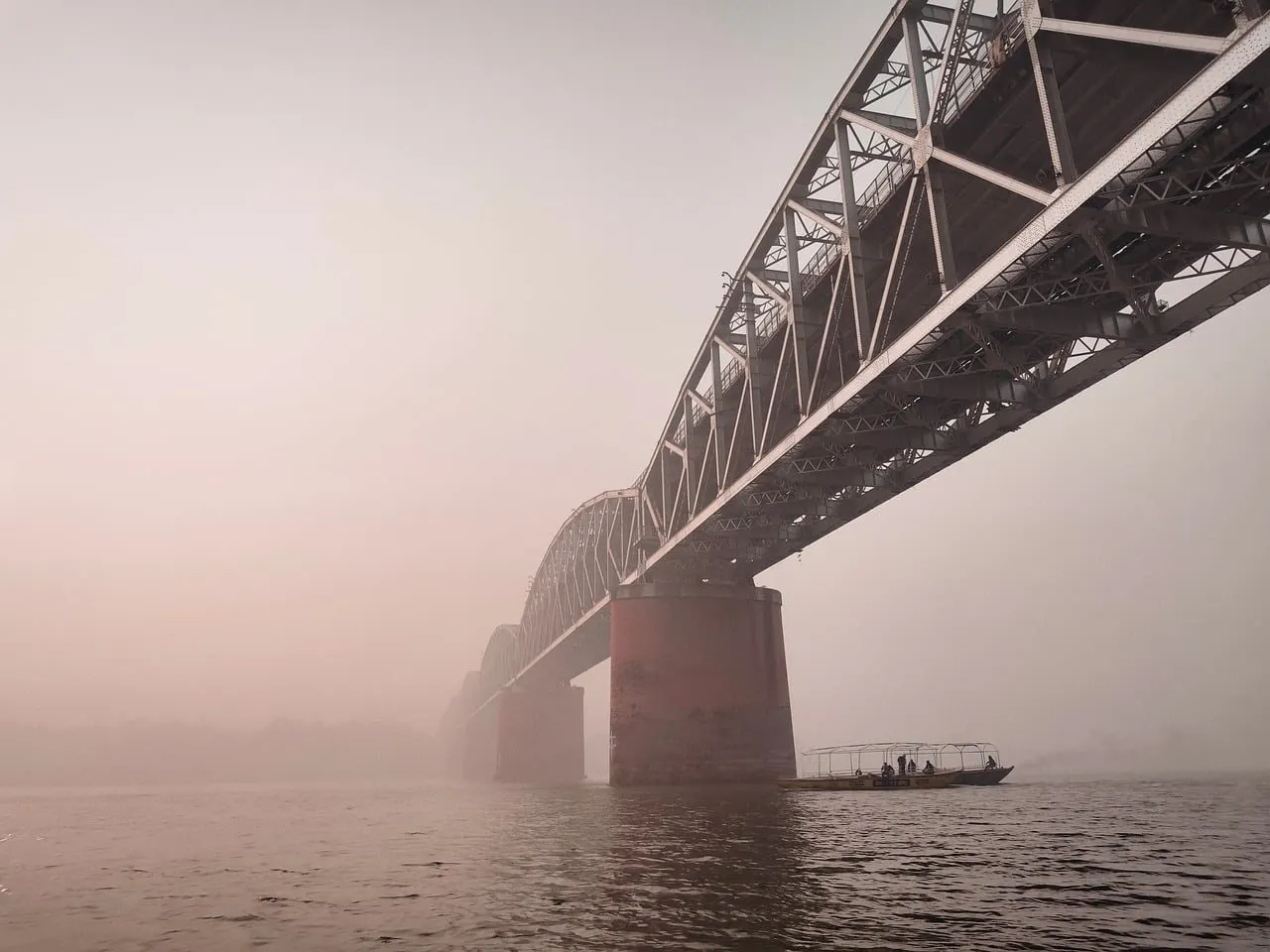
The cleanup started in January 2026, when Bittu began working on the Ajnar River, one of the most polluted stretches of water in the region. Day after day he waded in and hauled out plastic bags, bottles, rotting food and household waste that had been dumped there for years. His persistence recalls the toddler who lifted her head again after eight surgeries, where steady effort over months finally changed what seemed impossible. It echoes Xavier Taylor and the ball that hit him.
What the River Carried
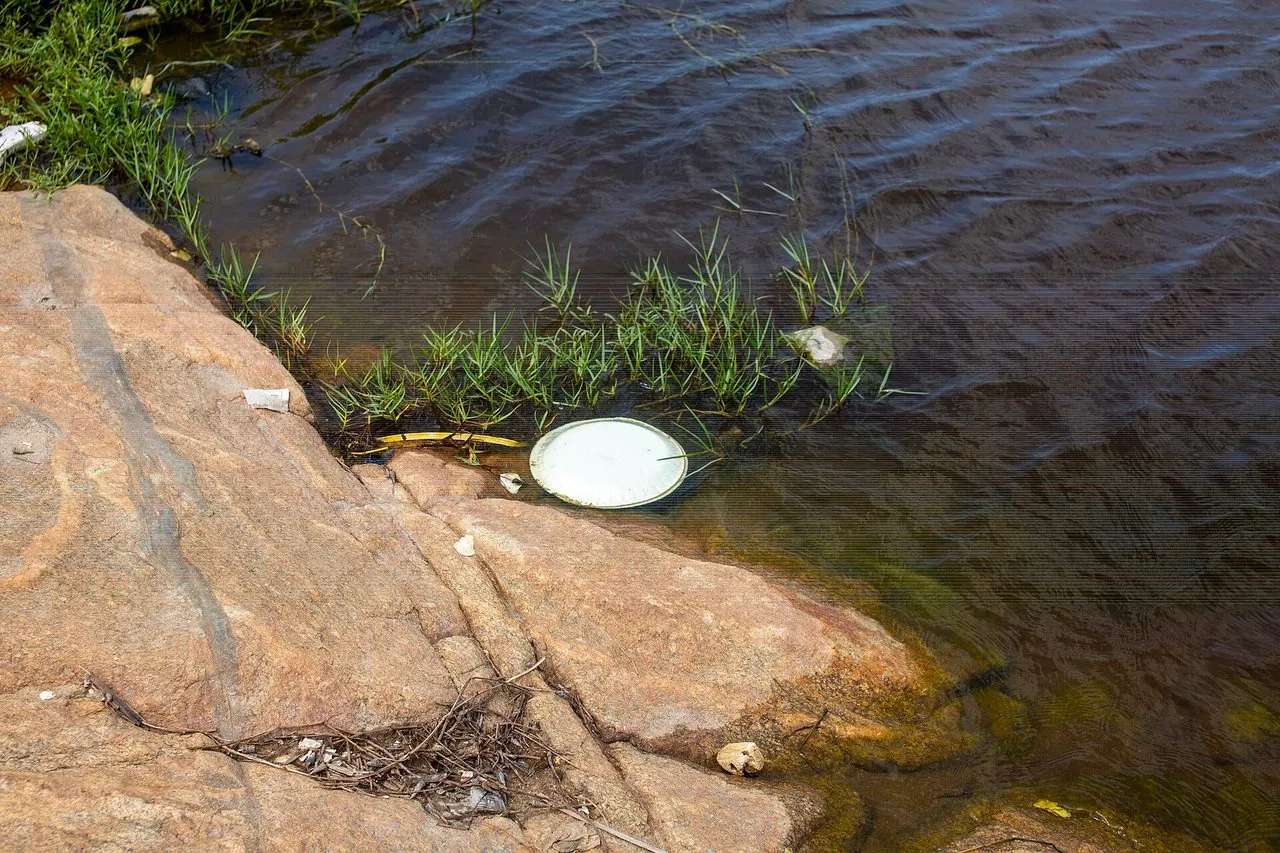
The Ajnar carried far more than water. Plastic bottles and bags tangled with rotting food, old clothes and household rubbish, all of it breaking down in the current and poisoning everything downstream. Rivers carry whatever people throw into them, and this one had become a dumping ground. The scale of the problem is hard to grasp until you see it, much like Elon Musk working on a farm at 17, which shows how much damage piles up when nobody is watching. It brings to mind family caregivers and the Sister sketch.
Gloves, a Rake and His Own Hands
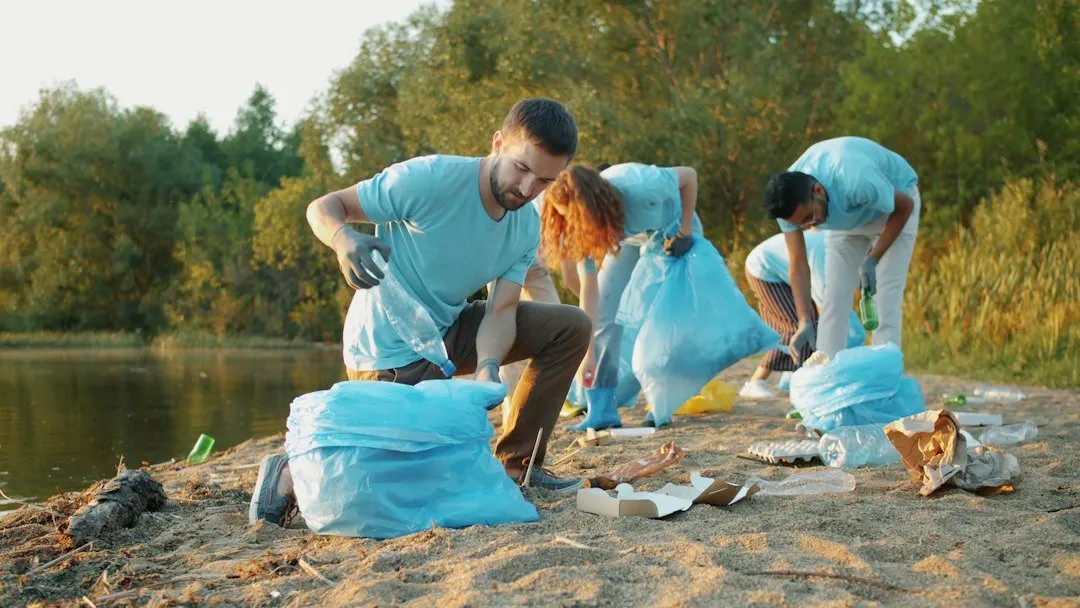
Bittu did not have machines or a crew. He worked with gloves, a rake and his own hands, reaching into cold, dirty water to drag out what did not belong there. It was the kind of work that leaves you tired and filthy at the end of every day, and he did it for months without pay or praise. That spirit matches the valedictorian home with her mom after ICE released them, a reminder that honest work often starts with whatever is already in your hands. Compare the post about an iPhone Duo for Christmas.
Thousands Depend on This Water
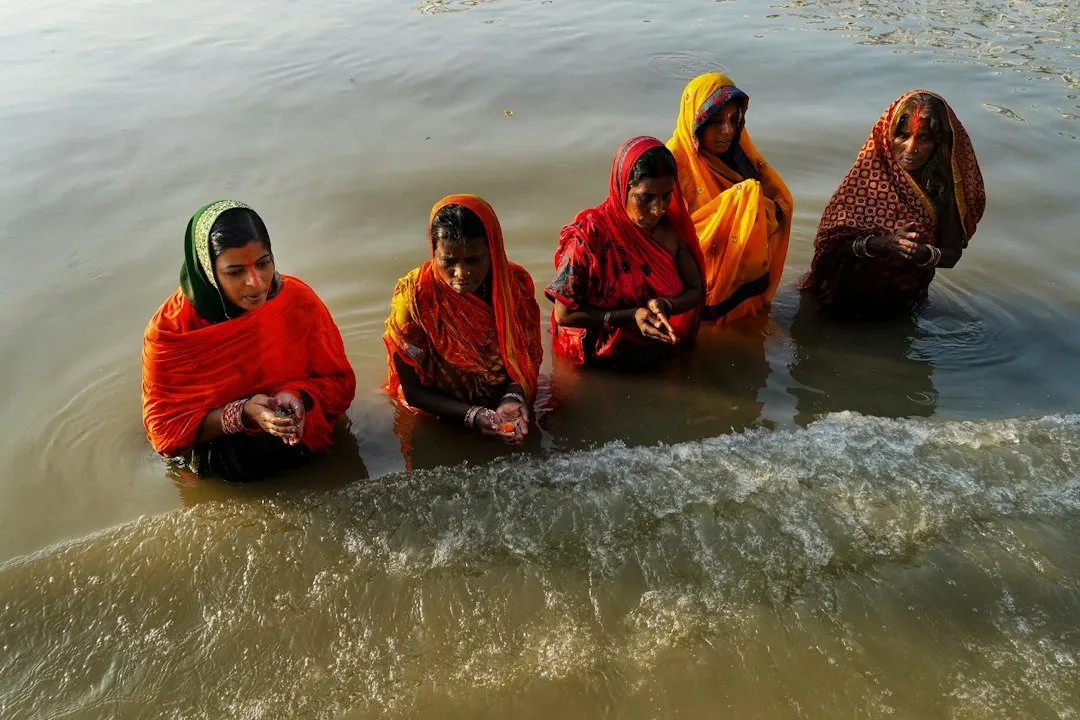
The Ajnar is not just a stretch of water on a map. Thousands of people depend on it for washing, bathing and daily life, and its condition shapes their health every single day. Bittu wanted the water cleaner for them, not for himself, and that is what kept him going through the hardest weeks. His concern for others echoes the questions about a thousand new data centers, where the wellbeing of a whole community hangs on something as basic as clean water. Think of the measles elimination debate.
The Ajnar River Cleanup Took a Toll on His Skin
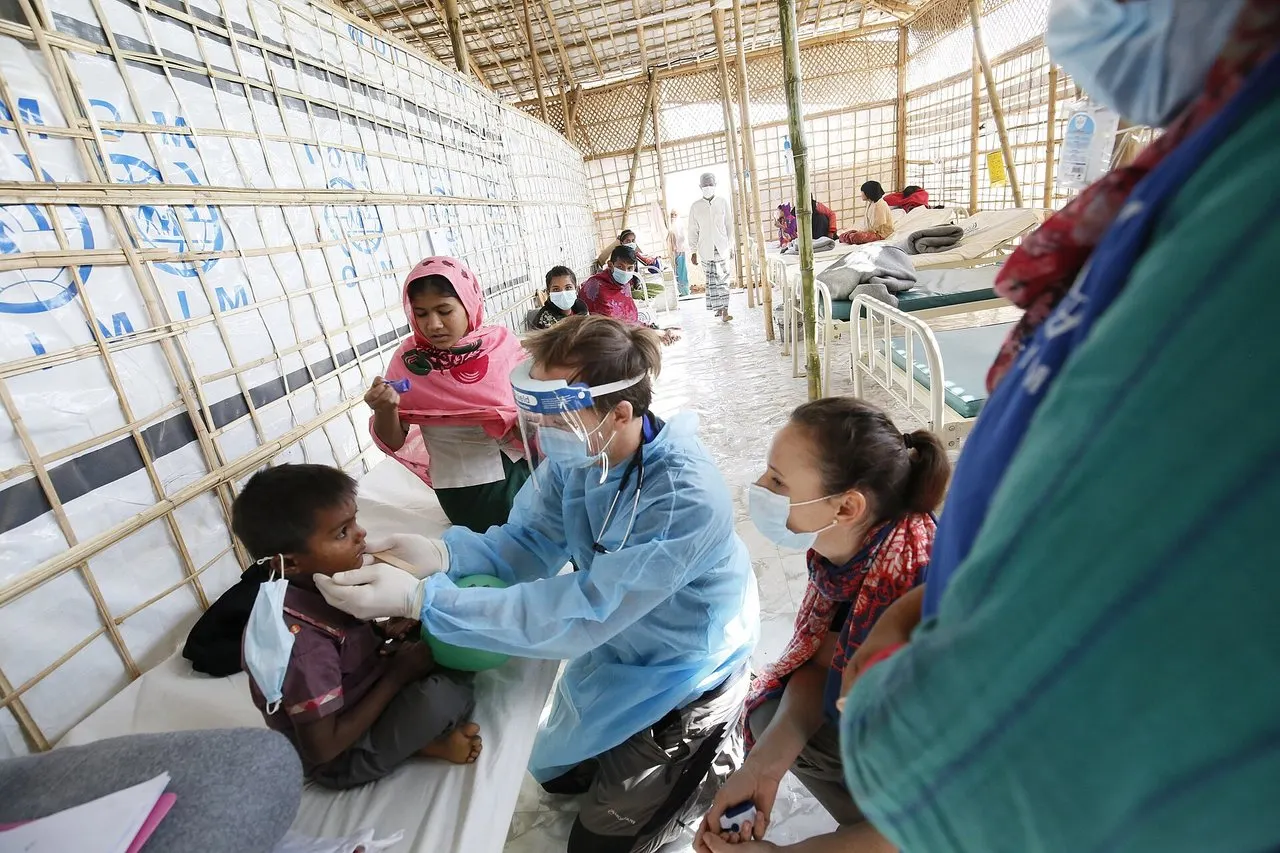
The long hours in toxic water took a toll that Bittu could not ignore. He developed painful skin infections, with itching and peeling skin on his hands and legs, the parts of his body that spent the most time in the river. Doctors warn that dirty water can irritate skin and open the way to infection, and Bittu lived that warning every day. His hands told the story of the river more clearly than any report could. For another story of health under strain, see Indigenous land defenders and water protectors. That recalls rescuers who risked their lives in floods.
The Garbage Came Back
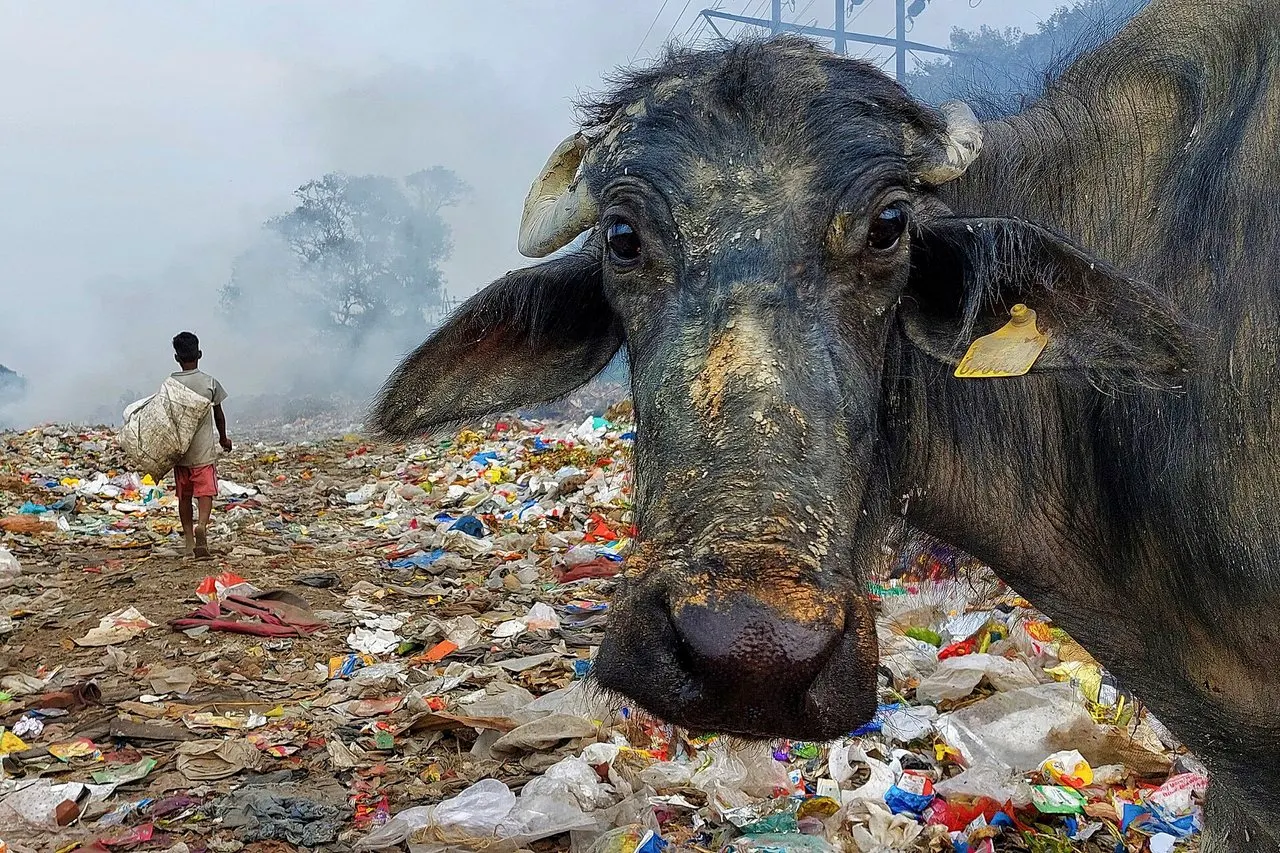
After months of hard work, Bittu returned to the river and found garbage piling up again. New waste had been dumped where he had just cleared, and the water looked as dirty as when he started. It was the kind of setback that would make most people quit, and it is the hardest part of cleaning any river. The waste does not stop arriving just because one person is working. His refusal to give up brings to mind Fiona the hippo and her health update, where patience mattered more than speed. It echoes her long wait for a kidney.
The Ajnar River Cleanup Went On Even After He Fell Ill
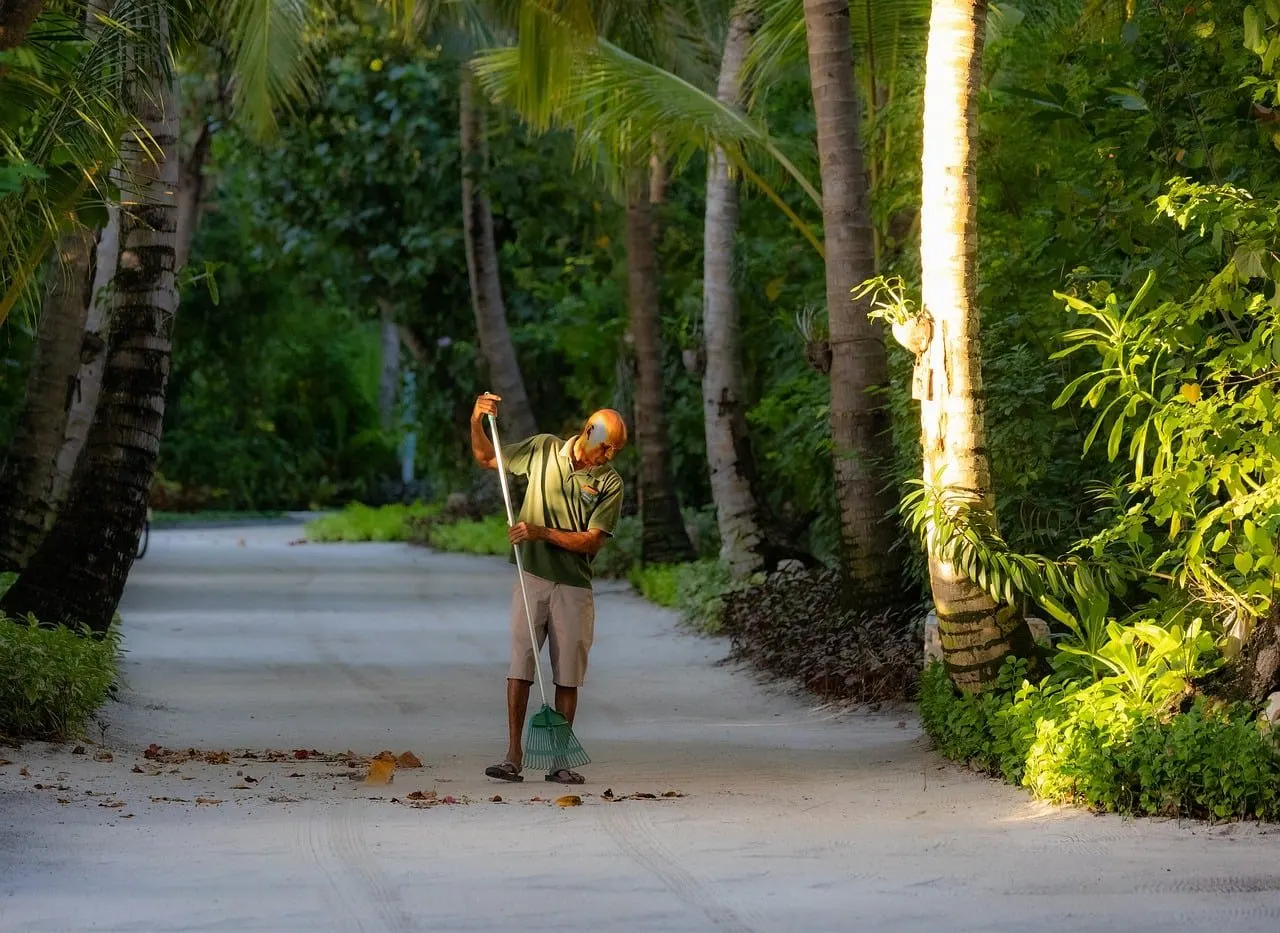
Even after the infections set in, Bittu went back to the river and back to work. He knew the water was hurting him, but he also knew that stopping would let the garbage win. So he returned with the same gloves and the same rake, and he kept pulling waste from the water. He was not doing it for attention. He was doing it because the river needed someone. His determination is like two-year-old Maryam and her recovery, a story of refusing to quit when quitting would be easier. It brings to mind the 12-year-old baseball player.
His Only Ask: Stop Throwing Waste
Bittu asked for very little in return. He asked only that people stop throwing waste into the river, a request so simple it is hard to believe it needs asking at all. A river cannot stay clean if people keep using it as a bin, no matter how hard one person works. His plea is really a plea for everyone to take a share of the responsibility. That message is as plain as his early jobs cleaning boilers, and just as easy to ignore. Compare the sketch that felt like real life for caregivers.
One Person Should Not Carry This Alone

His story raises an important question. Why should one person have to risk his health to protect something that belongs to everyone? A river is shared, and keeping it clean should be shared too, yet the work fell to a single young man with a rake. When one person carries the whole burden, the rest of us get to look away, and that is not fair. Compare it with Maria Flores Garcia and her mother, where a family came home together after a long fight. Think of her funny Christmas list.
Heroes Deserve Protection Too
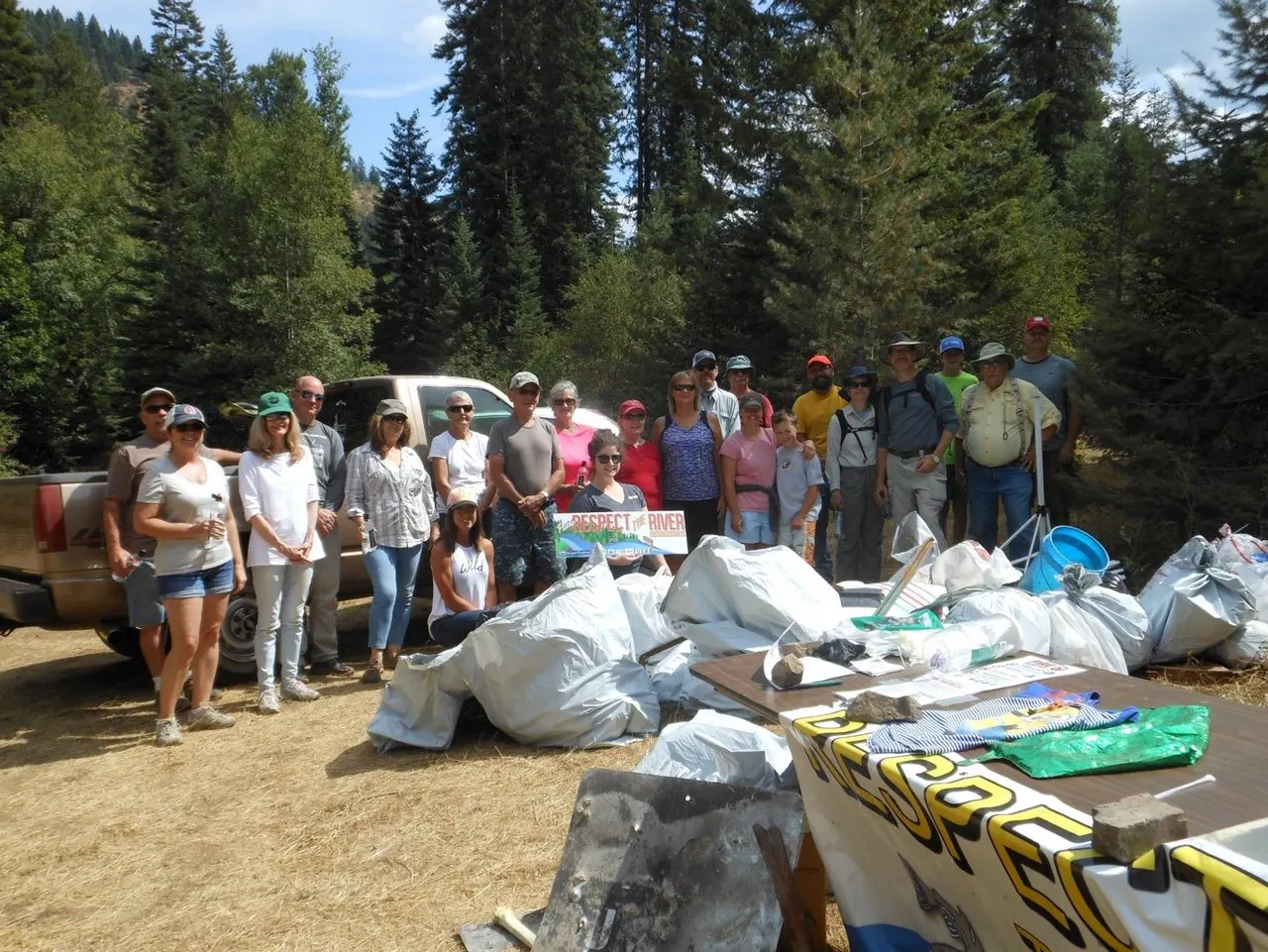
Bittu stepped forward when others needed to act, and now he needs support, care and protection. The post about his story put it simply: he risked his health to clean a polluted river, but now he needs help. If a community wants its rivers clean, it must also look after the people doing the cleaning. That is the lesson of why we suddenly need so many data centers, where a community had to decide what it truly valued. That recalls the call to remove the health secretary.
The Ajnar River Cleanup and the Health of the Water
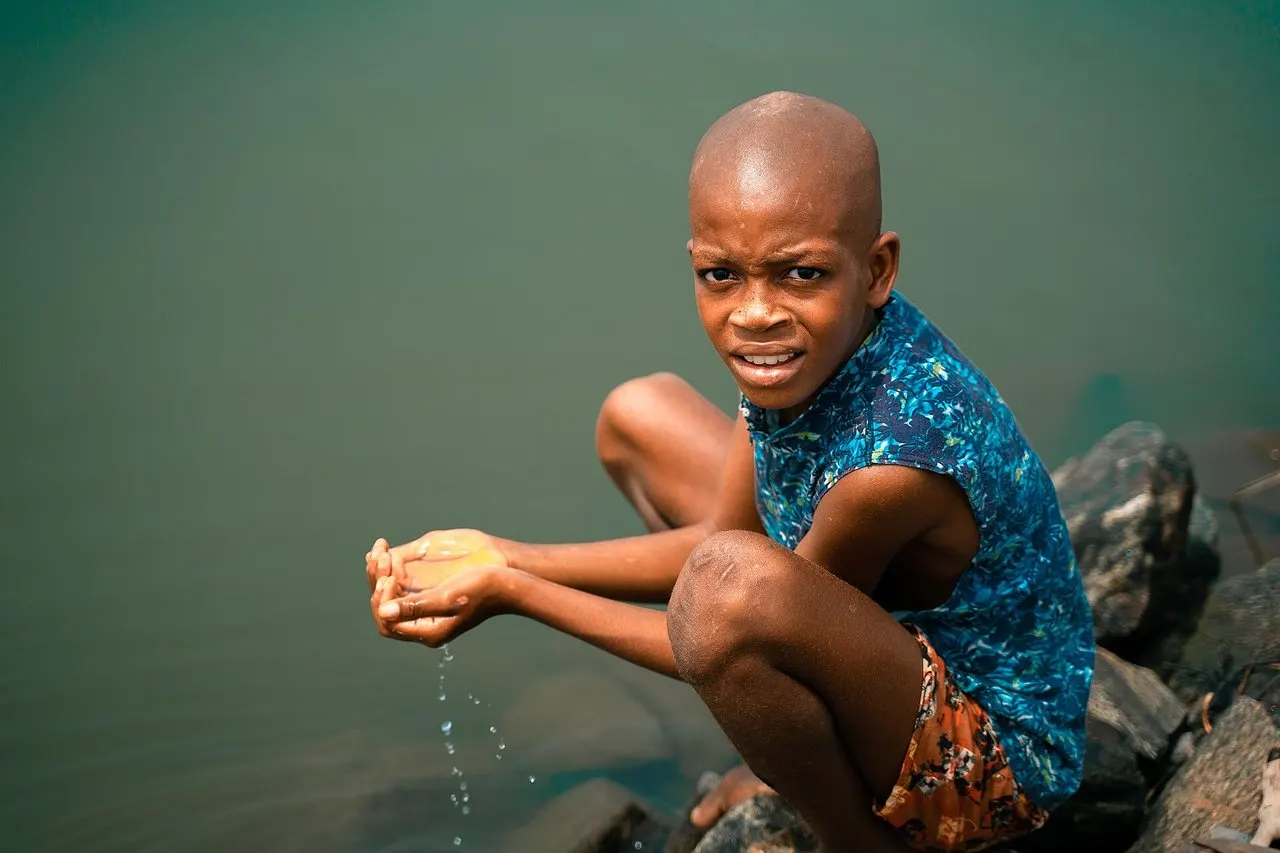
Dirty water is more than ugly. It can carry germs and chemicals that irritate skin, cause rashes and lead to infections, especially for people who spend hours in it. That is why health experts warn against wading into polluted rivers without protection, and why Bittu’s infections were no surprise. Cleaning the water protects everyone who touches it, from children playing at the bank to families washing clothes. See those who defend land and water for how quickly health can change when care arrives in time. It echoes rescuers who risked their lives in floods.
What Polluted Rivers Carry
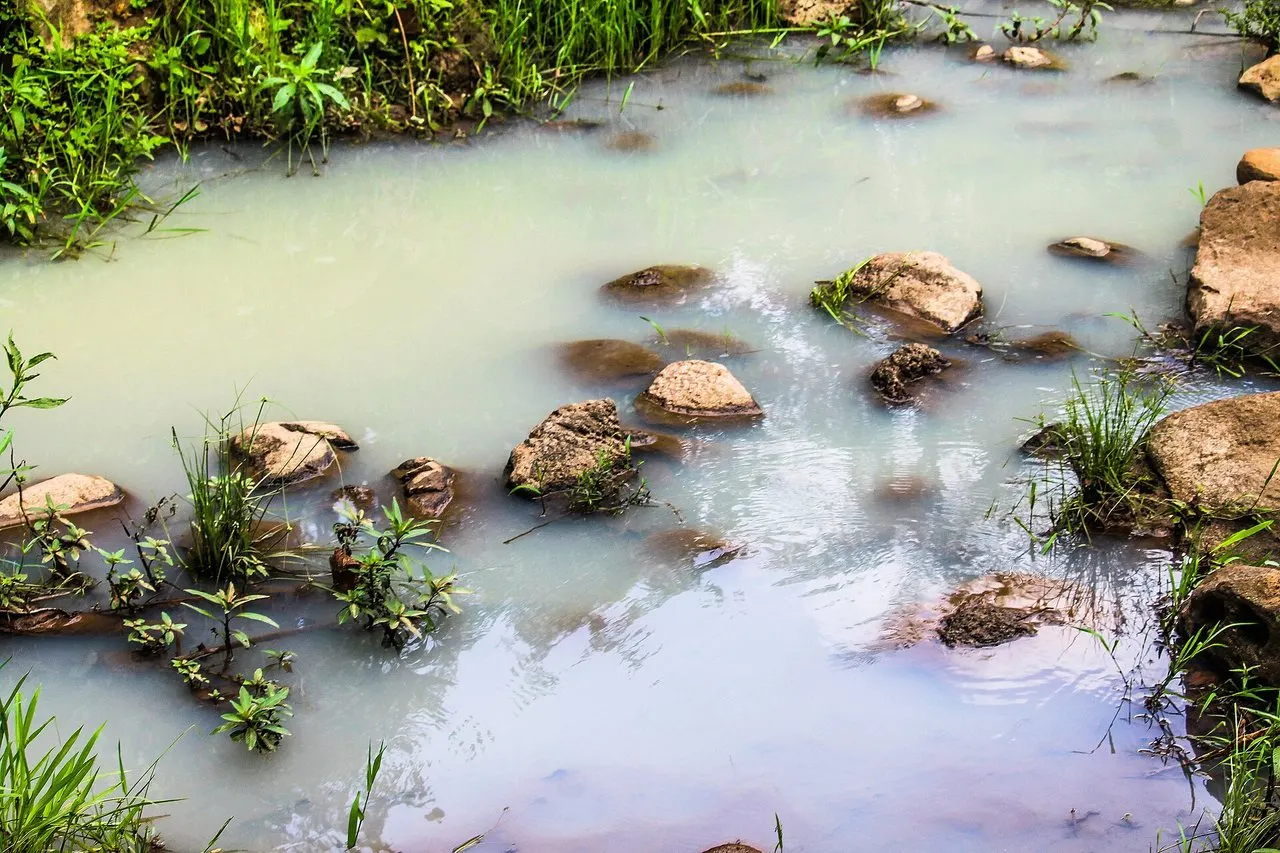
A polluted river carries everything that is dumped into it: plastic that breaks into tiny pieces, rotting waste that feeds germs, and chemicals that linger long after the water looks clear again. That is why cleaning a river is never just about how it looks. It is about what is in the water and who it touches. His work confronted a problem as stubborn as the heartbreaking health update from the zoo, where waiting for help took far longer than anyone expected. It brings to mind her long wait for a kidney.
The Ajnar River Cleanup Needs the Whole Community
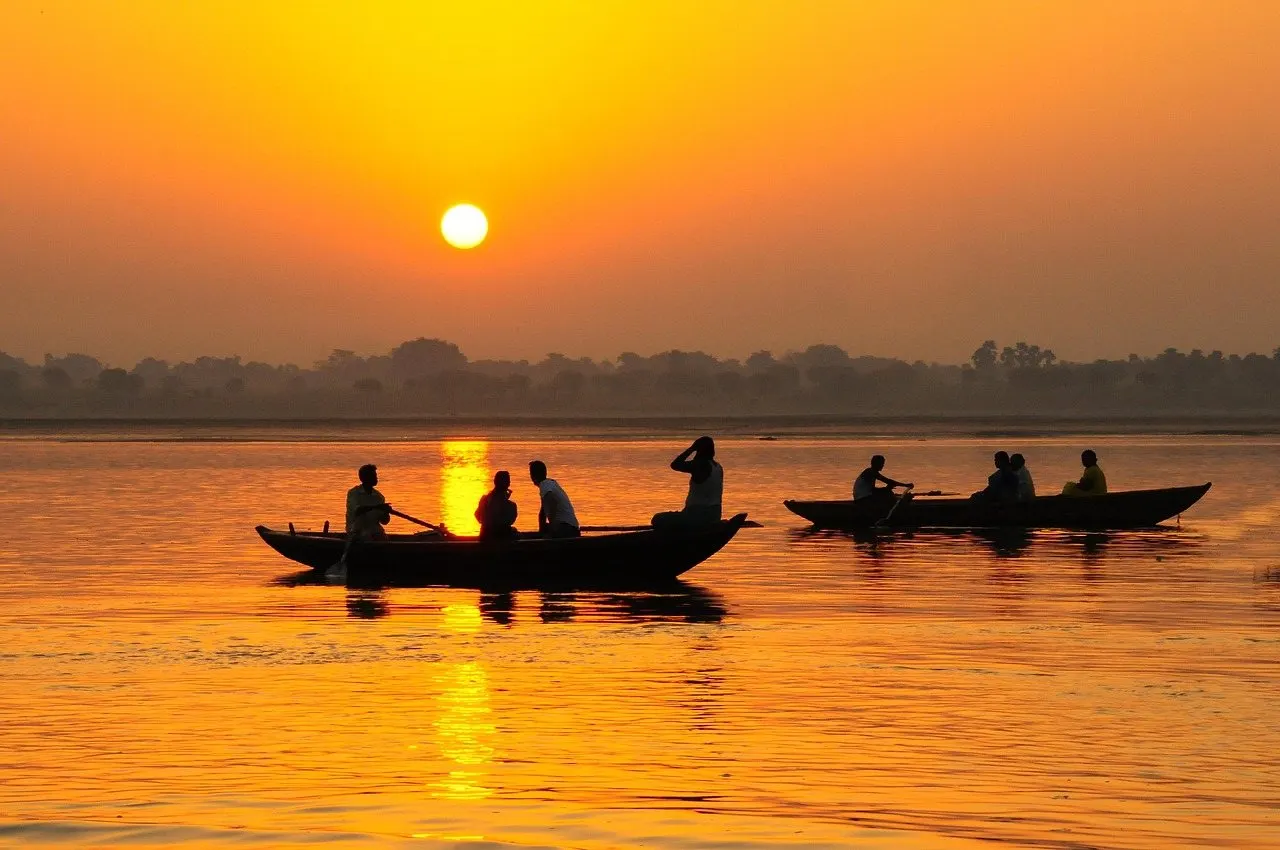
One person can start a cleanup, but only a community can finish it. Rivers stay clean when people stop dumping waste, when towns collect garbage properly, and when neighbours hold each other to a simple standard. Imagine what a whole town could do if it joined him. His story is an invitation, not just a warning, and the river will answer to however many people show up. That shared effort recalls her family after eight surgeries in five months, where persistence finally turned a long wait into good news. Compare the 12-year-old baseball player.
Cleanups Like This Happen Everywhere
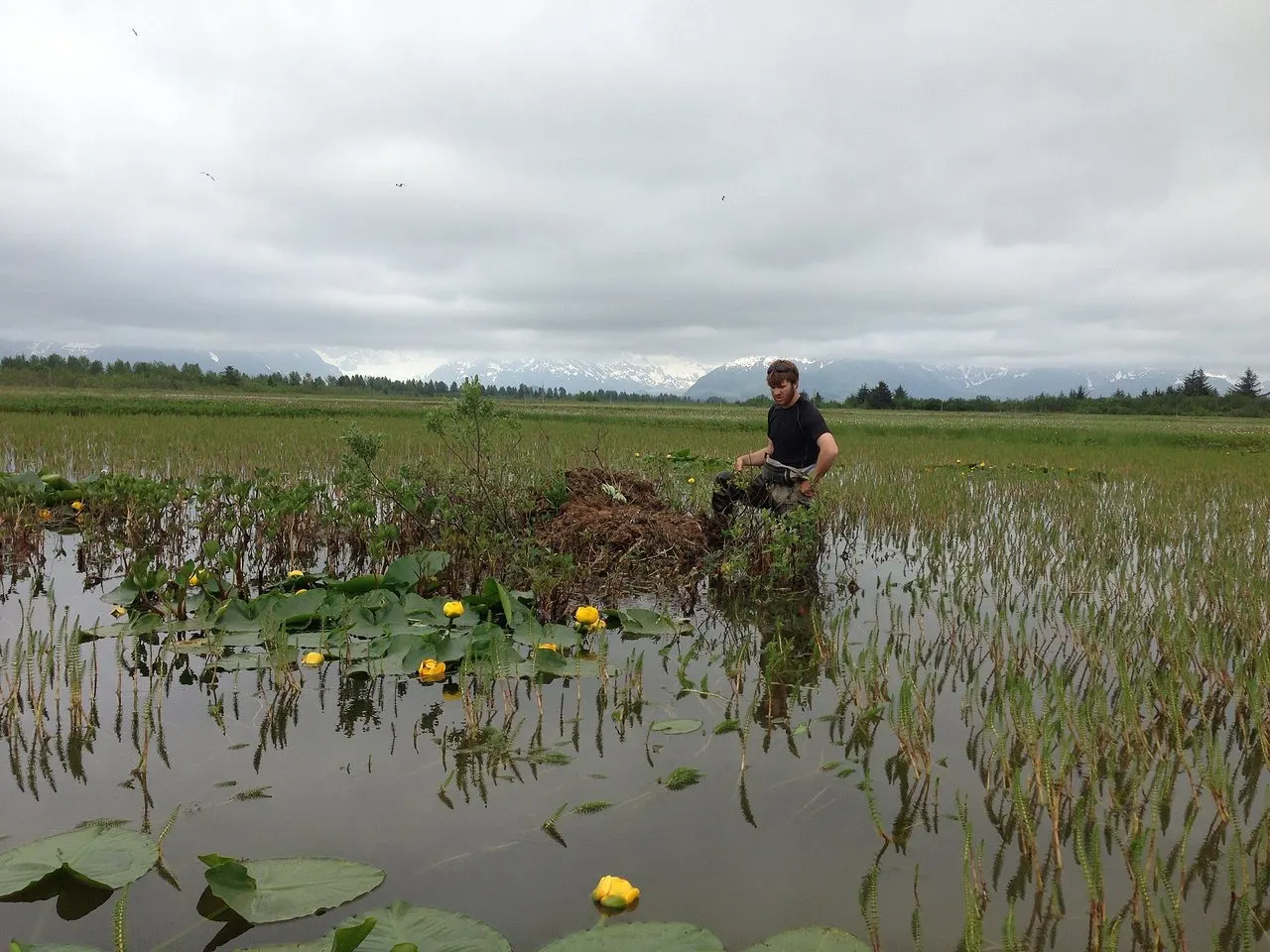
Bittu is not the only person cleaning a river. Around the world, volunteers gather on weekends to pull waste from rivers, lakes and beaches, often with the same simple tools: gloves, bags and rakes. Their work rarely makes headlines, but it keeps waterways alive for the next generation. What makes Bittu different is the price he paid, and the fact that he kept going alone. Read about Musk at 17 with four thousand dollars to see how ordinary people take on jobs nobody else will do. Think of the sketch that felt like real life for caregivers.
Eight Months of Hard Work
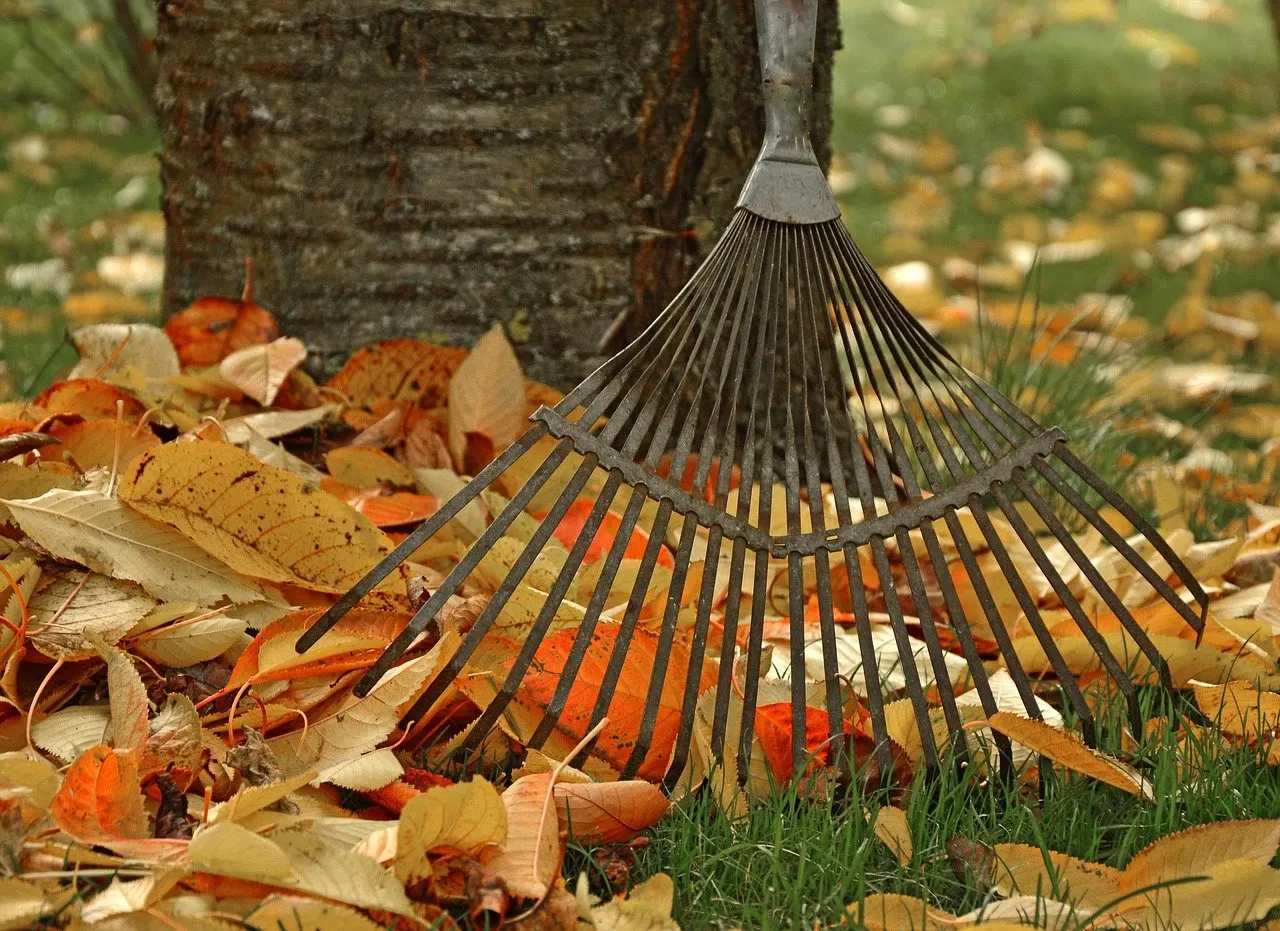
One of the reports about Bittu carries a headline that says it all: he never thought his eight months of hard work would go to waste. Eight months of mornings in the river, eight months of hauling garbage, eight months of watching the water slowly improve and then fill up again. That is a long time to keep faith in a job nobody asked you to do. His story is a reminder that real change is slow, as their release and return home shows in its own way. That recalls her funny Christmas list.
What Happens Now
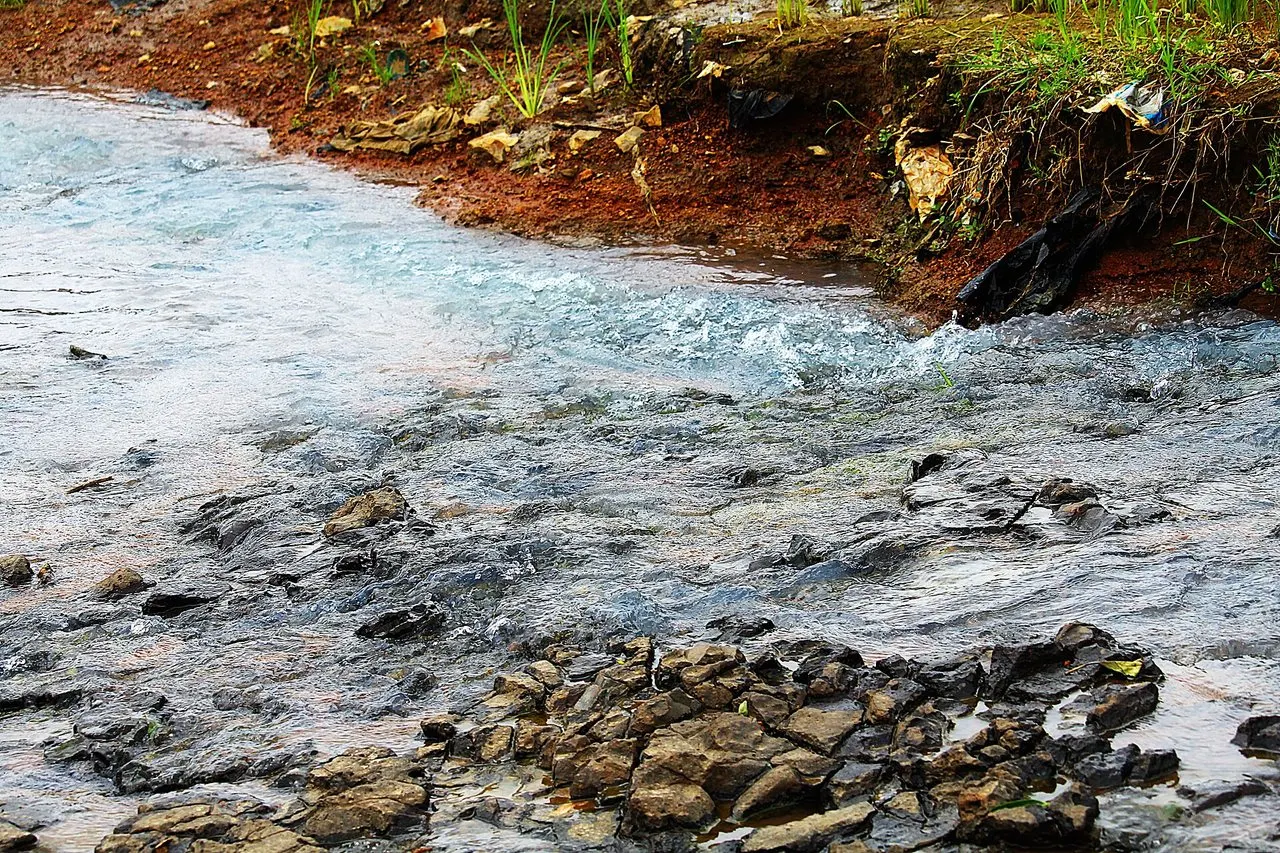
Bittu needs help now, and the river still needs cleaning. His health must come first, because a sick volunteer cannot save a river, and the work he started deserves to continue with proper support. The rivers need heroes, but those heroes deserve protection too. That was the heart of the post that told his story, and it is the question his story leaves with all of us. Who will step forward next? For a final note on standing together, see the AI data center debate. It echoes the call to remove the health secretary.