A Calm Person Brings Peace Instead of Stress
A calm person who never yells brings peace instead of stress, and that is rare. There is something special about someone who stays steady when everything around them feels tense. They do not raise their voice when they are upset. They listen, they breathe, and they answer with a steady tone that makes the whole room feel safer. That quiet strength draws people in. In the slides ahead we look at what science says about this kind of peace. A similar lesson about letting go runs through a story about letting go and trusting the outcome.
The post behind this gallery says it plainly. A person who stays calm offers ease instead of worry and stress. Research backs up the idea. A study of 24,221 people in 51 countries found that calm was linked with better psychological wellbeing. Stanford psychologist James Gross found that reframing a stressful moment before reacting leads to better health and stronger relationships. Calm is not the absence of feeling. It is choosing peace in the moment it matters most. Patience with feelings also matters when we ask whether dogs feel jealousy and how owners can respond with care.
References:
Silicon Canals: Calm under pressure is a trained skill, not a personality trait, and the science explains how it works
EurekAlert: Better living through mindfulness
Bournemouth University: Calm and hope as medicine during stress
ResearchGate: The Role of Emotion Regulation in Increasing Resilience to Stress and Life Pressure
What Makes a Calm Person So Appealing
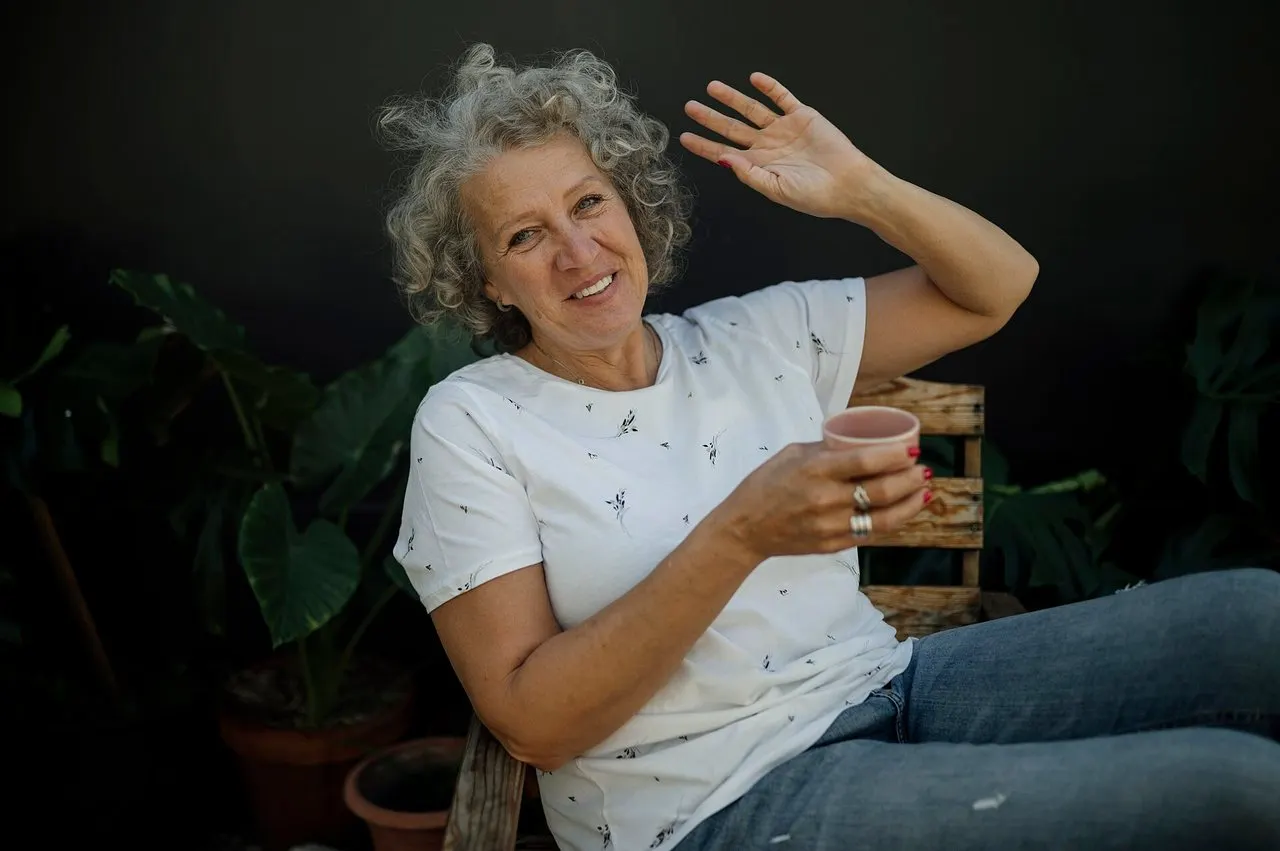
People are drawn to steady company because it lowers the tension in a room. When someone stays relaxed while others rush, the whole group can breathe easier and think clearer. That appeal is not about being quiet all the time. It is about showing that feelings can be strong without turning into shouting or blame. Friends and family notice the difference fast, and they return to the person who makes hard days feel lighter. Steady help also shines in a rescue in floodwater and in the story of a loyal dog that saved her owner.
Staying Steady When the Room Feels Tense
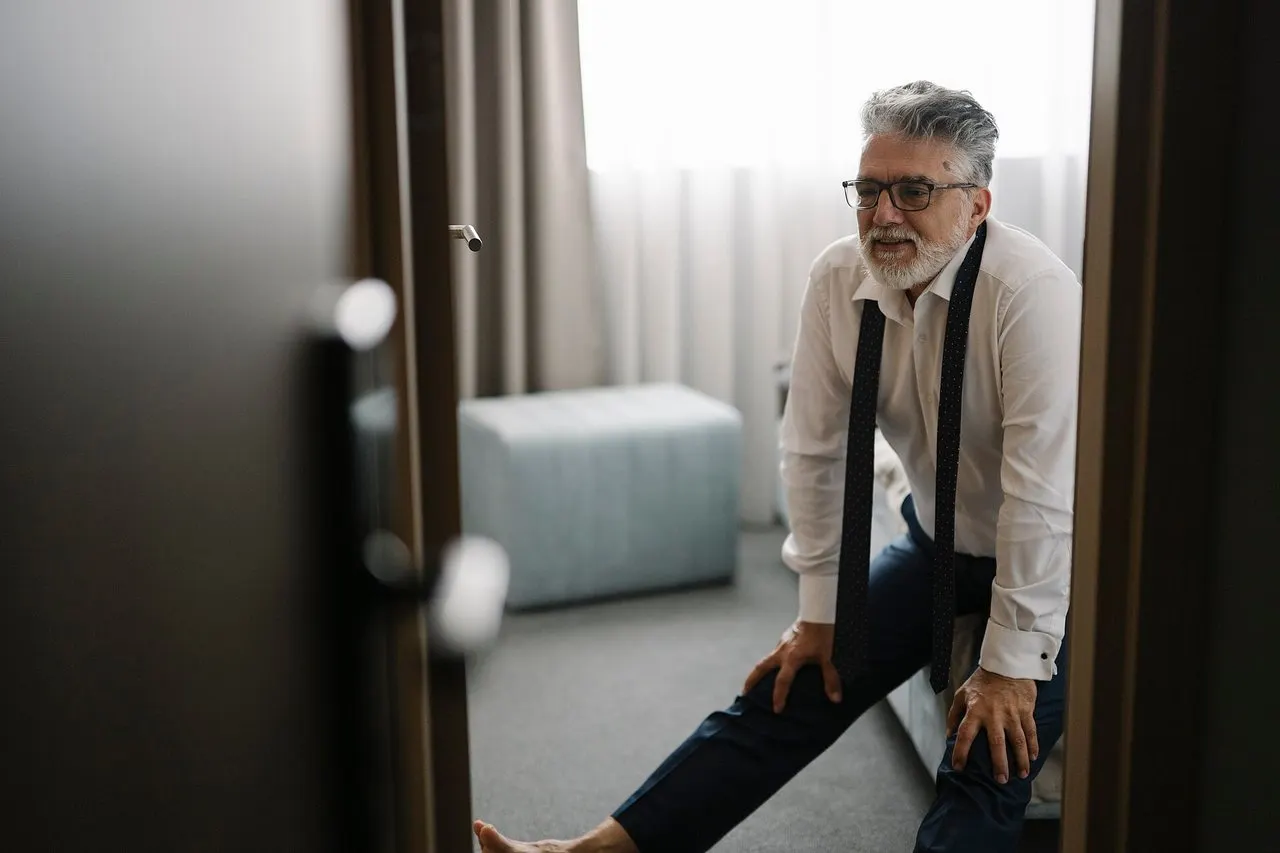
Tension spreads quickly when voices rise, and one sharp reply can turn a small problem into a long argument. A steady person breaks that pattern by pausing before they speak. They keep their voice low and their words short, which gives everyone else time to settle too. This is a skill anyone can practice anywhere. It starts with noticing the first sign of heat in your own chest and choosing a slower answer. Good choices start with facts, so check what the research really shows and learn what a credit freeze does before you act.
A Calm Person Listens Before Speaking
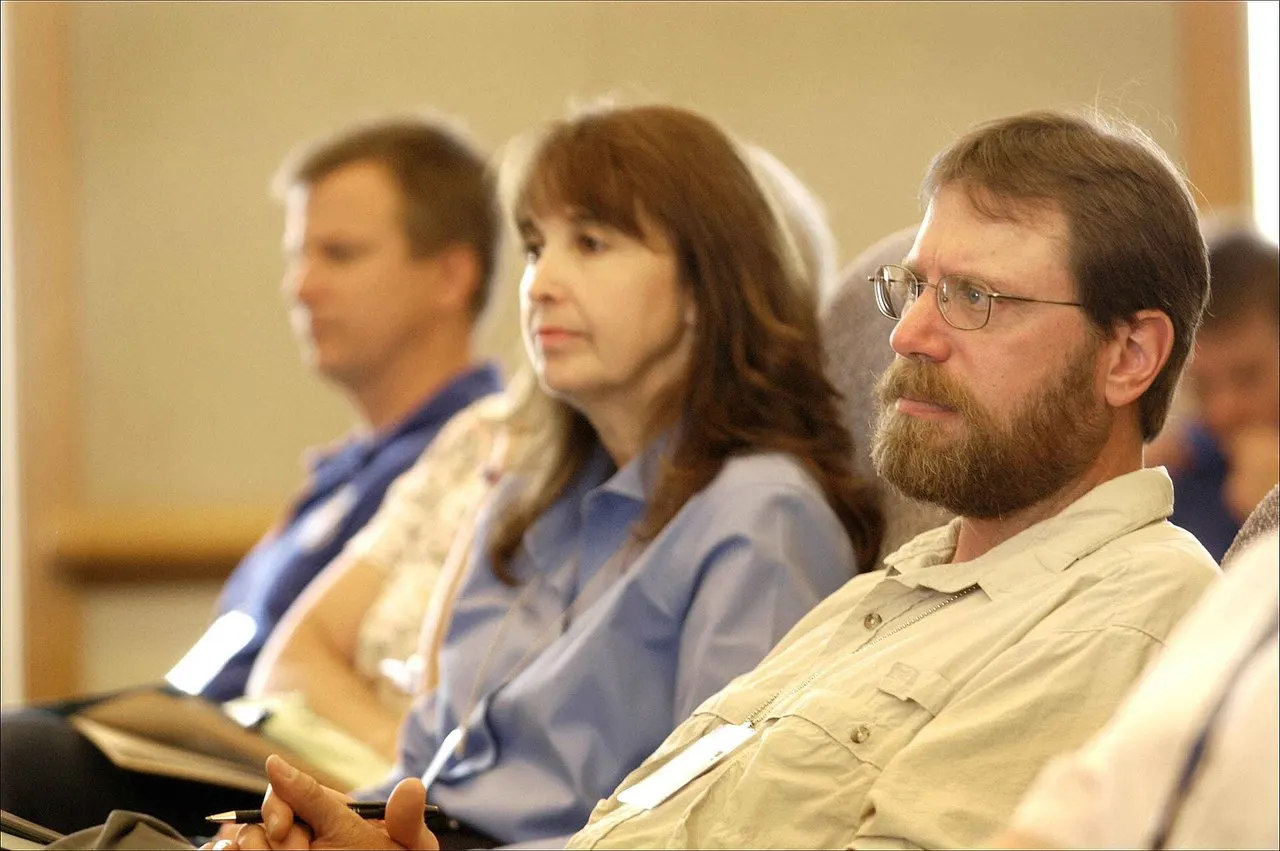
Listening is the quiet half of calm, and it matters more than most people think. A good listener does not plan a reply while the other person is still talking. They watch, they nod, and they let the speaker finish, which tells the speaker that their words are safe here. That kind of attention can cool an argument faster than any clever answer. It also helps at home, where children and partners feel heard instead of judged. Care for others also means knowing what the Animal Welfare Act covers and valuing forests full of wildlife.
The Science of Staying Calm Under Pressure
Science treats calm as something the mind and body learn, not as a gift that only a few people receive. When stress hits, the heart beats faster and the breath turns shallow, and the body gets ready to fight or run. A trained response can slow that rush down. Slow breathing, a short pause, and a kinder reading of the moment can lower the pressure inside. Practice changes how fast people recover from a shock. For more stories of patience and quiet strength, read about a rare wild cat in Arizona and a rare photo with his son.
A Study of 24,221 People in 51 Countries

The numbers behind this story are hard to ignore. Researchers studied 24,221 people in 51 countries and found that calm was linked with better psychological wellbeing. The pattern held across borders, languages, and ways of life, which suggests that the link is not tied to one place or one culture. People who could stay steady in hard moments reported feeling better. The finding gives a simple reason to practice calm on purpose. Big questions also drive the debate over why we suddenly need a thousand data centers and the sweet story of the five cent chocolate bar.
Reframing Stress Before You React

Stanford psychologist James Gross found that reframing a stressful moment before reacting leads to better health and stronger relationships. Reframing means looking at a hard moment in a new way before you answer. A late reply becomes a busy friend, not a rude one. A sharp word becomes a tired person, not an enemy. This small shift in thought can change the whole feeling of a day. It works better than holding feelings in, which only builds pressure over time. The same gentle shift runs through a story about letting go and trusting the outcome and a rescue in floodwater.
Calm Is a Trained Skill, Not a Trait
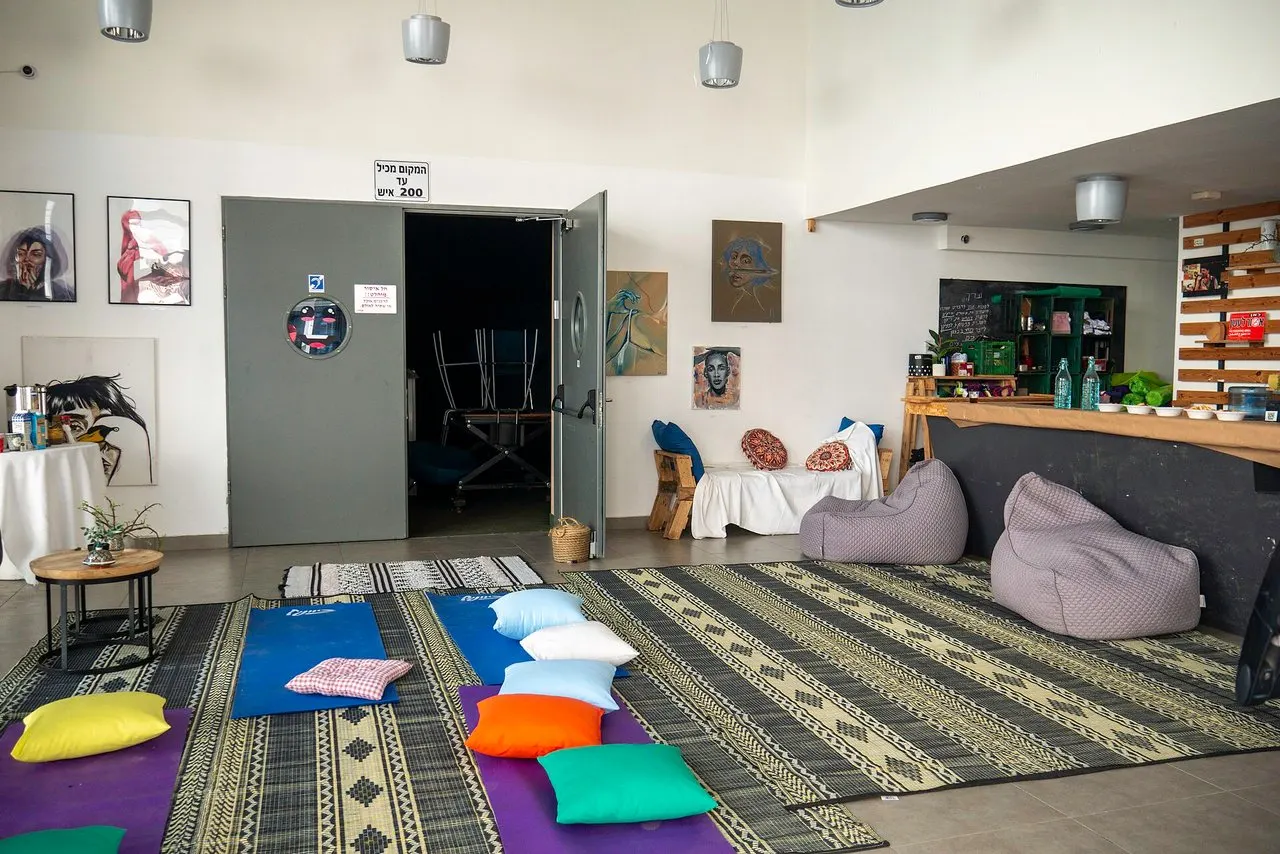
One of the references for this story puts it plainly. Calm under pressure is a trained skill, not a personality trait, and the science explains how it works. That is good news for anyone who thinks they were simply born tense. Skills can be learned with small daily practice. A few slow breaths before a hard call, a short walk before a reply, and a pause before a raised voice all count as training. Training also matters when we ask whether dogs feel jealousy and when we read about a loyal dog that saved her owner.
Mindfulness and Better Living

Another reference points to mindfulness as a path to better living. Mindfulness means paying full attention to this moment, without judging it or rushing past it. You notice your breath, the sounds around you, and the thoughts passing through your mind. That simple attention can break the loop of worry that keeps stress alive. Even a few quiet minutes a day can help people feel steadier, kinder, and more able to handle what comes next. Claims about health deserve a close look, so check what the research really shows and learn what the Animal Welfare Act covers.
Calm and Hope as Medicine During Stress

A third reference calls calm and hope a kind of medicine during stress. Hope is not the same as wishing a problem away. It is the quiet belief that a better outcome is still possible, even when today feels hard. That belief helps people keep going, ask for help, and take the next small step. Hopeful people cope better with illness and setbacks. Calm and hope work best together, each one feeding the other. Small protections help too, so learn what a credit freeze does and enjoy forests full of wildlife when you need a break.
How Emotion Regulation Builds Resilience
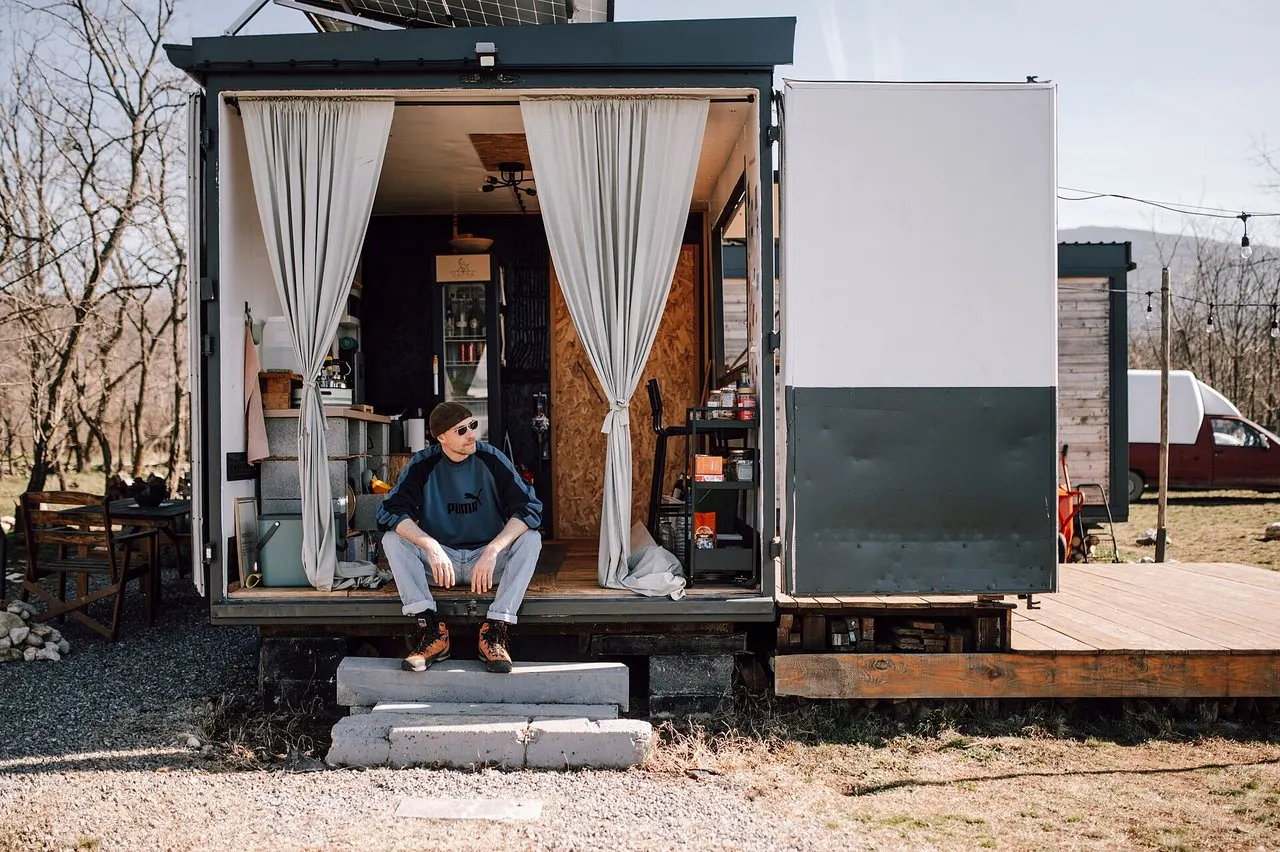
The last reference looks at the role of emotion regulation in building resilience to stress and life pressure. Emotion regulation is the skill of noticing a feeling, naming it, and choosing what to do next instead of letting the feeling choose for you. People who practice it bounce back faster after a setback. They meet hard feelings, learn from them, and move on with a clearer head and a steadier heart. Steady strength shows up in many places, from a rare wild cat in Arizona to the debate over why we suddenly need a thousand data centers.
A Calm Person at Home With Family

Home is where calm matters most, because family sees us at our least guarded. A steady person at home sets the tone for the whole house. When a parent answers a spill or a late night with a steady voice, children learn that mistakes are not disasters. When partners pause instead of snapping, small rows stay small. The house feels safer, sleep comes easier, and everyone can be honest about how they feel. Quiet family moments also appear in a rare photo with his son and in the sweet tale of the five cent chocolate bar.
Calm at Work When Deadlines Pile Up

Work can test anyone, with deadlines, short tempers, and days when everything goes wrong at once. The steady worker does not pretend the pressure is gone. They make a short list, take the next task, and speak plainly about what can be done today. Teams trust that kind of person. A quiet voice in a busy office can save a project and a friendship in the same hour. Letting go of what you cannot control echoes a story about letting go and trusting the outcome, and facts matter, so check what the research really shows.
A Calm Person in a Difficult Conversation

Hard talks go better when one person stays steady. They ask what happened, they repeat back what they heard, and they wait before they judge. That patience lets the other person lower their guard and speak honestly. Most arguments are not about facts at all. They are about feeling unheard, and a calm listener fixes that first. The talk may still be hard, but it ends with respect instead of regret. Feelings need care, as we learn when we ask whether dogs feel jealousy, and honest talks need facts, so learn what a credit freeze does.
Breathing Slowly Before You Answer
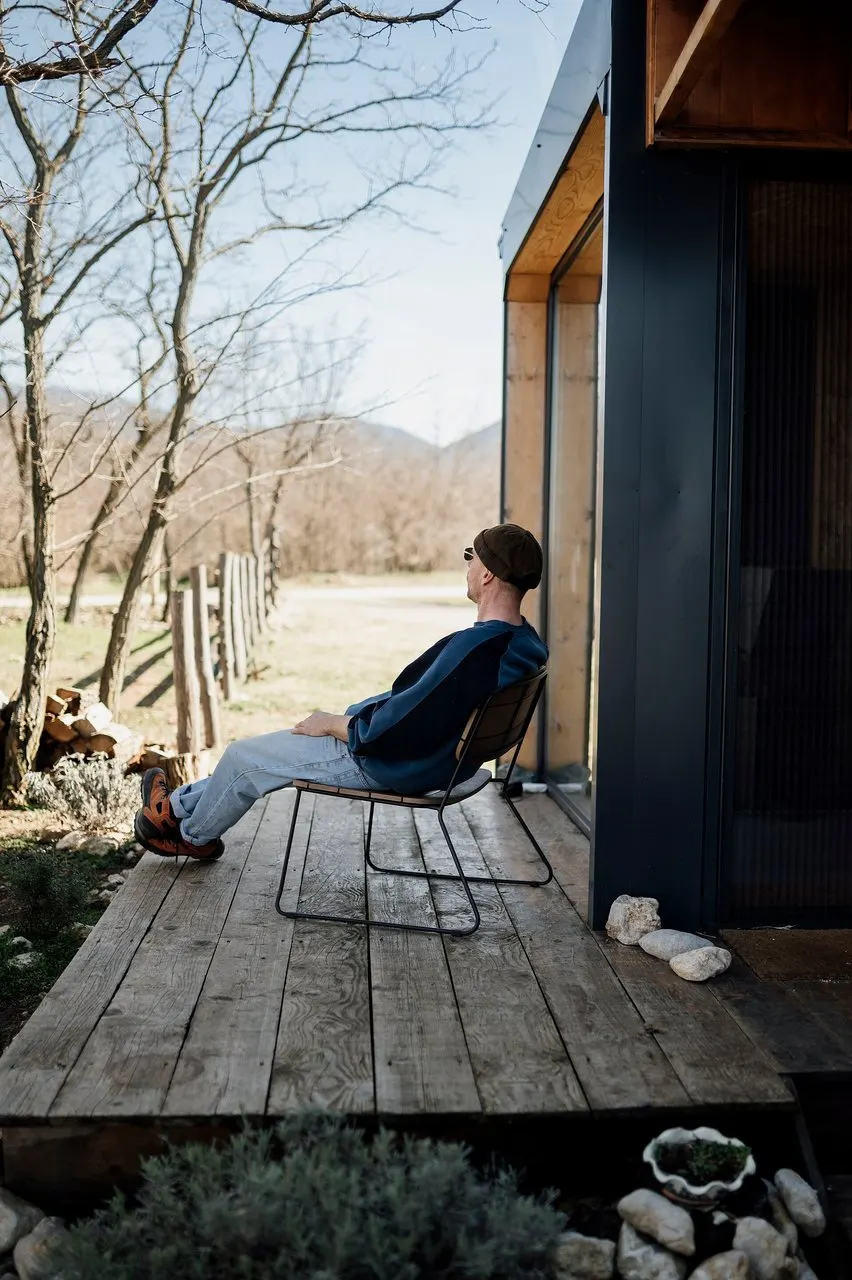
The simplest calm tool is also the oldest. Take one slow breath in through your nose, hold it for a moment, and let it out slowly through your mouth. That single breath gives your mind time to choose a reply instead of firing one off. Try it before a hard phone call, a tense meeting, or a talk with a child. One breath will not fix everything, but it often fixes the next sentence. Slow and steady also wins in a rescue in floodwater, and care for living things starts with knowing what the Animal Welfare Act covers.
Why a Calm Person Feels So Rare Today
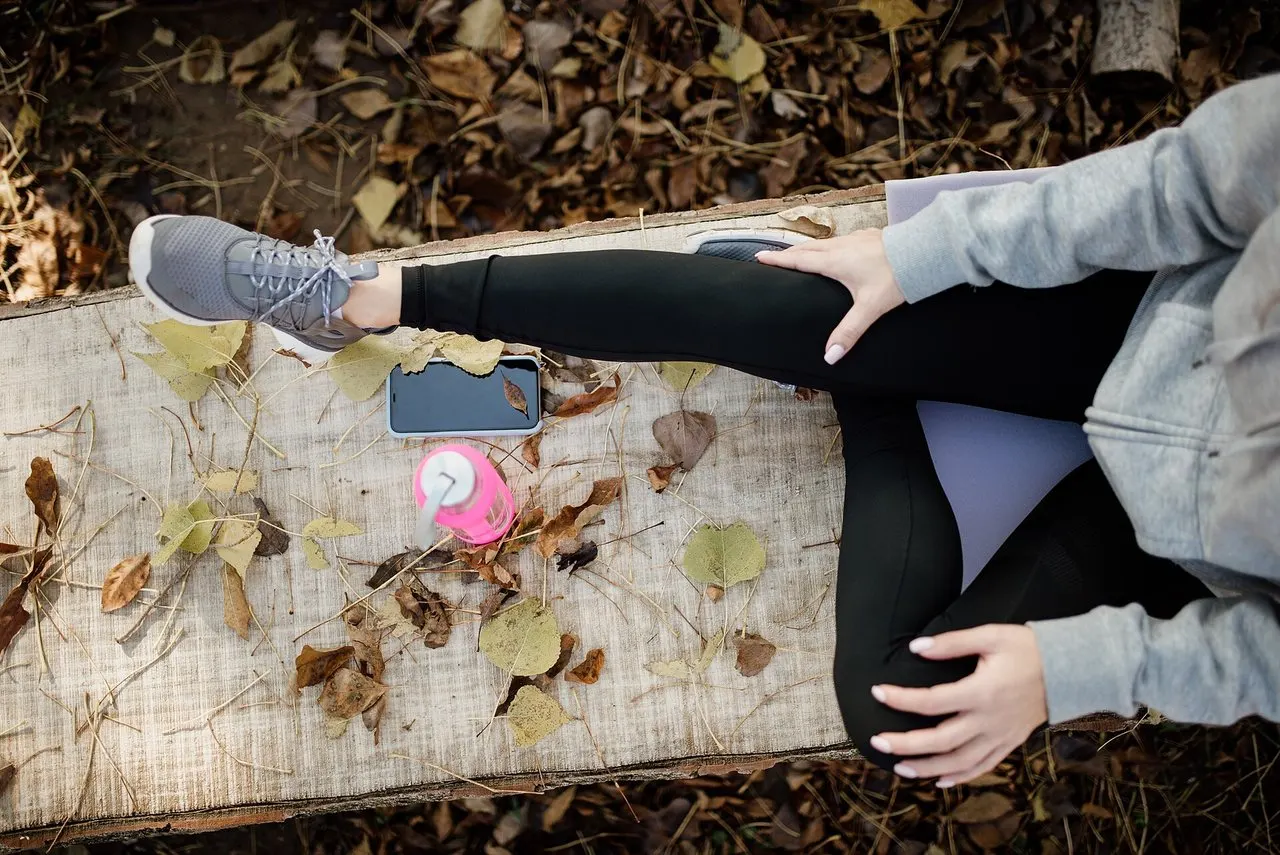
Modern life moves fast, with phones buzzing, news breaking, and demands arriving at all hours. It is easy to feel that everyone is shouting and no one is listening. That noise makes a steady person stand out even more. They do not join the rush. They choose when to answer, when to rest, and when to speak. In a loud world, that quiet choice looks brave, and many people wish they could make it too. Loyalty and patience shine in the story of a loyal dog that saved her owner and in the wish for forests full of wildlife.
Small Daily Habits That Build Calm
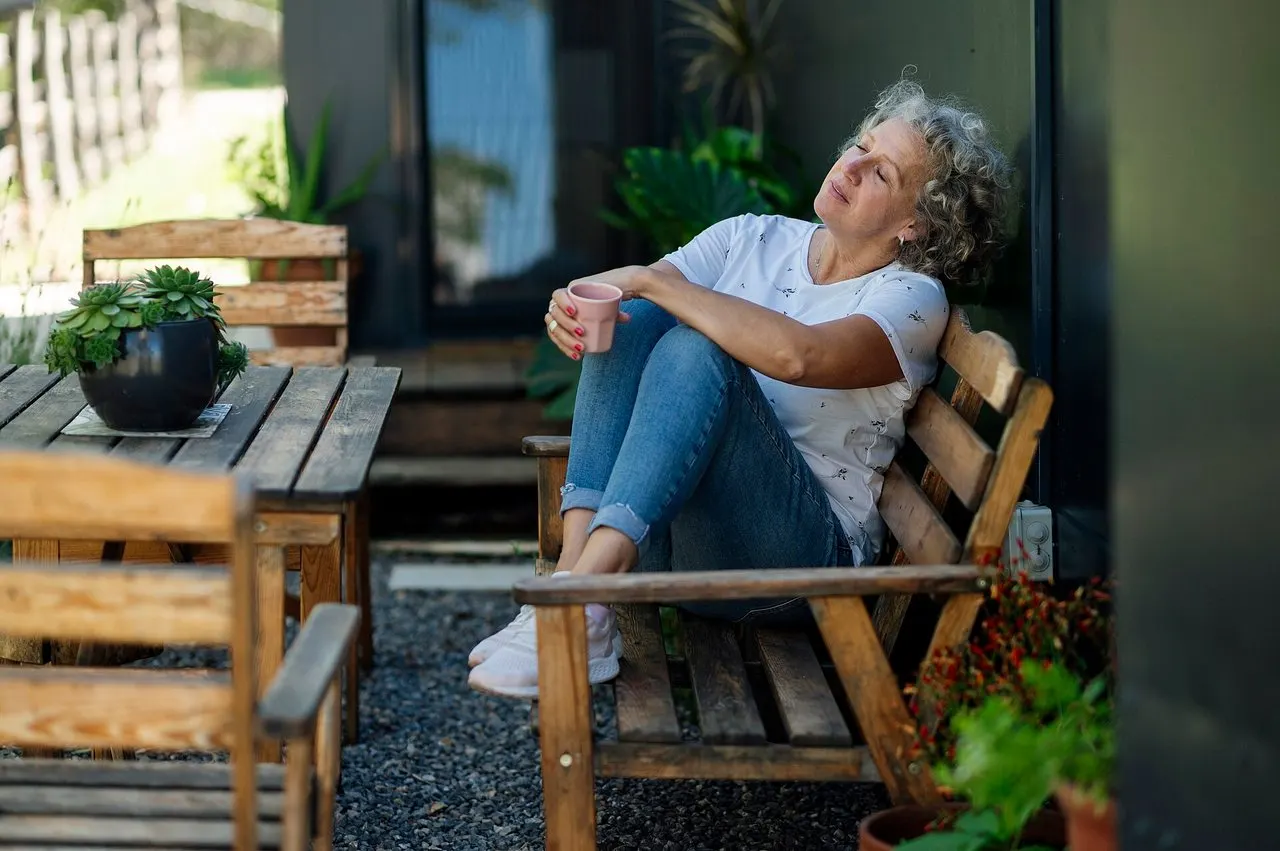
Calm grows from small habits, not from one big change. A short morning walk, a cup of tea without a phone, five slow breaths before lunch, and a kind word before bed can all add up. The habits work because they are easy to repeat and hard to fail. After a few weeks, the body starts to expect those quiet moments. That is how a trained skill takes root in a busy life, one small step at a time. Wild patience shows in a rare wild cat in Arizona, and small joys show in the five cent chocolate bar.
What Does a Calm Person Teach Us
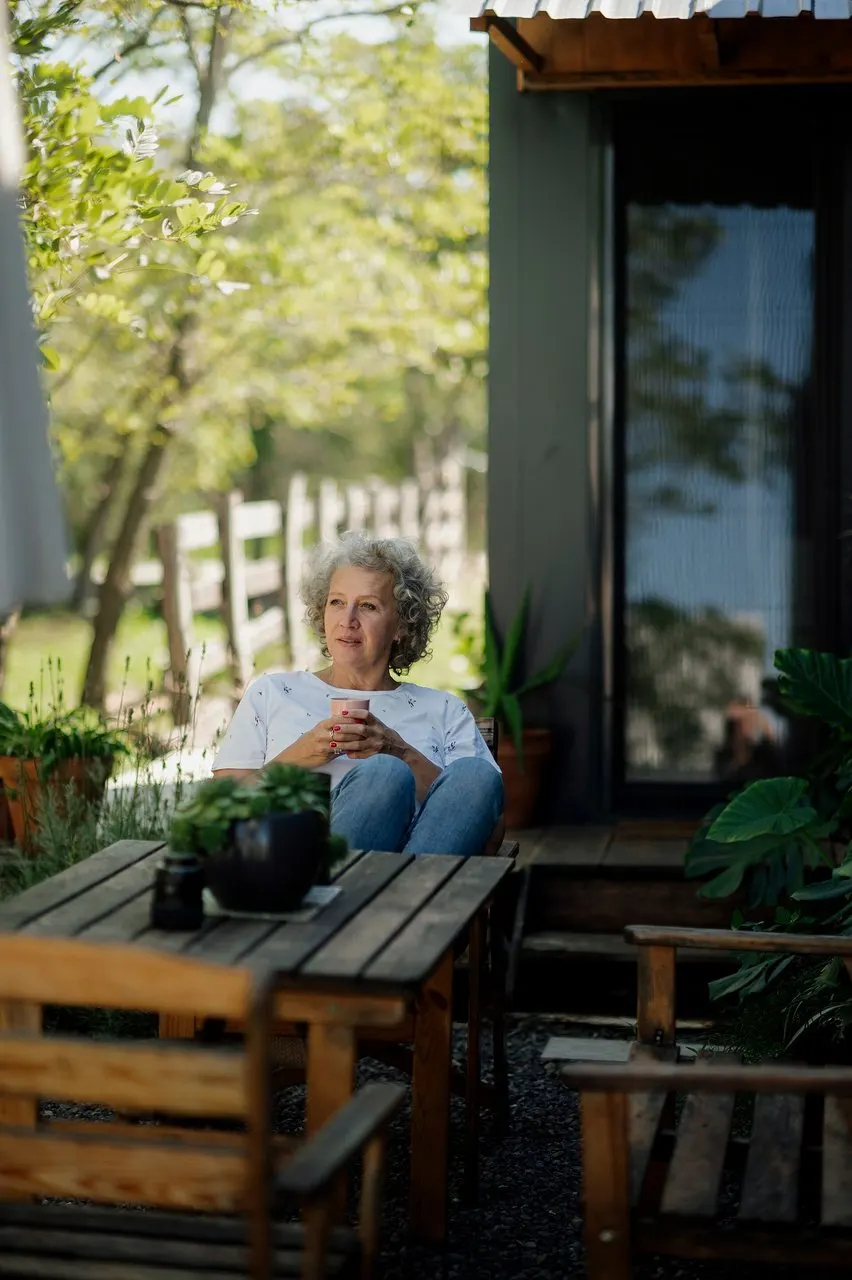
In the end, the lesson of this gallery is simple. Peace is a choice we can practice, a skill we can train, and a gift we can offer to the people around us. The person who stays calm does not win every argument or fix every problem. That example can change a home, a team, and a friendship for the better. What does a calm person in your life do that helps you feel at ease? Tell us in the comments below. Read about a rare photo with his son and why we suddenly need a thousand data centers.