The Shenzhen Nuclear Summit Brought Three Leaders Together
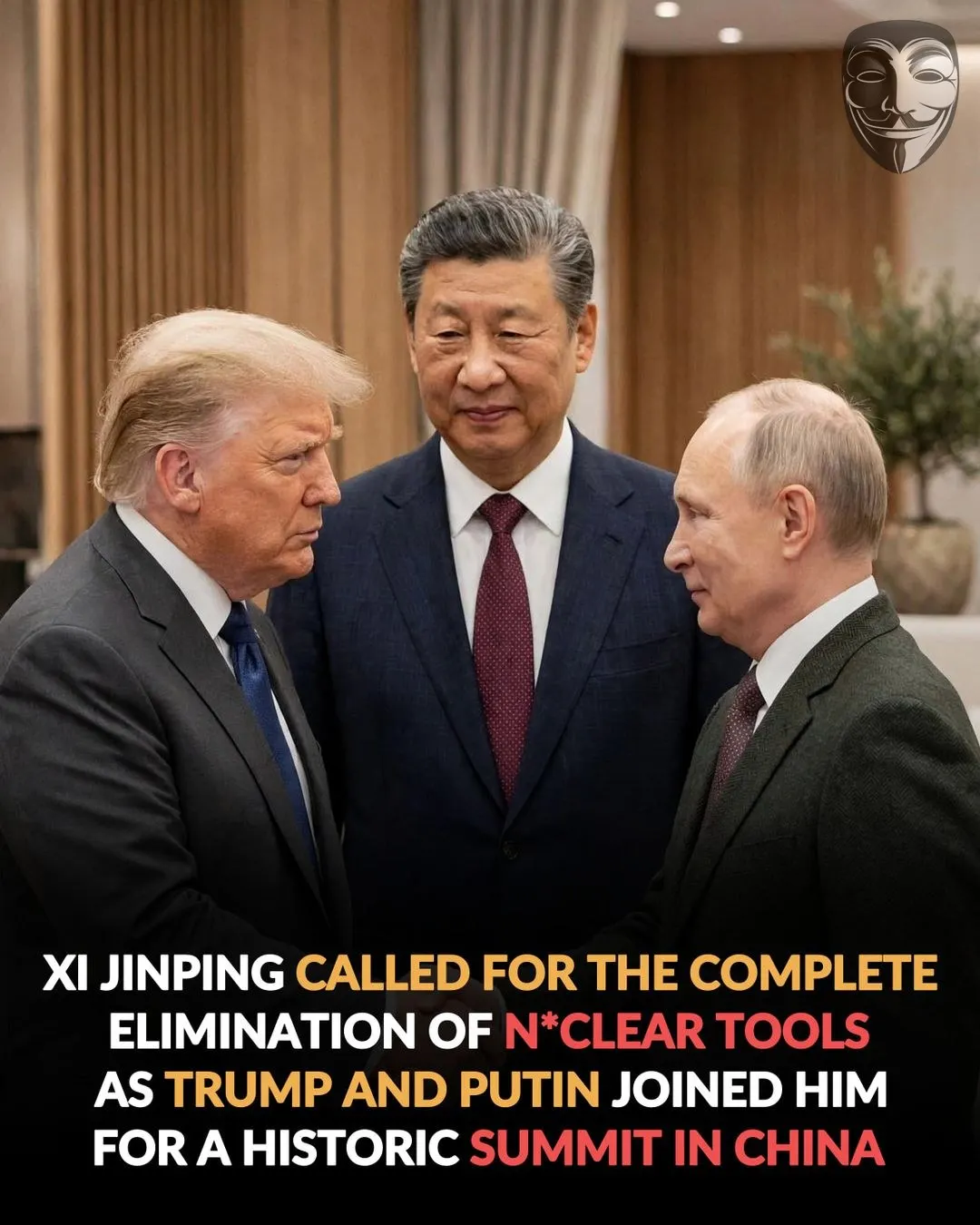
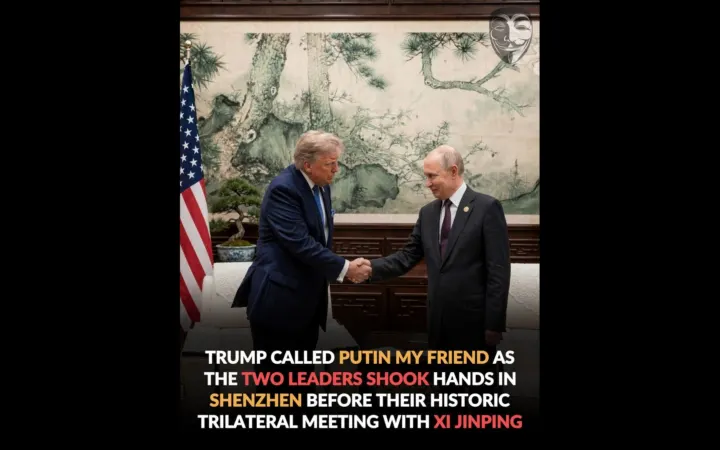
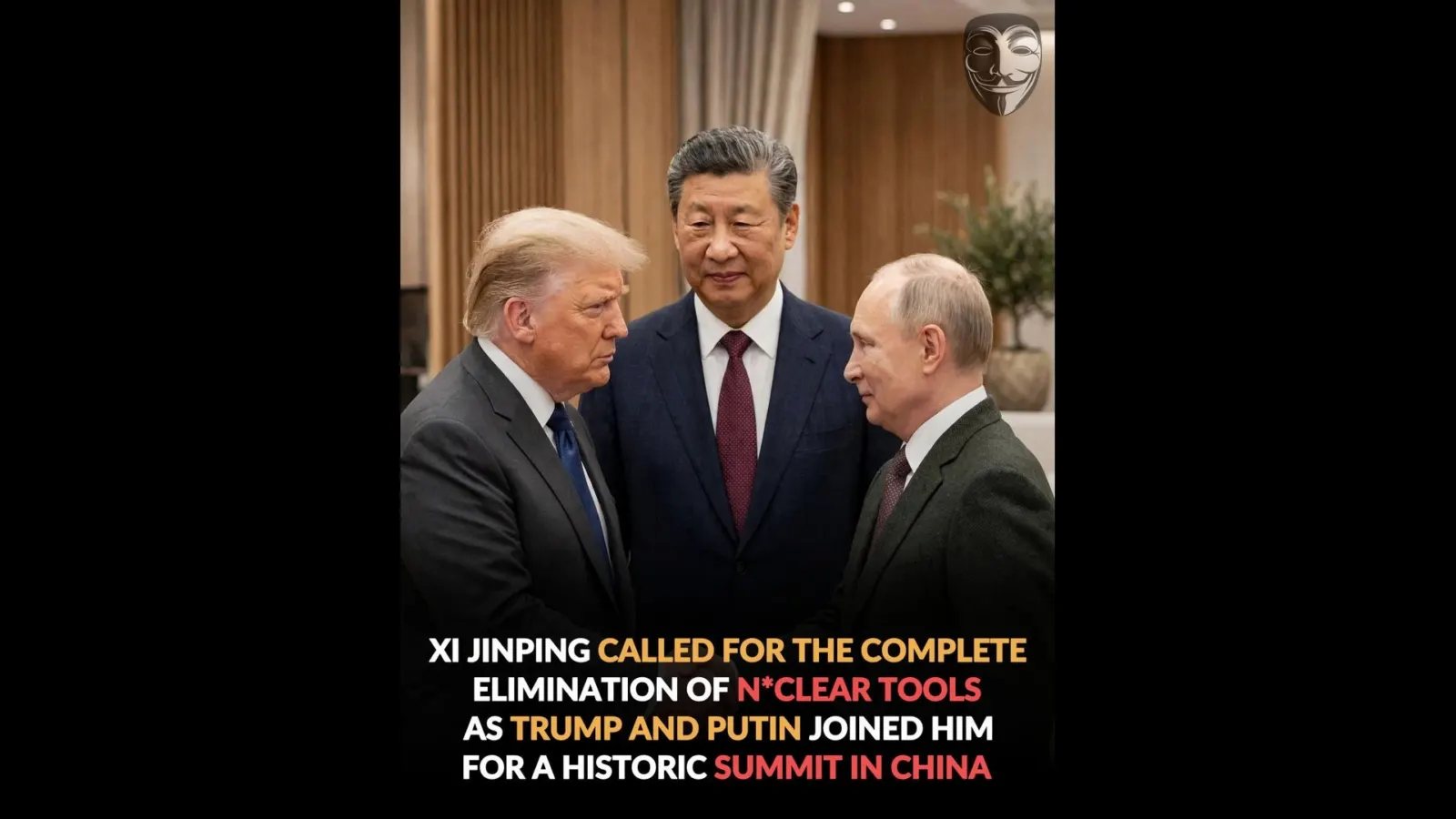
The Shenzhen nuclear summit brought together the leaders of the three largest nuclear powers for the first time. Chinese President Xi Jinping sat down with President Donald Trump and Russian President Vladimir Putin in Shenzhen on Thursday to talk about a world free of nuclear weapons. Xi called for the prohibition and complete destruction of these weapons, and the three leaders later issued a joint declaration that a nuclear conflict cannot be won and must never be fought. The meeting drew attention around the world, much like the Alaska summit between Trump and Putin earlier this year.
Trump said the three countries were uniquely positioned to discuss reducing the number of nuclear weapons on Earth. According to Chinese state broadcaster CCTV, Xi urged the creation of a world free of nuclear weapons, while the White House said the leaders agreed to hold talks on reducing nuclear risks and stopping the spread of these weapons. No concrete arms control deal was announced. In the slides ahead we look at what was said, why the timing matters, and what may come next, including the Greenland deal approved by Denmark as another recent Trump agreement.
References:
Radio Free Asia: Trump, Xi, Putin wrap up historic summit with Nuclear Arms control on agenda
Bulletin of the Atomic Scientists: At the summit this week, Trump, Xi, and Putin should draw a line against Nuclear coercion
NBC Palm Springs: Trump returns from China after historic summit with Xi Jinping and Vladimir Putin
The American: Making history, Trump sits down with Xi and Putin and puts Nuclear cuts on the table
The Shenzhen Nuclear Summit Opened in China

The three leaders met in Shenzhen, a major city in southern China known for technology and trade. It was the first ever meeting of the leaders of the three largest nuclear powers, and the setting underlined how much has changed in world affairs. The meeting took place on the sidelines of a wider gathering of Pacific leaders, which put the three men in the same place at the same time. Cameras followed every handshake and every step. For more on recent Trump meetings abroad, read about the Philippines deal worth billions and Russian reporters at the Anchorage press site.
The Shenzhen Nuclear Summit Produced a Joint Declaration

The leaders issued a joint declaration that a nuclear conflict cannot be won and must never be fought. Those words carry weight because they were agreed by the three countries with the largest arsenals. A shared statement like this does not remove a single weapon, but it sets a public standard that leaders can be judged against. It also gives diplomats a starting point for the talks that follow. The message was simple and direct. Read about their August meeting in Alaska and an earlier Trump Putin phone call for more on how these leaders talk.
Xi Called for a World Free of Nuclear Weapons
Xi Jinping used the meeting to call for the prohibition and complete destruction of nuclear weapons. His message was that the world should move toward a future without these arms, and he urged the other leaders to join that effort. Chinese state broadcaster CCTV reported his words to audiences at home and abroad. The call was striking because it came from the leader of a country that is still building up its own arsenal. It also put the idea of disarmament at the center of the talks. See Lavrov on a Putin Zelenskyy meeting and the Kim Jong Un DNA story for more from the region.
Trump at the Shenzhen Nuclear Summit
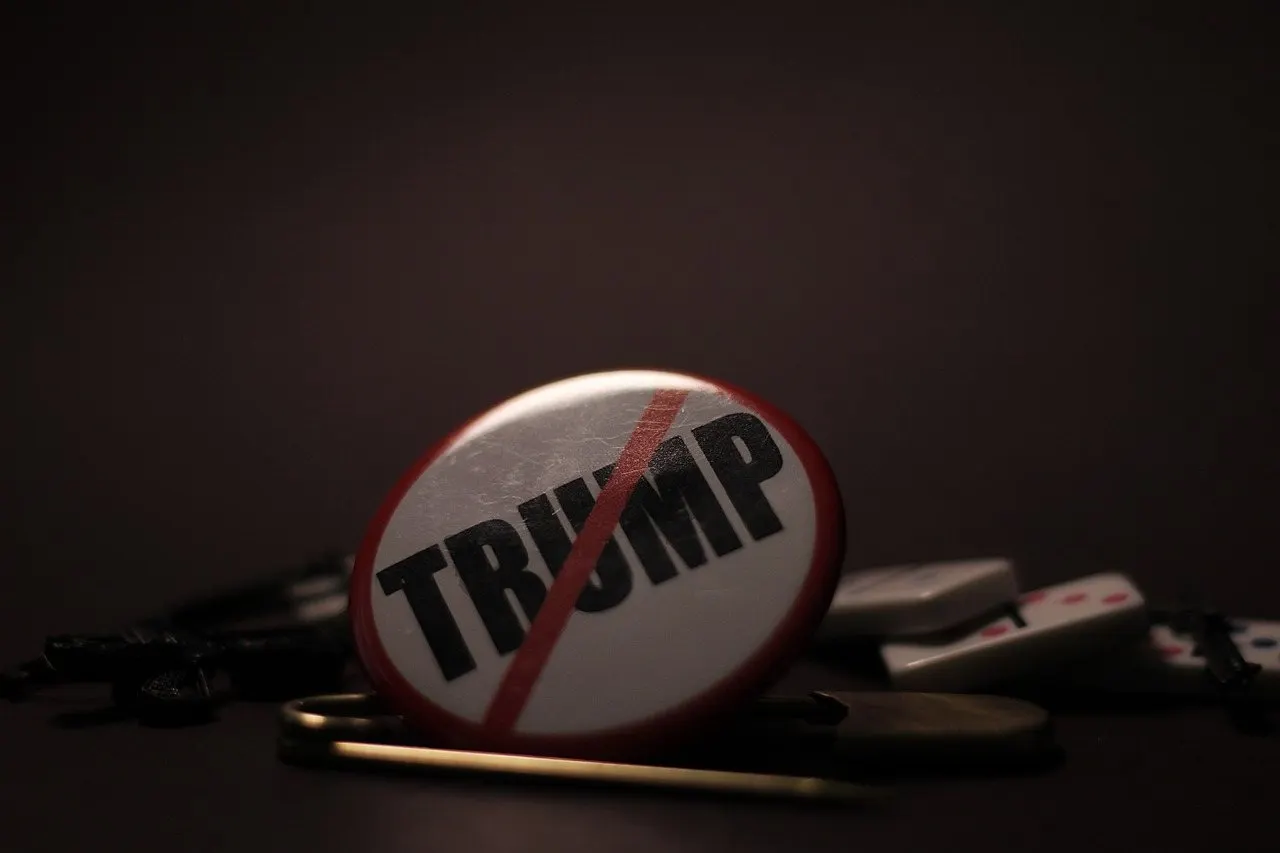
President Donald Trump said the three countries were uniquely positioned to discuss reducing the number of nuclear weapons on Earth. His point was that the United States, China and Russia hold the largest arsenals, so talks between them matter more than talks anywhere else. Trump has met both leaders before, separately and together, and he has often said that good relations with them can help keep the peace. This meeting gave him a chance to test that idea in person. Read about Denmark approved a Trump deal on Greenland and the trade package from the Philippines for more on his recent deals.
Putin Joined the Talks in Shenzhen
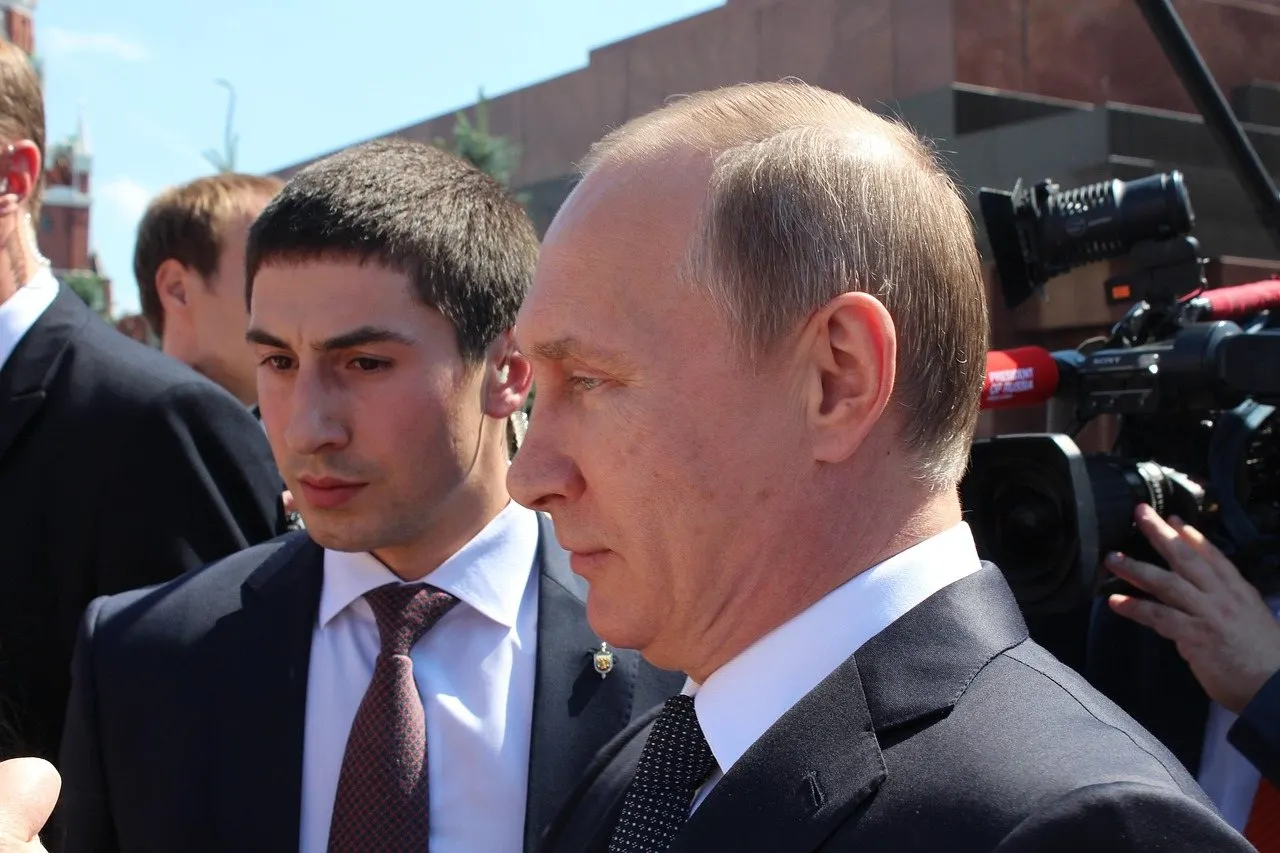
Russian President Vladimir Putin took his seat at the table as the leader of the country with one of the two largest nuclear arsenals on Earth. His presence was notable because he has been far less visible at major international gatherings in recent years. The meeting in Shenzhen put him back in the same room as the American and Chinese presidents. For Putin, the talks were a chance to discuss limits on weapons and to show that Russia still sits at the top table. See their call about a Ukraine ceasefire and the press setup in Anchorage for background.
New START Expired in February
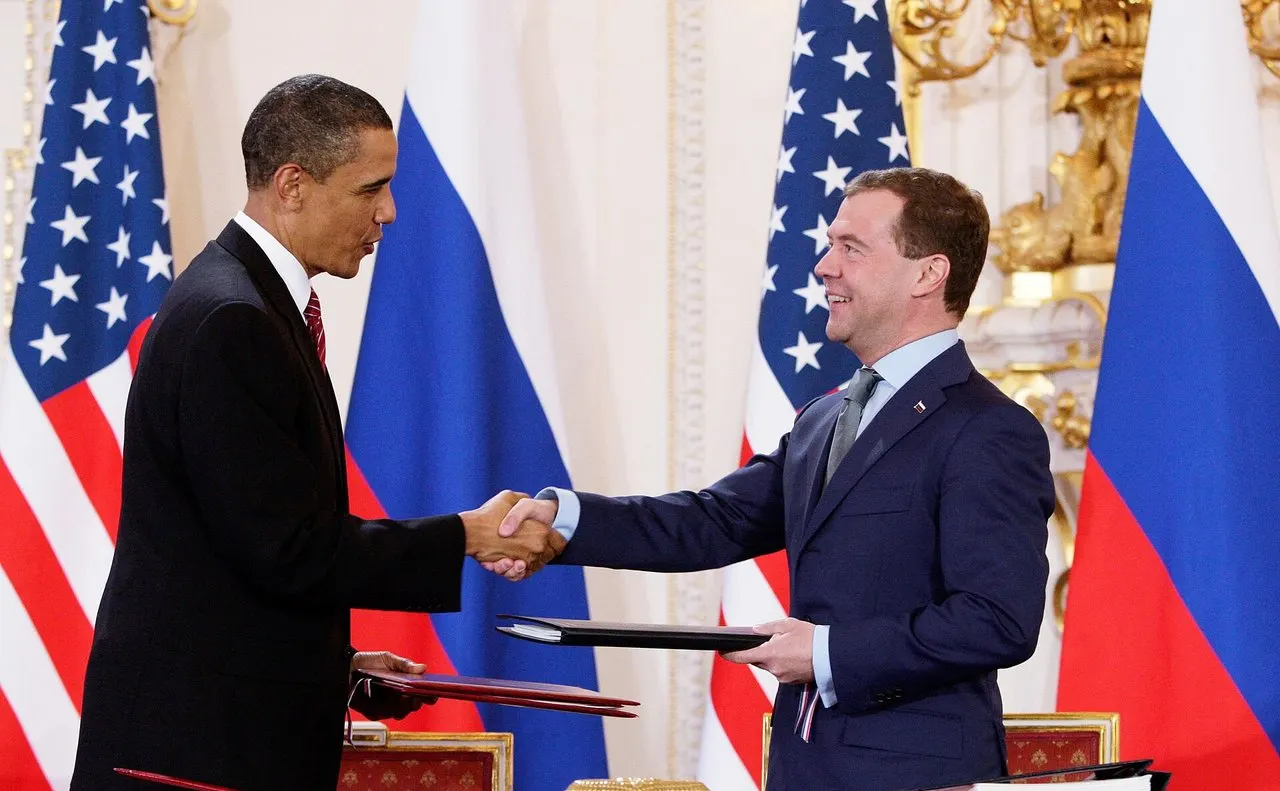
The meeting came months after the New START treaty expired in February, leaving the two largest arsenals without binding limits for the first time in decades. New START was signed in Prague in 2010 by President Barack Obama and President Dmitry Medvedev, and it capped each side at 1,550 deployed strategic warheads. Its expiry removed the last formal check on American and Russian arsenals. That gap is one reason this summit mattered so much. Read about the Alaska talks and the Russian foreign minister on peace talks for more context.
The Three Largest Arsenals
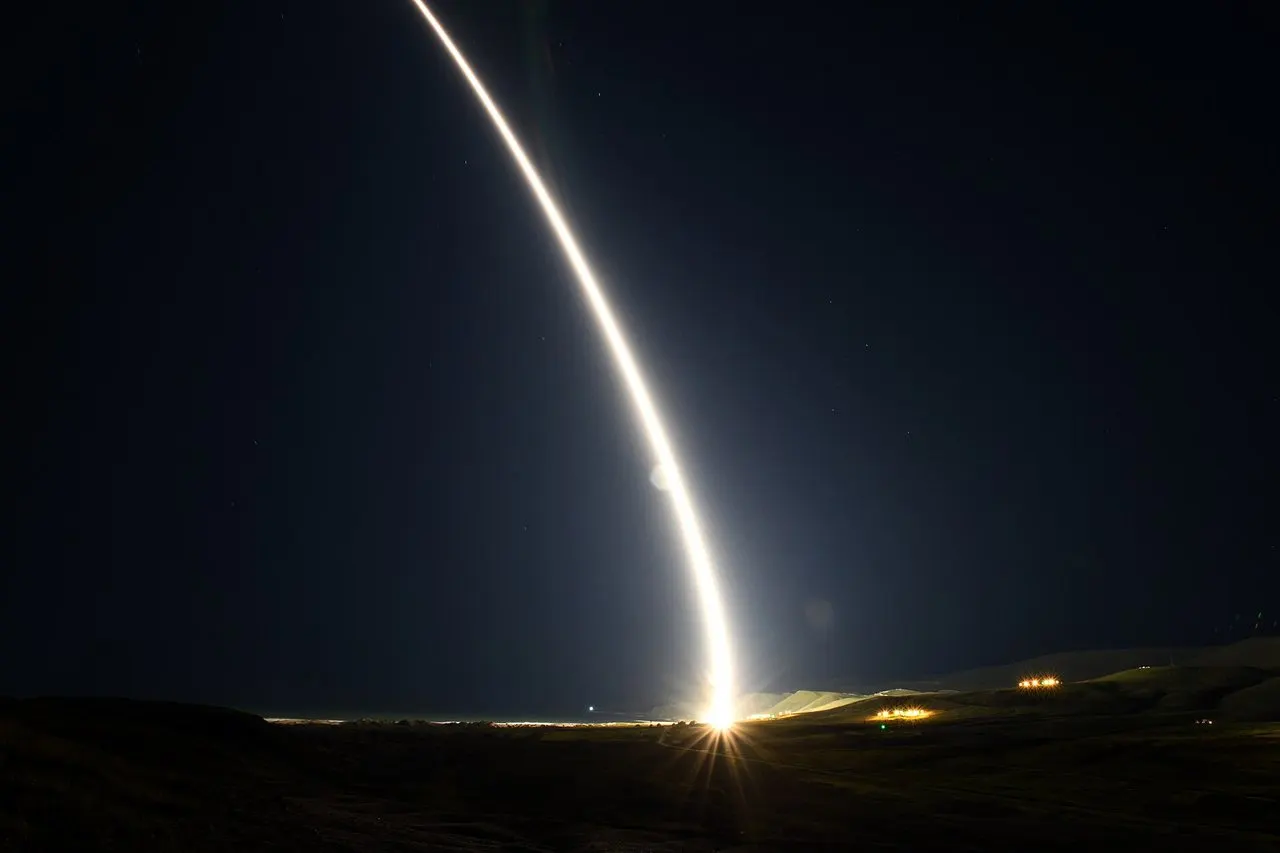
The United States and Russia hold by far the largest nuclear arsenals in the world, and China holds the third largest. Together, the three countries own nearly all of the nuclear weapons on Earth. That is why a meeting between just these three leaders can matter more than a larger gathering. Any real cut in numbers has to start with them. Experts have watched China build up its arsenal in recent years, which makes its voice in these talks more important than before. See aides wiping a room after a Putin meeting and the bill on self pardons for other stories.
CCTV Covered the Shenzhen Nuclear Summit
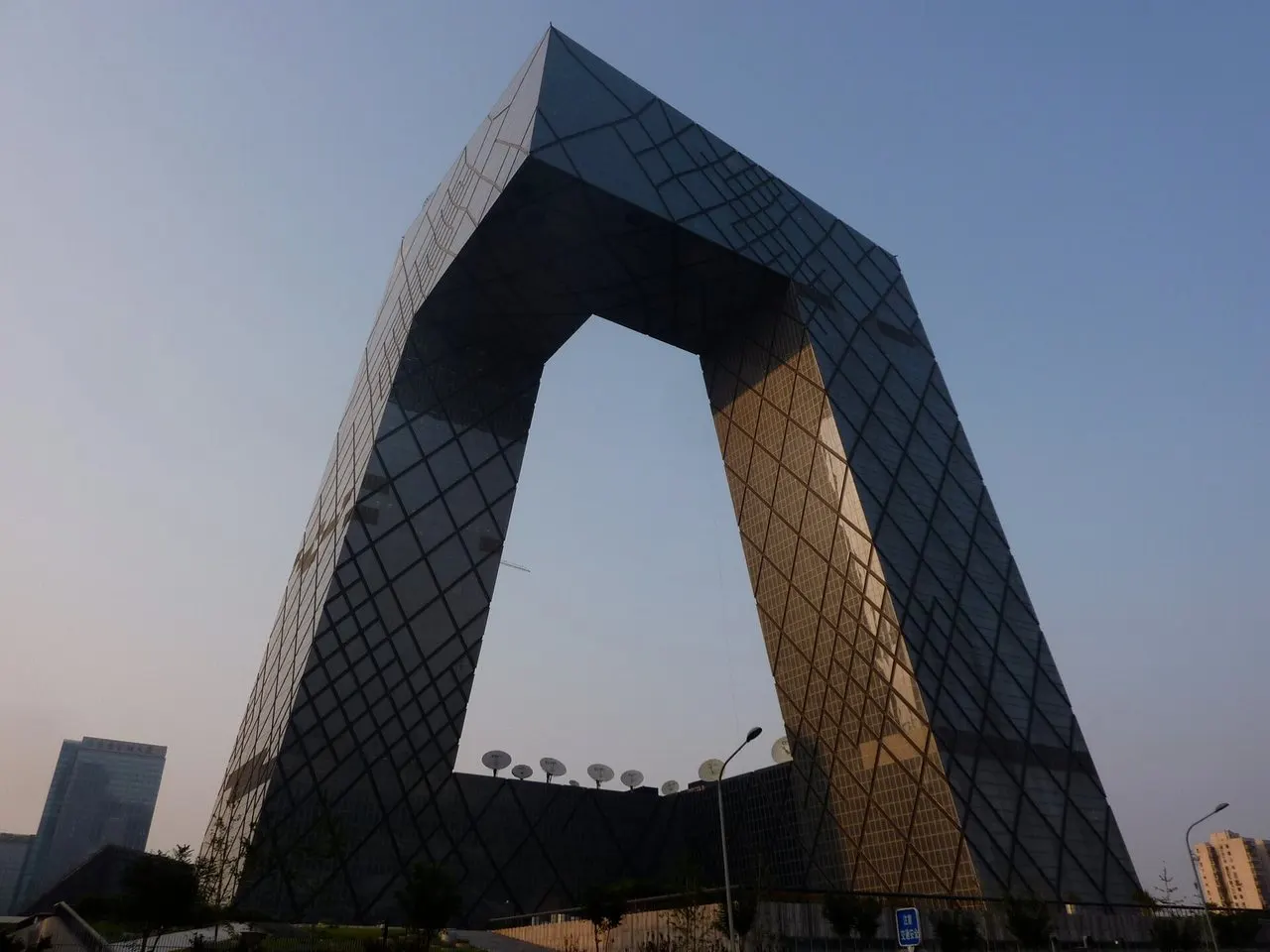
Chinese state broadcaster CCTV reported that Xi urged the creation of a world free of nuclear weapons. State media in China covered the meeting closely, and the message reached a huge audience at home. For Beijing, the summit was a chance to present China as a leader on one of the biggest questions in world affairs. The coverage stressed the call for disarmament and the joint declaration. How the message plays at home can shape what happens next. Read about the new Trump portrait in the West Wing and the Windsor state banquet for more on leaders in the news.
The White House Described the Talks
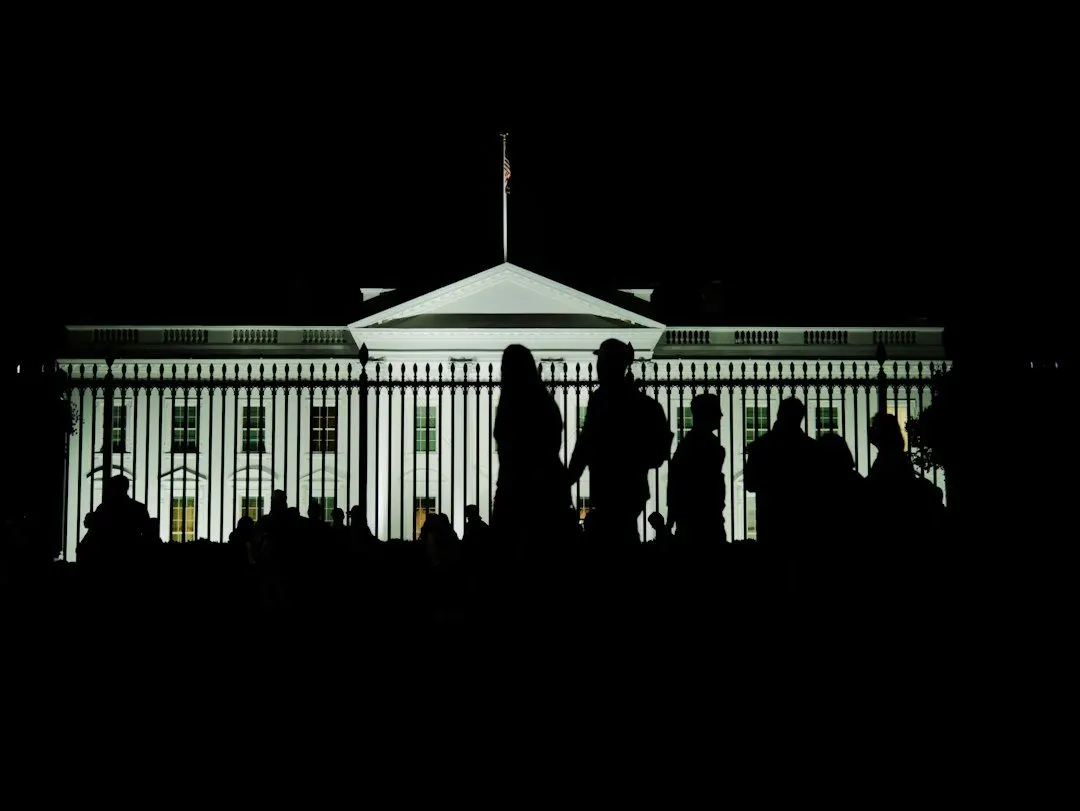
The White House said the three leaders agreed to hold talks on reducing nuclear risks and stopping the spread of nuclear weapons. That is a narrower promise than a deal, but it keeps the door open. American officials have long said that talks are the first step, and that real cuts take time and careful checks. The statement also showed that Washington sees value in keeping all three countries talking. No date was given for the next round. See the tariffs case before the Supreme Court and Bernie Sanders calling Trump corrupt for more from Washington.
Arms Control Has a Long History
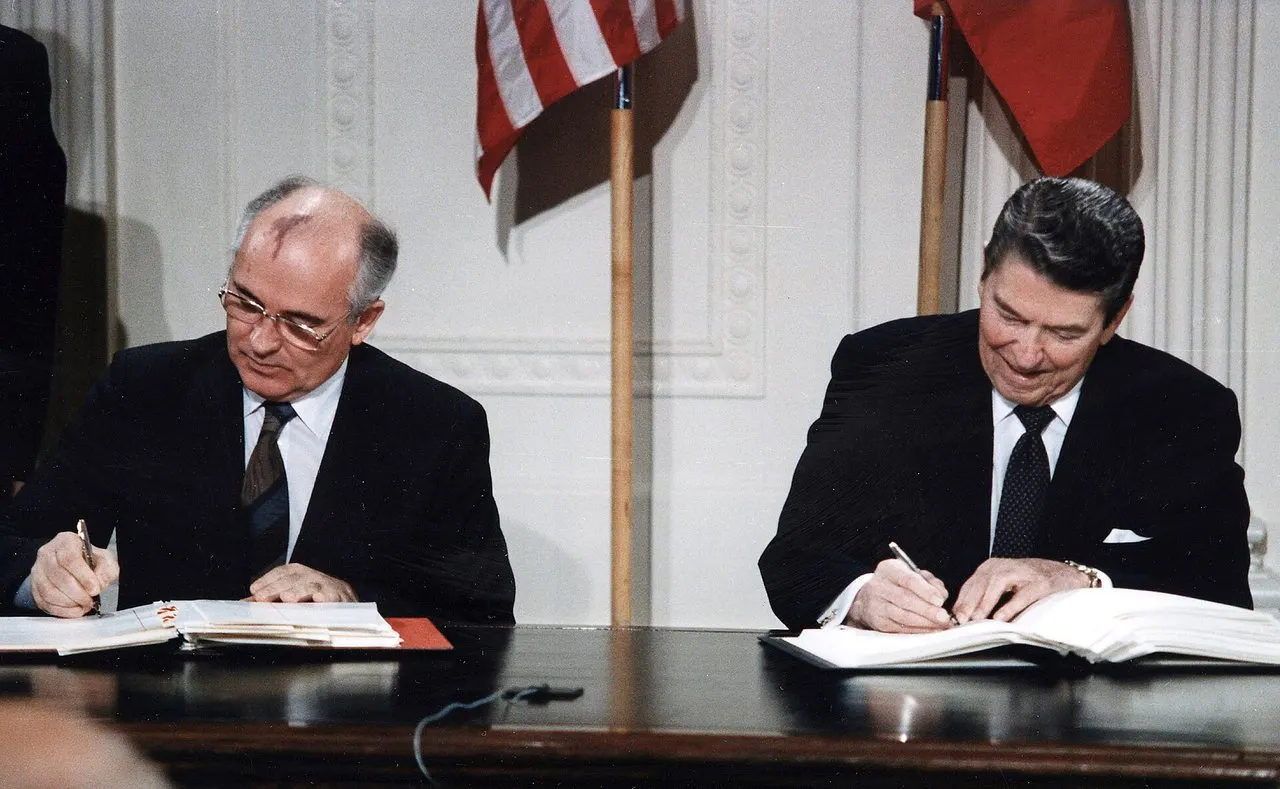
Big arms deals have taken years of patient work. In 1987, President Ronald Reagan and Soviet leader Mikhail Gorbachev signed a treaty that removed a whole class of missiles from Europe. That agreement showed that rivals can agree to cut weapons when the politics allow it. The history of arms control is full of slow talks, missed chances and sudden breakthroughs. The Shenzhen meeting fits into that longer story. Read about the historic Greenland agreement and ceasefire talks between Trump and Putin for more on recent diplomacy.
Shenzhen Hosted the Nuclear Summit

Shenzhen is a fast growing city in Guangdong province, close to Hong Kong, and it is known around the world for electronics and trade. Hosting the Shenzhen nuclear summit put the city at the center of world news for a few days. The choice of Shenzhen also showed how China uses its modern cities to host major diplomacy. Leaders arrived, cameras followed, and the city carried on around them. Read about Boeing jets in the Philippines deal and Lavrov questioned the plan for more on the region.
The Meeting Came During the APEC Summit
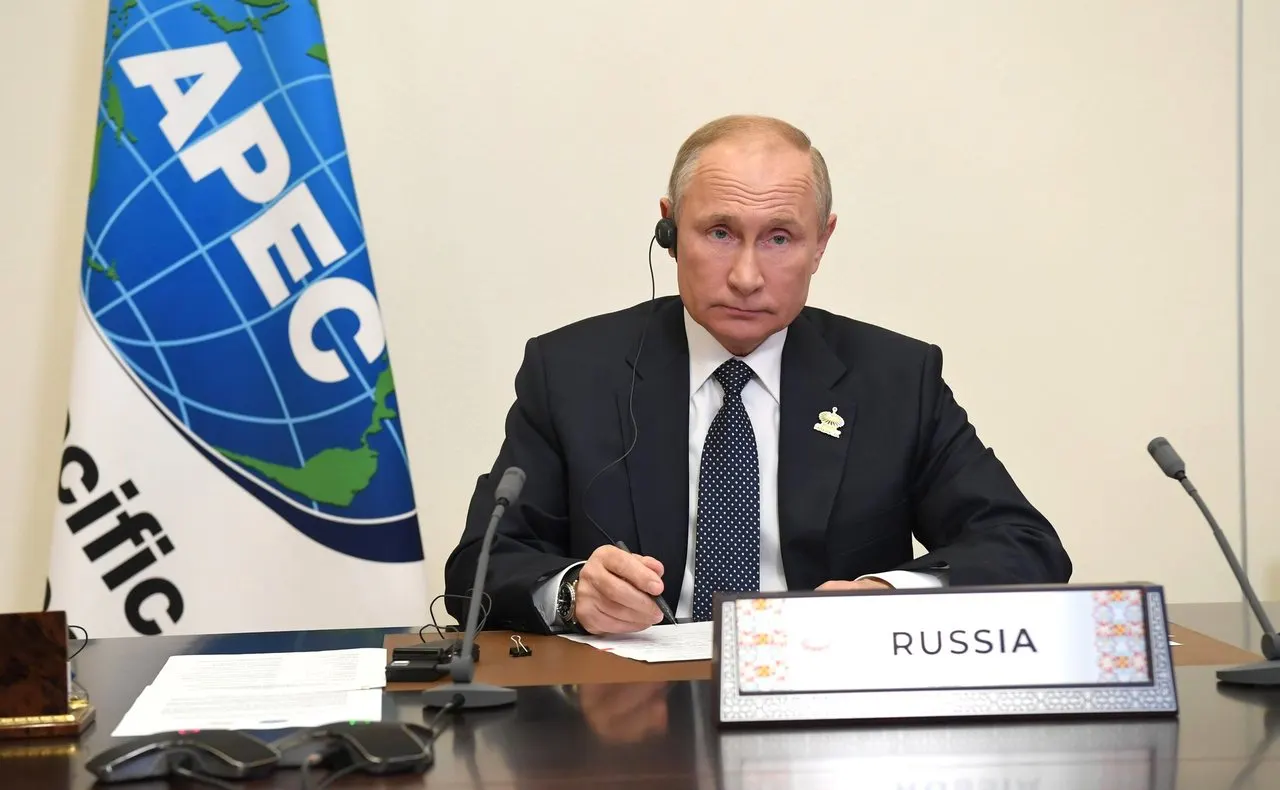
The three leaders were in Shenzhen for a wider gathering of Pacific leaders, which brought many heads of government to the same city. The APEC summit gave them a natural reason to meet on the sidelines. Group photos and shared meals filled the schedule, but the three way meeting was the one that drew the most attention. Side meetings at big summits often matter as much as the main event. Read about reporters covering the Alaska summit and the fight over presidential pardons for more on summit season.
Deterrence and Defense Still Shape Policy
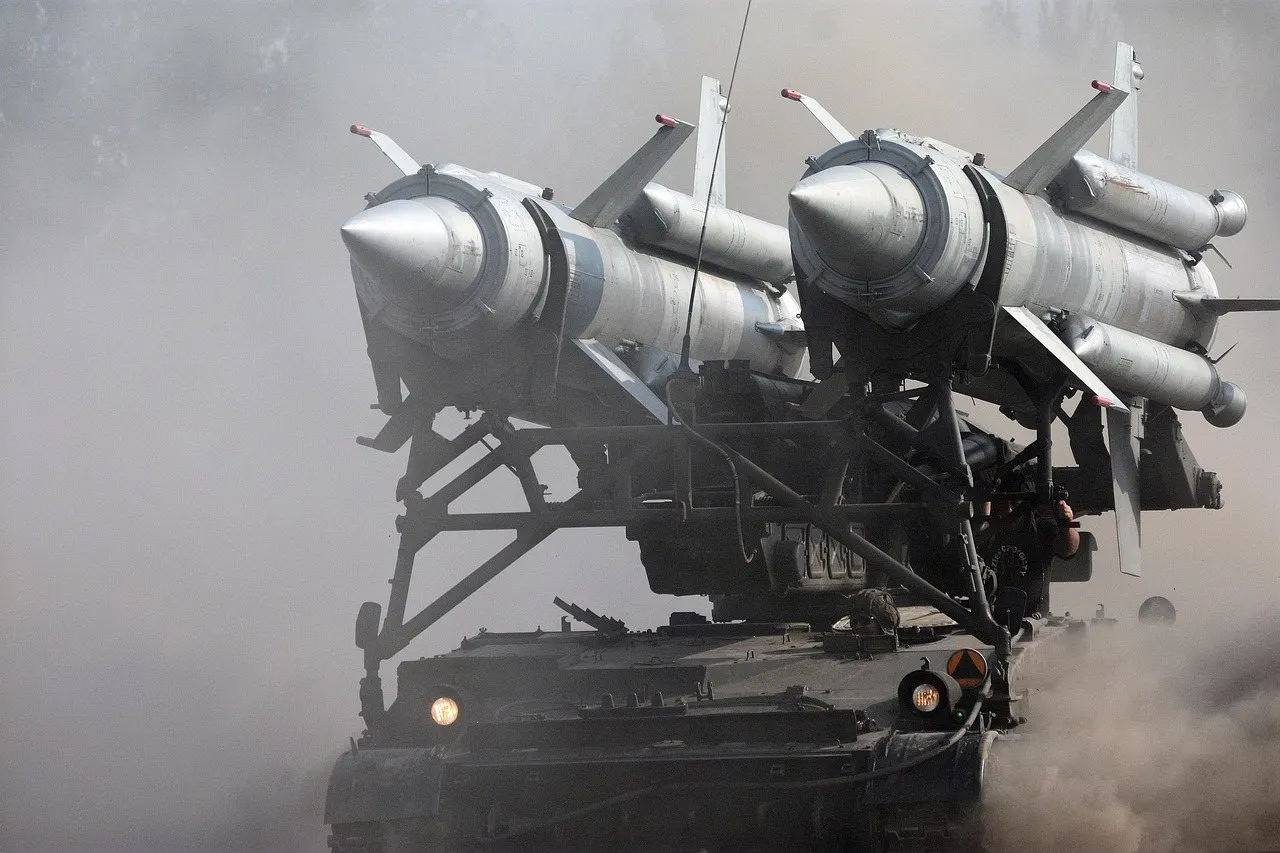
Nuclear weapons are kept as a deterrent, which means each country holds them in part to stop others from using theirs. That logic has shaped defense policy for decades, and it is why talks about cuts are so hard. No leader wants to give up a weapon that others still hold. Missile defense systems add another layer, since they can change how each side counts the balance. Any deal must deal with these fears honestly. See the strange DNA cleanup story and the White House portrait unveiling for more stories.
Earlier Talks Before the Shenzhen Nuclear Summit
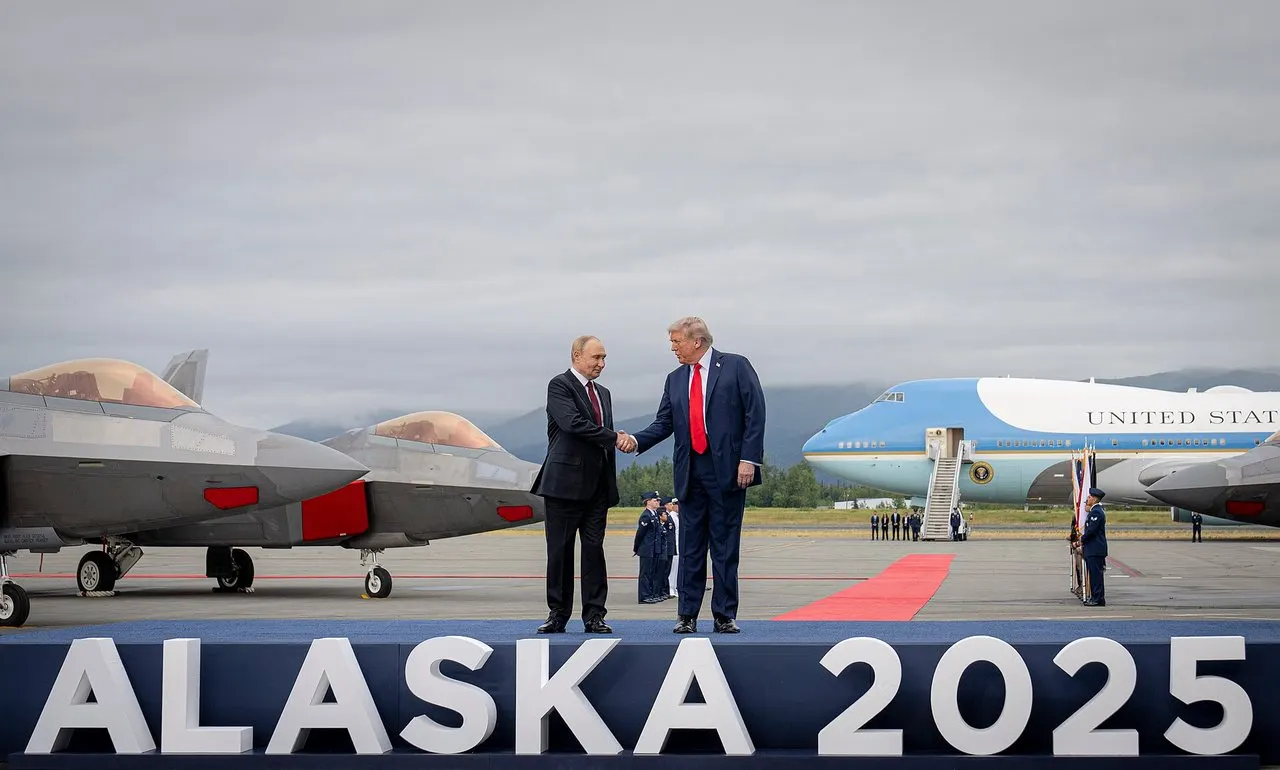
Trump and Putin met in Alaska in August, where they talked about Ukraine and other issues. That meeting ended without a deal on Ukraine, but it showed that the two leaders were willing to sit down face to face. The Alaska talks set a pattern of direct meetings that the Shenzhen summit continued. Each meeting adds a little to the relationship, even when no agreement is signed. Read about Democrats and the self pardon bill and King Charles hosting Trump for more on Trump this year.
What Happens Next at the United Nations
The next step is talks between officials, and the United Nations is one place where those talks can happen. The UN has long been a forum for disarmament, and its agencies watch over nuclear programs around the world. Any agreement will need checks that all sides can trust. The leaders did not announce a date for the next round, so the world will watch for signs of movement in the weeks ahead. See the Butler painting shown to leaders and the court fight over tariffs for more from the capital.
Stopping the Spread Matters to Everyone
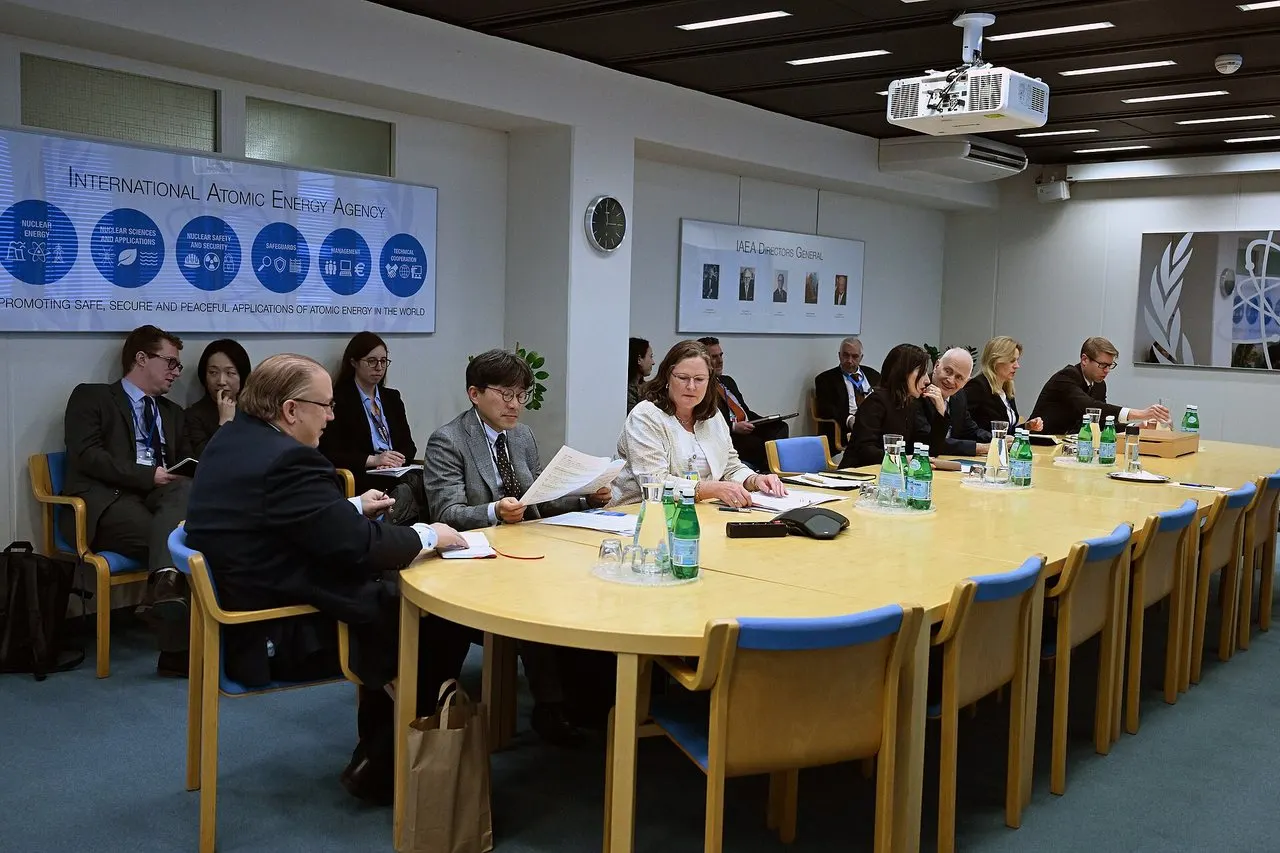
Beyond the three big arsenals, the world worries about the spread of nuclear weapons to more countries. The International Atomic Energy Agency watches over nuclear programs and checks that civilian programs stay peaceful. Its work matters because every new nuclear power adds risk. The Shenzhen leaders agreed to talk about stopping the spread, which is a goal that almost every country shares. Progress here would help everyone. Read about the royal dinner in Windsor and the Sanders criticism of Trump for more on the week in politics.
What Should Follow the Shenzhen Nuclear Summit

The Shenzhen nuclear summit ended with words, not a deal. The leaders agreed that a nuclear conflict cannot be won and must never be fought, and they promised to keep talking about risks and the spread of weapons. Whether those words turn into real cuts is the question that now hangs over the meeting. History will judge it by what happens next, not by what was said in the room. What do you think should happen next? Should the three countries move fast to cut numbers, or take it slow? Share your thoughts in the comments and read the appeals court ruling on tariffs and Sanders on the most corrupt president claim for more.