Indigenous Women Leaders Just Made History in the 2026 Midterms
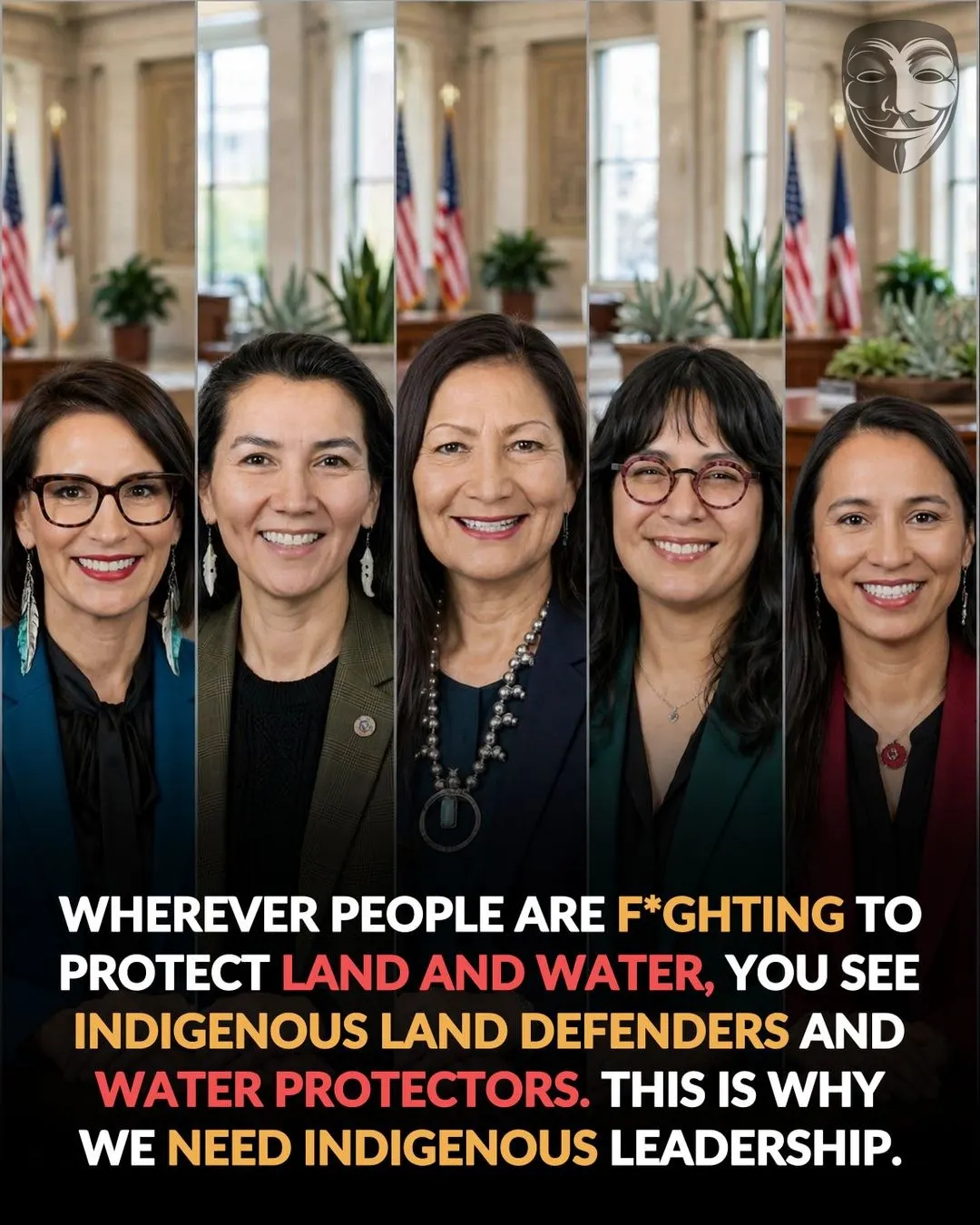
Indigenous women leaders just made history in the 2026 midterm elections, and five of them will now serve together at the highest levels of American government. Deb Haaland, a citizen of Laguna Pueblo, won the race for governor in New Mexico and will become the first Native American woman to lead a state. In Minnesota, Peggy Flanagan won a seat in the United States Senate, and in Alaska, Mary Peltola won one too, making them the first Native women ever elected to the Senate.
In New York, Claire Valdez, a citizen of Ysleta del Sur Pueblo, won her race for the House and became the first Native American elected to Congress from New York. Sharice Davids, a citizen of the Ho-Chunk Nation, won reelection in Kansas, so the five are now set to serve together. In the slides ahead, we meet each of these women and look at what their wins mean. For more on how Americans view their leaders, read our report on the most admired president and our story on a possible 2028 run.
References:
Associated Press: Midterms Bring In Wave Of Historic Firsts For Some States And For The Nation
Tribal Nations Policy Institute: 2026 Elections Mark Historic Milestones For Indigenous Representation
Native News Online: New York Elects Its First Native American Woman To Congress
The Circle News: Native Women Make History In 2026 Midterm Elections
Deb Haaland Becomes the First Native Woman to Lead a State
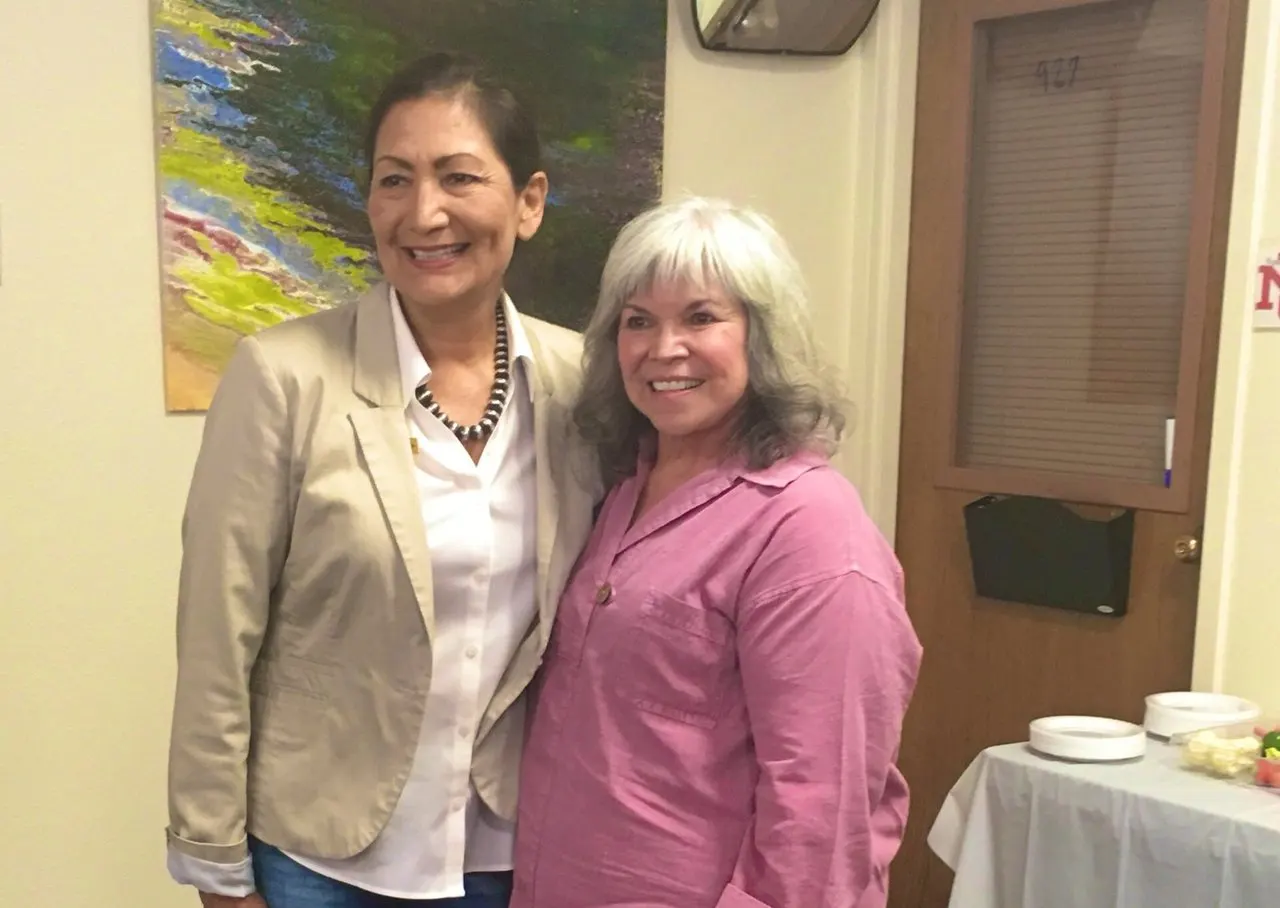
Deb Haaland, a citizen of Laguna Pueblo, won the race for governor in New Mexico and will become the first Native American woman to lead a state. No Native woman has ever served as a governor before. Haaland has spent years in public service, and voters in New Mexico chose her to lead the state at a time when many people are watching how states protect land and water. Read about a senator who calls the president the most corrupt in history and a governor who sued over an attempt to remove her.
Peggy Flanagan Wins a Seat in the US Senate
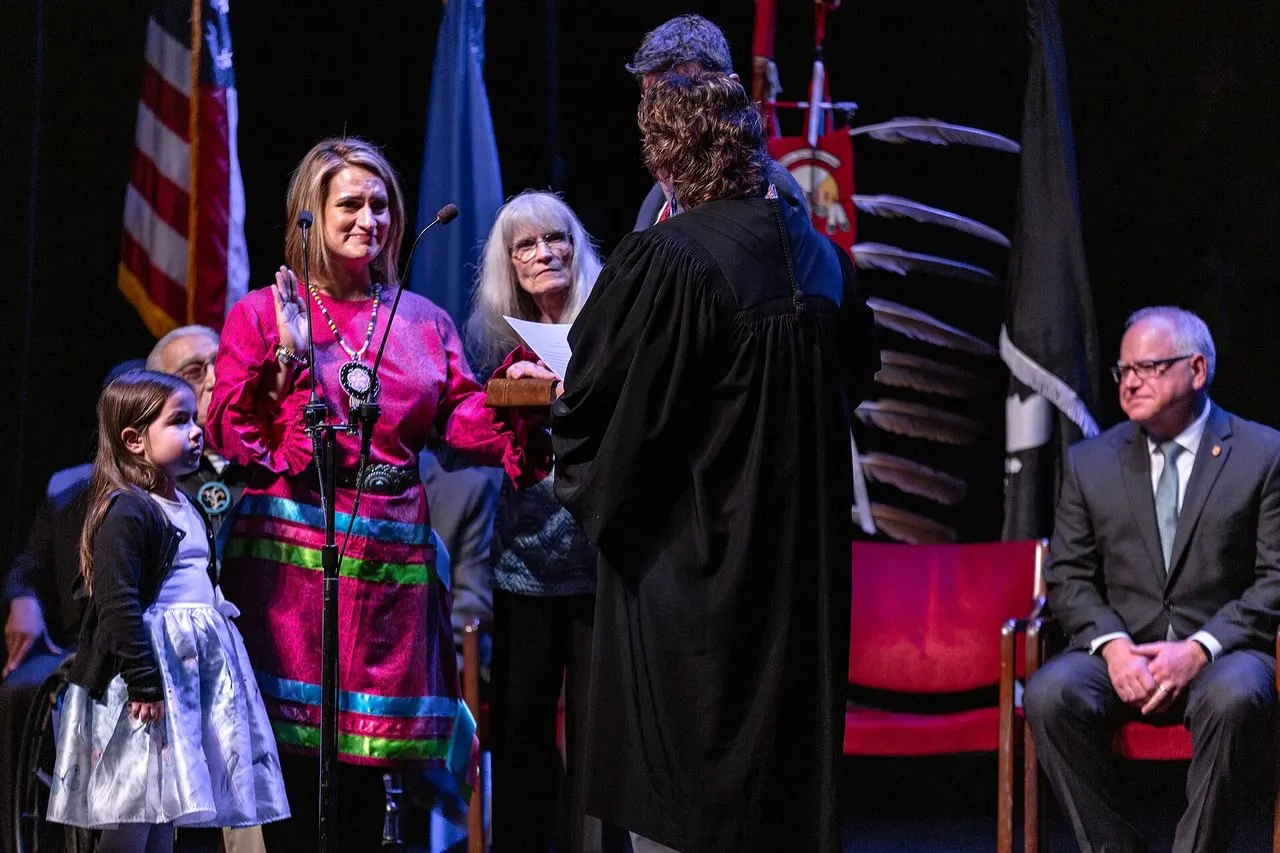
Peggy Flanagan won a seat in the United States Senate from Minnesota, and she is one of the first Native women ever elected to the Senate. The Senate is the chamber where each state has two voices, and Flanagan will now be one of the two voices for Minnesota. Voters across the state chose her to carry their hopes to Washington, and her win shows how far Native leadership has come. Learn what it would take to remove a president from office and how a New York mayoral hopeful challenged his rival to a debate.
Mary Peltola Wins a Senate Seat in Alaska
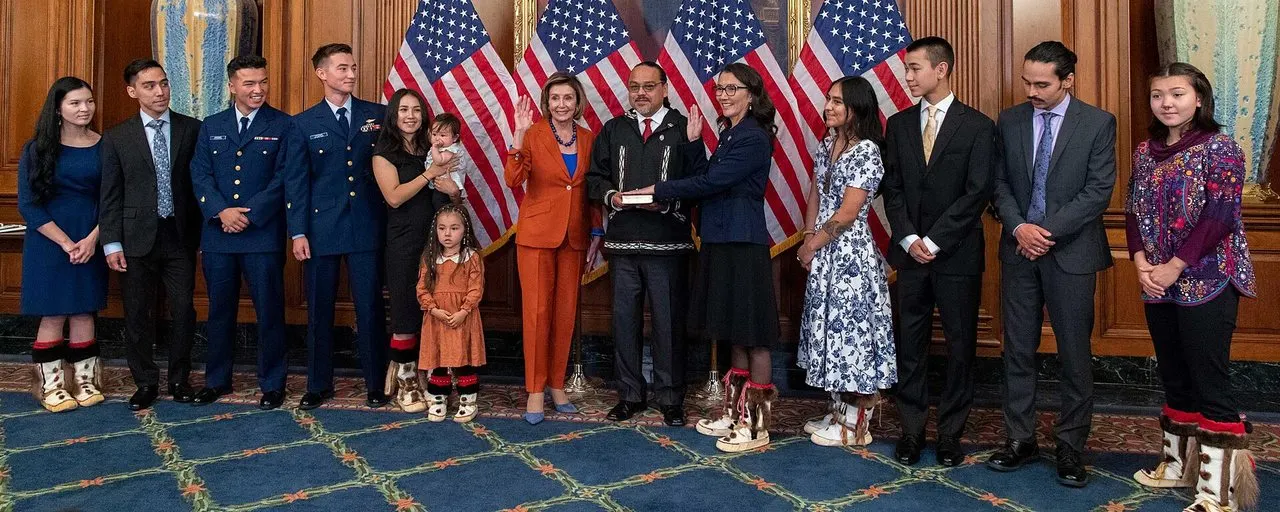
Mary Peltola won a seat in the United States Senate from Alaska, joining Peggy Flanagan as one of the first Native women ever elected to the Senate. Alaska is home to many Native peoples, and Peltola has long spoken up for the villages and towns across the vast state. Her win gives Alaska a senator who knows its rivers, its coasts and its communities from the inside. Read about talks held in Alaska between world leaders and a deal worth billions brought home from abroad.
Claire Valdez Wins a House Seat in New York
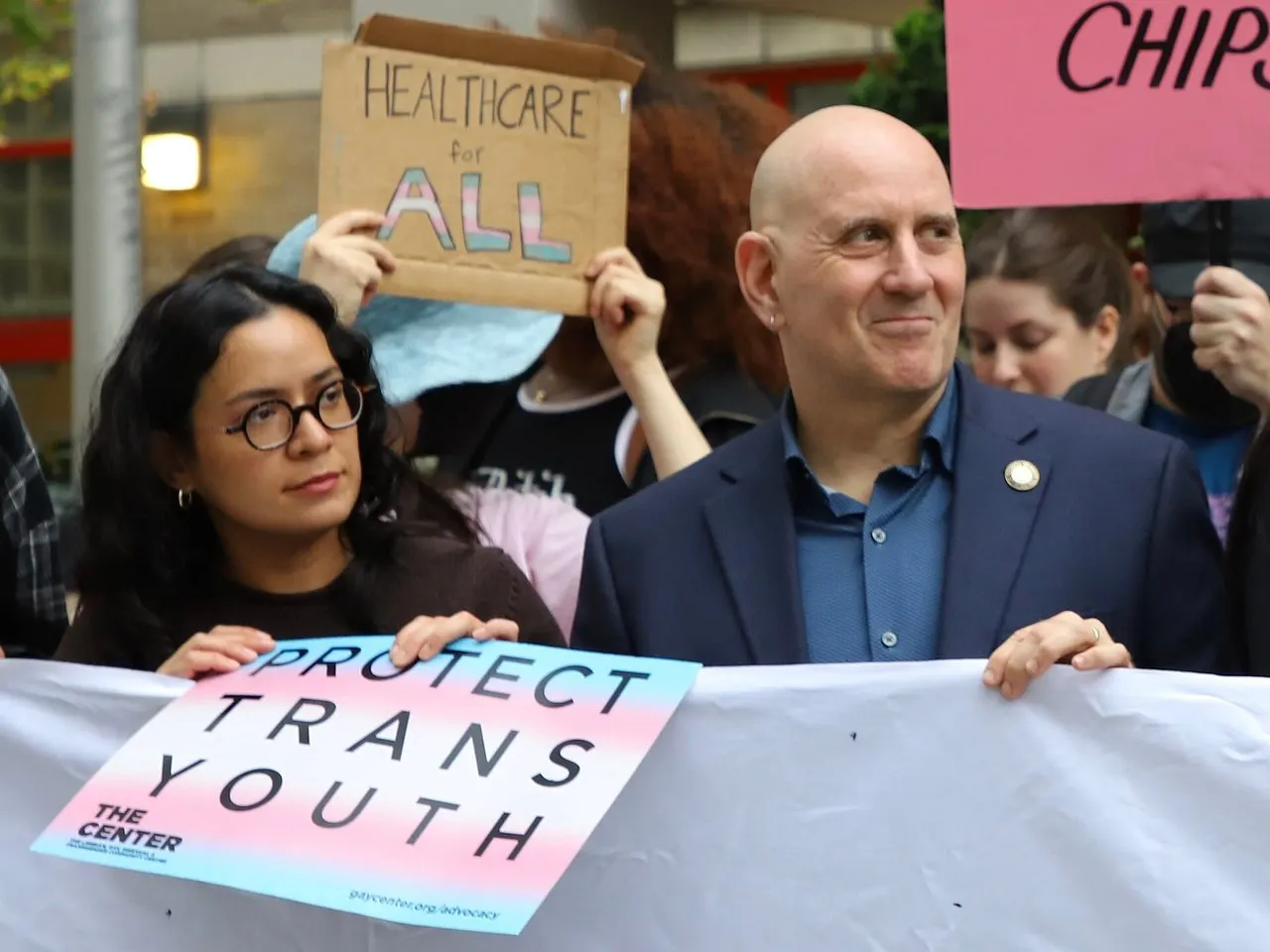
Claire Valdez, a citizen of Ysleta del Sur Pueblo, won her race for the House and became the first Native American elected to Congress from New York. The House is the chamber closest to the people, with members who answer to smaller districts, and Valdez will speak for her part of New York City. Her win adds a new voice from a community that has waited to see itself in Congress. See how a New York mayoral hopeful challenged his rival to a debate and a bill that would let detained citizens sue for damages.
Sharice Davids Wins Reelection in Kansas
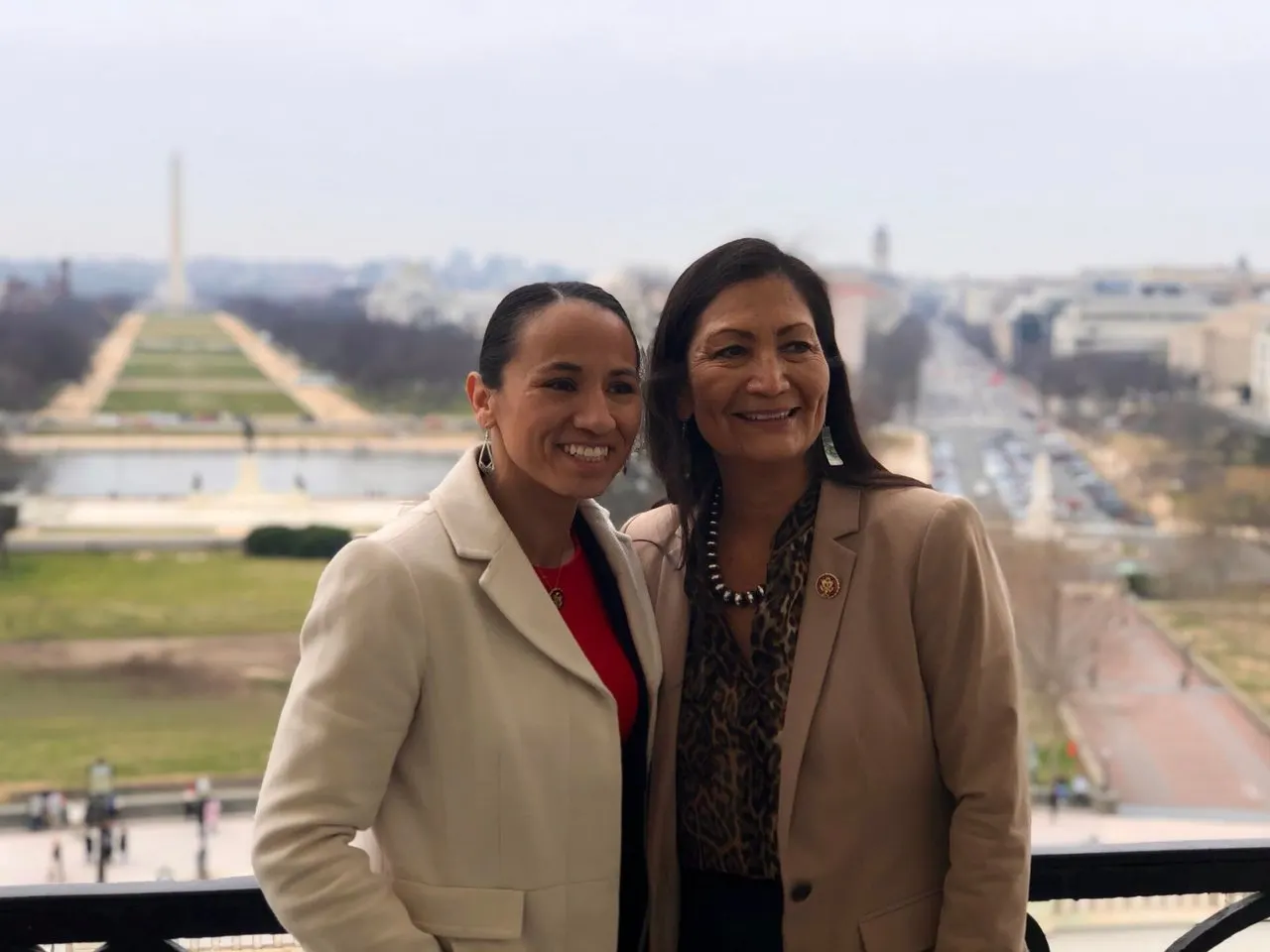
Sharice Davids, a citizen of the Ho-Chunk Nation, won reelection in Kansas and will keep her seat in the House. Voters in her district chose her again, which says a lot about the trust she has built since she first won the seat. Davids is one of the best known Native leaders in Congress, and her return means the group of five will have an experienced voice among them. Read our story on a possible 2028 run for president and a heated Senate hearing on public health.
Five Indigenous Women Leaders Will Serve Together
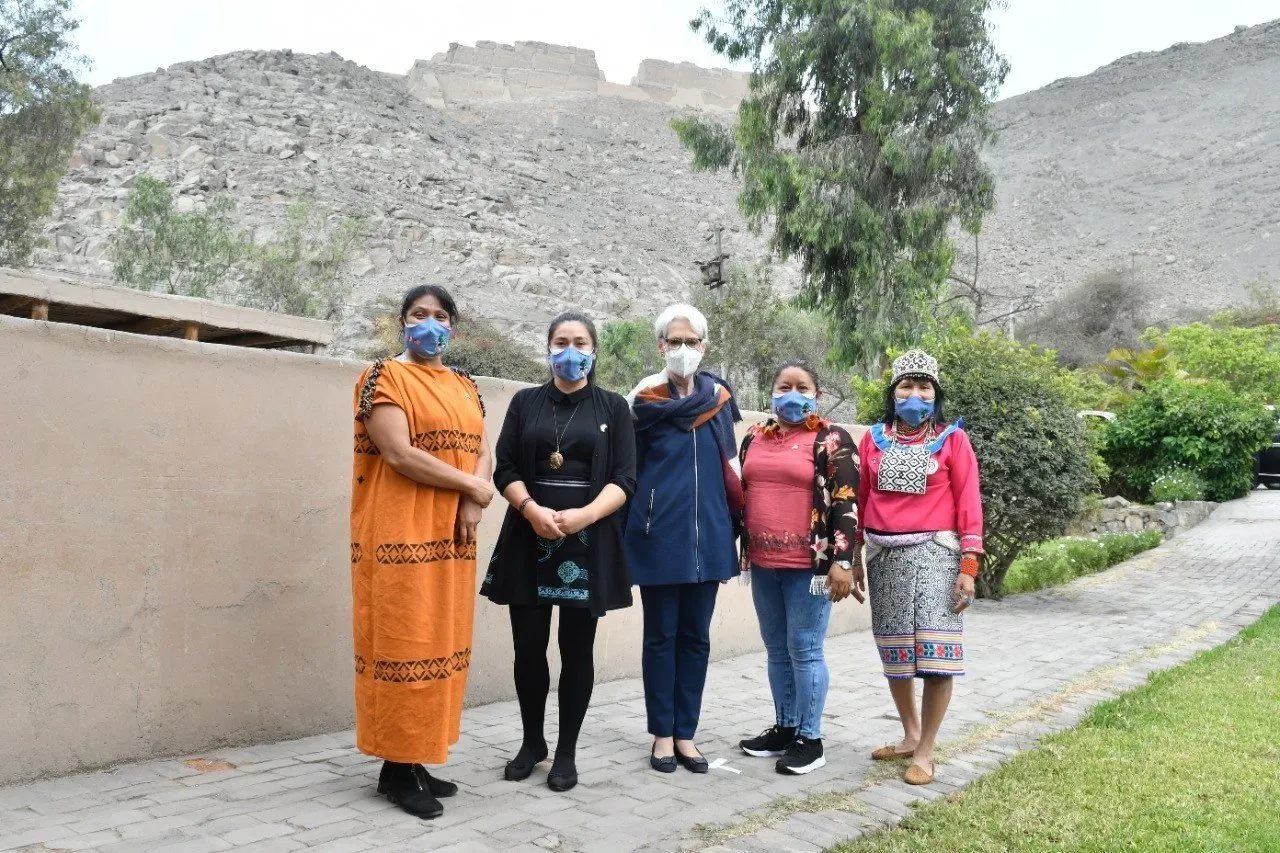
For the first time, five Indigenous women will serve together at the highest levels of American government, and that is what makes this election so special. One will lead a state, two will sit in the Senate and two will serve in the House, so their voices will reach every part of the federal government. These Indigenous women leaders come from different nations and different states, yet they share a common story of service. Read our report on the most admired president and a bill that would stop a president from pardoning himself.
Indigenous Women Leaders Protect Land and Water
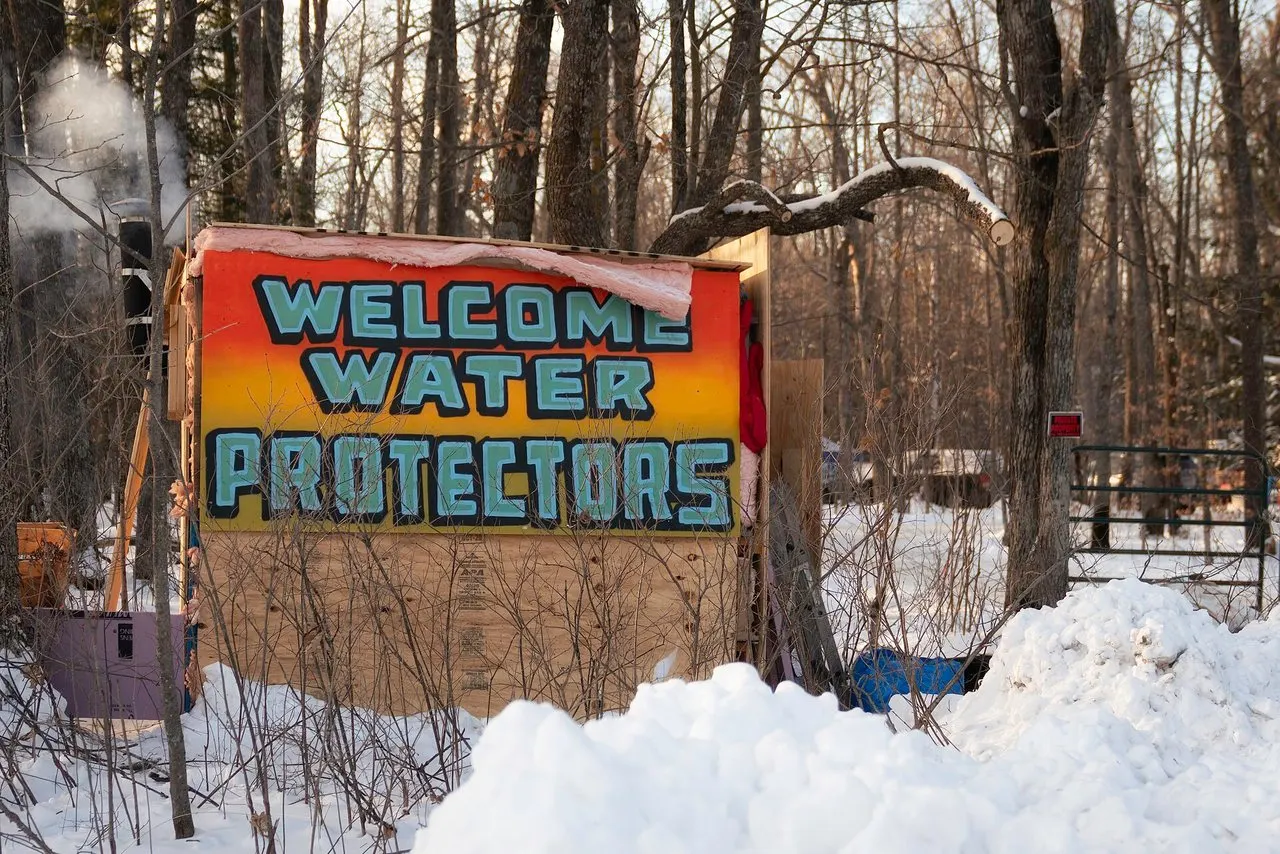
The post that started this story carries a simple message. Wherever people are fighting to protect land and water, you see Indigenous land defenders and water protectors, and that is why we need Indigenous leadership. Water protectors are people who stand up for rivers, lakes and drinking water when those waters are at risk. They march, they speak at hearings and they watch over the land. Read about a star who is helping build homes for women in need and an idea for an app where strangers pay the bills of others.
Laguna Pueblo Is Home to Deb Haaland
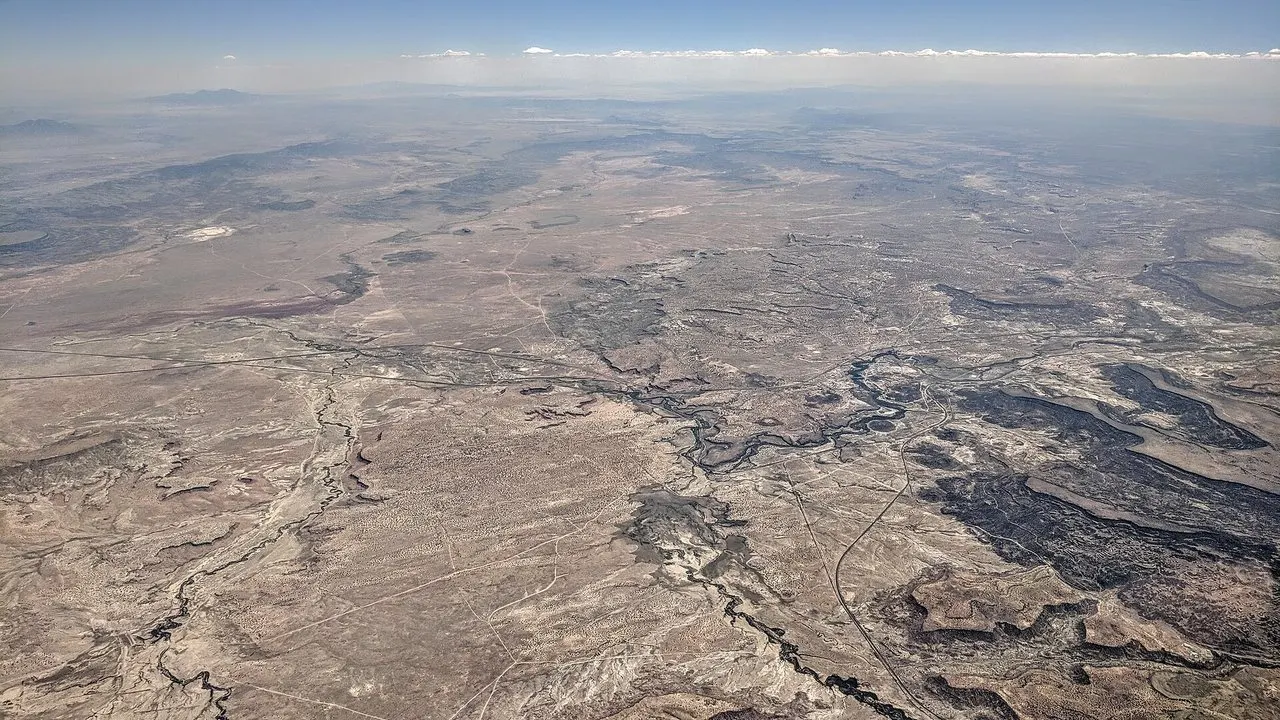
Deb Haaland is a citizen of Laguna Pueblo, a tribal community in New Mexico with a long history on its desert land. A pueblo is a community with deep roots in the Southwest, where families have lived for many generations and kept their traditions alive. Haaland carries that heritage with her into the governor’s office, and it shapes how she thinks about land, water and the people who depend on them. See a star who came back to country music in a big way and a new call for prayer ahead of a national anniversary.
Minnesota Sends a New Voice to the Senate
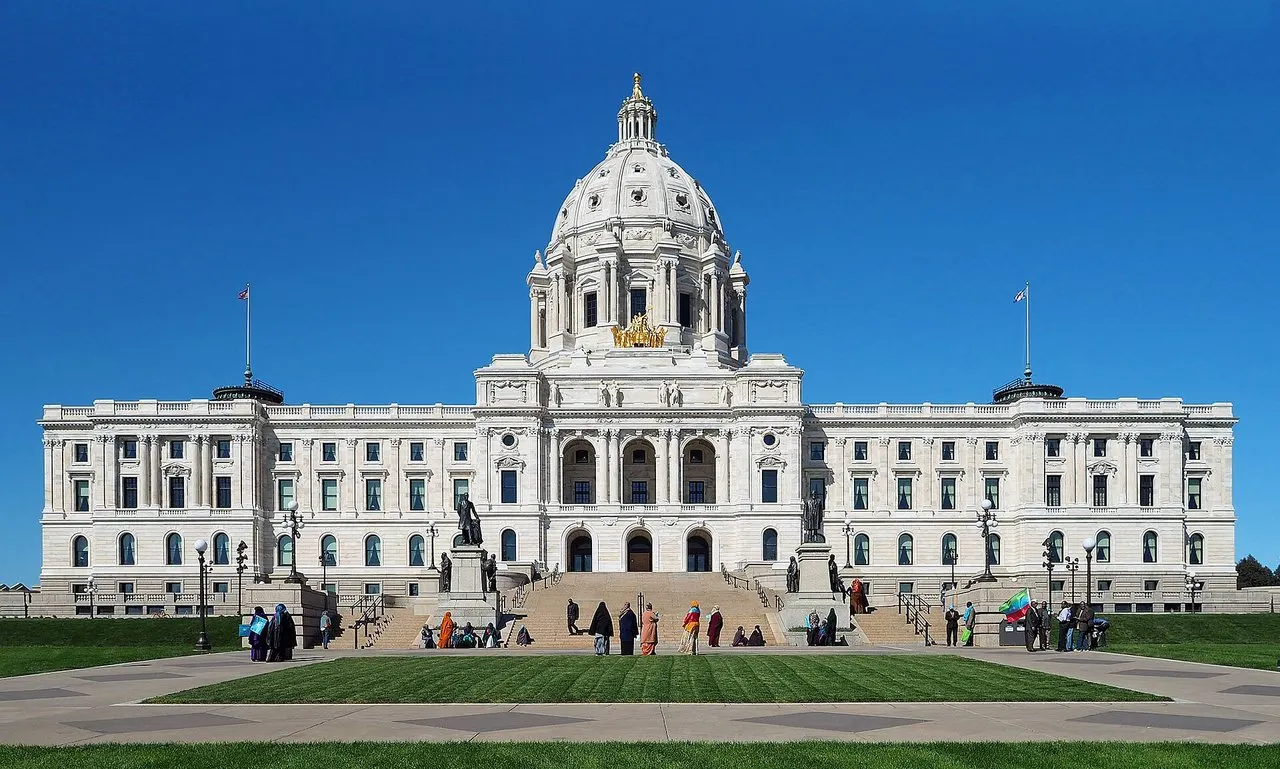
Minnesota is the state that sent Peggy Flanagan to the Senate, and its capitol in St. Paul has seen many firsts over the years. The state is home to eleven tribal nations, and Native people have shaped its history from the days of the fur trade to the present. Flanagan served as lieutenant governor before she won her Senate seat, so she knows the state government from the inside. Learn how a president could be removed from office and how a Fed governor fought an attempt to remove her.
Alaska Sends Mary Peltola Back to Washington
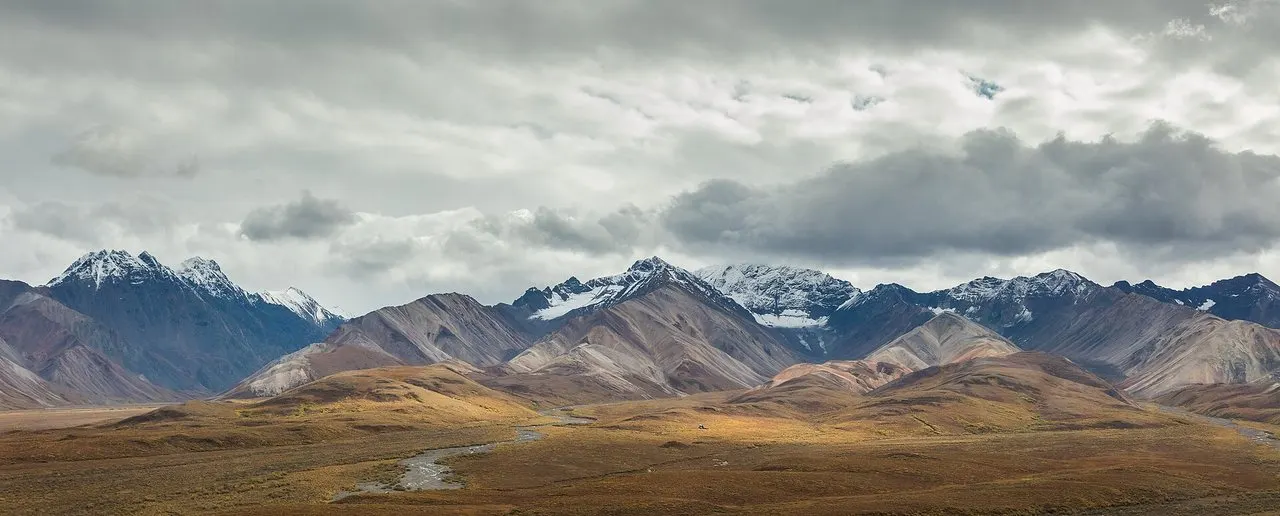
Alaska is a state of huge distances, tall mountains and long winters, and Mary Peltola knows it well. Denali, the tallest peak in North America, rises above the land she will now represent in the Senate. Peltola has worked for Alaska for years, and voters trusted her to carry the needs of its villages and towns to Washington. Read about talks held in Alaska between world leaders and a bill that would let detained citizens sue for damages.
Ysleta del Sur Pueblo Celebrates Claire Valdez
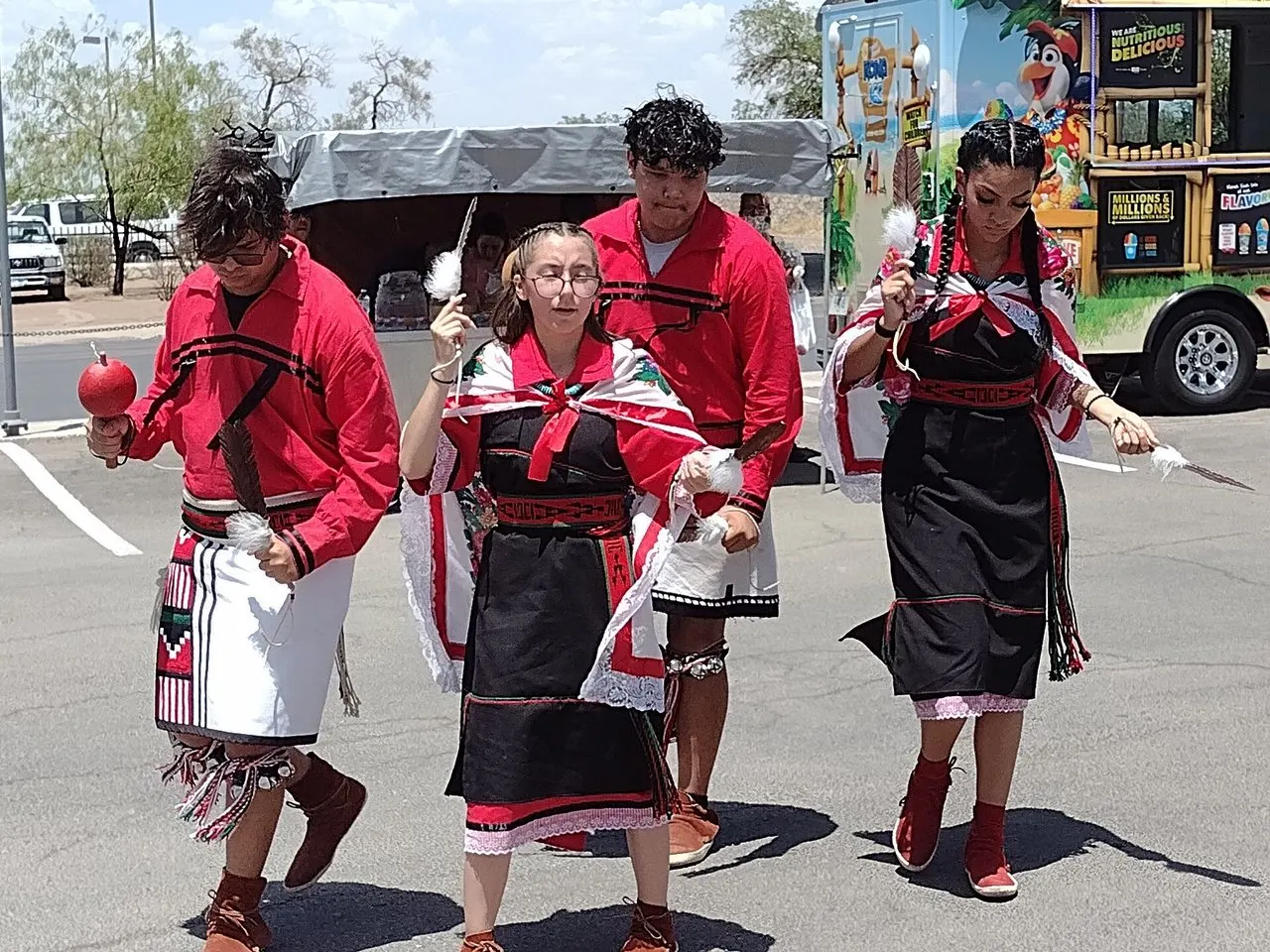
Claire Valdez is a citizen of Ysleta del Sur Pueblo, also known as the Tigua people, a community with deep roots near El Paso, Texas. The Tigua are known for their dances, their art and their strong sense of community, and their traditions have been passed down through many generations. Valdez carries that heritage into Congress, where she will be the first Native American from New York to serve. See a bill that would let detained citizens sue for damages and a star who is helping build homes for women in need.
The Ho-Chunk Nation Cheers Sharice Davids
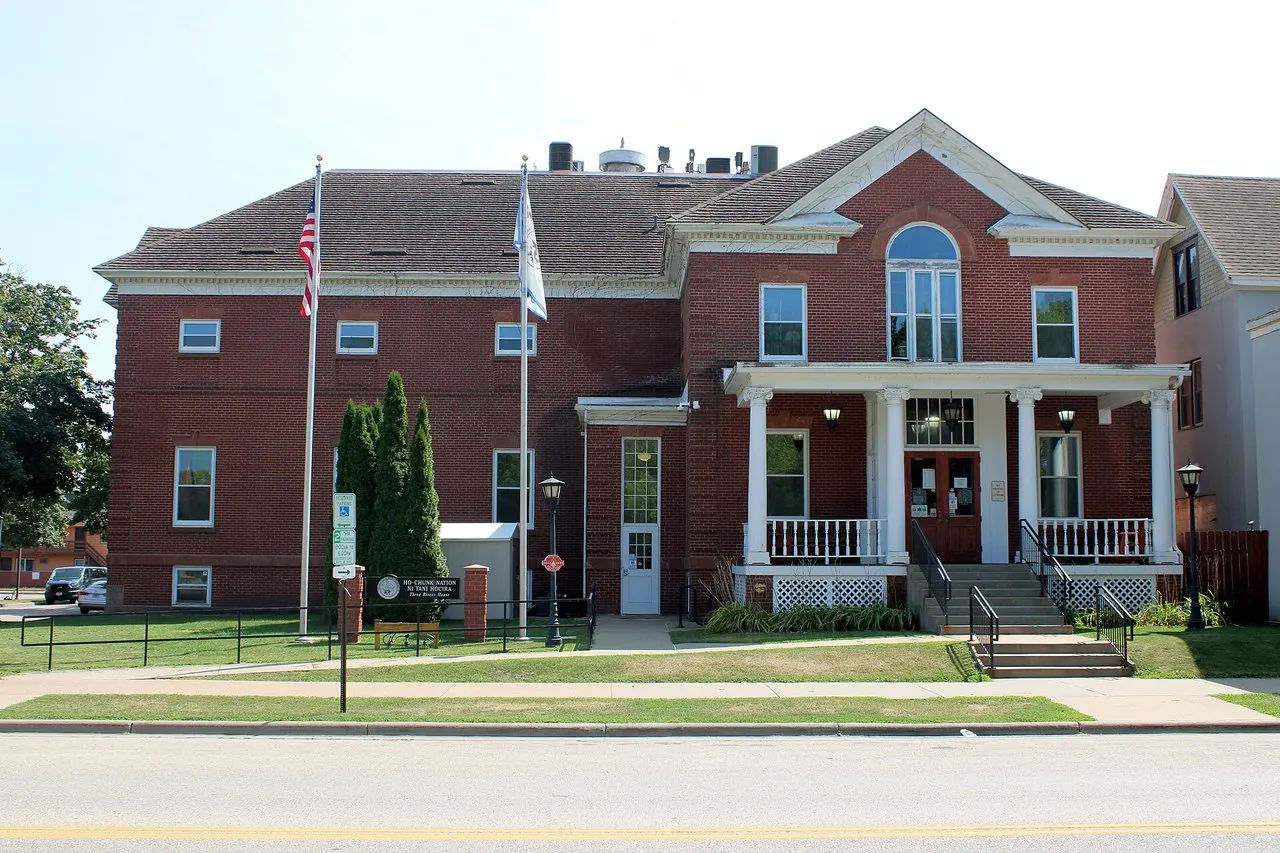
Sharice Davids is a citizen of the Ho-Chunk Nation, a people with a long history in Wisconsin and the Great Lakes region. The Ho-Chunk have kept their language and traditions alive through hard times, and their community takes pride in seeing one of their own serve in Congress. Davids has said her heritage guides her work, and voters in Kansas agreed by sending her back for another term. Read about a call for the release of secret files and a huge trade and jobs deal from abroad.
Indigenous Women Leaders Speak for Land and Water
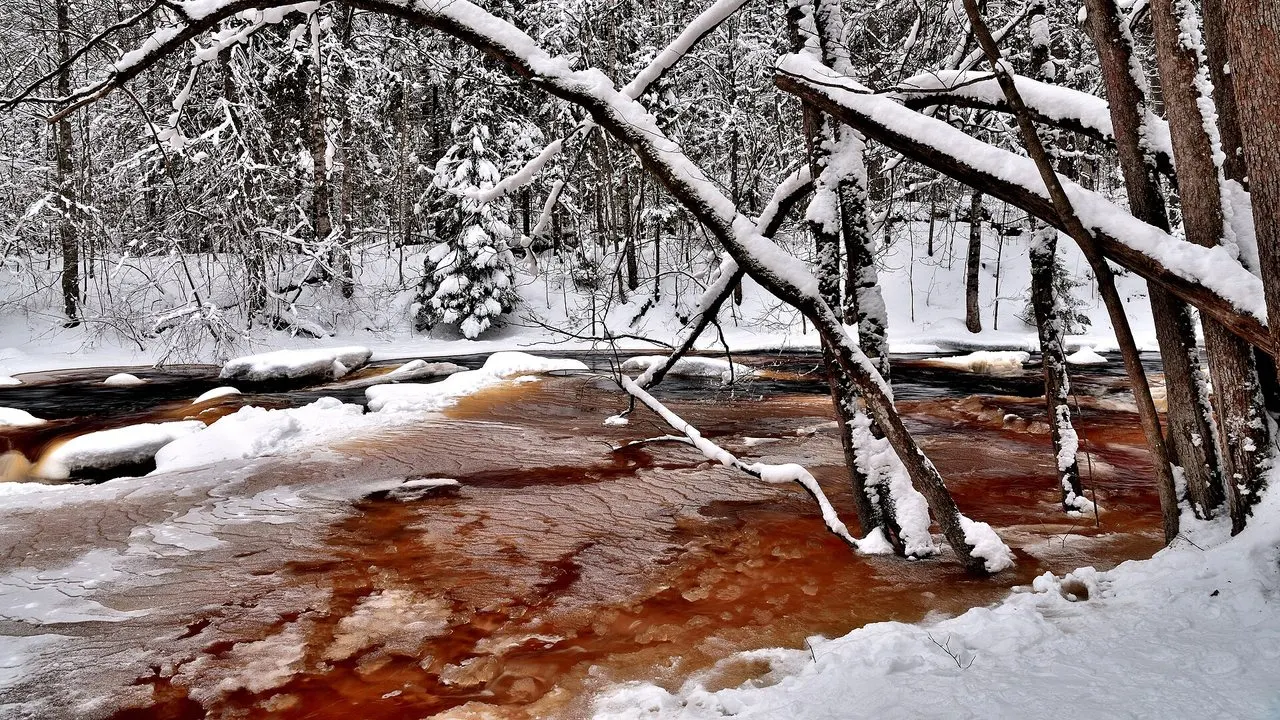
Land and water are at the heart of this story, because Indigenous communities have protected them for generations. Rivers give drinking water to towns and cities, forests clean the air, and healthy land feeds families. When a pipeline, a mine or a dam threatens those gifts, land defenders and water protectors speak up first. Their work is not about politics alone. It is about keeping the places people love safe for the children who come next. Learn a heated Senate hearing on public health and an idea for an app where strangers pay the bills of others.
Indigenous Women Leaders Rode a Wave of Firsts
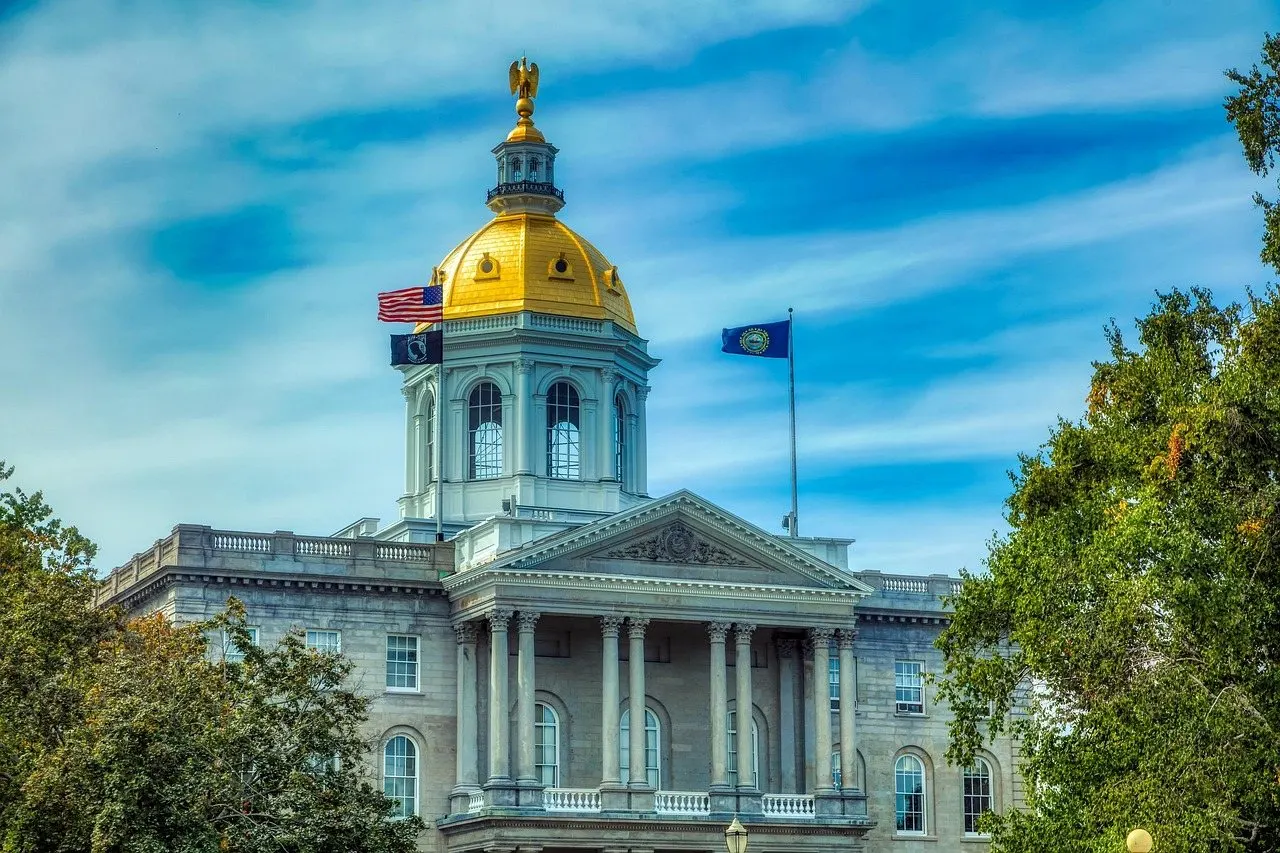
The 2026 midterms brought a wave of historic firsts for states and for the nation, and these five wins are part of that wave. Voters across the country chose leaders who look more like the people they serve, and that change showed up in races from coast to coast. Firsts matter because they show young people what is possible when they dream big. Read about a new bill on presidential pardons and the long road to removing a president.
Indigenous Women Leaders Open Doors for the Next Generation
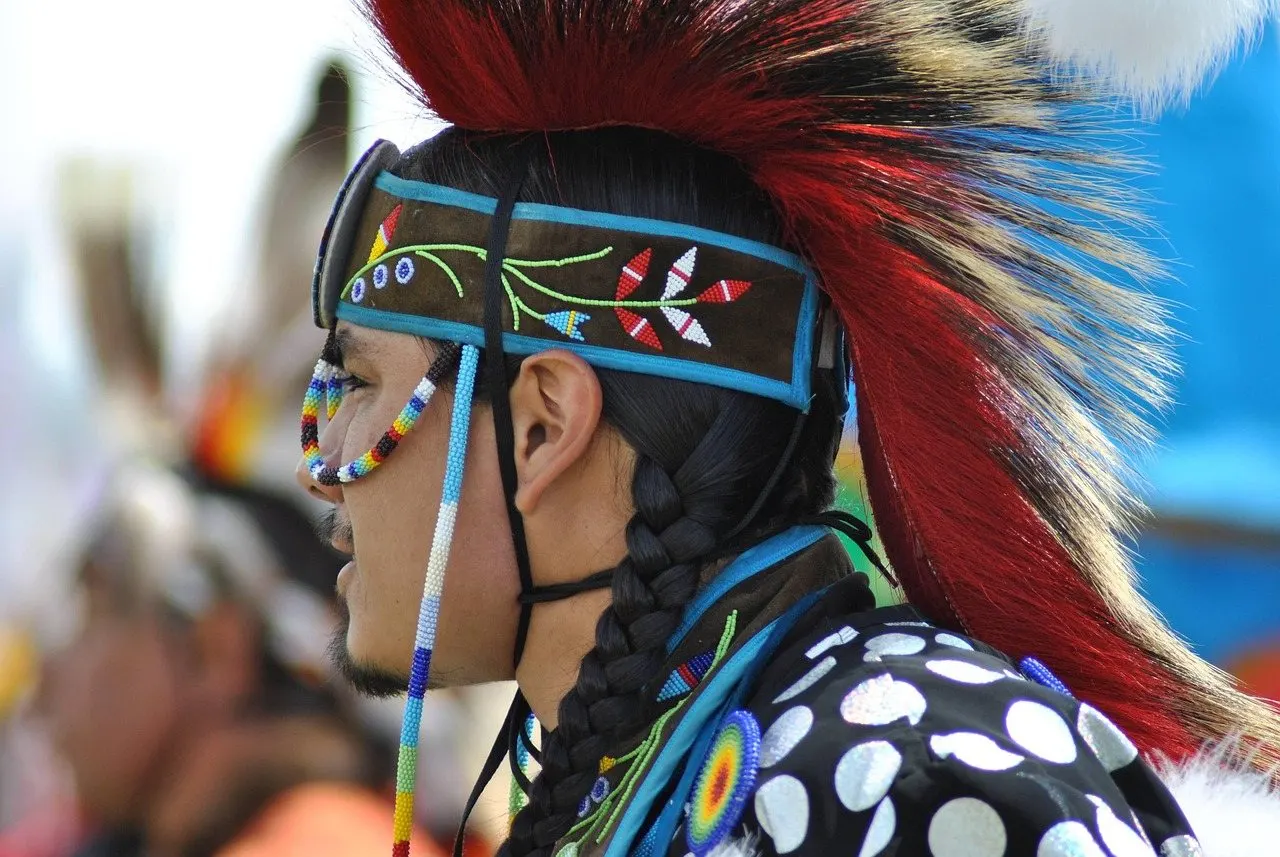
Representation changes what young people believe is possible, and that is why these wins reach beyond the five women themselves. A Native girl who watches the news can now see a governor, two senators and two members of Congress who share her heritage. She can picture herself in those rooms one day, and that picture is powerful. Read how Americans rank the presidents in a new poll and a huge trade and jobs deal from abroad.
Indigenous Women Leaders Head to the Senate
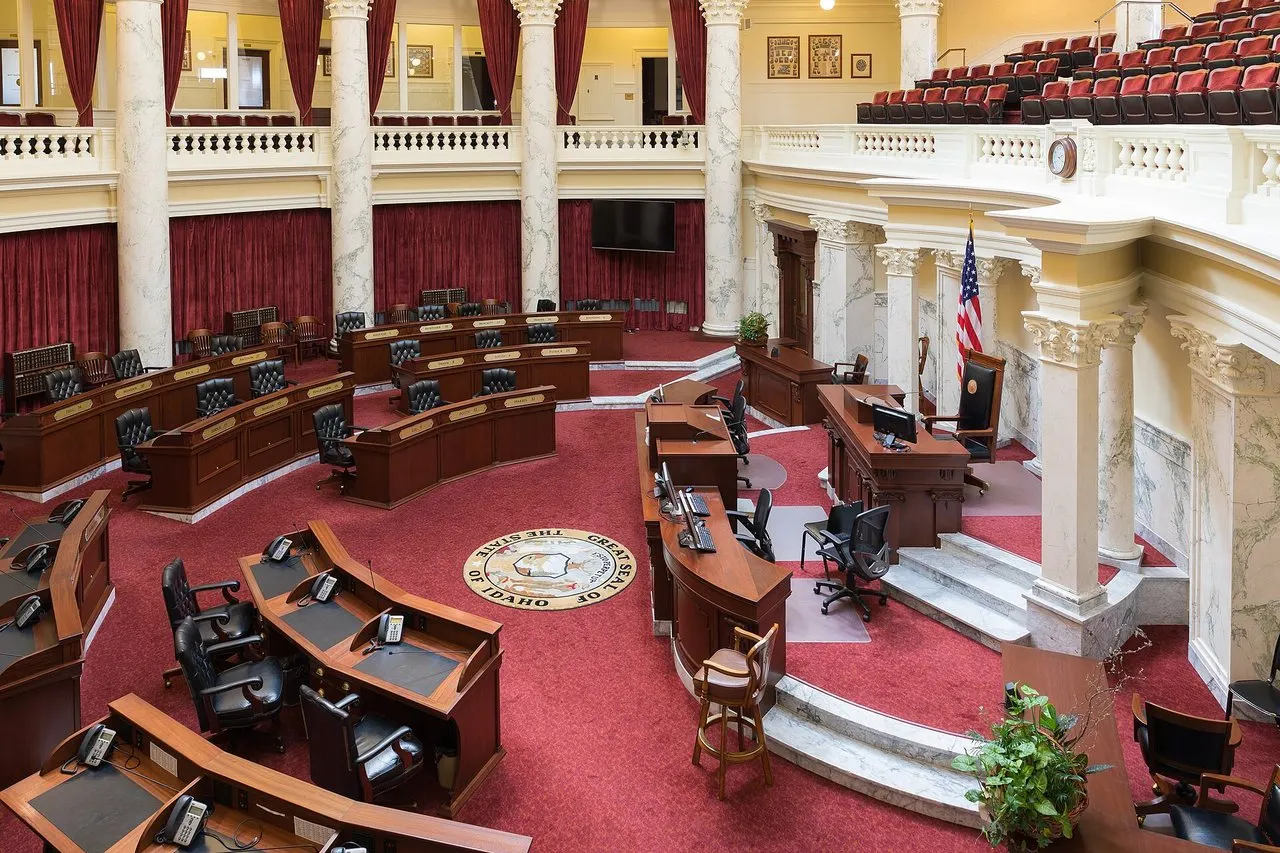
The Senate chamber is where Flanagan and Peltola will take their seats, and it is a room with a long memory. Senators debate laws, confirm judges and vote on the issues that shape daily life, from health care to the price of food. Two new Native voices in that room will bring fresh views to those debates, and the country will be watching what they do first. Learn about a new bill on presidential pardons and a senator who speaks out against corruption.
What Should Indigenous Women Leaders Do First?
Five Indigenous women have made history, and now the real work begins. They will take their oaths, hire their teams and start shaping laws on the issues voters care about most. What do you think they should do first? Should they focus on land and water, on health care, or on something else entirely? Share your thoughts in the comments below and tell us which of these five wins inspires you most. Read a lawmaker weighing a run in 2028 and a demand to release hidden files.