The Pompey Swords Line That Set Off a Modern Reply
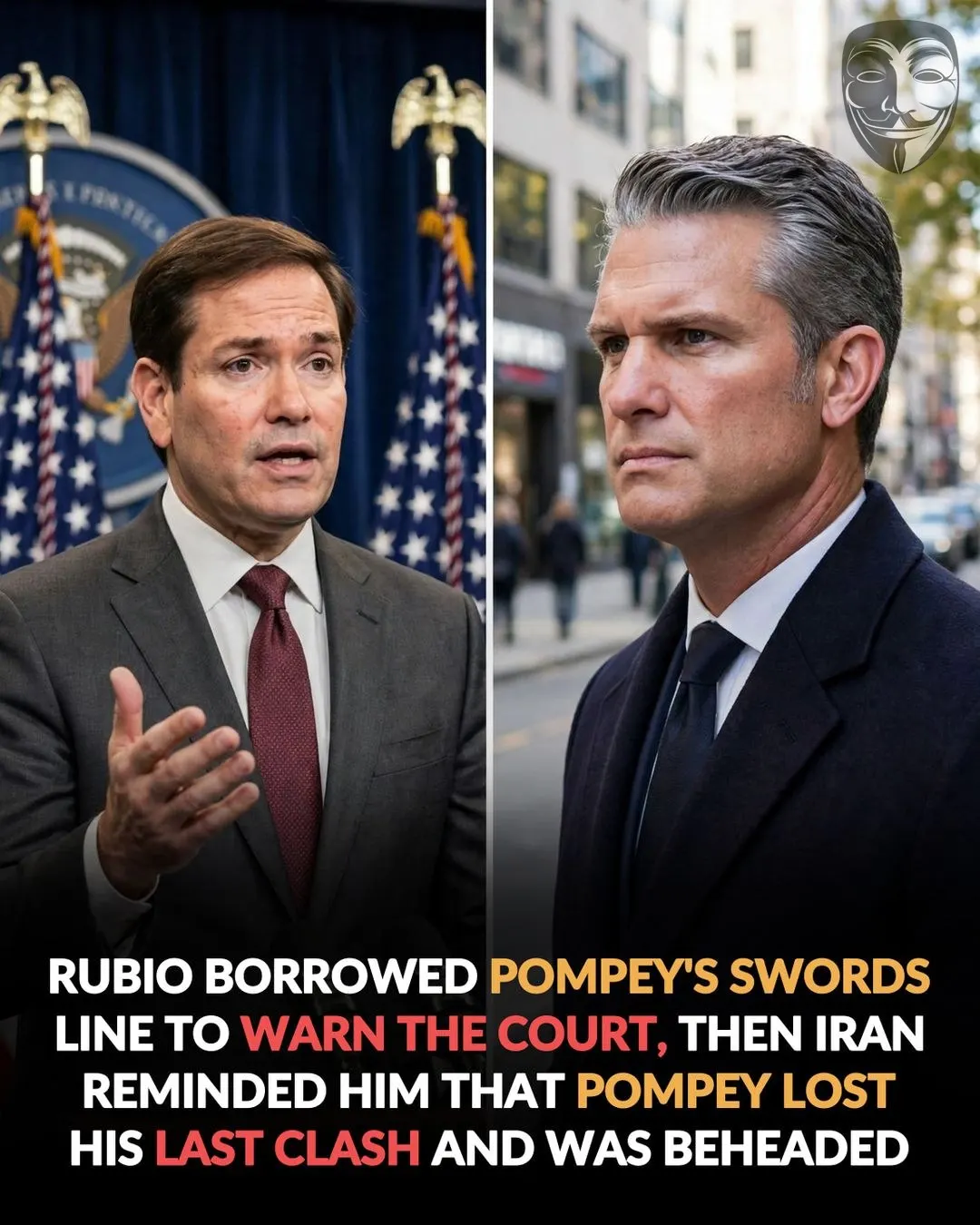
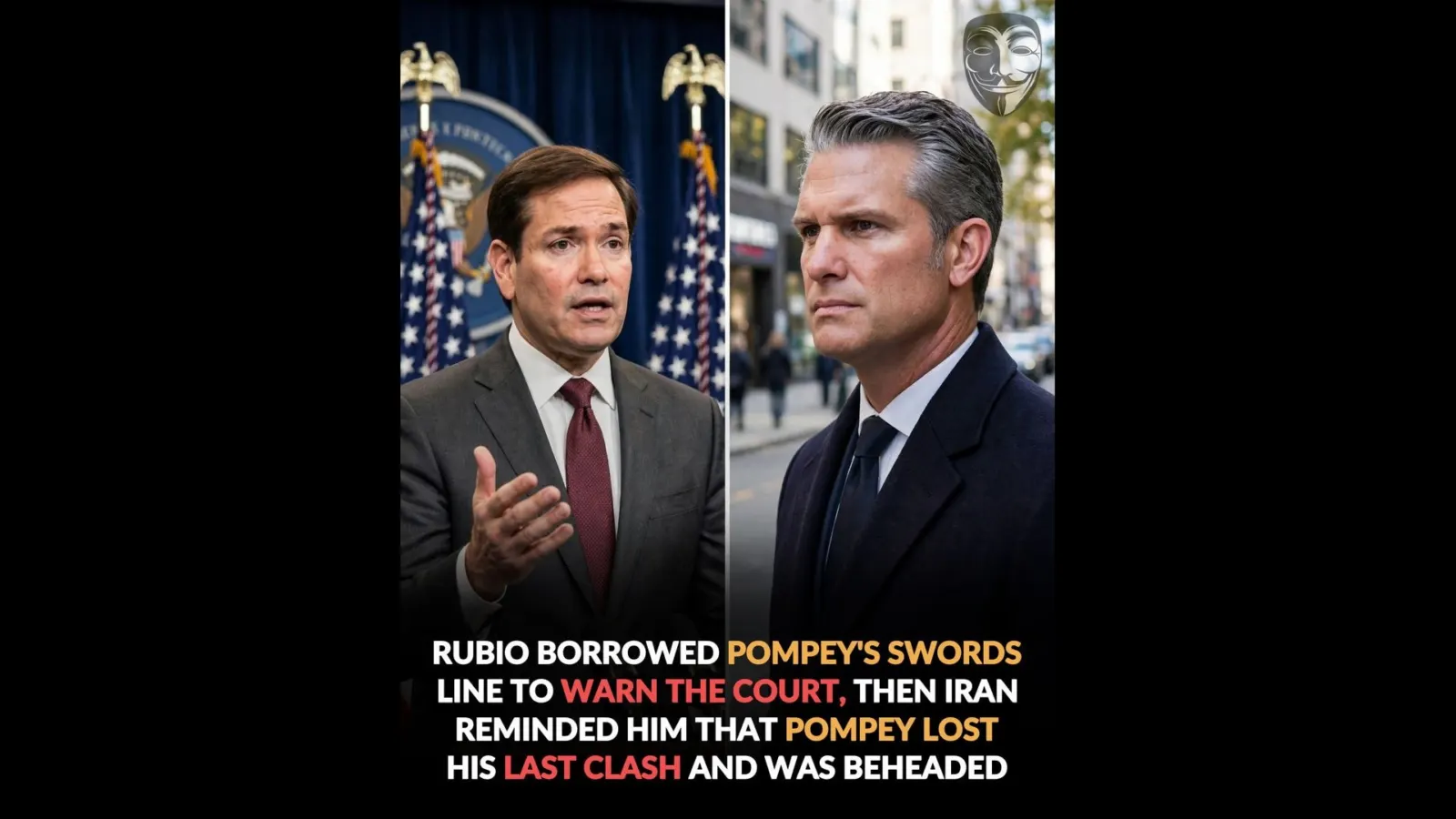
The Pompey swords line came back to life when Secretary of State Marco Rubio used it in a speech in Washington on November 13. He told the Federalist Society National Lawyers Convention that if the International Criminal Court tried to enforce its paper decrees on Americans, the answer would be the words Pompey gave to people who waved their charters at his legions. Rubio added that it was not politically correct to say, but that was what Pompey said. Two days later, Pete Hegseth shared the clip with the same line in capital letters, and the exchange soon reached Tehran.
Iran’s foreign minister, Abbas Araghchi, answered without naming either man, and his reply turned the old quote back on the men who used it. He wrote that the Roman general who spoke those words lost his final campaign even with the bigger army, and that he was beheaded after fleeing the battlefield. He closed with Santayana’s warning that those who cannot remember the past are condemned to repeat it. See our report on the odds for Marco Rubio to run for president and the Iran talks Jeffries weighed.
References:
Thought Catalog: Iran’s Foreign Minister Answered Marco Rubio’s Men with Swords Line by Pointing Out How Pompey’s Story Ended
The American: Fake Court Rubio Warns the ICC to Keep Its Paper Decrees Off Americans
Medium: Might Makes Right Until It Doesn’t
Dispute Index: Rubio’s Stop Quoting Laws to Men With Swords Warning to the ICC
Rubio Used the Pompey Swords Line in Washington

On November 13, Secretary of State Marco Rubio spoke at the Federalist Society National Lawyers Convention in Washington, and he reached for a line from ancient Rome. He said that if the International Criminal Court tried to enforce its paper decrees on Americans, the answer would be the words Pompey gave to people who waved their cities’ charters at his legions. Rubio told the room that the line was not politically correct, but that was what Pompey said. Read more in our report on the odds for Marco Rubio to run for president and the deal Jeffries weighed on Iran.
Where the Pompey Swords Line Came From
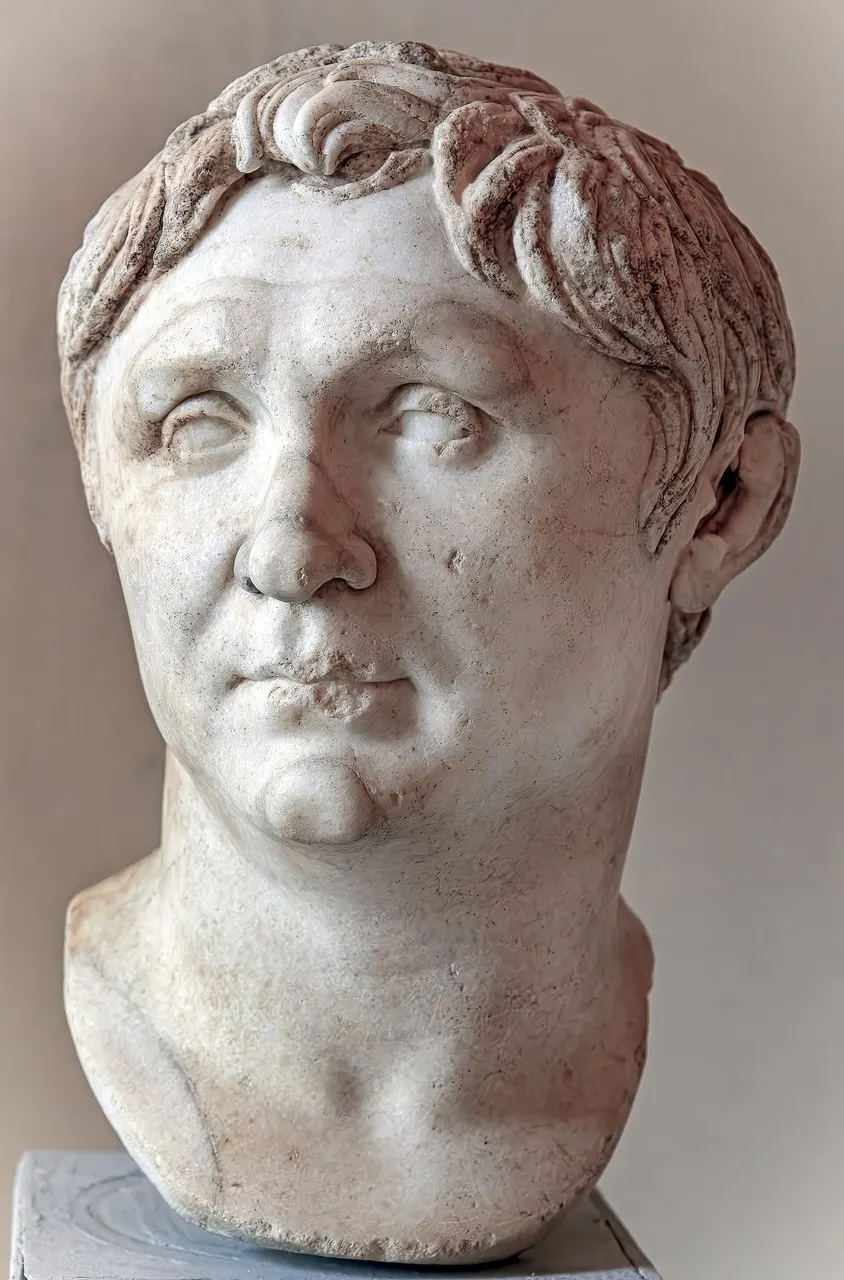
Plutarch puts the line in Pompey’s mouth around 82 BC, when the Roman general faced people who held up their cities’ charters against his soldiers. The words were blunt, and they drew a clear line between written law and armed power. Pompey was one of the generals of the late Roman Republic, a man who had won fame in war and held office in Rome. His name still carries weight today, more than two thousand years on, because his story ended in a way history remembers. Read our report on Trump and Putin and the debate over Obama running again.
Hegseth Shared the Line in All Caps

Two days after Rubio spoke, Pete Hegseth, now secretary of war, quote-posted the State Department clip of the speech. He added one line of his own, the same words Rubio had used, written in all capital letters. The repost carried the message to a much wider audience, and it turned a convention speech into a talking point online. When a senior official repeats a line like that, it stops being a quote from a speech and starts to sound like a position. See our story on Trump falling asleep at APEC and the plan to send the Guard into cities.
Iran Answered the Pompey Swords Line With History

Abbas Araghchi, Iran’s foreign minister, answered without naming either man, and his words were aimed at the heart of the quote. He wrote that the Roman general who spoke those words lost his final campaign even with a bigger army. Then he added the sharpest part of the reply, that Pompey was beheaded after fleeing the battlefield. The message was clear, and it did not need names to land. Read our report on Trump, Xi and Putin on the Iran conflict and the debate over Obama running again.
Santayana’s Warning Closed the Reply

Araghchi closed his reply with a line from George Santayana, a philosopher known for sharp words about history. Santayana wrote that those who cannot remember the past are condemned to repeat it, and the line has been quoted for more than a century. By ending with it, Araghchi framed the whole exchange as a lesson about memory and power. The past, he suggested, had already shown what happens when force is treated as an answer to law. See our story on Mamdani’s rent freeze and Elon Musk on his midterm spending.
Pharsalus: Where the Pompey Swords Line Ended
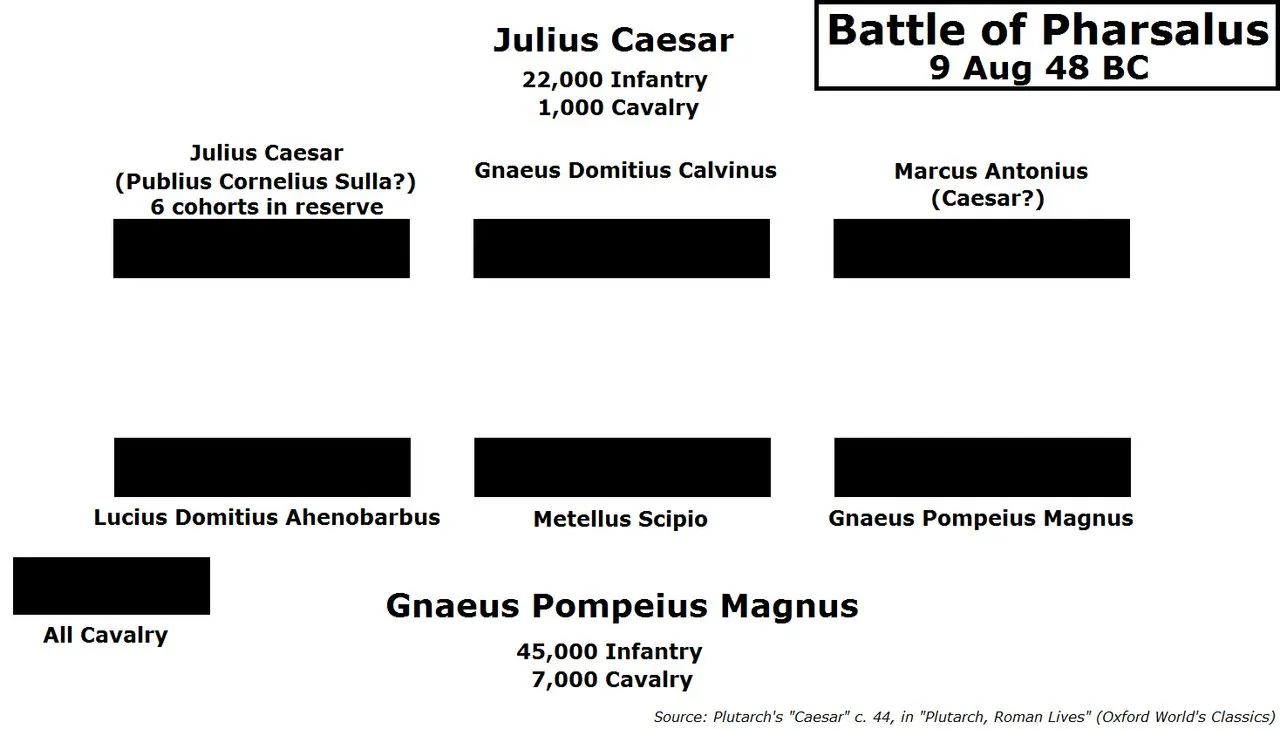
The history mostly holds, and the numbers tell the story plainly. At Pharsalus in 48 BC, Pompey had about 45,000 men to Caesar’s 22,000, yet he still lost the battle. A bigger army is not always a winning army, and that day proved it in the open field. Pompey fled the battlefield disguised as an ordinary citizen, and weeks later he was stabbed at Pelusium, where his killers cut off his head. Read our report on Trump and Putin and senators going without pay in a shutdown.
Pompey’s Flight to Egypt Ended at Pelusium
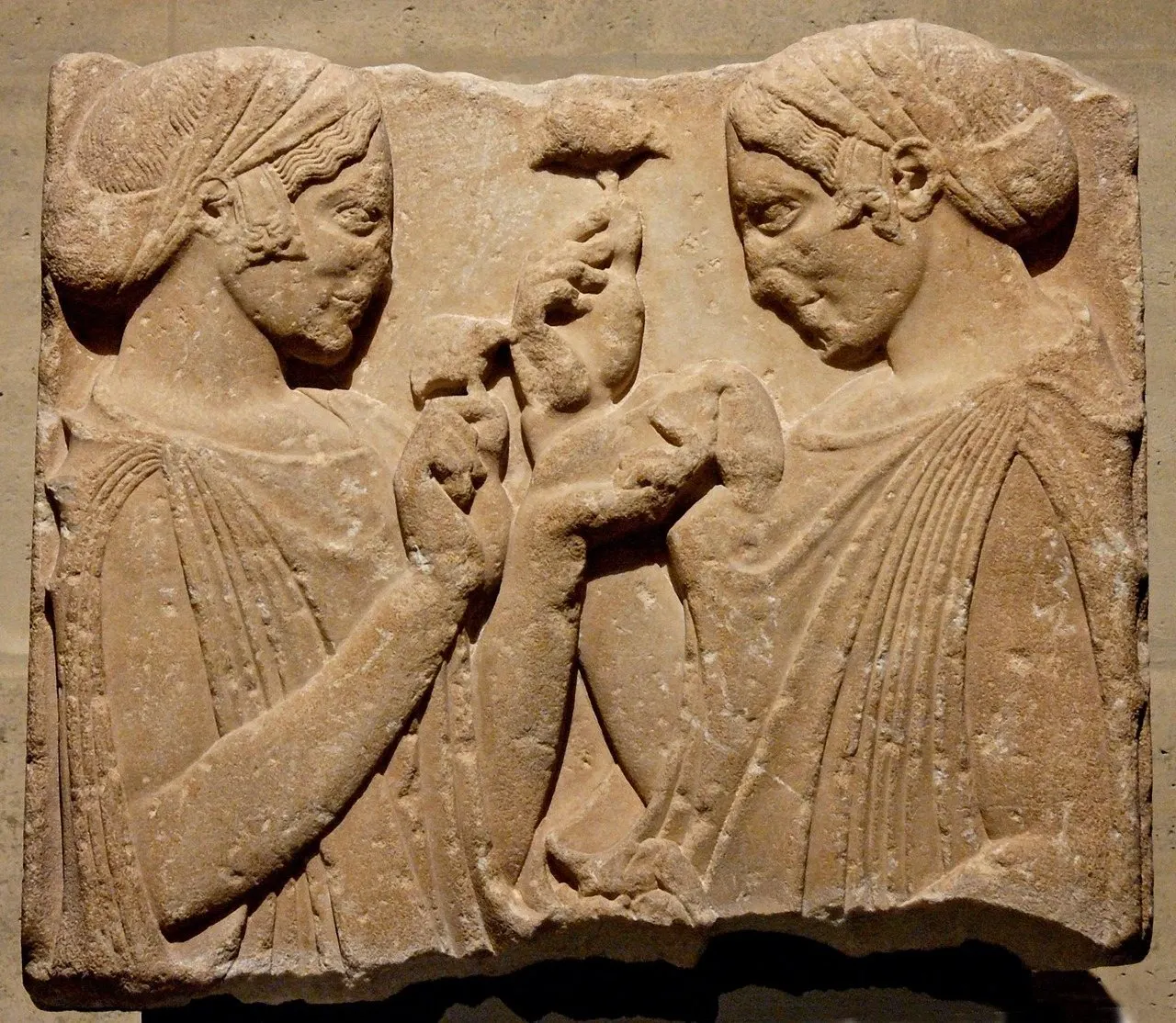
After the defeat at Pharsalus, Pompey ran for his life and sailed for Egypt, hoping to find safety there. He arrived disguised as an ordinary citizen, a fallen general with no army left behind him. Instead of shelter, he met men who had decided his fate before he landed. He was stabbed at Pelusium, and his killers cut off his head. The end was swift and brutal, and it became the part of his story that history never forgot. See our story on America losing measles elimination status and the plan to send the Guard into cities.
The Court at the Center of the Warning

The court Rubio named was the International Criminal Court, a body seated in The Hague in the Netherlands. It hears cases about grave crimes, and its writ runs only where states have accepted it. Rubio called its orders paper decrees, a phrase meant to say they had no force against Americans. The court has no army of its own, and that gap between law and force sits at the center of this whole exchange. Read our report on Trump, Xi and Putin on the Iran conflict and Hillary Clinton’s warning.
Washington Set the Stage for the Speech
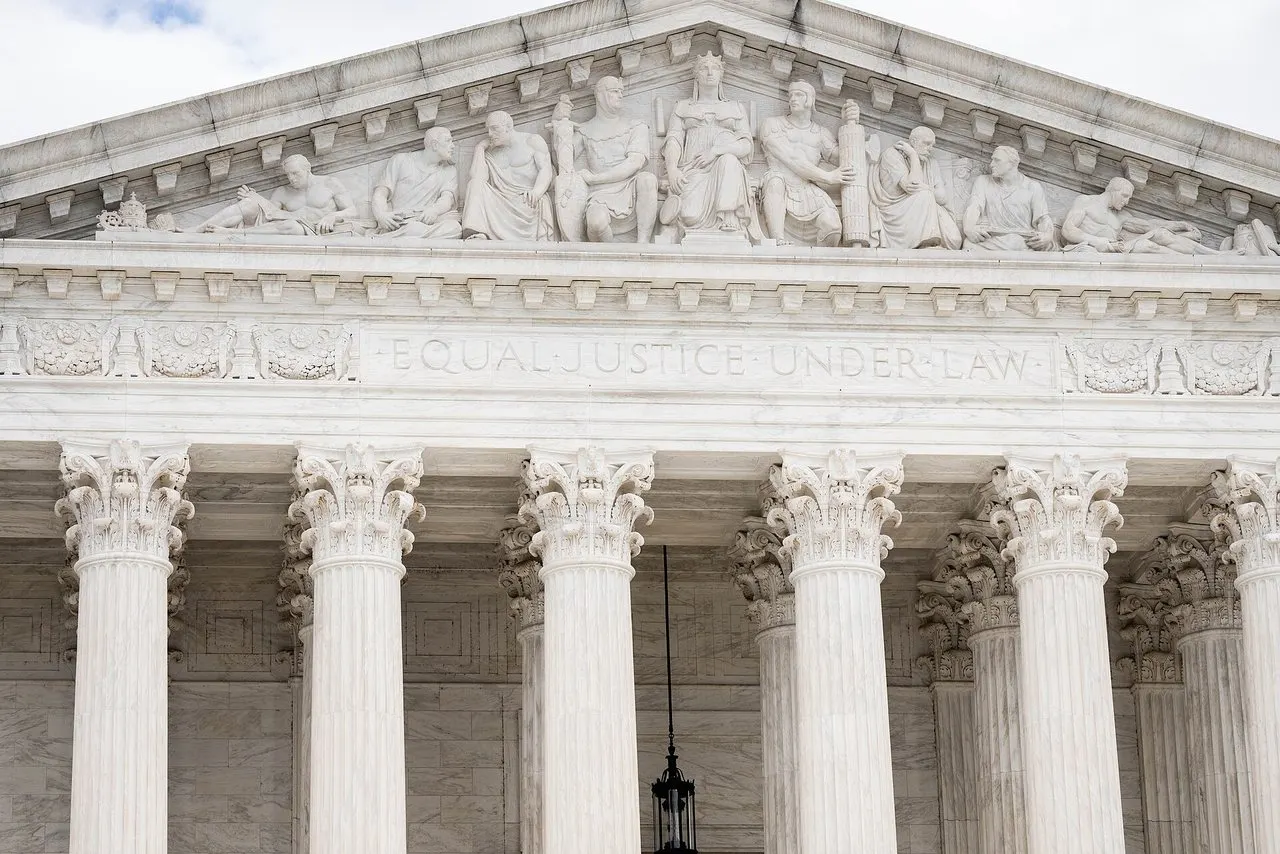
Rubio spoke in Washington, a city where law and power meet every day, and his audience was a room full of lawyers. The Federalist Society National Lawyers Convention gathers people who care deeply about courts, the Constitution and the limits of legal power. A quote from ancient Rome lands well in such a room, because the audience knows the history and the argument behind it. That setting helped the line travel far beyond the hall. See our story on Trump falling asleep at APEC and Mamdani’s rent freeze.
Swords, Law and the Pompey Swords Line
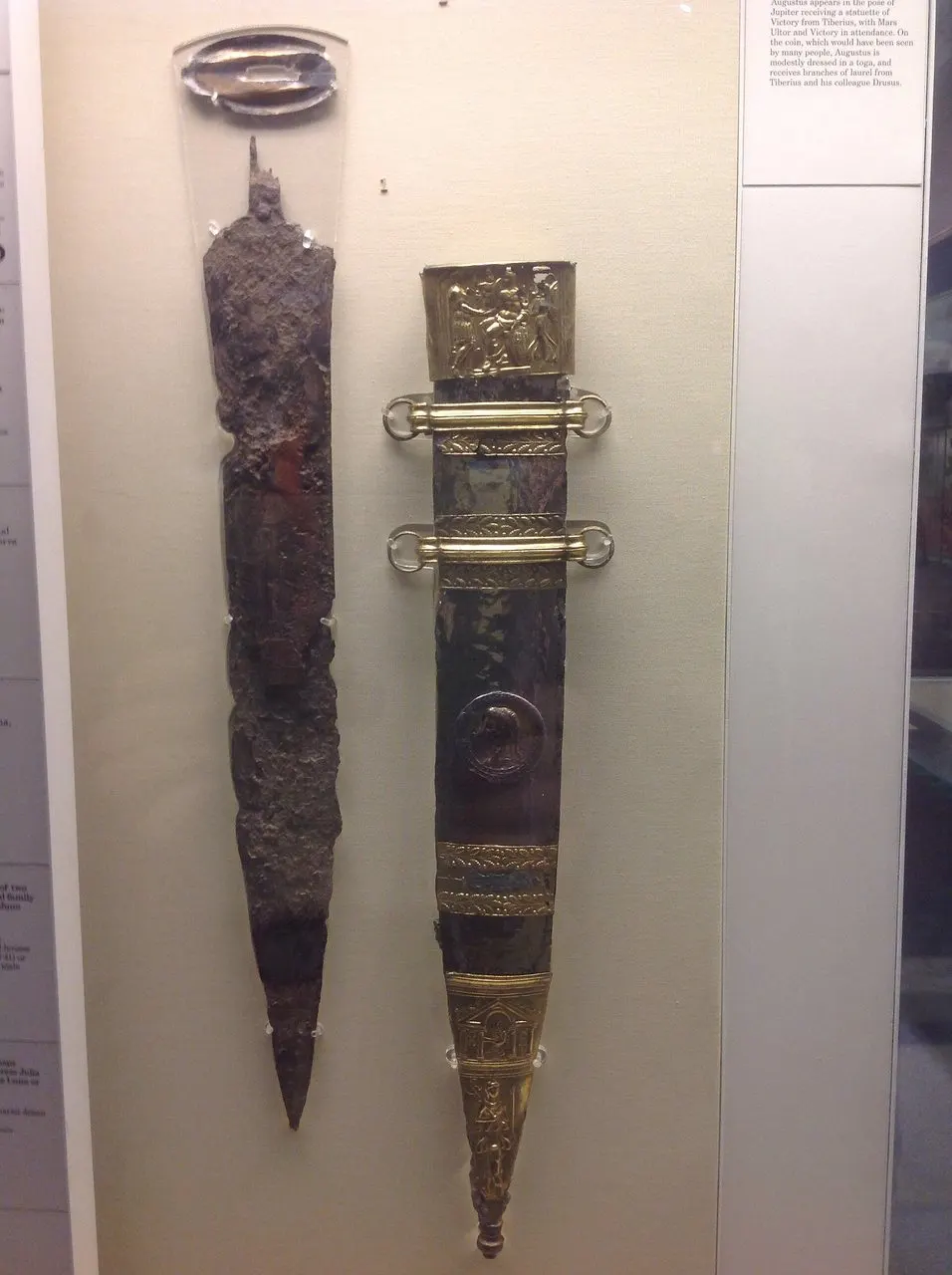
The line works because it draws a hard contrast between words on paper and steel in hand. A sword in ancient Rome was the tool of the legionary, short, plain and made for close fighting, and it stood for power that did not need permission. Pompey’s point was that charters mean little when an army stands in front of you. The image still stings today, because it asks whether law can hold when force refuses to listen. Read our report on the odds for Marco Rubio to run for president and Elon Musk on his midterm spending.
Tehran Answered Without Naming Names

Araghchi never named Rubio or Hegseth, and that choice was part of the message. By leaving the names out, he let the history do the work, and readers could see for themselves who the reply was aimed at. It is a common move in diplomacy, where a sharp answer often comes dressed as a history lesson. The post spread quickly, and it showed how a foreign minister can answer a speech without ever raising his voice. See our story on the deal Jeffries weighed on Iran and senators going without pay in a shutdown.
Caesar, the Rival Who Won at Pharsalus
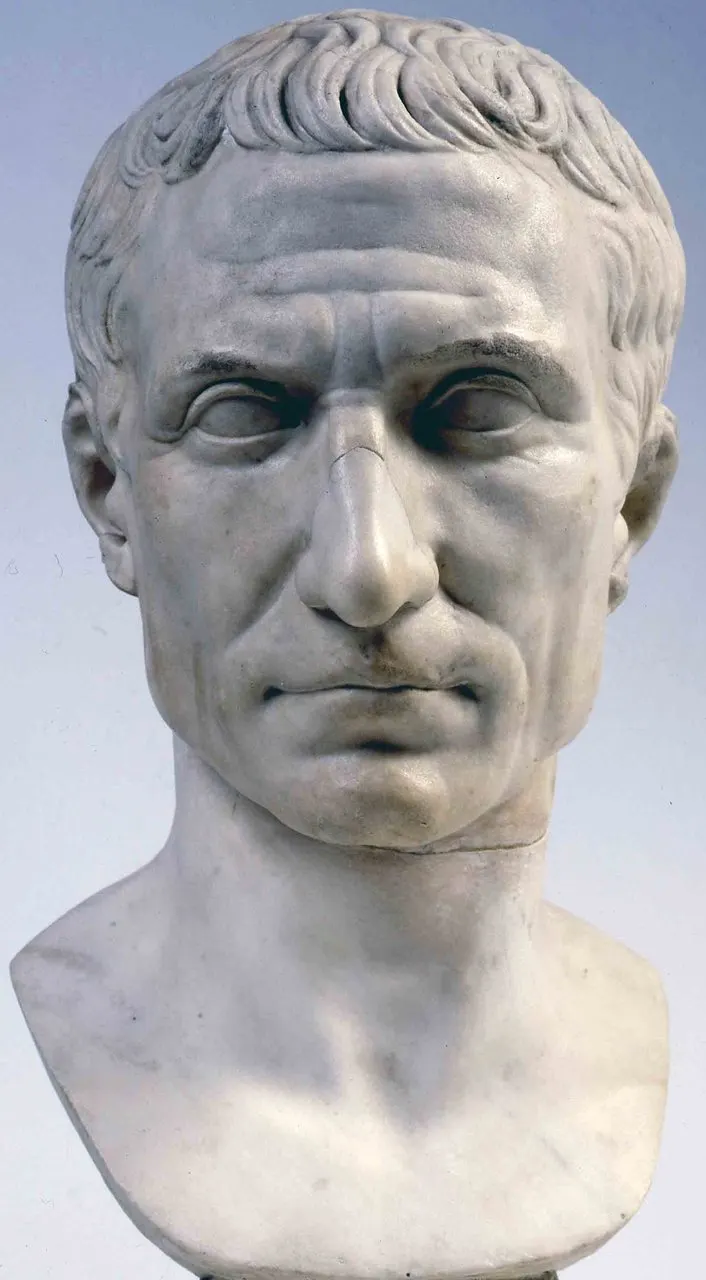
On the other side of the field at Pharsalus stood Julius Caesar, a general whose name has become a byword for ambition and skill. Caesar had fewer men, about 22,000 against Pompey’s 45,000, but his troops were hardened veterans who trusted him. His hidden reserve line broke Pompey’s cavalry and turned the battle in a single stroke. The win made Caesar the master of Rome, and it sealed Pompey’s fate. Read our report on Trump and Putin and America losing measles elimination status.
Rome, Where Law and Power First Collided
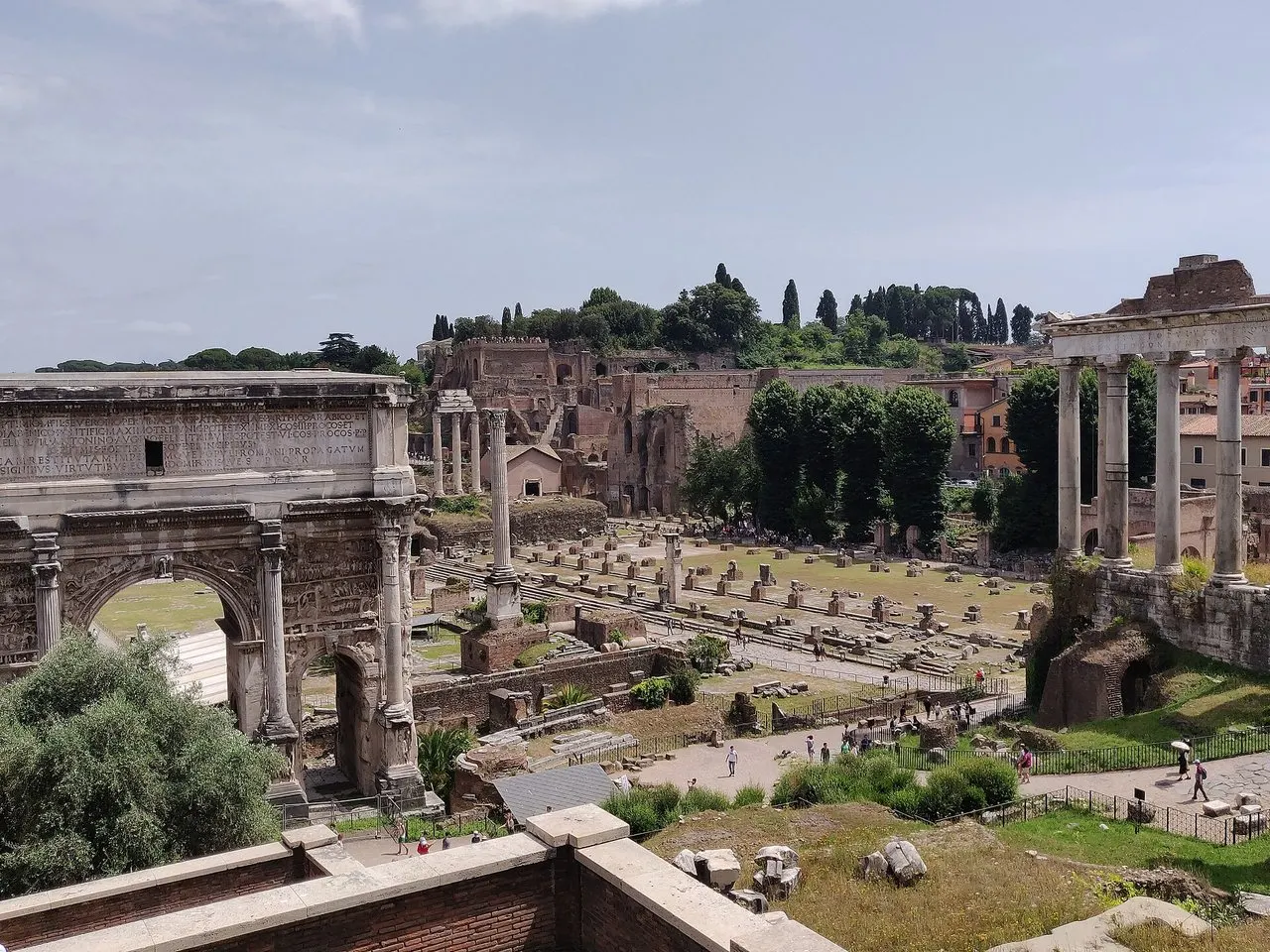
The Roman Forum was the heart of the Republic, the place where laws were debated, speeches were given and crowds gathered to hear them. Pompey walked those stones as a consul and a general, and his name was known to every citizen. The Forum reminds us that Rome built its power on law as well as on legions, and that the two were always in tension. That tension is the same one Rubio and Araghchi were arguing about. See our story on Hillary Clinton’s warning and the plan to send the Guard into cities.
How the Pompey Swords Line Traveled Online

A speech at a lawyers convention might once have stayed in the room, but today a clip can circle the world in hours. Hegseth’s repost pushed the line onto social media, where it was shared, quoted and argued over by thousands of people. Araghchi’s answer traveled the same way, and the two posts sat side by side on screens around the world. The speed of the exchange is part of the story, and it shows how history now moves at the pace of a feed. Read our report on Trump falling asleep at APEC and Mamdani’s rent freeze.
Pompey’s Rise Was as Swift as His Fall
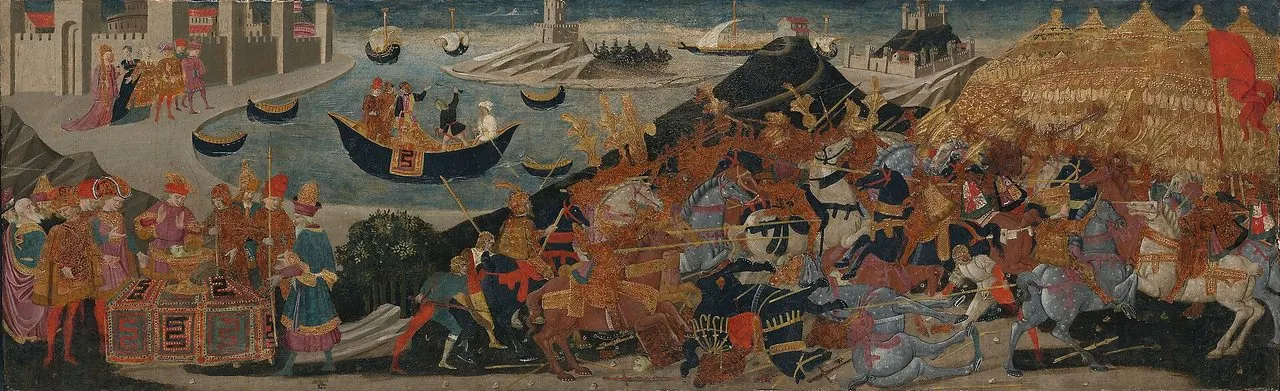
Before Pharsalus, Pompey was one of the most famous men in Rome, a general who had cleared the seas of pirates and won wars in the east. He had held the consulship and stood at the top of Roman politics, and many senators backed him against Caesar. His fall was as fast as his rise had been, and within weeks of the battle he was a fugitive with no army. History remembers both halves of his life, the triumphs and the flight. See our story on Elon Musk on his midterm spending and senators going without pay in a shutdown.
What the Pompey Swords Line Still Teaches Us
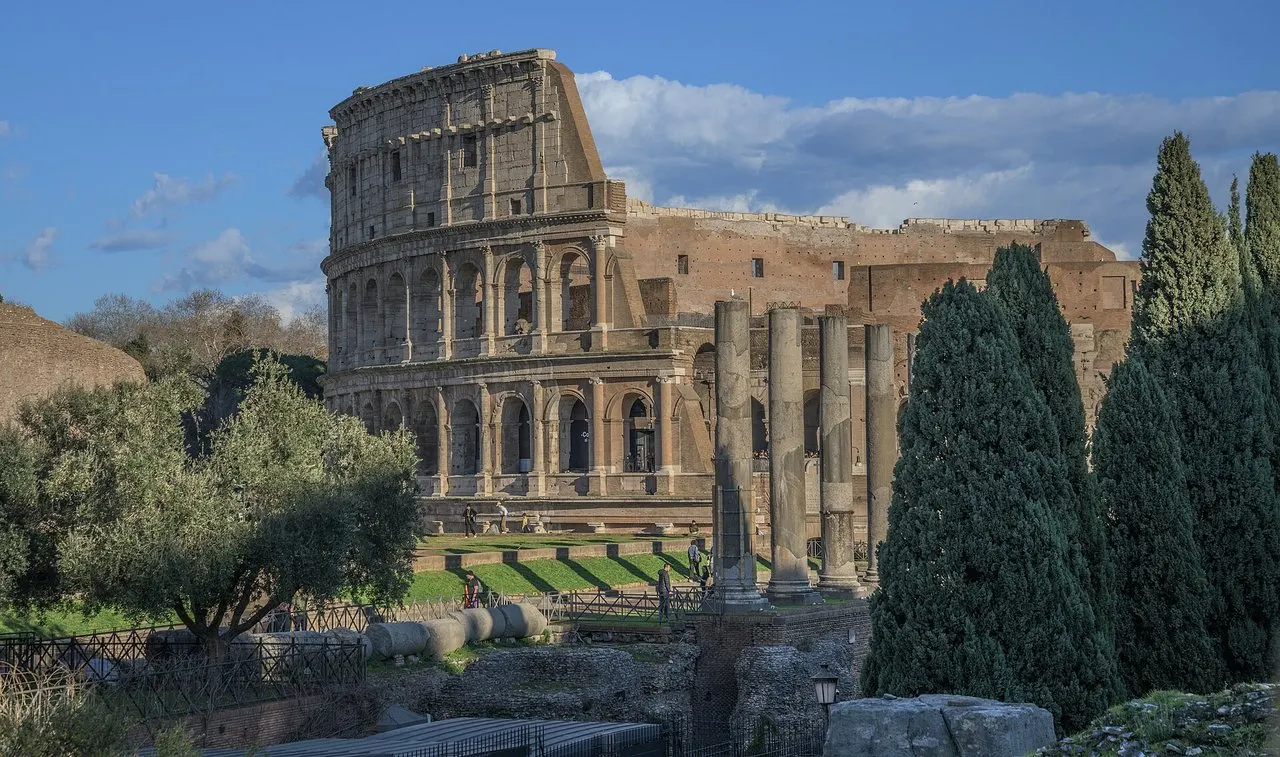
The exchange shows why old quotes still matter, because they carry warnings that outlive the people who first spoke them. Pompey’s line praised force over law, and his own fate answered it with a hard fact, that the bigger army lost and its general fled. Santayana’s warning sits beside it, urging us to remember the past before we repeat it. A quote can win a round of applause, but history keeps the score. Read our report on Trump, Xi and Putin on the Iran conflict and America losing measles elimination status.
What Would You Ask About This Exchange?
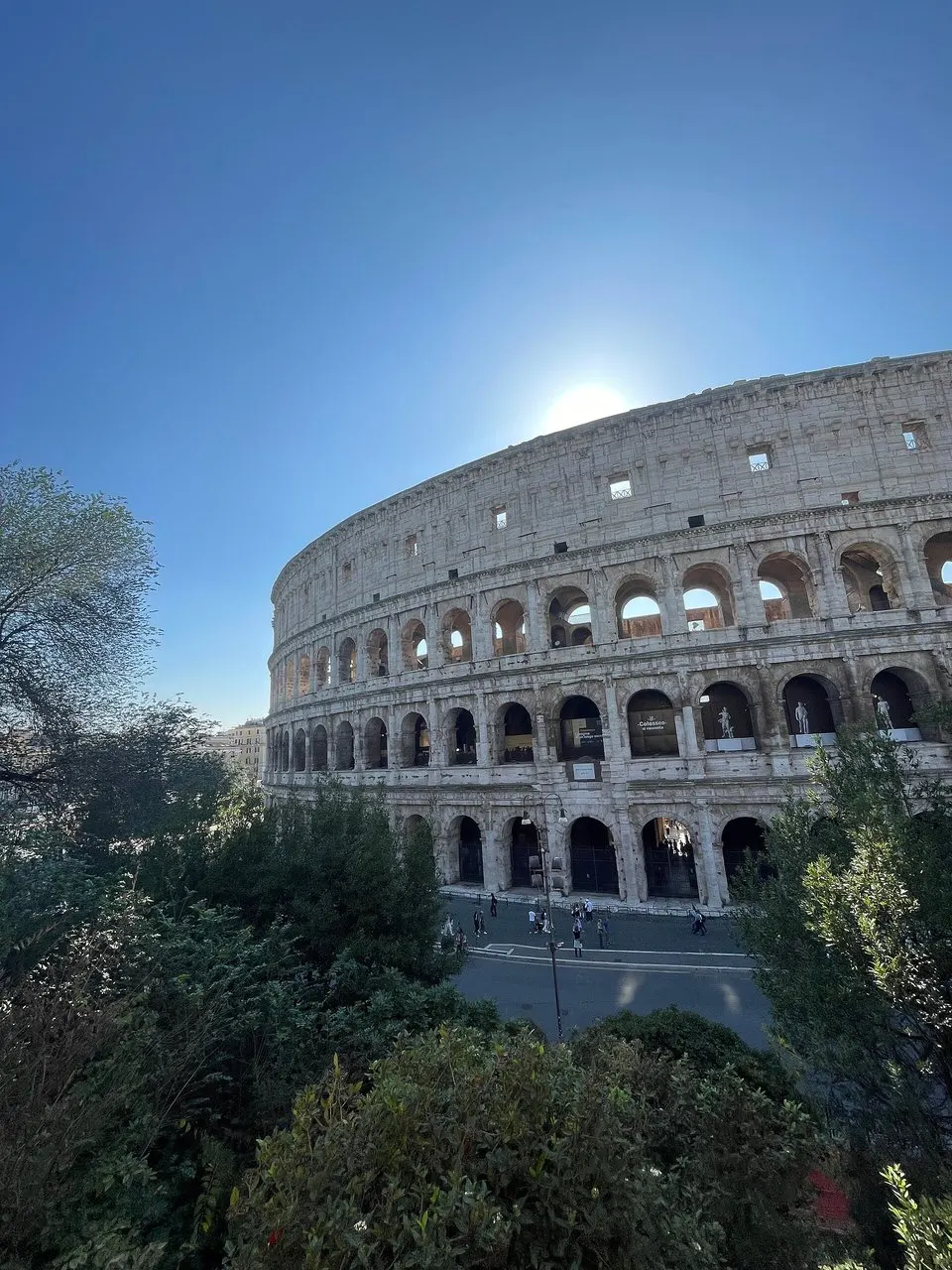
Rubio reached for Rome to make a point about law and power, and Iran answered with the ending of Pompey’s story. The two posts now sit together as a small lesson in how history can talk back. If you could ask one of the men in this story a question, what would it be, and what do you think the past is trying to tell us here? Share your thoughts in the comments below. Read our report on Hillary Clinton’s warning and the debate over Obama running again.