Sharia Law Ban Talk After Trump Told Glenn Beck He Would Absolutely Prohibit It
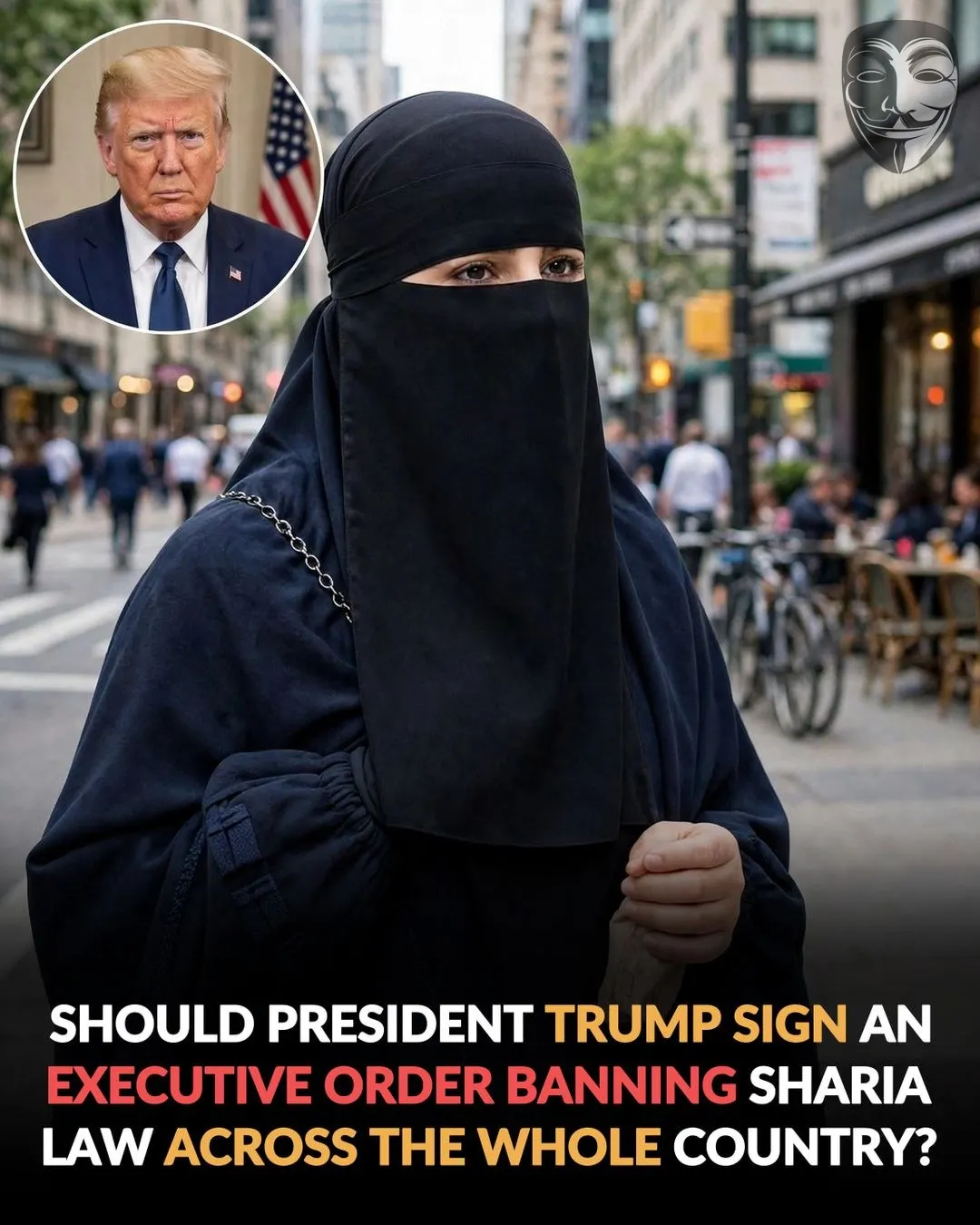
Sharia law ban talk flared after President Donald Trump told conservative broadcaster Glenn Beck he would absolutely support banning Sharia law in the United States. Beck asked Trump directly whether he would push for or sign what he called a no Sharia law act for America, and Trump replied that where he sees it, he takes it out, adding that America has one system. The exchange quickly spread online and drew wide coverage, with supporters praising the firm answer and critics asking what a ban would cover in practice.
Trump offered no evidence that Sharia law is practiced anywhere in the country, and he named no location, pointing instead to London and Paris. He did not say whether he would pursue new legislation, an executive order, or back a bill, though Senator Tommy Tuberville’s No Sharia Act is already before Congress. No draft executive order banning Sharia law has been released by the White House. See our report on a bill that would seal the border for every future president and our story about residents who packed a city hall meeting over an Islamic center.
References:
Townhall: Trump Draws a Hard Line on Sharia Law, Explains What He Would Absolutely Do
The Statesman: Common Sense, Not Ideology, Trump Says He Would Absolutely Ban Sharia Law in US
Hawk News: Trump Vows to Absolutely Ban Sharia Law, Reviving a Fight That Started in Oklahoma
Brief U Story: Trump Says He Would Ban Sharia Law Across America, What His Statement Really Means
The Question Glenn Beck Put to Trump
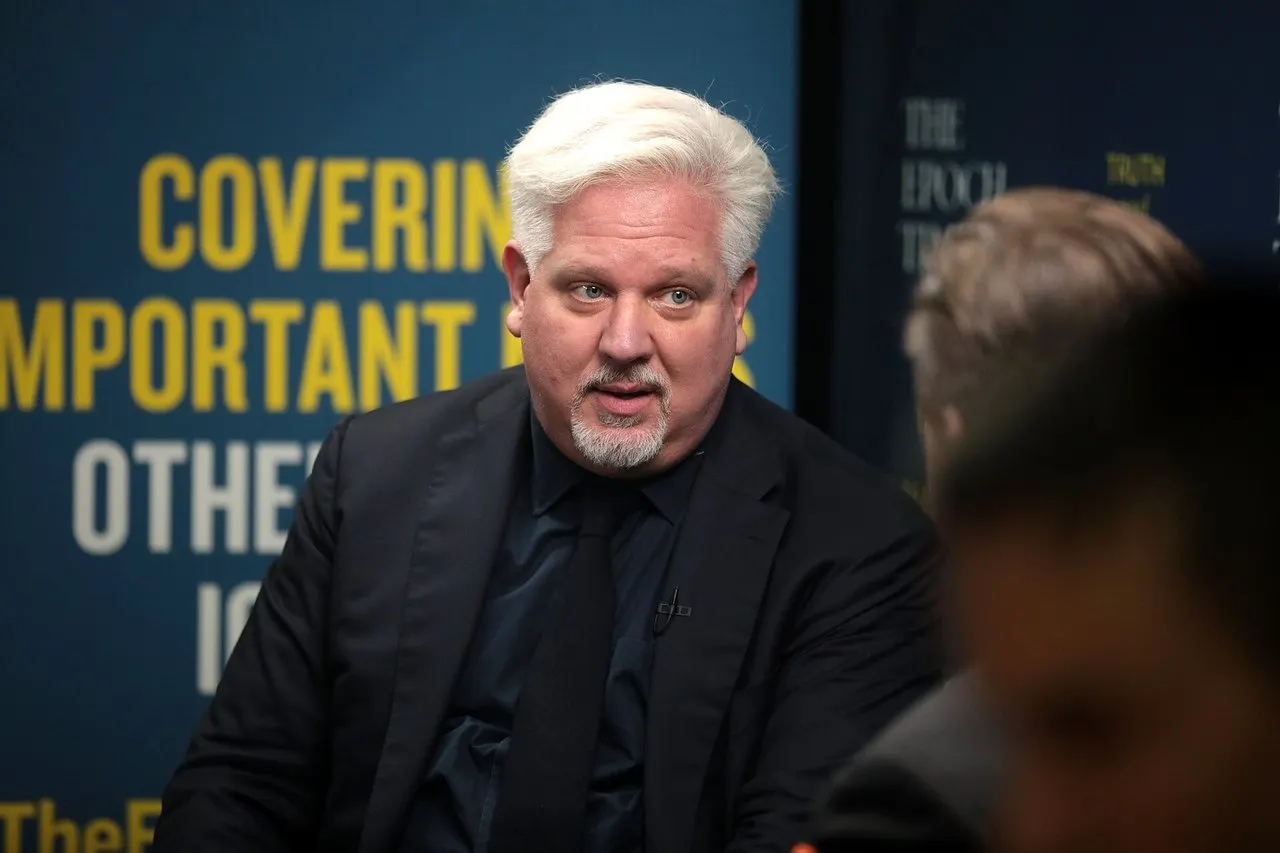
Glenn Beck, the conservative broadcaster and founder of Blaze Media, put the question to Trump in plain terms during a live interview. He asked whether the president would push for or sign what he called a no Sharia law act for America, a proposal aimed at barring Islamic law from operating as a legal system in the country. Beck has long warned about what he sees as ideological threats gaining ground inside the United States. Read about what it would take to remove a president and what MAGA promised America in its first year.
The Sharia Law Ban Answer That Started the Debate
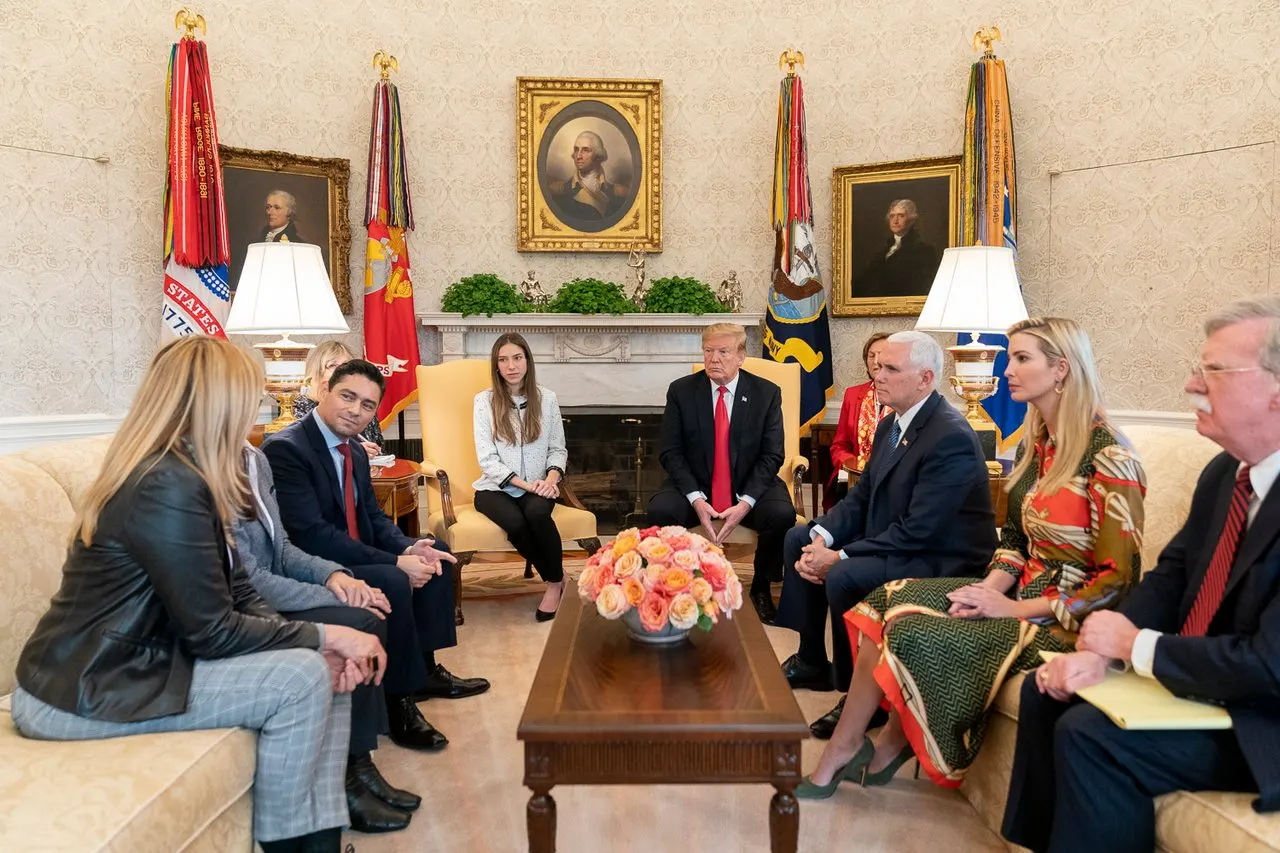
Trump did not hesitate. He told Beck he would absolutely prohibit the Sharia law thing, adding that it is happening in this country a little bit and that where his team sees it, they take it out. He said America has one system and called it a great system, even if it is sometimes frustrating. The blunt answer spread fast across social media and news sites, and it became the line most reports quoted first. See our story on a bill that would stop the president from pardoning himself and Hillary Clinton tearing into Trump before his summit.
We Have One System
Trump closed his answer by praising the American legal system. He said the country has one system, a great system that is sometimes frustrating but still the best there is, as far as he can see. The line summed up his whole case, that no second legal code should stand beside the Constitution and the laws passed under it. Supporters heard a plain defense of equal treatment under one set of rules. Read about a bill that would seal the border for every future president and the deal that could give Trump more time on Iran.
A Sharia Law Ban Claim Without a Place or Proof
Trump claimed there are pockets of Sharia law in the United States, yet he offered no evidence and named no town, city or state where it is practiced. That gap matters, because a claim about a hidden legal system is hard to check without a place or an example. Reporters who covered the interview noted the same point, that the president pointed abroad instead of at home. For more on presidential power, see the plan to send the National Guard into Democratic-led cities and the warning that Trump has undermined national security.
Why Trump Pointed to London
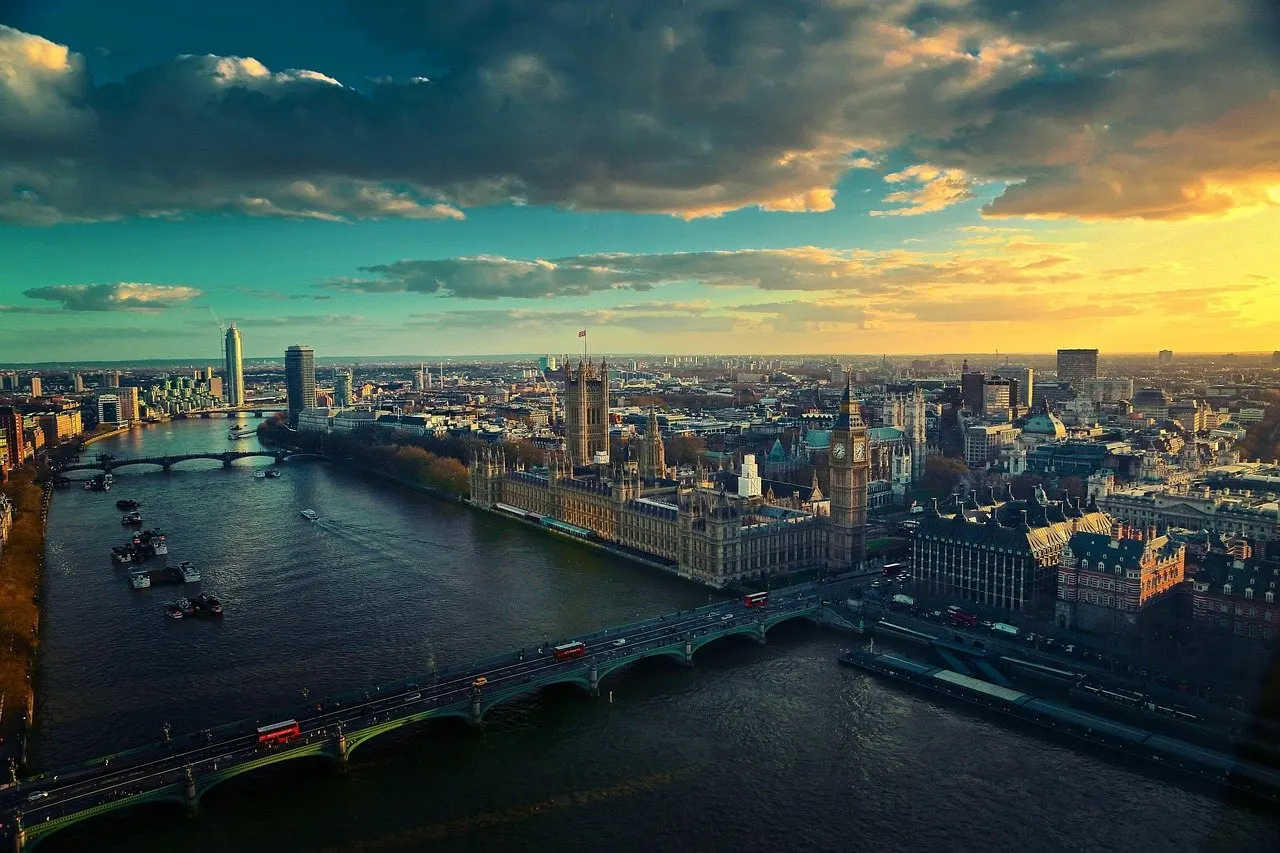
To make his point, Trump turned to London, saying the British capital shows what happens when Islamic law gains ground. He called the presence of Sharia there almost like a second way of life, and he called the whole picture ridiculous. London does have Sharia councils, community bodies that give religious guidance on family matters, but they hold no power over British courts or the law of the land. Read about residents who packed a city hall meeting over an Islamic center and how China and Russia stayed out of the Iran conflict.
Why Trump Pointed to Paris

Trump also pointed to Paris, saying the French capital tells the same story as London. He said Islamic law there has become almost like a second way of life, and he used the same word, ridiculous, for what he sees across the Channel. France keeps a strict line between religion and the state, and its courts run on French law alone, so the president’s picture drew quick pushback from people who know the country well. See a Texas senator who blocked a Trump judge pick and the broadcaster who called the president a sociopath.
The Sharia Law Ban Choice Between an Order and a Bill
Trump stopped short of saying how he would act. He did not say whether he would sign an executive order, push legislation, or back a bill that is already on the table. That choice matters, because an order from the White House and a law passed by Congress work in different ways and face different tests in court. Until he picks a path, his words remain a promise rather than a policy. Read what it would take to remove a president and our story on a bill that would stop the president from pardoning himself.
Meet the Senator Behind the No Sharia Act
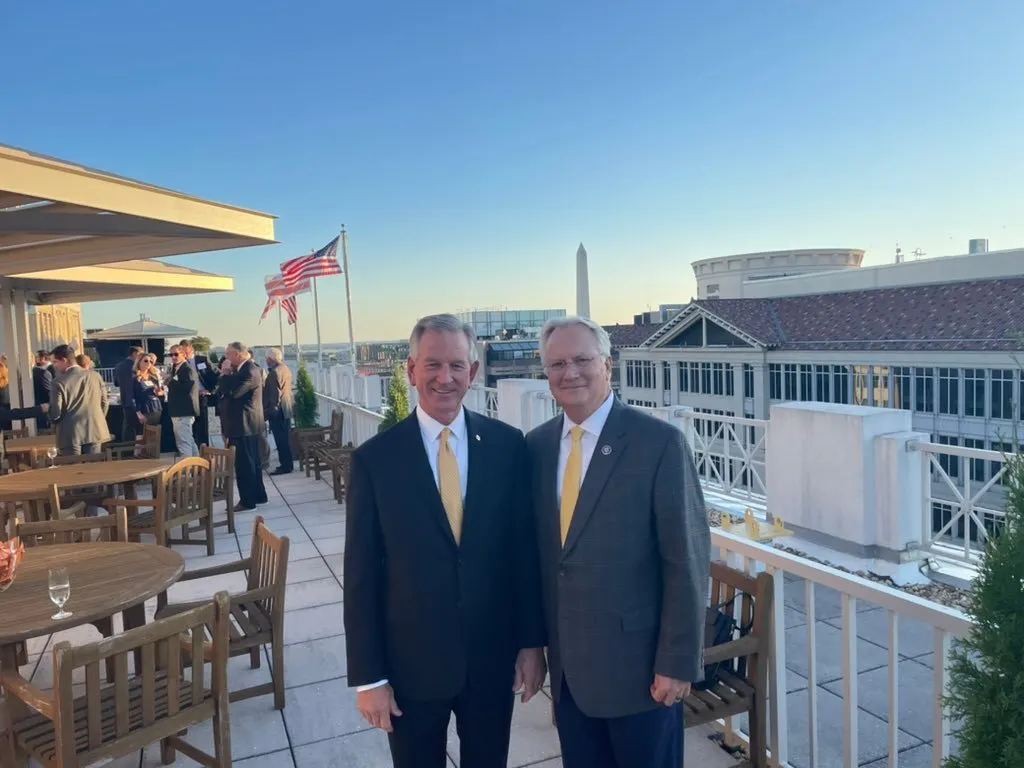
Senator Tommy Tuberville of Alabama has put his name to the idea in Congress. His No Sharia Act would bar American courts from enforcing foreign-law judgments that clash with constitutional rights, and it is already before Congress. Tuberville welcomed the president’s words, and his office has pointed to the interview as proof that the issue now has support at the top. The bill still needs votes in both chambers before it can reach the president’s desk. Read about a bill that would seal the border for every future president and a Texas senator who blocked a Trump judge pick.
What the No Sharia Act Would Do in Court
Here is what the No Sharia Act would actually do. It would stop courts from enforcing judgments, decrees or contracts based on foreign law when doing so would violate constitutional rights, which is a narrower step than a full Sharia law ban on religious practice. Supporters say it protects the Constitution, while critics say courts already refuse to enforce rulings that clash with American rights. Either way, the bill would not by itself outlaw a faith. See the plan to send the National Guard into Democratic-led cities and what MAGA promised America in its first year.
What Sharia Law Means in Plain Terms
Sharia is an Arabic word that means a path, and it covers guidance for living by Islamic principles, drawn from the Quran and the teachings of the Prophet Muhammad. In the United States it holds no formal legal authority, and American courts decide cases under the Constitution and the laws of the states. Religious guidance can shape a person’s private choices, but it cannot replace the law that governs everyone. Read about residents who packed a city hall meeting over an Islamic center and Hillary Clinton tearing into Trump before his summit.
The Sharia Law Ban Fight That Started in Oklahoma

The fight did not start with this interview. Back in November 2010, voters in Oklahoma approved a ballot measure that told state courts not to consider Sharia or international law, and the move set off years of court battles. A federal appeals court later struck the measure down, saying it singled out one faith in a way the Constitution does not allow. That history is why the new push draws so much legal attention. See the deal that could give Trump more time on Iran and the warning that Trump has undermined national security.
How Other States Have Handled the Question
Oklahoma was not the only state to try. Over the years, lawmakers in several states have pushed bills that bar courts from applying foreign or religious law when it would clash with constitutional rights, and Florida passed such a statute in 2026. Supporters call the measures a shield for the Constitution, while opponents call them a solution in search of a problem, since courts already put American law first. Read about how China and Russia stayed out of the Iran conflict and the broadcaster who called the president a sociopath.
What an Executive Order Can and Cannot Do
An executive order is a fast tool, but it has limits. A president can direct federal agencies and set policy inside the executive branch, yet an order cannot rewrite the Constitution or create a broad criminal ban on its own. Any order aimed at one faith would face quick court challenges, and judges have blocked sweeping orders before. That is why a Sharia law ban passed by Congress would stand on firmer ground than an order alone. Read what it would take to remove a president and the plan to send the National Guard into Democratic-led cities.
The Constitution and the First Amendment
The First Amendment sits at the center of this debate. It bars the government from setting up a state religion, and it protects the free exercise of faith, which means any law aimed at one religion faces a hard test in court. The Supreme Court has struck down measures that single out a faith, and lawyers know that history well. That is why the wording of any bill will matter as much as its aim. See our story on a bill that would stop the president from pardoning himself and a Texas senator who blocked a Trump judge pick.
The Sharia Law Ban Debate in Congress
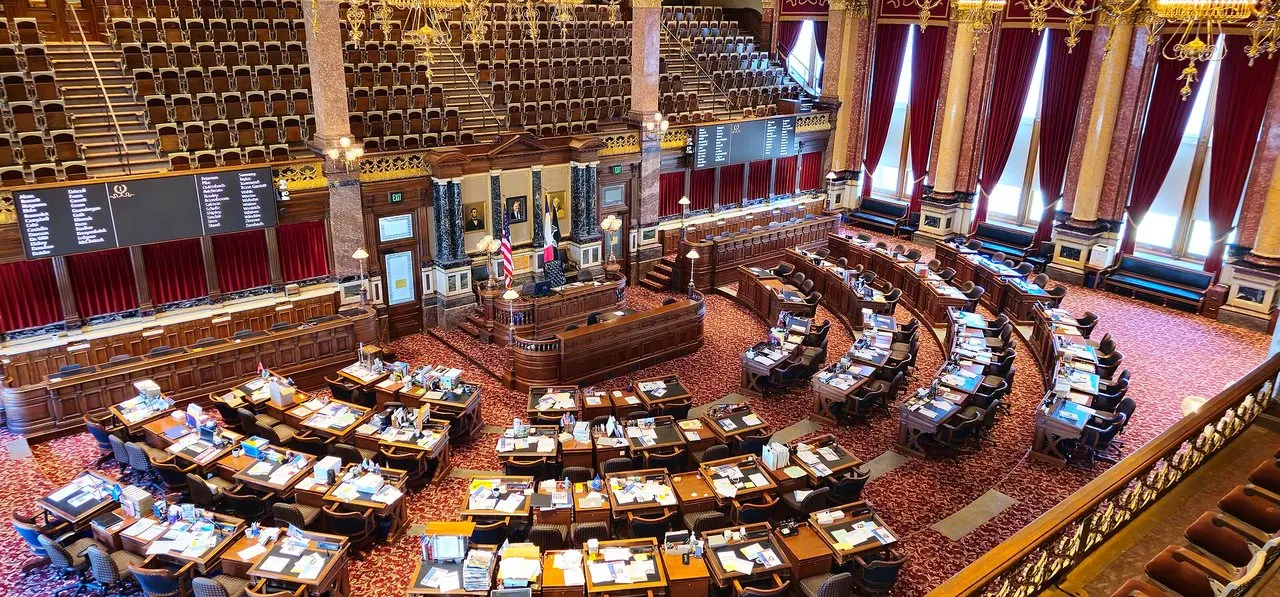
In Congress, the debate is already moving. Republican Representatives Chip Roy and Keith Self of Texas launched the Sharia Free America Caucus in December 2025, and the group has since grown past sixty members from more than two dozen states, with Tuberville leading the Senate effort. The caucus backs several bills, including the No Sharia Act, but none of the proposals has yet become law. Read what MAGA promised America in its first year and the deal that could give Trump more time on Iran.
What Happens Next With the Sharia Law Ban Idea
So what happens next is still open. Trump could throw his weight behind the No Sharia Act, ask Congress for a new bill, or try an executive order and let the courts decide. Lawmakers will watch which path he picks, and opponents are already preparing legal challenges for any version that singles out a faith. For now, the interview is a signal of intent, not a change in the law. See the warning that Trump has undermined national security and how China and Russia stayed out of the Iran conflict.
What Do You Think Should Happen Next
Trump has said where he stands, and the country is left to argue over what should follow. Supporters see a plain defense of one legal system, while critics see a promise that would not survive its first day in court. The bill in Congress will show how far lawmakers are ready to go, and the courts will decide if it passes. What do you think should happen next, and where would you draw the line? Tell us in the comments and read the broadcaster who called the president a sociopath and Hillary Clinton tearing into Trump before his summit.