The Sullivan 22nd Amendment Hearing That Stunned Washington
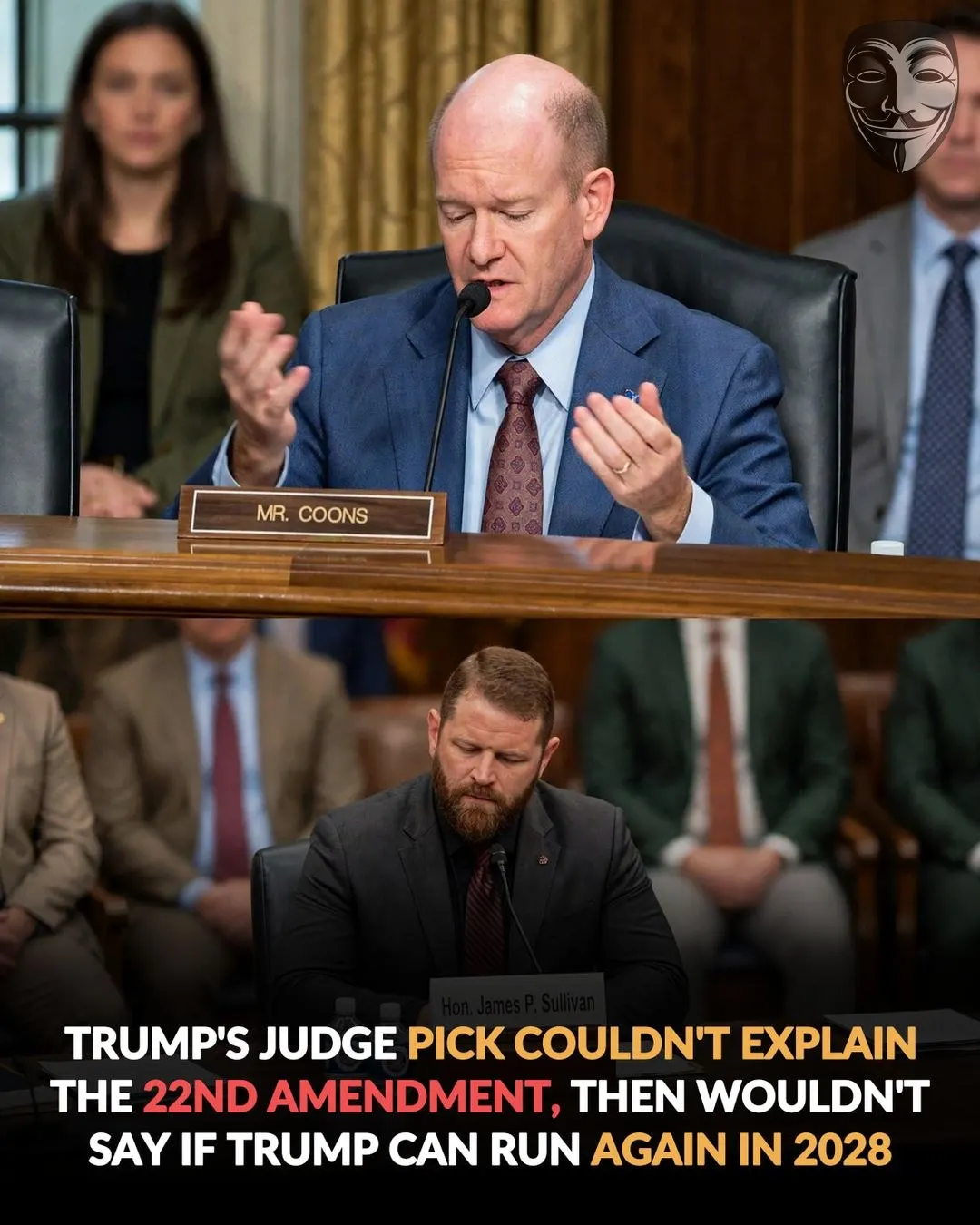
Sullivan 22nd Amendment questions turned a routine confirmation hearing into a national story on Wednesday, November 18, when Texas Supreme Court Justice James P. Sullivan sat before the Senate Judiciary Committee as President Trump’s nominee for a lifetime federal judgeship in West Texas. Senator Chris Coons asked him a simple question about what the amendment provides, and the Harvard Law graduate could not answer it without help. The slides ahead cover the exchange, the rule, and 2028. You can also read about a Senate fight over another Trump judge pick and Mitch McConnell leaving the Senate after four decades.
Sullivan had lost his seat on the Texas Supreme Court on November 3, and about a week later Trump nominated him for the federal bench. At the hearing, Coons first asked what the 22nd Amendment provides, then asked whether Trump, elected twice, could run again in 2028. Sullivan fumbled the first question and refused to answer the second, while fellow nominee William Lambert answered plainly that the amendment bars a third term. The contrast between the two answers is the heart of this story, and it left senators and viewers stunned.
References:
Mogaz: James P. Sullivan stalls on 22nd Amendment question at Senate hearing
Political Lines: Trump Judicial Nominee Faces Tough Constitutional Questions
Mandatory: Donald Trump-Nominated Judge Declines to Rule Out Third Presidential Term
Michael Popok Substack: Hitting the Wall: Trump Judicial Nominee Can’t Answer a Simple Question about the Constitution
Sullivan 22nd Amendment Exchange Started With One Simple Question
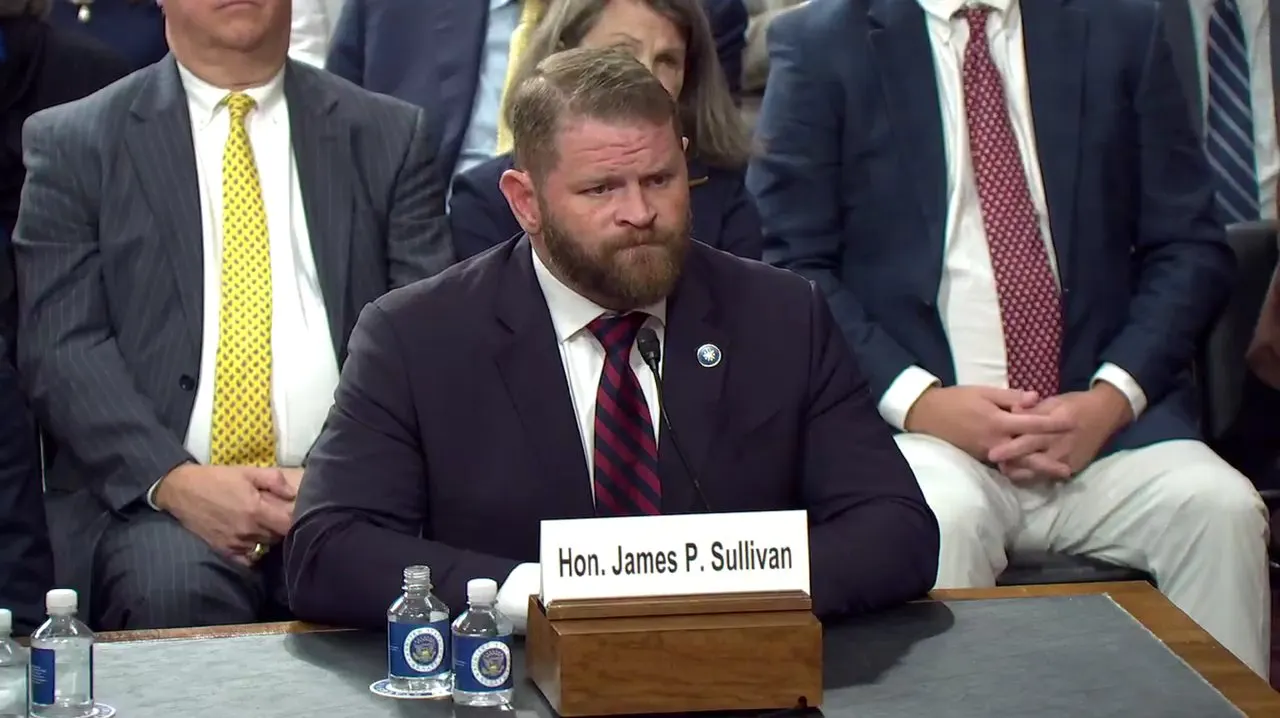
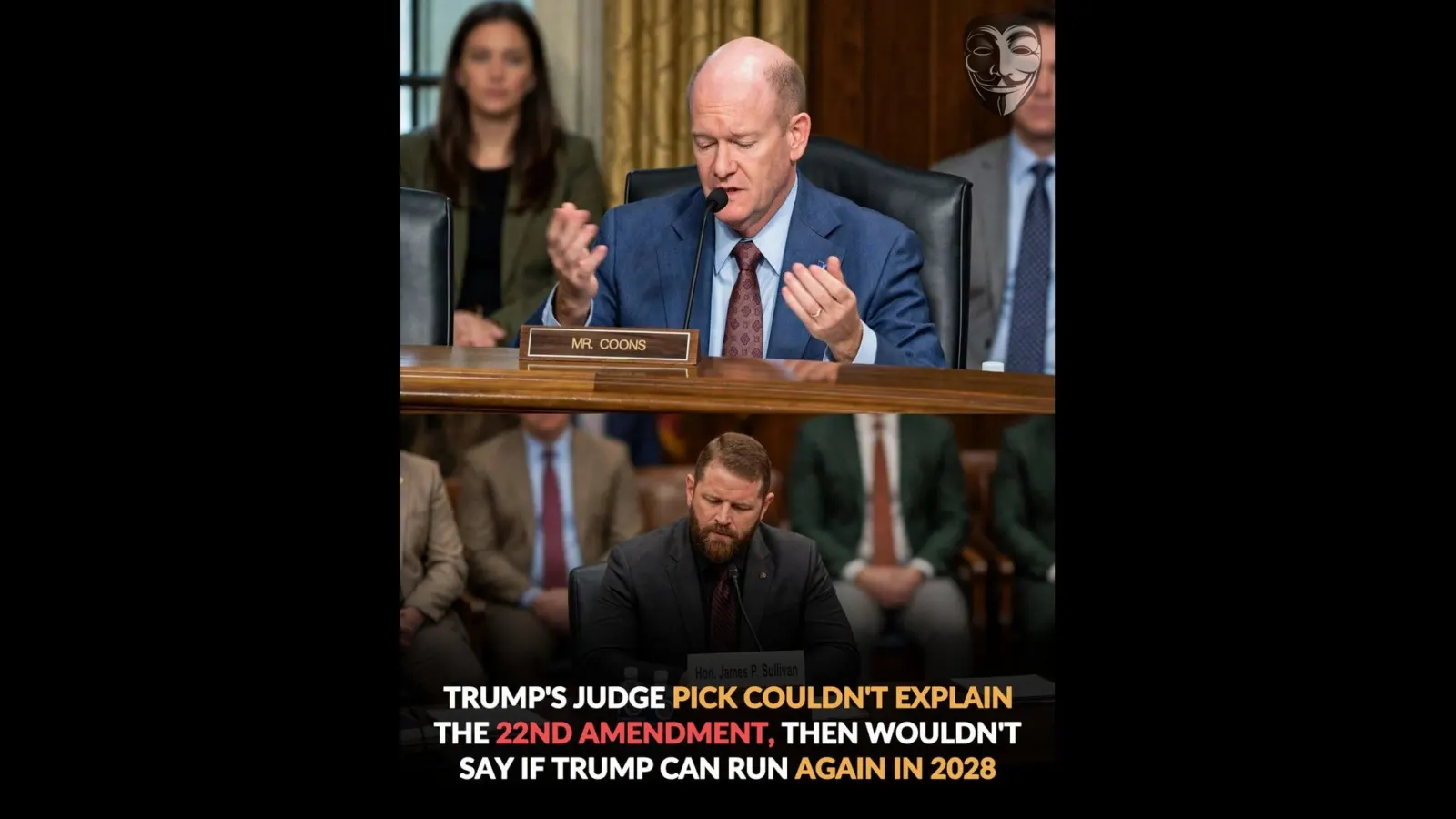
Senator Chris Coons opened with a question that sounded easy. He asked Sullivan to say what the 22nd Amendment provides, after talking about the oath to uphold the Constitution. Sullivan reached for the Constitution he carries and said he keeps it over his heart because sometimes it is not in his brain. Then he stopped and whispered, oh boy, oh boy. Coons fed him the first words, no person shall be elected, and Sullivan finished the line. It spread fast, like the Texas Senate audit after a big vote margin and a bill to stop Trump from pardoning himself.
A Lifetime Seat in West Texas Was the Prize

Sullivan was nominated on November 10 for a lifetime seat on the United States District Court for the Western District of Texas. It came about a week after he lost reelection to the Texas Supreme Court on November 3. He had been appointed to that state court by Governor Greg Abbott in January 2025, so it looked like a promotion after a defeat. A federal judgeship carries real power, since district judges decide cases that shape daily life. Senators test nominees closely, as seen in the debate over removing Trump from office and the federal crime crackdown after D.C..
How a Confirmation Hearing Really Works
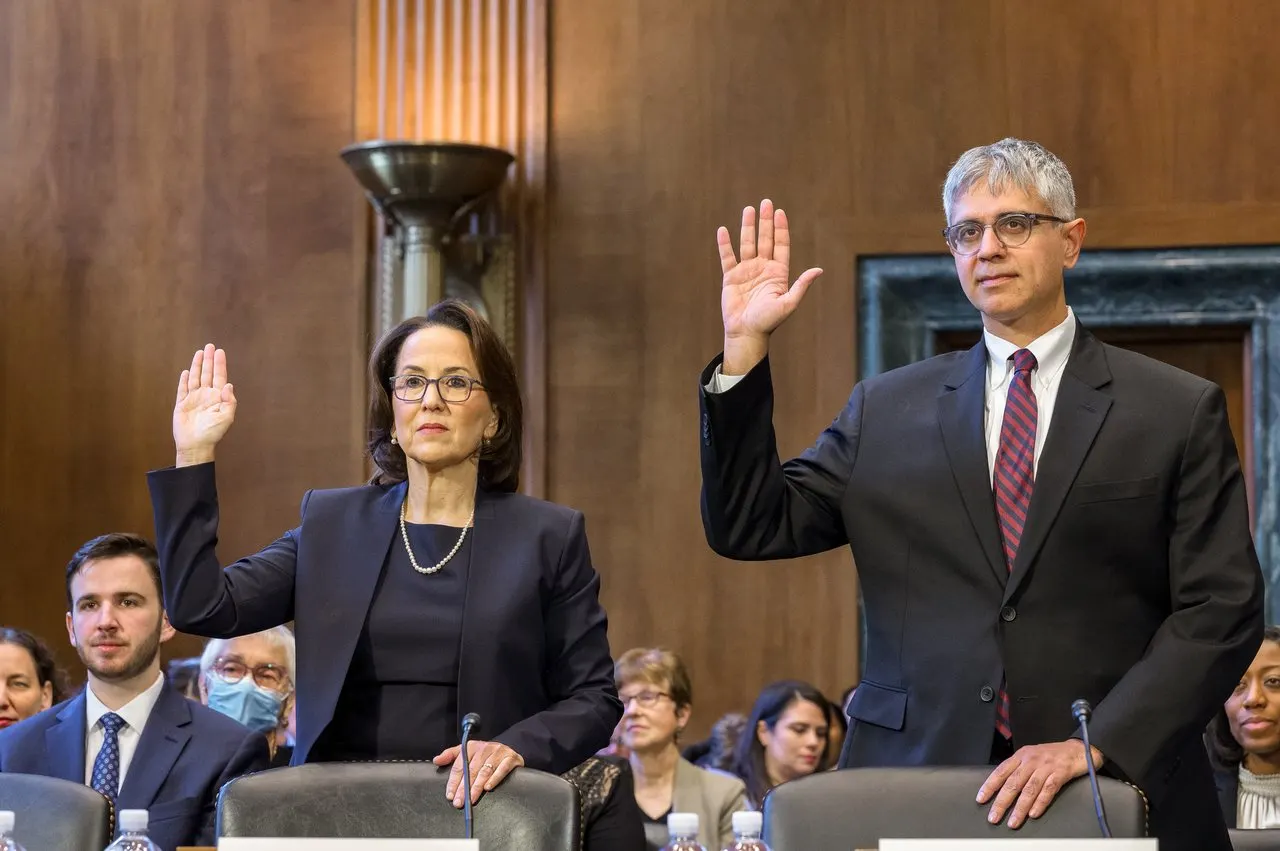
A confirmation hearing is the Senate’s job interview for a federal judge. The Senate Judiciary Committee calls the nominee to sit at a witness table, take an oath, and answer questions. Senators ask about the nominee’s record, views on the law, and knowledge of the Constitution. Seven nominees appeared at the same hearing as Sullivan, so the committee moved from one witness to the next through a long day. The questions can be friendly or sharp, and every answer is on the record. You can read about Hakeem Jeffries warning the MAGA movement and warnings about Trump and Russia.
Why the Sullivan 22nd Amendment Question Matters in the Senate

Federal judges serve for life, so the Senate gets one real chance to judge a nominee before the vote. That is why a basic question about the Constitution carries weight. The 22nd Amendment sets a clear limit on presidential power, and a judge who may rule on election cases should know it cold. When a nominee cannot state the rule, senators start to wonder what else may be shaky. The hearing is a public test, and voters watch closely, just as they followed a House seat lost by only 330 votes and Ken Paxton losing his Texas Senate race.
Tough Questions Are Nothing New at Hearings
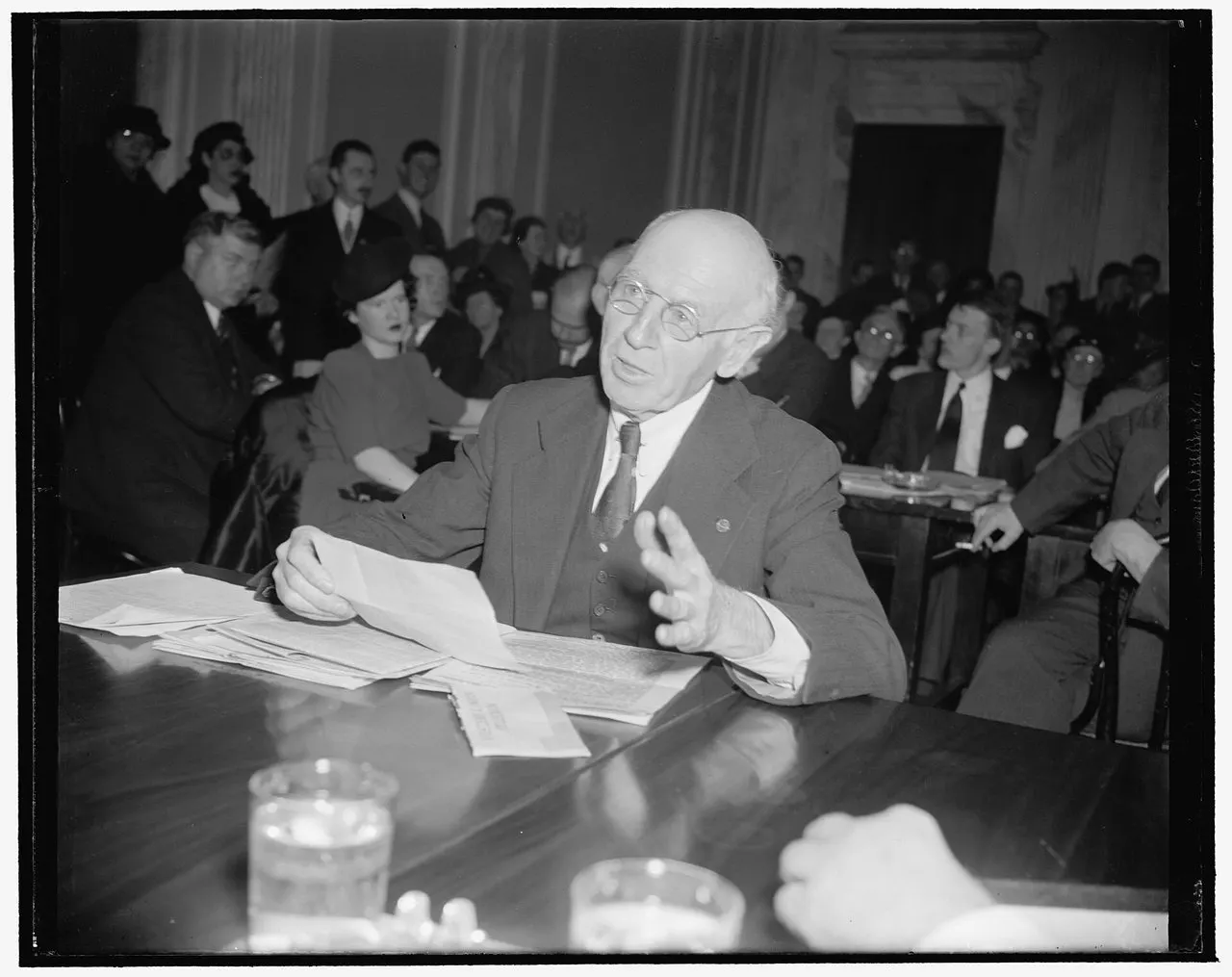
Senate hearings have tested nominees for generations, and the hard questions are part of the tradition. In 1939, Felix Frankfurter became the first Supreme Court nominee to appear in person before the Judiciary Committee, and senators pressed him for hours. Since then, nominees have faced questions about their past rulings, their writings, and their grasp of the Constitution. Some hearings are calm, and some turn into famous clashes that people remember for years. The Sullivan hearing now joins that long list, alongside the debate over Obama running again in 2028 and McConnell returning to the Capitol in a wheelchair.
Packed Rooms and Long Days on the Hill
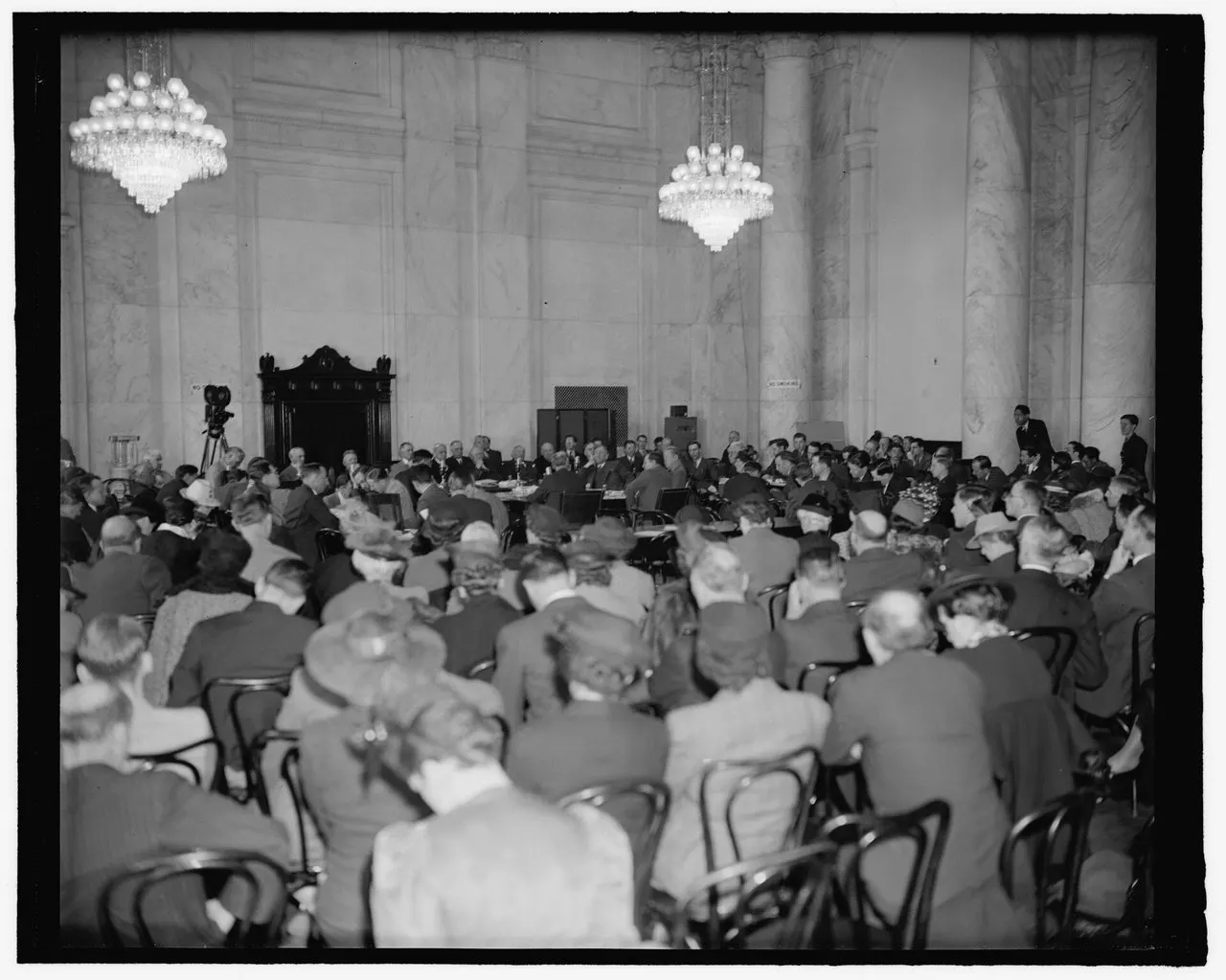
Big hearings draw crowds, cameras, and long lines outside the committee rooms. Staff, reporters, and members of the public fill the seats, and every exchange can be clipped and shared within minutes. That is what happened with Sullivan, as video of the 22nd Amendment exchange spread across social media the same evening. A short clip can shape how millions of people see a nominee before the Senate ever votes. The pressure in the room is real, and nominees know it, much like the attention around the ruling against Trump tariffs and Elissa Slotkin firing back at a prosecutor.
The Sullivan 22nd Amendment Story Starts With Franklin Roosevelt
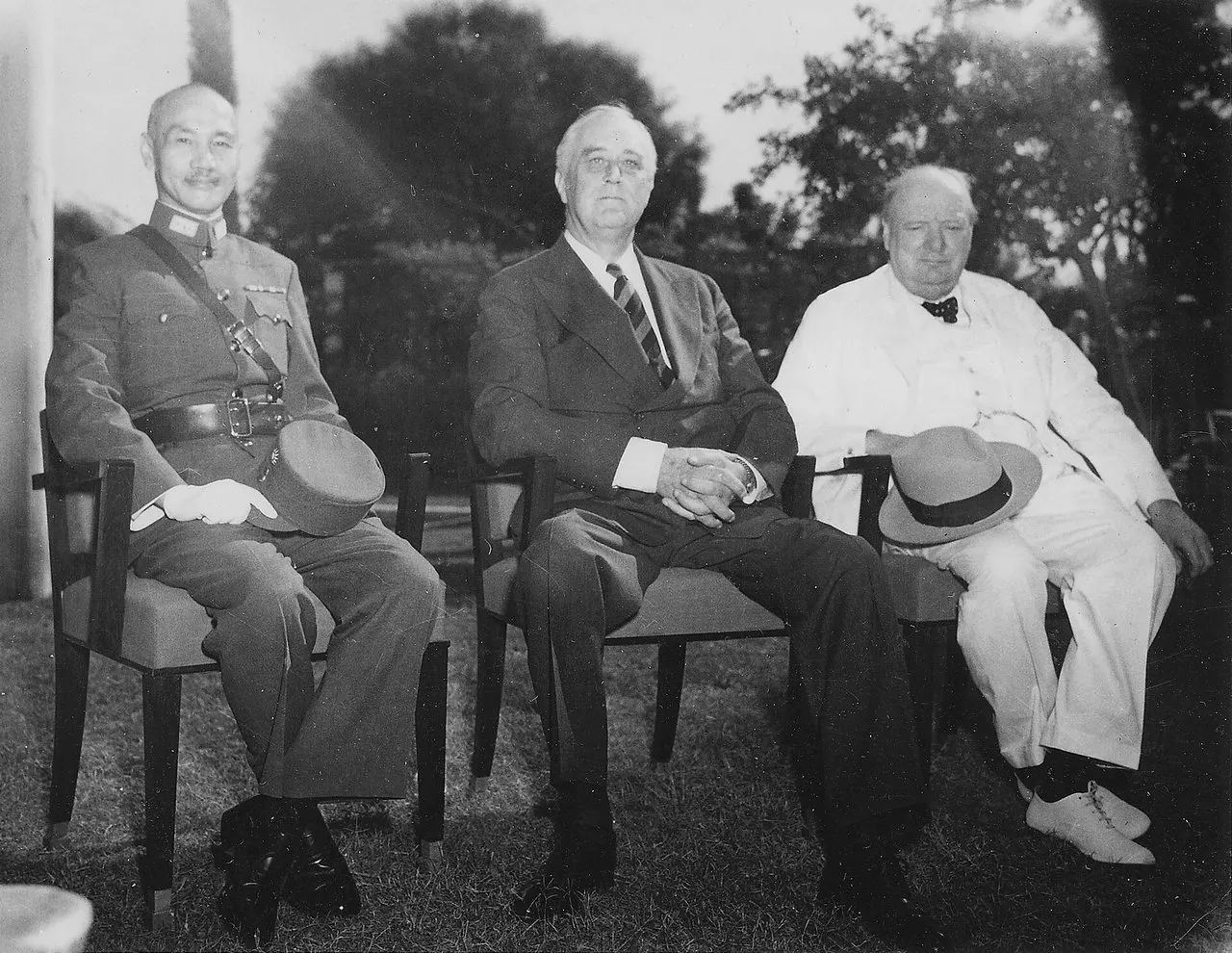
The Sullivan 22nd Amendment debate goes back to Franklin D. Roosevelt, the only president elected four times. He won in 1932, 1936, 1940 and 1944, and his long run worried many Americans. After he died in office in 1945, Congress moved to write a limit into the Constitution. Proposed in 1947 and ratified in 1951, it says no person shall be elected president more than twice. It also covers a vice president who takes over, counting more than two years as one election. Read more in the plan to seal the border and Mamdani keeping his promises.
Trump Has Talked About a Third Term Before
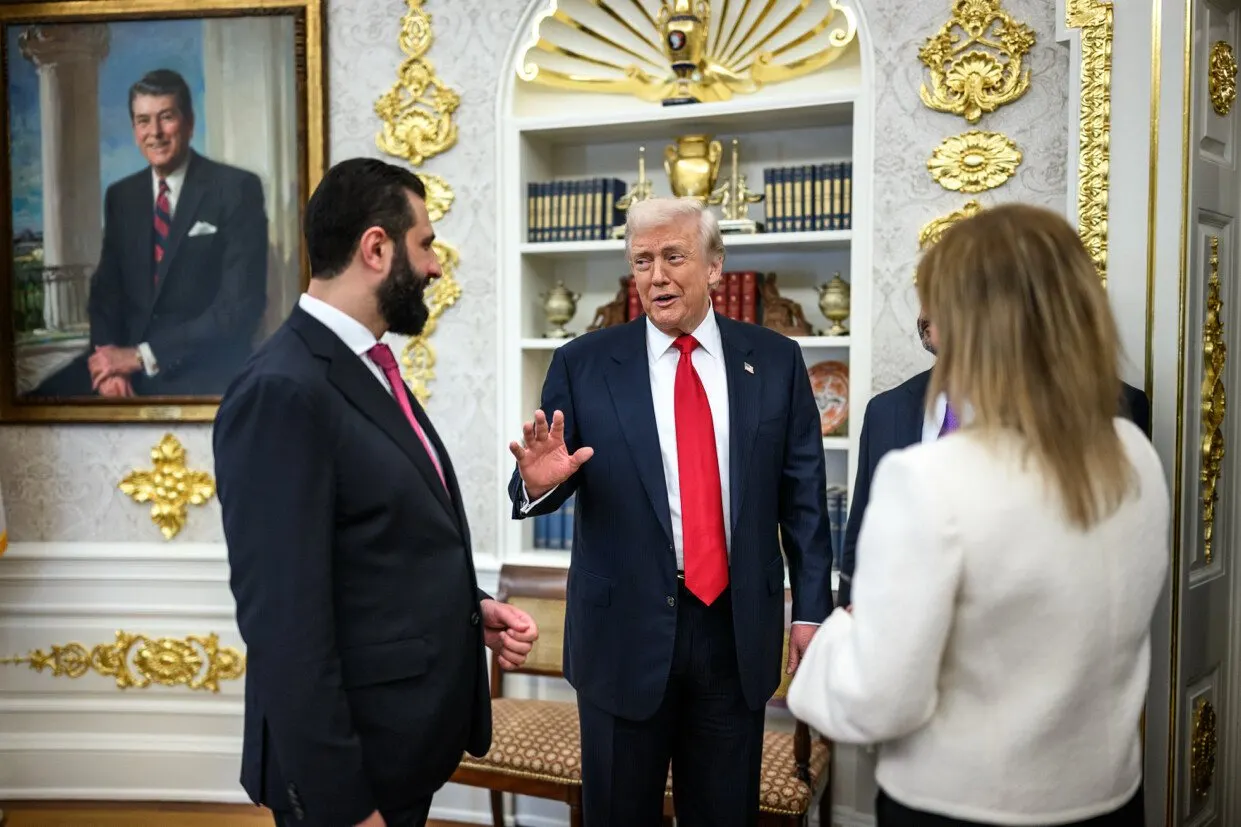
President Trump was elected in 2016 and again in 2024, which is why the 2028 question matters. He has said more than once that he is thinking about a third term, and Coons noted the question seems unresolved only in the mind of President Trump. Coons was not asking about a distant theory. He was asking about the president who picked Sullivan, and whether the nominee would apply the plain words of the amendment to him. See also reporters having phones taken on Air Force One and Putin angry over the Crimean bridge strike.
Congress Wrote the Rule After Four Terms
After Roosevelt’s four elections, Congress decided no future president should hold the office that long. Lawmakers proposed the 22nd Amendment in 1947, and the states ratified it in 1951. The rule was meant to protect the peaceful transfer of power and keep any one person from holding the presidency for life. It is now one of the best known limits in the Constitution, taught in schools and quoted in debates. Every president since then has served under it, including a Senate fight over another Trump judge pick and the leaders in Mitch McConnell leaving the Senate after four decades.
What the Sullivan 22nd Amendment Actually Says

The words of the amendment are short. No person shall be elected to the office of the president more than twice. Coons fed that sentence to Sullivan, and Sullivan finally repeated it back. It also says a person who serves more than two years of another term can only be elected once more. There is no hidden clause and no exception for a popular president. The text means what it says, which is why Coons called the answer disappointing, as covered in the Texas Senate audit after a big vote margin and a bill to stop Trump from pardoning himself.
The House and Senate Share the Power to Amend
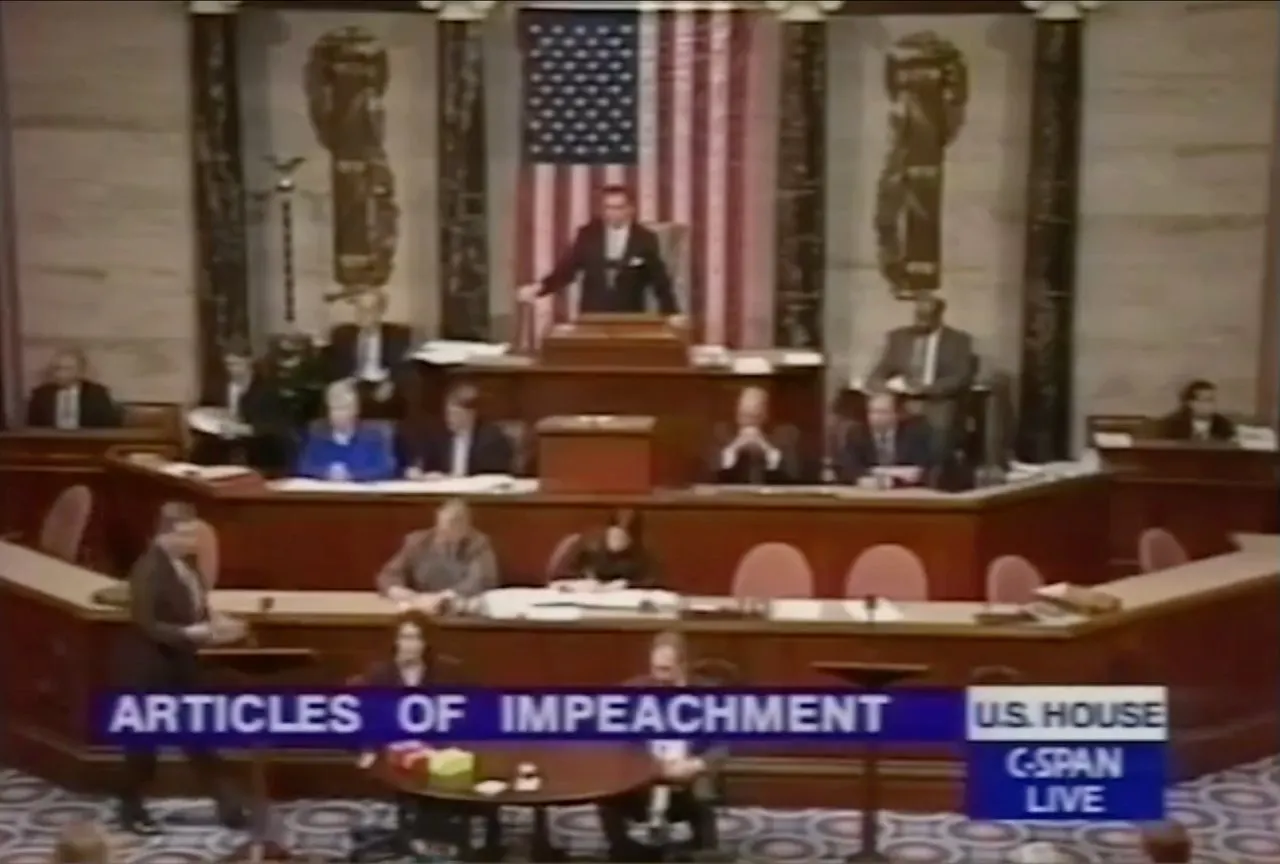
Changing the Constitution is deliberately hard by design. An amendment needs two thirds of both the House and the Senate, and then three fourths of the states must ratify it. That high bar is why the 22nd Amendment has stood untouched since 1951, even as presidents and their supporters have talked about longer terms. No amendment to allow a third term has ever come close to passing. The rule stays in place unless the country goes through that long process again, a point raised in the debate over removing Trump from office and the federal crime crackdown after D.C..
The Sullivan 22nd Amendment Answer That Disappointed Coons
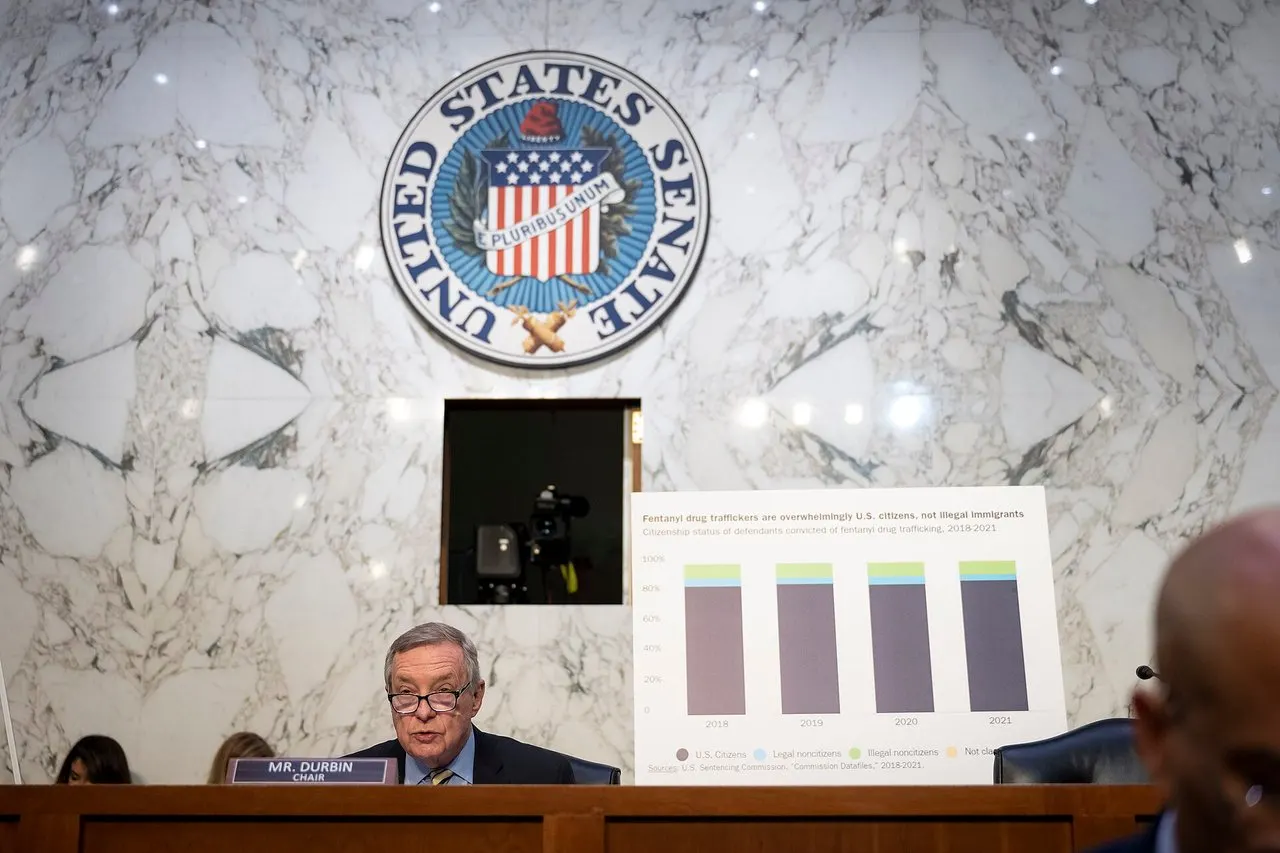
When Coons asked whether Trump could run again in 2028, Sullivan said a judges ethics rule kept him from answering. He pointed to Canon 5, which tells judges and nominees to avoid political statements. He added that the issue seems like a subject of ongoing political debate. Coons called that a very disappointing answer and said the amendment is bracingly clear on its face. He added that the question is only unresolved in the mind of President Trump, a view echoed in Hakeem Jeffries warning the MAGA movement and warnings about Trump and Russia.
Another Nominee Answered the Same Question Plainly

Sullivan was not the only nominee Coons questioned that day. Fellow nominee William Lambert, picked for a federal judgeship in South Carolina, faced the same test and answered it straight. Lambert said the text seems clear that no one may serve a third term, and he agreed that includes President Trump. The contrast could not have been sharper. One nominee treated the amendment as plain English, while the other called it an open political debate. Senators notice that kind of difference, as shown by a House seat lost by only 330 votes and Ken Paxton losing his Texas Senate race.
Washington Reacted Fast to the Hearing Clip

Within hours, the exchange was all over the news and social media. Clips of Sullivan fumbling the question and dodging the 2028 follow up were shared widely, and news outlets ran the story all night. Commentators called it a striking moment, and the hearing became one of the most talked about events of the week in Washington. For a nominee, that attention is hard to undo, since senators and voters both saw the same video. It drew the same buzz as the debate over Obama running again in 2028 and McConnell returning to the Capitol in a wheelchair.
From the Texas Supreme Court to a Federal Nomination

Sullivan built his career in Texas, serving as a justice on the Texas Supreme Court after Governor Greg Abbott appointed him in January 2025. A Harvard Law graduate, his struggle with a basic constitutional question surprised viewers even more. Texas voters removed him from the state court on November 3, and Trump nominated him for the federal bench a week later. His path from a state high court to a lifetime federal seat runs through the Senate, where his answers will be weighed, just as voters weighed the ruling against Trump tariffs and Elissa Slotkin firing back at a prosecutor.
The Sullivan 22nd Amendment Debate Is Really About 2028

Everything in this hearing points to one year, 2028. Trump has been certified as the winner in 2016 and 2024, and the amendment says no person shall be elected more than twice. If that rule holds, he cannot run again. If anyone claims otherwise, the question could end up in court, which is why the views of a future federal judge matter. Senators must decide whether Sullivan’s answers show the judgment they expect from a lifetime judge. The stakes reach beyond one hearing, touching the plan to seal the border and Mamdani keeping his promises.
What Do You Think the Senate Should Do Next

Sullivan’s hearing gave the country a moment to judge a nominee by his words. He could not state the 22nd Amendment without help, and he would not say if it bars Trump from running in 2028. His fellow nominee answered without hesitation. Now the Senate must decide if that is enough for a lifetime seat. What do you think senators should do with this nomination? Should they confirm him, or are the answers a deal breaker? Share your thoughts in the comments, and read reporters having phones taken on Air Force One and Putin angry over the Crimean bridge strike.