
Virginia Foxx Lost Her House Seat by 330 Votes

Virginia Foxx lost her seat in the United States House of Representatives by just 330 votes, one of the closest results of the recent midterms. The 83-year-old Republican from North Carolina conceded the race on Sunday after a machine recount left Democrat Chuck Hubbard ahead by that slim margin out of about 287,000 votes cast. Foxx had first won the seat in 2004 and went on to chair the powerful House Rules Committee. Her loss ended a run in Congress that lasted more than two decades.
Before the concession, Foxx had already filed paperwork to run for the seat again in 2028, when she would be 85 if she won it back. Hubbard, a former journalist, will be the first Democrat to hold the seat since 1995, and his win helped give Democrats at least 258 seats in the House. In the slides ahead we look at the recount, the district, and the long career that came before this loss. You can also read our report on the debate over a 2028 comeback and the vote that chose a new Speaker nominee.
References:
Inside Higher Ed: Virginia Foxx Loses House Seat, Ending 20-Year Reign
CNN: Republican chair of the House Rules Committee loses reelection in Democrats largest majority this century
New York Post: Longtime GOP Rep. Virginia Foxx, 83, finally concedes razor-thin race to Democrat
People: GOP Congresswoman Who Wrote ‘Horrific’ Reply to Child’s Letter Officially Loses, Giving Democrats Largest Majority in 34 Years
The Recount That Decided It
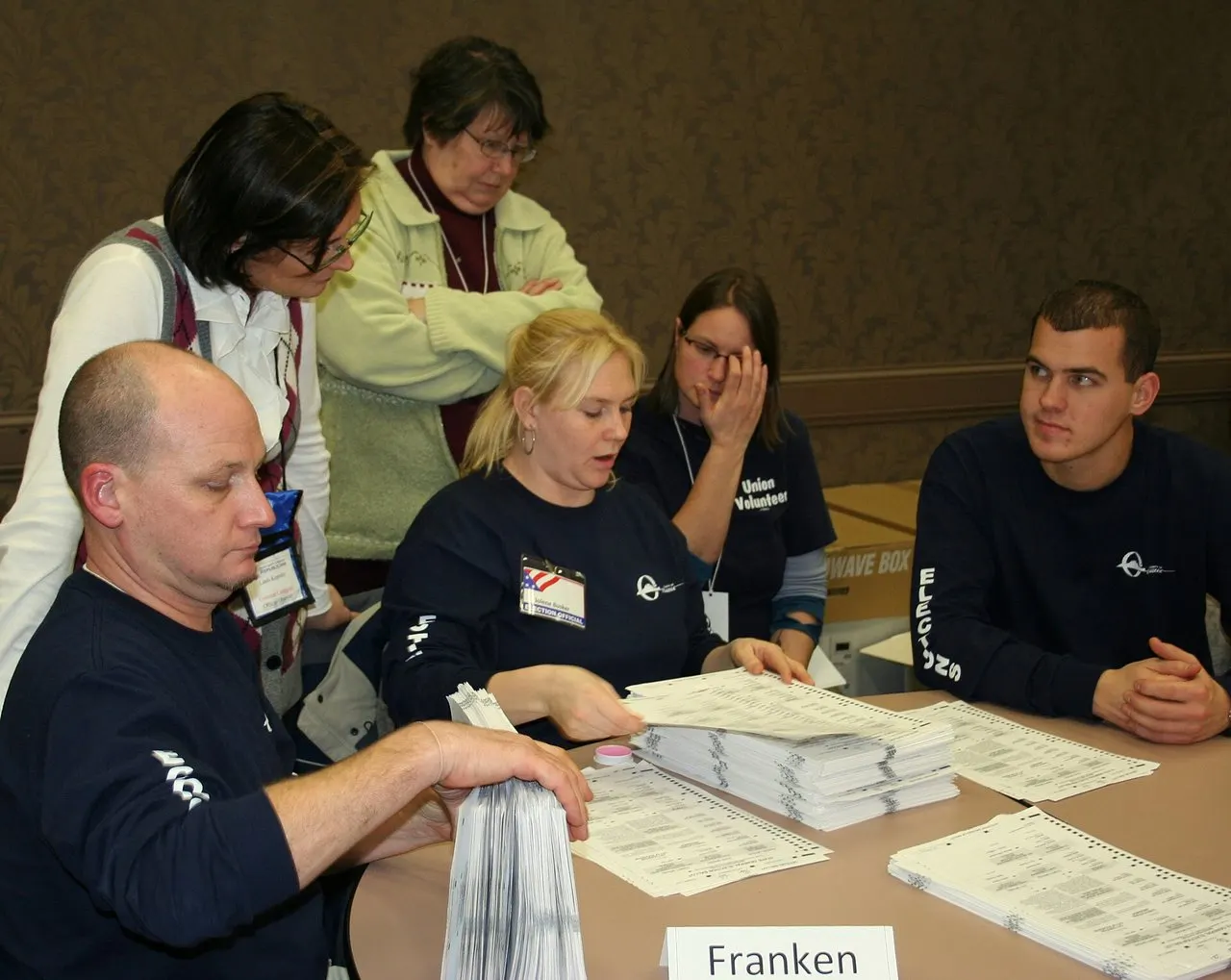
When the first count showed a gap of only 331 votes, Foxx asked for a recount. A machine recount feeds every ballot through scanners again and compares the new tally with the first one. This time the recount moved the margin by a single vote, leaving Hubbard ahead by 330 votes out of about 287,000 cast. That shift settled the race and led to the concession on Sunday. Counts this close are rare, and they show why every ballot matters. Read about how another close vote led to a statewide audit and what big midterm spending could not buy.
Chuck Hubbard, the Former Journalist Who Won
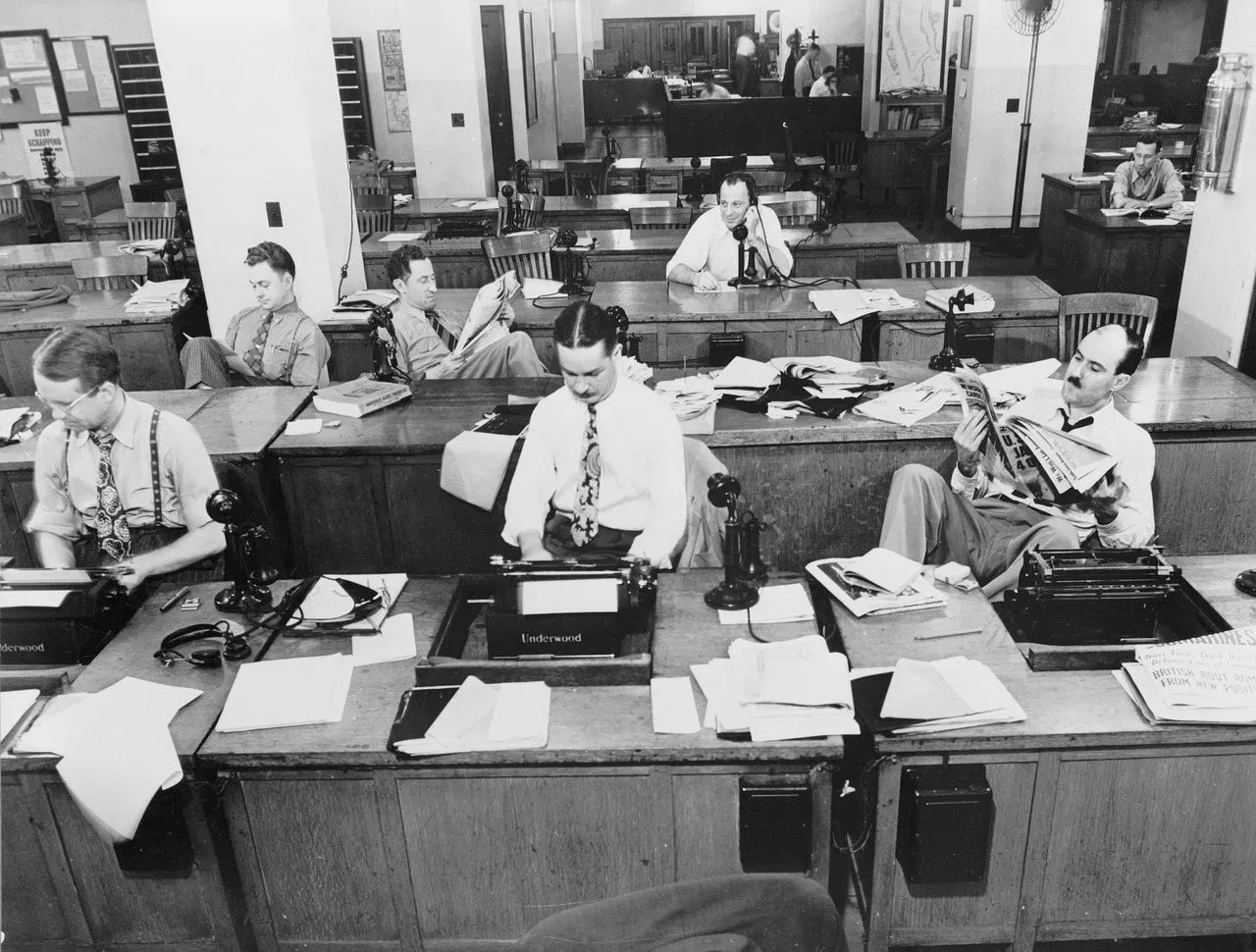
Chuck Hubbard spent his working life as a journalist before he ran for Congress, asking questions and telling local stories. That background shaped a campaign built on listening to voters across the district. He won one of the closest House races in the country, after the recount left him 330 votes ahead. He will be the first Democrat to hold the seat since 1995. His win also helped give Democrats at least 258 seats in the House. Read about a leader who returned to the Capitol after a health scare and a billionaire who now regrets his midterm bets.
A District in the North Carolina Mountains

The 5th District covers the northwest corner of North Carolina, a region of Blue Ridge Mountain towns, small cities, and farming valleys. People there live in mountain towns and small cities, and many families have roots in the area that go back generations. Voters here have sent a Republican to Washington for decades, and the seat has been a reliable part of the party map. That history makes this result stand out even more. Read about neighbors who forced a vote on their mayor and a mayor who kept his promises on rent and childcare.
Virginia Foxx and Twenty Years in the House

Foxx first won her seat in 2004, and she won election after election for the next twenty years. Over that time she built a reputation as a firm conservative voice and rose to chair the House Rules Committee, one of the most powerful posts in Congress. The committee decides which bills reach the floor and under what terms they are debated. Her long run made her a familiar figure in the House. Read about the vote that chose a new Speaker nominee and a House probe into a former president’s family.
Chair of the House Rules Committee
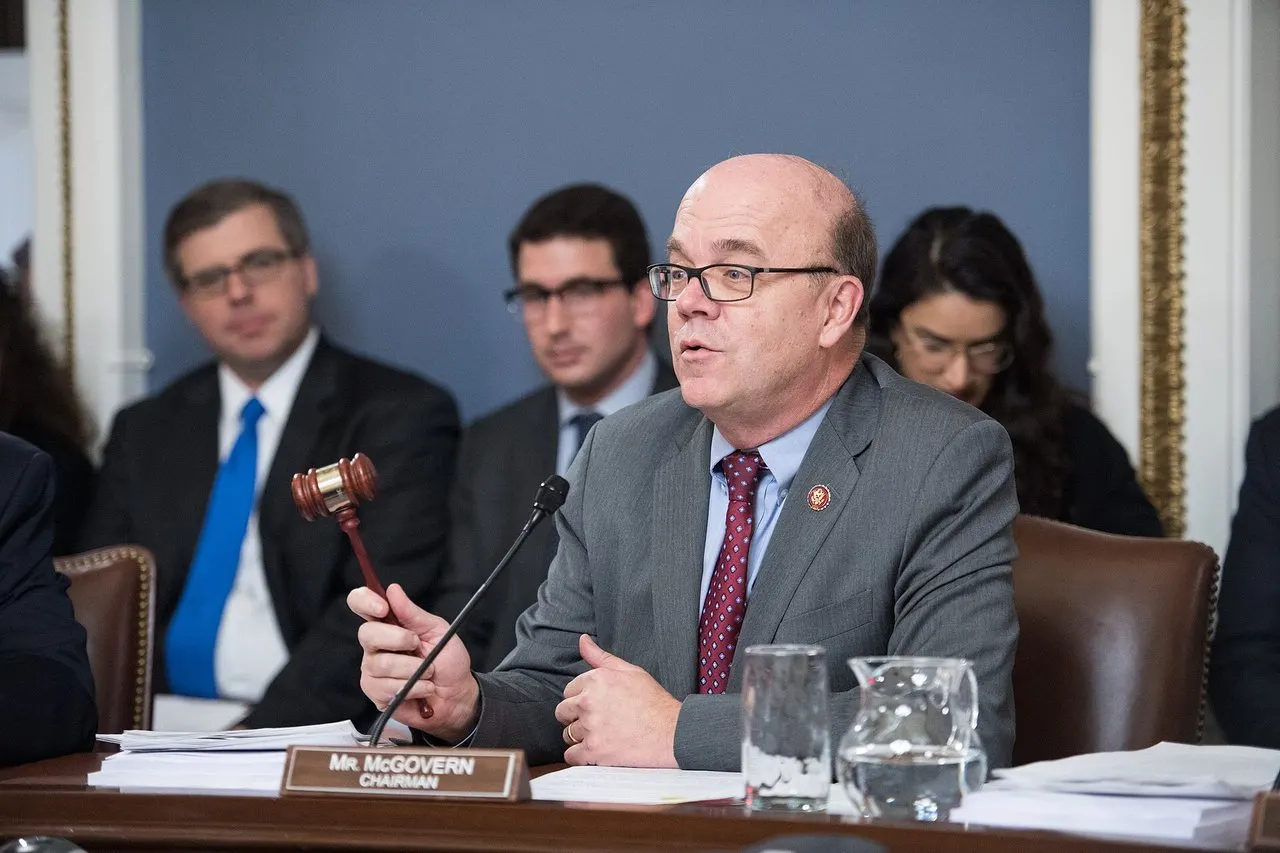
The House Rules Committee is often called the traffic cop of the House, because it sets the terms for debating bills. Its chair decides which measures reach the floor, how long they are debated, and which changes members may offer. Holding that chair gave Foxx real power over the daily work of Congress. Losing her seat also means losing that post, and a new chair will take over when the new Congress meets in January. Read about a House probe into a former president’s family and a new House bill on wrongful detention.
Virginia Foxx Lost by 330 Votes Out of 287,000

Out of about 287,000 votes cast, the gap between the two candidates was only 330, about one vote in every 870. That margin is hard to picture, and it is the kind of result that recounts are made for. Foxx asked for the recount when the gap stood at 331 votes, and the second count moved it by just one. In a race this close, a single neighborhood or a single day of early voting can hold the difference. Read about how another close vote led to a statewide audit and what big midterm spending could not buy.
A Democrat Takes the Seat for the First Time Since 1995

No Democrat has held this seat since 1995, which means a whole generation of voters has only known Republican representation. Hubbard’s win breaks that run and gives Democrats a foothold in a part of North Carolina they have not won in decades. For the party, the gain matters beyond one district, because it helped lift their House total to at least 258 seats. For voters in the district, it means a new voice in Washington. Read about a billionaire who now regrets his midterm bets and a leader who returned to the Capitol after a health scare.
Democrats Now Hold at Least 258 House Seats

The House of Representatives has 435 seats, and a party needs 218 of them to hold the majority. Hubbard’s win pushed the Democratic total to at least 258, well past that mark. That margin gives the party room to pass bills even when a few members break ranks. It also shapes who chairs committees and sets the agenda for the next two years. The result in North Carolina was one piece of a wider midterm story. Read about what big midterm spending could not buy and the vote that chose a new Speaker nominee.
A Midterm That Moved Voters

Midterm elections often turn on which side voters feel more energy for, and this year Democrats found it in places they had not won for years. Republicans, meanwhile, are looking for ways to energize their voters after the results, as the original post noted. A loss by 330 votes shows how thin the line can be between winning and losing. Small shifts in turnout can flip a seat that looked safe. Read about a billionaire who now regrets his midterm bets and a mayor who kept his promises on rent and childcare.
Virginia Foxx Files to Run Again at 85

Foxx has already filed paperwork to run for the seat again in 2028, even before the dust has settled on this race. If she won it back, she would be 85 years old, older than most members of the House. The filing signals that she does not see this loss as the end of her career. It also sets up a possible rematch with Hubbard in two years. Read about the debate over a 2028 comeback and how another close vote led to a statewide audit.
What the Rules Committee Actually Does
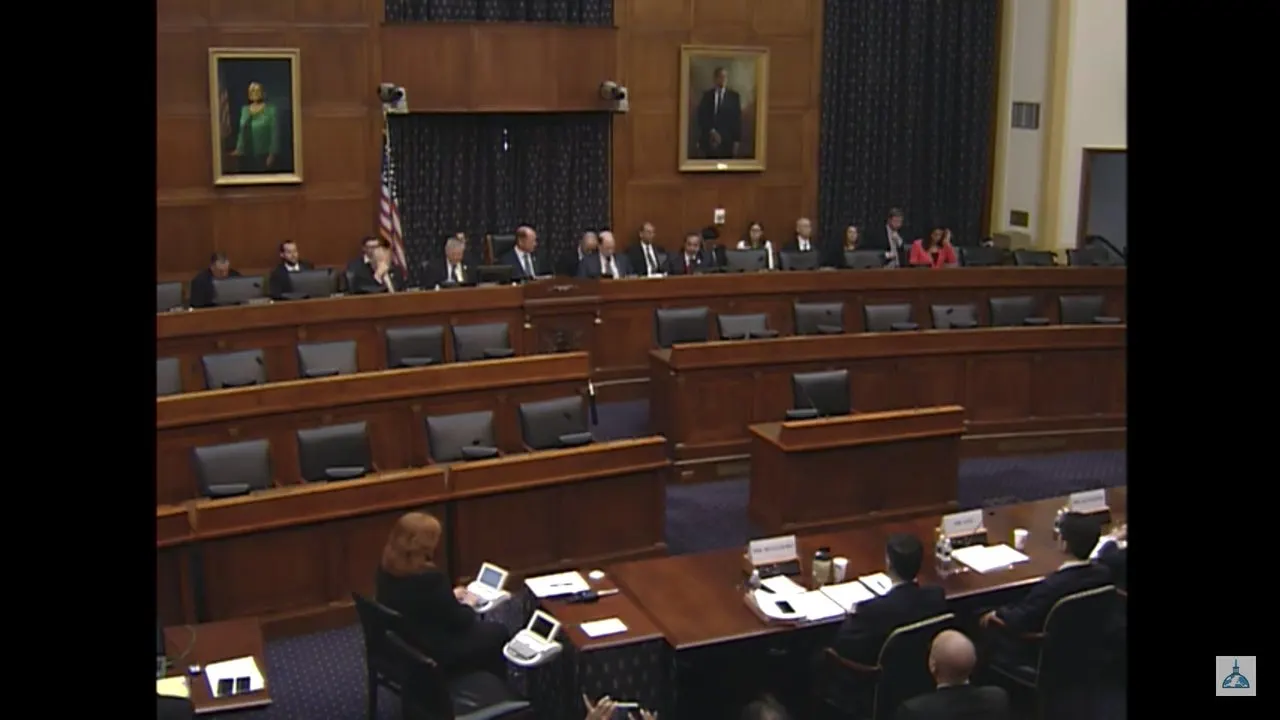
Most bills cannot reach the House floor until the Rules Committee clears the way. The committee writes a rule for each bill, setting how much time members get to debate it and which amendments they may offer. That power makes the committee a gatekeeper for the whole House. The chair runs that process, which is why the post matters so much to party leaders. With Foxx gone, the committee will have new leadership in the next Congress. Read about a new House bill on wrongful detention and a House probe into a former president’s family.
How a Machine Recount Works
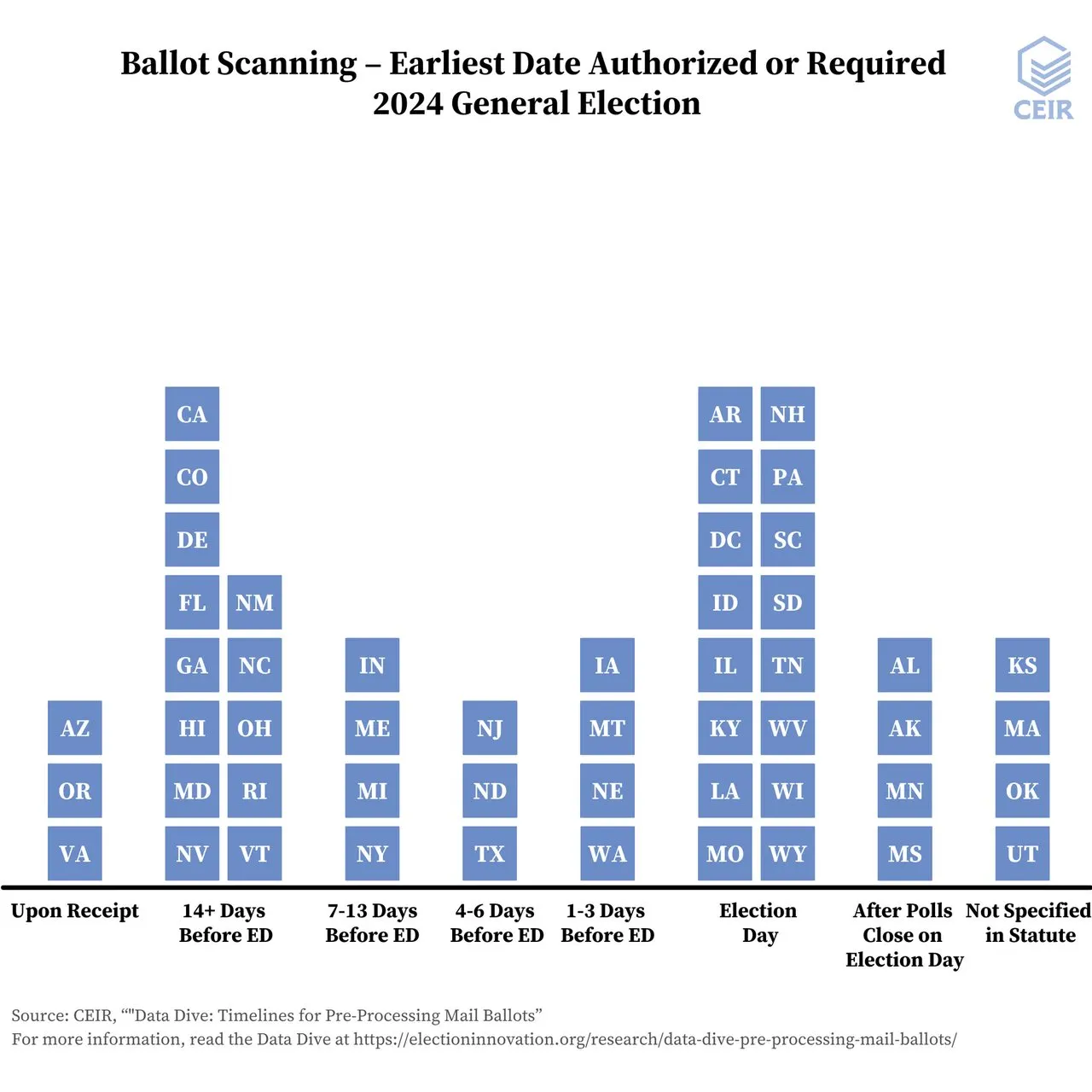
A machine recount does not mean counting ballots by hand. Workers feed the paper ballots through high-speed scanners a second time, and the machines add up the marks again. Officials then compare the new totals with the first count to check for errors. If the two counts match closely, the result stands. In this race the recount moved the margin by only one vote, from 331 to 330. Read about neighbors who forced a vote on their mayor and a new House bill on wrongful detention.
Virginia Foxx Concedes on a Sunday

Foxx conceded on Sunday, after the machine recount confirmed Hubbard’s lead of 330 votes. Concessions matter because they close the contest and let the winner start preparing to serve. Foxx had asked for the recount herself, and she accepted its result once the count was done. Her concession ended a campaign that had stretched across a long year. Read about a leader who returned to the Capitol after a health scare and a mayor who kept his promises on rent and childcare.
What Would You Ask Virginia Foxx?

Foxx has spent more than twenty years in Washington, and now she plans to ask voters for the seat once more in 2028. If you had the chance to sit down with her, what would you ask first? Would you want to know how she felt when the recount came back, or what she plans to do differently next time? Share your thoughts in the comments and keep reading our coverage of the new Congress. Read about the debate over a 2028 comeback and neighbors who forced a vote on their mayor.