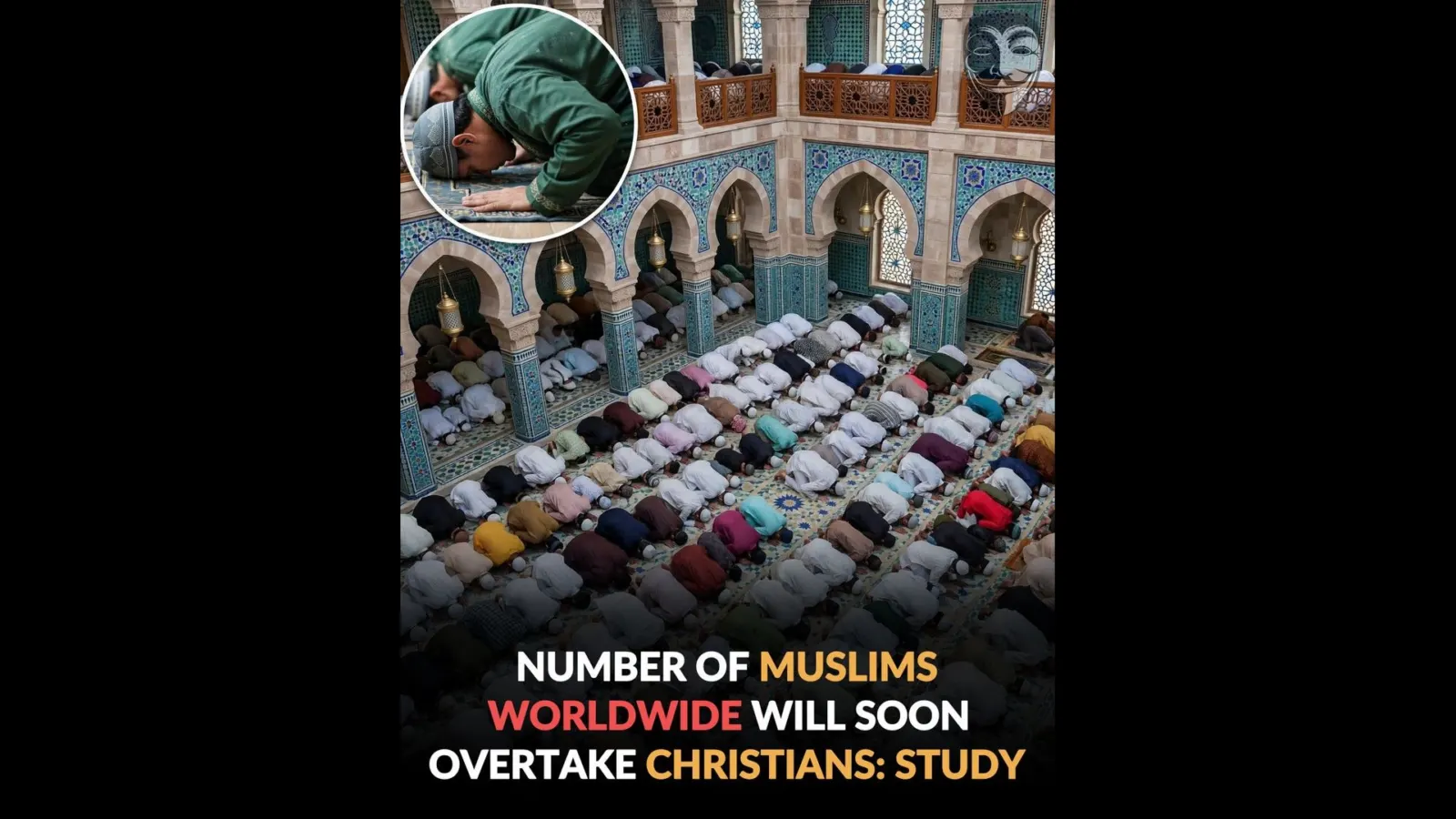
Muslim Population Growth Is Set to Pass Christians by 2035
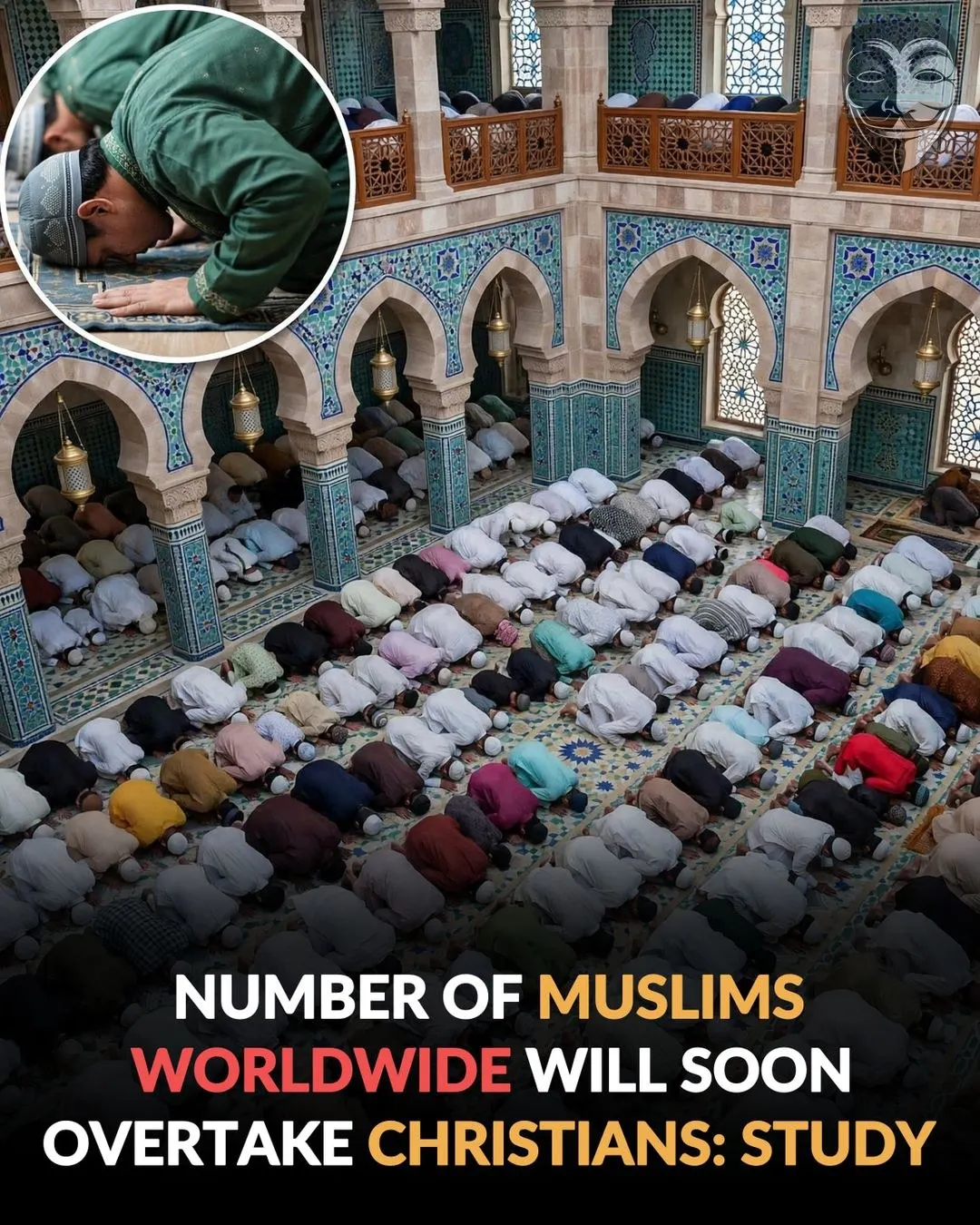
Muslim population growth is about to pass a historic marker. A new Pew Research Center report projects that Muslims will outnumber Christians worldwide by 2035, becoming the largest belief based group on Earth. The study puts the Muslim population at 2.57 billion that year, compared with 2.52 billion Christians. In 2020 the figures stood at 2.02 billion Muslims and 2.27 billion Christians. The crossover is less than a decade away, and it marks the first time in modern history that Christians will not be the largest faith group in the world.
The shift is driven by birth rates, not by people changing faith. Muslim women average 3.1 children, compared with 2.5 for Christian women, and Pew notes that Christians are still growing too, just more slowly. By 2070 the projections put Muslims at more than 3.6 billion people, about 36 percent of the world, while Christians hold fairly steady at 29 percent. In the slides ahead we look at the numbers, the reasons and what comes next. Start with our earlier report on the same Pew projections and our story on the projected 2035 crossover.
References:
Pew Research Center: Islam Will Soon Be the World’s Largest Belief group as Christianity Continues to Grow
New York Post: Number of Muslims worldwide will soon surpass Christians study
Associated Press: Islam is expected to surpass Christianity as the world’s largest belief group by 2035
Washington Times: Islam to surpass Christianity as world’s top faith by 2035
The Numbers Behind the 2035 Turning Point
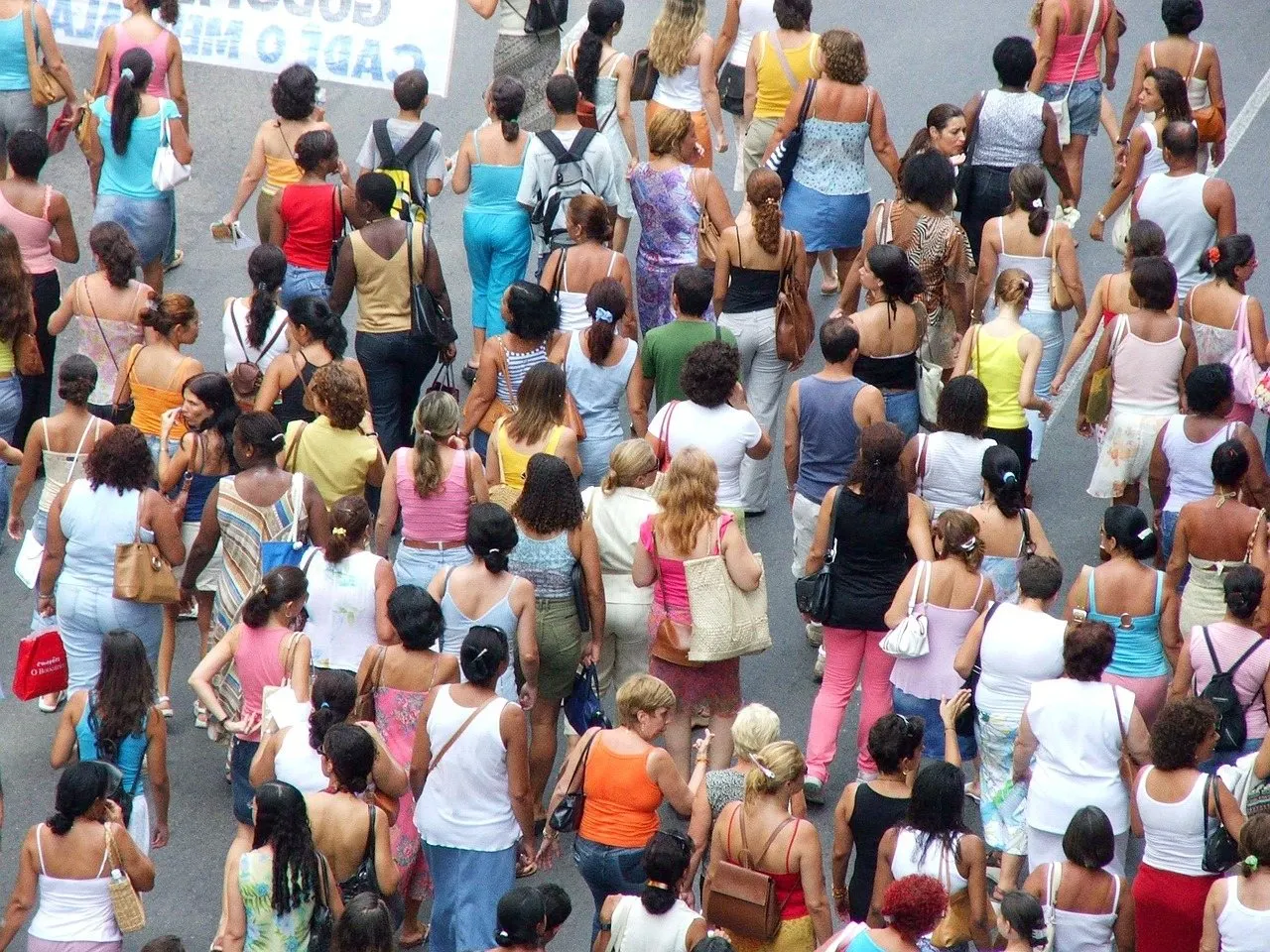
The numbers tell a clear story. In 2020 there were 2.02 billion Muslims and 2.27 billion Christians in the world, a gap of about 250 million people. By 2035 the Pew projections put Muslims at 2.57 billion and Christians at 2.52 billion, a lead of about 50 million the other way. That is a swing of about 300 million in fifteen years, driven mostly by births. Muslim population growth has run steady for decades, and the 2035 crossover is the moment the lines finally meet. Read our report on the Philippines deal and our story on the midterm exit polls.
Why Muslim Population Growth Is Outpacing Other Faiths
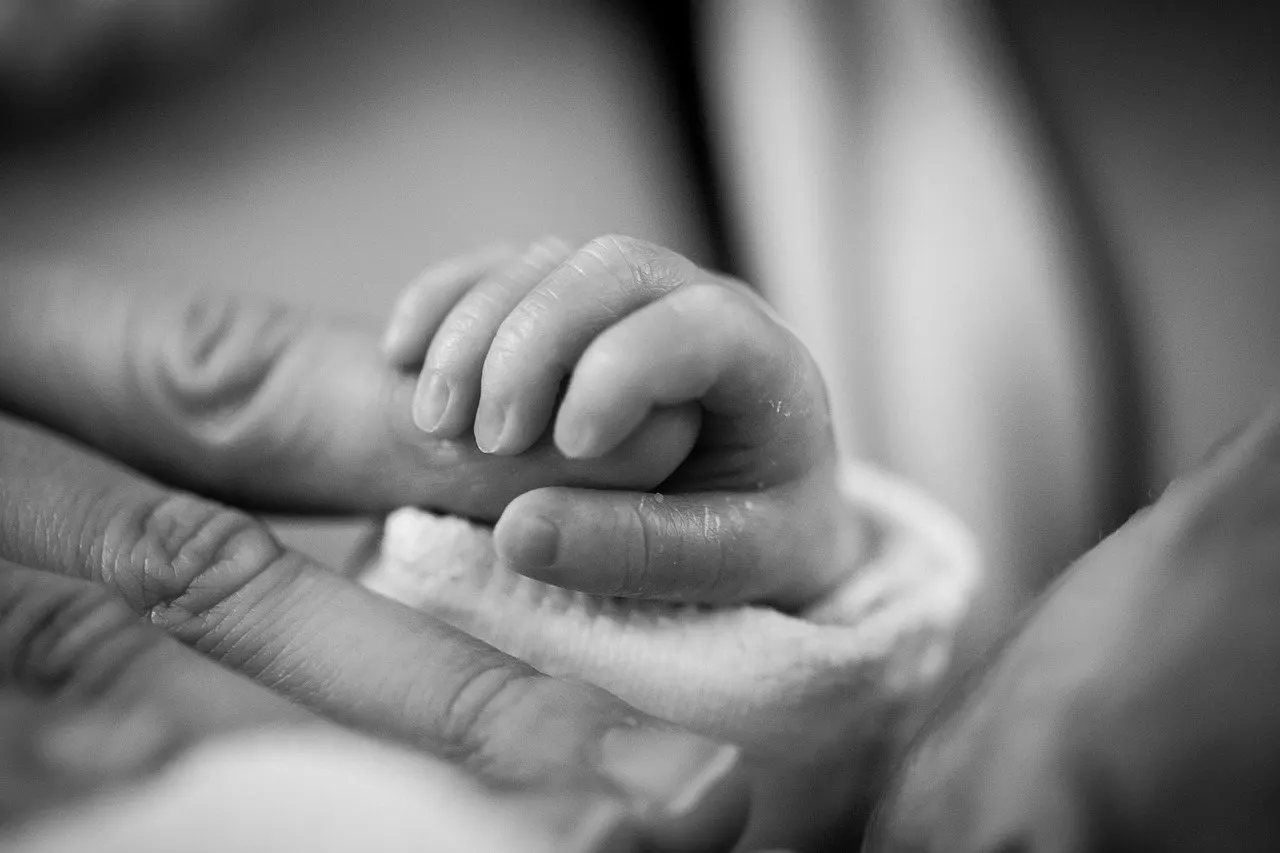
The main reason is simple. Muslim women average 3.1 children, while Christian women average 2.5, and that gap adds up across hundreds of millions of families. More births mean more young people, and more young people means more parents in the next generation. The study does not point to large numbers of people switching faiths. It points to family size, and to births far outnumbering deaths in Muslim communities. See our story on the projected 2035 crossover and our story on Ella Langley’s big night.
What the Pew Research Center Actually Measured

Pew Research Center is a nonpartisan research group based in Washington that studies religion and public life around the world. Its researchers build projections from census data, surveys and birth records, then run the numbers forward decade by decade. The new report looks at births, deaths, migration and people changing faith, and it tests how each one shapes the size of each group. The result is a forecast, not a promise, and the authors are open about the limits of looking fifty years ahead. Read our story on the Greenland deal and our story on Taylor Swift’s CMA comeback.
Birth Rates Drive Muslim Population Growth

Birth rates sit at the heart of this story. When one group averages 3.1 children per woman and another averages 2.5, the difference compounds year after year. Children born today become parents in twenty or thirty years, so a higher birth rate keeps echoing through the decades. That is why the projections show a steady climb rather than a sudden jump. The same math applies to every faith and every country, and it is the main reason demographers watch fertility rates so closely. See our report from the Shenzhen summit and our story on Cami the blue heeler.
Christians Are Still Growing Too

Christians are not shrinking in this forecast. Their numbers rise from 2.27 billion in 2020 to 2.52 billion in 2035, and they keep growing slowly after that. The story is about speed, not decline. Christians are adding people each year, while Muslims are adding people faster. By 2070 Christians still make up about 29 percent of humanity, a huge share of the world. Muslim population growth passes them in total size, but the Christian faith remains one of the great forces in the world. Read our report on the measles outbreak and our story on dragonflies under the ice.
Muslim Population Growth Will Reshape the World by 2070

Look past 2035 and the gap keeps widening. By 2070 the projections put Muslims at more than 3.6 billion people, about 36 percent of everyone alive. Christians hold fairly steady at 29 percent, while other groups shift around them. A world where more than one in three people is Muslim would look different in daily life, from the cities people live in to the holidays they mark. The change will arrive slowly, one birth at a time, over two generations. See our earlier report on the same Pew projections and our story on Pavel Durov’s fortune.
A Younger Generation Is Behind the Change
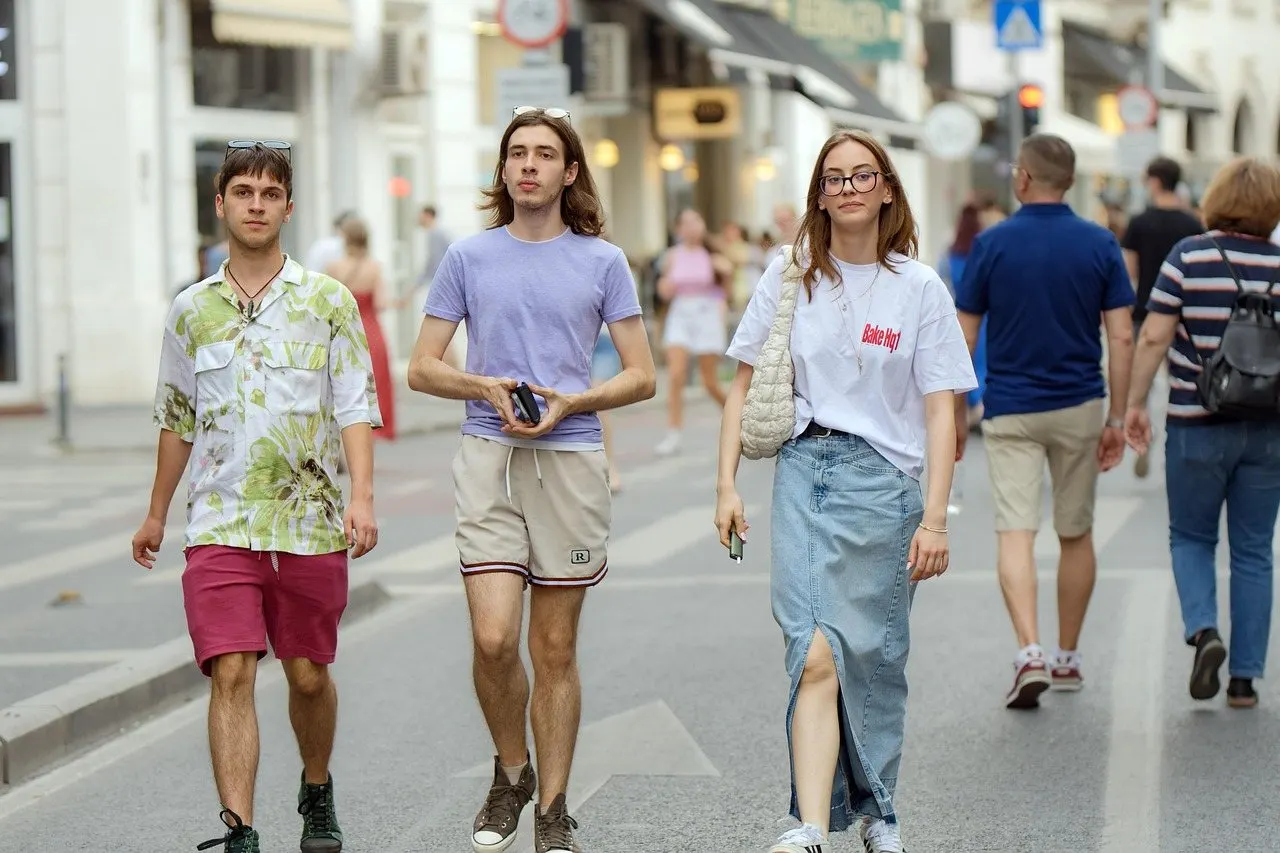
Age matters too. A younger population has more women in their twenties and thirties, the years when most children are born. It also has fewer older people, so deaths are lower as a share of the group. The Muslim population is younger than the Christian population on average, which gives it a built in advantage for growth. This age gap is one of the quiet forces behind the 2035 crossover, and it will keep shaping the numbers for decades to come. Read our story on the polar night in Utqiagvik and our story on Hillary Clinton’s warning.
Where Muslims Live Today
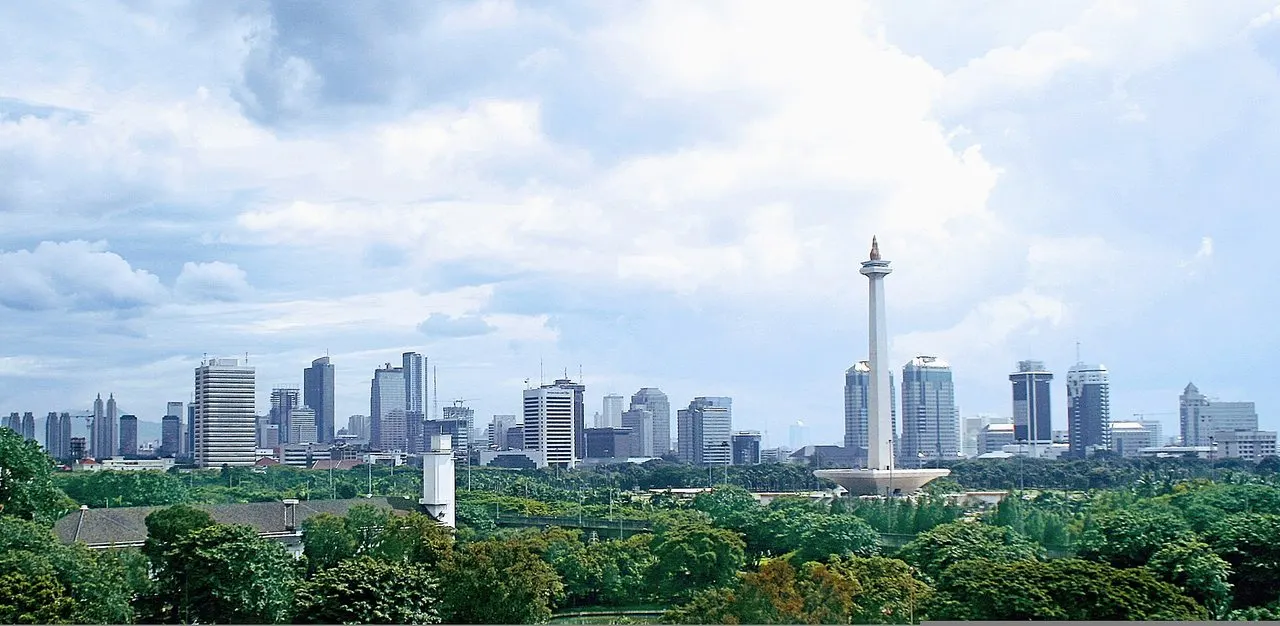
Most Muslims live in Asia and the Pacific. Indonesia is home to the largest Muslim population of any country, and Pakistan, India and Bangladesh each have very large Muslim communities too. Large Muslim populations also live across the Middle East, North Africa and sub-Saharan Africa, and smaller communities live in Europe and the Americas. Muslim population growth is therefore a story that plays out in many places at once, not in one country alone. Read our report on AI data centers and our story on dragonflies under the ice.
What Muslim Population Growth Means for Families

Behind the big numbers are ordinary families. A higher average birth rate means more siblings, more cousins and fuller dinner tables in many Muslim homes. It also means more children in schools, more young workers entering jobs and more demand for homes and health care in fast growing cities. For parents, the projections are not abstract at all. They describe the world their children will grow up in, and the communities that will grow up around them. See our story on unpaid senators and our story on Pavel Durov’s fortune.
Mosques and Communities Grow With the Numbers

Mosques sit at the center of Muslim community life. They are places of prayer, and they are also places where neighbors meet, children learn and families mark weddings and holidays. As Muslim communities grow, many cities are seeing new mosques, bigger prayer halls and more weekend schools. Friday prayers bring whole neighborhoods together, and Ramadan turns the mosque into a gathering place every evening. Growth in numbers means growth in the daily life that happens around these buildings. Read our report on the impeachment plan and our story on Hillary Clinton’s warning.
How Muslim Population Growth Compares Around the World
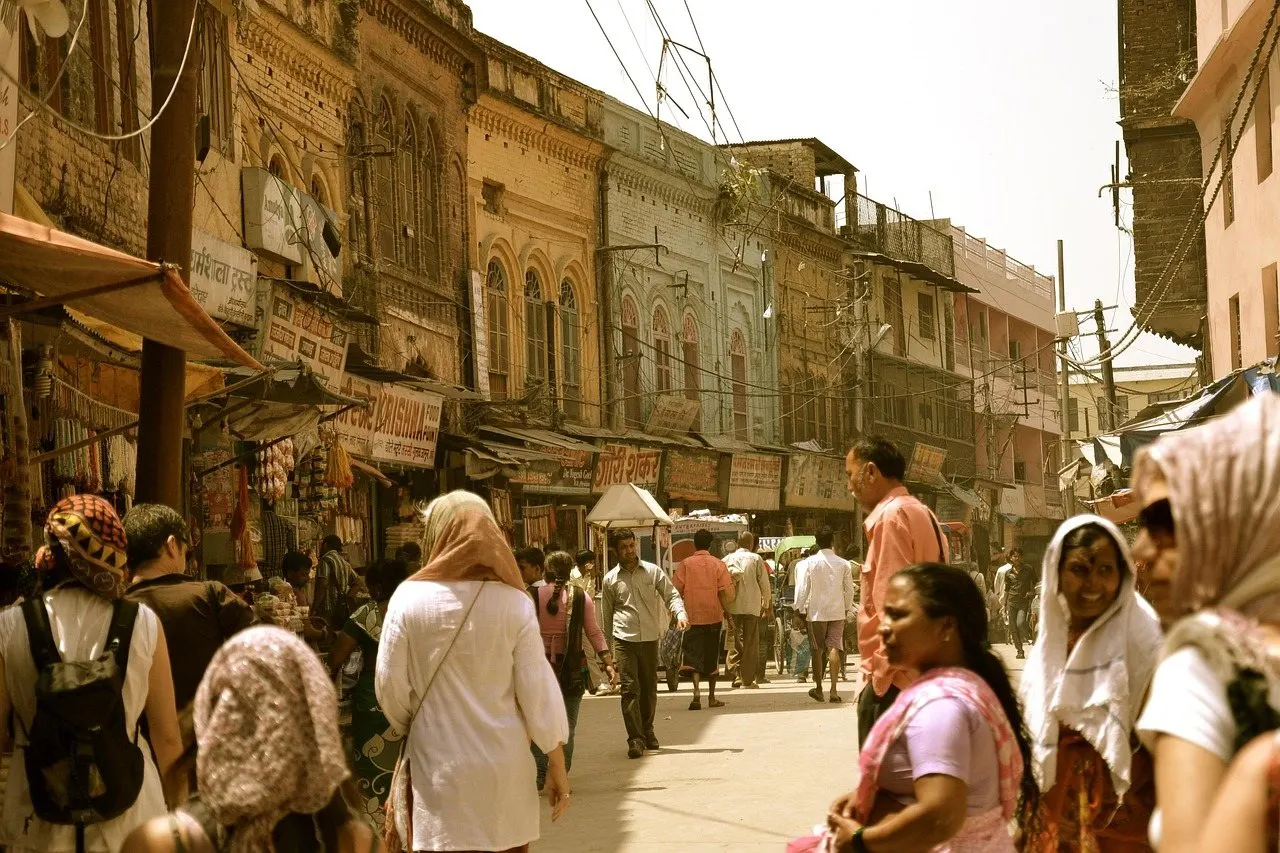
The shift is not the same everywhere. In some regions the Muslim share of the population is already high, while in others it is small but rising fast. Europe and North America will see steady growth through births and migration, while Asia and Africa will see the largest gains in sheer numbers. The global picture hides many local stories, and each country will feel the change in its own way. That mix of fast and slow change is what makes the projections so interesting. See our story on the projected 2035 crossover and our story on the midterm exit polls.
The Christian Share Holds Steady at 29 Percent
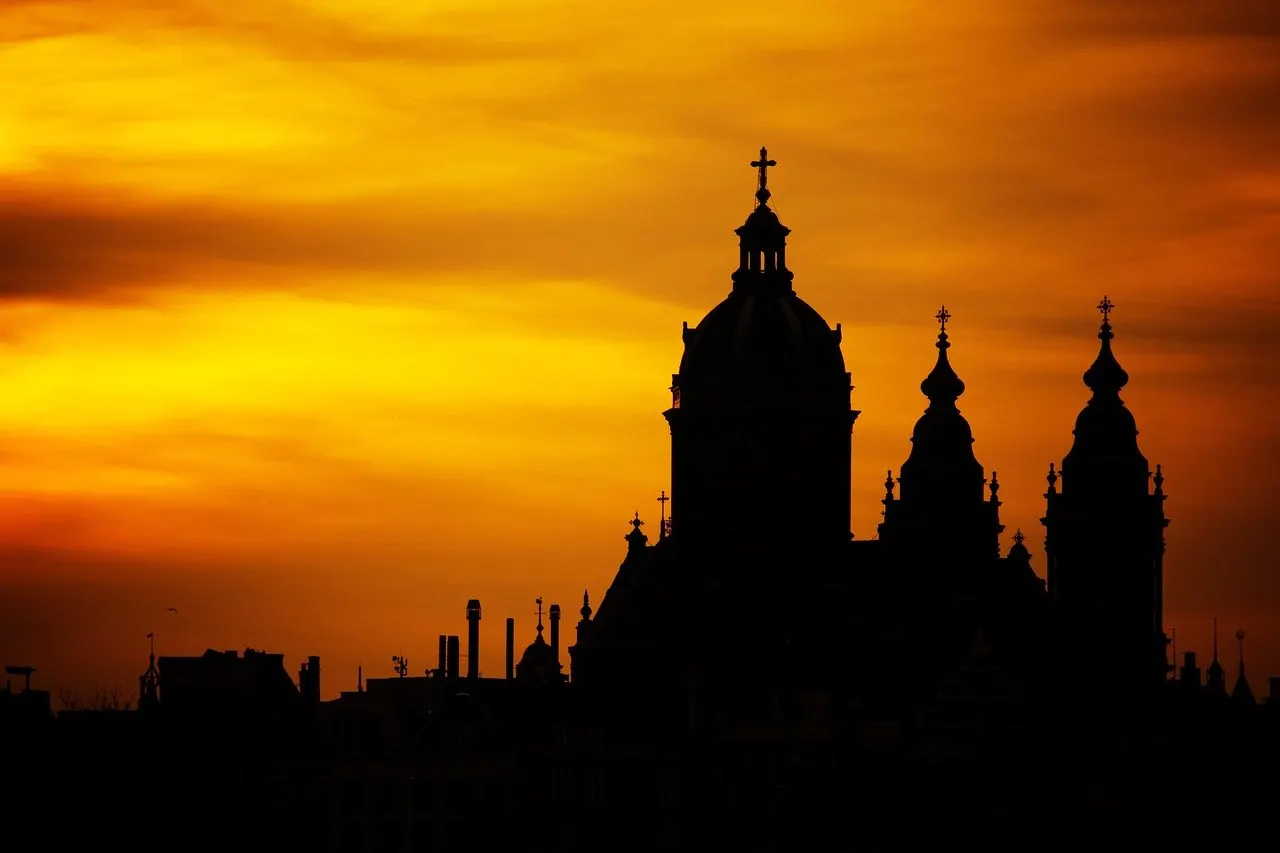
By 2070 about 29 percent of the world is projected to be Christian, a share that barely moves across five decades. That steadiness is striking, because the world population keeps growing the whole time. It means Christian numbers rise in step with humanity as a whole, even as Muslims rise faster. The United States, Latin America and Europe remain home to huge Christian populations, while Christianity also keeps growing in Africa and Asia. Read our report from the Shenzhen summit and our story on Ella Langley’s big night.
Why Long Range Projections Can Change

Projections are built on assumptions, and assumptions can shift. Birth rates fall as education and incomes rise, and that has happened in many countries already. Migration rules change, economies rise and fall, and some people change faith or leave it. Any one of these shifts could move the 2035 crossover by a few years, or narrow the gap by 2070. That is why Pew updates its work as new census data arrives, and why the report reads as a forecast rather than a fixed fate. See our report on the measles outbreak and our story on Taylor Swift’s CMA comeback.
Muslim Population Growth and the Future of Faith
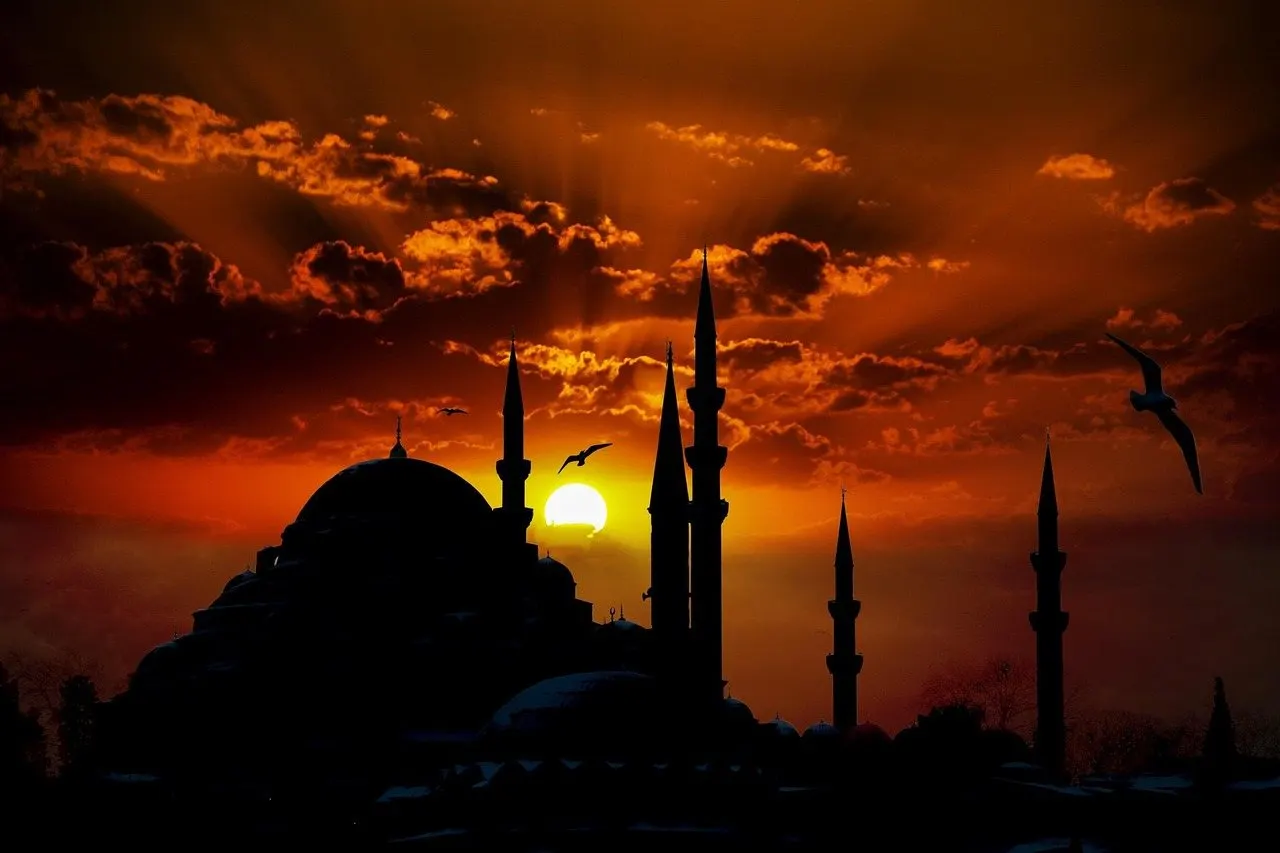
Faith shapes daily life for billions of people, from the food on the table to the holidays on the calendar. A world with more Muslims will see more halal food, more mosques and more Muslim voices in public life. It will also see more conversation between faiths, as neighbors, coworkers and classmates learn about each other’s traditions. Muslim population growth is not only a numbers story. It is a story about how the world will live, worship and understand itself. Read our earlier report on the same Pew projections and our report on AI data centers.
What the Headlines Got Right

The headlines all told the same core story. Pew, the New York Post, the Associated Press and the Washington Times each reported that Islam is set to pass Christianity as the largest faith by 2035. The numbers in each report match the study, and each one stressed that Christians keep growing too. Muslim population growth made the news because the milestone is historic, and because it is backed by one of the most respected research groups in the world. See our report on the Philippines deal and our story on Cami the blue heeler.
What Comes Next After 2035

After 2035 the story keeps moving. The projections run to 2070, when Muslims are expected to pass 3.6 billion people and reach about 36 percent of the world. The years after the crossover will test whether birth rates stay high or drift down, as they have in many other places. Whatever happens, 2035 will stand as the year the title of the world’s largest faith changed hands. Muslim population growth will keep shaping the century ahead. Read our story on the Greenland deal and our story on unpaid senators.
What Do You Think the 2035 Shift Will Change Most?

Now it is your turn. The projections say Muslims will pass Christians as the largest faith by 2035, with more than 3.6 billion Muslims by 2070. What do you think that change will mean for your city, your school or your workplace? Will it change the holidays you notice, the food you see or the neighbors you meet? Share your thoughts in the comments below, and tell us what surprised you most in this gallery. Read our story on the polar night in Utqiagvik and our report on the impeachment plan.