Senators Unpaid Shutdown Pay Is Now on Hold
Senators unpaid shutdown pay is now on hold after Senator John Kennedy of Louisiana wrote a rule that stops every senator’s paycheck during a government shutdown. The Senate secretary keeps the money until funding returns, and only then do senators get paid. Each senator earns 174,000 dollars a year, and Kennedy called the plan shared sacrifice. The rule cleared a key vote 99 to 0 and was then adopted without objection. See a heated Senate hearing on CDC firings and the fight over a bill on presidential pardons.
In the slides ahead we look at who wrote the rule, how the pay hold works, and why last year’s long shutdown made the idea stick. Many federal workers went without pay in that 43 day shutdown while senators were still paid, and that gap is at the heart of this story. The rule only covers the Senate, and the 27th Amendment keeps it from starting before this November’s election. The slides that follow lay out the vote, the pay, and the plan in full, one fact at a time.
References:
NBC Palm Springs: Senate Votes To Suspend Member Pay During Future Government Shutdowns
The Fiscal Times: Senators Vote To Withhold Their Own Pay During Shutdowns
Washington Examiner: Senate Advances Bill To Block Lawmakers Pay During Government Shutdowns
ABC News: Senate Advances Legislation To Withhold Pay From Senators During Government Shutdowns
The Louisiana Senator Behind the Rule
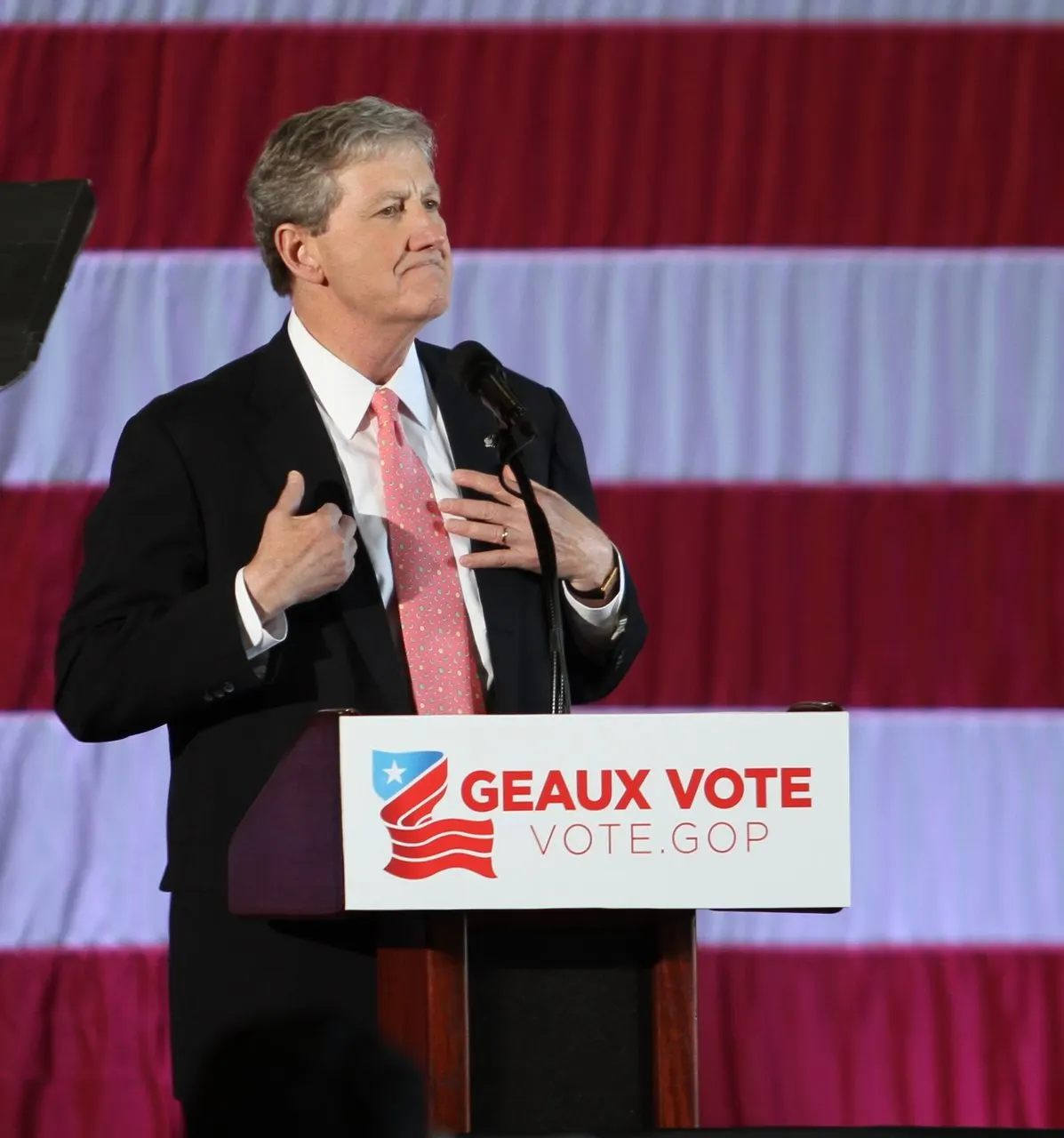
Senator John Kennedy serves Louisiana in the United States Senate, where senators are elected to six year terms and speak for the people of their state. Kennedy wrote the rule that now holds back Senate pay during a shutdown, and he framed it as a matter of fairness. He called the plan shared sacrifice, a way for senators to put their money where their mouth is. That plain language helped the idea travel fast. See a Senate moment when flame effects were removed during a prayer and Republican senators backing a National Guard plan for other Senate stories.
Senators Unpaid Shutdown Rule Holds Every Paycheck
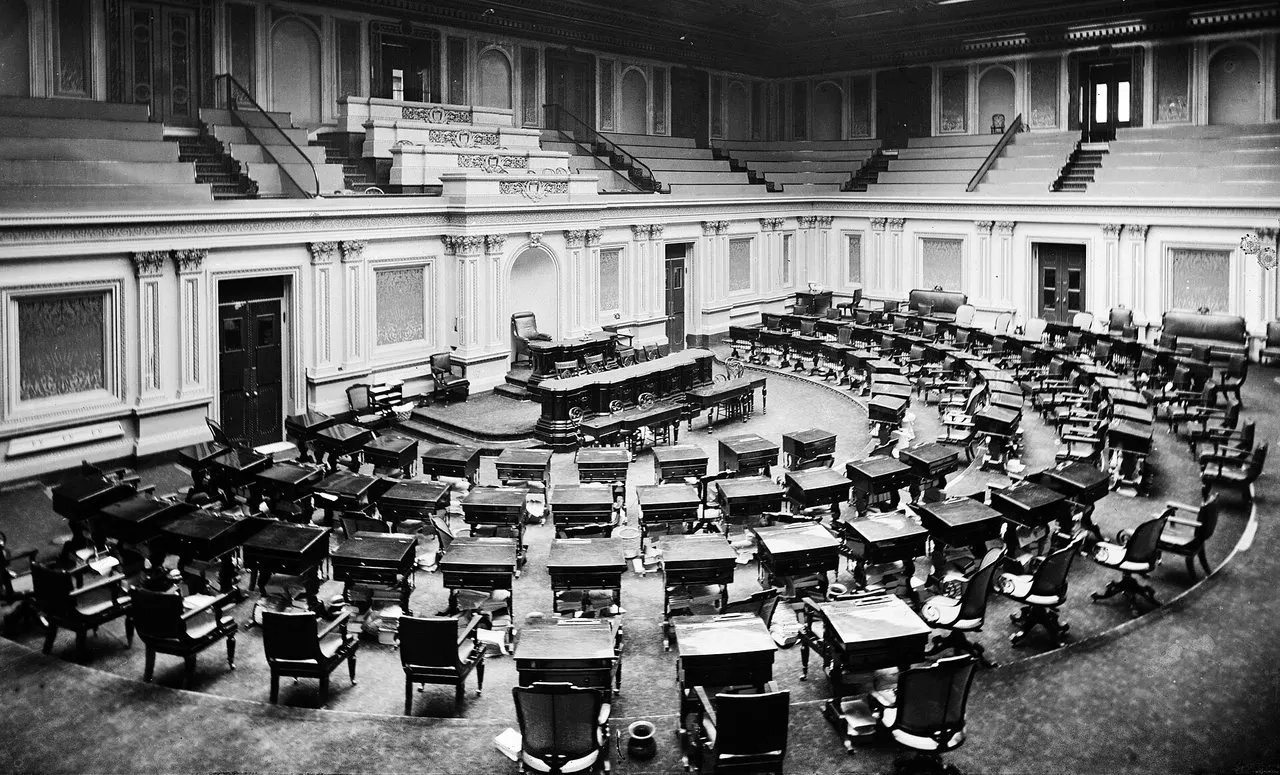
The rule is simple on paper. When the government shuts down, every senator’s paycheck is held back until funding returns. The Senate secretary keeps the money on hold, so no senator is paid while the shutdown lasts. There are no exceptions in the rule for rank or seniority, and the hold applies to the whole Senate at once. That is the point of the plan. Read about RFK Jr. defending CDC firings before senators and DOGE canceling more than 200,000 federal credit cards for more on Senate business.
A 99 to 0 Vote Shows Rare Agreement
The rule cleared a key vote 99 to 0, a result that is rare in a chamber known for close fights. Every senator who voted backed the plan, and the margin sent a clear message about how the Senate felt. After that vote, the rule was adopted without objection, which means no senator stood up to block it. Votes like that do not happen often. See Democrats introducing a bill to stop presidential self-pardons and Trump saying he would patrol Washington with police and troops for more votes and debates.
Senators Unpaid Shutdown Plan Was Adopted Without Objection
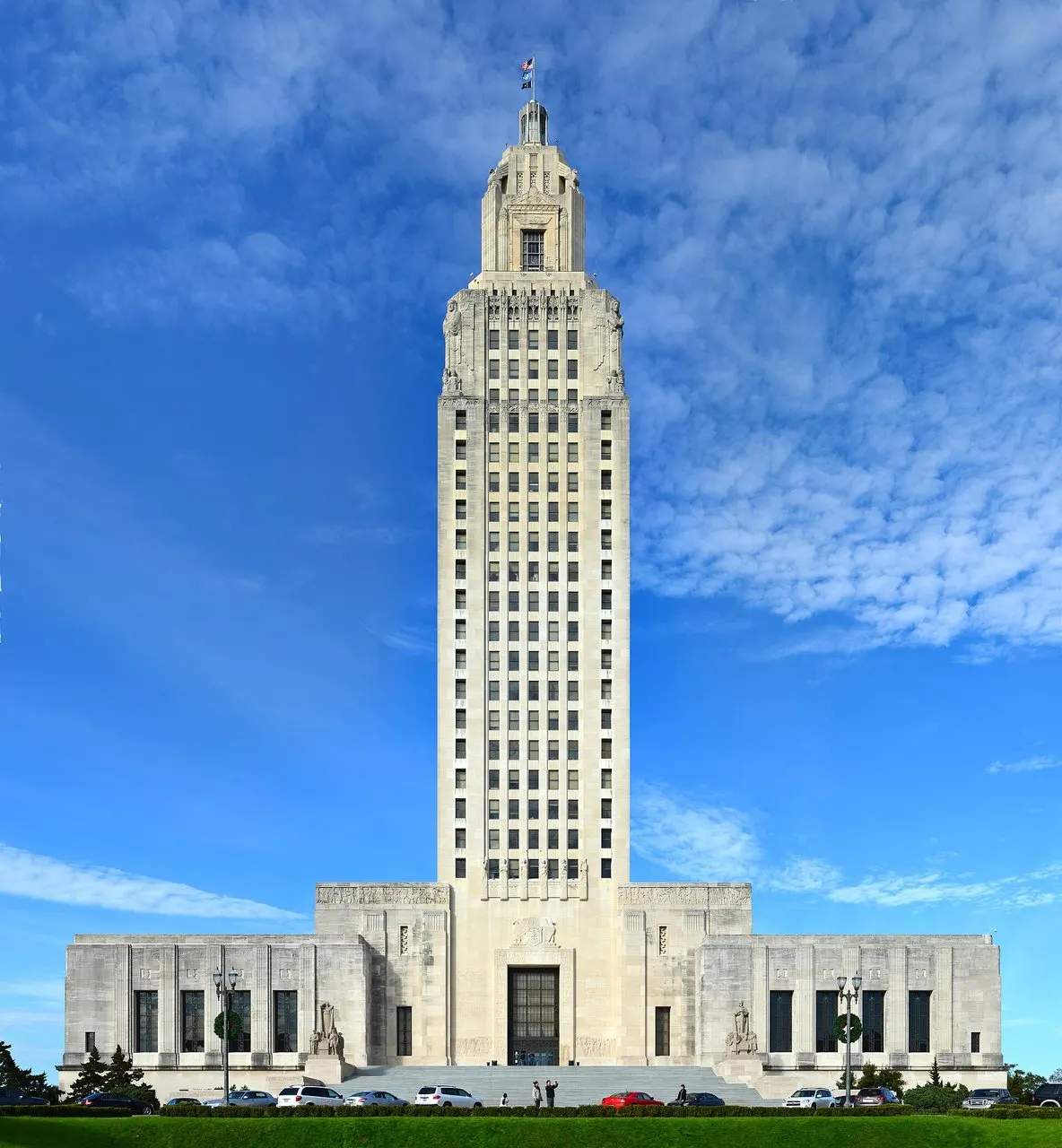
After the 99 to 0 vote, the Senate adopted the rule without objection. That step matters because a single objection could have slowed the plan down or forced a longer debate. Instead, the chamber moved ahead together, and the rule became part of how the Senate handles a shutdown. The smooth path surprised some watchers, since shutdown fights are usually loud. Read the debate over sending the National Guard into Democratic-led cities and the crime crackdown that followed the Washington patrols for more from the Capitol.
What 174,000 Dollars a Year Means in a Shutdown
Each senator earns 174,000 dollars a year, so a shutdown now puts real money at stake for every member of the chamber. The senators unpaid shutdown hold means that pay is paused, not paid late with a promise. For senators with mortgages, staff, and family costs, a long shutdown would be felt at home as well as at work. That is the pressure Kennedy wants them to feel. See the audit that canceled federal credit cards and the Treasury Secretary saying tariffs need not cause a recession for more money news.
Shared Sacrifice, in Kennedy’s Own Words
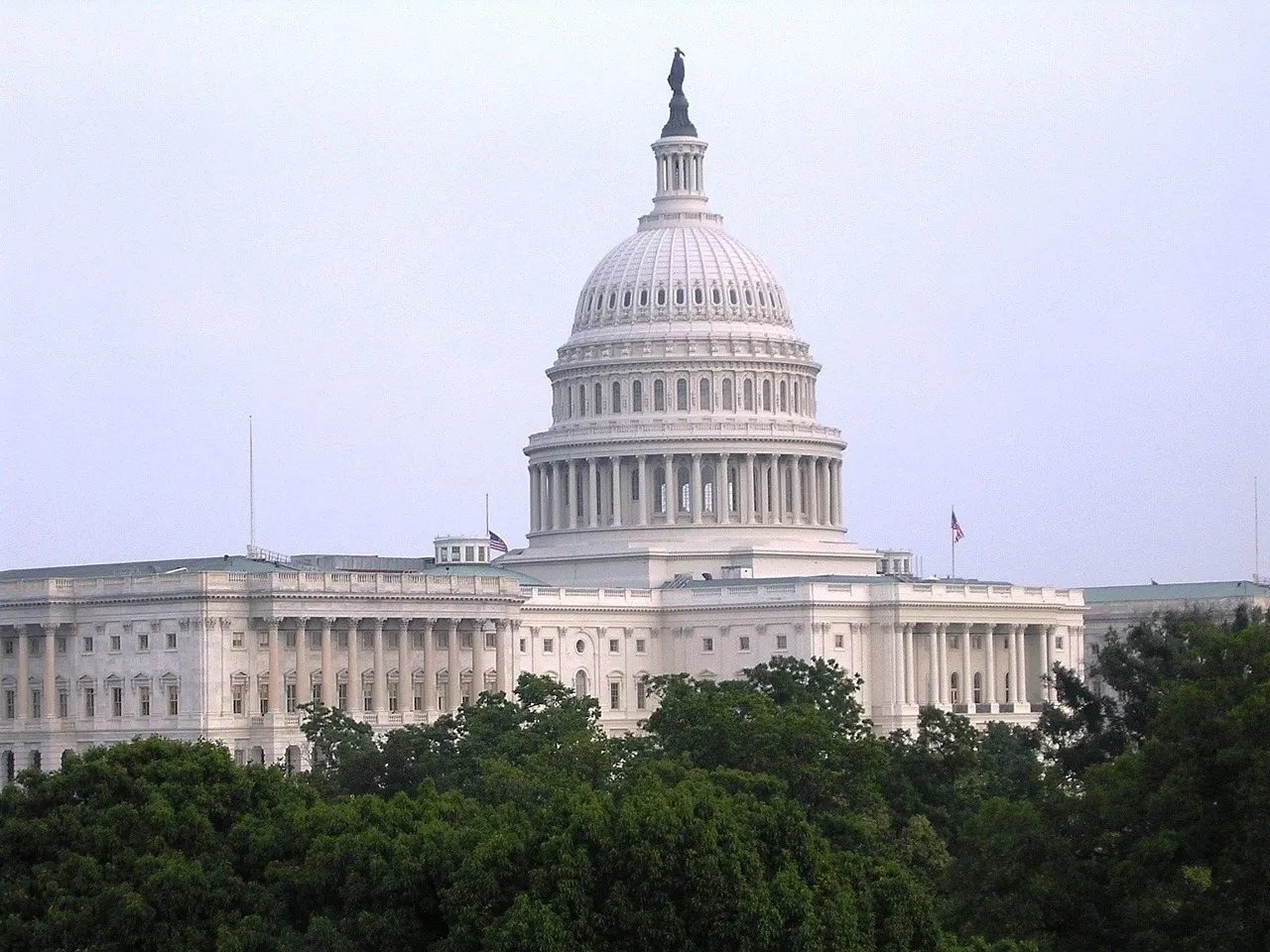
Kennedy called the plan shared sacrifice, and he added that it lets senators put their money where their mouth is. The phrase sums up the whole idea. If the government cannot pay its workers, the people who run the Senate should feel it too. Supporters say that kind of language is why the plan caught on, since voters understand fairness fast. Read the Escudero prayer moment in the Senate and Fed Governor Lisa Cook suing Trump for more stories from Washington.
Senators Unpaid Shutdown Lessons From Last Year’s 43 Day Shutdown
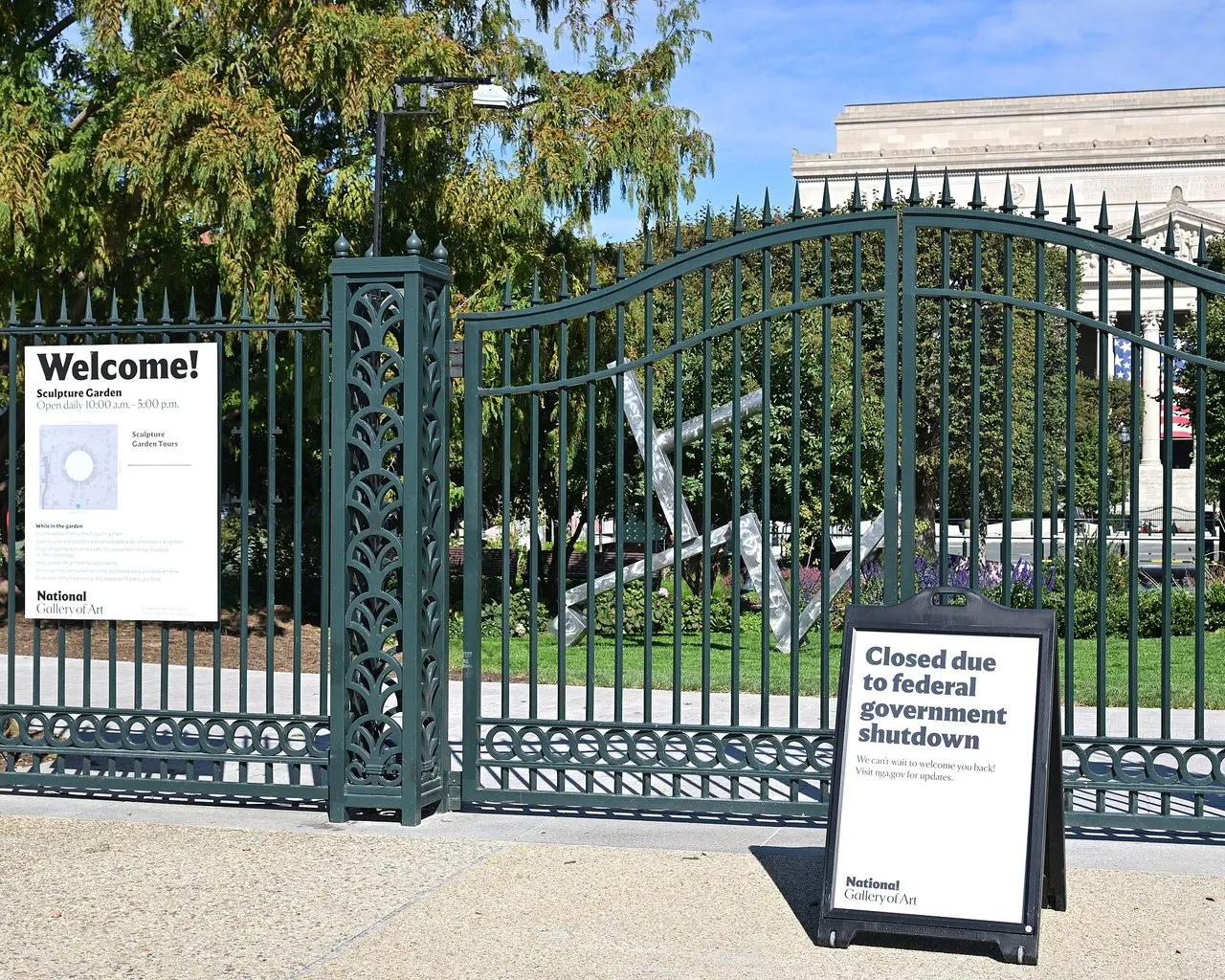
Last year’s shutdown lasted 43 days, one of the longest funding gaps the country has seen. Federal offices closed, services slowed, and many federal workers went without pay while they waited for Congress to act. The long wait is still fresh in people’s minds, and it gave Kennedy’s plan a clear example to point to. The senators unpaid shutdown rule is built on that memory. See DOGE saying federal credit cards were canceled and Trump moving to remove Fed Governor Lisa Cook for more on that period.
Federal Workers Went Without Pay
In last year’s 43 day shutdown, many federal workers went without pay. Some were sent home, while others kept working with no paycheck coming in. Rent, food, and bills did not pause, so families had to stretch savings and lean on each other. The hardship was felt across the country, in big cities and small towns alike. That is the pain Kennedy’s plan points to. Read Bessent saying more than 50 countries seek trade talks and Bondi saying the Washington crackdown made 40 more arrests for more Washington news.
Senators Kept Getting Paid While Others Waited
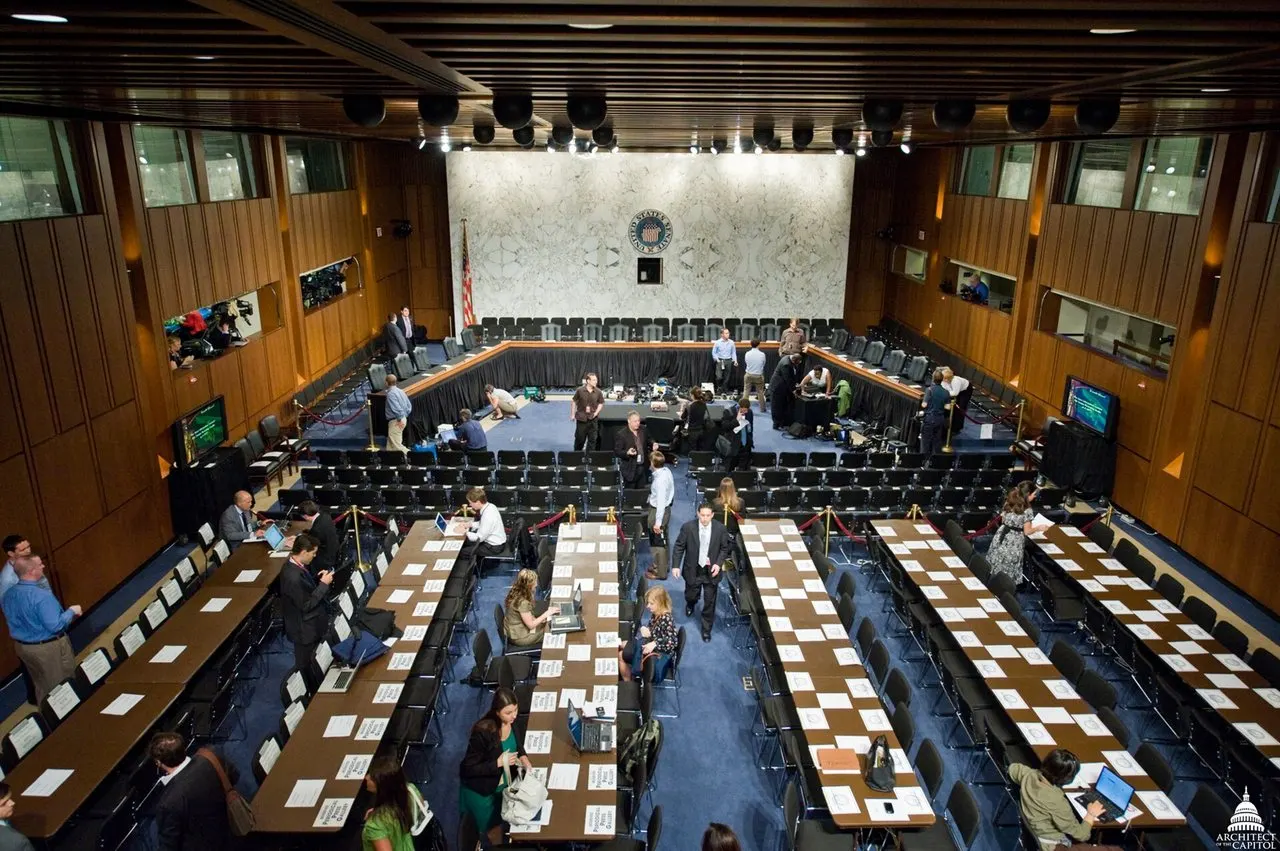
While federal workers went without pay in last year’s shutdown, senators were still paid. That gap is what made the story sting. The people who vote on funding kept their own paychecks, while the workers who carry out the daily work of government went without. Kennedy’s rule is meant to close that gap for good. See the plan to patrol Washington with police and troops and Trump saying he will sign an order on voter ID for more debate from the Capitol.
Senators Unpaid Shutdown Rule Covers Only the Senate
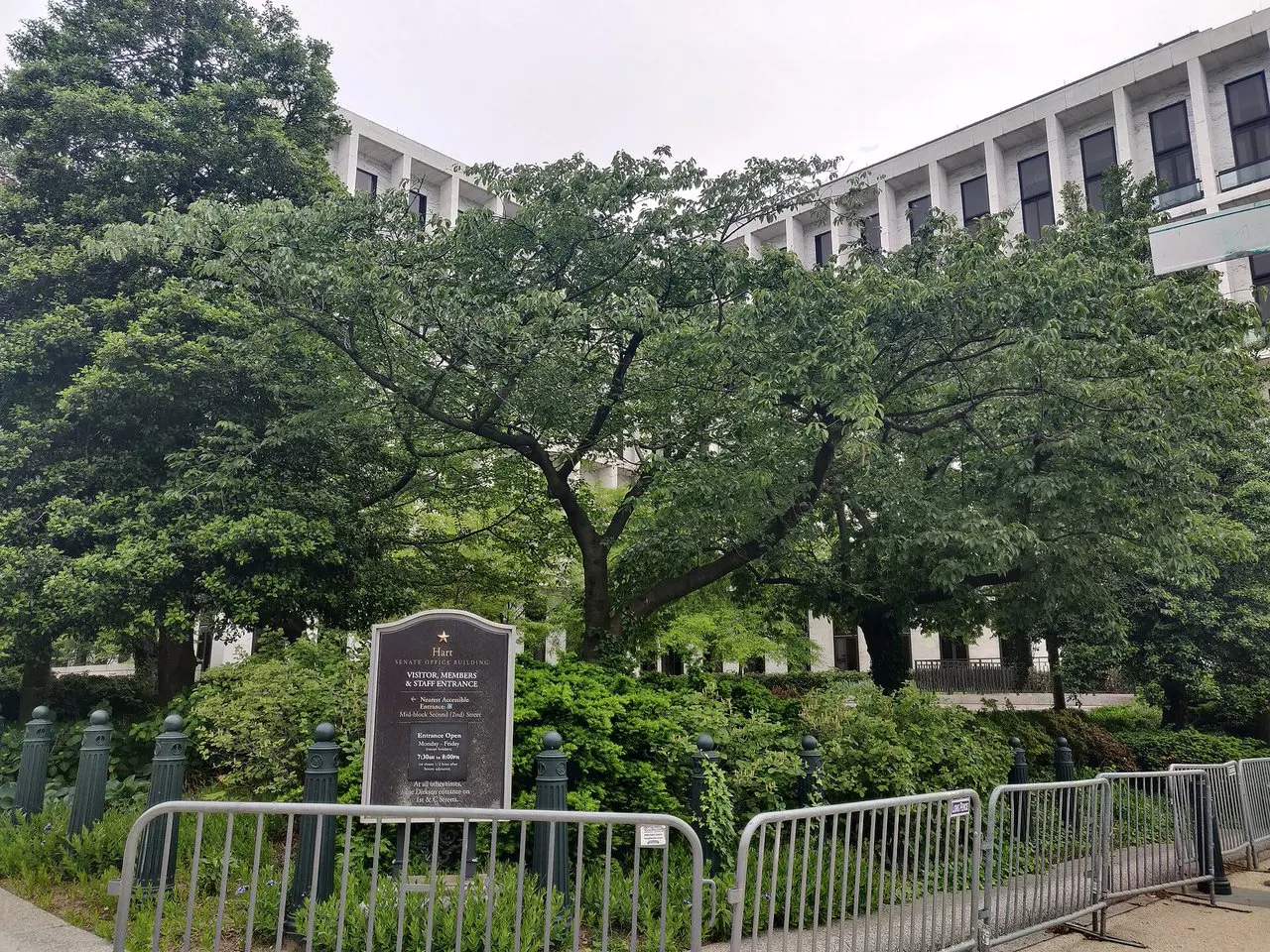
The rule only covers the Senate, so it does not touch pay in the House or in other parts of government. Kennedy wrote it for the chamber he serves in, and the Senate adopted it for itself. That narrow scope helped it pass, since it did not need agreement from the other chamber. The plan is a Senate rule for Senate pay. Read Trump saying Chicago and New York could be next and Republican senators backing a National Guard plan for more Senate action.
Why the 27th Amendment Sets the Start Date
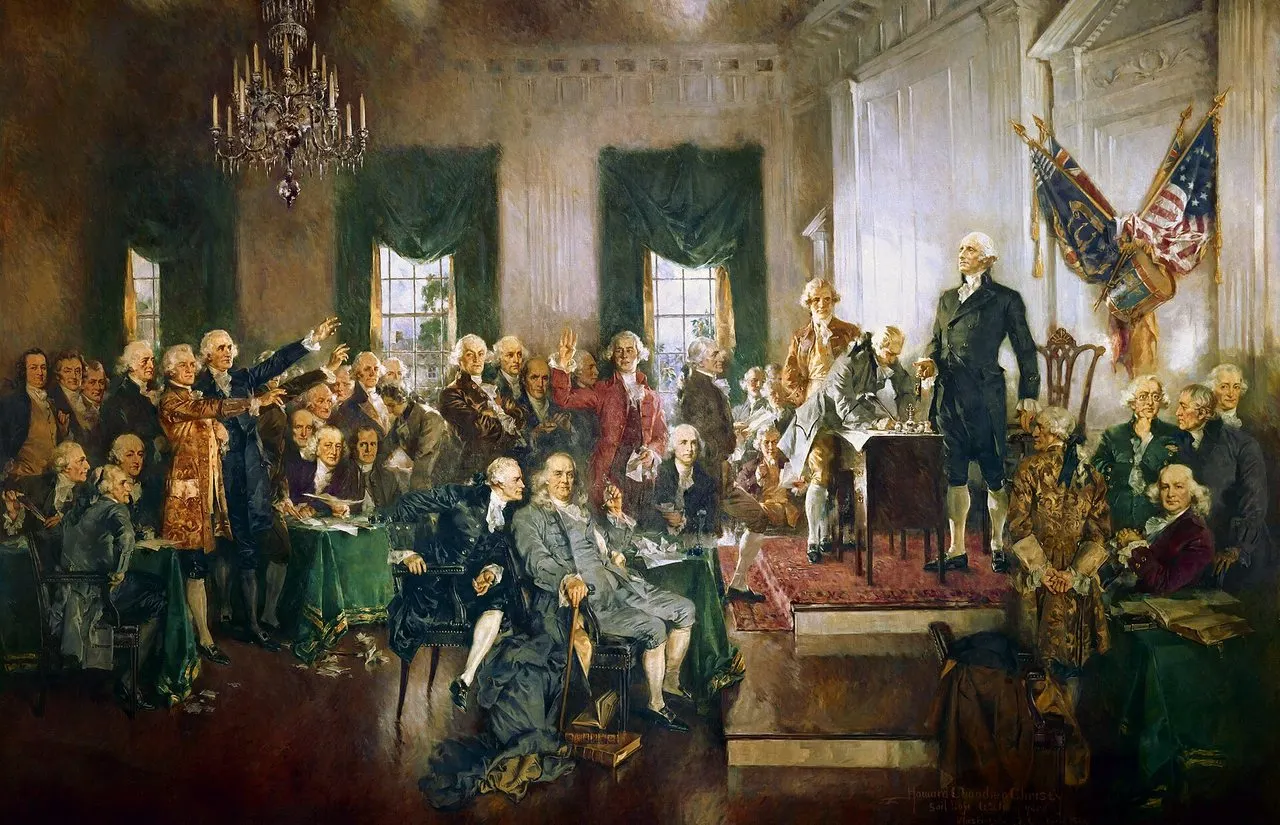
The 27th Amendment keeps the rule from starting before this November’s election. The amendment deals with changes to pay for members of Congress, and it means the hold cannot take effect until after voters have had their say. The plan will wait for that date, even though the Senate has already adopted it. That timing is part of the story. See Lisa Cook suing over an attempt to remove her and a bill that would stop a president from pardoning himself for more legal fights.
Kennedy Admits the Rule Will Not Stop Every Shutdown

Kennedy admits the rule will not stop all shutdowns, and he is open about that limit. Shutdowns come from deep disagreements over spending, and no pay rule can settle those fights on its own. What the rule can do is make senators feel the next one, so the cost of waiting is shared. That honest note has shaped how people talk about the plan. Read Cook saying she will not resign and senators pressing RFK Jr. on vaccines for more candid moments in the Senate.
Senators Unpaid Shutdown Money Waits With the Senate Secretary
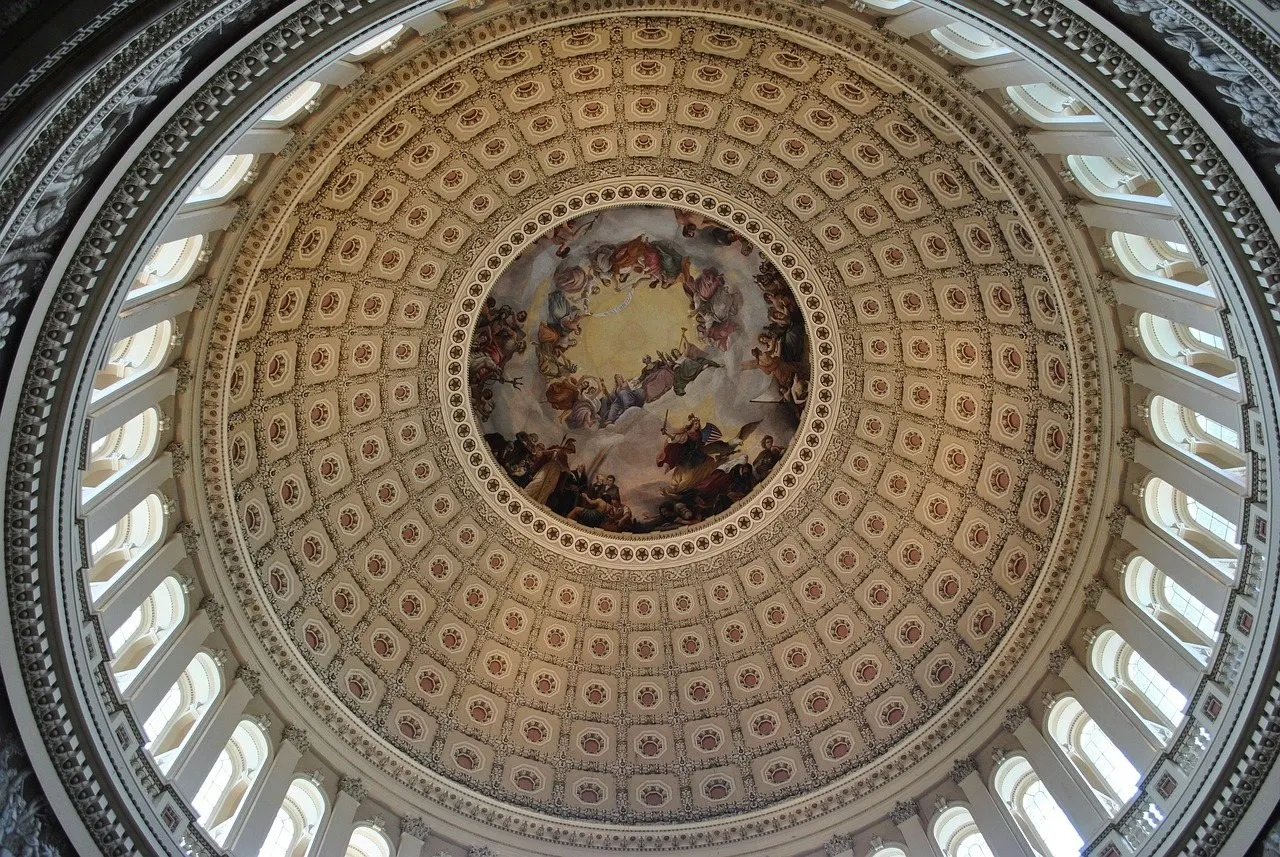
During a shutdown, the Senate secretary keeps the money on hold. The secretary is the officer who handles the Senate’s records and accounts, so the job fits the office. Senators do not get their pay in drips or in part. The money simply waits, untouched, until funding returns. That clear process is why supporters trust the plan. See the Treasury view that tariffs need not bring a recession and the Washington sweep that seized five illegal guns for more on how Washington works.
What Happens When Funding Returns
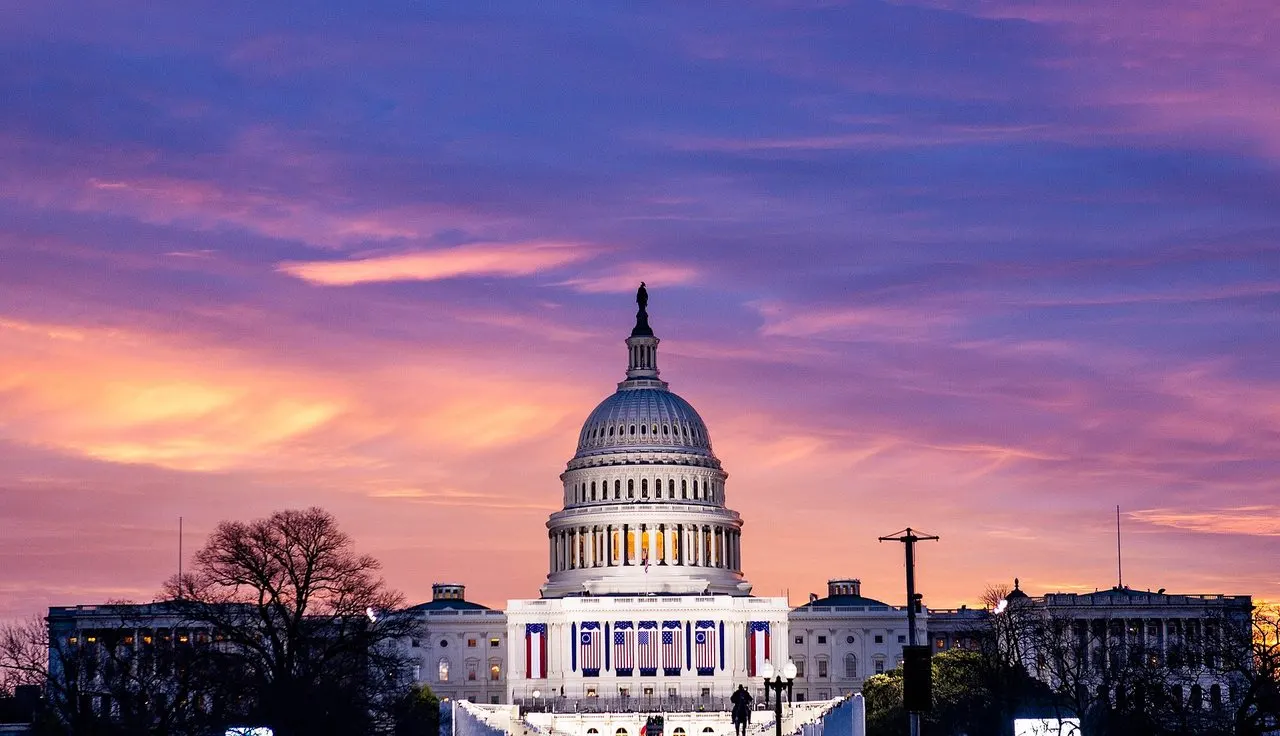
When funding returns, the hold ends and senators get paid. The money that was kept back is released, and the normal pay cycle starts again. The rule does not cut pay for good. It only pauses it while the government is shut down, so the effect is tied to the length of the funding gap. A short shutdown means a short pause. Read the plan to require voter ID and end most mail-in voting and the federal crime crackdown after Washington for more on funding and federal action.
Why Supporters Say the Rule Matters
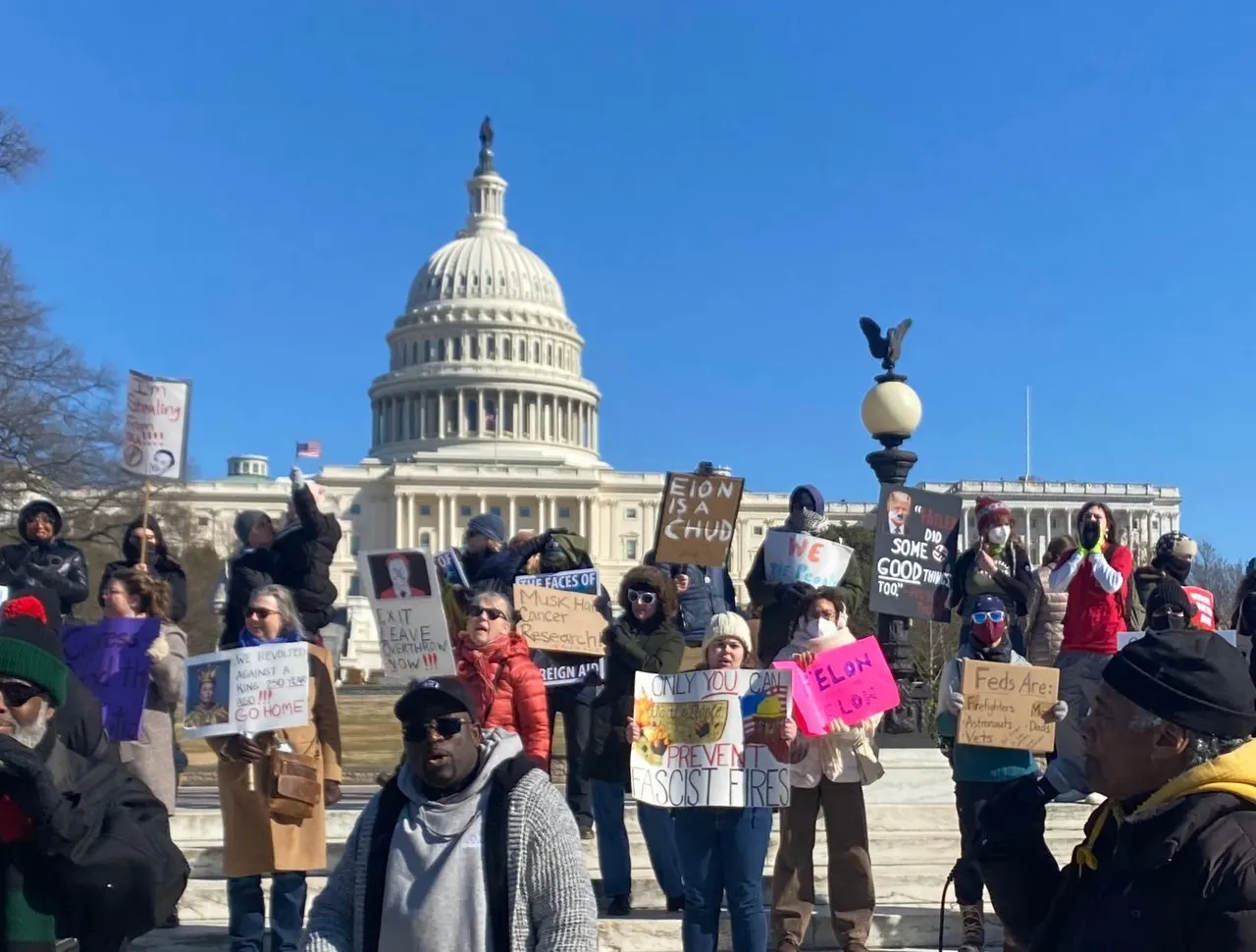
Supporters say the rule matters because it ties the fate of senators to the fate of federal workers. The senators unpaid shutdown plan means the people who decide on funding share the risk of a shutdown. Voters often ask why leaders seem far from the pain of a funding gap, and this rule is an answer to that question. It puts skin in the game. See flame effects removed during a Senate prayer and the Fed Governor who sued over her removal for more on accountability in Washington.
Senators Unpaid Shutdown Debate: What Comes Next
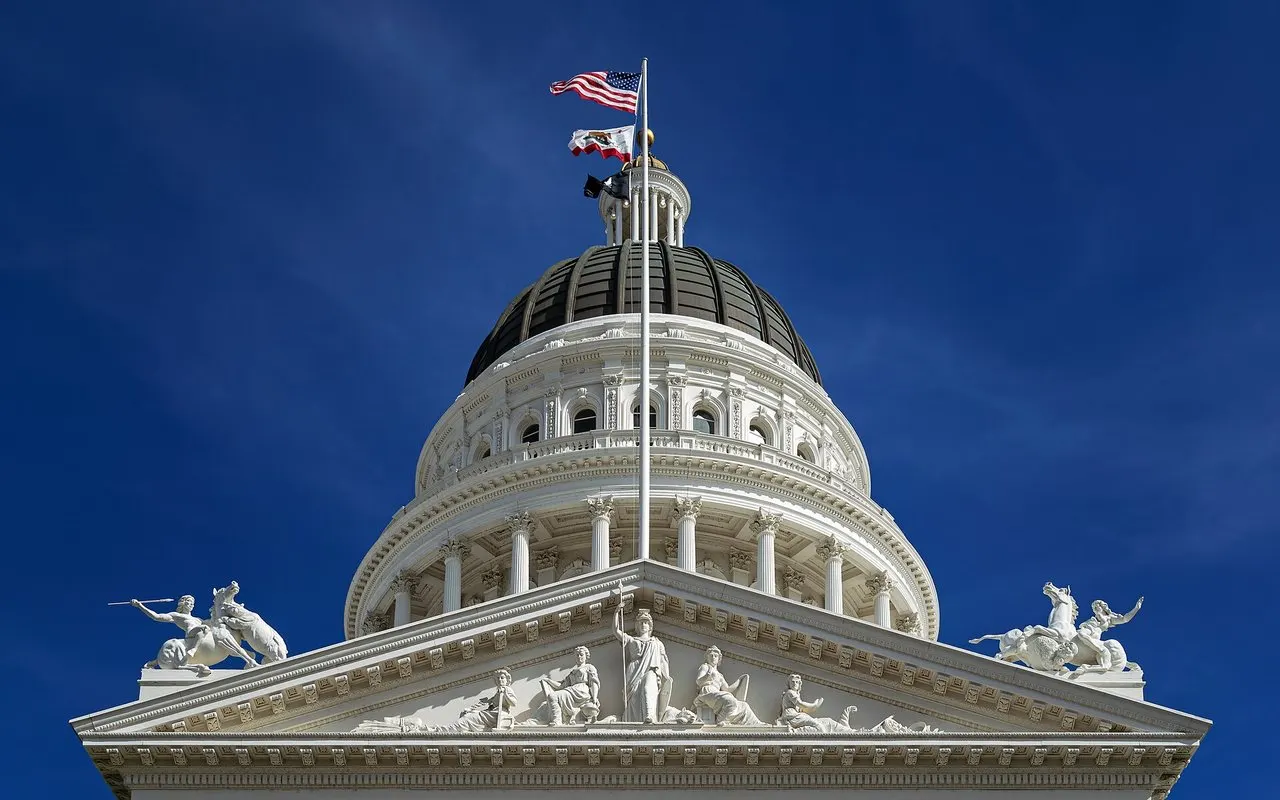
With the rule adopted, the next test comes when a shutdown actually hits after this November’s election. Then the hold will apply for the first time, and the country will see how it works in practice. Until then, the debate will go on, with supporters praising the fairness of the plan and others asking if it goes far enough. The story is not over. Read the mortgage claims behind the move to remove Lisa Cook and Trump visiting a Park Police facility instead of patrolling for what comes next in Washington.
Do You Support Senators Going Without Pay?
Now it is your turn to weigh in. Do you support senators going without pay in a shutdown, or do you think the rule goes too far? Kennedy says it will make senators feel the next shutdown, and the 99 to 0 vote shows the Senate agrees with him for now. Tell us what you think in the comments, and share this story with someone who follows Washington. Read Bondi reporting more arrests in the Washington crackdown and the debate over voter ID and mail-in ballots for more stories to discuss.