Musk Midterm Spending Leaves Elon Musk Feeling Pretty Foolish
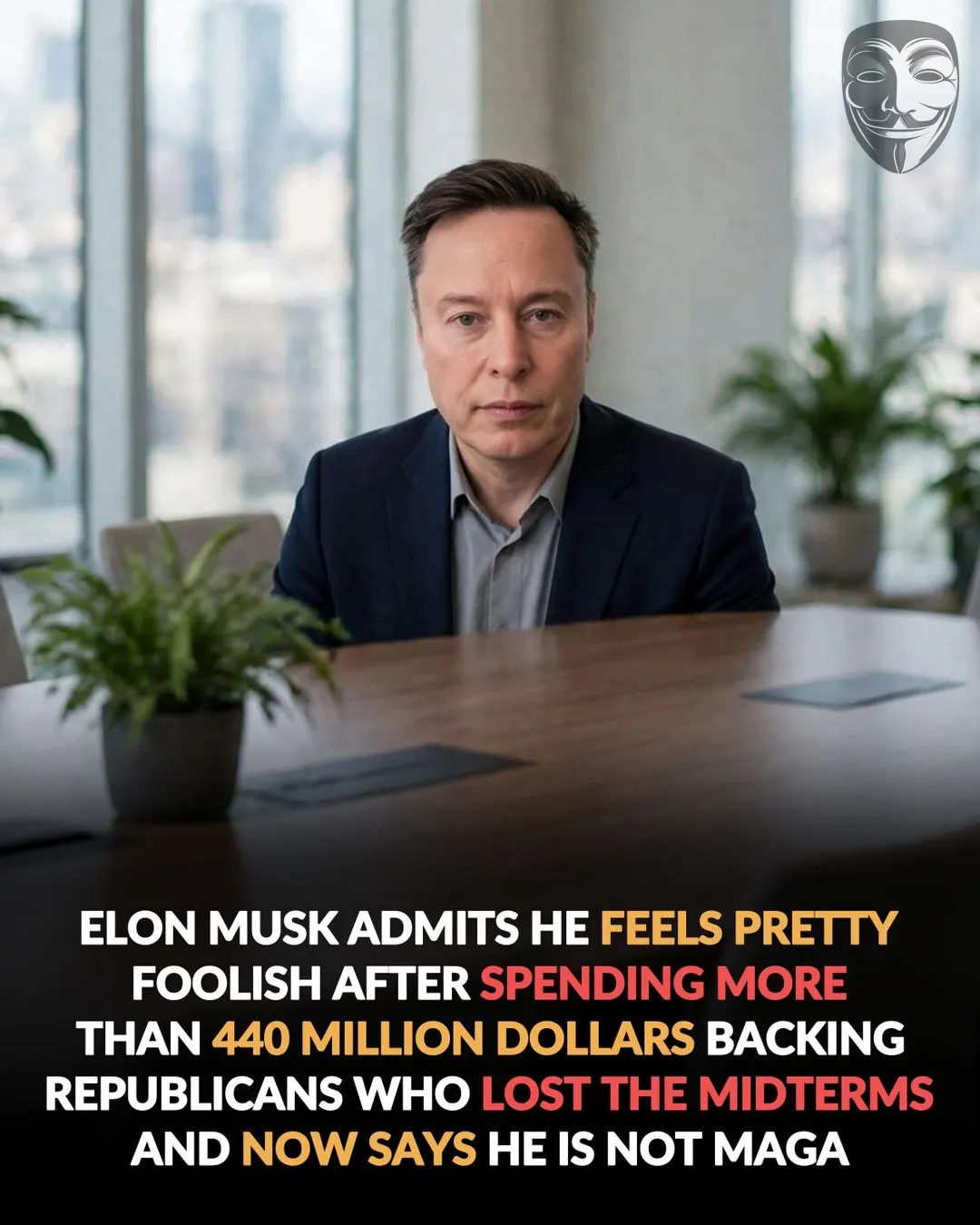
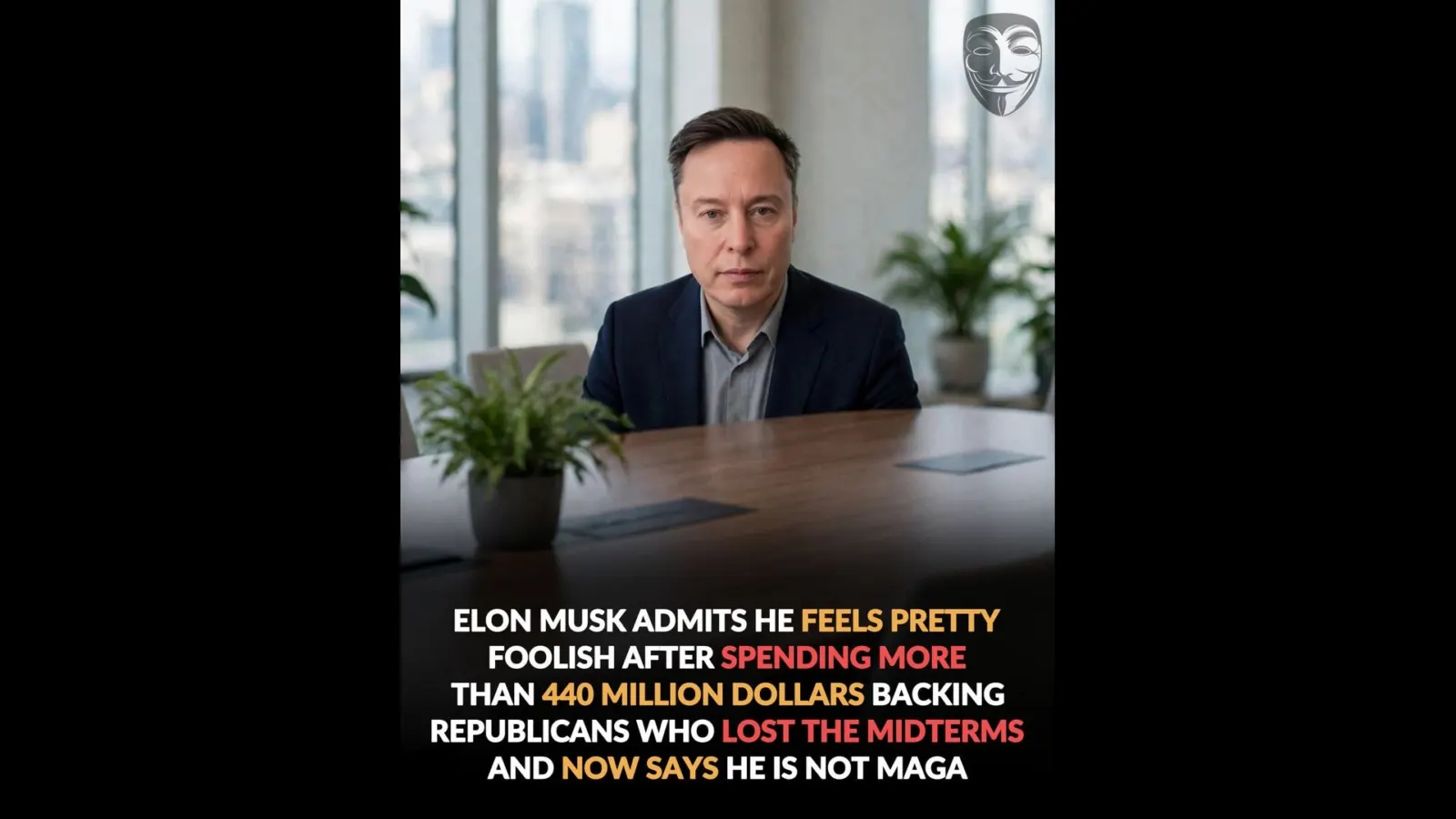
Musk midterm spending took center stage at the New York Times DealBook Summit on November 18, when Elon Musk admitted he felt pretty foolish about the fortune he poured into the 2026 midterm elections. He said he spent more than $440 million backing Republican candidates, yet Democrats won control of the House and Senate and flipped Texas. His goal had been a Senate with 51 Republicans, but voters had other plans. In the slides ahead, we look at what he said, who won the big races, and what comes next for the richest man in the world.
Musk told interviewer Andrew Ross Sorkin that if he could rewind the clock, he would have spent less money, and he added that American elections are not just about money. He also spoke warmly about Texas Governor-elect Gina Hinojosa, calling her quite moderate and saying things would be fine with her in charge. He declared that he is not MAGA, a break for the man who called himself dark MAGA at a Trump rally in 2024. Read more in our report on the trillion dollar pay package proposed for Musk and his earlier plan for a new America Party.
References:
TIKR: Musk Calls His $440 Million Midterm Bet Pretty Foolish. Texas’s New Governor Ran on a Data Center Moratorium
USA Today: Elon Musk weighs in on Hinojosa, Texas Democrats after backing GOP
New York Post: Trump sends pointed message to Elon Musk after trillionaire claims he’s not MAGA
GNA TV: Musk Regrets Spending $500m on Republicans After US Midterms
What Musk Said on the DealBook Stage
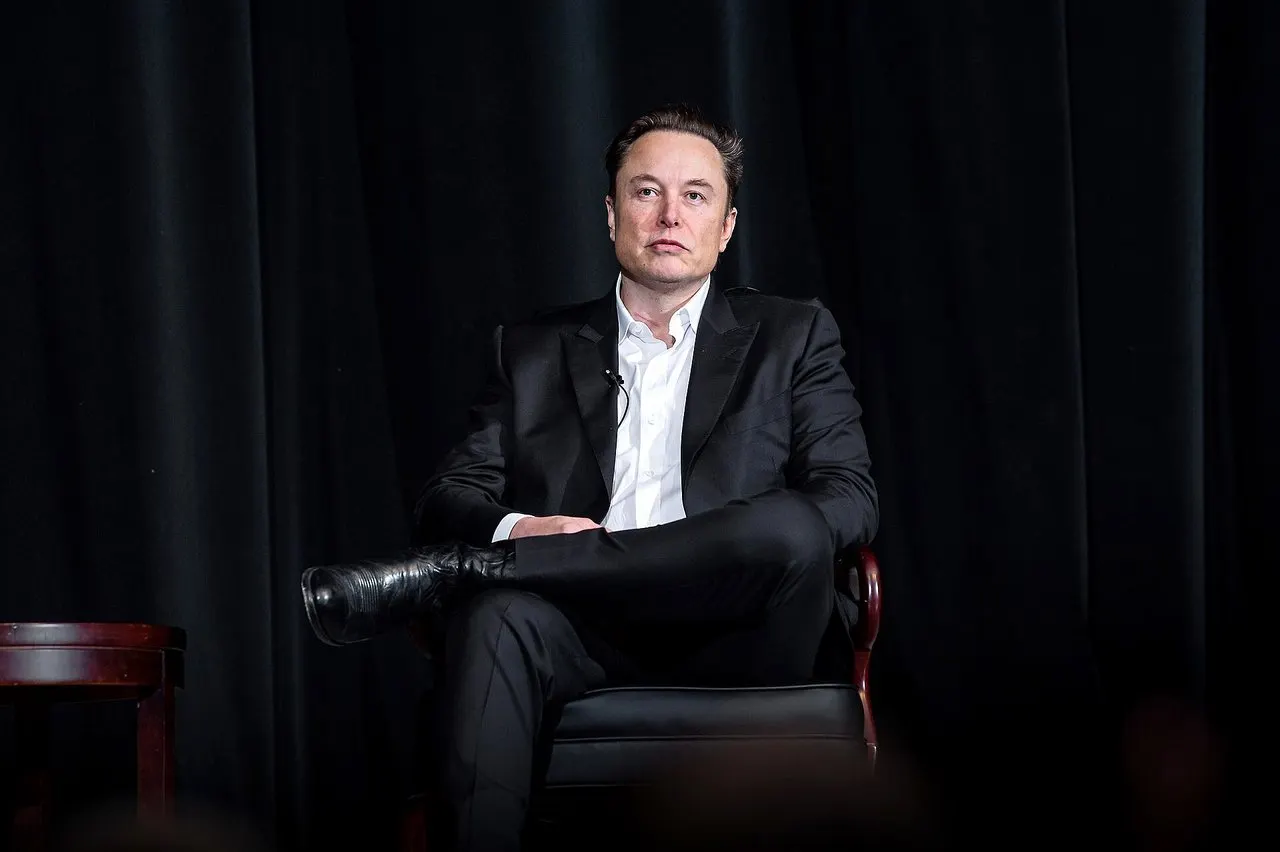
Musk joined the DealBook Summit by video from China, where he was traveling with a United States business group, and he spoke at length with Andrew Ross Sorkin about the election results. The setting was unusual for such a blunt admission, yet Musk did not dodge the question of how his money performed. He said plainly that he felt pretty foolish about the scale of his spending, and he admitted the results fell far short of his hopes. Learn more in our story on his thinking on a new political party and Neuralink’s work on restoring vision.
Musk Midterm Spending Topped $440 Million
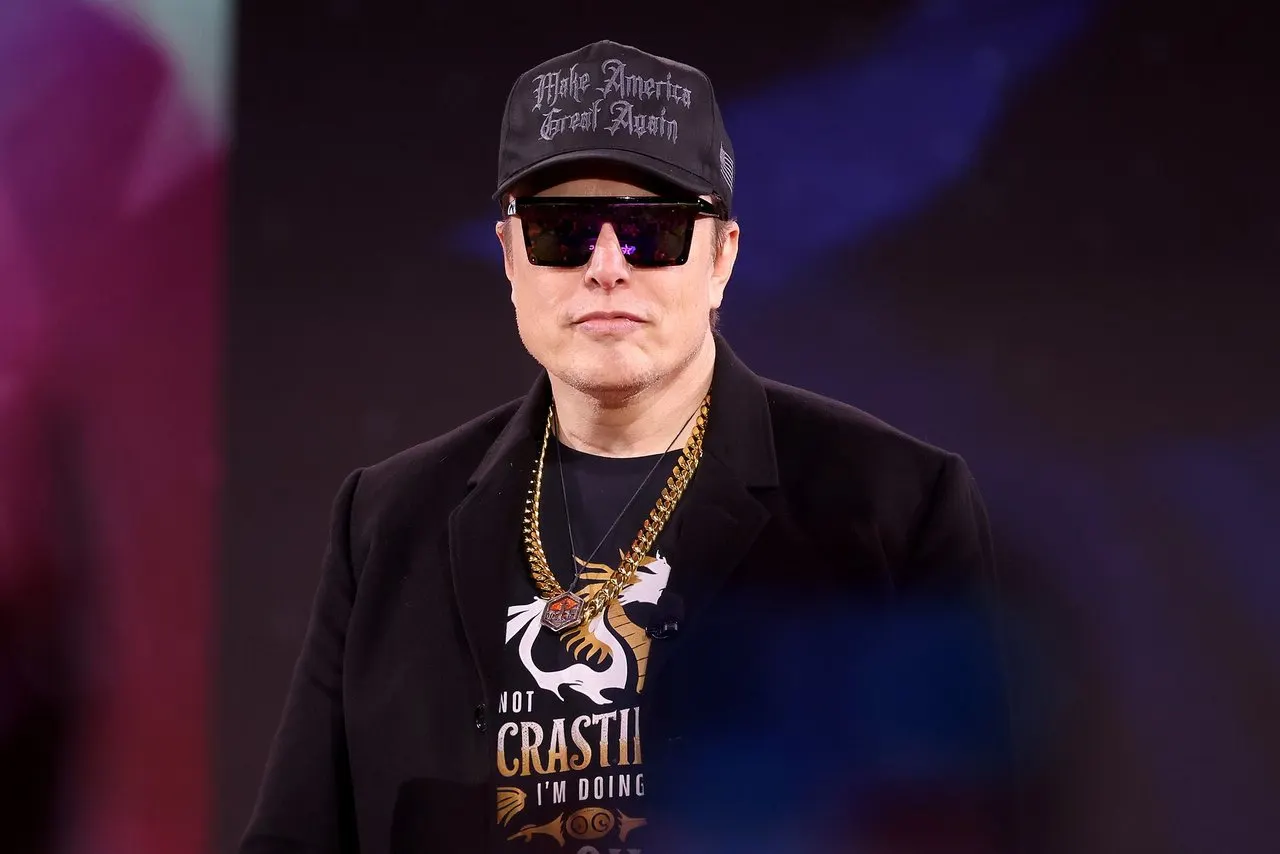
Musk midterm spending reached more than $440 million, which made him the largest single donor in the midterm cycle by a wide margin. He spread the money across Republican candidates and political groups, with a heavy focus on Texas, where Tesla and SpaceX have their headquarters. Reports later put the total even higher, at about $446 million, yet the outcome was the same for the candidates he backed. Read more about the huge Tesla pay package tied to milestones and the $17 billion package from the Philippines.
A Plan for 51 Republicans in the Senate
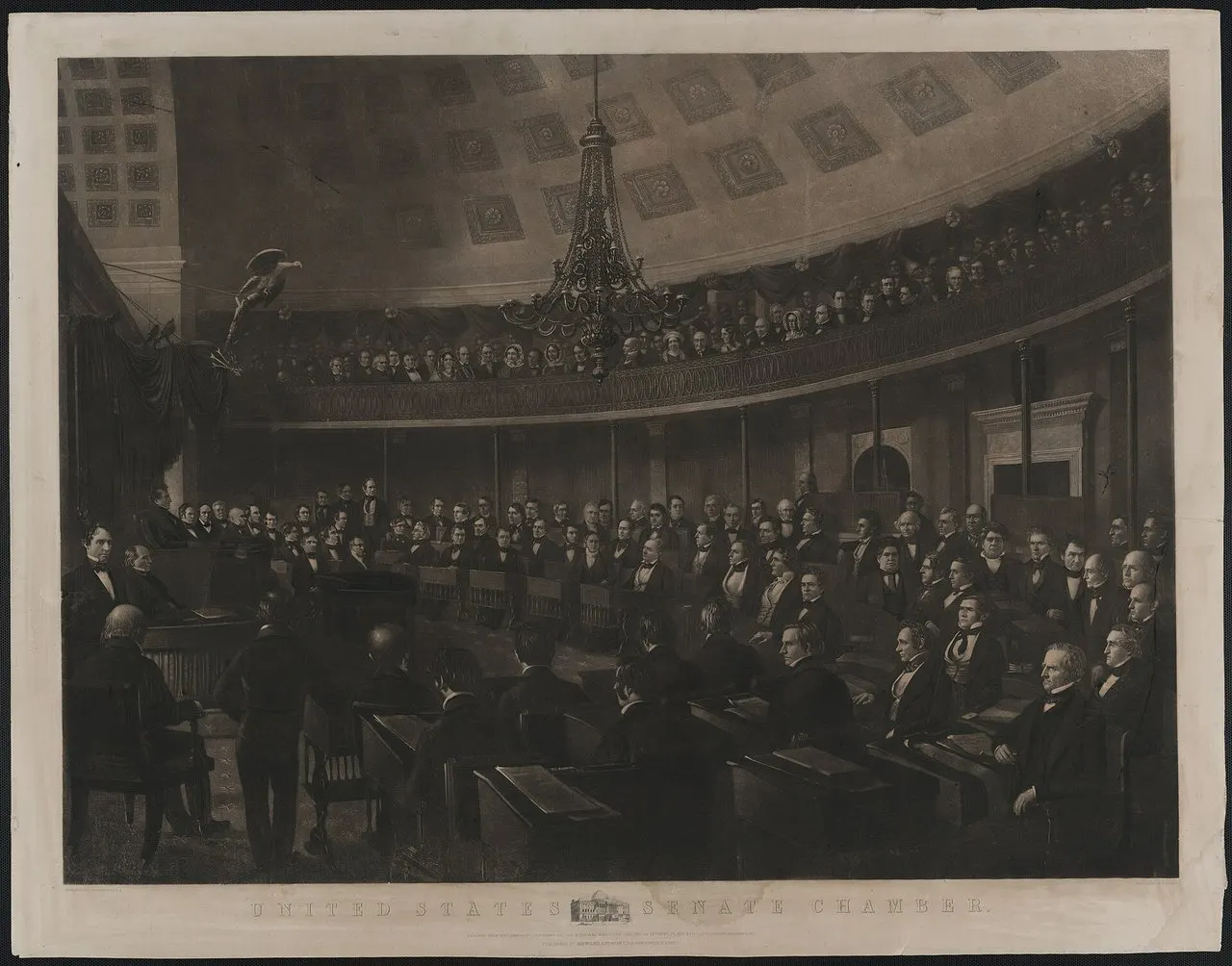
Musk explained that his aim was simple, and it was bold. He wanted the Senate to end up with 51 Republicans, a majority that could act as a check on unified Democratic rule in 2029. He believed his money could help hold the line in close races across the country. Instead, the Republicans were routed, in his own words, and the chamber slipped away from the party he backed. Read about the plan to send the National Guard into cities and the bill to stop a self pardon.
Musk Midterm Spending Did Not Stop a Democratic Sweep
The spending could not stop a Democratic sweep that took both chambers of Congress. Democrats won the House and the Senate, flipping seats in states that had long leaned Republican and building majorities that will shape the next two years. The result stunned many watchers who had expected money to matter more. For Musk, the night was a lesson in the limits of wealth in politics. See the crime crackdown planned for Chicago and New York and Trump’s patrol of Washington with police and troops.
Texas Turned Blue After Musk Midterm Spending
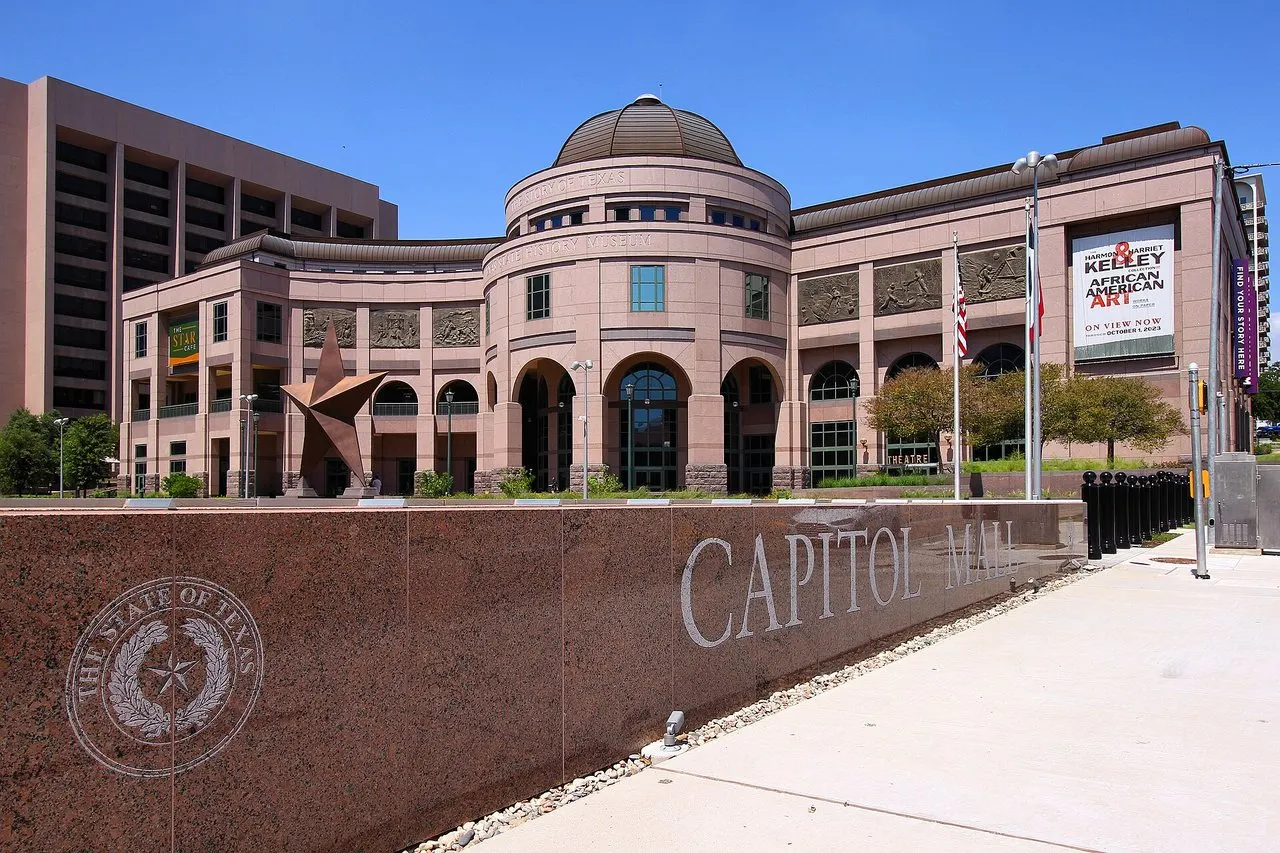
Texas turned blue after Musk midterm spending failed to hold the state for Republicans. Democrats flipped Texas, a state Musk had made his business home, and the shift sent shock waves through both parties. Texas had long been a Republican stronghold, so the result felt historic to many Texans. The new map of power in the state will shape debates on energy, jobs, and growth. Read Mamdani’s challenge to Trump for a debate and the questions about a thousand new data centers.
Gina Hinojosa, the New Governor-Elect of Texas
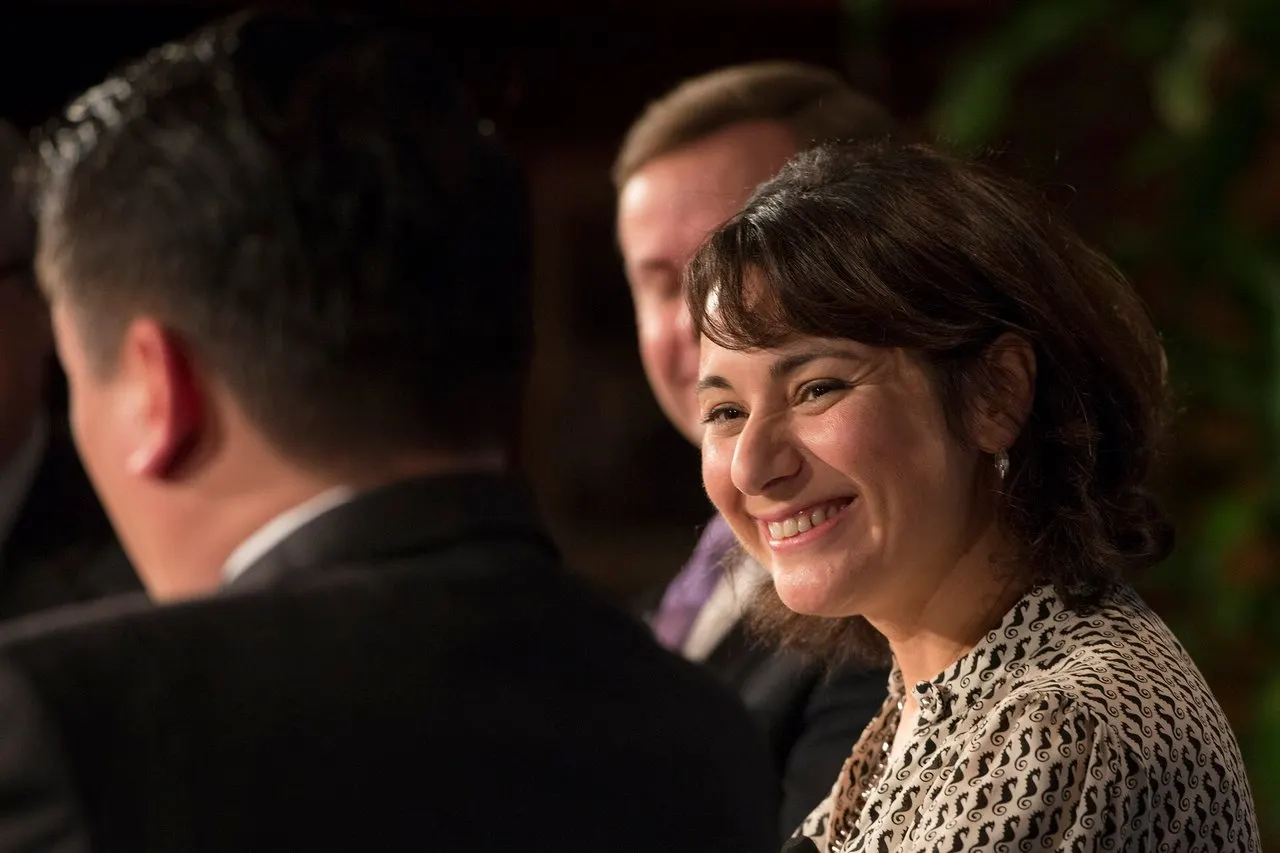
Gina Hinojosa is the Democrat who won the race for Texas governor, beating Republican Greg Abbott and becoming governor-elect. Musk said she seemed quite moderate and that things would be fine with her in charge, a warm note from a man who had backed her rivals. Hinojosa ran on a data center moratorium, a promise that speaks to worries about power and water in fast growing Texas. Read the New York mayor’s race debate challenge and the quiet reaction to the Intel stake.
Musk Says He Is Not MAGA
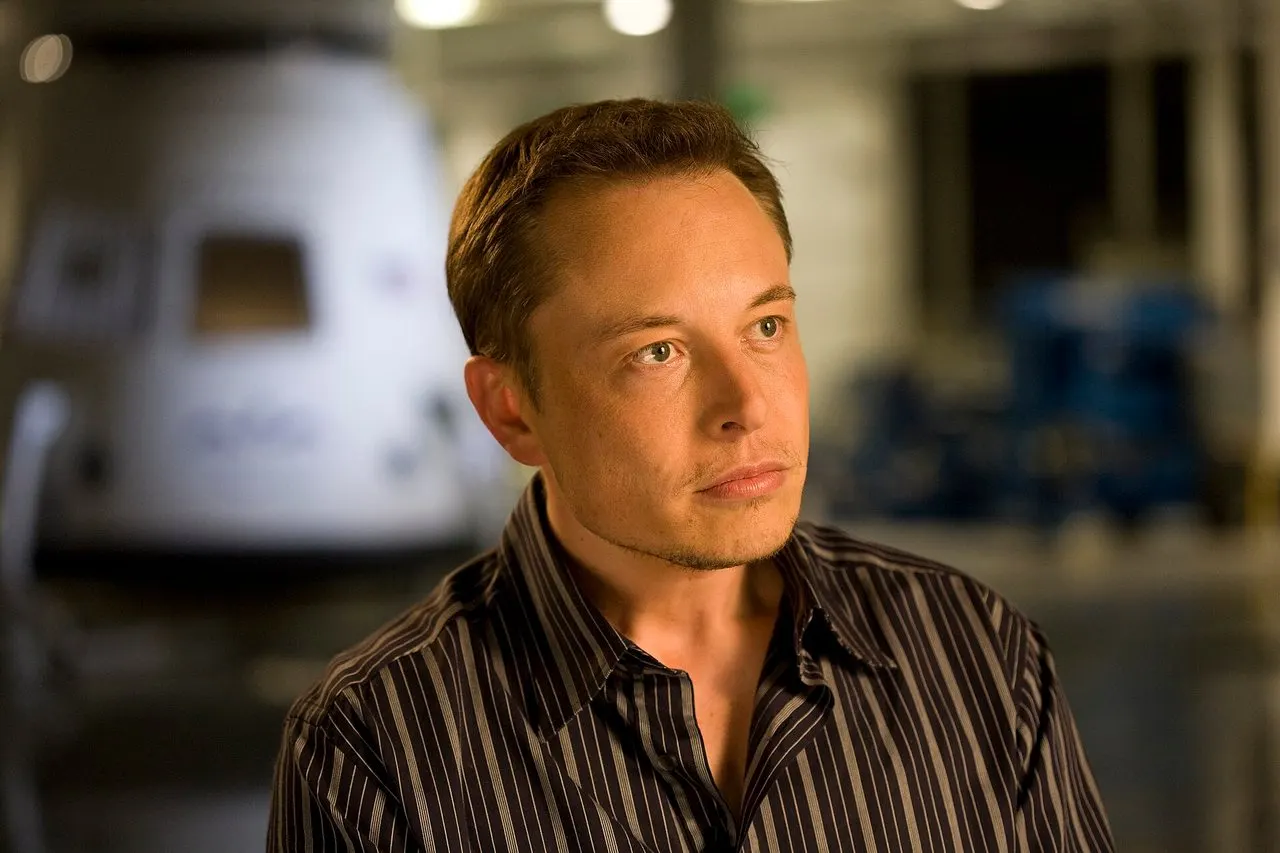
Musk told the summit crowd that he is not MAGA, and he explained what he meant in plain terms. He said he was not sure what MAGA means, but if it means blind adherence to a set of policies by the Republican Party, then he certainly does not have that. The words marked a clear distance from the movement he once embraced. Read about Musk’s pause on forming a third party and the pushback to the flag burning order.
Ken Paxton Lost the Texas Senate Race
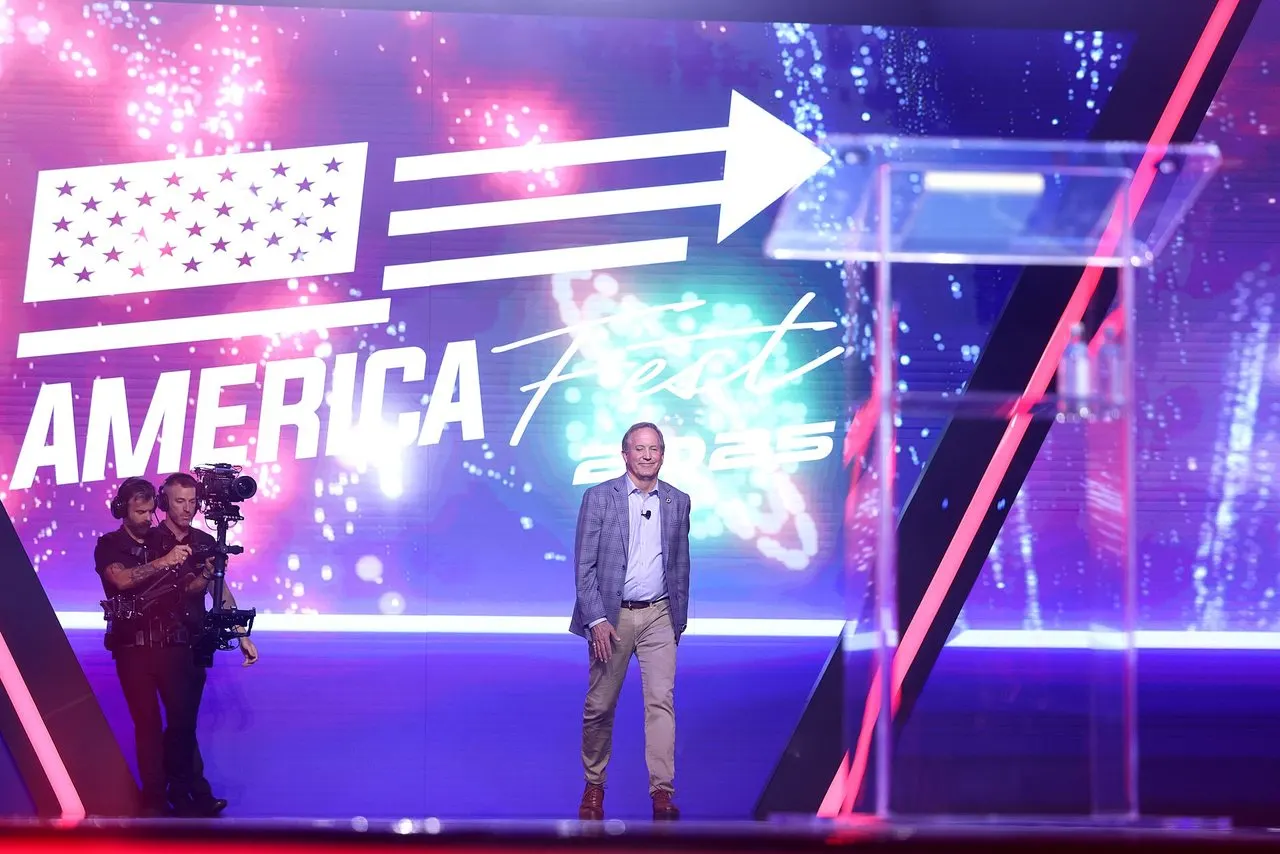
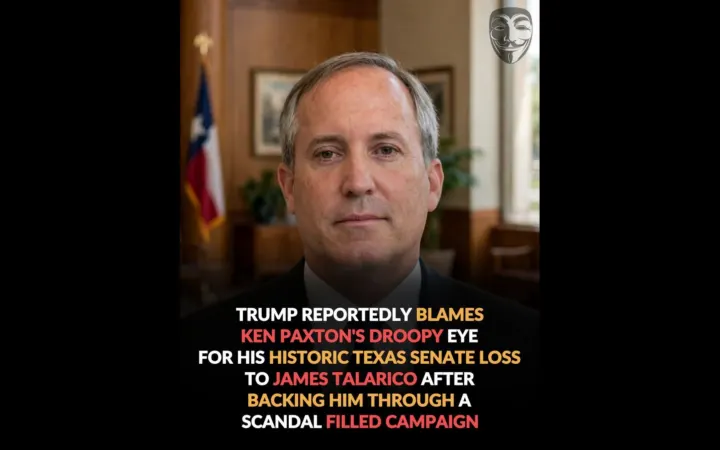
Ken Paxton, the Republican attorney general of Texas, lost his race for a Senate seat to Democrat James Talarico. Musk had spent at least $45 million in support of Paxton, making the race one of the most expensive tests of his influence. The loss stung because Texas was the state where Musk had bet the most. Talarico’s win became a symbol of the night. Read the debate over troops in Democratic led cities and the move to remove Fed Governor Lisa Cook.
Musk Midterm Spending and the Data Center Fight
The spending also collided with a fierce debate over data centers in Texas. Hinojosa ran on a moratorium for new data centers, and many Texans worry about the power and water the giant buildings consume. Musk’s own companies depend on huge computing power, so the issue touches his business directly. The clash will test the new governor and the tech world alike. Read the debate over AI data centers and Trump’s trade deal in Manila.
Tesla and SpaceX Call Texas Home
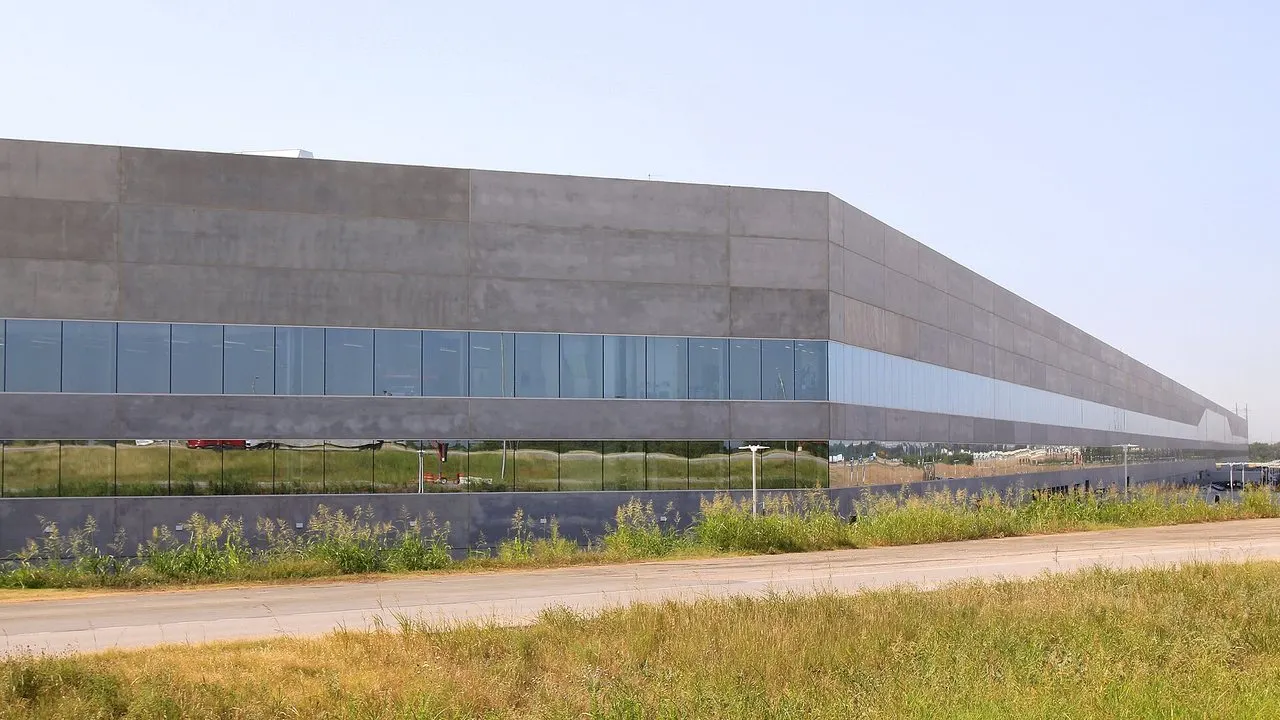
Tesla and SpaceX both moved their headquarters to Texas, the state Musk chose as his business home. The move tied his fortune to Texas politics in a way few billionaires have ever tried. When Texas flipped blue, the stakes of that choice became clear to everyone watching. His factories employ thousands of Texans and anchor whole towns. The Gigafactory near Austin builds cars and batteries around the clock. Read about Tesla’s proposed pay deal for its chief and the Neuralink trial for blind patients.
SpaceX and the Texas Connection
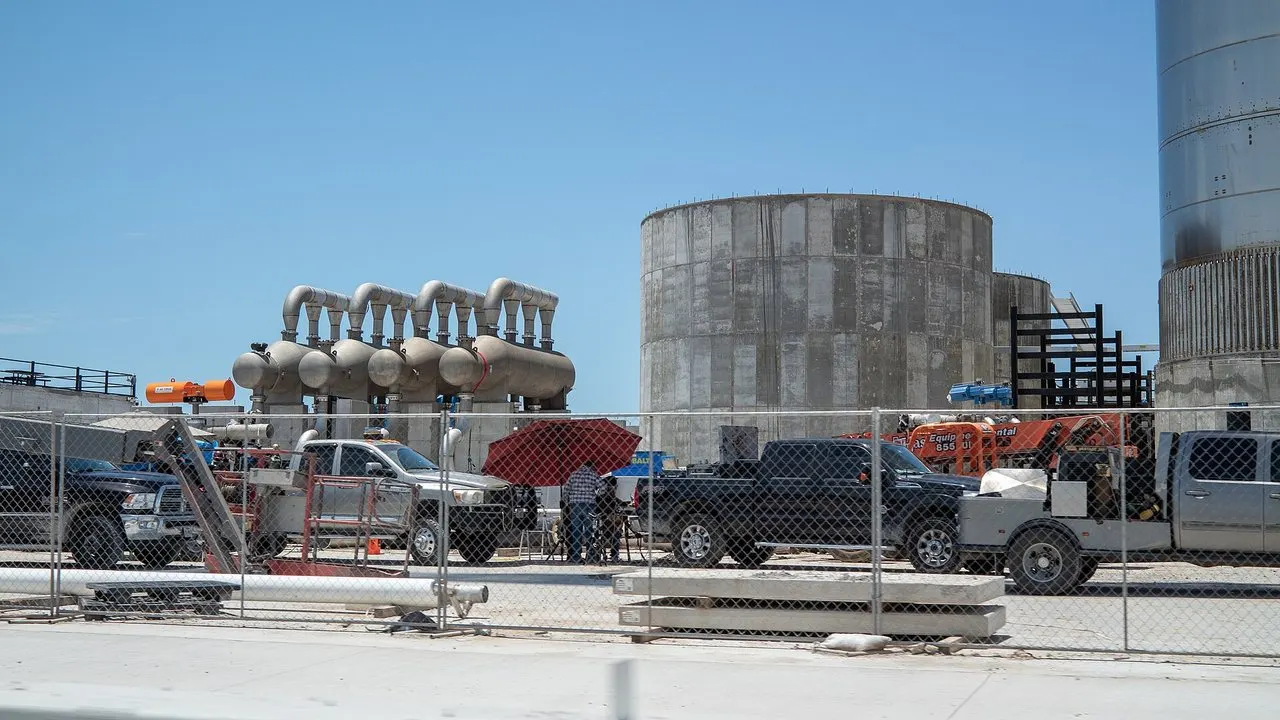
SpaceX runs its Starbase launch site at Boca Chica, on the Gulf Coast of Texas, where rockets rise over the beach and the scrub land. The site has grown into a small company town, with workers, homes, and test stands spread across the sand. For Musk, Texas is not just a place to do business, and it is home to his boldest dreams of space. Read Neuralink’s Blindsight project and how Starlink was switched on during the Iran blackout.
Trump Sends a Pointed Message to Musk
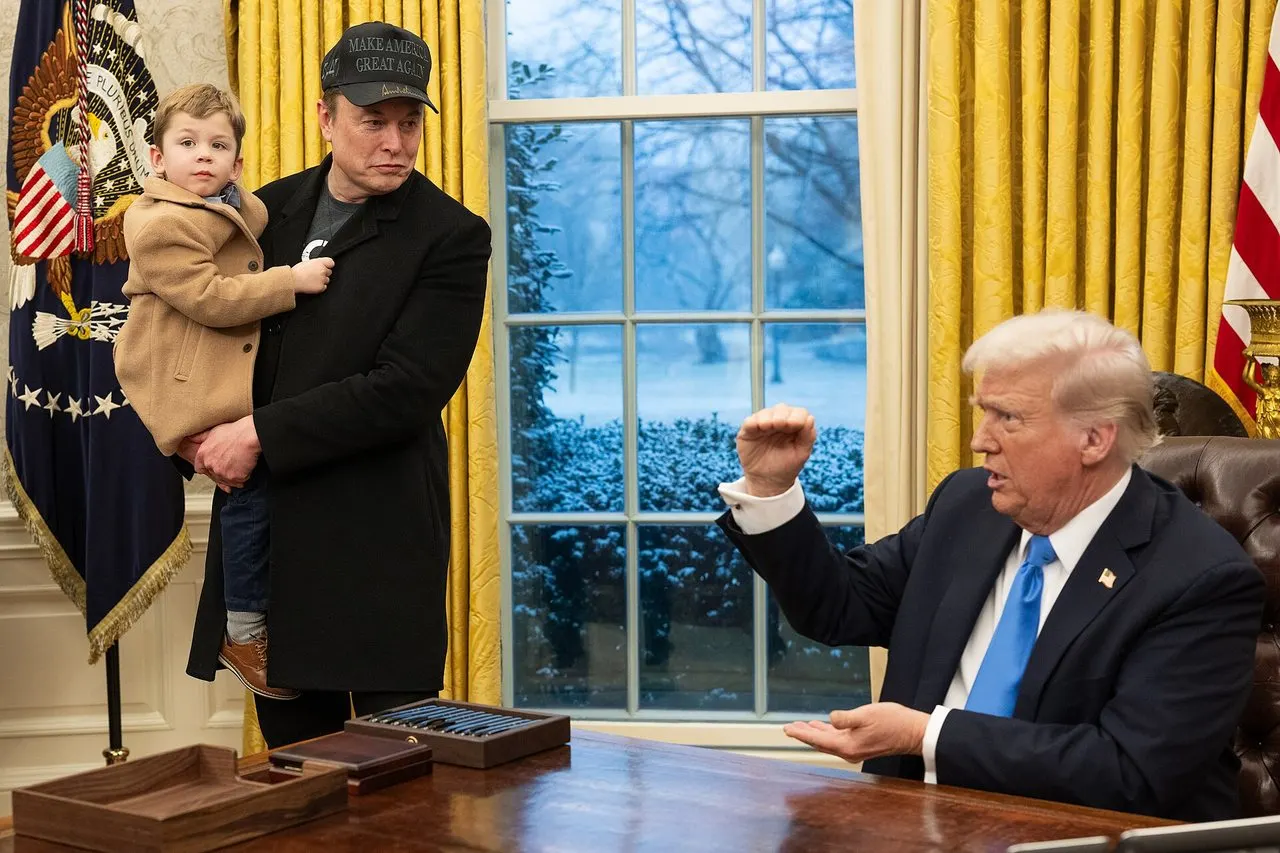
Trump answered Musk with a pointed message of his own, and he spoke by phone to NBC News while returning from Asia. He noted that Musk had traveled with him on the trip, and he said that MAGA means something very specific to him. The reply was firm, yet it stopped short of a full break between the two men. Their alliance has been rocky before, and both men know the value of the other. Read the Greenland deal approved 109 to 0 and the fight over presidential pardons.
Why Musk Midterm Spending Did Not Decide the Midterms
Why Musk midterm spending did not decide the midterms is a question many people are now asking. Musk himself said American elections are not just about money, and he admitted that a huge sum can have a relatively minor effect. Voters weigh jobs, prices, and trust, and no donor can buy those feelings. The night proved that cash is only one part of a campaign. Read the proposal to block a president from pardoning himself and the criticism of the Intel deal from some Republicans.
A Summit in New York City

The DealBook Summit takes place in New York City, and it draws the biggest names in business and finance each year. Musk appeared on a video link from China, where he was part of a United States business delegation at the Asia Pacific Economic Cooperation summit. The distance did not soften his words, and the audience heard every admission clearly. Read Starlink service over Iran and the murals honoring Iryna Zarutska.
Andrew Ross Sorkin Asked the Questions
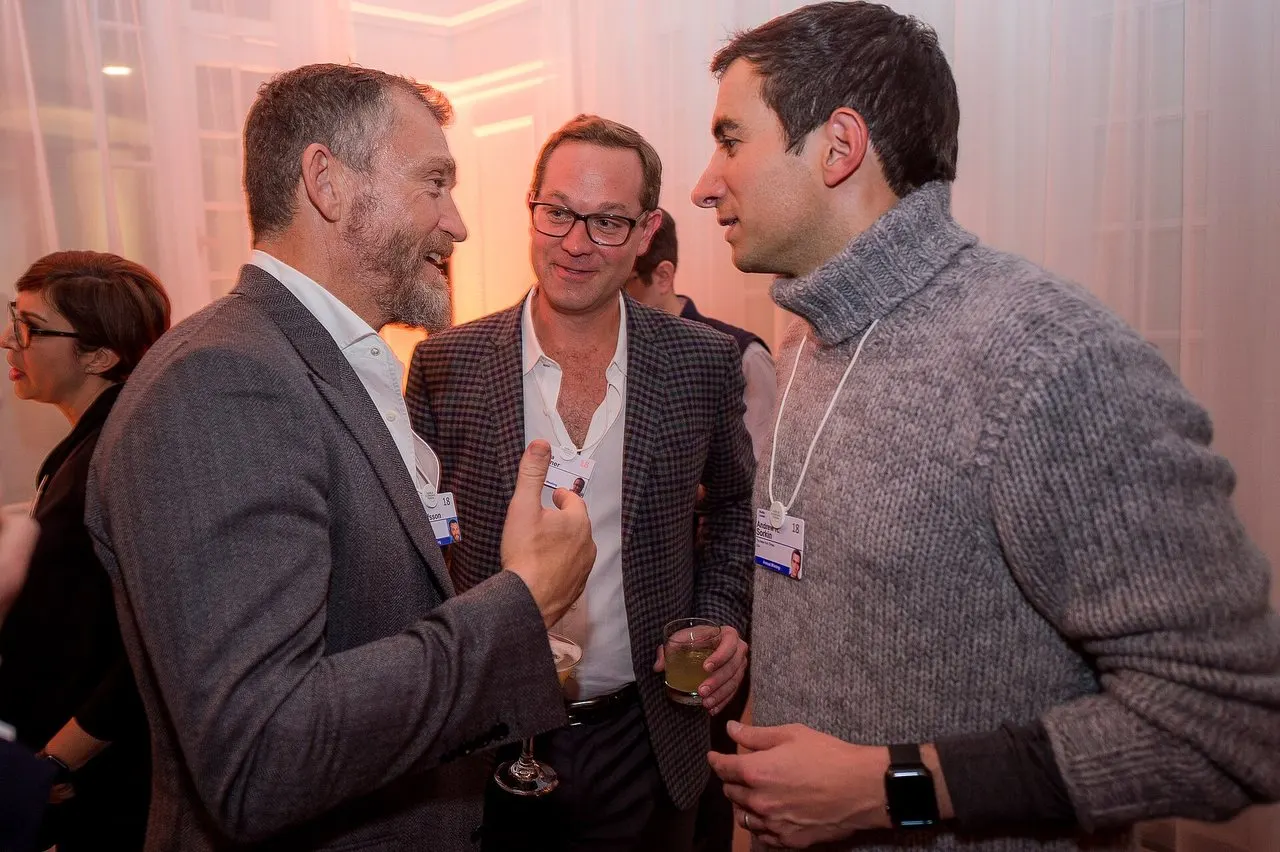
Andrew Ross Sorkin asked the questions that drew out the admission, and he has led the DealBook Summit for years. Sorkin is a financial journalist with the New York Times and an anchor on CNBC, and he is known for calm and direct interviews with powerful people. His question about the money gave Musk room to answer honestly. The exchange became the most quoted moment of the summit. Read his donation toward the memorial murals and Denmark’s vote on the Greenland agreement.
What Musk Midterm Spending Taught Elon Musk
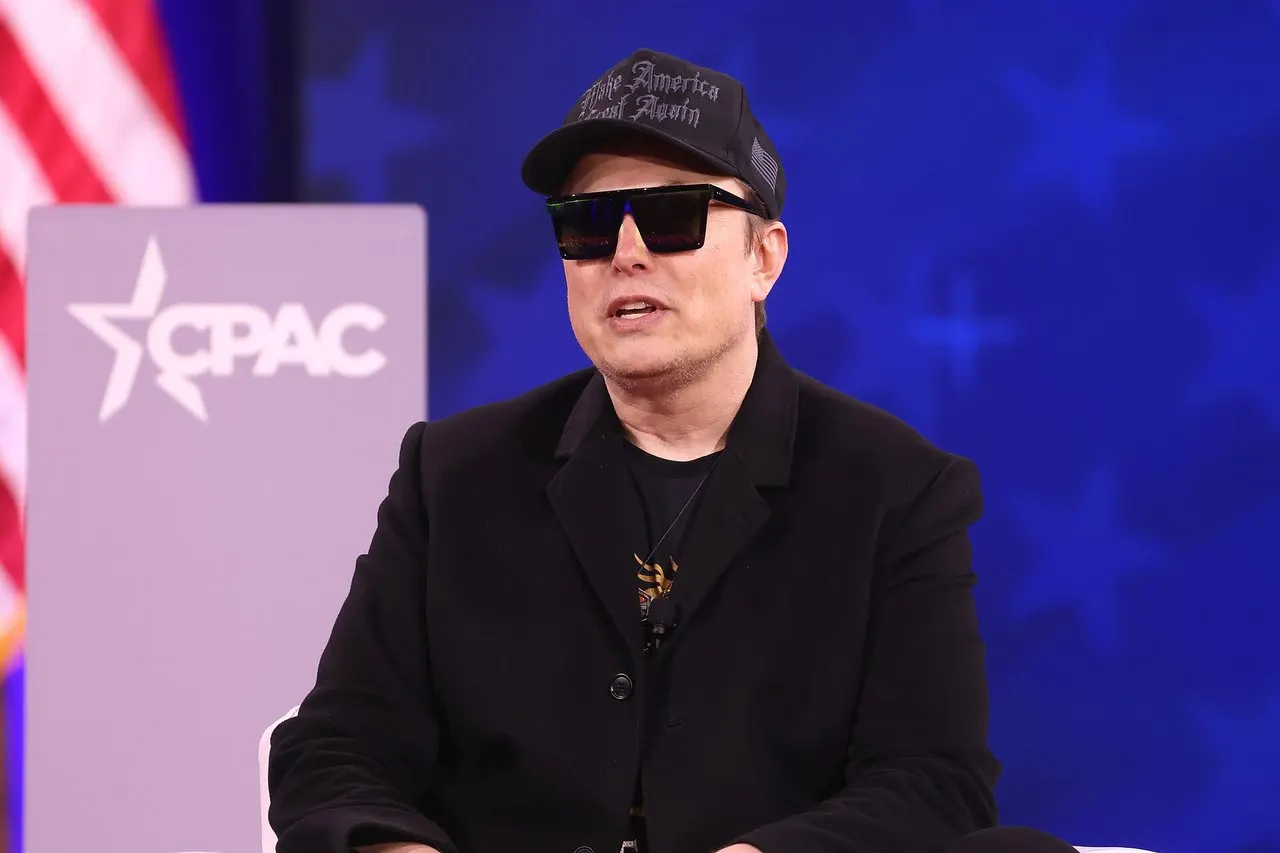
What the big bet taught Elon Musk may shape his next moves in politics. He said he would have spent less if he could rewind the clock, and he allowed that things might have been worse without his money. The lesson is plain, and it is one he stated himself. Whether he steps back from politics or finds a new way to help his causes is the question now. Read why so many data centers are being built and the federal crime crackdown in Washington.
What Do You Think Musk Should Do Next?

Musk now faces a new political map, with Democrats in charge of Congress and a Democrat leading Texas. He has said he is not MAGA, and he has praised the new governor as a moderate. What do you think he should do next, step back from politics, back new candidates, or try a different path entirely? Share your thoughts in the comments below. Read the Boeing jets in the Philippines deal and the next cities named in the crackdown.